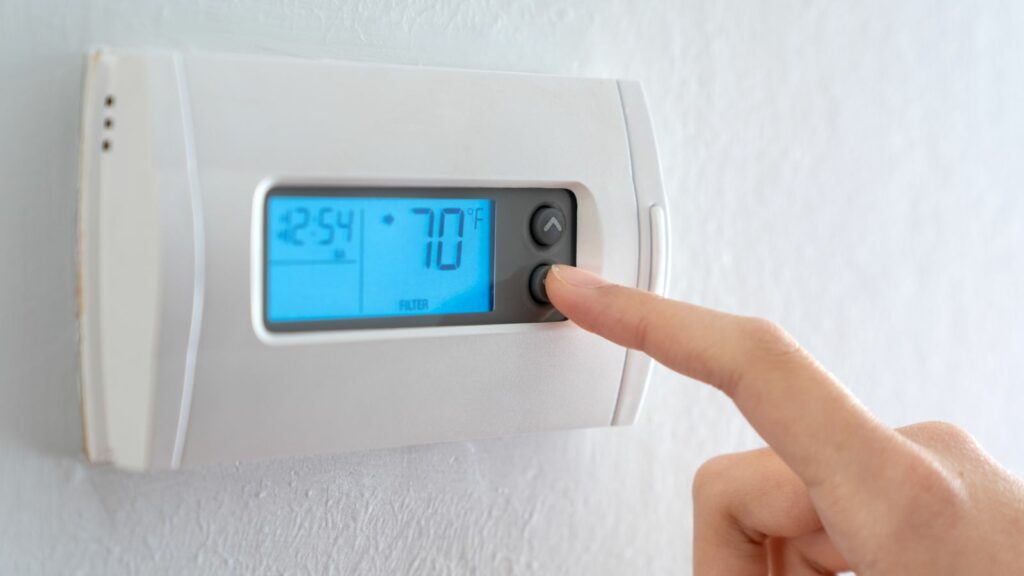
Canadian winters can be rough on homes, especially when temperatures crash during the holidays. Frozen pipes are one of the biggest causes of expensive emergency repairs in January. A single burst pipe can flood floors, destroy furniture, and interrupt plans instantly. Many homeowners think frozen pipes only affect older houses, but even newer properties are vulnerable during deep cold spells. Prevention is much easier than dealing with flooding and restoration work. Here are 20 ways to protect your home from frozen pipes this January.
Keep indoor heat consistent
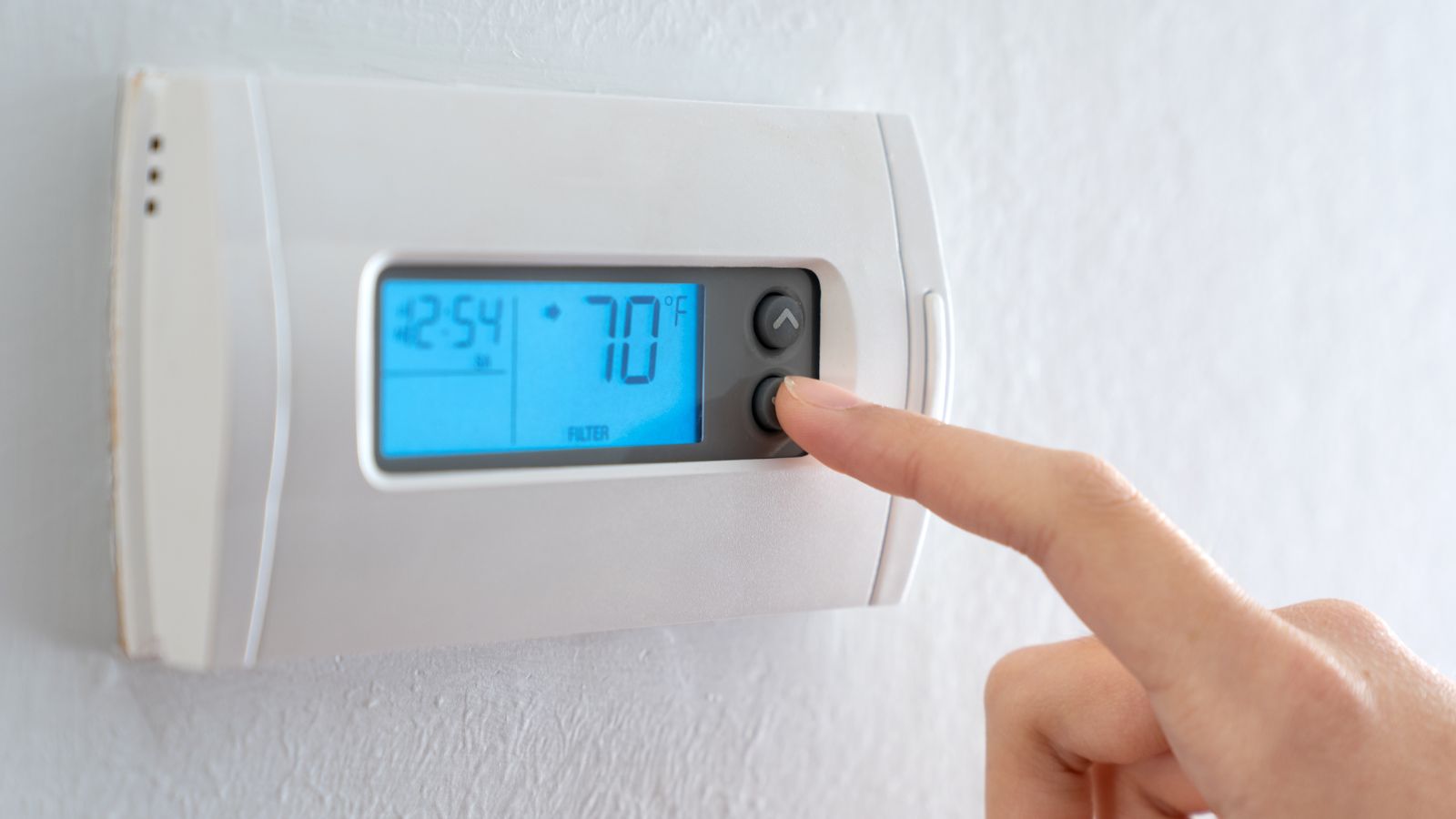
Keeping indoor heat steady prevents sudden drops that harm plumbing. Many Canadians turn the thermostat down at night to save money, but that puts pipes at a higher risk of freezing. Maintaining the same temperature day and night helps protect plumbing located behind walls and inside cabinets. Heating bills may rise slightly, but repair costs from burst pipes are much higher. If you plan to leave home for groceries, work, or holiday visits, keep the heat running. Older homes in colder provinces benefit the most from stable temperatures. A warm house equals safer pipes and fewer emergencies.
Let faucets drip during extreme cold
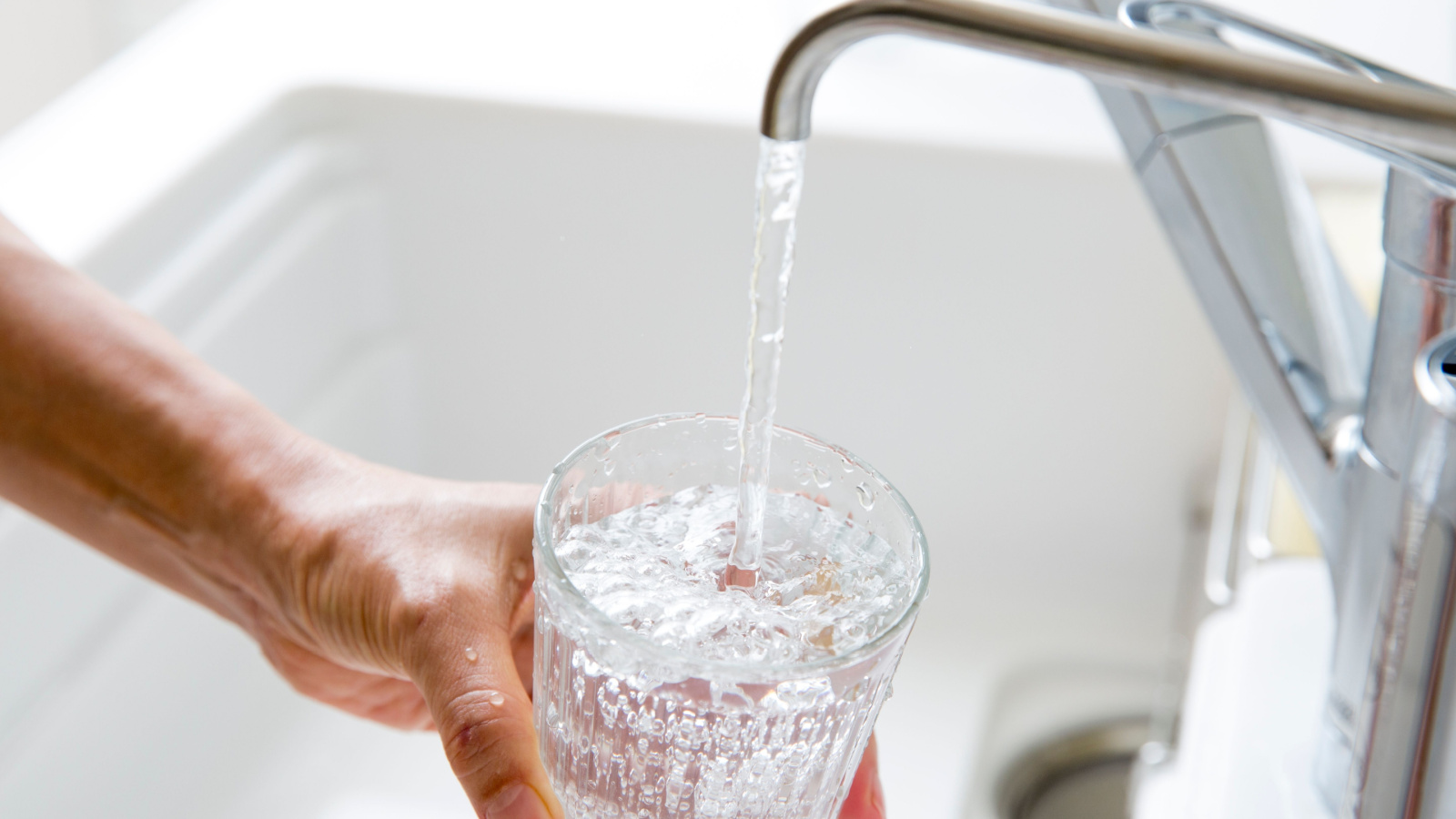
Running water is harder to freeze than still water. A slow drip relieves pressure inside pipes and prevents ice blockages that lead to bursts. You do not need a strong stream because even a light trickle helps maintain flow. This tip is especially useful for faucets located on exterior walls or in colder bathroom areas. Small apartments and rural houses both benefit from this method during deep freeze days. The cost of extra water is minor compared to the thousands spent on emergency plumbing repairs. A steady drip during the coldest nights can make a huge difference.
Open cabinet doors under sinks
Pipes under sinks are hidden and receive less heat, which increases freezing risks. Opening the cabinets allows warm air to circulate around the plumbing instead of trapping cold air inside. Kitchens and bathrooms are the most at risk because they often sit along exterior walls. You can leave cabinet doors open overnight to keep the room evenly heated. Move any cleaning products if you have small kids or pets so they are out of reach. This simple step protects pipes without spending money or calling a professional. It is a small habit that saves many Canadian households every winter.
Add insulation to exposed pipes
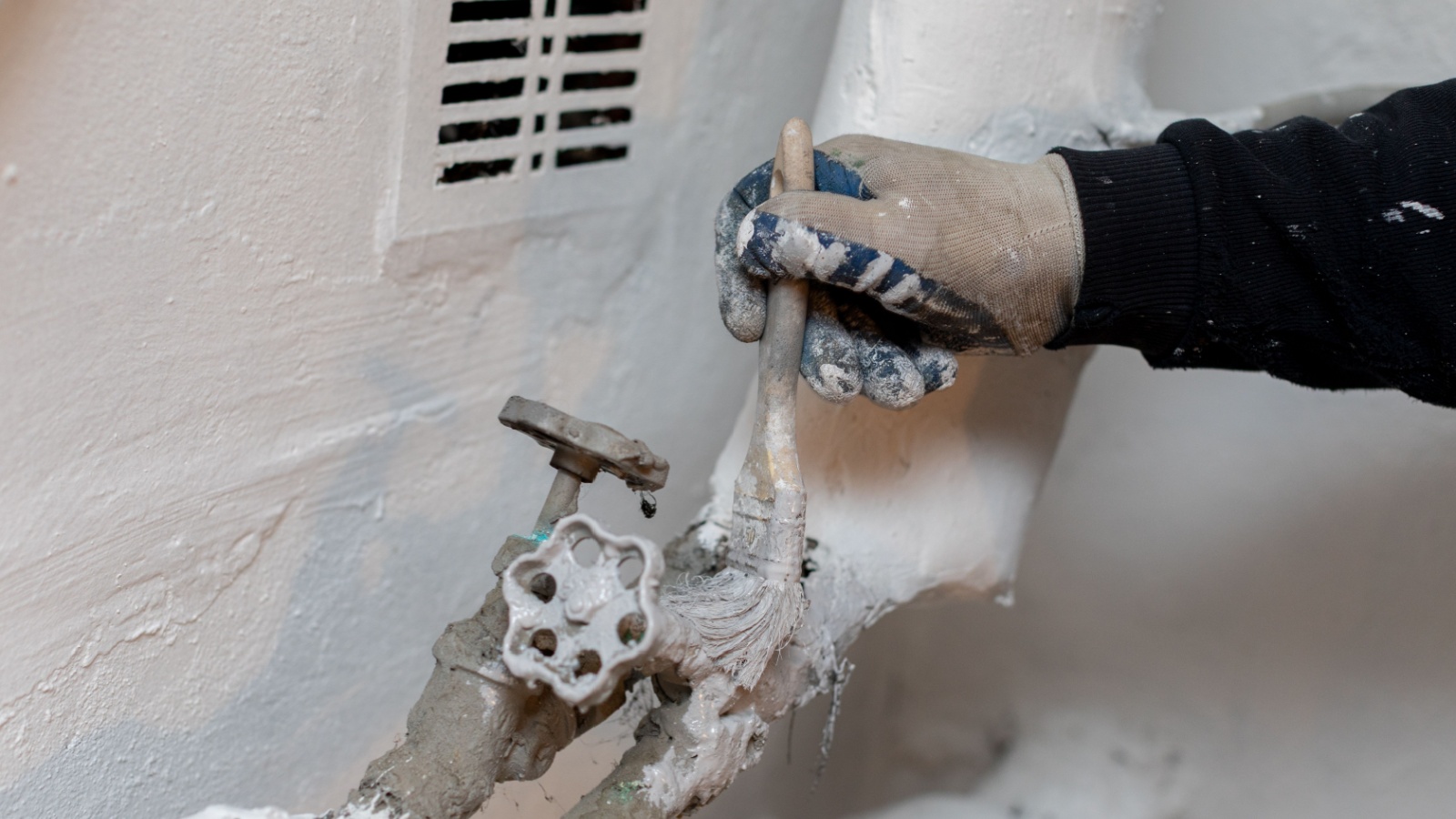
Pipes in basements, crawl spaces, and garages freeze quickly when temperatures drop. Wrapping them with foam insulation sleeves keeps heat around the plumbing and adds a strong layer of protection. Supplies are inexpensive and sold in every hardware store across Canada during winter. Even beginners can install pipe insulation within minutes. Focus on areas with drafts or little heating. If you cannot get foam sleeves immediately, temporary wrapping with towels provides short-term protection. You do not need to redo your entire home at once because even insulating a few vulnerable spots greatly lowers the risk of freezing.
Seal cold drafts around the home
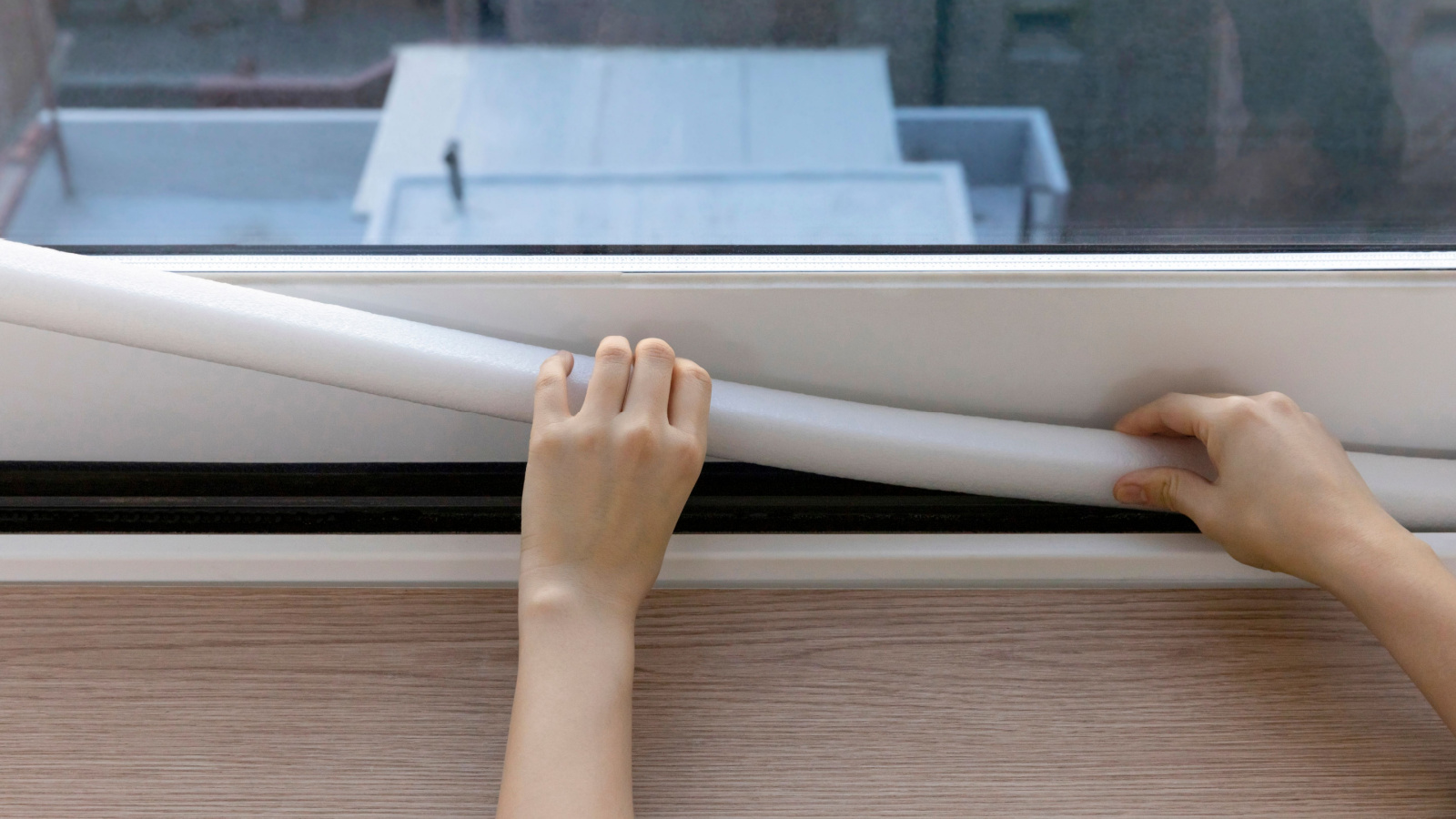
Cold air sneaks into hidden parts of a house and creates pockets that freeze pipes fast. Drafts around windows, vents, and small openings near walls lower temperatures inside cabinets and behind appliances. Caulking and weatherstripping help stop that airflow and keep plumbing safe during storms. Many Canadian homeowners notice fewer temperature problems once gaps are sealed. The task takes little time and does not require professional help. Homes built before the 2000s benefit the most because older construction allows more air leakage. Eliminating drafts protects plumbing and keeps heating costs under control across the winter season.
Heat the garage when pipes run through it
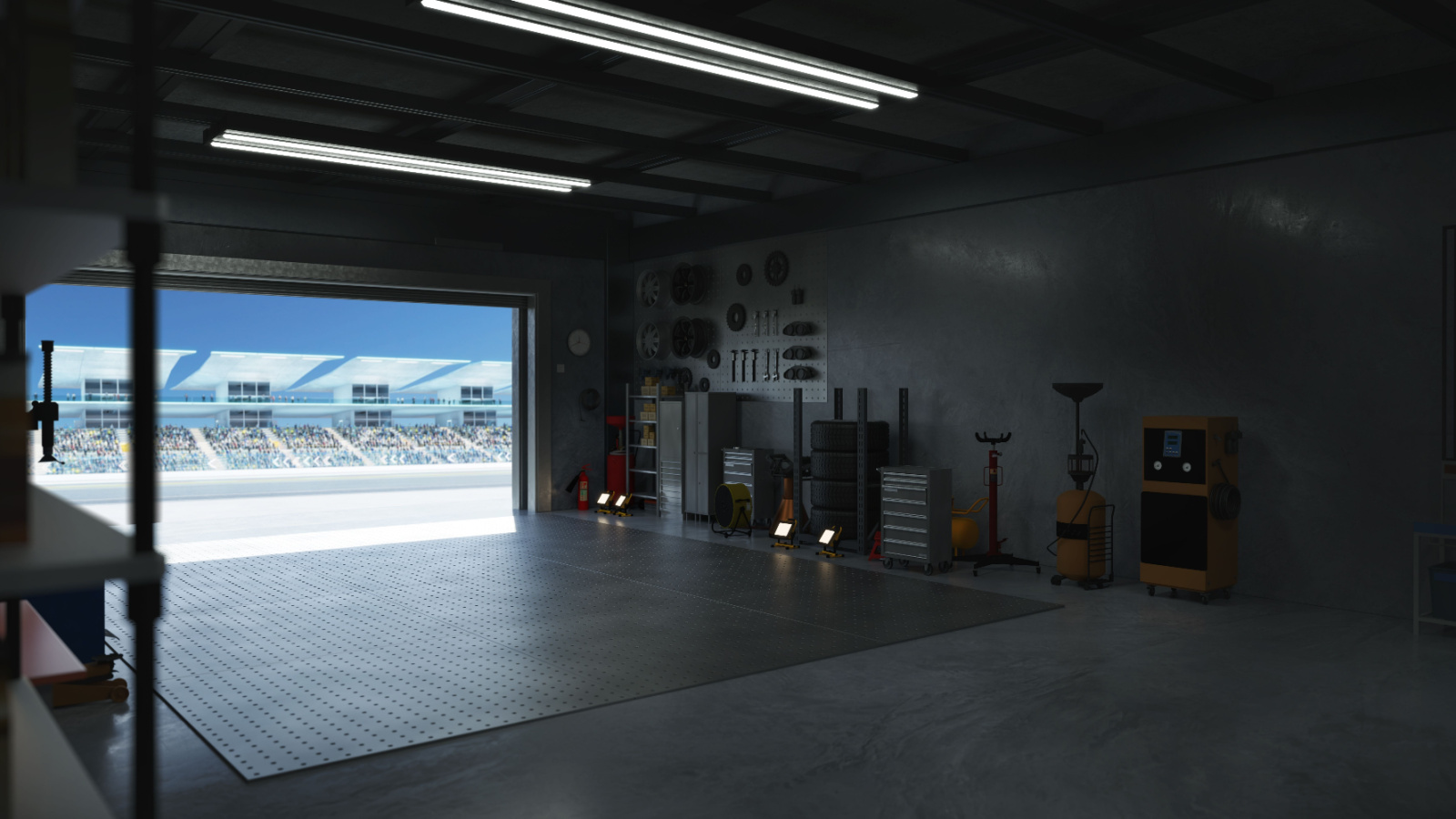
Garages lose heat quickly, especially in western provinces where wind chill drops temperatures far below freezing. If pipes run through or behind garage walls, they face a high risk during winter breaks and holiday travel. A small heater or heat lamp prevents freezing when temperatures reach dangerous levels. Checking the garage door seal also helps keep indoor heat from escaping. Even if the car stays warm, plumbing behind drywall still freezes without a stable temperature. Many Canadian families only learn this after pipes burst once. Heating the garage before cold waves arrive keeps Christmas stress-free and plumbing protected.
Disconnect outdoor hoses
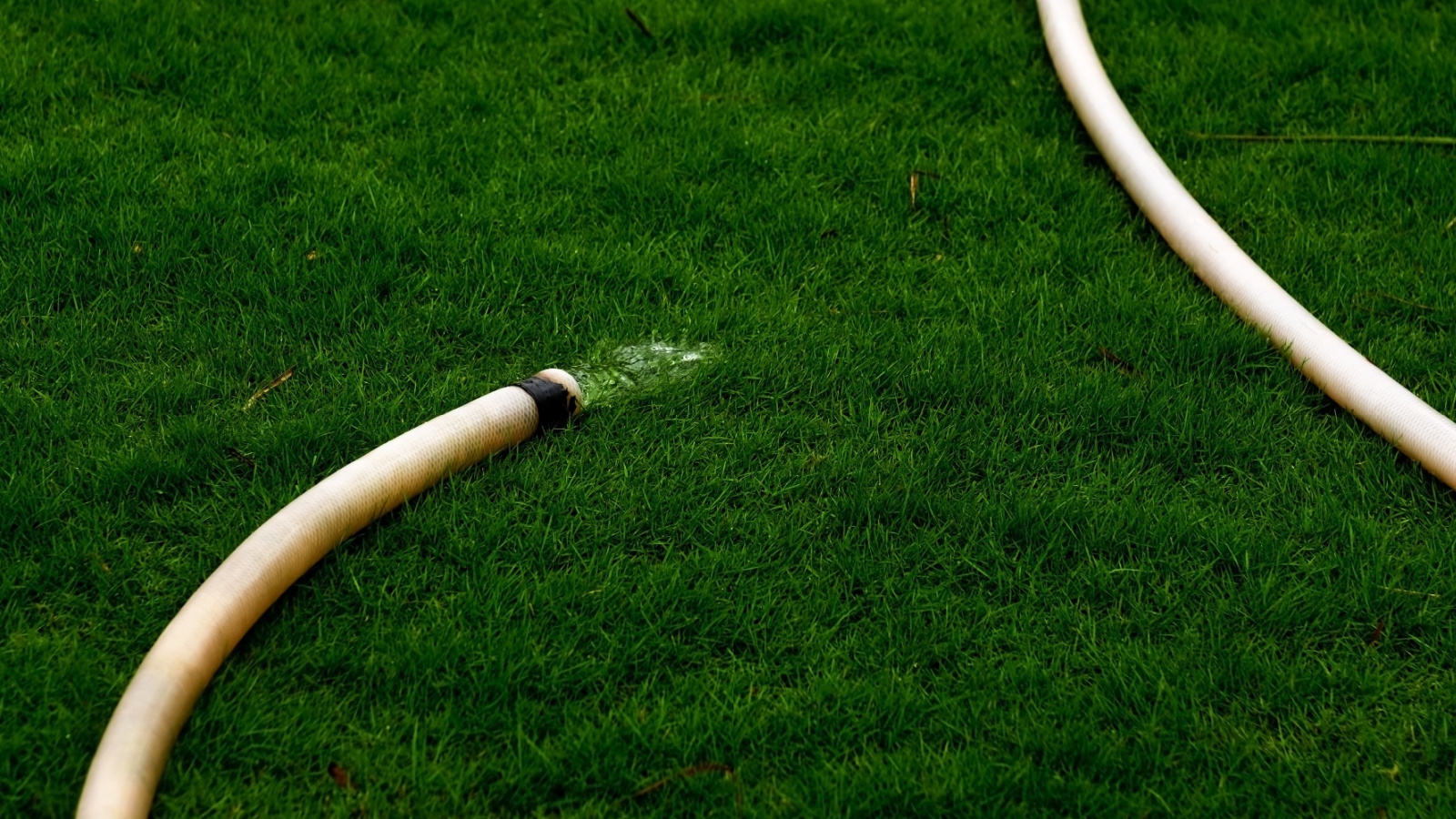
Leaving hoses connected traps water inside the outdoor faucet line. Once temperatures fall, that trapped water freezes and expands into the pipe inside your wall. That is one of the most common causes of winter plumbing failures. Remove hoses and store them away before Christmas to stop freezing from traveling indoors. If your faucet has a shutoff valve inside the house, turn that valve off and drain leftover water for extra protection. This small habit protects both modern and older homes across Canada. It takes only a minute and prevents expensive damage during winter weekends and holiday gatherings.
Add heat tape to vulnerable pipes
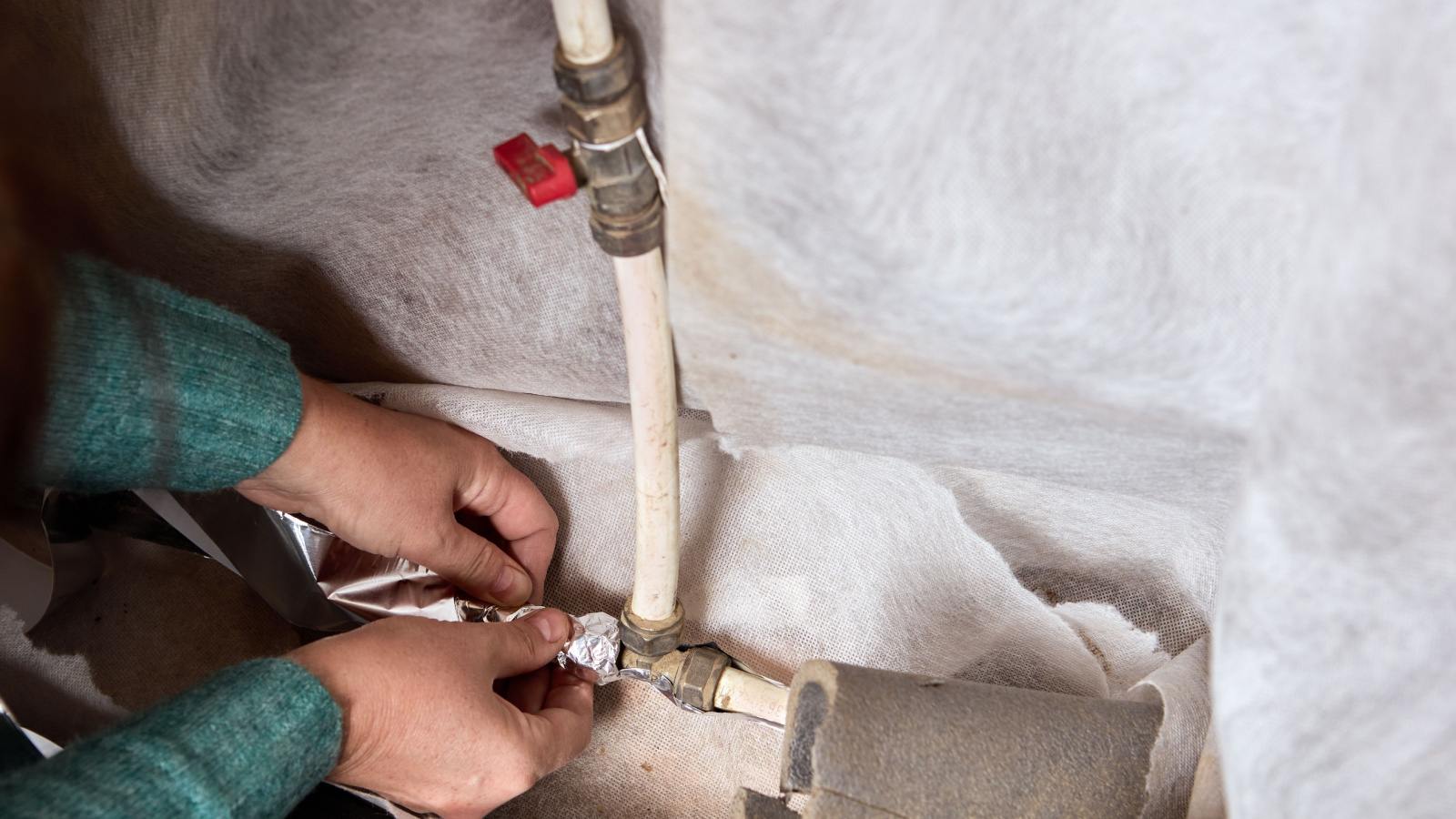
Heat tape is useful for pipes that freeze repeatedly during severe weather. The tape warms the pipe directly when temperatures drop and can be plugged into a grounded outlet. Many homeowners in the Prairies rely on heat tape during deep freeze warnings. Modern versions activate automatically when the pipe gets cold enough. Always follow safety instructions and avoid layering the tape on itself. Once installed, it provides reliable protection through the winter months. It is ideal for cottages, mobile homes, older houses, or unheated outbuildings. Heat tape offers reassurance during long stretches of freezing temperatures in December.
Keep doors open inside the house
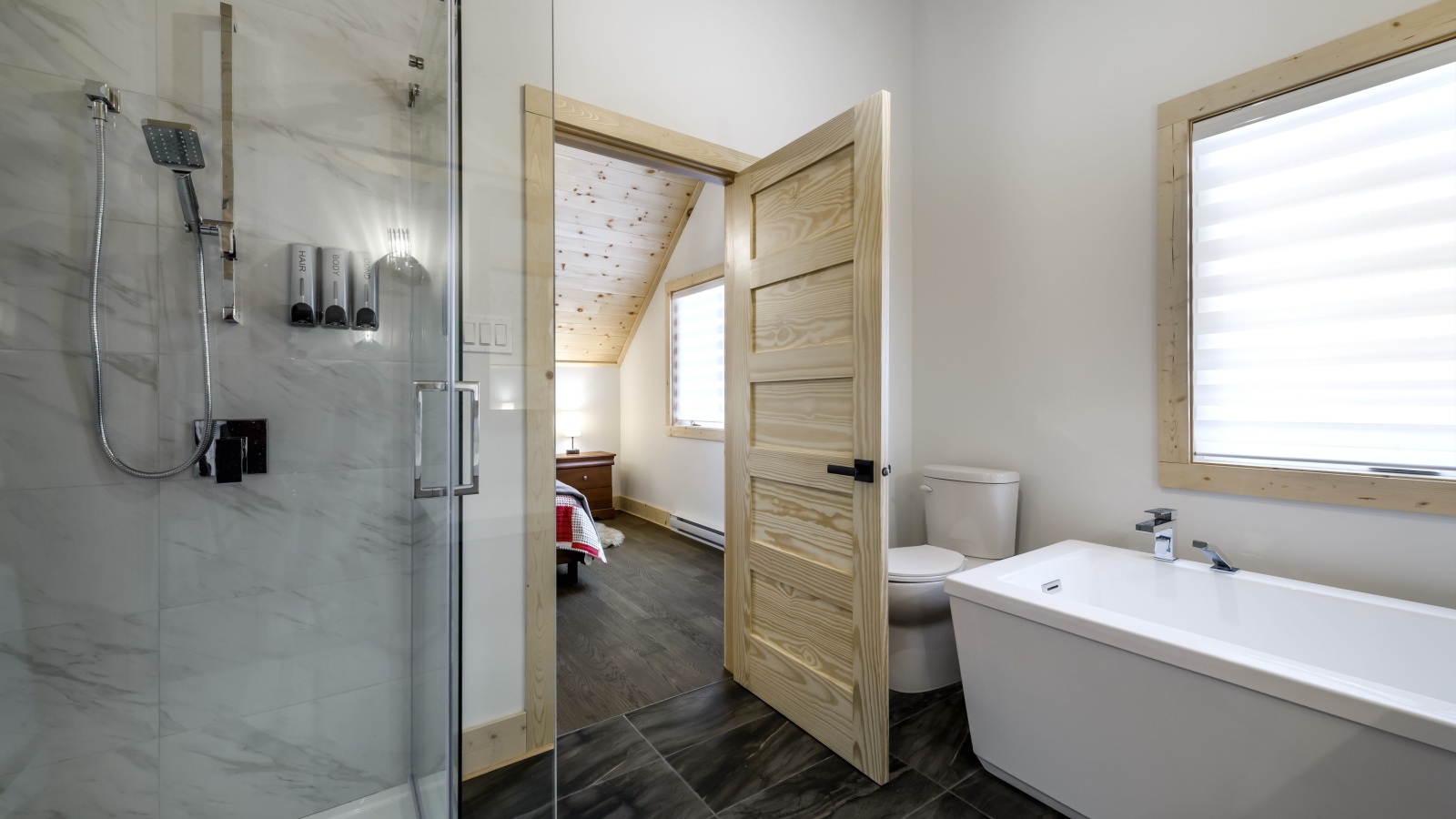
Closed doors trap heat in one room and leave others colder, which increases freezing danger for pipes hidden in walls. Keeping bedroom and hallway doors open allows warm airflow throughout the home. This matters most for unused rooms that receive little foot traffic. Families often close spare rooms when visitors are not staying, but that creates cold spots near plumbing. You do not need to heat every room separately because airflow balances temperature naturally. Open doors reduce pressure on your heating system and create better circulation. A warmer home overall means fewer worries about frozen pipes during winter.
Know where the main water shutoff is
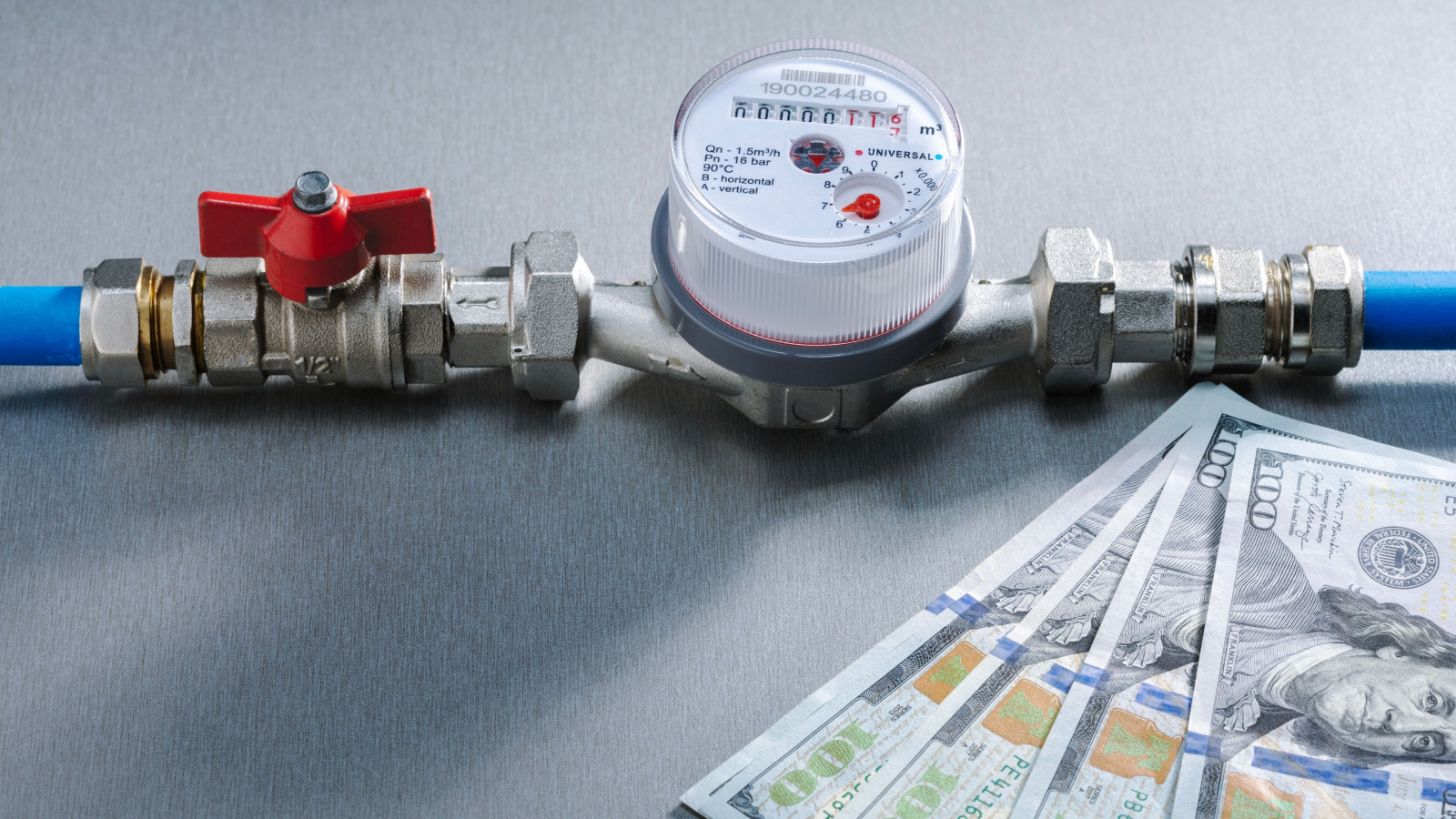
Frozen pipes sometimes burst even when precautions are taken. Knowing the location of your main shutoff valve prevents large-scale water damage. It is normally found in the basement or near the water meter. If a pipe splits, turning off the valve instantly stops flooding and reduces cleanup time. Everyone living in the home should know how to reach it quickly. You can take a picture of the valve and label the surrounding area for clarity. Keep the space free of clutter so you are not struggling during emergency situations. Fast action limits damage and saves stress and money.
Keep the temperature steady when travelling
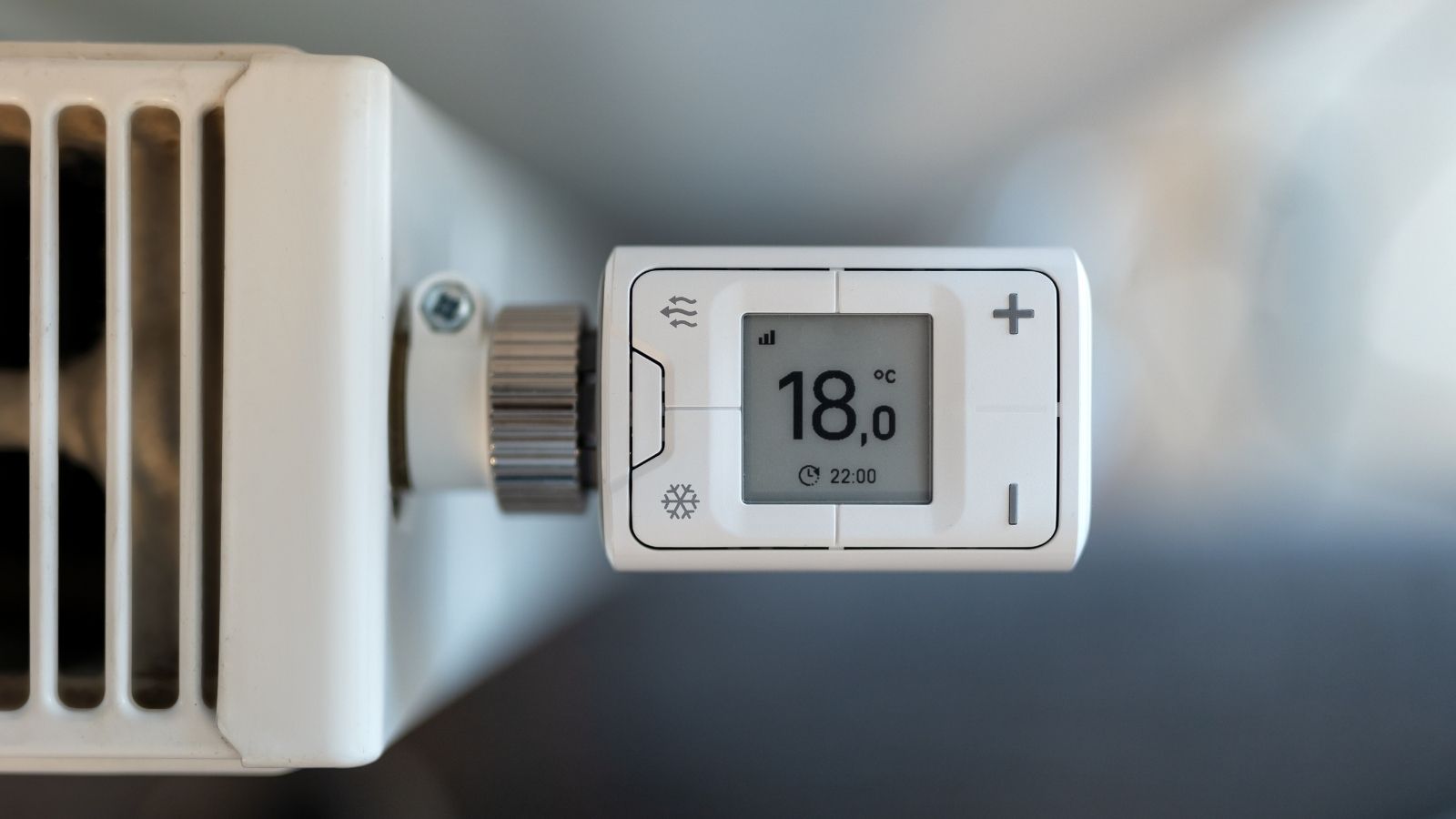
Holiday travel is common for Canadians during Christmas, and empty homes freeze easily. Turning the heat off may seem cost-effective until the pipes freeze and burst. Set the thermostat to at least 18°C before leaving. If possible, ask a neighbor or friend to check the house once during your trip. Smart thermostats make monitoring easier, but they are not required. Cold snaps arrive quickly and without warning during December. No one wants to return from vacation to a flooded basement or ruined holiday gifts. A consistent temperature protects the home even when you are miles away, celebrating.
Use a space heater for cold rooms

Some rooms are naturally colder because of how the house was built. Pipes near those areas benefit from extra heating during winter nights. A space heater works well if used safely and monitored. Choose a model with an automatic shut-off and place it away from anything flammable. Run the heater for short periods in rooms that struggle to retain warmth. This method helps keep pipes in tricky spots from reaching freezing temperatures. Households in older properties with drafty layouts often rely on this strategy. Targeted heating can prevent significant plumbing damage without running up the main heating bill dramatically.
Keep basement vents covered

Basements cool faster than upstairs rooms and affect pipes that run through the lower levels. Uncovered vents or gaps in old foundations let cold air push directly toward plumbing. Adding rubber vent covers or heavy plastic sheets seals those openings and retains heat. Vent covers are easy to install and are sold in most Canadian hardware stores. This step is especially useful in Atlantic Canada, where winter storms hit hard. With better heat retention in the basement, pipes remain warmer during freezing nights. A warmer basement improves the overall temperature of the house and stops pipes from freezing unexpectedly.
Store holiday decorations away from water lines
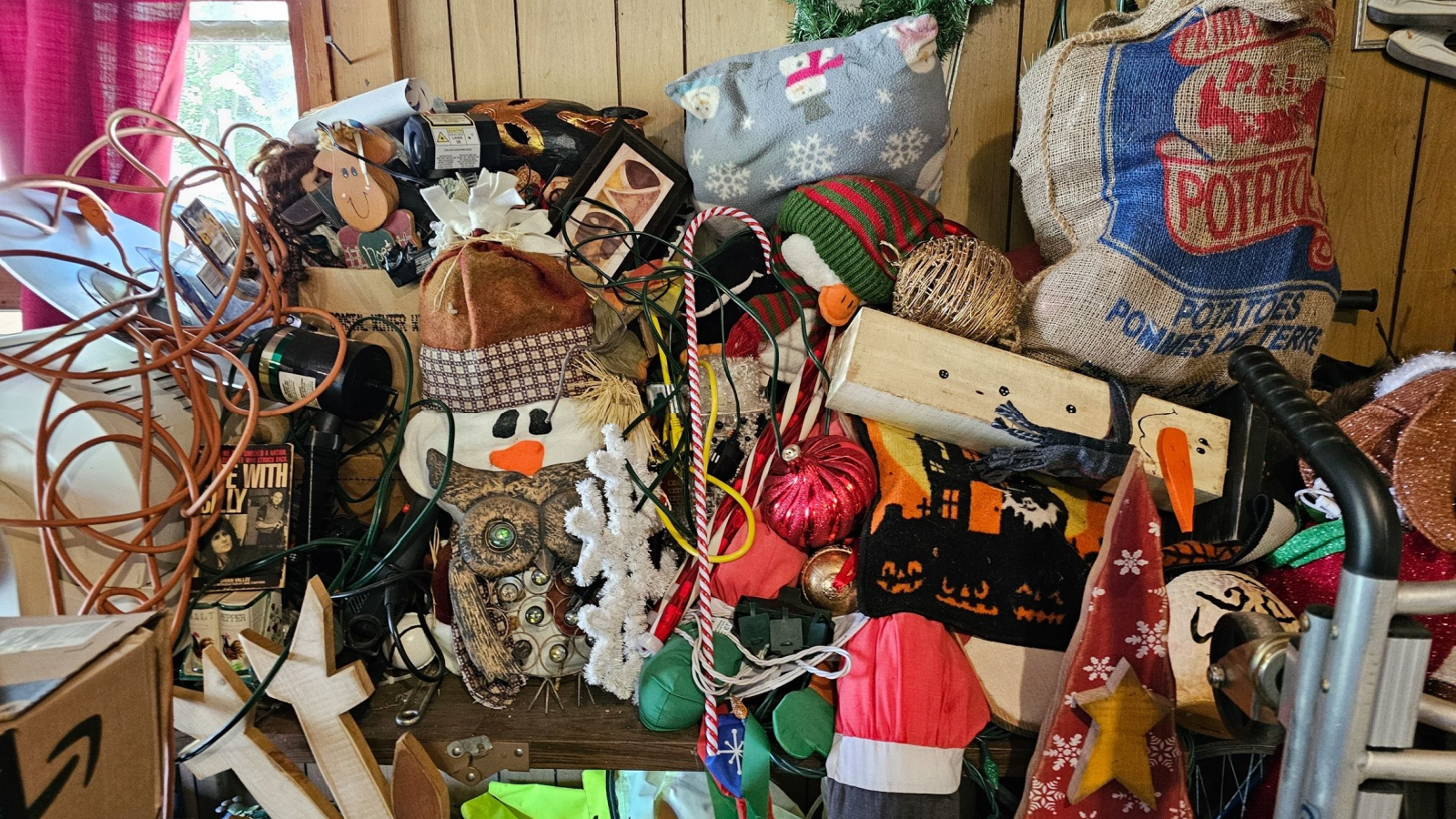
Holiday boxes stored too close to plumbing can block airflow and trap cold air around pipes. People often push decorations against the basement walls without thinking about the risk. Keeping space around plumbing lets warm air circulate and prevents freezing. Storing items too tightly also hides frost buildup that signals early freezing problems. You can rearrange storage quickly by moving boxes a short distance from water lines. This habit keeps decorations safe and protects your plumbing at the same time. Many Canadian homeowners discovered frozen pipes while grabbing decorations in January. Extra space around pipes reduces that chance significantly.
Get your furnace serviced before Christmas
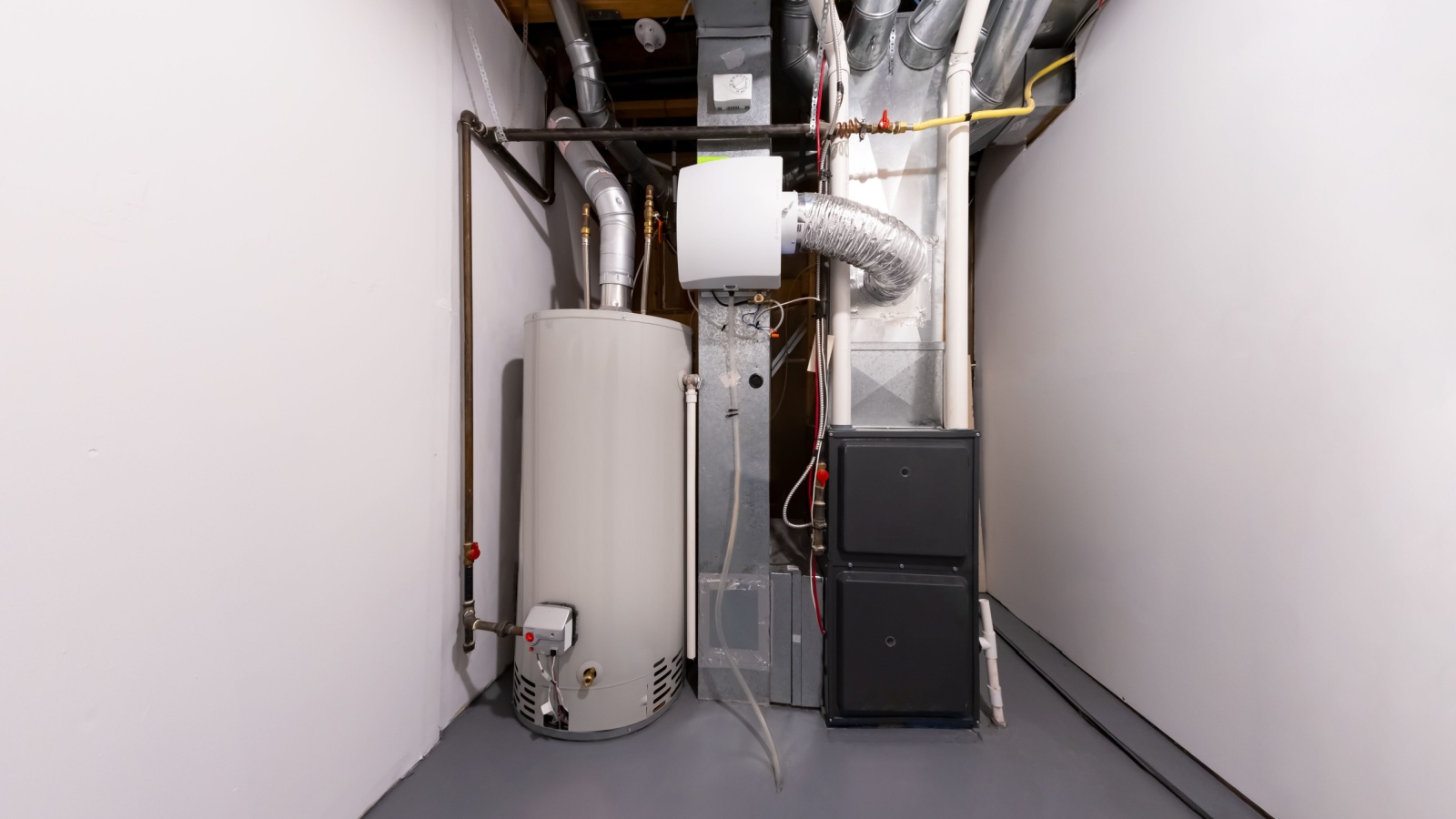
A furnace breakdown during the holidays leaves both your family and your plumbing vulnerable. Booking a basic inspection before December helps catch mechanical issues early. Technicians are usually overwhelmed during the holidays, so last-minute requests are difficult. Even a simple filter change improves airflow and heating performance inside the home. A reliable furnace keeps indoor temperatures steady during freezing spells. Canadians with older heating systems benefit the most from early servicing. Spending a little on maintenance reduces the risk of expensive water damage, hotel stays, or emergency plumbing calls during the coldest week of the year.
Run the dishwasher and washing machine overnight
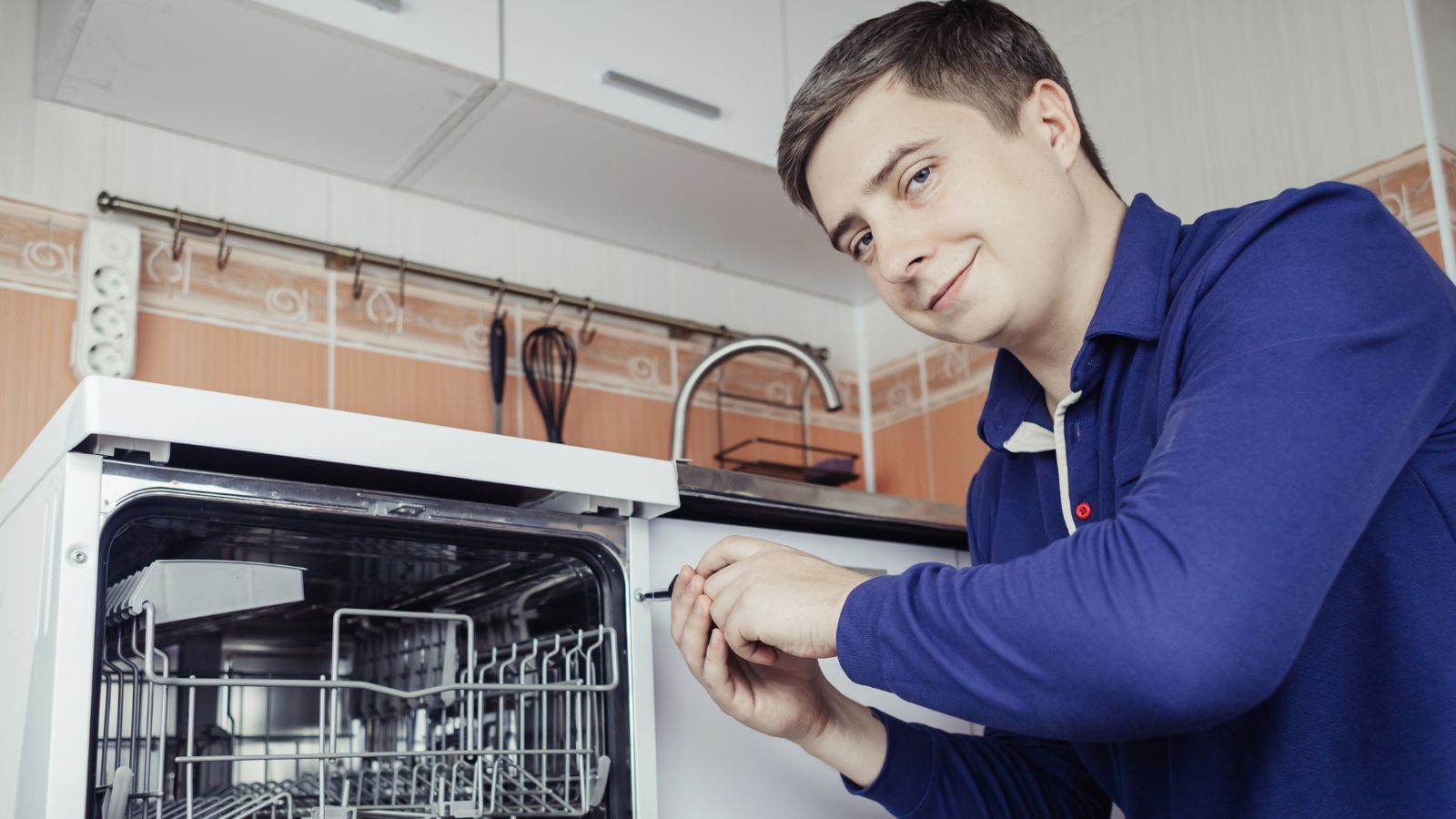
Running appliances overnight keeps water moving through pipes and prevents freezing during the coldest hours. You do not need to run them every night because even occasional use helps regulate the temperature around plumbing. This method works particularly well during extreme cold warnings in January. Many Canadian families follow this habit because it protects pipes without extra effort. It also takes advantage of lower hydro rates in some provinces during off-peak hours. Use this tip only when you are home the next morning. Frozen pipes cause the most damage late at night when no one notices water problems quickly.
Check crawl spaces regularly
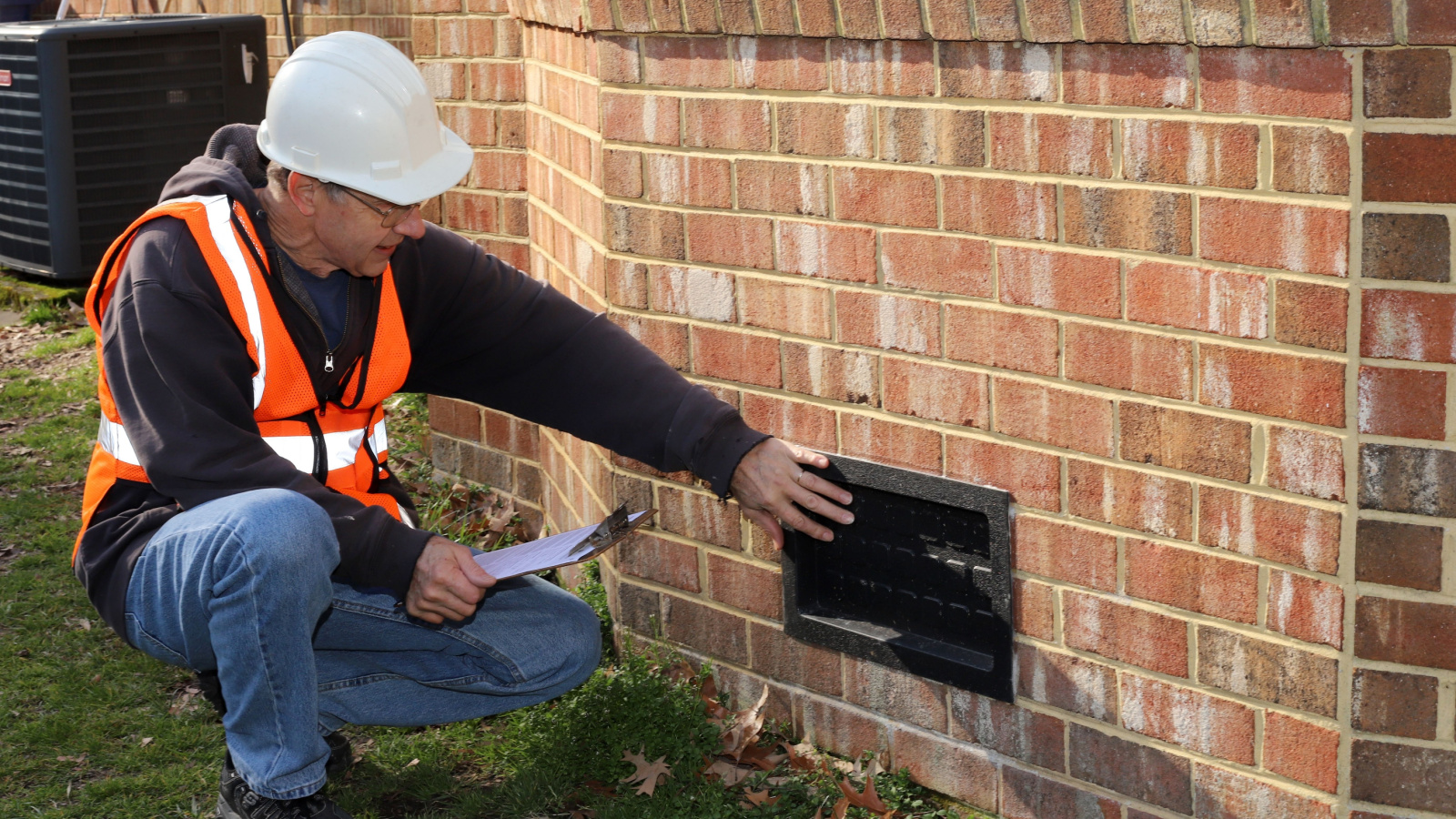
Crawl spaces drop temperatures extremely fast and are often the first places where pipes freeze. Spending a few minutes inspecting them during December avoids expensive emergencies. Look for cold airflow near pipes, wet insulation, or frost buildup. Adding temporary insulation panels improves warmth inside tight spaces. Place a thermometer near the plumbing to monitor temperatures during cold snaps. Homes built before the 1980s are most vulnerable because insulation was not a priority during construction. Regular checks keep problems from escalating. Many plumbers report that frozen pipe emergencies could have been prevented with simple crawl space monitoring during early winter.
Upgrade to frost-free outdoor faucets
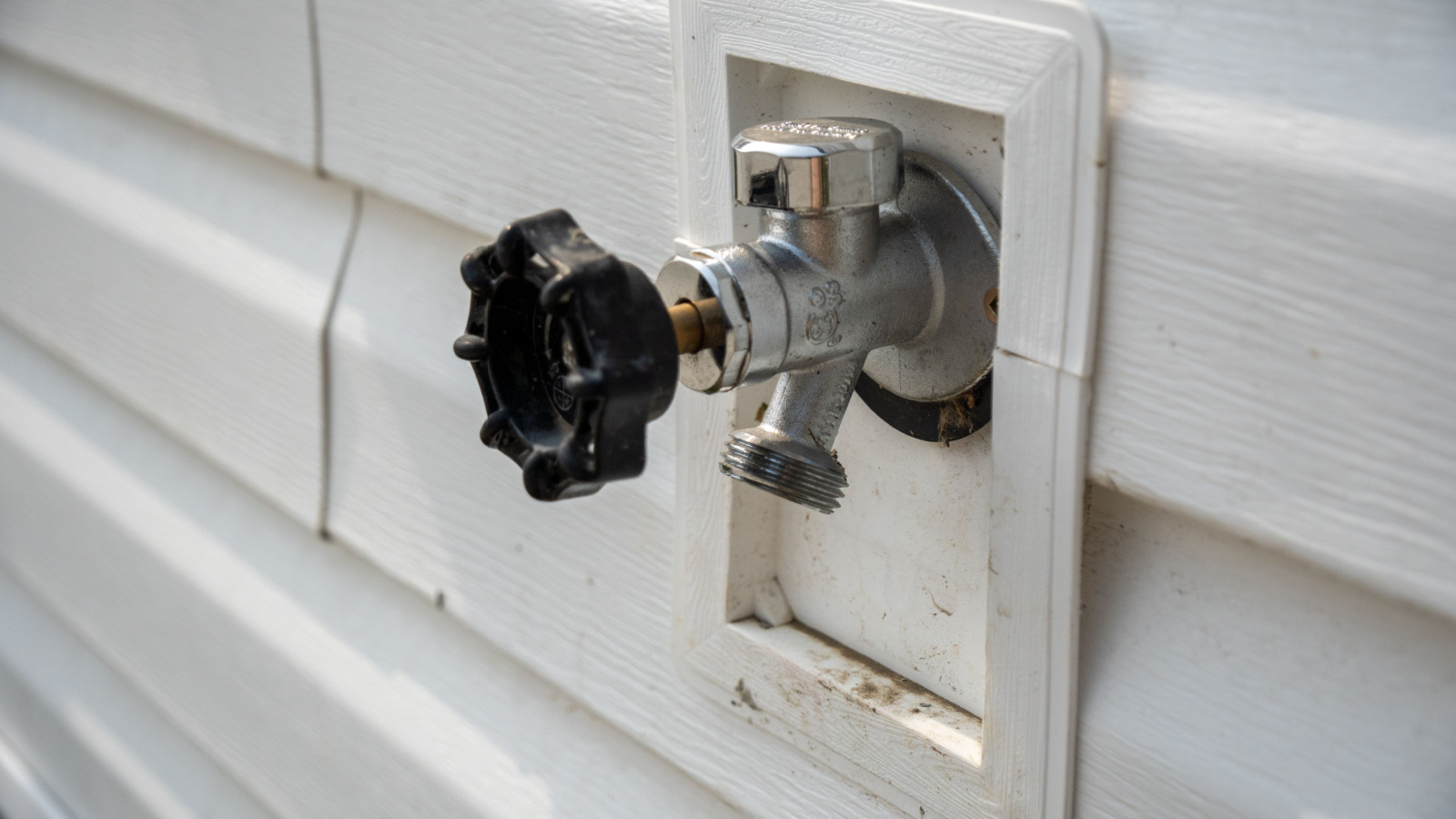
Traditional outdoor faucets leave water close to the exterior wall, where freezing happens quickly. Frost-free models push the shutoff point farther inside the home, where temperatures stay warmer. Even with hoses disconnected, older faucets can still freeze and burst. Replacing them takes one appointment and provides long-term safety during Canadian winters. The upgrade pays for itself quickly because it prevents flooding and repair bills. However, many new homes include frost-free options, older homes built before the 1990s often do not. Changing the faucet before a heavy cold arrives protects both outdoor plumbing and interior walls.
Add a smart water sensor

A smart water sensor detects leaks early and alerts you with a sound or phone notification. Even a basic version placed near pipes, laundry areas, or water heaters gives peace of mind. Some advanced sensors can trigger automatic shut-off valves when water touches the floor. Canadians who travel or work long hours benefit greatly from this extra protection. Sensors cannot prevent freezing, but they reduce damage by detecting water the moment a pipe cracks. Repairs become easier because you are not discovering flooding hours later. It is a low-effort safety feature that keeps holiday stress under control.
Consider pipe rerouting in high-risk homes
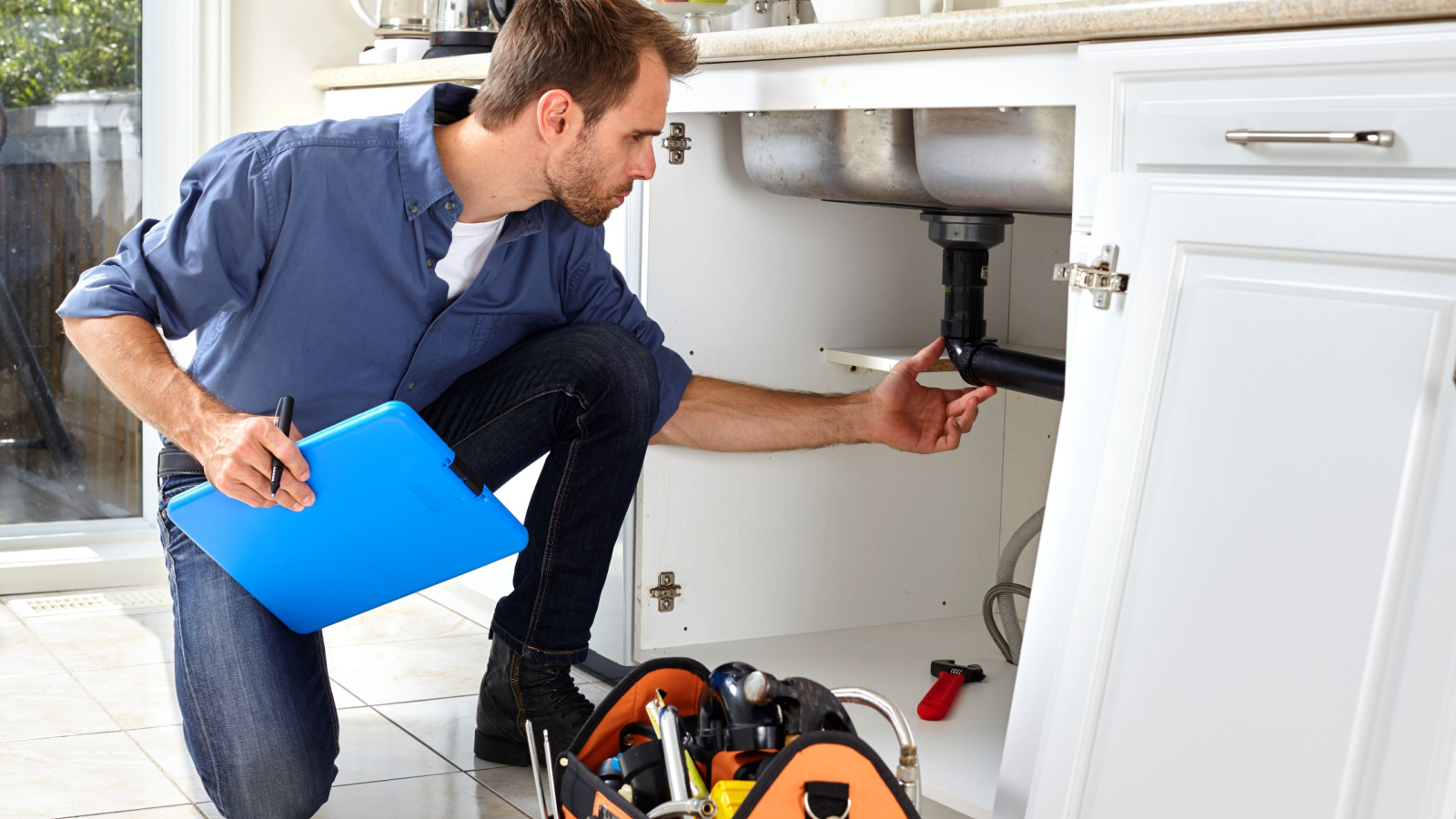
Some homes freeze repeatedly because plumbing is placed in poor locations, such as exterior walls, garages, or attics. If freezing happens every winter, rerouting pipes may be practical. A plumber can identify the shortest and safest path to relocate vulnerable sections. The upfront cost may seem high, but it prevents years of recurring problems, travel worries, and emergency repairs. Homeowners in extremely cold areas like Saskatchewan, Manitoba, and northern Alberta make this upgrade after repeated freeze events. Once pipes are relocated, the home becomes easier to heat and maintain. Winter becomes less stressful, and plumbing failures become far less likely.
22 Groceries to Grab Now—Before another Price Shock Hits Canada
Food prices in Canada have been steadily climbing, and another spike could make your grocery bill feel like a mortgage payment. According to Statistics Canada, food inflation remains about 3.7% higher than last year, with essentials like bread, dairy, and fresh produce leading the surge. Some items are expected to rise even further due to transportation costs, droughts, and import tariffs. Here are 22 groceries to grab now before another price shock hits Canada.
22 Groceries to Grab Now—Before another Price Shock Hits Canada
