
Buying a vehicle is only the opening transaction. Once insurance, financing, fuel, maintenance and the small charges attached to everyday driving begin accumulating, the household cost can look very different from the monthly payment advertised at the dealership.
Some expenses arrive predictably, while others hide inside depreciation, winter preparation, parking, tire wear or wasted fuel. Individually, many seem manageable. Combined across a year—or several years—they can materially change what a vehicle actually costs to own. These 21 driving costs Canadians often fail to notice until they add them up show why the real price of getting around extends far beyond the amount printed on a sales contract.
Depreciation Can Cost More Than the Repairs

Depreciation rarely produces a bill in the mailbox, which makes it unusually easy to ignore. Yet the loss in a vehicle’s resale value can represent one of its largest ownership costs. A driver might spend a year congratulating themselves for avoiding major repairs while the vehicle quietly loses several thousand dollars in market value. That loss becomes visible only when the car is traded, sold or written off. Mileage, condition, trim level and used-vehicle market conditions all influence the result, so two owners of otherwise similar vehicles may experience very different depreciation.
CAA’s Canadian Driving Costs Calculator illustrates the scale. For a 2025 Nissan Sentra in Ontario, its current example estimates annual depreciation at roughly $2,497 to $2,997, depending on assumptions. That makes depreciation substantially larger than the maintenance estimate shown for the same vehicle. A low monthly repair bill, therefore, does not necessarily mean ownership has been inexpensive. The vehicle may simply be losing money somewhere the owner cannot immediately see.
Loan Interest Turns the Payment Into Only Part of the Price
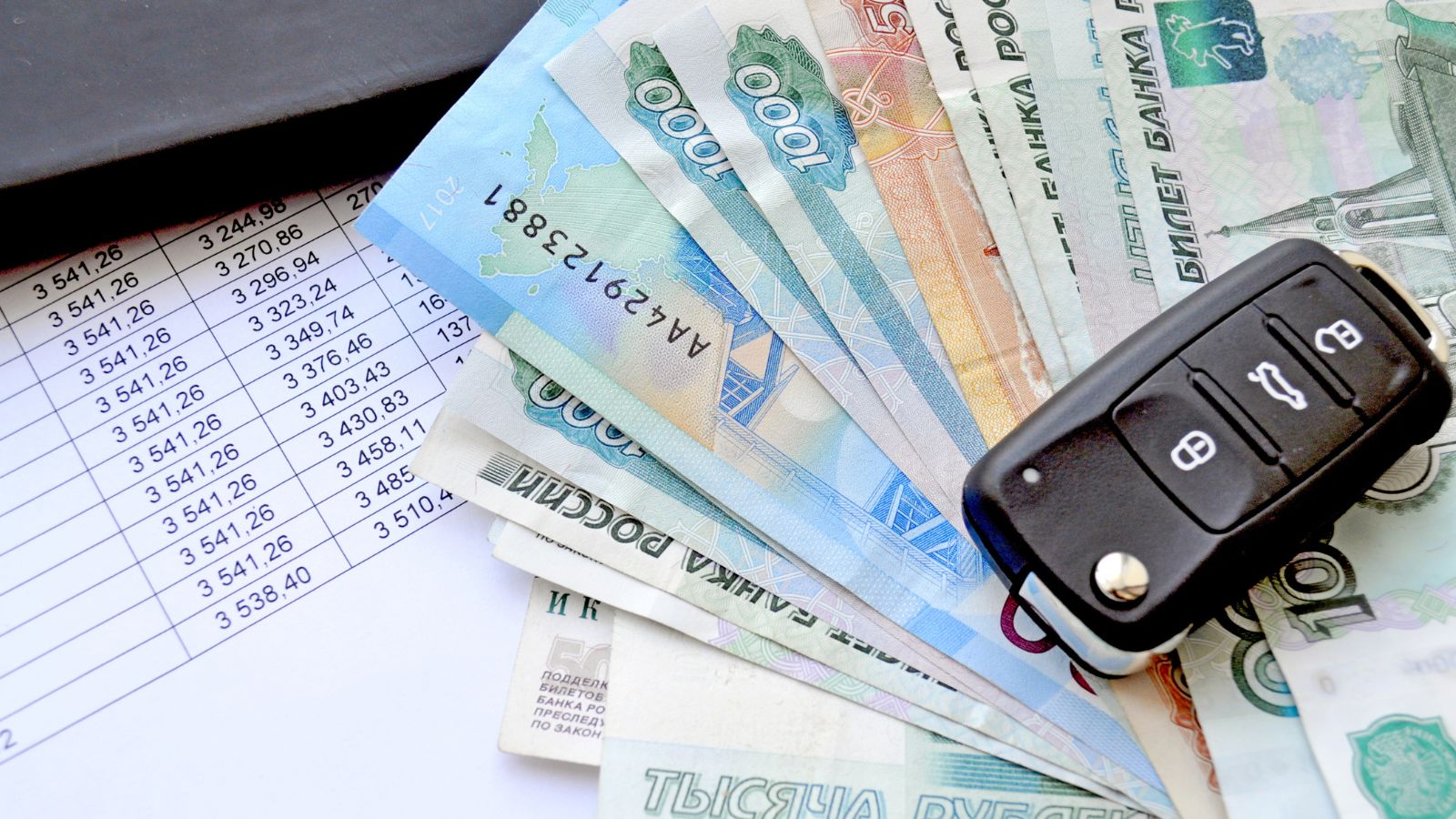
Monthly payments can make an expensive vehicle appear surprisingly manageable, especially when the loan is stretched across six or seven years. The smaller payment, however, does not mean the car became cheaper. It generally means interest has more time to accumulate. That distinction matters when shoppers compare vehicles by payment instead of by the complete amount that will leave their bank accounts before the loan is finally discharged.
The Financial Consumer Agency of Canada provides a particularly clear example. Financing $25,000 at 5% for 36 months produces about $1,974 in total interest in its illustration. Stretching the same $25,000 at the same rate to 84 months increases interest to about $4,681. The monthly obligation becomes easier to carry, but the borrower pays $2,707 more overall. Long terms can also leave owners owing more than the vehicle is worth during part of the loan, making an early trade-in or unexpected sale especially painful.
Insurance Keeps Charging Even When the Car Barely Moves
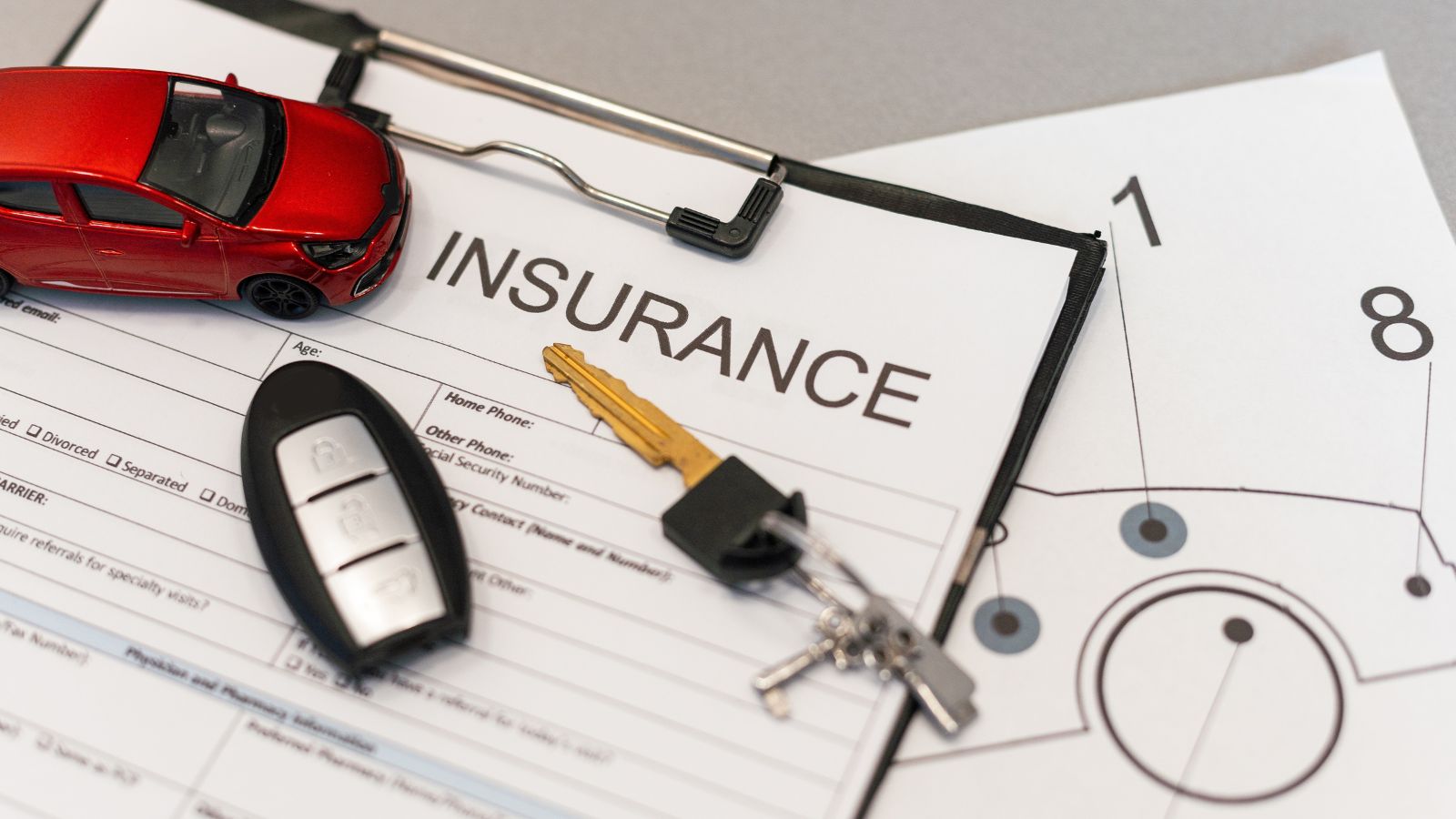
Fuel spending falls when a vehicle sits in the driveway. Insurance usually does not disappear nearly as quickly. That makes premiums one of the easiest fixed ownership costs to underestimate, particularly for households with multiple vehicles or drivers who have recently shifted to working from home. The rate also reflects far more than kilometres driven. Location, claims history, vehicle model, coverage choices, repair costs and theft experience can all influence what an insurer ultimately charges.
Statistics Canada reported that Canadian household spending on transportation-related insurance reached $2.2 billion in the fourth quarter of 2023, in inflation-adjusted terms used for its analysis. Insurance Bureau of Canada data also show why the vehicle itself matters: insurers use Canadian loss-experience information to evaluate how frequently different models generate claims and how costly those claims tend to be. A vehicle with an attractive purchase price can therefore become less attractive once several years of premiums are included in the comparison.
Fuel Spending Disappears in Small Transactions
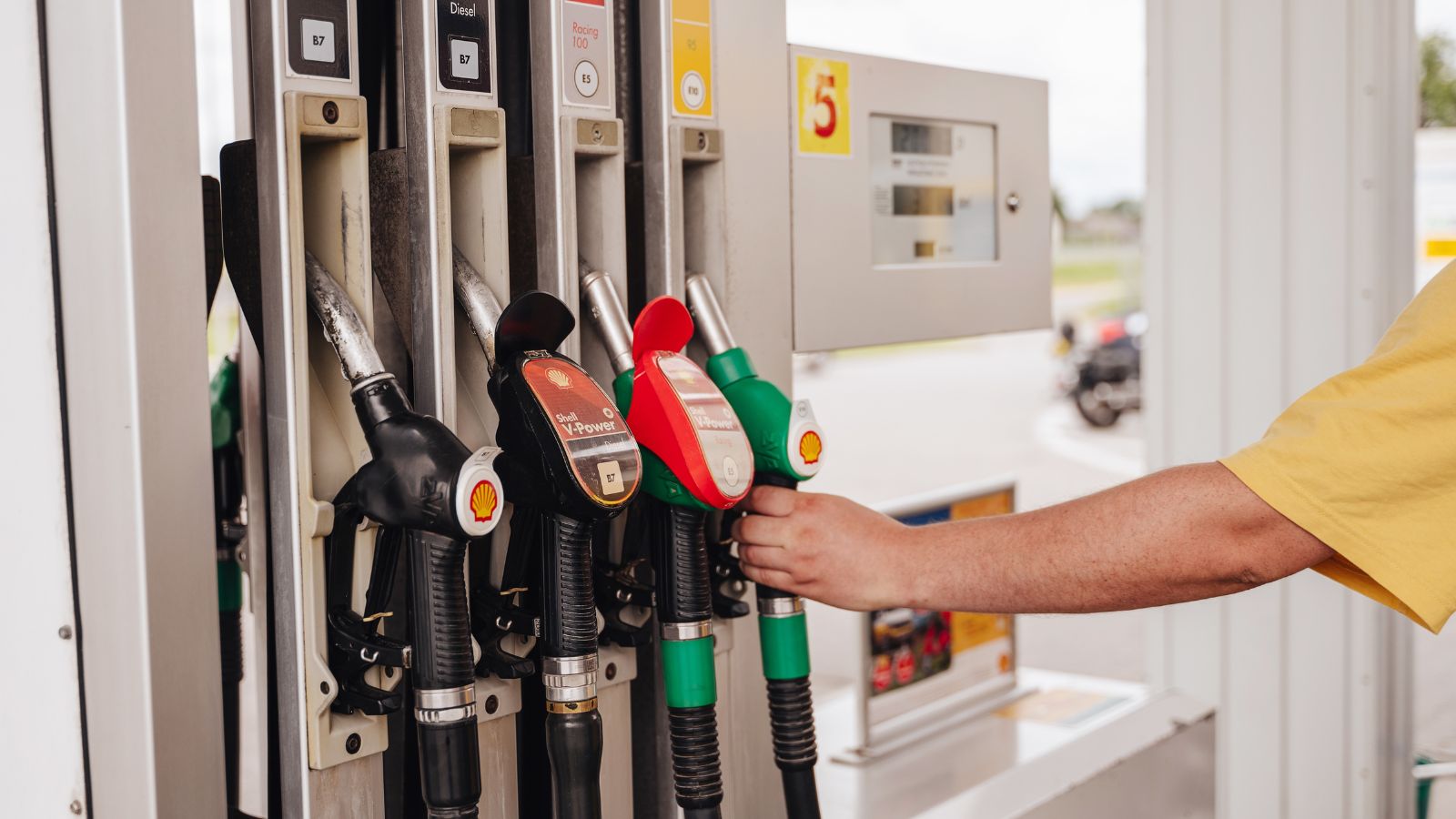
A $55 fill-up does not feel like a major capital expense. Repeat it week after week, however, and the numbers become much harder to dismiss. Fuel is especially deceptive because spending is fragmented across dozens of transactions, different stations and changing prices. Drivers also tend to remember exceptionally expensive fill-ups while losing track of the ordinary ones. The annual total can be several times larger than what casual mental arithmetic suggests.
Statistics Canada reported household spending of $9.9 billion on motor fuels and lubricants during the fourth quarter of 2023 alone, measured in constant dollars for its expenditure analysis. National gasoline sales also remain enormous: gross gasoline sales reached 43.8 billion litres in Canada in 2024. For an individual household, kilometres driven and fuel economy determine how much of that national bill arrives personally. A vehicle consuming only a few extra litres per 100 kilometres can create a surprisingly large difference once tens of thousands of annual kilometres are involved.
Parking Can Become a Second Transportation Bill
Parking often escapes the vehicle budget because it appears somewhere else. A commuter may classify the office garage as a work expense, the hospital meter as a medical expense and airport parking as part of a vacation. Yet all three costs exist because a vehicle needed somewhere to sit. Add downtown appointments, entertainment, sporting events and residential parking, and the supposedly minor charges begin forming an entirely separate transportation category.
Statistics Canada found Canadian household parking expenditures reached about $760 million in the fourth quarter of 2023. Its household spending questionnaires specifically count parking at locations such as workplaces, schools, hospitals, airports, park-and-ride facilities and meters. That broad definition captures why the expense is so easily underestimated: it is scattered across everyday life rather than attached to one predictable invoice. A driver paying $15 twice a week is spending roughly $1,560 a year before airport lots, event parking or higher-priced downtown garages are even considered.
Winter Tires Are Often a Four-Figure Seasonal Purchase
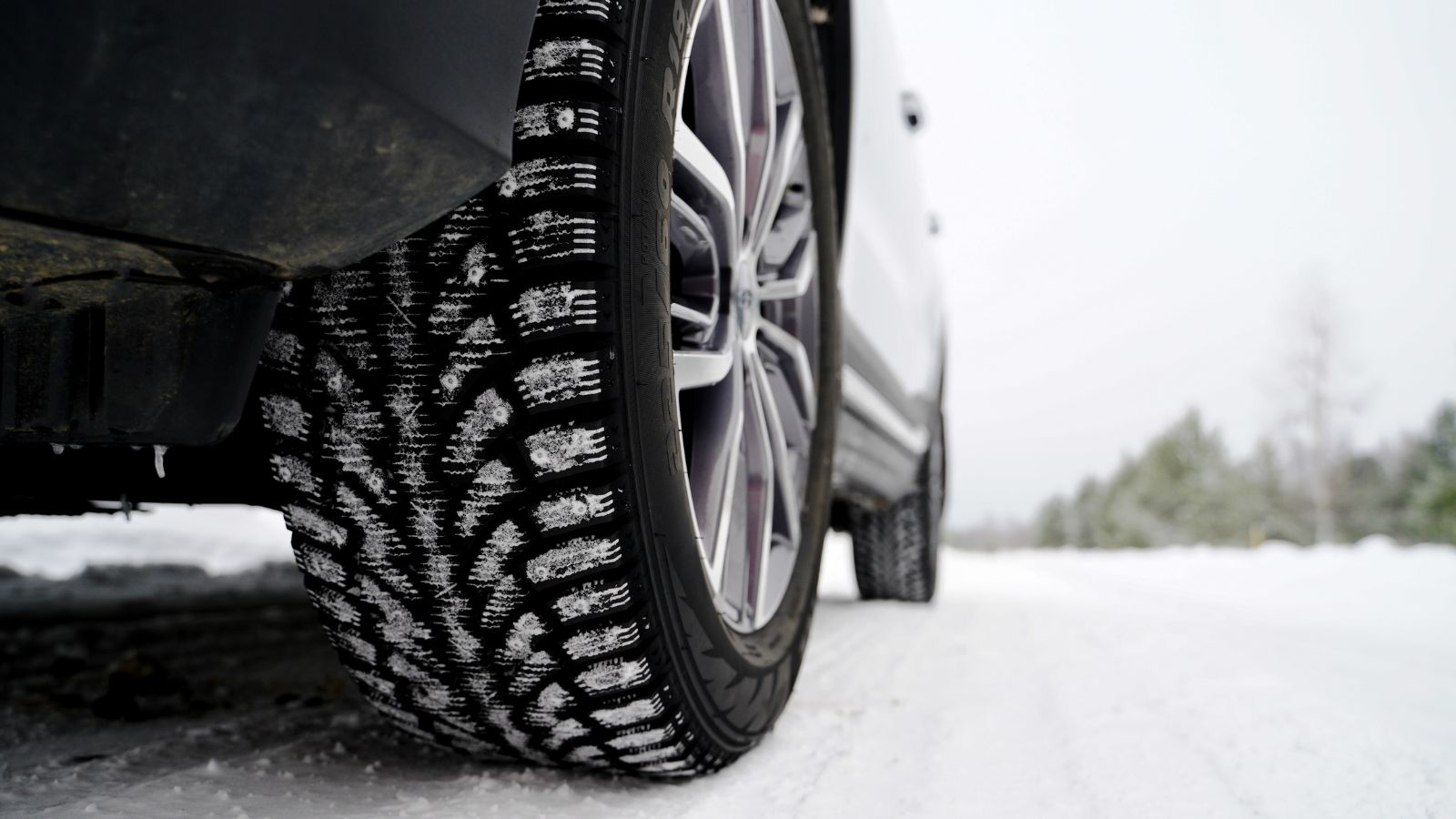
Winter tires are easily treated as accessories until Canadian temperatures begin falling. Transport Canada advises that below roughly 7°C, all-season and summer tire compounds begin losing elasticity and traction, while proper winter tires are designed to remain more flexible. The recommendation is to install them as a set of four. In Quebec, the expense becomes even less optional because most provincially registered motor vehicles must use compliant winter tires from December 1 through March 15.
The purchase can represent a meaningful addition to a household vehicle budget. A 2026 federal electric-vehicle incentive example, for instance, illustrates a buyer adding $1,300 worth of winter tires to a transaction. That is only an example rather than a national average, but it demonstrates the scale a complete set can reach. Wheels, sensors or premium tire sizes can change the total further. The saving grace is that kilometres driven on winter rubber are kilometres not being accumulated on the summer or all-season set.
Changing and Storing Two Sets of Tires Creates a Recurring Bill
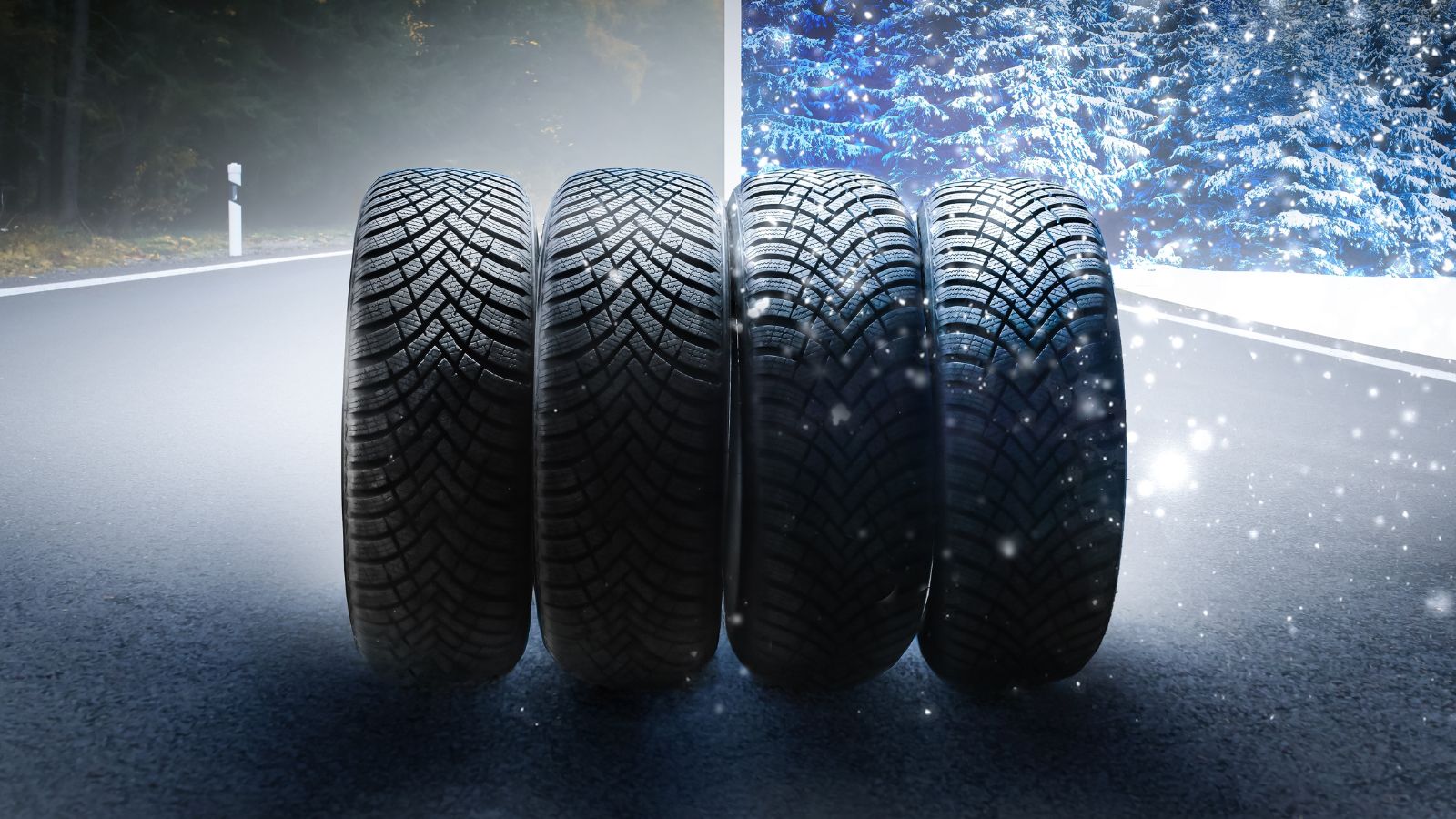
Owning winter tires is only the beginning of the seasonal expense. Drivers without suitable equipment or storage space may pay twice a year to have tires changed and may also pay a shop to keep the unused set. Vehicles whose winter and summer tires share the same wheels can require mounting and balancing each season, while a second wheel set can reduce labour but demands more money upfront. Either way, winter preparation can become an annual service rather than a one-time purchase.
Regional pricing shows how convenience can add another layer. CAA Atlantic’s Otto mobile automotive service, for example, offers seasonal tire changes and storage around Halifax and lists a $100 regular mobile service fee, reduced to $75 for CAA members, in addition to the fees charged for the actual services. That is not representative of every Canadian garage, but it demonstrates how easily convenience, labour and storage can stack together. Over five winters, seemingly modest seasonal charges become a significant ownership expense.
Routine Maintenance Is Cheap Only Until It Is Totalled
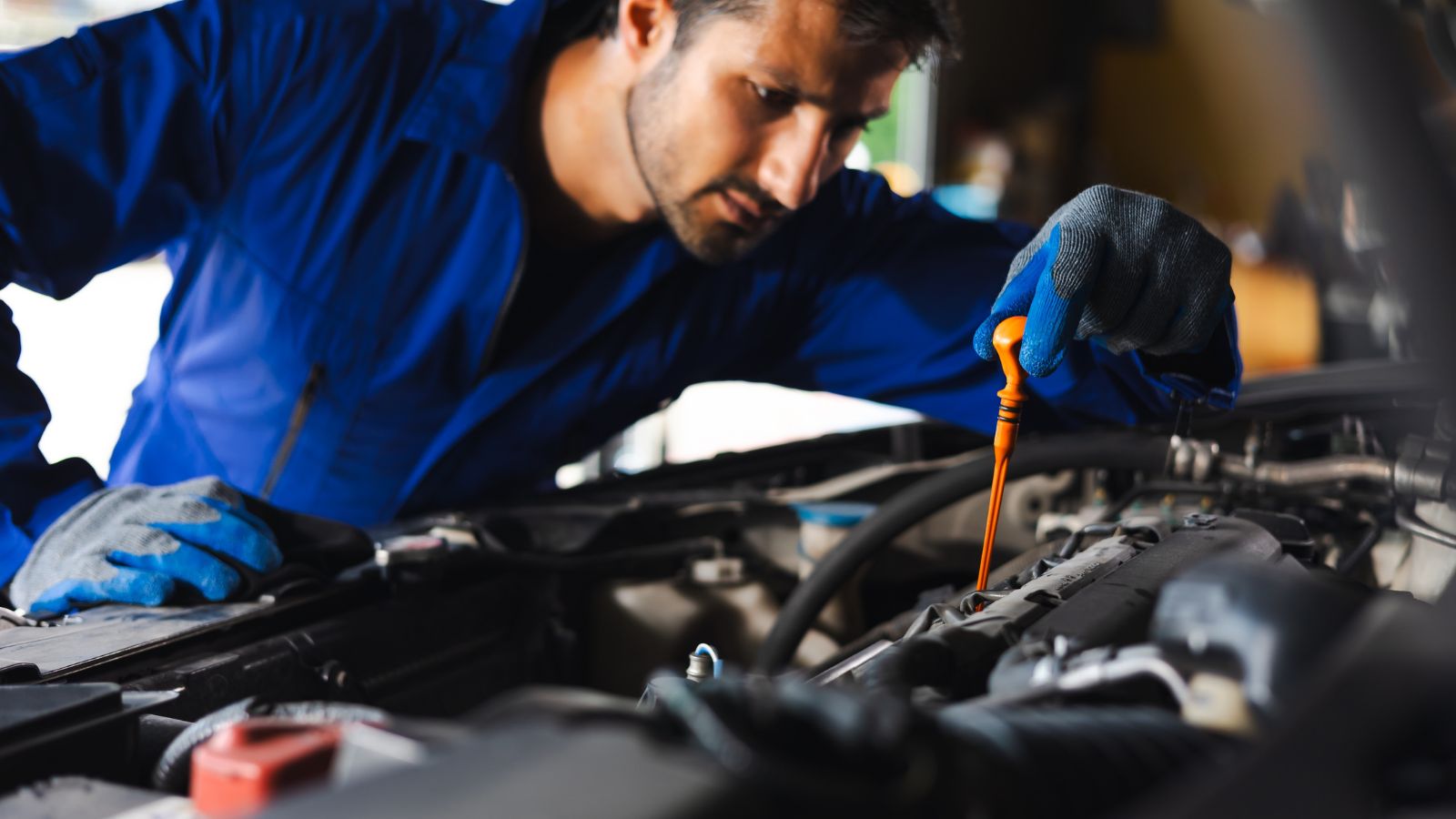
Oil changes rarely feel financially dramatic. Neither do a new engine-air filter, tire rotation, brake inspection or replacement wiper blades. The problem is frequency. Maintenance works like a subscription that arrives irregularly, with several inexpensive visits punctuated by larger jobs such as brakes, fluids or suspension components. Owners who compare vehicles strictly by fuel economy or monthly payment can overlook this entire stream of spending until receipts from several years are placed side by side.
Statistics Canada reported Canadian households spent approximately $3.1 billion on vehicle maintenance and repairs in the fourth quarter of 2023 in constant-dollar terms. CAA’s current Ontario example for a 2025 Nissan Sentra estimates maintenance at roughly $174 to $419 annually under its assumptions, with actual costs depending on mileage, condition and where work is performed. Those figures also demonstrate why an aging vehicle can change a budget quickly. Routine care remains relatively predictable, but one repair arriving alongside scheduled maintenance can turn an ordinary month into an expensive one.
Bad Roads Charge Drivers Without Sending an Invoice
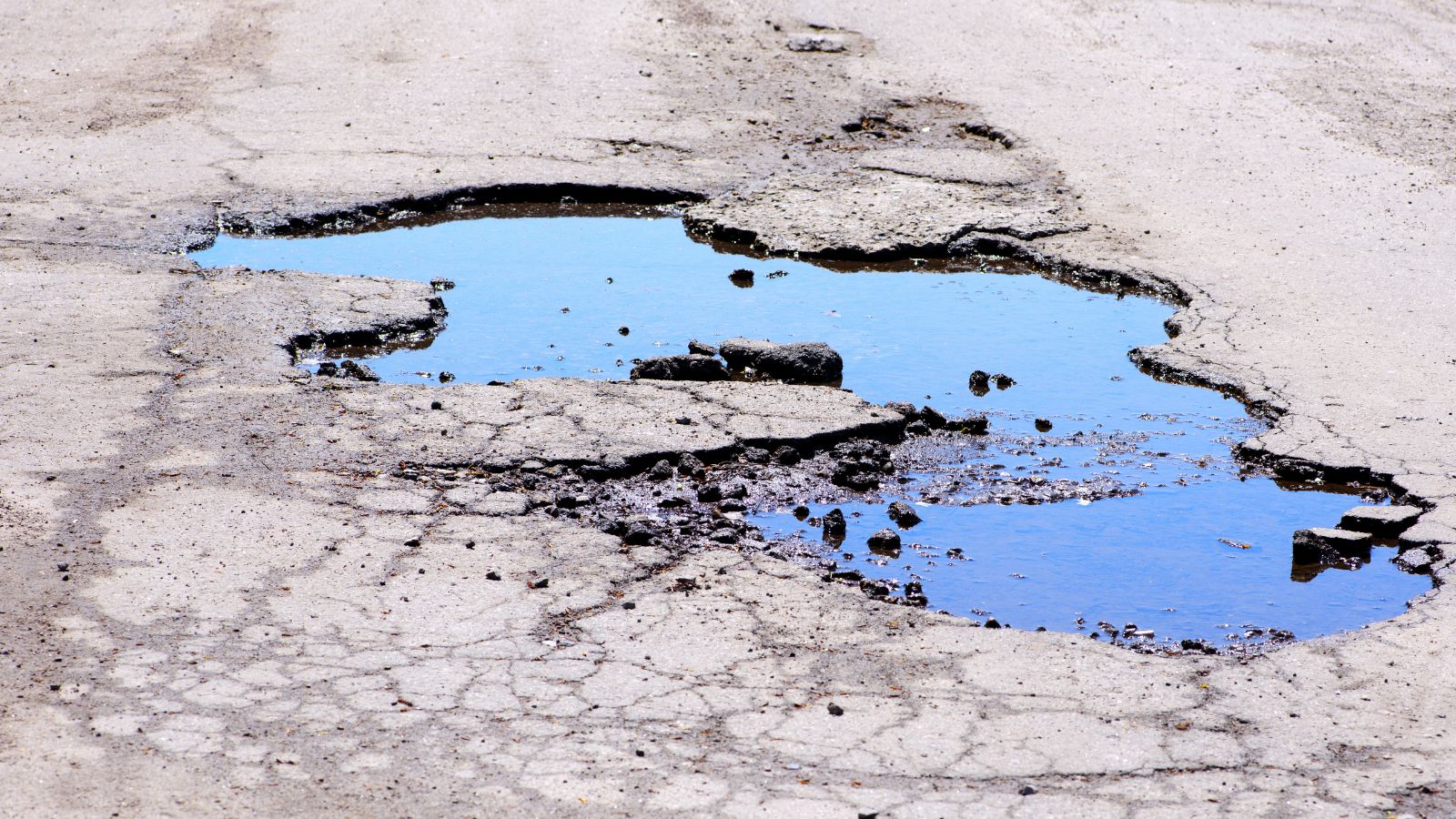
Road deterioration feels like an infrastructure problem until a wheel bends, a tire develops a bulge or suspension components wear prematurely. Even when a pothole does not cause an obvious roadside failure, rough pavement can contribute to additional vehicle operating and maintenance costs. Those expenses are particularly difficult to recognize because drivers receive bills from tire shops and repair garages, not from the section of roadway that helped create the problem.
CAA commissioned research specifically examining what poor roads cost vehicle owners. Its analysis estimated that the average Canadian driver incurs about $126 in extra costs annually because of poor road quality, or roughly $3 billion collectively. That figure includes additional repairs, maintenance and operating expenses rather than only catastrophic pothole damage. For a household with two vehicles, the national average would translate into more than $250 a year. It is a reminder that road condition can affect household transportation spending even when drivers never file a pothole-damage claim.
Low Tire Pressure Burns Fuel and Tires at the Same Time
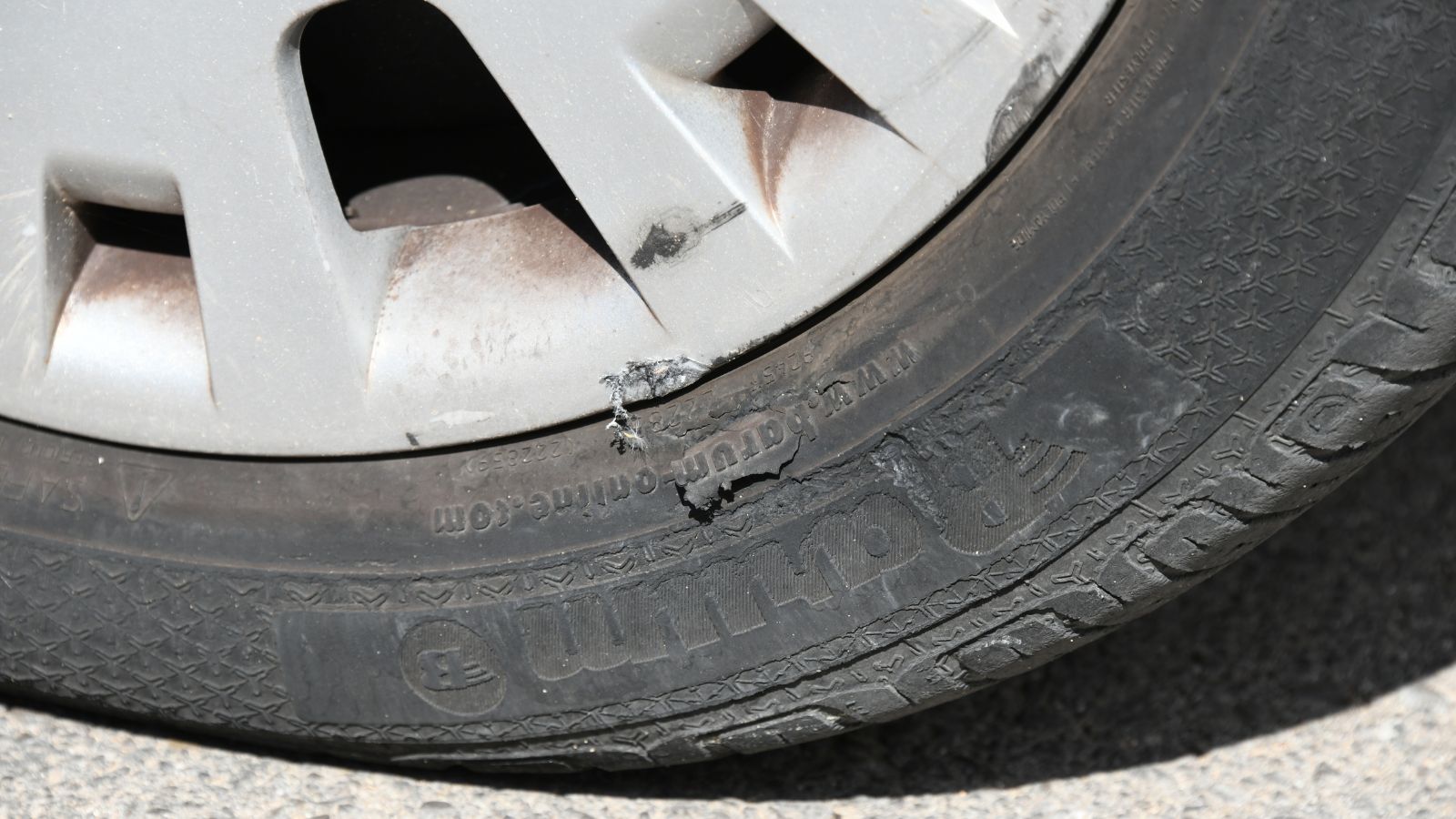
A tire that looks normal can still be substantially underinflated. Temperature changes complicate matters further: Transport Canada notes that tire pressure drops by roughly 1 psi for every 5°C decline in temperature. That means a properly inflated vehicle during a mild autumn afternoon may need attention after the first serious cold spell. Because there is no purchase involved when pressure first drops, many drivers do not view it as a financial problem.
The cost appears later through fuel consumption and tire wear. Transport Canada says operating a vehicle with just one tire underinflated by 8 psi can increase fuel consumption by about 4% and potentially reduce that tire’s life by 15,000 kilometres. That is an unusual double penalty: extra gasoline is purchased while an expensive consumable wears out sooner. Checking pressure roughly once a month costs almost nothing, yet it can protect two of the recurring expenses that Canadian motorists routinely underestimate—fuel and replacement tires.
Road Salt Creates a Maintenance Cost Long After the Snow Melts
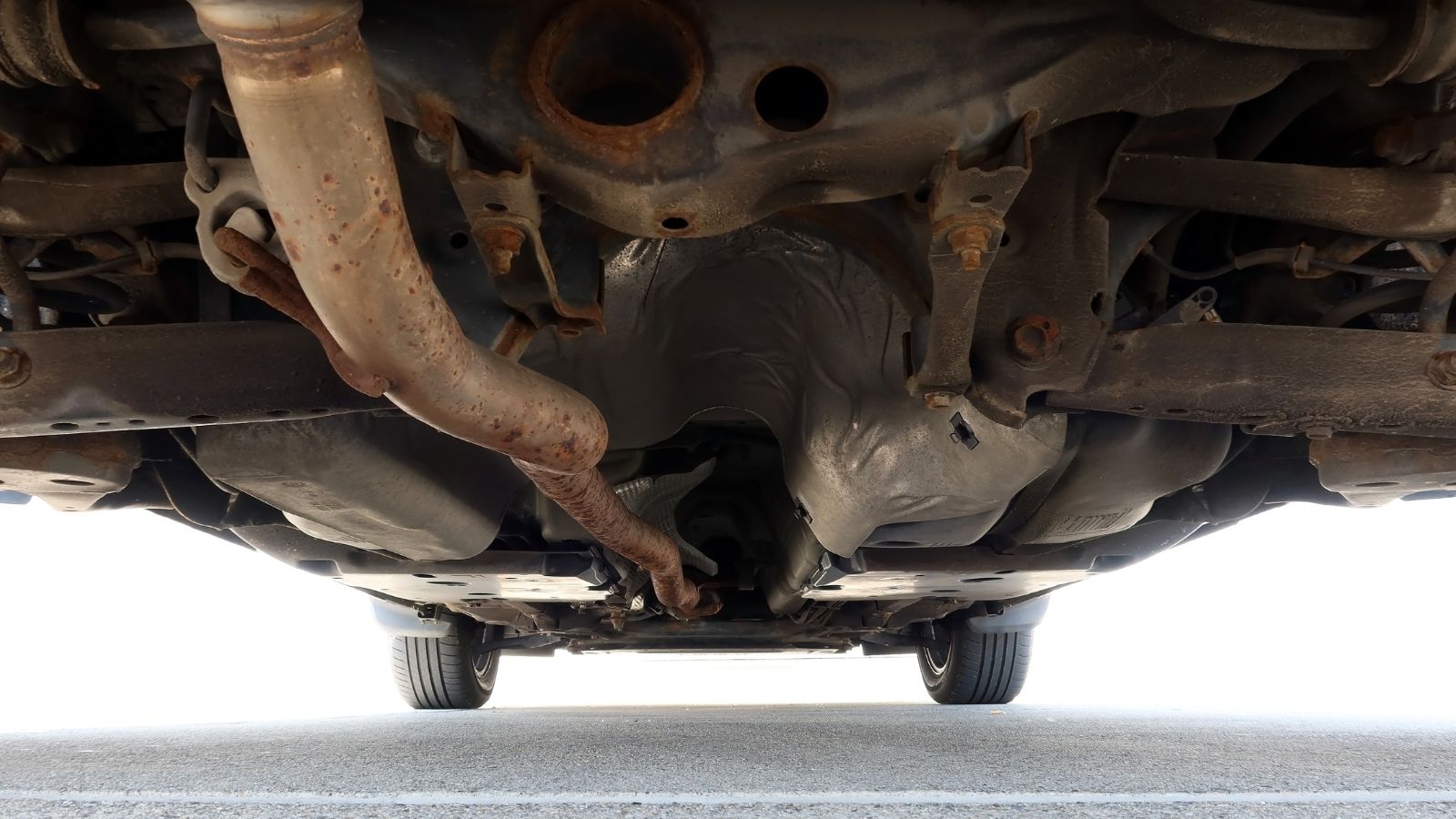
Canadian winter maintenance keeps roads usable, but the salt and moisture attached to a vehicle do not vanish when the pavement dries. They collect around wheel wells, suspension components and the underbody, creating conditions that can encourage corrosion. Drivers respond in different ways: some pay for additional winter washes, others purchase rust treatments, and many eventually face the repair consequences of corrosion on an older vehicle. None of those costs appear in the showroom payment.
The issue is substantial enough that the National Research Council of Canada has conducted specialized research into vehicle corrosion, including sensors placed under vehicles to study corrosive exposure. NRC work also recognizes de-icing salts as an important durability challenge for Canadian infrastructure and materials. For motorists, the practical lesson is financial as much as cosmetic. Washing salt from vulnerable areas, inspecting corrosion and protecting components all require either money or time. A car can therefore remain mechanically reliable while winter exposure quietly increases the effort required to keep it that way.
A Tiny Windshield Chip Can Become a Much Larger Expense

A sharp click from road gravel is easy to ignore when the resulting windshield chip appears no larger than a coin. The financial difference between repairing that chip and replacing an entire windshield, however, can be considerable. Temperature swings, vibration and ordinary driving can allow damaged glass to spread, turning something potentially repairable into a replacement job. Modern vehicles can make the situation more complicated because some windshields integrate cameras or sensors used by driver-assistance systems.
Insurance rules also vary. In British Columbia, ICBC says qualifying windshield chip repairs under Comprehensive coverage can be completed without a deductible, while a windshield that requires replacement may trigger the deductible selected on the policy. ICBC has used a loonie-sized chip as a practical example of damage that may qualify for repair, depending on location and other criteria. Elsewhere, coverage differs by insurer and province. The broader cost lesson remains the same: delaying a minor glass repair can convert a small problem into a larger claim or direct expense.
Towing Is Expensive Precisely When Comparison Shopping Is Hard
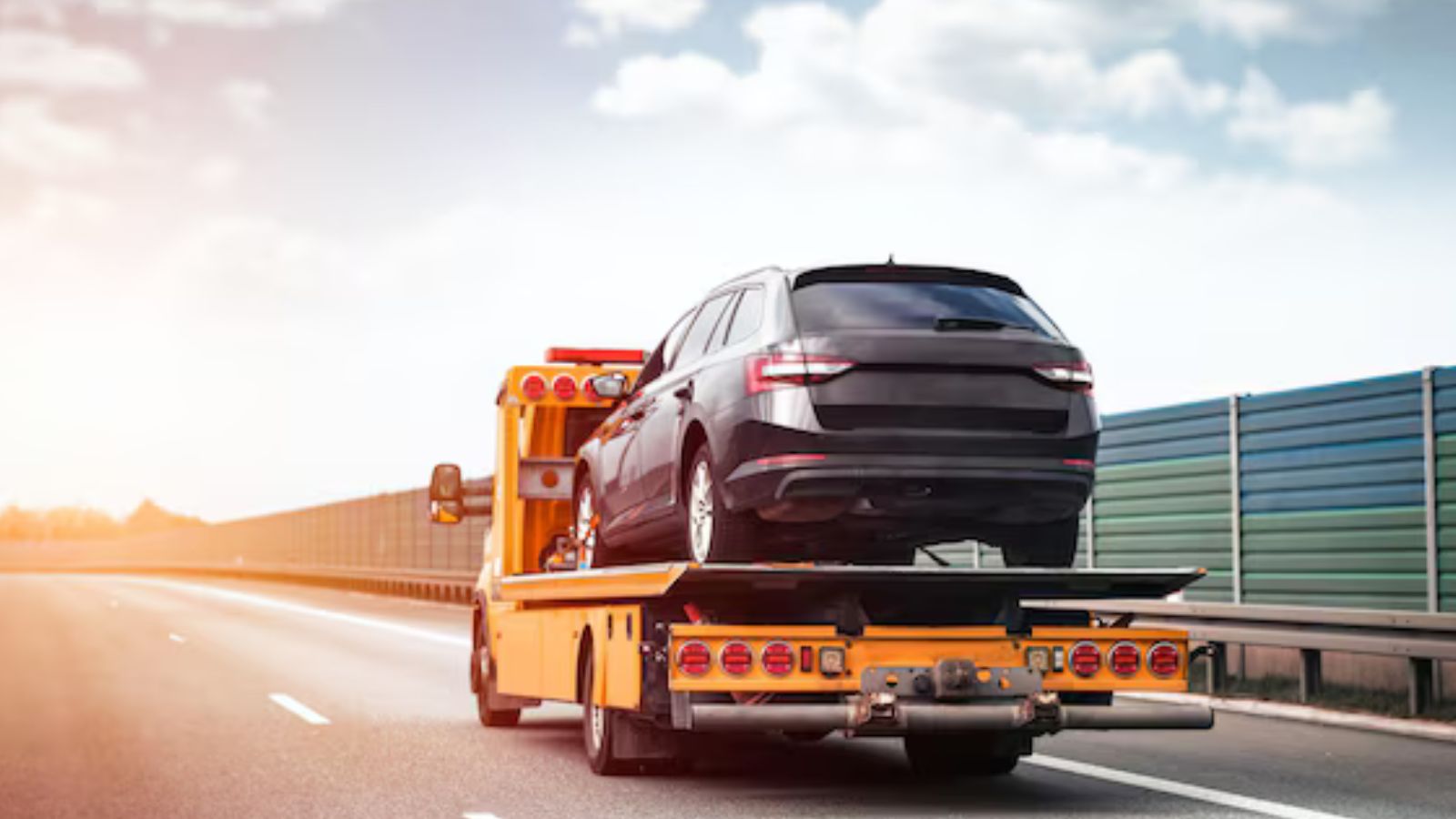
Most motorists do not regularly budget for towing because they hope never to need it. Then a mechanical breakdown, collision or dead vehicle suddenly creates a purchase that cannot easily be postponed. The driver may also need storage, a second tow or transportation home. That combination makes breakdown costs particularly disruptive: they are unpredictable, urgent and often arrive alongside the repair that caused the vehicle to stop in the first place.
Regulation illustrates how seriously governments treat the issue. Ontario requires towing and vehicle-storage operators to publish maximum rates and prevents them from charging more than those declared maximums under applicable rules. Insurance Bureau of Canada also notes that emergency road-service endorsements may cover towing, while some motorists obtain similar protection through credit cards or automobile-association memberships. Paying separately for roadside coverage can look like another unnecessary annual charge—until a single breakdown produces a towing bill. The cheapest approach depends on how much protection is already bundled elsewhere.
Registration and Licensing Charges Vary More Than Drivers Expect
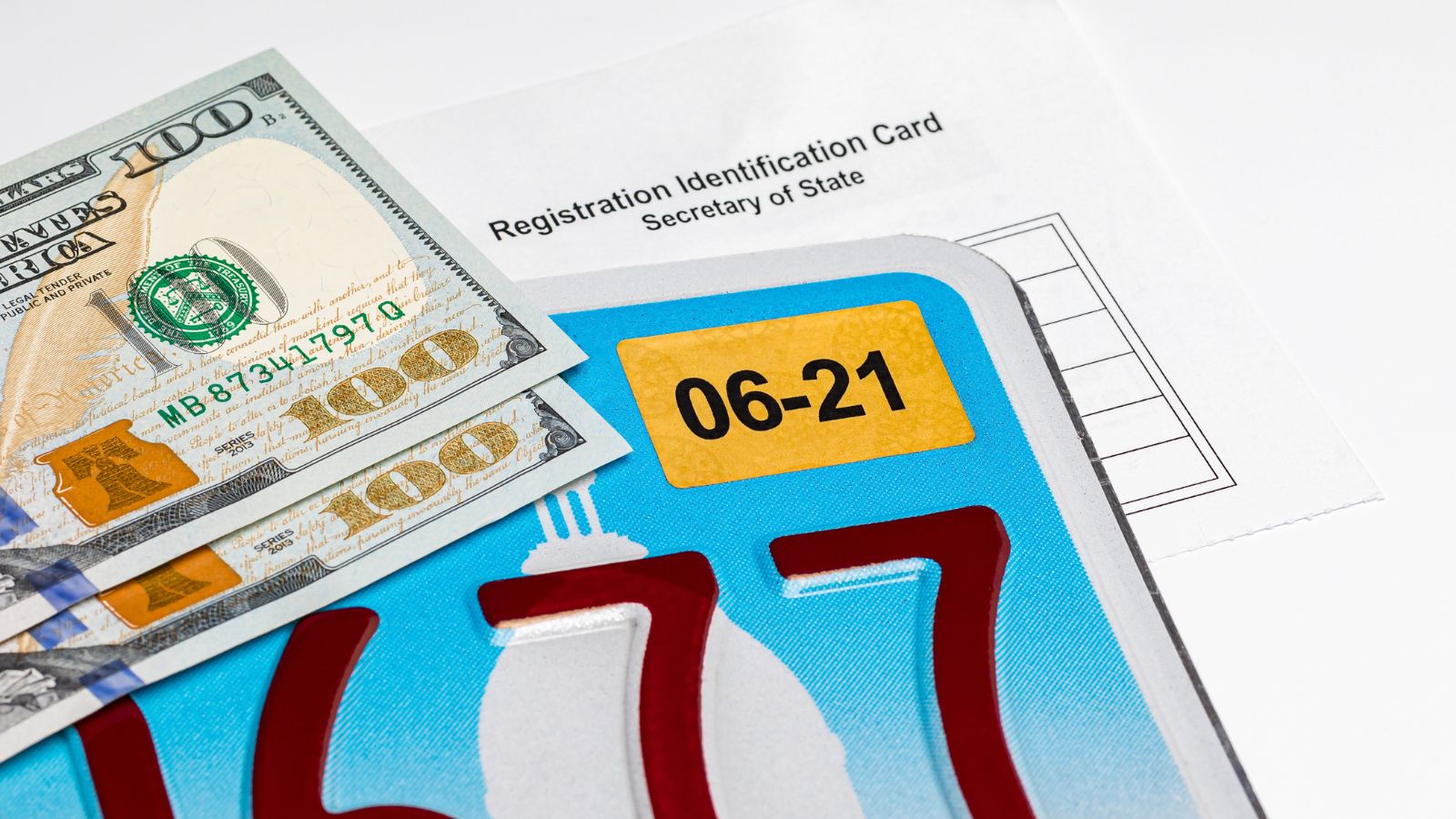
Registration expenses are easy to overlook because Canada does not have one national pricing system for private vehicles. Provincial rules differ, and governments sometimes change fees or eliminate particular charges altogether. Someone moving between provinces can therefore discover that an ownership cost taken for granted in one location is structured completely differently in another. Replacement plates, permits and other administrative transactions can also remain chargeable even where a familiar annual fee has disappeared.
Ontario is a useful example. The province eliminated the annual passenger-vehicle licence plate renewal fee that previously cost many southern Ontario motorists $120 per year, and eligible plates now renew automatically. That does not mean every vehicle-related government transaction is free. Ontario currently lists a $32 vehicle permit and $59 for a new or replacement licence plate with permit. Other provinces use their own fee systems, sometimes combining registration and government insurance components. These amounts may be small beside a car payment, but they still belong in a realistic ownership calculation.
An Insurance Claim Can Still Leave Money Coming Out of Pocket
Having insurance does not mean every covered incident costs the policyholder nothing. Collision and comprehensive policies commonly contain deductibles—the portion the driver pays before applicable insurance takes care of the remaining covered amount. That detail can fade into the background when a policy is purchased, especially if choosing a higher deductible helped lower the premium. It becomes much more noticeable when an accident, vandalism incident or other covered loss actually occurs.
Insurance Bureau of Canada notes that an at-fault loss can trigger a deductible and potentially affect future insurance rates. Provincial policies illustrate how the numbers can work: some ICBC optional insurance packages, for example, advertise $300 collision and comprehensive deductibles. Actual deductibles vary widely by policy and jurisdiction, so that figure should not be treated as a Canadian average. The budgeting principle is broader. A household that can comfortably afford the monthly premium should also consider whether several hundred—or potentially more—could be produced quickly after an unexpected claim.
Extreme Cold Can Increase the Real Cost of Driving an EV
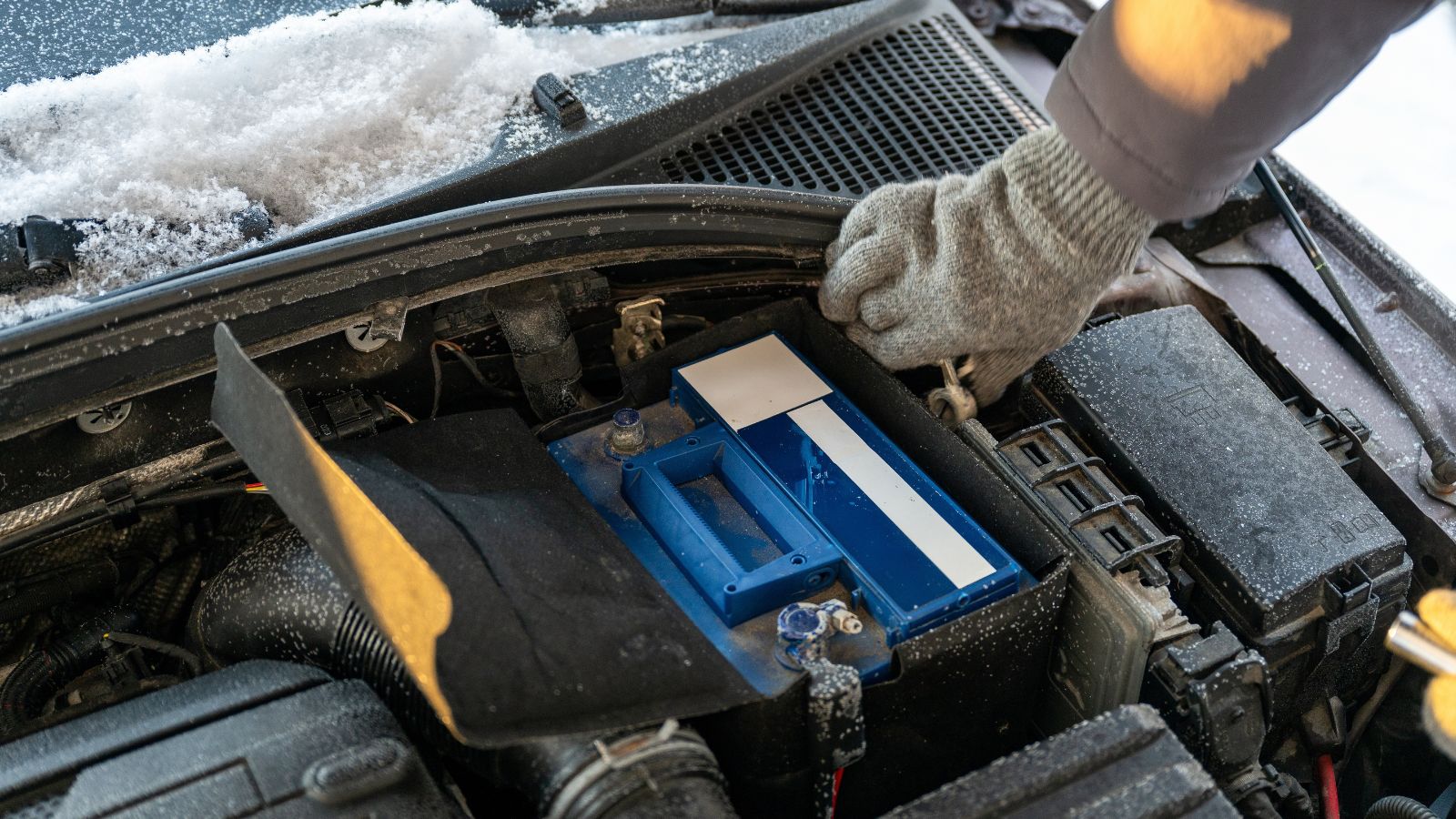
Electric vehicles usually offer lower energy costs than comparable gasoline vehicles, particularly when most charging happens at home. Canadian winter, however, complicates the calculation. Batteries operate less efficiently in severe cold, while cabin heating and battery thermal management consume energy that might otherwise move the vehicle. The result is not necessarily an enormous winter electricity bill, but motorists may need to charge more frequently to travel the same distance.
Natural Resources Canada says EVs can lose roughly 25% to 30% of driving range in extreme cold. Its AutoSmart material cites an average range reduction of about 29% at -18°C. That does not mean every EV experiences exactly the same decline; vehicle design, driving speed, trip length, preconditioning and temperature all matter. Still, winter efficiency belongs in ownership planning. A commuter who easily completes a weekly routine on two warm-weather charges may discover that the same schedule requires more energy stops once deep winter arrives.
Home EV Charging Has an Upfront Cost Beyond Electricity
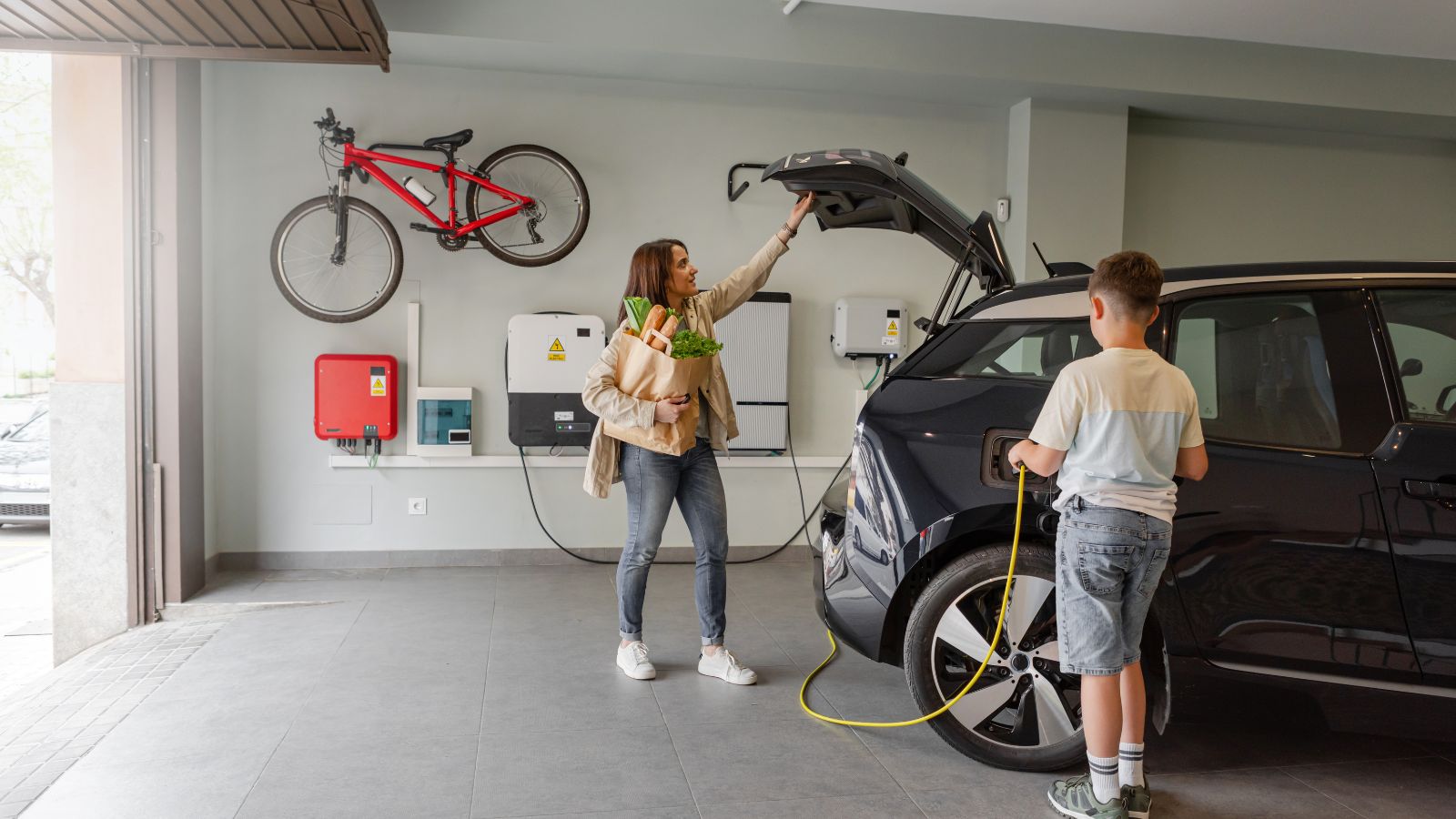
The advertised efficiency of an electric vehicle can make charging look like nothing more than a cheaper substitute for gasoline. For many owners, however, the convenient version of EV ownership requires equipment at home. A standard 120-volt outlet may be sufficient for some drivers, particularly plug-in hybrids or low daily mileage, but faster Level 2 charging generally requires a 208- or 240-volt connection and professional electrical work.
Natural Resources Canada says the installation cost depends on the charging unit, the electrical capacity of the home and other site-specific conditions. CAA notes that Level 2 equipment can add up to roughly 97 kilometres of range per hour in favourable vehicle-and-charger combinations, making it far more practical for many households than Level 1 charging. The convenience can be worth the investment, but it should still be counted. Charger hardware, electrical upgrades and installation are transportation expenses even though they appear on a household renovation or electricity bill instead of a dealership invoice.
Air Conditioning Has a Fuel Cost Hidden Behind a Button
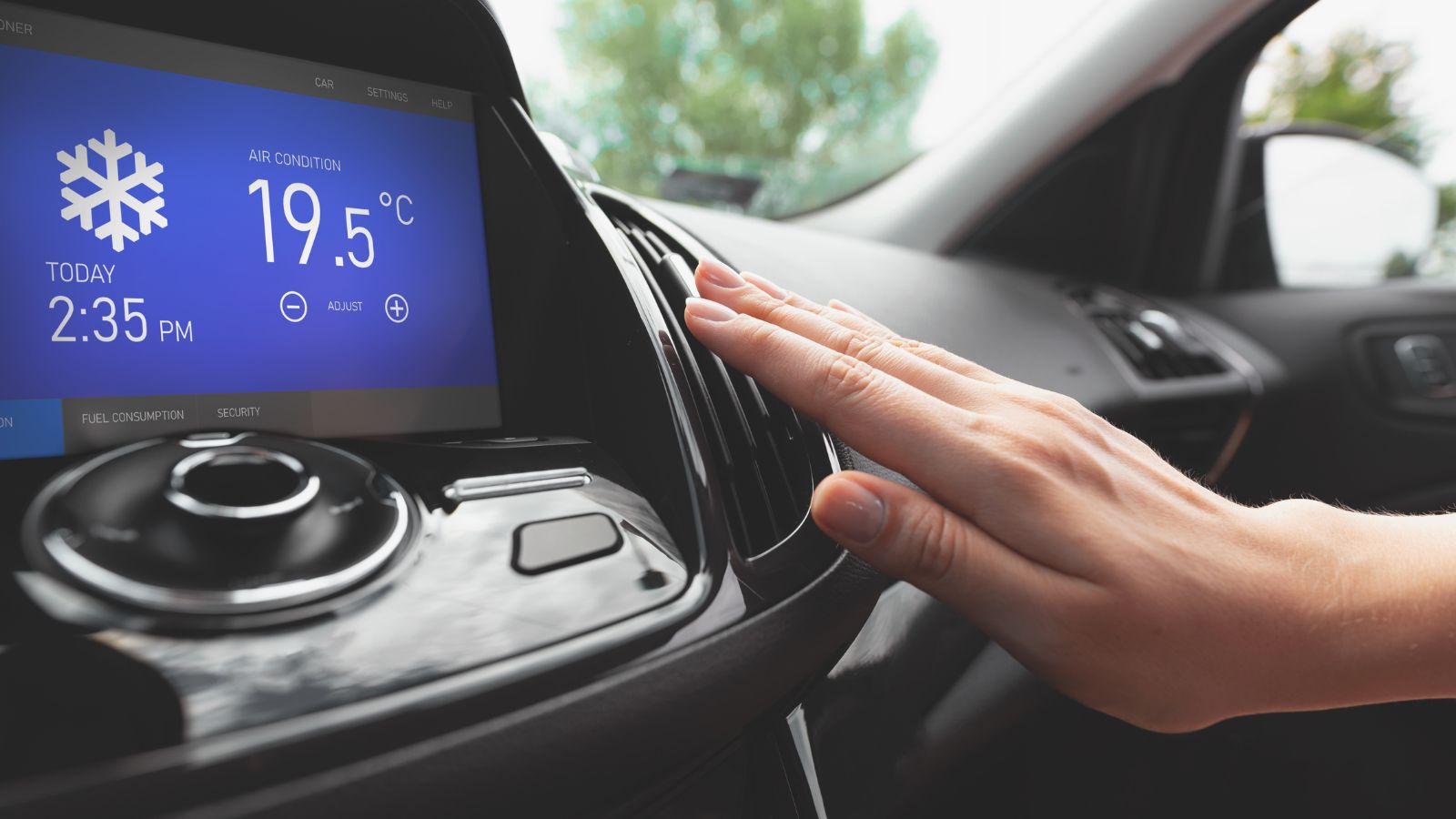
Cabin cooling feels almost free because drivers do not pay separately each time the air conditioner switches on. The engine simply works harder and the fuel gauge falls slightly faster. Over one short trip, the difference is easy to dismiss. Across months of hot-weather commuting, stop-and-go traffic and family road trips, additional consumption becomes another example of a small percentage turning into real money.
Natural Resources Canada says air conditioning can raise a vehicle’s fuel consumption by as much as 20% under some operating conditions because of the extra load placed on the engine. The actual effect depends on temperature, vehicle design, driving conditions and how aggressively the system is used, so 20% is not a universal penalty. Opening windows can also increase aerodynamic drag at higher speeds, meaning there is no single solution for every journey. The important budgeting point is that climate control belongs among the variables affecting real-world fuel economy.
Remote Starts and Idling Burn Fuel Without Adding Kilometres
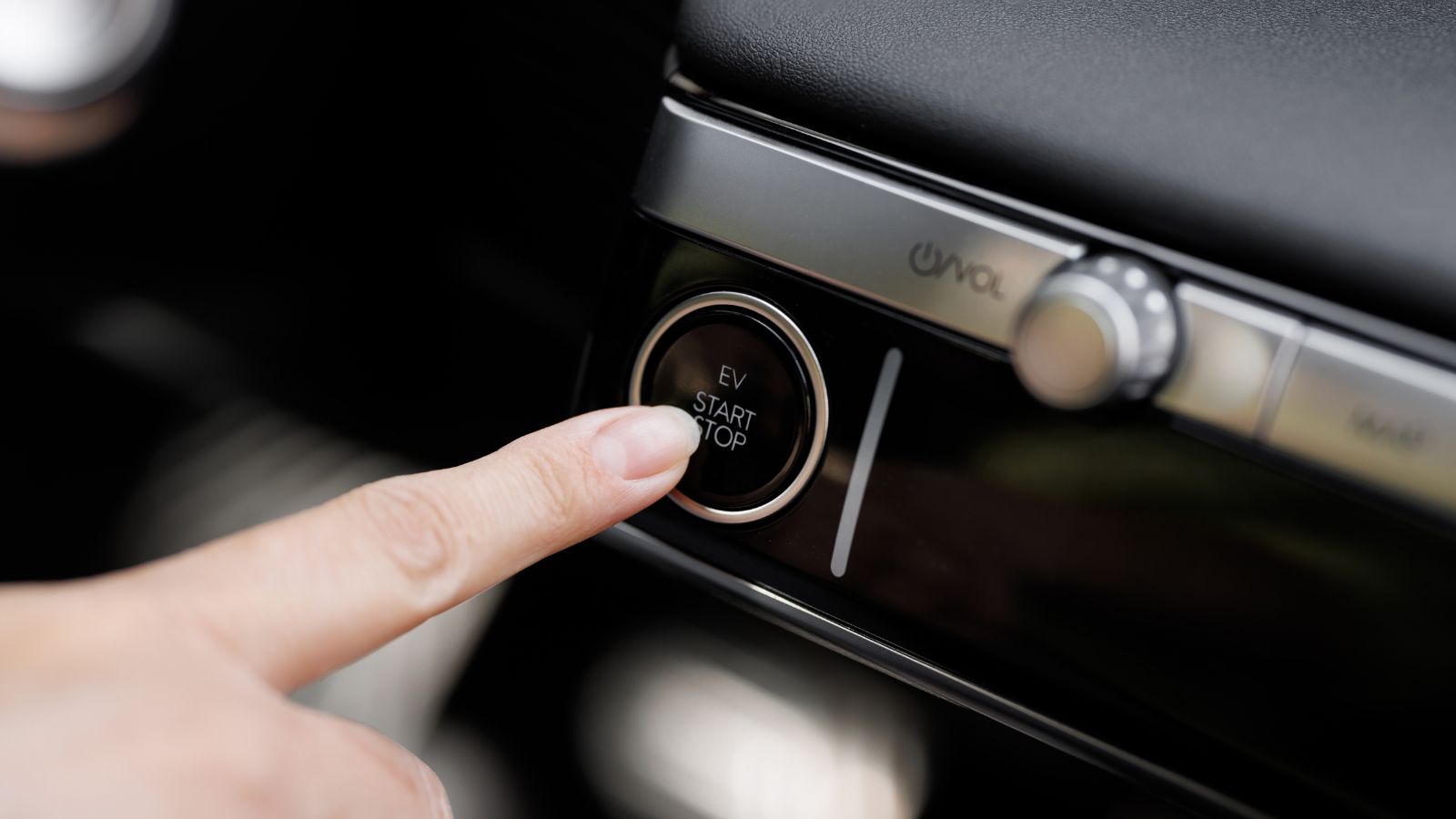
A warm cabin on a February morning has obvious appeal. So does leaving the engine running while someone dashes into a store or waits for a passenger. The financial problem with idling is straightforward: fuel is being consumed while the vehicle travels exactly zero kilometres. Because the amount used in any individual instance is small, the habit often feels insignificant. Repetition across an entire winter is what changes the calculation.
Natural Resources Canada has long encouraged reducing unnecessary idling and currently references guidance limiting routine idling to very short periods, with additional allowance for cold starts. Its research and awareness work has also noted that modern engines generally do not require prolonged stationary warm-ups. Vehicles equipped with automatic stop-start systems demonstrate the same principle mechanically: NRCan says the technology can reduce fuel consumption during city driving by roughly 4% to 10% or more. Remote starting may buy comfort, but the fuel being burned during those minutes still belongs in the driving budget.
Empty Roof Racks Still Make the Vehicle Work Harder

Roof boxes, bicycle carriers and crossbars usually enter the budget as accessories. Their financial effect does not necessarily end after the purchase. Anything that disrupts the smooth flow of air around a vehicle creates additional aerodynamic drag, requiring more energy to maintain speed. The impact is particularly relevant during highway travel, where aerodynamic resistance becomes increasingly important.
Natural Resources Canada specifically recommends removable roof racks when possible because drivers can take them off when they are not needed and eliminate the associated drag. That makes an empty rack a good example of an invisible operating cost: nothing appears broken, no warning light comes on, and the fuel receipt never identifies how much of the purchase was caused by carrying unused hardware through the air. The same principle applies to oversized cargo boxes left installed between trips. Convenience has value, but leaving equipment attached year-round can quietly undermine some of the fuel savings owners work to achieve elsewhere.
Driving Faster Can Turn Minutes Saved Into Fuel Purchased

Highway speed creates one of the clearest examples of time and money pulling in opposite directions. Drivers may assume that a modest increase in speed barely affects operating costs, particularly on a vehicle showing strong highway fuel economy. Aerodynamic resistance rises with speed, however, and efficiency can deteriorate surprisingly quickly. What looks like a small adjustment on the speedometer may therefore produce a noticeably larger adjustment at the pump.
Natural Resources Canada offers a concrete comparison: at 120 km/h, a typical vehicle uses about 20% more fuel than it does at 100 km/h. On a 25-kilometre trip, the faster speed saves only a few minutes while increasing consumption. The precise financial difference depends on the vehicle and gasoline price, but the percentage illustrates why aggressive highway cruising becomes expensive when repeated across thousands of kilometres. Faster driving is rarely listed as a household expense, yet over a full year it can function like an invisible surcharge attached to every litre purchased.
16 Costco Canada Habits That Could Be Costing Shoppers More Than They Save
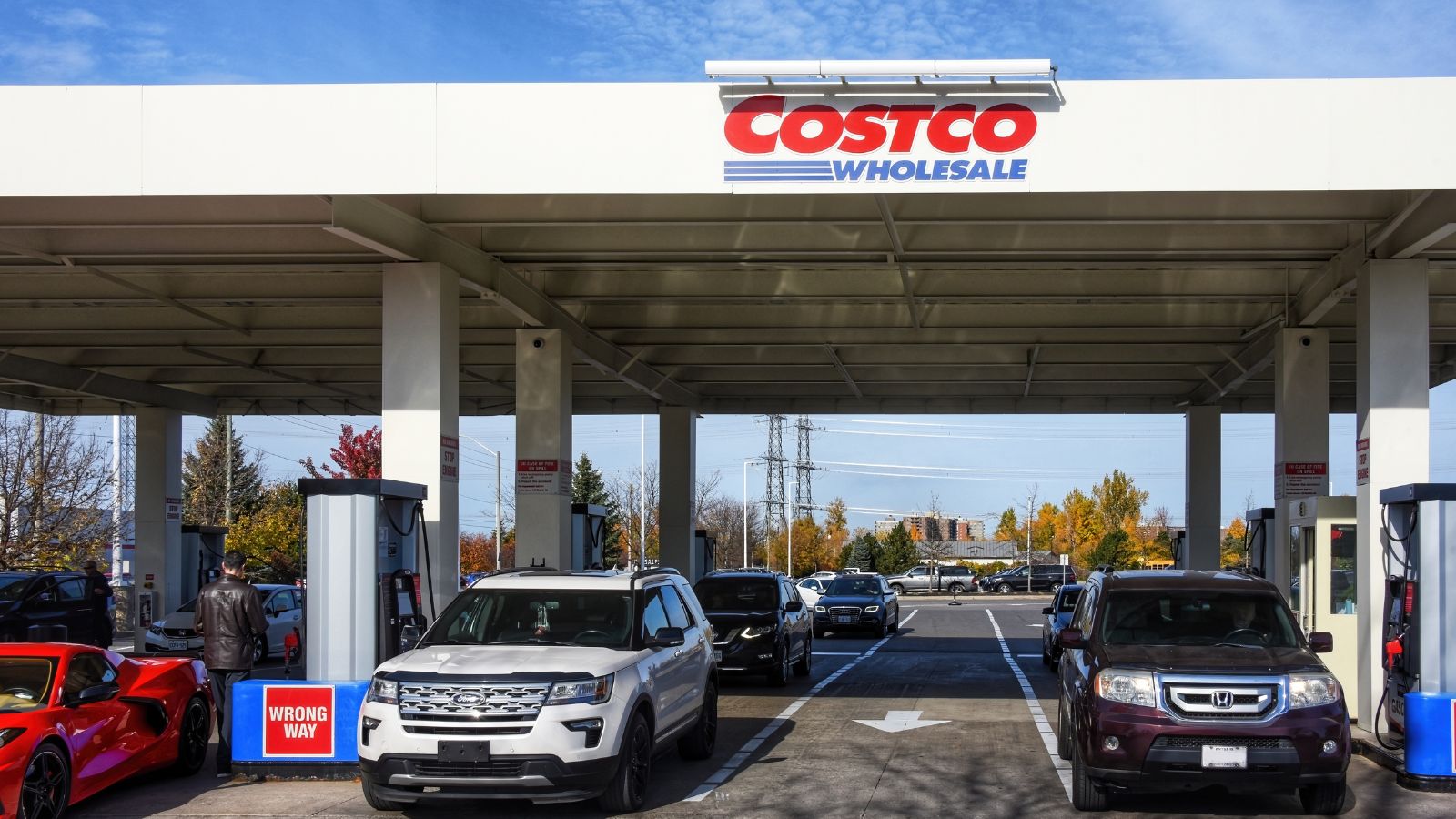
The Executive Membership can feel like an obvious upgrade because the 2% annual reward sounds straightforward. For households that spend heavily at Costco Canada, the extra fee may be easy to justify. But the habit becomes costly when shoppers upgrade first and calculate later. A Gold Star Membership costs less, while Executive costs more and only pays off if eligible annual spending is high enough to offset the difference.
16 Costco Canada Habits That Could Be Costing Shoppers More Than They Save
