
Canada’s weather has always demanded a certain amount of respect from homeowners, but the stakes are changing. Flooding, wildfire, hail, extreme heat, damaging winds and prolonged outages are increasingly influencing decisions that once revolved mainly around comfort, curb appeal and routine maintenance. Canada recorded roughly $8.5 billion in insured severe-weather losses in 2024, illustrating how quickly a bad season can become a household financial issue.
The change is showing up in insurance policies, renovation choices, emergency plans and even questions asked before buying a property. For many households, resilience is becoming another basic cost of homeownership. These 18 ways extreme weather is changing life for Canadian homeowners show how weather risk is moving from an occasional concern to something that increasingly shapes everyday decisions.
Home Insurance Requires Much Closer Attention

Home insurance used to feel like one of those annual bills that could be renewed with little thought. Extreme weather is making that approach increasingly risky. Standard Canadian policies often protect against hazards such as fire, wind, hail and certain forms of internal water damage, but major gaps can exist. Overland flooding, sewer backup and other water-related losses may require additional coverage, depending on the policy and insurer. That means two neighbours with similar houses can discover after a storm that their protection is very different.
The financial consequences are becoming harder to ignore as catastrophic losses grow. Canada experienced approximately $8.5 billion in insured severe-weather damage in 2024, a national record and nearly three times the 2023 total. Homeowners are therefore paying more attention to deductibles, exclusions, replacement-cost limits and optional endorsements. Asking whether a home is simply “insured” is no longer enough. The more useful question is exactly which weather hazards are covered, under what conditions, and how much of the loss remains the homeowner’s responsibility.
Basements Are Becoming a Much Bigger Financial Risk

A finished basement can represent tens of thousands of dollars in flooring, drywall, furniture, electronics and mechanical equipment. During an intense rainfall or rapid snowmelt event, all of that value can suddenly sit at the lowest point in the house. The federal government describes flooding as Canada’s most common and costly natural hazard and says the average cost of repairing a flooded basement now exceeds $40,000. That changes the economics of using a basement purely as inexpensive additional living space.
Homeowners are increasingly thinking about how water actually moves around their property. Sump pumps, battery backups, backwater valves, window-well covers, foundation sealing and proper grading have become practical household investments rather than obscure building terminology. Some families are also reconsidering where expensive belongings are stored. Moving documents, electrical equipment or irreplaceable possessions above basement level costs very little compared with replacing them after a flood. A basement can still be valuable living space, but extreme rainfall is making its vulnerability impossible to treat as somebody else’s problem.
Wildfire Protection Is Reaching the Backyard
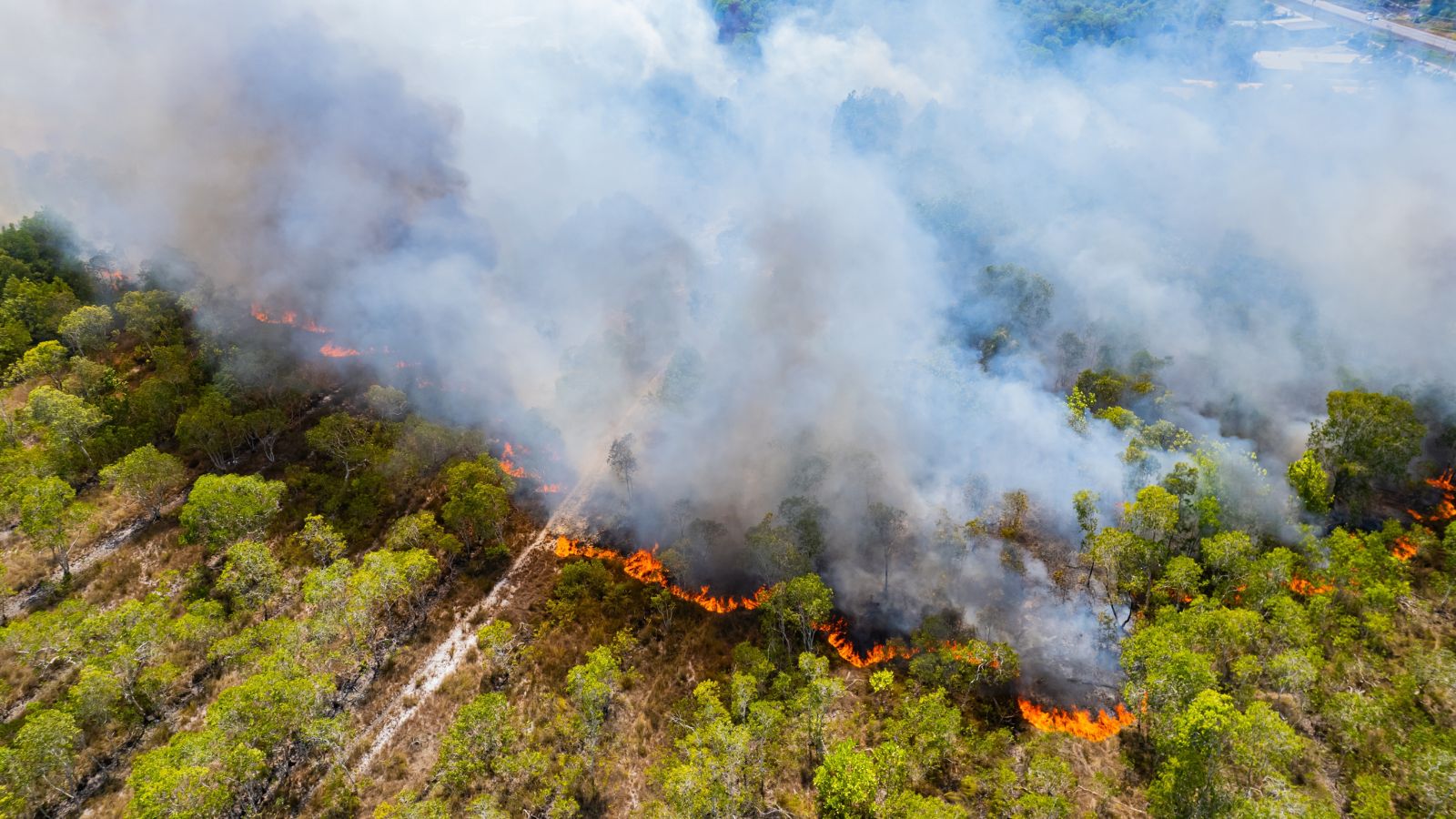
Wildfire risk once seemed largely confined to remote cabins and heavily forested communities. Recent fire seasons have challenged that assumption. Canada’s extraordinary 2023 wildfire season burned roughly 15 million hectares, according to Natural Resources Canada. As communities expand into the wildland-urban interface and warmer, drier conditions affect fire behaviour, homeowners in exposed regions are increasingly being encouraged to think about how easily their property could ignite.
That can change surprisingly ordinary decisions. FireSmart guidance emphasizes the area immediately surrounding a house, including roofs, decks, gutters, siding and nearby vegetation. Homeowners may remove accumulated leaves, relocate stored firewood, replace combustible landscaping or choose more ignition-resistant materials during renovations. Detached garages and sheds deserve attention too because flames or embers can spread from one structure to another. For a household accustomed to choosing shrubs for appearance or siding primarily by price, wildfire resilience introduces another criterion. The yard is no longer just landscaping; in some communities, it has effectively become part of the home’s fire-protection system.
Hail Is Changing What Counts as a Good Roof
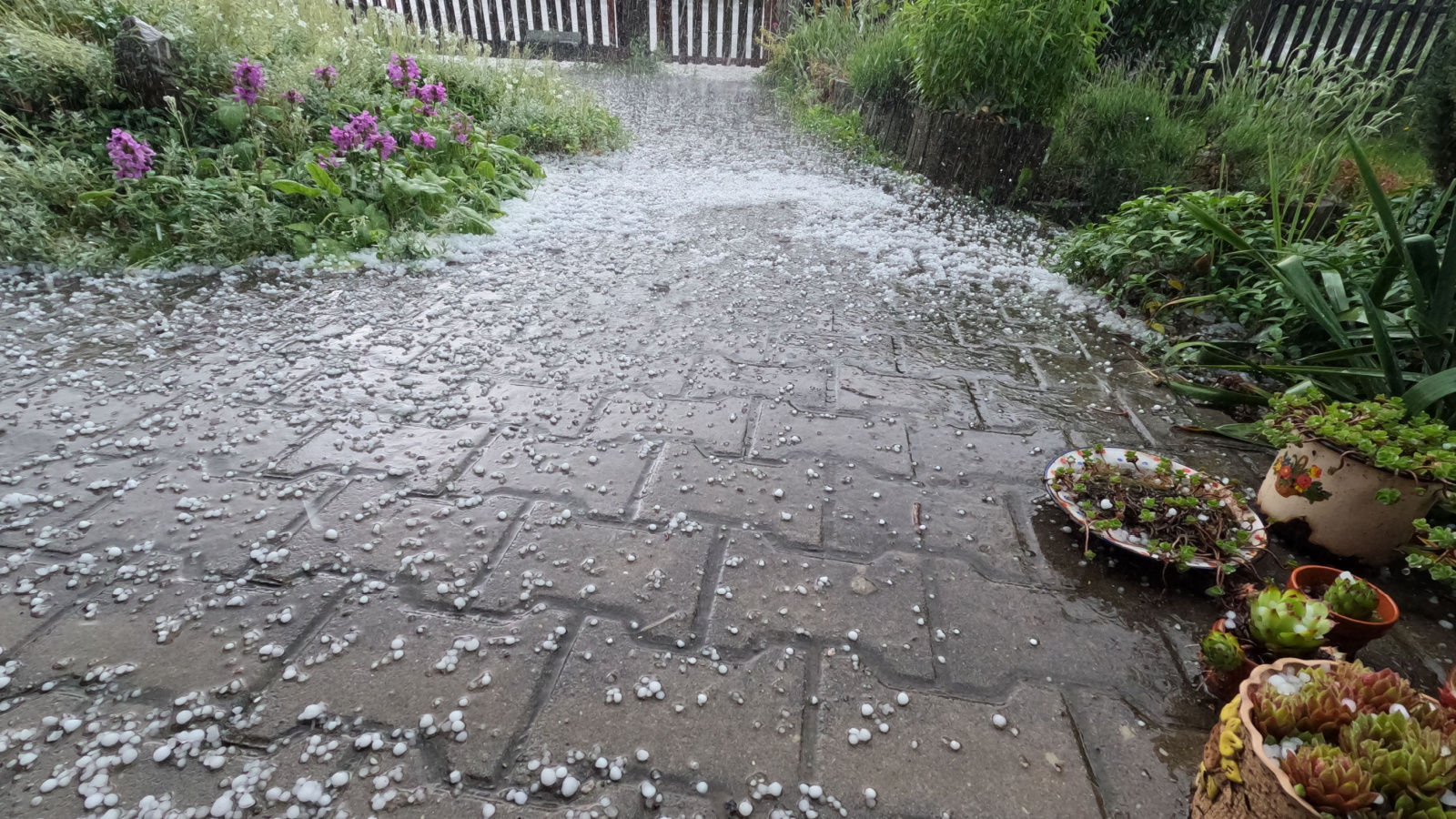
For homeowners on the Prairies, particularly around Calgary, hail has become a reminder that a roof can be relatively new and still be vulnerable. The August 2024 Calgary hailstorm ultimately generated an estimated $3.25 billion in insured losses and more than 130,000 claims. Nearly 60,000 homes were affected. The scale of the event demonstrated how a storm lasting a relatively short time can overwhelm neighbourhoods, insurers, roofers and building-material supply chains for months afterward.
That experience is changing renovation conversations. When shingles or siding need replacement, some homeowners now ask about impact resistance instead of simply comparing colour and warranty length. Insurance Bureau of Canada guidance points to hail-resistant roofing, stronger gutters, impact-resistant vents, more resilient siding and appropriate skylight materials as potential protective measures. These upgrades can cost more at the beginning, which makes the choice harder for a household already facing a large repair bill. Yet repeated hail exposure changes the calculation. A cheaper roof is not necessarily cheaper if another severe storm sends the homeowner back through the claims process.
Air Conditioning Is Becoming Less Optional

Canadian housing was traditionally designed around surviving winter. In many parts of the country, summer cooling was treated as a convenience rather than essential equipment. More frequent episodes of extreme heat are changing that assumption, especially in homes that retain heat overnight. Health Canada warns that indoor temperatures can become dangerously high during extreme heat, turning cooling into a health and safety consideration rather than merely a comfort upgrade.
That is one reason heat pumps are becoming relevant to the resilience conversation. Natural Resources Canada says modern cold-climate electric heat pumps can provide heating at temperatures down to around -30°C while also supplying cooling when outdoor temperatures exceed 40°C. For homeowners replacing an aging furnace or air conditioner, one purchase can therefore affect both winter and summer preparedness. Window shading, insulation, air sealing and ventilation matter as well because a house that gains heat slowly is easier to keep comfortable. The Canadian home has traditionally been judged by how well it keeps winter outside; increasingly, it must also keep dangerous summer heat outside.
Wildfire Smoke Has Turned Indoor Air Into a Home-Maintenance Issue
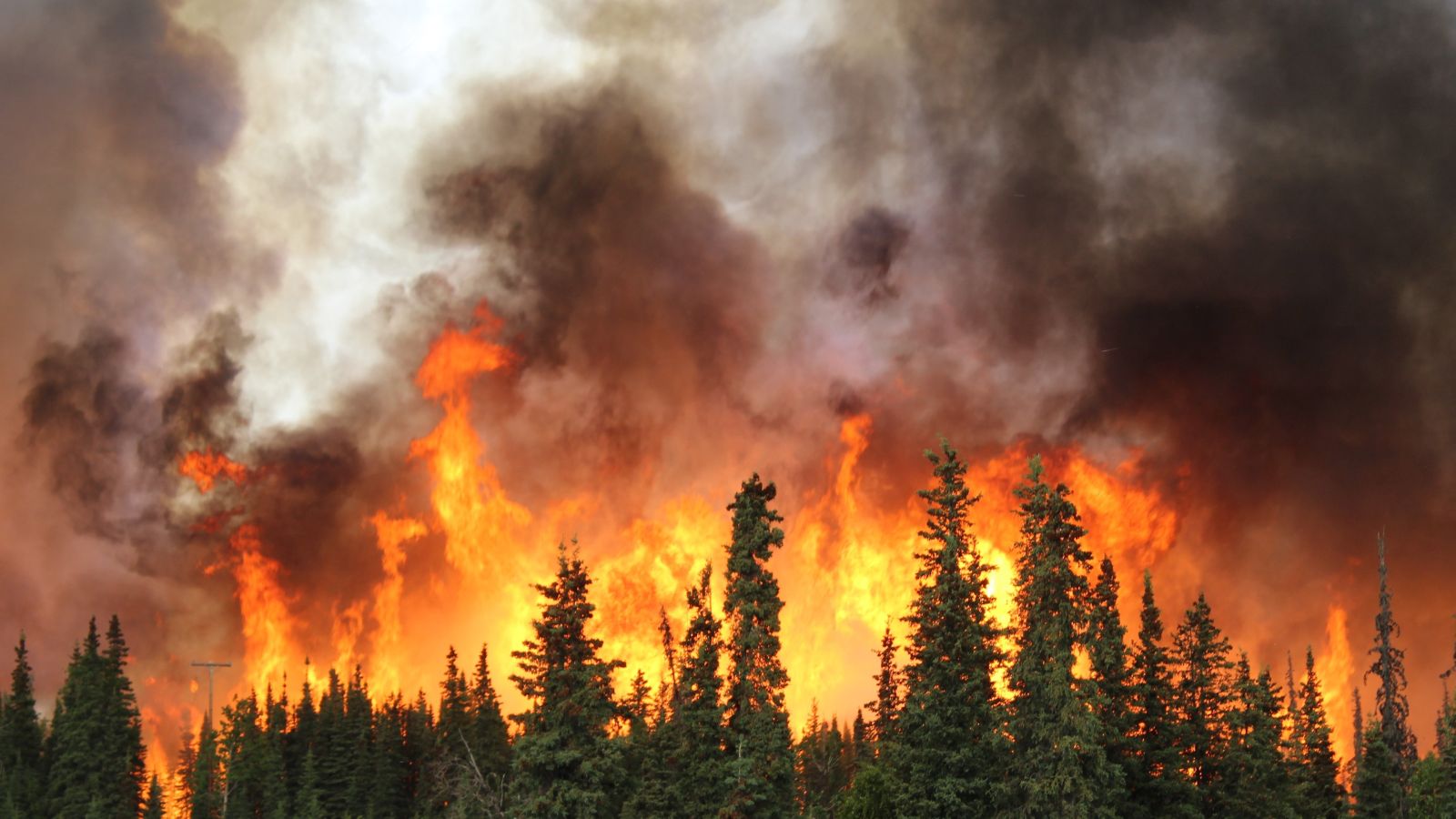
A wildfire does not need to reach a neighbourhood to affect life inside the house. Smoke can travel enormous distances, leaving homeowners hundreds or even thousands of kilometres from the flames watching air-quality readings and deciding whether windows should remain closed. Health Canada identifies fine particulate matter, including PM2.5, as a principal concern in wildfire smoke. That has made indoor filtration a household resilience issue in places that historically spent little time thinking about smoke.
Portable air cleaners, HVAC filters and cleaner-air rooms are consequently becoming part of seasonal preparation. Health Canada recommends choosing appropriately sized certified portable air cleaners and notes that HEPA filtration can help capture fine particles. Its guidance also explains that a unit’s clean-air delivery rate matters, not merely the word “HEPA” printed on the box. Homeowners must balance filtration with another growing problem: extreme heat. Closing every window during smoky weather may protect indoor air, but an uncooled home can overheat. Increasingly, keeping a Canadian house safe means managing temperature and air quality at the same time.
Backup Power Is Becoming Part of Home Resilience

A lengthy outage has always been inconvenient, but modern homes depend on electricity for much more than lights. Furnaces, heat pumps, refrigerators, internet connections, medical devices, well pumps and sump pumps can all stop working when the grid goes down. During heavy rain, that creates an especially frustrating scenario: the same storm that threatens to flood the basement can also disable the electric sump pump designed to protect it.
Federal preparedness guidance now encourages households to consider alternative power and heat sources where appropriate. Natural Resources Canada also lists batteries and standby generators among measures that can improve resilience to power failures. Safety is critical, however. Portable fuel-burning generators should be operated outdoors and well away from buildings because of carbon-monoxide danger; federal guidance recommends at least six metres, or 20 feet. Backup power therefore requires planning rather than a hurried purchase during an outage. For some homeowners, resilience may mean a whole-home standby system. For others, a battery-backed sump pump and several charged power banks can prevent the most costly consequences.
Landscaping Is Becoming Part of Flood Control

A beautiful yard can still send water directly toward the foundation if it is graded poorly. As intense rainfall raises concerns about urban flooding, homeowners are paying more attention to features that once seemed purely cosmetic: the slope of the lawn, the direction of downspouts, the condition of gutters and where rain collects after a storm. Federal resilience guidance specifically identifies landscape water management, grading away from foundations and protecting window wells as measures that can reduce water intrusion.
This makes routine outdoor work more consequential. A blocked eavestrough is not simply untidy if water spills beside the foundation. A flower bed that has gradually settled toward the house can become a drainage problem. Downspouts that discharge too close to basement walls can concentrate roof runoff exactly where it is least wanted. None of these fixes can guarantee that a property will survive an exceptional flood, particularly when municipal systems are overwhelmed. Yet they illustrate a larger change in homeownership. Maintaining the yard is increasingly about directing water safely as well as keeping the property attractive, particularly in older neighbourhoods with aging drainage infrastructure.
Wind Resistance Is Entering Renovation Decisions
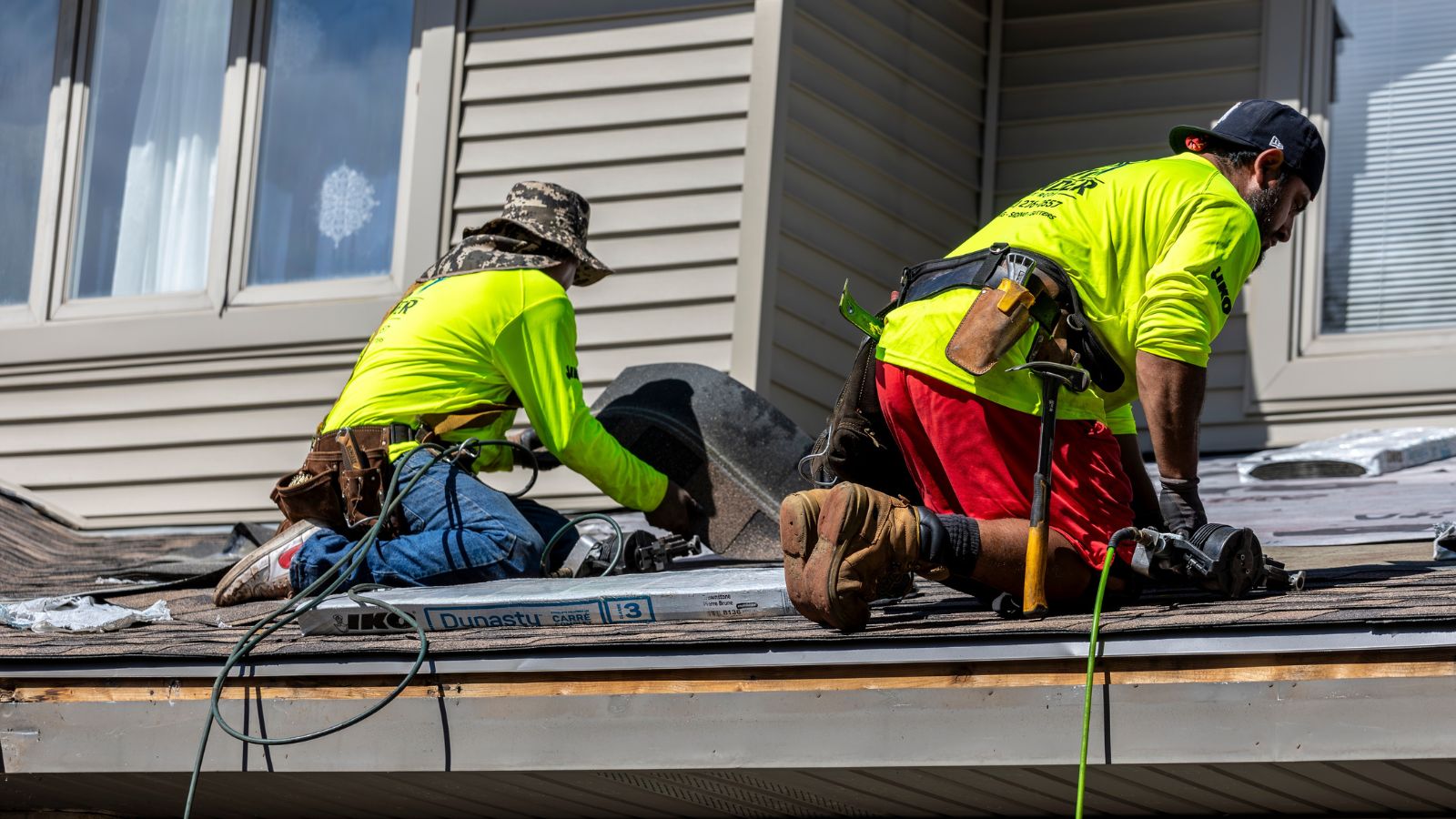
Powerful winds can exploit surprisingly small weaknesses in a house. Once shingles or roofing materials begin to lift, rain can enter. A failed garage door can expose a large opening to wind pressure, while loose siding, roof vents and outdoor objects can become additional hazards. Insurance Bureau of Canada guidance on wind resilience recommends measures ranging from stronger roof-to-wall connections to high-wind garage doors and more securely installed shingles in exposed areas.
The result is a subtle change in how renovations are evaluated. A homeowner replacing a garage door might once have focused almost entirely on appearance, insulation and price. In a region exposed to damaging wind, resistance ratings may deserve a place on the list. Similar questions apply when replacing roofing or siding. This does not mean turning every suburban house into a hurricane bunker. It means recognizing that ordinary components influence how the entire building behaves during a severe storm. When replacement is already necessary, choosing a more resilient component can sometimes be less expensive than attempting a major retrofit after everything is finished.
Winter Maintenance Is Getting More Complicated

Climate change does not mean Canadian winter hazards simply disappear. Homeowners may still face ice storms, heavy snow, freeze-thaw cycles, high winds and periods of dangerous cold. The practical challenge is that winter conditions can become more variable. Water may melt, travel into vulnerable areas and freeze again, while outages during cold weather can threaten plumbing and heating systems. Ice dams are a familiar example: heat escaping through the attic can melt roof snow, which then refreezes near colder eaves and traps water.
Insurance coverage also depends partly on responsible maintenance. The Financial Consumer Agency of Canada notes that ordinary wear and maintenance are the homeowner’s responsibility, while Insurance Bureau of Canada guidance says burst-pipe damage is generally covered when reasonable steps have been taken to maintain heat. That makes insulation, attic ventilation, plumbing precautions and furnace reliability more than chores on a seasonal checklist. A homeowner away during a winter storm may also need to understand policy requirements for checking the property. Increasingly unpredictable conditions make preparation before departure as important as shovelling after the storm.
Coastal Homeownership Carries More Questions
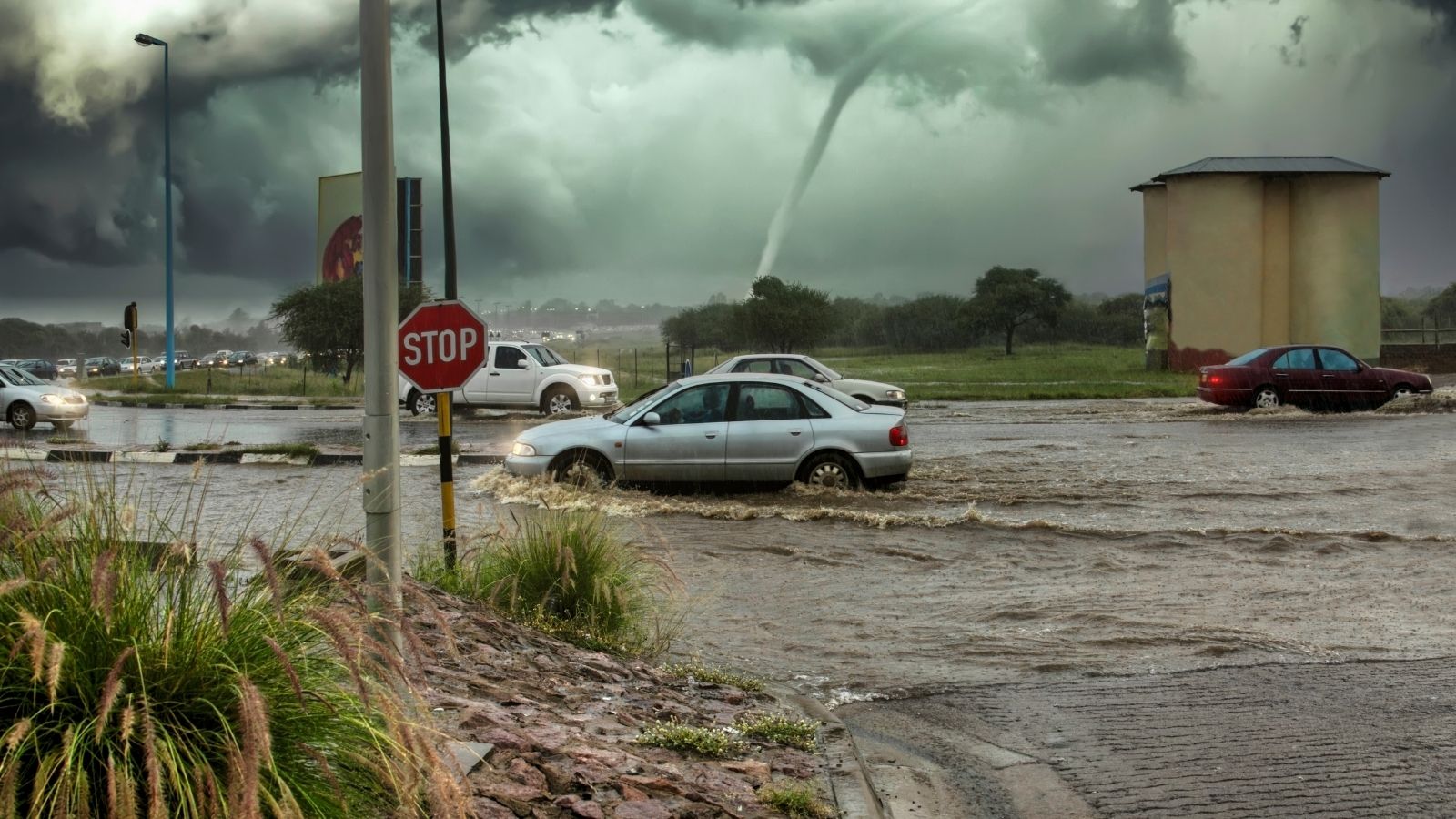
For Canadians living near the Atlantic, Pacific or Arctic coasts, weather risk can involve the ground beneath and around the property as much as the structure itself. Federal climate assessments identify sea-level rise, storm surge, flooding, saltwater intrusion and coastal erosion as interconnected hazards. More than seven million Canadians live in coastal communities, meaning these issues are not limited to a handful of isolated properties.
That changes the questions surrounding a waterfront or near-water home. A magnificent view does not reveal whether an access road is vulnerable to flooding, whether a bluff is retreating or whether shoreline protection will remain practical over decades. Prospective owners increasingly have reason to examine local hazard mapping, historical erosion, drainage, elevation and municipal adaptation plans before treating proximity to water as an uncomplicated premium feature. Existing homeowners may face difficult choices involving shoreline work, drainage improvements or relocating vulnerable structures. Coastal property has always carried exposure to storms, but changing conditions are making long-term site resilience more important to the value and usability of the house itself.
Drought Is Changing Yard and Water Decisions Too
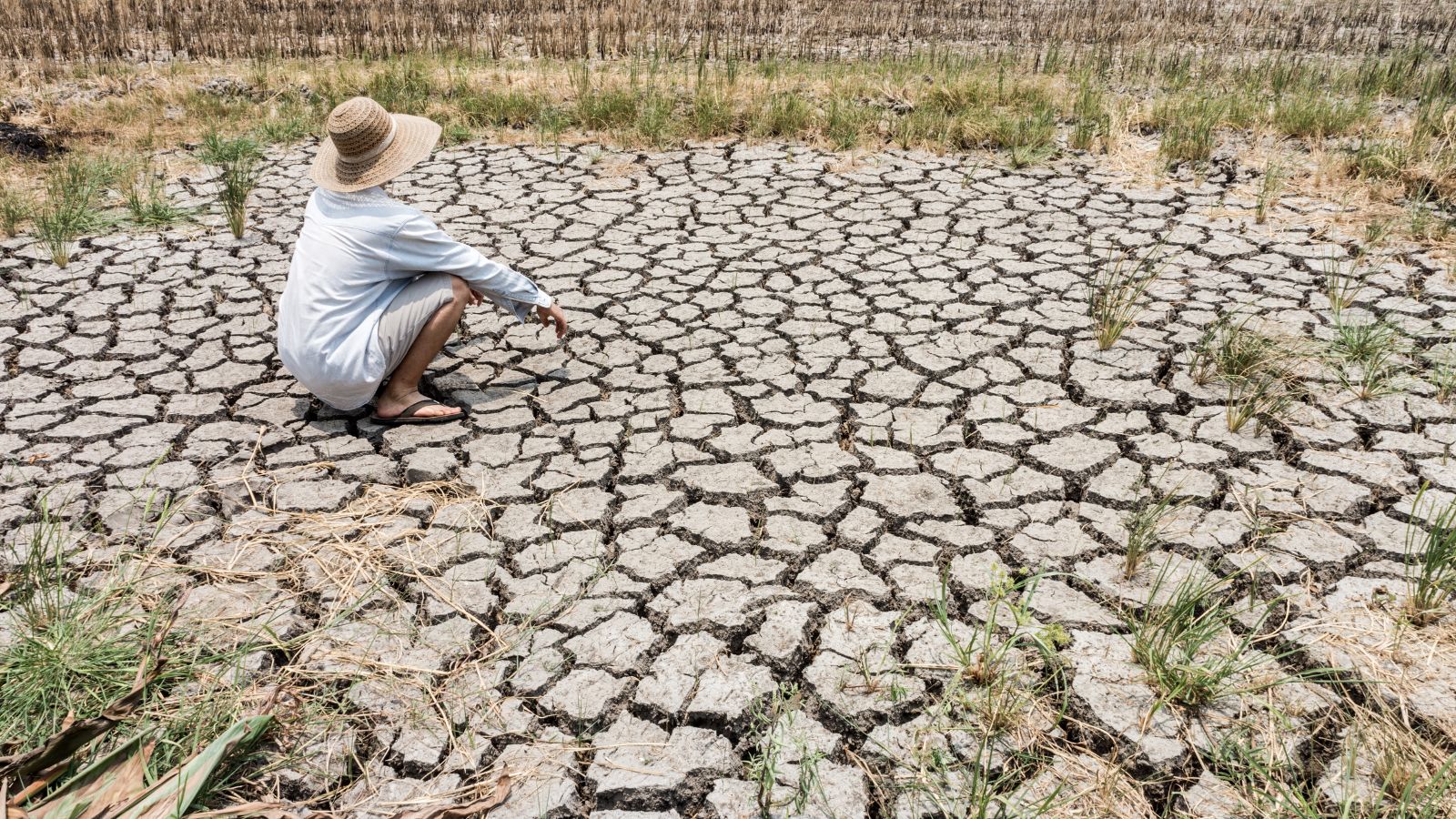
Extreme weather is often associated with too much water, but some Canadian homeowners increasingly face the opposite problem. Natural Resources Canada says drought is expected to become more frequent and severe in parts of the country. Prolonged dry periods can stress trees and gardens, increase irrigation demand and contribute to wildfire conditions. Rural households relying on wells can have an additional reason to pay attention to groundwater conditions rather than assuming household water supply will always behave as it has historically.
This is influencing landscaping choices. Drought-tolerant plants, improved soil, mulch, rainwater capture where permitted and more efficient irrigation can reduce the amount of treated water needed to keep a property alive through dry weather. Tree selection matters because a species that thrived under past conditions may struggle with repeated heat or moisture stress. Even urban homeowners subject to municipal watering restrictions can discover that a large lawn is more demanding than expected. The broader shift is striking: the Canadian homeowner increasingly has to prepare for both intense rainfall and extended dryness, sometimes within the same year.
Flood Maps Are Becoming Part of Property Research

Home buyers have traditionally checked school districts, taxes, commute times and perhaps the age of the roof. Flood exposure is increasingly joining that list. Canada has been expanding its flood-hazard mapping efforts, and in 2026 the federal government announced Canada’s Flood Risk Finder, designed to provide address-based risk information in participating provinces and territories. The planned scale runs from low to extreme risk and is intended to complement provincial, territorial and local mapping.
That information can matter even to owners who have never seen water near their house. Federal guidance explicitly notes that a property may face flood risk without having experienced a previous flood. Development, drainage changes and rare but severe rainfall can expose vulnerabilities that are difficult to infer simply by looking at the street on a sunny day. Maps are not perfect predictions of what will happen to an individual building, but they can prompt better questions about insurance, grading, previous water damage and municipal infrastructure. Climate risk is gradually becoming another layer of due diligence attached to a Canadian address.
Extreme Weather Can Follow a Home Into the Resale Market
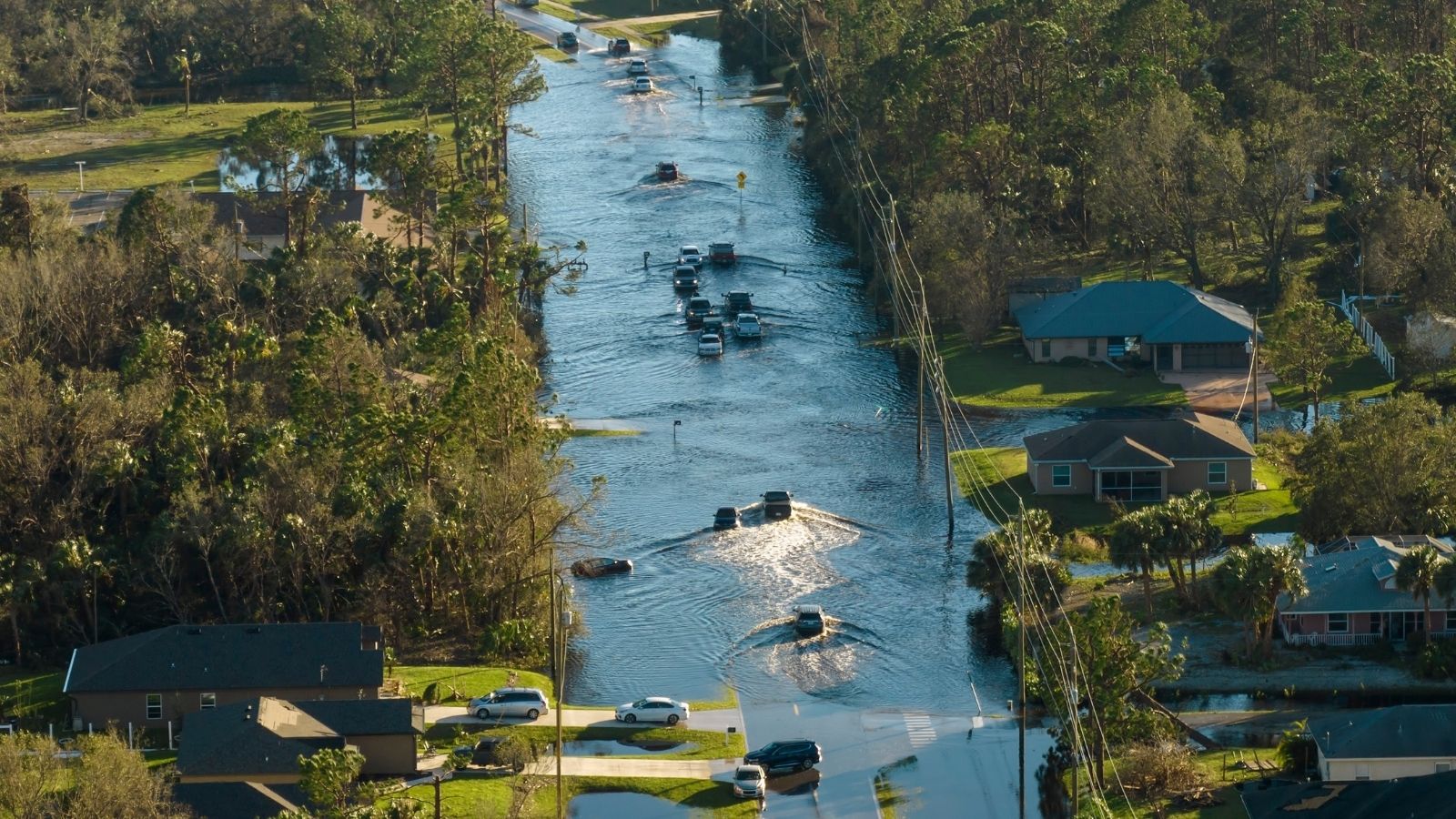
Physical damage is not the only way extreme weather can affect a homeowner’s finances. Research from the Intact Centre on Climate Adaptation examined Canadian communities after catastrophic floods and found an average 8.2% reduction in final home sale prices in the studied areas, along with fewer listings and longer selling times. Those numbers should not be assumed for every flood or neighbourhood, but they illustrate how disaster history can influence buyer behaviour even after streets have dried and repairs are completed.
Financial institutions are watching the issue as well. Bank of Canada research has examined climate-related flood risk in residential mortgage and home-equity lending because the properties securing those loans cannot simply be moved away from a hazard. For an individual homeowner, the concern is straightforward: resilience measures can protect more than furniture and drywall. They may also help protect the marketability of the largest asset a household owns. As hazard information becomes easier to access, future buyers may increasingly ask not only whether a house has flooded, but what has been done to reduce the chance of it happening again.
Routine Maintenance Has Higher Stakes

A loose shingle, clogged gutter or dead tree branch has always been worth fixing. Extreme weather makes small maintenance problems more likely to become expensive failure points. Insurance Bureau of Canada preparedness guidance emphasizes keeping gutters and downspouts functional, clearing combustible debris around properties and maintaining components that can reduce flood, hail or wildfire damage. The federal government also makes an important distinction: home insurance generally does not pay for predictable deterioration or ordinary maintenance.
That reality is changing the rhythm of homeownership. Instead of treating maintenance as a spring cleanup followed by months of relative inattention, households in exposed regions may need seasonal inspections before wildfire, thunderstorm and winter-weather periods. Roofs can be checked after hail. Drainage can be inspected before heavy-rain seasons. Dead vegetation can be removed before fire danger rises. Attics and eaves can be checked before ice-dam season. None of these tasks is particularly dramatic, but that is the point. Extreme-weather resilience often consists of small jobs completed before the weather becomes extreme, when contractors are still available and emergency repairs are not yet required.
Renovations Are Starting to Account for Tomorrow’s Climate
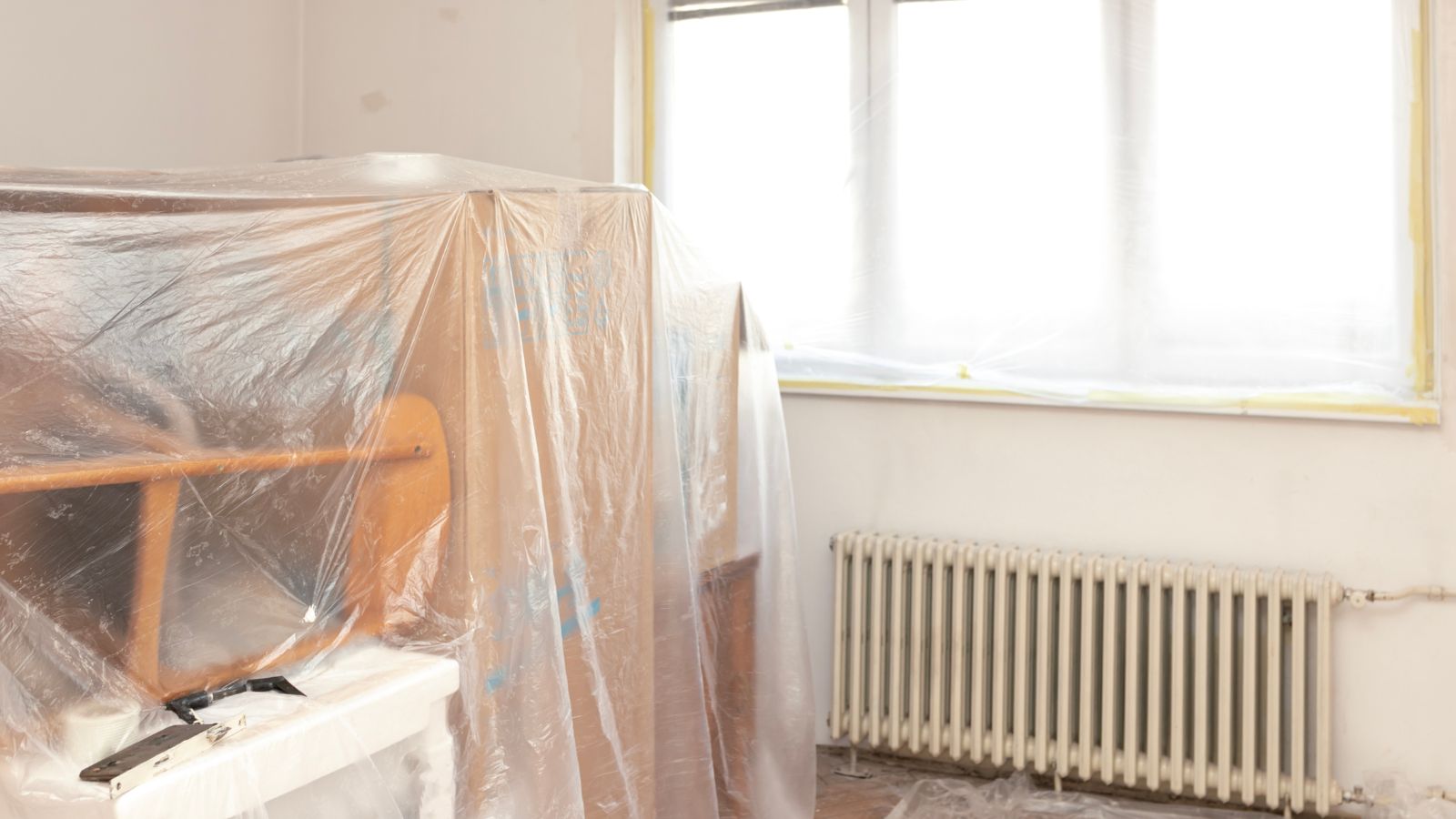
Building practices are gradually responding to climate conditions that are no longer assumed to remain constant. The National Research Council says work on climate-resilient buildings has already contributed to changes involving wind design information, roof snow loading, building envelopes and other areas of the National Model Codes. Federal climate guidance also emphasizes the use of future climate data as codes, standards and engineering practices evolve.
Homeowners do not need to become building-code experts to feel the effect. A roof replaced today may still be on the house decades from now, as might new windows, drainage systems or exterior cladding. Renovating only for historical weather can therefore miss part of the investment horizon. More households and contractors are considering multi-hazard resilience: a material selected for wildfire resistance should also make sense in a hail-prone region, while energy upgrades should account for both winter cold and summer overheating. The most useful question is shifting from “Will this meet today’s needs?” toward “How will this perform through the conditions this house may face over its remaining life?”
Emergency Planning Is Becoming a Household Responsibility

Many Canadians maintain smoke alarms and perhaps a flashlight but do not think of the home as a place that might need to operate independently for days. Federal emergency guidance recommends that households be prepared to be self-sufficient for at least 72 hours because electricity, tap water, transportation or local services can be interrupted during disasters. The recommended supplies must also reflect household realities, including children, older adults, medications and pets.
Extreme weather gives that advice more urgency. An emergency kit can contain food, water, flashlights, batteries, chargers, first-aid materials and copies of important information, but preparation also involves knowing where to go. Flood or wildfire evacuation can happen quickly, making evacuation routes, medication access, pet arrangements and family contact plans important before an alert arrives. Health Canada recommends two litres of drinking water per person per day for emergency supplies. The exact kit will differ from household to household, yet the principle is becoming increasingly relevant: resilience is not only something built into walls and roofs. It also depends on whether the people inside know what to do when the house temporarily stops functioning normally.
Recovering From a Disaster Can Take Much Longer Than Expected
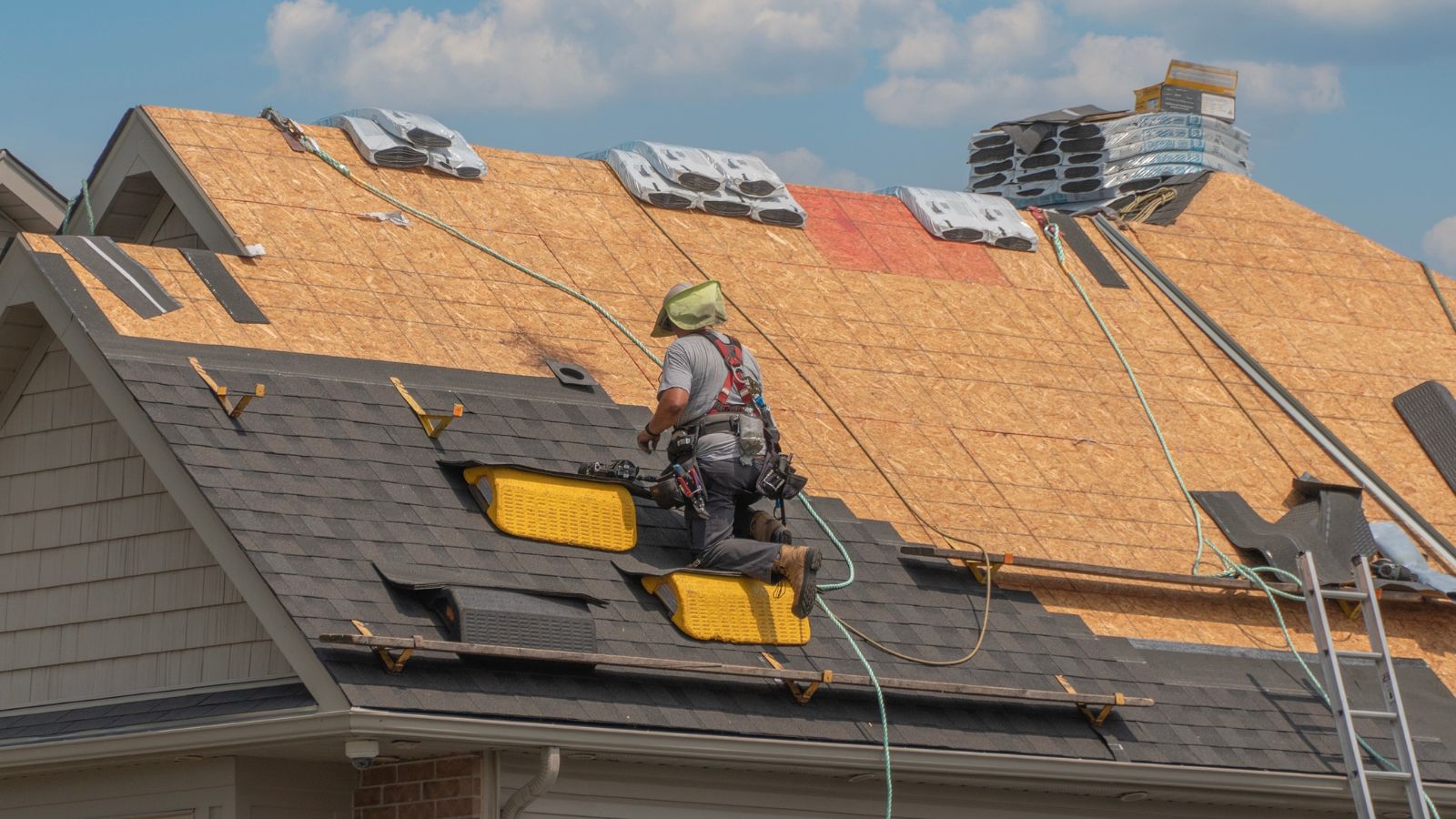
The storm may last an hour, but the repair process can stretch across seasons. Calgary’s 2024 hailstorm offered a vivid example. With nearly 60,000 homes affected, Insurance Bureau of Canada reported that the scale of damage strained the availability of contractors and building supplies. When thousands of neighbours need roofers, windows, siding and adjusters simultaneously, even insured households can face long waits before everything returns to normal.
That makes documentation another form of preparedness. Insurance guidance recommends photographing damage when it is safe, keeping receipts, making detailed lists of damaged belongings and preserving purchase records where possible. Homeowners should also keep records of conversations, estimates and invoices throughout the repair process. Some policies provide additional living expenses when an insured loss makes a home temporarily uninhabitable, but limits and conditions vary. The lesson is larger than paperwork. Extreme weather is changing the meaning of recovery from “make a claim and get it fixed” to a potentially complicated project involving accommodation, contractors, materials, adjusters and months of disruption. Preparation before the event can make that process considerably less chaotic.
16 Costco Canada Habits That Could Be Costing Shoppers More Than They Save
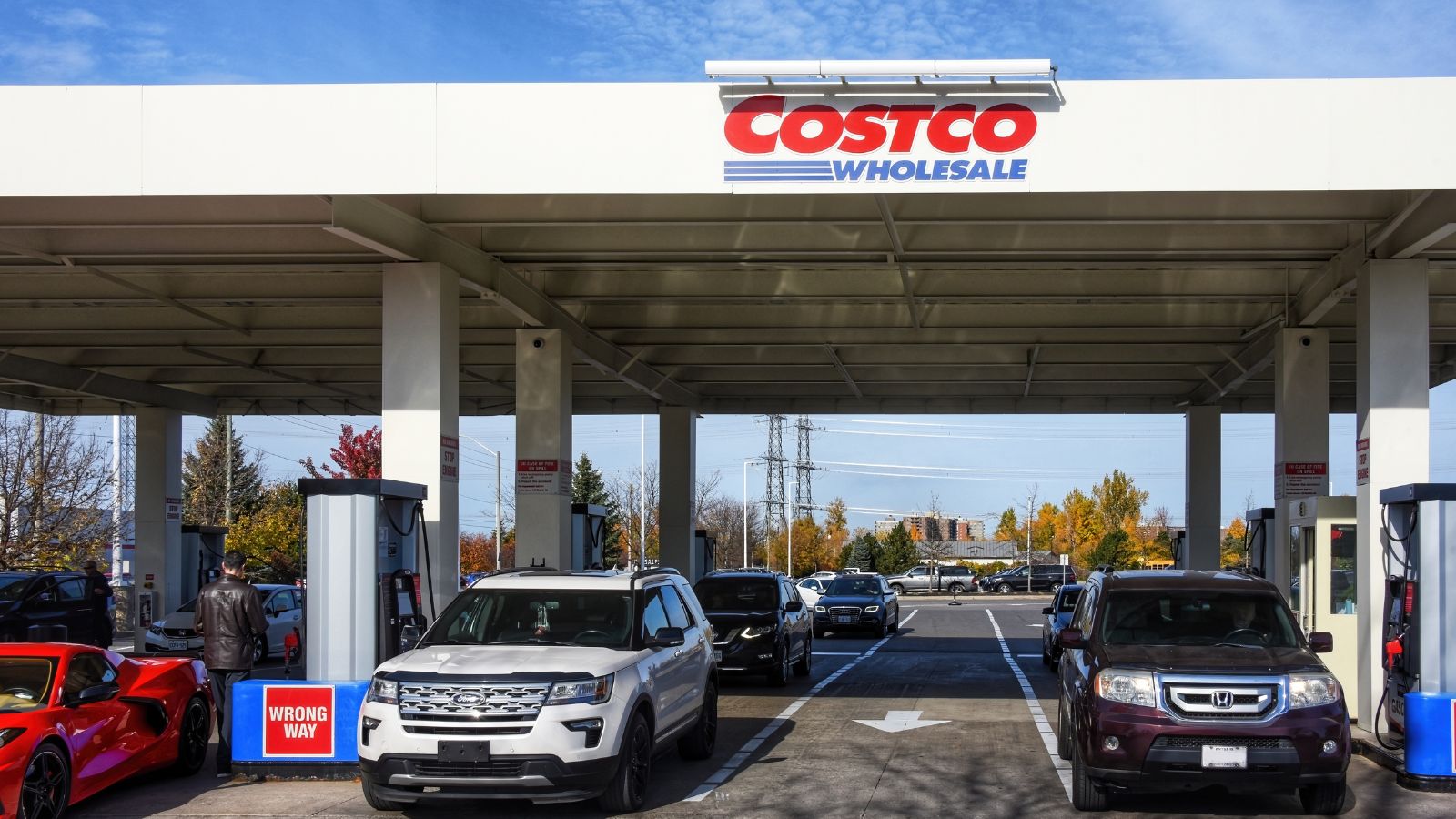
The Executive Membership can feel like an obvious upgrade because the 2% annual reward sounds straightforward. For households that spend heavily at Costco Canada, the extra fee may be easy to justify. But the habit becomes costly when shoppers upgrade first and calculate later. A Gold Star Membership costs less, while Executive costs more and only pays off if eligible annual spending is high enough to offset the difference.
16 Costco Canada Habits That Could Be Costing Shoppers More Than They Save
