Major storms rarely create just one problem. High winds can knock out power, heavy rain can flood basements, winter weather can close roads, and damaged communications can make a routine inconvenience feel much more serious. Federal emergency-preparedness guidance says one in three Canadian adults has experienced a major weather-related emergency or disaster in their lifetime.
Preparation does not require turning a home into a bunker. It means dealing with predictable weak points before the warning arrives. These 20 preparations cover food, water, communications, medical needs, vehicles, flood protection, insurance, evacuation and the hazards that remain after the clouds have moved on.
Make a Household Emergency Plan Before Anyone Needs It
A storm is a poor time to decide who will collect the children, where family members will meet or which route leads out of the neighbourhood. Public Safety Canada recommends that household emergency plans identify safe exits, meeting places, nearby and out-of-town contacts, health information, insurance details and arrangements for pets. The federal emergency-plan form is designed to take about 20 minutes and covers eight basic planning steps.
The most useful plan is specific enough to work when normal routines disappear. One parent may be downtown, another person may be at school, and an older relative may be across town when roads become impassable. Households should know who is responsible for each person and where everyone will reconnect if cellular service becomes unreliable. Copies of the plan can be stored on phones and on paper. A simple rehearsal matters too. Familiar decisions are easier to carry out when wind, darkness and emergency alerts have made the situation stressful.
Build a Kit That Can Cover at Least 72 Hours
Canadian emergency guidance repeatedly uses 72 hours as the minimum period households should be ready to manage basic needs without normal services. An emergency kit should therefore be more than a collection of forgotten batteries in a basement drawer. Public Safety Canada recommends organizing essential supplies so they are accessible, portable and familiar to everyone in the household, whether residents need to shelter at home or leave quickly.
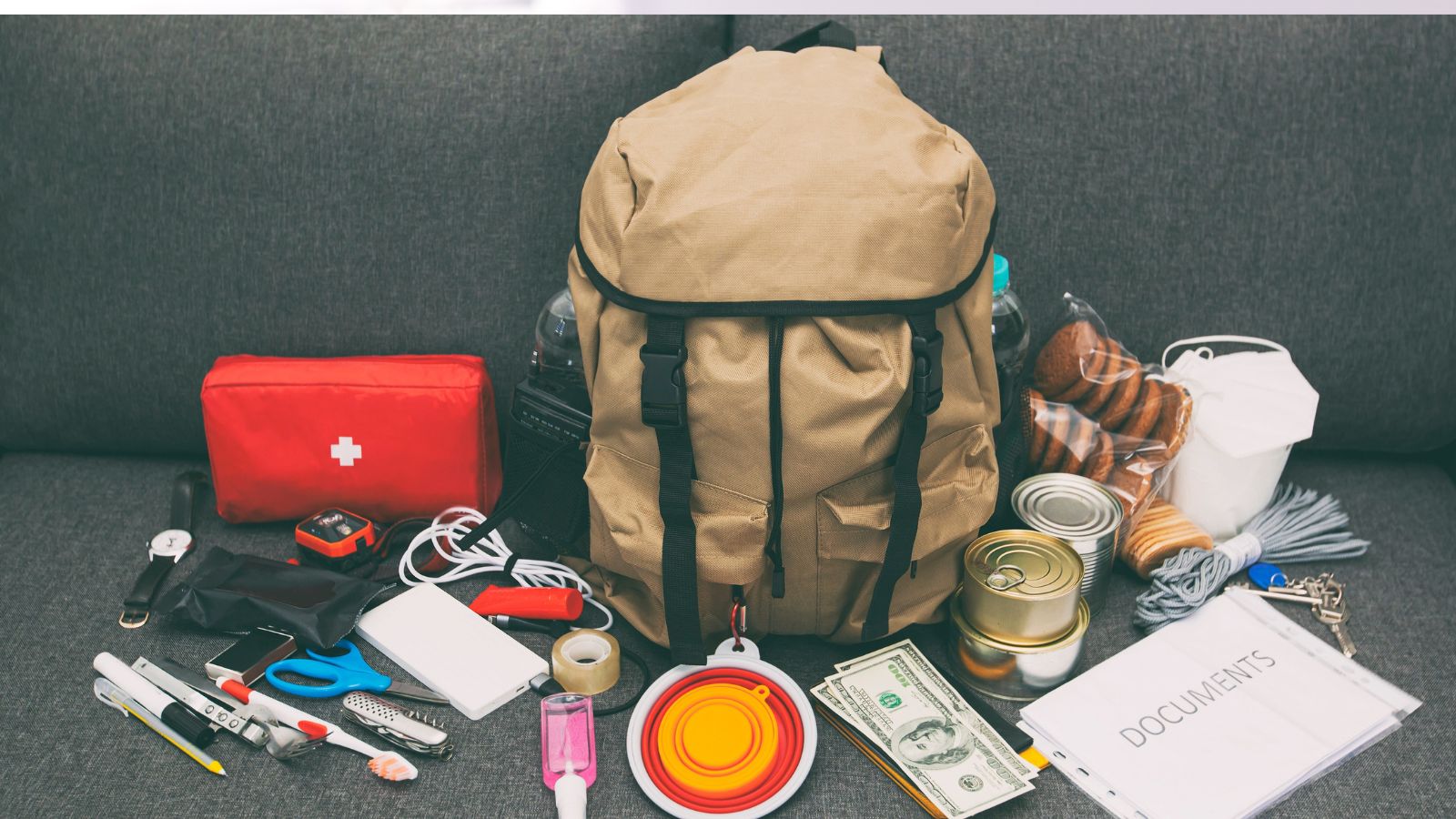
A practical kit might live in a backpack, duffel bag or wheeled case near an exit rather than scattered throughout several cupboards. Federal guidance includes water, non-perishable food, a manual can opener, flashlights, a radio, extra batteries, a first-aid kit, chargers, identification and other household-specific necessities. Remote communities or people with specialized medical needs may reasonably require more than the basic amount. The important test is simple: if the electricity, tap water and nearby stores were unavailable tomorrow morning, could the household function safely for three days?
Store Enough Drinking Water Before the Taps Become a Question

Water tends to disappear from emergency planning because it is normally available with a twist of a faucet. A severe storm can change that quickly through power failures, damaged infrastructure, flooding or public-health advisories. Canada’s federal emergency-kit checklist recommends storing two litres of water per person per day for drinking, cooking and hygiene, creating an immediate baseline for calculating a household supply.
For four people over three days, even that basic recommendation means 24 litres. Pets, medical conditions, hot weather and other circumstances can increase the amount a household needs. Stored water should be easy to reach rather than trapped behind boxes in a basement that could itself flood. It is also worth knowing where local authorities publish drinking-water advisories. Storm preparation works best when water is treated as an essential utility rather than a last-minute grocery purchase, because bottled supplies can become much harder to find once thousands of households respond to the same warning.
Stock Food That Does Not Depend on Electricity

A freezer packed with meals looks reassuring until the electricity disappears. Storm supplies should therefore include food that can be safely stored and eaten without relying on refrigeration or complicated cooking. Public Safety Canada’s emergency-kit guidance specifically suggests non-perishable choices such as canned foods, energy bars and dried foods and recommends replacing stored emergency food regularly. A manual can opener is also on the federal checklist for an obvious reason: an electric opener is useless during an outage.
The best emergency pantry is built around what the household will actually eat. Familiar soups, canned fish or beans, crackers, nut or seed products where allergies permit, shelf-stable foods and easy snacks can reduce both waste and stress. Parents may want foods children recognize, while people with dietary restrictions need alternatives that will not require searching damaged or closed stores. Keeping several days of food available also reduces the temptation to drive during dangerous conditions simply because the kitchen was stocked for an ordinary week rather than an emergency.
Prepare Prescriptions and Medical Supplies Early

Medication can become one of the hardest storm supplies to improvise. Pharmacies may close, roads may be blocked and refrigerated or electrically powered medical equipment may require special planning during a prolonged outage. Public Safety Canada advises households to consider prescription medications and specialized equipment when assembling emergency supplies and says that, where possible, having enough medication to last a couple of weeks can provide additional resilience during emergencies.
The federal checklist also recommends maintaining a written list of medications, including dosage and purpose, as well as contact information for doctors and other health-care providers. That information can be particularly useful if someone must evacuate without their normal pharmacy nearby. People who use mobility devices, oxygen equipment, refrigerated medication or electrically powered medical devices should plan specifically for loss of power and transportation. Rather than changing prescriptions independently, households can discuss emergency continuity with pharmacists or clinicians in advance. A storm kit is much more useful when it reflects the medical realities of the people who actually live there.
Know How Canada’s Weather Alerts Work
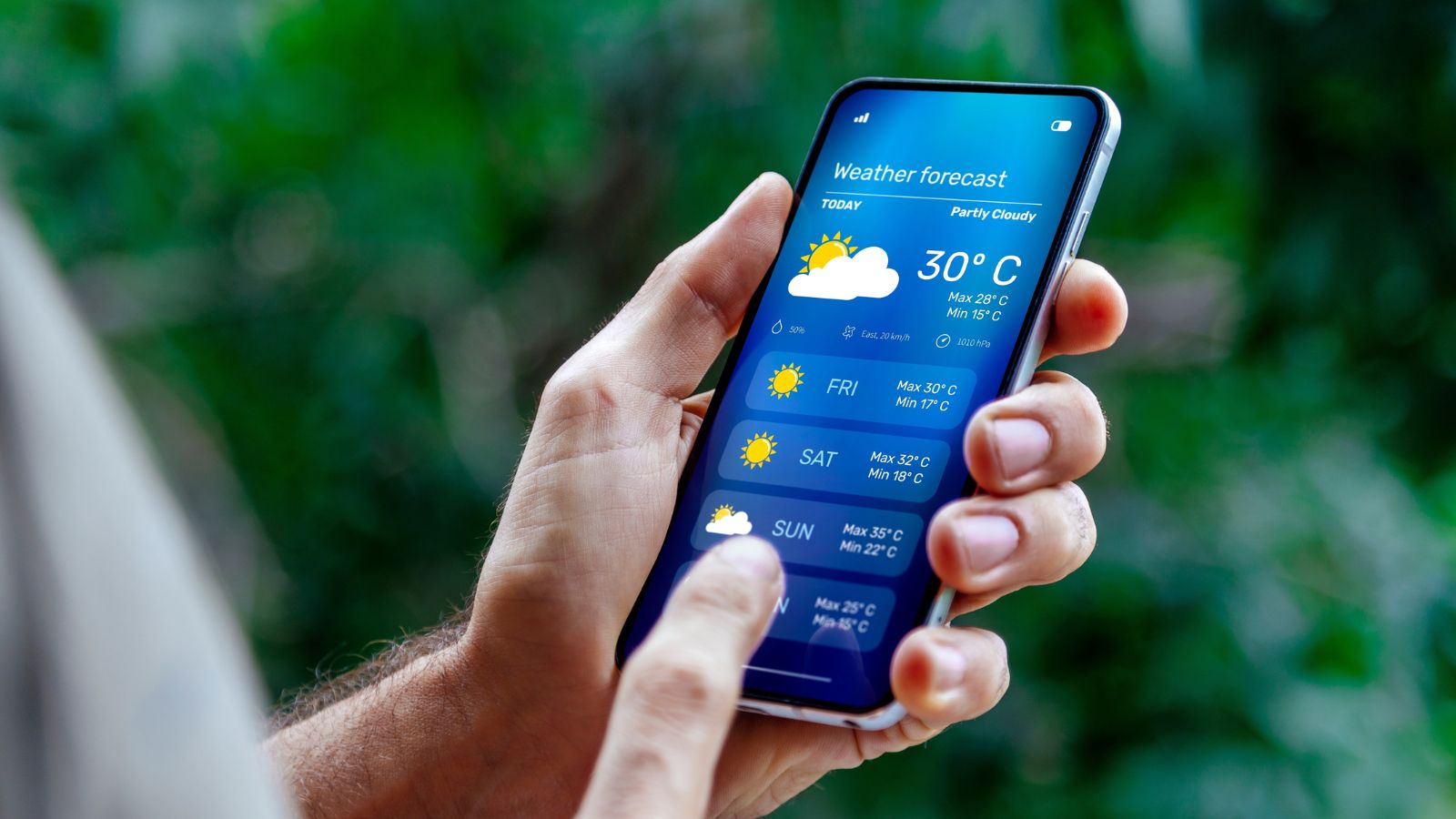
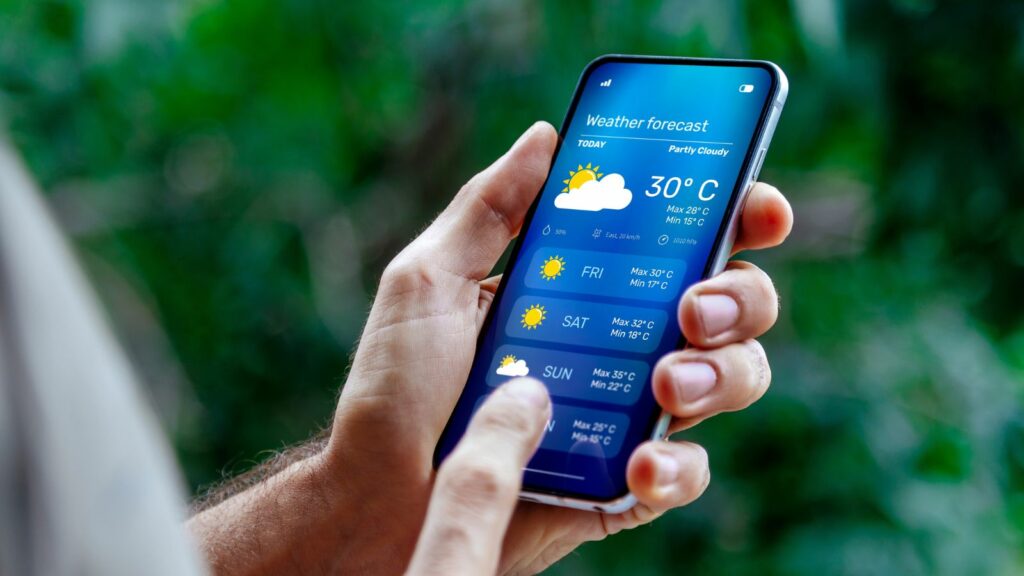
Canada changed the presentation of federal weather alerts in 2026 by introducing yellow, orange and red colour coding, with the colours indicating increasing potential impacts. That makes it worth becoming familiar with Environment and Climate Change Canada’s WeatherCAN app and official weather information before a storm develops. Someone who waits until the sky turns dark may already have missed hours of useful preparation time.
It is equally important to understand that not every weather warning generates a phone-shaking Alert Ready message. Environment and Climate Change Canada says broadcast-immediate weather alerts include tornado warnings and the most dangerous severe thunderstorms, including those forecast to produce wind gusts of at least 130 km/h or baseball-sized-or-larger hail of about seven centimetres. Regular watches, warnings and advisories therefore still matter. Households should know where to check official forecasts rather than assuming the absence of a wireless emergency alert means the situation is harmless. The phone alert is one layer of warning, not the entire system.
Create More Than One Way to Stay Connected
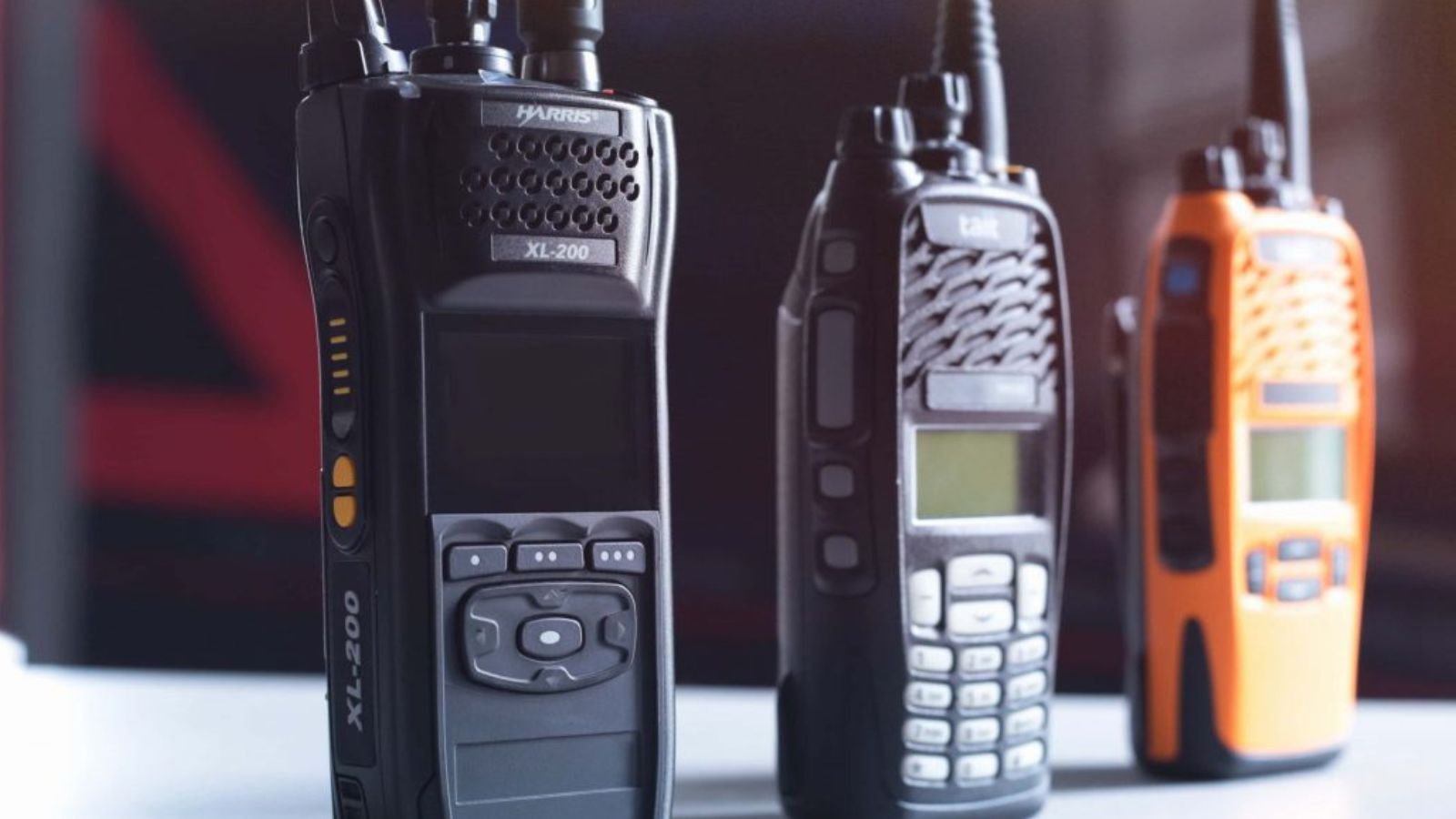
Modern households can lose several communication tools at once when electricity and telecommunications infrastructure are damaged. Emergency kits should include charged power banks and a battery-powered or wind-up radio, both of which appear in federal preparedness guidance. A radio can continue delivering official information when an internet connection is unavailable, while a stored battery pack can extend the useful life of a phone long after wall outlets stop working.
Families should also decide in advance who will serve as an out-of-town contact. Federal emergency communications guidance notes that a person outside the affected area can help relay information between relatives who cannot easily reach one another directly. Important telephone numbers should exist somewhere other than a phone’s contact list, because a lost or dead device should not erase the family’s entire communications plan. During an actual emergency, conserving battery life becomes more important than routine scrolling. Communications preparedness is ultimately about redundancy: if one system fails, another should still provide information or a way to reconnect.
Treat Generator Safety as Seriously as the Power Outage

Portable generators can keep critical equipment running, but using one incorrectly can create a more immediate danger than the outage itself. Health Canada warns that fuel-burning generators produce carbon monoxide, a colourless and odourless gas that can cause severe illness or death. Federal guidance says generators should never operate inside a home, garage or shed and should be positioned at least six metres, or about 20 feet, from a building.
Exhaust should also be directed away from windows and doors, and nearby openings should remain closed so fumes do not enter the house. Barbecues, camping stoves and other outdoor fuel-burning equipment likewise belong outside, not in a garage or basement even when doors or windows are open. Canadians considering backup power should learn the operating instructions before an outage rather than reading them with a flashlight in the rain. Working carbon-monoxide alarms are another critical layer of protection. Backup electricity is helpful only when the equipment supplying it does not create a new emergency.
Check Flashlights, Smoke Alarms and Carbon-Monoxide Alarms

A box of flashlights is not much use if every battery inside it expired two winters ago. Public Safety Canada specifically recommends battery-powered or wind-up flashlights as emergency-kit essentials and advises using flashlights rather than candles during power outages to reduce the risk of fire. Spare batteries should be stored alongside the equipment they are meant to operate instead of somewhere else in the home.
Storm preparation is also a good trigger for checking smoke and carbon-monoxide alarms. Federal power-outage guidance tells Canadians to make sure alarm batteries are working, an especially important precaution when households may turn to fireplaces, generators or other alternative sources of heat and power. Gas cooking equipment should never become an improvised space heater. The practical goal is to make darkness boring rather than dangerous: everyone knows where lights are, children do not need to walk through an unlit house looking for them, and the household retains working warning systems even after the electrical grid goes down.
Secure the Yard Before Wind Turns Objects Into Projectiles

Patio chairs, recycling bins, planters and lightweight tables seem harmless until strong winds start moving them. Environment and Climate Change Canada advises people facing severe warm-season weather to secure or put away loose outdoor objects such as furniture and garbage cans and, when possible, move vehicles into garages. Hurricane-preparedness guidance offers the same warning because airborne objects can injure people and damage buildings.
Canadian storm history shows why this matters. The destructive May 2022 derecho in Ontario and Quebec sent loose objects flying, damaged roofs and structures, brought down large numbers of trees and left more than one million hydro customers without power at its peak. Preparation should happen while conditions remain safe. Outdoor furniture can be moved, gates secured and vulnerable items stored before wind strengthens. Tree or structural work requiring professionals should be addressed as routine maintenance rather than attempted during a warning. A surprisingly large part of storm preparation consists of preventing ordinary possessions from becoming part of the storm.
Make the Basement and Drainage System Storm-Ready

Heavy rain often exposes home-maintenance problems that have been invisible during dry weather. Public Safety Canada recommends keeping gutters and downspouts clear, grading soil away from foundations and, where possible, directing downspout discharge at least two metres from the house. Federal flood guidance also recommends checking eavestroughs and downspouts at least twice a year because clogs and poor drainage can contribute to preventable water problems.
Homes with basements may require another layer of defence. Sump pumps need to be maintained, and some properties can benefit from properly installed backwater valves that prevent wastewater from reversing through drains during overloaded sewer conditions. Public Safety Canada says the average cost of repairing a flooded basement can exceed $40,000, making relatively mundane drainage work financially significant. Owners should understand what equipment their property already has and whether it works. Renters can ask landlords who maintains sump pumps, valves and drainage systems rather than discovering the answer when water is already entering the building.
Move Documents and Valuable Items Out of the Water Line

Basements often become storage rooms precisely because people do not expect them to become pools. Federal flood-prevention guidance recommends elevating items such as electronics at least 30 centimetres, or about one foot, above the basement floor and placing important government and insurance documents in waterproof bags or watertight containers when they must be stored below grade.
A storm is also easier to recover from when there is evidence of what existed before the damage. Public Safety Canada recommends maintaining an inventory of valuable belongings, including photographs, receipts or other proof of ownership, and keeping backup copies of insurance documents. Digital copies can be useful as long as they are accessible even when a particular computer is damaged. For many families, photographs, identification papers and records carry value far beyond their replacement cost. Raising one storage box or moving passports upstairs takes minutes before a storm; recreating documents and arguing over the contents of a flooded basement can take weeks afterward.
Read the Insurance Policy Before There Is a Claim

Many Canadians reasonably assume that “home insurance” means almost anything that damages the home will be covered. The Financial Consumer Agency of Canada warns that standard policies may exclude or limit certain events, including flooding and sewer backup, and additional coverage may be required. Flood-related insurance can also distinguish among overland flooding, sewer backup, sump-pump failure and storm surge, depending on the provider and policy.
That means the useful insurance conversation occurs before the radar turns red. Homeowners and tenants can ask which storm-related losses are insured, what deductibles apply, whether temporary accommodation is covered and how claims should be documented. People in basement apartments should pay particular attention to tenant coverage for belongings. Public Safety Canada also recommends preserving copies of policies and insurer contact information somewhere resistant to fire and water damage. Insurance cannot prevent a basement from flooding or a roof from losing shingles, but understanding coverage beforehand can prevent a second shock when the cleanup bill arrives.
Prepare the Vehicle Even When the Plan Is to Stay Home

Storm preparedness does not stop at the front door. A vehicle may become essential for evacuation, collecting a family member or reaching a safer location, yet fuel stations and roads can both become difficult to use during widespread outages. Federal hurricane guidance advises filling the vehicle’s fuel tank when evacuation could become necessary, while winter-storm preparedness guidance recommends a full tank, adequate windshield-washer fluid and equipment appropriate for winter conditions.
Transport Canada also recommends keeping a winter emergency kit in the vehicle, including a charged cellphone and supplies appropriate for being stranded. The most important driving decision, however, can be not driving at all. Public Safety Canada tells Canadians to be ready to change or cancel travel plans when hazardous winter conditions are expected. Storm preparation should make staying home easier by removing unnecessary errands before conditions deteriorate. A fuelled, equipped vehicle is insurance against genuine need, not an invitation to test whether an official travel warning was overly cautious.
Pack Evacuation Essentials Before an Order Is Issued
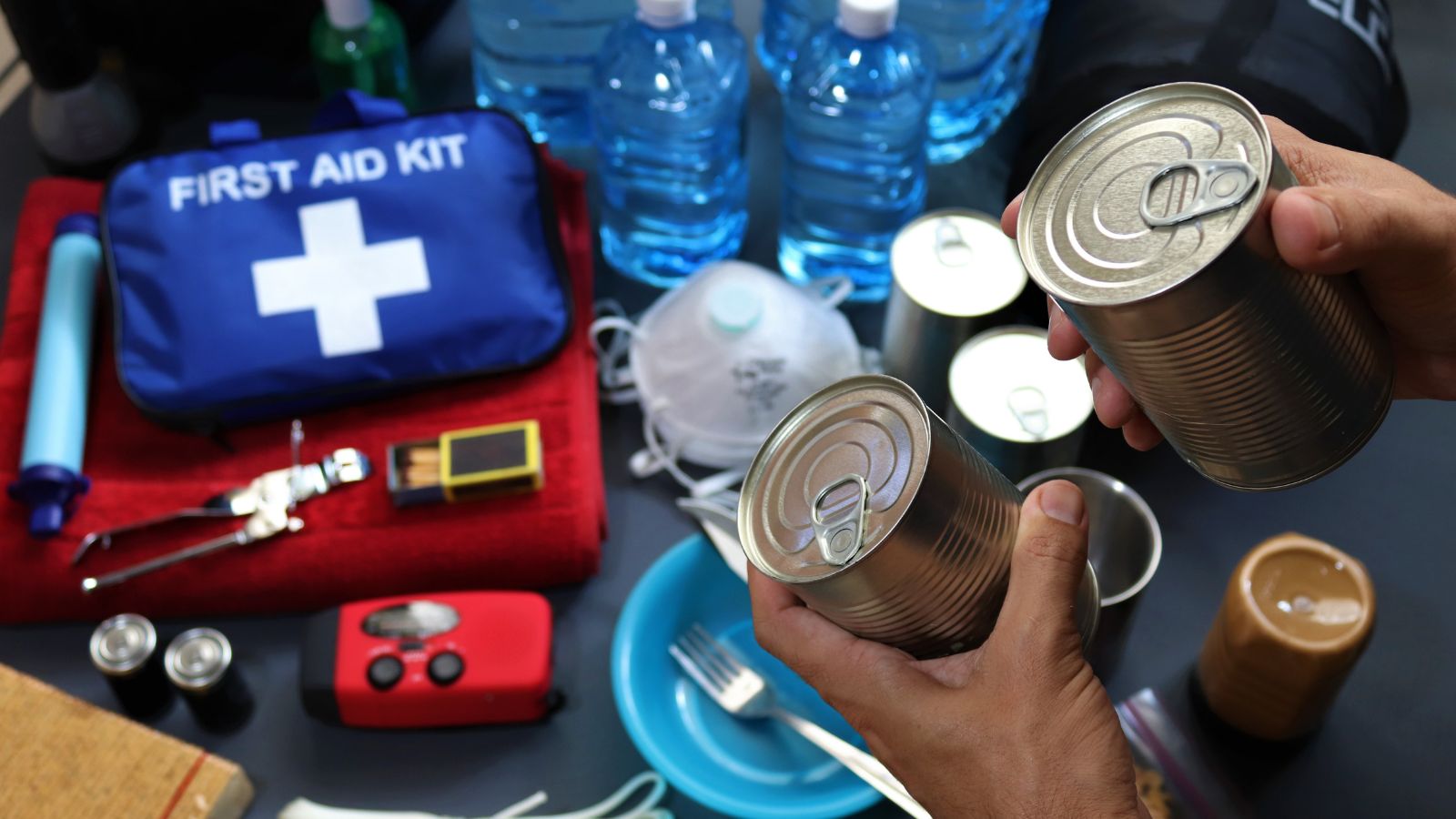
An evacuation becomes much harder when every family member is independently deciding what deserves space in the car. Public Safety Canada recommends emergency kits that can be carried during an evacuation and suggests separate grab-and-go bags when appropriate. Household plans should already identify safe exits, neighbourhood escape routes, meeting places and the people responsible for children or others who may need assistance.
A useful evacuation bag contains the things that are difficult to recreate quickly: identification, essential medication, basic clothing, chargers, emergency contacts and household-specific necessities. Keeping fuel in the vehicle and knowing where pets will travel can prevent additional delays. Canadians should also distinguish between preparation and evacuation itself. When authorities issue instructions about routes or shelters, official directions take priority over a household’s preferred shortcut. Leaving early when ordered can also reduce exposure to flooded roads, fallen trees and traffic congestion. The goal of advance packing is not to predict whether evacuation will happen; it is to remove avoidable decisions if it does.
Include Pets and Service Animals in Every Storm Plan

Emergency planning often assumes every household member can understand an alert, pack a bag and walk through the door. Pets obviously cannot. Public Safety Canada therefore recommends incorporating animals into emergency planning, including their food, shelter and evacuation requirements. Basic emergency supplies should reflect the needs of pets as well as people rather than assuming animal food or medication will somehow remain accessible during a disruption.
Owners should consider carriers, leashes, identification, medication and several days of food and water, along with where an animal could stay if the household must evacuate. Service animals may require even more careful planning because their role can be essential to a person’s mobility or safety. Federal guidance encourages consideration of how a particular emergency may affect the animal’s ability to work. A frightened cat hiding when a warning sounds or a dog separated from medication can slow an otherwise orderly departure. Practising how animals will be moved makes the plan considerably more realistic.
Plan Around Children, Older Adults and Accessibility Needs

A generic emergency plan can fail the moment it meets a real household. Children may not understand where to go, an older adult may need medication or mobility assistance, and someone with a disability may rely on equipment that cannot simply be carried downstairs. Public Safety Canada specifically tells households to consider older adults, children, people with special health needs and persons with disabilities when planning for severe weather.
Federal guidance for families recommends teaching children meeting locations, emergency contacts and evacuation routes and practising those arrangements regularly. Accessible emergency planning similarly requires thinking about mobility, communication and the practical barriers a person could face during evacuation. The same principle applies to neighbours or relatives who depend on regular support. Preparing an extra charger, identifying an accessible transportation option or arranging who will check on someone can matter far more than adding another gadget to the emergency kit. Effective preparedness is personal because emergencies amplify needs that already exist.
Keep Some Cash Where It Can Be Reached Quickly

Cash can feel old-fashioned in a country where phones and cards handle much of everyday spending, yet Public Safety Canada still includes small bills and coins on its emergency-kit checklist. It is a modest preparation that gives a household another payment option when normal routines have been disrupted. The point is not to store large amounts of money at home but to avoid depending completely on one technology.
The same checklist recommends a mobile-phone charger and power bank, illustrating the broader logic behind storm readiness: important functions should have backups. Cash, identification and emergency contact information can be kept together in a portable kit so they are not scattered through drawers when the household needs to leave. People should decide what amount makes sense for their circumstances rather than treating emergency cash as a substitute for ordinary financial security. In a well-designed storm kit, it is simply another redundant tool—similar to keeping a radio when most news normally arrives through a smartphone.
Know When Refrigerated Food Is No Longer Safe
The power returning does not automatically make everything inside the refrigerator safe again. Canadian public-health guidance says perishable refrigerated foods such as meat, poultry, fish, eggs and leftovers should generally be discarded when power has been off for four hours or more. An unopened full freezer can keep food frozen for approximately 48 hours, while a half-full freezer may maintain freezing conditions for about 24 hours.
Keeping refrigerator and freezer doors closed as much as possible helps preserve cold temperatures. Health Canada also warns against putting frozen food outdoors during winter outages. Outdoor temperatures can fluctuate, sunlight can thaw food and animals can contaminate it even when the air feels colder than a freezer. These rules can be frustrating when groceries are expensive, but foodborne illness is a poor way to extend the consequences of a storm. Before severe weather, households can freeze water containers, organize coolers and know which foods should be used first if an extended outage begins.
Prepare for the Hazards That Remain After the Storm
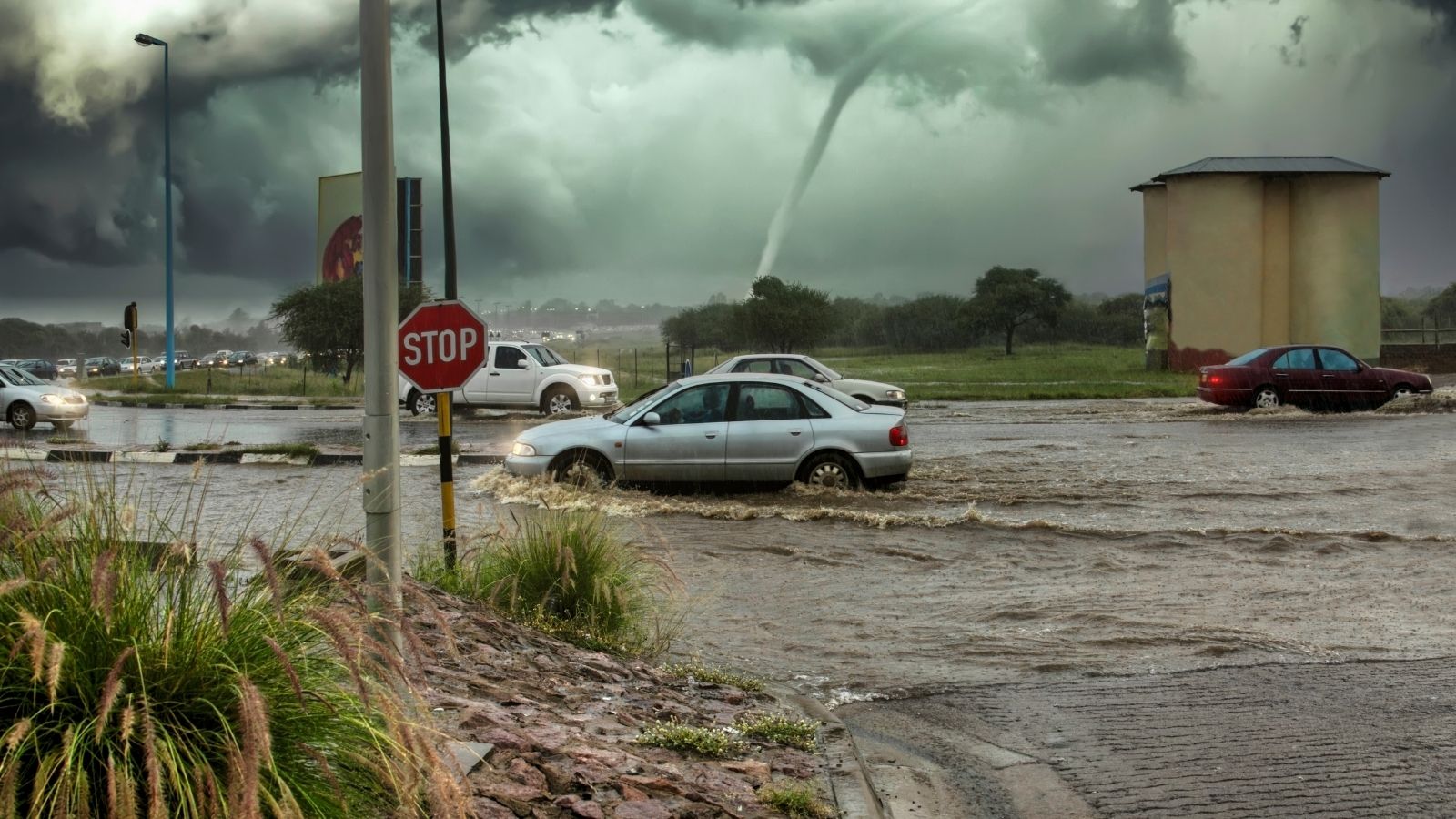
The moment rain stops or wind eases can create a false sense that the danger is over. Public Safety Canada warns that severe storms can leave downed electrical lines, unstable trees, flooding, damaged buildings and other secondary hazards. After thunderstorms, federal guidance says people should stay at least 10 metres away from downed power lines and avoid water or objects that may be in contact with them.
Floodwater deserves similar caution. Public-health guidance advises staying out of floodwater whenever possible, particularly near electrical equipment, and says residents should not return to a flooded home until authorities indicate it is safe. Damaged roads and structures can also remain hazardous after skies clear. Storm preparation should therefore include patience: keep emergency supplies available, continue monitoring official information and resist the urge to immediately inspect every damaged part of the property. Recovery begins with confirming that the environment is safe enough to enter, drive through or repair. The storm may have passed, but its hazards can remain very much alive.
16 Costco Canada Habits That Could Be Costing Shoppers More Than They Save

The Executive Membership can feel like an obvious upgrade because the 2% annual reward sounds straightforward. For households that spend heavily at Costco Canada, the extra fee may be easy to justify. But the habit becomes costly when shoppers upgrade first and calculate later. A Gold Star Membership costs less, while Executive costs more and only pays off if eligible annual spending is high enough to offset the difference.
16 Costco Canada Habits That Could Be Costing Shoppers More Than They Save
