February often feels like the test month for home fitness in Canada. January motivation starts fading while winter routines settle in. Many people continue exercising indoors because of the cold weather. Small mistakes during this time can slow progress or cause discomfort. Skipping warm-ups, overtraining, or poor form are common issues. Limited space and equipment can add challenges. These habits often develop without people noticing. Fixing them can make workouts safer and more effective. Recognizing these patterns helps keep routines steady. Here are 21 home workout mistakes Canadians make in February (and how to fix them).
Skipping a Proper Warm Up
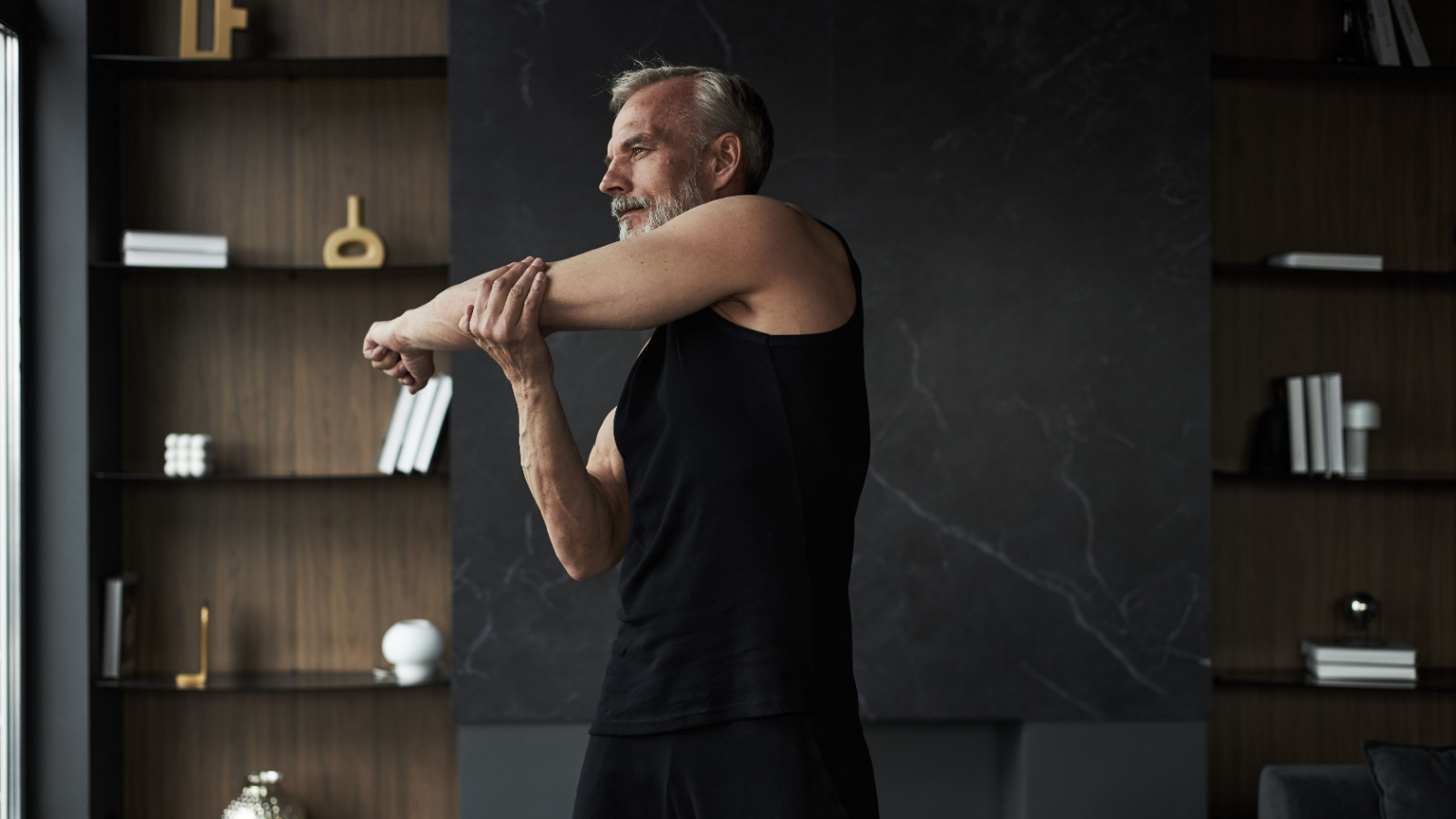
Many Canadians rush into home workouts during February. Cold weather can leave muscles feeling stiff. Starting exercise without warming up raises injury risk. A warm-up increases blood flow to muscles. It also prepares joints for movement. Gentle cardio and mobility drills work well. Five to ten minutes can make a difference. Jumping straight into intense moves strains the body. Warm muscles respond better to effort. Skipping this step may lead to soreness or pulls. A simple routine before each session builds a safer habit. Consistent warm-ups support better performance and help maintain regular training without avoidable setbacks.
Following Random Online Workouts Without a Plan
Online workouts are easy to find and follow at home. Many Canadians try different videos each day. Random routines can lead to uneven training. Some muscle groups may be overworked. Others may get little attention. Progress becomes hard to track without structure. A simple weekly plan creates balance. It helps match workouts with personal goals. Planned rest and intensity changes also matter. Jumping between trends can cause frustration. Repeating key exercises builds strength over time. A clear routine makes improvement easier to notice. Structure often supports better results than constantly switching programs based only on what appears online.
Ignoring Rest Days

Rest days often feel unproductive to people starting home workouts. Some Canadians train daily to stay motivated in winter. Muscles grow and repair during rest periods. Without rest, fatigue builds over time. Overtraining can lead to soreness and lower performance. Sleep quality may also decline. Rest does mean no movement at all. Light walks or stretching can support recovery. Scheduled rest helps prevent burnout. Pushing through tiredness may increase injury risk. Consistent progress depends on recovery as well as effort. Planning rest days into the week supports long-term training rather than short bursts followed by setbacks.
Doing Only Cardio and No Strength Training

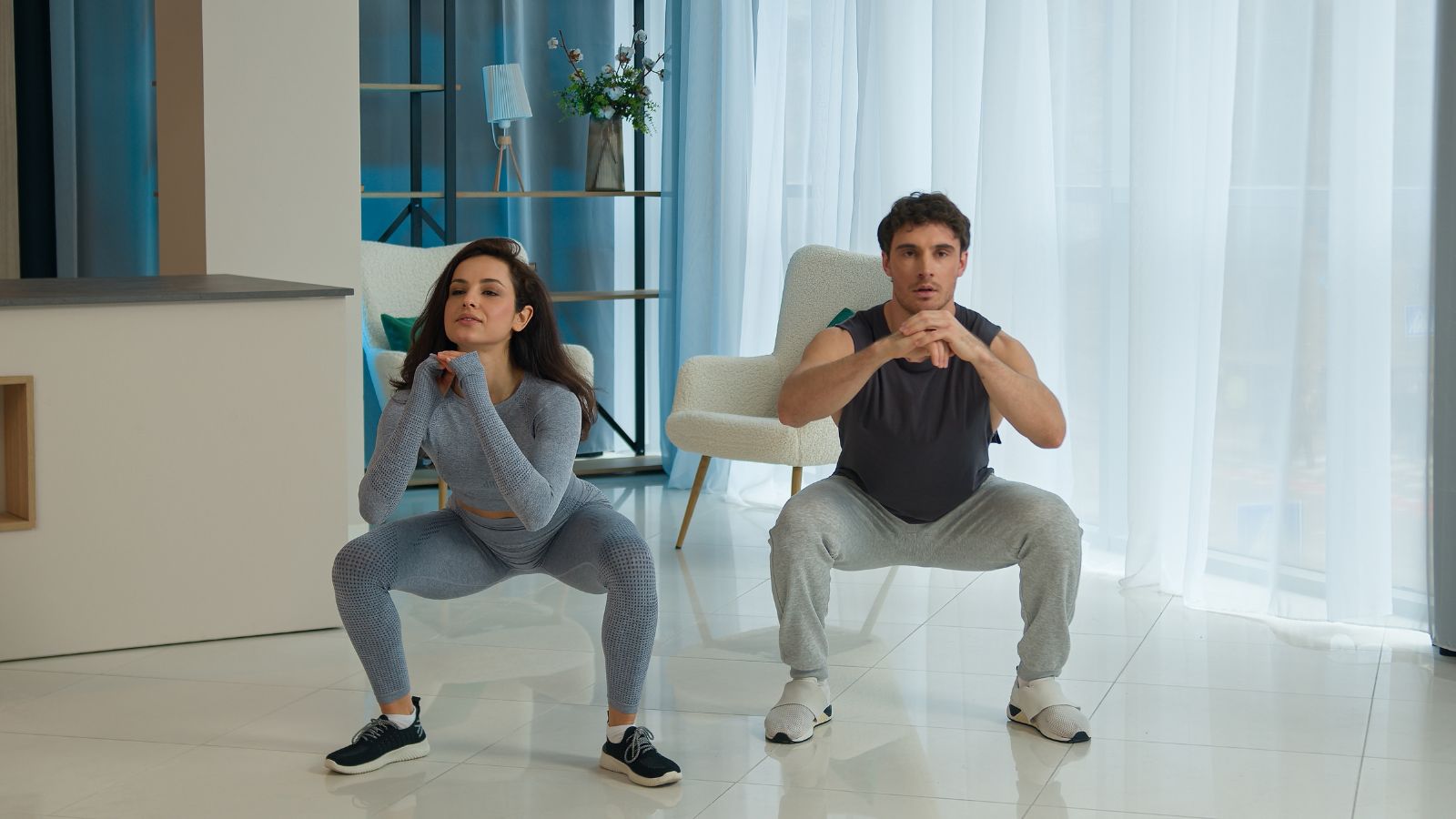
Cardio workouts are common in Canadian home routines. People often focus on walking or online dance sessions. Cardio supports heart and lung health. Strength training supports muscles, bones, and joints. Doing only cardio may limit overall fitness gains. Muscle strength helps with daily tasks. Strength work also supports metabolism. Bodyweight exercises can be done in small spaces. Squats, push-ups, and lunges are simple options. Balanced routines include both cardio and strength. Variety can prevent boredom and overuse. Combining training types supports more complete fitness than repeating only one style of exercise throughout the week.
Poor Form Without Feedback

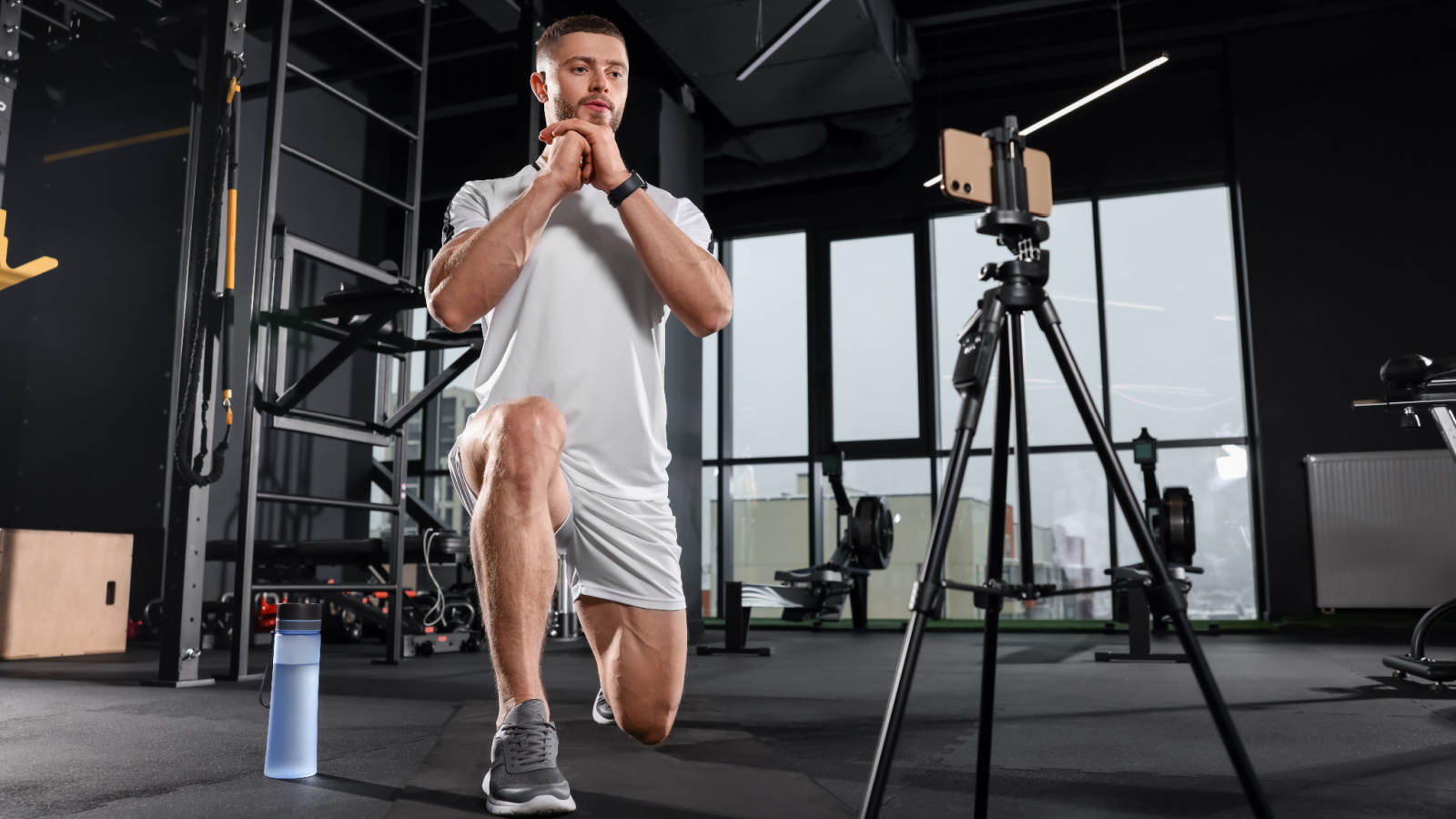
Home workouts often happen without mirrors or coaches. Many Canadians follow videos without checking the technique. Poor form can reduce exercise benefits. It can also increase injury risk over time. Fast movements may hide mistakes. Slowing down can improve control. Recording a set can help spot issues. Clear instructions from trusted sources matter. Pain during movement may signal a problem. Proper alignment supports safer training. Learning basic techniques builds a strong foundation. Feedback from a professional, even occasionally, can help. Good form allows muscles to work as intended and supports steady progress in home exercise routines.
Not Progressively Increasing Difficulty

Many Canadians repeat the same home workout for weeks. Doing the same number of reps feels comfortable. The body adapts quickly to repeated stress. Without increasing difficulty, progress slows down. Muscles need gradual challenge to grow stronger. This can mean adding reps, sets, or resistance. Slowing the tempo can also increase demand. Small changes make a difference over time. Jumping to extreme intensity is not required. Gradual progression supports safer improvement. Tracking workouts helps spot plateaus. Planned increases build confidence and measurable gains. Steady progression keeps February routines productive instead of feeling stuck or repetitive.
Overtraining After January Motivation
January motivation often carries into early February. Some Canadians try to make up for past inactivity. Daily intense sessions can feel productive at first. Fatigue may build faster than expected. Soreness that does not fade is a warning sign. Sleep and appetite changes may also appear. Pushing through exhaustion reduces workout quality. Recovery supports long-term consistency. Short breaks can restore energy levels. Balanced schedules work better than constant intensity. Motivation should not override physical limits. Slower, steady progress often leads to better results. Avoiding burnout helps maintain habits beyond winter enthusiasm.
Using Household Items Unsafely as Weights

Home workouts sometimes include improvised equipment. Canadians may use water jugs or backpacks as weights. These items can work when handled carefully. Unstable loads increase injury risk. Loose items may shift during movement. Grip strength can also be a limiting factor. Dropping heavy objects can damage floors or feet. Checking weight distribution improves safety. Securing contents inside bags helps reduce movement. Proper lifting technique still applies at home. Investing in basic dumbbells can offer better control. Creative solutions can support training, yet safety should guide choices when replacing gym equipment with household items.
Working Out in Small Spaces Without Clearing Hazards

Home workouts often happen in tight spaces. Furniture, rugs, and cords may stay in the way. Canadians exercising indoors during winter face limited space. Tripping hazards increase fall risk. High-impact moves need extra space. Clearing a small area before starting helps. Slippery floors can reduce stability. Non-slip mats improve footing. Pets or children moving nearby can distract attention. Good lighting also supports safe movement. Planning space ahead of time reduces accidents. A few minutes spent organizing the area can prevent injury. Safe surroundings support focused and confident exercise sessions at home.
Neglecting Mobility and Stretching

Mobility and stretching often get skipped in home routines. Canadians may focus only on the main exercises. Tight muscles can limit the range of motion. Limited mobility may affect movement quality. Regular stretching can support joint comfort. Short sessions are better than none. Mobility drills can fit into warm-ups or cool-downs. Sitting indoors during winter may increase stiffness. Ignoring flexibility may raise strain risk. Stretching does not require long sessions. Gentle daily practice can improve movement over time. Balanced programs include strength, cardio, and mobility. Supporting joint movement helps maintain comfort and long-term participation in exercise.
Comparing Results to Social Media Influencers

Social media shows fast transformations and intense routines. Many Canadians compare their progress to influencers online. These posts often lack full context about training history. Genetics, editing, and lighting can change appearance. Comparisons can lower motivation unfairly. Progress happens at different rates for everyone. Focusing on personal improvements builds confidence. Strength, endurance, and energy are useful markers. Chasing someone else’s timeline may lead to frustration. Home workouts should match individual ability. Consistent habits matter more than quick changes. Limiting comparison helps keep goals realistic. Personal progress deserves attention without constant reference to online images.
Not Tracking Workouts or Progress
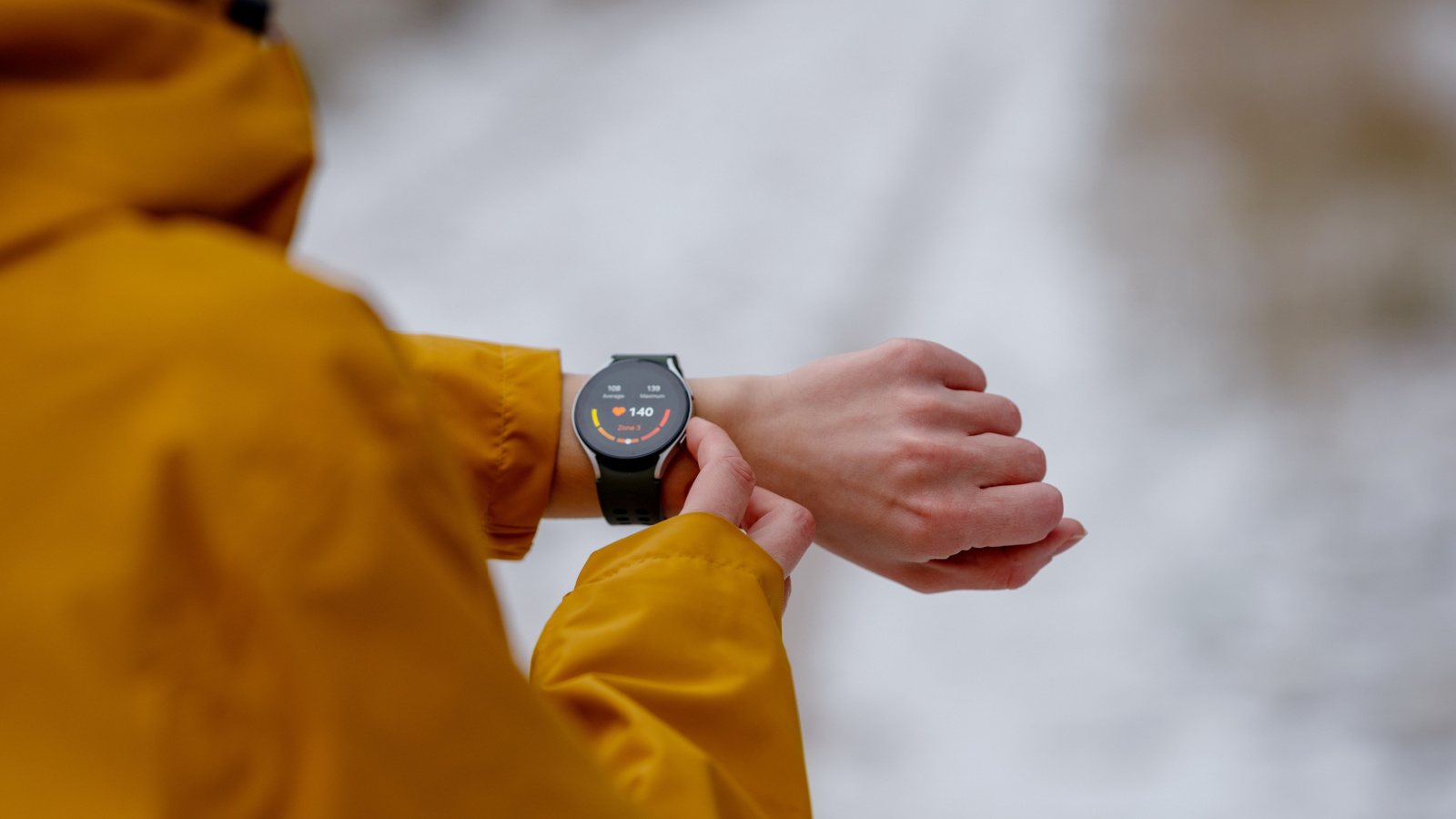
Many people exercise at home without tracking sessions. Canadians may rely only on memory. Without records, progress is hard to measure. Small improvements can go unnoticed. Tracking reps, sets, or time shows patterns. It helps adjust workouts over weeks. Notes about energy or soreness can guide recovery. Simple logs on paper or apps work well. Tracking also builds accountability. Guessing effort often leads to plateaus. Measured progress supports motivation. Clear records show when to increase difficulty. Regular tracking turns random sessions into a structured routine with visible improvement.
Eating Too Little While Training Hard

Some Canadians reduce food intake while increasing exercise. This approach can lower energy quickly. The body needs fuel to recover from training. Eating too little may lead to fatigue. Workouts may feel harder than expected. Recovery time can increase. Muscle repair depends on protein intake. Carbohydrates support energy during sessions. Under-eating may also affect mood and sleep. Weight loss goals still require balanced nutrition. Severe restriction can slow progress. Steady, realistic intake supports performance. Proper fueling helps maintain strength and consistency during home workouts.
Exercising in Worn-Out Footwear
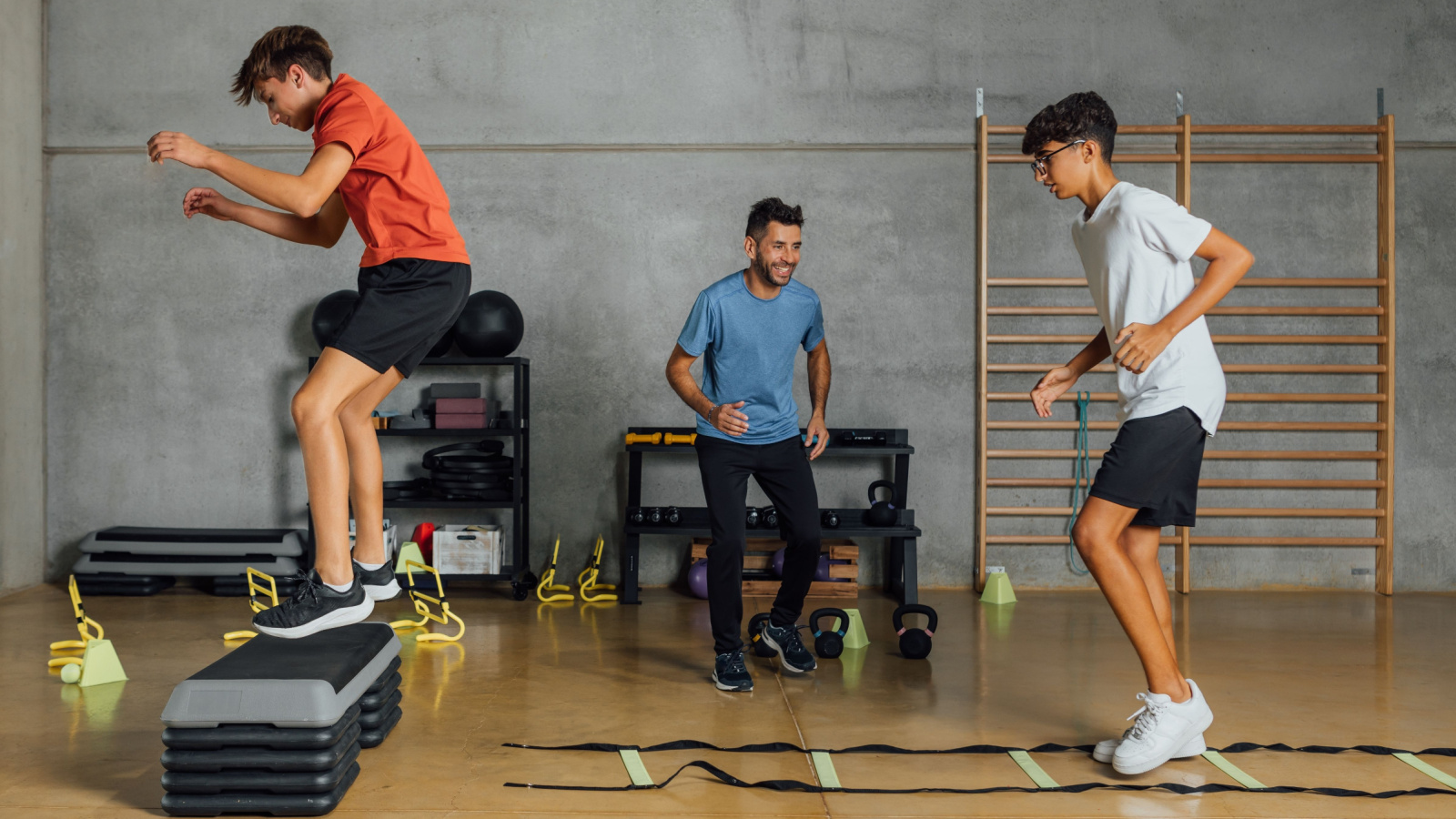
Old shoes often stay in use during home workouts. Canadians may not notice wear indoors. Cushioning breaks down over time. Poor support can stress joints. Worn soles may affect balance. Slippery bottoms increase fall risk. Shoes designed for walking may not suit jumping. Replacing footwear supports safer movement. Fit and comfort also matter. Socks alone may reduce traction on some floors. Checking shoe condition regularly helps. Good footwear supports proper alignment. Reliable shoes reduce strain during repeated home sessions.
Skipping Core Strength Work

Core exercises often get overlooked in home routines. Many Canadians focus on arms or legs. Core muscles support posture and balance. A strong core helps protect the back. Everyday movements depend on trunk stability. Core work does not need special equipment. Planks and bridges are simple options. Short sessions can fit into workouts. Ignoring this area may limit progress in other lifts. Balanced strength programs include the core. Controlled movements matter more than speed. Building core strength supports overall fitness and safer training.
Doing High-Impact Moves on Hard Floors
High-impact moves are common in online workouts. Canadians may perform jumps on hard indoor floors. Hard surfaces increase stress on joints. Repeated impact can cause discomfort over time. Proper mats can reduce strain. Low-impact alternatives may suit small spaces. Listening to body signals helps prevent pain. Shoes with support can absorb some force. Hardwood or tile surfaces offer little shock absorption. Adjusting exercises can protect knees and ankles. Impact work should match personal ability. Safer surfaces and modifications support long-term training at home.
Not Adjusting Workouts for Cold-Weather Stiffness

Cold February weather can leave muscles feeling tight indoors. Many Canadians start workouts without adjusting for this stiffness. Joints may feel less mobile at first. Longer warm-ups can help prepare the body. Gentle mobility work improves range of motion. Jumping into intense moves too soon increases strain risk. Layered clothing can keep muscles warmer. Slower starts allow tissues to adapt. Cold conditions can reduce flexibility temporarily. Listening to early body signals matters. Small changes in pacing can reduce discomfort. Adapting sessions to seasonal stiffness supports safer and more comfortable home workouts during the winter months.
Training Through Pain

Some discomfort during exercise can be normal. Sharp or persistent pain is different. Many Canadians ignore pain to stay consistent. This can worsen small issues over time. Pain may signal strain or improper form. Continuing to push can delay recovery. Resting early may shorten downtime later. Modifying movements can reduce stress on sore areas. Ice or gentle mobility may help with minor irritation. Severe pain needs medical advice. Distinguishing effort from injury protects long-term progress. Training should challenge the body, not harm it. Respecting pain signals helps maintain a steady routine without major setbacks.
Poor Hydration During Indoor Workouts

Hydration often gets overlooked during winter home workouts. Canadians may feel less thirsty in cold weather. Indoor heating can still increase fluid loss. Dehydration can reduce performance and focus. Headaches and fatigue may appear. Water supports muscle and joint function. Drinking before and after exercise helps. Keeping a bottle nearby encourages regular sips. Sweat loss may be less visible indoors. Electrolyte drinks are not always required. Clear urine can signal good hydration. Consistent fluid intake supports recovery. Paying attention to hydration helps maintain energy and safety during indoor exercise sessions.
Quitting After Missing a Few Sessions

Missing a few workouts happens to everyone. Some Canadians stop completely after short breaks. This all-or-nothing mindset can hurt progress. Fitness routines need flexibility. One missed week does not erase gains. Restarting with lighter sessions can help. Setting small goals rebuilds momentum. Consistency over months matters more than perfect weeks. Guilt can make returning harder. Viewing exercise as a long-term habit helps. Adjusting schedules can support balance. Returning gradually prevents soreness. Progress often includes pauses. Staying patient encourages continued effort after interruptions.
Setting Unrealistic February Fitness Goals

February goals often follow strong January motivation. Some Canadians expect fast changes in weeks. Unrealistic targets can cause frustration. Progress in strength and endurance takes time. Large goals may ignore daily schedules. Smaller steps feel more manageable. Short-term markers can guide improvement. Sudden extreme plans may lead to burnout. Consistency matters more than rapid change. Adjusting goals based on progress helps. Celebrating small wins supports motivation. Flexible goals adapt to real-life demands. Realistic expectations build confidence and help maintain home workout habits beyond early-year enthusiasm.
22 Groceries to Grab Now—Before another Price Shock Hits Canada

Food prices in Canada have been steadily climbing, and another spike could make your grocery bill feel like a mortgage payment. According to Statistics Canada, food inflation remains about 3.7% higher than last year, with essentials like bread, dairy, and fresh produce leading the surge. Some items are expected to rise even further due to transportation costs, droughts, and import tariffs. Here are 22 groceries to grab now before another price shock hits Canada.
22 Groceries to Grab Now—Before another Price Shock Hits Canada
