
Power outages have a habit of making ordinary household routines suddenly complicated. A dark kitchen is inconvenient; a dark kitchen during an ice storm, heat wave, or multi-day emergency can become a much more serious problem. Refrigeration stops, phones begin losing charge, electronic payments may become harder to use, and electrically powered medical or heating equipment can become unavailable.
Canadian emergency-preparedness guidance generally recommends having enough supplies to remain self-sufficient for at least 72 hours. The most useful preparations are not exotic survival gear but practical household basics that work when outlets, internet connections, lights, and appliances do not. These 21 things Canadian families should have ready before a power outage can make those first difficult hours—and potentially days—safer, calmer, and considerably easier to manage.
Flashlights and Headlamps That Are Easy to Find

A reliable flashlight should be one of the first things a household can reach when the lights disappear. Government of Canada power-outage guidance specifically recommends using flashlights rather than candles because open flames create an additional fire risk during an already disruptive situation. Keeping several flashlights in predictable places—such as the kitchen, bedrooms, emergency kit, and near the electrical panel—means nobody has to navigate dark stairs or cluttered rooms while searching for one. Headlamps can be particularly practical because they leave both hands free for checking breakers, carrying children, or preparing food.
The key is making emergency lighting genuinely ready rather than simply owning it. A flashlight forgotten in the back of a drawer with corroded batteries is not much help. Families can make a simple habit of testing emergency lights when clocks change or when smoke-alarm batteries are checked. Children should also know where lights are stored without treating them as toys. During an outage, a few functioning flashlights can prevent falls, reduce anxiety, and make ordinary tasks far safer.
A Supply of Fresh Batteries
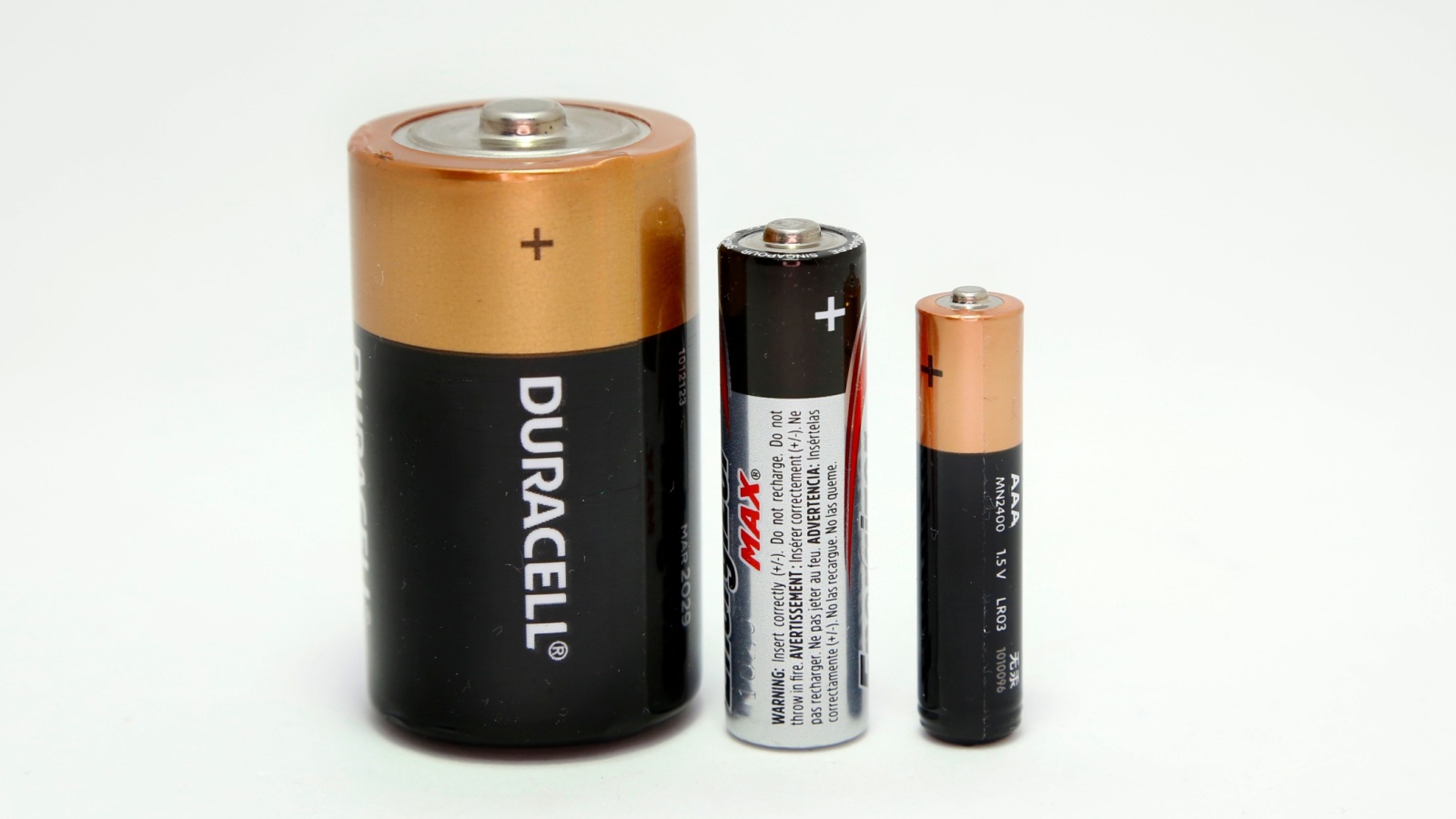
Battery-powered equipment is only useful for as long as its batteries last. Canada’s emergency-kit guidance therefore lists extra batteries and battery packs alongside flashlights and radios. Families should identify which battery sizes their emergency equipment actually uses and keep compatible replacements together rather than accumulating a miscellaneous drawer of cells that may not fit anything important. The same preparation applies to battery-powered lanterns, weather radios, hearing equipment, and some medical devices.
Batteries also need occasional inspection. Old cells can leak, and rechargeable batteries gradually lose stored power if they are left unused for long periods. Keeping unopened replacement batteries in a dry, accessible location and checking expiry or condition dates during routine emergency-kit reviews avoids unpleasant surprises. Families relying heavily on rechargeable devices can diversify with some equipment that accepts ordinary replaceable batteries. That redundancy matters because a two-hour outage and a two-day outage create very different challenges. Having enough batteries to run essential lighting and communications equipment beyond the first evening provides a useful cushion when restoration estimates keep changing.
A Battery-Powered or Wind-Up Radio
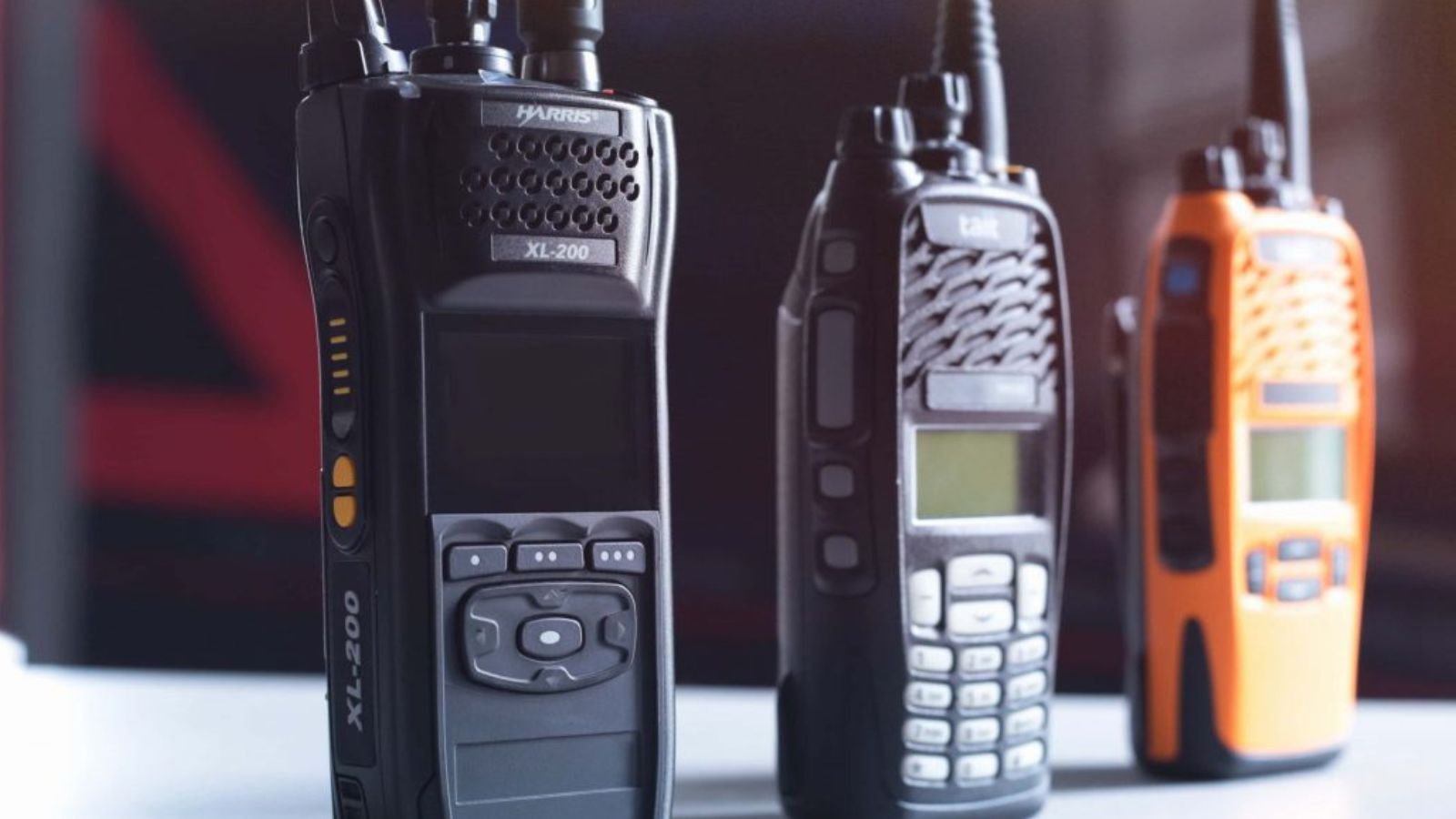
Smartphones have become the default source of news, but they are not an unlimited emergency resource. Batteries drain, home Wi-Fi equipment normally stops working without electricity, and cellular networks can become congested during major emergencies. Canada’s basic emergency-kit checklist therefore recommends a wind-up or battery-powered radio. It provides another way to receive official instructions, weather information, road updates, evacuation notices, and restoration information without depending entirely on a charged phone.
Radio also matters because Canada’s Alert Ready system distributes emergency alerts through participating television and radio broadcasters as well as compatible wireless devices. A household that has several independent ways to receive information is less vulnerable if one channel fails. The radio should be stored with the emergency kit, along with batteries if required, and family members should know how to tune it. A simple model is sufficient; reliability matters more than elaborate features. During a widespread storm outage, hearing an official warning or local emergency update can be considerably more valuable than repeatedly refreshing social media until a phone battery reaches zero.
Fully Charged Power Banks and the Right Cables
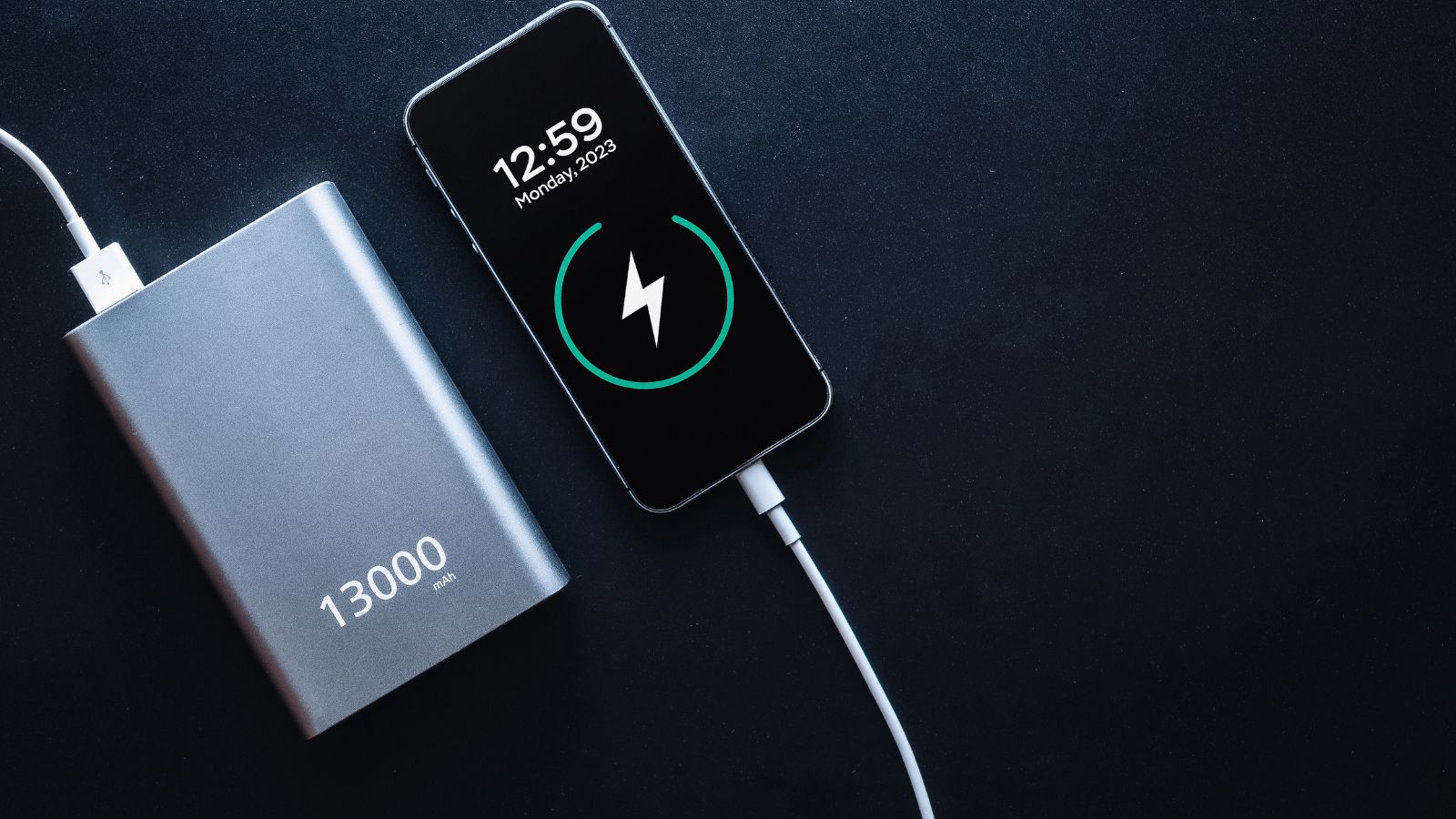
A charged mobile phone can serve as a flashlight, information source, contact directory, map, camera, and emergency communications device. That makes portable battery banks increasingly important components of household preparedness. Canada’s emergency-kit checklist specifically includes a mobile-phone charger and power bank, while the Canadian Red Cross has recommended charging backup batteries before storms and conserving phone use during outages. Families with several phones should consider how many complete recharges their stored battery capacity can realistically provide.
Cables deserve attention as well. A fully charged power bank is useless if the household cannot connect the devices it needs. Keeping dedicated USB-C, Lightning, or other required cables in the emergency kit prevents everyday use from scattering them around the house. Power banks should be periodically recharged and inspected for swelling or damage because lithium-ion batteries can present overheating and fire risks when damaged or improperly handled. A sensible outage routine is to switch phones into low-power modes, lower screen brightness, and reserve charging capacity for communication rather than entertainment. That approach can stretch limited electricity substantially farther.
Enough Drinking Water for at Least 72 Hours

Water should be treated as a core emergency supply even when a power outage has not initially disrupted municipal water service. Pumps, private wells, water-treatment equipment, or local infrastructure can be affected during larger emergencies. Health Canada recommends keeping at least two litres of drinking water per person per day in an emergency food-and-water kit. Federal preparedness material also advises households to be capable of caring for themselves for at least 72 hours, meaning a family of four would need at least 24 litres simply to meet that basic drinking-water allowance over three days.
Additional water may be needed for cooking, cleaning, pets, or specific health needs. Health Canada suggests considering another two litres per person per day for cooking and cleaning. Bottles should be stored somewhere accessible and protected from contamination, excessive heat, and household chemicals. Families using stored water should also monitor replacement recommendations on the containers they purchase. Water takes up space, but it is difficult to improvise once supply becomes uncertain. A few properly stored cases can transform a stressful outage from an immediate logistical problem into something the household can manage calmly.
Non-Perishable Food That the Family Will Actually Eat

Emergency food does not need to resemble a wilderness expedition. Health Canada recommends shelf-stable choices such as canned foods and energy bars and specifically advises considering allergies, celiac disease, and food intolerances. Useful supplies can include canned fish or beans, nut or seed butters where appropriate, crackers, dried fruit, shelf-stable milk, ready-to-eat meals, and familiar snacks. The strongest emergency pantry is built around foods the household normally consumes rather than unusual products bought once and forgotten for years.
A 72-hour supply is the basic Canadian preparedness benchmark, although households in remote or northern communities may reasonably plan for considerably longer interruptions. Rotation makes that easier. Instead of maintaining a separate stockpile destined to expire, families can regularly eat older emergency groceries and replace them with newer products. Preparation requirements also matter: food that needs prolonged boiling is a poor choice if cooking options disappear. Parents may find that familiar foods are especially valuable during stressful situations involving children. An outage pantry should therefore provide calories, convenience, dietary compatibility, and a degree of normality—not merely a collection of cans.
A Manual Can Opener

It is an almost comically small item until the household is staring at a shelf of canned food and an electric opener that no longer works. Health Canada explicitly includes a manual can opener in its recommended emergency food-and-water kit. For families that rely heavily on canned soup, vegetables, beans, fish, or meat during emergencies, this inexpensive tool can determine whether much of the stored food supply is actually accessible.
The opener should remain with the emergency food rather than migrate into a camping bin, vehicle, cottage bag, or kitchen drawer where nobody can find it. It is worth checking that adults and older children know how to use the particular model because inexpensive openers sometimes require more technique than expected. Some families keep two as inexpensive redundancy. This item also illustrates a broader preparedness lesson: emergency supplies should work without household infrastructure. Food that requires electricity to open, cook, blend, or refrigerate may become difficult to use precisely when it is most needed. Simple manual equipment often becomes surprisingly valuable during a prolonged outage.
A Properly Stocked First Aid Kit
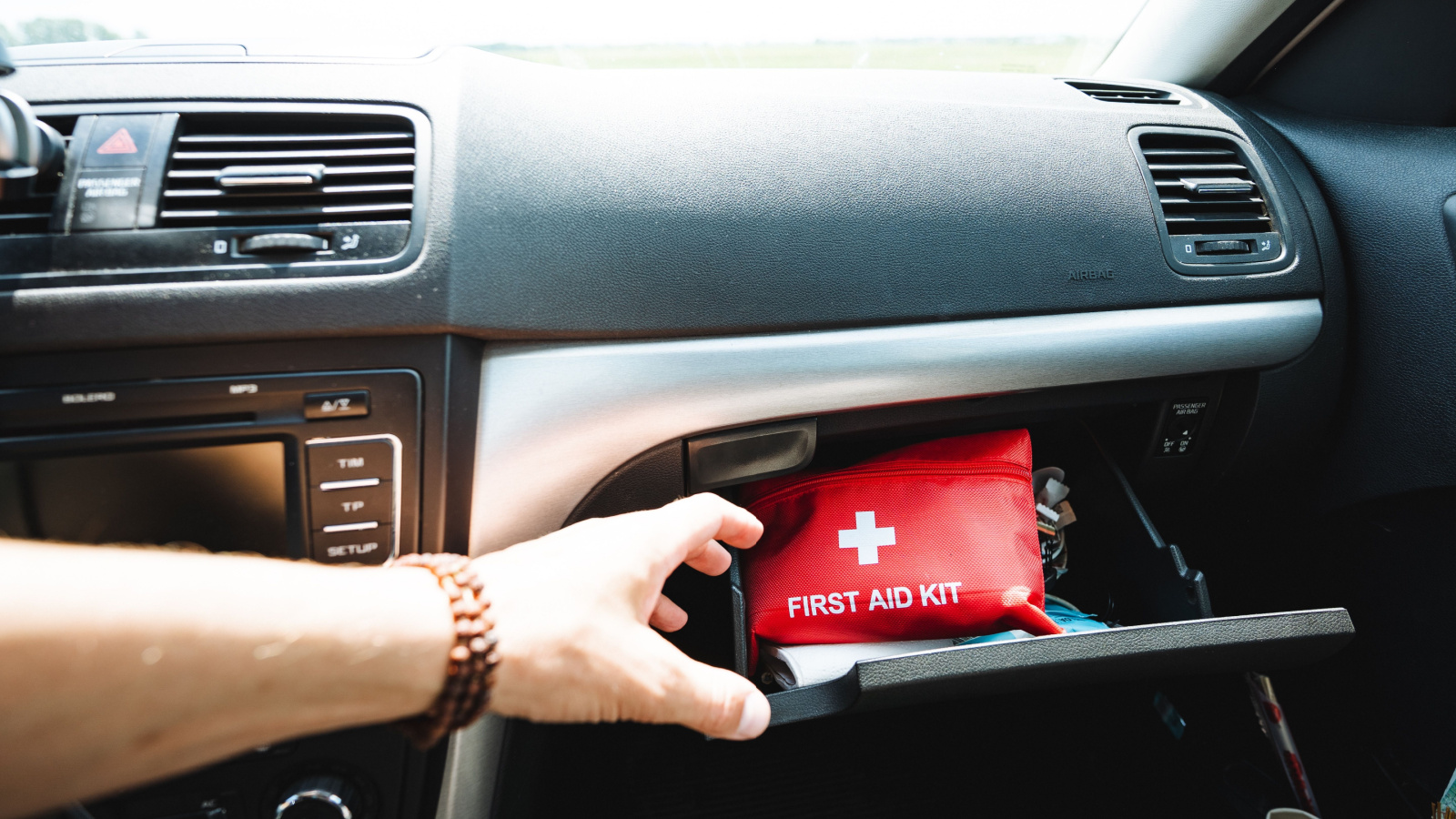
Darkness, storm debris, slippery floors, broken branches, and improvised cooking arrangements can all increase the chance of minor injuries. The Government of Canada’s emergency checklist recommends a first aid kit containing supplies such as adhesive bandages, tape, gauze, antiseptic wound cleanser, and disposable gloves. Having these materials together allows cuts, scrapes, and other minor problems to be dealt with without searching through multiple bathrooms or cabinets while the house is dark.
The kit should be treated as equipment rather than decoration. Families can periodically replace used or expired supplies and add items suited to household needs. Anyone responsible for children, older adults, or people with specific health conditions may need additional materials recommended by a health professional. Basic first aid training is also more valuable than simply owning supplies because knowing what not to do can be just as important as knowing what to do. During major storms, emergency services may be handling many calls simultaneously. Being able to manage minor injuries appropriately while recognizing situations that require urgent professional care makes a household more resilient.
Prescription Medication and a Medical-Device Backup Plan

Power outages become much more serious when a family member depends on refrigerated medication, electrically powered equipment, internet-connected medical technology, mobility devices, or other health supports. Federal outage guidance recommends discussing potential impacts with medical professionals and developing specific plans for electrically powered medical devices and refrigerated medicines. Emergency kits should also contain medication information, including names, dosage, and purpose, so that essential details remain available even when online records cannot be reached.
Families should not guess about how long a particular medicine can remain unrefrigerated or how a medical device should be powered. Those questions need individualized advice from a pharmacist, physician, manufacturer, or appropriate health professional before an emergency. People using life-sustaining equipment may also benefit from support networks and backup arrangements tailored to their circumstances. The goal is to identify the dependency before electricity disappears. A household that discovers during an outage that a critical device has only a few hours of battery life has far fewer options than one that already knows where backup power or alternative care is available.
Carbon Monoxide Alarms With Battery Backup
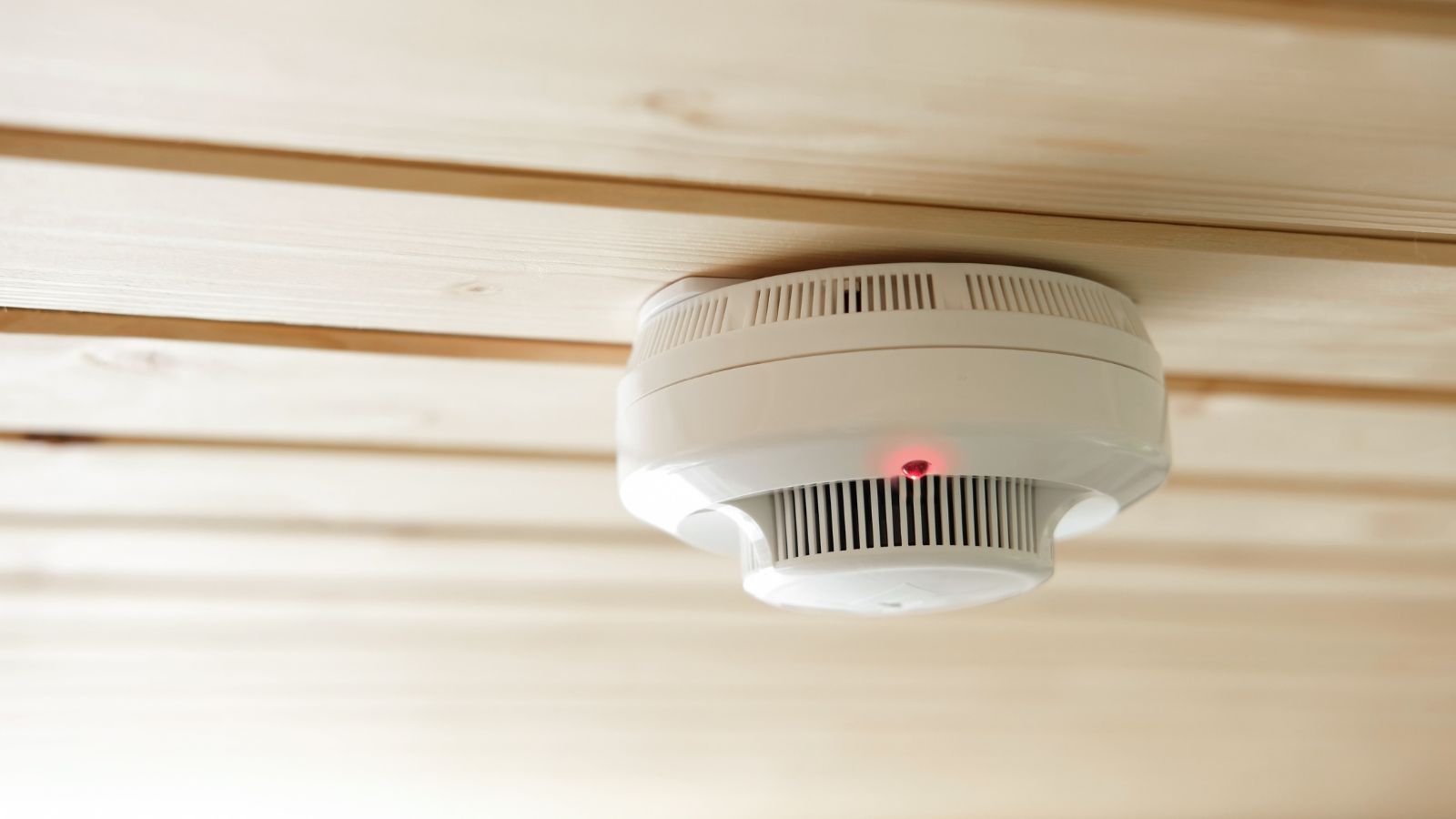
Carbon monoxide becomes an especially important concern during outages because households may turn to fireplaces, fuel-burning equipment, vehicles, or generators for heat and electricity. CO is colourless and odourless, making detection equipment essential. Government of Canada guidance recommends certified carbon monoxide alarms with battery backup, including alarms installed near sleeping areas. Battery backup matters because an alarm relying entirely on household electricity could stop operating at the very moment the risk of CO exposure increases.
Families should know what their alarms sound like and check that batteries and devices are within their service life. Smoke alarms deserve the same attention. Health Canada notes that fuel-burning appliances can produce dangerous carbon monoxide when ventilation is inadequate, and outages can affect electrically powered ventilation systems. An alarm should never be treated as permission to use outdoor fuel-burning equipment indoors; it is a final warning layer, not a substitute for safe behaviour. During an outage, a properly functioning CO alarm can detect a dangerous situation that human senses cannot reliably identify.
A Safe Generator Setup Before It Is Ever Needed
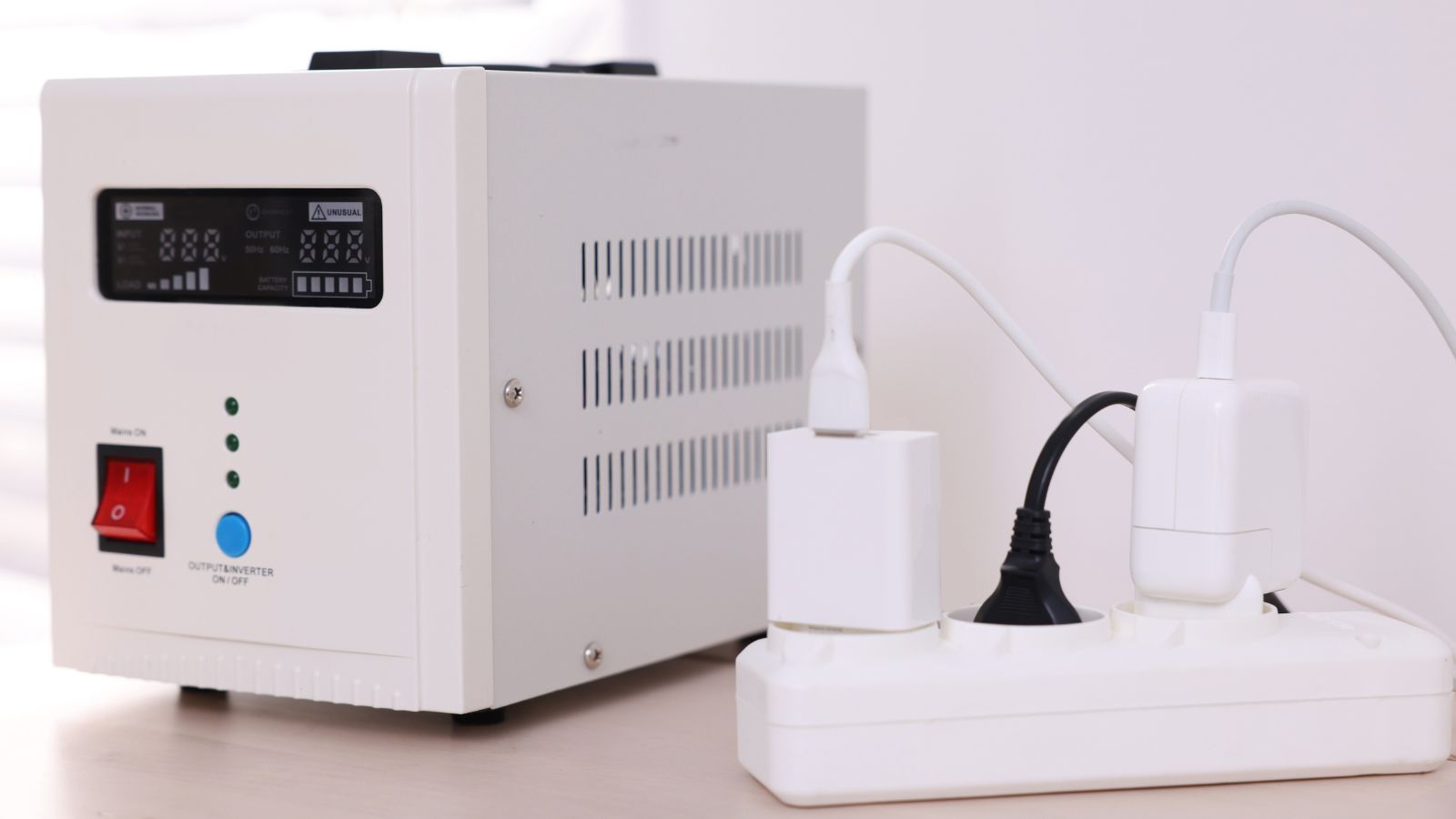
Portable generators can keep refrigerators, medical equipment, pumps, or selected household systems running, but fuel-burning models require strict safety precautions. Health Canada advises that portable fuel-burning generators never be operated inside homes, garages, sheds, or other enclosed spaces. Federal guidance says they should be operated at least six metres—about 20 feet—from homes and buildings, with exhaust directed away from doors, windows, and air intakes. Carbon monoxide produced by a generator can accumulate without being seen or smelled.
Families planning to use a generator should determine the safe location, electrical connection method, fuel requirements, and operating procedure long before a storm arrives. Improvised connections can create electrical hazards, and generator installation or connection questions should be handled according to manufacturer instructions and applicable electrical requirements, with qualified professional help where needed. The generator should also be maintained so that it will actually start after months of storage. Buying one during an outage is only half a solution. Safe placement, CO protection, proper connection, and practiced operation are what turn backup generation into useful emergency equipment rather than another hazard.
Warm Clothing, Blankets and Seasonal Supplies

In a Canadian winter outage, indoor temperatures can fall steadily once furnaces, boilers, fans, or electrically controlled heating systems stop operating. Federal winter-weather preparedness guidance recommends keeping blankets and extra clothing among emergency supplies, while seasonal emergency-kit advice includes warm clothing, gloves, socks, and heat packs. Layering can help households remain comfortable without relying on unsafe improvised heating methods.
Preparation should reflect the region and the home. A detached house in rural Manitoba faces different winter risks from a condominium in Vancouver, but both can become uncomfortable when heating systems lose electricity. Families can keep thermal blankets, warm socks, sweaters, hats, and sleeping bags together where they are accessible in darkness. Children, older adults, and people with certain health needs may require particular attention during cold conditions. If a home becomes dangerously cold, the appropriate plan may involve relocating rather than attempting to heat it with equipment not designed for indoor use. Warm clothing buys time; it does not make unsafe heating practices safe.
A Hot-Weather Cooling Plan

Power failures are not exclusively winter problems. During extreme heat, the loss of air conditioning can rapidly turn apartments and houses into dangerously hot environments, particularly for older adults, infants, people with chronic illnesses, and anyone living on upper floors. Health Canada guidance on extreme heat recommends having a plan for reaching cooler places if a home becomes too hot, including locations such as libraries, pools, shopping centres, shaded areas, or other community cooling spaces where available.
Families should identify those options before a heat emergency and consider how they would get there if elevators, traffic signals, transit systems, or charging infrastructure were affected. Battery-operated fans can provide comfort in some conditions, although they do not replace access to a genuinely cool environment when dangerous heat develops. Closing blinds during the hottest part of the day and opening windows when outdoor temperatures fall can also help manage indoor heat under suitable conditions. A summer outage plan is therefore as important as a winter one. Losing electricity on a mild evening is inconvenient; losing it during dangerous heat can become a health emergency.
Refrigerator and Freezer Thermometers
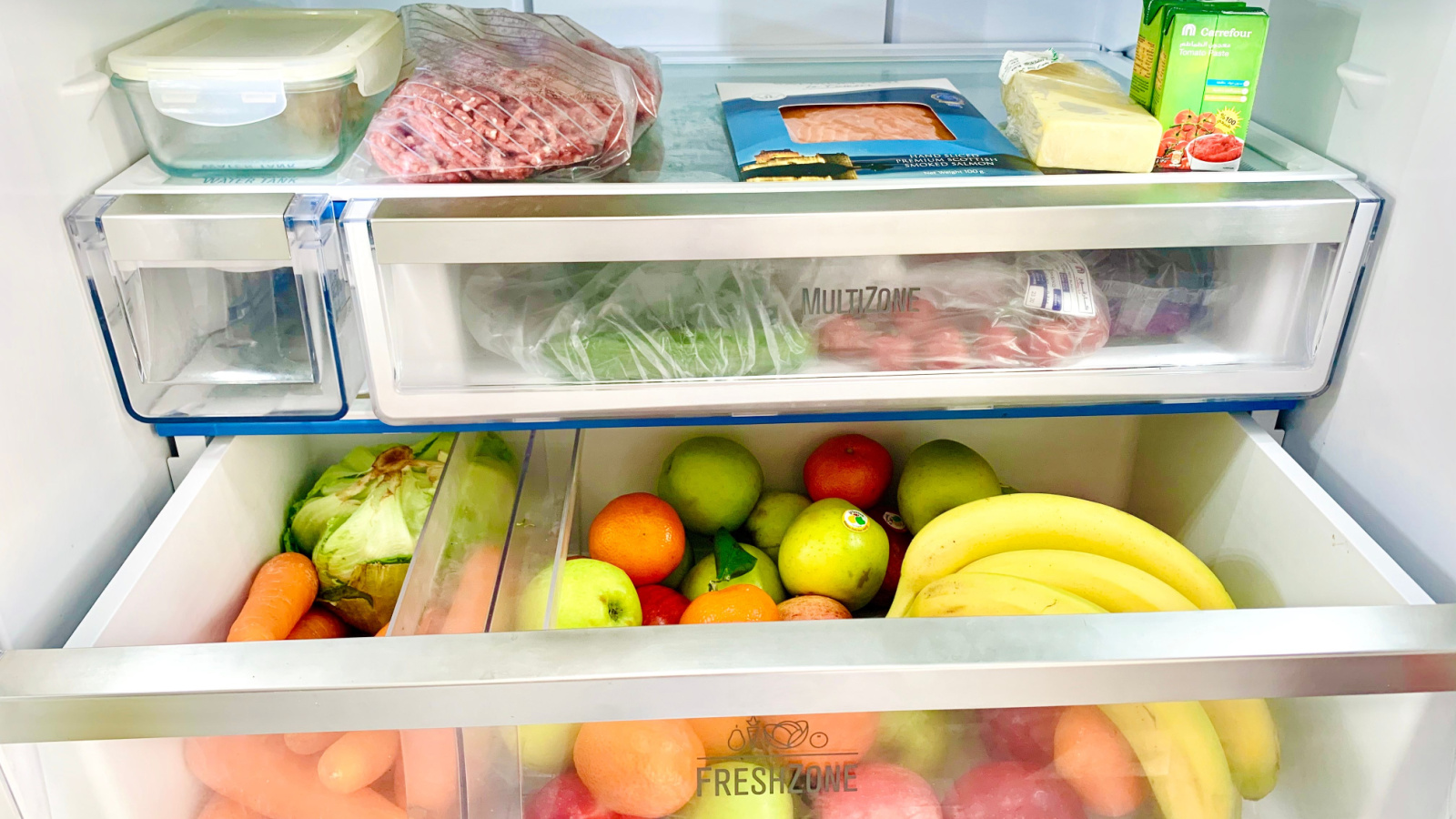
Food safety becomes a race against temperature once refrigeration stops. Health Canada states that an unopened refrigerator will generally keep food cold for about four hours. A full freezer can keep food frozen for about 48 hours, while a half-full freezer typically manages about 24 hours if its door remains closed. Those time estimates make one behavioural rule particularly valuable: resist repeatedly opening the refrigerator or freezer simply to check what is inside.
Appliance thermometers provide better information than guessing from how food feels. Families can keep thermometers in both compartments and know the normal target temperatures before an emergency. Planning meals also helps: shelf-stable foods can be used first, leaving refrigerator doors closed as long as possible. After a prolonged outage, potentially hazardous food should be assessed according to official food-safety guidance rather than taste or smell alone. A freezer stocked with hundreds of dollars of food creates a strong temptation to keep questionable items, which is why preparation matters. Knowing the time, temperature, and official safety rules makes the decision far less subjective.
Some Cash in Small Bills and Coins

A neighbourhood can have plenty of food, fuel, and other essentials available while still having difficulty processing electronic payments during a significant outage. Government of Canada emergency-kit guidance recommends keeping some cash in smaller bills and coins, and Environment and Climate Change Canada specifically notes that bank machines and electronic payment methods may be unavailable after severe storms. That does not require storing a large amount of money at home; it simply means maintaining a modest emergency reserve suitable for ordinary essential purchases.
Small denominations are useful because retailers operating with limited systems may have difficulty making change. The amount that makes sense will vary by family size, location, and circumstances, but it should be secured appropriately and considered part of the emergency kit rather than everyday spending money. Families should also avoid assuming that a functioning smartphone automatically guarantees access to mobile payments. Networks, payment terminals, routers, and local communications systems all depend on infrastructure. A little physical cash is old-fashioned redundancy, but emergencies have a way of making simple offline systems valuable again.
A Printed Contact and Emergency Number List

Modern households often store nearly every important number inside smartphones. That creates an overlooked vulnerability: if a phone is dead, damaged, locked, or unavailable, even close relatives’ numbers may be difficult to recall. Canada’s emergency-planning guidance recommends maintaining contact information for nearby and out-of-town contacts as well as emergency service providers. The federal household plan even suggests identifying a single out-of-town person whom family members can contact if they become separated.
A printed list can include relatives, neighbours, schools, childcare providers, doctors, veterinarians, insurance contacts, building management, and the local electricity utility’s outage-reporting information. It should be stored with the household emergency plan, and older children can be taught which contacts are appropriate in different situations. Families should also know how to report an outage and where their utility publishes restoration updates. Paper may seem outdated, but it does not require a password, cellular signal, battery, or internet connection. During an emergency, that simplicity is precisely what makes it dependable.
Copies of Important Identification and Insurance Information

A simple outage may never require identification documents, but the storm, wildfire, flood, or infrastructure failure causing it could also force an evacuation. Government of Canada emergency-kit guidance recommends keeping important documents and information available, including identification, health information, banking records, insurance information, and next-of-kin contacts. A household emergency plan can also contain health and insurance details that might be needed quickly.
Families do not necessarily need to carry every original document in a single bag. Secure paper copies, appropriately protected digital copies, or another organized system can provide access while reducing the risk of losing originals. The important point is knowing where essential information is and being able to retrieve it quickly. Imagine trying to locate policy numbers, medication records, passports, or a child’s identification in a dark home while an evacuation notice is active. A prepared document package removes that unnecessary scramble. Privacy and security still matter, so sensitive records should be protected against theft, water damage, and unauthorized access.
Baby Supplies and Comfort Items for Children

Families with babies need emergency supplies that go beyond the standard adult kit. Government of Canada guidance specifically lists infant formula, baby food, and wipes among additional household emergency items, while Health Canada recommends ready-to-use infant formula and other essential baby supplies when needed. The correct quantities will depend on the child and feeding situation, but the principle is simple: the items used every day should still be available when stores, refrigeration, water, or transportation are disrupted.
Older children have different needs. Federal preparedness guidance encourages involving children in emergency planning and suggests including comforting items such as a favourite toy or book. That may sound secondary beside food and water, but familiar objects and routines can help children cope with a frightening, dark, or confusing event. A small activity kit with books, colouring supplies, cards, or battery-free games can also make a prolonged outage easier on the entire household. Preparing for children means considering both physical necessities and the emotional reality of spending hours or days outside the normal routine.
A Complete Emergency Kit for Pets

Pets need their own outage plan rather than whatever food and supplies happen to be left over. Government of Canada guidance recommends an animal emergency kit containing a carrier or crate, leash or harness, food, water, bowls, medication, veterinary information, sanitation supplies, and other essentials. Federal guidance specifically calls for at least 72 hours of food and water and gives example water quantities of about four litres per day for an average dog and one litre per day for an average cat.
Pet preparation also matters if an outage leads to evacuation. A frightened animal may hide, escape, or become difficult to transport, so having carriers and leashes immediately accessible can save time. Medication instructions and veterinary contact information should travel with the animal. Families also need to consider where pets could stay if a temporary shelter, hotel, or other destination cannot accommodate them. A bag containing food but no carrier or identification is only part of a plan. Pets depend completely on household members during emergencies, which makes advance preparation particularly important.
Hygiene and Sanitation Supplies
A prolonged outage can make ordinary hygiene surprisingly difficult, especially if water service, well pumps, sewage systems, or hot-water equipment are also affected. Canada’s emergency-kit checklist includes tissue paper, toilet paper, and paper towels, while Health Canada recommends considering hand sanitizer and additional water for cooking and cleaning. Households may also need menstrual products, diapers, wipes, soap, garbage bags, and other routine personal-care items.
These supplies are easy to overlook because they rarely feel urgent during the first hour without electricity. By the second or third day, they can become central to comfort and sanitation. Families should think through actual household consumption rather than copying a generic checklist: a home with a baby, several young children, an older adult, or specialized hygiene needs will require different quantities. Garbage bags are particularly versatile for containing waste or protecting supplies from moisture. Good preparedness is often less about dramatic equipment than about preventing small problems from multiplying. A clean, organized household is easier to manage when normal utilities are unavailable.
A Written Household Power-Outage Plan

The most valuable emergency item may be a plan that connects all the others. Canada’s emergency-planning guidance encourages households to identify safe exits, meeting places, nearby and out-of-town contacts, child pickup arrangements, pet needs, regional hazards, and the locations of essential equipment such as the electrical panel, water valve, fire extinguisher, and gas valve where applicable. Everyone old enough to participate should know where the plan and emergency kit are stored.
The plan should also include outage-specific steps. Federal guidance recommends unplugging tools, appliances, and electronic equipment during an outage and reconnecting equipment gradually after electricity returns, giving the electrical system time to stabilize. Families can decide in advance who checks on vulnerable relatives, who contacts the utility, how phones will be conserved, and under what conditions the household would relocate because of cold, heat, medical needs, or another hazard. Written plans reduce the number of decisions that must be invented under pressure. A power outage may be unpredictable; the household response does not have to be.
16 Costco Canada Habits That Could Be Costing Shoppers More Than They Save

The Executive Membership can feel like an obvious upgrade because the 2% annual reward sounds straightforward. For households that spend heavily at Costco Canada, the extra fee may be easy to justify. But the habit becomes costly when shoppers upgrade first and calculate later. A Gold Star Membership costs less, while Executive costs more and only pays off if eligible annual spending is high enough to offset the difference.
16 Costco Canada Habits That Could Be Costing Shoppers More Than They Save
