
Everyday expenses often become invisible once they blend into the rhythm of Canadian life. A monthly fee here, a delivery charge there, a “standard” renewal that nobody questions anymore — over time, these familiar payments can become harder to separate from true necessities. With household budgets stretched by housing, food, transportation, and borrowing costs, the expenses that feel normal may deserve a second look. These 21 things Canadians are still paying for because they feel “normal” show how routine spending can quietly become a long-term drain.
Bank Account Fees That Never Get Questioned

Monthly chequing account fees have been around for so long that many Canadians treat them like a utility bill. A fee of $12, $16, or more may not feel dramatic in isolation, especially when it is attached to a familiar bank branch, debit card, and mobile app. But the habit can quietly cost more than a streaming subscription over a year. A household with two paid chequing accounts may be spending hundreds simply for access to basic transactions, e-transfers, and bill payments.
The striking part is that lower-cost options exist, yet many people stay put because switching feels inconvenient. Some accounts waive fees only when a customer keeps a minimum balance, which creates another hidden cost: money sitting idle instead of paying down debt or earning interest elsewhere. For seniors, students, and people with modest transaction needs, paying full monthly fees may be less “normal” than outdated.
Cellphone Plans That Stay Expensive After the Phone Is Paid Off

Many Canadians sign up for a cellphone plan when buying a new device, then keep paying the same amount long after the phone subsidy or financing period is over. The bill feels normal because it arrives every month and usually sits beside other unavoidable expenses. But a plan that made sense with a new phone may become overpriced once the device is fully owned. The customer may be paying premium-plan pricing without the original reason for that higher cost.
This is especially common when family members are spread across different plans, data allowances, or providers. A parent may keep an old plan because it has “always worked,” while a teenager’s newer plan offers more data for less money. The Canadian wireless market has changed over time, and prices, data packages, and discount brands shift regularly. A plan that was competitive three years ago may now be an expensive relic.
Internet Speeds Higher Than the Household Actually Uses

Home internet has become essential for work, school, banking, streaming, and staying connected, but many households pay for speed tiers they rarely need. Gigabit packages can sound reassuring, especially in homes with several devices, yet everyday tasks such as video calls, browsing, and streaming often do not require the highest advertised speeds. The bill feels normal because nobody wants buffering during an important meeting or hockey game, so the household quietly overbuys.
A realistic look at usage can be surprisingly revealing. A couple in a condo who mostly streams, emails, and works on cloud documents may not need the same package as a household with multiple gamers and remote workers. Internet providers frequently market higher tiers as future-proof, but many Canadians could test a lower tier, negotiate a discount, or switch providers without noticing much difference in daily life. The biggest barrier is often fear of inconvenience.
Streaming Services Kept for One Show
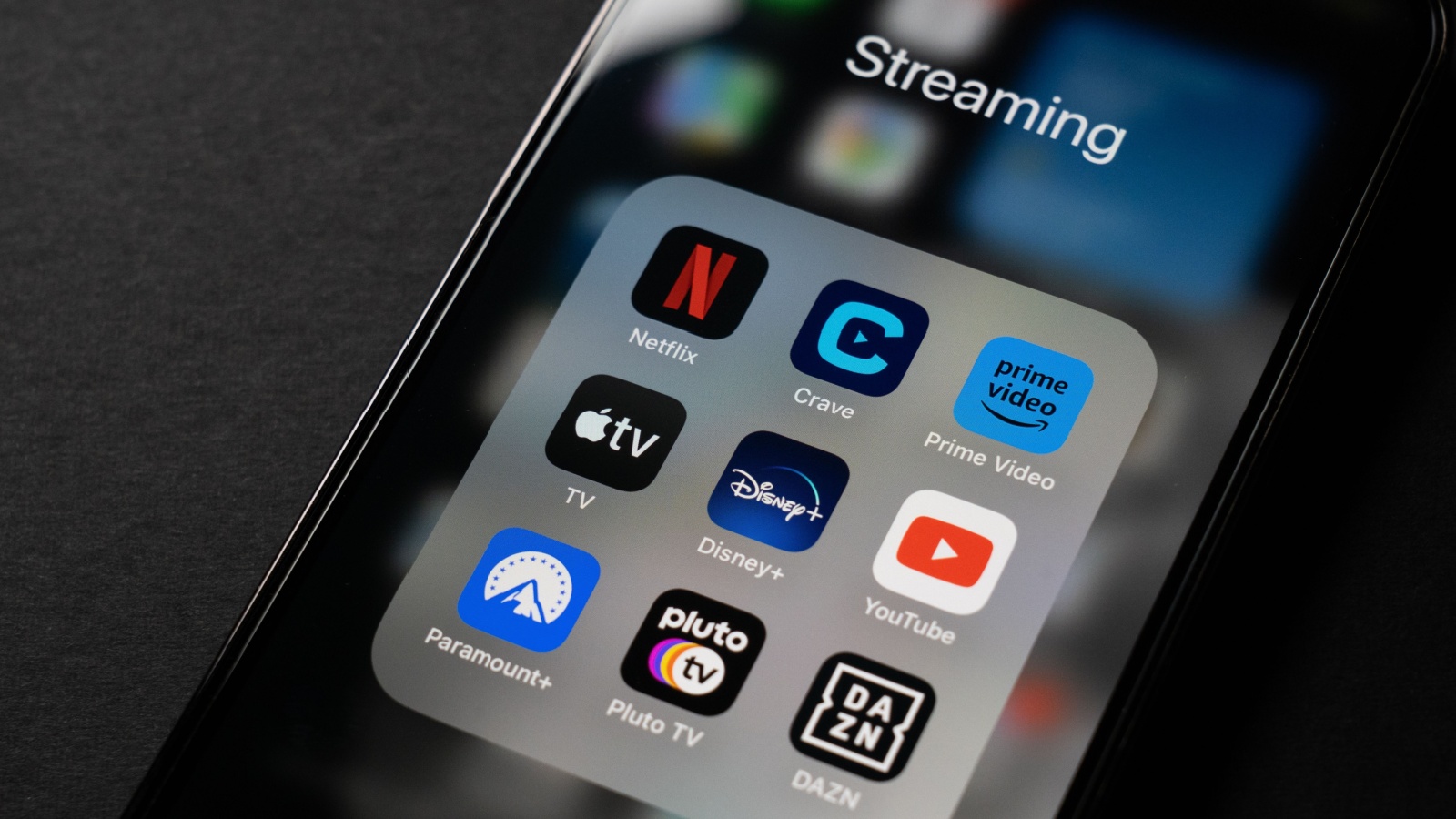
Streaming was once marketed as the cheaper alternative to cable, but many Canadians now carry several services at once. One platform has the comfort sitcom, another has sports, another has children’s shows, and another was added for a limited series that ended months ago. Because each charge is small compared with rent or groceries, it can slip through the budget unnoticed. The combined total can become a modern version of the cable bill people thought they had left behind.
The normal feeling comes from entertainment being woven into daily routines. A subscription may stay active because someone plans to watch something “soon,” even when the account has barely been opened. Rotating services can be more efficient than keeping every platform all year. A household that pauses two or three rarely used subscriptions for half the year may save enough to cover a utility bill, school expense, or a week of groceries.
Food Delivery Fees Hidden Inside Convenience

Food delivery apps have made ordering dinner feel routine, especially after long commutes, late shifts, or busy school nights. The base price is only part of the cost. Delivery fees, service fees, small-order fees, higher menu prices, and tips can turn a casual meal into a noticeably more expensive habit. Because the payment happens through an app, the spending can feel less real than handing over cash at a restaurant.
The human reason is easy to understand: convenience has value, particularly for tired households. But a $25 meal can become much more expensive once every charge is added. Families may not notice the pattern until the credit card statement shows several orders in one week. Keeping delivery for genuinely difficult nights while picking up food directly, batch-cooking, or using grocery ready-meals on other nights can preserve convenience without letting fees become a background expense.
Grocery Brands Bought Out of Habit

Many Canadians keep buying the same brands because they grew up with them, trust the packaging, or know exactly where the item sits on the shelf. That familiarity can be comforting, but it can also make grocery bills higher than necessary. Store brands, discount banners, and unit-price comparisons can reveal big differences on pantry staples such as pasta, cereal, canned tomatoes, cleaning products, and paper goods. The label may feel normal, but the price gap is often real.
This is especially important when food inflation changes the value equation. A national brand that once cost only slightly more than a store brand may now carry a much wider premium. Shoppers may also overlook shrinkflation, where the package looks familiar but contains less product. A family that switches only five everyday items to lower-cost equivalents can create meaningful savings without changing how meals taste or how the household runs.
Credit Card Interest Treated Like a Regular Bill

Credit card interest can become normalized when balances roll over month after month. The minimum payment arrives, gets paid, and feels like another fixed obligation. But unlike rent or insurance, this cost often reflects past spending rather than current value. High interest can turn ordinary purchases into long-running debt, especially when groceries, gas, car repairs, or holiday expenses sit on the card for several billing cycles.
The danger is emotional as much as mathematical. Once interest becomes part of the monthly routine, the balance can stop feeling urgent. A household may celebrate paying $150 toward a card while new interest quietly absorbs part of the progress. Even small extra payments, balance-transfer planning, or prioritizing the highest-rate debt can change the direction. Treating interest as a leak rather than a bill helps make the cost visible again.
Overdraft Protection Used as a Cushion

Overdraft protection can be useful in an emergency, but it becomes expensive when treated like a normal extension of a chequing account. Many people keep it because it prevents embarrassment at the checkout or avoids a declined automatic payment. That safety net can become a habit, especially when paycheques and bills do not line up neatly. The account dips below zero, the fee appears, and the cycle repeats.
For households living close to the edge, overdraft may feel less like a choice and more like a survival tool. Still, it can hide a timing problem that deserves attention. Moving bill due dates, creating a small buffer account, or setting low-balance alerts can reduce reliance on overdraft. The goal is not to shame people for needing short-term flexibility, but to recognize that paying for the same cushion repeatedly can make a tight month even tighter.
Car Payments That Outlast the Joy of the Purchase
A new or newer vehicle can feel like a practical upgrade, especially in a country where commuting, winter driving, and family logistics often depend on reliable transportation. But long loan terms can make car payments feel normal long after the excitement fades. A seven- or eight-year loan may lower the monthly payment, yet it can also keep households paying for a vehicle while maintenance costs begin rising.
The payment becomes part of the background: rent, insurance, phone, car. That familiarity can make people overlook the full cost of ownership, including fuel, winter tires, parking, repairs, and insurance. Some drivers discover that the monthly loan payment was only the entry fee. Buying less vehicle, choosing a shorter term, or keeping a paid-off car longer may feel less glamorous, but the breathing room can be significant when other costs climb.
Auto Insurance Renewals Accepted Without Shopping Around

Auto insurance is mandatory in most situations, so renewal notices often get treated as unavoidable. Many Canadians glance at the premium, feel irritated, and pay it anyway. The policy feels normal because coverage is legally and practically necessary. Yet premiums can change because of claims trends, location, vehicle type, driving history, inflation in repair costs, and insurer pricing. Staying with the same provider may be convenient, but it is not always the cheapest option.
A realistic example is the driver who moved, changed jobs, or started working from home but never updated annual kilometres. Another is the household with an older vehicle still carrying coverage choices that made more sense when the car was newer. Reviewing deductibles, bundled discounts, usage, and competing quotes can turn a passive renewal into an informed decision. The normal bill may still be necessary, but the amount may not be fixed.
Extended Warranties Added at Checkout
Extended warranties often appear at the exact moment people are least prepared to evaluate them: during a major purchase. A salesperson asks about protection for a laptop, appliance, phone, or vehicle, and the warranty feels responsible. After all, nobody wants to pay for a repair right after buying something expensive. The cost is often framed as small compared with the purchase price, which makes saying yes feel normal.
The problem is that extended warranties vary widely in coverage, exclusions, deductibles, and real value. Some duplicate manufacturer warranties or credit card protections already available to the buyer. Others cover only specific failures while excluding common wear, accidental damage, or labour. A consumer may pay for peace of mind and later discover the repair is not covered. Taking time to read terms before agreeing can separate useful protection from an expensive reflex.
Gym Memberships Kept for the Person Someone Plans to Become

Gym memberships are often purchased with sincere intentions. January motivation, a health scare, a stressful season, or a desire for routine can all make a membership feel like a positive investment. But when visits drop from three times a week to once a month, the fee can keep going because cancelling feels like admitting defeat. The membership becomes a symbol of the person someone still hopes to become.
This is one of the most human expenses because it is tied to identity, not just money. A $40, $60, or $90 monthly fee may be worthwhile for regular users, but costly for those who rarely go. Some people would be better served by community-centre passes, pay-as-you-go classes, outdoor walking groups, home equipment, or shorter trial commitments. The goal is not to spend nothing on health, but to match the payment to actual behaviour.
Subscriptions That Started as Free Trials

Free trials are designed to feel harmless. A person signs up to watch a game, test a software tool, try a meal kit, or access a limited offer, then forgets the renewal date. Once the charge begins, it can blend into the statement as a normal monthly payment. Even when the amount is modest, the frustration comes from paying for something that was never meant to become permanent.
Subscription traps are a recognized consumer issue because unclear terms, difficult cancellation processes, or automatic billing can keep people paying longer than intended. Even legitimate companies benefit from customer inertia. A calendar reminder before a trial ends, a dedicated low-limit card for trials, or a monthly subscription audit can help. The most effective question is simple: would this still be purchased today if it were not already active?
Home Security and Monitoring Packages That No Longer Fit

Home security can provide real peace of mind, especially for families, seniors, frequent travellers, or people living alone. But older monitoring packages can continue for years without review. A household may still be paying for equipment that is outdated, a landline-connected system, or a monitoring plan that no longer matches the home’s needs. The charge feels normal because safety is difficult to question.
Technology has changed the market. Cameras, smart doorbells, self-monitoring apps, and newer alarm systems have created more choices, though not every alternative is appropriate for every home. The key is reviewing what the monthly fee actually covers. Is emergency dispatch included? Are sensors still working? Is the contract finished? Are there cancellation penalties? Paying for security can be wise, but paying for a stale package simply because it has always been there is different.
Cable Packages Kept for Familiar Channels

Cable remains part of many Canadian households, especially where live sports, local news, multicultural programming, or bundled discounts matter. The challenge is that cable packages often include channels nobody watches. A household may keep a legacy bundle because one person wants a specific sports network while everyone else streams. The bill feels normal because it has been around for years, sometimes longer than the streaming services competing with it.
The emotional pull is real. Cable can feel reliable, simple, and familiar, particularly for older relatives or shared family rooms. But the package may deserve a close look if the same household is also paying for multiple streaming services. Some providers offer smaller theme packs, seasonal sports options, or internet-only pricing. The goal is not necessarily to cut cable, but to stop paying for a bundle built around habits that no longer exist.
Parking Costs Treated as the Price of Having a Job
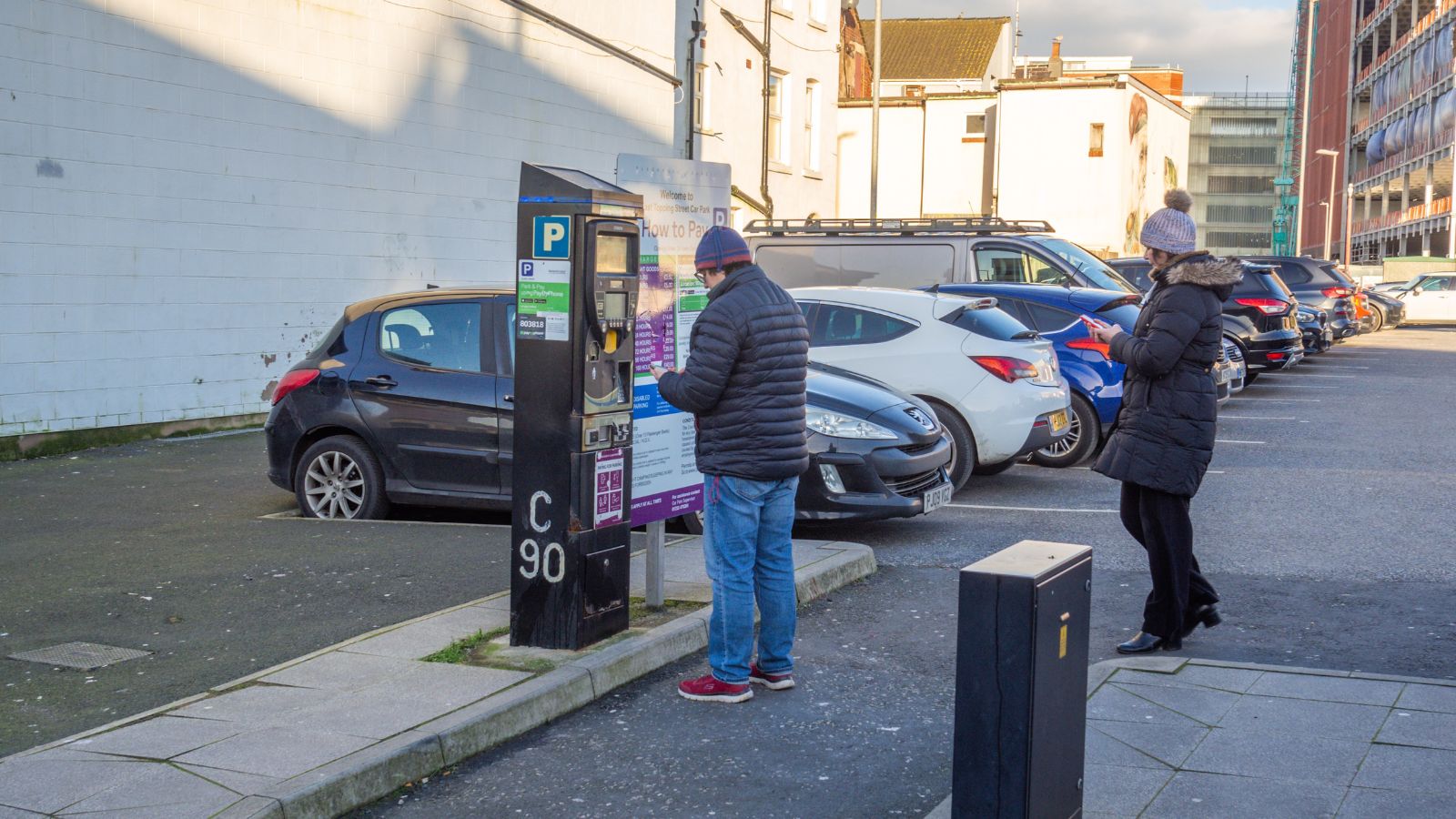
Parking can quietly become one of the most accepted work-related expenses. In downtown areas, hospitals, universities, airports, and major employment districts, daily or monthly parking fees can feel unavoidable. Workers may think of parking as simply part of commuting, especially when transit is inconvenient or shift times make other options difficult. But over a year, even a modest daily fee can become a serious after-tax cost.
A practical example is the employee paying $15 per workday. That can exceed $3,000 annually before considering fuel, insurance, and maintenance. Some commuters may have limited alternatives, but others may find savings through carpooling, park-and-ride lots, employer pre-tax or subsidized programs where available, hybrid-work scheduling, or monthly passes instead of daily rates. The normal routine of tapping a card at the gate can hide how large the annual total has become.
Premium Gas Bought When Regular Is Recommended
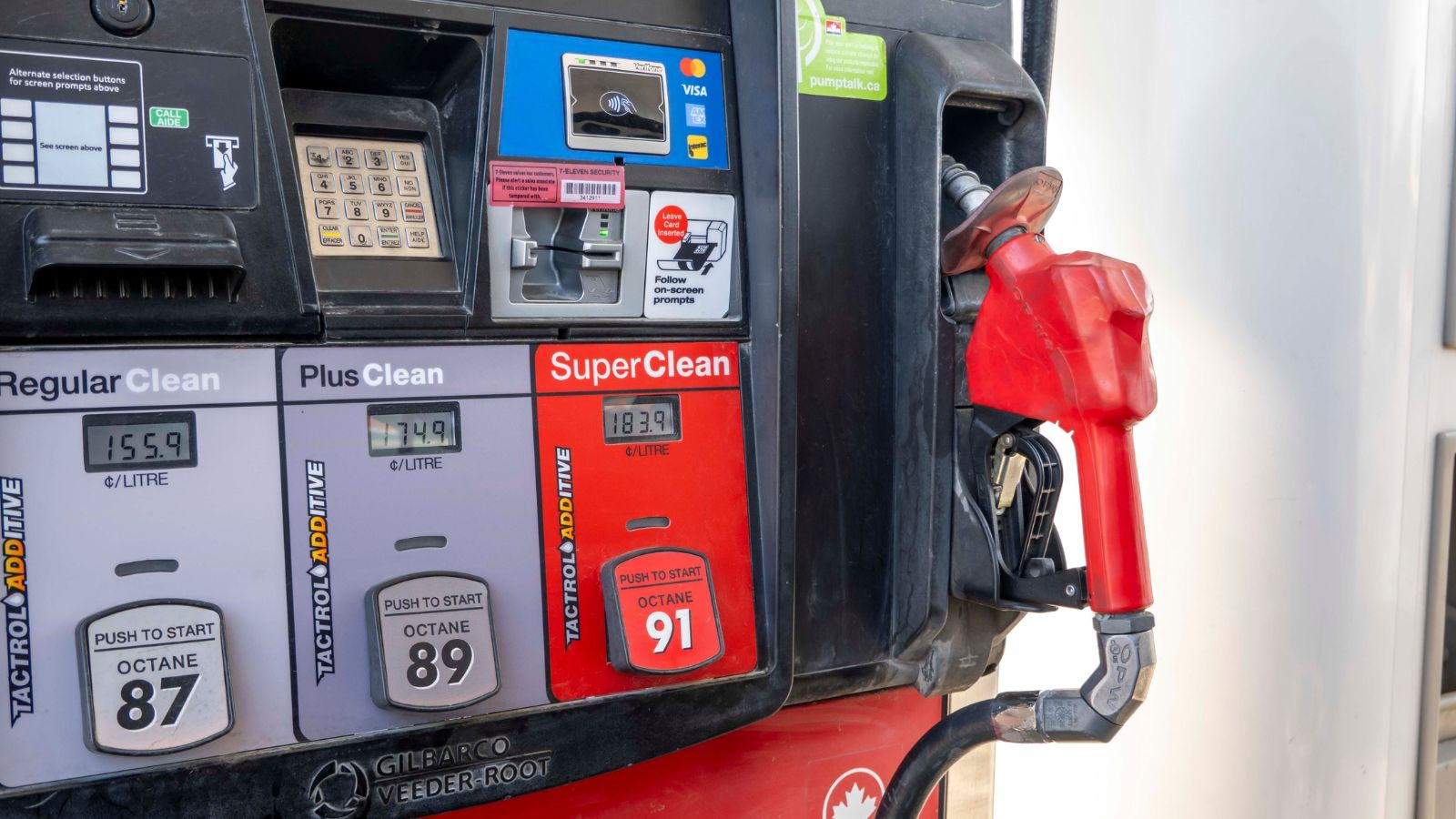
Many drivers buy premium gasoline because it sounds better for the engine. The word “premium” suggests quality, performance, and care, so paying more can feel responsible. But many vehicles are designed to run on regular fuel, and the owner’s manual is the proper guide. If premium is recommended or required, that is different. If regular is specified, paying extra may deliver little practical benefit for everyday driving.
This expense often survives because it feels protective. A driver who loves a vehicle may assume higher-octane fuel prevents problems, especially before winter or a long trip. Yet the price difference can add up quickly for commuters and families with two vehicles. A 60-litre fill with premium priced 20 cents higher per litre costs $12 more each time. Repeated across a year, the “just in case” habit can become a noticeable line item.
Lottery Tickets Framed as Harmless Fun
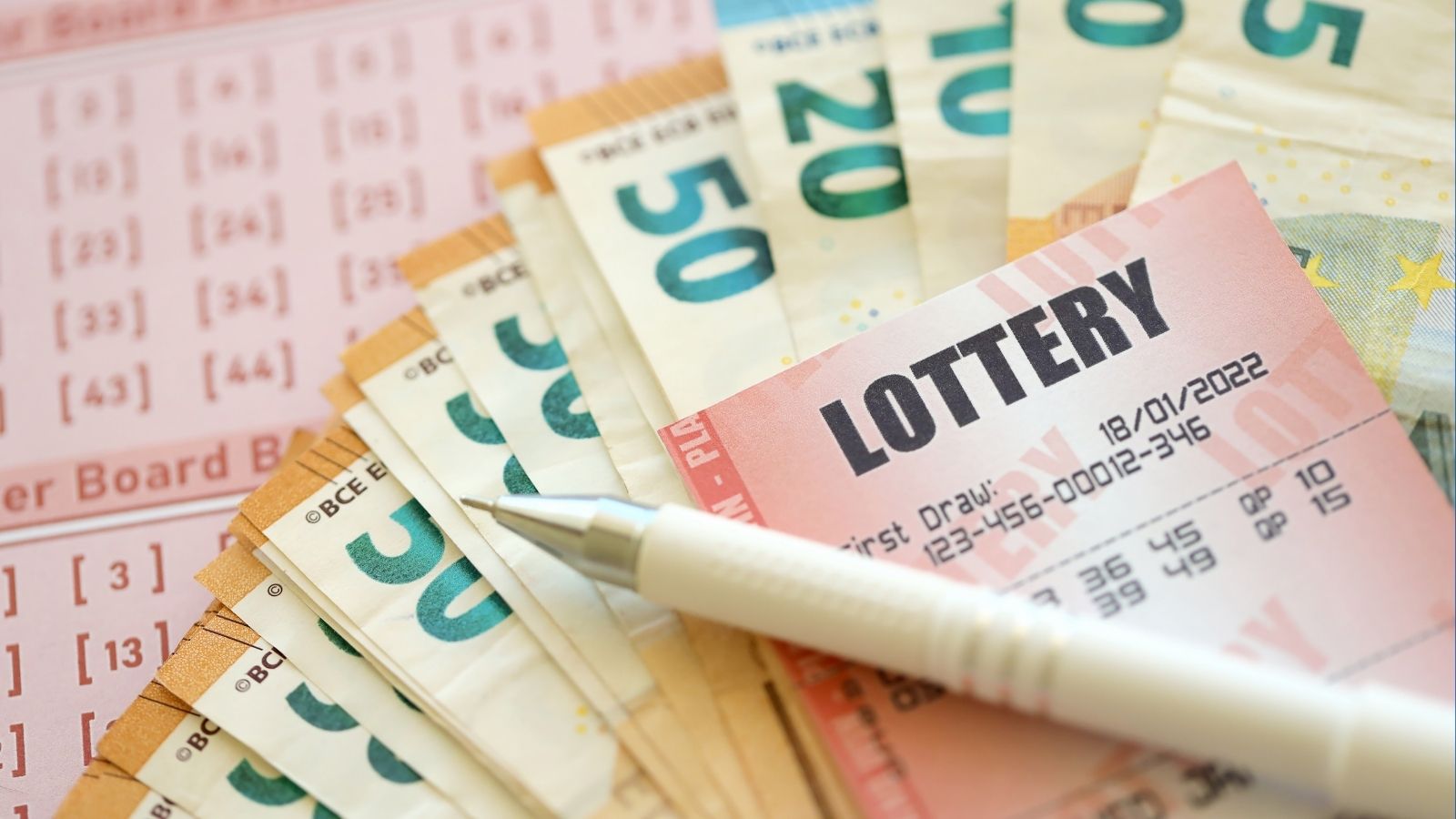
Lottery tickets occupy a unique place in Canadian spending because they are small, familiar, and tied to hope. A ticket added at the gas station or grocery counter rarely feels like a financial decision. It feels like a tiny chance at relief, especially when jackpots are advertised everywhere. For many people, occasional play is entertainment. The issue begins when the purchase becomes automatic and the annual total is never counted.
The psychology is powerful because the dream is bigger than the cost. A few dollars can buy a conversation about cottages, debt freedom, helping family, or quitting a stressful job. But the odds remain extremely long, and frequent small purchases can quietly compete with savings goals. Setting a fixed entertainment amount keeps the fun contained. The question is not whether someone may enjoy a ticket, but whether the habit is being mistaken for a plan.
Pet Costs That Escalate Without a Budget

Pets are family for many Canadians, and spending on them can feel emotionally non-negotiable. Food, litter, grooming, toys, training, insurance, medication, boarding, and veterinary care can all become normal parts of the household budget. The problem is not the love behind the spending. It is that pet costs often expand gradually, especially as animals age or develop health needs. What begins as kibble and annual checkups can become a much larger commitment.
A realistic household may start with a rescue dog and underestimate grooming, dental care, flea prevention, winter gear, and emergency savings. Premium food or specialized diets can be worthwhile, but they should be planned rather than absorbed blindly. Pet insurance, emergency funds, and comparing vet costs for routine services can help. Caring well for an animal should not require financial denial; it works better when the true cost is visible.
Storage Units Holding Things Nobody Uses

Storage units can make sense during a move, renovation, separation, downsizing, or temporary work assignment. But a short-term solution can become a long-term bill. The monthly payment feels normal because the unit is out of sight, and visiting it may require time, a vehicle, or emotional energy. Months turn into years while furniture, boxes, seasonal items, old files, or inherited belongings sit untouched.
The cost can become irrational compared with the value of the stored items. A $180 monthly unit costs $2,160 a year. After two or three years, a household may have paid more to store old furniture than it would cost to replace it. The hardest part is often sentimental, not practical. Scheduling one focused cleanout, photographing keepsakes, donating duplicates, or keeping only clearly valuable items can turn storage from a permanent expense back into a temporary tool.
New Clothing for Occasions That Could Be Reused

Buying something new for weddings, office parties, holiday dinners, vacations, school events, and family photos can feel completely normal. Clothing is tied to confidence, identity, and social expectations, so repeating an outfit may feel more noticeable than it really is. The expense can become automatic: a dress for this event, shoes for that one, a jacket that matches, then accessories that make it “work.”
The reality is that many wardrobes already contain enough for occasional events, especially when items can be tailored, borrowed, rented, or restyled. Canadians also face seasonal needs, from winter coats to waterproof boots, which makes clothing budgets more complicated. Buying fewer but better pieces can make sense, but buying new because an event appears on the calendar can quietly inflate spending. The most useful test is whether the item fills a real gap or only a momentary feeling.
Convenience Store Purchases During Errands

Convenience stores are built around the normal rhythm of busy lives: gas, coffee, snacks, lottery tickets, phone chargers, and last-minute milk. The individual purchases seem small, which is exactly why they can become expensive. A coffee, bottled drink, and snack during a commute may cost less than lunch, but repeated several times a week it becomes a grocery-category leak at convenience-store prices.
This spending is not about irresponsibility; it is often about time. A parent rushing between daycare and work, a tradesperson between job sites, or a student catching transit may not have the luxury of perfect planning. Still, simple substitutions can help. Keeping a water bottle, granola bars, instant coffee, or a small emergency snack kit in the car or bag can reduce impulse stops. Convenience should remain a backup, not an unnoticed routine.
Loyalty Programs That Encourage Spending More
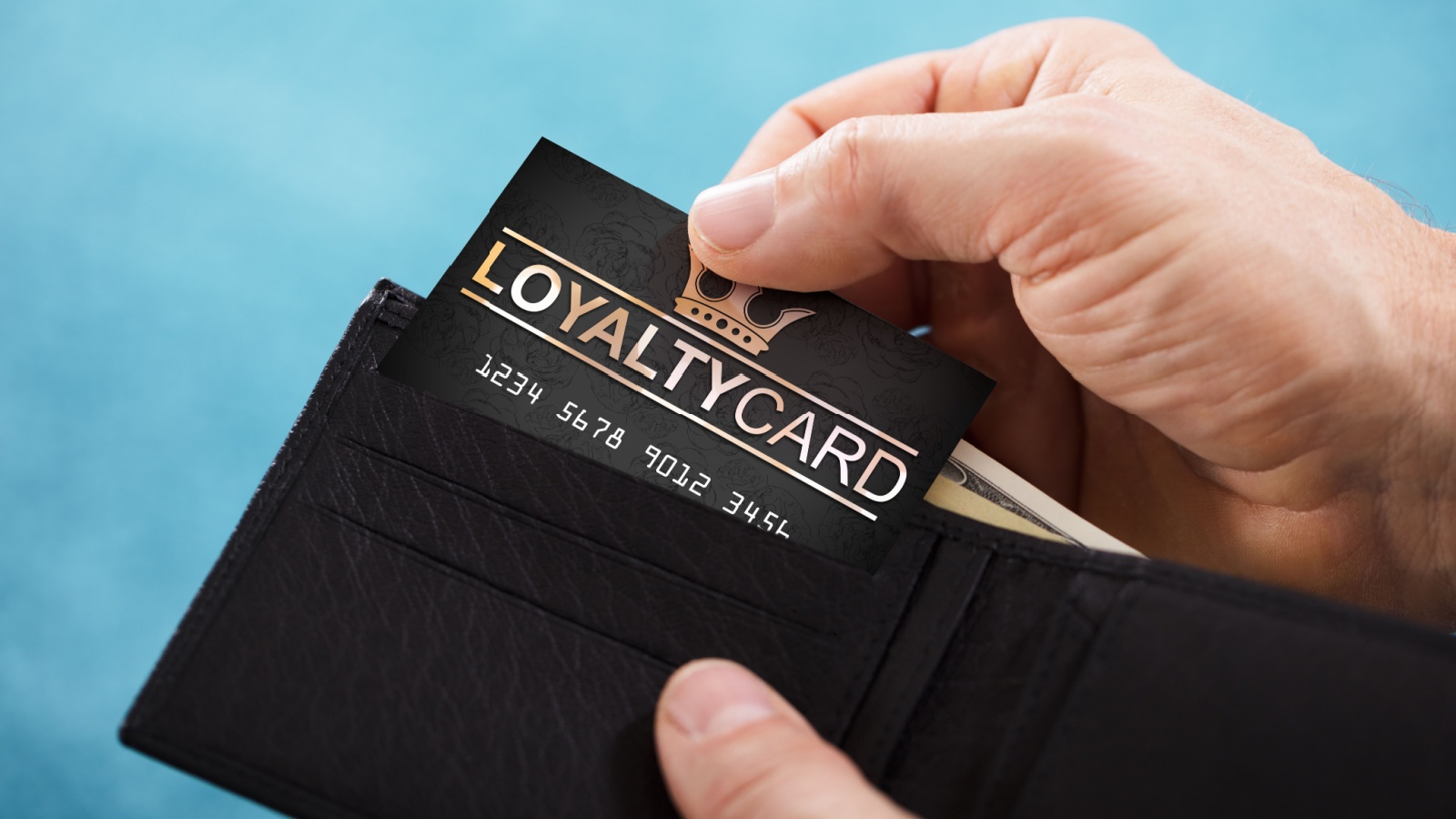
Loyalty programs can be useful when they reward purchases that would have happened anyway. The trouble starts when points make extra spending feel justified. A shopper may buy more groceries to reach an offer threshold, choose a higher-priced store to collect points, or add items to an online cart because a bonus event is ending soon. The spending feels normal because points create the impression of getting something back.
A simple example is spending $30 more to earn $10 worth of points on items that were not needed. The math does not work unless the purchases replace future necessities. Loyalty apps have also become more personalized, encouraging customers with targeted offers based on past behaviour. That can be helpful, but it can also nudge repeat buying. The best rule is to treat points as a discount after the decision, never as the reason for the decision.
19 Things Canadians Don’t Realize the CRA Can See About Their Online Income

Earning money online feels simple and informal for many Canadians. Freelancing, selling products, and digital services often start as side projects. The problem appears at tax time. Many people underestimate how much information the CRA can access. Online platforms, banks, and payment processors create detailed records automatically. These records do not disappear once money hits an account. Small gaps in reporting add up quickly.
Here are 19 things Canadians don’t realize the CRA can see about their online income.
