
In Canada, status used to be easier to recognize: the bigger house, the newer vehicle, the cottage invite, the designer kitchen, the international trip. But rising costs, shifting priorities, and tighter household budgets have changed what those signals mean. A purchase that once suggested stability can now suggest debt, pressure, or a lifestyle stretched too thin.
These 22 Canadian status symbols have not disappeared completely. Some still bring comfort, pride, or convenience. What changed is the assumption behind them. In a country where shelter, food, transportation, and borrowing costs have become central financial concerns, many old markers of success now look less like proof of having made it and more like expensive habits that quietly stopped adding up.
Oversized Detached Homes
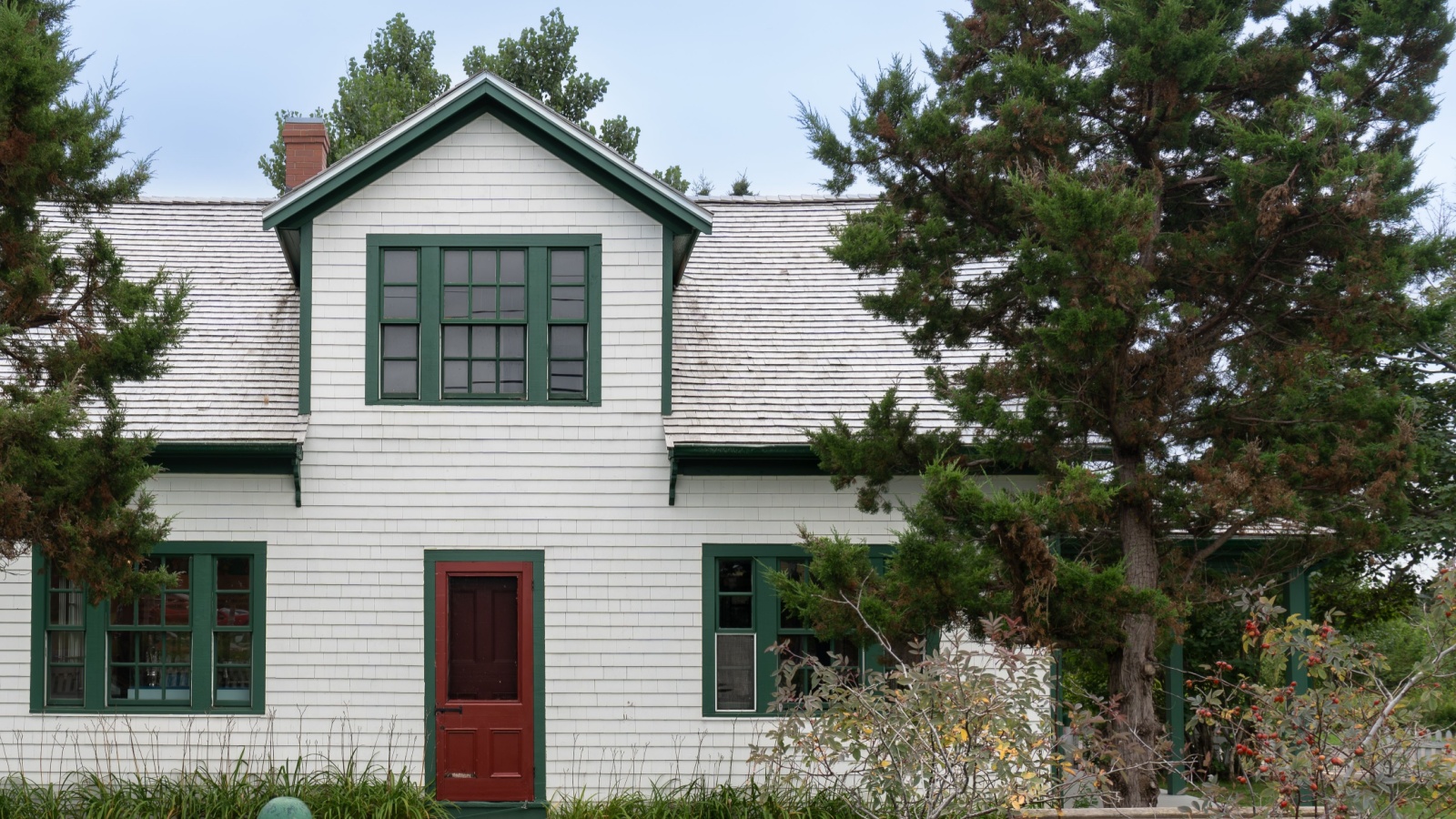
For decades, the detached house stood near the top of Canada’s middle-class dream. A wide driveway, spare bedrooms, and a finished basement suggested that a household had reached a comfortable stage of life. In many suburbs, the size of the home became a shorthand for stability, especially when rising property values made ownership feel like a guaranteed wealth-builder.
That symbol is harder to read now. Shelter costs have taken up a larger share of household concern, and younger Canadians have faced delayed access to ownership compared with earlier generations. A large home can also come with higher property taxes, insurance, repairs, heating, and commuting costs. The impressive front elevation may still look successful, but the monthly carrying cost behind it can tell a very different story.
Cottage Ownership
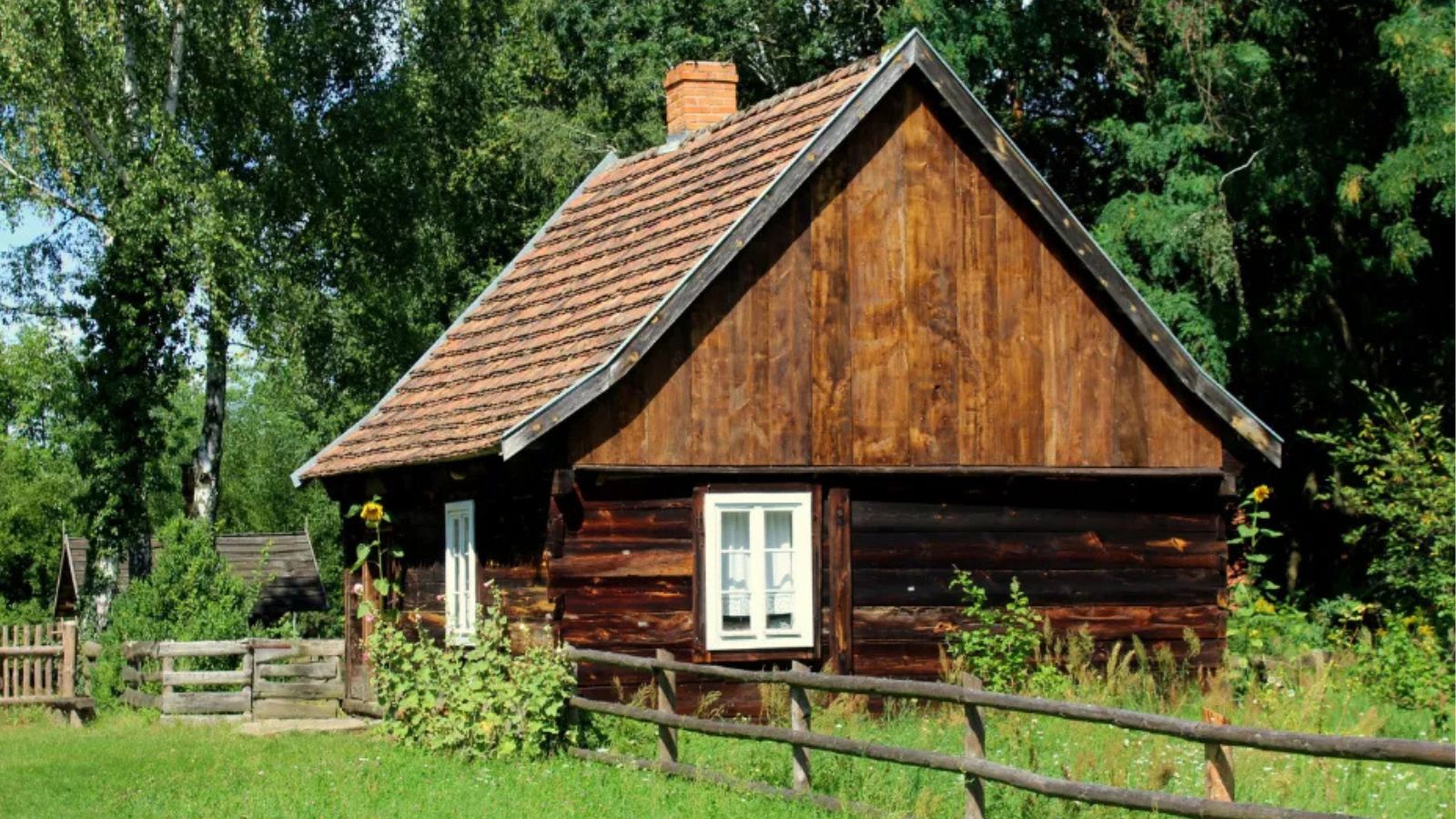
A cottage once carried a powerful emotional charge in Canada. It suggested summer freedom, family tradition, lake access, and a life with enough room for leisure. In Ontario, Quebec, British Columbia, and the Atlantic provinces, even a modest cabin could become a treasured badge of belonging, especially when families returned to the same shoreline year after year.
The practical side has become harder to ignore. A second property often means duplicate insurance, maintenance, utilities, repairs, taxes, road access costs, and travel expenses. Climate-related risks, aging septic systems, and short summer seasons can make the dream more expensive than expected. For many households, renting a place for one week now offers more flexibility than carrying a second roof all year just to prove a certain lifestyle.
Luxury SUVs

The luxury SUV became one of the clearest modern status symbols: elevated seating, premium badging, leather interiors, and enough space to suggest both family life and success. In Canadian cities and suburbs, these vehicles often replaced the luxury sedan as the more practical-looking way to signal comfort and income.
Yet the economics have changed. Larger vehicles generally cost more to buy, finance, insure, fuel, maintain, and repair. Even when interest rates ease, vehicle payments can remain a major fixed expense. Compact SUVs and crossovers dominate the Canadian market partly because they meet everyday needs without the same premium burden. A luxury SUV still turns heads, but in many driveways it now raises a quieter question: how much monthly cash flow is being traded for the badge?
Full-Size Pickup Trucks

The pickup truck has deep roots in Canada, especially in rural areas, construction, trades, farming, and resource communities. For many people, it remains a legitimate work tool. But over time, full-size pickups also became suburban status machines, parked outside homes where the truck bed rarely carried more than hockey bags, patio furniture, or a weekend dump run.
The problem is not the truck itself; it is the mismatch between image and use. Large pickups can be expensive to finance, fuel, insure, park, and fit into dense urban life. With large pickups remaining one of Canada’s major vehicle segments, the appeal is obvious. Still, when a household needs a commuter more than a hauler, the prestige of the truck can fade quickly into the reality of gas receipts and oversized monthly payments.
Downtown Condo Investment Properties

For years, owning a downtown condo was not just about having a place to live. It became a marker of financial intelligence, urban taste, and future wealth. In cities such as Toronto, Vancouver, Calgary, and Montreal, the idea of “getting into the market” carried social weight, even when the unit was small.
That confidence has been shaken by higher carrying costs, stricter rental math, condo fees, insurance increases, and shifting work patterns. A small unit can still be valuable, but it no longer automatically feels like a winning move. Investors now have to think about cash flow, special assessments, tenant risk, resale demand, and mortgage renewal costs. The glass tower view may still look impressive, but the spreadsheet matters more than the skyline.
Designer Kitchen Renovations

A gleaming kitchen once signalled taste and permanence. Quartz counters, custom cabinetry, oversized islands, pot lights, premium appliances, and open shelving became visual proof that a household had upgraded its life. Real estate listings leaned heavily on these details because buyers often responded emotionally to a polished kitchen.
The trouble is that renovation costs can climb quickly, and not every upgrade returns its price at resale. A beautiful kitchen can make daily life more pleasant, but it can also become a financed status project that strains a household for years. The most practical kitchens are increasingly those built around durability, storage, repairability, and realistic use. In that context, the showpiece kitchen has lost some of its power unless it genuinely supports how a family lives.
Private School Enrolment
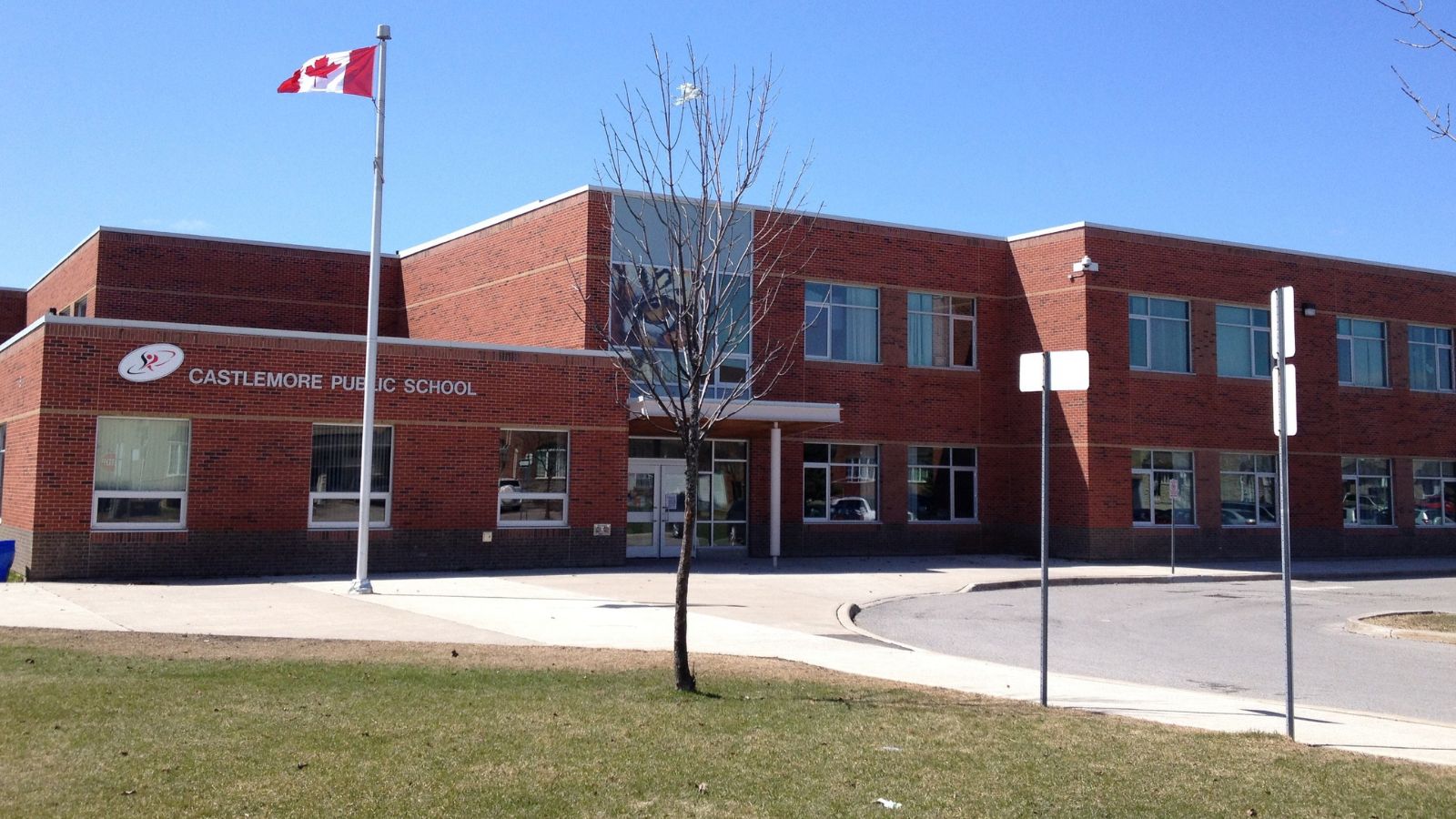
Private school once carried a strong status message in many Canadian communities. It suggested selectivity, small classes, ambitious networks, and parents who could afford to pay for perceived advantages beyond the public system. For some families, it remains a deeply valued choice tied to faith, pedagogy, specialized programming, or individual student needs.
As general costs rise, however, tuition has become harder to treat as a simple prestige purchase. Families must weigh annual fees against housing, childcare, postsecondary savings, transportation, and extracurricular expenses. Canada’s public education systems vary by province and neighbourhood, but many families now place more value on fit, stability, and student well-being than on the private-school label alone. The status signal is weaker when the sacrifice behind it becomes too large.
Big Traditional Weddings
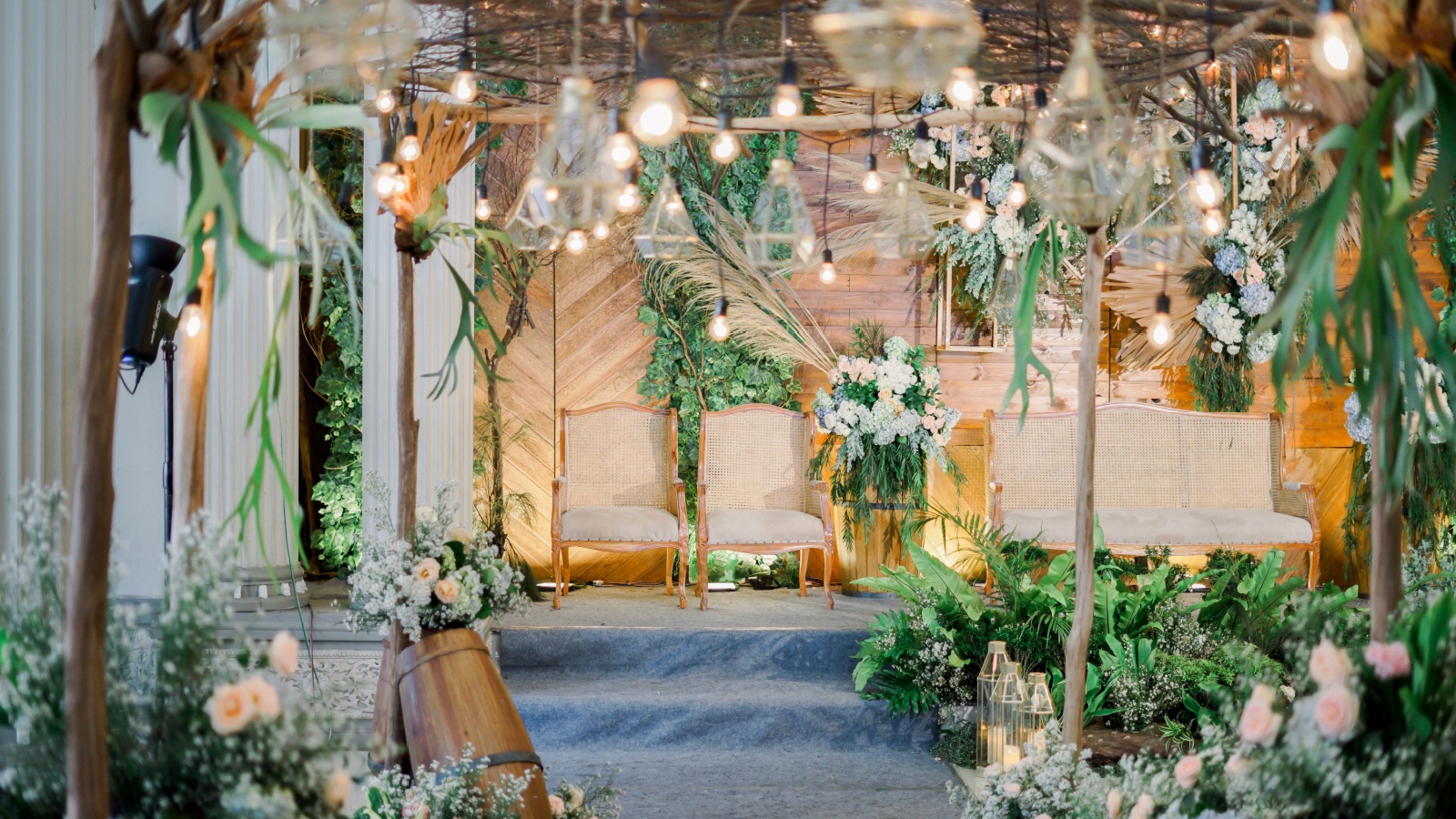
A large wedding used to be one of the most public displays of family pride. The banquet hall, multi-course meal, open bar, formal photography, floral installations, and packed guest list all communicated abundance. In many communities, a big celebration also carried cultural importance, making the spending feel meaningful rather than purely performative.
Still, the price of weddings has become difficult to separate from financial stress. Couples and families can face venue minimums, vendor deposits, travel costs, attire, gifts, and pre-wedding events. A beautiful celebration does not need to become a financial endurance test. Smaller weddings, restaurant receptions, backyard ceremonies, and weekday events have gained appeal because they preserve the emotional centre of the day without turning the budget into a public performance.
Overseas Vacations

The overseas vacation once functioned as a clear marker of success. Photos from Europe, Japan, the Caribbean, or Australia suggested disposable income, flexible work, and a life broad enough to include global experiences. For many Canadians, international travel also became a reward after long winters and demanding work seasons.
Travel still has value, but the old status logic has weakened. Airfare, hotels, exchange rates, insurance, meals, and attraction costs can make a trip far more expensive than the headline price suggests. Domestic travel spending has also become significant, showing that many Canadians are still travelling but making more careful choices. A well-planned local trip can now look wiser than an overseas vacation funded by debt, especially when the goal is rest rather than online proof.
Premium Grocery Habits
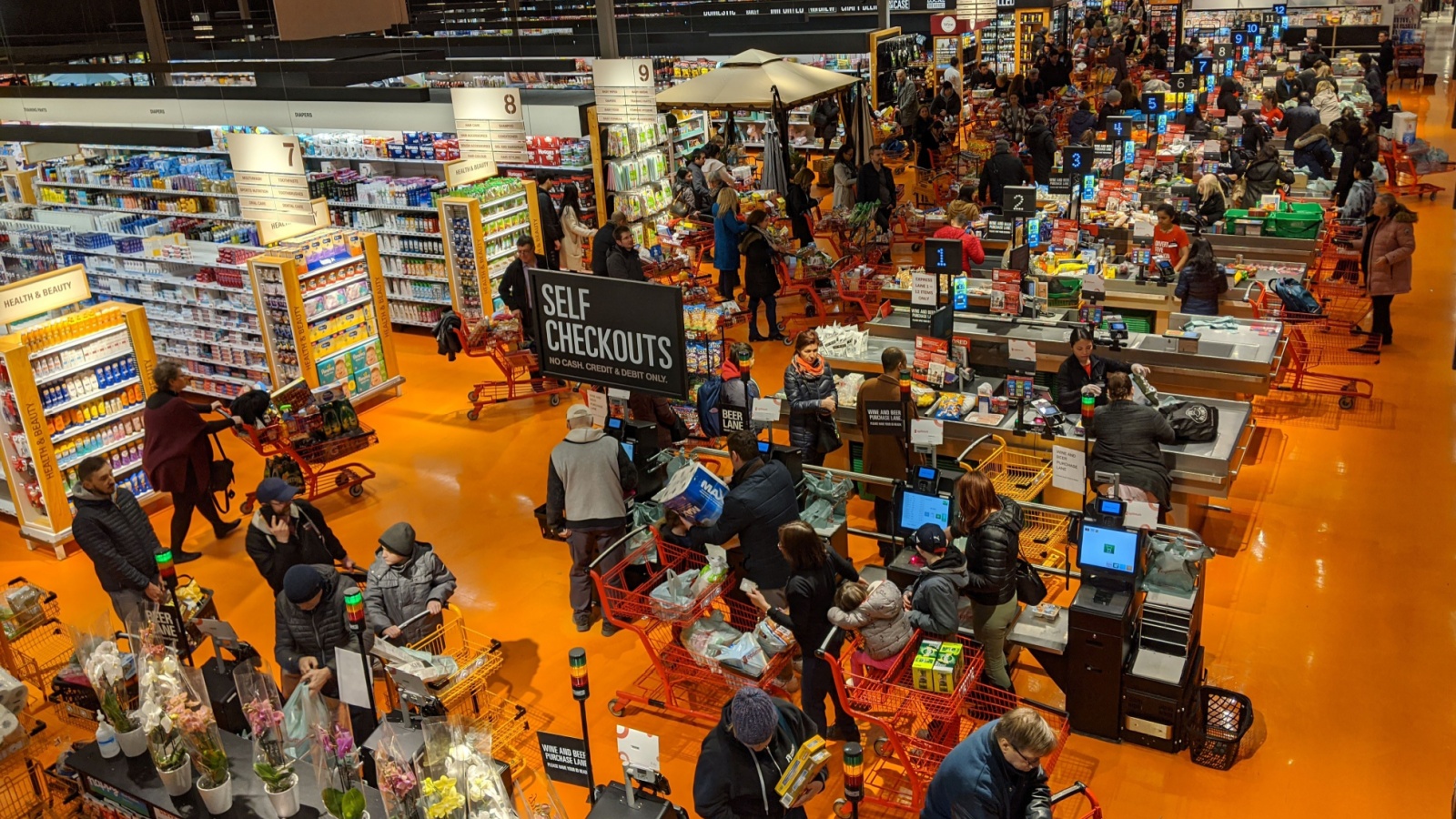
Buying premium groceries once felt like an uncomplicated sign of doing well. Organic produce, specialty cheeses, imported olive oil, boutique coffee, meal kits, and upscale prepared foods suggested a household had moved beyond strict budgeting. The grocery cart quietly became a lifestyle statement.
Food inflation changed that symbolism. With food prices rising sharply over several years, many Canadians have become more strategic about flyers, unit prices, private labels, bulk buying, and reduced-waste cooking. Premium items still have a place, especially when they support health, taste, or local producers. But using the grocery store as a stage for status has become less convincing. A carefully planned basket now signals competence more than a cart full of expensive packaging.
Yearly Phone Upgrades

The newest smartphone used to be a subtle but powerful signal. A fresh model suggested someone was current, connected, and able to afford the latest technology. In workplaces, classrooms, cafés, and transit lines, phones became one of the most visible personal items Canadians carried every day.
Now, the difference between one recent model and the next often feels smaller to the average user. Better cameras, brighter screens, and faster chips matter, but not always enough to justify frequent upgrades. Cellular plan prices, device financing, repair costs, and electronic waste have made yearly replacement feel less sensible. Keeping a phone for several years, replacing the battery, or buying a previous-generation model can now look more financially confident than chasing every launch.
Designer Outerwear

In a cold country, outerwear has always carried practical importance. Over time, premium parkas, wool coats, technical shells, and recognizable winter brands became status symbols in schools, offices, and city streets. A high-end coat suggested preparedness, taste, and the ability to spend heavily on something worn every day for months.
The value equation is more complicated now. Quality outerwear can be worth the money if it lasts for years, but logo-driven purchases have become easier to question. Many mid-priced coats provide serious warmth, and resale platforms have made second-hand premium pieces more accessible. In a climate where utility matters, the smartest status signal may be a coat that performs well, lasts long, and avoids turning winter into another competition over labels.
Restaurant Reservation Culture
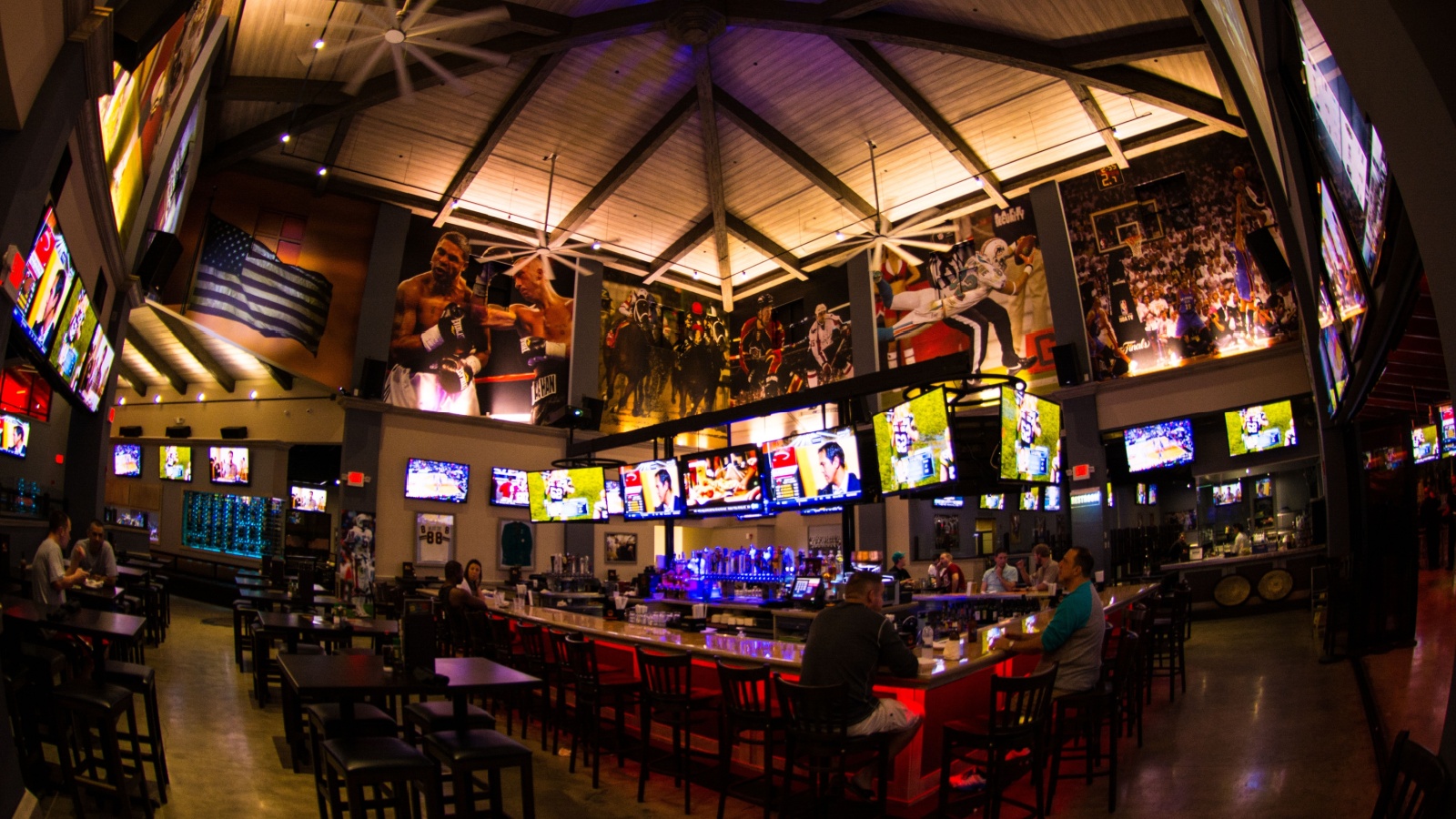
A hard-to-get restaurant reservation once suggested cultural fluency. Knowing the new tasting-menu spot, booking the buzzy patio, or posting the perfect plate made dining out feel like a social achievement. In major Canadian cities, restaurants became part of how people signalled taste and belonging.
Dining out remains one of life’s pleasures, but the status surrounding it has softened. Menu prices, service charges, tips, transportation, babysitting, and drinks can turn a casual evening into a major expense. Many households now reserve restaurants for special occasions and take pride in hosting at home, learning to cook better, or supporting neighbourhood favourites selectively. The most impressive meal is not always the rarest reservation; increasingly, it is the one that feels worth the full cost.
Memberships at Exclusive Clubs

Golf clubs, social clubs, private gyms, and business lounges have long promised more than access. They offered networking, identity, routine, and a sense of being inside a particular circle. In some communities, the membership itself mattered almost as much as the facilities.
That status has become less automatic. Initiation fees, monthly dues, food minimums, equipment costs, and time commitments can make exclusivity feel burdensome. Remote work and changing social habits have also altered how people build networks. A public course, community centre, running group, co-working day pass, or local recreation league may deliver more actual connection for less money. The old club model still appeals to some, but the prestige fades when the membership is underused.
Finished Basements Built for Entertaining
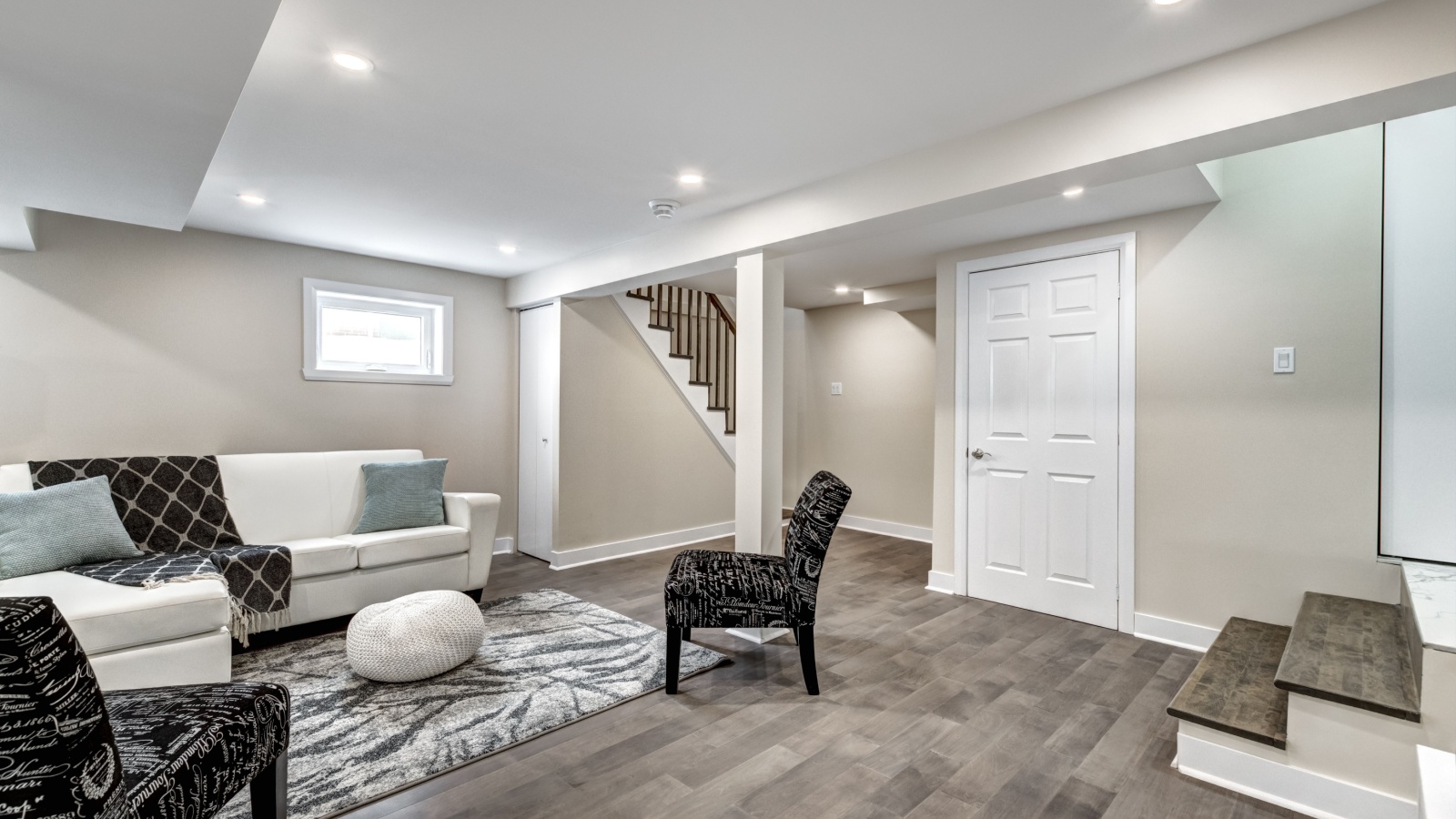
The finished basement became a classic Canadian upgrade: rec room, wet bar, big television, guest room, home gym, or teenager zone. It was a practical status symbol because it suggested extra space and the ability to host, relax, or give family members room to spread out.
The meaning has shifted as renovation and housing costs have risen. Finishing a basement can add useful living space, but it can also uncover expensive issues such as moisture, insulation, permits, electrical upgrades, or foundation repairs. In some homes, the basement is no longer a showpiece; it is a rental suite, office, multigenerational living area, or storage zone. The smartest version is functional and code-compliant, not simply designed to impress visitors during one holiday party.
New Furniture Showrooms
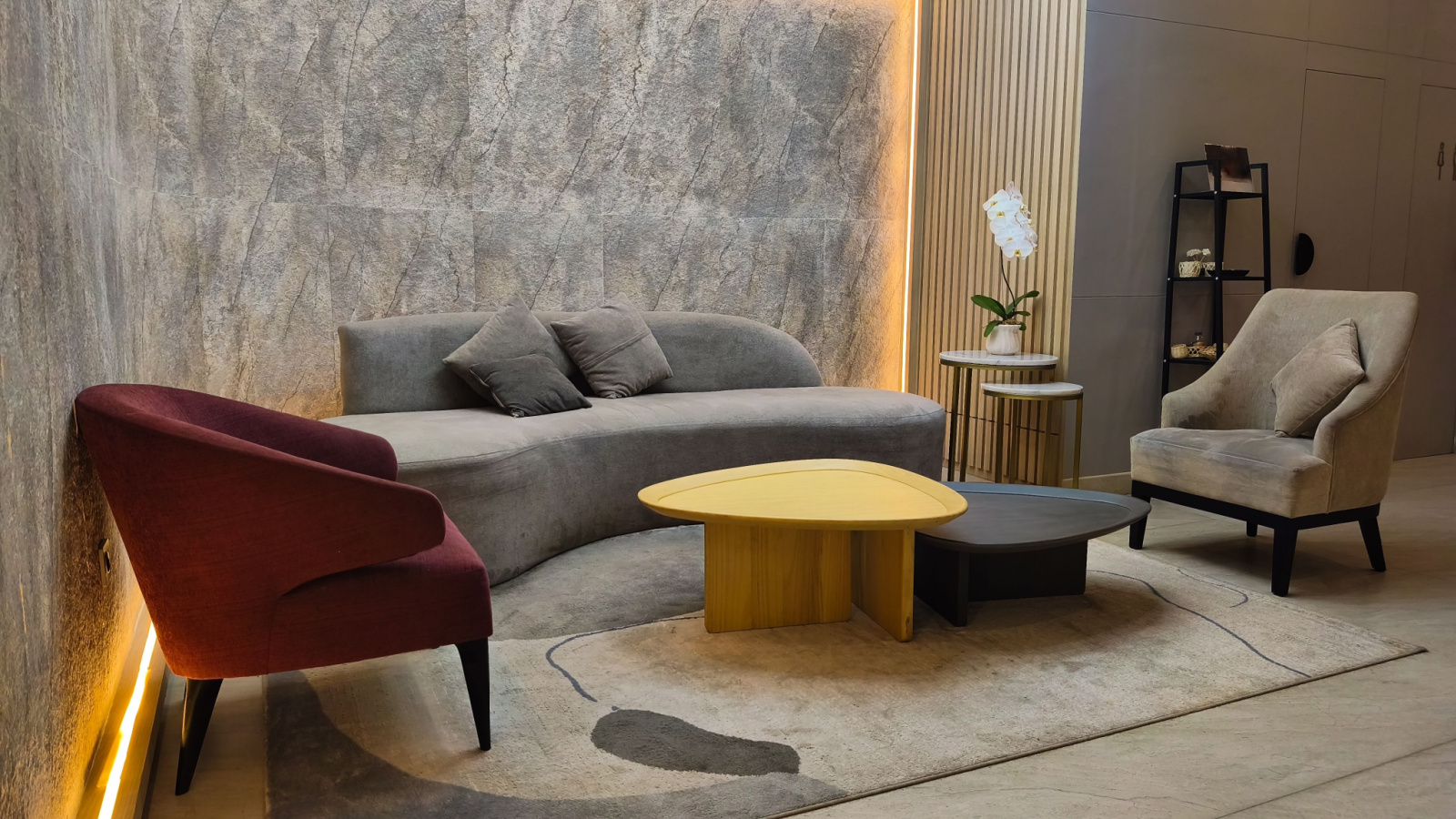
A house full of new matching furniture once suggested arrival. Coordinated living rooms, formal dining sets, bedroom suites, and showroom-perfect décor created the feeling of a complete adult home. For generations, buying new furniture was part of settling down.
Today, the status attached to brand-new furniture has weakened. Higher housing costs, frequent moves, smaller condos, and sustainability concerns have made second-hand, vintage, modular, and repairable pieces more attractive. Many Canadians now mix new basics with marketplace finds, family hand-me-downs, and locally made items. The result can feel more personal than a catalogue room. A home that works, wears well, and avoids unnecessary debt increasingly looks more impressive than one furnished all at once.
Home Theatre Setups
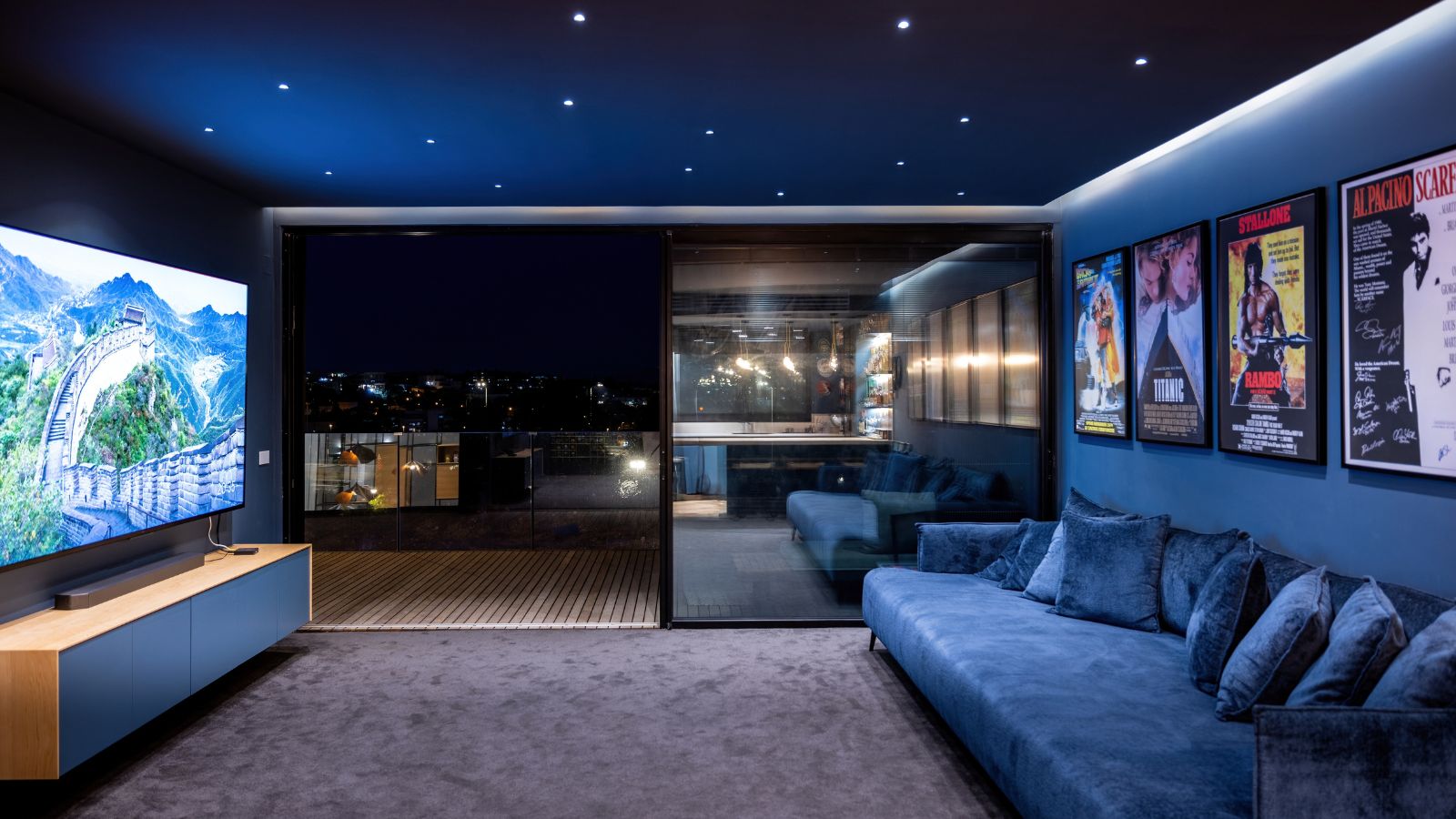
The home theatre once felt like a peak suburban flex: oversized screen, surround sound, recliners, gaming consoles, streaming boxes, and a dedicated room. It promised a private cinema experience and gave homeowners a visible entertainment upgrade.
Streaming changed the equation. Large televisions became more affordable, while content fragmented across multiple paid platforms. A household can spend heavily on equipment and still face monthly subscription fatigue. At the same time, many families watch on tablets, laptops, or regular living-room screens rather than gathering in a specialized media room. The home theatre still appeals to film lovers, but as a broad status symbol it has lost force. The better signal is a setup that is used often, not one built mainly to impress.
Recreational Vehicles and Boats

RVs and boats have long carried a powerful promise: freedom, summer memories, open roads, and weekends away from routine. In a country with vast landscapes and countless lakes, owning recreational gear can feel like owning access to adventure itself.
The hidden costs are substantial. Storage, fuel, insurance, maintenance, docking, repairs, winterization, campground fees, towing capacity, and depreciation can all turn leisure into obligation. Some owners use their RV or boat constantly and get real value from it. Others discover that the calendar is too crowded to justify the expense. Renting, sharing, or joining a club can now make more sense than owning a high-maintenance toy that spends most of the year parked.
Multiple Streaming and Subscription Services

Having every streaming platform, app, premium channel, fitness subscription, music service, cloud plan, and delivery membership once felt convenient and modern. It suggested a household could access anything instantly without worrying about small recurring charges.
Those small charges have become harder to ignore. Subscription stacking can quietly drain a budget because each individual fee feels harmless. The same logic applies to meal delivery, premium apps, gaming passes, software tools, and auto-renewing memberships. Many Canadians now treat subscription audits as a routine financial task. Keeping only what is used regularly has become a smarter signal than maintaining a digital shelf full of forgotten monthly withdrawals.
Destination Bachelor and Bachelorette Trips
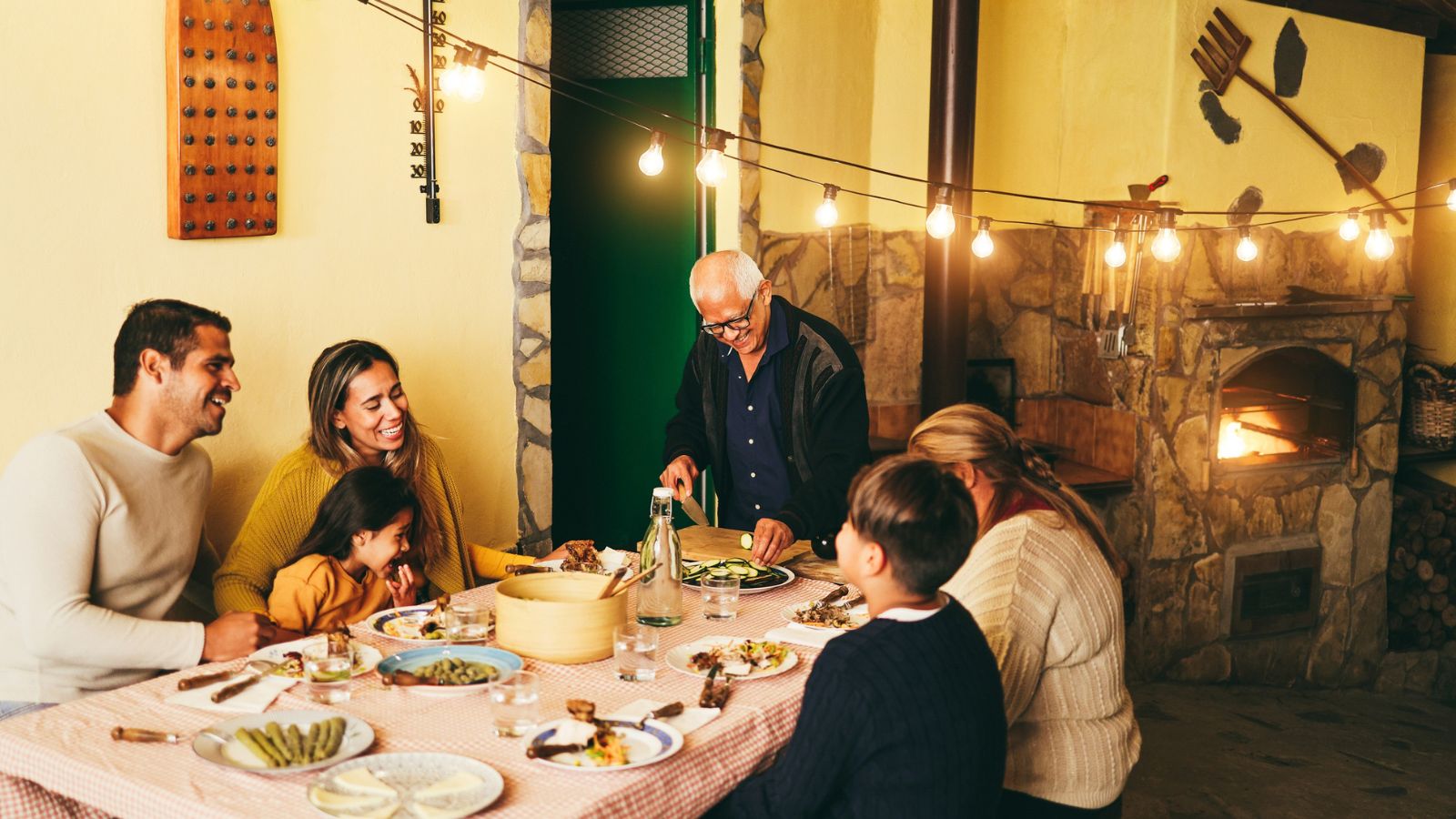
The destination pre-wedding trip became a highly visible status ritual. Flights, matching outfits, decorated rentals, group dinners, spa days, golf weekends, and beach resorts turned friendship into a curated event. Social media made these trips feel almost expected in some circles.
The pressure can be heavy. Guests may face airfare, hotel shares, meals, gifts, time off work, and the main wedding costs still ahead. For younger Canadians dealing with rent, student debt, and rising everyday expenses, saying yes can become financially awkward. A memorable celebration does not require everyone to cross a border or drain savings. The more thoughtful version respects budgets and keeps friendship from becoming a test of spending power.
Expensive Children’s Activities

Elite sports, competitive dance, private coaching, travel tournaments, music lessons, tutoring, and specialized camps can all enrich a child’s life. They can also become status symbols, especially when parents compare schedules, teams, instructors, and competition travel.
The challenge is that enrichment can slide into financial escalation. Registration fees are only the beginning; equipment, costumes, hotels, gas, food, missed work, and parent volunteer time all add up. Many families now ask whether an activity builds joy, confidence, fitness, or skill, rather than whether it sounds impressive. Community leagues, school programs, libraries, and local recreation can offer meaningful growth without turning childhood into a high-cost résumé.
The Perfectly Curated Home Office

During the rise of remote and hybrid work, the polished home office became a new kind of status symbol. Standing desks, ergonomic chairs, acoustic panels, plants, ring lights, premium webcams, and carefully arranged bookshelves suggested professionalism and control. The background on a video call became part of a person’s image.
The practical need is real, but the performance layer has faded. Many workers discovered that good lighting, a reliable chair, and a quiet corner matter more than a magazine-ready room. As hybrid schedules shift, a dedicated office may sit unused several days a week, especially in smaller homes where space is precious. The most sensible setup is flexible and comfortable. A curated background is less impressive than a workspace that protects health and supports actual productivity.
19 Things Canadians Don’t Realize the CRA Can See About Their Online Income

Earning money online feels simple and informal for many Canadians. Freelancing, selling products, and digital services often start as side projects. The problem appears at tax time. Many people underestimate how much information the CRA can access. Online platforms, banks, and payment processors create detailed records automatically. These records do not disappear once money hits an account. Small gaps in reporting add up quickly.
Here are 19 things Canadians don’t realize the CRA can see about their online income.
