
Canada can look straightforward from a distance: stable cities, public health care, clean streets, and strong wages compared with many parts of the world. The adjustment begins when daily costs start stacking up in ways that are not always obvious before arrival.
These 22 realities show how quickly newcomers learn that the real cost of life in Canada is shaped by rent, groceries, taxes, transport, weather, paperwork, and the price of starting over. Some expenses are predictable, while others appear only after the lease is signed, the first paycheque arrives, or winter begins to test every household budget.
Rent Takes the Biggest Bite First

For many newcomers, the first shock is not the cost of a restaurant meal or a winter coat. It is the amount needed just to secure a place to live. In major cities, landlords may ask for first month’s rent, last month’s rent, proof of income, references, credit checks, and sometimes tenant insurance before handing over the keys. A family that expected to pay only one month upfront can quickly discover that moving in requires several thousand dollars before furniture or groceries enter the picture.
Rental pressure varies by city, but the lesson is often the same: advertised rent is only the starting point. New arrivals may choose smaller units, basement apartments, shared housing, or suburbs farther from work to keep costs manageable. Even when vacancy rates improve, affordability does not always feel better for people earning entry-level Canadian wages. The first home in Canada often becomes a budgeting classroom.
A “Good Salary” Feels Smaller After Deductions

A salary offer can look generous when converted into a previous home currency, but the first paycheque can feel smaller than expected. Federal and provincial income taxes, Canada Pension Plan contributions, and Employment Insurance premiums are deducted before money reaches the bank account. For newcomers used to different payroll systems, the gap between gross pay and take-home pay can be surprising.
The practical lesson arrives quickly: monthly budgeting should be built on net income, not the job offer number. A worker earning a respectable salary may still need to account for rent, transit, phone service, utilities, groceries, debt payments, remittances, and savings. Some newcomers also discover that tax benefits and credits may arrive later, not immediately. The paycheque is real, but so is the Canadian deduction line.
Groceries Cost More Than Many Families Expect

Food costs can unsettle even careful planners because Canada’s grocery prices vary by region, season, store format, and dietary needs. Fresh produce may be more expensive in winter, meat can stretch a budget quickly, and imported staples may cost far more than they did back home. A newcomer looking for familiar ingredients may find them in specialty stores, but often at a premium.
Families learn fast to compare unit prices, buy store brands, watch flyer cycles, and understand loyalty programs. The same cart can cost very different amounts at a discount grocer, a large supermarket, or a small urban convenience store. For newcomers balancing rent and transportation, food becomes one of the first areas where habits change. Cooking at home helps, but even home cooking requires a sharper strategy than many expect.
Public Health Care Does Not Mean Everything Is Free

Canada’s public health care system is a major benefit, but newcomers often learn that “free health care” has limits. Provincial and territorial plans typically cover medically necessary physician and hospital services, but dental care, prescription drugs, physiotherapy, vision care, private rooms, and some medical devices may not be fully covered. In some provinces, new residents may also face a waiting period before public coverage begins.
That gap can be costly. A child’s dental appointment, an urgent prescription, or a pair of glasses can create an expense that was not in the arrival budget. Many employers offer health benefits, but not every job includes them, and coverage levels differ. Newcomers quickly learn to ask what is covered, when coverage starts, and whether private insurance is needed during the first months.
Winter Has Its Own Price Tag

Winter is not just cold; it is expensive. Newcomers often budget for coats and boots, then discover the full list includes thermal layers, gloves, hats, snow brushes, windshield washer fluid, humidifiers, higher heating bills, winter tires, and sometimes snow removal. A family arriving from a warmer country may need to outfit every person at once, which can turn winter preparation into a major seasonal expense.
The cost is more than clothing. Poor winter gear can make commuting miserable, while inadequate tires can make driving unsafe. Heating bills can climb in older homes, especially in provinces with colder winters. Even small purchases accumulate quickly: salt for icy steps, car mats, replacement mittens, and extra electricity use. Canada’s first winter often teaches that staying warm is both practical and financial planning.
Transportation Costs Depend Heavily on the City
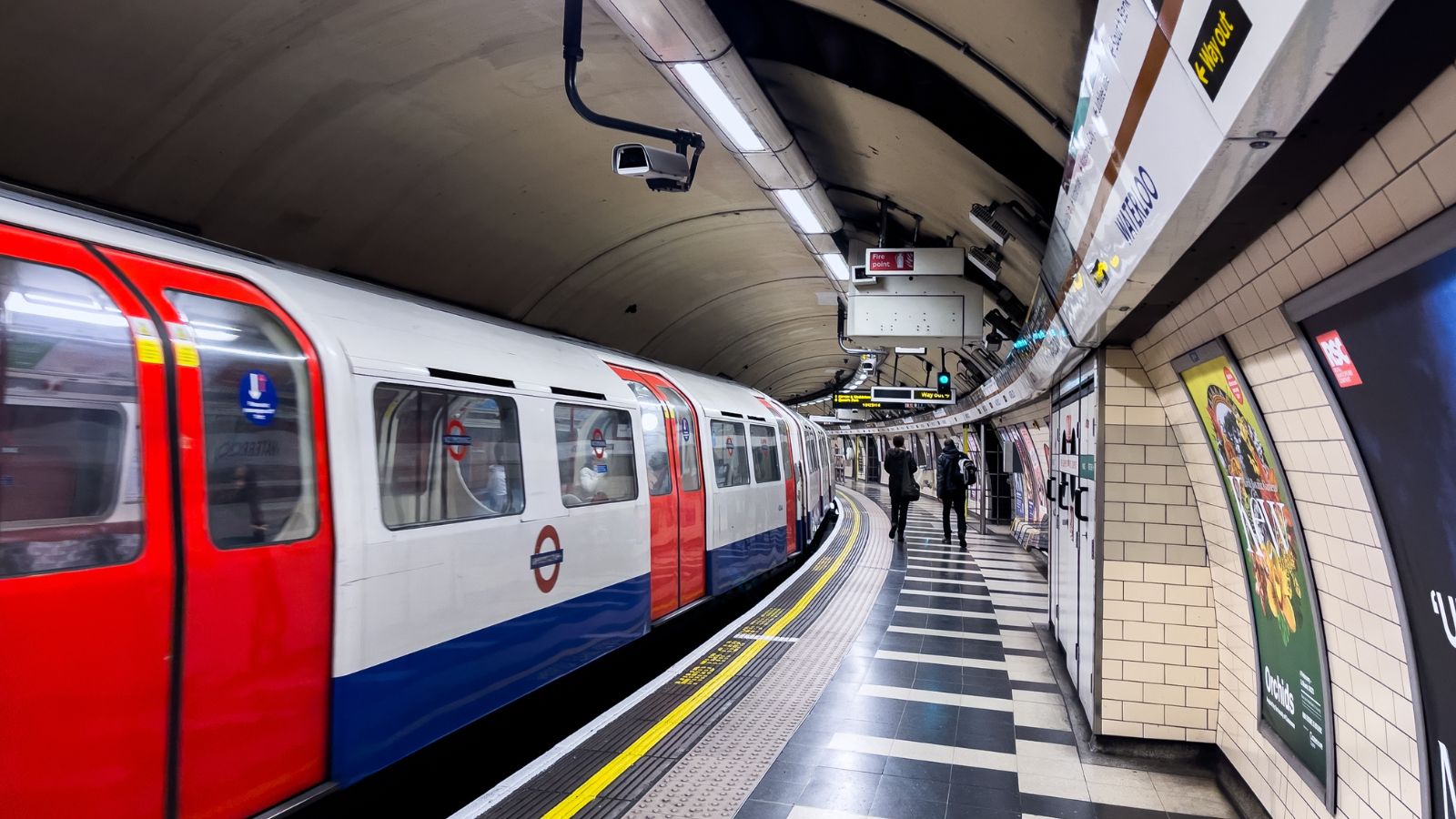
Newcomers who settle in transit-rich areas may avoid buying a car, but transit is not always cheap or convenient. Monthly passes in large metro areas can cost well over $100, and families may need multiple passes. Commuting from a cheaper suburb can reduce rent but increase travel time and fare costs. A lower rent far from work may not save as much as it appears.
In smaller cities or suburban areas, a car can feel almost necessary. That brings fuel, insurance, registration, maintenance, tires, parking, and repairs. The real cost of transportation is rarely just a bus pass or a car payment. Many newcomers learn to calculate rent and commuting together, because the cheapest apartment can become costly when every shift, school run, or grocery trip requires long travel.
Car Insurance Can Be a Second Rent Payment

Driving in Canada can be financially shocking for newcomers, especially those with limited Canadian driving history. Even experienced drivers from abroad may not receive full credit for their past record, depending on the province and insurer. A modest used vehicle can become expensive once insurance is added, particularly in large urban areas or places with high claims costs.
The premium is only part of the picture. Auto theft, repair costs, vehicle model, postal code, commute distance, and coverage type can all influence rates. Newcomers who expected car ownership to bring freedom may discover that the monthly insurance bill changes the entire household budget. Shopping around, requesting driving history letters, and understanding provincial rules can make a meaningful difference, but the learning curve is steep.
Phone and Internet Bills Add Up Quickly

Canada’s telecom market has improved in some areas, with mobile plan prices declining for many data-heavy plans, but phone and internet bills still surprise newcomers. Home internet, mobile service, device financing, activation fees, taxes, and streaming subscriptions can turn connectivity into a sizable monthly category. A family with several phones may feel the cost immediately.
The challenge is that internet access is not optional. Job applications, school portals, government forms, banking, rental searches, and health appointments increasingly require reliable connectivity. Newcomers often compare promotional prices only to learn that discounts expire after a few months. The smarter approach is to ask about total monthly cost after promotions, cancellation rules, equipment fees, and whether a cheaper plan is enough for actual usage.
Child Care Can Decide Whether Work Pays

For families with young children, child care can be one of the most important financial variables in Canada. Lower-fee child care programs have helped many households, but availability, eligibility, waitlists, and provincial differences still matter. A parent may secure employment only to find that full-time care is difficult to obtain near home or work.
This can create hard choices. Some parents delay work, accept shifts around a partner’s schedule, rely on relatives, or choose part-time care while waiting for a subsidized space. The advertised goal of affordable child care does not always match the lived experience of finding a spot. Newcomers learn that the monthly cost is only one part of the issue; timing, location, and access can shape the whole family budget.
Starting a Credit History Takes Time

Newcomers may arrive with savings, education, and strong financial habits, yet still have little or no Canadian credit history. That can affect rental applications, credit card limits, car financing, phone plans, and even some utility setups. A person who managed money responsibly for years elsewhere may feel like a financial beginner again.
Building credit usually requires patience. Secured credit cards, newcomer banking packages, small limits, on-time payments, and low credit utilization can help, but results do not appear overnight. The cost of having thin credit may show up as higher deposits, fewer borrowing options, or less flexibility during emergencies. Newcomers learn that Canadian financial identity is not only about income; it is also about documented payment history.
Banking Looks Simple Until Fees Appear

Opening a bank account may be easy, especially through newcomer programs, but the details matter. Monthly account fees, transaction limits, e-transfer rules, overdraft charges, ATM fees, international transfer costs, and credit card interest rates can all affect the budget. Some accounts are free only for a promotional period or only if a minimum balance is maintained.
For newcomers sending money abroad, transfer costs become especially important. A few dollars per transaction may seem small until remittances happen monthly. Families also learn that banking convenience can be expensive if they use out-of-network ATMs or carry balances on credit cards. The first year in Canada often turns banking from a simple necessity into a subject that rewards careful comparison.
Taxes Show Up at the Cash Register Too

Many newcomers first notice Canadian taxes on receipts. The shelf price is often not the final price at checkout because GST, HST, PST, or QST may be added depending on the province and the item. A $100 purchase can cost noticeably more at the register, especially in provinces with harmonized or combined sales taxes.
This changes how people compare prices. Clothing, household goods, electronics, restaurant meals, and services may all feel more expensive once tax is added. Some essentials are taxed differently, which can make the system confusing at first. Newcomers quickly learn to budget beyond the sticker price and to recognize that sales tax is part of the everyday cost of living, not just a year-end tax matter.
Furnishing a First Home Costs More Than Expected

A rental unit can be empty in a way newcomers do not anticipate. In some countries, a home may come with more built-in storage, basic furniture, or familiar household items. In Canada, a first apartment may require beds, mattresses, curtains, lamps, kitchen tools, cleaning supplies, small appliances, winter bedding, bathroom items, and basic tools all at once.
Second-hand marketplaces, thrift stores, and community groups can help, but transportation becomes an issue when buying larger items. Delivery fees can erase some savings. Newcomers often learn to prioritize: mattresses first, then cookware, then storage, then comfort items. The first home may look modest for months because setting up a Canadian household is less about one big purchase and more about dozens of small ones.
Moving Costs Do Not End on Arrival Day

The cost of moving to Canada does not stop at the airport. Temporary accommodation, deposits, local transportation, document replacement, school supplies, winter gear, furniture, food, phone plans, and job-search expenses can arrive before stable income begins. Even permanent residents with settlement funds may find those funds shrinking faster than expected in the first 90 days.
The pressure is greater when timelines do not line up. A lease may require payment before the first paycheque. A job may require work shoes, certification, commuting, or background checks. Children may need school items immediately. The early settlement period is expensive because everything happens at once. Newcomers learn that a landing budget needs a cushion for timing gaps, not just predictable monthly bills.
Credentials Can Cost Money Before They Earn Money

Professionals trained outside Canada may discover that working in their field requires credential assessments, licensing exams, bridging programs, language tests, supervised practice, or additional coursework. These steps can cost money and time before leading to higher earnings. The financial strain is especially difficult when a newcomer accepts lower-paid work while trying to re-enter a regulated profession.
This reality affects engineers, nurses, teachers, tradespeople, accountants, health professionals, and many others. Some use alternative jobs temporarily; others take loans or retraining to move back into their field. The emotional cost can be high, but the financial cost is concrete. Canada may need skilled workers, yet newcomers often learn that skills do not automatically convert into Canadian licences or Canadian wages.
Being Overqualified Can Still Mean Lower Pay

A painful lesson for many newcomers is that education and experience do not always produce the expected Canadian income right away. Some recent immigrants with postsecondary credentials work in jobs below their qualification level or outside their field of study. That gap affects rent choices, savings goals, family support, and confidence.
The situation is not always permanent, but the first years can be financially tight. Canadian experience, local references, professional networks, language expectations, and licensing rules can all influence hiring. A newcomer who once managed teams may start in an entry-level role to gain local experience. The cost of life in Canada feels heavier when income starts lower than the original immigration plan assumed.
Medical, Dental, and Vision Costs Can Create Surprise Bills

Public health care reduces many major risks, but everyday health expenses can still hurt a household budget. Dental cleanings, fillings, eye exams, glasses, prescription drugs, counselling, and physiotherapy may require private insurance or out-of-pocket payment. Newcomers with children often discover these costs quickly through school vision needs, dental referrals, or sports-related injuries.
Employer benefits can help, but coverage varies widely. Some plans reimburse only a percentage, include annual maximums, or begin after a probation period. Without benefits, families may postpone care until a problem becomes harder to ignore. The lesson is practical: health budgeting in Canada should include more than emergency hospital care. Teeth, eyes, prescriptions, and therapy can all become real monthly or annual expenses.
Utilities Change With Housing Type and Season
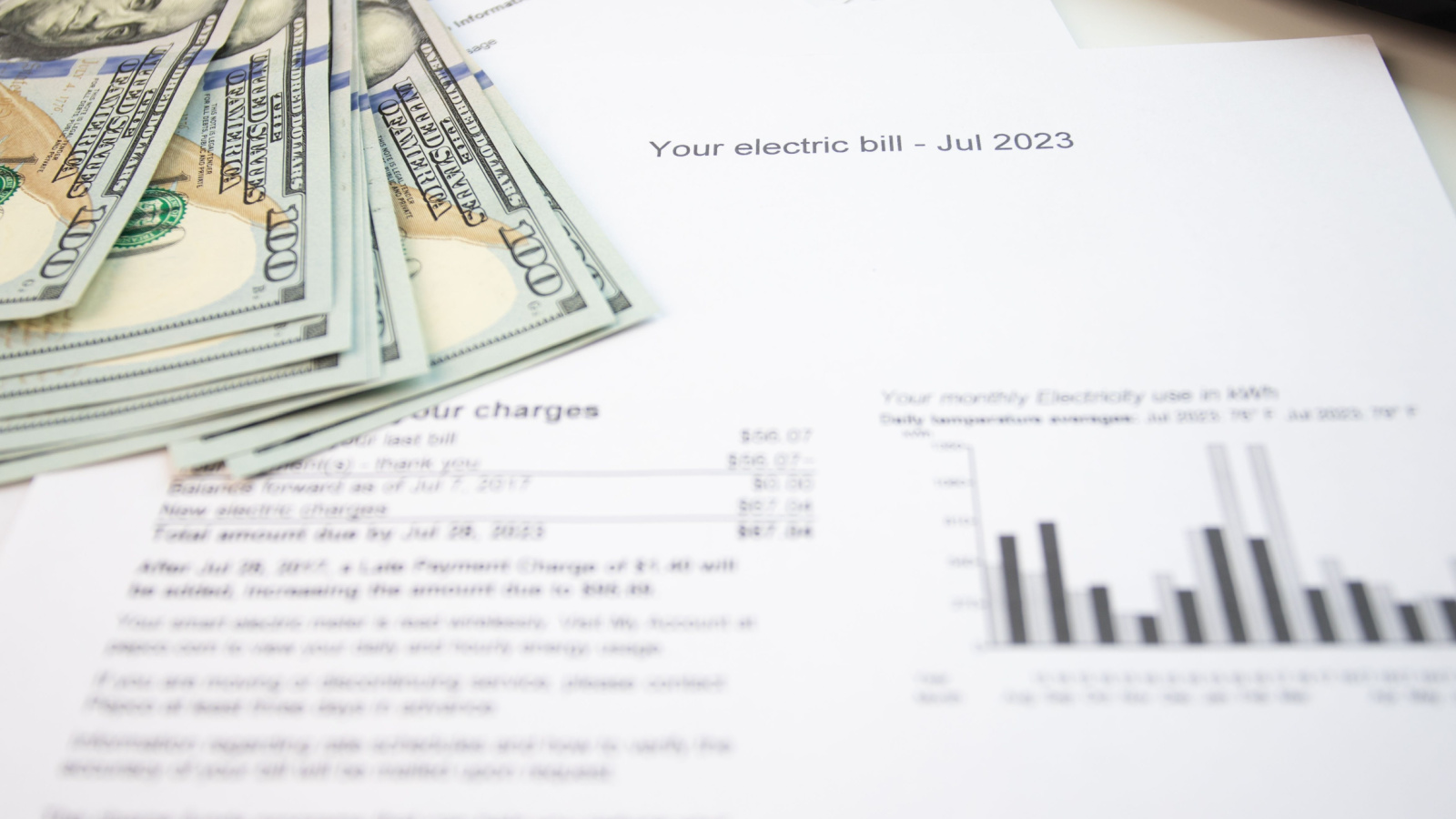
Rent may or may not include heat, electricity, water, or hot water, and that detail matters. A unit with utilities included provides more certainty, while a separate utility bill can rise with winter heating, summer cooling, laundry, cooking, and household size. Newcomers used to different climates may underestimate how much energy a Canadian home uses.
Older buildings, electric baseboard heating, poor insulation, and long cold snaps can all affect bills. Even when electricity rates look manageable, delivery charges, fixed fees, and taxes can make the total higher than expected. The practical habit is to ask landlords what previous tenants paid, whether heat is included, and how the home is heated. Utility surprises can turn an affordable rental into a stressful one.
Eating Out and Tipping Change the Food Budget

Restaurant prices can surprise newcomers because the menu price is rarely the final cost. Sales tax is added, and tipping is common in sit-down restaurants, delivery, taxis, salons, and some service settings. A casual meal can cost much more than expected once drinks, tax, and tip are included. Families that ate out regularly before moving may quickly adjust.
This does not mean restaurants disappear from life, but they become more intentional. Many newcomers shift to packed lunches, home coffee, takeout only on weekends, or shared meals when dining out. The social cost can be real, especially when colleagues suggest lunch near the office. Learning Canadian tipping norms becomes part of learning the real cost of participating in everyday social life.
Government Benefits Help, But Timing Matters

Canada offers tax credits and benefits that can support eligible households, including child and family benefits, GST/HST credits, provincial supports, and other programs. Newcomers may qualify for some programs depending on residency status, income, family composition, and filing requirements. However, benefits often require applications, tax filing, and processing time.
That means support may not arrive when settlement costs are highest. A family may face rent deposits, furniture purchases, and child care needs before benefits begin. Missing a form or delaying a tax return can slow payments. Newcomers learn that government support is valuable but not automatic. Keeping documents organized and filing taxes on time becomes a financial survival skill, not just an administrative chore.
The Cheapest City Is Not Always the Cheapest Life

Many newcomers compare Canadian cities by rent alone, but total cost of living is more complicated. A smaller city may offer cheaper housing but fewer jobs in a specific field. A suburb may reduce rent but require a car. A major city may have higher rent but better transit, more newcomer services, and stronger professional networks. The best choice depends on the full financial picture.
This is why settlement decisions often change after arrival. Some newcomers move from Toronto or Vancouver to smaller cities; others return to larger centres for work. The real question is not only “Where is rent lower?” It is “Where can income, transportation, housing, child care, community support, and career growth work together?” Canada rewards careful location math.
Starting Over Has Emotional Costs That Become Financial

The real cost of life in Canada is not only measured in rent, groceries, and taxes. Starting over can mean rebuilding friendships, professional identity, confidence, routines, and family support systems. Without relatives nearby, newcomers may pay for child care, delivery, tutoring, transportation, repairs, or help that extended family once provided informally.
That emotional adjustment can influence spending. Loneliness may lead to more takeout, long-distance calls, travel savings for visits home, or purchases that make a new place feel familiar. Stress can also make budgeting harder. The most successful newcomers often build community alongside income: settlement agencies, cultural associations, libraries, faith groups, sports clubs, and neighbours. In Canada, belonging can be a financial asset too.
19 Things Canadians Don’t Realize the CRA Can See About Their Online Income

Earning money online feels simple and informal for many Canadians. Freelancing, selling products, and digital services often start as side projects. The problem appears at tax time. Many people underestimate how much information the CRA can access. Online platforms, banks, and payment processors create detailed records automatically. These records do not disappear once money hits an account. Small gaps in reporting add up quickly.
Here are 19 things Canadians don’t realize the CRA can see about their online income.
