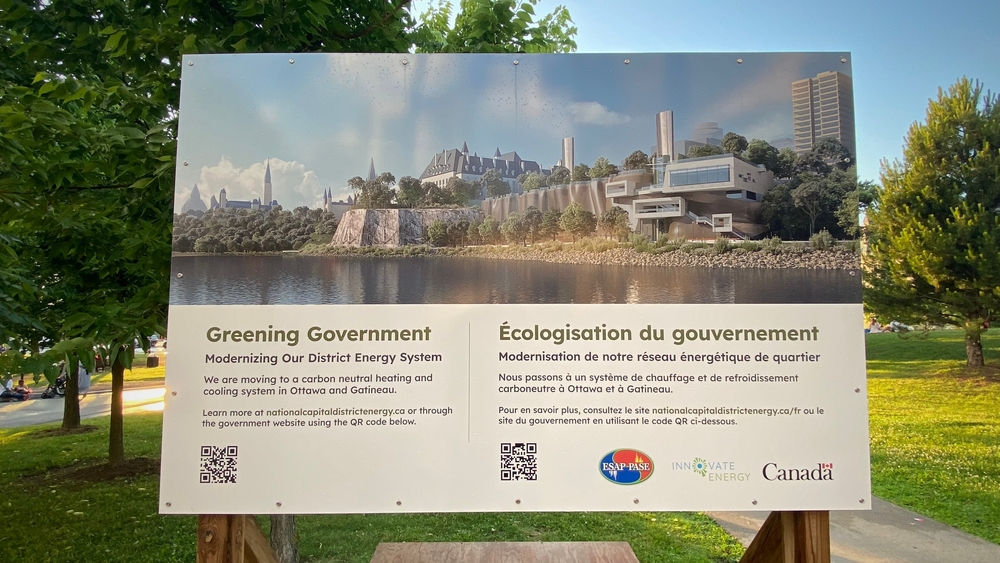
Canada has seen major climate-related disasters reshape communities across the country. Wildfires, floods, heat emergencies, and extreme storms have caused displacement, infrastructure damage, and long recovery periods. Many regions now face long-term economic and environmental consequences. Local governments must plan emergency responses, rebuild critical systems, and prepare for future risks. These events demonstrate how rapidly climate conditions can transform daily life and regional stability. Here are 23 Canadian places already changed forever by climate disasters.
Lytton, British Columbia
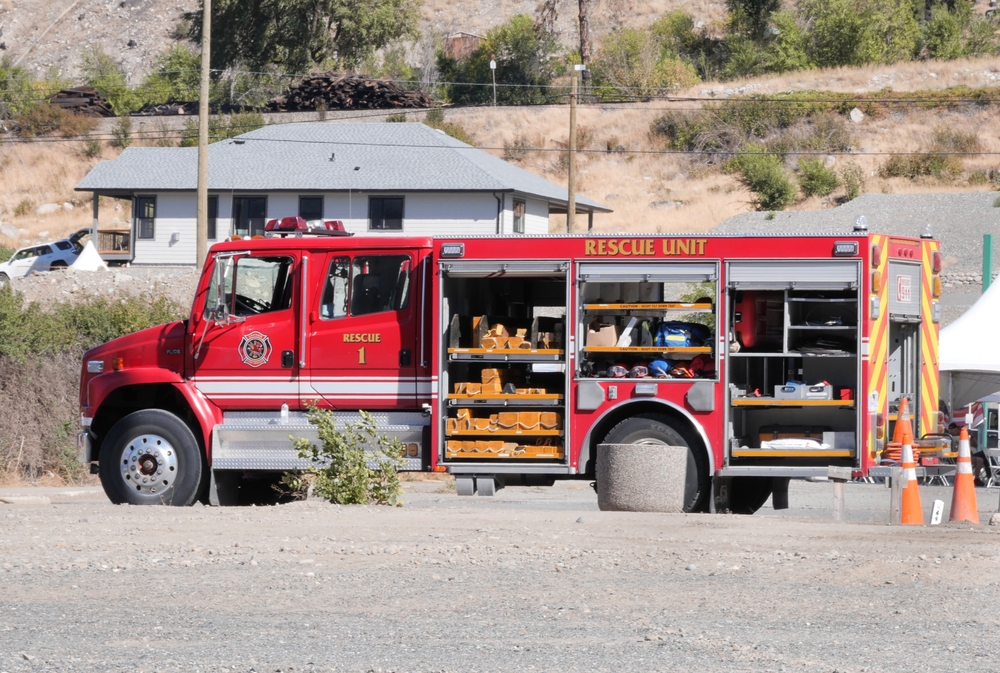
Lytton experienced one of Canada’s most destructive climate disasters when a wildfire destroyed most of the village in June 2021. Extreme heat reached 49.6°C, which was the highest temperature recorded in Canada. The wildfire forced residents to evacuate within minutes. Homes, businesses, and infrastructure were burned, leaving the community displaced. Rebuilding has been slow because of environmental cleanup and planning requirements. The disaster changed the town permanently and triggered national conversations about climate adaptation. Many former residents have not returned. Lytton remains a symbol of climate risk for rural communities facing rising temperatures and increasingly unpredictable wildfire seasons.
Fort McMurray, Alberta
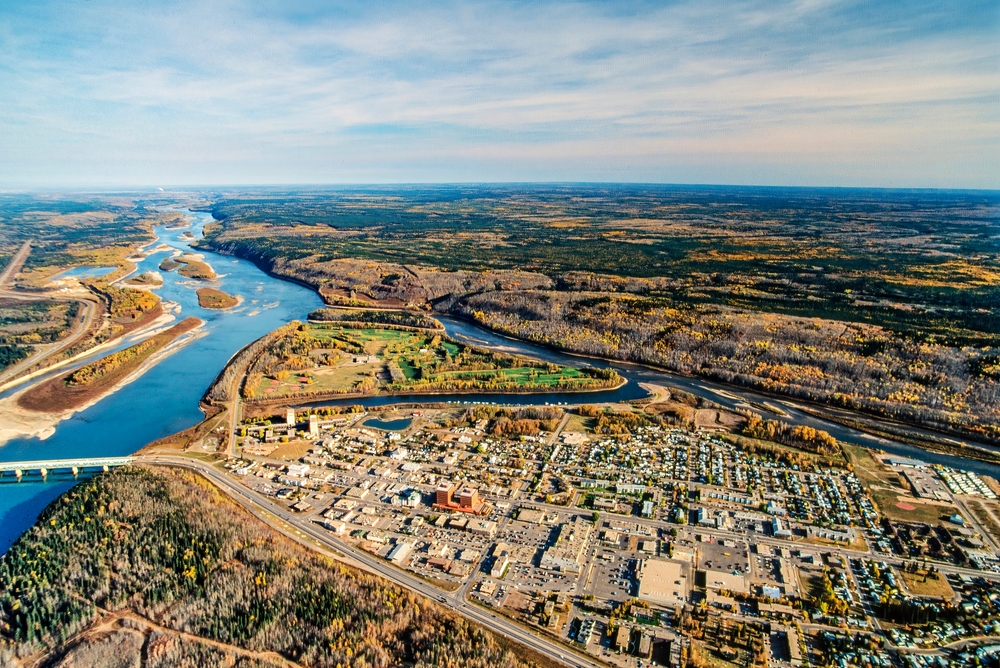
Fort McMurray was transformed by the 2016 wildfire that forced more than 80,000 people to evacuate. The disaster destroyed thousands of homes, damaged infrastructure, and caused significant financial losses. Recovery took years and changed housing, insurance, and emergency planning across Alberta. The region has faced repeated flooding and fire risks since then, increasing concern about long-term climate exposure. Population shifts and rebuilding challenges have reshaped community growth. The disaster brought greater awareness about emergency readiness and support systems. Fort McMurray continues to rebuild while addressing climate pressures affecting northern resource-based cities.
Abbotsford and Sumas Prairie, British Columbia
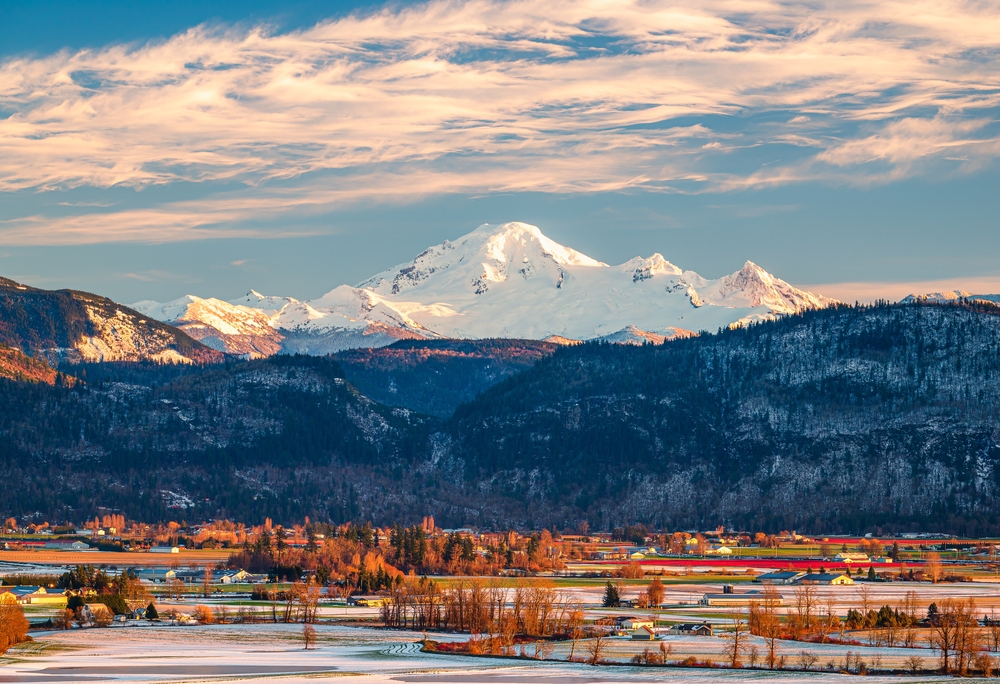
Abbotsford and the Sumas Prairie farmland experienced severe flooding in November 2021 after record rainfall and dike failures. The disaster forced mass evacuations and caused major agricultural and livestock losses. Floodwaters damaged homes, roads, and vital farming infrastructure. Many farms needed months of cleanup to return to production. The region now uses new flood planning strategies because of the threat of extreme weather. Residents and farmers continue working to recover financially and emotionally. The disaster changed how the community prepares for future storms and highlighted the importance of upgraded flood protection.
Calgary, Alberta
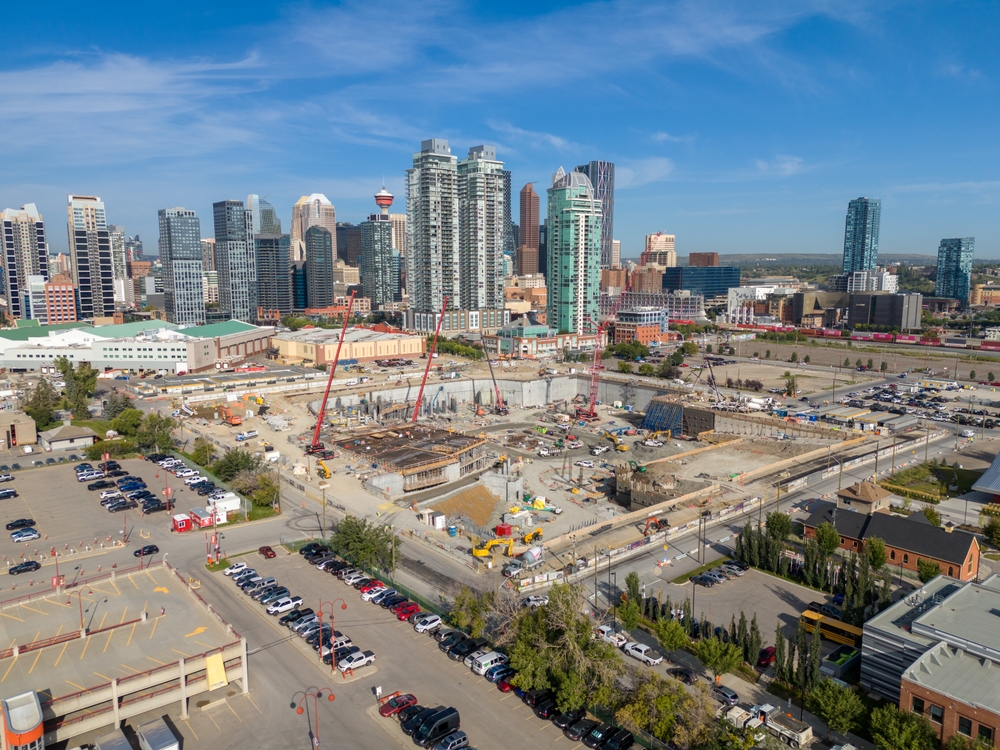
Calgary was significantly affected by the 2013 floods, which damaged thousands of homes and businesses. The Bow and Elbow rivers overflowed after heavy rainfall. The disaster caused major infrastructure damage and forced large-scale evacuations. Recovery costs were among the highest in Canadian history. The event reshaped Calgary’s emergency and flood management approach. New river protection systems and planning rules were introduced to reduce future risk. The flood impacted neighborhoods permanently, with some areas changed or relocated. The event remains a turning point for how the city prepares for extreme weather events linked to climate change.
Yellowknife, Northwest Territories
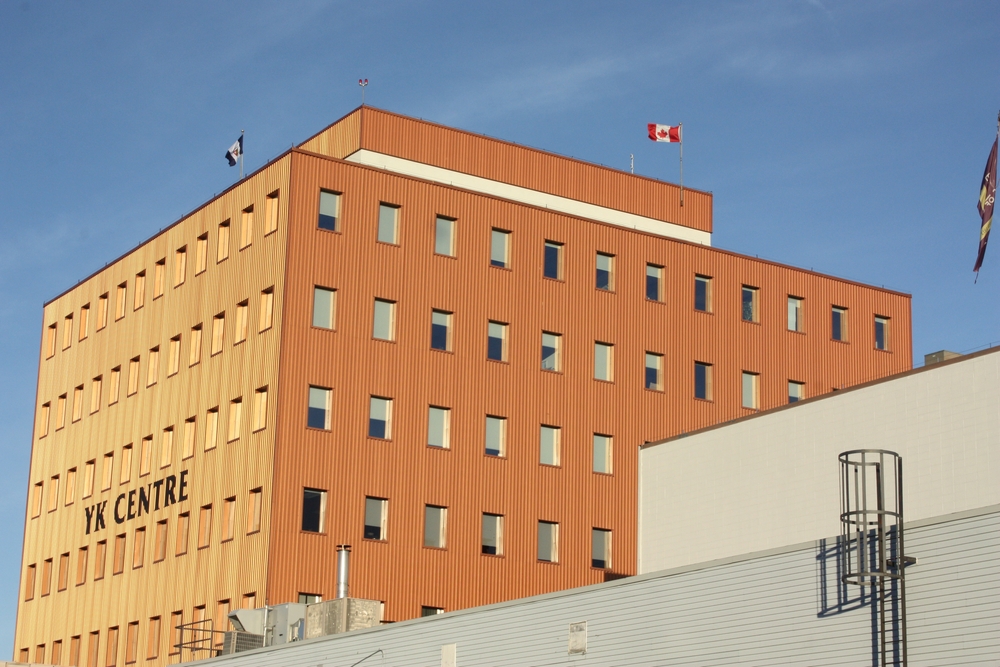
Yellowknife faced a major wildfire evacuation in August 2023 when flames moved close to the city. Residents were ordered to leave because smoke and fire threatened safety and essential services. The evacuation changed how the city prepares for emergencies and wildfire risk. Many residents faced long travel times and uncertainty while waiting to return. Businesses and services were disrupted, and recovery continues. The event showed how northern communities are vulnerable to extreme fires caused by hotter, drier summers. The experience changed long-term planning, resource allocation, and safety policies in the Northwest Territories.
Hay River, Northwest Territories
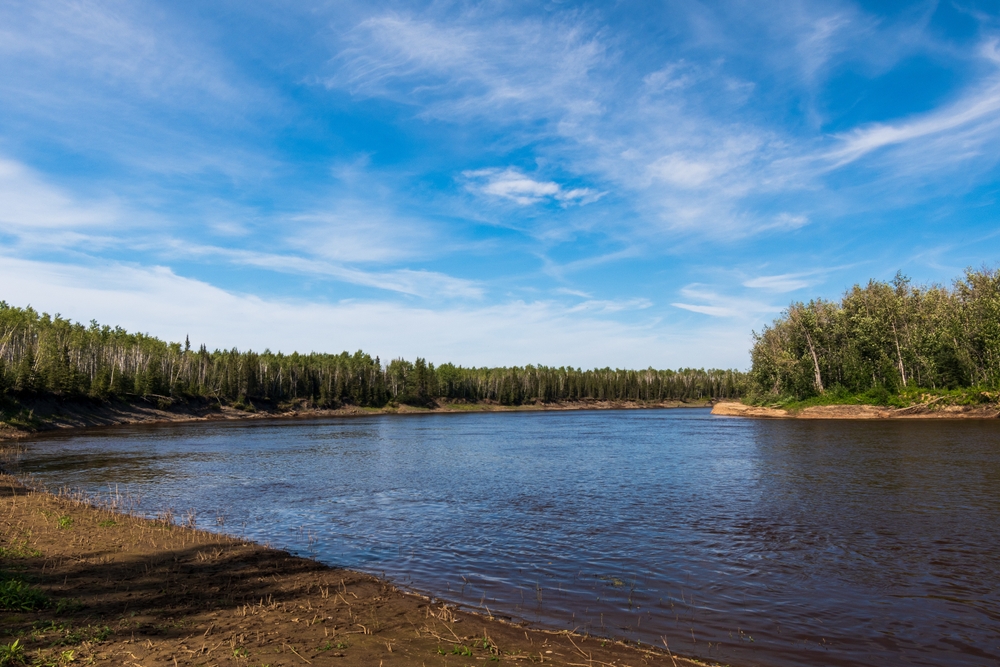
Hay River experienced repeated climate disasters, including major flooding in 2022 and wildfire evacuations in 2023. The floods damaged homes, roads, and community infrastructure. Many residents had to rebuild or relocate. The wildfire evacuation forced thousands to leave and return only after safety checks. Frequent emergencies have reshaped the community’s planning and emergency response strategies. The events impacted local businesses, services, and housing stability. Residents faced emotional and financial strain as recovery efforts continued. These disasters changed the long-term future of Hay River and increased awareness of climate pressures in northern regions.
Kelowna and the Okanagan Valley, British Columbia

Kelowna and the Okanagan Valley have faced severe wildfires in recent years, including major events in 2003, 2021, and 2023. Thousands of residents were evacuated as fires destroyed homes and damaged communities. Tourism and agriculture were disrupted. Smoke impacted air quality across the region for extended periods. The disaster changed emergency planning, insurance rules, and development decisions. Many residents now consider wildfire risk when choosing where to live. Vineyards, orchards, and lakeside communities continue to recover while preparing for future climate threats. The region remains highly vulnerable to hotter and drier summers that increase wildfire danger.
Shuswap Region, British Columbia
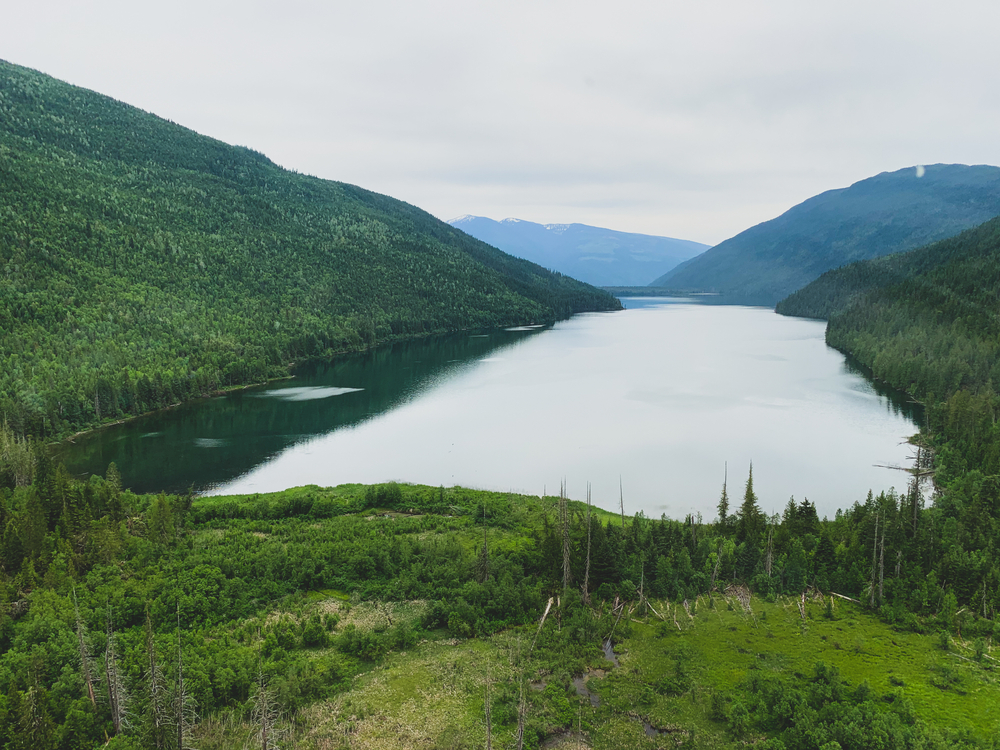
The Shuswap region experienced devastating wildfires in 2023, which forced evacuations and destroyed homes and community buildings. The North Shuswap communities faced significant damage and long recovery periods. Smoke affected nearby regions and reduced tourism during the peak travel season. Many residents lost homes, businesses, and personal belongings. Emergency management challenges raised concerns about response coordination and provincial support. The disaster changed local planning and highlighted the region’s vulnerability to extreme heat and drought. Rebuilding continues with a greater focus on fire preparedness. The fires permanently affected communities and landscapes across the Shuswap area.
Halifax, Nova Scotia
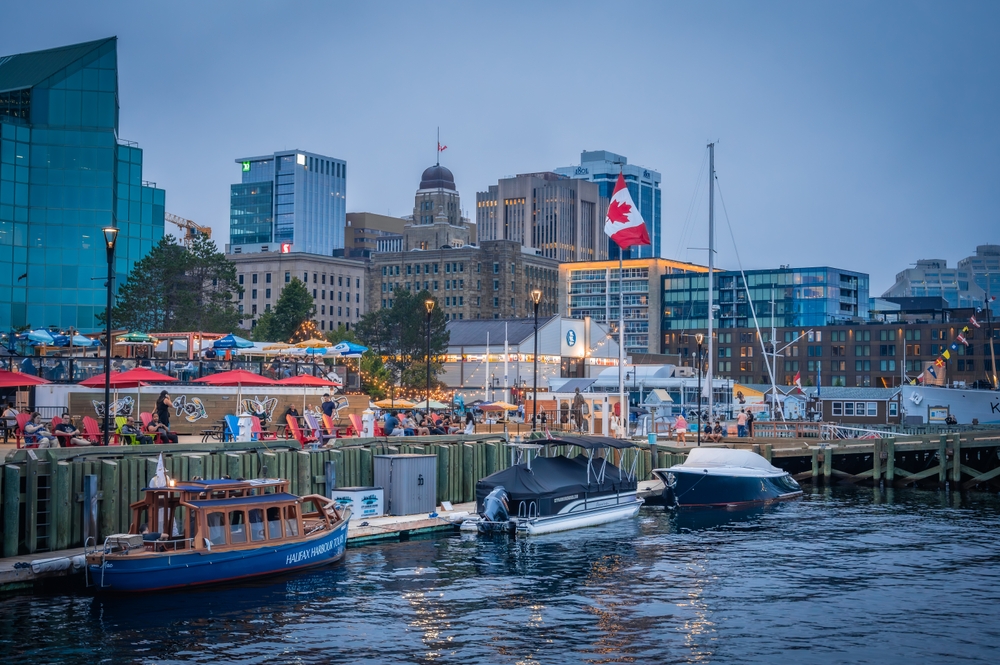
Halifax faced a major wildfire in May 2023 that destroyed hundreds of homes and forced thousands of residents to evacuate. The fire impacted suburban communities and areas near natural forests. The disaster changed how Halifax plans future development near forested land. Smoke-affected air quality across multiple regions. Recovery efforts continue as residents rebuild housing and community infrastructure. The wildfire raised awareness of climate risk in Atlantic Canada, a region once considered less exposed to large fires. Local emergency systems, insurance limits, and disaster response policies have been updated. The event permanently changed community planning strategies.
Cape Breton, Nova Scotia
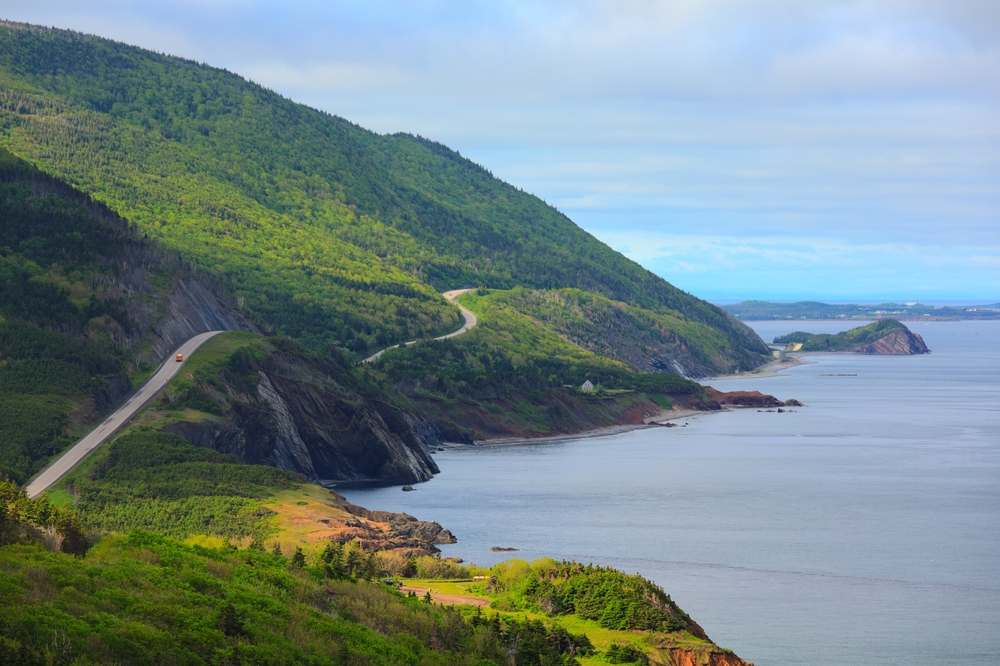
Cape Breton was heavily impacted by Hurricane Fiona in September 2022. Strong winds and storm surges destroyed homes, damaged roads, and knocked out power for long periods. Coastal areas faced severe erosion and property loss. Some residents relocated because rebuilding was difficult or unsafe. The disaster changed long-term planning for shoreline protection and emergency preparedness. Tourism businesses experienced setbacks, and recovery costs remain significant. The event showed the vulnerability of Atlantic coastal communities to strong storms linked to climate change. Cape Breton continues working to repair infrastructure and protect communities from future climate disasters.
Charlottetown, Prince Edward Island
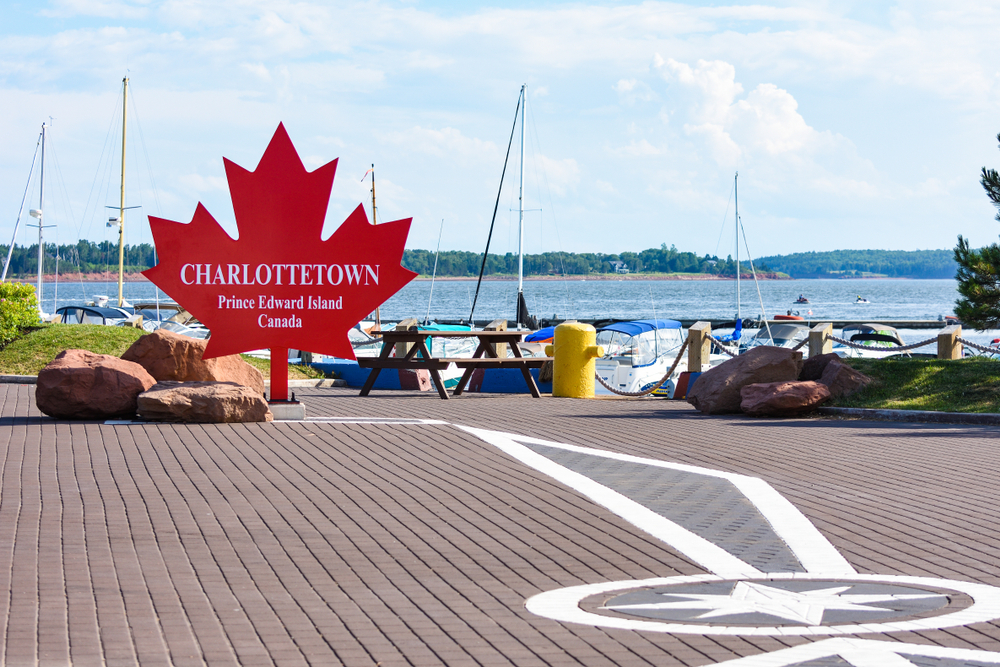
Charlottetown faced severe damage from Hurricane Fiona in 2022. Strong winds and flooding impacted homes, businesses, and public buildings. Trees and power lines were destroyed, leaving residents without electricity for extended periods. The city spent significant resources repairing infrastructure and supporting recovery. Coastal erosion accelerated along the shoreline. Many residents faced insurance challenges and long rebuilding timelines. The disaster changed local strategies for storm preparation and climate adaptation. The event increased concern about rising sea levels and future storm frequency. Climate events are reshaping how Charlottetown plans development and protects property and public safety.
Summerside, Prince Edward Island
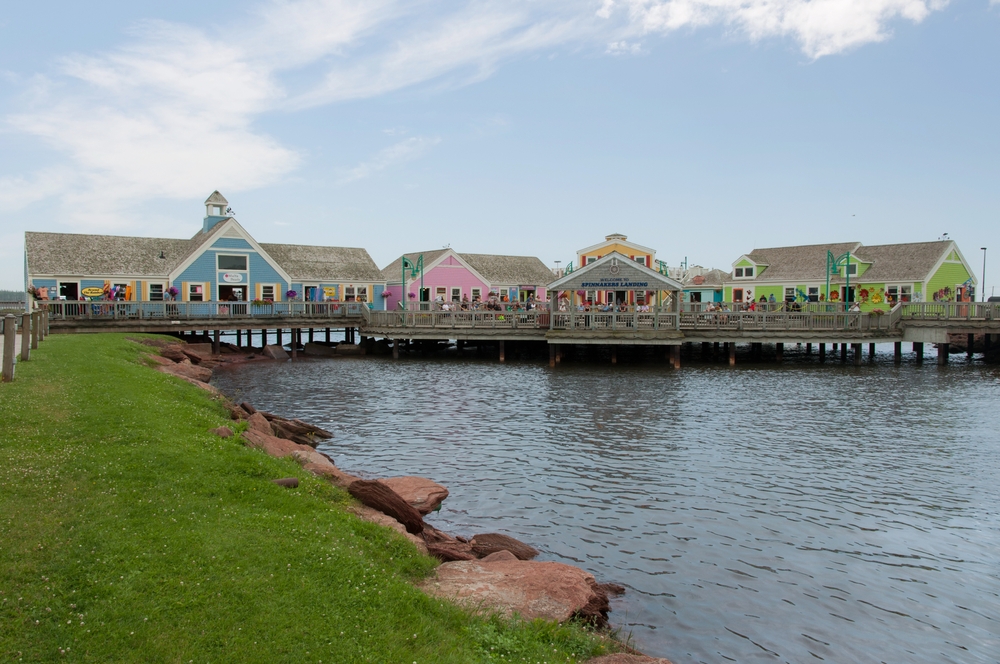
Summerside was also heavily affected by Hurricane Fiona in 2022. The storm caused major property damage, power outages, and transportation disruptions. Coastal flooding impacted neighbourhoods and business areas. Parks, beaches, and public spaces required extensive restoration. The disaster changed planning around infrastructure reinforcement, shoreline protection, and emergency readiness. Residents continue to face challenges related to rebuilding and financial recovery. The storm highlighted vulnerability to rising sea levels and more powerful storms. Summerside now focuses on resilience planning to reduce damage from future climate events. The disaster permanently altered the community’s long-term development strategies.
Ottawa–Gatineau, Ontario, and Quebec
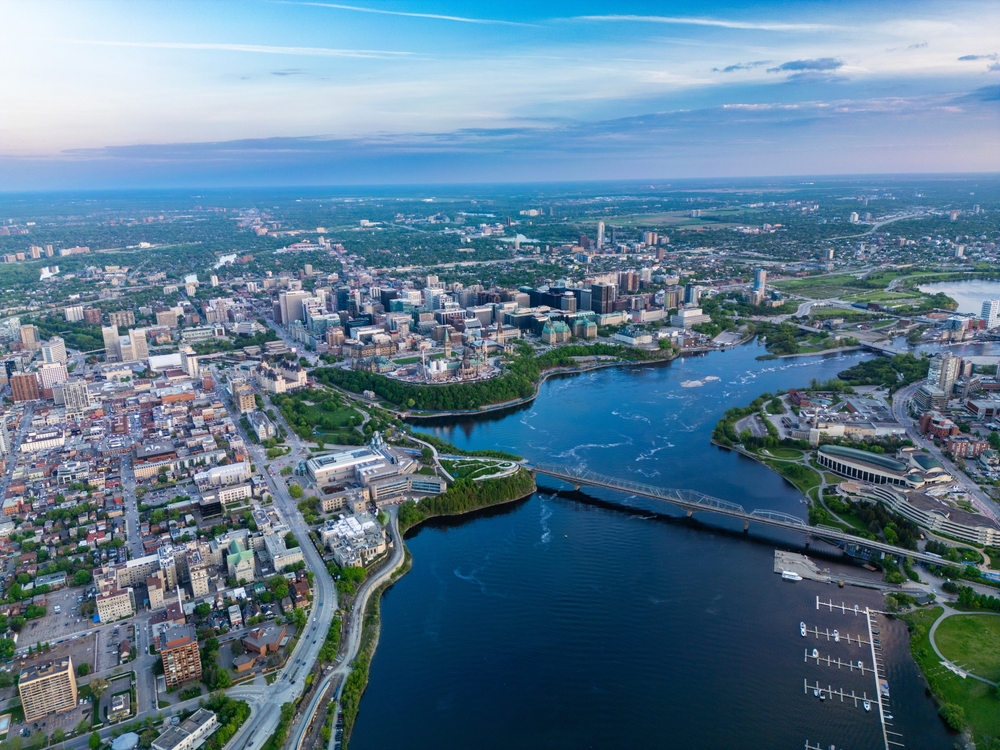
The Ottawa–Gatineau region has experienced multiple climate disasters, including flooding in 2017 and 2019 and tornadoes in 2018. Thousands of homes were damaged, and many residents were displaced. Infrastructure repairs required extensive resources and planning. The disasters affected neighbourhoods along rivers and low-lying areas. Emergency response systems changed following these events. Communities strengthened flood protection and building requirements. The region faced long-term economic and emotional impacts. Climate events changed development decisions and public awareness. Residents and governments continue to adapt to recurring weather risks that now shape the region’s future planning.
Barrie, Ontario
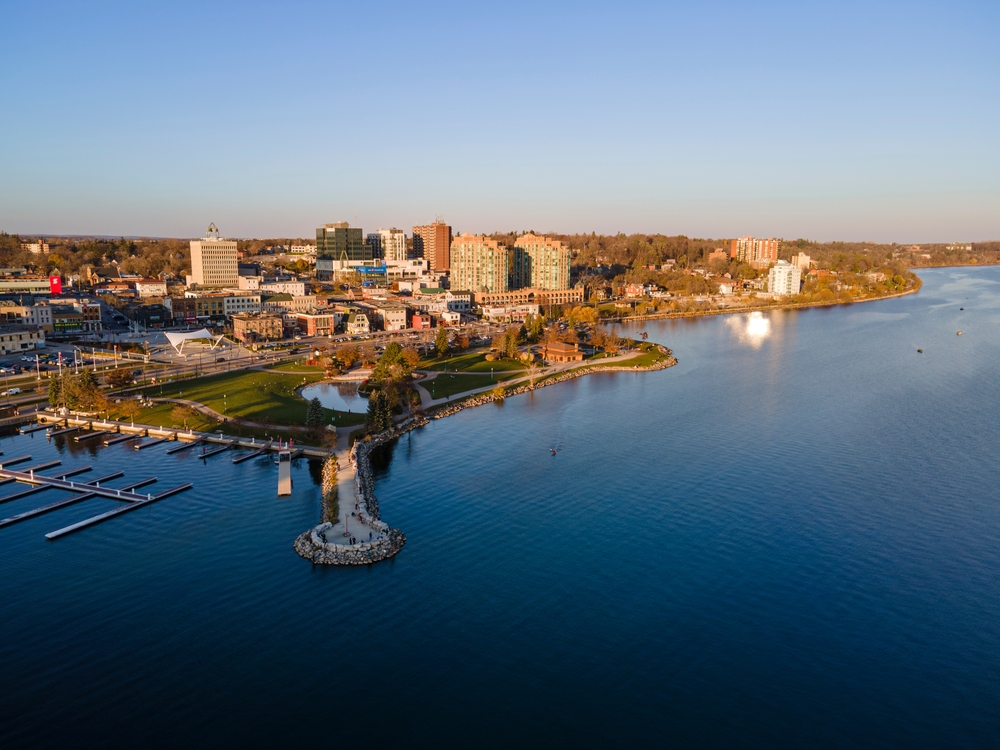
Barrie was affected by a tornado in July 2021 that damaged hundreds of homes and disrupted neighbourhoods. The tornado caused significant property losses and forced many families to rebuild. Insurance claims increased, and rebuilding timelines extended for months. The disaster changed how the city manages emergency planning and construction standards. New development rules focus on stronger building resilience. Community services and support networks were essential during recovery. Residents continue dealing with long-term impacts. The tornado raised awareness about changing weather patterns and increasing storm severity in Ontario. Barrie now prioritizes preparedness for future climate events.
Toronto, Ontario
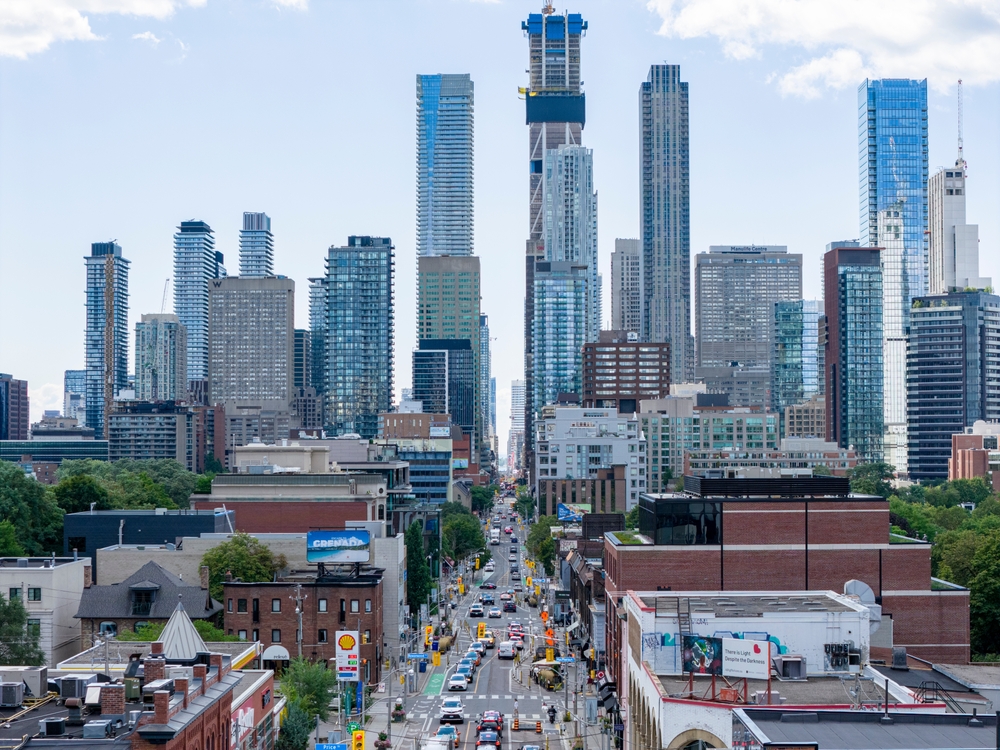
Toronto has faced repeated climate-related events, including major flooding in 2013 and 2018 and extreme heat waves that strain infrastructure and health services. Heavy rainfall overwhelmed sewer systems and caused extensive property damage. Transit routes and roadways were disrupted for days. These events changed the city’s approach to stormwater management and infrastructure planning. Toronto has increased investment in flood protection, updated building regulations, and expanded emergency cooling services. Rising lake levels and storm surges also impact shoreline communities. Climate pressures continue influencing planning decisions, development priorities, and public spending across Canada’s largest city.
Windsor, Ontario
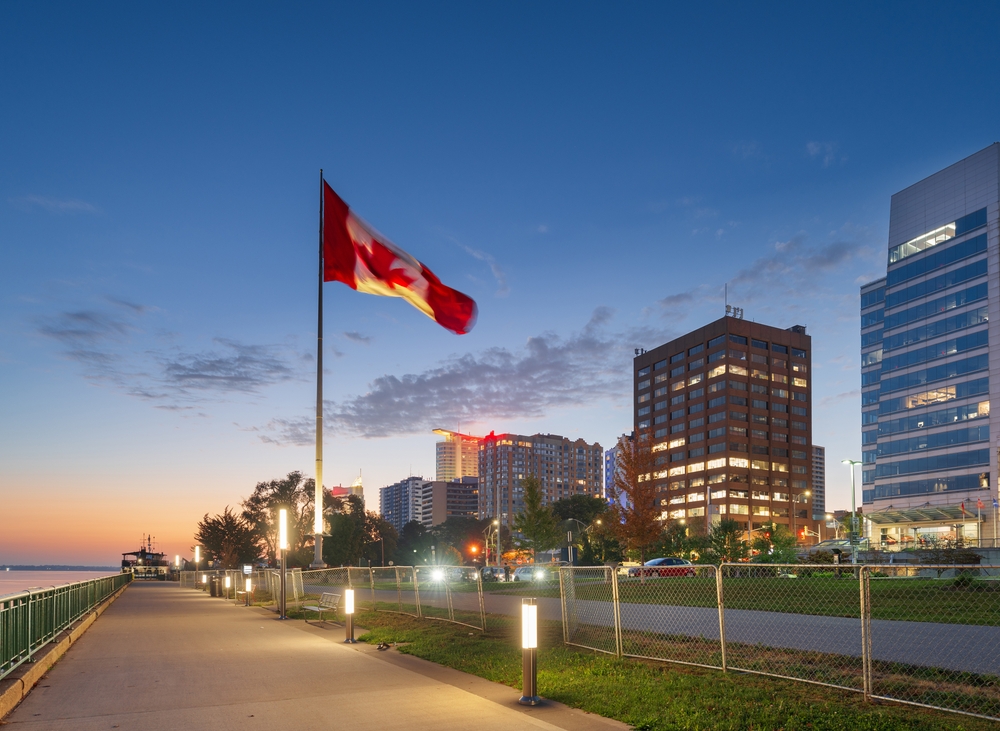
Windsor has been impacted by severe flooding events, particularly in 2016 and 2017. Heavy rainfall damaged thousands of homes and caused widespread insurance claims. Aging infrastructure struggled to manage record rain levels. The disasters changed local planning and led to major municipal upgrades to reduce future flooding. Many residents faced long repair timelines and financial strain. The region continues to deal with climate pressures linked to rising temperatures and increased storm intensity. Windsor has increased focus on flood resilience and public readiness. The events permanently shaped infrastructure priorities in one of Ontario’s most flood-prone cities.
Montreal, Quebec
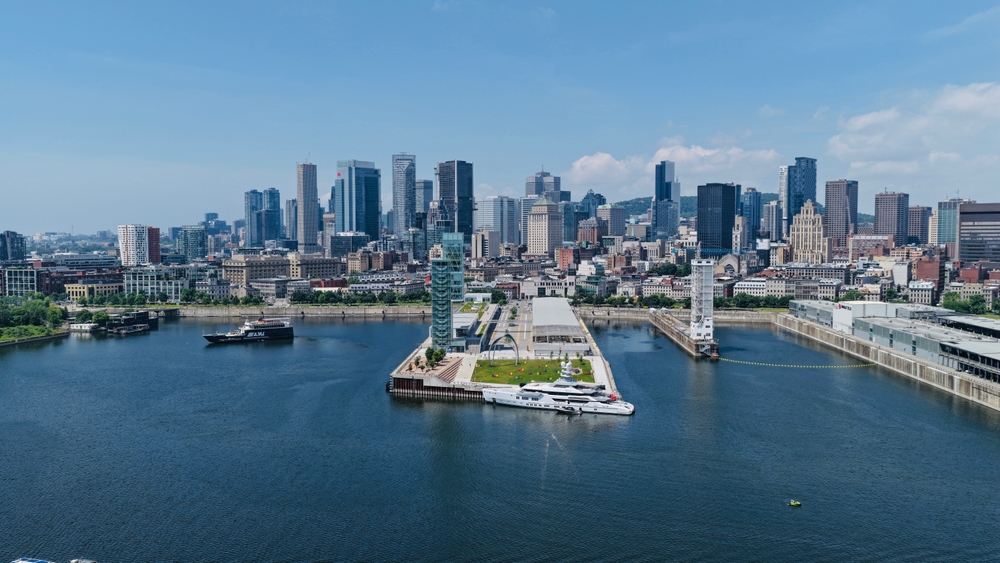
Montreal faced major flooding in 2017 and 2019, affecting thousands of residents across multiple neighbourhoods. Homes along shorelines and low-lying areas sustained significant damage. Evacuations and infrastructure repairs took months. The disasters changed municipal planning, including restrictions on rebuilding in high-risk zones. Ice storms and heat waves also strain the city each year. Montreal updated its emergency systems and introduced new climate adaptation strategies. Insurance costs and building requirements increased following repeated events. The disasters permanently changed development patterns and highlighted risks facing communities near rivers and lakes. Climate pressures continue shaping daily planning decisions.
Peguis First Nation, Manitoba
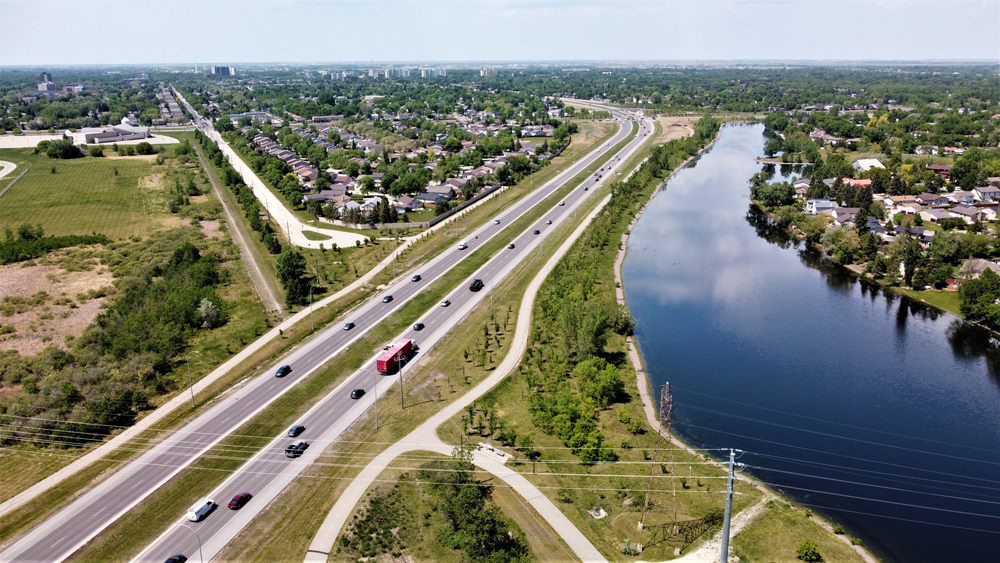
Peguis First Nation has experienced repeated flooding, including major events in 2022 that damaged homes and forced evacuations. Many residents were displaced for long periods and faced challenges returning. The floods destroyed infrastructure and community buildings. Recovery remains ongoing and costly. Climate pressures increase the likelihood of future flooding. The disaster changed relocation planning and long-term land decisions. Residents continue advocating for stable housing and long-term protection solutions. Repeated climate events have caused lasting emotional and financial impacts. Peguis First Nation is referenced often in discussions about how climate disasters affect Indigenous communities.
Churchill, Manitoba
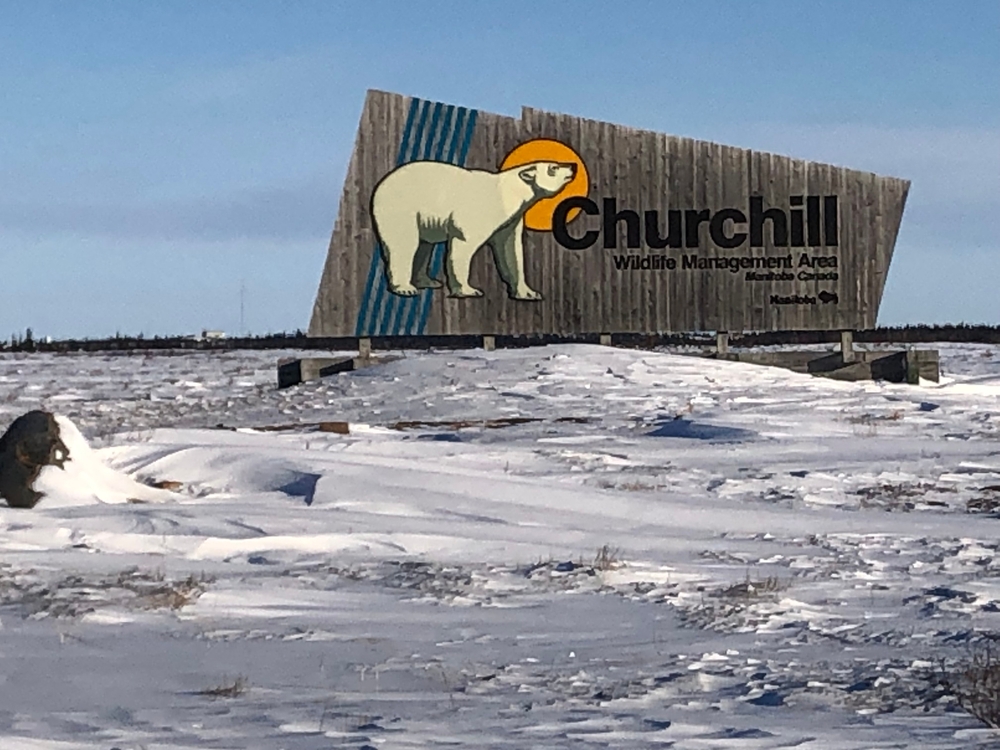
Churchill has been significantly affected by climate change, impacting Arctic regions. Warmer weather reduced sea ice, which disrupted transportation and wildlife patterns. The port and railway were closed for more than a year due to storm damage and flooding in 2017. The rail shutdown affected food supply, tourism, and local businesses. The disaster changed the community’s economy and daily life. Climate pressures continue to affect polar bear migration, tourism seasons, and coastal stability. Churchill remains vulnerable to extreme weather and shoreline erosion. Recovery planning and transportation support shape its future.
Saskatchewan Southern Prairie Region
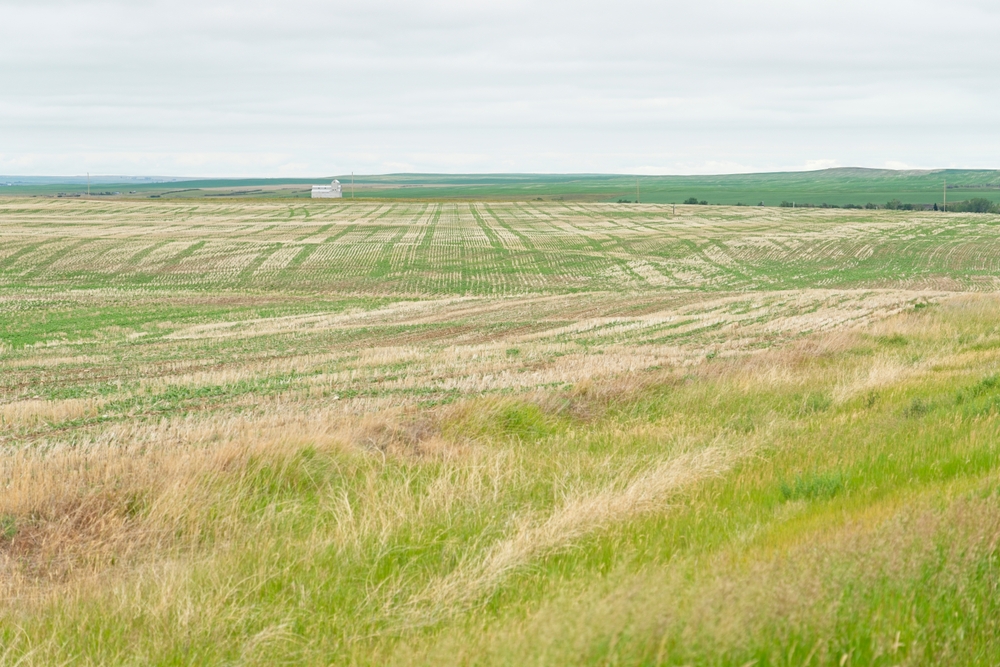
The southern prairie region of Saskatchewan has faced recurring droughts and extreme heat in recent years. Farmers experienced major crop losses and reduced livestock production because of sustained dry conditions. Water shortages created long-term financial strain. The disasters changed agricultural planning and water management strategies. Communities dealt with economic challenges tied to reduced yields and rising production costs. Climate pressures increased the need for adaptation planning and support for rural areas. The region continues working to build resilience to extended drought cycles linked to warming temperatures.
Lake Superior North Shore, Ontario
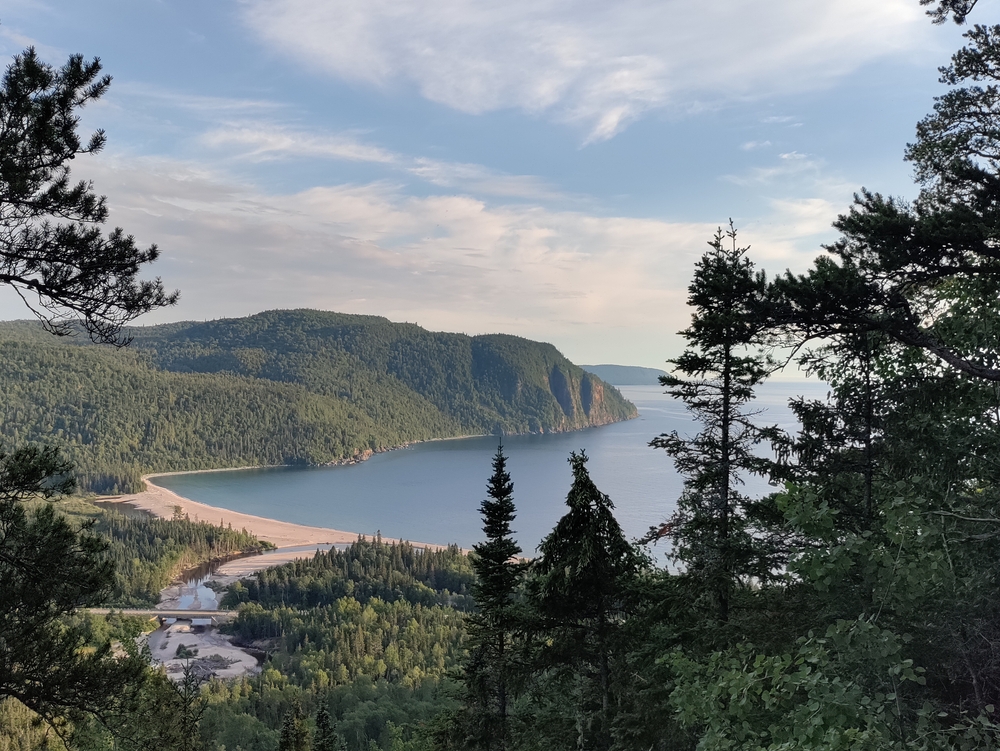
The Lake Superior North Shore region has faced repeated extreme weather conditions in recent years. Major storm systems caused coastal erosion, highway washouts, and infrastructure damage along the Trans-Canada corridor. Heavy rainfall events triggered flooding in low-lying communities, forcing emergency repairs and temporary closures. Residents reported business losses as transportation delays disrupted supply links. The tourism sector also suffered due to campground evacuations and unsafe shoreline access. Local governments continue to reinforce coastal defenses and improve stormwater systems. Planning now focuses on better emergency readiness and climate-resilient development standards to reduce future damage and protect nearby communities.
St. John’s, Newfoundland and Labrador

St. John’s experienced one of the most disruptive winter weather disasters when a severe blizzard, often referenced as “Snowmageddon,” struck in January 2020. The storm delivered record-breaking snowfall and hurricane-force winds, which buried vehicles, blocked streets, and shut down the city for several days. The military supported cleanup operations under a declared state of emergency. Businesses closed, and many residents faced extended power outages. The event highlighted the need for advanced storm forecasting, emergency supply planning, and investments in snow management equipment. Winter storm planning remains a priority due to the increasing frequency and intensity of severe weather.
Fraser Valley and Lower Mainland, British Columbia
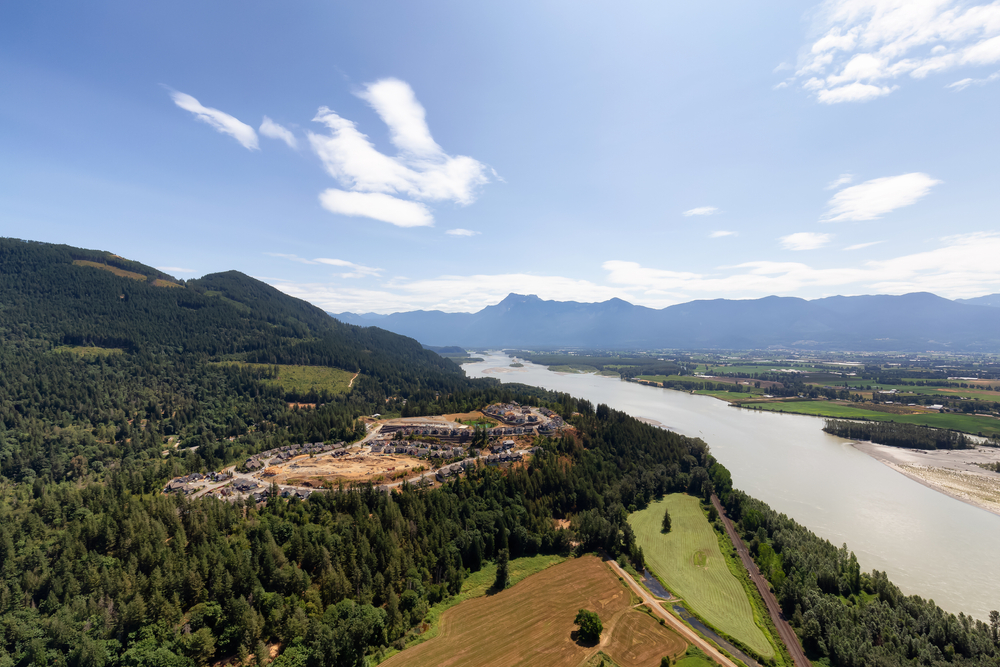
The Fraser Valley and Lower Mainland faced catastrophic flooding in November 2021 after an atmospheric river delivered extreme rainfall. Rivers overflowed, roads collapsed, and entire areas were submerged, including the Sumas Prairie. The disaster forced mass evacuations and caused significant agricultural losses, including livestock deaths and damage to major food-production facilities. Supply chains were disrupted after the closure of major highways and rail lines. Recovery required coordinated provincial and federal support. The region now focuses on long-term flood-mitigation strategies, pump-station upgrades, and agricultural protections to reduce vulnerability to future extreme rainfall events.
22 Groceries to Grab Now—Before another Price Shock Hits Canada

Food prices in Canada have been steadily climbing, and another spike could make your grocery bill feel like a mortgage payment. According to Statistics Canada, food inflation remains about 3.7% higher than last year, with essentials like bread, dairy, and fresh produce leading the surge. Some items are expected to rise even further due to transportation costs, droughts, and import tariffs. Here are 22 groceries to grab now before another price shock hits Canada.
22 Groceries to Grab Now—Before another Price Shock Hits Canada
