Canadians are rethinking their spending as everyday product prices continue to rise. Groceries, household items, personal care products, and even entertainment services are becoming less affordable. Many households now choose cheaper alternatives, store brands, or DIY solutions to manage budgets. Shoppers are cutting non-essential items, limiting impulse purchases, and prioritizing necessities over luxury or convenience. Here are 24 everyday products Canadians are ditching because of high prices.
Brand-Name Groceries

Many Canadians are moving away from brand-name groceries and choosing store-brand alternatives to save money. Prices for familiar brands have increased sharply over the last few years due to rising production and transportation costs. Private-label items from stores like No Frills, Walmart, Costco, and Metro are often similar in quality and taste, but cost far less. Shoppers compare unit pricing more carefully and choose value over packaging or advertising. Families now stock up on bulk and discount items instead of paying extra for logos. The shift toward affordable basics shows how budgeting has changed household buying habits.
Bottled Water

Bottled water sales have dropped as more Canadians switch to reusable bottles and filtered tap water. High prices and environmental concerns drive the change. Many cities offer clean and safe tap water, and public refill stations are common in malls, parks, schools, and airports. Reusable bottles reduce ongoing costs and cut plastic waste. Shoppers question why bottled water costs more than milk or soft drinks in many stores. Budget-minded households avoid paying for something available at home for nearly free. People now choose simple filtered water to save money and reduce plastic consumption.
Premium Coffee Shop Drinks

Canadians are buying fewer premium coffee drinks due to rising prices at major chains and independent cafés. Paying several dollars for a single drink no longer fits many household budgets. Consumers choose to make coffee at home using drip brewers, espresso machines, or instant mixes. Workplace coffee programs and refill-at-home thermoses also reduce costs. Many people now reserve café visits for special occasions instead of daily routines. The switch helps save a noticeable amount each month. The change reflects shifting priorities as more Canadians track spending and limit non-essential purchases.
Packaged Snack Foods
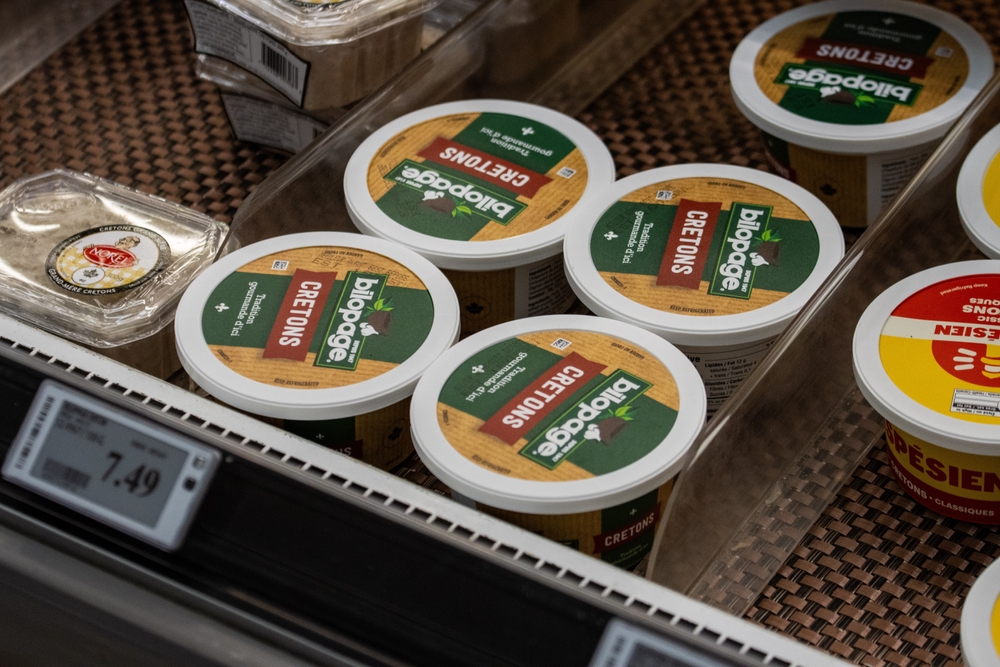
Packaged snack foods have become more expensive due to shrinking package sizes and rising ingredient costs. Many shoppers feel they pay more while receiving less. Families now choose homemade snacks like popcorn, baked goods, and cut vegetables instead of pricey chips or cookies. Buying snacks in bulk at warehouse stores also cuts spending. Some consumers avoid impulse purchases to stay within grocery budgets. Store-brand alternatives now replace many well-known snack brands. Canadians are adjusting their habits in response to food inflation and focusing on practical choices to stretch weekly grocery spending.
Frozen Prepared Meals
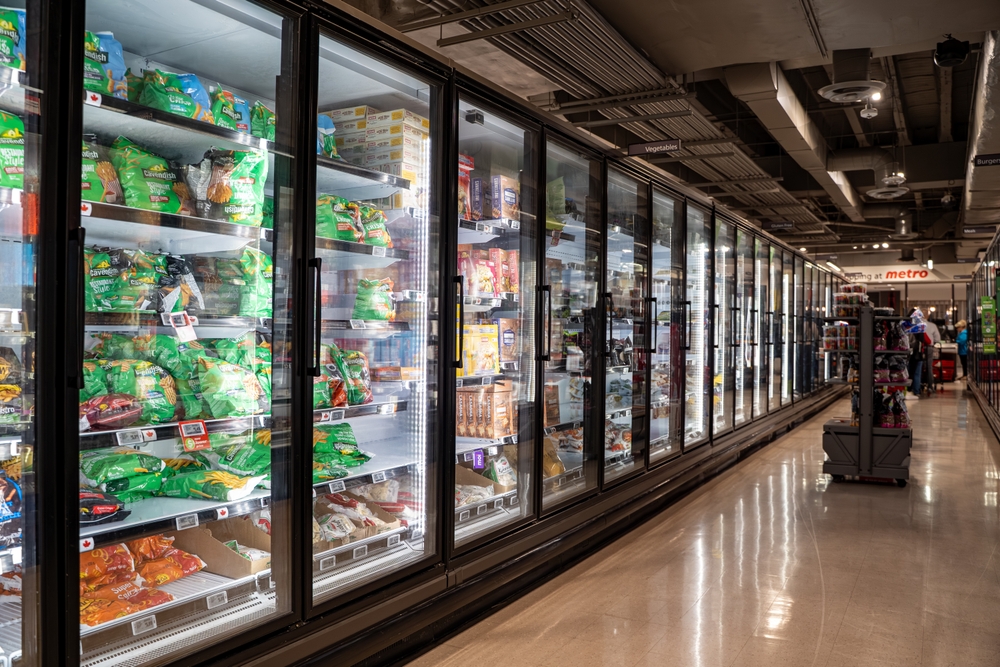
Frozen meals once offered convenience, but higher prices have pushed Canadians to reconsider them. Many frozen dishes have increased significantly in cost, making them less affordable for weekly shopping. Preparing meals in batches at home has become a popular alternative. People cook larger portions, freeze leftovers, and use ingredients from discount stores to reduce expenses. Some Canadians also prioritize fresh meals instead of frozen, avoiding additives and sodium often found in packaged options. The rise in home cooking reflects both cost control and healthier habits. Frozen meals are now more of an occasional purchase than a routine item.
Household Cleaning Sprays

Household cleaning sprays have become another product Canadians buy less often due to rising prices. Many people now turn to multi-purpose concentrated cleaners or homemade mixtures using vinegar, baking soda, or dish soap. These options cost far less and last longer. Refillable cleaning systems have grown popular as households avoid paying for disposable plastic bottles. Some consumers buy bulk cleaners or choose generic brands instead of expensive name brands. The shift reflects practical spending choices as families cut non-essential costs. Saving money on cleaning products allows more flexibility for other household priorities.
Paper Towels
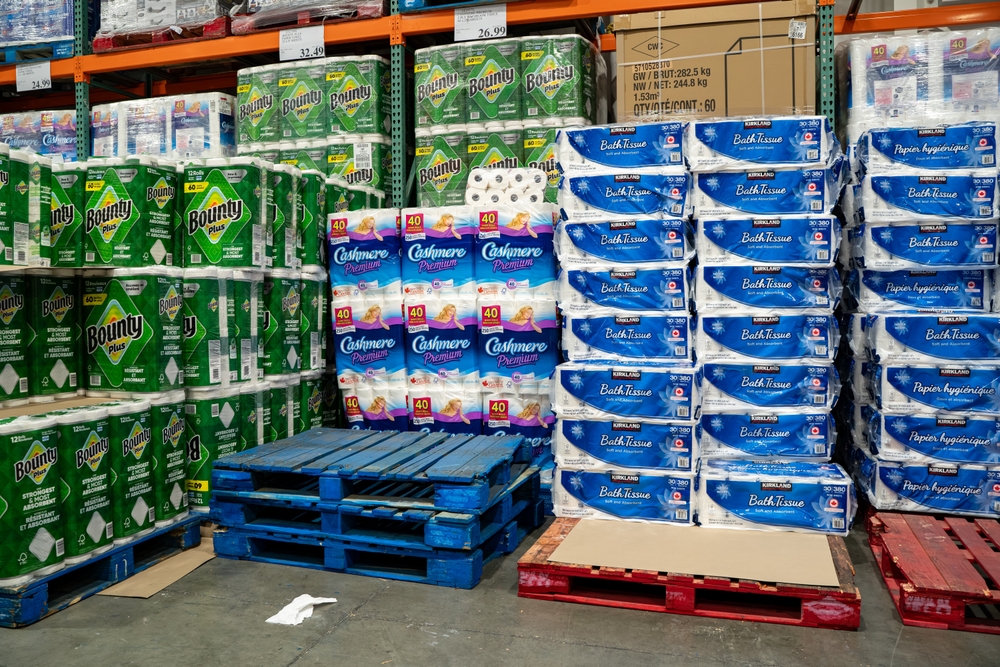
Canadians are buying fewer paper towels as prices climb and rolls shrink in size. Many households switch to reusable cloths, microfiber towels, and washable rags to cut ongoing spending. These alternatives last longer and reduce waste. Some shoppers still buy paper towels, but only during sales or in bulk packages at warehouse stores. The high cost has transformed paper towels from a daily essential to an occasional purchase. People focus on stretching every roll and finding cheaper cleaning approaches. The shift shows how rising household product prices change habits in kitchens, bathrooms, and workplaces across Canada.
Laundry Detergent Pods

Laundry detergent pods have become more expensive, leading many Canadians to return to traditional liquid or powder detergents. Pods are convenient, but the cost per load is often higher than that of standard products. Bulk powders and concentrated liquids offer significant savings for families with large laundry needs. Some consumers also worry about product waste and excessive packaging. Refill stations are gaining popularity in communities aiming for lower plastic use. People choose cheaper and longer-lasting solutions without sacrificing cleaning performance. The move reflects practical budget decisions during rising living expenses.
Hair Salons and Professional Styling

Professional hair services have become less frequent for many Canadians as prices increase for cuts, colouring, and styling. People now stretch appointment times or try at-home options. Drugstore colouring kits and online tutorials help reduce costs. Some households choose barbers or walk-in discount salons instead of premium studios. Many postpone styling services until special occasions, managing basic hair care at home. The trend affects service businesses across both major cities and small towns. Rising prices have changed beauty routines and encouraged more cost-conscious grooming habits.
Brand-Name Cosmetics

Canadians are reducing spending on brand-name cosmetics because of higher prices and shrinking package sizes. Store-brand and drugstore makeup options have improved and cost far less, making them a popular switch. Consumers research reviews, compare ingredients, and purchase only essential items. Many wait for sales instead of buying new releases at full price. Online shopping also helps find discounts and alternative products. Teens and young adults especially seek budget-friendly choices. The trend shows that practicality now outweighs brand loyalty in many households.
Fragrance and Perfume

Fragrance and perfume are among the first luxury items Canadians cut from their budgets. Prices continue to rise, and many believe these products are no longer worth the cost. People use smaller amounts, buy travel sizes, or switch to body sprays and essential oil blends. Some consumers avoid purchasing entirely and rely on gifts during holidays. Outlet stores and discount retailers attract buyers looking for deals instead of paying premium pricing. The shift reflects a move toward spending only on necessary everyday items.
Pet Treats and Premium Pet Food
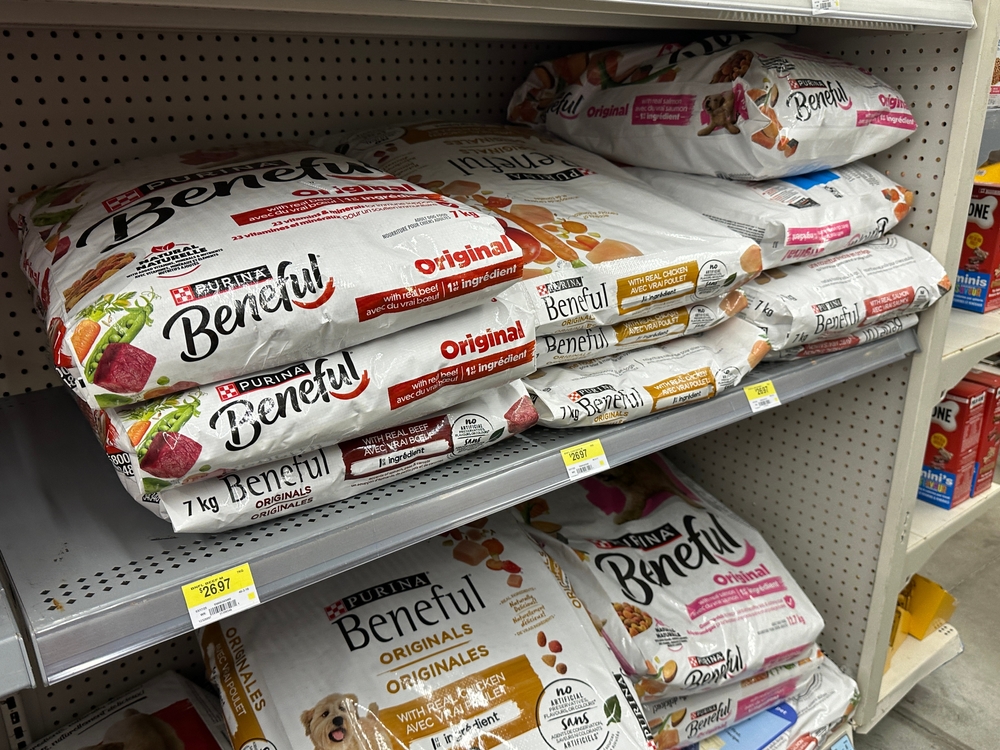
Pet owners across Canada are adjusting spending habits as premium pet food and branded treats become more expensive. Many choose mid-range or store-brand alternatives that still meet nutritional needs. Some households bake simple pet treats at home using basic ingredients. Buying in bulk at warehouse stores also helps reduce costs. People watch for sales and avoid impulse pet aisle purchases. The economic shift influences how Canadians care for their animals while balancing monthly expenses. The priority remains pet health, but with more mindful spending.
Restaurant Takeout

Restaurant takeout has become a luxury rather than a weekly habit for many Canadians. Higher food costs and added service fees make eating out expensive. People now cook more meals at home to stretch grocery budgets. Takeout is reserved for special occasions or busy nights instead of regular routines. Some choose simpler menu items to reduce total bills. Groups often share dishes instead of ordering individually. The trend impacts restaurants nationwide, especially in major cities. Rising prices continue to reshape dining habits and spending choices.
Delivery App Services

Delivery app services once felt convenient, but many Canadians stopped using them due to rising fees, surcharges, and tipping expectations. A single order often costs much more than picking up food directly. People now prefer curbside pickup or ordering by phone to avoid extra charges. Some households cook instead of ordering delivery altogether. Users still rely on apps only during emergencies or severe weather. The shift highlights how cost awareness influences daily decisions and reduces dependence on premium convenience services.
Soft Drinks and Juice
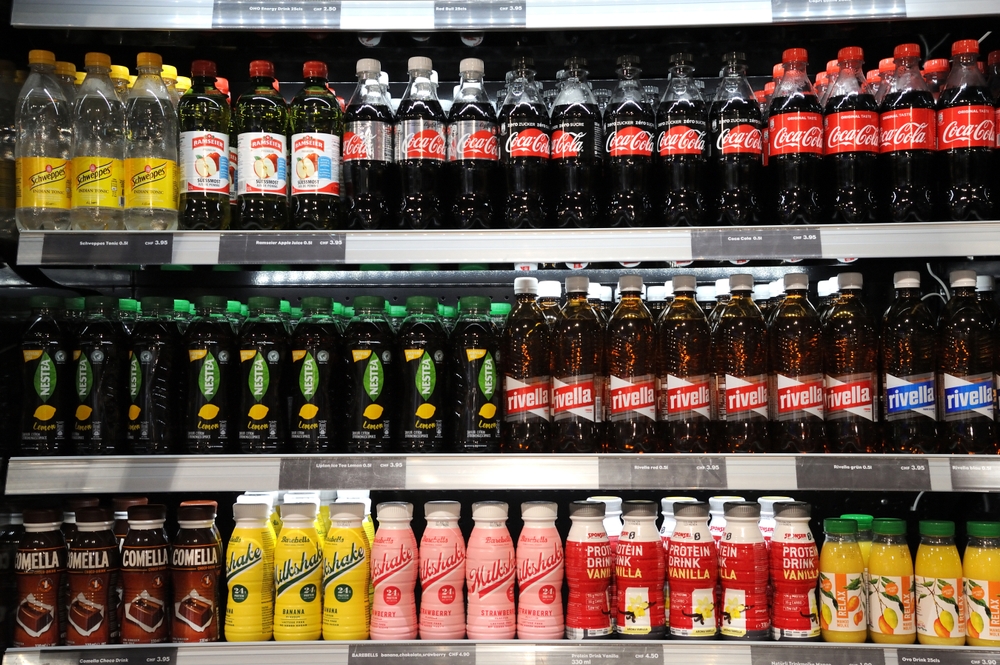
Many Canadians are cutting back on soft drinks and packaged juices due to high prices and shrinking container sizes. A 12-pack of soda that once cost around CA$4 now often sells for CA$8–CA$10 during regular pricing in many grocery stores across Canada. Shoppers are opting for powdered drink mixes, homemade iced tea, or tap water with lemon as cheaper options. Families are also buying fewer boxed fruit juices because sugar content and cost do not align with value. Discount grocery brands and refillable soda machines have gained traction as Canadians avoid paying premium prices for everyday beverages.
Bottled Salad Dressings
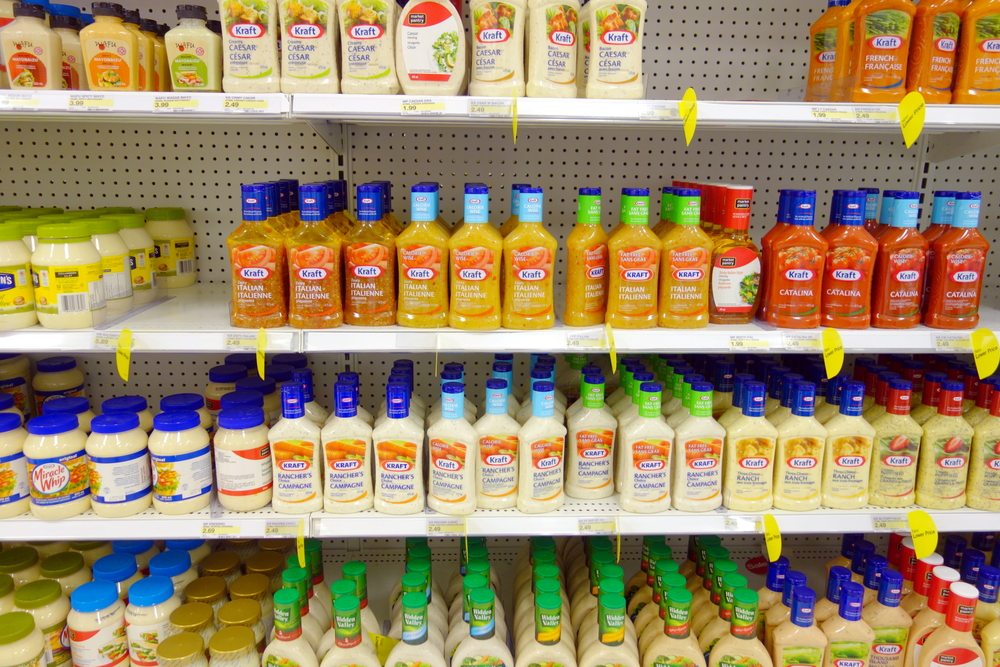
Bottled salad dressing is another item facing reduced demand as prices climb and bottle sizes drop. A standard 475-ml bottle often costs CA$5 to CA$7, which many shoppers view as unnecessary when homemade versions are cheaper. Many Canadians now mix olive oil, vinegar, and spices at home as a cost-effective alternative. Consumers also look for ways to reduce preservatives and additives found in store-bought dressings. Rising grocery costs have pushed people to evaluate every purchase, and salad dressing is often among the first discretionary food products removed from weekly shopping lists in favour of DIY solutions.
Breakfast Cereals
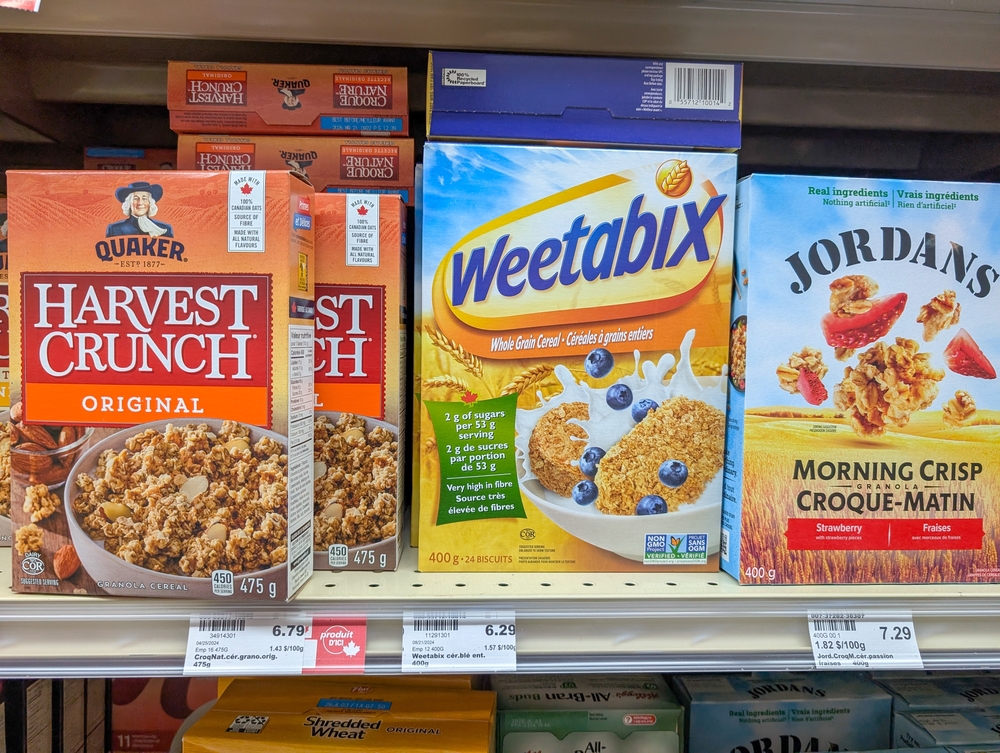
Breakfast cereal prices have risen significantly, with many popular brands costing CA$6 to CA$9 per box in most large grocery chains. Package sizes keep shrinking. Families are replacing boxed cereal with oats, toast, eggs, and homemade granola because these options provide better value. Statistics Canada food price reports continue to show grain-product inflation, which is pushing households to reconsider convenience items. Cereal has gone from a routine staple to an occasional purchase due to the cost per serving. Even promotional pricing is less frequent than before, further encouraging Canadians to shift to lower-cost breakfast choices.
Fresh Berries and Imported Fruits
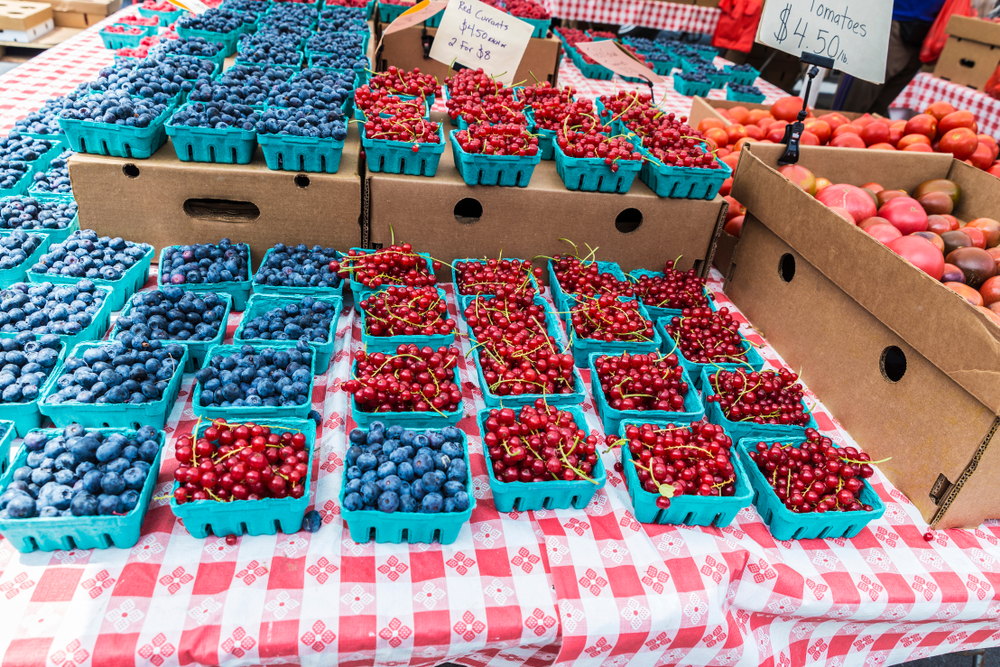
Fresh berries and imported fruit such as blueberries, strawberries, and grapes have become expensive for many households due to transportation and seasonal availability. Prices commonly reach CA$6 to CA$9 per small container, especially during the winter months. Frozen fruit has become a more affordable substitute. Canadians also shop at local farmers’ markets during the summer to save money compared to grocery store pricing. Many families now treat fresh berries as an occasional purchase rather than a weekly staple. Budget-conscious consumers plan meals around seasonal affordability and avoid imported fruit when prices surge beyond a reasonable value.
Disposable Razors

Disposable razors were once a budget product, but prices have increased sharply. Many brand-name packs cost CA$15 to CA$25, depending on blade count. Canadians are switching to safety razors, subscription refills, or reusable handles with cheaper replacement blades. The shift is driven by long-term savings and waste reduction. Subscription companies offering lower refills are gaining popularity. Drugstore chains have also increased private-label alternatives to meet new demand. Because shaving is a recurring expense, consumers seek predictable costs. Disposable razors are now seen as overpriced for the limited lifespan they offer, causing a clear move away.
Printer Ink
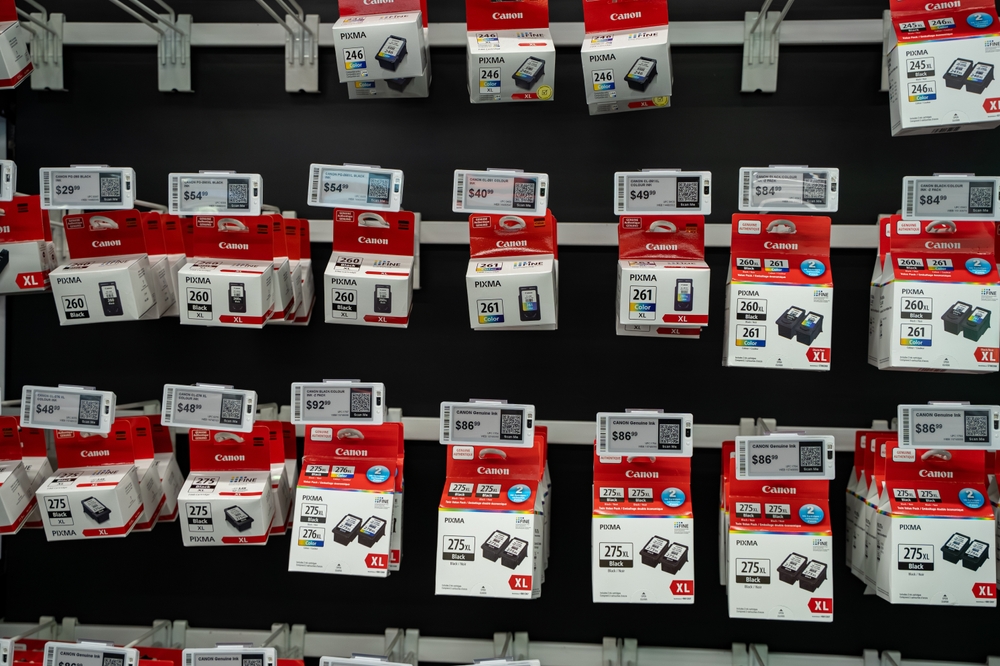
Printer ink is one of the most expensive household products per millilitre, often more expensive than luxury perfume. A standard cartridge set frequently costs CA$60 to CA$120, depending on brand. Many Canadians are abandoning traditional printers and switching to refillable-tank models or printing only when necessary at libraries or office supply stores. High replacement costs and chipped cartridges that prevent third-party refills have increased frustration. As more people store documents digitally, demand for routine printing has dropped. Printer ink has become a low-priority purchase as families cut unnecessary recurring expenses.
Name-Brand OTC Pain Medication

Over-the-counter pain medicine like Advil and Tylenol has become expensive, especially in brand-name packaging. Many Canadians now choose generic pharmacy labels because the active ingredients are identical and regulated under the same federal standards. A generic acetaminophen bottle may cost half of the branded version. Canadians are also stocking up during sales instead of buying at full price. Rising pharmacy inflation has made comparison shopping a priority. As long as dosage and ingredients match, consumers prefer the most economical option. Price, not brand loyalty, is influencing purchasing decisions in a significant way.
Fast Fashion Clothing
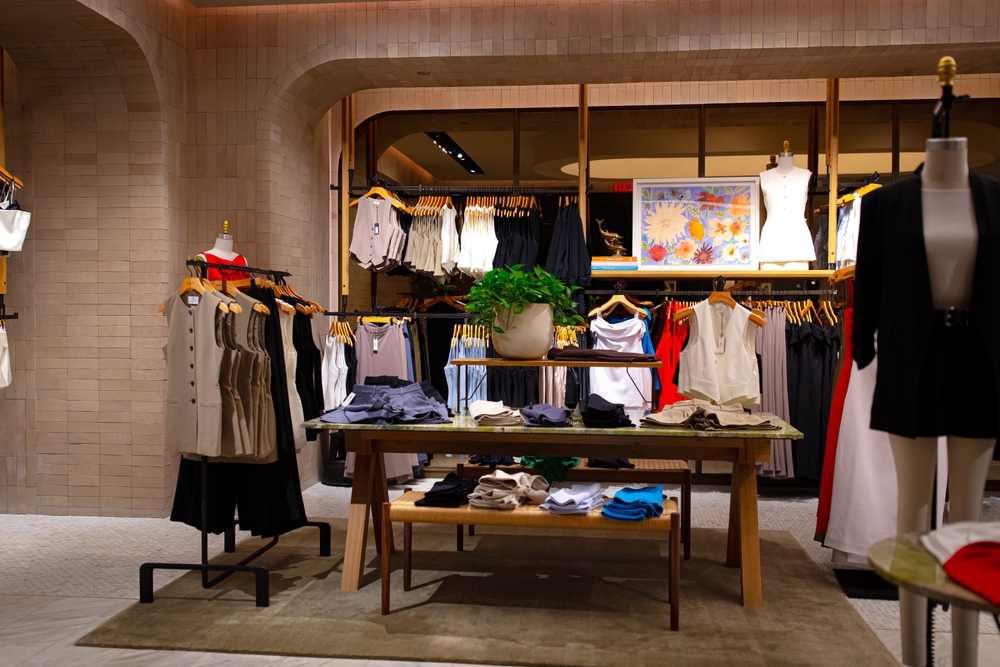
Many Canadians are reducing spending on fast fashion due to rising prices and inflation. Trendy clothing from large chains now costs more, and quality often does not match the cost. Shoppers are choosing second-hand stores, thrift shops, or higher-quality pieces that last longer. Minimalist wardrobes and capsule collections are gaining popularity as people focus on essential items. Seasonal sales are monitored carefully, and impulse buying has decreased. Canadians are also exploring online resale platforms for affordable alternatives. Budget-conscious consumers are prioritizing practical clothing purchases over frequent trend-based items, reflecting a shift in shopping habits across the country.
Home Décor Items

Rising prices have led many Canadians to cut back on home décor purchases. Items such as decorative cushions, wall art, and small furniture pieces have increased in cost. People now focus on DIY projects, repurposing existing items, or buying only what is essential. Discount stores, thrift shops, and online marketplaces have become popular alternatives. Households are delaying non-essential upgrades or seasonal decorations to manage budgets. Even small decorative purchases are carefully considered. Canadians are prioritizing functional home goods over purely aesthetic items, reflecting a shift in spending habits due to overall cost increases.
Subscription Streaming Services

Many Canadians are reducing or consolidating subscription streaming services due to high costs. Popular platforms for movies, TV, and music can add hundreds of dollars annually. Consumers now share accounts with family members or choose free alternatives. Some pause subscriptions during off-seasons or rotate services to reduce monthly expenses. Cable-cutting continues alongside streaming cuts, as households focus on essentials. Price sensitivity and growing content overlap between platforms make multiple subscriptions less appealing. Canadians prioritize value and often select one or two services instead of maintaining all subscriptions, reflecting careful management of digital entertainment expenses.
22 Groceries to Grab Now—Before another Price Shock Hits Canada

Food prices in Canada have been steadily climbing, and another spike could make your grocery bill feel like a mortgage payment. According to Statistics Canada, food inflation remains about 3.7% higher than last year, with essentials like bread, dairy, and fresh produce leading the surge. Some items are expected to rise even further due to transportation costs, droughts, and import tariffs. Here are 22 groceries to grab now before another price shock hits Canada.
22 Groceries to Grab Now—Before another Price Shock Hits Canada
