Canadian grocery bills have become a weekly exercise in trade-offs, but saving money does not have to mean stripping meals down to the bare minimum. With food prices still pressuring household budgets, smarter substitutions can protect both flavour and dignity at the checkout.
These 25 Canadian grocery swaps focus on practical choices: ingredients that stretch farther, store formats that offer better value, and small habit changes that reduce waste without making meals feel sparse. The goal is not deprivation. It is a better basket—one that keeps dinners satisfying, snacks familiar, and cupboards useful while avoiding the premium prices that often hide in convenience, branding, and packaging.
Store-Brand Pantry Staples Instead of National Labels
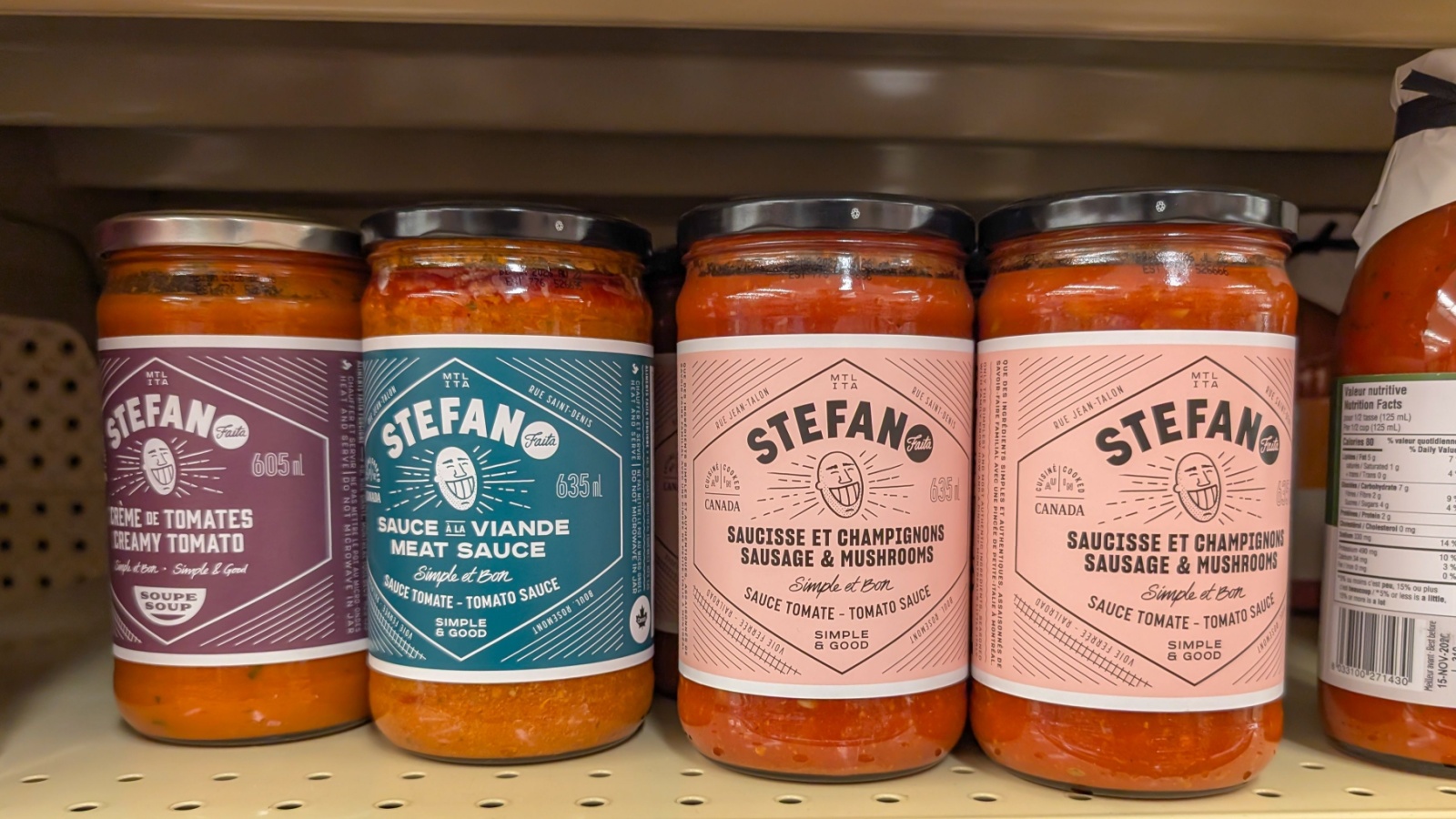
Store-brand pantry staples can be one of the easiest ways to cut a grocery bill without changing the way meals taste. Flour, sugar, pasta, canned tomatoes, rice, vinegar, oats, and basic baking ingredients often perform the same job as national brands once they are cooked into sauces, soups, muffins, or casseroles. In many Canadian stores, private-label lines now include both budget basics and more polished premium versions, so the swap no longer feels like settling for the plainest option on the shelf.
The key is to compare ingredient lists rather than packaging. A store-brand can of diced tomatoes may contain the same core ingredients as a name-brand version, while costing less because it carries lower marketing costs. For families that cook frequently, switching even a few repeat purchases to private label can make the weekly receipt noticeably lighter. The swap feels especially painless for ingredients that disappear into recipes rather than standing alone.
Frozen Vegetables Instead of Out-of-Season Fresh Produce
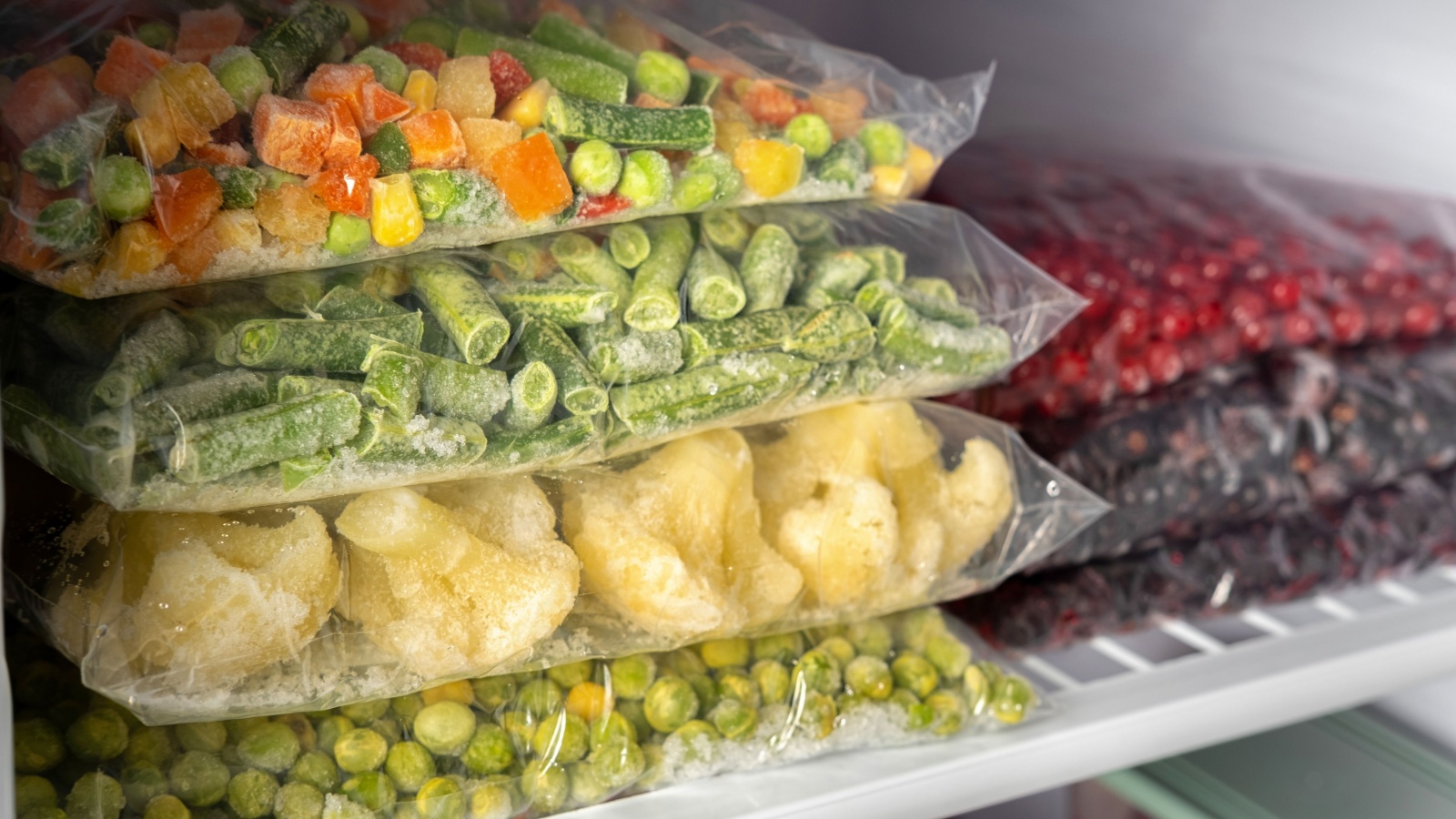
Fresh asparagus in winter or imported berries in early spring can look appealing, but out-of-season produce often carries a premium. Frozen vegetables offer a more reliable alternative because they are usually picked at peak ripeness and processed quickly. Peas, spinach, broccoli, corn, green beans, and mixed vegetables can sit in the freezer for weeks without wilting, which makes them useful for stir-fries, soups, omelettes, pasta, fried rice, and sheet-pan dinners.
This swap saves money in two ways: the sticker price is often lower, and the waste risk is much smaller. A bunch of fresh spinach can shrink dramatically in a pan and spoil quickly in the fridge, while frozen spinach is already washed, chopped, and compact. For households trying to eat more vegetables, frozen options can keep nutrition on the plate without the frustration of tossing limp produce at the end of the week.
Dried Lentils Instead of Some Ground Meat
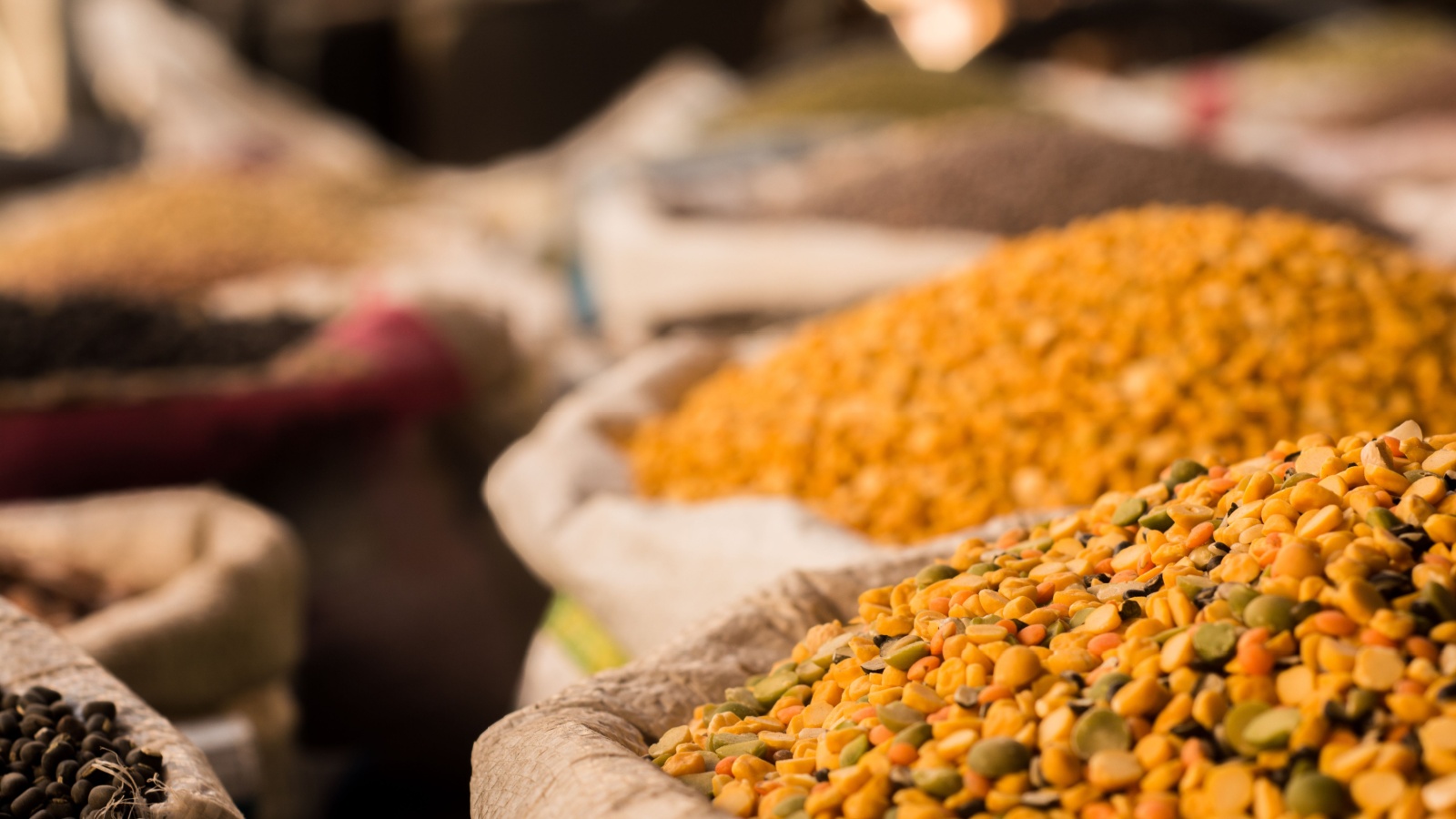
Ground beef and pork remain staples in many Canadian kitchens, but replacing part of the meat with dried lentils can stretch familiar meals without making them feel meatless. Lentils work especially well in chili, shepherd’s pie filling, taco mixtures, pasta sauce, curries, soups, and sloppy-joe-style sandwiches. They absorb seasoning, add texture, and bring fibre and plant-based protein to dishes that already rely on bold sauces or spices.
A practical approach is not necessarily to remove meat entirely. A half-and-half blend of cooked lentils and ground meat can keep the flavour people expect while lowering the cost per serving. Red lentils break down into sauces, while green and brown lentils hold their shape better. For a busy household, cooking a larger batch and freezing portions creates a low-cost protein base that can be pulled into meals throughout the month.
Whole Chicken Instead of Boneless Skinless Breasts
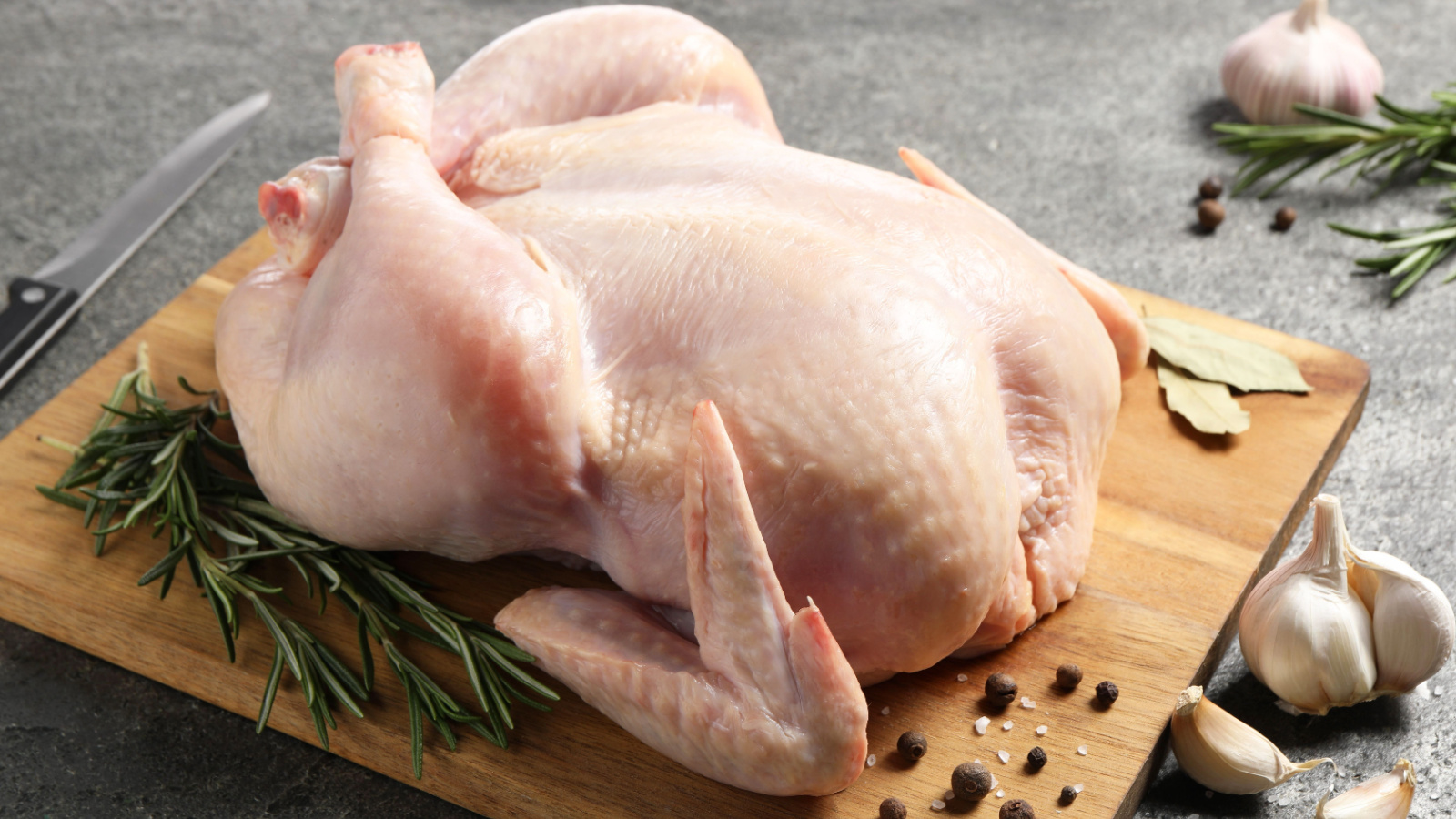
Boneless skinless chicken breasts are convenient, but they often cost more per kilogram than a whole chicken or bone-in cuts. A whole chicken can provide several meals: roasted meat for dinner, leftovers for sandwiches or wraps, bones for stock, and small bits for soup, fried rice, or quesadillas. It requires a little more planning, but the payoff is a basket that feels more generous without relying on ultra-cheap filler foods.
This swap works best when the chicken is treated as an ingredient rather than a single main event. One roast can become chicken-and-vegetable soup the next day, then a small amount of shredded meat can finish a pasta bake or grain bowl. The value comes from using the entire bird. Even the carcass can become broth with onion ends, carrot peels, celery leaves, and herbs, turning scraps into the start of another meal.
Canned Salmon or Sardines Instead of Fresh Fish Fillets

Fresh fish fillets can be expensive and unforgiving if dinner plans change. Canned salmon, sardines, mackerel, and tuna offer a shelf-stable swap that still brings seafood into meals. They can be folded into fish cakes, stirred into pasta, added to salads, used in sandwiches, or served with crackers and pickled vegetables for a quick lunch. Canned salmon is especially familiar in many Canadian kitchens, and bone-in varieties can provide added calcium.
The advantage is flexibility. A fresh fillet has a short clock once purchased, while canned fish can wait in the pantry until needed. That makes it useful for households trying to avoid last-minute takeout or extra grocery trips. Choosing lower-sodium options when available, or balancing canned fish with fresh vegetables, lemon, herbs, and plain yogurt, keeps the meal from feeling heavy. The result is practical rather than austere: seafood flavour without seafood-counter pressure.
Plain Yogurt Instead of Flavoured Yogurt Cups

Flavoured yogurt cups are convenient, but they often cost more per serving than a larger tub of plain yogurt. A big container can be portioned into breakfasts, smoothies, dips, sauces, marinades, and lunchbox snacks. Adding frozen berries, sliced banana, a spoonful of jam, cinnamon, granola, or maple syrup gives more control over sweetness while keeping the texture and comfort that make yogurt popular in the first place.
This swap is also less repetitive. One tub can become tzatziki for grilled chicken, a creamy base for overnight oats, or a topping for chili and baked potatoes. Greek-style plain yogurt can stand in for sour cream in many meals, adding protein while reducing the need to buy multiple dairy products. Instead of paying for single-serve packaging and pre-added flavours, shoppers pay for a flexible ingredient that can move easily from breakfast to dinner.
Oats Instead of Boxed Breakfast Cereal
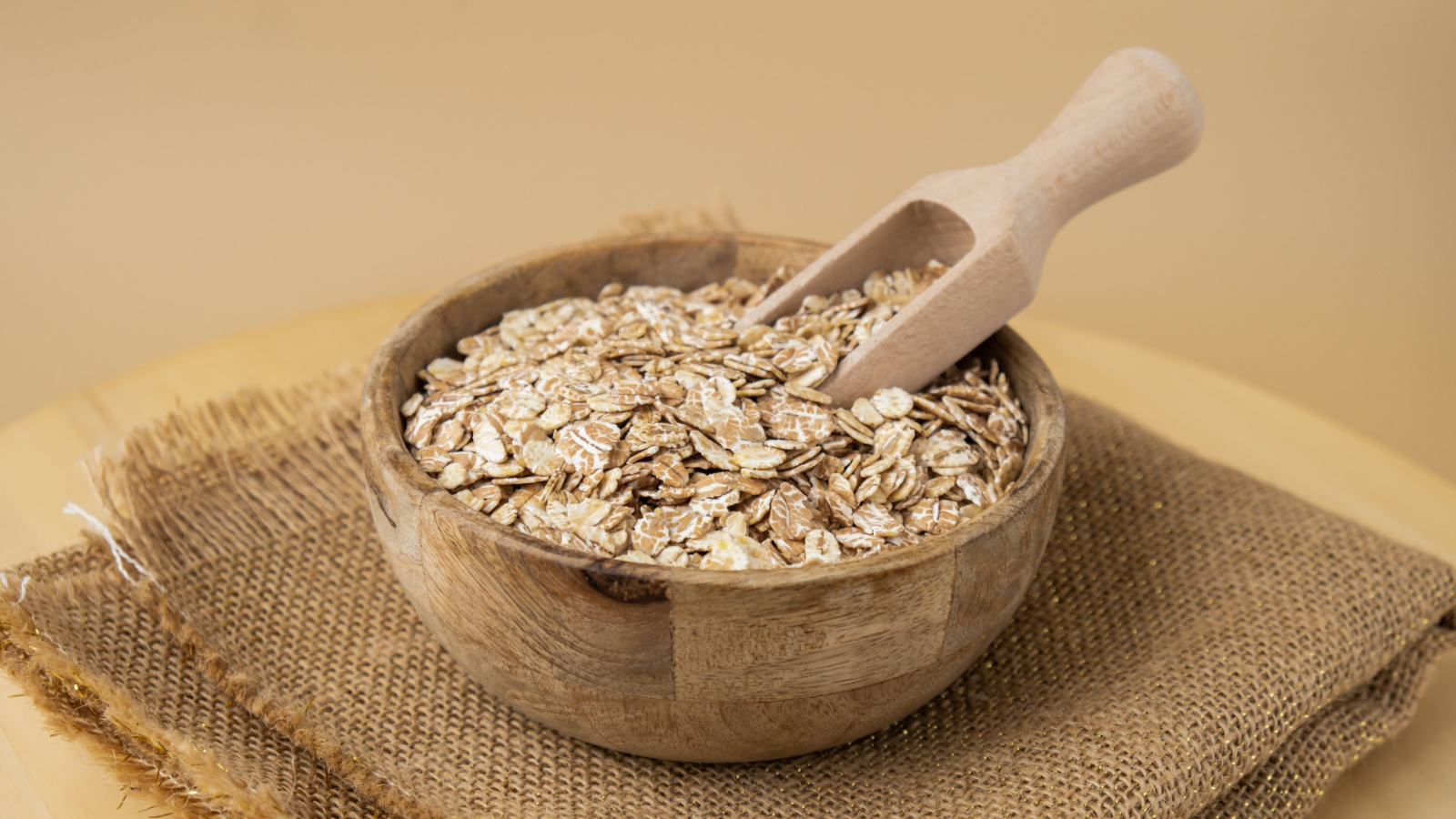
Boxed cereal can feel effortless, but the price per bowl can climb quickly, especially for branded, family-sized, or specialty varieties. Large-flake oats or quick oats are a sturdy swap because they can become hot oatmeal, overnight oats, granola, muffins, pancakes, or fruit crumble topping. They also tend to be less dependent on cartoon branding, limited editions, and heavily promoted flavours that can make breakfast more expensive than it needs to be.
Oats do not have to feel plain. A pot of oatmeal can be dressed with apples, cinnamon, peanut butter, raisins, frozen blueberries, or a spoonful of yogurt. Overnight oats can be prepared in jars for several mornings, giving the convenience of grab-and-go cereal without buying individual cups. For households with children, a small topping station can make oats feel customizable while still keeping the base ingredient economical, filling, and easy to stock.
Block Cheese Instead of Pre-Shredded Cheese

Pre-shredded cheese saves a few minutes, but block cheese often offers better value and more versatility. A block can be grated for pizza, sliced for sandwiches, cubed for lunch plates, or shaved over pasta. Pre-shredded cheese may also include anti-caking ingredients that affect melting, which matters for grilled cheese, macaroni and cheese, quesadillas, or casseroles where texture is part of the comfort.
The savings become more noticeable in homes that use cheese regularly. Grating a block takes little time with a box grater or food processor, and extra shredded cheese can be frozen in small bags for later use. This helps prevent the half-used block from drying out at the back of the fridge. A stronger-flavoured cheese, such as old cheddar, can also stretch farther because a smaller amount brings more taste, making meals feel satisfying without piling on expensive dairy.
Tap Water With Citrus Instead of Bottled Drinks

Bottled iced teas, sparkling drinks, flavoured waters, and juices can quietly inflate a grocery bill because they are heavy, heavily packaged, and often purchased repeatedly. Tap water dressed with lemon, cucumber, mint, frozen berries, or a splash of juice can feel more intentional than plain water without carrying the same cost. For households that like fizz, a home carbonator may also reduce repeat purchases over time, though only if used often enough.
This swap is not about eliminating all treats. It is about moving everyday hydration away from single-use bottles and multipacks that vanish quickly. Keeping a chilled pitcher in the fridge can make the lower-cost option feel ready and appealing. Children may accept it more easily when fruit is visible, while adults may appreciate herbs, citrus, or unsweetened tea. The grocery cart gets lighter, and the money can be saved for drinks that actually feel special.
Dry Beans Instead of Canned Beans for Batch Cooking
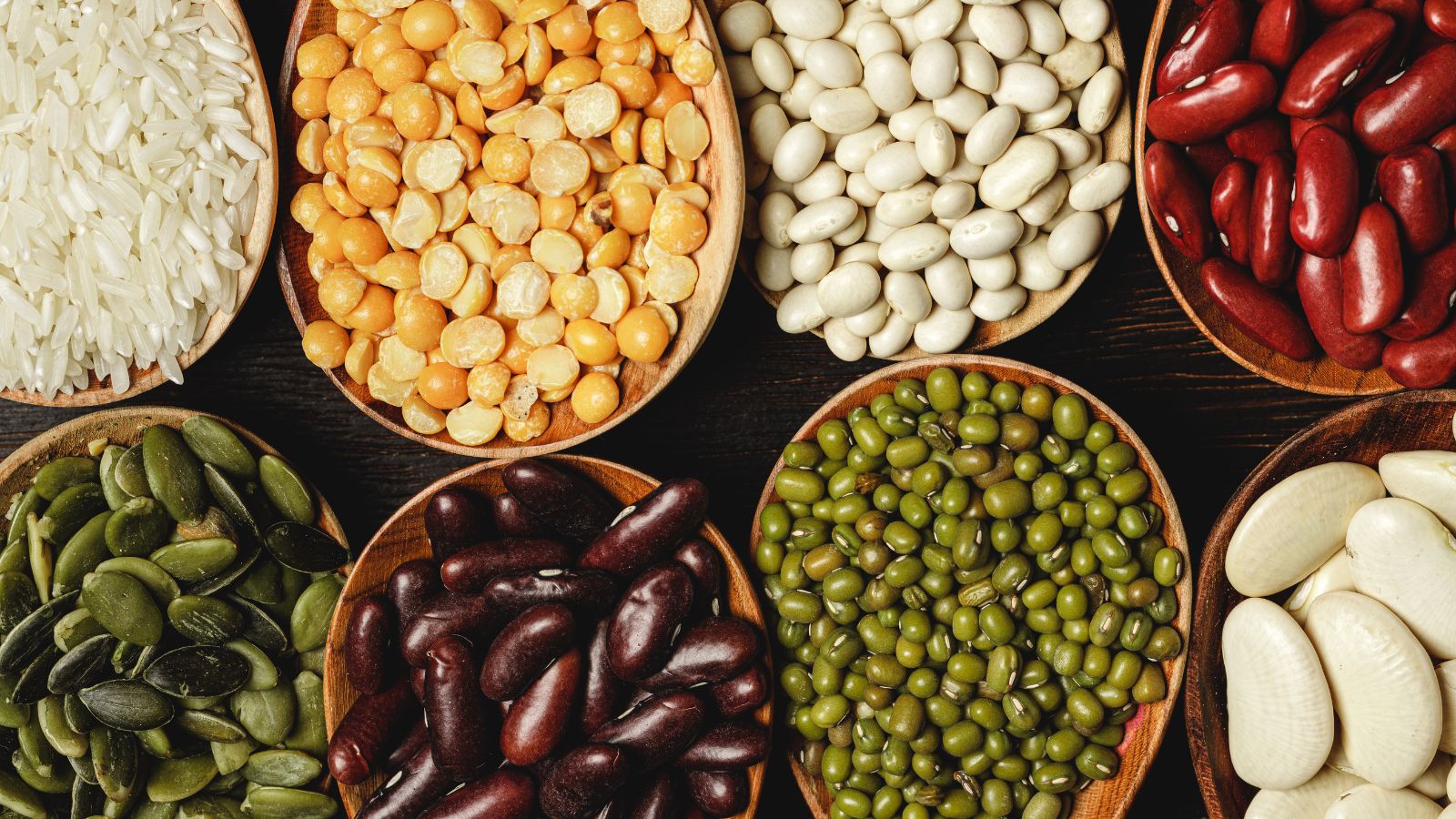
Canned beans are still a useful budget food, but dried beans can be even cheaper when a household has time to batch cook. Black beans, chickpeas, kidney beans, navy beans, and pinto beans can be soaked, cooked, and frozen in meal-sized portions. Once prepared, they work much like canned beans in soups, burritos, salads, curries, dips, and rice bowls.
The best use case is planning rather than emergency cooking. A Sunday pot of beans can become several future meals, and freezing them flat in bags makes storage easier. Canned beans still deserve a place for speed, especially on busy nights, but dried beans offer excellent value for families that cook regularly. Seasoning them during cooking with onion, garlic, bay leaf, or spices also creates better flavour than many canned versions, which helps the swap feel like an upgrade.
Seasonal Apples or Pears Instead of Imported Berries
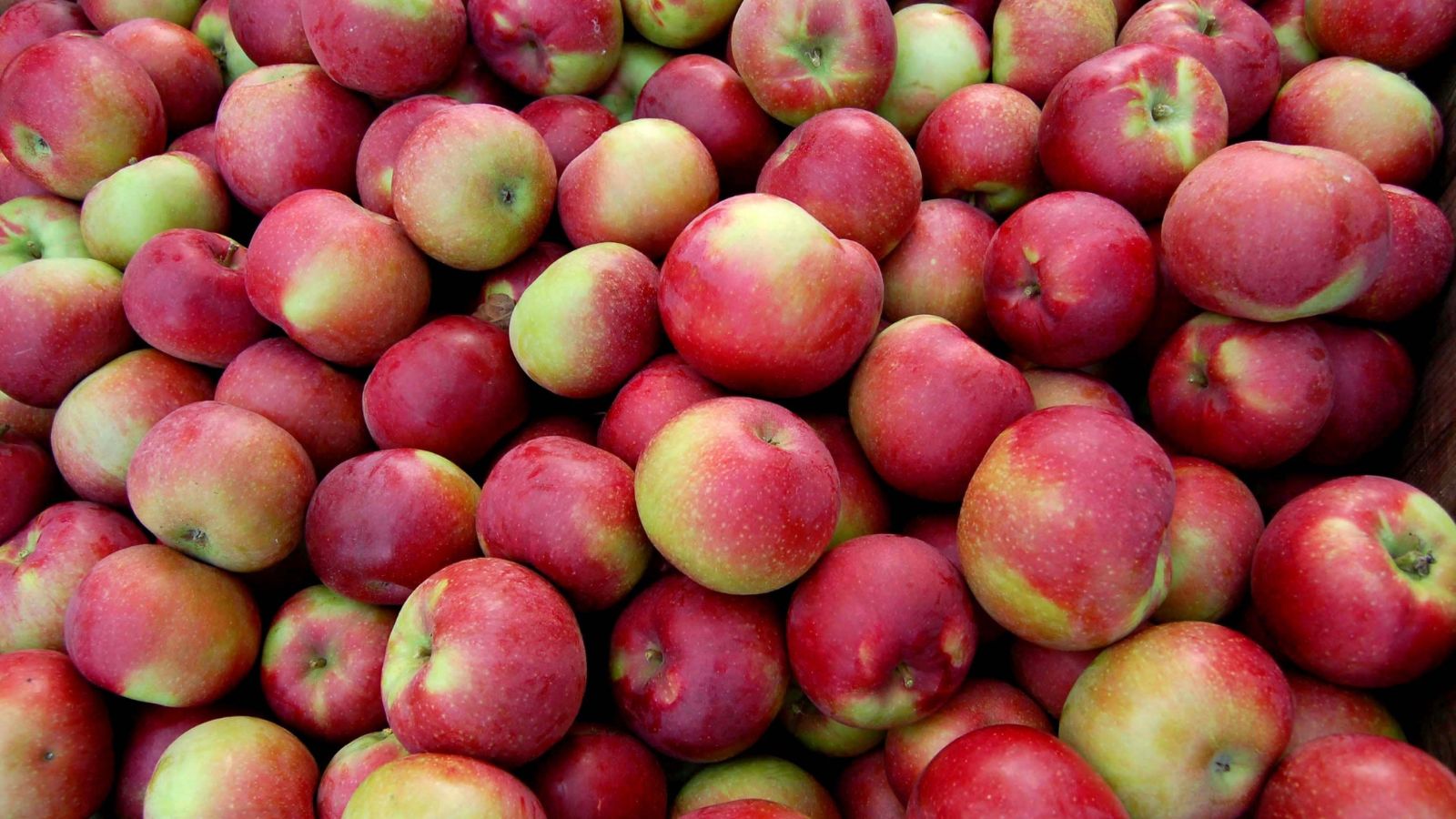
Berries can be a nutritious treat, but fresh berries outside peak season often spoil quickly and cost more. Seasonal apples and pears are a practical swap because they are sturdy, widely available, and easy to use in both snacks and cooking. They can go into lunch bags, oatmeal, salads, muffins, pork dishes, baked desserts, or simple fruit plates with cheese and crackers.
The swap works because it respects how produce behaves at home. A clamshell of berries can turn soft within days, while apples and pears usually offer a longer window. When berries are desired, frozen berries can cover smoothies, compotes, yogurt bowls, and baking. This combination—seasonal fresh fruit for crunch and frozen berries for recipes—keeps fruit in the routine without paying a premium for delicate produce that may not last until the weekend.
Bulk Rice Instead of Microwave Rice Pouches
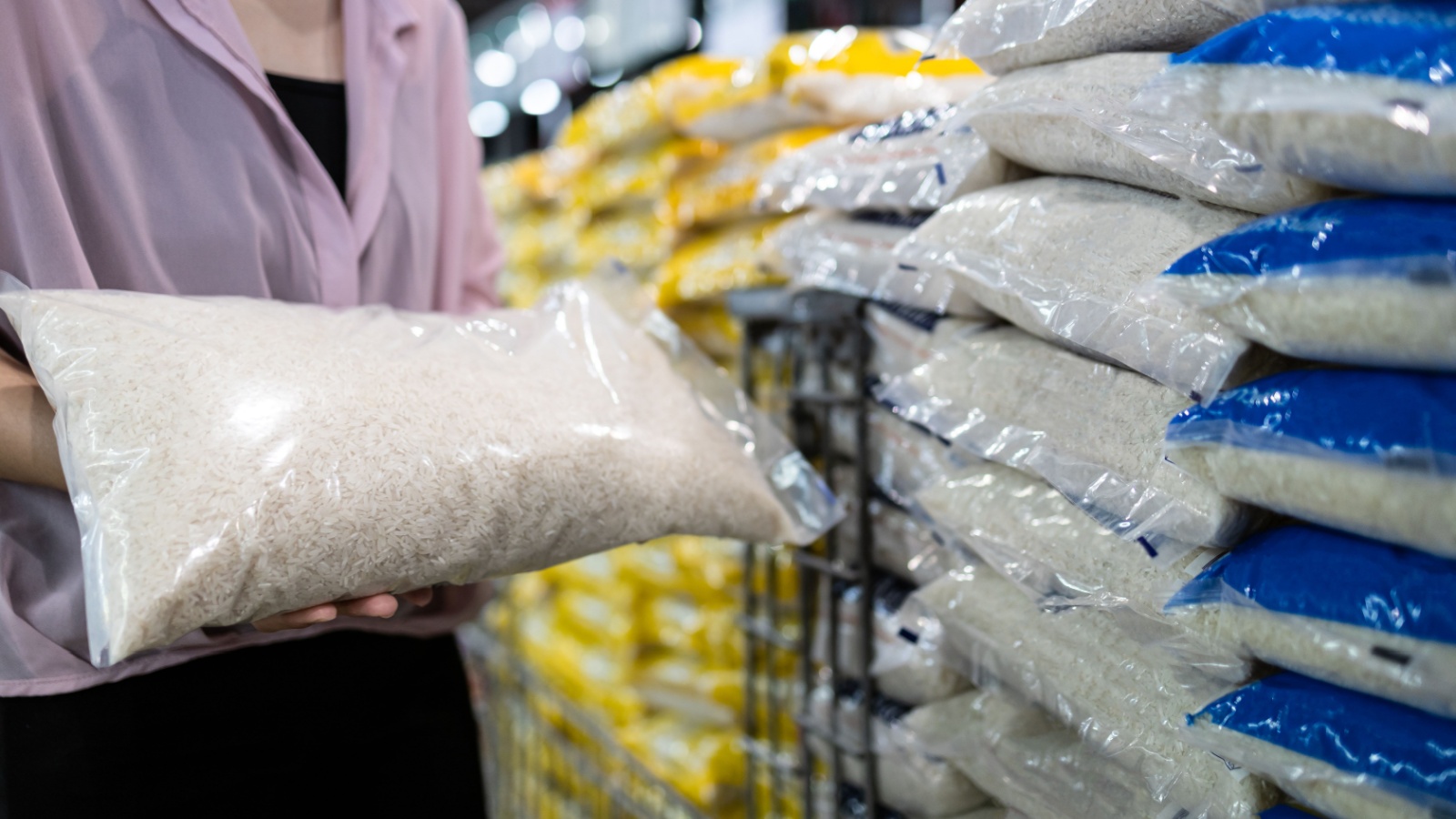
Microwave rice pouches are convenient, but they charge heavily for cooking, seasoning, and packaging. A large bag of rice—whether long-grain white, brown, jasmine, basmati, or parboiled—can provide many more servings for the money. Cooked rice also freezes well, so the convenience gap can be narrowed by making a larger pot and freezing flat portions for quick reheating.
This swap is especially useful because rice anchors so many affordable meals. It can stretch stir-fries, curries, soups, burrito bowls, fried rice, and leftovers. A rice cooker makes the habit easier, but a stovetop pot works too. The main trick is to treat cooked rice as a prepared ingredient, not a chore repeated every night. Once portions are ready in the freezer, the household gets nearly the same speed as microwave pouches with far less packaging and a lower cost per serving.
Homemade Salad Kits Instead of Bagged Premium Kits
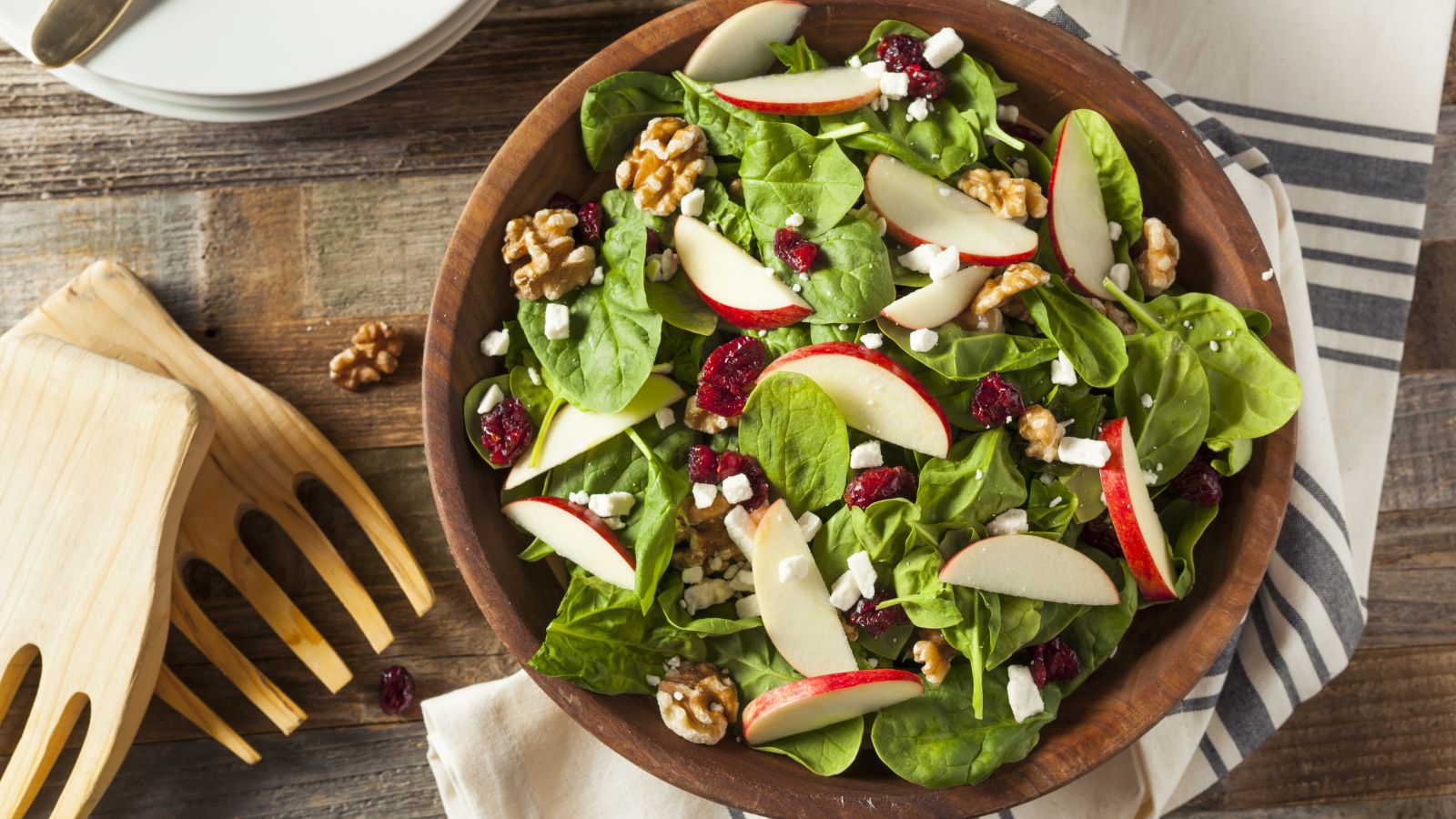
Bagged salad kits promise convenience, but premium kits can be expensive for the amount of food they provide. A homemade version starts with a heartier base such as romaine, cabbage, kale, spinach, or coleslaw mix, then adds crunch from seeds, croutons, roasted chickpeas, sliced carrots, or leftover vegetables. Dressing can be made quickly with oil, vinegar, mustard, yogurt, lemon, or pantry spices.
This swap can actually improve the meal because each component can be adjusted. Cabbage lasts longer than delicate lettuce and holds up well in slaws, tacos, rice bowls, and sandwiches. Leftover roasted chicken, boiled eggs, beans, or canned fish can turn the salad into dinner. Instead of paying for a small packet of toppings and dressing, the household builds a larger, fresher bowl from ingredients that can also be used in other meals.
Frozen Fruit Instead of Smoothie Shop Habits
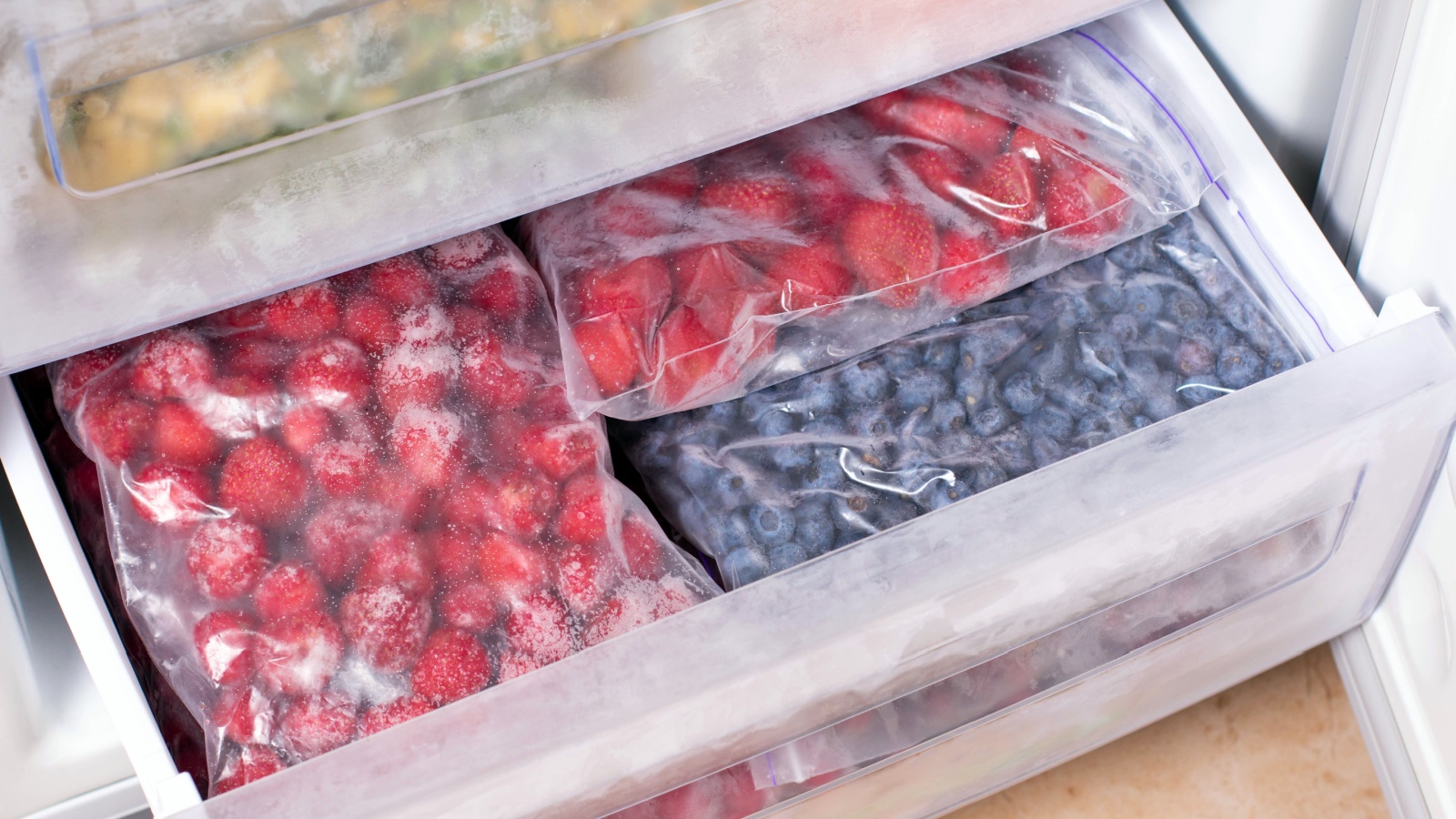
Smoothies can feel like a healthful routine, but buying them prepared can cost far more than making them at home. Frozen fruit is the backbone of the cheaper version. Mango, berries, peaches, pineapple, cherries, and banana slices can be blended with milk, fortified soy beverage, yogurt, oats, peanut butter, or spinach. The result can still feel bright and satisfying, especially when served cold and thick.
The savings come from turning a purchased drink into a pantry-and-freezer habit. Overripe bananas can be peeled and frozen before they become waste, while frozen fruit avoids the pressure of using fresh fruit immediately. For families, a blender batch can serve several people for the price of one or two shop-made drinks. The homemade version also makes it easier to reduce added sugar and increase protein or fibre without paying extra for “boosts.”
Eggs Instead of Deli Meat for Lunch Protein
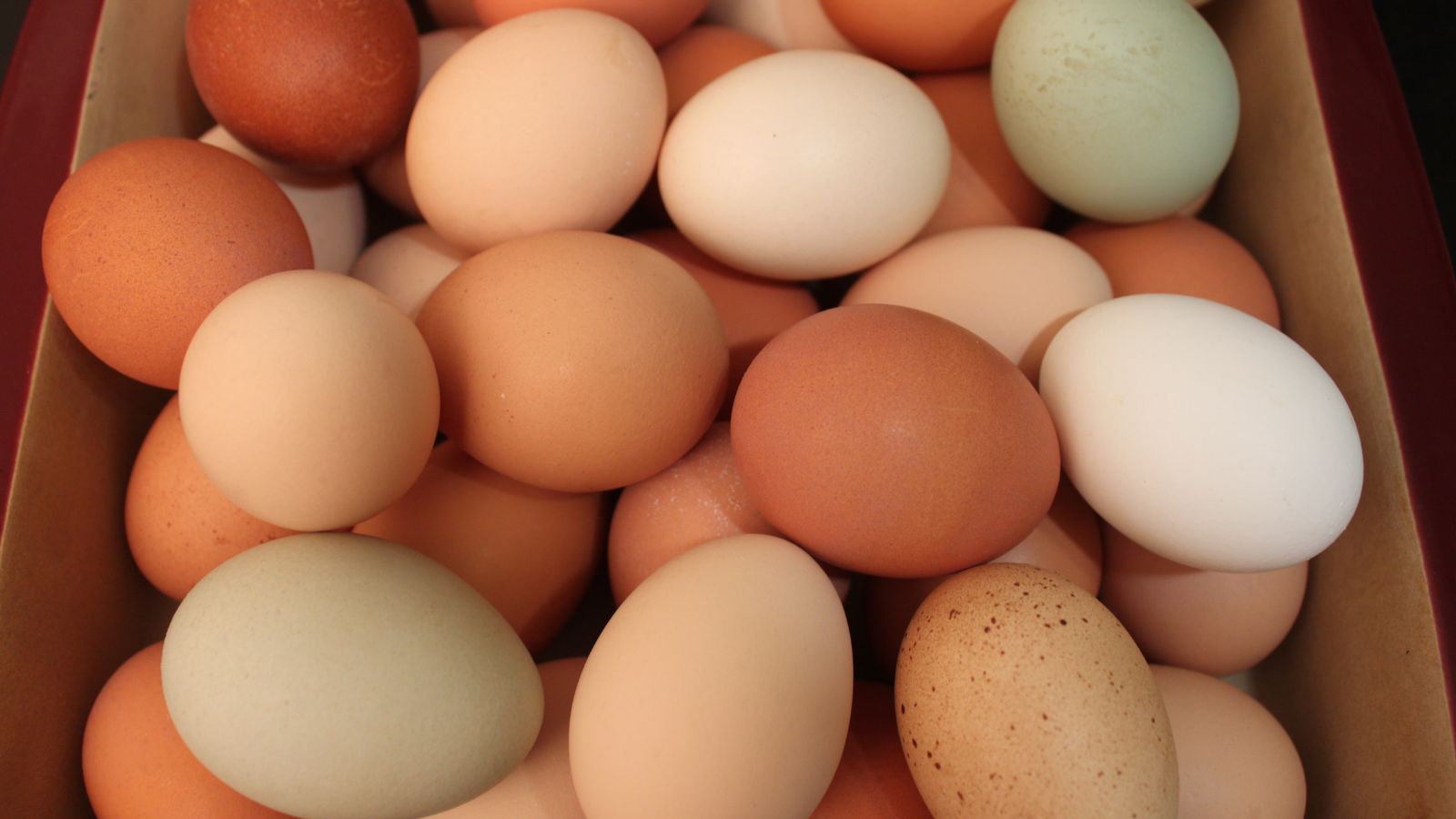
Deli meat is convenient, but it can be costly per serving and often brings added sodium. Eggs offer a flexible lunch protein that can be boiled, scrambled, baked into muffin cups, turned into egg salad, sliced onto toast, or added to grain bowls. Even when egg prices move around, they often remain useful because one carton can serve breakfast, lunch, dinner, and baking.
The swap does not have to mean eating the same sandwich every day. Hard-boiled eggs can be packed with crackers, vegetables, fruit, and cheese for a lunch that feels like a snack plate. Egg salad can be stretched with celery, green onion, herbs, or plain yogurt. A quick frittata can use leftover vegetables and become slices for several lunches. Compared with deli slices that disappear quickly, eggs offer more routes to a filling meal.
Rotisserie Chicken Used Fully Instead of Multiple Prepared Mains

A rotisserie chicken can be a smart buy when it replaces several prepared meals, not when it becomes a single dinner and then gets forgotten. The first meal might be chicken with salad and potatoes. The second could be wraps, soup, fried rice, enchiladas, pasta, or chicken salad. The bones can become a quick broth if simmered with vegetable scraps and herbs.
This swap works because it combines convenience with planning. Prepared lasagnas, takeout bowls, and deli mains often cost more per serving, while a rotisserie chicken offers cooked protein that can be redirected. The key is to strip the remaining meat from the bones soon after dinner and store it visibly. When leftovers are ready to use, they are more likely to become lunch or a fast weeknight meal rather than a forgotten container.
Cabbage Instead of Delicate Lettuce
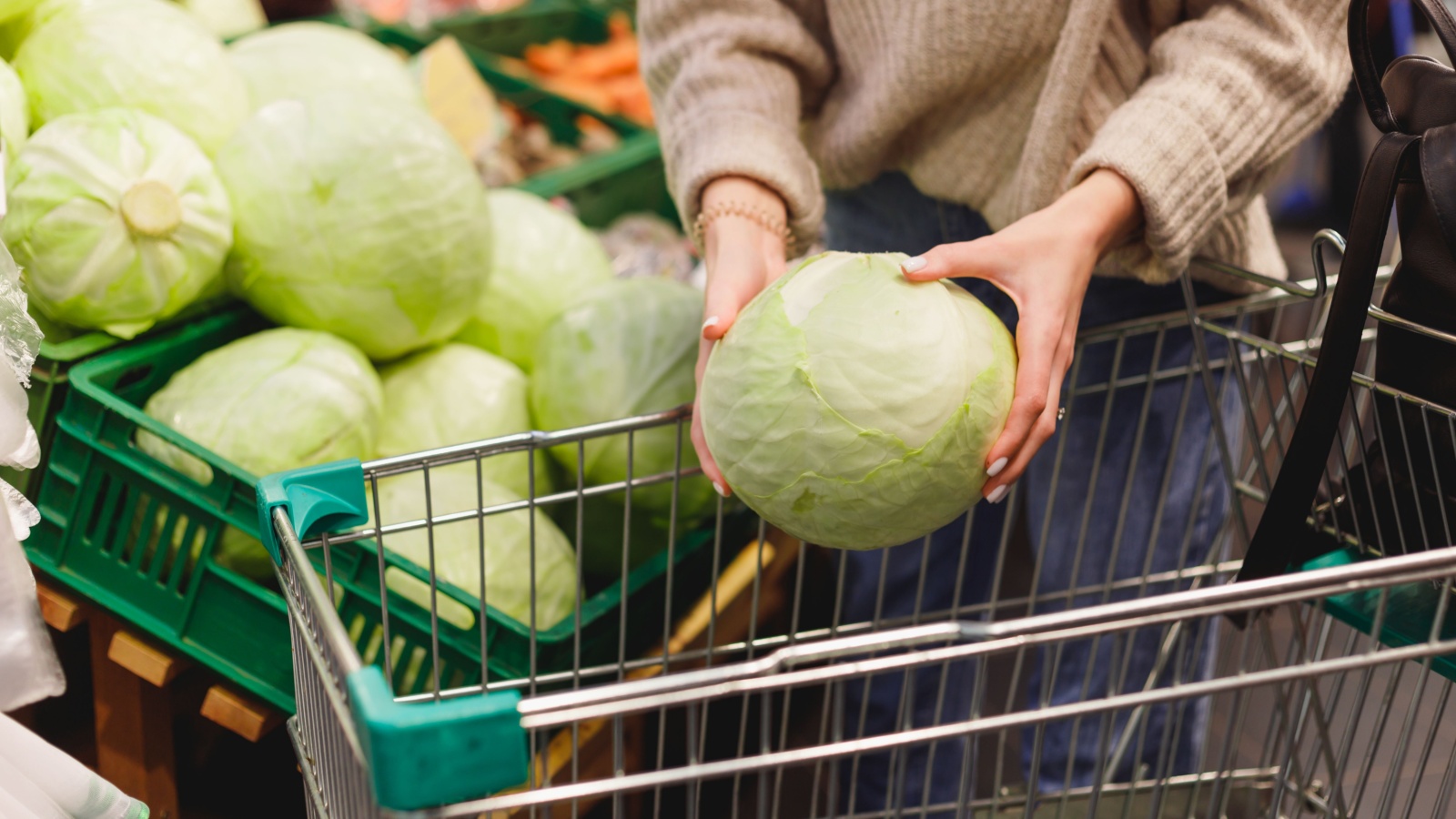
Lettuce has its place, but cabbage is often a better budget vegetable because it lasts longer and can play more roles. Green cabbage, red cabbage, napa cabbage, and savoy cabbage can become slaw, stir-fry, soup, tacos, dumpling filling, roasted wedges, or a crunchy sandwich topping. A single head can stretch across several meals, which makes it useful for households trying to reduce waste.
The texture is also an advantage. Cabbage keeps its crunch after dressing better than many tender greens, making it practical for packed lunches and meal prep. Shredded cabbage can be tossed with lime and salt for fish tacos, cooked with noodles and eggs, or simmered into cabbage roll soup. It may not have the glamour of packaged greens, but it delivers freshness, volume, and flexibility in a way that rarely feels like a downgrade.
Coffee Beans or Grounds Instead of Daily Café Drinks
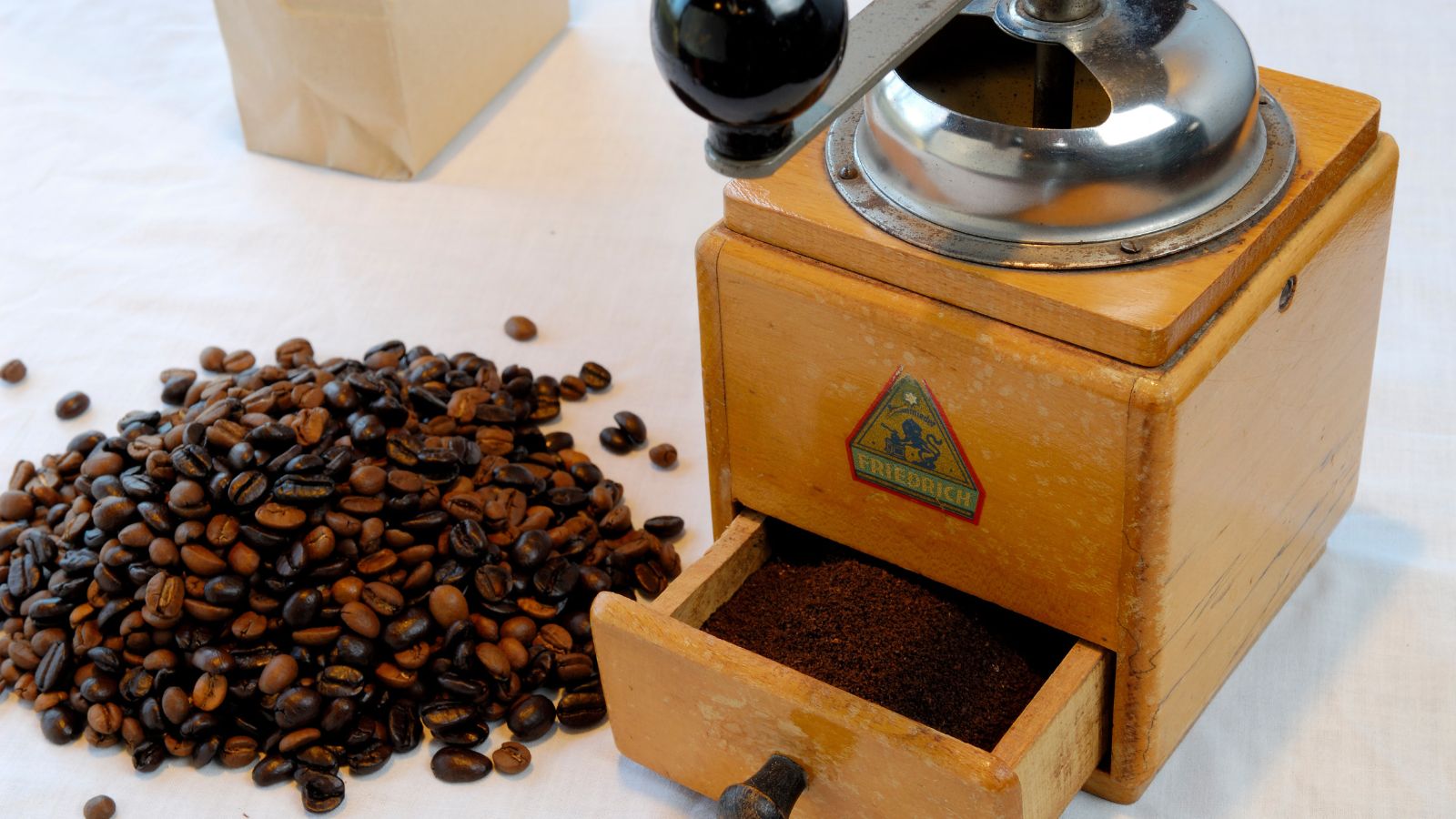
Café coffee can be a small pleasure, but daily purchases add up quickly. Buying beans or ground coffee for home brewing keeps the ritual while lowering the per-cup cost. A French press, drip machine, pour-over cone, or moka pot can make a strong cup without requiring an expensive setup. Adding warmed milk, cinnamon, cocoa, or a small amount of flavoured syrup can make it feel closer to a café drink.
This swap is most successful when convenience is protected. Setting up the coffee maker the night before or keeping a travel mug near the door helps the habit stick. For iced coffee, brewed coffee can be chilled in a jar and poured over ice with milk. The goal is not to eliminate café visits entirely. It is to save them for days when the experience matters, rather than letting routine purchases drain the grocery and discretionary budget.
In-House Bakery Bread Instead of Packaged Premium Loaves

Packaged premium bread can be expensive, especially when marketed as artisan, protein-rich, keto-style, or specialty grain. In-house bakery loaves, day-old racks, or basic whole-grain sandwich bread may offer better value depending on the store. Bread also freezes well, which means a household can buy a better-priced loaf and store slices for toast, sandwiches, breadcrumbs, or croutons.
The swap becomes more appealing when bread is used fully. Slightly stale bread can become French toast, strata, panzanella-style salad, stuffing, garlic bread, or bread crumbs for meatballs and casseroles. A loaf that might have been wasted can turn into several meals. For shoppers who like bakery texture but dislike bakery prices, watching markdown times or buying unsliced loaves for freezing can preserve quality while keeping costs under control.
Plain Canned Tomatoes Instead of Jarred Pasta Sauce
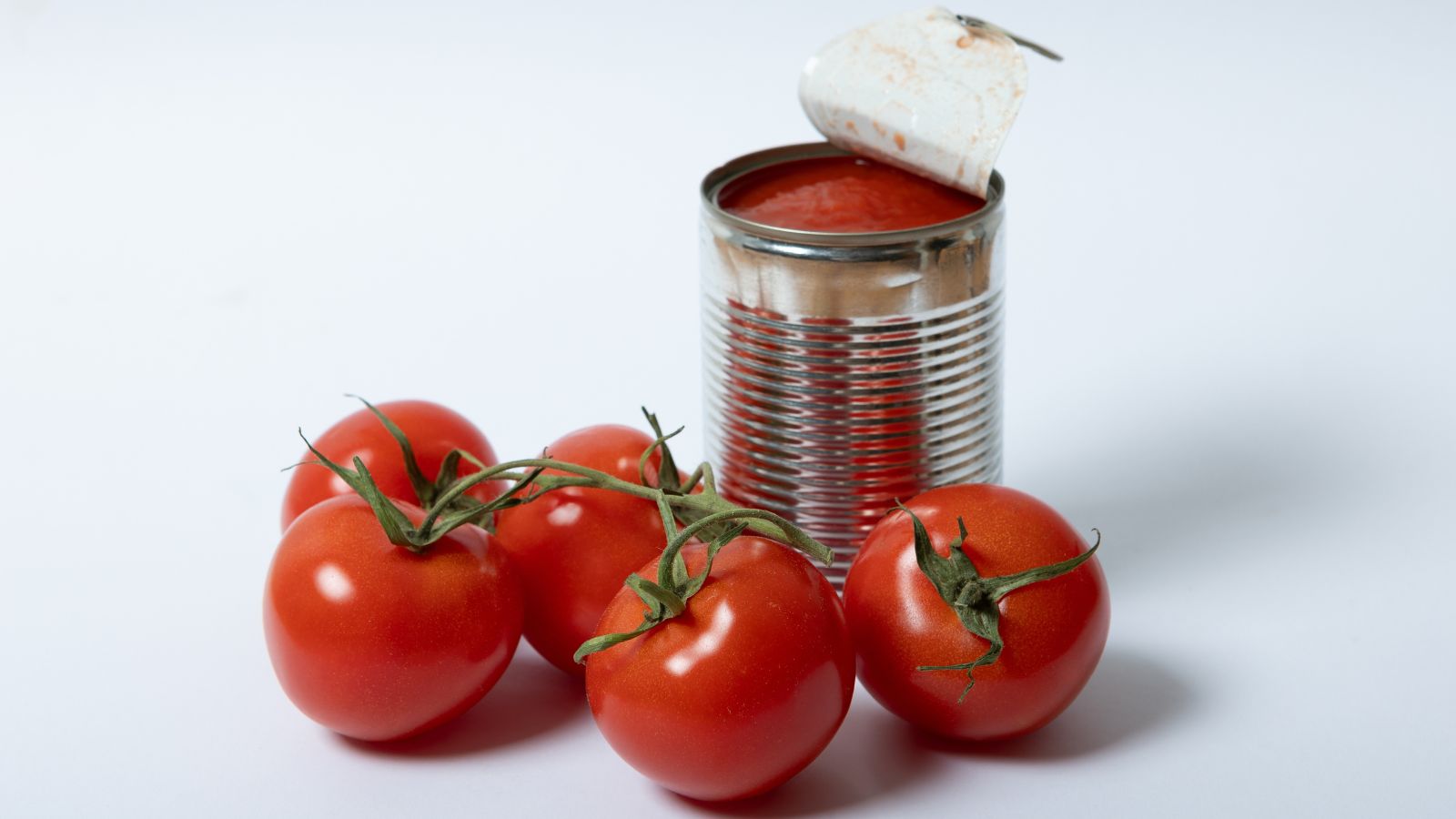
Jarred pasta sauce is convenient, but plain canned tomatoes can become a better-value sauce with a few pantry ingredients. Crushed tomatoes, diced tomatoes, or passata can be simmered with onion, garlic, oil, herbs, chili flakes, lentils, mushrooms, or leftover vegetables. The result can be fresher, less sweet, and more adaptable than many ready-made sauces.
This swap is useful because tomato sauce is a foundation meal. It can cover pasta, meatballs, eggs in tomato sauce, baked beans, pizza, lasagna, or stuffed peppers. A double batch freezes well, creating future convenience without paying jarred-sauce prices every time. Even a quick sauce can be made in the time it takes pasta water to boil. For households that already keep spices and onions on hand, canned tomatoes turn a basic pantry item into a flexible dinner tool.
Popcorn Kernels Instead of Bagged Chips

Chips can make a grocery basket feel expensive fast, especially when multiple bags are needed for a family movie night or school snacks. Popcorn kernels are a lower-cost swap that still delivers crunch. They can be popped on the stove, in an air popper, or in a microwave-safe bowl, then seasoned with salt, nutritional yeast, cinnamon sugar, taco seasoning, parmesan, or smoked paprika.
The advantage is control. A small scoop of kernels becomes a large bowl, and the flavour can change depending on the occasion. Popcorn also keeps well when stored dry, unlike chips that can go stale once opened. For lunchboxes, individual portions can be packed in reusable containers. This swap does not pretend popcorn is identical to chips, but it satisfies the snack impulse in a way that is lighter on both the bill and the pantry space.
Store-Made Family Packs Divided at Home Instead of Single-Serve Snacks
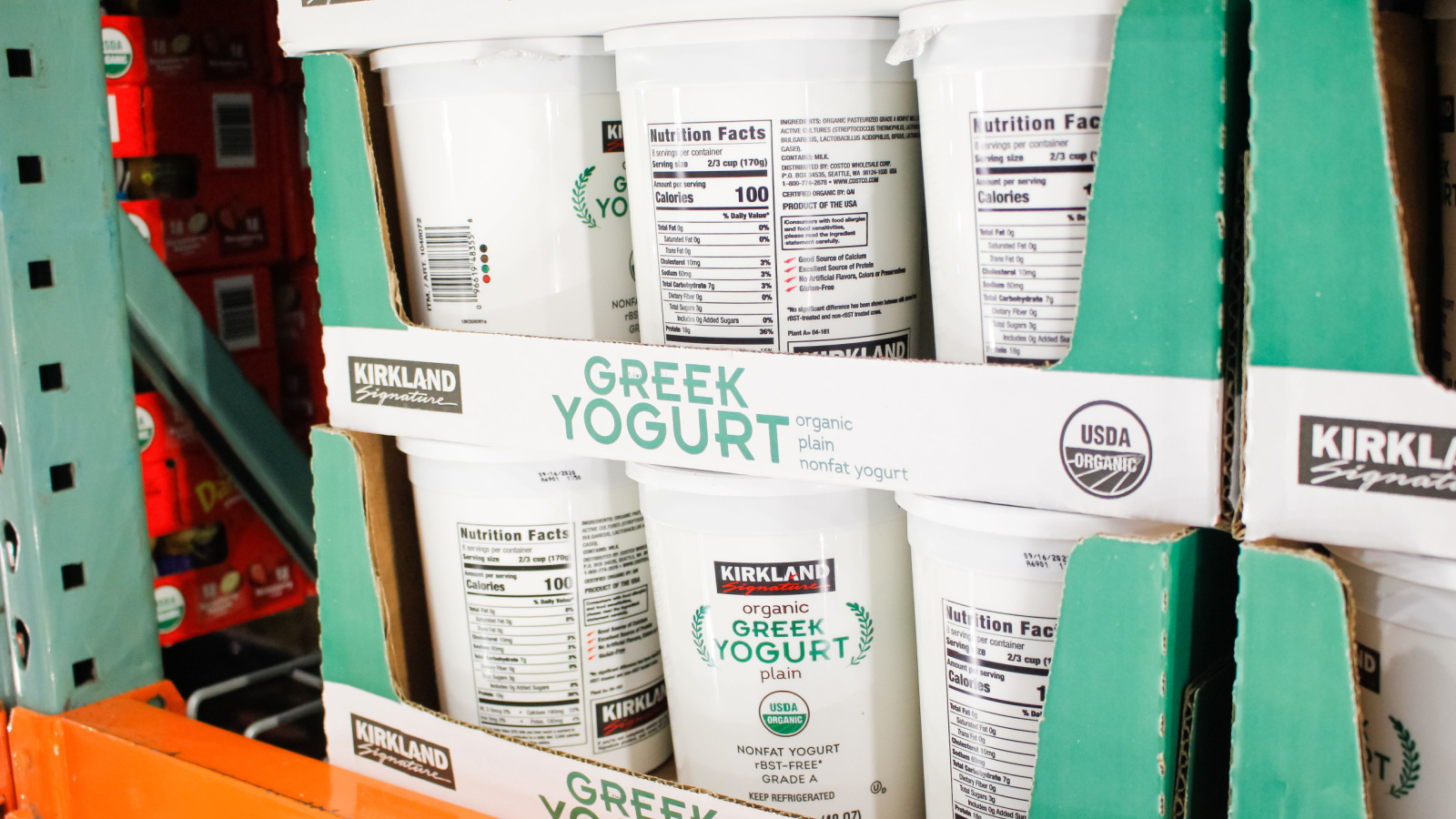
Single-serve snacks are convenient, but the packaging often costs more than the food. Larger tubs, boxes, or bags of yogurt, crackers, cheese, hummus, applesauce, dried fruit, or pretzels can be portioned at home into containers. The snack still feels ready to grab, but the household avoids paying repeatedly for small plastic cups, pouches, and wrappers.
This swap is especially helpful for lunches. A family can portion snacks once or twice a week, creating the same morning convenience as pre-packed items. It also allows better control over serving size and combinations: crackers with cheese, fruit with yogurt, vegetables with dip, or popcorn with raisins. Children may care less about packaging when the snack is familiar and easy to open. The result is not a cheaper-looking lunch, but a better-planned one.
Frozen Pizza Upgraded at Home Instead of Delivery
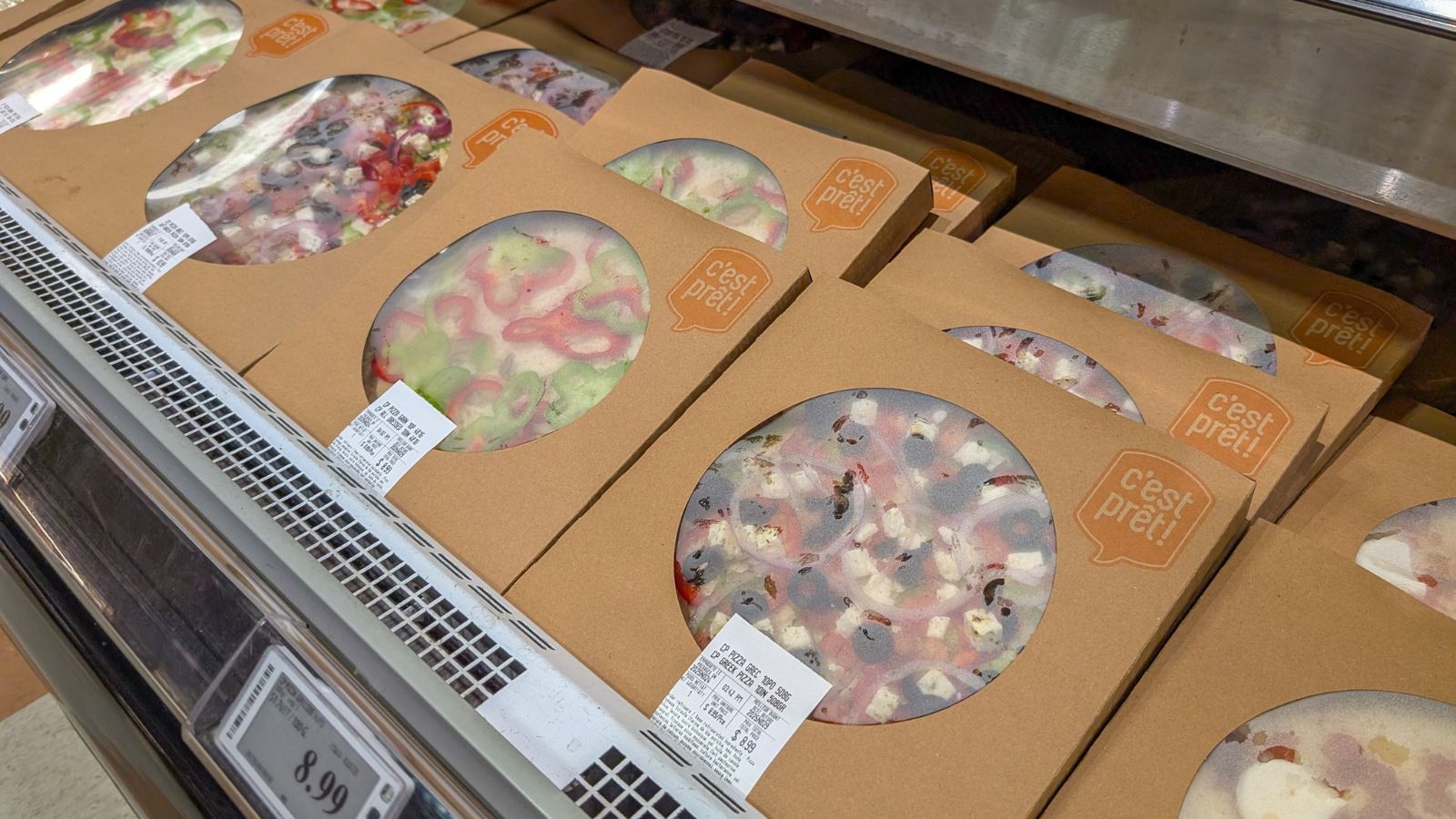
Delivery pizza can be a welcome break, but it often costs several times more than a frozen pizza or homemade flatbread. A lower-cost frozen pizza can be upgraded with mushrooms, peppers, onions, leftover chicken, spinach, olives, extra cheese, or chili flakes. The final result feels more personal and substantial without the delivery fee, tip, and inflated drink or side prices.
This swap is about protecting the “easy dinner” role. Some nights need convenience, not another full recipe. Keeping one or two frozen pizzas on hand can prevent a more expensive order when schedules collapse. A bagged salad, homemade slaw, or raw vegetables with dip can round it out. The meal still feels like a treat, but the cost stays closer to grocery-store pricing than restaurant pricing.
Bulk Spices in Small Amounts Instead of Full Jars

Full jars of spices can be expensive, especially for recipes that need only a teaspoon of something unfamiliar. Bulk stores and some grocery bulk aisles allow shoppers to buy small amounts of cumin, turmeric, paprika, curry powder, oregano, cinnamon, chili flakes, or bay leaves. This makes it easier to try new recipes without filling a cupboard with jars that may lose flavour before they are used.
The swap also improves everyday cooking. Affordable spices can make beans, rice, eggs, potatoes, cabbage, and frozen vegetables taste more interesting, which helps budget meals avoid monotony. Buying small quantities keeps flavours fresher and lets households spend more on the spices they use constantly. A few cents’ worth of seasoning can make a pot of lentil soup or roasted vegetables feel deliberate rather than merely economical.
Large Plain Tortillas Instead of Specialty Wrap Kits
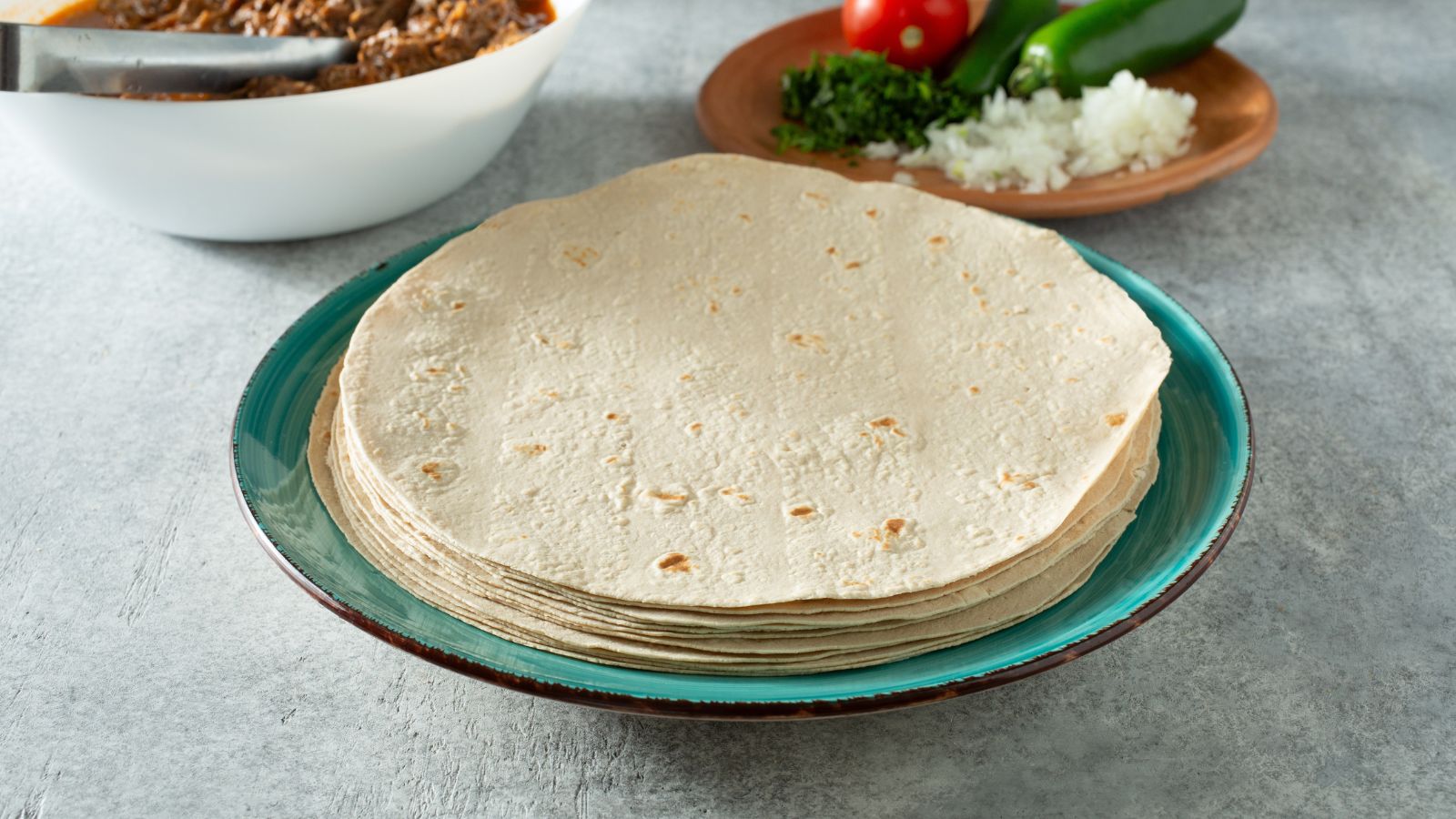
Specialty wrap kits often combine tortillas, sauce packets, seasoning, and branding at a higher price. Large plain tortillas offer more flexibility and can become quesadillas, breakfast wraps, burritos, lunch pinwheels, thin-crust pizzas, or crisped tortilla chips. A single package can handle several meals, especially when paired with eggs, beans, leftover meat, cheese, vegetables, or rice.
This swap works because the expensive part of many kits is convenience and marketing, not the food itself. Seasoning can be mixed from pantry spices, salsa can be bought separately, and leftovers can become fillings. Tortillas also freeze well, so sale packs can be stored for later. For households with picky eaters, a wrap night can still feel fun because each person builds their own, but the base ingredients cost less than a boxed meal solution.
Regular Carrots and Potatoes Instead of Pre-Cut Vegetables

Pre-cut vegetables save time, but they often carry a large convenience premium and may spoil faster once exposed to air. Whole carrots, potatoes, onions, celery, squash, and peppers usually offer better value and more uses. A bag of carrots can become lunch sticks, soup base, roasted vegetables, muffins, slaw, or stir-fry. Potatoes can become baked potatoes, wedges, mash, soup, hash, or breakfast skillets.
The best way to make this swap feel realistic is to do some prep at home. Washing and chopping vegetables after shopping, then storing them properly, narrows the convenience gap. Carrot sticks in water, diced onions in the freezer, or parboiled potatoes in the fridge can make weeknight cooking faster. The household still gets easy ingredients, but the labour cost moves from the store’s packaging line to a short home-prep session.
Meal-Planning Around Flyers Instead of Shopping From Habit
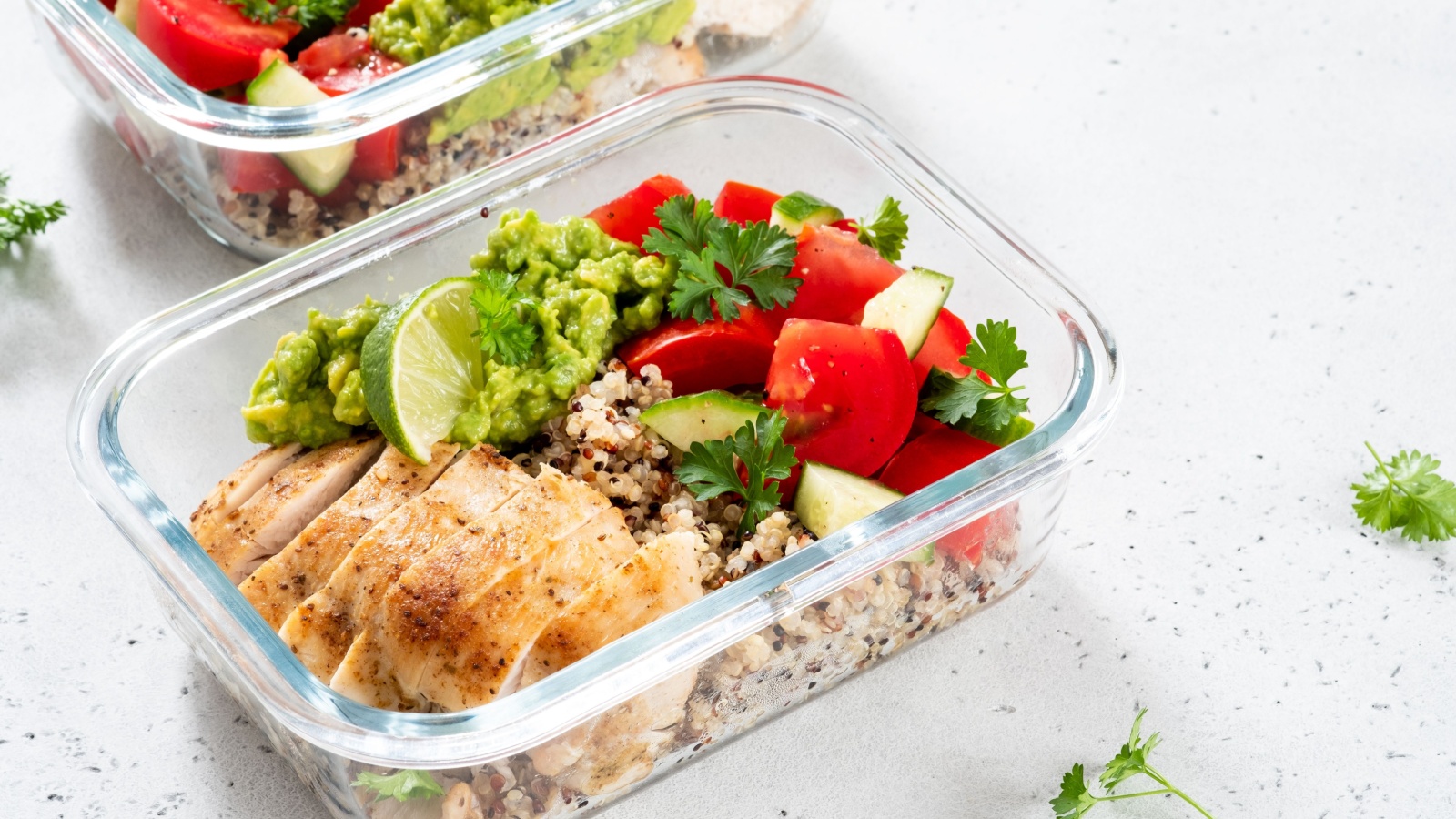
Buying the same groceries every week can feel efficient, but it may miss the strongest sales. Planning meals around flyers, loyalty offers, and seasonal pricing can reduce costs without changing the quality of meals. If chicken thighs, cabbage, apples, canned tomatoes, or yogurt are on sale, the week’s meals can be built around those items rather than forcing a fixed menu at full price.
This swap is a habit change more than a product change. It rewards flexibility. A family that planned tacos might shift to chili if beans and tomatoes are discounted, or move from beef stir-fry to chicken and vegetables if the meat case points that way. The point is not to chase every promotion. It is to let the strongest deals decide a few meals, while pantry staples and freezer backups fill in the rest.
Leftover-Friendly Ingredients Instead of One-Use Recipe Items

Recipes that require one unusual sauce, herb, grain, or specialty ingredient can make a grocery trip expensive if the leftover item has no second use. A better swap is to favour ingredients that can appear in several meals. Plain yogurt, canned tomatoes, rice, tortillas, cabbage, eggs, beans, frozen vegetables, and cheddar can move across cuisines and meal times without feeling repetitive.
This approach reduces waste while keeping meals varied. A tub of yogurt can become breakfast, dip, marinade, and sauce. A cabbage can become slaw, stir-fry, soup, and taco topping. A can of tomatoes can become pasta sauce, curry, chili, or shakshuka-style eggs. The savings come from finishing what enters the kitchen. Instead of buying cheaper food that no one wants, the household buys flexible food that earns its place across the week.
19 Things Canadians Don’t Realize the CRA Can See About Their Online Income

Earning money online feels simple and informal for many Canadians. Freelancing, selling products, and digital services often start as side projects. The problem appears at tax time. Many people underestimate how much information the CRA can access. Online platforms, banks, and payment processors create detailed records automatically. These records do not disappear once money hits an account. Small gaps in reporting add up quickly.
Here are 19 things Canadians don’t realize the CRA can see about their online income.
