
Retirement planning in Canada is more complicated than many people expect. Too many Canadians rely on assumptions instead of facts, and those assumptions can lead to serious financial problems later in life. Misunderstanding how pensions, investments, taxes, healthcare, and inflation work can leave retirees unprepared. The cost of living continues to rise. Lifespans are increasing. Government benefits alone rarely provide enough income. Here are 25 Canadian retirement myths that could cost you a fortune.
You Can Rely Solely on CPP and OAS

Many Canadians assume the Canada Pension Plan (CPP) and Old Age Security (OAS) will fully cover retirement expenses. In reality, these programs provide only a portion of income. CPP replaces roughly 25% of pre-retirement earnings, and OAS offers a modest monthly amount. Relying solely on them may leave retirees unable to cover housing, healthcare, and daily expenses. Additional savings through RRSPs, TFSAs, or employer pensions are necessary for financial security. Planning for unexpected costs like medical emergencies or inflation is critical. Ignoring personal savings could result in a lower standard of living during retirement.
Retiring at 65 Is the Best Choice
Many assume 65 is the optimal retirement age, but this is not always true. Retiring earlier can reduce available CPP and OAS benefits, while delaying retirement increases them. Health, career satisfaction, and financial readiness vary for each individual. Continuing to work longer may improve retirement income and allow more time to save. Some Canadians need to work past 65 due to insufficient savings. Planning retirement age should consider personal finances, lifestyle goals, and health. Automatically choosing 65 without assessment may limit flexibility and impact long-term financial security.
Pensions Cover All Your Retirement Needs
Employer pensions are often thought to fully fund retirement, but most only cover part of the expenses. Defined benefit or contribution plans may provide a steady income, but inflation and lifestyle changes can reduce purchasing power. Many Canadians also have limited access to pensions, especially self-employed workers. Additional savings and investments are needed to maintain comfort and meet goals. Ignoring personal retirement planning may create funding gaps. Diversifying retirement income through savings accounts, investments, or real estate ensures greater financial stability. Relying solely on pensions can leave retirees unprepared for unexpected costs.
You Don’t Need a Financial Plan if You Have Savings
Having savings alone is not enough for retirement security. Without a plan, you may run out of money too soon or pay unnecessary taxes. Retirement planning includes budgeting, investment strategy, tax optimization, and income timing. Canadians with savings need to consider market fluctuations, healthcare costs, and inflation. A structured plan ensures funds last throughout retirement and support desired lifestyle choices. Professional advice or personal planning can identify gaps and strategies for income growth. Relying on savings without guidance increases the risk of financial shortfalls later in life.
Downsizing Your Home Will Solve Your Retirement Funding Issues

Some believe selling a larger home and moving to a smaller property will solve retirement funding problems. While downsizing can free up equity, it may not generate sufficient income for ongoing expenses. Costs such as moving, renovations, taxes, and maintenance reduce potential gains. Housing markets vary, and proceeds may be lower than expected. Downsizing should be part of a broader retirement plan that includes investments, savings, and income strategies. Relying solely on selling a home may leave retirees financially vulnerable if unexpected costs arise or markets decline.
Paying Off Your Mortgage Before Retirement Is Always Necessary

Many think paying off a mortgage is essential before retiring, but it is not always financially optimal. Low-interest mortgage rates may make it more efficient to invest funds rather than pay down debt. Prepaying can reduce liquidity and flexibility in retirement. Some retirees choose to maintain manageable mortgage debt while drawing investment income for other expenses. Decisions should consider interest rates, investment returns, and cash flow needs. Automatically prioritizing mortgage repayment could limit financial growth. A strategic approach balances debt management with investment and income planning to ensure retirement security.
You Don’t Need to Invest After 50

Many Canadians assume investment strategies stop after age 50, but investing remains critical for retirement. Growth and compounding over even a decade can significantly impact income. Conservative approaches may protect capital but can limit returns. Inflation, healthcare, and lifestyle costs require ongoing financial planning. Diversifying portfolios and managing risk are key for those approaching retirement. Stopping investing too early may result in insufficient funds. Canadians over 50 should review investment allocations regularly and consider professional advice to ensure retirement goals are achievable.
Healthcare Costs in Retirement Are Minimal
While Canada has public healthcare, retirees often underestimate expenses for prescriptions, dental, vision, and specialized treatments. Many provinces limit coverage for drugs and medical devices. Long-term care and home support can be costly. Relying solely on government programs may leave gaps. Americans may expect similar coverage, but in Canada, supplemental insurance or savings is essential. Budgeting for healthcare ensures retirees avoid financial strain and maintain quality of life. Unexpected medical costs can quickly erode savings if not accounted for in retirement planning.
You Can Rely on Children for Financial Support
Some retirees assume adult children will provide financial help, but this is increasingly unrealistic. Adult children often face their own debts, mortgages, and expenses. Depending on family support can create tension or financial insecurity. Planning for independent retirement income is essential. Canadian programs such as CPP, OAS, pensions, and personal savings should be primary sources. Children may assist occasionally, but retirees cannot depend on this for consistent support. Developing a personal financial strategy ensures autonomy and reduces reliance on family.
RRSPs Are the Only Way to Save for Retirement

Many Canadians believe RRSPs are the sole effective retirement savings tool, but this is not accurate. TFSAs, employer pensions, investment accounts, and real estate also provide retirement income. Diversifying savings reduces tax risk and allows greater flexibility for withdrawals. RRSPs are valuable but may increase taxes if funds are withdrawn without planning. Balancing RRSPs with other strategies ensures a more reliable income. Limiting savings to RRSPs can constrain options, particularly for those retiring early or with variable income sources.
TFSA Contributions Don’t Matter After 50

Some think TFSAs are irrelevant once you reach 50, but contributions remain powerful. TFSAs grow tax-free, and withdrawals do not affect OAS or income-tested benefits. Even small contributions can significantly increase retirement funds due to compounding. They provide flexible access to savings for emergencies, travel, or healthcare. Ignoring TFSA contributions after 50 can limit retirement flexibility. Canadians benefit from maximizing both RRSP and TFSA limits, especially in the final working years.
Retirement Means No More Income Taxes
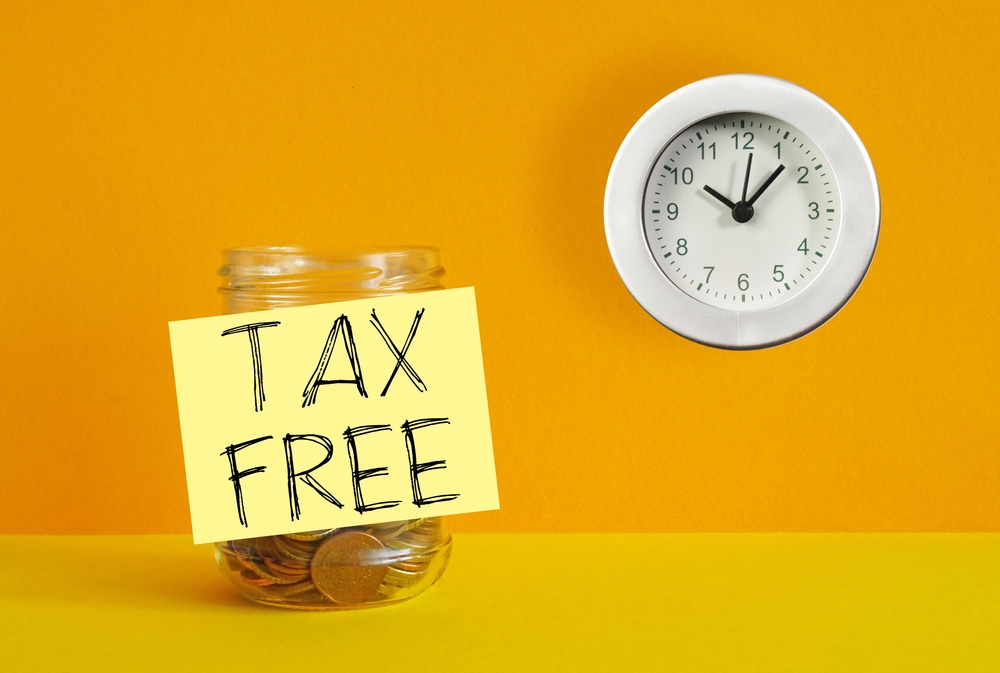
Many retirees assume they will not pay income taxes after leaving work. However, CPP, OAS, pensions, RRSP withdrawals, investment income, and rental income are taxable. Tax planning remains essential to avoid surprises. Canada also taxes certain benefits, like OAS clawbacks, if income exceeds thresholds. Without careful planning, retirees may face higher-than-expected tax bills. Strategies include spreading withdrawals, using TFSAs, and consulting professionals. Believing taxes disappear in retirement can lead to financial stress and reduce disposable income.
You Can Travel Without Budgeting Carefully

Many Canadians assume retirement travel is affordable without planning, but costs can quickly deplete savings. Flights, accommodations, meals, insurance, and medical coverage abroad add up. Unexpected expenses or health emergencies can further strain finances. Planning a travel budget ensures funds last throughout retirement. Americans may take international travel for granted, but Canadians must account for exchange rates and insurance. Careful budgeting allows retirees to enjoy vacations without compromising essential living expenses or emergency reserves.
Inflation Won’t Affect Your Retirement Savings Much
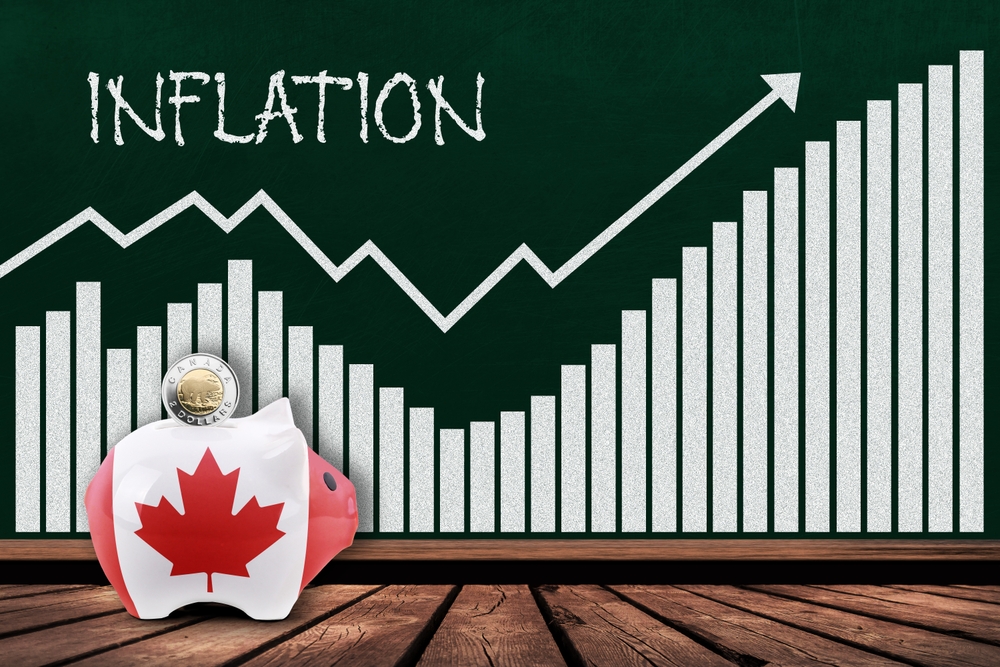
Many Canadians underestimate how inflation can erode retirement savings. Even moderate inflation reduces purchasing power over time, affecting housing, food, and healthcare costs. Relying solely on fixed-income sources or savings accounts may not keep pace with rising prices. Investment strategies should consider inflation protection through diversified portfolios and growth assets. Ignoring inflation can lead to a lower standard of living. Canadians retiring today need to plan for long-term price increases to maintain lifestyle expectations. Proper financial planning includes reviewing investment growth assumptions and adjusting contributions to counteract inflation’s impact.
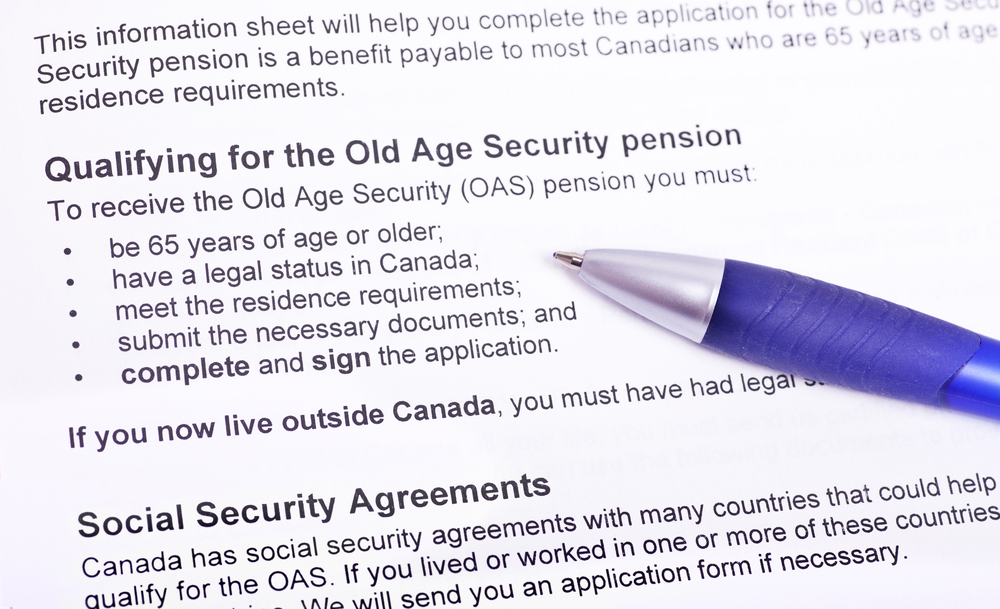
Social Security (OAS) Starts Automatically

Some assume Old Age Security (OAS) begins automatically at age 65, but retirees must apply to receive payments. Delaying applications increases monthly benefits, while early withdrawal is not allowed. Missing deadlines can result in delayed income. Canadians often overlook this step, reducing financial stability early in retirement. Planning for OAS timing is critical to coordinate with CPP, pensions, and personal savings. Americans may assume Social Security enrolls automatically, but in Canada, retirees must proactively apply to access OAS benefits. Proper timing ensures maximum income and prevents cash flow gaps.
You Don’t Need to Adjust Your Lifestyle Before Retirement

Many Canadians assume they can maintain the same spending habits in retirement as before. Without adjustments, savings may deplete faster than expected. Downsizing, reducing discretionary spending, or reassessing travel and hobbies can help ensure financial security. Lifestyle changes also include budgeting for healthcare, taxes, and emergencies. Ignoring this step may lead to stress or debt during retirement. Effective planning considers realistic income versus expenses. Making gradual adjustments before retirement helps retirees transition smoothly and maintain their desired standard of living.
You Can Delay Saving Until Your 40s

Some people believe starting retirement savings in their 40s is sufficient, but delaying reduces the benefits of compounding interest. Early contributions, even small amounts, significantly improve long-term growth. Waiting until 40 or later requires larger contributions and higher-risk investments to reach goals. Canadians relying on late savings often face shorter retirement or reduced lifestyle options. Combining RRSPs, TFSAs, pensions, and employer programs early ensures better security. The key is consistent, long-term saving rather than postponing contributions. Starting early provides flexibility and reduces financial stress later in life.
Retirement Income Is Predictable and Fixed

Many Canadians assume retirement income will remain stable, but it can fluctuate based on investment returns, interest rates, and pension adjustments. Unexpected expenses, inflation, and market changes affect the value of savings and withdrawals. CPP and OAS provide predictable amounts, but personal investments can vary. Assuming fixed income can result in overspending or insufficient funds. Regular reviews of finances, risk management, and flexible withdrawal strategies help maintain a stable lifestyle. Planning for variability ensures retirees avoid financial strain and can adjust spending according to income changes.
Downsizing or Moving Provinces Doesn’t Affect Taxes

Many Canadians believe relocating or downsizing in retirement has no tax implications. However, moving to a different province can change income tax rates and eligibility for benefits. Selling a home may trigger capital gains tax if it does not qualify as a principal residence. Downsizing may provide extra cash, but can affect government benefits such as OAS or GIS. Planning moves carefully ensures tax efficiency and avoids surprises. Canadians need to review local rules and coordinate real estate transactions with financial planning. Ignoring these factors can reduce retirement income and financial flexibility.
You Can Afford Expensive Hobbies Without Planning

Many retirees assume they can maintain costly hobbies without budgeting, but high expenses can quickly erode retirement savings. Travel, sports, and leisure activities require careful planning to avoid overspending. Unexpected costs, such as equipment, insurance, or maintenance, can strain finances. Canadians must balance discretionary spending with essential needs like healthcare, housing, and daily expenses. Creating a hobby budget ensures enjoyment without jeopardizing long-term security. Financial planning helps retirees allocate funds responsibly. Ignoring planning may force lifestyle changes later or reduce financial flexibility, limiting the ability to sustain desired hobbies throughout retirement.
Investment Fees Don’t Impact Retirement Much
Some retirees underestimate the effect of investment fees on long-term growth. Management fees, fund expenses, and advisor commissions reduce compounding returns over decades. Even small annual fees can significantly lower retirement income. Canadians should compare low-fee investment options and review portfolios regularly. Understanding costs helps optimize savings growth and maintain a retirement lifestyle. Assuming fees are negligible may lead to shortfalls or reduced purchasing power. Careful monitoring of fees combined with strategic investments ensures more efficient use of funds. Retirees benefit from transparency and cost-conscious financial decisions to protect retirement wealth.
You Don’t Need an Estate Plan if You’re Not Wealthy

Many Canadians assume estate planning is only for the wealthy, but it is critical for everyone. Without a plan, assets may be distributed according to provincial laws rather than personal wishes. Estate planning covers wills, powers of attorney, healthcare directives, and beneficiary designations. It ensures dependents are supported and avoids legal complications. Even modest estates benefit from clear instructions and tax planning. Failing to create a plan can cause disputes, delays, or additional costs for heirs. Canadians of all income levels should prepare an estate plan to protect their family and legacy.
Early Retirement Is Always Better Financially

Some assume retiring as early as possible guarantees financial advantage. Early retirement reduces working years, limiting contributions to RRSPs, pensions, and CPP. Delaying retirement increases benefits, allows more savings, and improves financial security. Retirees must weigh lifestyle goals against income and healthcare costs. Retiring too soon without adequate preparation can lead to depleted savings and reduced quality of life. Canadians should assess personal finances, expected expenses, and investment growth before choosing an early retirement date. Early retirement can be rewarding, but without planning, it may compromise long-term financial stability.
You Can Rely on Employment Benefits After Retirement
Many retirees assume employer benefits, such as health or dental coverage, continue after retirement. In reality, benefits often end upon leaving work. Retirees must plan for supplemental insurance or personal coverage for prescriptions, dental, vision, and long-term care. Assuming benefits continue can create unexpected costs. Canadians need to evaluate available government programs and private options to cover gaps. Planning ensures healthcare needs are met without depleting savings. Relying solely on past employment benefits can create financial risk and stress. Proactive planning provides peace of mind and supports consistent lifestyle standards.
Your Financial Advisor Will Handle Everything

Some Canadians assume hiring a financial advisor means they can be hands-off. While advisors provide guidance, clients must actively review plans, monitor investments, and communicate goals. Ignoring responsibilities can result in overlooked fees, misaligned investments, or missed opportunities. Retirement planning requires collaboration, not complete delegation. Canadians should stay informed, ask questions, and verify strategies align with lifestyle needs. Assuming advisors manage everything may lead to financial gaps or unexpected tax consequences. Successful retirement outcomes depend on partnership, diligence, and informed decision-making alongside professional advice.
22 Groceries to Grab Now—Before another Price Shock Hits Canada

Food prices in Canada have been steadily climbing, and another spike could make your grocery bill feel like a mortgage payment. According to Statistics Canada, food inflation remains about 3.7% higher than last year, with essentials like bread, dairy, and fresh produce leading the surge. Some items are expected to rise even further due to transportation costs, droughts, and import tariffs. Here are 22 groceries to grab now before another price shock hits Canada.
22 Groceries to Grab Now—Before another Price Shock Hits Canada
