
Celebrity workouts often shape fitness habits in Canada. Social media clips and interviews spread these routines quickly. Many people start copying what famous athletes or actors share. Some trends focus on recovery and technology. Others highlight specific muscles or training styles. Not every celebrity routine fits every body or goal. Fitness still depends on steady habits and proper technique. Trends can add variety, yet they also create confusion. Looking at what these methods actually offer helps set realistic expectations. Understanding benefits and limits supports safer choices in the gym. Here are 18 gym trends Canadians are copying from celebs in 2026.
Early Morning Fasted Workouts

Early morning fasted workouts are gaining attention in Canadian gyms. Some people train before breakfast to save time. Others believe it increases fat burning. The body still uses a mix of fuels during exercise. Total daily intake influences fat loss more than timing. Fasted sessions may feel harder for some individuals. Low energy can affect workout quality and safety. Drinking water remains important before exercise. People with diabetes or health conditions need extra caution. Eating a small snack may improve performance. Consistency and proper training matter most for results. Fasted workouts can suit some schedules, yet they are not required for progress.
Pilates Reformer Training
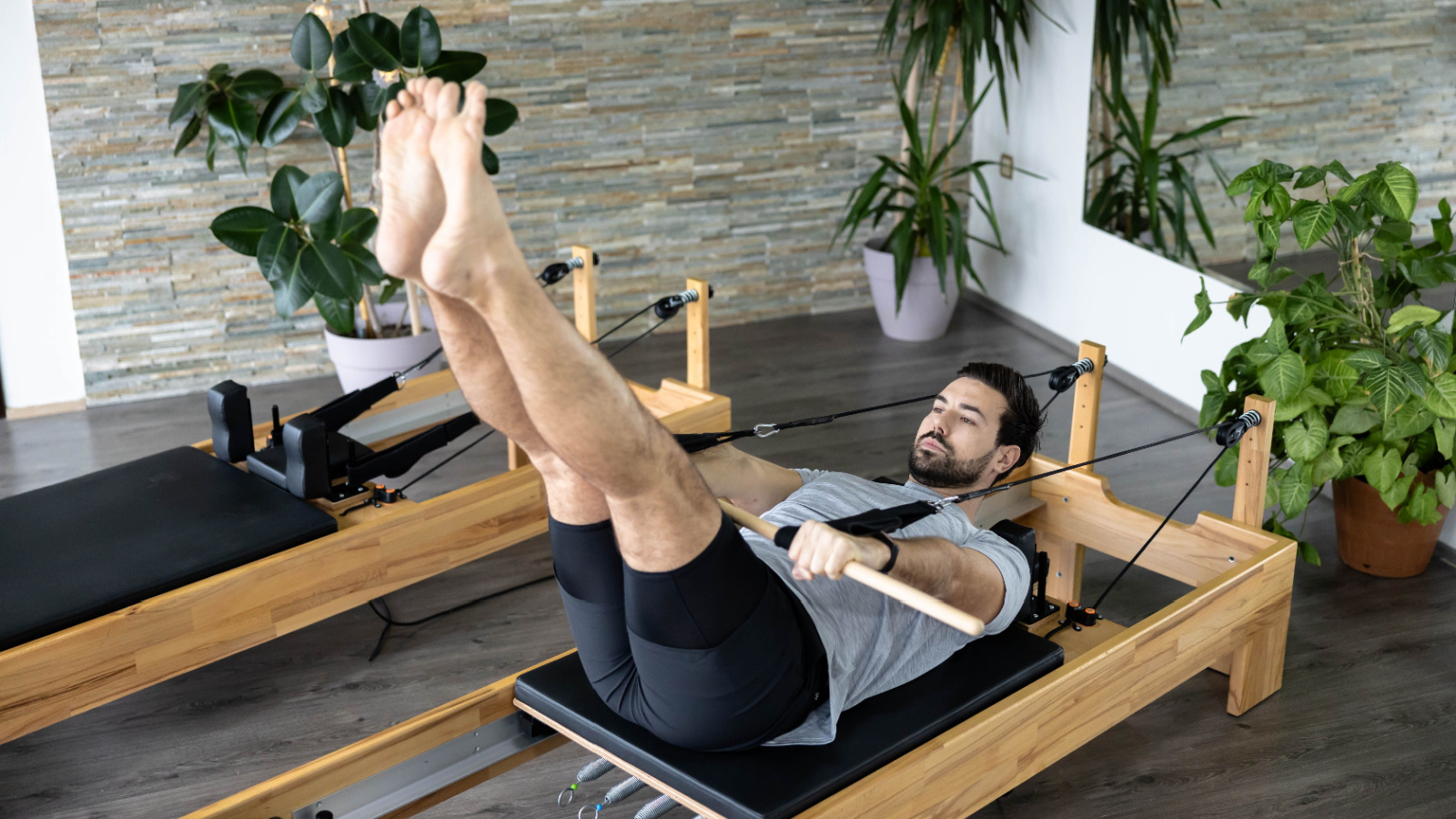
Pilates reformer classes are popular in many Canadian cities. The reformer uses springs to create adjustable resistance. Workouts focus on controlled movement and core strength. Many people report improved posture and stability. Reformer sessions can be low-impact on joints. They may suit people returning after injury. Results depend on regular practice and instruction quality. Pilates alone may not build high levels of strength. Combining it with other training can support balance. Proper technique matters more than intensity. Small class sizes allow closer guidance from instructors. Reformer training can add variety, yet overall fitness still depends on consistent movement across the week.
Cold Plunges After Training
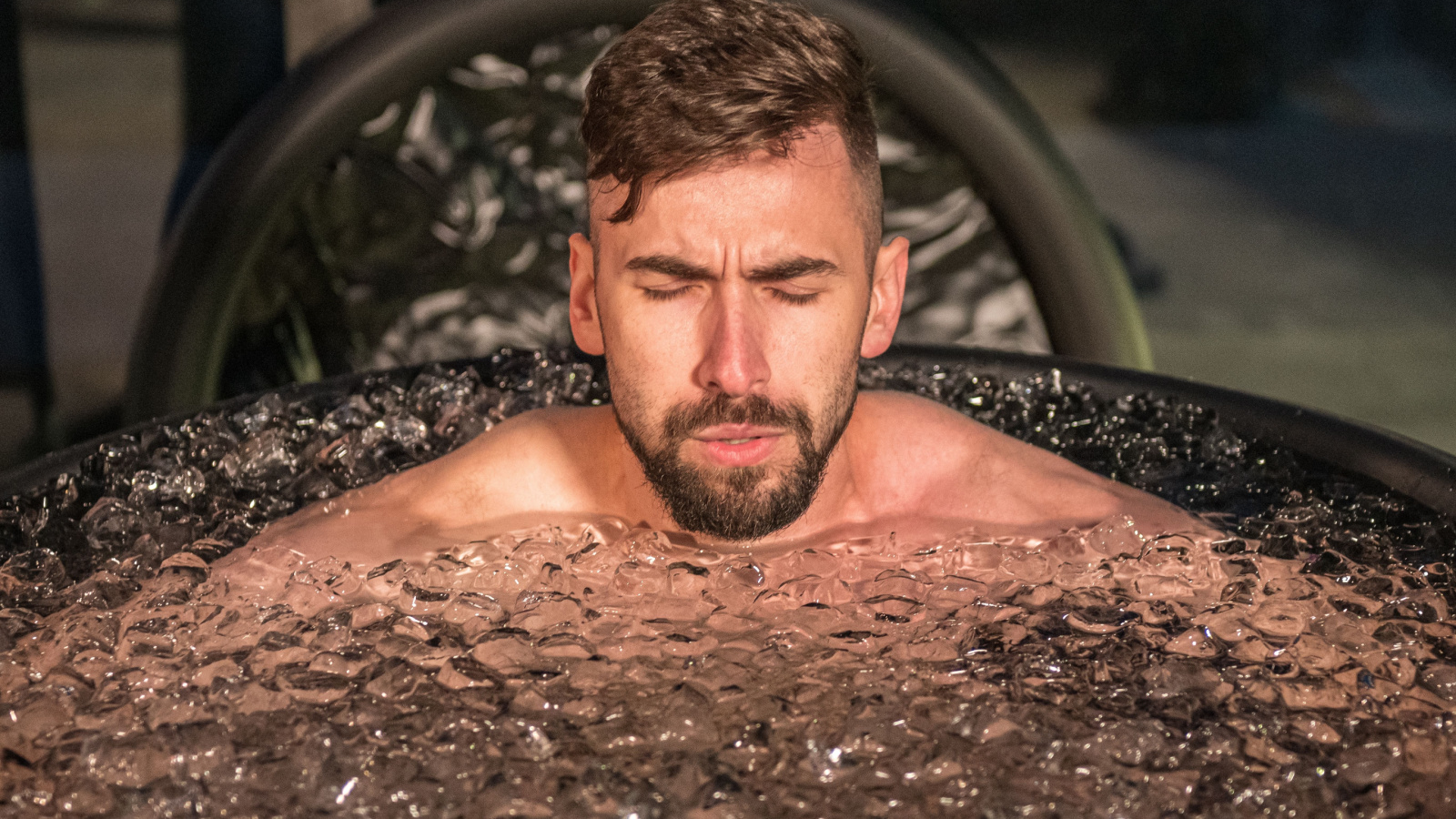
Cold plunges are trending in Canadian fitness spaces after workouts. These involve brief exposure to cold water. Cold can reduce the feeling of soreness for some people. It may help recovery perception rather than direct muscle repair. Evidence on long-term performance benefits remains mixed. Very cold exposure can stress the body. People with heart conditions need caution. Gradual exposure is safer than sudden extremes. Cold plunges do not replace sleep and nutrition. They are one recovery tool among many. Some athletes enjoy the routine aspect. Others find little change. Personal comfort and overall recovery habits matter more than extreme cold practices.
Glute Focused Strength Days

Glute-focused strength days are common in Canadian workout plans. These sessions target the hips and lower body muscles. Strong glutes support posture and daily movement. Exercises often include squats, bridges, and lunges. Building muscle requires progressive resistance over time. Proper form helps reduce injury risk. Training one area alone does not balance the body. Upper body and core work still matter. Recovery between sessions supports muscle growth. Social media often highlights appearance over function. Strength benefits go beyond looks. Including glute training in a balanced routine can support overall performance, yet full-body training remains important for long-term fitness.
Wearable Fitness Trackers During Workouts

Wearable fitness trackers are common in Canadian gyms and studios. These devices monitor heart rate, steps, and activity levels. Some people use them to track workout intensity. Heart rate data can guide cardio effort zones. Estimates may vary from medical-grade tools. Focusing too much on numbers can distract from form. Trackers do not measure all aspects of fitness. They cannot replace coaching or proper technique. Devices may motivate consistency for some users. Battery life and accuracy differ between brands. Using trackers as guides works better than strict rules. Listening to body signals still matters during exercise and recovery.
Low Impact Cardio Sessions

Low-impact cardio sessions are popular in Canadian gyms and community centres. Activities include cycling, swimming, and elliptical workouts. These options reduce stress on joints compared with running. Many people choose them for recovery days. They can also suit beginners or older adults. Heart health benefits still depend on intensity and duration. Low impact does not always mean low effort. Gradual progression supports fitness gains. Good footwear and posture remain important. Variety helps reduce boredom and overuse. Pairing cardio with strength training supports balanced fitness. Low-impact choices can help people stay active longer without excessive joint strain.
Mobility Focused Warm Ups
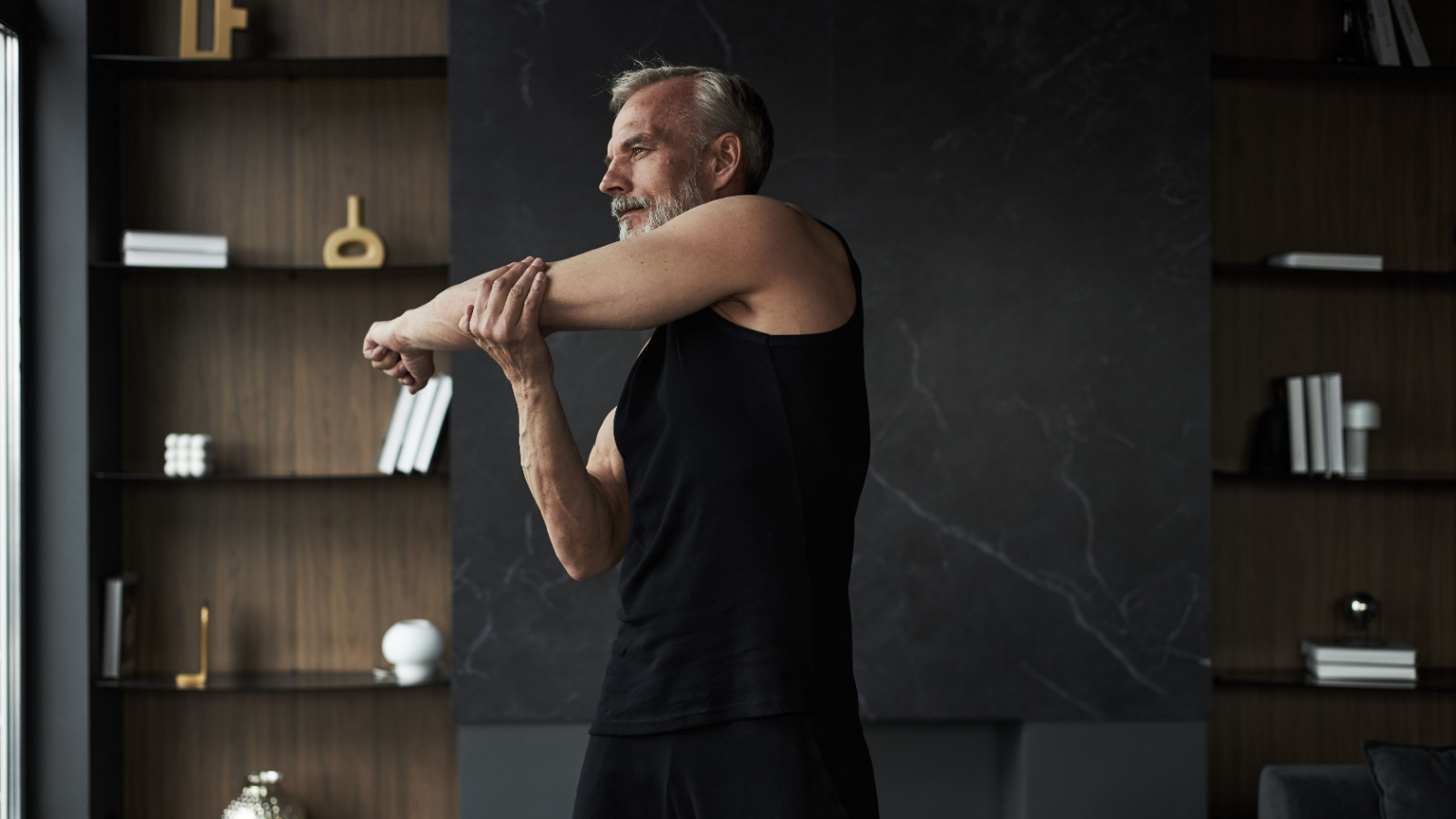
Mobility-focused warm-ups are becoming common before workouts in Canada. These routines include controlled joint movements and light stretches. They prepare muscles and joints for exercise. Improved mobility may support better movement patterns. Warm-ups can also reduce stiffness before training. Quick routines often fit into busy schedules. Mobility work does not replace strength training. It supports how the body moves under load. Poor technique during warm-ups can still cause strain. Progress comes from regular practice over time. Adding mobility drills before sessions can improve comfort. Balanced programs still need strength, cardio, and rest for overall fitness.
Personalised Supplement Stacks

Personalised supplement stacks are trending among Canadian gym users. These stacks combine multiple products for different goals. Social media often promotes complex routines. Individual needs vary based on diet and health. Using many supplements can increase the overlap of ingredients. High doses from several products may cause side effects. Some supplements interact with medicines. Marketing may promise faster muscle gain or fat loss. Results still depend on training and nutrition habits. Reading labels carefully helps avoid excess intake. Healthcare professionals can review supplement plans. Simple, targeted choices often work better than large stacks driven by trends.
Resistance Band Activation Drills

Resistance band activation drills are common in Canadian strength routines. Bands provide light tension before main lifts. These drills aim to engage target muscles. Some people feel better muscle awareness during exercises. Activation may improve movement quality for certain lifts. Evidence on performance boost is still limited. Bands are portable and affordable. Poor form can reduce their value. Activation does not replace proper warm-ups. It is one small part of the preparation. Using bands for glutes or shoulders is popular. Consistency and progressive loading remain central. Bands can support technique, yet overall strength comes from structured training over time.
Functional Training Circuits
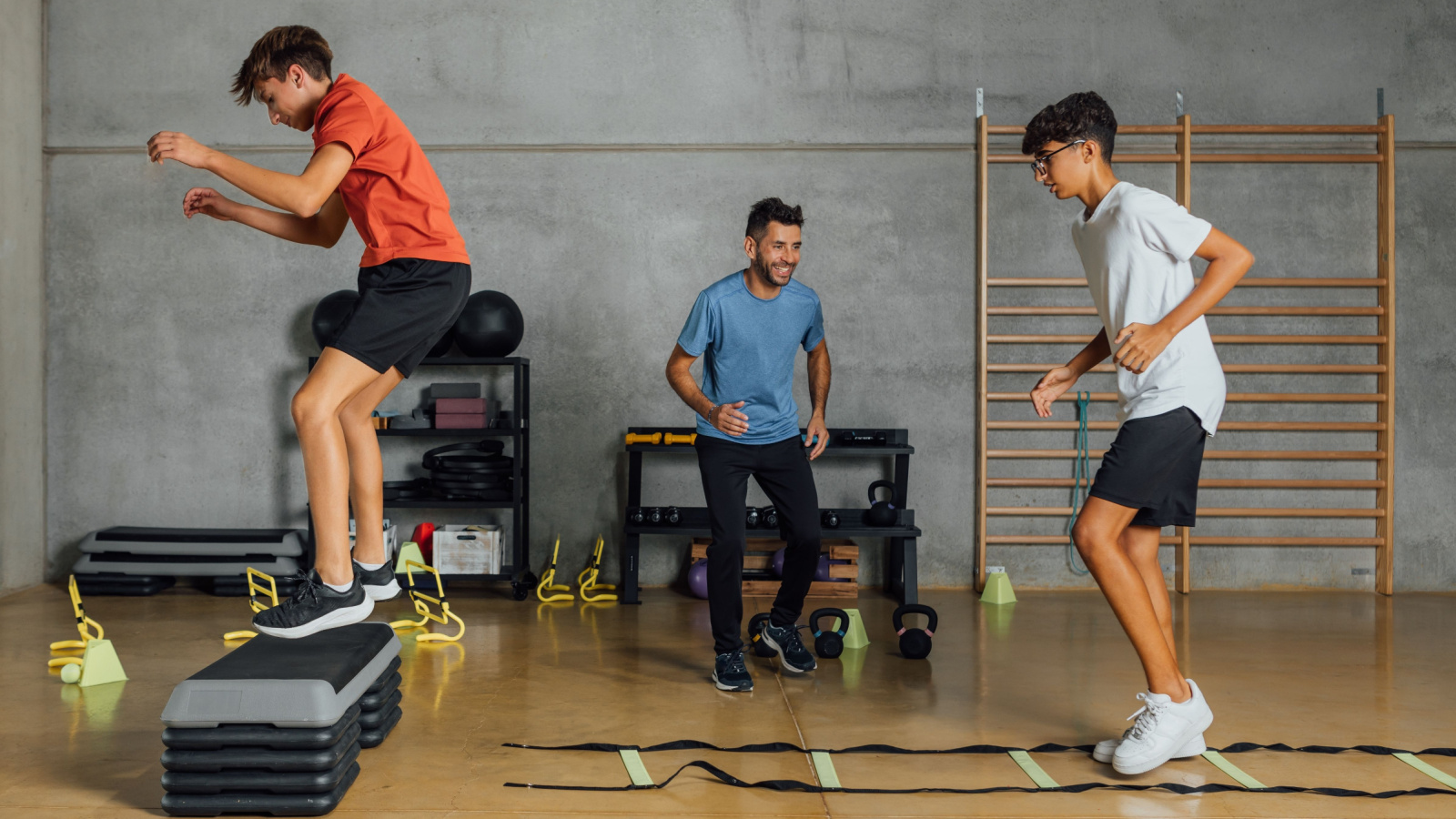
Functional training circuits are widely offered in Canadian gyms. These sessions mix strength, balance, and movement skills. Exercises often mimic daily activities. Circuits can keep heart rate elevated. They may improve coordination and general fitness. Form can suffer when moving quickly between stations. Coaching helps maintain safe technique. Circuits do not always build maximum strength. They support overall conditioning instead. Equipment may include kettlebells, medicine balls, or bodyweight. Variety can make sessions engaging. Recovery between workouts still matters. Functional circuits can be useful, yet balanced programs should also include focused strength and mobility work.
Breathwork Between Sets

Breathwork between sets is becoming more common in Canadian gyms. People use slow breathing to recover during rest periods. Controlled breathing may lower heart rate after hard efforts. It can also help focus before the next set. Evidence supports breathing for relaxation and stress control. Its direct effect on strength gains is less clear. Breathwork does not replace proper rest time. Holding breath during lifts can raise blood pressure. Learning safe breathing patterns matters. Simple nasal breathing may feel calming. Athletes often use breathing to reset mentally. Consistent training still drives progress more than short breathing routines between exercises.
Recovery Boots and Compression Gear
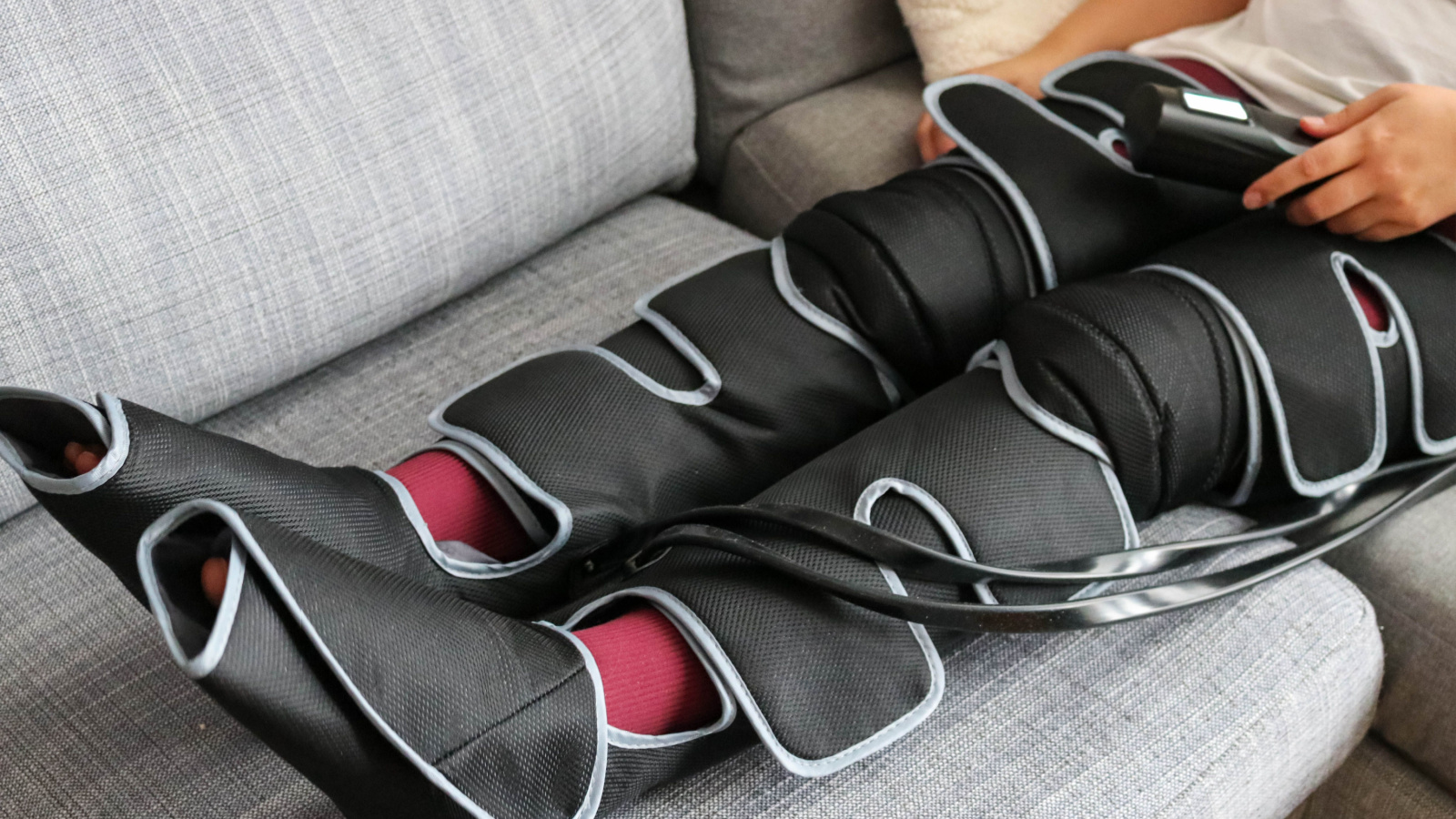
Recovery boots and compression gear are trending among Canadian fitness enthusiasts. These devices apply pressure to the legs. The goal is to improve circulation after workouts. Some users report reduced feelings of soreness. Research shows mixed results for performance recovery. These tools can feel relaxing after intense sessions. They do not replace sleep, nutrition, or rest days. People with circulation problems should seek medical advice. Cost can be high compared with basic recovery habits. Light movement and stretching also support recovery. Compression may help provide comfort for some individuals. Balanced routines still depend on training load and overall lifestyle habits.
Outdoor Winter Workouts

Outdoor winter workouts are gaining attention across Canada. People train outside despite cold temperatures. Fresh air and daylight can improve mood. Snow and uneven ground add balance challenges. Proper clothing is essential for safety. Layering helps manage body heat. Cold air can feel harsh on the lungs for some. Longer warm-ups may be needed in low temperatures. Hydration still matters, even in winter. Ice and slippery surfaces increase fall risk. Outdoor sessions can add variety to routines. They should match personal fitness level and weather conditions. Indoor alternatives remain useful during extreme cold or storms.
Heart Rate Zone Training
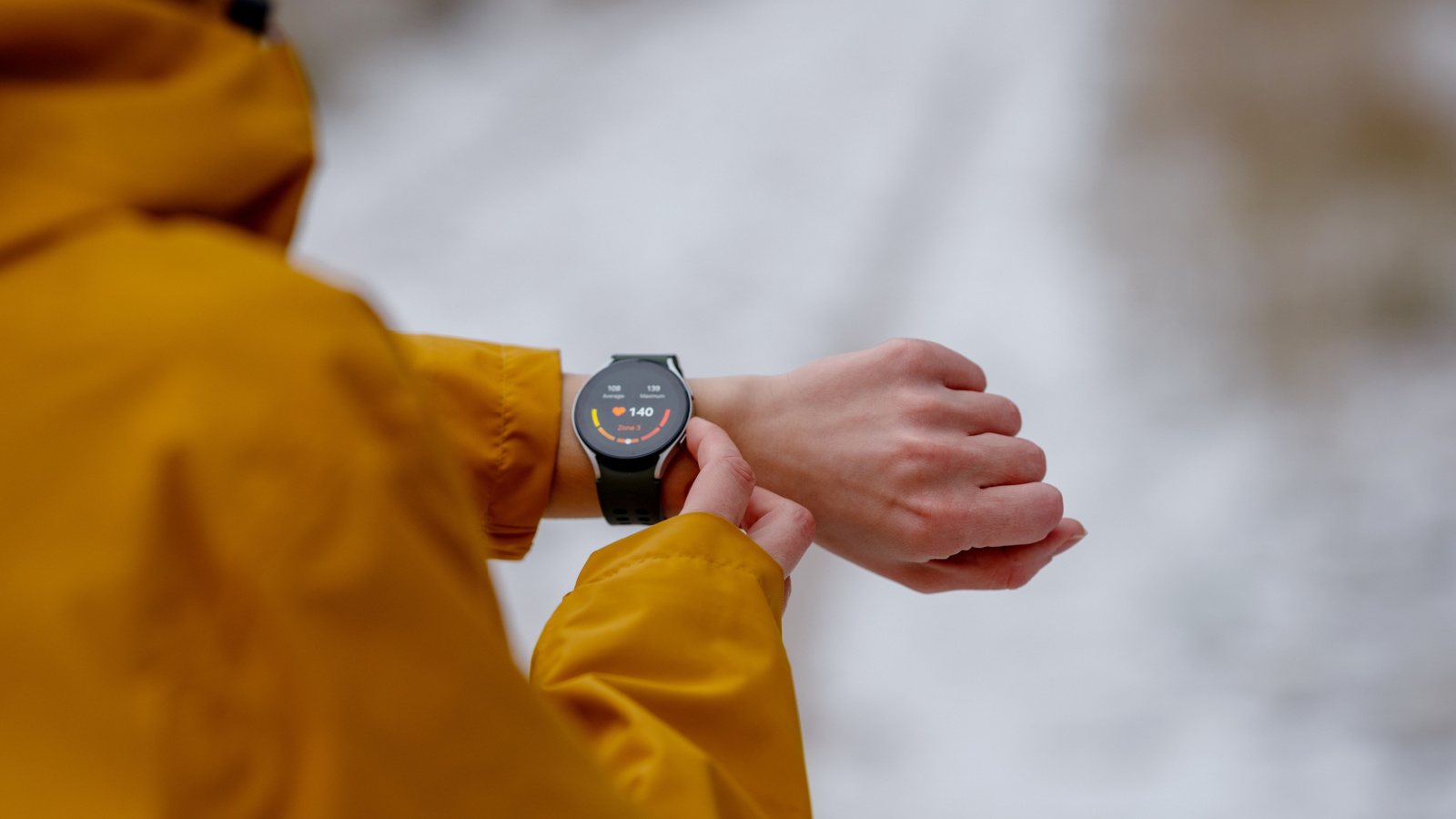
Heart rate zone training is widely used in Canadian fitness programs. This method divides effort into intensity ranges. Zones help guide cardio workouts more precisely. Lower zones support endurance and recovery sessions. Higher zones target performance and conditioning. Devices estimate zones using heart rate data. Formulas may not fit everyone perfectly. Fitness level and medications can affect heart rate. Training only in high zones may increase fatigue. Variety across zones supports balanced progress. Listening to body signals still matters. Zone training can add structure, yet overall results still depend on consistency, rest, and proper progression.
Group Training Classes

Group training classes remain popular in Canadian gyms and studios. These sessions bring people together for structured workouts. Social support can improve motivation and consistency. Instructors guide form and pacing during class. Classes often mix strength and cardio elements. Intensity may vary between participants. Some people feel pushed to work harder in groups. Others may struggle to match the pace. Proper form still matters more than speed. Group settings can make exercise more enjoyable. Scheduling regular classes helps build a routine. Personal goals should still guide effort levels. Group training can support adherence, yet individual progress still depends on recovery and overall habits.
Trainer-Led Online Programs
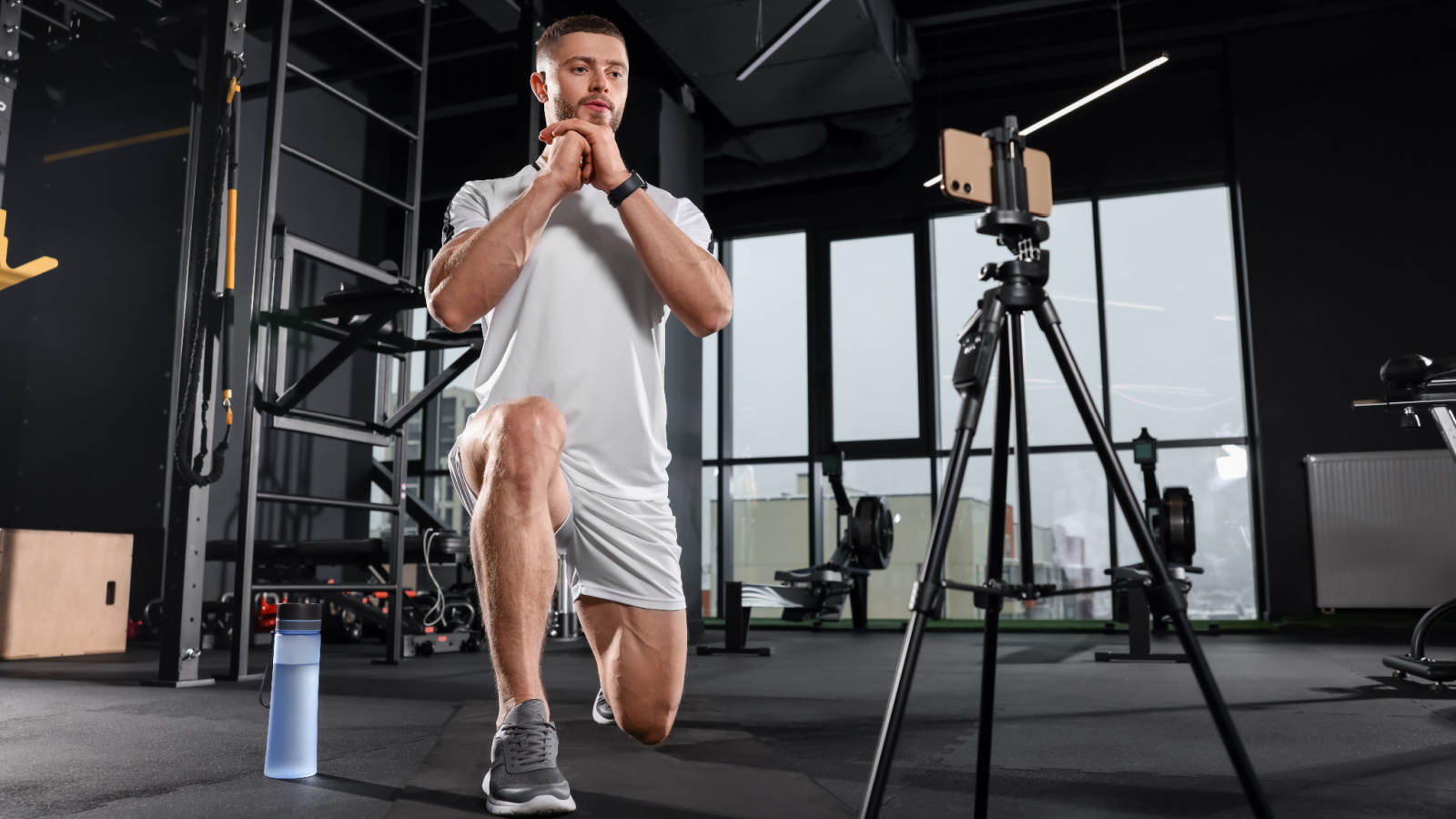
Trainer-led online programs are widely used across Canada. These programs offer workout plans through apps or videos. They provide structure without in-person sessions. Some include progress tracking and coaching feedback. Quality varies based on trainer experience. Online formats may lack real-time form correction. Clear instructions help reduce injury risk. Flexibility can suit busy schedules. Motivation may depend on self-discipline. Internet trends often shape program popularity. Personal needs may differ from general plans. Online coaching can be helpful, yet medical or injury concerns still require professional evaluation. Results still depend on consistent effort and recovery.
Strength Training for Longevity

Strength training for longevity is gaining focus in Canadian fitness culture. Building muscle supports joint stability and daily function. Strength training can help maintain bone density with age. It may also support balance and reduce fall risk. Sessions do not need to be extreme. Moderate loads with good form can be effective. Rest days help muscles recover and adapt. Strength training also supports metabolic health. Programs should match ability and experience. Learning techniques from qualified sources helps safety. Long-term consistency matters more than short, intense phases. Strength work across adulthood can support independence and quality of life over time.
Post-Workout Protein Timing

Post-workout protein timing is widely discussed in Canadian fitness circles. Protein helps repair muscle tissue after exercise. Eating protein within a few hours can support recovery. The exact minute after training is less critical than once believed. Total daily protein intake plays a larger role. Food sources like yogurt, eggs, or beans provide protein. Powders can help when meals are delayed. Very high amounts in one sitting offer no extra benefit. Spreading intake across the day may help muscle support. Hydration and carbohydrates also influence recovery. Regular training, rest, and overall diet shape progress more than strict timing rules.
22 Groceries to Grab Now—Before another Price Shock Hits Canada

Food prices in Canada have been steadily climbing, and another spike could make your grocery bill feel like a mortgage payment. According to Statistics Canada, food inflation remains about 3.7% higher than last year, with essentials like bread, dairy, and fresh produce leading the surge. Some items are expected to rise even further due to transportation costs, droughts, and import tariffs. Here are 22 groceries to grab now before another price shock hits Canada.
22 Groceries to Grab Now—Before another Price Shock Hits Canada
