
By March, many Canadians notice the toll winter has taken on their hair. Cold air, indoor heating, hats, and scarves often lead to dryness, breakage, and dullness. As temperatures begin to rise, salon appointments increase for repairs and fresh styles. People are looking for ways to restore shine, remove damaged ends, and prepare for milder weather. Some want subtle updates, while others prefer noticeable changes after months of protective styling. Treatments, trims, and softer colors are especially popular during this transition period. Here are 13 hair trends Canadians are booking in March because winter damage is real.
Deep Conditioning and Repair Treatments
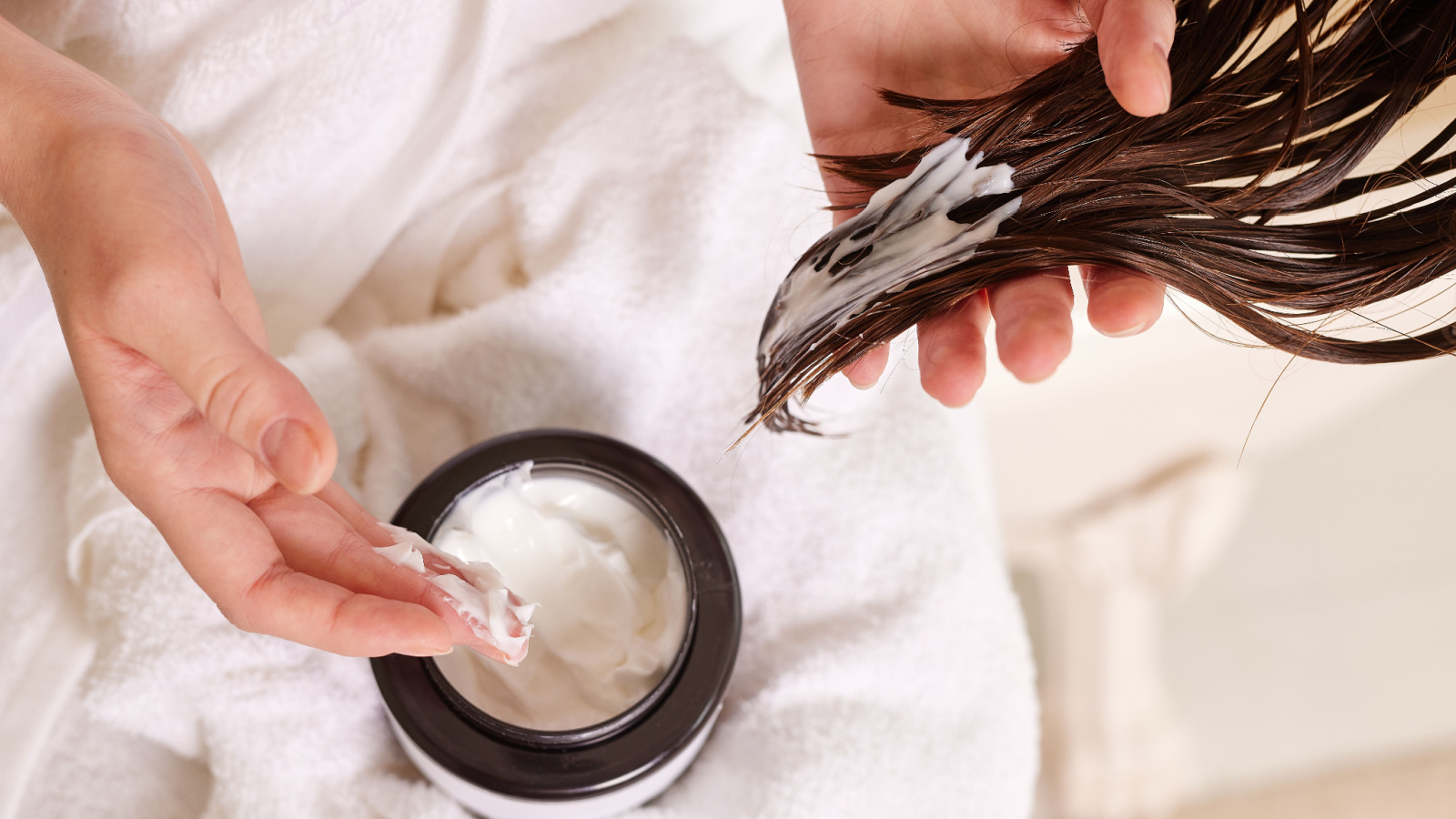
After months of cold air and indoor heating, many Canadians notice dry, brittle hair by March. Salons report higher demand for deep repair services during this time. Conditioning masks with protein or moisture helps restore softness and strength. These treatments target breakage caused by friction from hats and scarves. Heat styling during winter also contributes to damage. Professional formulas penetrate more deeply than home products. Hair often feels smoother immediately after the service. Regular treatments can reduce frizz and improve manageability. Many stylists recommend follow-up care with gentle shampoos. This option suits all hair types, including color treated hair. Deep conditioning is often the first step before any haircut or coloring service. It helps rebuild hair health for the upcoming spring season.
Soft Face-Framing Layers

Face framing layers remain a popular request in Canadian salons each March. These layers start around the cheekbones or jawline. The goal is to soften the overall haircut without removing too much length. This style works well for people growing out winter cuts. It also adds movement to hair that feels heavy after months indoors. Stylists customize the placement based on face shape. The result looks natural rather than overly styled. Face-framing pieces blend easily into ponytails or loose styles. They also complement both straight and wavy textures. Many clients choose this option for a subtle refresh. It brightens the appearance without a dramatic change. Soft layers provide a low-risk update while preparing hair for warmer weather.
Collarbone-Length Blunt Cuts

Collarbone length cuts are gaining attention as a practical spring hairstyle. The length is short enough to remove damaged ends. At the same time, it still allows tying hair back easily. Blunt edges create a fuller appearance, which helps thin hair look thicker. Many Canadians prefer this style for its simplicity. It requires less styling than very long hair. The cut also works with straight, wavy, or slightly textured hair. Stylists often recommend it after winter breakage. The clean line immediately gives hair a healthy look. This length transitions well into summer heat. It suits both professional and casual settings. Collarbone blunt cuts offer a balanced solution for those wanting noticeable change without going too short.
Curtain Bangs Refresh

Curtain bangs continue to be one of the most requested fringe styles. By March, many Canadians return for trims to reshape grown-out bangs. The parted style frames the face without covering it fully. This makes it easier to manage during humid weather later on. Curtain bangs blend smoothly into longer layers. They can be styled with minimal effort using a round brush. Many clients appreciate the versatility. The fringe can be tucked behind the ears when needed. This style suits different face shapes and hair types. Regular trims prevent split ends from spreading. A refresh keeps the bangs looking intentional rather than uneven. Curtain bangs provide a noticeable update without committing to a full haircut change.
Glossing Treatments for Shine
Winter conditions often leave hair looking dull and rough. Glossing treatments restore shine without a permanent color change. These services coat the hair shaft to smooth the surface. Light reflection improves immediately after treatment. Many gloss formulas also add subtle tone correction. This helps neutralize brassiness in colored hair. Canadians often book glossing before spring events or travel. The process usually takes less time than full coloring. Results last several weeks with proper care. Gloss treatments also improve softness and manageability. They suit both natural and color-treated hair types. Some salons offer clear gloss for shine only. This service provides a quick refresh when hair feels lifeless after winter.
Textured Bob Haircuts

Shorter styles become appealing as temperatures slowly rise. The textured bob removes damaged ends while adding movement. Layers are cut to create softness rather than sharp lines. This prevents the style from looking heavy or flat. Canadians often choose chin or jaw length versions. The cut works well with natural waves or straight hair. Styling usually requires minimal effort. A small amount of product can define texture easily. Many clients appreciate the lighter feel compared to long hair. The bob also dries faster, which saves time. It suits busy routines and professional settings alike. Textured bobs offer a modern update while improving overall hair health after winter stress.
Subtle Balayage Touch-Ups
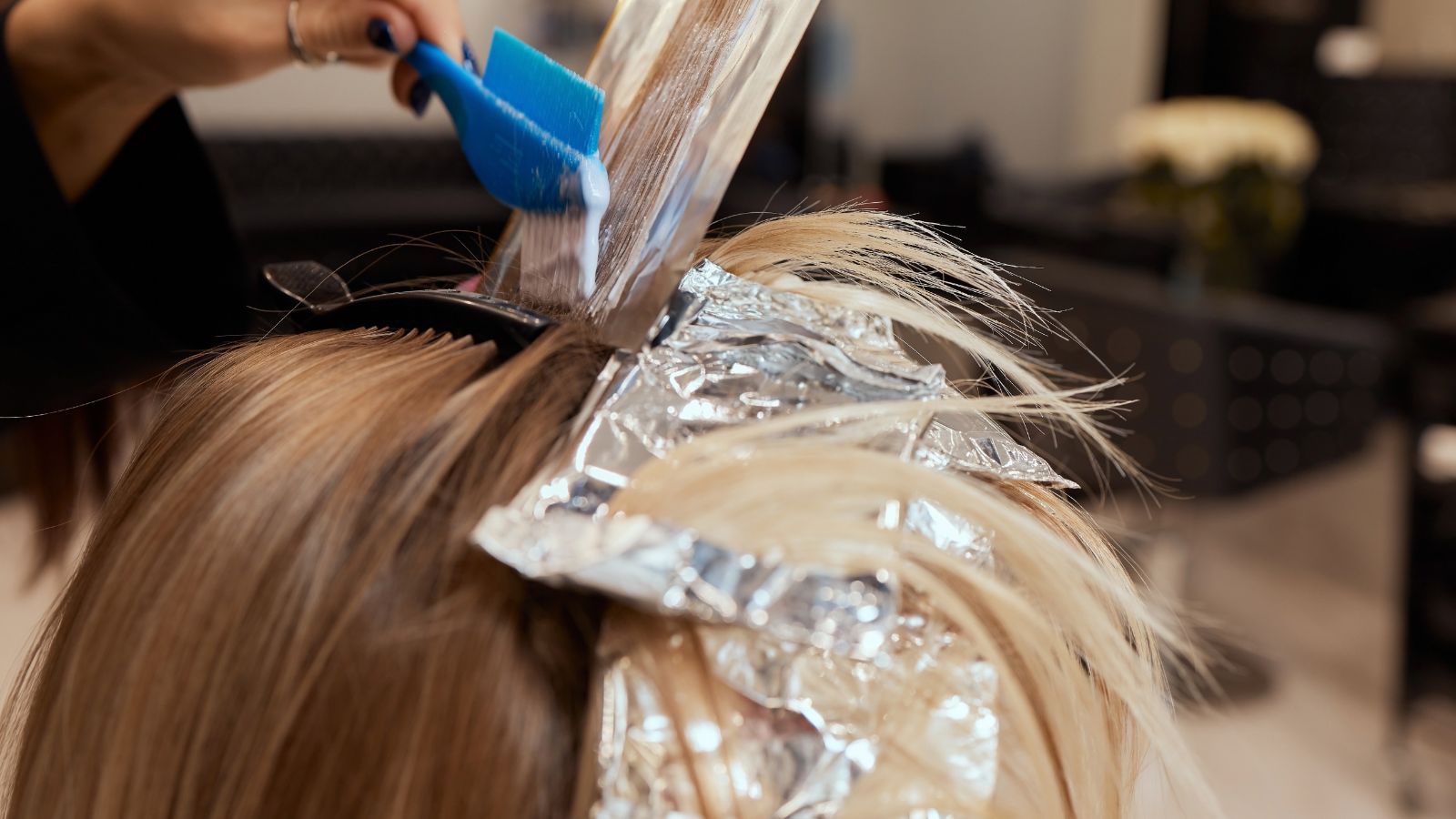
Color grown out over winter often looks uneven by March. Instead of full recoloring, many choose soft balayage refresh services. Stylists paint lighter tones strategically for a natural effect. This technique blends new growth without harsh lines. It requires less maintenance than traditional highlights. Canadians prefer subtle brightness that mimics sun exposure. Warmer tones are common during early spring. Balayage works on different base colors and lengths. The process can also visually disguise minor damage. Many clients pair it with conditioning treatments. Results grow gradually, reducing the need for frequent salon visits. Subtle touch-ups provide dimension without dramatic change. This makes balayage a popular transition from winter to spring hair color.
Scalp Detox and Exfoliation Services
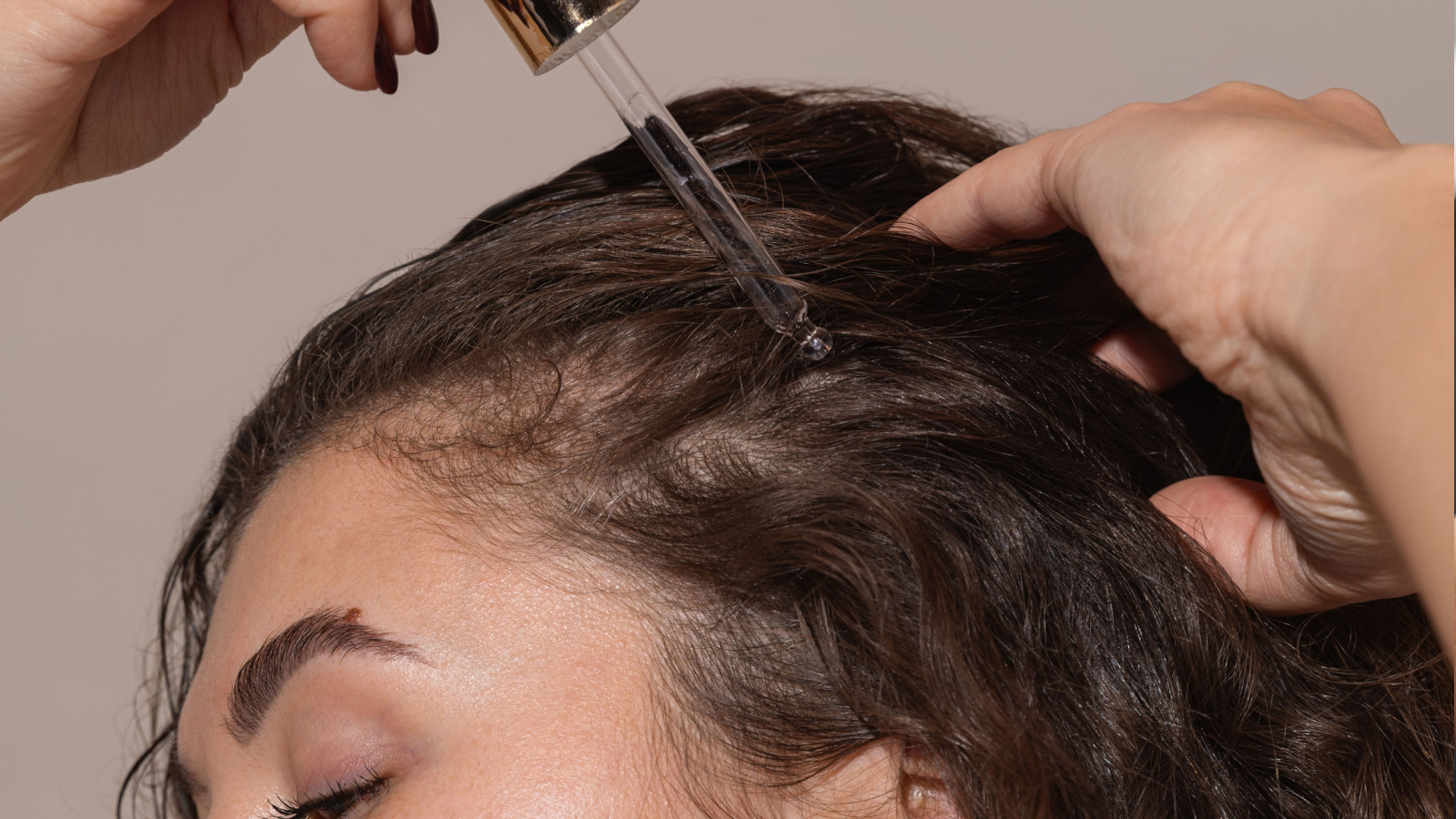
Healthy hair begins with a healthy scalp, especially after months of dryness. Build up from styling products and hard water can accumulate during winter. Detox treatments remove residue and excess oil gently. Exfoliation improves circulation to the scalp surface. Many Canadians report reduced itching after these services. Clean follicles support stronger hair growth over time. Stylists often recommend detox before coloring or treatments. The process usually includes massage, which adds relaxation benefits. Moisturizing products follow to restore balance. These services suit both dry and oily scalp types. Regular care can prevent flaking and discomfort. Scalp detox treatments help reset hair health at the start of the spring season.
Long Layers for Thickness Illusion

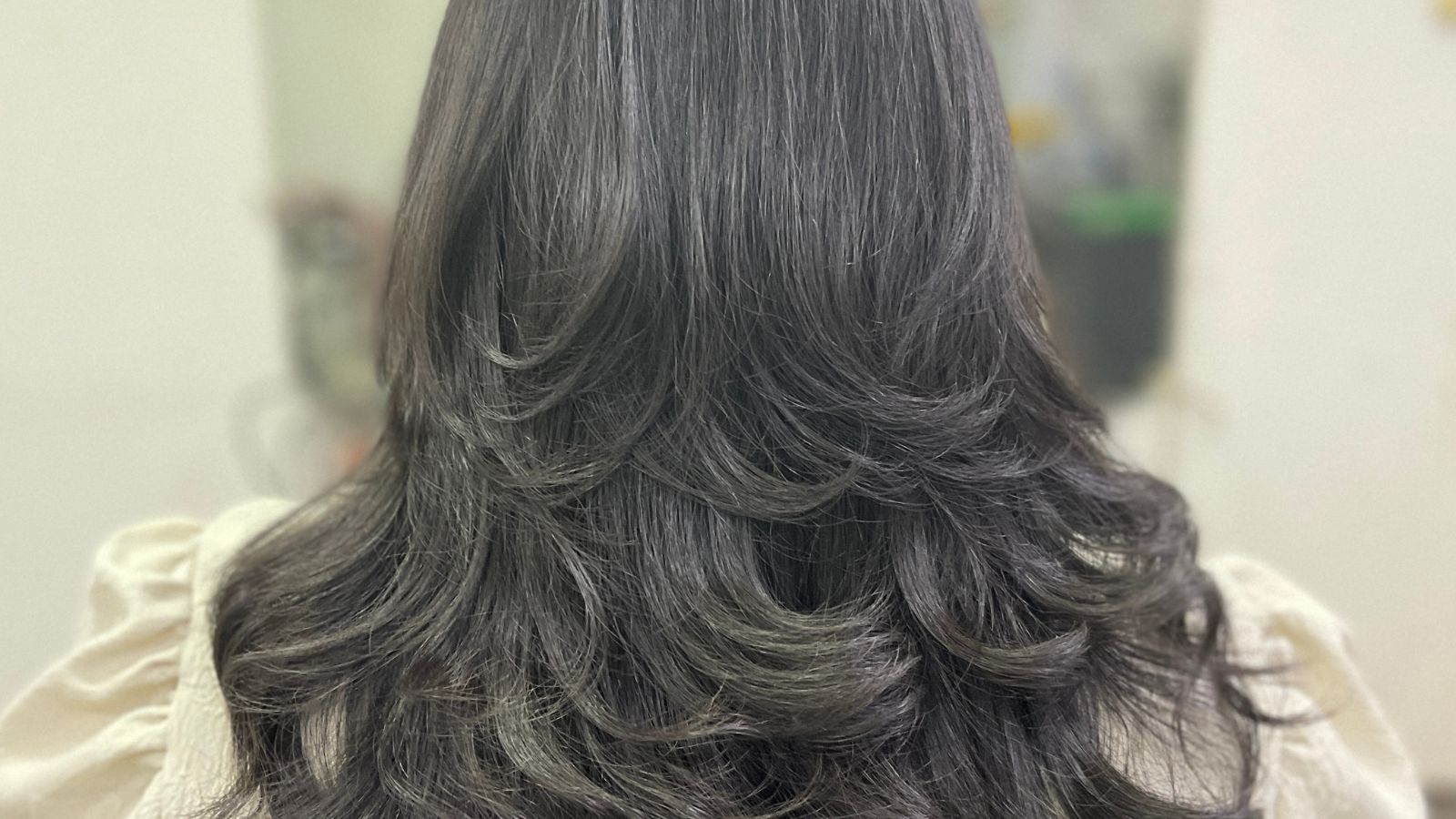
People who want to keep their length often choose long layers for spring. Strategic layering removes damaged ends without sacrificing overall hair length. This technique creates movement and prevents heaviness. It can also make fine hair appear fuller. Stylists adjust layer depth depending on hair density. Long layers work well with both straight and wavy textures. The style remains easy to tie back when needed. Canadians appreciate maintaining versatility while improving hair shape. Blow drying becomes quicker due to reduced bulk. The cut also supports natural crown volume. Many clients view this as a safe update. Long layers provide a refreshed look while preserving length after winter damage.
Root Shadow Color Technique

Root shadowing helps blend natural regrowth with lighter ends. This technique darkens the root area slightly for a seamless transition. Canadians often choose it to extend the time between color appointments. It reduces the stark contrast that develops after winter. The softer gradient looks more natural as hair grows. Stylists customize the shade to match the base color. Root shadow works well with balayage or highlights. It also adds depth and dimension visually. Maintenance is lower compared to full recoloring. Many clients appreciate the subtlety of the result. The technique helps hair look intentional rather than neglected. Root shadowing is a practical solution for managing color during seasonal transitions.
Trim and Split-End Removal Cuts

Sometimes the simplest service makes the biggest difference. Regular trims remove frayed ends caused by winter stress. Split ends can travel upward if not addressed. Cutting them prevents further breakage. Canadians often book trims before starting new styles. Even a small reduction in length improves appearance and texture. Hair feels smoother and easier to style afterwards. Trims also help maintain shape between major haircuts. Stylists usually recommend them every few months. This service suits all hair types and lengths. It requires minimal time compared to full restyling. Removing damaged ends prepares hair for healthier growth. A trim remains one of the most requested appointments each March.
Low-Maintenance Natural Texture Styles

Many Canadians are embracing their natural hair texture this spring. After months of heat styling, reducing damage becomes a priority. Cuts are shaped to support waves, curls, or straight patterns naturally. This approach lowers daily styling time. It also reduces exposure to hot tools. Stylists often recommend lightweight products to control frizz. The result looks relaxed yet intentional. Natural texture styles adapt well to changing humidity levels. They are especially useful for busy schedules. Some clients transition gradually from heavily styled looks. The focus shifts to hair health rather than perfection. Low-maintenance cuts allow hair to recover while still appearing polished for everyday life.
Warm Brunette and Honey Tones

Color trends often shift toward warmer shades in early spring. Honey, caramel, and soft brown tones add brightness without extreme lightening. Canadians choose these colors to counter winter dullness. Warm hues reflect light better, making hair appear shinier. These tones suit a wide range of skin tones. Subtle warmth also looks natural as sunlight increases. Many stylists recommend gradual transitions from darker winter shades. Maintenance remains manageable compared to platinum colors. Warm tones pair well with balayage techniques. They can also soften harsh contrasts from previous coloring. The overall effect feels fresh but not dramatic. Warm brunette and honey shades offer a seasonal update that enhances depth and dimension.
22 Groceries to Grab Now—Before another Price Shock Hits Canada

Food prices in Canada have been steadily climbing, and another spike could make your grocery bill feel like a mortgage payment. According to Statistics Canada, food inflation remains about 3.7% higher than last year, with essentials like bread, dairy, and fresh produce leading the surge. Some items are expected to rise even further due to transportation costs, droughts, and import tariffs. Here are 22 groceries to grab now before another price shock hits Canada.
22 Groceries to Grab Now—Before another Price Shock Hits Canada
