Digital life used to feel like a stack of one-time decisions: buy the device, download the app, sign in, move on. Now it often feels more like a meter that never stops running. Entertainment, storage, work tools, privacy, learning, and even basic convenience increasingly arrive as recurring charges, each one small enough to justify on its own and large enough to sting when added together. These 17 subscription charges help explain why the modern online routine feels pricier than ever, not because every fee is outrageous in isolation, but because so many essentials now live behind monthly renewals.
Netflix Keeps Turning Shared Entertainment Into a Line Item
Streaming once sold itself as the cheaper, cleaner replacement for bloated cable bundles. That promise still sounds good in theory, but the bill often looks different in practice. Netflix now splits access across multiple tiers, and account sharing has been narrowed into extra-member fees rather than casual family convenience. The result is a familiar household negotiation: who really uses the service, which tier is necessary, and whether ad-free viewing is worth the jump. A night of passive entertainment now comes with the same kind of subscription math that used to belong to phone plans.
That shift feels expensive because streaming is no longer one decision. It is a chain of them. A household may keep Netflix for prestige dramas, another service for sports documentaries, and a third for kids’ programming, only to find the combined total drifting upward month after month. Even when one platform still feels useful, the entire category starts to feel heavy. That is why people complain less about one bill and more about the stacked effect of all of them.
Music Streaming Stops Feeling Like a Tiny Luxury
Music subscriptions remain one of the easiest charges to justify because they are woven into daily routines: commuting, workouts, chores, studying, and background listening. The problem is that a charge that once felt almost invisible no longer stays invisible when everything else also renews monthly. Spotify’s student, individual, and family-style pricing structure makes sense on paper, but it still turns ordinary listening into another recurring line item. What used to be a compact indulgence now joins a crowded queue of digital essentials, each asking for the same automatic payment treatment.
There is also a psychological shift at work. Music used to feel permanent when it lived in owned albums, CDs, or downloaded tracks. Subscription listening feels more fluid but also more rented. Stop paying and the access disappears, even if years of habits, playlists, and algorithmic recommendations remain tied to that account. For many people, that creates a low-grade sense of dependency. The service is not just entertainment anymore; it becomes a utility for mood, routine, and personal identity, which is exactly why the monthly cost can feel more entrenched than small.
Cloud Storage Becomes a Quiet Necessity
Cloud storage might be the purest example of a subscription people do not enthusiastically choose so much as slowly surrender to. Phone cameras keep improving, video files keep getting larger, and inboxes quietly accumulate years of attachments. Google’s storage model makes the progression obvious: there is a free allowance, then larger paid tiers, then even bigger plans with AI features layered on top. For many households, the breaking point arrives not with a dramatic purchase but with a nagging notification that backups have stopped, email is nearly full, or family photos are at risk.
What makes this charge feel especially expensive is that it is tied to fear rather than fun. People are not buying novelty; they are paying to avoid losing memories, device backups, and basic account functionality. Once a family’s photos, documents, and phone restores depend on a cloud plan, cancelling feels risky. The subscription becomes sticky because it sits under everyday life, not above it. That is how a seemingly modest digital storage fee transforms into a permanent household expense that rarely gets re-evaluated after the first panicked upgrade.
Office Software Never Really Became a One-Time Purchase Again

There was a time when productivity software felt like a box on a shelf or a one-off checkout at a computer store. Today, it is much more likely to be an annual or monthly charge with storage, security, and AI features bundled in. Microsoft 365 makes a practical case for that model: multiple apps, cloud space, family sharing, and ongoing updates. But even when the offering is useful, it changes the emotional texture of ordinary work. Writing a school report, budgeting for the month, or sending polished documents no longer feels fully owned.
That recurring feeling matters because office tools sit at the border between personal and professional life. Parents use them for household planning, students use them for assignments, and freelancers use them to get paid. The software does not feel optional in the way a niche media service does. When a productivity suite becomes a standing subscription, it carries a different weight: it is not just another app, but a cost attached to staying organized, employable, and compatible with everyone else. That is why the charge can feel larger than its price tag suggests.
Creative Apps Charge for Staying Current

Creative subscriptions have become one of the clearest examples of how digital work can blur into permanent rent. Adobe’s ecosystem still dominates many professional and semi-professional workflows, from photo editing to illustration to video production. The company now frames the package not only around classic apps but also around generative AI tools and credits, which can make the subscription feel more powerful while also reinforcing the sense that serious creative work happens inside a paid environment. For freelancers and creators, the monthly charge often reads less like an upgrade and more like the cost of staying relevant.
That makes the expense feel personal. A hobbyist photographer can start with enthusiasm and end up with a budget line. A small business owner may just want to tweak promotional graphics, but the subscription menu nudges them into a broader ecosystem. And because clients, collaborators, and file formats often orbit the same tools, leaving can mean friction. The service is valuable, but that value has a toll. The creative process becomes tied to ongoing payment, and the bill feels especially sharp because it touches both ambition and income.
AI Assistants Have Become Yet Another Monthly Decision

AI subscriptions are the newest members of the recurring-charge family, and they arrived fast. What began as curiosity has become a commercial ladder: free access for casual use, paid tiers for higher limits, deeper research, better reasoning, faster generation, and broader tool access. That shift is easy to understand from a business standpoint, but from a user standpoint it introduces a new dilemma. If AI genuinely saves time at work, school, or side projects, the fee starts to feel rational. If several tools each make that case, the monthly total stops feeling rational very quickly.
This category also creates a strange form of status pressure. The paid version is not always sold as luxury; it is often framed as the version for people who are serious, productive, informed, or ahead. That framing turns the upgrade into a subtle test of commitment. A student wants stronger research help, a marketer wants faster drafts, a developer wants better coding support, and soon an experimental tool becomes a standing bill. The technology may be impressive, but the consumer experience increasingly resembles every other subscription ladder: more capability, more lock-in, more monthly cost.
Game Libraries Come With Permanent Rent

Game subscriptions can look like bargains because the headline pitch is strong: hundreds of titles, day-one releases in some cases, online features, storage benefits, and rotating catalogs. Xbox Game Pass and PlayStation Plus have made that model mainstream. For heavy players, the value can be real. But for many people, the emotional cost comes from how these services alter ownership. Access feels abundant until a game leaves the library, a subscription lapses, or a platform change makes earlier choices feel temporary. Gaming becomes less about building a shelf and more about leasing a door.
That shift changes spending behavior. A player may pay monthly while also buying standalone games, downloadable extras, cosmetics, and annual upgrades. The subscription does not necessarily replace spending; it often sits beside it. Families with multiple players feel this especially sharply, because the cost spreads across consoles, add-ons, and online requirements. What looks efficient at first can slowly resemble a membership stack. Even people who still enjoy the service can feel a mild fatigue from knowing their entertainment library is not fully theirs unless they keep paying.
Ad-Free Video Is Now a Separate Convenience Tax
YouTube occupies a strange place in digital life because it often feels free even when it is deeply woven into daily routines. It is news, music, tutorials, commentary, children’s entertainment, and background noise all at once. That is exactly why YouTube Premium can feel so expensive emotionally. The charge is not just for content, but for removing friction from something already used constantly. Ad-free viewing, offline access, and background play are modest features in isolation, yet together they turn ordinary video consumption into another subscription decision.
This kind of fee lands differently from a premium TV platform because it attaches itself to habit. People use YouTube while cooking, commuting, researching purchases, fixing appliances, or calming a toddler with a favorite song. Once the ads start to feel more disruptive, the paid tier begins to look less like indulgence and more like relief. That is how the platform turns annoyance into monetizable value. A service that still feels culturally universal and open gradually develops a paid comfort lane, and the bill feels sharper because it monetizes convenience rather than exclusivity.
Delivery Passes Turn Convenience Into a Membership Habit
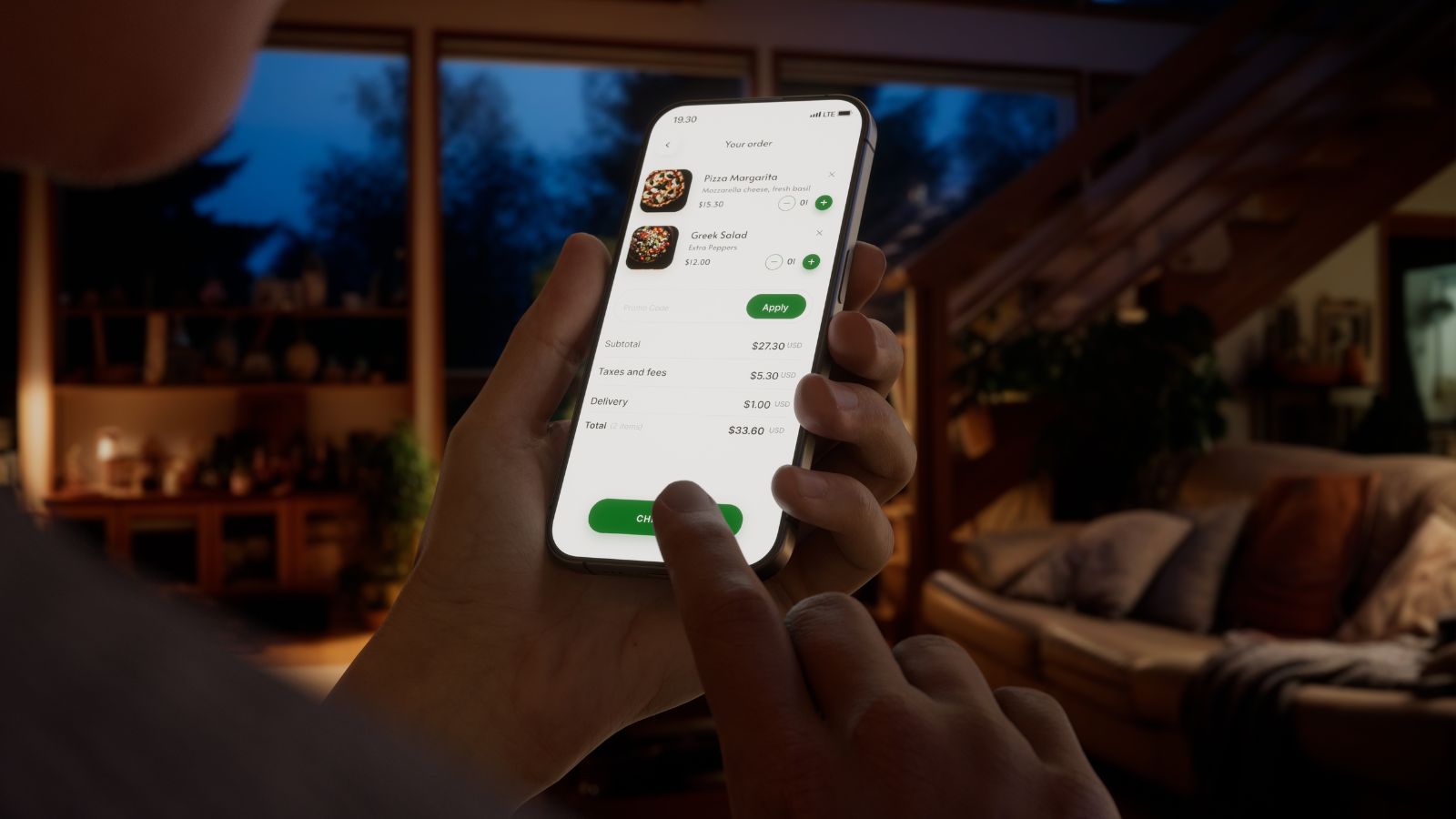
Food delivery subscriptions are marketed as savings tools, but they often work best when they encourage more ordering. DashPass is a good example of how the pitch lands: reduced or zero delivery fees on eligible orders, lower service fees, and member-only deals. On a busy week, that can feel smart. Over time, though, the monthly charge reshapes behavior. People start justifying an extra order because they are already “getting value” from the pass. The membership stops merely reducing friction and starts normalizing a more expensive default way of eating.
That is why this category feels costly even when it technically saves money on paper. The savings are tied to continued use, and continued use often means paying restaurant markups, tips, and basket fees that still add up quickly. What might once have been an occasional convenience for sick days or late meetings can become a routine household pattern. A family that orders groceries, lunch, and dinner through one app may genuinely use the membership well, but the total digital-food spend can still look startling by month’s end.
Ride-Hailing Memberships Monetize Routine Travel
Ride-share memberships are a reminder that the subscription model does not stop at media or software. Uber One folds together ride savings and delivery perks, turning everyday movement into a loyalty program with a monthly price attached. For regular users, the logic is clear enough: take enough trips or place enough orders and the fee may pay for itself. But emotionally, it changes something basic. Getting across town used to feel like a discrete transportation decision; now it can feel like access to the “better version” of the platform depends on maintaining membership status.
That matters because transportation costs already fluctuate with demand, traffic, weather, and city pricing. A membership layered on top of those variables can make digital mobility feel more financially complicated than it used to be. The app is not just charging for the trip; it is selling a subscription to soften the trip’s price. For users who alternate between ride-hailing and food delivery, the bundle can seem convenient. Yet it also shows how aggressively everyday errands and routines are being folded into recurring monetization rather than one-off transactions.
Smart Cameras Keep Charging After the Hardware Is Bought
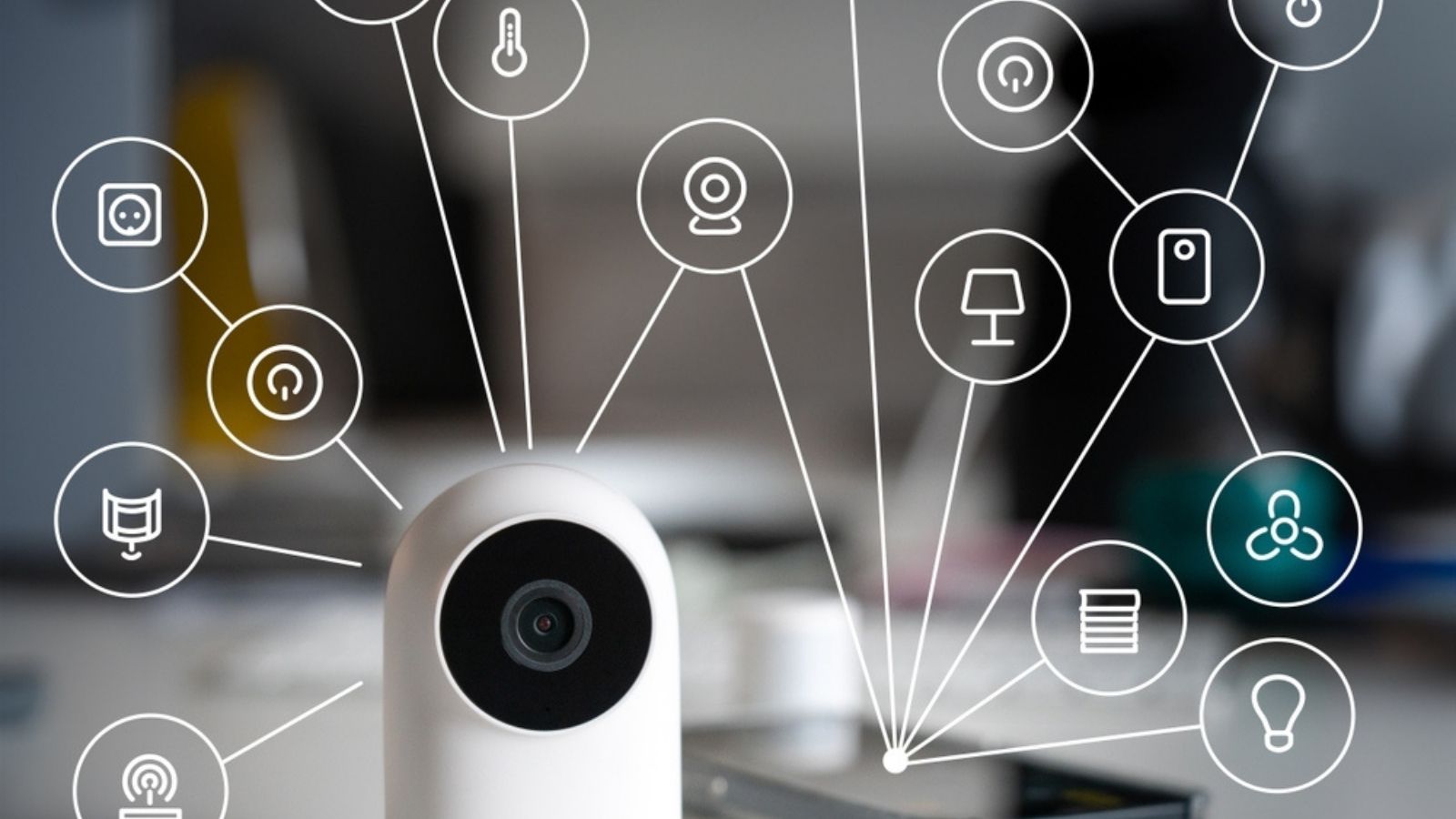
Smart home security once sounded like a hardware purchase: buy the doorbell, install the camera, connect the app, and the job is done. In reality, many popular systems make their strongest features contingent on ongoing subscriptions. Ring’s plans tie video recording, alerts, remote controls, and in higher tiers even more advanced intelligence to monthly or annual fees. That can make the initial device price feel almost misleading. The gadget on the box is only part of the purchase; the rest is a service layer that continues long after installation.
The emotional sting is easy to understand. People tend to buy security devices out of caution, not entertainment. A parent wants package footage, a renter wants entryway visibility, an elderly homeowner wants a little reassurance. Once those needs are attached to a subscription, the monthly fee can feel harder to resist than a leisure expense. Cancelling does not just mean losing a perk; it can mean losing a sense of vigilance. The system becomes another example of digital life charging not just for access, but for peace of mind.
Password Managers Turn Basic Safety Into a Bill

Password managers are rational purchases. They help people move away from reused logins, weak credentials, and the risky habit of storing sensitive information in browsers, notes apps, or memory alone. Services like 1Password and Bitwarden make a strong security case, and their paid plans add sharing, vault health tools, attachments, emergency access, and family controls. The frustration is not that the software lacks value. It is that even basic digital self-defense increasingly feels like a premium upgrade rather than a default part of the online experience.
This category feels expensive because it arrives after years of warnings about breaches, phishing, and identity theft. Consumers are told to use unique passwords, protect family accounts, and secure documents, then asked to add another subscription to do it properly. For a household already paying for cloud storage, antivirus, backups, and device plans, a password manager can feel like the final reminder that online safety is now purchased in layers. Each layer is reasonable. The stack is what hurts. Security becomes something assembled bill by bill.
VPNs Make Privacy Feel Like a Premium Feature

VPN subscriptions sell reassurance in a digital climate where privacy feels increasingly fragile. Whether the goal is safer public Wi-Fi, reduced tracking, streaming access while traveling, or a more protected browsing experience, paid VPNs position themselves as cleaner and more capable than free alternatives. Providers emphasize server range, multi-device coverage, malware blocking, faster speeds, and live support. Those are legitimate features, but they also reinforce a deeper cultural message: the open internet may be free, yet a more private version of it increasingly costs money every month.
That message lands because it touches anxiety rather than entertainment. A VPN is usually purchased after a scare, a cautionary conversation, or a growing unease about data exposure. The subscription can feel prudent, but it also adds to the sense that the internet keeps presenting new tollbooths. Email wants protection, browsing wants protection, passwords want protection, and cloud backups want protection. None of these charges is outrageous alone. Together, they create the impression that digital life has become a layered insurance policy, with privacy no longer treated as a built-in expectation.
Workspace Apps Add AI at a Cost

Note-taking and workspace platforms used to feel refreshingly lightweight compared with traditional office software. That simplicity helped tools like Notion win over students, freelancers, and small teams. But as these platforms mature, the pricing ladder starts to look familiar: free for basic use, then paid plans for collaboration, customization, and now AI agents, meeting notes, connected search, and deeper automation. The product becomes more ambitious, which is exciting, but it also means that a once-minimal organizational tool can evolve into another standing cost for staying efficient.
This shift matters because the target users are often already subscription-heavy people: knowledge workers, creators, students, founders, consultants. They are exactly the same people paying for cloud storage, AI assistants, calendars, design tools, and communication apps. A workspace subscription can be worthwhile because it reduces tool sprawl, yet it still contributes to a broader pattern in which productivity improvements are sold as recurring upgrades rather than durable purchases. The better digital life gets at helping people organize themselves, the more often it also asks to be paid monthly for the privilege.
Language Learning Splits Into Free, Better, and Best

Language-learning apps have done an impressive job making education feel approachable, playful, and portable. But the subscription ladder is now unmistakable. Duolingo still offers a free route, yet it also pushes users toward Super for fewer constraints and Max for AI-powered features. That structure is understandable from a business perspective, especially for a platform with huge user numbers and expanding product ambitions. Still, it changes the feeling of learning. The promise of accessible education remains, but the smoother, faster, less interrupted version of that experience increasingly comes with recurring fees.
That matters because educational subscriptions are easy to excuse as self-improvement. A language learner may tell themselves the plan is temporary, only for it to linger through vacations, career goals, or a stalled streak. Families may add multiple learners, and what began as one person’s experiment becomes a household charge. There is also a subtle emotional pressure: paying can feel like proof of seriousness. The app becomes not only a teacher but a monthly nudge that progress, focus, and even confidence are slightly easier to buy than to maintain for free.
News Paywalls Multiply Across Everyday Reading

Digital news subscriptions can be among the most justifiable online charges, especially when reliable reporting matters. The problem is not the existence of one paywall. It is the multiplication of them. A person may subscribe for national politics at one outlet, local reporting somewhere else, a specialist business publication for work, and a newsletter or two on top of that. The Washington Post’s current offers illustrate the familiar pattern: entry discounts, app access, and then renewal at a higher standard rate. That structure is common across the industry and increasingly central to how journalism gets financed.
The result is a quiet fragmentation of reading. One essential story lives behind one login, another behind a second, and a third behind a teaser screen that asks for payment after the introductory period ends elsewhere. Readers who genuinely want to stay informed can end up managing a miniature portfolio of media bills. Even when each subscription supports real reporting, the cumulative effect can still feel punishing. Knowledge has not exactly become inaccessible, but convenient, comprehensive, low-friction access to it now comes with a distinctly subscription-shaped price.
Ecosystem Bundles Make “Saving Money” Another Subscription

Bundles like Apple One are clever because they answer subscription fatigue with more subscriptions. The pitch is compelling: combine storage, music, video, games, and shared access in one place, and the monthly total looks lower than buying each piece separately. For households already deep in one ecosystem, that can be genuinely efficient. But it also shows how normalized recurring billing has become. The path to “saving money” is no longer reducing subscriptions; it is choosing the right super-subscription and hoping it absorbs enough other charges to feel reasonable.
That logic can work, yet it still leaves the household living inside a permanent billing relationship. Once the family storage, music habits, and entertainment routines all flow through the same bundle, leaving becomes less about cancelling a service and more about rethinking a digital lifestyle. That is the hidden cost of the bundle era. It offers simplification, but simplification through consolidation rather than ownership. The monthly price may be lower than the sum of the parts, but the deeper message remains the same: modern convenience is increasingly packaged as something rented on repeat.
19 Things Canadians Don’t Realize the CRA Can See About Their Online Income

Earning money online feels simple and informal for many Canadians. Freelancing, selling products, and digital services often start as side projects. The problem appears at tax time. Many people underestimate how much information the CRA can access. Online platforms, banks, and payment processors create detailed records automatically. These records do not disappear once money hits an account. Small gaps in reporting add up quickly.
Here are 19 things Canadians don’t realize the CRA can see about their online income.
