Across Canada, comfort food has always carried more than flavour. It has carried weather, geography, migration, thrift, church suppers, fishing seasons, prairie kitchens, sugar shacks, and Sunday family routines. Yet many of the dishes that once felt ordinary now appear less often, not because they lack affection, but because they require time, regional ingredients, inherited technique, or a household rhythm that has changed.
These 18 classic Canadian comfort foods are not gone, and some still thrive in restaurants, festivals, and family kitchens. But their everyday place is becoming more fragile. Their stories show how food traditions can fade quietly: one skipped recipe, one closed bakery, one lost handwritten card, or one younger cook choosing takeout instead of a long simmering pot.
Tourtière
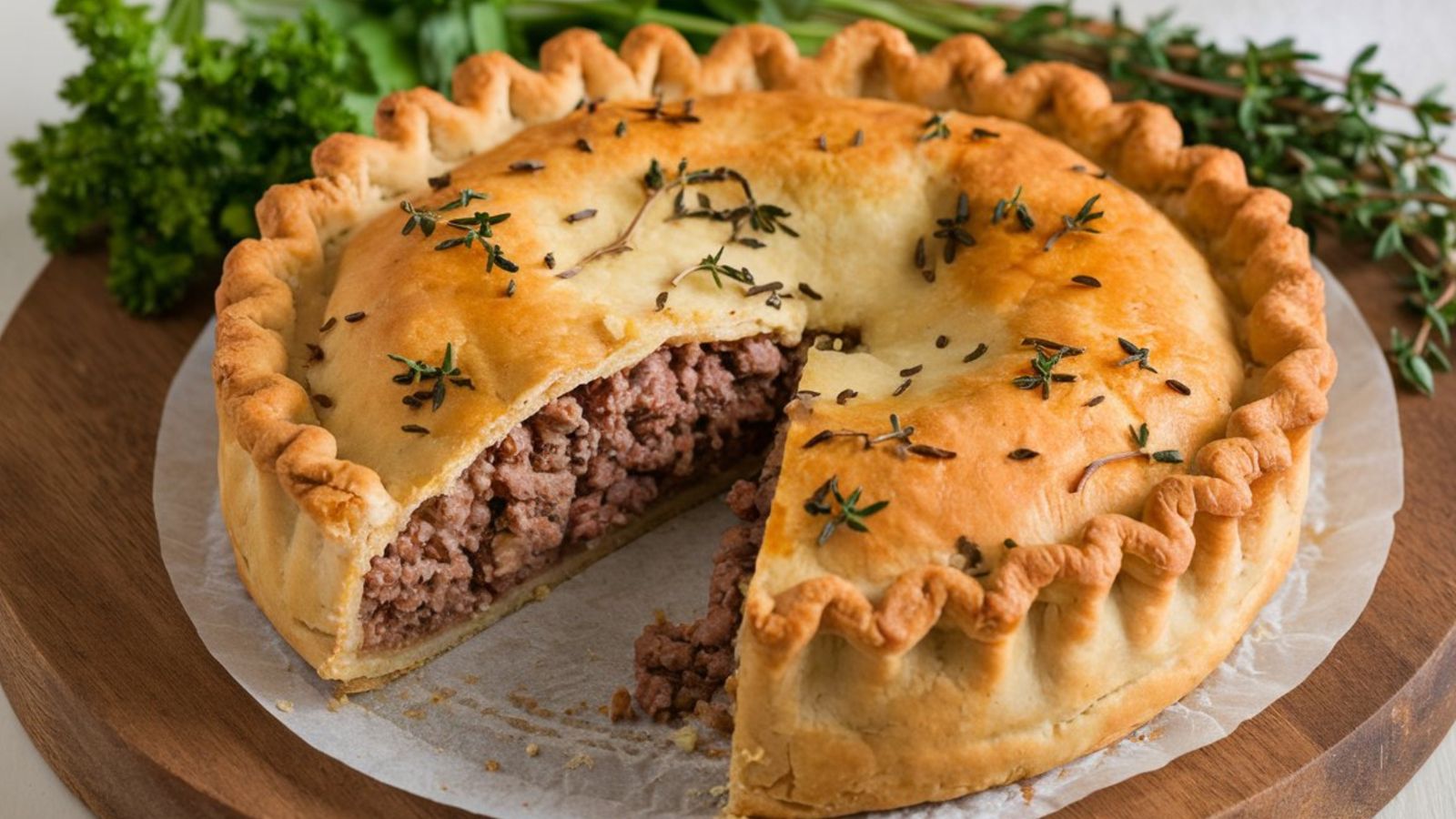
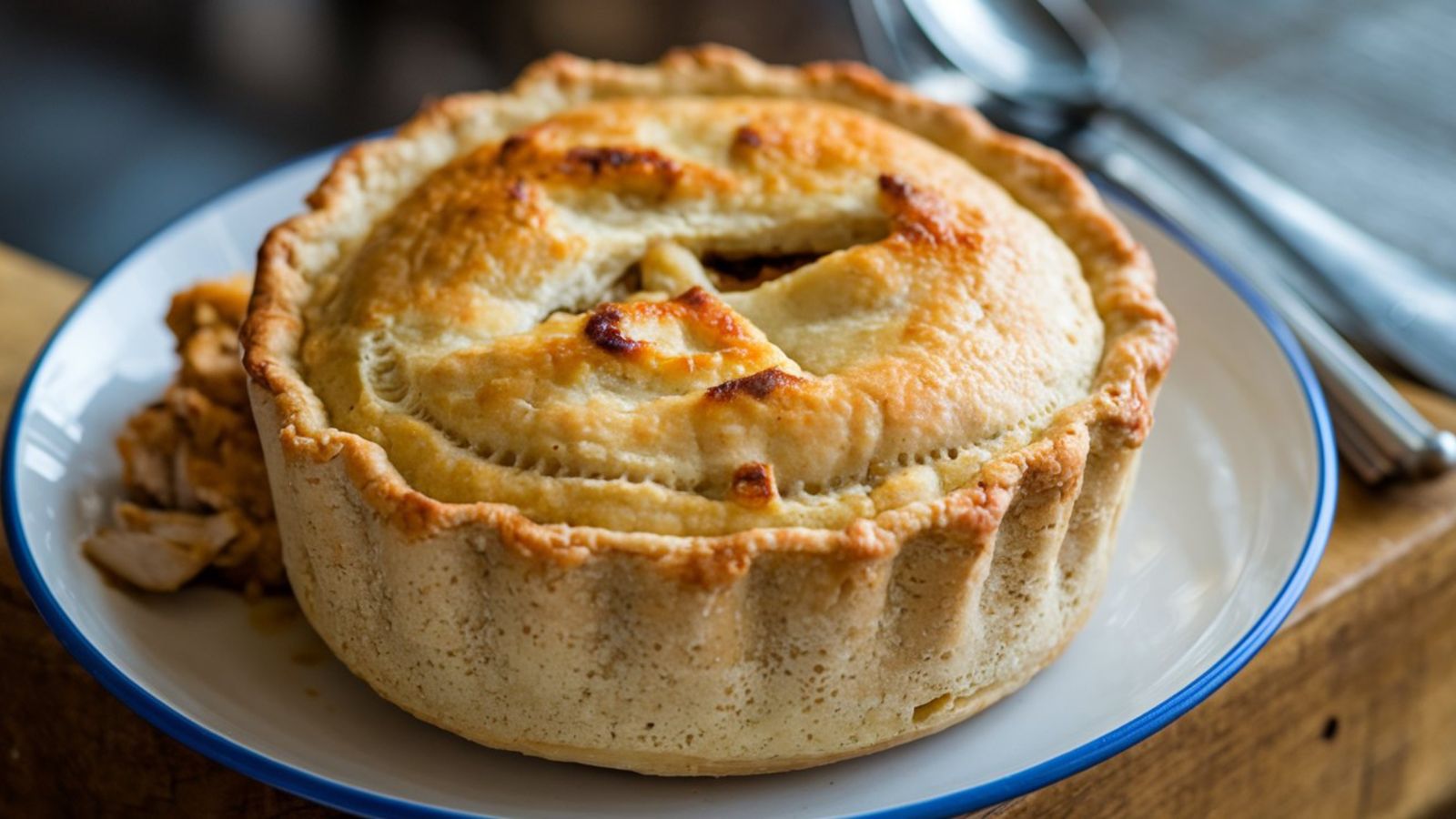
Tourtière still has a strong holiday identity in Quebec and French-Canadian communities, but its old role as a dependable winter meal is less common outside families that deliberately keep the tradition alive. The pie’s appeal has always been practical: seasoned meat, sturdy pastry, and enough richness to feed a table after church, work, or a long cold day. Recipes vary widely, with pork, beef, veal, potatoes, cloves, cinnamon, and allspice appearing in different households.
What makes tourtière vulnerable is not a lack of love. It is the time required to make pastry, cook the filling properly, and preserve family seasoning preferences that were often learned by watching, not measuring. Grocery-store versions and restaurant specials keep the name visible, but the deeply personal version—the one tied to a grandmother’s spice tin or a Christmas Eve kitchen—is harder to pass down when fewer families cook large seasonal meals from scratch.
Pouding Chômeur
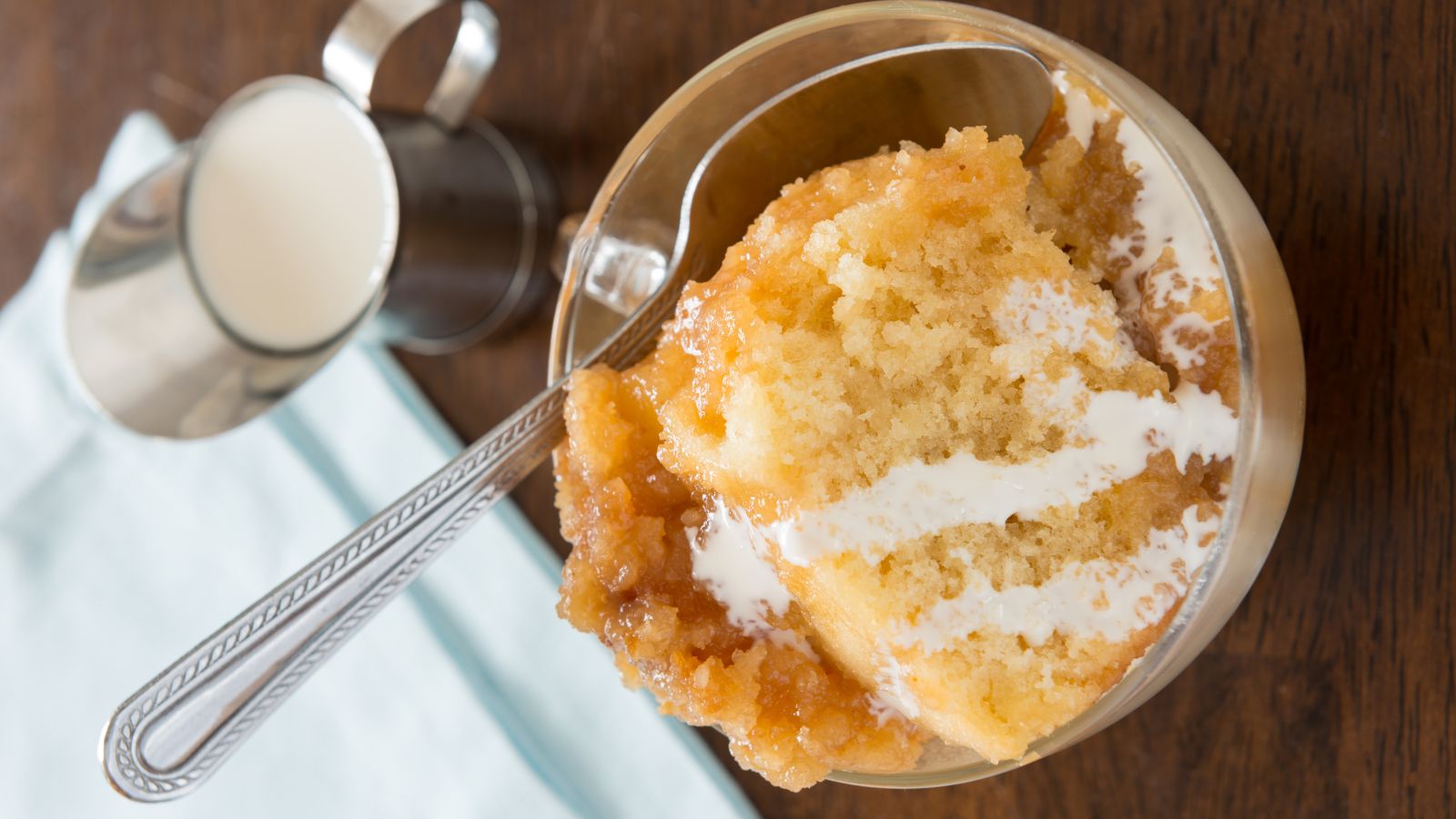
Pouding chômeur began as a dessert of hard times, associated with Quebec during the Great Depression, when cooks turned inexpensive pantry ingredients into something warm and generous. Its name, often translated as “unemployed person’s pudding,” gives away its origin story: a simple cake batter baked under a syrupy sauce, traditionally brown sugar or maple-based, until the sauce sinks and bubbles into a sweet pudding-like layer.
The dessert still appears in Quebec restaurants, especially when chefs want to honour old working-class cooking, but it has become less common as an ordinary home dessert. Modern desserts often lean lighter, faster, or more globally influenced, while pouding chômeur is unapologetically sweet and heavy. Its fading is partly about taste trends and partly about memory. Without someone saying, “This is how it should look when it comes out of the oven,” it becomes easier to replace with cookies, packaged cake, or nothing at all.
French-Canadian Split Pea Soup
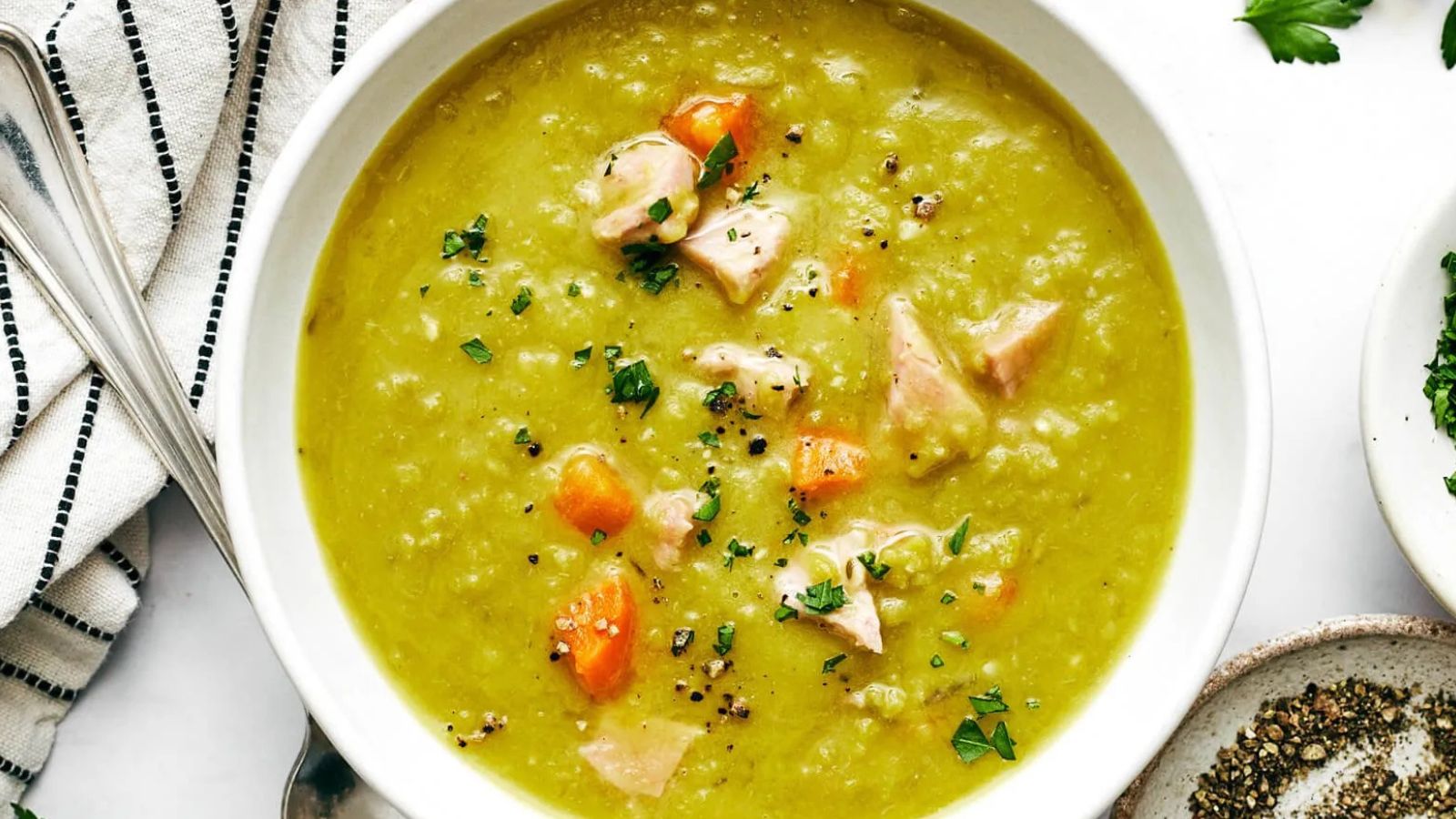
French-Canadian split pea soup, often called soupe aux pois, is one of Canada’s great cold-weather meals. Built from yellow split peas, salt pork or ham, onions, herbs, and long simmering time, it reflects a food culture shaped by thrift and endurance. It was the kind of soup that could sit on the stove, stretch a small amount of meat, and warm a household through a hard season.
Its decline is subtle because canned and deli versions remain familiar. What is fading is the slow homemade pot, especially the one started with a ham bone or salt pork and adjusted over hours. Many younger cooks are less accustomed to dried pulses, long simmering, and old-fashioned textures. Pea soup can also suffer from being seen as plain compared with flashier restaurant soups. Yet when made well, it remains one of the most quietly satisfying dishes in the Canadian comfort-food canon.
Rappie Pie
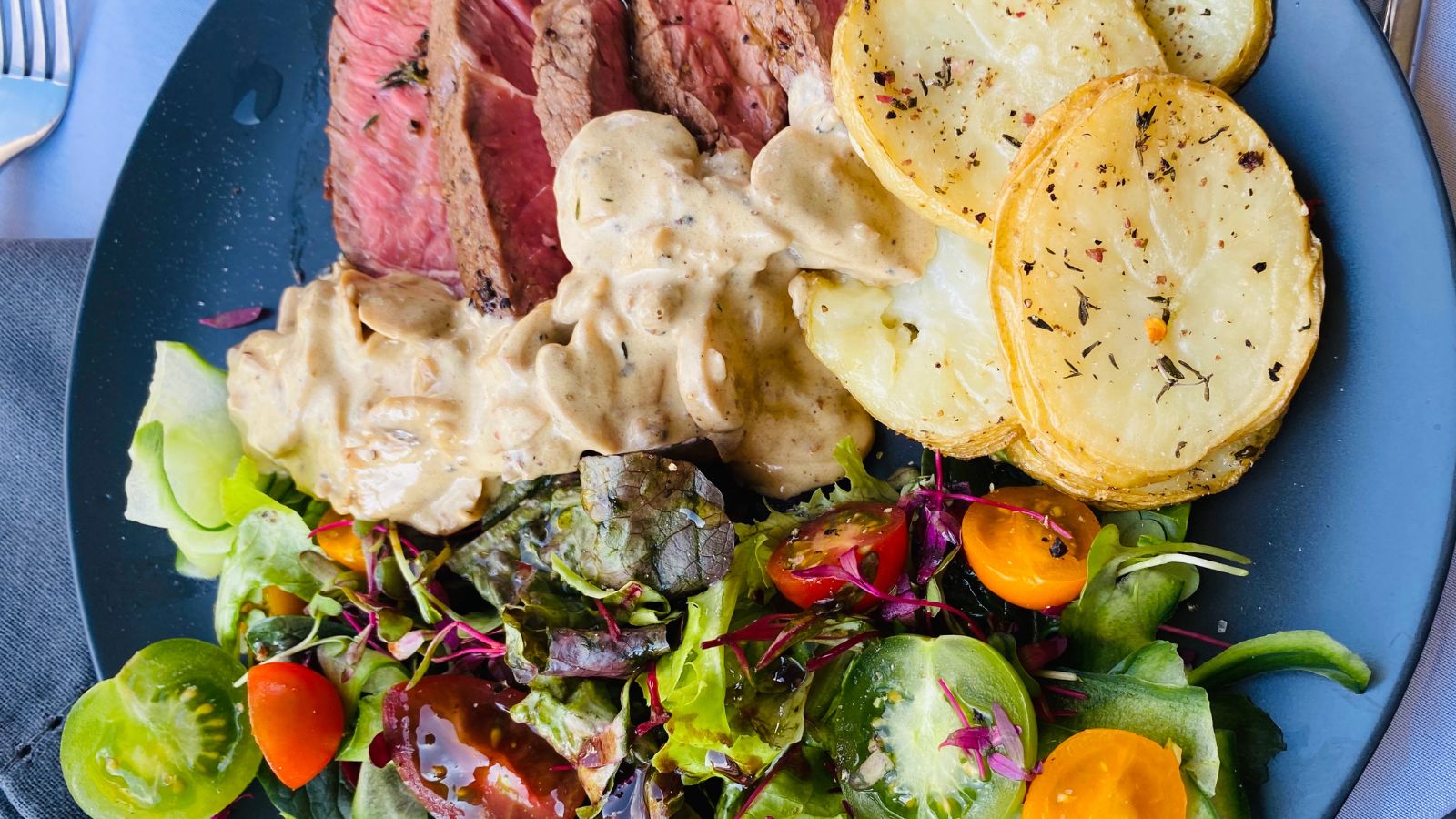
Rappie pie, or râpure, is one of Acadian cuisine’s most distinctive dishes, especially in southwestern Nova Scotia. It is made from grated potatoes that are squeezed dry, reconstituted with hot broth, layered with meat or seafood, and baked into a dense, savoury casserole. The dish is connected to Acadian resilience, potato agriculture, and community meals where labour was shared.
Few foods show the problem of fading tradition more clearly. Rappie pie is not difficult in concept, but it is demanding in practice. The grating, squeezing, broth work, and texture judgment are easier when several people know the routine. It also lacks the polished appearance that helps a dish travel on social media or restaurant menus. In families that still make it for Christmas, Thanksgiving, or reunions, it can feel sacred. Outside those circles, it risks becoming a dish people have heard of but rarely tasted.
Jiggs Dinner
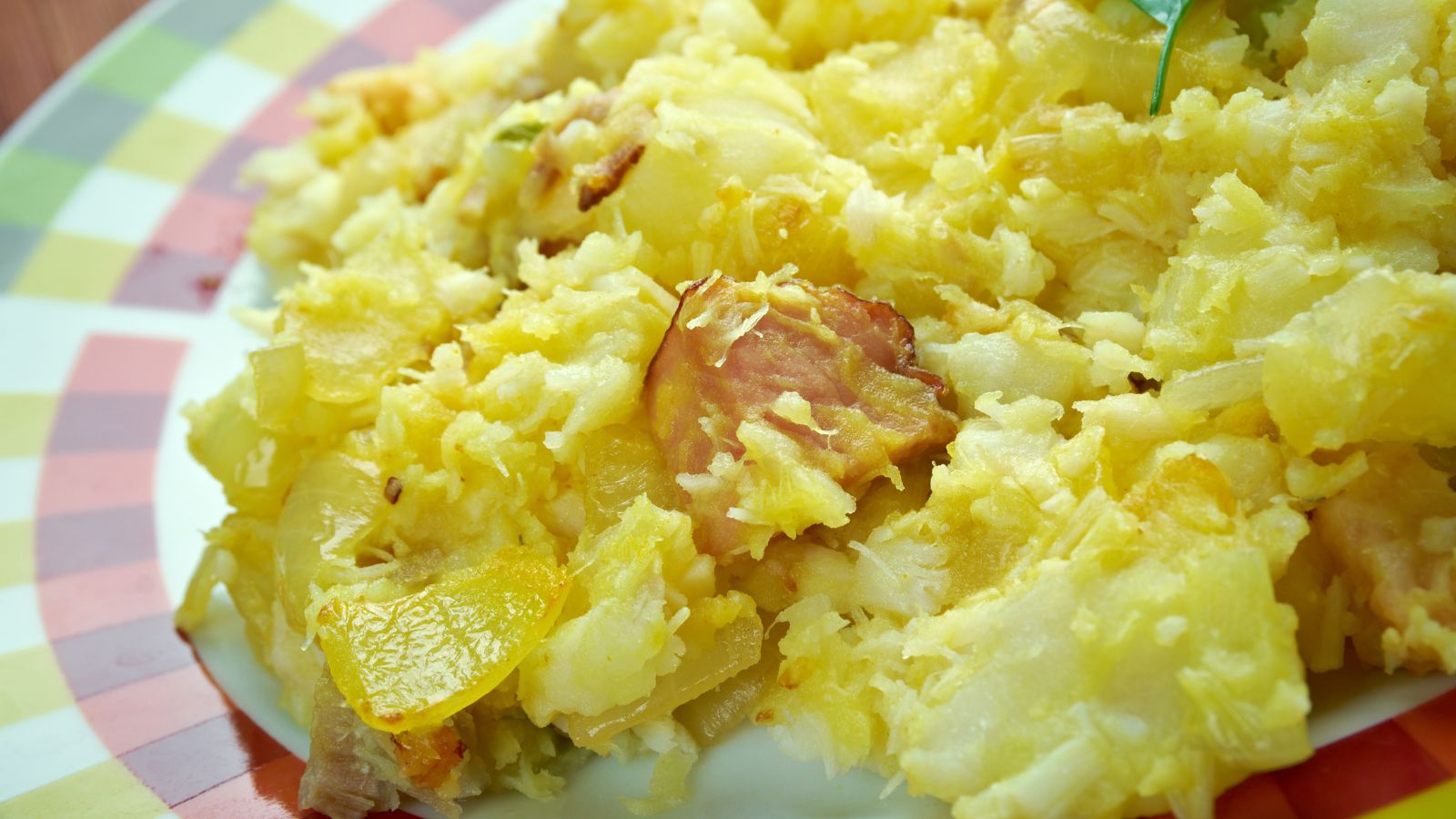
Jiggs dinner remains a powerful symbol of Newfoundland and Labrador home cooking. A traditional version usually brings together salt beef, cabbage, potatoes, carrots, turnip, pease pudding, and often figgy duff. It is also called boiled dinner or Sunday dinner, and part of its comfort comes from abundance: one pot, many components, and enough leftovers to make hash the next day.
The meal is fading less as an identity marker than as a weekly routine. Salt beef must be soaked, vegetables must be timed, puddings require confidence, and the whole meal assumes that Sunday can still revolve around a large pot. Smaller households, changing work schedules, and health concerns around salty preserved meats all make it less automatic. Still, in many Newfoundland families, the smell of Jiggs dinner carries emotional force. It is not just supper; it is a reminder of outport kitchens, family visits, and meals that took patience.
Fish and Brewis
Fish and brewis is an old Newfoundland meal made with salt cod and hard bread, often finished with scrunchions, the crisp pieces of fried salt pork that add fat and flavour. Its ingredients speak directly to fishing life: preserved cod, durable bread, and a method designed for places where fresh ingredients were once limited by season, weather, and distance.
The dish is slowly becoming more ceremonial than everyday. Salt cod must be soaked, hard bread is not a standard pantry item in most Canadian homes, and the texture can surprise people raised on softer breads and boneless fillets. Yet its importance is hard to overstate. Fish and brewis is a survival food that became a comfort food, a dish that turns preservation into pleasure. As Newfoundland food culture modernizes, it survives best where families still teach the soaking, boiling, mixing, and topping by habit.
Toutons
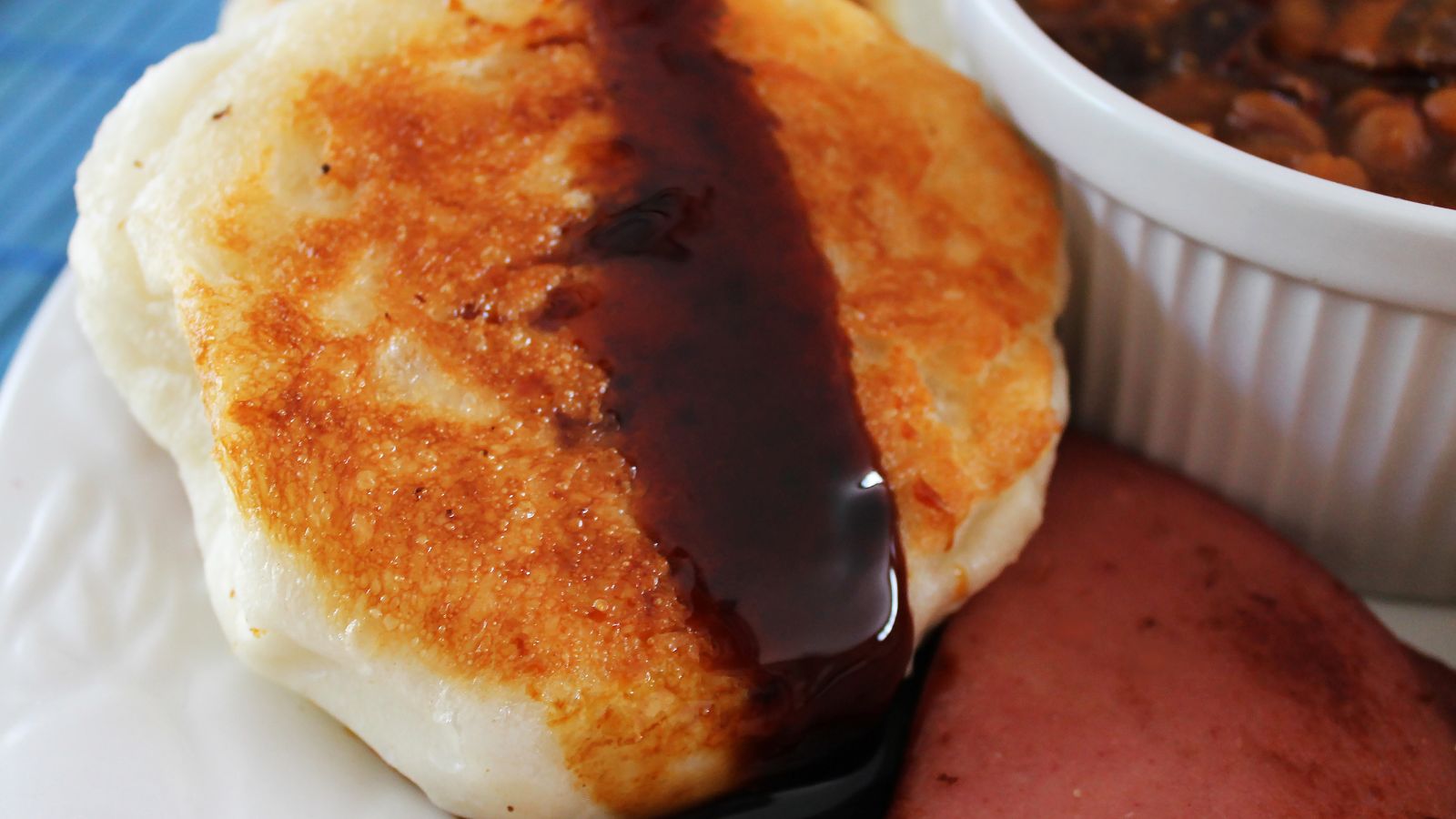
Toutons are Newfoundland’s beautiful answer to leftover bread dough: pieces of dough fried until crisp outside and tender inside, then served with molasses, butter, or syrup. Their charm lies in their economy. They came from a baking rhythm in which bread was made at home often enough that extra dough naturally became breakfast or a snack.
That rhythm has changed dramatically. Fewer households make yeast bread as a routine chore, which means fewer households end up with dough waiting to be fried. Toutons remain loved in Newfoundland cafés and home kitchens, but the old casualness is harder to find. A food that once happened because someone was already baking now requires deliberate planning. When a dish depends on another disappearing household habit, it becomes vulnerable. The taste remains simple and memorable, but the everyday context that created it is less common.
Bannock
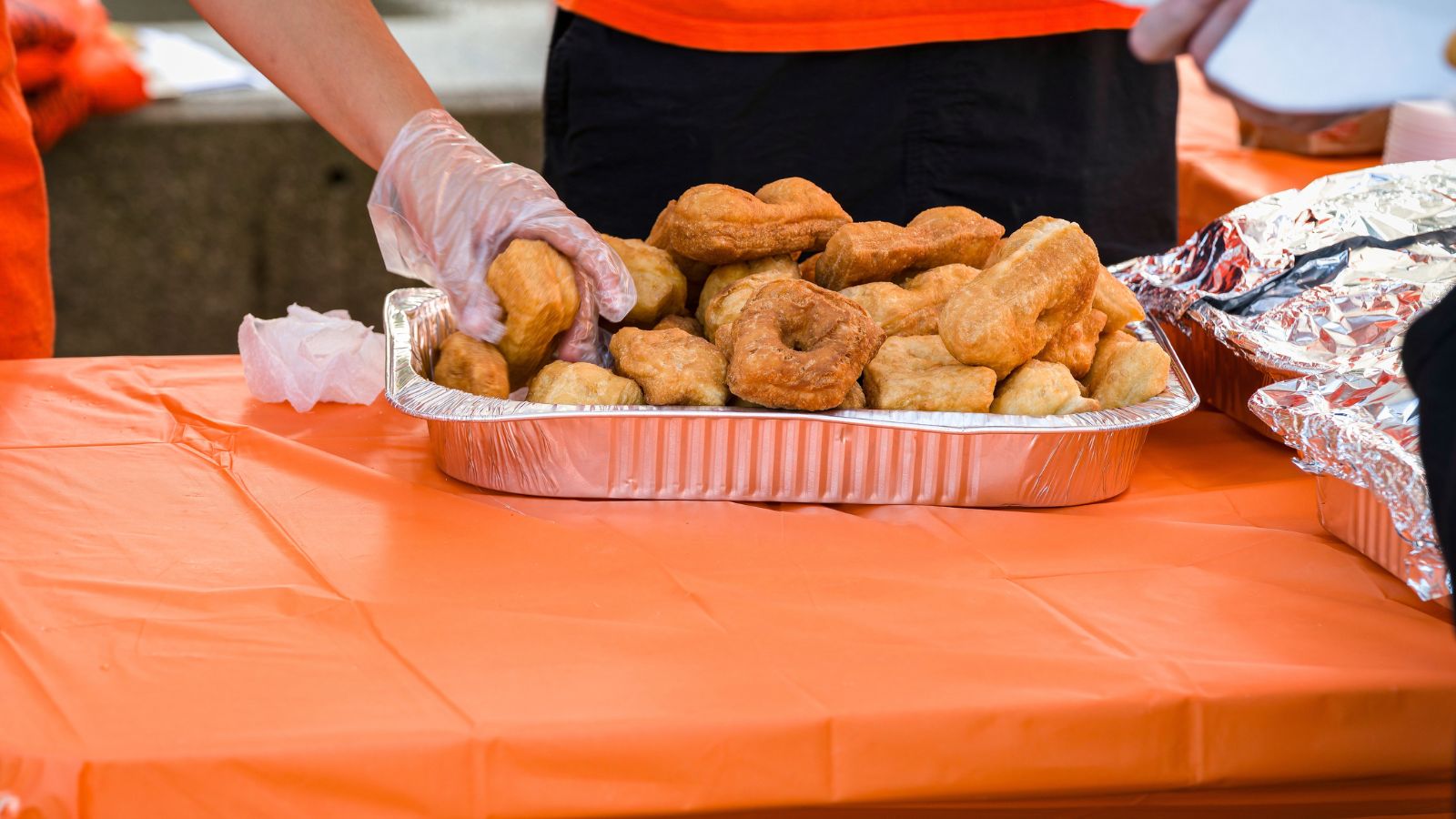
Bannock has a complicated place in Canada’s food story. It is associated with Indigenous communities across the country, but its modern flour-based form is also tied to colonial disruption, rationing, and the forced replacement of older foodways. At the same time, many Indigenous families and chefs have reclaimed bannock as a food of resilience, ceremony, entrepreneurship, and community.
For that reason, it is not accurate to say bannock is simply fading away. In some places, it is being revived and reinterpreted. What is fading is the casual, intergenerational knowledge of making it by touch: how much water to add, how hot the pan should be, when the dough has been handled enough. Commercial versions can keep it visible, but home bannock carries stories that recipes alone cannot fully capture. Its future depends not only on preservation, but on respectful recognition of the history behind it.
Flapper Pie

Flapper pie is one of the Prairies’ most nostalgic desserts: a graham cracker crust filled with custard and topped with meringue. It became especially popular in Alberta, Saskatchewan, and Manitoba during the early 20th century, when pantry-based desserts suited farm households, church suppers, and Depression-era budgets. Its name evokes the 1920s, but its real personality is humble and domestic.
The dessert has been called “forgotten” for a reason. It does not have the national fame of butter tarts or Nanaimo bars, and it can feel old-fashioned beside cheesecakes, cupcakes, and glossy bakery squares. Meringue also requires a little confidence, and custard pies are less forgiving than many modern no-bake desserts. Still, flapper pie has a soft power. For many prairie families, one slice can bring back community halls, handwritten recipe cards, and a style of dessert that valued thrift over spectacle.
Blueberry Grunt
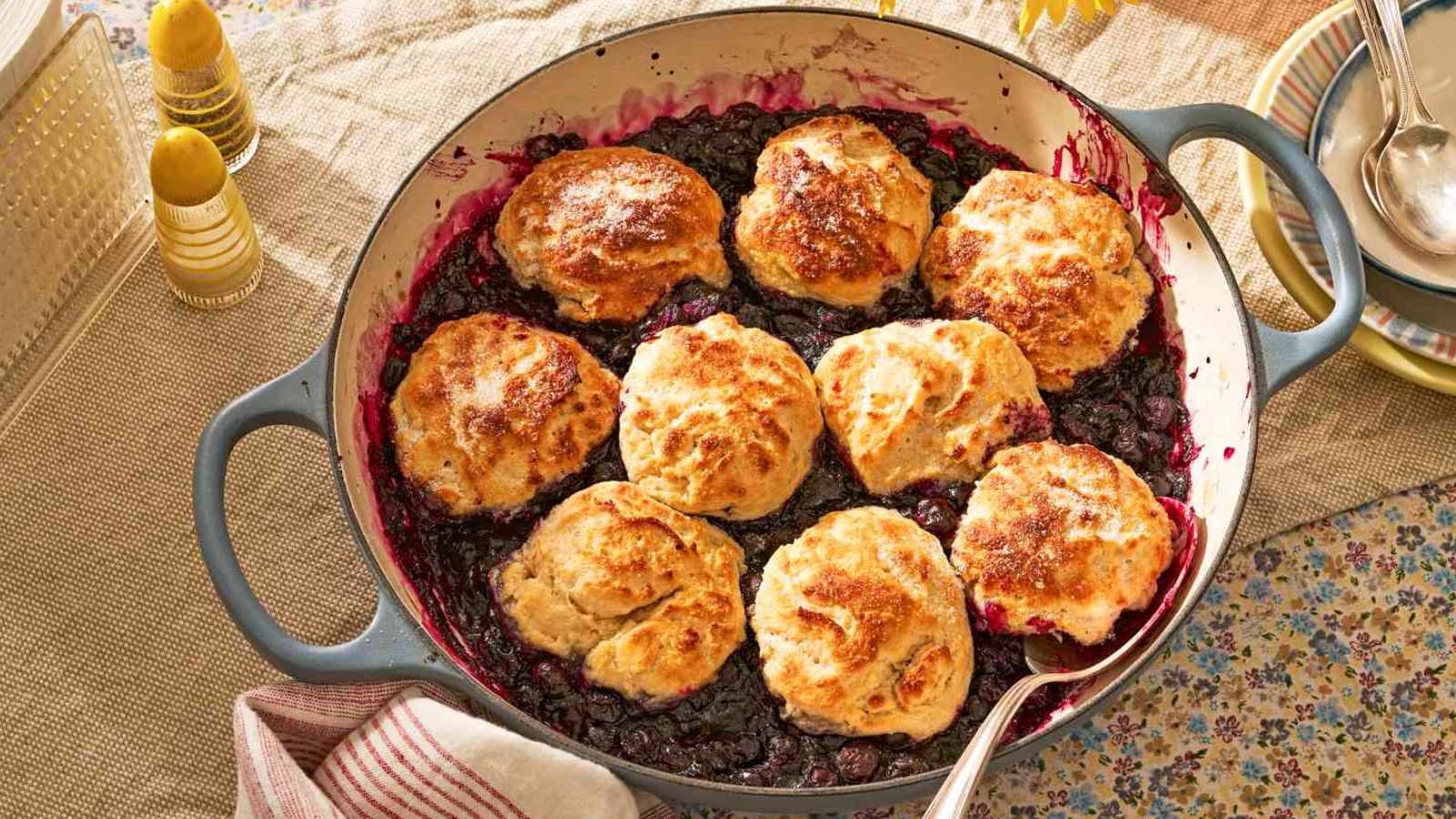
Blueberry grunt is a Maritime classic made by simmering blueberries and cooking biscuit-like dumplings over the fruit. The name is often linked to the sound the berries make as they bubble under the dumplings. It is rustic, fragrant, and deeply tied to places where wild blueberries have long been part of summer cooking.
Its slow fading reflects a broader shift away from stovetop fruit desserts. Cobblers and crisps are easier to explain, pies look more polished, and frozen desserts require less timing. Blueberry grunt also tastes best when berries are abundant and cooks are comfortable judging dumplings by steam, smell, and texture. It survives in heritage recipes and regional kitchens, but less often as an ordinary family dessert. That is a loss, because it captures something especially Canadian: wild fruit, practical baking, and a pot that turns simple ingredients into warmth.
Saskatoon Berry Pie
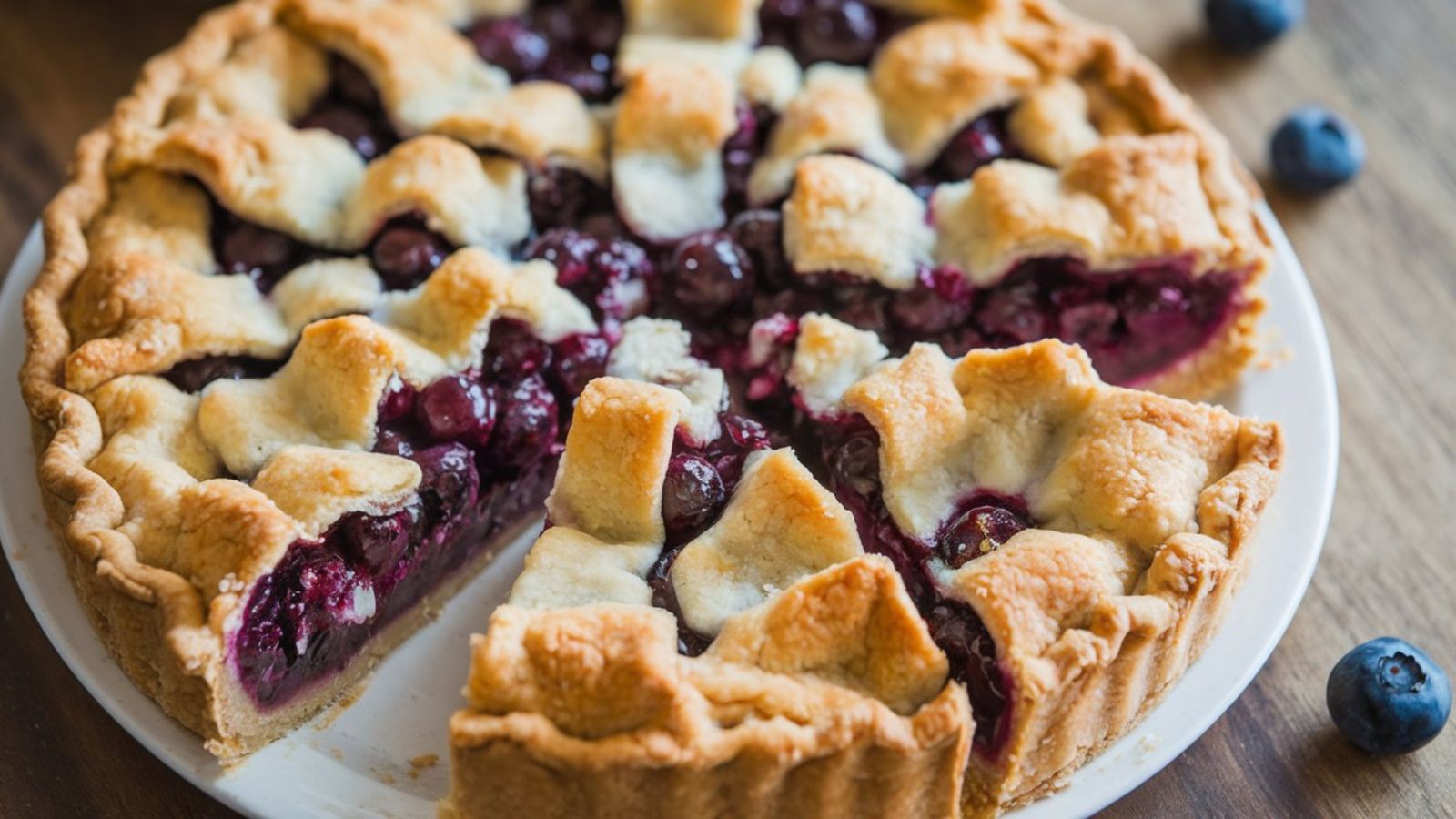
Saskatoon berry pie remains beloved in parts of the Prairies, especially Saskatchewan, where the berry carries strong regional identity. The Saskatoon berry is native to Canada and grows across much of the West and North. Its flavour is often described as nutty, almond-like, or somewhere between blueberry and cherry, making it especially good in pies, jams, and preserves.
The challenge is availability. Saskatoon berries are not as widely stocked as blueberries or strawberries, and many Canadians outside the Prairies have never baked with them. Younger cooks may know the city of Saskatoon better than the berry that helped inspire its name. In prairie households that still freeze berries after summer picking, the pie remains alive. Elsewhere, it risks becoming a regional specialty rather than a shared Canadian dessert. Its fading is less about rejection than about supply chains, geography, and lost picking traditions.
Date Squares
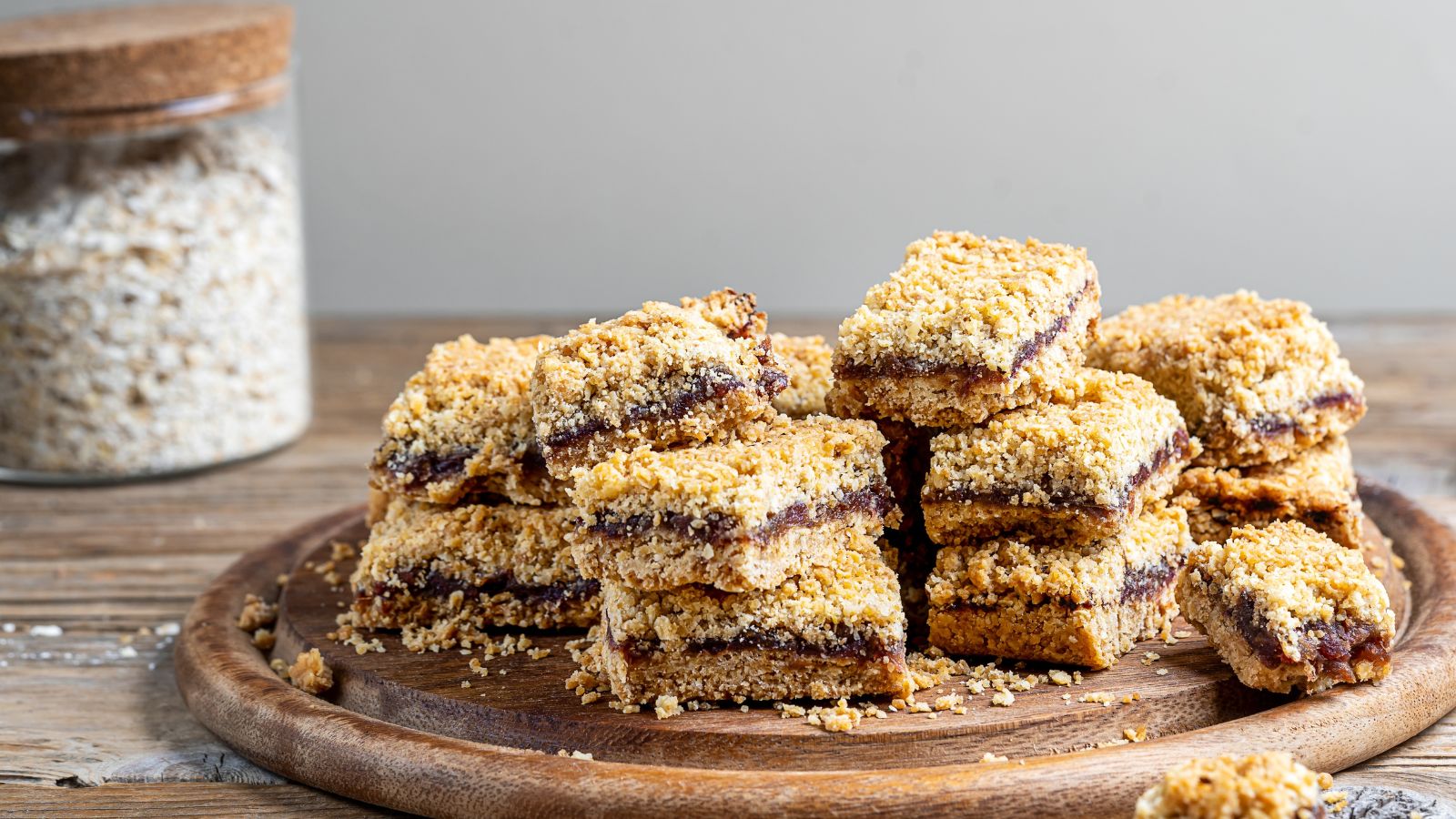
Date squares, also known as matrimonial bars in some communities, once occupied a dependable place on Canadian dessert trays. A typical version layers sweet date filling between crumbly oat mixture, creating something sturdy enough for lunchboxes, church basements, bake sales, and tea tables. They were especially useful because dates provided sweetness and texture without requiring elaborate decoration.
Their decline is a quiet one. Date squares rarely seem exciting in a bakery case beside brownies, macarons, or loaded cookies. They also belong to a less flashy style of baking where oats, dried fruit, and economy mattered. Yet they remain one of the great examples of Canadian home baking: portable, practical, and better after resting. For many people, the taste is inseparable from community events and relatives who baked by feel. As those bakers disappear, the square can fade from memory faster than its simple ingredients suggest.
Molasses Baked Beans
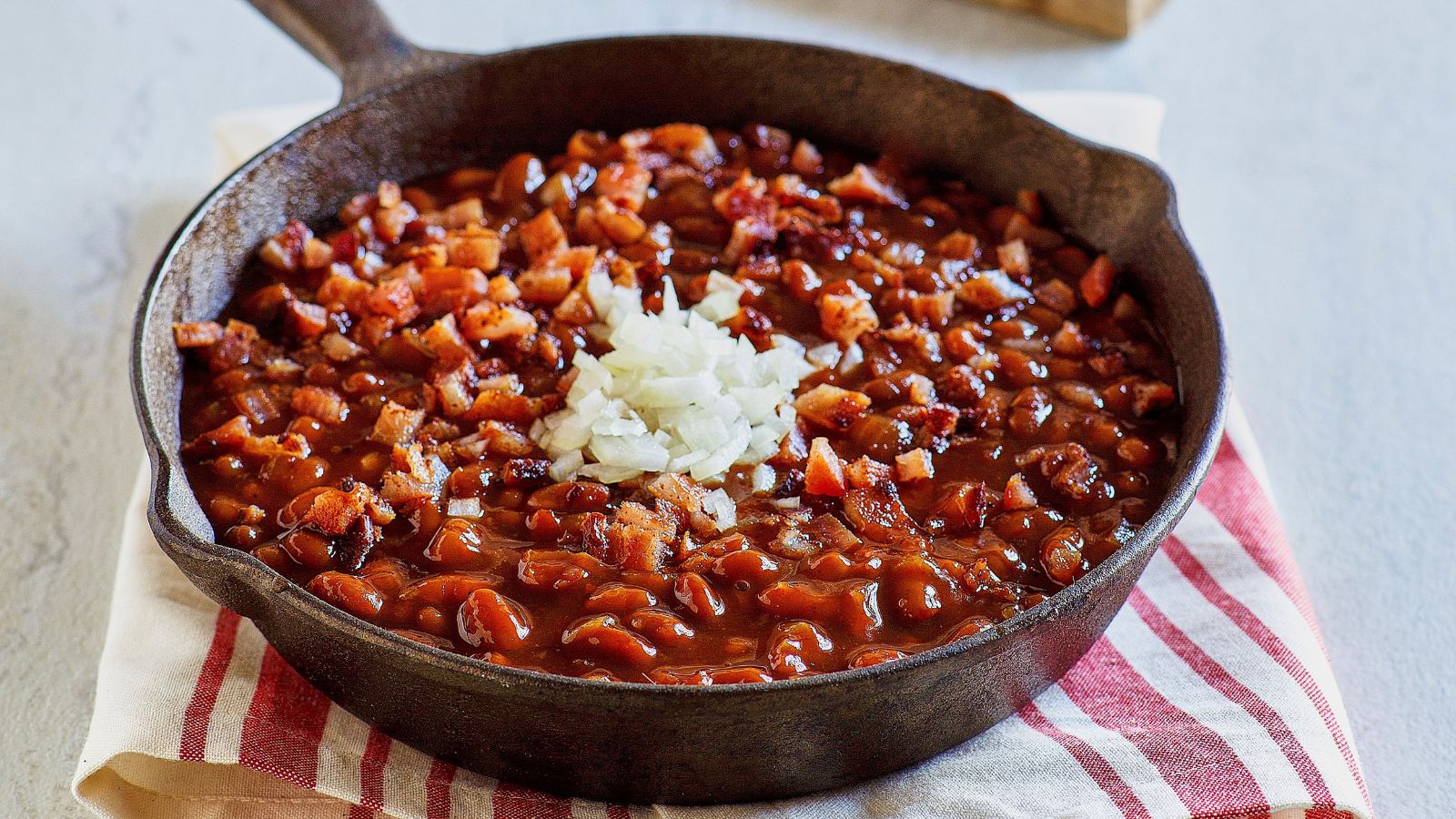
Molasses baked beans have deep roots in Atlantic Canada and other regions where beans, pork, and sweeteners could be turned into a filling meal. In Maritime households, beans often appeared with brown bread, fish cakes, or Saturday suppers. The dish rewards patience: dried beans soaked, simmered, seasoned, and baked until the sauce becomes dark, thick, and savoury-sweet.
The problem is time. Canned beans are cheap, fast, and familiar, while homemade baked beans can take most of a day. Many people also associate beans with side dishes rather than centre-of-the-table comfort food. Still, the traditional version has a depth that canned versions rarely match. It tells a story of households built around slow ovens, fuel economy, and meals that could feed many people. As long cooking becomes less common, molasses baked beans risk being remembered as something from community suppers rather than weekday homes.
Cretons
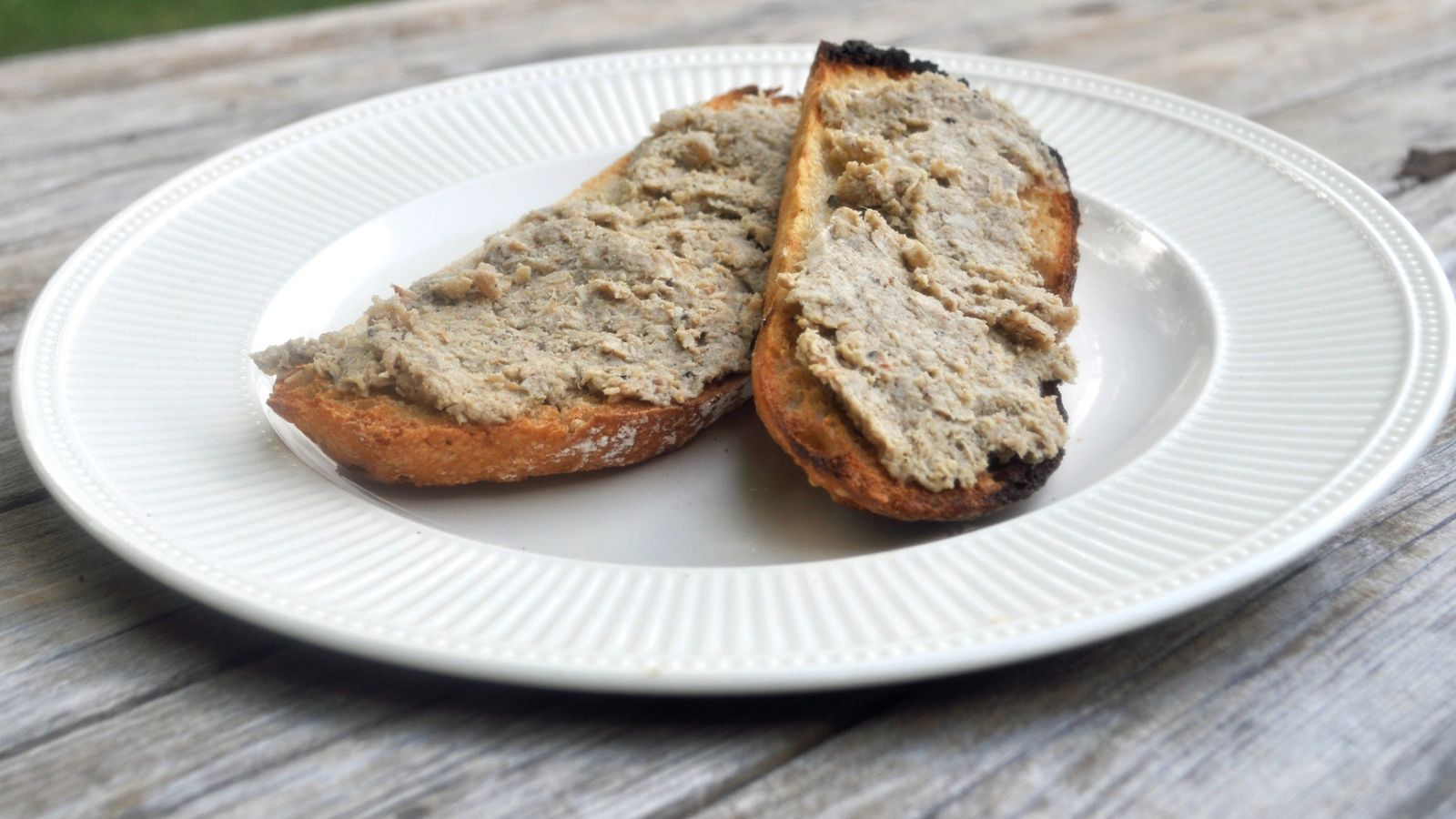
Cretons is a French-Canadian pork spread, usually made by slowly cooking ground pork with onion, spices, and milk, water, or breadcrumbs until it becomes rich and spreadable. Traditionally served on toast, often at breakfast, it reflects a nose-to-tail, no-waste food culture where preserved or potted meats helped households stretch protein.
Its fading is tied to changing breakfast habits. Many Canadians now start the day with cereal, yogurt, smoothies, drive-through sandwiches, or coffee alone. A pork spread seasoned with cloves and served cold on toast can feel unfamiliar outside Quebec and older French-Canadian families. Commercial cretons still exist, and some diners keep it visible, but homemade cretons require slow cooking and a taste for old-fashioned savoury breakfasts. It remains deeply comforting to those raised with it, yet increasingly surprising to people encountering it for the first time.
Sugar Pie
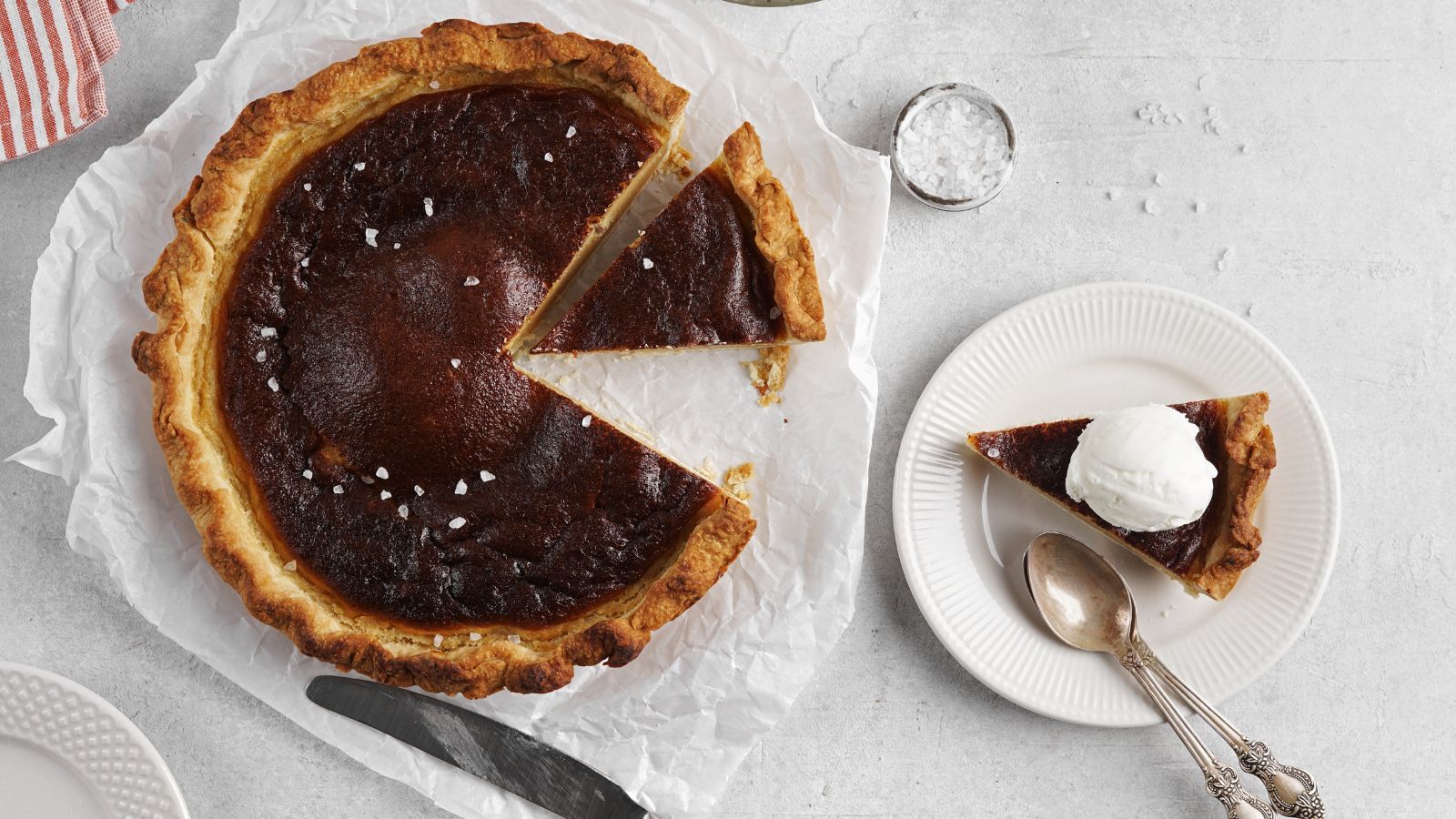
Sugar pie, or tarte au sucre, is a Quebec and French-Canadian dessert built from simple richness: sugar, cream or milk, butter, and pastry. It belongs to the same broad family of sweet, practical pies that made use of available sweeteners, especially in maple-producing regions. A good sugar pie is dense, smooth, and intensely caramel-like.
Modern eating habits have not been especially kind to it. Sugar pie is proudly sweet, and it does not pretend to be light. It also competes with a huge dessert landscape full of chocolate, fruit, international pastries, and lower-sugar options. While sugar shacks and traditional restaurants still serve it, the home version depends on pastry skill and a willingness to make a dessert that tastes like another era. Its decline is not about obscurity in Quebec, but about its shrinking role as an everyday homemade treat.
Hodge Podge
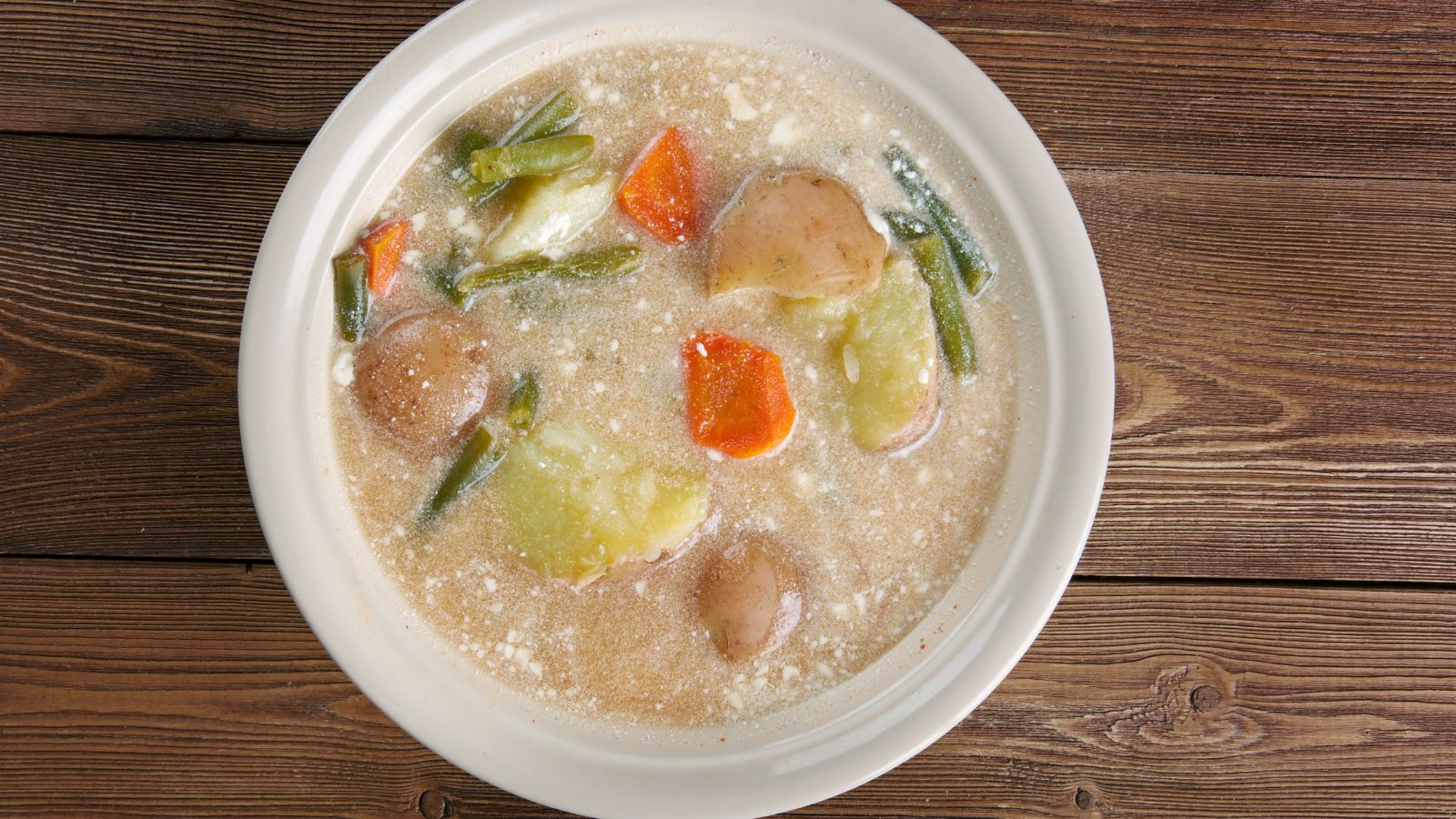
Hodge podge is a Maritime vegetable stew often associated with Nova Scotia and New Brunswick. It usually brings together new potatoes, carrots, peas, beans, butter, and cream, celebrating the first tender vegetables of the season. It is a farm-kitchen dish, designed around freshness rather than complexity, and it carries the pleasure of eating from a garden before summer fully peaks.
Its fading is connected to the decline of seasonal cooking habits. Supermarkets make vegetables available year-round, but hodge podge depends on young vegetables that taste newly pulled, not simply purchased. It also requires a cook who sees a pot of cream-bathed vegetables as a full meal, not just a side. In rural and older households, it still has a place. In faster urban kitchens, it may be overlooked because it seems too plain. That plainness, however, is exactly where its comfort lives.
Cod au Gratin
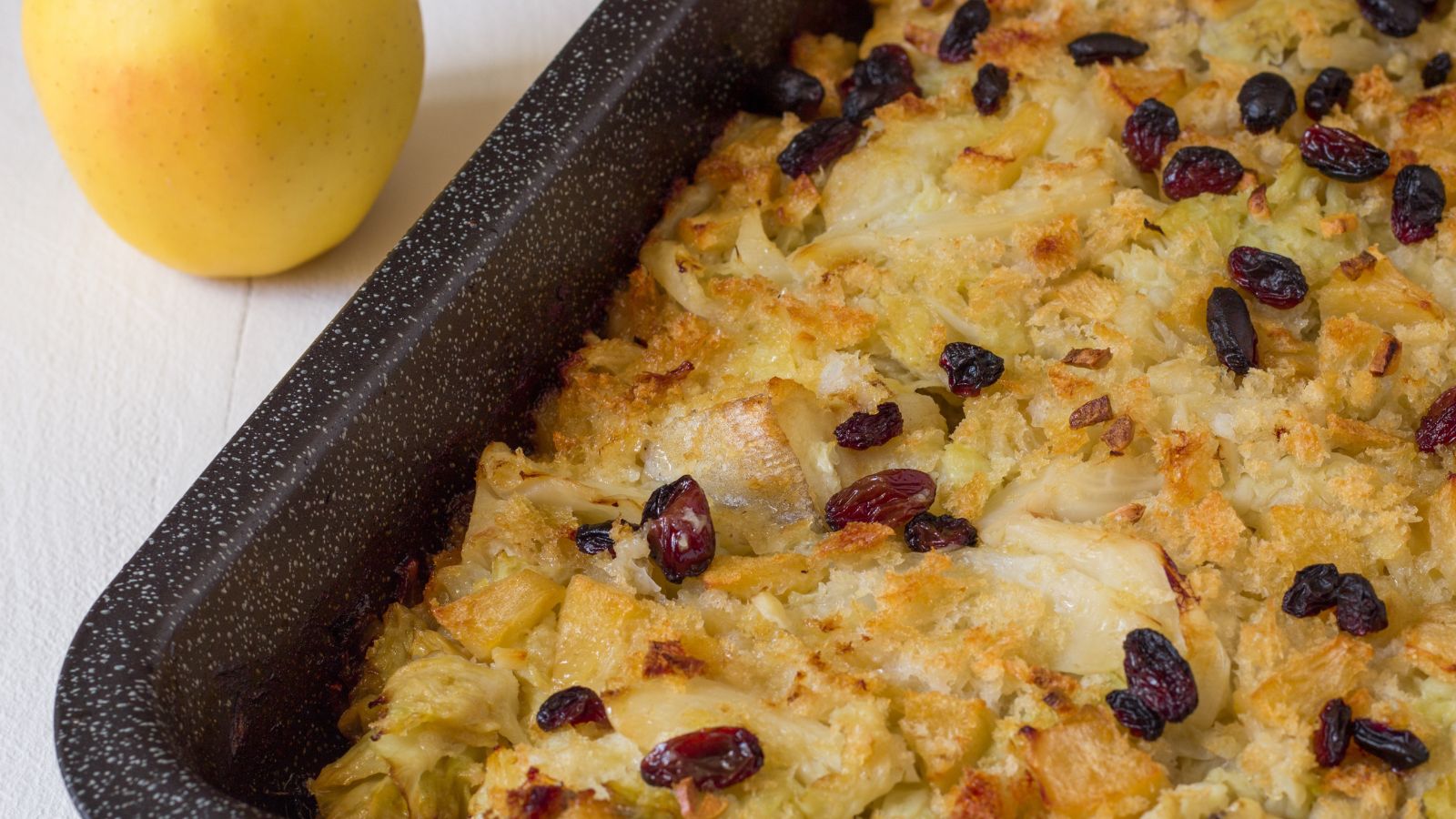
Cod au gratin is strongly associated with Newfoundland and Labrador, where cod has shaped food, labour, trade, and identity for centuries. The dish usually places cod in a creamy sauce, often with onion and cheese, then bakes it until the top browns. It is gentler and more domestic than fish and brewis, but still rooted in the same cod-centred food culture.
The fading here is partly generational and partly ecological-cultural. Younger Canadians may know cod more as a restaurant fish than as a household staple. In Newfoundland, the historical disruption of the cod fishery changed how people related to cod as an everyday food. Cod au gratin remains popular in many homes and restaurants, but its traditional authority depends on familiarity with local fish, casserole cooking, and family recipes. Without those, it risks becoming just another seafood bake rather than a dish with regional memory.
Figgy Duff
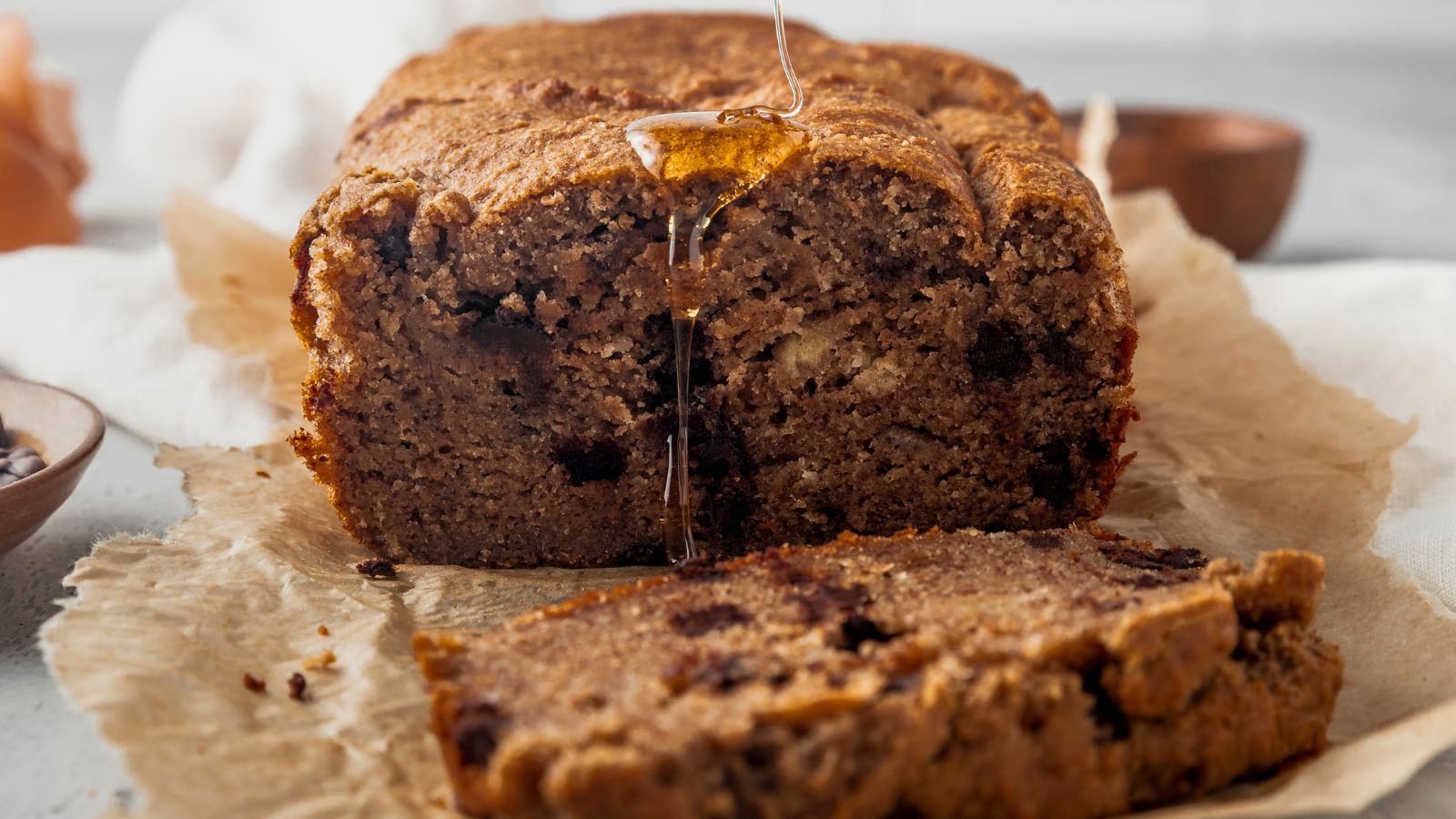
Figgy duff is a Newfoundland steamed pudding, usually made with flour, sugar, butter or suet, raisins, and spices, then boiled or steamed in a cloth or pudding bag. The “figgy” part traditionally refers not to figs in the modern sense, but to raisins, a common feature in older Newfoundland baking language. It often appears alongside Jiggs dinner, where it absorbs the atmosphere of the whole Sunday meal.
Steamed puddings have declined across much of Canadian home cooking because they require equipment, timing, and confidence. Baking a cake is simpler; buying dessert is simpler still. Figgy duff also belongs to a meal structure that is itself less common: the big boiled dinner with multiple components and a long afternoon schedule. When made well, it is warm, plain, and deeply comforting. But without someone teaching how to tie the cloth and judge doneness, it can easily slip from family tradition into nostalgia.
Maple Taffy on Snow
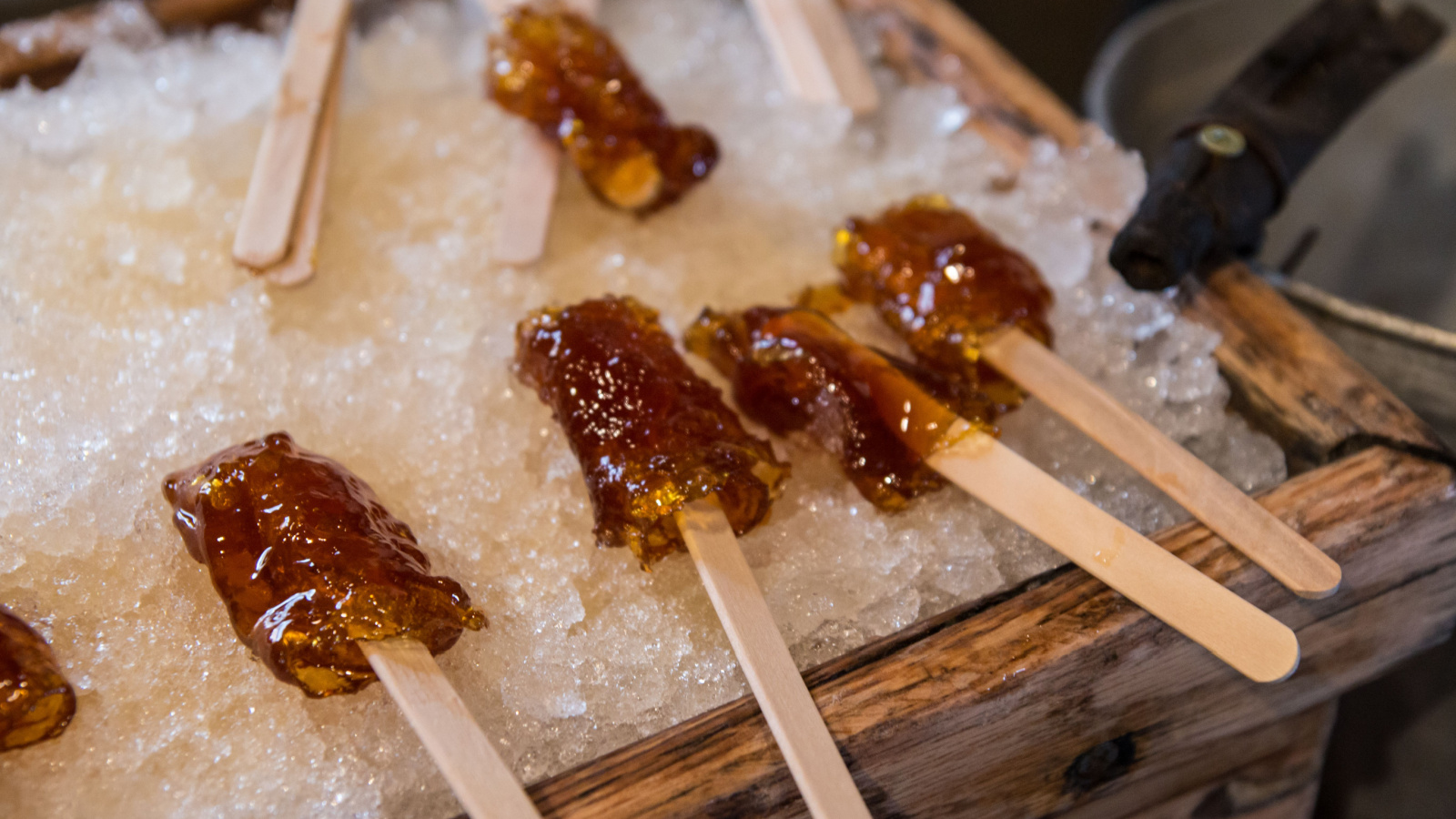
Maple taffy on snow is one of the most sensory Canadian food traditions: hot maple syrup poured onto clean snow, then rolled onto a stick as it cools into a chewy strip. It is especially tied to Quebec sugar shacks and the short maple season, when sap runs and families gather for heavy, celebratory meals.
Unlike many fading foods, maple taffy has strong tourism value. The risk is that it becomes something people buy at festivals rather than something connected to local sugaring knowledge. It also depends on weather, access to real snow, and the seasonal rhythm of maple production. Climate variability and urban living can make the experience feel less ordinary for many families. Still, few foods capture Canadian winter pleasure so directly. Its survival may depend on keeping it more than a photo opportunity: a seasonal ritual tied to land, sap, snow, and patience.
19 Things Canadians Don’t Realize the CRA Can See About Their Online Income

Earning money online feels simple and informal for many Canadians. Freelancing, selling products, and digital services often start as side projects. The problem appears at tax time. Many people underestimate how much information the CRA can access. Online platforms, banks, and payment processors create detailed records automatically. These records do not disappear once money hits an account. Small gaps in reporting add up quickly.
Here are 19 things Canadians don’t realize the CRA can see about their online income.
