
A city rarely becomes popular all at once. Long before moving trucks, restaurant openings, and weekend visitors arrive in force, the clues often appear in quieter places: permit data, rental listings, transit plans, job announcements, campus growth, and the changing feel of downtown streets. In Canada, where affordability pressures, migration patterns, infrastructure spending, and lifestyle priorities are reshaping where people want to live, the next “it” city is usually hiding in plain sight. These 12 signs can point to a Canadian city that is moving from overlooked to in demand.
Housing Demand Starts Rising Before the City Feels “Hot”

One early sign is a steady rise in housing demand without the frenzy that already defines Canada’s most expensive markets. A city about to surge often has buyers comparing it against Toronto, Vancouver, or even Calgary and realizing the price gap is still meaningful. Listings may not disappear overnight, but open houses get busier, starter homes receive more attention, and neighbourhoods near transit or schools begin attracting out-of-town interest.
This matters because housing markets often react before broader public perception catches up. CREA reported that Canadian resale inventory in April 2026 was still below its long-term average for that time of year, showing how supply constraints can sharpen competition when demand returns. A city with relatively affordable homes, rising sales activity, and manageable inventory can quickly become a relocation target, especially for young families and remote-capable workers seeking more space without leaving urban amenities behind.
Rental Construction Is Picking Up

A city preparing for growth usually shows cranes before crowds. Purpose-built rental projects, mid-rise apartments, and missing-middle housing indicate that developers expect more residents, not just short-term speculation. When rental construction rises near downtowns, universities, hospitals, or transit corridors, it often signals confidence that the local population will keep expanding.
CMHC noted that Canada’s housing starts rose in 2025, with record rental construction and more missing-middle building helping drive the increase. That is important because popularity is not only about homebuyers; renters often arrive first. A new graduate, nurse, construction worker, or newcomer may rent for several years before buying. Cities that add rentals while maintaining livable neighbourhoods can absorb new demand better than places where population growth simply pushes rents higher and forces people back out.
Population Growth Is Outpacing the Local Reputation

Some cities grow faster than their national profile. They may not dominate travel magazines or social media feeds, but Statistics Canada’s population data can reveal a different story. When a metropolitan area adds residents consistently, especially through migration from other provinces or nearby high-cost cities, it suggests that practical decisions are already reshaping demand.
Canada’s census metropolitan areas held more than 31 million people as of July 1, 2025, even though growth slowed compared with the previous year. That slowdown makes city-level patterns more important. A place that keeps attracting residents while national growth moderates is worth watching closely. Often, the first wave is made up of people following jobs, affordability, family ties, or education. The second wave arrives after friends and relatives start saying the city is more livable than expected.
Major Transit Investment Is Moving From Promise to Construction
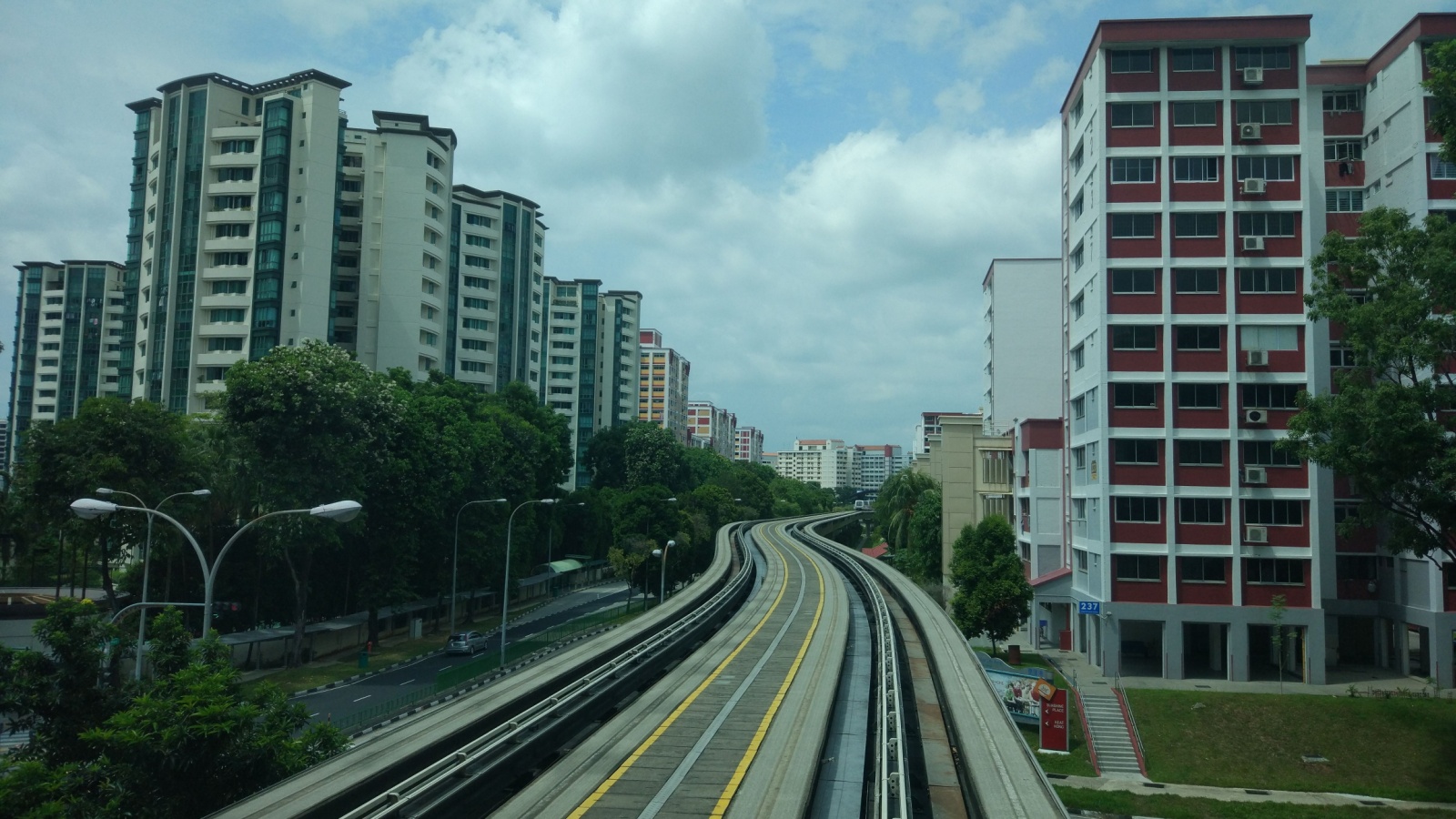
Transit plans can change a city’s trajectory when they become real projects instead of campaign language. A new rapid bus corridor, light-rail extension, commuter-rail upgrade, or active-transportation network can make overlooked neighbourhoods feel connected. Once commute times improve, areas that seemed too far from downtown can suddenly become realistic for renters, buyers, and employers.
Canada’s federal public transit funding framework is designed to provide $3 billion per year beginning in 2026–27 for transit and active transportation infrastructure. That kind of predictable funding can matter enormously for mid-sized cities, where one strong corridor may unlock several neighbourhoods at once. Popularity tends to follow convenience. When residents can reach campuses, hospitals, offices, restaurants, and waterfronts without relying on a car for every trip, the city becomes easier to imagine as a long-term home.
The Local Job Market Is Diversifying

A city is more likely to surge when it stops depending on one major employer or one dominant industry. Diversification brings resilience: health care, logistics, education, clean energy, manufacturing, technology, public administration, tourism, and professional services can each support different kinds of households. When job postings grow across several sectors, the city becomes attractive to couples and families with more than one career to consider.
Canada’s labour market has been uneven, with Statistics Canada reporting a national unemployment rate of 7.1% in August 2025 after employment declined that month. In that environment, local strength stands out. A city with hospital expansions, college hiring, port activity, energy projects, film production, or technology firms can draw people even when national hiring feels cautious. Popularity is rarely sustained by lifestyle alone; it needs paycheques that make staying possible.
A University or College Is Becoming a Bigger Economic Anchor
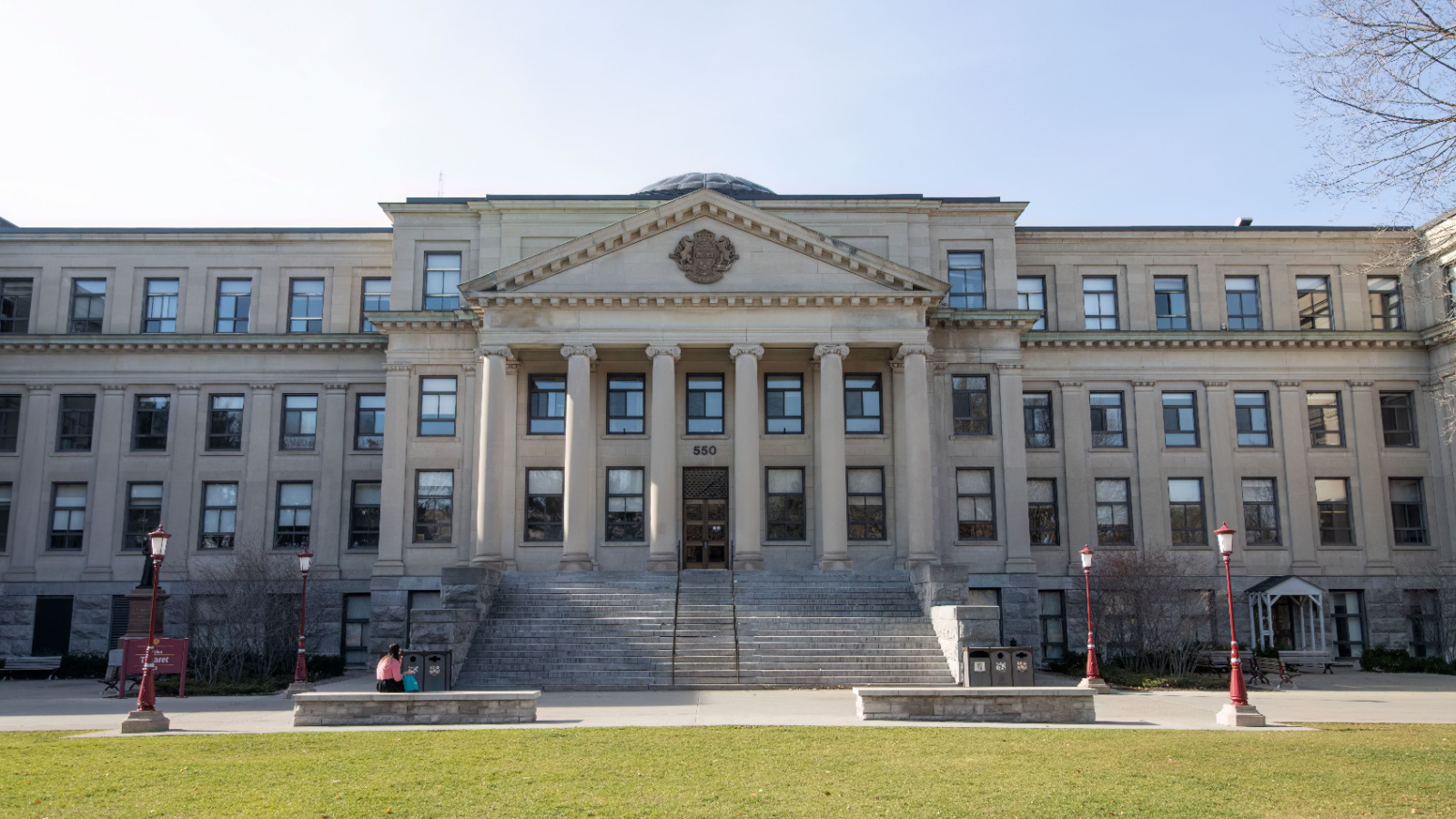
Post-secondary institutions can quietly turn a city into a magnet. Students bring rental demand, part-time labour, cultural activity, transit use, and future entrepreneurs. Faculty, researchers, health partnerships, and private-sector collaborations can also reshape a local economy. A city with a growing campus often gains restaurants, music venues, co-working spaces, bike lanes, and denser housing nearby.
The signal is more complex in 2026 because Canada’s international student landscape has shifted. Statistics Canada reported a sharp estimated decline in college enrolment tied to international student changes, including a projected 40% drop in college programs in 2025/2026. That makes stable or growing local institutions even more notable. Cities with strong domestic enrolment, respected professional programs, research funding, or university-linked hospitals may be better positioned than places that relied heavily on one fast-changing source of student demand.
Downtown Is Getting Residential Again
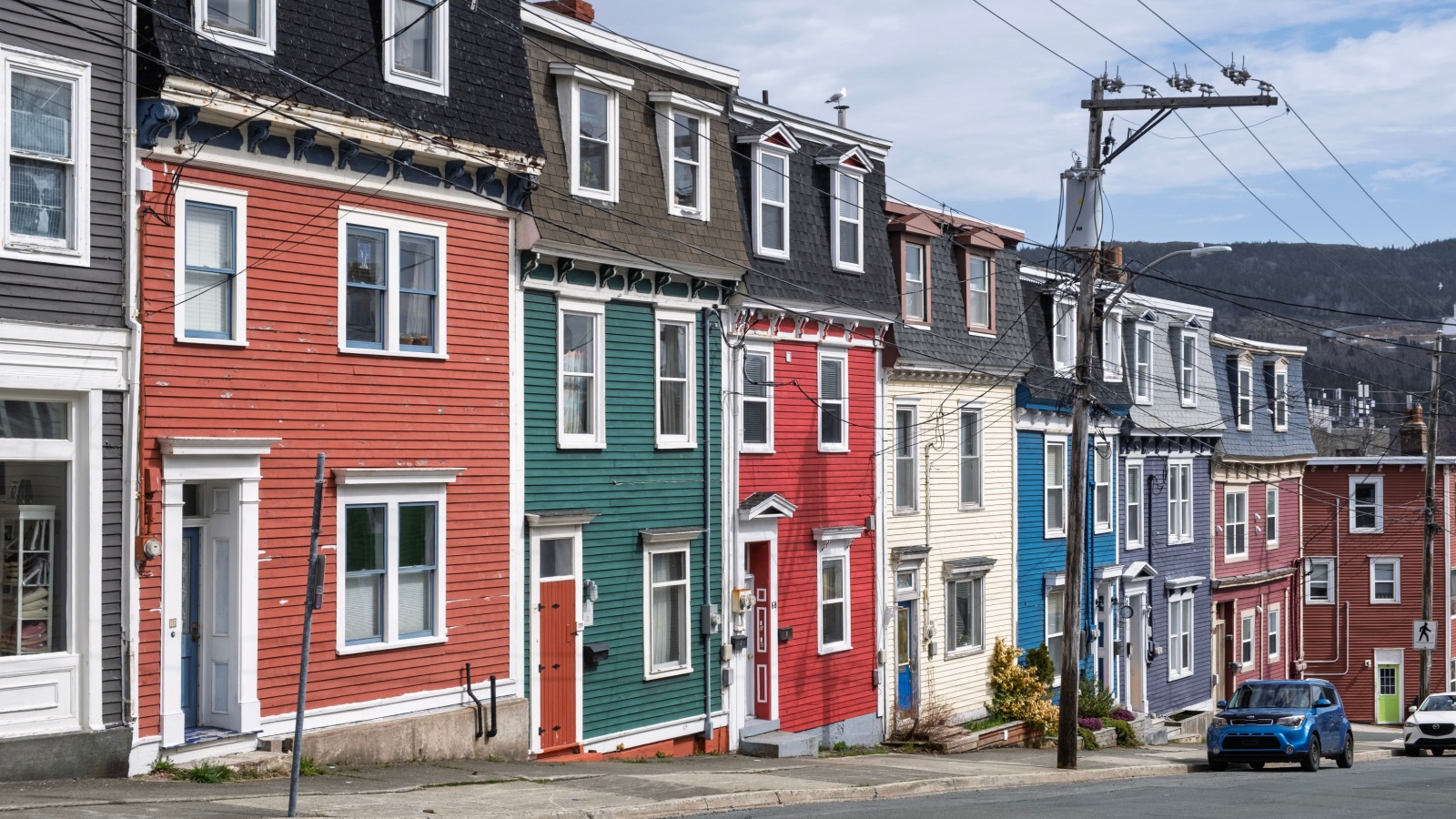
A downtown that gains residents after office hours is often preparing for a new phase of popularity. The strongest clue is not just a new condo tower; it is a pattern of office conversions, rental buildings, grocery stores, cafés, public spaces, and evening foot traffic. When downtown becomes a neighbourhood rather than only a workplace, the city’s image can change quickly.
Office markets across Canada have been recovering unevenly. CBRE reported that Calgary’s office vacancy improved over 2024 partly because of continued office-to-residential conversions, even as some office markets remained soft. Conversions alone will not solve housing shortages, but they can help revive underused blocks. A city where empty offices turn into apartments, street-level retail fills in, and residents walk dogs after 7 p.m. often starts feeling more confident before outsiders notice.
Visitors Start Treating It Like a Destination, Not a Stopover

Tourism can reveal rising popularity before migration data does. A city that once served as a pass-through point may begin attracting weekend hotel stays, food coverage, festival crowds, outdoor recreation trips, or conference bookings. The shift often begins with small signals: boutique hotels opening, regional restaurants getting national attention, or locals noticing more out-of-province plates during shoulder season.
Canada’s tourism sector has been gaining importance, with Destination Canada forecasting the sector could reach $160 billion in direct annual revenue by 2030. The World Travel & Tourism Council also projected strong domestic visitor spending in Canada for 2025. When more Canadians choose domestic trips, smaller cities with scenery, culture, affordability, and easy access can benefit. A city that becomes a favourite weekend escape can eventually become a place people consider moving to.
Airport, Rail, or Highway Connectivity Is Improving
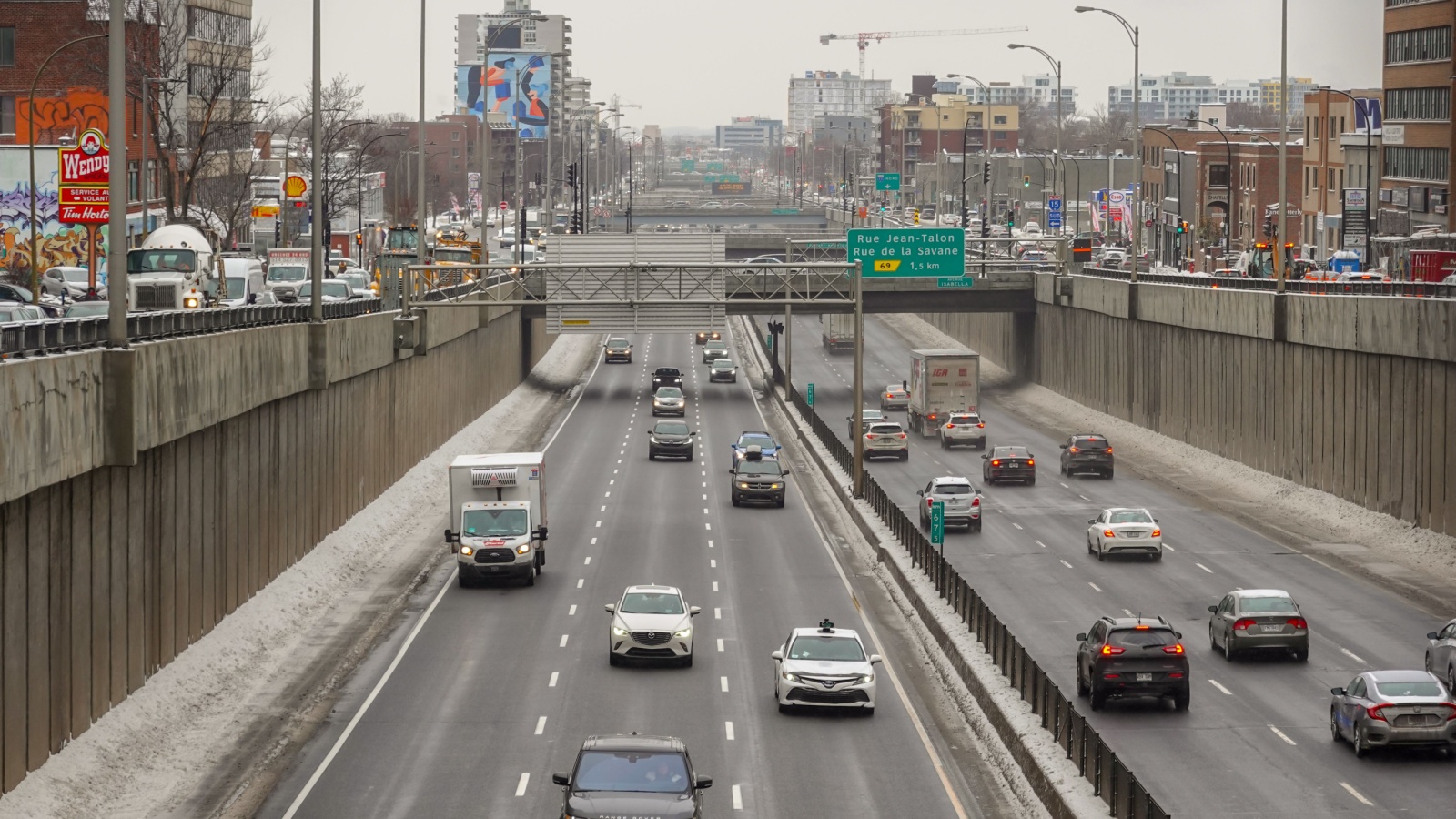
Connectivity can push a city from “nice place” to “real option.” More frequent flights, better regional rail, improved highway links, or reliable intercity bus service can reduce the psychological distance between a smaller city and major economic centres. This is especially important in Canada, where geography often determines whether a city feels accessible or isolated.
Air travel patterns remain uneven, but the Canadian Airports Council has noted that major hubs have largely returned to pre-pandemic demand while many regional and northern airports still face recovery challenges. That makes new or restored routes meaningful. A city gaining better connections can attract conferences, logistics employers, tourists, students, and families who need to visit relatives elsewhere. Popularity tends to rise when a place feels easier to reach and easier to leave for work or family obligations.
Broadband and Remote-Work Infrastructure Are No Longer Weak Spots

For many households and businesses, fast internet is now basic infrastructure. A smaller Canadian city can become far more attractive when broadband gaps close, co-working spaces appear, and remote workers can rely on stable connections. The lifestyle pitch becomes stronger when people can keep a national employer while living near trails, lakes, family, or more affordable housing.
The CRTC continued funding efforts in 2026, including another call for Broadband Fund applications, and in 2025 announced action to bring high-speed fibre internet to 18 rural communities in Alberta, British Columbia, and Ontario. This matters because digital access can expand the map of desirable places. A city or nearby region that once lost residents to bigger job centres may begin gaining them back when work, education, telehealth, and business operations no longer depend on being downtown in a major metropolis.
Independent Businesses Are Replacing Empty Storefronts

A city about to gain attention often shows it at street level first. Empty storefronts become bakeries, vintage shops, childcare centres, gyms, barber shops, small grocers, galleries, and restaurants with waitlists. These businesses usually follow foot traffic and local confidence. They also create the kind of daily life that makes a city feel lived in rather than merely affordable.
The key is variety. A single trendy café may be a curiosity, but several independent openings across different neighbourhoods suggest a broader shift. Rising tourism, new rental housing, and stronger downtown residency can all support this change. In Canadian cities where commercial rents remain lower than in Toronto or Vancouver, entrepreneurs may find room to test ideas. Popularity grows when residents start spending locally and outsiders begin associating the city with its own distinct culture.
Public Spaces Are Being Used More Intensely

Parks, waterfronts, libraries, markets, trails, and plazas often reveal whether a city is gaining momentum. When public spaces are full outside peak tourist season, it suggests the local population is engaged and growing. Families linger after school, seniors use walking paths, newcomers gather at community events, and young adults treat public areas as extensions of small apartments.
This sign matters because popularity is not only economic. People move to cities that feel social, safe, and usable. Transit ridership is one related indicator: Statistics Canada reported 1.55 billion annual urban transit passenger trips in Canada in 2025, though that was lower than in 2024. A city where transit, parks, and civic spaces remain busy despite broader fluctuations may have a strong local rhythm. That everyday energy often precedes restaurant reviews, real estate buzz, and national attention.
The City Has a Clear Identity Beyond “Cheaper Than Somewhere Else”
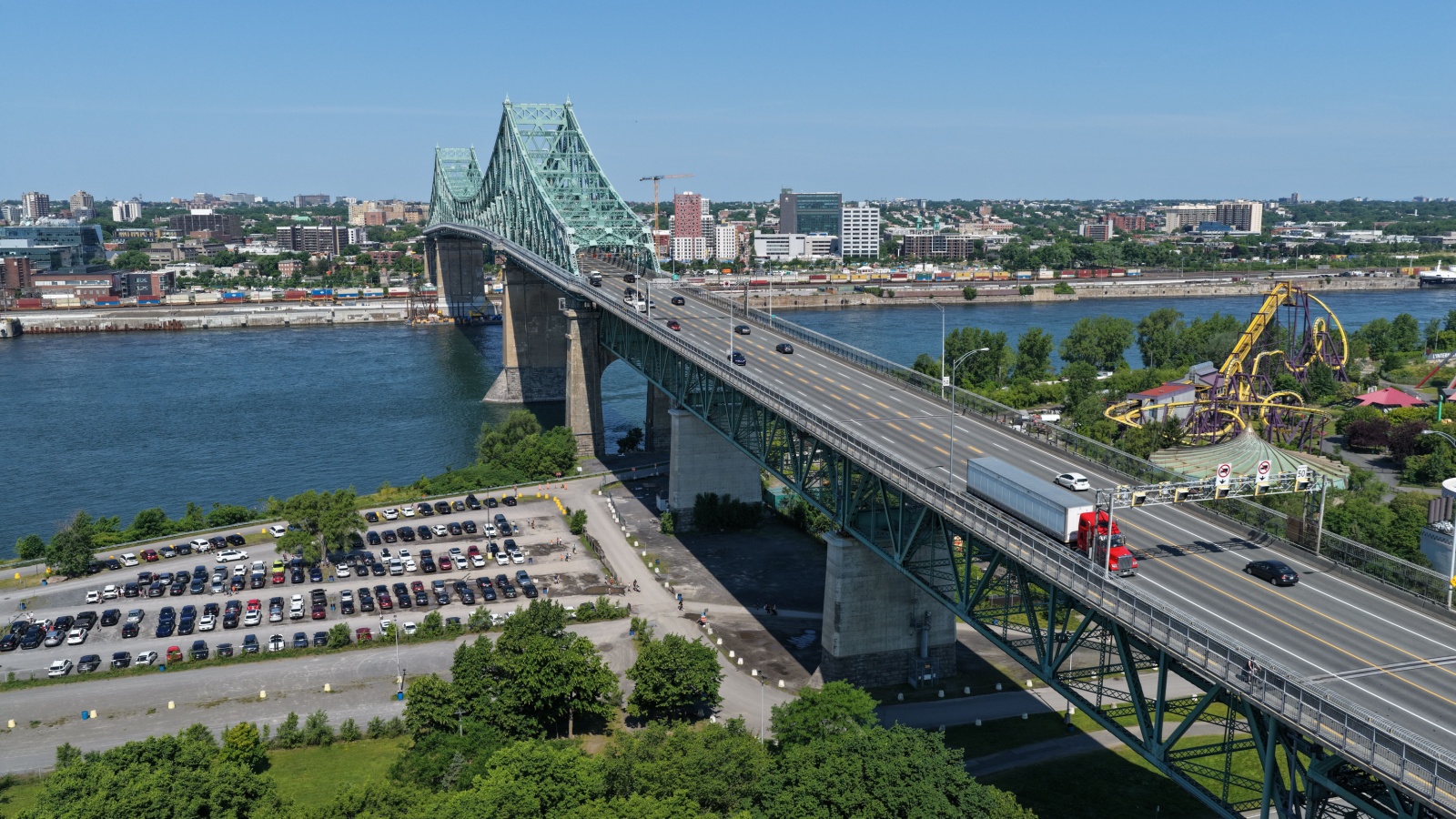
Affordability can bring attention, but identity keeps it. A Canadian city about to surge usually has a story people can repeat: a growing food scene, access to mountains or lakes, a strong arts community, a university-town feel, a clean-energy cluster, historic neighbourhoods, a port economy, or a reputation for family life. The best-positioned cities are not simply alternatives to Toronto or Vancouver; they become desirable on their own terms.
This is where numbers and emotion meet. Housing starts, transit funding, job growth, and population data may explain why a city is changing, but local identity explains why people stay. A place that protects its character while adding homes, services, and opportunity can become popular without feeling generic. The strongest signal is when residents stop apologizing for where they live and start explaining why they chose it.
19 Things Canadians Don’t Realize the CRA Can See About Their Online Income

Earning money online feels simple and informal for many Canadians. Freelancing, selling products, and digital services often start as side projects. The problem appears at tax time. Many people underestimate how much information the CRA can access. Online platforms, banks, and payment processors create detailed records automatically. These records do not disappear once money hits an account. Small gaps in reporting add up quickly.
Here are 19 things Canadians don’t realize the CRA can see about their online income.
