
Canadian shelves, kitchen cupboards, glove compartments, and junk drawers still hold plenty of familiar products that once felt permanent. Yet buying habits, regulations, digital tools, health concerns, and changing household routines are steadily pushing some long-standing staples into smaller roles. The shift is rarely dramatic at first. A product may still be available, still useful, and still loved by a loyal group, while quietly losing everyday relevance.
These 21 familiar Canadian products show how quickly habits can change when phones replace paper, streaming replaces discs, tap payments replace small bills, and environmental rules reshape what retailers can sell. None of them has vanished completely, but each one is being squeezed by newer alternatives, tighter budgets, or a different idea of convenience.
Printed Newspapers

Printed newspapers once marked the rhythm of mornings in many Canadian homes, landing on porches before breakfast and filling commuter bags on the way to work. Their place has been shrinking as readers move to phones, newsletters, apps, and social feeds. The change is not simply about attention spans; it is about the economics of printing, delivery, and advertising. When a household can read breaking news instantly, the printed edition becomes less urgent.
That does not mean newspapers have lost their public value. Many still provide essential reporting, local accountability, and regional coverage that online-only sources do not easily replace. But the printed product itself is losing ground. Statistics Canada reported that Canadian newspaper publishers’ operating revenue fell sharply in 2024 compared with 2022, while earlier data showed print advertising and print circulation under heavy pressure. The paper on the kitchen table is increasingly becoming a weekend habit, a senior household routine, or a specialty choice rather than the default way Canadians follow the day.
Printed Yellow Pages Directories

The thick Yellow Pages directory was once one of the most practical household products in Canada. It sat near the phone, usually with curled corners and handwritten notes tucked inside, ready for plumbers, pizza shops, dentists, and appliance repair. Its decline is a clear example of a product losing its place not because it stopped working, but because the job moved elsewhere. Search engines, review platforms, map apps, and voice assistants now handle many of the same questions in seconds.
Yellow Pages has not disappeared as a company or as a business tool, but the printed directory has become less central. The company’s own financial reporting has continued to show declining print revenue, even as its digital services dominate the business model. That matters because the printed book’s value once came from being universal: nearly everyone had one, and businesses paid to be found there. Today, younger consumers may never think to open a directory at all. The familiar yellow book has become more of a nostalgic object than a household necessity.
Cheque Books

Cheque books remain useful in specific situations: rent deposits, school payments, contractor invoices, gifts, and certain business transactions. Still, their everyday role has been steadily eroded by e-transfers, direct deposits, pre-authorized payments, credit cards, and digital wallets. For many Canadians, the cheque book now lives in a drawer and only comes out when a landlord, small organization, or older family member still asks for one.
Payments Canada has reported continued declines in cheque volume, while digital payment channels keep expanding. The change is especially noticeable in small transactions, where cheques feel slow compared with instant transfers and tap-to-pay cards. The product also carries friction: ordering new books, writing amounts carefully, mailing or delivering the cheque, and waiting for clearing. Businesses still use cheques for some large-value payments, but even that is changing as accounting software and electronic payment systems improve. The cheque book is not obsolete, but it has clearly moved from everyday tool to occasional fallback.
Landline Telephones

The household landline used to be a small anchor of Canadian life. It was the number printed on school forms, taped beside the fridge, and given to relatives who called every Sunday. That role has faded as mobile phones became personal, portable, and nearly universal. A landline still has appeal for some seniors, rural households, home offices, and people who want a stable emergency connection, but it no longer defines household communication.
Statistics Canada has reported that cellphone ownership has risen while landline presence has fallen. By 2021, the share of households with a landline had dropped below half, while cellphones were present in the overwhelming majority of households. The social meaning changed too. Calling the house now feels less precise than texting the person. Families that once shared one number now manage several individual screens. The landline phone, with its coiled cord or charging base, has become a backup product in many homes rather than the centre of daily communication.
Cable TV Set-Top Boxes

Cable TV boxes used to sit under almost every Canadian television, blinking quietly beside the VCR or DVD player. They controlled channels, recorded shows, and bundled news, sports, kids’ programming, and movies into one package. Their place is being challenged by streaming devices, smart TVs, mobile viewing, and households that prefer paying only for specific services. The box remains important for live sports, local news, and bundled households, but it no longer feels unavoidable.
CRTC data has long shown pressure on traditional broadcasting distribution services as internet and mobile services take a larger share of attention and revenue. The decline is not just technological; it is behavioural. Viewers expect on-demand menus, personalized recommendations, and the ability to pause a show on one screen and continue it elsewhere. A cable box can still do useful work, especially for older viewers or bundled subscribers, but it is increasingly competing with cheaper, smaller, and more flexible devices. The once-essential living-room box is losing its privileged shelf space.
Postage Stamps for Everyday Letters

Postage stamps are still symbols of birthdays, thank-you notes, holiday cards, and official mail. Yet the ordinary stamp has lost much of its everyday function as bills, bank notices, invitations, and personal messages move online. Canadians still mail documents, cards, and parcels, but the steady decline of letter mail has weakened the stamp’s place in routine household life. A roll of stamps can now last some families for years.
Canada Post has stated that letter mail volumes have fallen dramatically from earlier peaks, leaving a postal system built for billions more letters than it currently handles. That shift changes how stamps feel as a product. They are less like a household basic and more like a small specialty item kept for rare occasions. The emotional value remains strong—few digital messages match a handwritten card—but the volume has moved elsewhere. The stamp is surviving as a thoughtful gesture, not as the everyday workhorse it once was.
Cash Bills and Coins

Cash is familiar, tangible, and still important for privacy, tips, garage sales, children’s allowances, and small businesses that want to avoid card fees. But its place in everyday Canadian transactions has been shrinking as debit, credit, contactless payments, and mobile wallets become faster and more widely accepted. The change is visible at coffee counters, transit machines, parking lots, and self-checkouts where tapping a card is often easier than counting coins.
Payments Canada and Bank of Canada research show that digital and card-based payments now dominate much of the payment landscape, while cash volumes have faced pressure. Cash has not vanished because it remains resilient during outages, useful for budgeting, and necessary for some people who do not rely on banking apps. Still, it is no longer the automatic default. A generation ago, leaving home without cash felt risky. Today, many Canadians leave with only a phone and a card, making bills and coins feel more like backup than centrepiece.
Single-Use Plastic Shopping Bags

Single-use plastic shopping bags were once so common that kitchen drawers filled with them faster than families could reuse them. They lined garbage bins, carried lunches, wrapped muddy shoes, and followed groceries home by the dozen. Their decline in Canada has been driven by environmental regulation and changing retail habits. Reusable bags, paper alternatives, bins, and heavier multi-use plastics have replaced the thin checkout bag in many stores.
The federal Single-use Plastics Prohibition Regulations targeted checkout bags along with several other disposable plastic products. For shoppers, the change has been practical as much as symbolic. Forgetting reusable bags can now mean paying for alternatives or juggling items to the car. For retailers, it altered checkout routines and packaging costs. The old plastic bag still exists in some contexts and under certain exceptions, but it has clearly lost its place as a casual free add-on. What used to feel invisible at the register now feels regulated, noticed, and increasingly out of step.
Plastic Straws and Disposable Cutlery

Plastic straws and disposable cutlery once appeared automatically with takeout orders, fast-food meals, convenience-store drinks, and office lunches. Their disappearance has been gradual enough that many Canadians barely noticed until paper straws, wooden forks, or “available on request” policies became normal. These products are losing their place because they are highly visible symbols of single-use waste and often easy to replace with reusable or lower-impact alternatives.
Canada’s federal rules restricted several categories of single-use plastics, including straws, cutlery, stir sticks, and certain foodservice ware. The shift has not been frictionless. Paper straws can soften, wooden utensils can feel unfamiliar, and accessibility concerns remain important for people who require flexible plastic straws. Still, the default has changed. Restaurants and cafés increasingly treat disposable plastic items as exceptions rather than automatic extras. The old handful of plastic forks tossed into every bag now feels wasteful to many customers. Convenience is still valued, but the definition of acceptable convenience has changed.
Compact Fluorescent and Fluorescent Light Bulbs

Compact fluorescent bulbs once represented the practical upgrade from incandescent lighting. They used less energy, lasted longer, and became common in hallways, basements, garages, and office fixtures across Canada. Now they are being pushed aside by LED lighting, which turns on instantly, uses energy efficiently, avoids the same mercury concerns, and has become cheaper and more widely available. The product that once felt modern is starting to feel transitional.
Canada has moved to further phase out mercury-containing lamps, including common fluorescent products, with regulations expected to reduce mercury releases significantly over time. For households, the change may be most visible when replacing an old spiral CFL or a long fluorescent tube and finding that LED alternatives dominate the shelf. Businesses face the same transition on a larger scale, especially in older buildings with fluorescent fixtures. Fluorescent bulbs still work in many places, but their future is narrowing. The lighting aisle is becoming an LED aisle, and fluorescent products are losing both policy support and consumer patience.
Incandescent Light Bulbs

Incandescent bulbs had a warmth that many Canadians still remember fondly. They made bedrooms softer, lamps cozier, and holiday spaces feel familiar. But they were inefficient compared with newer lighting technologies, turning much of their energy into heat rather than light. Their decline began years ago through efficiency standards, and the consumer shift accelerated as LED bulbs became cheaper, dimmable, and available in warmer tones.
Natural Resources Canada’s efficiency framework and federal regulations have shaped the market for general service lamps, while LEDs have taken over the mainstream lighting shelf. The emotional attachment to incandescent bulbs remains real, especially among people who dislike harsh lighting or remember early CFLs with frustration. Yet today’s LED products have solved many of those complaints. They last longer, use less electricity, and come in a wide range of colour temperatures. Incandescent bulbs survive in specialty uses, decorative settings, and old stockpiles, but they have lost their place as the standard household bulb.
DVD and Blu-ray Discs

DVDs and Blu-ray discs once filled Canadian living rooms, bedroom shelves, and bargain bins. Owning a movie meant choosing the case, checking the bonus features, and lending it to a friend. Streaming changed that routine by making enormous libraries available without storage space, scratched discs, or separate players. Physical discs still matter to collectors, cinephiles, and people who care about special features or reliable access when titles leave streaming platforms.
The broader home-entertainment market has moved heavily toward digital access, and industry reporting has repeatedly noted pressure on physical disc sales. Blu-ray still has a niche because quality, ownership, and collector editions matter to a dedicated audience. But for casual viewing, the disc is no longer the default. Families that once bought a children’s movie for repeat viewing may now subscribe to a service. Shelves that once displayed movie collections are being replaced by watchlists. The disc has become more intentional, less routine, and increasingly tied to collectors rather than the average Friday night.
Compact Discs

Compact discs changed music in Canada by making albums portable, durable, and easy to skip track by track. For years, cars had CD wallets, bedrooms had towers of jewel cases, and new releases arrived at mall music stores. Streaming has dramatically changed that relationship. Songs are now stored in apps, shared through playlists, and discovered through algorithms. The CD still has fans, but it no longer controls how most people listen.
Statistics Canada has reported strong growth in streaming sales for Canada’s sound recording sector, while earlier industry data showed CDs and digital downloads under pressure. Global music data has also shown streaming as the main engine of recorded music growth. Physical music is not dead—vinyl has revived, and some artists still sell CDs at concerts—but the everyday role has shifted. The CD is now more likely to be bought as merchandise, nostalgia, or support for an artist than as the main way to hear music. The jewel case has become optional.
Point-and-Shoot Digital Cameras
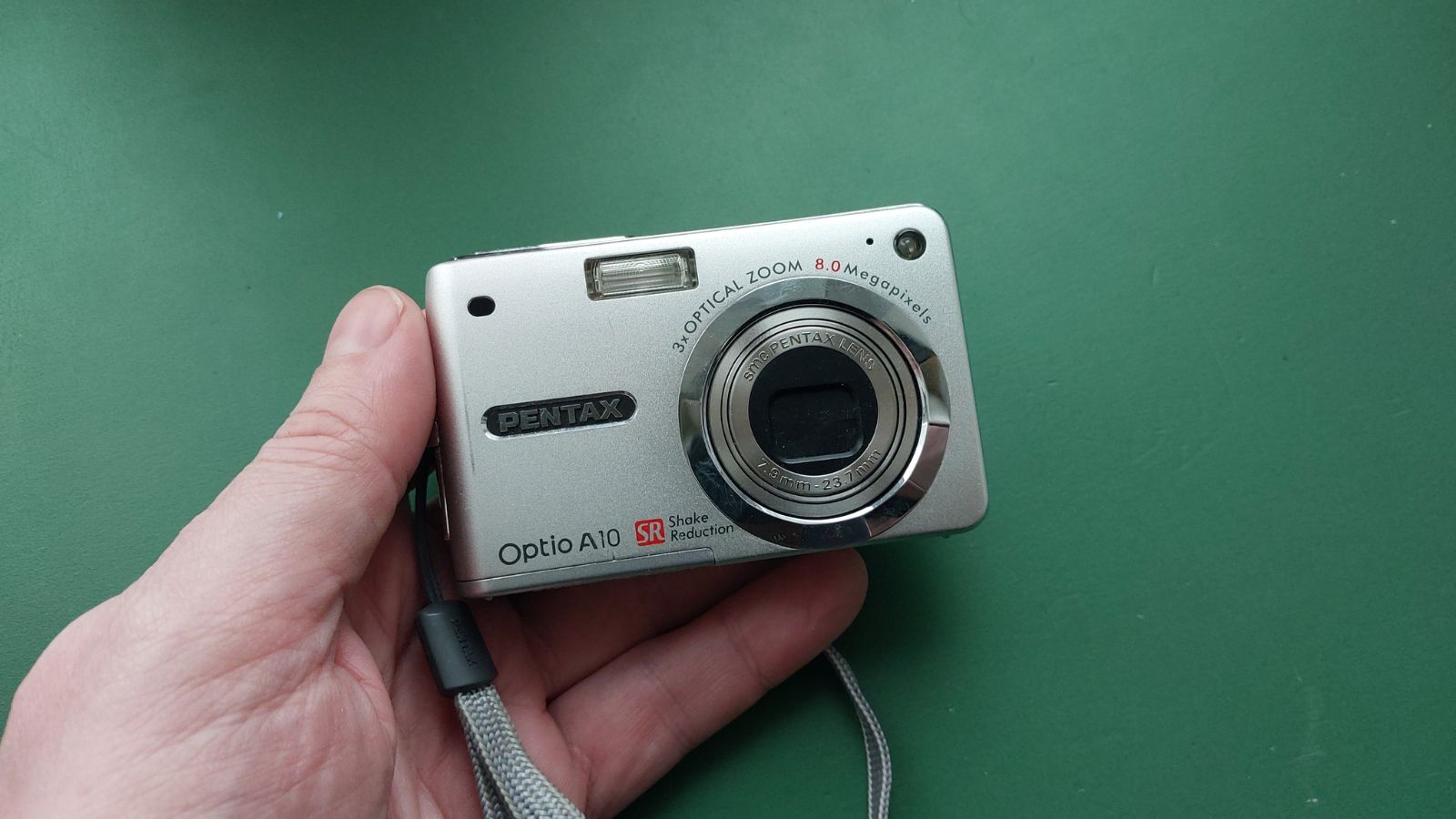
Small digital cameras once promised freedom from film rolls and blurry disposable shots. They came to school concerts, vacations, weddings, and cottage weekends, often tucked into a purse beside spare batteries. Smartphones changed that almost completely. The camera people carry every day now includes editing tools, cloud backup, social sharing, and video in the same device. For casual users, the separate point-and-shoot became one more gadget to charge.
Camera industry data shows just how dramatically the category changed after its peak. Compact cameras have seen some renewed interest, especially in premium and retro-style models, but shipments remain far below the era when pocket cameras dominated family photography. That distinction matters. The product is not disappearing; it is becoming more specialized. Teens and creators may rediscover compact cameras for a different look, while enthusiasts buy higher-end models. But the affordable camera once bought before a family trip has lost its old place to the phone already in everyone’s hand.
Standalone GPS Navigation Units

Standalone GPS units were once a major upgrade for Canadian drivers. They replaced printed directions, warned of missed turns, and made unfamiliar suburbs easier to navigate. Many sat on windshields with suction mounts and spoke in the calm voice that guided road trips for years. Smartphones and built-in vehicle infotainment systems have reduced that need. Live traffic, map updates, crowd-sourced hazard alerts, and voice search now come through apps already installed on phones.
The decline of personal navigation devices has been widely tied to smartphone competition, even as navigation companies have shifted toward software, mapping services, automotive partnerships, and specialized devices. Some standalone units still make sense for RVs, commercial drivers, remote routes, or people who prefer not to rely on phone data. But for ordinary city driving, the separate GPS unit has lost much of its shelf space and windshield space. Its core function survived, but the dedicated product was absorbed into devices Canadians already carry.
Paper Road Maps and Atlases

Paper maps and road atlases were once essential travel products. Families unfolded them across dashboards, highlighted routes before cottage trips, and argued over exits while someone in the passenger seat traced highways with a finger. Digital navigation has changed the habit. Apps reroute instantly, estimate arrival times, show traffic, and search for gas stations or restaurants along the way. That convenience makes paper maps feel slower and less necessary for many drivers.
Still, the paper map has not lost all relevance. Travel organizations and safety advocates continue to point out that physical maps can help when batteries die, signals disappear, or road trips enter remote areas. Canada’s geography makes that point especially practical in northern, rural, and mountainous regions. The map’s role has shifted from daily navigation to backup, education, and preparedness. It is less likely to live permanently in every glove box, but more likely to be appreciated when technology fails. Once a primary guide, it has become a quiet insurance policy.
Dairy Milk Jugs
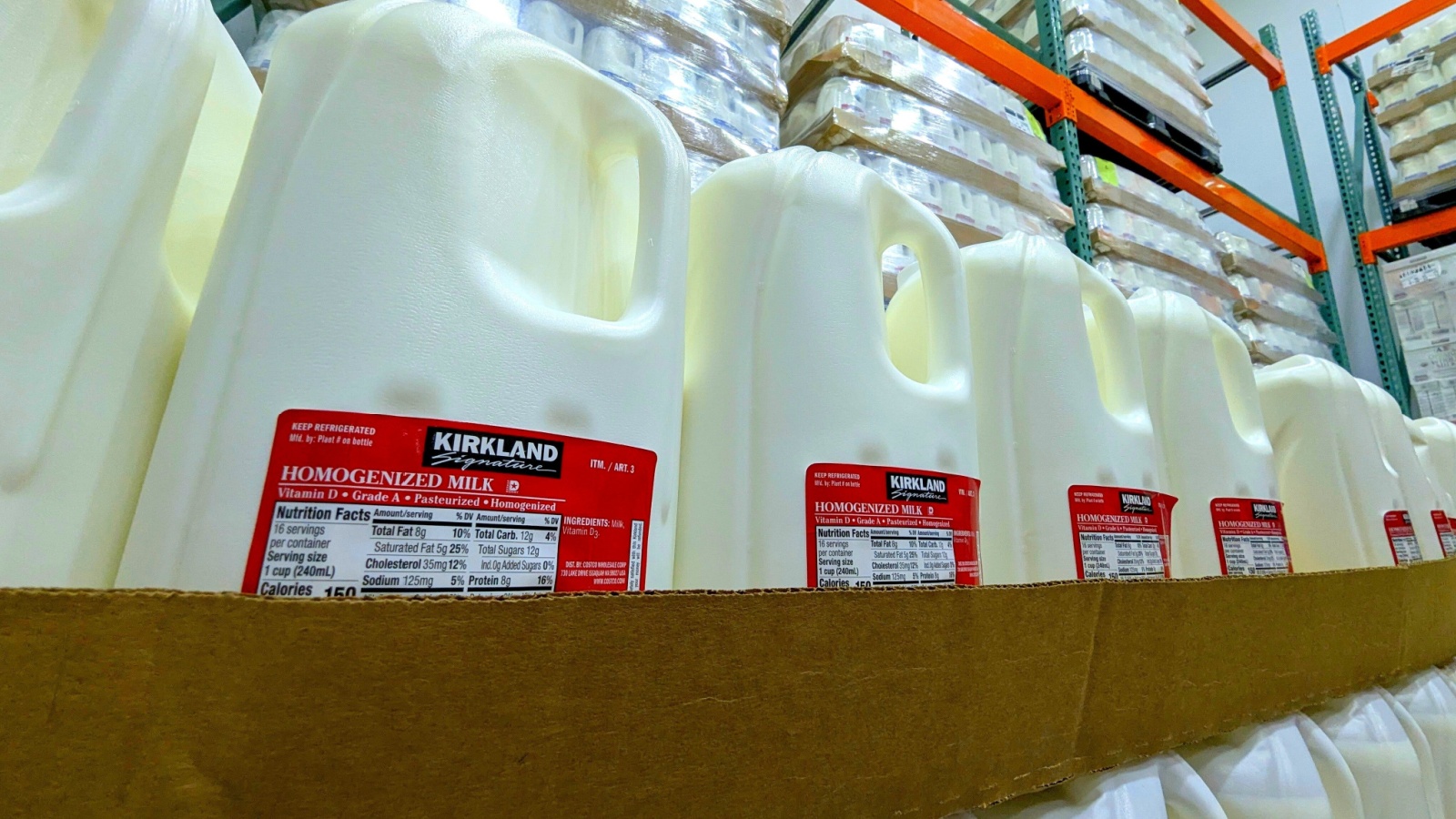
Dairy milk remains deeply embedded in Canadian kitchens, from cereal bowls and coffee cups to baking and school lunches. Yet plain fluid milk has been losing some of its old dominance as plant-based beverages, bottled protein drinks, yogurt, specialty coffees, and changing breakfast habits reshape consumption. The milk jug still belongs in many fridges, but it competes with more alternatives than it did a generation ago.
Statistics Canada has documented a long decline in per-capita milk available for consumption from its late-1970s peak, while research using Canadian nutrition survey data found a notable drop in the share of Canadians consuming plain milk between 2004 and 2015. Plant-based beverages did not simply replace milk one-for-one, but they changed expectations. Oat, almond, soy, and lactose-free options made the dairy aisle more crowded and more segmented. Dairy milk remains important, especially for families and foodservice, but its role is less automatic. The familiar four-litre bag or jug now shares space with a wider idea of what “milk” can mean.
Regular Sugary Soft Drinks

Regular soft drinks still have strong brand recognition and a loyal place at parties, fast-food counters, convenience stores, and summer barbecues. But their everyday standing has weakened as health concerns, sugar awareness, bottled water, sparkling water, energy drinks, ready-to-drink coffee, and zero-sugar versions reshape beverage choices. The classic can of cola is still everywhere, yet it has more competition than ever.
Canadian research has found declines in energy-dense beverage consumption, including regular soft drinks, between 2004 and 2015. Statistics Canada also reported that soft drink availability fell substantially over that period. The change is not only about avoiding sugar; it is about variety. Consumers who once chose between cola and orange pop now face shelves full of flavoured sparkling water, kombucha, iced tea, hydration drinks, and low-calorie options. Regular soda remains a familiar treat, but it has lost some of its everyday permission. For many households, it has moved from fridge staple to occasional purchase.
Fruit Juice Boxes

Fruit juice boxes used to feel like a lunchbox essential: compact, sweet, shelf-stable, and easy for children to manage. They still appear in school lunches and sports bags, but their image has changed as parents, schools, and health professionals pay closer attention to sugar intake. Even 100% juice, once marketed as a wholesome choice, now competes with water bottles, milk, whole fruit, and lower-sugar drinks.
Statistics Canada has reported that the contribution of juice to total sugars consumption declined significantly among several age groups between 2004 and 2015. Broader beverage research also showed lower consumption of several sugary drink categories over the same period. The juice box’s decline is subtle because it still looks practical. It solves a real convenience problem. But many families now reserve it for outings or treats rather than sending it every day. The shift reflects a broader change in how Canadians think about “healthy” packaged products: natural fruit content no longer automatically cancels out concerns about sugar, portion size, and routine consumption.
Sweet Breakfast Cereals

Sweet breakfast cereals once owned a special place in Canadian childhood: cartoon mascots, colourful boxes, plastic prizes, and Saturday morning television. Many adults still feel nostalgia for those aisles. But breakfast habits have diversified. Yogurt, smoothies, eggs, protein bars, overnight oats, drive-through coffee, and skipped breakfasts have all chipped away at the old cereal-bowl routine. Sugary cereals also face more scrutiny from parents and public-health researchers.
Canadian research has shown that ready-to-eat cereal is still widely consumed, especially by children, but health-focused analysis has raised concerns about sugar in child-targeted breakfast cereals. That creates a difficult position for the category. Cereal can provide convenience and fortified nutrients, yet the sweetest varieties no longer enjoy the same unquestioned status. Brands have responded with whole-grain claims, lower-sugar options, protein blends, and nostalgic limited editions. The product remains familiar and profitable, but its cultural place has shifted. A box of sweet cereal is less likely to be seen as a default breakfast and more likely to be treated as a controlled indulgence.
Paper Coupons

Paper coupons once made grocery shopping feel like a small household strategy. They were clipped from inserts, tucked into envelopes, and handed over at the checkout with a sense of victory. That ritual is losing ground to loyalty apps, digital flyers, cashback platforms, personalized offers, and barcode-based deals. The savings still matter, but the physical coupon is no longer the main gateway to them.
In Canada, the move away from print flyers and toward digital advertising has accelerated as publishers and retailers change distribution models. Apps such as Flipp and retailer loyalty platforms now collect deals in one place, making paper less necessary for shoppers comfortable with phones. The shift is not equally easy for everyone. Seniors, low-income households without reliable internet, and people who prefer paper can be left frustrated when deals require accounts or apps. That tension shows why paper coupons have not disappeared completely. Still, their role has changed from mainstream savings tool to legacy format, accessibility concern, or occasional in-store promotion.
Printed Bank Statements

Printed bank statements used to arrive every month as a normal part of household money management. They were filed in folders, reviewed at kitchen tables, and saved for taxes, mortgages, or disputes. Online banking changed the product’s role by making balances, transactions, and downloadable statements available at any hour. Many Canadians now check accounts on phones far more often than they ever opened a mailed envelope.
The decline of printed statements is part of a broader shift toward digital payments and digital financial records. Payments Canada’s recent trends show the expanding role of electronic payment methods, while Bank of Canada research reflects the changing way Canadians pay and track purchases. Paper statements still matter for people who lack reliable internet access, prefer physical records, or need documentation for legal and accounting reasons. But as banks encourage paperless settings and digital notifications, the mailed statement feels less central. It has moved from monthly routine to optional recordkeeping product, often requiring deliberate selection rather than automatic delivery.
Printed Retail Flyers
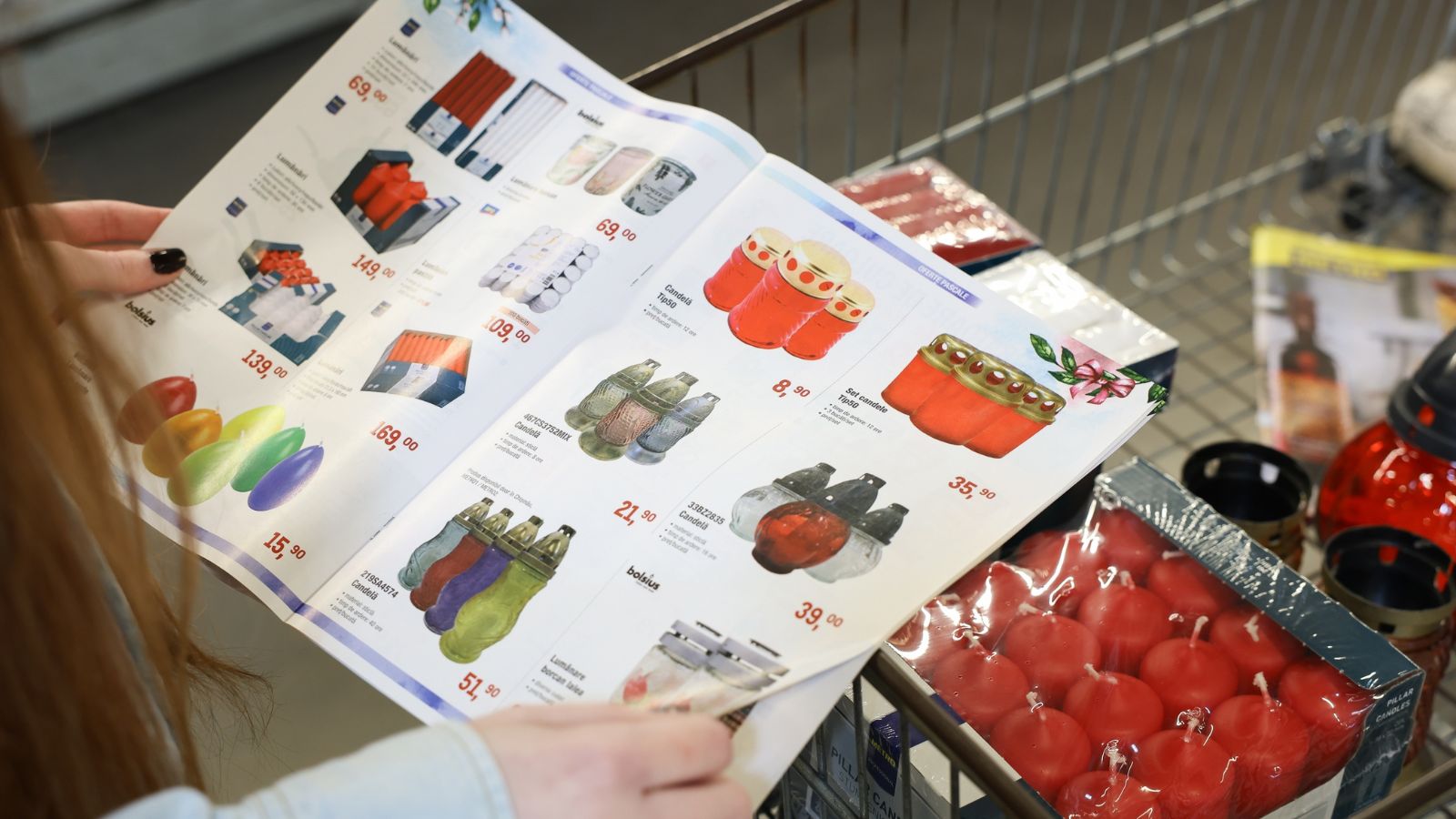
Printed retail flyers once shaped the weekly shopping plan. Grocery deals, hardware specials, back-to-school prices, and holiday promotions arrived in bundles, often stacked near the door before anyone had time to read them. Their position is weakening as retailers push online flyers, personalized app offers, email promotions, and price-comparison tools. The flyer still works for many shoppers, but its distribution system has become more fragile.
The decline of print advertising infrastructure in Canada, including changes involving community newspapers and flyer delivery, has pushed more retailers toward digital channels. Digital flyers offer searchable deals, location-specific pricing, and the ability to clip items directly into shopping lists. But print still has advantages: it is visible, easy to browse, and does not require a login. That is why its loss can feel more personal than purely technological. For many households, the flyer was not just advertising; it was budgeting material. It is now losing its place to apps that are efficient, but less universally accessible.
19 Things Canadians Don’t Realize the CRA Can See About Their Online Income

Earning money online feels simple and informal for many Canadians. Freelancing, selling products, and digital services often start as side projects. The problem appears at tax time. Many people underestimate how much information the CRA can access. Online platforms, banks, and payment processors create detailed records automatically. These records do not disappear once money hits an account. Small gaps in reporting add up quickly.
Here are 19 things Canadians don’t realize the CRA can see about their online income.
