
For many Canadian couples, housing is no longer a single milestone waiting at the end of a predictable path. It has become the force reshaping that path—altering when partners move in together, where they build careers, whether they have children, and how much help they accept from family. Even as some markets show modest signs of easing, affordability remains strained across ownership and rental housing, and the challenge now reaches well beyond Toronto and Vancouver.
These 18 changes show how couples are replacing the old sequence of engagement, detached home, children, and steady mortgage payments with more flexible arrangements. Some are renting longer or choosing condos. Others are moving provinces, sharing property with relatives, delaying parenthood, or redefining success around stability rather than ownership. The result is not one new Canadian housing dream, but many improvised versions shaped by income, location, family support, and timing.
Combining Households Earlier

For some Canadian couples, moving in together is no longer simply a relationship milestone; it is also a response to two rents, two utility bills, and two sets of household costs. Statistics Canada found that common-law living is especially prevalent among younger couples: in 2021, 79% of coupled people aged 20 to 24 and 60.8% of those aged 25 to 29 lived common law. Housing costs do not explain every decision, but they can make combining households feel urgent.
That urgency can alter a relationship’s pace. A couple may sign a lease before planning a wedding, merge furniture before bank accounts, or choose a neighbourhood based on whichever partner has the cheaper apartment. The monthly savings can be meaningful, yet the arrangement demands clearer conversations about rent shares, deposits, chores, and what happens after a breakup. Housing pressure is turning cohabitation into both an emotional commitment and a financial strategy.
Staying With Parents After Coupling Up

Some couples are postponing the fully independent household and living with one partner’s parents while they save. Statistics Canada reported that the share of 25- to 29-year-olds living with parents doubled nationally from 15.7% in 1991 to 31.1% in 2021. The arrangement may offer lower costs and faster saving, but it can also mean adapting adult relationships to childhood bedrooms, shared kitchens, and family routines.
A couple might contribute groceries and utilities instead of market rent, directing the difference toward a down payment or emergency fund. The trade-off is reduced privacy and less control over daily life. Even supportive families can struggle over guests, parking, noise, or caregiving expectations. Couples therefore create timelines, savings targets, and household agreements that previous generations may not have needed. Rather than treating living at home as a failure to launch, many see it as a temporary partnership between generations designed to make independence possible.
Building Multigenerational Households

Other couples are moving beyond a temporary stay and designing permanent multigenerational households. Canada had 441,750 multigenerational households in 2021, a 21.2% increase from 2011, according to Statistics Canada. Sharing one property can spread mortgage, utility, childcare, and elder-care costs across more adults. It can also help families buy a larger home than one couple could carry alone or preserve a property across generations.
The arrangement requires more planning than simply adding bedrooms. Couples may seek separate entrances, basement suites, second kitchens, or clear ownership shares so every generation retains autonomy. Space remains a real concern: 28.3% of multigenerational households were below the national housing-suitability threshold in 2021, far above other households. A workable plan therefore balances affordability with privacy, accessibility, and future caregiving needs. For many couples, the new dream is not independence from family, but a carefully structured home that makes mutual support sustainable over time for everyone.
Renting Far Longer Than Expected

The path from first apartment to first purchase is stretching. CMHC’s 2026 Mortgage Consumer Survey found that 72% of first-time buyers had rented before purchasing and that previous renters spent an average of 7.6 years in the rental market, up from 6.3 years in 2025. Couples who once saw renting as a brief stop are increasingly treating it as a long-term stage needing a financial plan.
That can mean negotiating for stability, choosing professionally managed buildings, protecting room for annual rent increases, and buying furniture that works in multiple layouts. Some couples prioritize a better rental near work rather than endure years in a cramped unit solely to maximize savings. Others remain in below-market leases even when the space no longer suits them, because moving would reset the rent. The calculation is complicated: renting longer may delay ownership, but a stable tenancy can protect cash flow, relationships, and future mobility.
Choosing Condos Over Detached Homes

Many couples are revising the type of home they expect to own. In 2021, more than 2.2 million occupied Canadian dwellings were condominiums, representing 15% of the housing stock, while about 4.3 million people lived in condos. Millennials were the largest generational group among condo residents. For buyers priced out of detached houses, a condo can provide a foothold in familiar cities.
The compromise is not about square footage. Couples must budget for condo fees, special assessments, storage, pet rules, and the possibility that a one-bedroom unit will be difficult to adapt if work or family needs change. Some choose older buildings with larger layouts; others accept a smaller unit for transit access and a shorter commute. A detached house may remain an aspiration, but the immediate goal becomes control over housing costs and tenure. Ownership is being separated from the traditional image of a yard, garage, and spare rooms.
Turning to Townhouses and Missing-Middle Homes
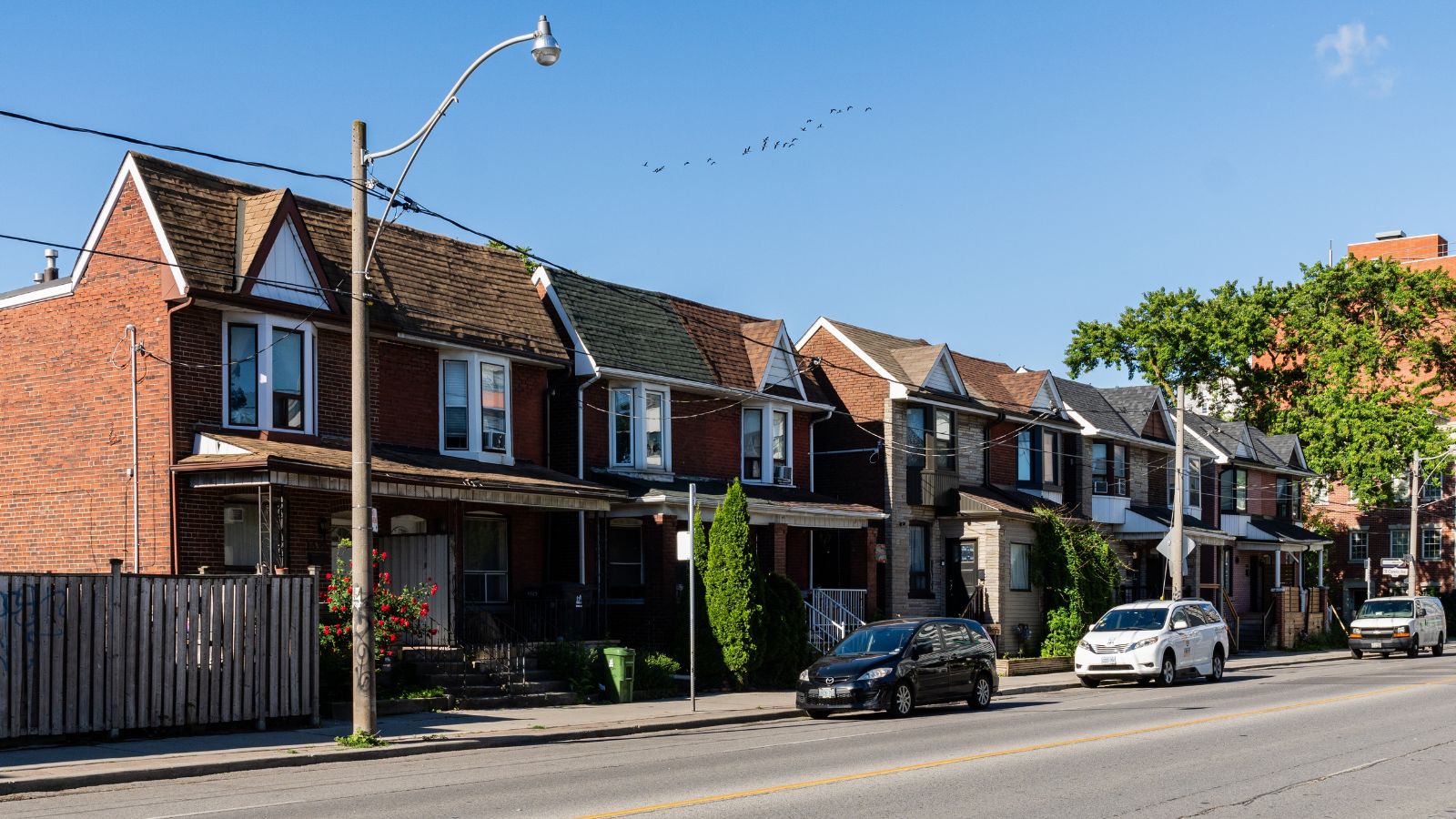
Between a high-rise condo and a detached house, more couples are looking toward townhouses, duplexes, multiplexes, and low-rise apartments. CMHC describes these forms as “missing middle” housing and reported that starts in this category rose about 10% across seven major metropolitan areas in 2025. Calgary and Edmonton were leaders, while conversions accounted for a large share of Toronto’s additions. These homes can offer family-sized layouts without the land cost of a detached property.
For couples, the appeal is practical: a separate entrance, an extra bedroom, or a small outdoor area may matter more than owning an entire lot. The trade-offs can include shared walls, smaller parking areas, strata or maintenance fees, and less control over exterior changes. Still, missing-middle housing allows couples to revise the dream without abandoning it. The plan shifts from “detached or nothing” to finding enough private space, predictable costs, and a neighbourhood that supports daily life.
Moving to a More Affordable Province

Housing costs are influencing where couples imagine their future. Statistics Canada estimated that 333,000 people moved between provinces and territories in 2023, the third consecutive year above 300,000. Alberta posted a record net gain of 55,107 interprovincial migrants, while Ontario recorded a net loss of 36,197. Employment, family, and lifestyle all shape migration, but price differences between housing markets can make relocation compelling.
A couple leaving southern Ontario or British Columbia may gain more space or a shorter mortgage in Alberta or Atlantic Canada, yet the decision is rarely a simple bargain hunt. Moving can mean rebuilding professional networks, living farther from relatives, adjusting to climate, and paying unexpected transportation or childcare costs. One partner may find work while the other sacrifices seniority or credentials. Housing affordability is turning provincial relocation into joint career decision, not merely a real-estate choice. The cheaper house must still support the couple’s life.
Looking Beyond the Biggest City Cores

Some couples are staying in the same province but moving beyond the largest urban cores. Canada’s smaller urban centres are growing, and communities such as Chilliwack, Nanaimo, Red Deer, Kamloops, and Fredericton have crossed into metropolitan categories. Statistics Canada has also documented population losses from Toronto and Montréal to neighbouring areas, showing how households search outward for space while staying connected to jobs.
The revised plan often involves accepting distance in exchange for a spare bedroom, yard, or lower purchase price. A Toronto-area couple might compare a condo near the subway with a townhouse two hours away; a Vancouver couple may look farther into the Fraser Valley. Savings can be offset by commuting time, vehicle costs, and fewer nearby services. Couples test the move before buying, examine train schedules, and model both partners’ workdays. The question is no longer only where housing is cheaper, but whether the routine remains sustainable.
Making Remote Work Part of the Housing Strategy

Remote and hybrid work have become housing variables. Statistics Canada reported that 11.4% of employed Canadians worked only from home and 9.8% had hybrid arrangements in May 2026. Those shares are lower than during the pandemic, but large enough to influence where couples can live. A household with even one location-flexible job may consider communities that were impractical.
Couples are negotiating employment arrangements alongside mortgage pre-approvals. They may seek written remote-work policies, favour homes with two work areas, or keep one partner within commuting distance while the other works nationally. The risk is that a return-to-office order can transform an affordable location into an exhausting one. A house selected around two home offices may also become cramped when children arrive. Remote work expands the map, but it does not eliminate uncertainty. Housing plans now include internet reliability, future employers, office attendance, and whether a long commute would remain manageable later.
Delaying Children Until Housing Feels Workable

For many couples, the decision to have a child is tied to whether the home feels financially and physically workable. Statistics Canada reported that only 44% of people aged 15 to 49 believed they could afford a child within three years in 2022, while 37% did not. Respondents also identified access to suitable housing as a condition shaping fertility intentions. A nursery is not essential, but security and sufficient space feel important.
That creates a sequence couples may struggle to complete: save a down payment, buy or secure a larger rental, stabilize monthly costs, then start a family. When the first steps take longer, parenthood may move later as well. Canada’s average age of mothers at childbirth reached a record 31.8 years in 2024. Housing is not the only reason, but it can reinforce delays linked to education, careers, childcare, and work-life balance. The calendar becomes both personal and economic.
Planning for Fewer Children

Housing pressure can change not only when couples have children, but how many they can support. Statistics Canada reported that the average desired number of children per woman was 1.50 in 2022. By 2024, Canada’s total fertility rate had fallen to 1.25 children per woman, while women without children who wanted to become mothers desired 2.2 children on average. The gap between hopes and outcomes reflects many forces, including housing affordability.
A couple may decide that one child fits a two-bedroom condo, while a second would require a move, another childcare bill, and a larger emergency fund. Others postpone the decision until their mortgage renewal or employment improves. These are intimate choices, not simple budget equations, yet housing turns each additional bedroom into a visible price. Family planning increasingly includes school districts, room-sharing, parental leave, and the cost of upgrading. The imagined family is being resized alongside the imagined home.
Saving for a Down Payment for More Years

Couples are also extending the savings phase. CMHC’s 2026 Mortgage Consumer Survey found that recent buyers took an average of 4.4 years to save for a down payment, up from 3.4 years in 2025. Longer timelines can reshape vacations and wedding budgets, because money that might once have funded experiences is redirected toward a purchase vulnerable to changing prices and interest rates.
The process often becomes structured. Couples automate deposits, use First Home Savings Accounts, track unequal contributions, and debate whether investments should remain exposed to market risk. They may move into a cheaper unit, take extra work, or set a deadline after which they will reconsider buying. Strain comes from saving toward a target that can move faster than income. A down payment is no longer merely a percentage of a known price; it is a multi-year joint project requiring rules for setbacks, windfalls, and relationship or market changes.
Accepting More Family Financial Help

Family money is entering couples’ housing plans. CMHC’s 2026 survey found that 23% of recent homebuyers received a financial gift toward their down payment, with a median of $30,000. Among first-time buyers, 27% received a gift, and 28% needed a co-signer other than a spouse or partner. Parents were the most common co-signers. Assistance can bridge a qualification gap but change family relationships.
Couples must clarify whether money is a gift, loan, ownership stake, or advance on an inheritance. Written agreements may explain repayment, title, and what happens if the home is sold or the couple separates. Help can feel unequal when one partner’s family contributes far more than the other’s. A generous transfer may make ownership possible while creating expectations about location, renovations, or future caregiving. Housing plans include another negotiation: not only what the couple can afford, but what family support means and which obligations may accompany it.
Co-Buying Beyond the Couple

Some couples are widening the ownership group by purchasing with parents, siblings, friends, or another couple. CMHC reported in 2025 that 54% of first-time buyers shared their home purchase with someone other than a partner or spouse. A Royal LePage-Leger study also found that 6% of Canadian homeowners co-owned with someone who was not their spouse or significant other. Combining incomes and down payments can unlock unreachable properties.
The arrangement demands detailed planning. Co-owners need agreements covering mortgage payments, repairs, private areas, guests, pets, renovations, and exit rights. A couple buying with another family may gain childcare support and a larger home, yet lose privacy and flexibility. Selling becomes complicated if one household wants to leave first. Co-buying can be a creative answer to affordability, but it works best when participants treat it like a long-term business partnership as well as a shared home. Trust matters, and so does documentation.
Preparing for Mortgage Renewals Before Making New Plans
Existing homeowners are reworking plans around renewal dates. CMHC’s 2026 Mortgage Consumer Survey found that 35% of renewers faced higher payments, with an average increase of $375 per month. The Bank of Canada estimated that about 60% of mortgage holders renewing in 2025 and 2026 would see payment increases. Even when manageable, uncertainty encourages couples to delay renovations, parental leave, moves, or major purchases.
The renewal date becomes a household checkpoint. Couples may build a cash buffer, make lump-sum payments, extend amortization, change lenders, or choose a shorter fixed term while waiting for clearer rates. Decisions that once followed life stages now follow financing cycles. A planned second child or career break can look different when the mortgage payment is unknown. This does not mean every renewal creates distress; many borrowers were stress-tested at higher rates. It does mean housing finance sets timing for choices far beyond the home itself.
Cutting Lifestyle Spending to Protect Housing

Housing payments are crowding out other goals. Shelter represented 32.1% of household consumption in 2023, the largest category ahead of transportation and food. CMHC’s 2026 survey found that 31% of mortgage consumers had reduced or planned to reduce non-mortgage expenses to lower default risk. Dining out, entertainment, vacations, shopping, and personal care were the most common areas targeted.
For couples, these cuts can change shared life. A planned honeymoon becomes a weekend trip, restaurant nights become home cooking, and hobbies are postponed to protect rent or mortgage payments. Repeated sacrifice can create resentment when partners value spending differently. Some couples create individual discretionary allowances; others protect one annual trip, monthly date night, or small hobby budget while cutting elsewhere. Housing affordability is changing where couples live. It is influencing how often they celebrate, travel, socialize, and recover from work—the parts that make a household more than monthly household housing payments.
Recalculating the True Cost of a Long Commute

A cheaper home on the urban edge may not produce a cheaper life. Statistics Canada’s Housing and Transportation Cost Index found that suburban and peri-urban areas with lower housing costs can become less attractive once transportation is included. In metropolitan areas, the combined-cost index ranged from 0.203 in Thunder Bay to 0.344 in Guelph, illustrating how location changes income absorbed by shelter and mobility.
Couples are responding by calculating fuel, insurance, parking, transit passes, vehicle replacement, and lost time before making an offer. A household may save on the mortgage yet need a second car because the partners work in different directions. Long commutes can also complicate childcare pickup and reduce time together. Some couples choose a smaller home near transit; others accept distance but require hybrid schedules. The reworked plan treats transportation as part of housing, not a separate budget line. Affordability depends on the entire weekly routine together.
Redefining Success Around Stability Rather Than Ownership

The deepest change may be psychological. CMHC’s latest affordability work shows that national homeownership affordability fell to its lowest point since the 1990s in 2022 and has improved only slightly since. Statistics Canada found millennials aged 25 to 39 had a 49.9% homeownership rate in 2021, below the rates recorded by Generation X and baby boomers at comparable ages. The old timetable is no longer a reliable benchmark.
Couples are responding by defining success more broadly: a stable lease, manageable debt, proximity to family, enough room to work, or freedom to relocate. Some save for ownership without making every other goal conditional on it. Others decide that buying only makes sense in a different city or later stage. This does not erase disappointment, especially when ownership remains tied to adulthood and security. It allows couples to build plans around what housing provides—stability, privacy, and belonging—rather than one tenure status alone.
19 Things Canadians Don’t Realize the CRA Can See About Their Online Income

Earning money online feels simple and informal for many Canadians. Freelancing, selling products, and digital services often start as side projects. The problem appears at tax time. Many people underestimate how much information the CRA can access. Online platforms, banks, and payment processors create detailed records automatically. These records do not disappear once money hits an account. Small gaps in reporting add up quickly.
Here are 19 things Canadians don’t realize the CRA can see about their online income.
