
Canadian air travel has always carried a little friction: winter storms, tight connections, crowded terminals, and the small gamble of whether a checked bag arrives on the same carousel. In 2026, that familiar tension feels sharper because several pressures are arriving at once — fuller airports, changing fees, unresolved passenger-rights confusion, labour memories, weather volatility, and new travel-document expectations.
Here are 15 reasons Canadians feel more stressed about flying in 2026, each tied to real changes shaping the experience before, during, and after a trip.
Fuller Airports Are Making the Journey Feel Less Predictable
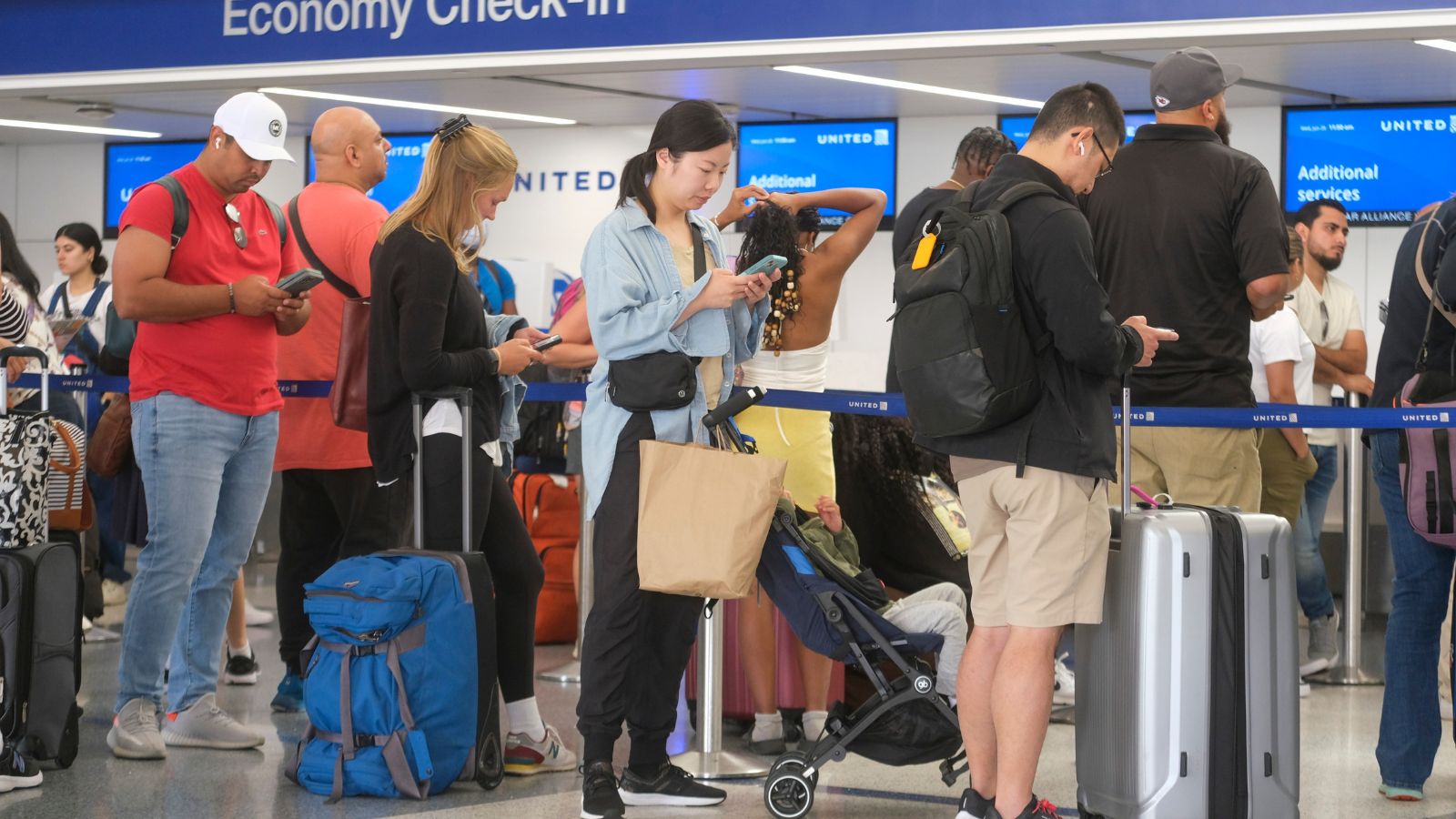
Canadian airports are no longer moving through a quiet recovery period. Screening volumes at the country’s largest airports have been climbing, and that creates a different emotional tone before a trip even starts. When more passengers are moving through the same checkpoints, parking areas, baggage belts, and boarding zones, small delays can feel larger because there is less room to absorb them.
That stress often begins before security. A family leaving for March break may arrive early, only to find longer drop-off queues, packed check-in areas, and limited seating near the gate. Even when the flight leaves on time, the experience can feel compressed. For many Canadians, flying in 2026 is not only about the plane ride. It is about navigating a busier system where every extra traveller seems to make timing, patience, and personal space harder to manage.
Transborder Travel Feels More Uncertain Than It Used To

Trips to the United States have become a more complicated planning decision for many Canadians. Recent passenger-screening data showed transborder traffic to the United States declining year over year for several consecutive months, which suggests hesitation around one of Canada’s most common international travel corridors. That does not mean Canadians have stopped going south, but it does show that cross-border flying is carrying a different mood.
The stress comes from uncertainty as much as numbers. A traveller heading to Florida, New York, or Arizona may wonder whether fares, border questions, political tensions, or changing demand will affect the trip. When a once-routine route begins to feel less routine, people spend more time checking documents, reading airline emails, and preparing backup plans. The flight may still be ordinary, but the mental load around it has grown.
Passenger-Rights Rules Still Feel Hard to Understand
Canada has air passenger protection rules, but many travellers still find them difficult to apply in real life. The rules distinguish between disruptions within an airline’s control, disruptions required for safety, and situations outside the airline’s control. For passengers stuck at an airport, those categories can feel abstract, especially when the immediate concern is a missed cruise, a lost hotel night, or a child melting down at the gate.
The stress becomes sharper when passengers are unsure whether they qualify for compensation, a refund, meals, accommodation, or rebooking. A delayed flight announcement may say “operational issue,” while the airline app gives a shorter explanation and gate staff are overwhelmed. In that moment, Canadians may know they have rights but still feel unsure how to use them. The gap between written rules and airport reality remains one of the most frustrating parts of flying.
Complaint Backlogs Make Problems Feel Harder to Resolve
A bad travel day does not necessarily end when the plane lands. If a passenger files a complaint after a cancellation, baggage issue, or compensation dispute, the process can feel slow and formal. The Canadian Transportation Agency has processed tens of thousands of air travel complaints under its newer resolution system, but the volume itself shows how many travellers are still ending trips with unresolved frustration.
That matters because stress changes when people believe there is no quick remedy. A couple who loses a vacation day to a cancellation may spend weeks collecting receipts, screenshots, boarding passes, and airline emails. Even if the complaint eventually moves forward, the emotional burden lingers. In 2026, Canadians are not only worrying about whether flights will go wrong. They are worrying about how long it may take to get a clear answer afterward.
Baggage Rules Keep Getting More Complicated
Baggage used to be one of the easier parts of flying: pack a suitcase, carry a small bag, and go. Now, fare class matters more than ever. Air Canada’s Economy Basic rules for certain routes no longer include a standard carry-on bag, and checked-bag fees have also shifted for different fare types and destinations. That forces travellers to study the fine print instead of simply comparing ticket prices.
The stress is especially strong for occasional flyers. Someone booking the cheapest fare may not realize until later that a roller bag costs extra or must be checked. At the airport, that can become an awkward and expensive surprise, particularly for families travelling with several bags. In 2026, the question is no longer just “How much is the flight?” It is “What does this fare actually include?”
Airport Improvement Fees Are Adding to Sticker Shock
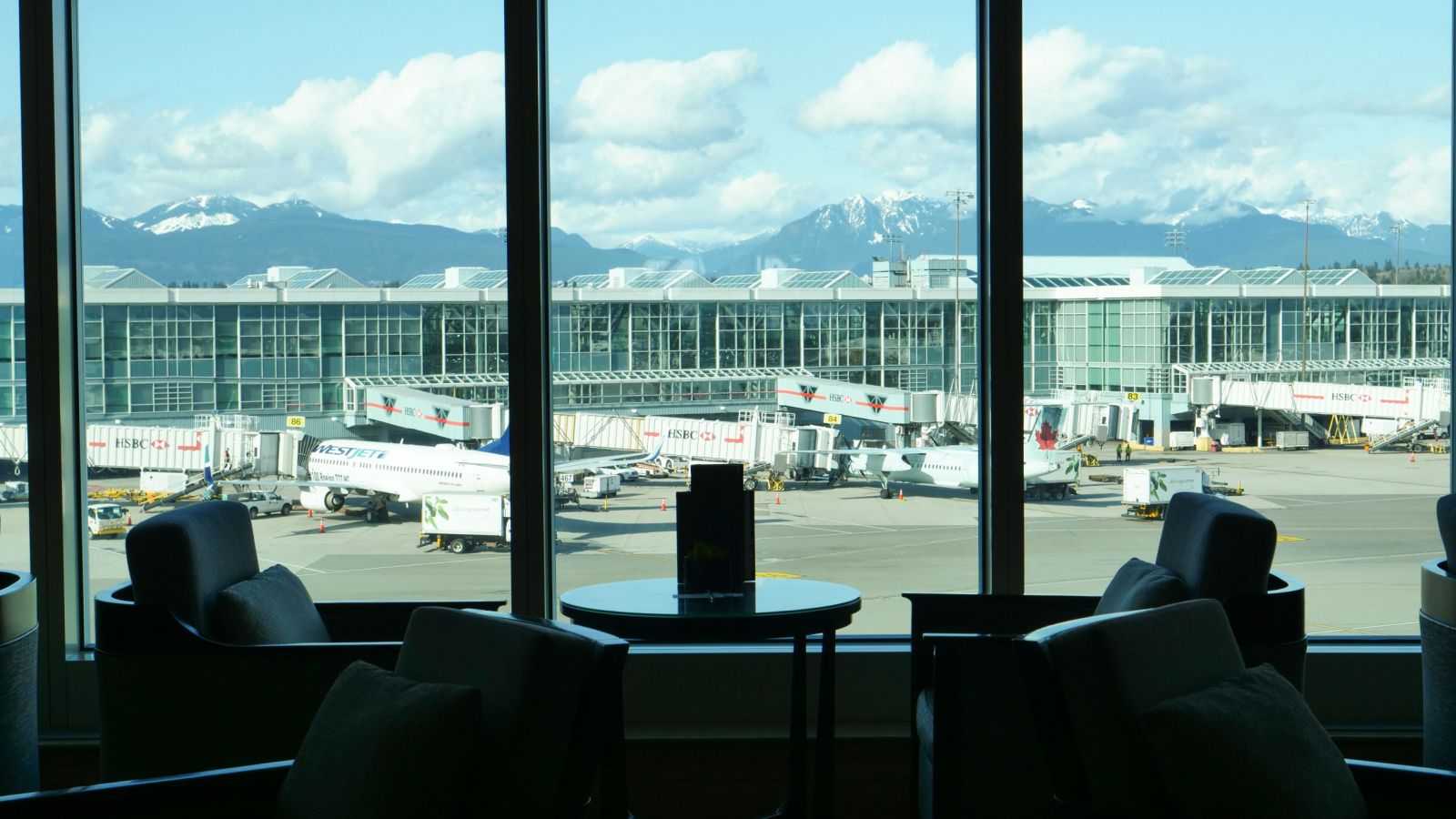
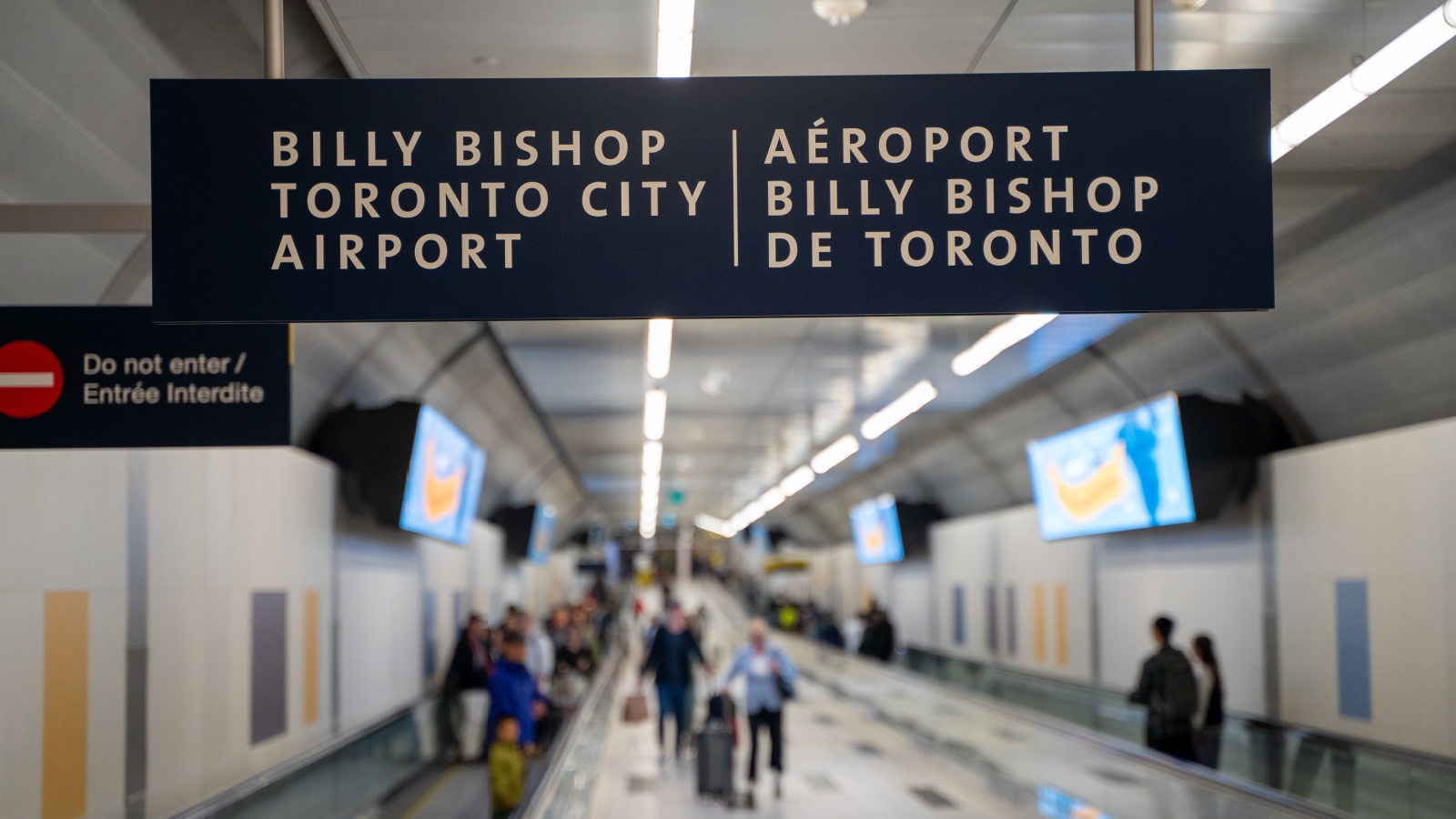
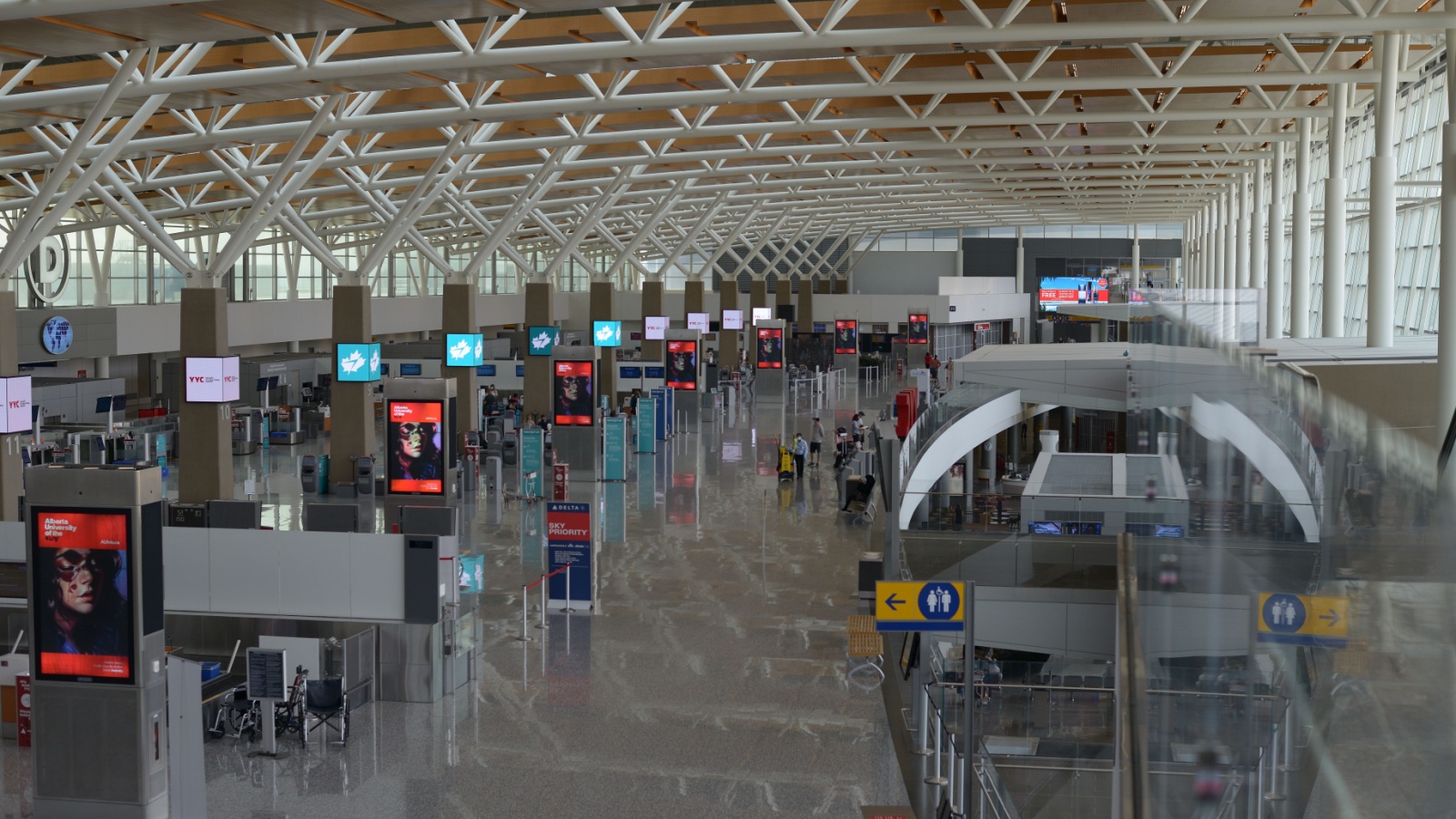
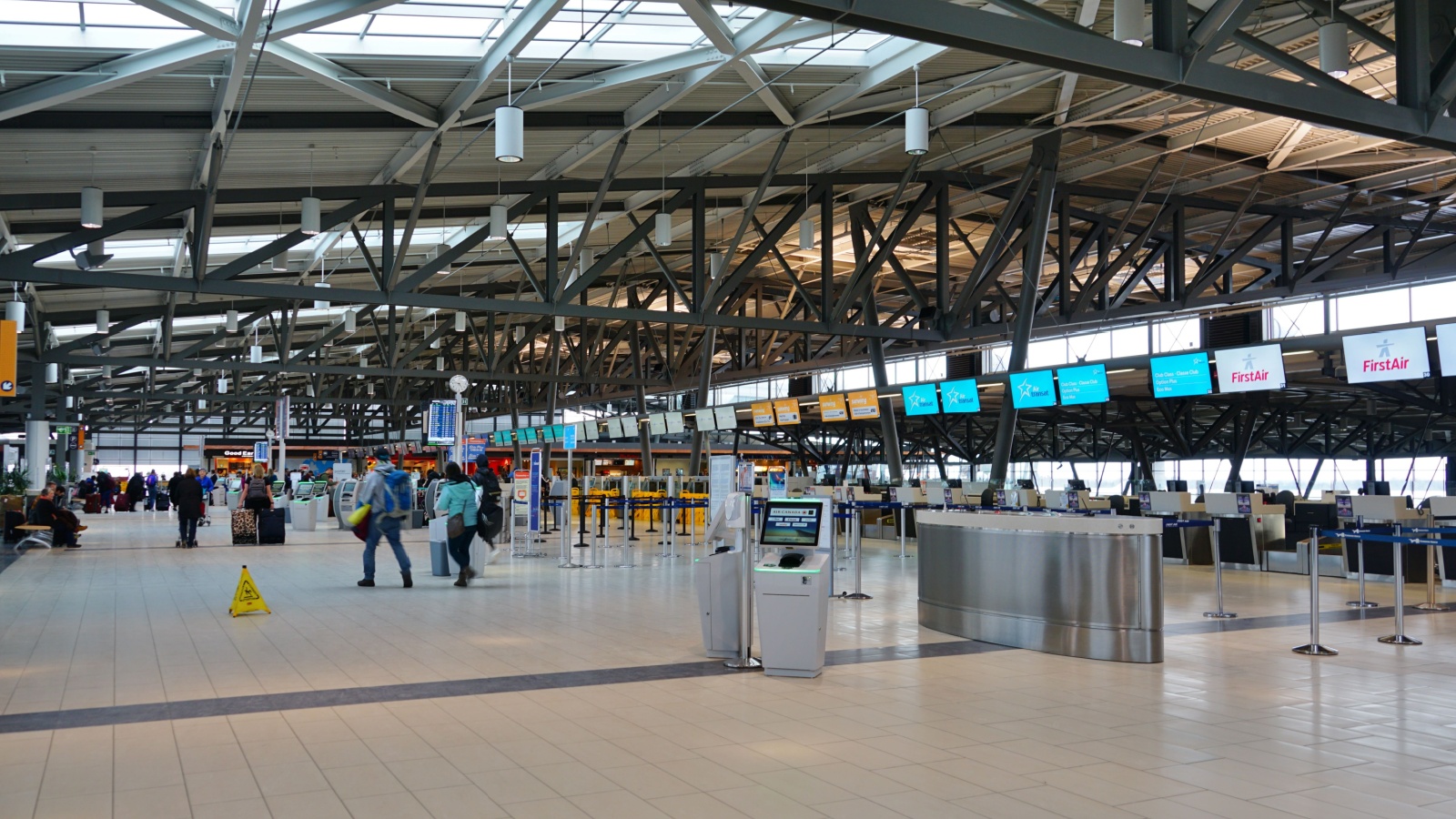
Several Canadian airports rely on airport improvement fees to fund infrastructure, and some of those fees are rising. Calgary and Ottawa, for example, have announced increases to their airport improvement fees for most departing passengers in 2026. While these charges are usually included in the ticket rather than paid separately at the terminal, travellers still feel them through the final fare.
The stress comes from accumulation. A passenger may start with a base fare that looks reasonable, then see taxes, airport fees, seat fees, baggage fees, and other charges push the final amount higher. For a family of four, even a small per-passenger increase can become noticeable. Canadians planning summer or holiday travel in 2026 are often not reacting to one fee alone. They are reacting to the sense that every part of flying now has a separate cost attached.
Fuel Costs Are Making Fares and Routes Feel Less Stable
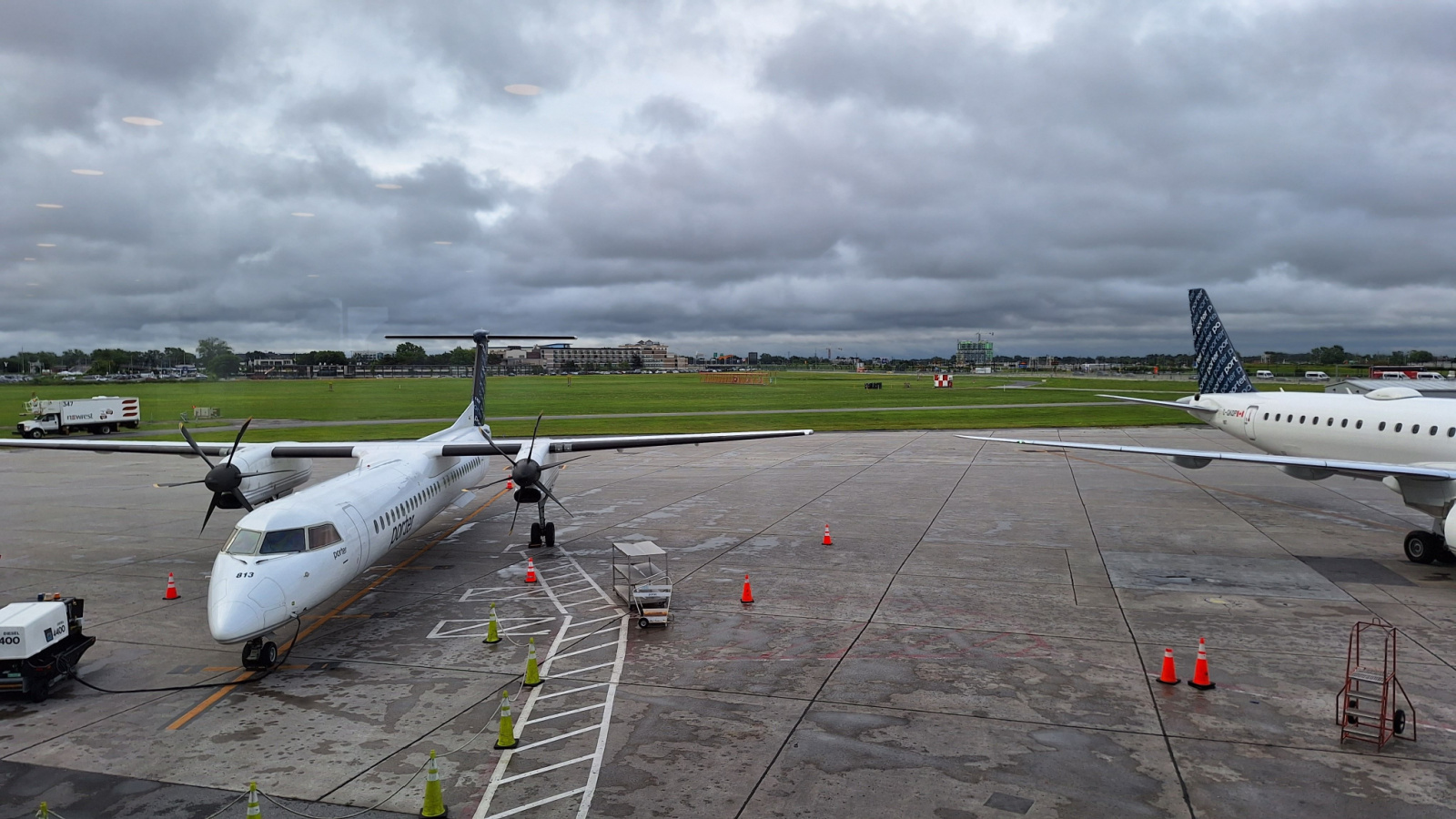
Airlines are highly sensitive to jet fuel prices, and 2026 has brought renewed concern about fuel volatility. Air Canada suspended its 2026 full-year guidance because of uncertainty around jet fuel costs, and reports tied rising fuel expenses to fare pressure, fee changes, and route adjustments. For passengers, that turns travel planning into a moving target.
This kind of instability creates stress even before a booking is made. A traveller may see a fare on Monday, hesitate, and find it higher by Friday. Another may book a familiar route only to receive a schedule-change notice weeks later. Fuel costs are largely invisible to passengers, but their effects are not. They show up in ticket prices, reduced frequency, aircraft changes, and fewer convenient options when something goes wrong.
Air Traffic Staffing Concerns Add Another Layer of Delay Anxiety
Most passengers never think about air traffic services unless something goes wrong. Yet staffing issues in air traffic control can create real operational pressure. Reports have pointed to Canadian air traffic staffing concerns, including delays and periodic tower closures under severe staffing conditions. Even isolated incidents can affect confidence because air travel depends on tightly coordinated systems.
For passengers, this type of stress feels different from a snowstorm or mechanical delay. It is harder to see and harder to understand. A gate agent may announce an air traffic restriction, but travellers may not know whether that means 20 minutes, two hours, or a missed connection. When delays stem from system capacity rather than a single aircraft, passengers can feel powerless. In 2026, that uncertainty adds to the sense that flying depends on more fragile behind-the-scenes machinery.
Labour Disruptions Are Still Fresh in Travellers’ Minds
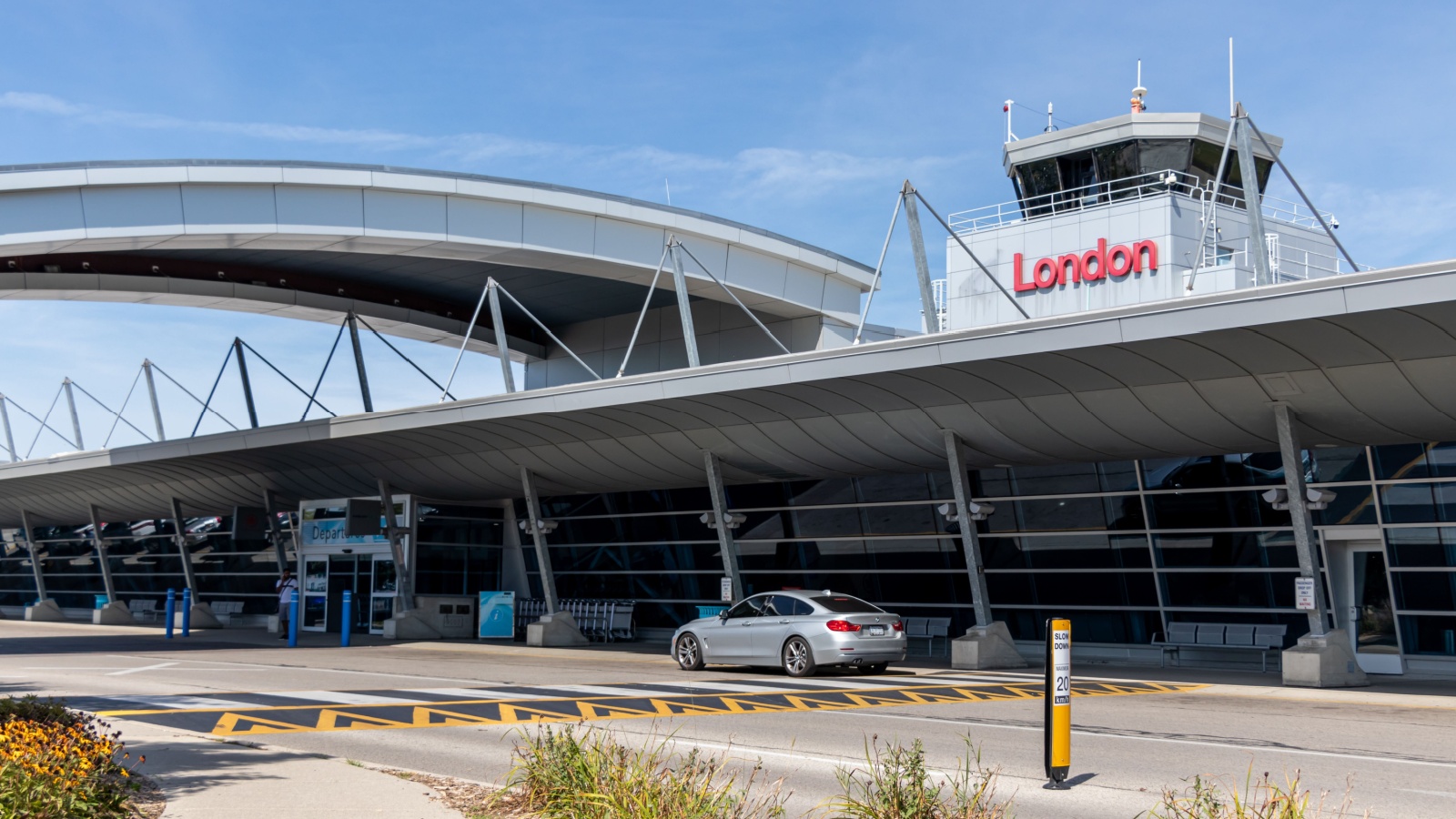
The 2025 Air Canada flight attendant strike left a strong impression on many travellers. The disruption affected large numbers of passengers during peak season and made clear how quickly labour disputes can cascade through a national network. Even after service resumes, memories of cancelled flights, long phone waits, and scrambled rebooking do not disappear quickly.
That experience has changed how some Canadians approach future trips. A family planning a wedding flight or a once-a-year vacation may now pay closer attention to labour headlines than they did before. The stress is not only about whether another disruption will happen. It is about remembering how limited options can become when thousands of people need new seats at the same time. In 2026, labour stability has become part of travel planning.
Winter Weather Still Has an Outsized Impact
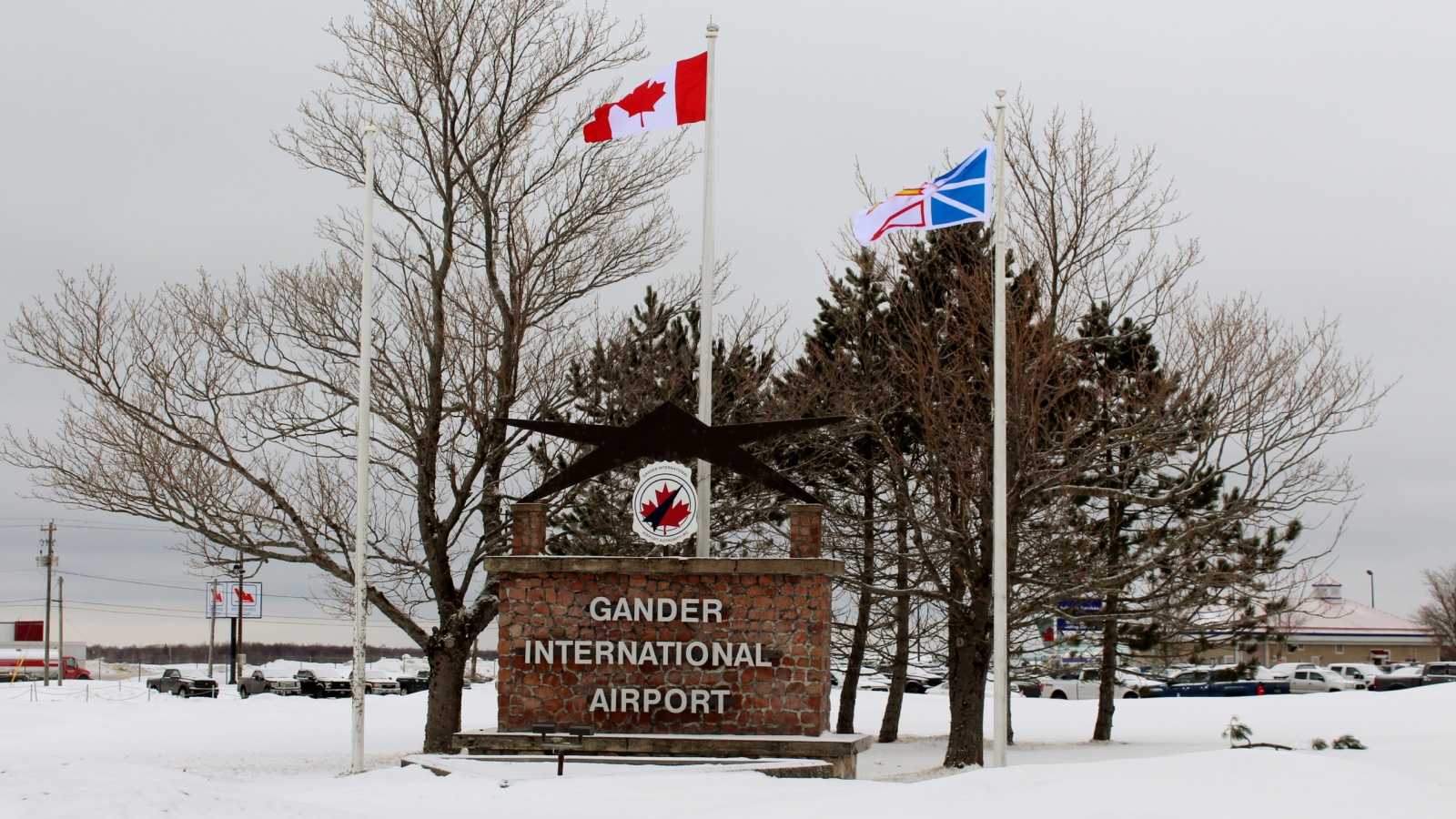
Canada’s geography makes winter flying uniquely stressful. Snow, freezing rain, high winds, and extreme cold can affect de-icing, runway operations, crew positioning, and aircraft availability. Even when airports are well prepared, severe weather can slow the system because safety procedures take time and disruptions in one city can ripple into another.
The human side is familiar. A traveller may be sitting in Halifax waiting for an aircraft delayed by conditions in Toronto, while someone in Calgary misses a connection because a de-icing queue moved slowly. Winter weather is not new, but 2026 travellers are combining it with fuller planes and fewer easy rebooking options. That makes every weather alert feel more consequential. A delay that once seemed inconvenient can now threaten an entire itinerary.
Wildfire Smoke Has Become Part of Flight Planning
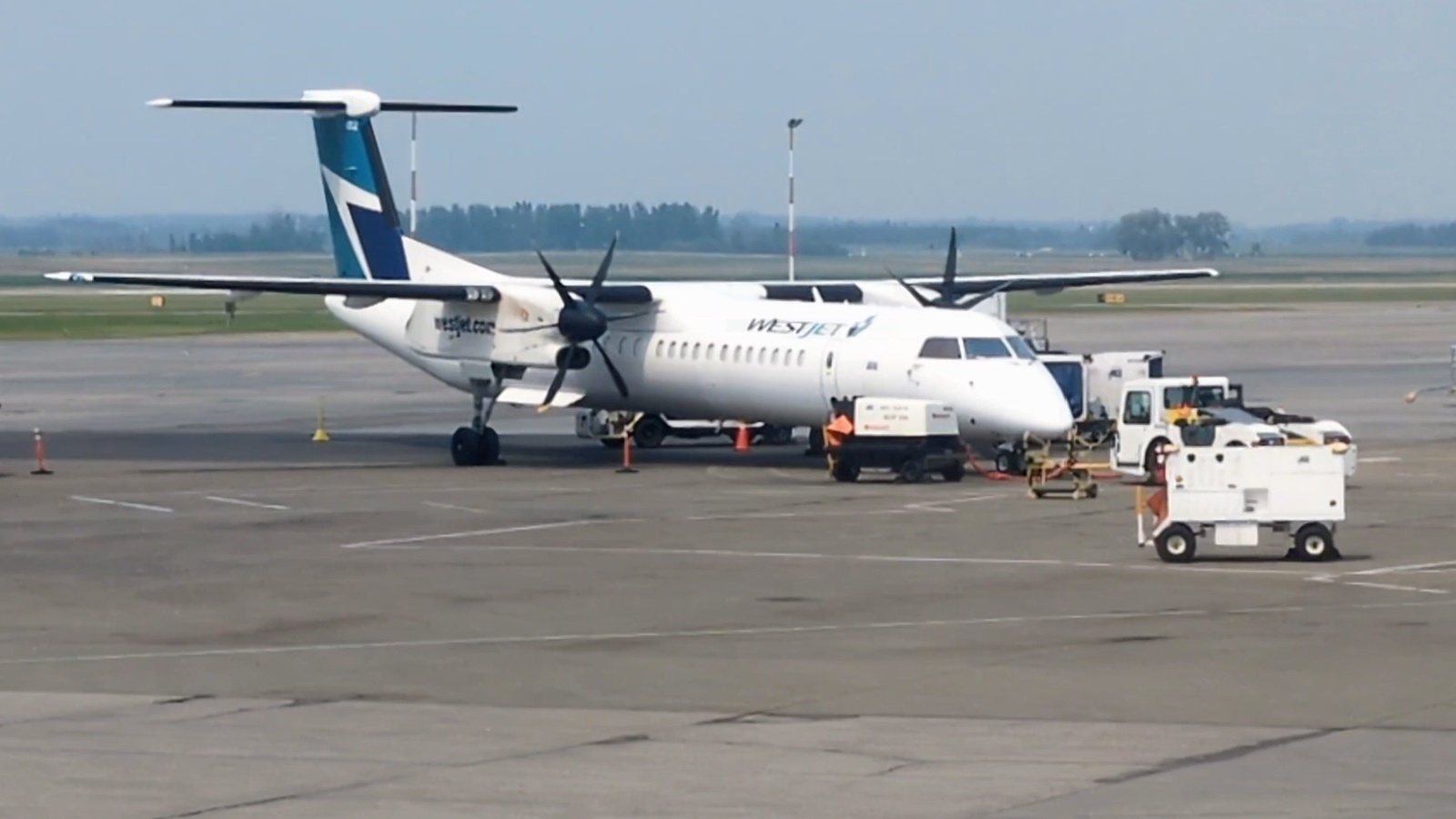
Wildfire smoke has become a recurring air travel concern in North America. Heavy smoke can reduce visibility, affect airport operations, and contribute to delays or ground stops, particularly when haze spreads across major routes. For Canadian travellers, the issue is unsettling because it is less seasonal and predictable than the old winter-only disruption pattern.
This adds a new kind of anxiety to summer travel. A passenger may check the forecast for rain and sun, then also check air quality maps and airport advisories. Someone flying through the United States may be affected by smoke from Canadian wildfires even if the departure city looks clear. In 2026, climate-related travel stress is not just about storms. It includes smoke, visibility, health concerns, and the uncomfortable feeling that disruption can drift in from hundreds of kilometres away.
Rebooking Feels Harder When Planes Are Full
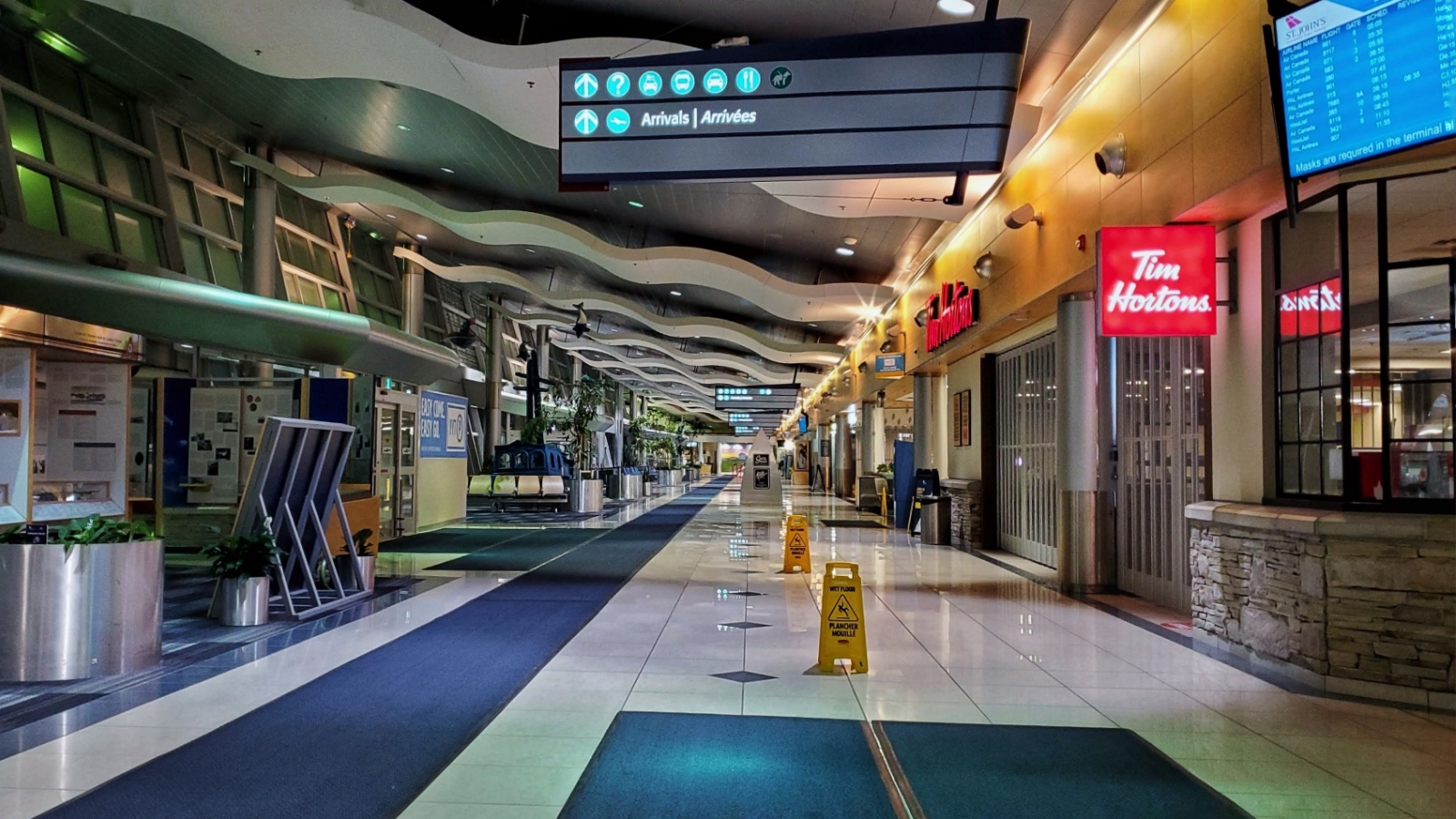
Global air travel demand remained strong heading into 2026, and high load factors mean many flights are already close to full. That is good news for airlines, but it can be stressful for passengers when something goes wrong. A cancelled flight is easier to tolerate when there are empty seats later the same day. It feels far worse when the next realistic option is tomorrow, the next day, or a different airport.
This is where the numbers become personal. A solo business traveller may squeeze onto a later flight, but a family of five may struggle to stay together. A traveller heading to a cruise, funeral, tournament, or connecting international flight has little flexibility. In 2026, Canadians are not only worried about delays. They are worried that the backup plan may not exist when they need it most.
Fare Classes Are Turning Booking Into a Fine-Print Exercise
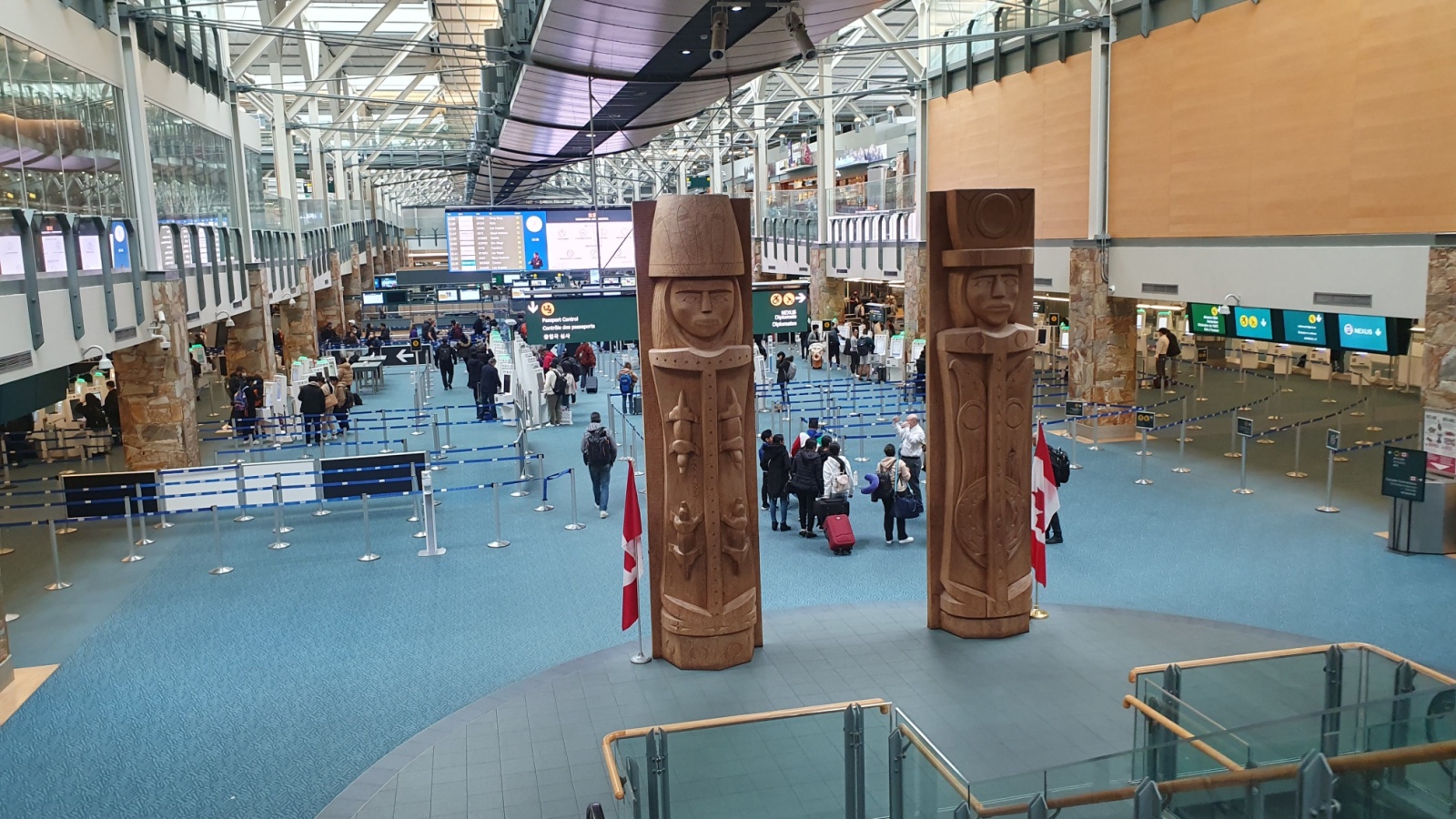
The modern airfare is often less straightforward than it appears. Basic, standard, flex, comfort, preferred seat, checked bag, carry-on, change fee, and boarding priority can all change the real value of a ticket. For Canadians trying to compare airlines, the cheapest fare may not be the cheapest trip once bags and seats are included.
That creates stress because travellers must make decisions with incomplete attention. Someone booking late at night may choose the lowest fare, only to discover later that seat selection costs extra or that changing plans is expensive. Parents may feel pressure to pay more just to sit with children, even when the base fare already strained the budget. In 2026, flight shopping increasingly resembles contract reading, and that makes the process feel less transparent.
New Europe Entry Rules Are Creating Document Anxiety
Canadians planning Europe trips are facing another layer of preparation. The European Union is preparing to launch ETIAS, a travel authorization system for visa-exempt visitors, with operations expected in the last quarter of 2026. Government of Canada travel guidance has also warned that Canadians will need authorization once the system is in place, even though the exact start date has been a moving target.
That uncertainty is stressful because Europe is a major bucket-list and family-travel destination. A traveller planning a fall trip to France, Italy, Spain, or Germany may wonder whether the rule will apply before departure, during a connection, or before a later return trip. Even a simple online authorization can feel intimidating when the timing is unclear. In 2026, document planning is becoming another item travellers cannot leave until the last minute.
Passport Timing Still Demands Early Planning
Canada has introduced a “30 days or free” guarantee for routine passport processing, but the government still advises travellers not to finalize travel plans until they have their passport. Service standards also vary depending on how and where an application is submitted, with mailing time adding another variable. That means passport timing remains a source of stress despite service improvements.
The pressure is easy to understand. A traveller may find a good fare, then realize a passport expires too soon for the destination. A parent may discover that a child’s passport has a shorter validity period than expected. Even when the system works as intended, the risk of missing a departure can make people anxious. In 2026, Canadians have more official reassurance than before, but passport planning still rewards those who start early.
Safety, Security, and Screening Rules Keep Changing the Mental Checklist
Airport security rules are designed to keep travel safe, but they also add mental load. Travellers have to think about liquids, electronics, medical items, powders, batteries, sharp objects, food, and what belongs in checked baggage versus carry-on. CATSA provides tools and packing guidance, but the need to check rules remains part of the pre-flight ritual.
This is especially stressful for people who do not fly often. A traveller carrying medication, baby supplies, camera batteries, or work equipment may worry about being pulled aside or forced to discard something valuable. The anxiety is not always rational, but it is common: nobody wants to be the person holding up the security line. In 2026, with busier terminals and more fare restrictions around bags, the screening checklist feels more important than ever.
Travel Costs Are Colliding With Household Budget Pressure
Flying stress is not limited to airports. It begins at the budgeting stage. Canadian travel reports in 2026 point to affordability as a major factor in trip decisions, with many travellers adjusting plans because of costs, financial constraints, or currency fluctuations. When households are already managing rent, groceries, insurance, and debt payments, airfare becomes one more expense to justify.
That pressure changes the emotional stakes of a trip. A delayed flight is not just annoying when the vacation took months of saving. A surprise baggage fee feels heavier when the budget was already tight. A missed hotel night hurts more when exchange rates are unfavourable. In 2026, many Canadians still want to travel, but the margin for error feels smaller. Flying has become less about spontaneity and more about protecting a carefully built plan.
19 Things Canadians Don’t Realize the CRA Can See About Their Online Income

Earning money online feels simple and informal for many Canadians. Freelancing, selling products, and digital services often start as side projects. The problem appears at tax time. Many people underestimate how much information the CRA can access. Online platforms, banks, and payment processors create detailed records automatically. These records do not disappear once money hits an account. Small gaps in reporting add up quickly.
Here are 19 things Canadians don’t realize the CRA can see about their online income.
