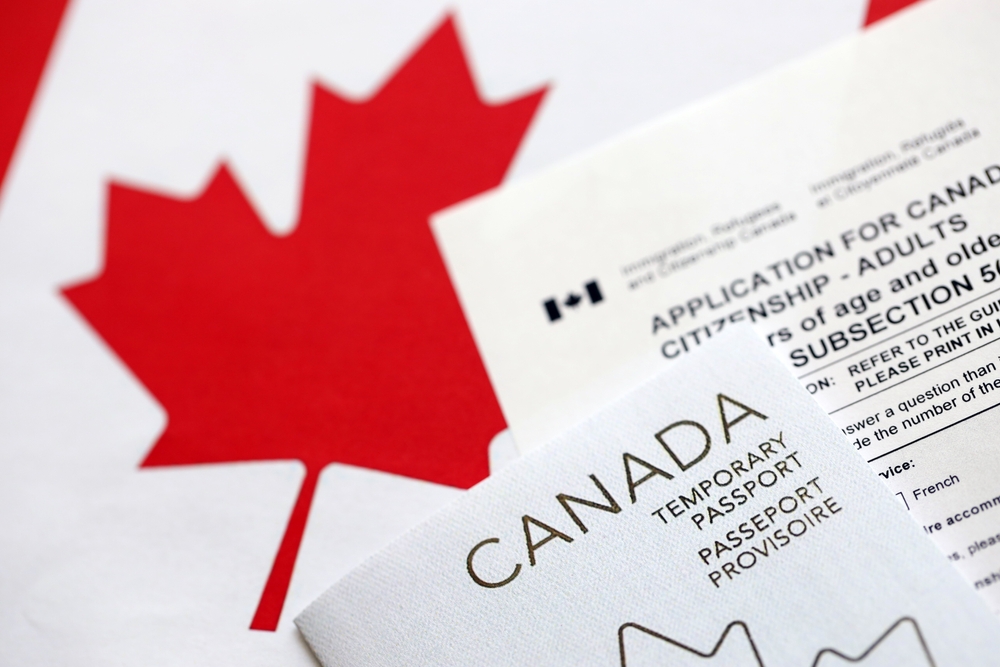
A new Ebola-related border order has put thousands of Canada-bound travel documents in limbo, raising fresh questions about how far Ottawa can go when public health and immigration policy collide. The federal government says the measures are temporary, targeted and designed to reduce the chance of Ebola disease entering Canada during a fast-moving outbreak in central and eastern Africa.
The move affects residents of the Democratic Republic of the Congo, Uganda and South Sudan, where Canadian officials say the risk of outbreak is high or very high. It also comes at a sensitive moment: Canada is preparing for heavier international travel tied to the 2026 FIFA World Cup, while its new border-security law is being tested in real time for the first time.
Ottawa Is Suspending More Than Standard Visitor Visas
Canada’s Ebola border measures go beyond a simple pause on new visitor visa approvals. The federal government says previously approved immigration documents can be suspended for residents of the Democratic Republic of the Congo, Uganda and South Sudan. That includes temporary resident visas, electronic travel authorizations and permanent resident visas for people currently living in one of the three listed countries.
In practical terms, a person may already have an approved document and still be unable to travel to Canada while the suspension is in force. The measure began at 11:59 p.m. Eastern time on May 27 and is expected to run for 90 days. Ottawa says it is also temporarily pausing decisions on applications for the same types of documents from residents of those countries, making the policy both a travel restriction and a processing freeze.
The 24,000 Figure Shows How Broad the Measure Could Be
The Immigration Department says more than 24,000 travel documents could be affected by the Ebola border measures. According to figures reported from the department, there were about 12,600 residents of the Democratic Republic of the Congo and 11,500 residents of Uganda with valid travel documents as of May 19. South Sudan accounted for an estimated 470 additional residents with valid immigration travel documents as of May 21.
Those numbers help explain why the measure is attracting attention far beyond routine travel-advisory updates. A family with a valid visitor visa, an international student preparing to travel, or a worker waiting to board a connecting flight could all be caught by the suspension if they are residents of the affected countries. The government’s position is that the measure is based on public-health risk and country of residence, not nationality.
The Rule Is Based On Residence, Not Passport
One of the most important details is that the suspension is not written as a blanket nationality ban. Federal officials have stressed that the measure applies to residents of the listed countries. A Ugandan citizen living in another country, for example, would not be affected simply because of their citizenship. The determining factor is whether the person is currently residing in the Democratic Republic of the Congo, Uganda or South Sudan.
That distinction matters because immigration systems often sort people by citizenship, place of residence, travel history and document type. In this case, Ottawa is tying the restriction to current residence in areas it has identified as posing higher Ebola-related public-health risk. The policy is still broad, but it is not universal for all citizens of the three countries. It is aimed at people whose current location may connect them more directly to the outbreak situation.
People Already In Canada Are Treated Differently
The federal government says people who are already in Canada are not affected by the document suspension and can remain for their authorized period of stay. Visa extensions for people already inside Canada are also expected to continue being processed normally. That means the measures are focused mainly on people trying to travel to Canada from abroad, not on removing or invalidating the stay of people already legally present.
The government has also said it will continue processing passports, permanent resident cards and permanent resident travel documents. That creates an important dividing line. Temporary resident visas, eTAs and permanent resident visas may be suspended for residents of the listed countries, but not every immigration-related document is frozen. The policy is narrower than a total shutdown of immigration services, though it is still significant for thousands of people with valid Canada-bound travel plans.
Quarantine Adds A Second Layer Of Border Control
The visa and document suspension is only one part of the new border response. Beginning May 30 at 11:59 p.m. Eastern time, Canadian citizens, permanent residents, people registered under the Indian Act and foreign nationals who have been in the affected areas during the previous 21 days and do not have symptoms must quarantine for 21 days after entering Canada.
The 21-day timeline is not random. Ebola symptoms can begin anywhere from two to 21 days after exposure, which is why public-health systems often use a 21-day monitoring or quarantine period for possible Ebola exposure. Travellers who do have symptoms will be isolated at a hospital for further assessment. Those without a safe place to quarantine are expected to be provided with an appropriate location, placing responsibility on the government to manage compliance as well as entry.
Why Ebola Triggers A Different Kind Of Response
Ebola disease is treated differently from many respiratory illnesses because it is severe, often fatal and requires careful public-health management. It is not considered airborne in the way measles or influenza can be. Transmission generally requires direct contact with the body fluids or tissues of an infected person, especially once symptoms are present. That lowers the general population risk in Canada, but it does not eliminate the danger for close contacts or health workers.
Canadian public-health officials have said the current risk to the general population in Canada remains low. At the same time, they have emphasized the seriousness of the disease and the uncertainty surrounding the outbreak’s trajectory. The federal risk assessment notes that an imported case would likely have limited onward spread in Canada because of diagnostic capacity, infection-control protocols and contact-tracing systems. The concern is less about casual community spread and more about preventing even a small number of high-consequence cases.
The Outbreak Behind The Decision Is Still Evolving
The current outbreak involves Bundibugyo virus disease, a form of Ebola disease. The Democratic Republic of the Congo declared an outbreak in Ituri province on May 15, 2026, and the World Health Organization later determined that the event met the criteria for a public health emergency of international concern. Early WHO data cited confirmed and suspected cases in Ituri, with additional confirmed cases reported in Kampala, Uganda, connected to travel from the DRC.
Canadian officials have also pointed to broader uncertainty. PHAC’s rapid risk assessment described the outbreak as having possible undetected transmission, regional mobility and difficult operating conditions in affected areas. It also noted that there are currently no approved or licensed vaccines or specific antivirals for Bundibugyo virus disease. That makes early supportive care, contact tracing and containment especially important, particularly in places where conflict, displacement or strained health systems make response work harder.
Canada Says Its Domestic Risk Remains Low
Ottawa’s message is deliberately two-sided: the disease is serious, but the risk to people in Canada is low. Canada has reported no imported Ebola cases historically, and federal officials have said there are currently no Ebola cases in North America. PHAC has also said that, if an infected person were to arrive in Canada, transmission would likely be limited because Ebola requires close contact for spread and because Canada has established public-health measures.
That does not mean the measures are symbolic. Border screening, quarantine orders and immigration-document suspensions are intended to reduce the number of possible exposure scenarios before they reach airports, hospitals or households in Canada. The federal government is taking a precautionary approach while acknowledging uncertainty. The challenge is balancing a low-probability event against a high-impact disease, especially when even one imported case can demand extensive public-health follow-up.
A New Immigration Power Is Being Tested
The Ebola measures appear to mark the first major use of powers created under Bill C-12, the Strengthening Canada’s Immigration System and Borders Act, which received Royal Assent in March 2026. The law allows the Governor in Council to cancel, suspend or vary certain immigration documents when it is considered in the public interest. Public-health concerns are specifically included among the grounds that can justify such an order.
That legal context is important because critics warned during the Bill C-12 debate that broad “public interest” powers could be used too expansively. The government argues the law includes safeguards: the decision cannot be made by a single minister alone, must go through cabinet-level approval, and must be published and reported to Parliament. Still, the Ebola order gives Canadians a concrete example of how quickly large groups of immigration documents can now be affected during an emergency.
The World Cup Timing Adds Political Pressure
The federal government has specifically noted the evolving international situation and the upcoming FIFA World Cup, which Canada is co-hosting with the United States and Mexico. Large sporting events create unusual travel patterns, including fans, teams, support staff, journalists, volunteers and temporary workers moving across borders. Even if the affected regions represent a small share of total travel to Canada, public-health planning becomes more visible when a global event is approaching.
That timing may also shape public reaction. Border measures can reassure people who worry about disease importation, but they can also raise concerns about fairness, stigma and whether restrictions will interfere with families, students, workers or humanitarian movement. During the 2014-16 West African Ebola crisis, Canada’s visa restrictions drew academic criticism for conflicting with international-health principles and potentially interfering with travel more than necessary. The new measures will likely be judged against that history.
What Happens Next For Travellers And Applicants
The immediate next step is a waiting period for many affected applicants and document holders. The suspension is set for 90 days, but Ottawa has said it will continue monitoring the public-health situation and adjust the measures as evidence changes. The quarantine measure is currently set to expire on August 29, 2026, though border rules can change quickly during outbreaks.
For affected travellers, the most important details are document type, country of residence, recent travel history and current location. A person already in Canada is in a different position from someone abroad with an approved visa. A Canadian citizen or permanent resident returning from an affected area is in a different position from a foreign national trying to board a flight with a suspended document. The policy is temporary, but for thousands of people, its practical effects may be immediate and deeply personal.
