Every spring across Canada, warmer weather brings blooming trees, fresh grass, and, unfortunately, a surge in seasonal allergies. Many Canadians experience sneezing, itchy eyes, congestion, and constant sniffles as pollen levels rise. Social media and everyday conversations often spread advice about allergies that sounds helpful but does not always reflect medical reality. Over time, these ideas become myths that people repeat every year. Understanding what actually helps can make allergy season far easier to manage. Here are 19 spring allergy myths Canadians keep believing.
“Rain Completely Eliminates Pollen”

Many Canadians believe that a rainy day automatically ends allergy problems. The idea seems logical because rain washes pollen out of the air. While rainfall temporarily reduces airborne pollen levels, the relief often lasts only briefly. Once the weather clears and the sun returns, plants release more pollen, and symptoms can quickly return. Rain also encourages plant growth, which can increase pollen production later in the season. People with seasonal allergies may notice a brief improvement during storms, but the effect rarely lasts the entire day. The most effective approach is to check daily pollen forecasts and limit outdoor exposure during peak pollen periods, rather than relying on rain to solve the problem.
“Allergies Only Affect Children”

Another common myth suggests that seasonal allergies primarily affect children and teenagers. In reality, adults can develop allergies at almost any stage of life. Many Canadians first notice symptoms during adulthood even if they never experienced allergies earlier. Environmental changes, increased pollen exposure, or shifts in the immune system can trigger new sensitivities. Doctors regularly diagnose adult-onset allergies during spring when pollen levels rise across the country. Adults sometimes ignore symptoms because they assume allergies should have appeared during childhood. Recognizing the possibility of adult allergies can help people seek proper treatment sooner and avoid weeks of unnecessary discomfort during peak pollen season.
“Allergy Season Only Happens in April”
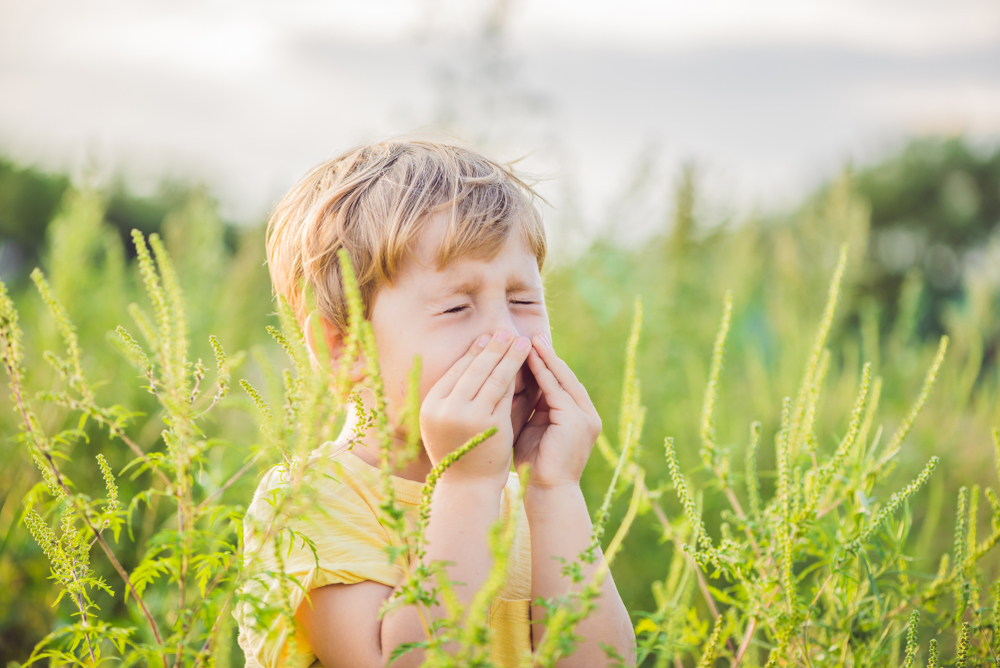
Some Canadians assume spring allergies appear only during a short window in early spring. The truth is that allergy season can last several months, depending on regional climate and plant activity. Tree pollen often appears first in early spring, followed by grass pollen later in the season. In some parts of Canada, allergy symptoms may continue well into summer as different plants release pollen at different times. People who assume allergy season ends quickly may stop treatment too early and experience recurring symptoms. Understanding the seasonal pollen cycle helps individuals prepare for multiple waves of allergens rather than expecting the problem to disappear after a few weeks.
“Local Honey Cures Seasonal Allergies”

The belief that eating local honey can cure seasonal allergies appears frequently across social media each spring. The theory suggests that consuming honey made from local pollen can help the body build immunity. While honey offers many nutritional benefits, scientific studies have not confirmed that it reduces seasonal allergy symptoms. Most honey contains pollen from flowers rather than trees and grasses that cause common spring allergies. Because the pollen types differ, eating honey does not provide meaningful protection against airborne allergens. Medical professionals recommend proven treatments such as antihistamines or nasal sprays instead of relying on honey as an allergy remedy.
“Moving Indoors Solves the Problem”

When allergy symptoms become uncomfortable, many Canadians assume staying indoors will completely eliminate exposure to pollen. Unfortunately, pollen particles easily enter homes through open windows, ventilation systems, and clothing. Once inside, they can remain in carpets, furniture, and bedding. Indoor exposure can still trigger symptoms even when people avoid spending time outdoors. Regular cleaning, using air purifiers, and keeping windows closed during high pollen days can reduce indoor pollen levels. Simply staying inside without managing indoor air quality rarely eliminates allergy symptoms entirely.
“Only Flowers Cause Spring Allergies”
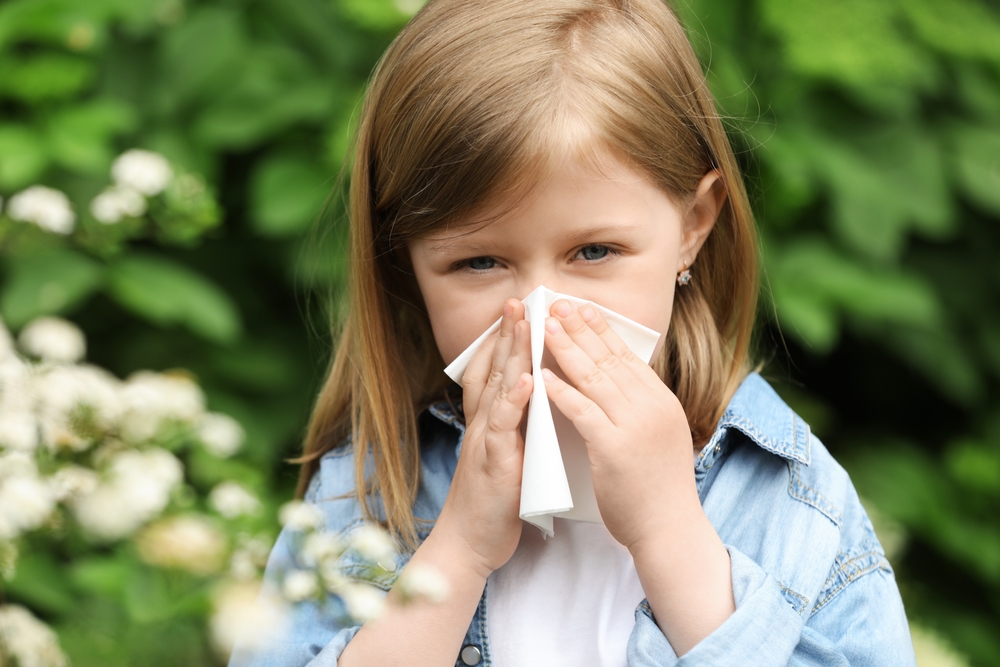
Bright flowers often get blamed for seasonal allergies because they bloom prominently in spring. However, most allergy symptoms actually come from pollen released by trees, grasses, and weeds. These plants produce lightweight pollen that travels easily through the air. Many decorative flowers rely on insects rather than wind for pollination, which means their pollen rarely becomes airborne in large quantities. As a result, they are less likely to trigger allergies. Canadians experiencing seasonal symptoms are usually reacting to pollen from trees such as birch or maple rather than colorful garden flowers.
“You Should Avoid All Outdoor Activity”

Some people believe the best strategy for managing spring allergies is to avoid outdoor activity entirely. While limiting exposure during peak pollen hours can help reduce symptoms, complete avoidance is rarely necessary. Spending time outdoors remains important for physical and mental health. Canadians can reduce exposure by exercising earlier in the morning or after rainfall when pollen levels are lower. Wearing sunglasses and washing hands after outdoor activity can also help remove pollen particles. Rather than avoiding outdoor spaces entirely, smart timing and protective habits help people enjoy spring while managing allergy symptoms.
“Allergy Symptoms Are Just a Minor Cold”

Seasonal allergies often resemble common cold symptoms, which leads some Canadians to dismiss them as a temporary illness. Sneezing, nasal congestion, and fatigue can appear similar in both conditions. However, allergies typically last longer and occur without fever. Cold symptoms usually improve within one week, while allergy symptoms can continue for months during pollen season. Mistaking allergies for a cold can delay proper treatment. Recognizing the difference helps individuals choose appropriate medications and lifestyle adjustments that address the true cause of their symptoms.
“Opening Windows Improves Indoor Air”

Fresh spring air may feel refreshing after a long winter, but opening windows during high-pollen periods can worsen indoor allergy symptoms. Pollen particles easily drift inside homes and settle on surfaces throughout the house. Once inside, they can remain trapped in carpets, curtains, and bedding. Many Canadians unknowingly increase their exposure by leaving windows open during peak pollen days. Using air conditioning or air purifiers instead of open windows can help maintain better indoor air quality. Keeping windows closed during high pollen periods remains one of the simplest ways to reduce indoor exposure during allergy season.
“Allergy Medication Stops Working Over Time”

Some Canadians worry that taking allergy medication regularly will make it ineffective after prolonged use. While certain medications may require adjustments over time, most antihistamines remain effective when used properly. Doctors sometimes recommend trying different medications if symptoms persist, but this does not mean the body has become immune to treatment. Consulting a healthcare professional can help determine the most appropriate option based on individual symptoms and medical history. Rather than avoiding medication due to concerns about reduced effectiveness, consistent treatment often provides the most reliable relief during allergy season.
“You Can Build Immunity by Ignoring Allergies”

Some Canadians believe that simply ignoring allergy symptoms will eventually help the body adjust to pollen exposure. The idea suggests that if someone avoids medication and continues daily activities, the immune system will learn to tolerate allergens. Unfortunately, seasonal allergies do not usually improve through exposure alone. In many cases, symptoms can worsen over time if left untreated. Allergic reactions occur because the immune system identifies harmless pollen as a threat. Without proper treatment, this response continues each time exposure occurs. Doctors often recommend managing symptoms early through medication or allergy management strategies rather than waiting for the body to adapt naturally. Addressing symptoms promptly can prevent unnecessary discomfort and improve quality of life throughout the pollen season.
“Allergy Symptoms Always Look the Same”
Another common myth suggests that everyone experiences allergies in exactly the same way. In reality, symptoms vary significantly between individuals. Some Canadians experience constant sneezing and nasal congestion, while others notice itchy eyes, headaches, or fatigue. Certain people even develop skin irritation or sinus pressure during peak pollen periods. Because symptoms vary widely, some individuals may not realize their discomfort is due to allergies. They might assume the symptoms are due to fatigue, weather changes, or other health issues. Understanding that allergies appear differently for each person can help people recognize patterns related to pollen exposure. Once identified, individuals can work with healthcare professionals to find treatments suited to their specific symptoms.
“Only Rural Areas Have High Pollen Levels”
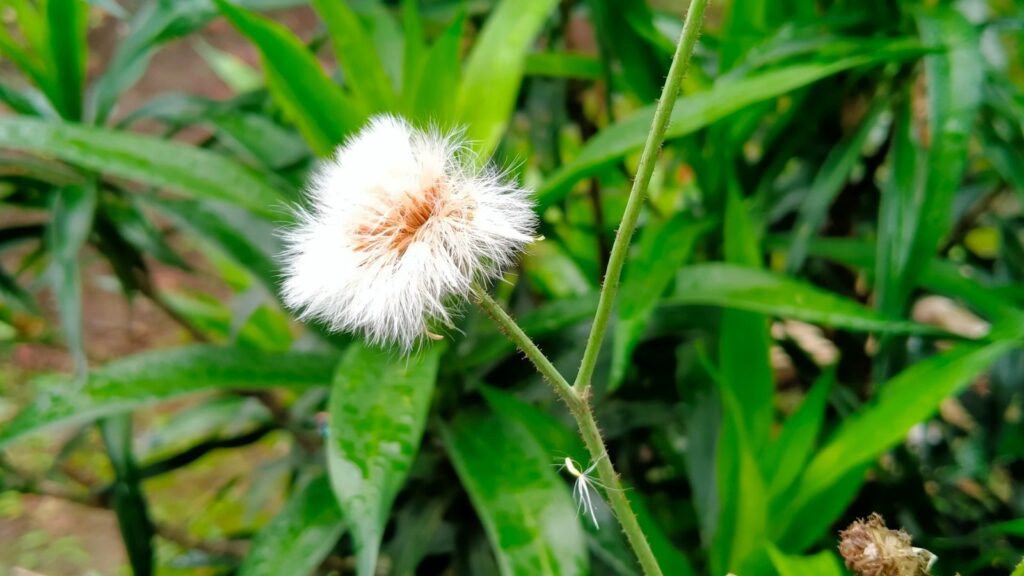
Many Canadians assume pollen exposure occurs mainly in rural areas surrounded by forests or farmland. While these environments certainly produce large amounts of pollen, urban areas also experience significant pollen levels during spring. Cities contain numerous trees, grasses, and parks that release airborne pollen throughout the season. Wind can carry pollen long distances, meaning even downtown neighborhoods are exposed to pollen from surrounding regions. Urban pollution may also worsen allergy symptoms by irritating airways already sensitive to pollen. As a result, city residents often experience the same seasonal discomfort as people living in rural communities. Understanding that pollen exists everywhere helps Canadians prepare for allergy season, regardless of where they live.
“Allergy Season Ends Once Trees Stop Blooming”
Tree pollen marks the beginning of the spring allergy season, but it does not represent the only source of airborne allergens. After trees finish blooming, grasses often release pollen throughout late spring and early summer. Later in the season, weeds can also contribute to allergic reactions. Many Canadians believe allergy season ends after tree pollen declines, which can lead them to stop treatment too early. Symptoms often return once grass pollen levels increase. Monitoring pollen forecasts throughout the season helps people understand which plants are active at different times. This awareness allows individuals to adjust treatment strategies rather than assuming the problem has disappeared once tree pollen fades.
“Allergy Medication Causes Severe Drowsiness”

Older antihistamines often caused strong drowsiness, which led many people to avoid taking them during the day. However, many modern allergy medications have been designed to reduce this side effect. Newer antihistamines allow people to manage symptoms without feeling extremely tired. Canadians sometimes continue avoiding medication because they remember experiences with older drugs. Consulting healthcare professionals can help identify options that provide relief without significant drowsiness. Proper timing and dosage also help reduce side effects. Understanding the improvements in modern medications encourages people to seek treatment rather than suffer through allergy season without support.
“Natural Remedies Always Work Better Than Medication”
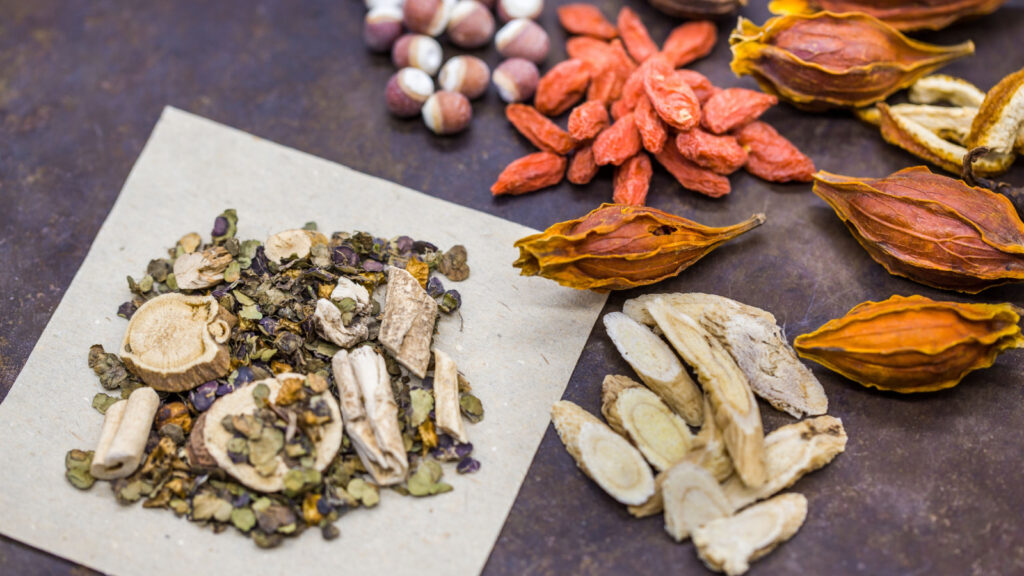
Natural remedies such as herbal teas, essential oils, or dietary supplements often appear in online discussions about allergy relief. While some of these methods may provide minor comfort, scientific evidence supporting their effectiveness remains limited. Many Canadians assume natural products automatically work better than conventional medication because they seem gentler. In reality, allergy symptoms result from immune system reactions that often require targeted treatment. Doctors usually recommend proven therapies such as antihistamines, nasal sprays, or allergy immunotherapy for long-term management. Natural remedies can sometimes complement these treatments, but relying on them alone rarely provides sufficient relief during peak pollen periods.
“Showering at Night Does Not Affect Allergies”

Pollen particles easily cling to hair, skin, and clothing during outdoor activities. Many Canadians unknowingly bring pollen indoors after spending time outside. Showering before bed can significantly reduce exposure by removing pollen that accumulated during the day. Without this step, allergens may transfer to pillows and bedding, increasing overnight exposure. People who shower and change clothes after outdoor activities often notice fewer symptoms while sleeping. This simple routine can help reduce indoor pollen levels and improve sleep quality during allergy season. While it may seem like a small change, personal hygiene plays an important role in managing exposure.
“Pets Do Not Carry Pollen Indoors”

Pets that spend time outdoors often collect pollen in their fur. When they return indoors, the particles can spread throughout the home. Many Canadians overlook this source of exposure during allergy season. Dogs in particular can carry significant amounts of pollen after playing outside. Brushing pets regularly and wiping their paws before entering the house can help reduce indoor allergens. Some households also limit pets from sleeping in bedrooms during peak allergy periods. These precautions may not completely eliminate exposure, but they can significantly reduce the amount of pollen circulating inside the home.
“Nothing Really Helps With Seasonal Allergies”
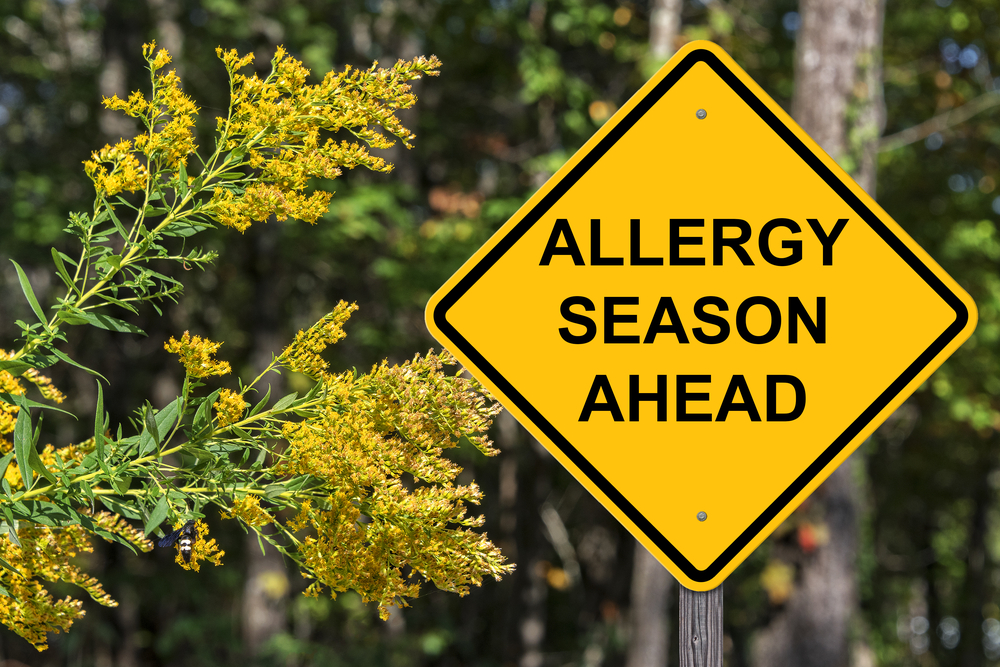
Perhaps the most discouraging myth suggests that seasonal allergies simply cannot be managed effectively. While pollen exposure cannot be eliminated completely, many strategies significantly reduce symptoms. Monitoring pollen forecasts, keeping windows closed on high-pollen days, using air purifiers, and taking appropriate medication can all help. Doctors may also recommend allergy immunotherapy for individuals with severe reactions. Many Canadians experience substantial improvement once they combine several preventive measures. Rather than accepting discomfort as inevitable, understanding available treatments allows people to enjoy spring with far fewer symptoms. With the right strategies, allergy season can become much more manageable each year.
22 Groceries to Grab Now—Before another Price Shock Hits Canada

Food prices in Canada have been steadily climbing, and another spike could make your grocery bill feel like a mortgage payment. According to Statistics Canada, food inflation remains about 3.7% higher than last year, with essentials like bread, dairy, and fresh produce leading the surge. Some items are expected to rise even further due to transportation costs, droughts, and import tariffs. Here are 22 groceries to grab now before another price shock hits Canada.
22 Groceries to Grab Now—Before another Price Shock Hits Canada
