Airport travel in 2026 is feeling less predictable for many Canadians, not because flying is new, but because the small rules around it keep changing. A cheap fare may no longer include the same bags, a familiar airport may be under construction, and a routine international trip may now require digital paperwork before boarding.
These 12 airport surprises reflect the kinds of changes catching Canadian travellers off guard this year: hidden ticket costs, security-line differences, new border systems, busier terminals, and policies that can turn a smooth trip into a stressful one when missed.
Airport Improvement Fees Are Showing Up Bigger Than Expected
Many Canadian travellers still focus on the base fare first, only to feel surprised when taxes, surcharges, and airport improvement fees inflate the final checkout price. These fees are not new, but the amounts can vary sharply by airport. Toronto Pearson lists an airport improvement fee of $40 plus applicable taxes for departing passengers and $10 plus taxes for eligible connecting passengers, while other airports have their own fee structures.
The surprise often comes when comparing two seemingly similar flights. A traveller flying through one hub may see a higher all-in price than a friend using another airport, even when the airline fare looks close. Since these fees are usually embedded in the ticket rather than paid at the terminal, many passengers do not notice them until they examine the detailed fare breakdown.
Basic Fares Are Becoming Less Basic-Friendly
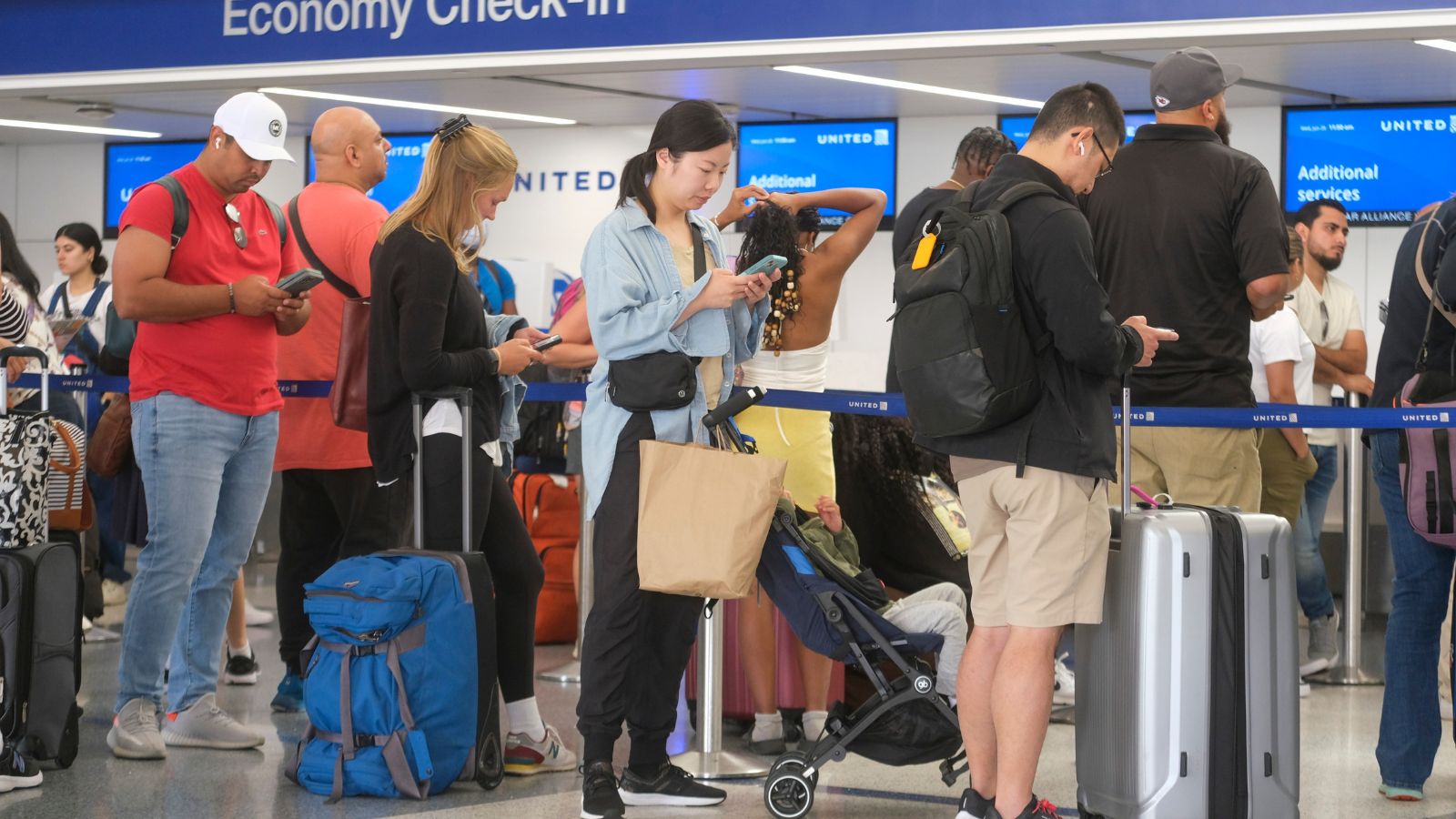
The cheapest fare on the screen can look attractive until the baggage rules appear. Air Canada’s Economy Basic fare no longer includes a standard carry-on bag for select North American, Mexico, Central America, and Caribbean routes when purchased under current rules. WestJet’s UltraBasic and other lower fare categories also carry tighter baggage conditions, with checked-bag costs rising depending on when and where the bag is paid for.
That creates a common airport surprise: a traveller arrives with a roller bag expecting the old rules, then discovers the fare only included a personal item or that airport check-in costs more than prepaying online. Families can be hit especially hard because one overlooked bag fee multiplied across several passengers can erase the savings from choosing the lowest fare.
Security Lines Are Splitting Into Different Experiences
Canadian airport security is no longer one uniform experience for everyone. CATSA’s Verified Traveller program gives eligible passengers access to select faster screening experiences at participating airports. Depending on the checkpoint, verified travellers may have benefits such as keeping certain items packed or using a dedicated lane, while other passengers remain in regular screening lines.
The surprise is not only the shorter line; it is the unevenness. A NEXUS holder or certain credentialed traveller may move quickly at one airport, while a companion without eligibility waits elsewhere. At peak periods, that difference can affect whether a group reaches the gate together. For people who have not checked eligibility or airport availability, the program can look like a mysterious “fast lane” that others seem to understand better.
Liquids Rules Are Still Catching People at the Checkpoint
Despite years of reminders, liquids, aerosols, and gels remain one of the most reliable ways to slow down Canadian airport screening. CATSA continues to state that carry-on liquids generally must be in containers of 100 millilitres or less and fit inside a one-litre clear resealable bag. Full-size sunscreen, hair products, lotions, and beverages are frequent troublemakers during warm-weather travel.
The 2026 twist is that travellers often expect modern scanners or international airport upgrades to mean the old liquid limits no longer apply. That assumption can lead to rushed repacking, discarded toiletries, or delays while a bag is searched. A family heading south with full-size sunblock in carry-on luggage may lose both time and money before the trip has properly started.
Busier Airports Are Making “Normal” Arrival Times Riskier
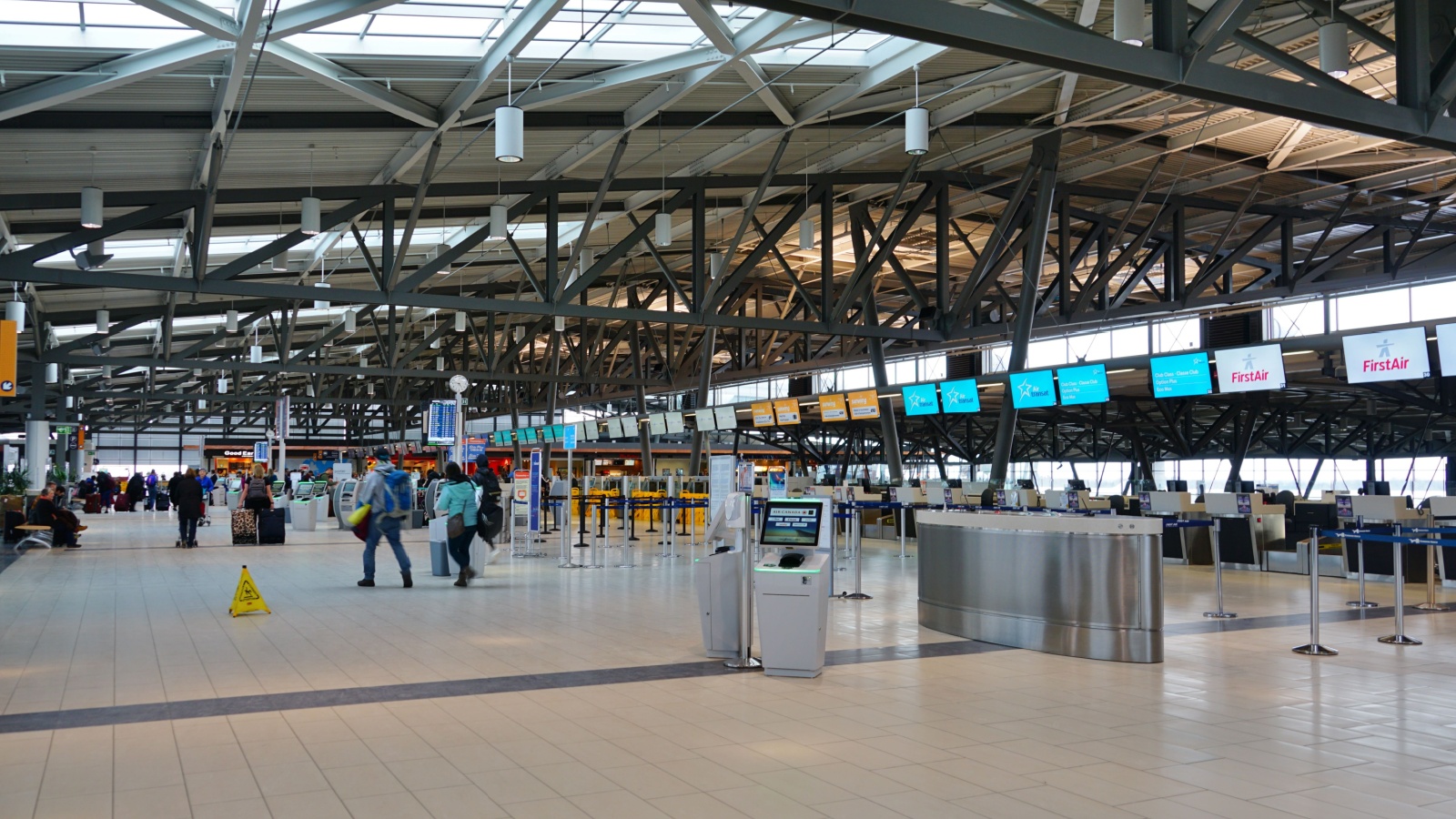
Passenger traffic at major Canadian airports has continued to rise. Statistics Canada reported that 4.7 million passengers passed through pre-board security screening at Canada’s eight largest airports in March 2026, up 3.2% from March 2025. February 2026 also showed year-over-year growth, including stronger domestic and international screening volumes.
That matters because a once-comfortable airport routine may no longer work during peak travel windows. A traveller who used to arrive 75 minutes before a domestic flight may find longer bag-drop lines, fuller parking lots, and slower movement through terminal corridors. Even when security wait-time targets are generally met, congestion at check-in counters, kiosks, elevators, lounges, and food outlets can turn small delays into gate-running stress.
Construction Is Changing the Airport Map Mid-Trip
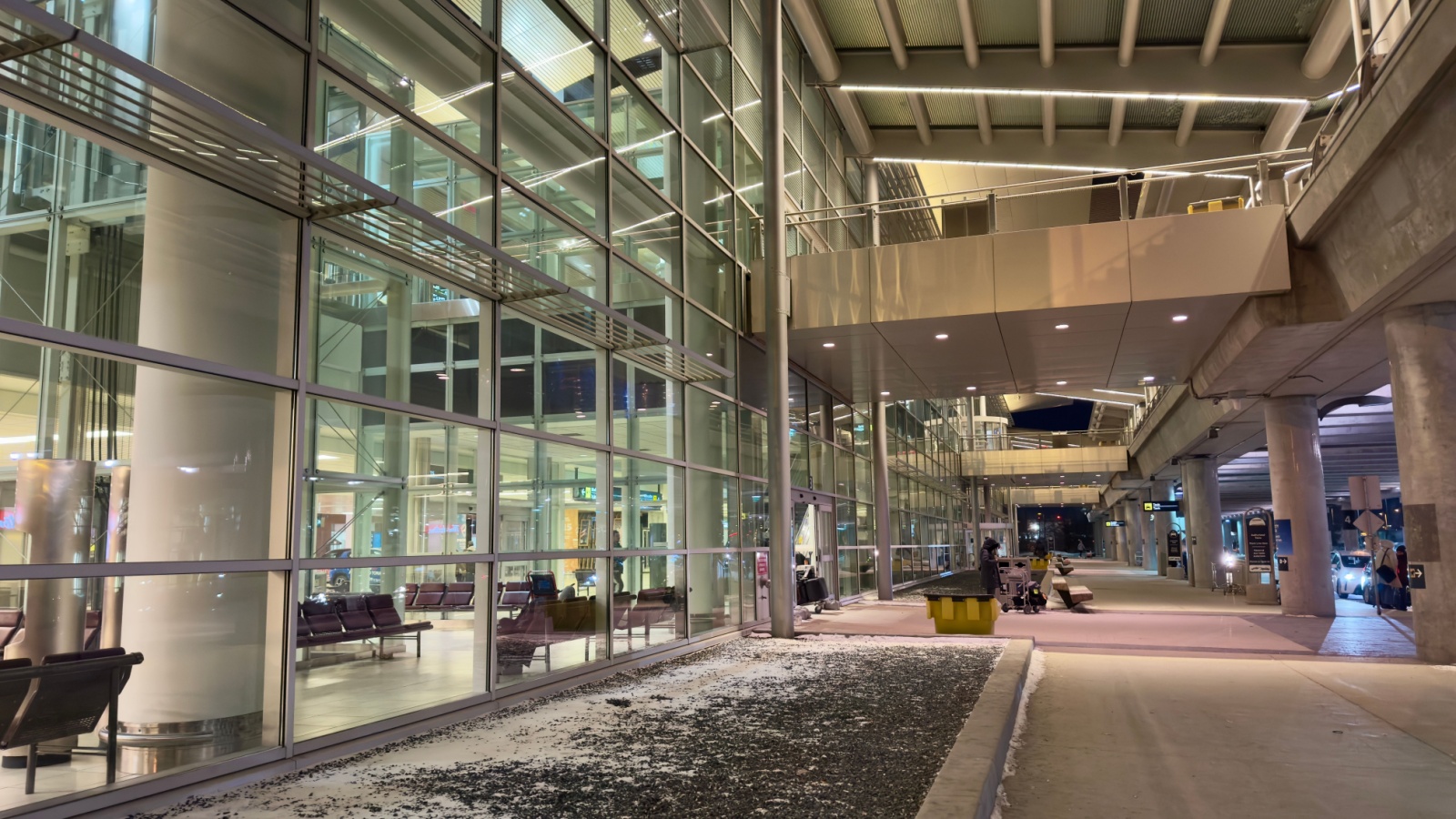
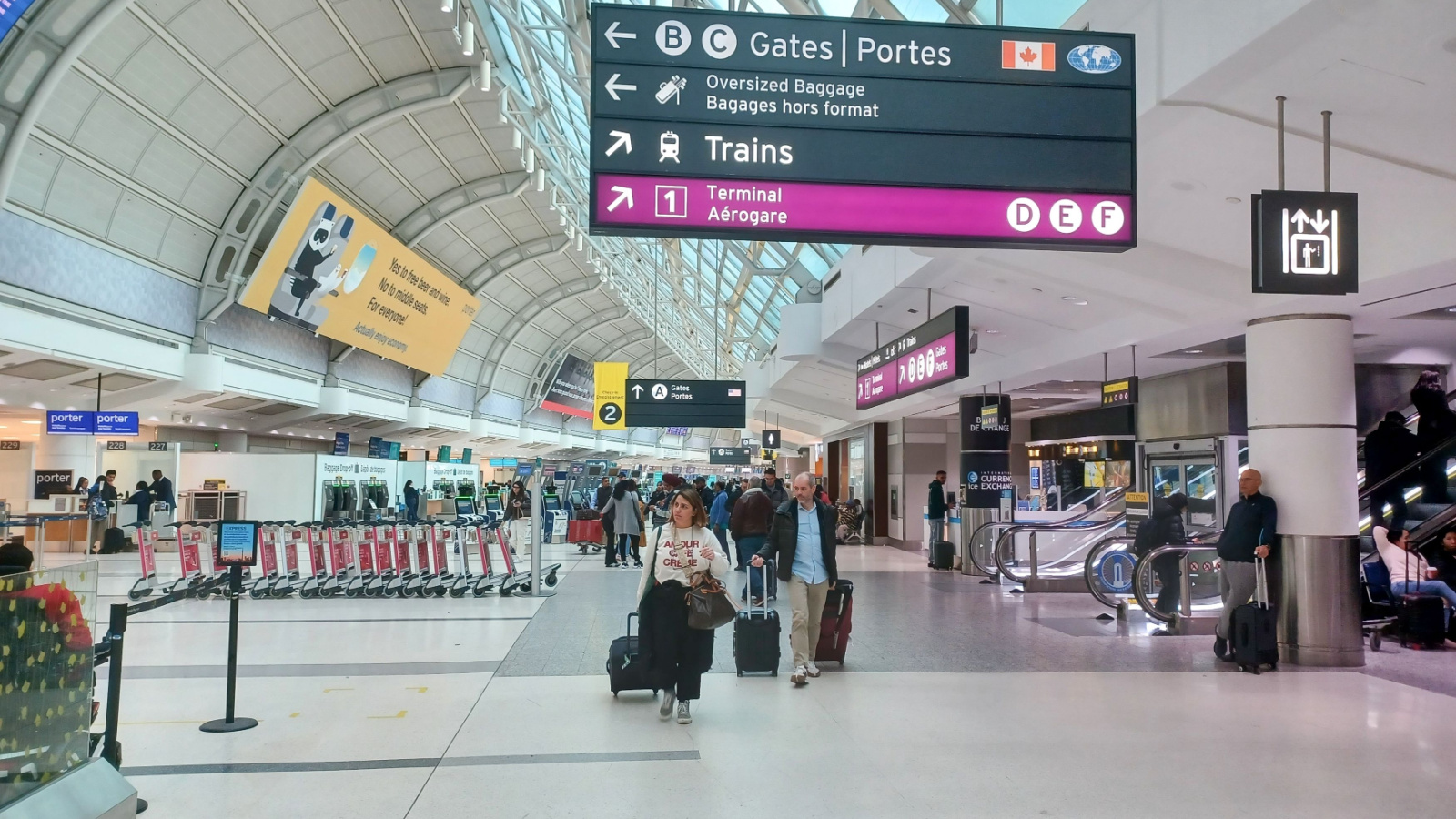
Several Canadian airports are in the middle of major upgrades, and that can make familiar terminals feel unfamiliar. Toronto Pearson launched Pearson LIFT, a phased multi-billion-dollar modernization program focused on infrastructure, technology-driven operations, and expanded capacity. Calgary’s airport lists major projects including centralized passenger screening and restoration work, while Vancouver has carried out runway and airfield modernization projects.
The surprise for travellers is practical rather than abstract. A trusted entrance may be blocked, a rideshare pickup area may shift, or walking routes may be longer than expected. Even a frequent flyer can lose time when signage changes or baggage areas move. These projects may improve travel over time, but during construction, the airport can feel like a place that quietly rearranged itself overnight.
UK Trips Now Need Digital Permission Before Boarding
Canadians travelling to or through the United Kingdom face a major paperwork shift in 2026. The UK’s Electronic Travel Authorisation system requires many visa-exempt visitors to obtain digital permission before travel, unless they are exempt or hold another valid immigration status. UK government guidance says visitors without the required ETA cannot travel to the UK.
This catches people off guard because the issue can appear before the flight, not at border control. A traveller may have a valid Canadian passport, confirmed hotel, and return ticket but still be stopped by the airline if the digital authorization is missing. Connections through the UK can also create confusion, especially for passengers who do not think of themselves as “entering” the country.
Europe’s Border Checks Are Becoming More Digital
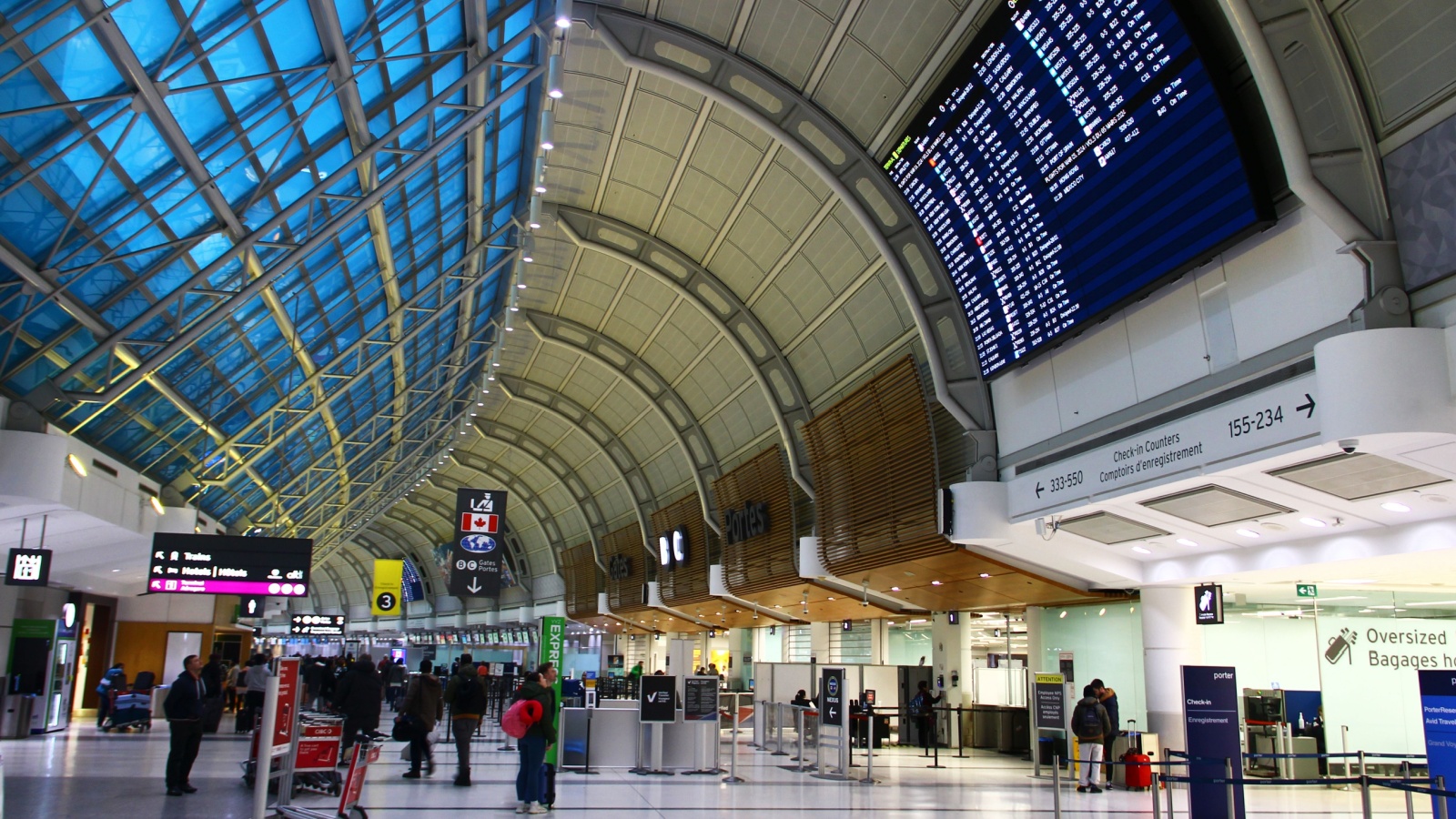
European travel is also changing for Canadians. The EU has been preparing new digital border systems, including the Entry/Exit System and ETIAS. Government of Canada guidance notes that Canadians will need ETIAS once it begins for short stays in Schengen-area countries, while the EU says ETIAS is expected to start operations in the last quarter of 2026.
The surprise is that “visa-free” no longer feels paperwork-free. Travellers may face biometric registration, automated border processes, and eventually a pre-travel authorization requirement. A Canadian heading to France, Italy, Spain, or another Schengen destination may still be allowed short stays without a visa, but the airport experience can involve more digital checks than older passport-stamp routines suggested.
Advance Declaration Can Save Time, But Only If Used Early
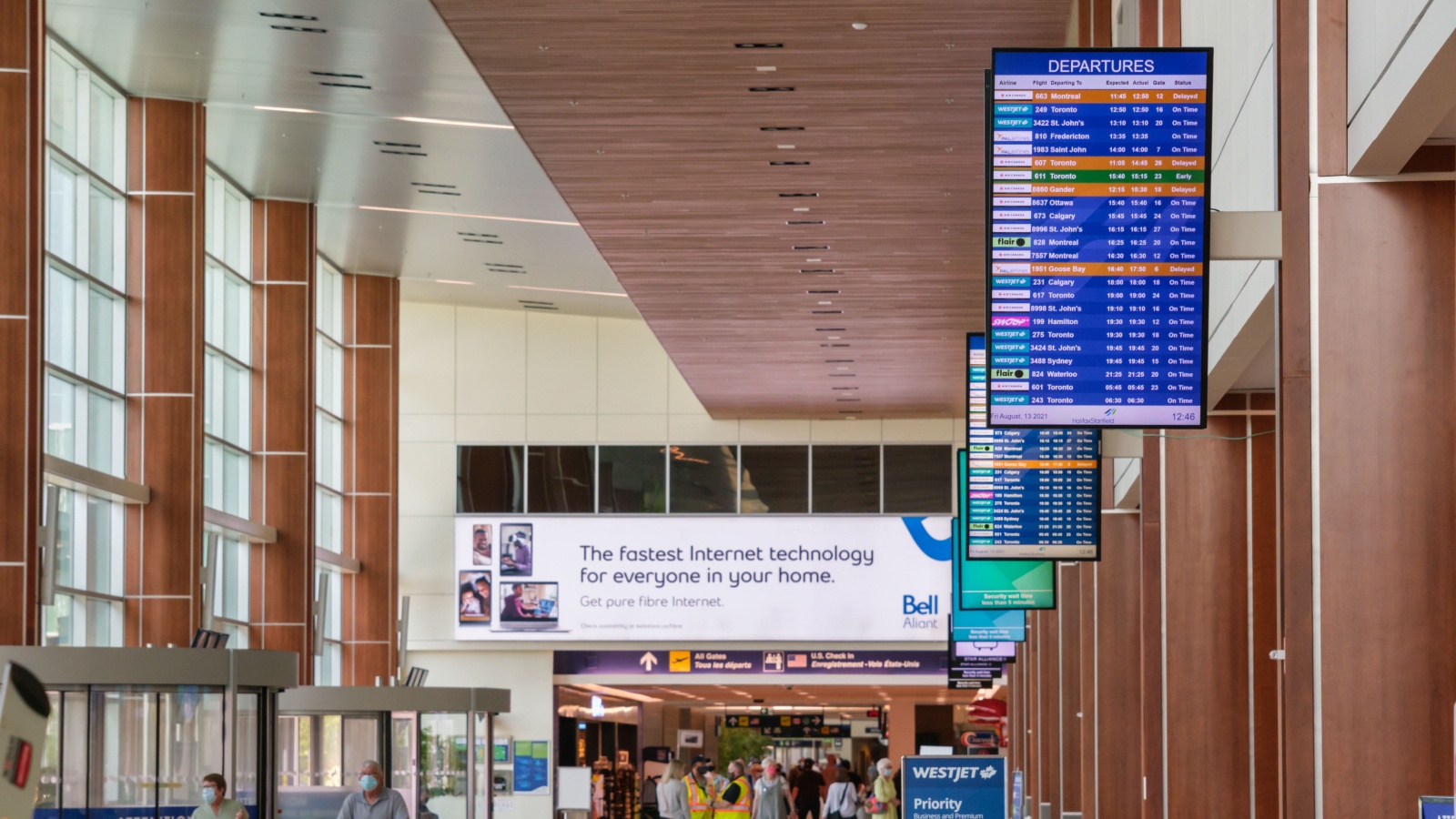
Returning to Canada by air now includes a digital shortcut many travellers still overlook. CBSA’s Advance Declaration allows eligible travellers to submit customs and immigration information up to 72 hours before arriving in Canada at participating airports. CBSA says the tool can reduce time spent at an airport kiosk or eGate by up to 50%.
The surprise is that this benefit is not automatic. A passenger who fills it out before landing may move more efficiently through the arrival process, while someone unfamiliar with the feature may wait and complete everything at the airport. During long-weekend or summer return periods, that difference can feel significant, especially after an overnight flight when families are tired, bags are delayed, and everyone wants to get home.
Passenger Rights Are Still Easy to Misunderstand
Many travellers know Canada has air passenger protection rules, but fewer understand how compensation, refunds, rebooking, and baggage claims actually work. The Canadian Transportation Agency provides guidance on delays, cancellations, denied boarding, and lost or damaged baggage. Proposed amendments to the Air Passenger Protection Regulations have also kept passenger-rights rules in the public conversation.
The airport surprise comes when expectations do not match the exact rule. A long delay does not always mean instant cash compensation, and the reason for the disruption can matter. Baggage problems also involve documentation, timelines, and airline-specific processes. A traveller who leaves the airport without reporting a damaged suitcase or collecting written information may make a later claim harder than expected.
Gate Bag Checks Are Becoming More Expensive and Less Forgiving
A carry-on that passes at home may fail at the airport. Airlines increasingly enforce size, weight, and fare-based restrictions at the gate, especially on cheaper fares. WestJet states that items exceeding carry-on allowance may be treated as checked baggage and that UltraBasic guests can face checked-bag and service fees. Air Canada’s baggage updates also show how fees vary by fare and route.
This catches travellers because the gate feels like the end of the process, not another payment point. A packed roller bag can become a costly problem moments before boarding. The embarrassment factor adds pressure: passengers may be repacking in public, paying by card, and worrying whether valuables or medication should remain with them before the bag is taken away.
Airport Parking and Ground Access Are Quiet Budget Breakers
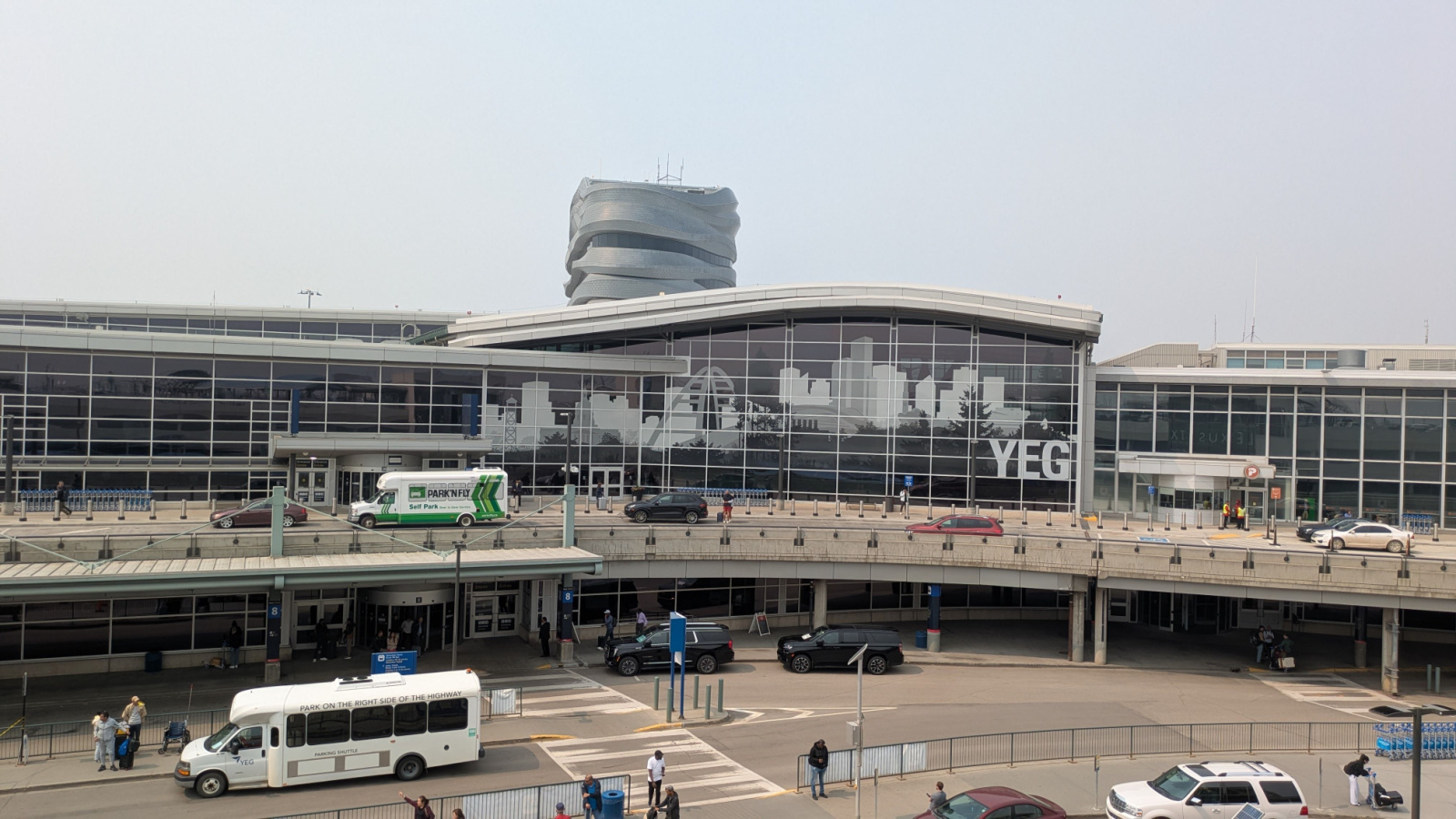
Not every airport surprise happens inside the terminal. Parking, drop-off congestion, rideshare pricing, rental-car counters, and shuttle waits can reshape the real cost of a trip. Airports rely on a mix of aeronautical and non-aeronautical revenue, including parking, concessions, commercial services, and passenger-related fees. As terminals grow and passenger volumes rise, ground access can become one of the least predictable parts of flying.
A family leaving from a major airport for a one-week holiday may budget carefully for airfare but underestimate parking or rideshare costs during peak demand. Construction can also move pickup zones farther away, adding time and confusion. The result is a trip that feels expensive before reaching security, especially when early-morning flights leave few convenient transit options.
“Arrive Early” Now Means Different Things for Different Trips
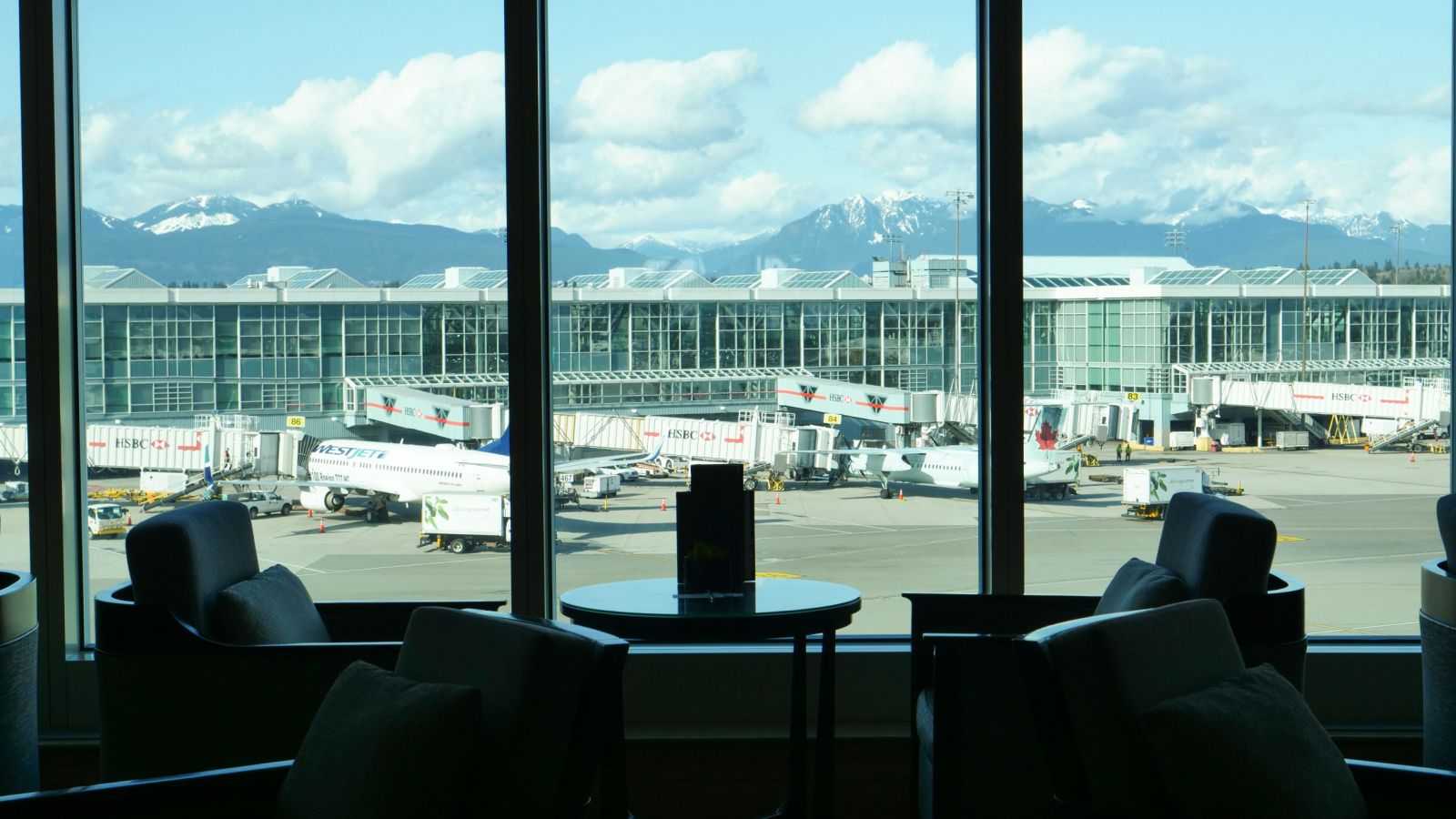
The old advice to arrive early still applies, but in 2026 it is less useful without context. A domestic trip with no checked bag, a transborder flight with U.S. preclearance, and an international itinerary requiring digital authorization are not the same airport experience. Government travel guidance continues to emphasize checking entry rules, travel documents, advisories, and required authorizations before departure.
The surprise is that preparation has shifted from packing the night before to verifying the whole travel chain. A valid passport may not be enough if an ETA, ETIAS, declaration, bag purchase, or airport construction detour has been missed. The smoothest travellers are not necessarily the most frequent flyers; they are the ones who check the rules again, even for airports they think they already know.
19 Things Canadians Don’t Realize the CRA Can See About Their Online Income

Earning money online feels simple and informal for many Canadians. Freelancing, selling products, and digital services often start as side projects. The problem appears at tax time. Many people underestimate how much information the CRA can access. Online platforms, banks, and payment processors create detailed records automatically. These records do not disappear once money hits an account. Small gaps in reporting add up quickly.
Here are 19 things Canadians don’t realize the CRA can see about their online income.
