Electric vehicles appear on Canadian roads more often each year as automakers release new models and governments promote cleaner transportation across the country. Cities such as Toronto, Vancouver, Montreal, and Calgary now host thousands of EV drivers who charge their vehicles at home, at workplaces, and through expanding public charging networks. Despite this growth, many Canadians still hold outdated beliefs about electric vehicles that formed during the early years of EV technology. Improvements in battery performance, charging infrastructure, and vehicle design have addressed many concerns that once limited adoption. Here are 17 EV myths Canadians still believe as we head into Spring 2026.
Electric Vehicles Cannot Handle Canadian Winters
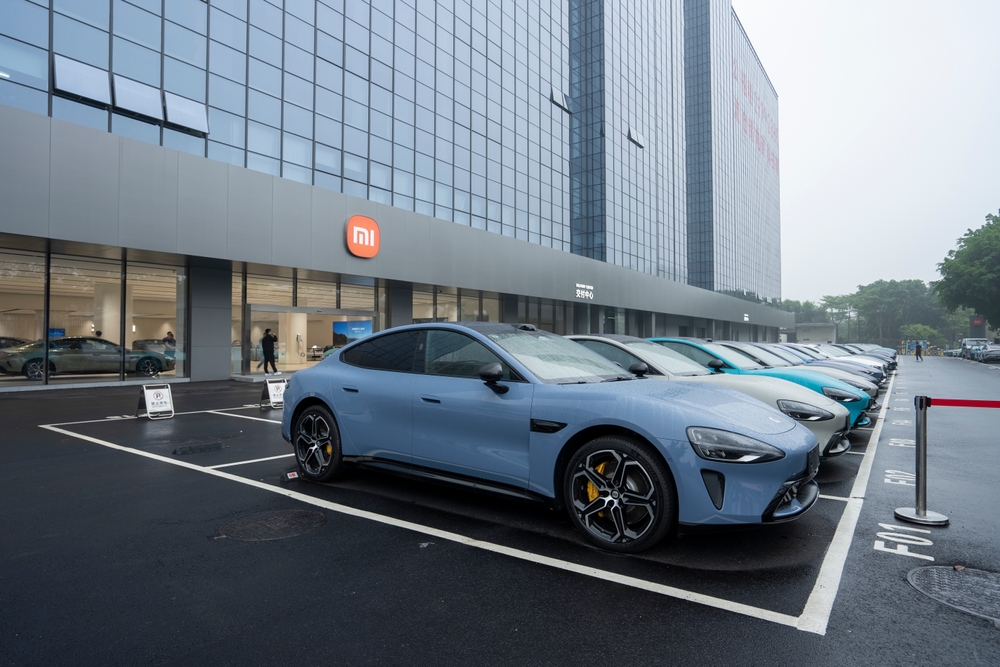
Many Canadians still believe electric vehicles struggle during the long winters that dominate much of the country each year. This belief began during early EV development when batteries lacked advanced thermal protection, and range dropped during freezing temperatures. Modern electric vehicles now include sophisticated battery thermal management systems that regulate battery temperature in both cold and hot weather. Heated battery packs help maintain performance even when outdoor temperatures fall far below freezing across provinces such as Alberta, Manitoba, and Quebec. Many EVs also include heat pump systems that warm the cabin while using less energy than older electric heating designs. Drivers can preheat the cabin and battery while the vehicle remains connected to a home charger before leaving the driveway. This feature allows the vehicle to begin each trip with a warm battery and a comfortable interior without reducing driving range during the first kilometers.
Canada Does Not Have Enough Charging Stations
A common belief suggests Canada lacks sufficient charging stations to support widespread electric vehicle ownership across large geographic regions. This assumption often comes from drivers who remember early EV infrastructure, when chargers were mostly located in major urban areas. Charging infrastructure across Canada has expanded through federal investment programs, provincial funding initiatives, and partnerships with private businesses. Highway fast charging networks now connect many cities across southern Canada and support travel between provinces. Drivers traveling between Toronto, Ottawa, Montreal, and Quebec City encounter numerous fast chargers along major highway routes. Retail chains, grocery stores, and shopping centers also install charging stations to attract customers who want to charge vehicles during normal errands. Home charging remains the most convenient solution for many EV owners because vehicles stay parked overnight for several hours.
Electric Vehicles Cost Too Much for Most Canadians
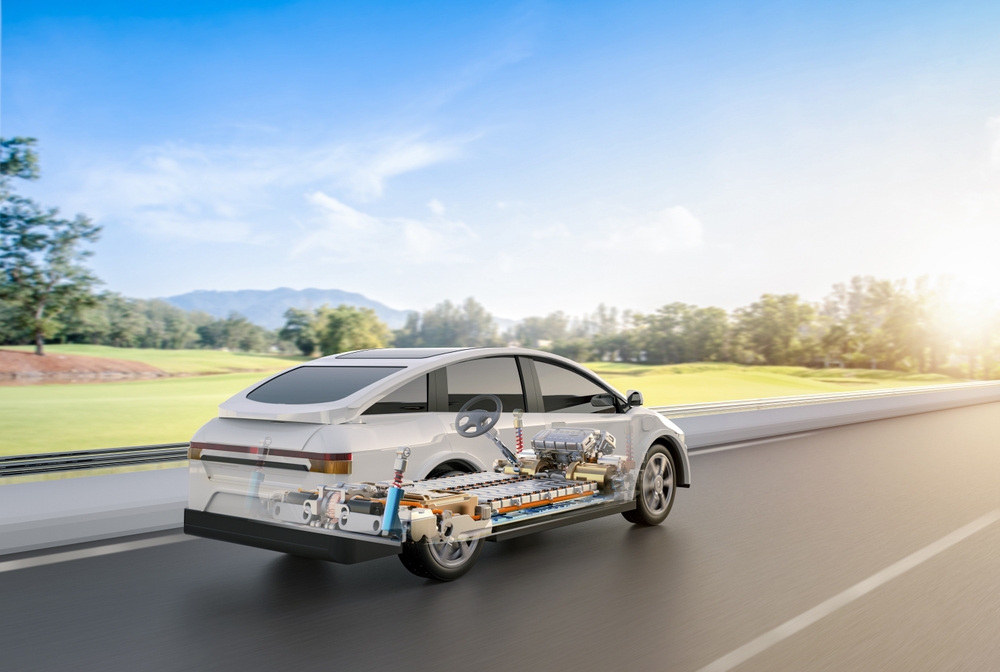
Many drivers assume electric vehicles remain unaffordable compared with gasoline vehicles sold in Canada today. Early EV models carried high price tags because battery production remained expensive and manufacturing volumes stayed limited across global markets. Battery technology improvements and large-scale production have lowered manufacturing costs during the past decade. Many electric vehicles now compete with gasoline models within similar vehicle categories such as compact SUVs and family sedans. Federal incentives under Canada’s zero-emission vehicle program reduce the purchase cost of qualifying models. Some provinces, such as British Columbia and Quebec, offer additional rebates that further reduce the purchase price for eligible buyers. Electric vehicles also provide long-term operating savings because electricity costs less than gasoline for most daily driving situations.
EV Batteries Need Replacement After Only a Few Years
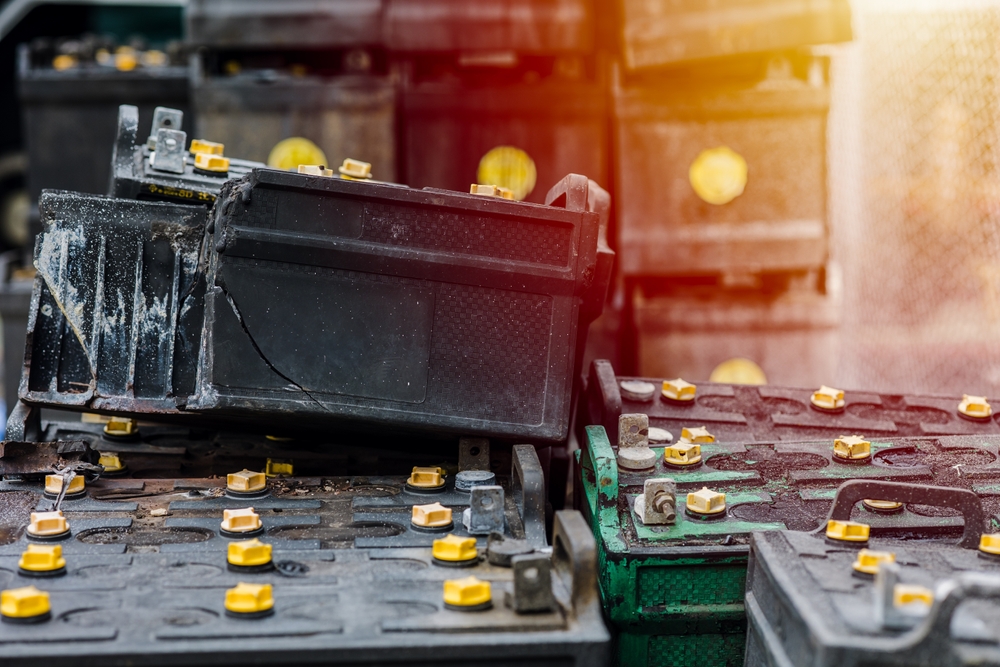
Battery longevity remains one of the most persistent concerns among Canadians researching electric vehicle ownership. Many drivers worry that EV batteries will degrade rapidly and require expensive replacement within a short period of time. This belief developed when people compared EV batteries with smartphone or laptop batteries that lose capacity after several years of heavy use. Electric vehicle batteries use different chemistry and advanced cooling systems designed for automotive durability. Most manufacturers provide battery warranties lasting eight years or longer to reassure buyers about long-term reliability. Battery management systems monitor temperature, charging patterns, and energy flow to protect battery health throughout the vehicle’s lifespan. Real-world studies of high-mileage EVs show that many battery packs maintain most of their original capacity after years of daily driving.
Charging an EV Takes Too Long for Everyday Driving

Another common myth suggests that charging an electric vehicle requires hours of waiting each time the battery needs energy. Drivers often compare EV charging with the quick refueling process used at gasoline stations across Canada. Electric vehicle charging occurs at several levels, depending on the available power source. Level one charging uses a standard household outlet and works well for overnight charging during daily commuting schedules. Level two charging stations provide faster energy delivery and appear in homes, workplaces, and public parking areas. Fast charging stations along highways deliver high-power charging that can restore substantial range during short stops for food or rest breaks. Most EV drivers charge their vehicles at home while sleeping, so waiting beside the vehicle is rarely necessary.
Electric Vehicles Cannot Tow or Perform Heavy Work
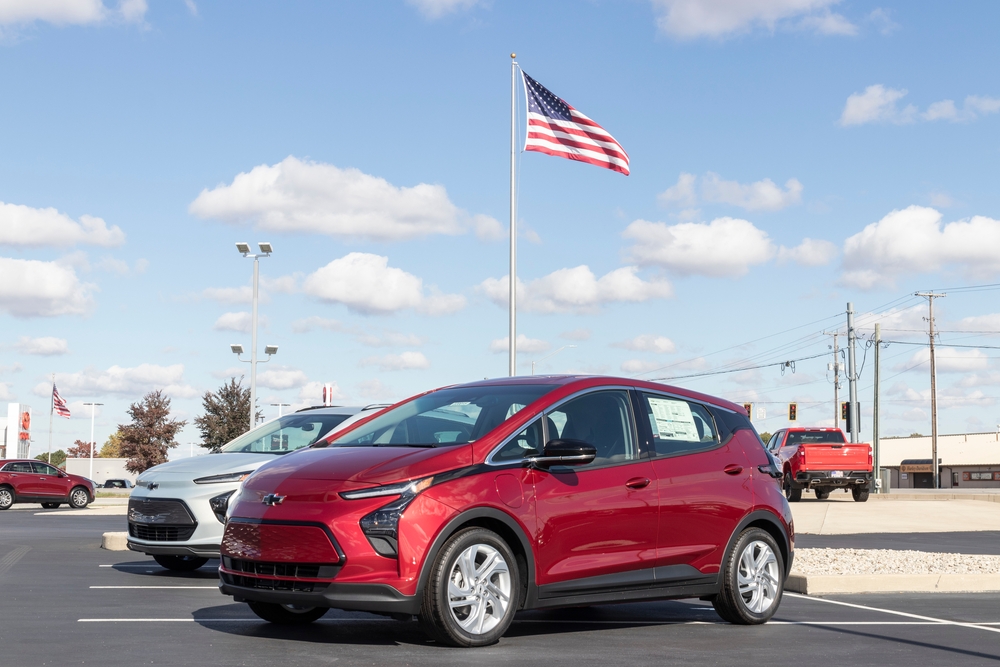
Many Canadians believe electric vehicles cannot perform heavy-duty tasks such as towing trailers or hauling equipment. Early electric cars focused on compact passenger vehicles designed primarily for urban commuting. Automakers now produce electric pickup trucks and large SUVs designed for towing recreational trailers, boats, and work equipment. Electric motors generate instant torque, providing strong pulling power during acceleration and under heavy loads. Some electric trucks available in Canada advertise towing capacities comparable to those of traditional gasoline-powered trucks used for recreational and commercial purposes. Battery placement along the vehicle floor lowers the center of gravity and improves stability while towing heavy loads. Range decreases when towing large trailers because additional weight requires more energy from the battery pack. However, gasoline trucks also consume more fuel when towing heavy loads, showing that this challenge affects all vehicle types rather than electric vehicles alone.
EVs Will Overload the Canadian Power Grid
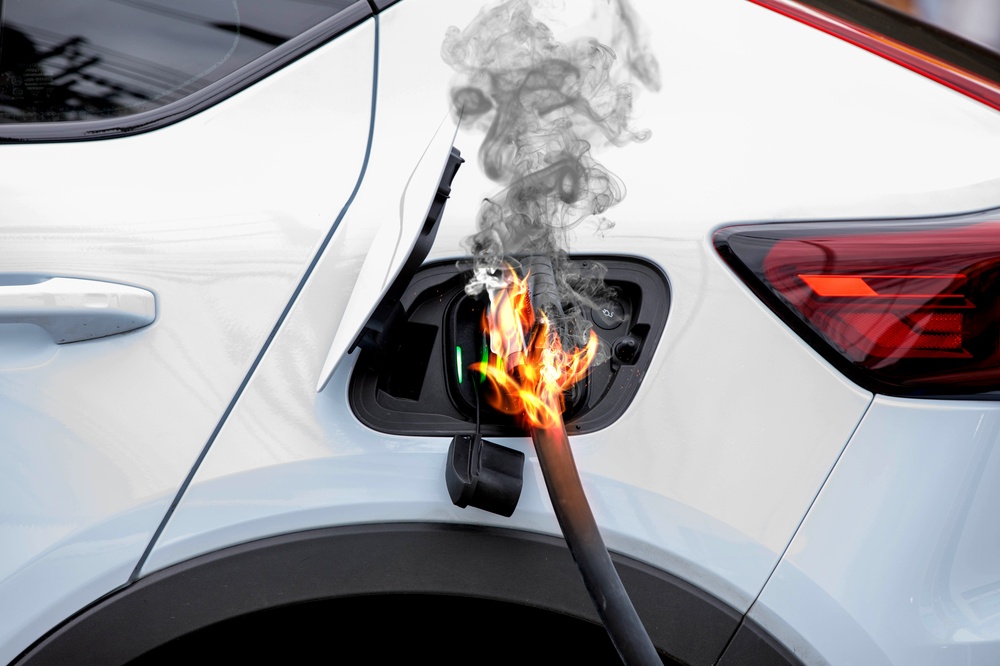
Some critics argue that widespread EV adoption will overwhelm the Canadian electrical grid and create energy shortages. Electricity systems already manage fluctuating demand from homes, industries, and businesses across Canada each day. Electric vehicle charging often occurs overnight when electricity demand remains lower than during daytime peak periods. Many EV charging systems allow drivers to schedule charging sessions during these off-peak hours. Utility companies also offer time-of-use electricity pricing that encourages consumers to shift electricity consumption outside peak demand periods. Canada produces a large share of its electricity through hydroelectric power generation, providing stable capacity across several provinces. Energy planning agencies continue studying long-term electricity demand as transportation electrification grows.
Electric Vehicles Cannot Handle Long Canadian Road Trips

Many Canadians still believe electric vehicles cannot support long road trips across provinces where distances between cities stretch across hundreds of kilometers. This myth developed when early electric vehicles offered limited driving range, and drivers struggled to find charging stations outside major urban centers. Modern EV models sold in Canada now deliver driving ranges exceeding four hundred kilometers on a single charge. Fast charging networks have expanded across major highway corridors connecting cities such as Vancouver, Calgary, Toronto, Ottawa, and Montreal. Drivers can recharge a large portion of battery capacity during short stops for coffee, meals, or rest breaks along these routes. Navigation systems inside many EVs display charging stations along travel routes and provide real-time updates about station availability. Drivers can plan charging stops before beginning longer trips across provinces.
EV Batteries Create Massive Environmental Waste
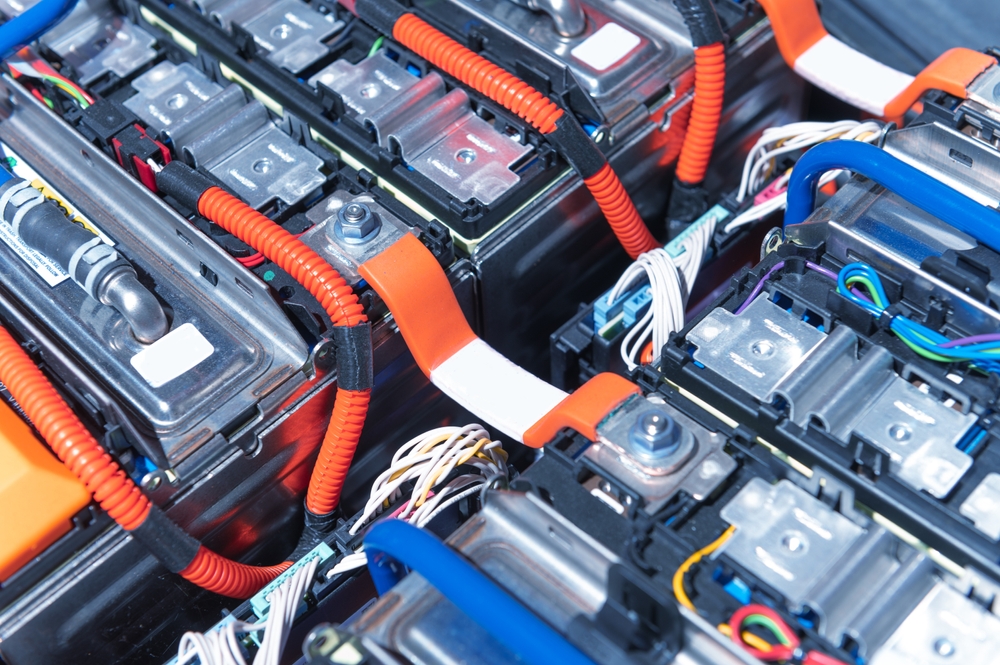
Some critics argue that electric vehicle batteries create significant environmental waste once they reach the end of their useful lifespan. This claim ignores the environmental impact of gasoline-powered vehicles that burn fossil fuels for every kilometer driven on Canadian roads. EV battery production requires raw materials such as lithium, nickel, and cobalt sourced from mining operations around the world. However, lifecycle studies show that electric vehicles produce fewer emissions than gasoline-powered vehicles when manufacturing and long-term vehicle use are considered. Canada benefits from electricity generation that relies heavily on hydroelectric power, which reduces emissions associated with charging electric vehicles. Battery recycling programs continue to expand as governments and manufacturers develop systems to recover valuable materials from used battery packs. Many batteries retain energy storage capacity even after their automotive lifespan ends.
Electric Vehicles Lose Most of Their Range During Winter
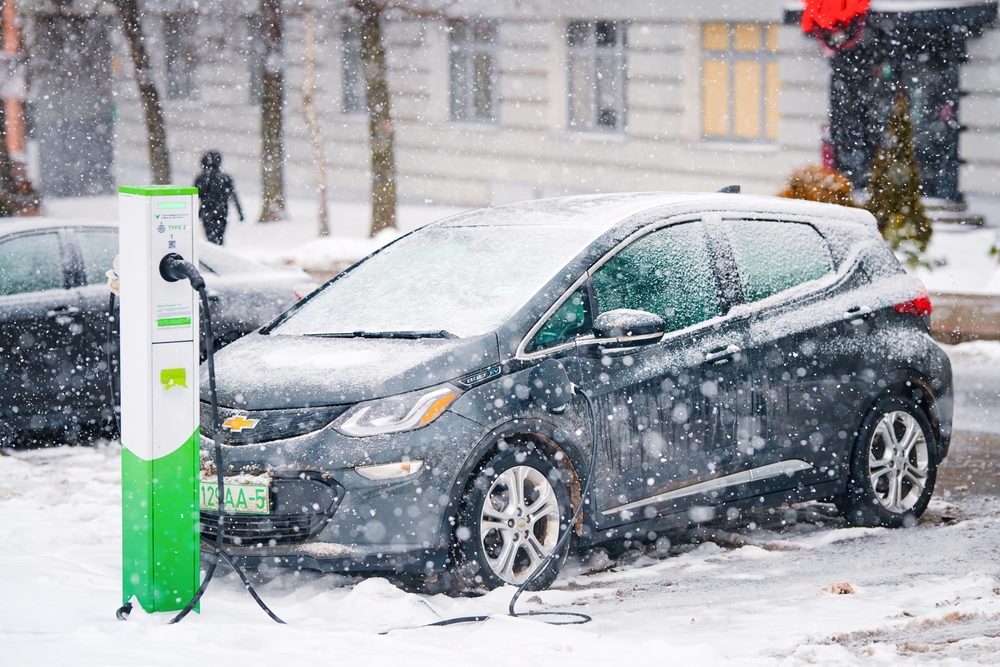
Cold weather performance remains a major concern among Canadians researching electric vehicle ownership. Battery chemistry responds differently during freezing temperatures, which can reduce driving range compared with mild weather conditions. Cabin heating also requires additional energy during winter driving across Canada. Modern EVs include battery insulation, thermal management systems, and heat pump technology designed to reduce energy loss during cold-weather operation. Drivers can also preheat the vehicle cabin and battery while the car remains connected to a home charger before beginning a trip. This feature reduces battery energy use during the first stage of driving because the vehicle begins the trip already warmed. Canadian EV owners report that winter range decreases but remains manageable for commuting and regional travel.
Electric Vehicle Insurance Costs Are Much Higher

Insurance costs represent an important factor for Canadians choosing a new vehicle. Some drivers assume insurance premiums must increase because electric vehicles contain advanced technology and expensive battery systems. Insurance companies evaluate many factors when calculating premiums, including vehicle price, safety ratings, repair costs, and driver history. Several electric vehicles achieve strong safety ratings because battery placement lowers the center of gravity and improves vehicle stability during emergency maneuvers. Many EV models also include driver-assistance technologies, such as automatic braking and lane-monitoring systems, that reduce collision risk. Insurance companies consider these safety features when determining coverage costs. Repair costs may vary by vehicle model and parts availability, so premiums differ across individual EV models rather than the entire electric vehicle category.
Charging an EV Will Become Extremely Expensive
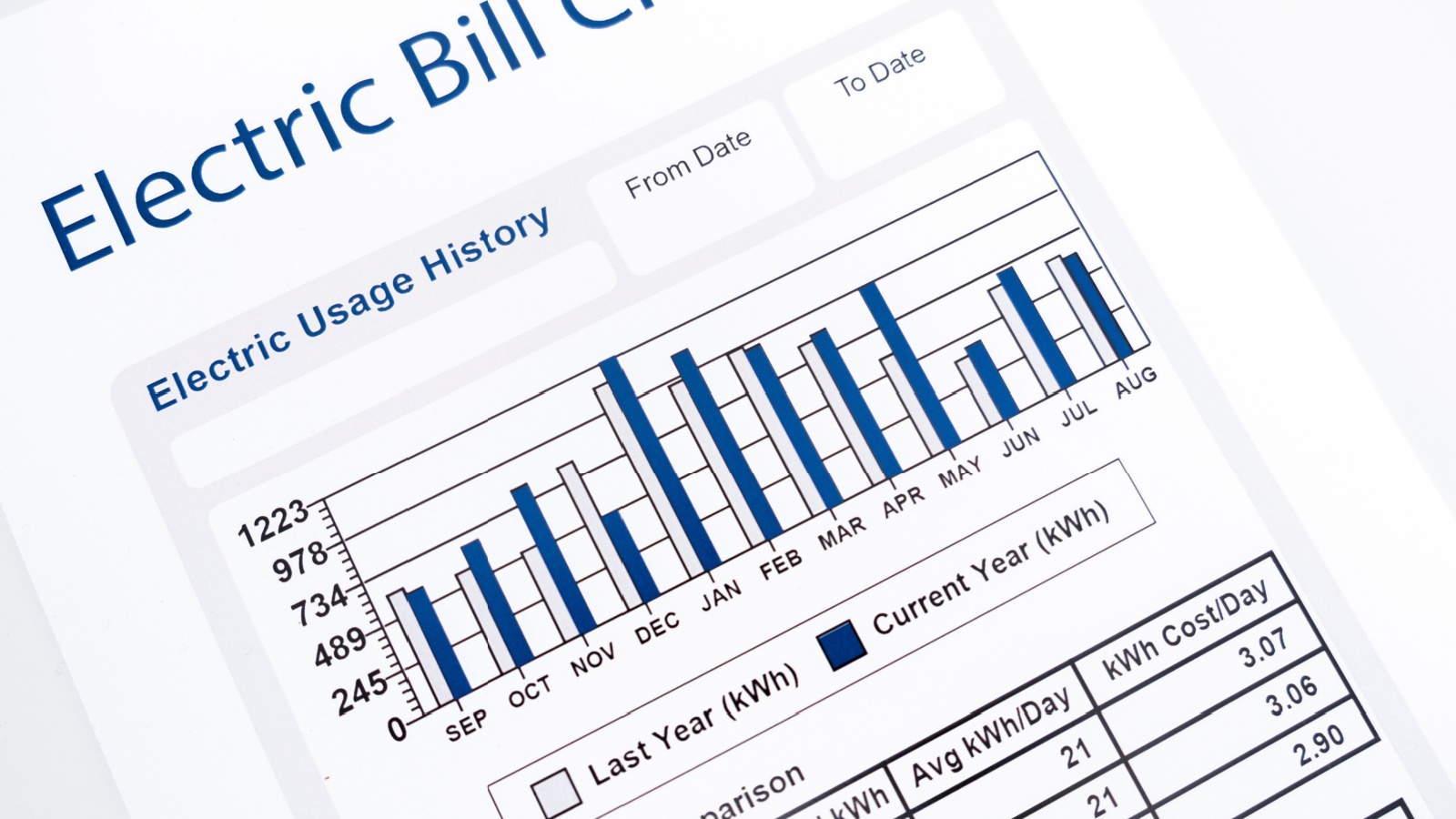
Some Canadians believe electricity prices will increase sharply once millions of electric vehicles begin charging across the country. This assumption suggests EV ownership could become as expensive as gasoline vehicles in the future. Electricity pricing in Canada depends on provincial energy systems, generation sources, and regulatory structures that influence consumer costs. Many provinces offer time-of-use electricity pricing that rewards consumers who shift energy consumption outside peak demand periods. Electric vehicle owners can schedule charging sessions during overnight hours when electricity demand remains lower. Charging vehicles during these periods often costs less compared with daytime electricity consumption. Even if electricity prices increase modestly in the future, EV drivers still avoid purchasing gasoline for daily commuting.
Electric Vehicles Have No Resale Value

Some drivers believe electric vehicles lose most of their resale value after several years of use. This belief comes from concerns about battery degradation and evolving vehicle technology. Used electric-vehicle markets have grown across Canada as more drivers seek affordable alternatives to new EV purchases. Many buyers feel comfortable purchasing used EVs because manufacturers provide long battery warranties that often transfer to subsequent owners. Electric vehicles also have fewer mechanical components than gasoline-powered vehicles, which may reduce long-term maintenance concerns for second owners. Software updates can improve efficiency and add new features during the ownership period of many EV models. Growing interest in electric transportation also supports demand for used EVs across Canadian cities.
EVs Cannot Handle Snowy Roads or Rural Terrain

Many Canadians living in rural areas believe electric vehicles cannot handle unpaved roads, deep snow, or icy winter conditions. Early electric cars focused on compact vehicles designed for urban commuting rather than rural driving. Automakers now produce electric SUVs and trucks equipped with All Wheel Drive systems powered by multiple electric motors. Electric motors deliver instant torque, allowing traction systems to respond quickly when wheels encounter slippery surfaces. Battery packs located along the vehicle floor improve stability by lowering the center of gravity. Drivers across Canada report that EVs perform well during winter conditions when equipped with proper winter tires. Snow driving safety depends more on tire quality and driving habits than on engine type.
EV Batteries Catch Fire More Often Than Gasoline Vehicles
Stories about electric vehicle fires sometimes cause concern among drivers unfamiliar with EV technology. Media coverage of rare incidents can create the impression that EVs ignite more often than gasoline vehicles. Data from transportation safety studies indicate that gasoline vehicles experience fires more frequently than electric vehicles. Gasoline remains a highly flammable liquid stored in vehicles with high-temperature engine components. Electric vehicle battery packs undergo strict safety testing before reaching consumers. Manufacturers design protective structures around battery packs to reduce damage during collisions. Battery management systems monitor temperature and electrical conditions to prevent overheating within individual battery cells. Fire risk exists in any vehicle that stores large amounts of energy.
Owning an EV Requires Major Lifestyle Changes
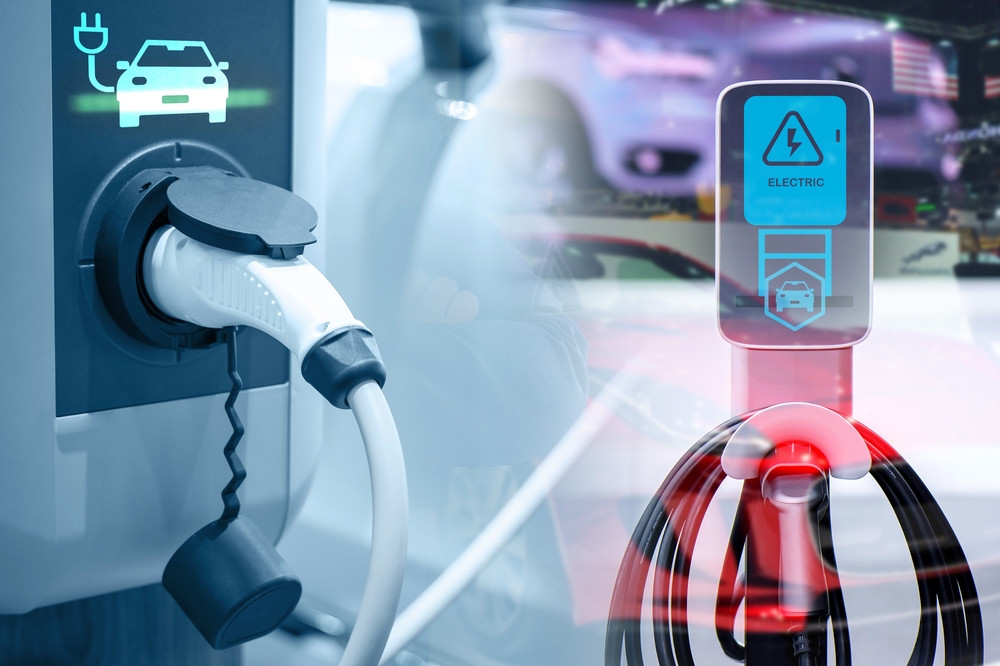
Some Canadians believe switching to an electric vehicle requires significant lifestyle changes that disrupt daily routines. Drivers accustomed to gasoline-powered vehicles expect to visit fuel stations every week to refuel. Electric vehicle ownership shifts refueling habits toward home charging rather than regular visits to fuel stations. Many EV owners plug their vehicles into a home charger during evening hours and begin the next morning with a full battery. This routine eliminates the need for weekly fuel stops during commuting schedules. Smartphone apps and in-vehicle navigation systems also show battery range and nearby charging stations when drivers travel outside familiar areas. Many drivers discover that EV ownership simplifies daily vehicle operation once they become familiar with charging routines.
EV Technology Will Become Obsolete Within a Few Years

Rapid technological development sometimes raises concerns that early electric-vehicle buyers will own outdated vehicles after several years. Some Canadians delay EV purchases because they expect major improvements in batteries and charging technology within the near future. Automotive technology evolves across all vehicle categories, including gasoline engines, hybrid systems, and electric drivetrains. Many electric vehicles include software-driven systems capable of receiving updates that improve efficiency and vehicle features. Battery technology will continue advancing, but existing EV models will remain practical transportation tools for many years. Waiting for perfect technology can delay vehicle purchases indefinitely because innovation continues across every generation of vehicles.
22 Groceries to Grab Now—Before another Price Shock Hits Canada

Food prices in Canada have been steadily climbing, and another spike could make your grocery bill feel like a mortgage payment. According to Statistics Canada, food inflation remains about 3.7% higher than last year, with essentials like bread, dairy, and fresh produce leading the surge. Some items are expected to rise even further due to transportation costs, droughts, and import tariffs. Here are 22 groceries to grab now before another price shock hits Canada.
22 Groceries to Grab Now—Before another Price Shock Hits Canada
