
Victoria Day has long felt like Canada’s unofficial starting line for warm-weather travel, but 2026 brings a different kind of trip-planning mood. The desire to get away remains strong, yet costs, crowds, weather risks, border delays, passport timing, and flight uncertainty are all shaping decisions earlier than usual.
These 11 new reality checks capture the pressures Canadians are weighing as long weekends, cottage stays, park visits, road trips, and international escapes move from ideas to bookings. The picture is not all discouraging: domestic tourism is strong, some national park savings are available, and better preparation can still make summer travel feel manageable. The main shift is that spontaneity now comes with a higher price.
Domestic Trips May Feel Busier Than Expected

Many Canadians are still choosing to travel, even as budgets tighten. Domestic tourism is playing a major role in 2026 plans, with industry outlooks pointing to strong demand for travel inside Canada. That means popular long-weekend destinations may not feel as relaxed as they once did, especially around lakes, national parks, small resort towns, ferry routes, and scenic highway corridors.
A family expecting a quiet Victoria Day cabin escape in Muskoka, the Laurentians, or the Okanagan may find the real squeeze happens before arrival: fewer last-minute rooms, higher nightly rates, limited restaurant reservations, and crowded parking lots at trailheads. The trip may still be worth taking, but the old habit of “figuring it out when we get there” is becoming riskier. In 2026, the most comfortable domestic trips are likely to be the ones planned with backup routes, earlier check-ins, and realistic crowd expectations.
Gas Prices Can Change the Math Quickly
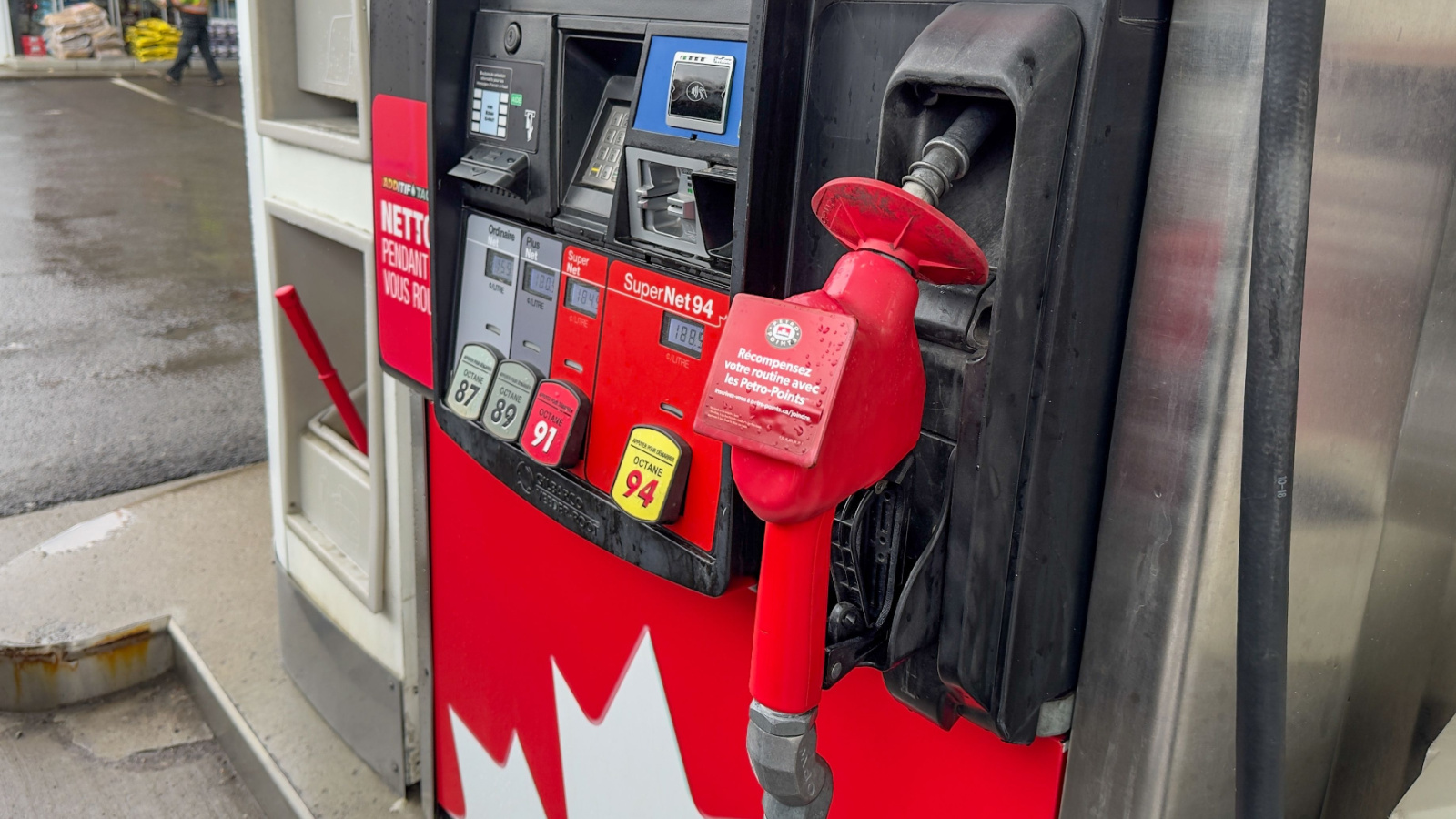
Road trips often look cheaper than flying, but fuel costs can shift that equation fast. Statistics Canada reported that gasoline was one of the major upward contributors to March 2026 inflation, with prices rising year over year. For families driving larger SUVs, pickups, or older vehicles, a long weekend that once felt affordable can become noticeably more expensive after several fill-ups.
The bigger issue is not just the posted price at the pump. Summer road trips often include detours, idling in traffic, towing trailers, carrying roof boxes, or driving through remote regions where fuel options are limited. A Toronto-to-Charlevoix, Calgary-to-Kelowna, or Halifax-to-Cape Breton trip can still be memorable, but the budget should include a fuel cushion rather than a best-case estimate. In 2026, the reality check is simple: the car may still be the flexible option, but it is not automatically the cheap one.
Border Crossings Need More Strategy Than Usual
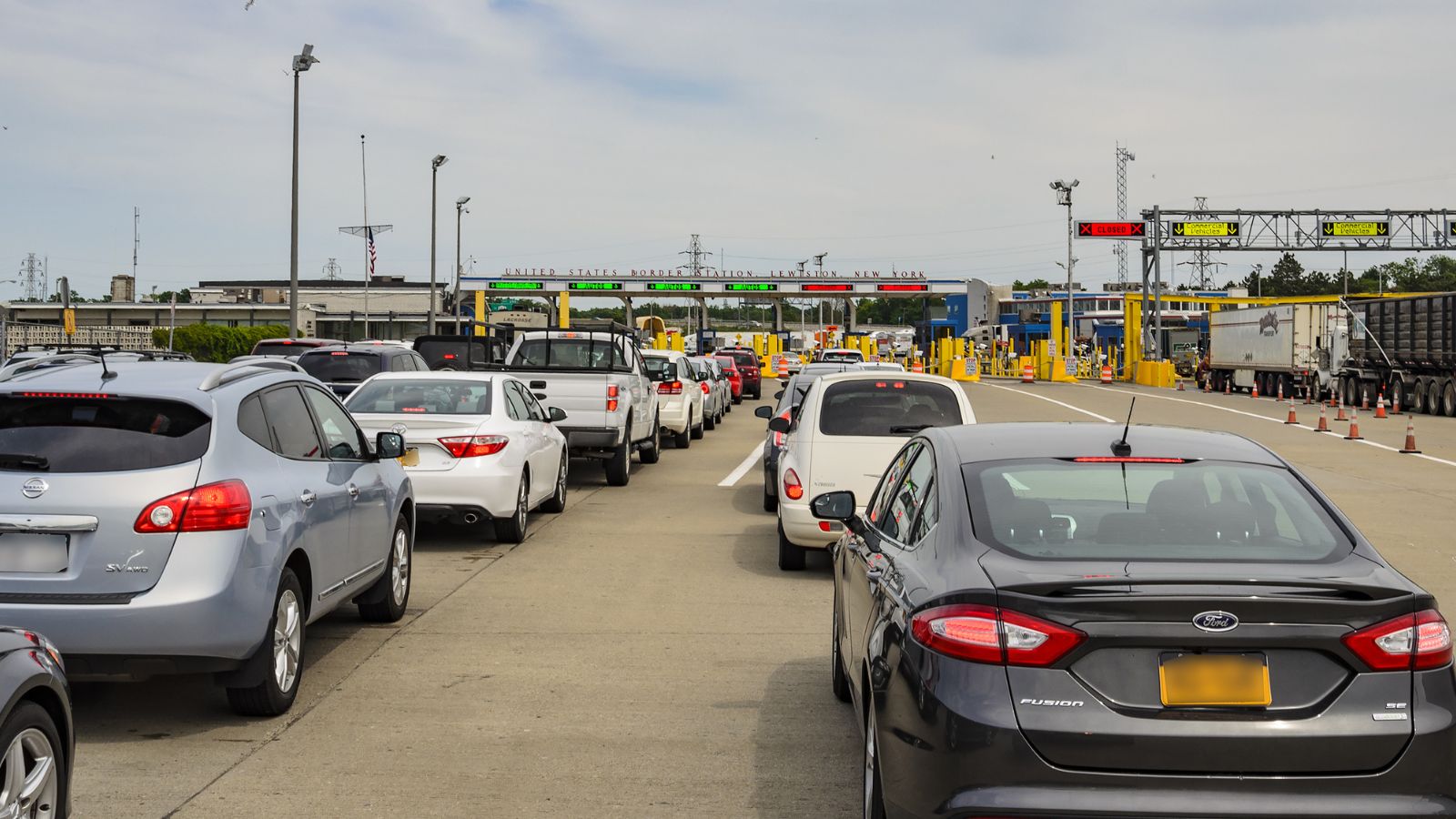
Victoria Day and summer weekends can turn border crossings into a major part of the trip. The Canada Border Services Agency has advised travellers to keep documents ready, use Advance Declaration when flying into participating Canadian airports, check border wait times when driving, and remember that Mondays of holiday long weekends tend to be busiest.
That matters for Canadians planning outlet shopping, U.S. cottage visits, concerts, baseball trips, or quick family reunions across the border. A one-hour delay can be annoying; a three-hour delay with kids, pets, or a tight hotel check-in can reshape the whole day. The smarter approach is to avoid peak crossing windows, compare nearby ports of entry, and build extra time around meals and rest stops. In 2026, the border is less of a formality and more of a planning variable.
Passport Timing Still Deserves Early Attention
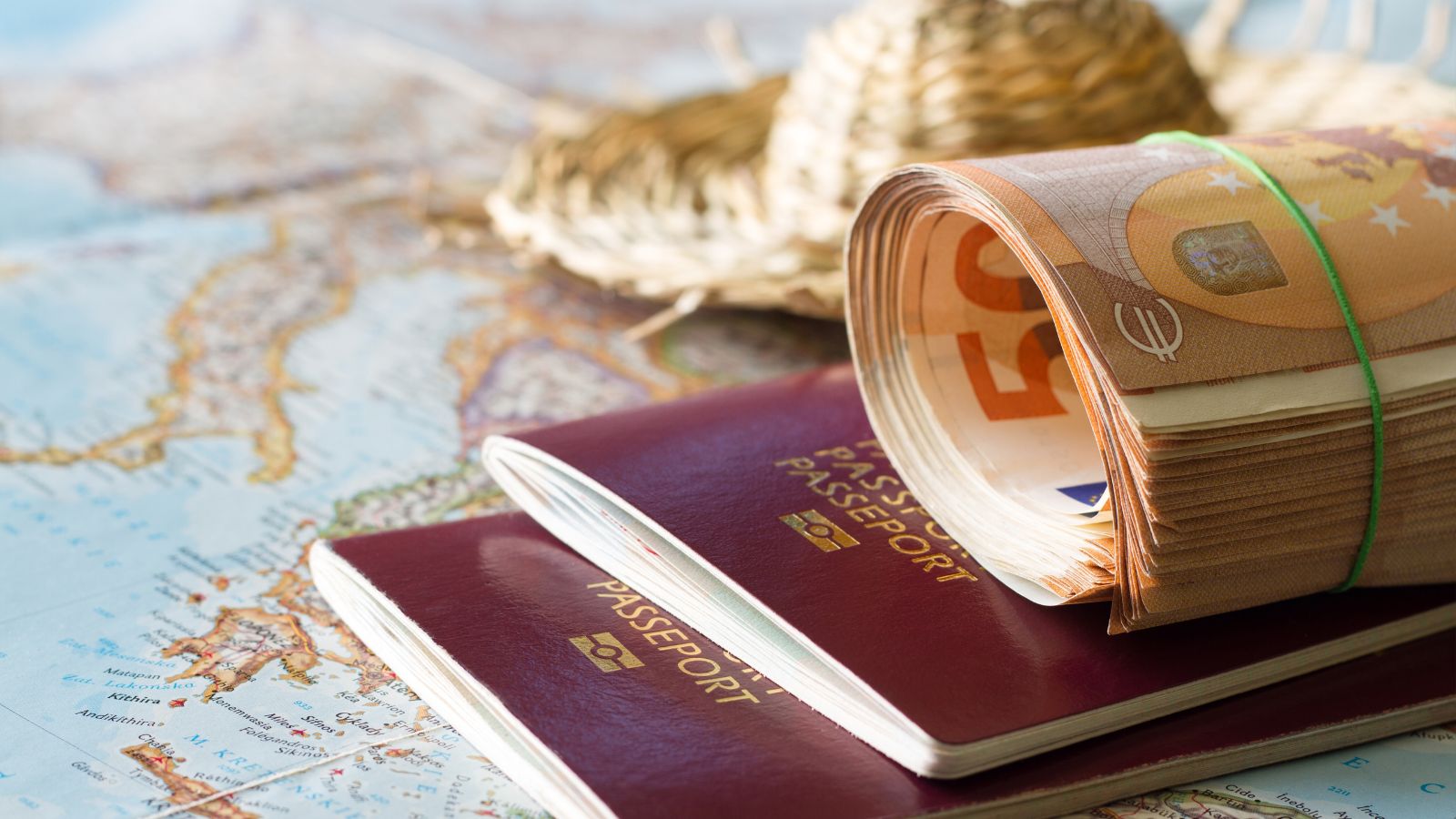
Canada introduced a routine passport-processing guarantee in 2026, but that does not make last-minute document checks harmless. The federal government has urged travellers to ensure passports and other documents are valid for the required duration and to allow extra time in case plans change. Some destinations also require passports to remain valid for months beyond the planned return date.
The trap is assuming a valid passport is automatically “good enough.” A couple booking a summer cruise, a family heading to Europe, or a student travelling for a program may discover late that entry rules, visas, electronic authorizations, or parental consent letters need attention. Even domestic trips can involve ID checks for flights, ferries, hotels, or car rentals. In 2026, document readiness is not just about having a passport in a drawer. It means matching paperwork to the exact destination, transit route, and travel dates.
Air Travel Disruptions Are Part of the Budget
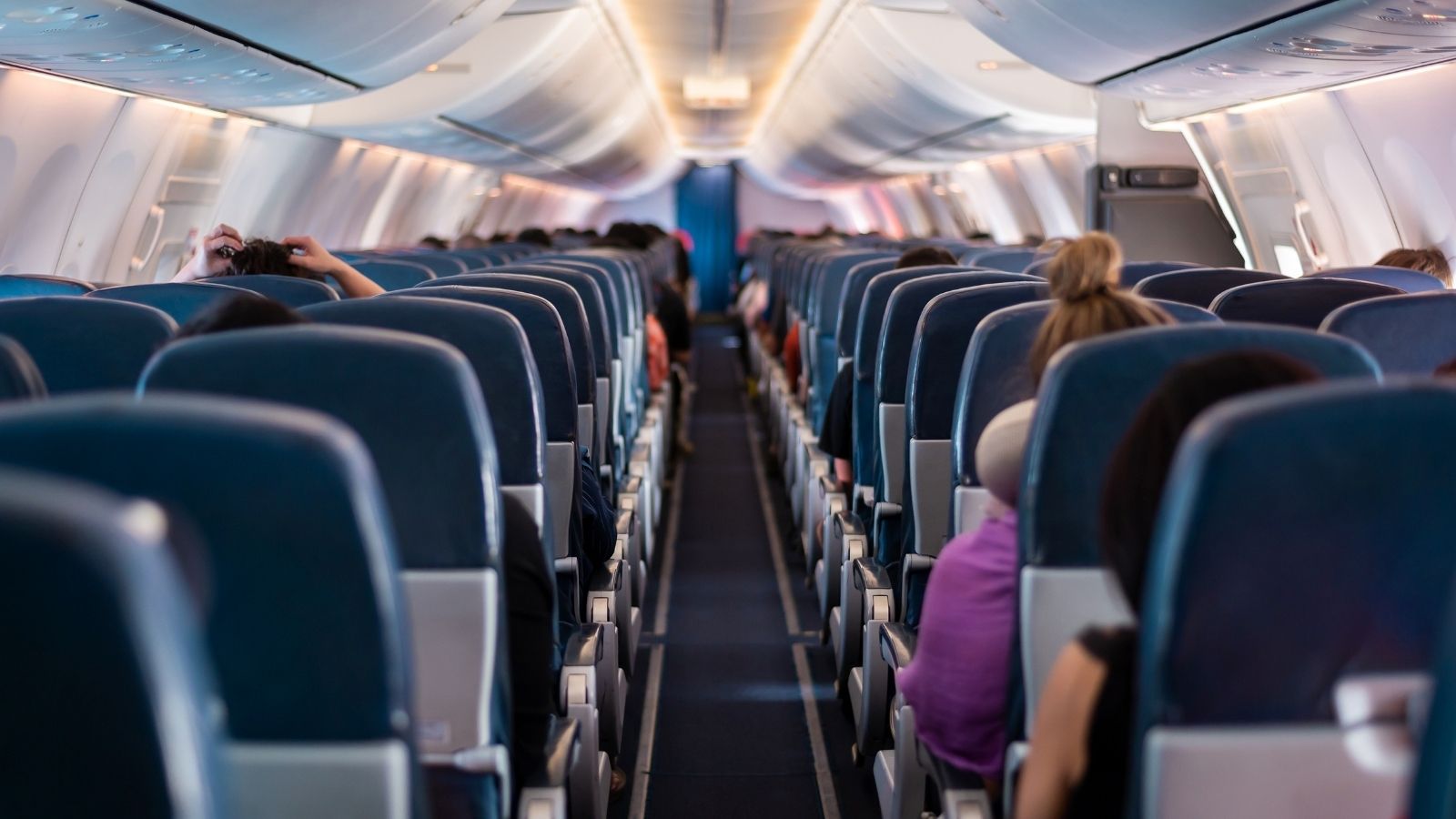
Airfares, delays, cancellations, and route changes are not just inconveniences anymore; they can create real trip costs. Global Affairs Canada warned in May 2026 that international travel could be affected by fuel shortages, flight cancellations, and disruptions tied to the situation in the Middle East, even for travellers not headed to that region. Airline fuel uncertainty has also been a major concern for carriers.
That leaves Canadians with a different planning challenge. A cheaper connection may not be the best deal if it creates a fragile itinerary with a short layover, separate tickets, or an overnight airport stay if something goes wrong. A family flying from Winnipeg to Halifax through Toronto, or from Vancouver to Europe through a major hub, may benefit from longer connection windows and refundable hotel options. In 2026, the flight price is only one part of the cost; resilience matters too.
Airport Security Still Rewards Careful Packing

Carry-on packing rules remain a common source of stress, especially for warm-weather trips. The Canadian Air Transport Security Authority reminds travellers that liquids, aerosols, and gels in carry-on baggage must generally be in containers of 100 millilitres or less and fit into one clear one-litre resealable bag. Sunscreen, bug spray, gels, creams, and toiletries are easy items to misjudge.
The practical problem shows up at the worst moment: a family is late for boarding, a child needs medication, and a full-sized sunscreen bottle triggers a bag check. The smoother approach is to separate medications, keep travel-sized liquids accessible, and pack larger bottles in checked baggage when possible. For Victoria Day beach trips, Caribbean departures, camping weekends, or festival travel, the security line is not where the organizing should begin. In 2026, smart packing is a time-saver, not a minor detail.
Park Trips May Require Reservations, Not Just Enthusiasm
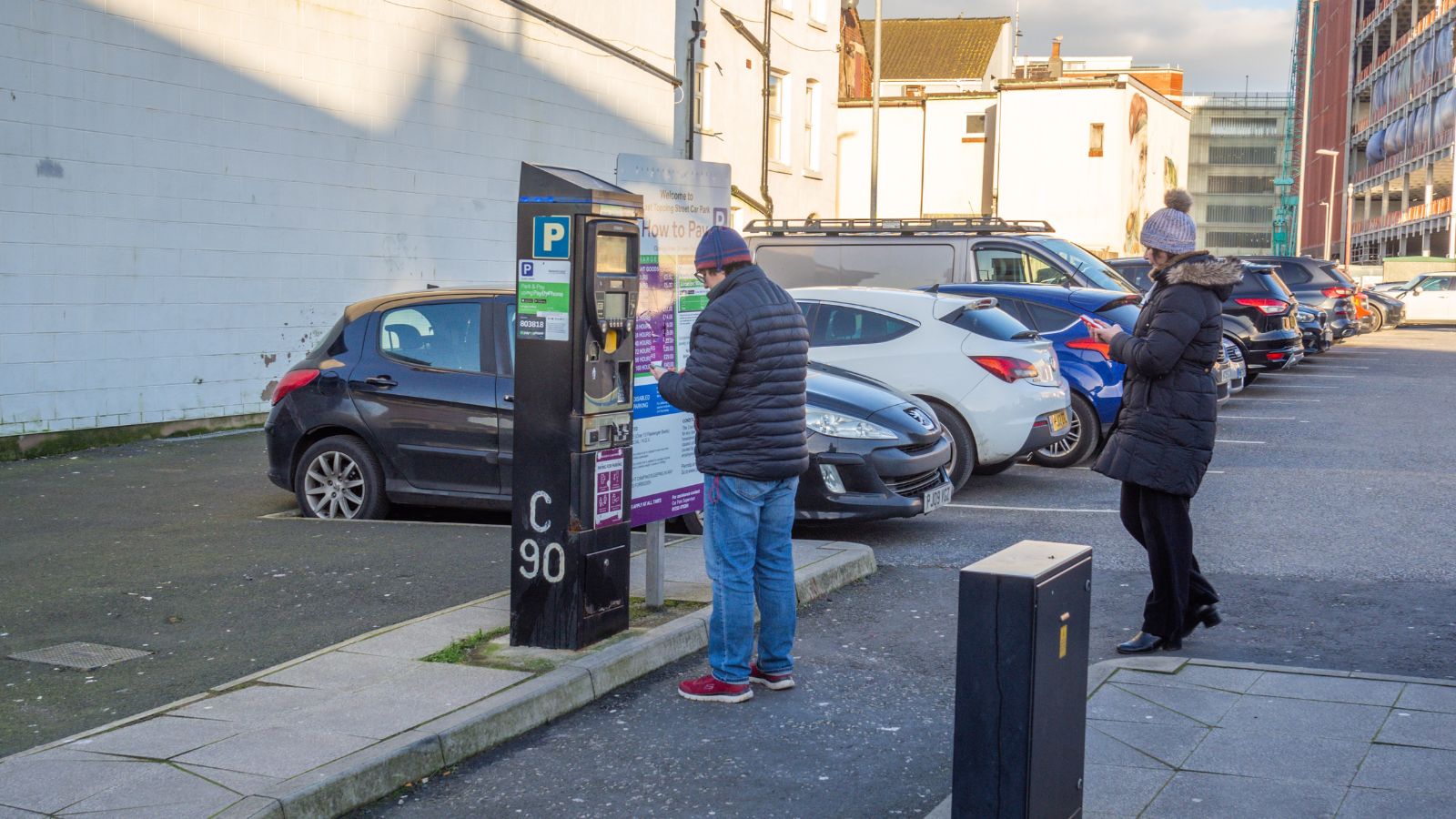
Canada’s parks remain a major draw, and 2026 may make them even more attractive. Parks Canada has opened reservations for campsites, accommodations, some guided hikes, events, and parking spaces, while the Canada Strong Pass offers free admission and a 25% discount on camping and overnight stays from June 19 to September 7, 2026. That combination can increase demand at already popular sites.
The catch is that savings do not guarantee availability. A family hoping for Banff, Bruce Peninsula, Fundy, Pacific Rim, or Prince Edward Island National Park may find prime weekends booked quickly, especially where shuttles, day-use access, or campground permits are limited. The human side is familiar: the dream is a relaxed campfire weekend, but the reality becomes refreshing reservation pages and settling for a less convenient location. In 2026, national park trips may need both flexibility and speed.
Wildfire Smoke Can Affect Trips Far From the Flames
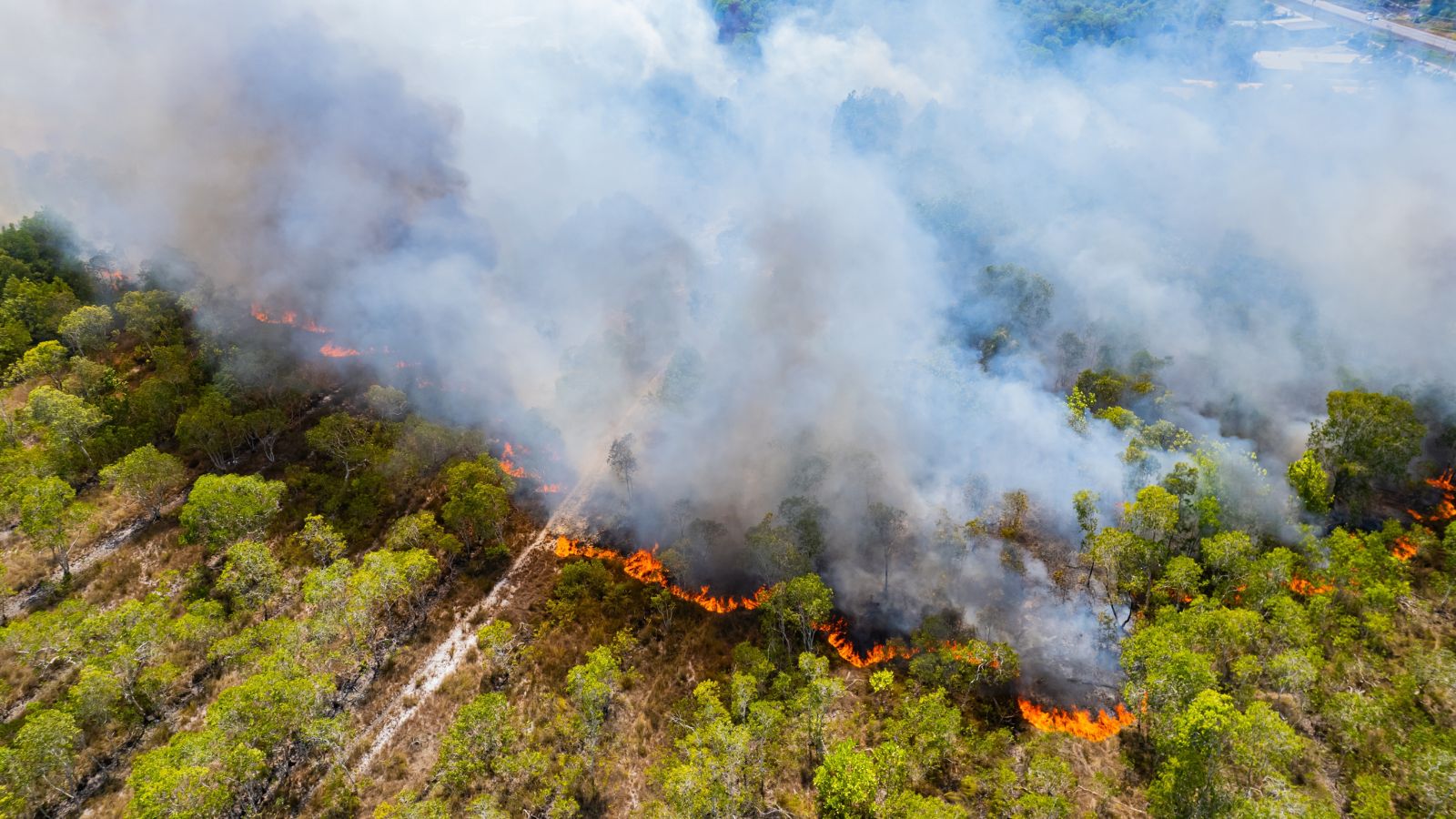
Wildfire risk is now a summer travel consideration across much of Canada. Provinces and federal agencies continue to urge residents and travellers to monitor fire activity, road closures, evacuation alerts, and air quality. Health Canada also advises preparing homes and vehicles for wildfire smoke events because indoor air quality can become important when smoke conditions worsen.
This affects more than remote camping. Smoke can change plans for weddings, music festivals, cycling trips, cottage weekends, and national park visits. A traveller might leave Vancouver, Edmonton, Saskatoon, Winnipeg, or Ottawa under clear skies and arrive to poor visibility or health advisories later in the day. Families with seniors, children, asthma, or heart conditions have an even stronger reason to plan ahead. In 2026, a good summer itinerary should include a smoke-aware backup plan: indoor activities, flexible cancellation terms, and route checks before departure.
Weather Season Is No Longer a Background Detail

Summer travel planning increasingly needs a weather-risk layer. Global Affairs Canada has warned travellers to be aware of hurricane-season risks, and emergency officials routinely advise Canadians to understand local hazards before travelling. Heavy rain, flooding, heat, smoke, wind, and storm disruptions can affect both international beach trips and domestic long-weekend plans.
A resort week in the Caribbean, a Maritime coastal drive, or a camping trip near a river valley may look simple on a booking page, but weather can change access, insurance coverage, ferry operations, and return flights. Even short trips benefit from checking regional alerts instead of relying only on a general forecast. The key is not panic; it is preparation. In 2026, the most realistic travellers are treating weather as a planning factor from the start, not as a surprise to handle after deposits are paid.
The Canadian Dollar Can Quietly Raise U.S. Trip Costs
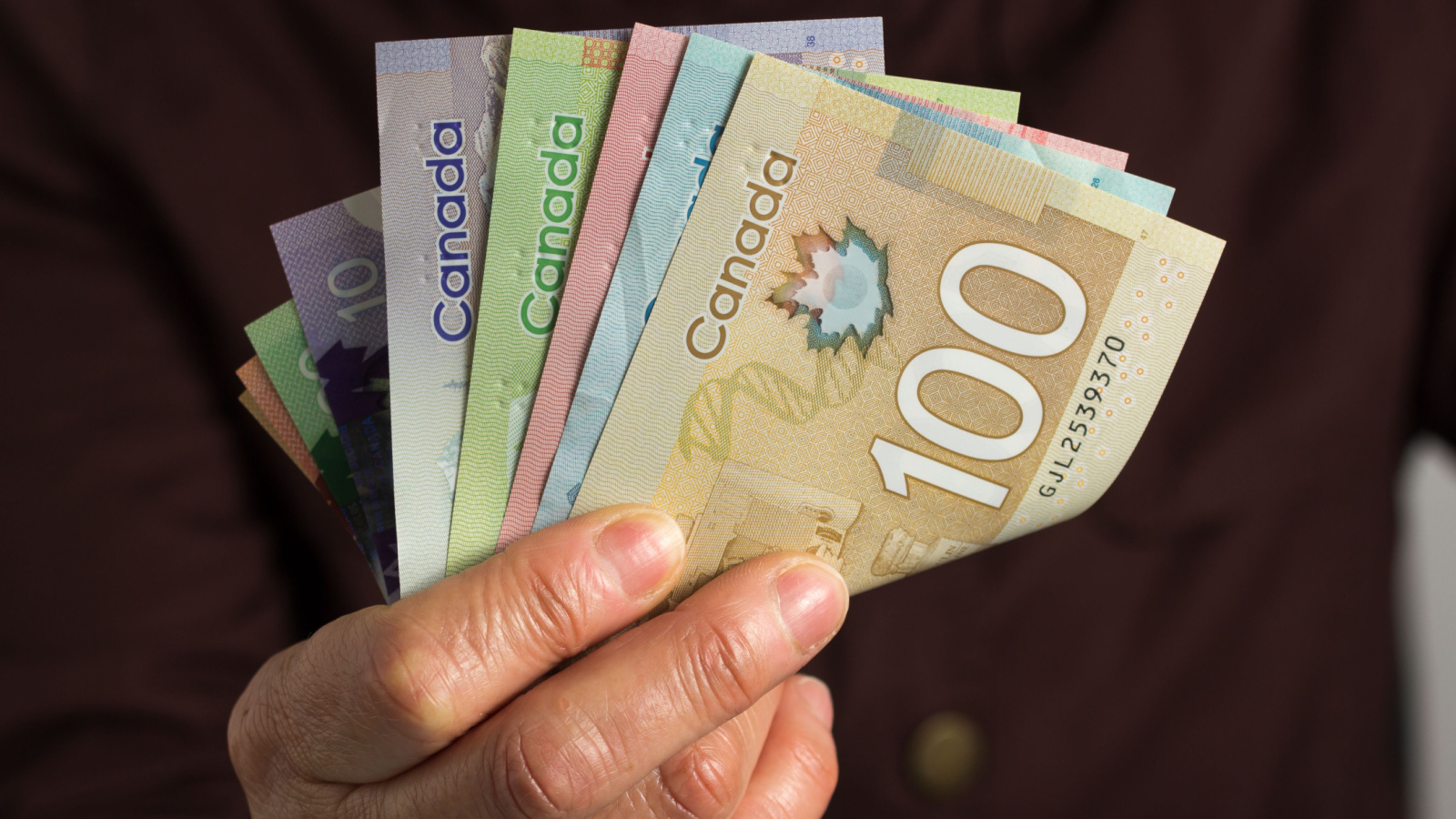
A U.S. trip can look affordable until exchange rates, taxes, resort fees, parking, and card charges are added. In mid-May 2026, market reports showed the Canadian dollar weakening against the U.S. dollar, making U.S. spending more expensive for Canadians. Even a modest currency move can matter when hotel bills, restaurant meals, attraction tickets, and fuel are priced in U.S. dollars.
The emotional part is that cross-border trips often feel familiar, so travellers may underestimate them. A weekend in Buffalo, Seattle, Las Vegas, Orlando, or New York can become pricier than expected once every charge is converted back into Canadian dollars. The better approach is to build the budget in Canadian dollars from the beginning and include exchange fees. In 2026, the sticker price on the U.S. side is only half the story.
Travel Insurance Needs a Closer Read
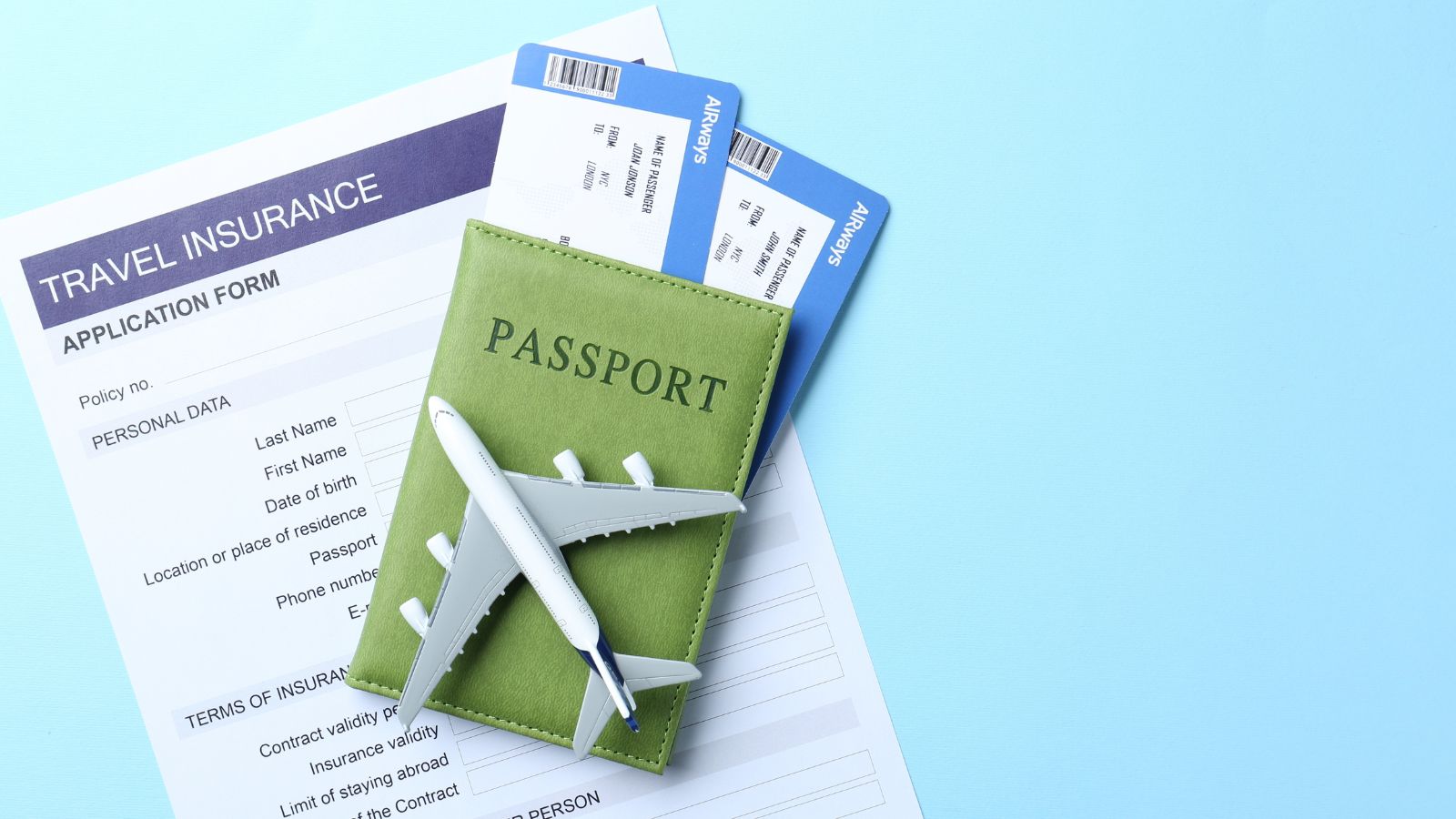
Travel insurance is not just a checkbox for international trips. The Government of Canada advises that travel health insurance should cover medical evacuation, pre-existing conditions, and repatriation in case of death, while also highlighting the value of trip interruption protection. In a summer with flight disruptions, weather risk, and changing advisories, the details of coverage matter.
The common mistake is buying the cheapest policy without reading exclusions. A traveller may assume cancellations, wildfire smoke, missed connections, medical flare-ups, or government advisories are automatically covered, only to discover conditions and timing rules apply. Seniors, families, cruise passengers, adventure travellers, and anyone crossing provincial or national borders should pay particular attention. In 2026, insurance is less about pessimism and more about protecting a trip that may cost thousands before the first suitcase is packed.
Flexibility Is Becoming a Travel Skill

The biggest 2026 reality check is that travel still works best when plans have room to bend. Destination Canada expects tourism spending in Canada to grow in 2026, while surveys and industry reports suggest many households still intend to travel despite higher costs. Demand remains strong, but the experience is more exposed to fuel prices, crowded destinations, weather events, border waits, and air travel disruptions.
That changes the definition of a well-planned trip. The most successful Victoria Day and summer getaways may include refundable rooms, alternate driving routes, early reservations, carry-on essentials, extra connection time, and a willingness to shift activities when conditions change. A trip does not need to be overbuilt, but it should not depend on everything going perfectly. In 2026, flexibility is not a luxury add-on. It is becoming one of the most valuable parts of the itinerary.
19 Things Canadians Don’t Realize the CRA Can See About Their Online Income

Earning money online feels simple and informal for many Canadians. Freelancing, selling products, and digital services often start as side projects. The problem appears at tax time. Many people underestimate how much information the CRA can access. Online platforms, banks, and payment processors create detailed records automatically. These records do not disappear once money hits an account. Small gaps in reporting add up quickly.
Here are 19 things Canadians don’t realize the CRA can see about their online income.
