May has a way of making ordinary Canadian bills feel less ordinary. Warmer weather, long-weekend plans, spring renewals, seasonal utility shifts, and summer bookings can all turn modest charges into bigger monthly surprises. Inflation may look calmer than it did at its peak, but many household costs are still sitting on a much higher base than a few years ago.
These 21 Canadian bills stand out because they often arrive with fine print, seasonal timing, or quiet add-ons that make the total feel sneakier than expected. Some are unavoidable, some are negotiable, and others are easier to manage when households notice the pattern before the bill lands.
Rent Renewals
Rent can feel especially sneaky in May because lease conversations often overlap with moving season. Even in markets where rent growth has cooled, the bill itself may not feel lighter for households renewing after several years of increases. A renter who moved into a relatively affordable apartment in 2021 may still face a larger gap when comparing today’s listings, even if the latest monthly rent data looks less dramatic.
The surprise often comes from the extras around the rent, not just the rent line. Parking, storage lockers, pet charges, utility allocations, and “amenity” fees can turn a manageable renewal into a harder number. In Ontario, rent controls limit increases for many occupied units, but not all units are covered in the same way. In other provinces, rules differ widely, which makes May renewal notices worth reading slowly.
Mortgage Renewal Payments
Mortgage bills can feel sneakier when the payment changes after years of predictable withdrawals. Many Canadian homeowners who locked in lower rates earlier in the decade are still cycling into renewals at higher borrowing costs. Even when the Bank of Canada pauses or cuts its policy rate, individual renewal offers depend on bond yields, lender pricing, credit profile, amortization, and the chosen term.
The May sting is practical: spring is a heavy housing season, and renewal paperwork can arrive while households are also dealing with property taxes, insurance, and repairs. A family that absorbed higher grocery and fuel costs may find that an extra few hundred dollars on the mortgage crowds out everything else. The headline rate matters, but so do prepayment privileges, penalties, appraisal fees, and whether extending amortization only delays the pain.
Property Tax Instalments

Property tax bills are rarely mysterious, but they can feel sneakier because they arrive in chunks. In many cities, the instalment schedule lands around spring and early summer, just as households are shifting money toward travel, yard work, and seasonal expenses. A bill that looks like an annual number can become more jarring when the next withdrawal is suddenly due.
Municipal increases vary sharply across Canada. Toronto’s 2026 budget set a combined average residential property tax and City Building Fund increase of 2.2%, while Vancouver approved a 0% property tax increase for 2026. Calgary homeowners faced a different story, with the provincial education portion adding pressure to the total bill. The lesson is that the tax notice is not just a city hall number; provincial levies, local services, assessment shifts, and regional charges can all move the final amount.
Home Insurance Premiums

Home insurance can feel like one of the least transparent bills because the price may rise even when nothing obvious changes at home. A household that has never filed a claim can still face higher premiums because insurers price risk across neighbourhoods, regions, rebuilding costs, and severe-weather exposure. May also brings flood, wildfire, wind, and hail worries back into the conversation in many provinces.
The fine print matters more than the monthly payment. Deductibles, sewer backup limits, overland water coverage, roof age, replacement-cost assumptions, and exclusions can change the real value of a policy. After Canada’s record severe-weather insurance losses in 2024, insurers have become more sensitive to climate and rebuild risk. That makes a “small” renewal increase feel sneakier when the coverage is also narrower than last year.
Auto Insurance Renewals

Auto insurance bills can feel sneakier because the increase often arrives wrapped in renewal language that looks routine. Vehicle theft, repair costs, parts availability, vehicle technology, and regional claims patterns all affect premiums. Even a driver with a clean record can see a higher quote if their model has become more expensive to repair or more attractive to thieves.
The bill is also shaped by choices that are easy to overlook. Raising a deductible can lower the premium but increase out-of-pocket risk. Removing collision coverage may make sense for an older vehicle, but not if the household cannot afford a replacement after a crash. In Ontario, Alberta, and other high-cost markets, May renewals can feel especially irritating because insurance competes directly with fuel, parking, and maintenance during the start of summer driving season.
Gasoline and Road-Trip Fuel

Gas bills can feel sneakier in May because consumption rises before many households notice the pattern. Weekend drives, cottage trips, kids’ sports, garden-centre runs, and Victoria Day travel can add several extra fill-ups. Even if the price board changes by only a few cents, the total monthly fuel bill can climb quickly when kilometres increase.
The broader backdrop matters too. Statistics Canada reported that gasoline prices surged in March 2026 amid energy-market pressure, and Canadian travel coverage in May pointed to much higher pump prices than a year earlier. For a two-car household, the real shock may not be one expensive fill-up but the combination of premium fuel, highway driving, idling in traffic, and higher prices at stations near busy travel corridors.
Electricity Bills
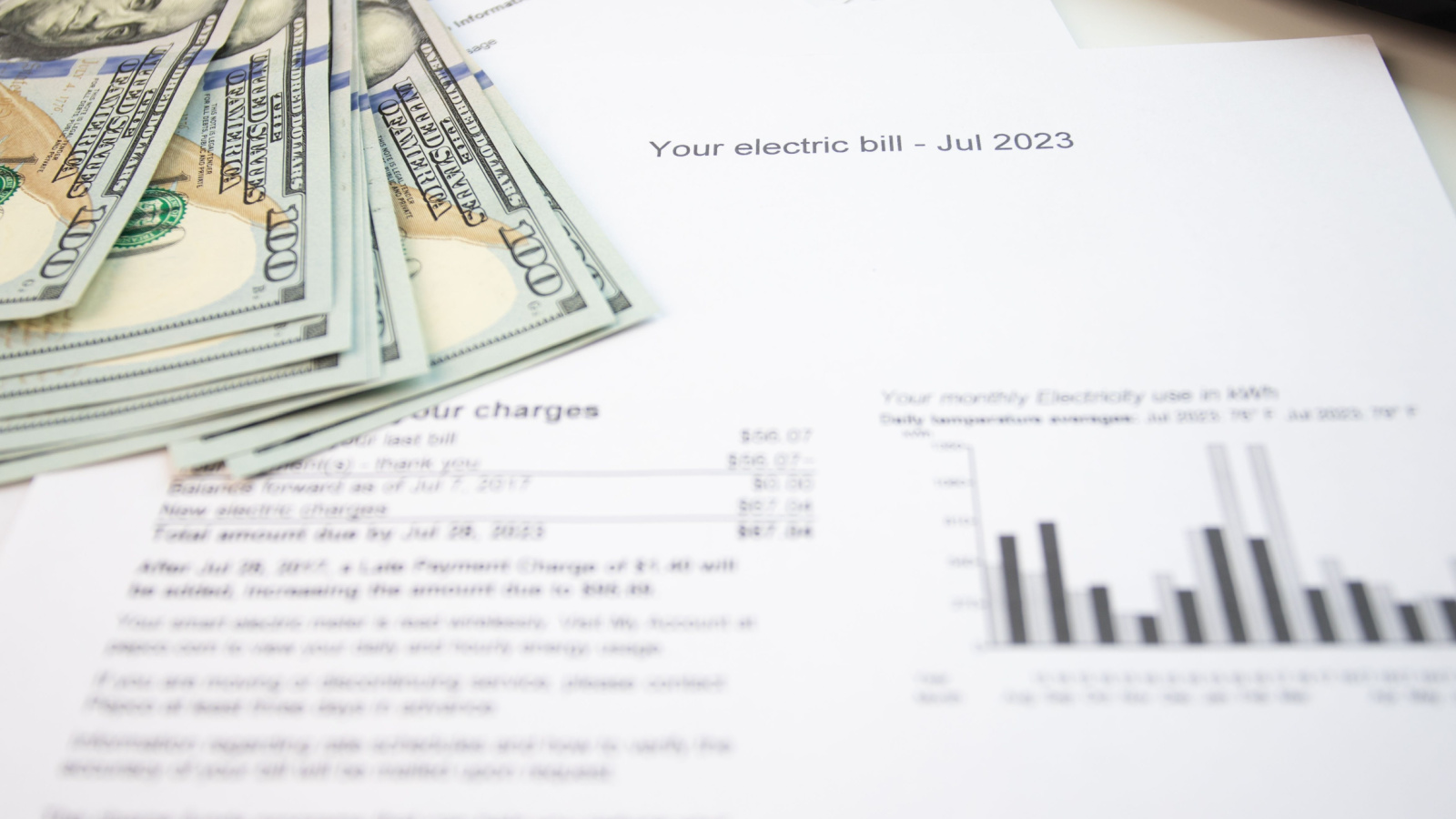
Electricity bills can feel sneakier in May because seasonal pricing and usage patterns shift at the same time. In Ontario, summer time-of-use periods apply from May 1 to October 31, changing when peak and mid-peak charges fall during the day. Households that run laundry, dishwashers, cooking appliances, or air conditioning at expensive times may see the bill move before they connect it to daily habits.
Other provinces have their own pressures. BC Hydro’s residential rates reflected a net bill increase as of April 1, 2026, and electricity use tends to rise when warmer weather pushes fans, cooling, dehumidifiers, and pool pumps into regular use. The sneaky part is that many charges are not just “electricity used.” Delivery, riders, taxes, and regulatory items can make conservation feel less visible on the final page.
Natural Gas and Heating Balances

Natural gas bills can feel sneakier in May because the household may assume heating season is over. In reality, equal-billing reconciliations, delivery charges, storage and transport items, and lingering spring cold snaps can keep the bill higher than expected. A household that lowered the thermostat in April may still receive a May bill shaped by prior-period usage or fixed charges.
Regional differences are important. FortisBC’s posted residential examples show that gas bills include a basic daily charge, delivery, storage and transport, and commodity gas costs. Earlier rate changes also affected the average residential customer. The surprise is that commodity prices are only part of the bill. Even when the cost of gas eases, fixed and delivery-related charges can keep the monthly total feeling sticky.
Grocery Receipts

Grocery bills can feel sneakier because the change is scattered across dozens of items. A few cents on bread, a dollar on vegetables, higher meat prices, smaller package sizes, and fewer discounts can make a weekly shop feel normal until the receipt total appears. May also brings barbecue, picnic, garden, and long-weekend spending that nudges carts toward higher-ticket items.
Canada’s Food Price Report 2026 forecast overall food prices rising 4% to 6%, with an average family of four expected to spend up to $17,571.79 on food in 2026. Statistics Canada also reported store-bought food prices rising in March, with fresh vegetables up sharply year over year. The sneaky part is that consumers often compare this week’s bill with last week’s, not with the much lower baseline from several years ago.
Restaurant and Delivery Tabs

Restaurant bills can feel sneakier in May because patio season changes behaviour. A casual lunch becomes drinks, appetizers, taxes, tips, delivery fees, service charges, and sometimes higher menu prices. Even when restaurant inflation slows, the total dining-out cost can rise if households eat out more often as the weather improves.
Delivery is the clearest example. The meal price may look familiar, but platform fees, small-order charges, priority delivery, driver tips, and restaurant markups can turn a $17 entrée into a $30 transaction. Statistics Canada noted restaurant prices were still rising year over year in March 2026, even as base-year effects made the increase look slower than before. For households trying to control food costs, May’s patio mood can quietly undo grocery savings.
Cellphone Plans

Cellphone bills can feel sneakier because promotional pricing often expires quietly. A plan advertised at a sharp discount may jump after 12 or 24 months, while device financing, protection plans, roaming passes, and data overage charges complicate the total. The bill may be technically disclosed, yet still hard to understand at a glance.
The timing is notable because new CRTC protections take effect in June 2026, prohibiting certain fees to activate, change, or cancel cellphone and internet plans. That makes May a useful month to inspect existing charges before switching becomes easier. The trap is assuming loyalty guarantees a better deal. In telecom, the best price often appears only when customers compare current plans, negotiate, or move to a competitor.
Home Internet Packages

Internet bills can feel sneakier because the service becomes essential enough that households stop questioning it. A family may pay for a speed tier chosen during remote-work or streaming-heavy years, even if current usage no longer requires it. Modem rentals, mesh-router add-ons, installation charges, and expired discounts can keep the monthly bill higher than expected.
The CRTC’s 2026 telecommunications report noted that Canadian spending on communications outpaced many other categories from 2015 to 2023. More speed, more data, and more connected devices partly explain the trend, but the bill still deserves scrutiny. In May, when households plan summer moves, student housing, cottage connections, and travel, internet providers may offer new bundles that look cheap upfront but reset later.
Streaming Subscriptions

Streaming bills can feel sneakier because each individual subscription still looks small. The problem is stacking. One household may carry Netflix, Disney+, Prime Video, sports add-ons, music streaming, cloud storage, gaming subscriptions, and channel packages without treating them as one entertainment bill. May is a good time to notice forgotten services before summer travel and outdoor plans reduce viewing time.
Price increases also change the psychology. Several major streaming services have raised prices in recent years, and 2026 brought renewed attention to higher monthly tiers in the sector. The sneaky part is not only the price hike but the move toward ad-supported tiers, paid sharing rules, premium sports content, and bundles. Consumers may think they cut cable, yet slowly rebuild a cable-sized bill in separate pieces.
Credit Card Interest

Credit card bills can feel sneakier because the minimum payment hides the real cost. A household using credit to bridge groceries, fuel, car repairs, or travel deposits may see the balance carry forward at interest rates far above mortgage or line-of-credit costs. The bill looks manageable until interest charges become a recurring line item.
Canadian credit stress is not evenly distributed. Bank of Canada research has linked heavy credit-card use and missed payments with higher near-term financial stress, and TransUnion reported Canadian household debt at $2.6 trillion in late 2025. The May issue is timing: summer bookings, long-weekend spending, and spring repairs can all land before tax refunds, bonuses, or vacation pay. A balance that starts as temporary can become a costly monthly habit.
Bank Account Fees

Bank account fees can feel sneakier because they are small enough to ignore but steady enough to matter. Monthly package fees, extra transaction charges, overdraft fees, e-transfer limits, ATM surcharges, paper statement charges, and minimum-balance rules can turn basic banking into a recurring household expense. The customer may not notice until several months of charges accumulate.
The biggest surprise often comes from behaviour changes. A student graduating, a newcomer changing jobs, a retiree losing a fee waiver, or a household dipping below the required balance can all trigger fees that were previously avoided. May is a natural month for this review because tax season has just passed and summer spending is about to begin. A no-fee account, credit union package, or lower-tier plan may match real usage better.
Travel Deposits and Hotel Holds

Travel bills can feel sneakier because the first price is rarely the final price. A hotel rate may exclude taxes, resort fees, parking, destination charges, pet fees, breakfast, cancellation conditions, and refundable-rate premiums. In May, when Canadians start locking in summer plans, the deposit can seem affordable while the total trip cost remains blurry.
Canadian travel spending intentions for 2026 were strong, with an Ipsos survey for Allianz pointing to a large rebound in planned vacation spending. That demand can make peak-season travel feel more expensive, especially in domestic markets near festivals, national parks, beaches, and World Cup host cities. The practical risk is budget fragmentation: flights on one card, hotel deposits on another, car rentals later, and food costs underestimated until arrival.
Airline Baggage and Seat Fees

Airline bills can feel sneakier because the base fare is designed to look clean. The real cost often appears after bags, seat selection, itinerary changes, priority boarding, and family seating decisions are added. A fare that looks cheapest in search results may be less attractive once a traveller adds the normal things needed for a comfortable trip.
Canadian carriers have continued to refine fare classes and ancillary fees. Air Canada’s published fee information shows paid advance seat selection ranges for Basic fares, while baggage-fee updates in 2026 changed checked-bag costs for some economy tickets. WestJet also lists baggage fees by fare class and route, with UltraBasic and Econo passengers facing different charges. The sneaky lesson is simple: compare total trip cost, not only the fare.
Vehicle Maintenance and Tires

Car maintenance bills can feel sneakier in May because winter damage finally shows up. Potholes, worn brakes, weakened batteries, cracked windshields, alignment problems, and tire swaps can all turn spring driving into a repair season. A driver may delay a small issue in March, then face a bigger estimate once highway trips and summer heat begin.
Statistics Canada’s transportation data shows passenger vehicle parts, maintenance, and repairs remain a meaningful inflation category. A 2026 federal vehicle-cost report also highlights fuel, insurance, preventative maintenance, repairs, and tires as parts of the total cost of operating a vehicle. The sneaky part is that many households budget for the payment and fuel but not the seasonal repair cluster. A $120 tire changeover can become a $900 visit when brakes and alignment are added.
Parking, Tolls, and Transit Add-Ons
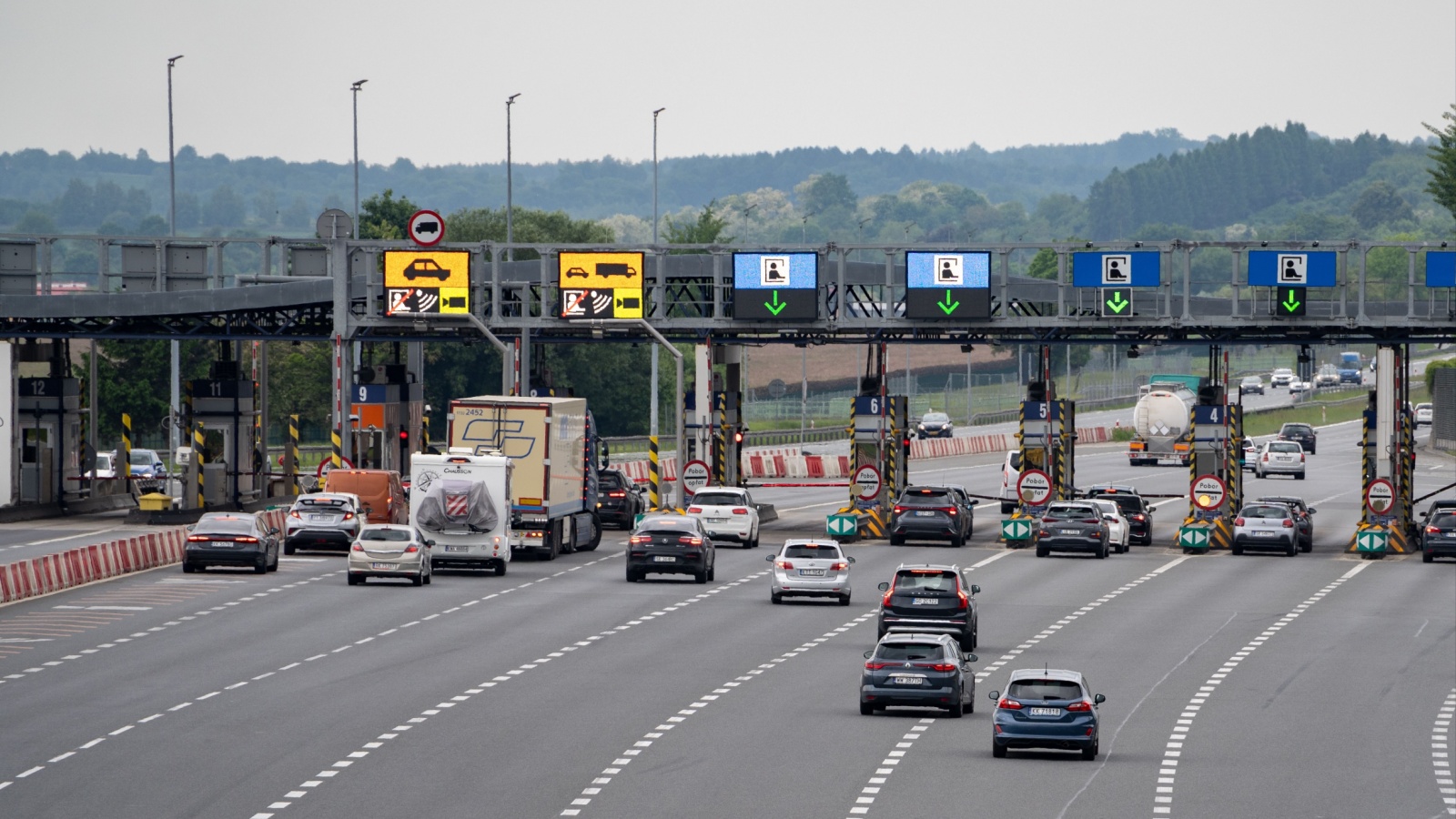
Transportation bills can feel sneakier when they are paid in small pieces. Parking apps, event parking, commuter lots, toll routes, airport drop-offs, ride-hailing surcharges, and transit top-ups rarely feel like one bill. In May, more social events, sports, patios, travel, and weekend outings can make these small charges multiply.
The human example is easy to picture: a family drives downtown for a concert, pays for parking through an app, tops up transit for another outing, uses a toll route to save time, and pays airport parking for a relative’s trip. None of those charges looks dramatic alone. Together, they can rival a utility bill. This category feels sneakier because convenience spending is often invisible until the bank statement is reviewed.
Summer Camp and Childcare Gaps

Childcare bills can feel sneakier in May because summer planning becomes urgent. School may be almost out, but work schedules continue. Parents who rely on subsidized child care during the year may discover that summer camps, extended hours, specialty programs, deposits, lunches, field trips, and late-pickup fees operate on a different cost structure.
Canada’s national child-care push has reduced average fees in many places, but availability and program type still matter. Government materials show projected annual savings by province under the early learning and child-care system, while private summer-camp costs can range widely depending on location and programming. The surprise is often timing: deposits are due before summer begins, full balances follow quickly, and families with multiple children can face several weeks of overlapping fees.
Pet Food and Vet Bills

Pet bills can feel sneakier because they mix emotion with necessity. Food, litter, flea and tick treatment, grooming, boarding, insurance, annual exams, vaccines, dental work, and emergency visits are rarely optional in practice. May adds seasonal costs such as tick prevention, travel boarding, grooming before heat waves, and outdoor-related injuries.
Canada’s pet food market has grown sharply, and agriculture-sector data shows billions in annual Canadian pet food sales. Animal welfare organizations have also warned that higher pet food and veterinary costs are becoming harder for households to manage. The sneaky part is that routine care can look affordable until a single dental procedure, allergy flare-up, or emergency visit changes the monthly budget. For many households, the pet bill has become a real cost-of-living category.
19 Things Canadians Don’t Realize the CRA Can See About Their Online Income

Earning money online feels simple and informal for many Canadians. Freelancing, selling products, and digital services often start as side projects. The problem appears at tax time. Many people underestimate how much information the CRA can access. Online platforms, banks, and payment processors create detailed records automatically. These records do not disappear once money hits an account. Small gaps in reporting add up quickly.
Here are 19 things Canadians don’t realize the CRA can see about their online income.
