
The old cost of living was never effortless, and affordability has always varied by province, city, income, and life stage. What many Canadians remember, however, is a time when ordinary purchases demanded less calculation. A grocery run did not feel like a pricing exercise, a modest weekend away did not require months of planning, and a routine car repair was less likely to upset the rest of the household budget.
These 23 everyday touchpoints capture what people often mean when they say they miss the old cost of living. The nostalgia is not simply for lower numbers on receipts. It is for the breathing room those prices created: room to save, make spontaneous plans, absorb a surprise bill, and enjoy small comforts without wondering which essential expense would have to wait.
The Grocery Cart That Did Not Require a Strategy

There was a time when many households entered a supermarket with a list rather than a tactical plan. Shoppers still compared flyers and watched for specials, but the difference between a comfortable grocery week and an expensive one was less likely to depend on visiting several stores, collecting loyalty offers, or changing the menu in the aisle. Statistics Canada reported that grocery prices rose 30.1% between February 2021 and February 2026, a cumulative change large enough to alter routines even when individual monthly increases appeared modest.
That change shows up in small family decisions. A parent may substitute a different protein, postpone buying berries, or leave a favourite snack behind because several “only a few dollars more” increases quickly add up. The old grocery bill is missed not because every item was cheap, but because the cart felt more predictable. A week of meals could be planned around preferences and nutrition first, with price still important but less likely to dominate every choice.
Beef Without Waiting for a Sale
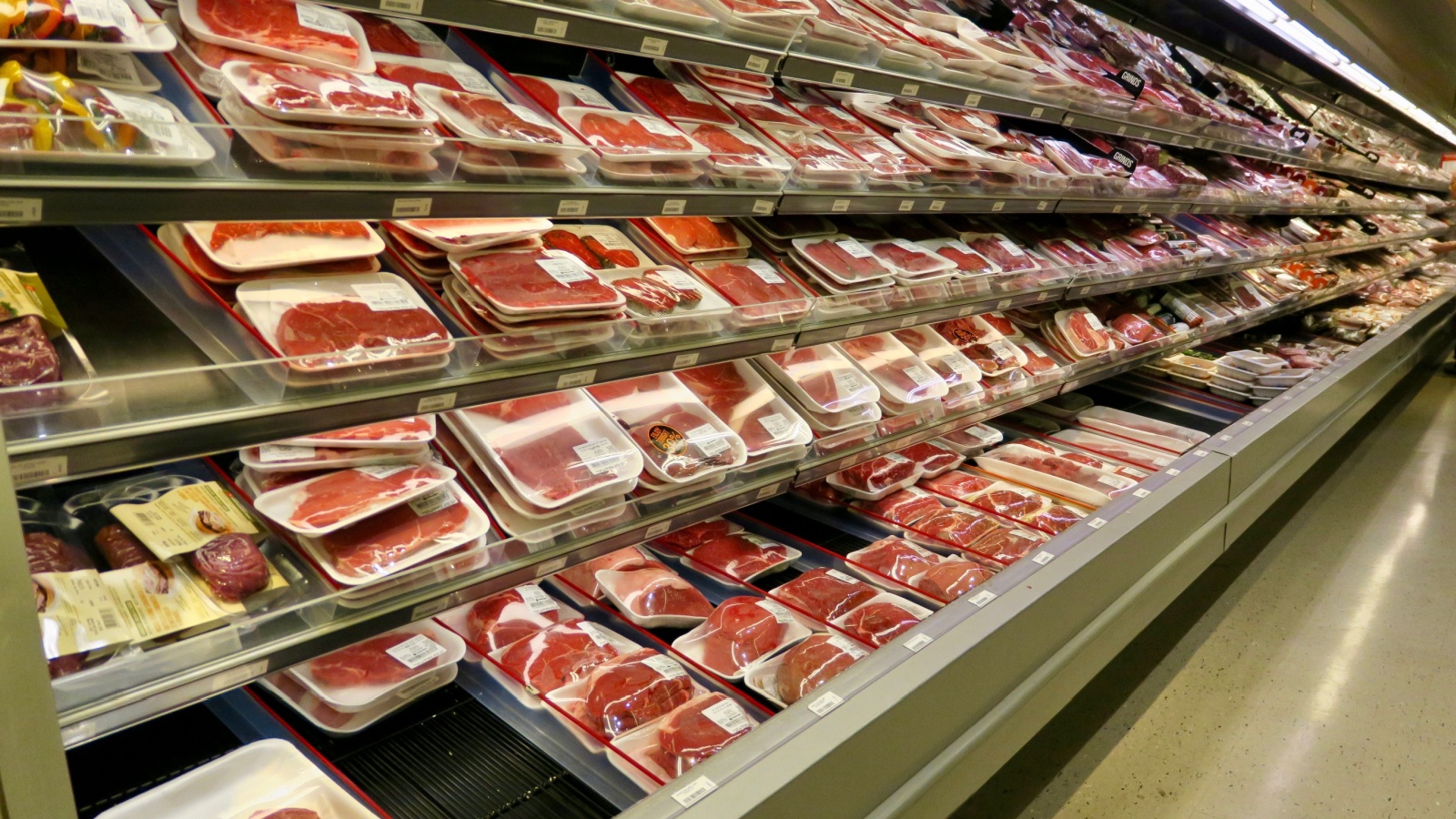
Beef has become one of the clearest symbols of grocery sticker shock. In December 2025, prices for fresh or frozen beef were 16.8% higher than a year earlier, according to Statistics Canada. That kind of increase changes more than the cost of steak. Ground beef, roasts, stewing cuts, and family-sized packages all influence familiar meals, from burgers and meatloaf to tourtière and Sunday dinner. A food that once served as an ordinary weekly option can start to feel reserved for promotions or special occasions.
The older cost of living allowed more households to buy the cut that suited the recipe instead of the one carrying the deepest discount. Today, shoppers may divide packages, stretch meat with beans or lentils, or build meals around smaller portions. Those are sensible adaptations, but they also explain the nostalgia. What people miss is the ease of deciding what to cook without first checking whether the protein has crossed an invisible affordability line.
Produce Bought by Appetite, Not Price

Fresh produce has always moved with seasons, weather, exchange rates, and transportation costs, yet the longer-term shift has been difficult to ignore. By May 2023, fresh fruit prices were 17.6% higher than in May 2021, while fresh vegetables were up 20.1%. Even before later increases in selected items, that two-year jump was enough to make shoppers reconsider quantities, varieties, and how much risk they were willing to take on food that might spoil.
The lost luxury was not exotic produce; it was casual abundance. A household could buy grapes, salad greens, tomatoes, and berries because they looked good, not because every item had been priced against frozen or canned alternatives. Today, a bruised avocado or forgotten bag of spinach can feel like wasted money rather than a minor annoyance. Canadians who miss the old produce aisle are often remembering the freedom to choose for taste and health without turning every perishable purchase into a small financial calculation.
Pantry Staples That Stayed Predictable

Pantry basics once provided a sense of stability when other parts of the food budget became expensive. In 2022, however, cereal products rose 13.6%, dairy products increased 8.6%, and “other food preparations” climbed 10.1% on an annual average basis. These categories include many of the ordinary items that make meals work: breakfast foods, baking ingredients, sauces, mixes, and products used to fill lunch boxes or assemble a quick dinner.
Because staples are purchased repeatedly, their increases are especially visible. A single box, carton, or jar may not seem dramatically more expensive, but the cumulative effect appears at the checkout every week. Families often respond by buying larger sizes, switching brands, or waiting for promotions before replenishing the cupboard. The nostalgia is for a grocery budget in which dependable basics acted as a buffer. When staples themselves become volatile, there are fewer inexpensive places left to simplify a meal or recover from an unexpectedly costly week.
Coffee and Chocolate as Small Luxuries

Coffee and chocolate occupy a particular place in household spending because they are modest treats woven into daily life. In 2025, the annual average price of coffee rose 20.3%, while confectionery products increased 7.1%. Those figures help explain why a bag of beans, a tin of ground coffee, or a familiar chocolate bar can now trigger the same pause once reserved for bigger discretionary purchases.
For many Canadians, the old cost of living included small comforts that did not require justification. Coffee for the kitchen, a chocolate bar at the checkout, or a box of treats for visitors could be added without reshaping the rest of the basket. The amounts were never irrelevant, but they felt manageable. As these items rise, households may trade down, buy less often, or wait for loyalty-point events. What is missed is not unlimited indulgence. It is the ability to enjoy an ordinary ritual without treating it as a budget category that needs active management.
Restaurant Meals That Felt Routine

Eating out has become harder to separate from the wider cost pressures facing restaurants. Food purchased from restaurants rose 6.7% in 2022, then continued increasing in later years, although at a slower pace; the annual average increase was 2.6% in 2025. Menu prices reflect food, wages, rent, utilities, insurance, and other operating costs, so a meal can become noticeably more expensive even when the restaurant is simply trying to preserve a workable margin.
The result is a change in how people use restaurants. A casual dinner after errands, a family breakfast, or a meal with friends may now be planned around coupons, happy-hour menus, or fewer visits. Diners also notice the total after tax and tip, not just the menu price. What many Canadians miss is when eating out could serve as a routine break from cooking rather than a carefully scheduled event. The pleasure remains, but spontaneity has been replaced by calculation, and the bill can linger in the mind long after the plates are cleared.
Fast Food That Still Felt Like a Bargain

Fast food built much of its appeal on speed, familiarity, and a price that seemed clearly below a sit-down meal. That distinction has become less comfortable. Limited-service restaurants generated $47.3 billion in sales in 2025 and accounted for 46.6% of all food-service sales in Canada, showing how central they remain to everyday eating. At the same time, broader restaurant-price increases have made even a quick combination meal feel substantial once several people are ordering.
The old bargain was especially valuable during road trips, late workdays, and busy evenings with children. A family could stop without treating the purchase as a major outing. Now, customers often search apps for offers, split items, skip drinks, or compare the total with the cost of a grocery-store meal. The nostalgia is not necessarily for the food itself. It is for the dependable low-cost option that could rescue a hectic day. When convenience food no longer feels inexpensive, one of the household budget’s practical escape valves disappears.
Sales That Felt Optional, Not Essential

Sales used to feel like a pleasant opportunity to save rather than the only acceptable time to buy. Research from the Bank of Canada shows how strongly consumers now rely on price-reducing behaviour. In one study of grocery purchases, buying discounted products lowered the average unit-price change by 4.1 percentage points, while switching toward cheaper brands offset part of the pressure in another way. The findings illustrate how household adaptation can hide some of the inflation that shoppers would otherwise experience.
This strategy takes time and attention. It means scanning flyers, loading digital offers, tracking points, and deciding whether a bulk purchase will truly be used. It can also favour households with storage space, transportation, and enough cash to buy several units at once. Canadians who miss the old cost of living often miss shopping without this constant optimization. A promotion could once be a bonus. Now, for many staples, the regular price feels like a penalty, and the weekly budget works only when enough discounted items happen to align.
Rent That Left Room for Savings

Rent increases have been among the most visible pressures in Canadian household budgets. The rent component of the Consumer Price Index rose 8.2% on an annual average basis in 2024, following a 6.5% increase in 2023. The national purpose-built rental vacancy rate later improved to 3.1% in 2025 from 2.2% in 2024, but Canada Mortgage and Housing Corporation noted that rents remained historically high. More available units did not suddenly restore the affordability that tenants remembered.
The old rent was not necessarily low, especially in major cities, but it often left more room for savings, debt repayment, or an occasional trip. Today, a renewal notice or move can absorb much of a pay increase before any other bill is considered. Renters may stay in unsuitable apartments, add roommates, or live farther from work to control costs. What is missed is not simply a smaller monthly payment. It is the sense that housing was one part of a financial life rather than the expense around which nearly every other decision had to be organized.
Starter Homes Near Ordinary Jobs

The phrase “starter home” once suggested a modest property that a working household could realistically use as an entry point. In 2019, the national average resale price was just over $500,000. By June 2026, the average was about $696,000. National averages conceal enormous regional differences and do not describe every type of home, but the broad rise helps explain why the first purchase now feels more distant in many communities.
The old cost of living made compromise seem productive. Buyers might accept a smaller house, an unfinished basement, or an older kitchen because the property still created a path toward stability. In high-cost regions today, similar compromises may not reduce the price enough, while moving farther away can add commuting time and transportation expenses. Canadians who miss the old housing market are often remembering a clearer connection between steady employment and ownership. The goal was difficult, but it did not always feel detached from ordinary salaries or dependent on family wealth.
Down Payments That Did Not Take a Decade

Even when monthly mortgage payments appear manageable, the upfront cost of ownership can stop a purchase before it begins. Federal rules generally require at least 5% down on the first $500,000 of a home’s price, with higher requirements on the portion above that level, and mortgage insurance is normally required when the down payment is below 20%. As prices rose, the same percentage translated into a much larger dollar target.
Policy changes acknowledge that challenge. In 2024, the federal Home Buyers’ Plan withdrawal limit increased from $35,000 to $60,000, allowing eligible buyers to draw more from registered retirement savings. Yet a higher withdrawal limit does not create savings that are not already there. Many prospective buyers spend years building a deposit while rent and other costs continue. What is missed is when saving diligently seemed capable of catching the market. The old down payment was still a sacrifice, but the finish line moved more slowly and felt less likely to retreat after every year of effort.
Mortgage Renewals Without the Dread

For homeowners, the cost of a house does not end when the purchase closes. Mortgage interest costs rose 28.5% on an annual average basis in 2023 and another 20.1% in 2024 as borrowers initiated or renewed loans at higher rates. The Bank of Canada’s policy rate reached 5% in July 2023 and remained there for months, transmitting higher borrowing costs into household budgets at different times depending on mortgage type and renewal date.
That staggered effect turned renewal letters into a source of anxiety. A household could have made every payment on time and still face hundreds of dollars more each month without moving or improving the property. Some extended amortizations, reduced discretionary spending, or delayed repairs to manage the change. Canadians miss the era when renewal was mostly administrative rather than a major financial event. The old mortgage payment may not have felt cheap, but it was more predictable, allowing families to plan beyond the next rate decision or renewal deadline.
Utility Bills With Fewer Surprises
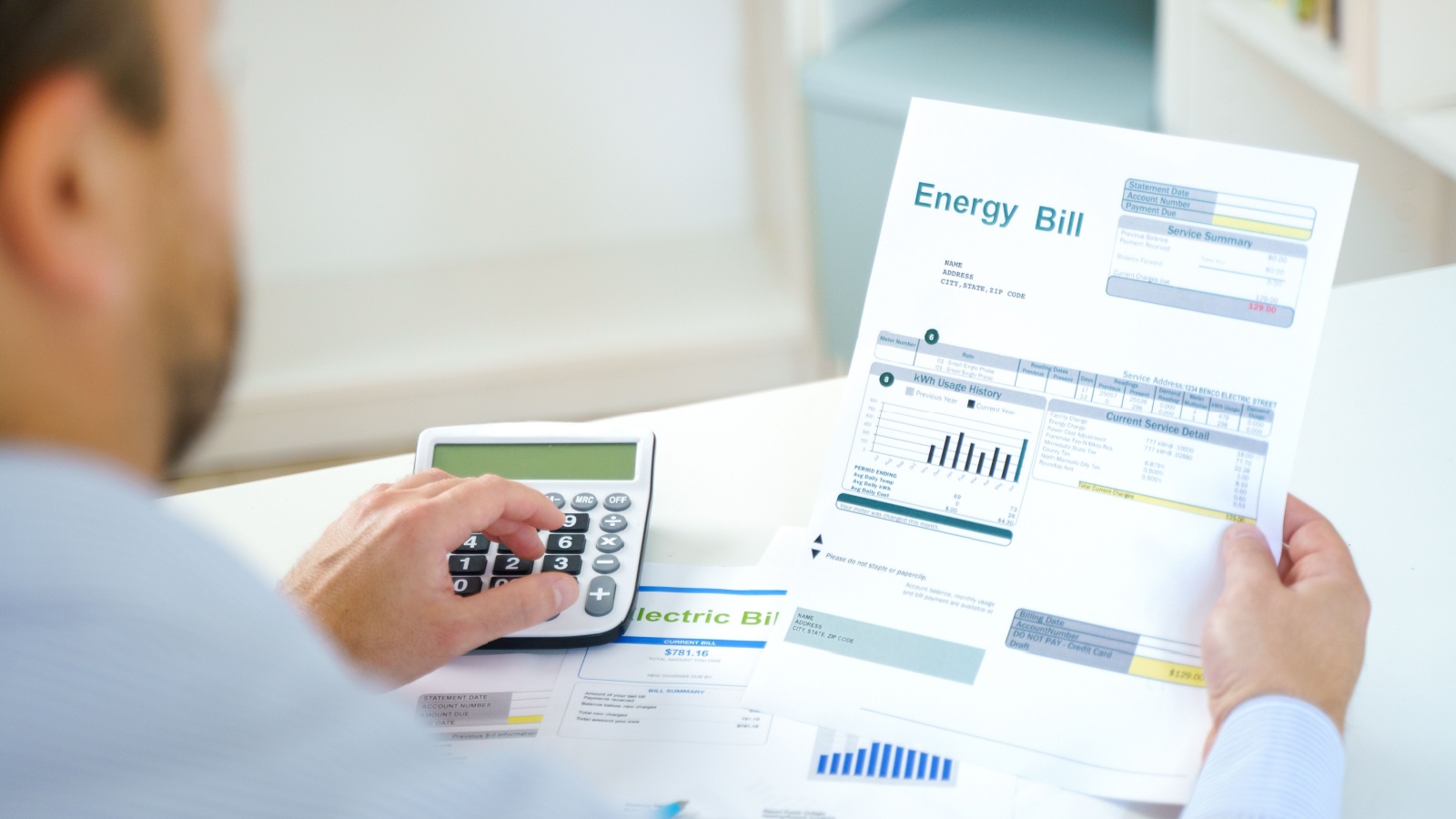
Utility costs are shaped by province, fuel source, regulation, weather, and household consumption, so no single bill represents the country. Still, sudden increases can create a shared sense of instability. In July 2022, Canadian natural-gas prices were 42.6% higher than a year earlier. A spike of that size could reach households directly through heating bills or indirectly through the costs faced by landlords and businesses.
The older cost of living is remembered as a time when turning on the heat, running the dryer, or taking a long shower felt less connected to market conditions. Today, many households track usage more closely, lower thermostats, or brace for seasonal adjustments and delivery charges. Conservation can be sensible and environmentally useful, but financial fear is a different motivation. What Canadians miss is the predictability of essential services. A utility bill should confirm normal household use, not arrive as a surprise large enough to disrupt groceries, savings, or another payment due that month.
Property Taxes and Homeownership Extras That Stayed Manageable

Homeownership carries a collection of costs that rarely appear in the listing price. In March 2025, homeowners’ property taxes and other special charges were 6% higher than a year earlier. On an annual average basis, prices for homeowners’ maintenance and repairs also rose 1.8% in 2024. Neither increase alone explains the full burden, but together with insurance, utilities, and mortgage payments, they show how the “extras” can steadily narrow a homeowner’s margin.
The old cost of living made these bills easier to absorb as part of routine ownership. A tax installment, furnace service, or plumbing visit might be unwelcome without forcing a household to postpone several other plans. Now, maintenance is more likely to be delayed until it becomes urgent, which can increase the eventual cost. Canadians often miss the idea that owning a home brought financial stability after the purchase. In reality, the purchase is only the beginning, and the accumulated carrying costs can make even a mortgage-free property feel far from inexpensive.
Used Cars That Were Actually Budget Options

A used vehicle was once the obvious compromise for drivers who needed reliable transportation without the cost of a new model. Between December 2019 and December 2024, however, the median price of a used vehicle rose 82.2%, according to Statistics Canada’s analysis of vehicle prices. Supply disruptions, strong demand, and changes in the vehicle market pushed many previously affordable models into a price range that would once have been associated with much newer cars.
That shift altered the logic of buying used. Drivers may accept higher mileage, older safety technology, or a less desirable model and still need a sizable loan. The purchase can also arrive with near-term maintenance costs that a new-car warranty would have covered. Canadians miss the era when depreciation worked clearly in the buyer’s favour. A used car was not only cheaper than a new one; it was often an attainable cash purchase or a small, short loan. Today, “used” describes age, but it no longer guarantees affordability.
New Cars Below the Luxury Threshold

New vehicles have also moved far beyond the prices many drivers remember. From December 2019 to December 2024, the median price of a new vehicle increased 61.5%. The market mix changed during that period, with consumers and manufacturers favouring trucks and sport utility vehicles, while supply constraints and technology added pressure. Whatever the combination of causes, the result is that ordinary family transportation can carry a price once associated with premium models.
The old new-car purchase often involved choosing trim levels and options within a manageable range. Buyers could pay more for comfort or keep the vehicle basic to protect the budget. Today, even the entry point can feel high, and longer loan terms may make the monthly payment look easier while increasing the total cost and keeping drivers in debt for years. Canadians miss when a new car felt like a practical milestone rather than a luxury purchase in disguise. Reliability and safety remain valuable, but the financial commitment can compete with housing, retirement saving, and family plans.
Insurance and Repairs That Did Not Snowball

The cost of keeping a vehicle on the road has risen alongside the purchase price. Statistics Canada found that prices for vehicle parts, maintenance, and repairs increased 22.3% between December 2019 and December 2024. Passenger-vehicle insurance premiums then rose 8.1% on an annual average basis in 2024. More complex vehicles, expensive replacement components, labour costs, theft, and claims experience can all influence what drivers ultimately pay.
A cracked windshield, brake job, or insurance renewal once felt like a contained expense. It was unpleasant, but it did not necessarily turn into a multi-month recovery plan. Today, several ownership costs can land close together: a premium increase, winter tires, scheduled service, and an unexpected warning light. Canadians miss the older sense that paying off the car substantially reduced its financial burden. A vehicle without a loan can still demand a significant monthly reserve, and postponing repairs may create safety risks or a larger bill later.
Gas That Did Not Control the Weekend
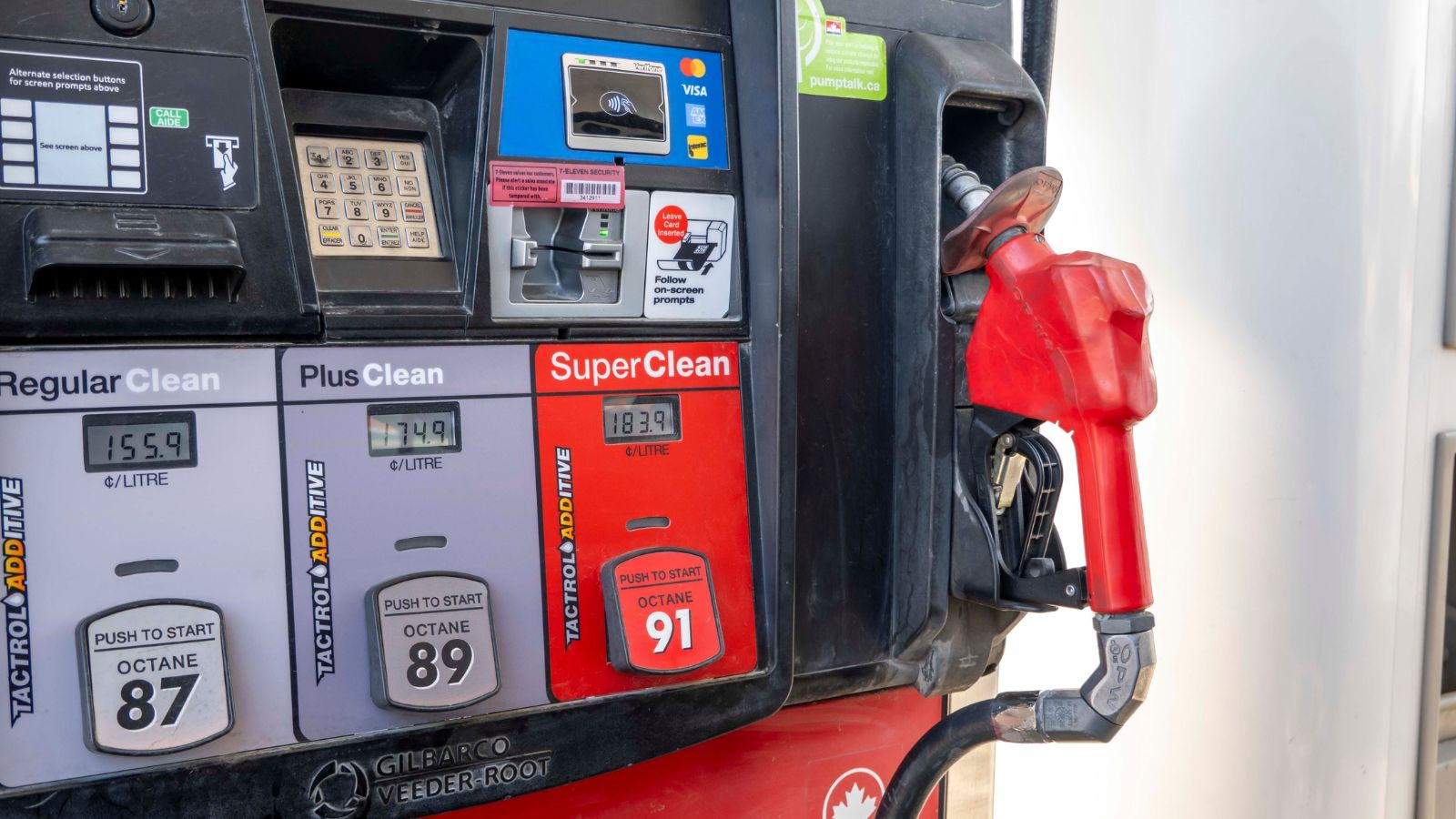
Gasoline prices have always fluctuated, but the swings of recent years have been unusually memorable. On an annual average basis, gasoline prices rose 28.5% in 2022, then fell 7.6% in 2023. That reversal did not erase the impact on households; instead, it reinforced the sense that fuel costs could change quickly for reasons far beyond a driver’s control.
The old cost of living made a drive to visit relatives, spend a day at the lake, or explore a nearby town feel like a low-cost plan. Now, owners of larger vehicles may calculate the fuel before deciding whether the outing is worth it. Rural and suburban households have fewer alternatives, and workers cannot always reduce commuting. Canadians miss when the gas gauge measured distance more than anxiety. Fuel was never free, but it did not always determine whether a weekend trip, youth tournament, or family visit fit the budget.
Hotels for a Simple Canadian Getaway

A modest hotel was once the foundation of an easy domestic getaway. Traveller-accommodation prices rose 29.3% on an annual average basis in 2022 and another 8.6% in 2023 before declining 2.3% in 2024. The later decline offered some relief, but it came after two years of sharp increases and did not return prices to their earlier level.
That pattern changed the meaning of a short trip. A one-night stay for a concert, family event, or weekend escape may now require comparison sites, flexible dates, reward points, and careful attention to parking or resort fees. Travellers may drive home late rather than book a room, or shorten a trip to reduce accommodation costs. Canadians miss when a clean, ordinary hotel could be booked without turning the outing into a major financial commitment. The room was supposed to support the experience, not consume most of the overall travel budget.
Flights Booked Without Constant Price Watching

Airfares do not move in a straight line, which can make them especially frustrating. Air transportation prices were 10.1% lower in May 2025 than a year earlier, yet they jumped 34.5% in December 2025 from the previous month as holiday demand intensified. The contrast illustrates why travellers can hear that fares are falling while still encountering expensive options for the exact dates they need.
The older experience of booking a flight felt less like a test of timing. Families still searched for deals, but they were less likely to monitor prices repeatedly, compare multiple nearby airports, or reorganize a visit around a cheaper departure day. School calendars, work schedules, and family events limit flexibility, so the lowest advertised fare may be irrelevant. Canadians miss when flying within the country or visiting relatives did not require a sophisticated pricing strategy. The uncertainty itself has become part of the cost, adding hours of planning before a ticket is purchased.
Children’s Activities Without a Family Budget Meeting

Recreation, education, and reading represented 9.98% of the Consumer Price Index basket in 2022, up from 9.52% in the previous basket update, reflecting the meaningful place these expenses hold in household spending. At the same time, 55% of households with children reported in spring 2024 that rising prices were greatly affecting their ability to meet day-to-day expenses. Registration fees are only part of the total; equipment, uniforms, travel, snacks, and fundraising can multiply the cost.
The old cost of living made it easier to say yes when a child wanted to try skating, dance, music, soccer, or swimming. Parents still made choices, but one activity was less likely to force the cancellation of another household goal. Today, families may limit each child to a single program, buy used equipment, or avoid competitive levels that require travel. Canadians miss when childhood interests could be explored with less financial risk and when an abandoned hobby did not feel like an expensive mistake.
Entertainment That Did Not Need a Special Occasion

Entertainment is discretionary, but that does not make it unimportant. Statistics Canada’s latest monthly table available in mid-2026 showed spectator-entertainment prices 3.5% higher than a year earlier. Tickets are only the beginning of the outing: transportation, parking, food, and service charges can turn a movie, game, concert, or live performance into a much larger expense than the advertised admission.
The old cost of living allowed more room for casual culture. A family might decide on a movie because the weather was poor, or friends might attend a local game without weeks of planning. Today, entertainment often competes directly with groceries, utilities, and debt payments, so it is postponed until a birthday or holiday. Canadians miss the ability to participate in community life without treating every event as a splurge. The loss is not merely financial; fewer spontaneous outings can make daily life feel narrower, even when households are making responsible choices.
A Paycheque With Breathing Room

The deepest nostalgia is not for one product but for the margin left after everything was paid. In spring 2024, 45% of Canadians said rising prices were greatly affecting their ability to meet day-to-day expenses, up 12 percentage points from two years earlier. Later that year, 35% of households reported difficulty meeting their financial needs. Those figures capture why even people who remain employed and current on their bills may still feel financially strained.
A paycheque with breathing room allowed a household to handle a dental bill, replace an appliance, help a relative, or save for the future without immediately borrowing. When housing, food, transportation, and services all take larger shares, the loss of that margin becomes emotionally exhausting. Canadians who miss the old cost of living are often missing confidence more than any specific price. They remember believing that careful work and ordinary restraint would gradually create stability, rather than merely prevent the month from falling apart.
19 Things Canadians Don’t Realize the CRA Can See About Their Online Income

Earning money online feels simple and informal for many Canadians. Freelancing, selling products, and digital services often start as side projects. The problem appears at tax time. Many people underestimate how much information the CRA can access. Online platforms, banks, and payment processors create detailed records automatically. These records do not disappear once money hits an account. Small gaps in reporting add up quickly.
Here are 19 things Canadians don’t realize the CRA can see about their online income.
