
Spring brings relief to many Canadian drivers after months of snow, freezing temperatures, and icy roads that put serious strain on vehicles. As temperatures rise across the country, drivers begin washing cars, switching tires, and preparing vehicles for warmer weather and upcoming road trips. However, mechanics across Canada notice the same mistakes every spring when drivers attempt to recover from winter damage. Road salt, potholes, and harsh winter driving conditions often leave vehicles with hidden problems that drivers ignore. Some spring habits even create new mechanical issues that could have been avoided with proper maintenance. Here are 22 things Canadians do to their cars in spring that mechanics hate.
Ignoring Winter Road Salt Under the Vehicle
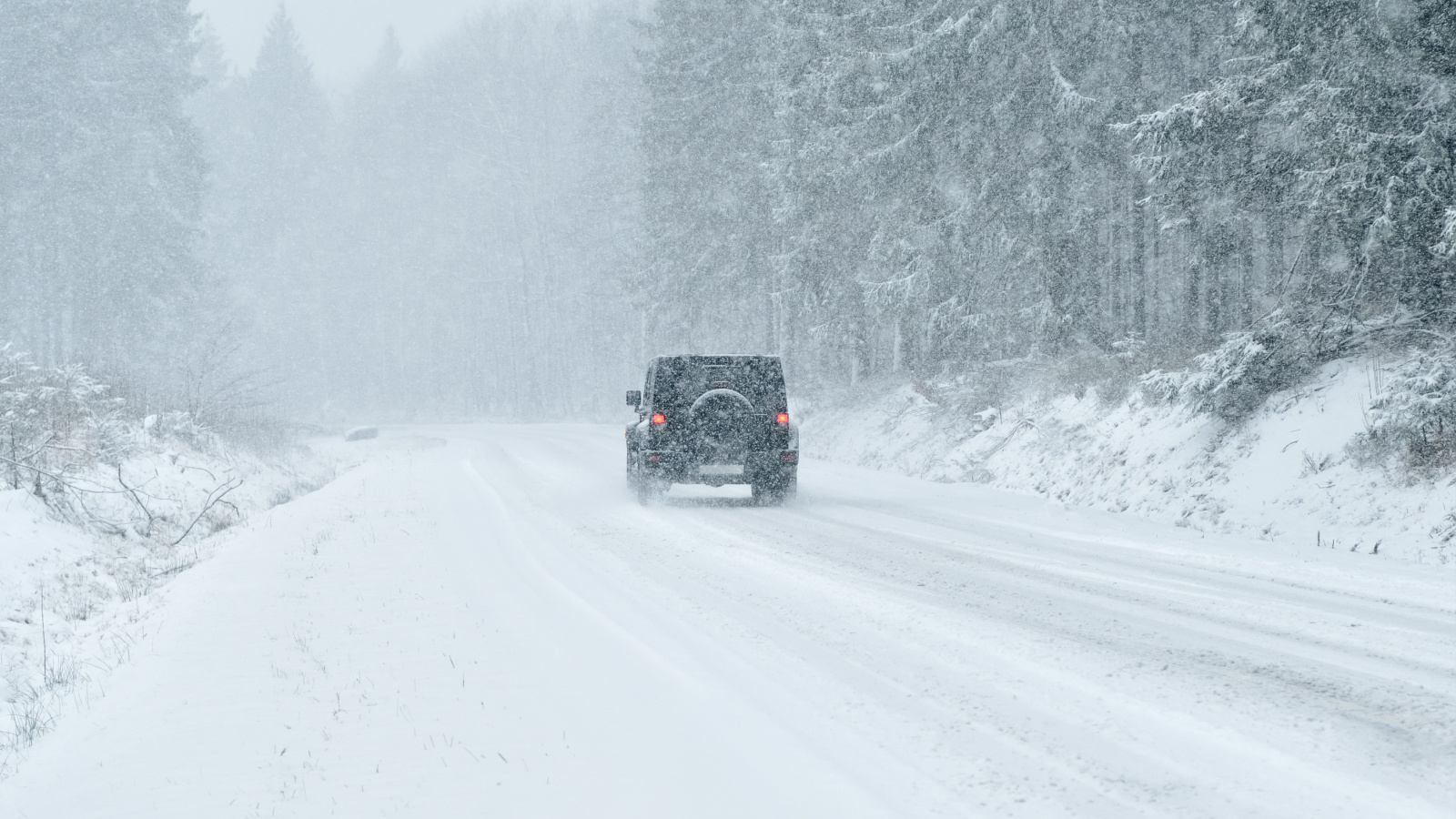
Canadian winters cover roads with large amounts of salt and chemical de-icers designed to melt snow and ice. These substances cling to the underside of vehicles and settle around suspension parts, brake lines, and exhaust components during months of winter driving. Many drivers wash visible dirt from the exterior during spring but ignore the undercarriage where corrosion begins. Mechanics across Canada frequently discover rust damage that developed because drivers skipped proper underbody cleaning after winter driving. Salt residue continues attacking metal surfaces long after snow disappears from the roads. Moisture trapped around salt deposits accelerates corrosion across vulnerable components beneath the vehicle. A thorough undercarriage wash during spring removes accumulated salt and prevents rust from spreading across suspension and brake components.
Switching to Summer Tires Too Early

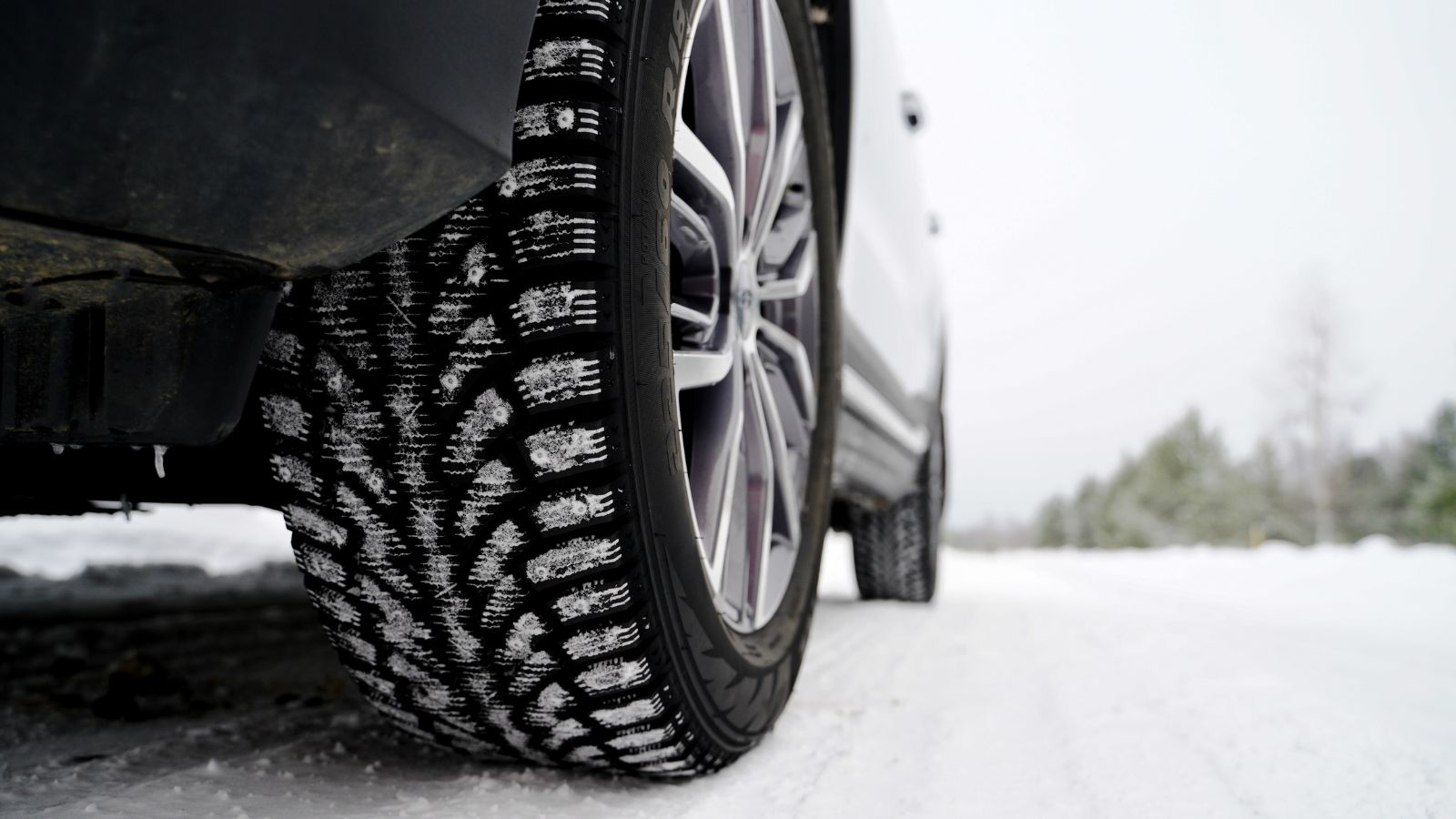
Many Canadian drivers feel eager to remove winter tires once the first warm days of spring arrive. However, temperatures across many provinces remain unpredictable during early spring weeks. Cold mornings and occasional late snowfalls still occur even after several mild days appear. Mechanics often see vehicles involved in accidents after drivers switch tires before conditions remain consistently warm. Winter tires perform better when temperatures remain below seven degrees Celsius because their rubber compound stays flexible in cold weather. Summer or all-season tires become stiff during cold conditions and provide reduced traction on wet or icy roads. Waiting until temperatures remain consistently warm protects both safety and tire performance during spring driving across Canada.
Skipping a Post Winter Vehicle Inspection
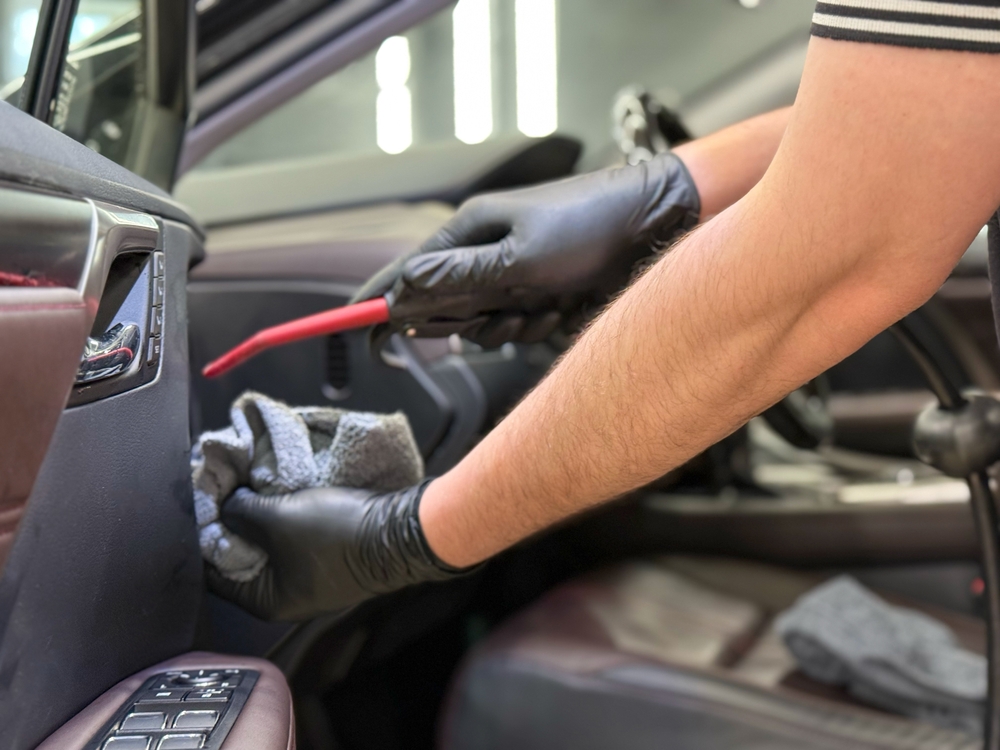
Vehicles endure months of harsh conditions during Canadian winters, including potholes, road salt, ice buildup, and freezing temperatures. Many drivers assume their vehicle remains in good condition if it still starts and drives normally after winter ends. Mechanics often discover worn suspension components, loose exhaust parts, and damaged brake hardware during spring inspections. These issues develop gradually during winter driving and remain hidden until technicians examine the vehicle. Drivers who skip a spring inspection may continue driving with minor issues that can grow into costly repairs. A professional inspection allows technicians to detect early signs of wear caused by winter conditions. Identifying these problems early prevents breakdowns and protects safety during the upcoming spring and summer travel.
Hitting Potholes Without Slowing Down

Potholes appear across Canadian roads every spring because freeze-thaw cycles weaken pavement during the winter months. Water enters small cracks in the road surface and expands when temperatures drop below freezing. This expansion breaks apart pavement and creates deep potholes once the ice melts. Many drivers strike these potholes at normal driving speeds without realizing the damage they can cause. Mechanics frequently repair bent wheels, damaged tires, and worn suspension parts caused by pothole impacts. Even moderate pothole strikes can affect wheel alignment and steering performance. Slowing down when approaching damaged road surfaces reduces the force placed on suspension components and protects tires from punctures or sidewall damage.
Washing the Car Without Cleaning Brake Components
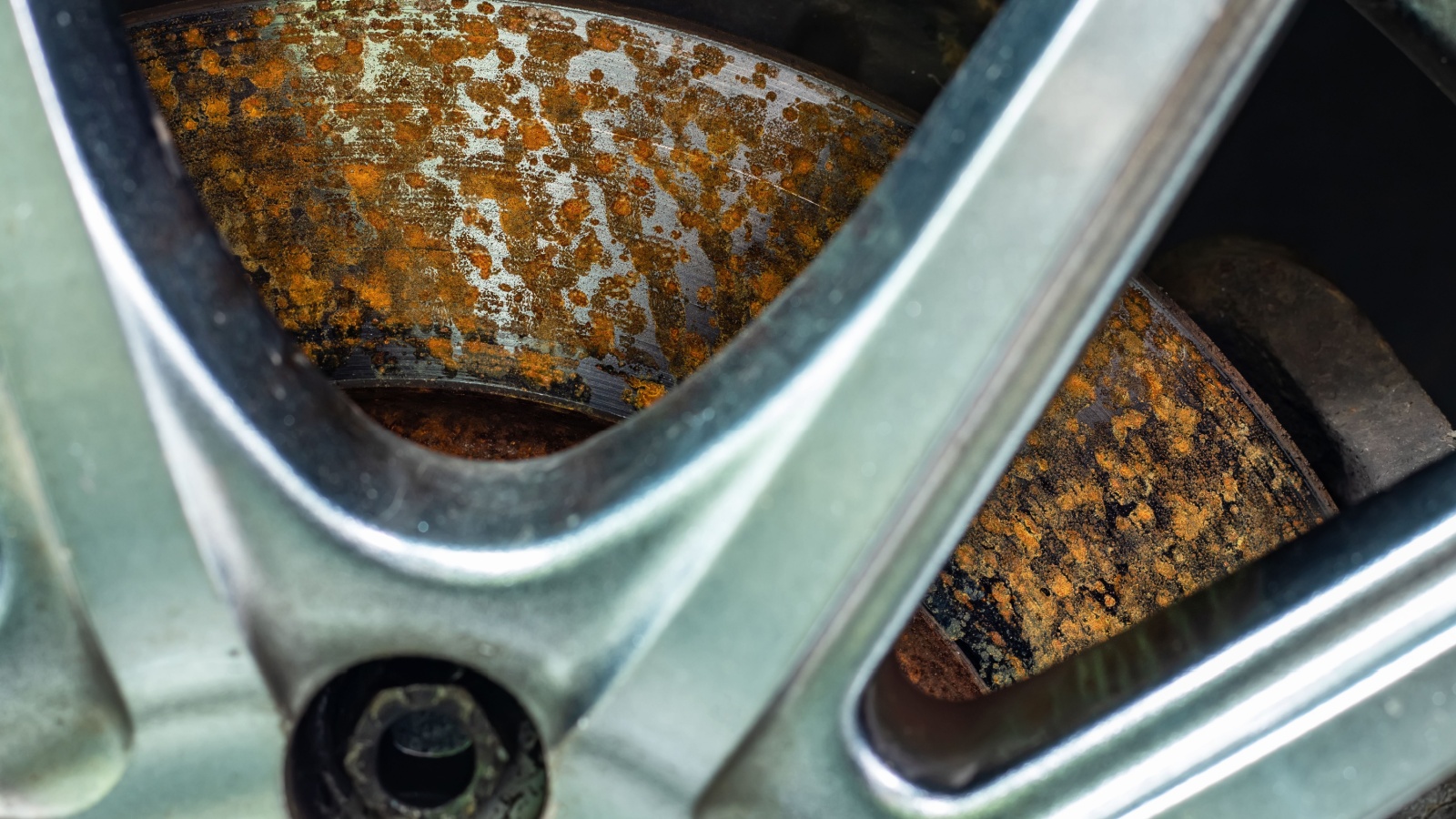
Spring cleaning often begins with a car wash to remove winter dirt, salt, and slush from exterior paint. Many drivers focus on visible body panels while ignoring brake assemblies hidden behind the wheels. Brake rotors, calipers, and surrounding components collect heavy amounts of salt and road debris during winter driving. Mechanics frequently see rust forming around brake components when vehicles are not thoroughly cleaned in the wheel areas. Salt trapped near brake assemblies accelerates corrosion and shortens the lifespan of brake hardware. A proper spring wash should include rinsing wheels and brake components with high-pressure water. Removing salt deposits protects braking performance and prevents corrosion from spreading across critical safety components.
Forgetting to Check Tire Pressure After Winter
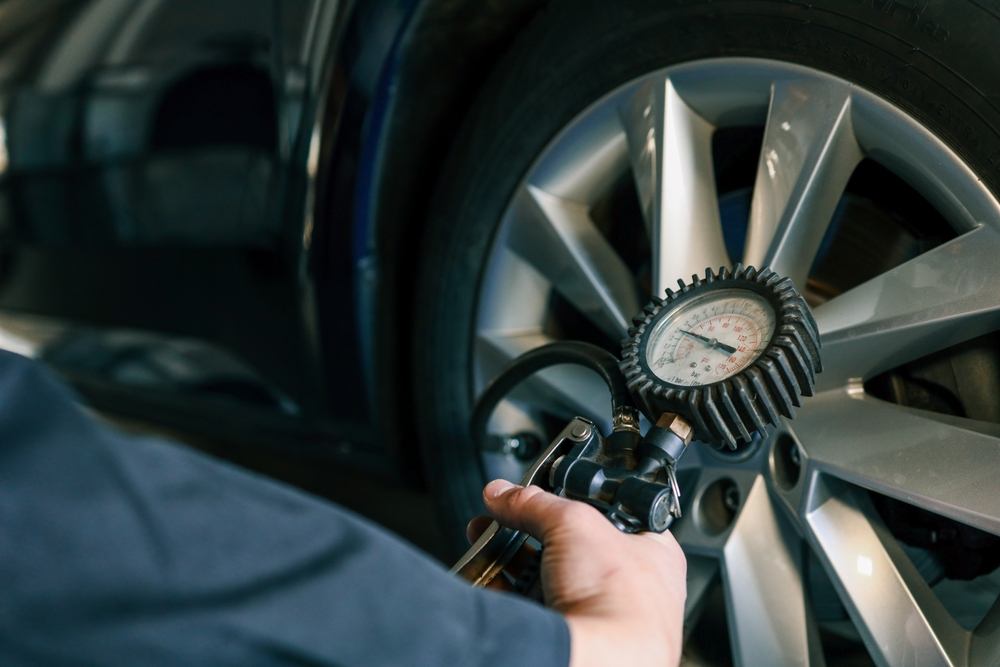
Cold air during Canadian winters reduces tire pressure because air contracts as temperatures drop. Drivers often inflate tires in winter but forget to check the pressure once temperatures rise in spring. Tire pressure can change significantly when weather conditions shift between seasons. Mechanics often find tires operating below recommended pressure levels during spring maintenance appointments. Underinflated tires cause uneven tread wear and reduce fuel efficiency during daily driving. Incorrect tire pressure can also affect steering response and braking performance on wet spring roads. Checking tire pressure at the start of spring ensures the vehicle handles properly and prevents unnecessary tire wear during warmer driving conditions.
Using Dish Soap Instead of Car Shampoo

Some drivers reach for household dish soap when washing their vehicles during spring cleaning. Dish soap removes grease and food residue from kitchen surfaces, but behaves differently when used on automotive paint. The strong detergents inside dish soap strip protective wax coatings that shield vehicle paint from sunlight and environmental contaminants. Mechanics and detailing professionals often see paint surfaces that have lost protective layers after repeated washing with household cleaners. Automotive car shampoo removes dirt and road salt without removing protective wax coatings applied during detailing. Using the correct cleaning products helps preserve paint protection and keeps vehicle finishes looking fresh throughout the warmer months.
Ignoring Wiper Blade Replacement
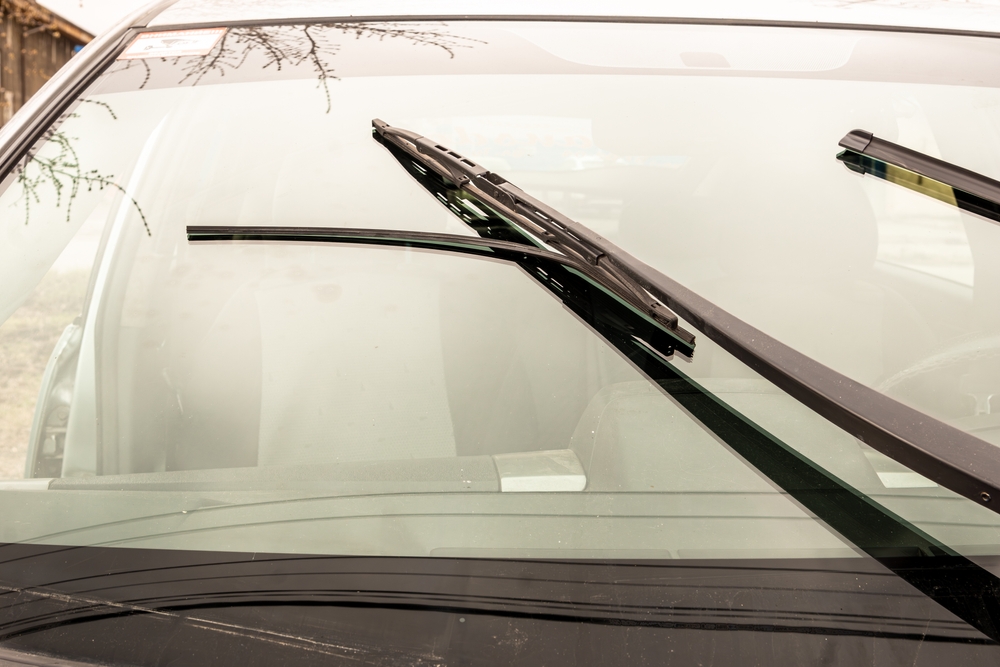
Windshield wiper blades endure extreme conditions during Canadian winters, including ice buildup, freezing temperatures, and road-salt spray. Rubber edges become brittle and cracked after repeated exposure to freezing weather. Many drivers continue to use worn wiper blades even as spring rain begins across Canadian cities. Mechanics frequently see windshields covered with streaks caused by damaged wiper blades that cannot clear water effectively. Reduced visibility during spring rainstorms creates dangerous driving conditions on highways and city streets. Replacing worn wiper blades during spring maintenance restores clear visibility and improves safety when heavy rain arrives.
Delaying Oil Changes After Harsh Winter Driving
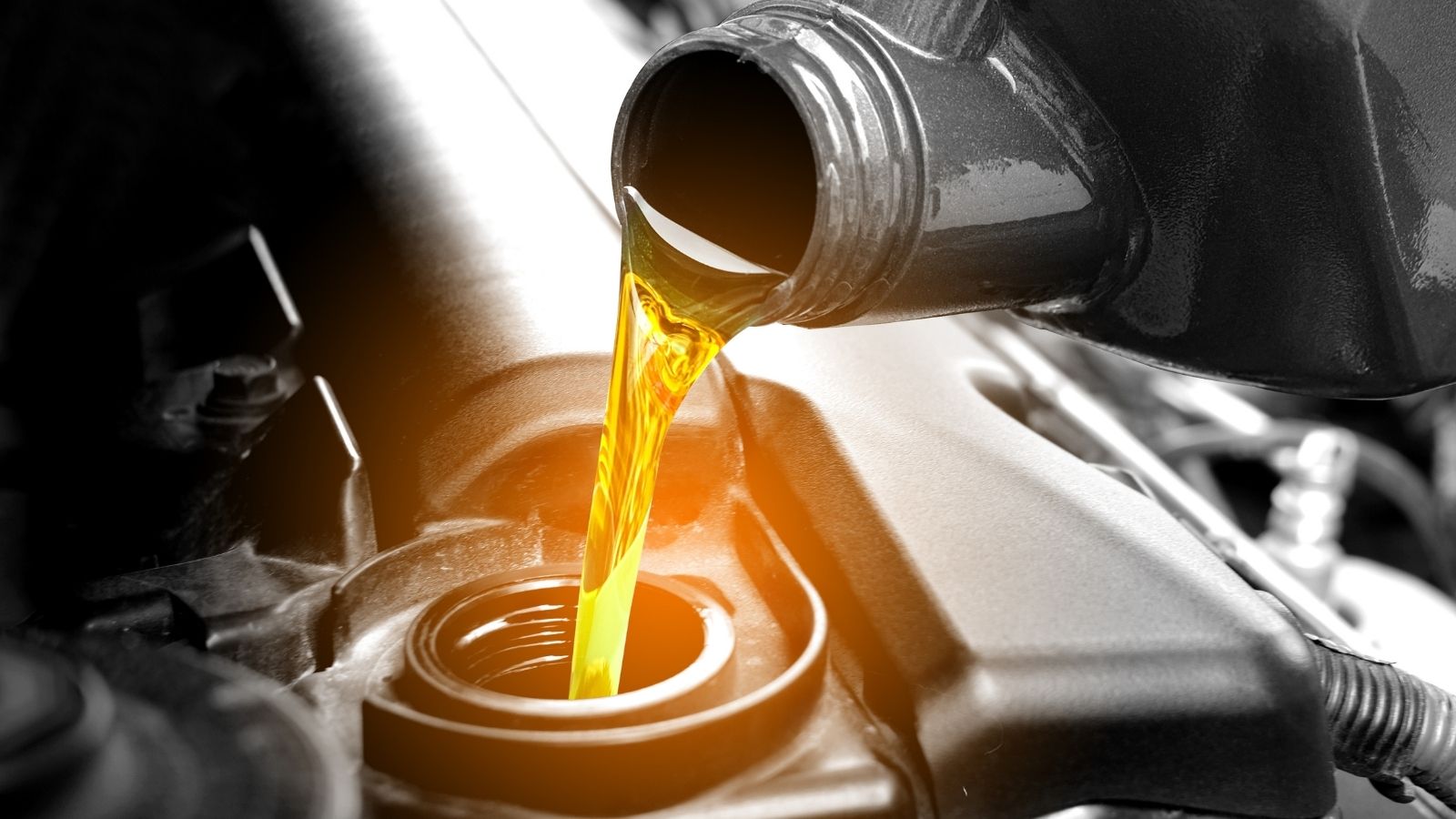
Winter driving places extra stress on engines because cold starts require thicker oil to circulate through engine components. Many Canadian drivers make short trips during winter, which prevents engines from reaching full operating temperature. These conditions cause moisture and contaminants to accumulate in engine oil during winter months. Mechanics often find degraded oil when drivers delay oil changes after winter ends. Dirty oil loses its ability to lubricate engine components and protect internal parts from wear. Changing oil during spring removes contaminants that have collected during winter driving and prepares the engine for warmer operating conditions.
Ignoring Strange Noises After Winter

Drivers sometimes notice unusual noises from their vehicles after winter but choose to ignore them during early spring. Canadian roads are filled with potholes, and long winter seasons damage suspension components. Mechanics often diagnose worn bushings, loose exhaust brackets, and damaged suspension parts when investigating these noises. Small mechanical issues rarely resolve themselves once winter damage occurs. Ignoring these sounds allows worn components to place additional stress on surrounding parts within the vehicle. Addressing unusual noises early allows mechanics to repair minor issues before they develop into larger mechanical failures.
Letting Mud Build Up Inside Wheel Wells
Spring thaw creates muddy roads across many parts of Canada as melting snow mixes with dirt and road debris. Vehicles collect thick mud deposits inside wheel wells and around suspension components during this period. Many drivers wash exterior paint surfaces but ignore mud trapped inside wheel wells. Mechanics often remove heavy debris buildup when servicing brakes and suspension systems during spring repairs. Mud retains moisture and salt residue that can accelerate corrosion around metal components. Regular cleaning inside wheel wells prevents debris buildup and protects suspension parts from rust damage during the warmer months.
Driving Through Deep Spring Puddles

Melting snow and spring rain create large puddles across Canadian roads and parking lots during early spring weeks. Some drivers treat these puddles like harmless water while driving at normal speeds. Mechanics often see damaged wheel bearings, soaked brake components, and electrical issues after vehicles pass through deep water. Puddles can hide potholes or debris beneath the surface that impact suspension parts when the vehicle enters the water. Water can also splash into engine bays or sensitive electrical connectors located beneath the vehicle. Driving through standing water at high speed also increases the risk of hydroplaning during spring storms. Slowing down and avoiding deep puddles protects mechanical components from unnecessary water exposure.
Skipping Wheel Alignment After Winter

Winter driving across Canadian roads places heavy stress on suspension and steering components. Potholes, ice ridges, and rough road surfaces often push wheels out of proper alignment during months of winter driving. Many drivers begin spring commuting without checking wheel alignment after winter ends. Mechanics often discover uneven tire wear caused by misaligned wheels during spring maintenance visits. Poor alignment also causes the steering wheel to pull slightly toward one side while driving. Ignoring this problem can shorten tire lifespan and reduce vehicle handling performance on highways. A spring alignment check ensures the wheels remain properly positioned and helps tires wear evenly during the warmer driving season.
Forgetting to Replace the Cabin Air Filter
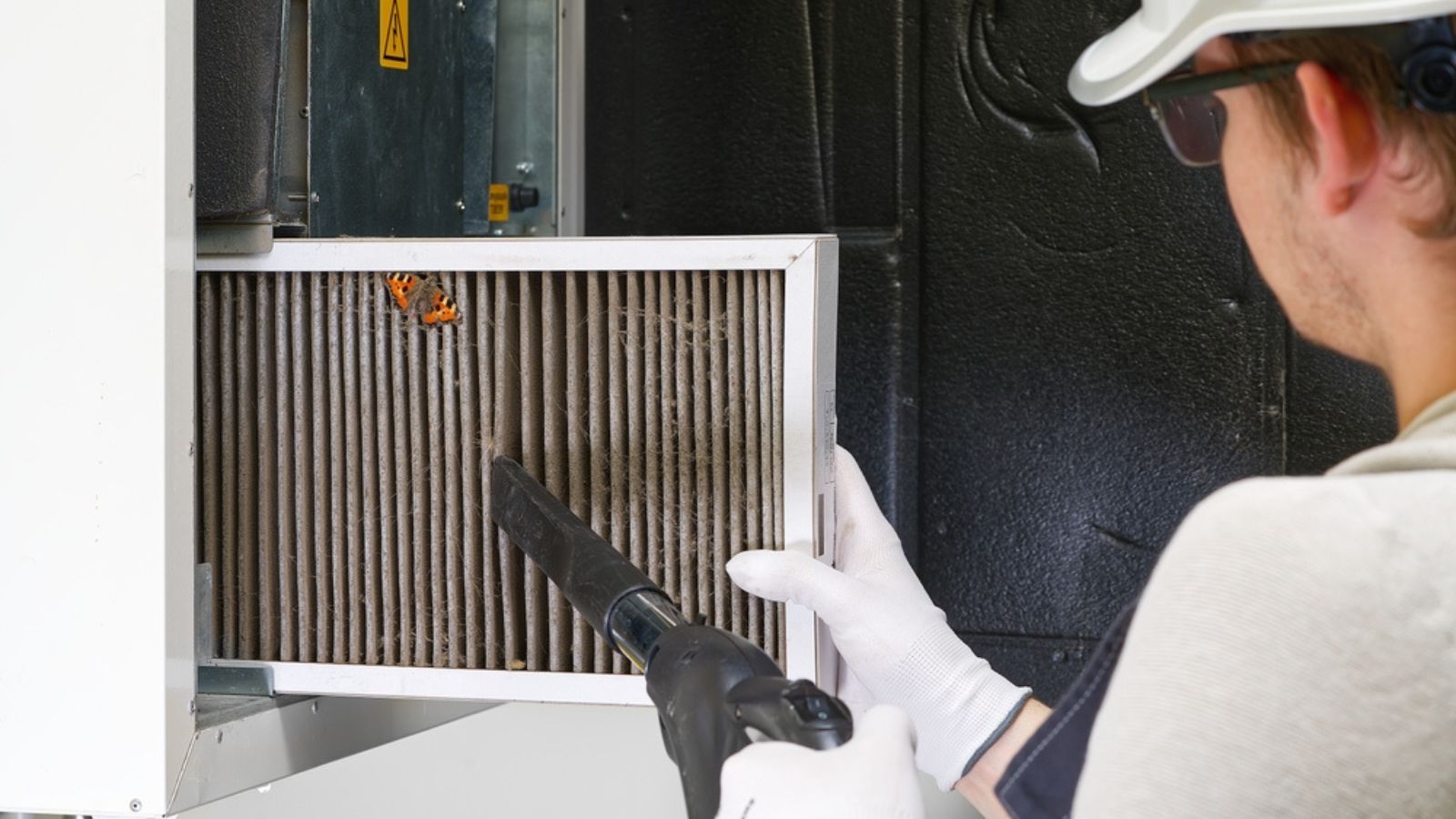
Cabin air filters collect dust, road debris, and salt particles during months of winter driving across Canadian roads. Many drivers forget about this filter because it is hidden behind dashboard panels and is not noticed during regular car washes. Mechanics frequently discover clogged cabin air filters during spring maintenance inspections. A dirty filter restricts airflow through the heating and air conditioning system and reduces interior air quality. Drivers may notice reduced airflow or unpleasant odors when the ventilation system is operating. Replacing the cabin air filter during spring improves air circulation inside the vehicle and removes contaminants that accumulated during winter travel.
Ignoring Battery Condition After Cold Weather

Cold winter temperatures place significant strain on vehicle batteries across Canada. Many batteries weaken during winter because cold weather reduces battery output, while engines require more energy to start. Drivers often assume their battery remains healthy once spring temperatures rise. Mechanics frequently see batteries fail during spring weeks because winter damage reduced battery capacity. Corrosion around battery terminals also develops from moisture and road salt exposure. Checking battery health during spring helps drivers avoid unexpected starting problems during daily commuting. Cleaning terminals and testing battery strength ensures reliable performance during warmer driving conditions.
Using Old Winter Washer Fluid
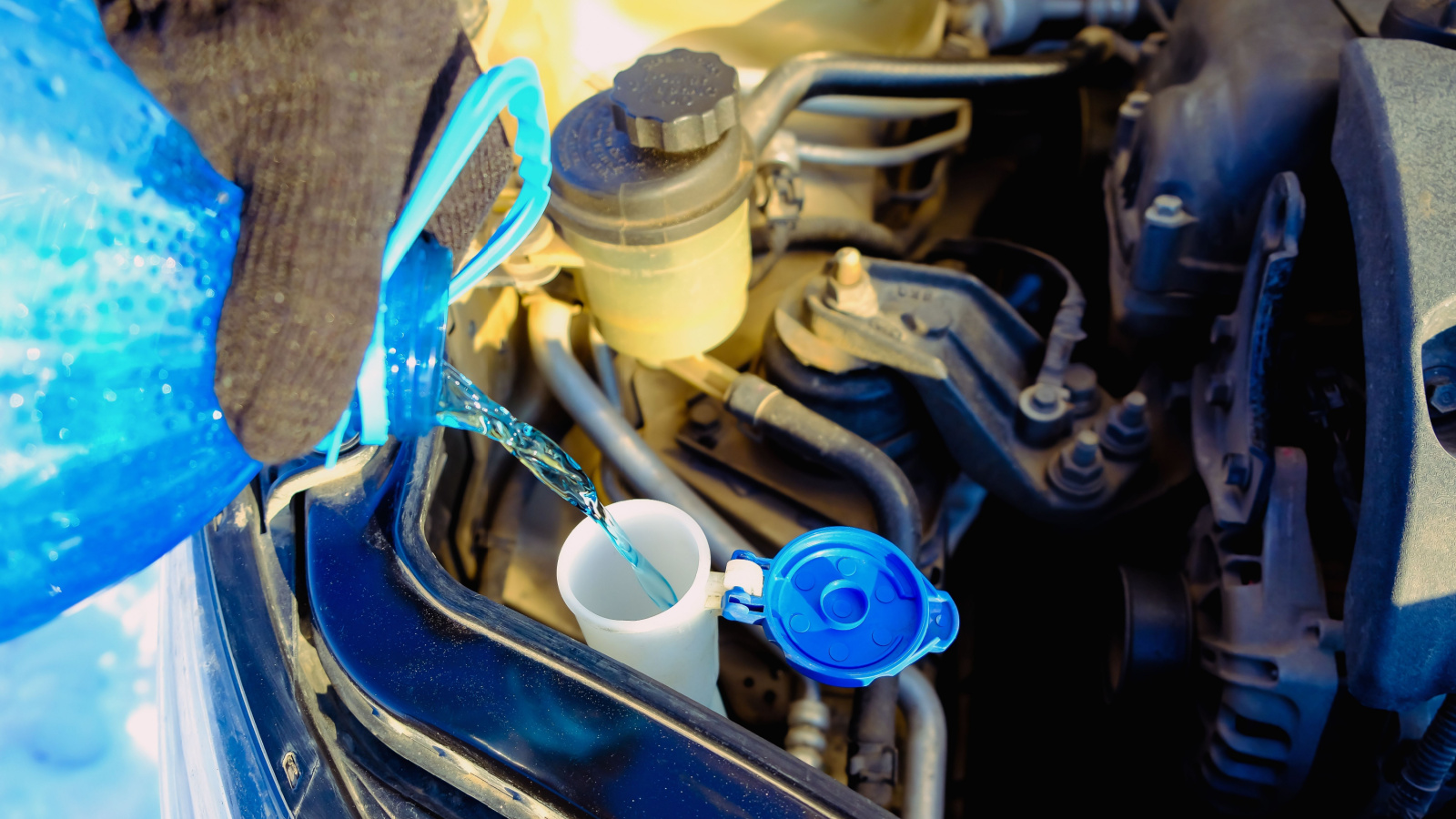
Windshield washer fluid plays an important role during Canadian winters when road salt and slush cover windshields during daily driving. Many drivers continue using leftover winter washer fluid even after spring arrives. Winter fluid contains strong chemical additives designed to resist freezing temperatures. These additives may leave residue or streaks across windshields during warmer spring weather. Mechanics and detailing professionals recommend switching to summer washer fluid designed to remove insects, dust, and road grime common during warmer months. Using the correct washer fluid improves windshield clarity and prevents buildup on glass surfaces during spring driving.
Ignoring Brake Wear After Winter
Brake systems work harder during winter driving because slippery roads require frequent braking and traction control activity. Road salt and moisture also accelerate corrosion on brake components such as rotors and calipers. Many drivers continue driving into spring without inspecting brake condition after months of winter stress. Mechanics often discover worn brake pads or rusted rotors during spring service appointments. Drivers may notice vibrations or squealing sounds that indicate brake wear caused by winter driving conditions. Inspecting brakes during spring ensures safe stopping performance and prevents damage to other brake components.
Leaving Winter Tires On Too Long
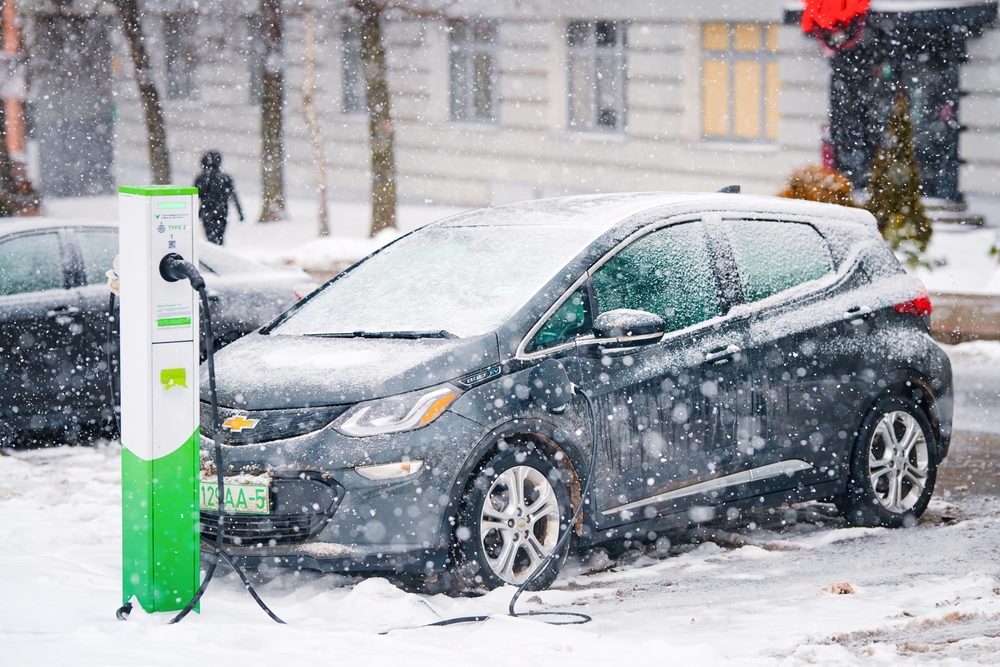
Winter tires provide excellent traction during cold weather conditions common across Canadian winters. However, these tires use softer rubber compounds designed for cold temperatures rather than warm spring roads. Some drivers delay switching tires after winter because scheduling tire changes requires time and effort. Mechanics often see winter tires wearing down quickly when used during warm spring temperatures. The softer rubber compound wears faster on dry pavement and reduces tire lifespan. Switching to all-season or summer tires once temperatures remain consistently warm protects winter tire performance for the next season.
Ignoring Rust Spots on the Body

Winter road salt often leaves small rust spots on vehicle body panels during the transition into spring. Many drivers notice these spots but postpone repairs because the damage appears minor. Mechanics and body technicians know that rust spreads quickly once protective paint layers become damaged. Moisture from spring rain accelerates corrosion on exposed metal surfaces. Small rust areas can expand beneath surrounding paint and cause larger body damage over time. Addressing rust spots during early spring prevents corrosion from spreading across body panels and keeps the vehicle exterior in better condition.
Overloading the Car for Spring Road Trips

Spring encourages many Canadians to plan weekend road trips after months of winter travel restrictions. Drivers sometimes pack vehicles with heavy luggage, sports equipment, and camping gear without considering weight limits. Mechanics occasionally see suspension wear and tire damage caused by vehicles overloaded for road trips. Excess weight places additional strain on shocks, springs, and braking systems during highway travel. Tire pressure may also increase under heavy loads, which raises the risk of uneven wear or overheating. Distributing cargo evenly and respecting vehicle weight limits protects suspension components during spring travel.
Ignoring Fluid Levels After Winter Driving

Vehicle fluids experience heavy use during Canadian winters when engines operate in cold conditions and road salt exposure increases mechanical stress. Many drivers forget to check fluid levels once spring begins. Mechanics often discover low coolant, brake fluid, or transmission fluid levels during seasonal inspections. Low fluid levels reduce the ability of these systems to protect mechanical components from heat and friction. Checking fluid levels during spring ensures proper lubrication and cooling during warmer driving conditions. Maintaining correct fluid levels also prevents premature wear across important engine and drivetrain components.
Delaying a Proper Spring Detailing
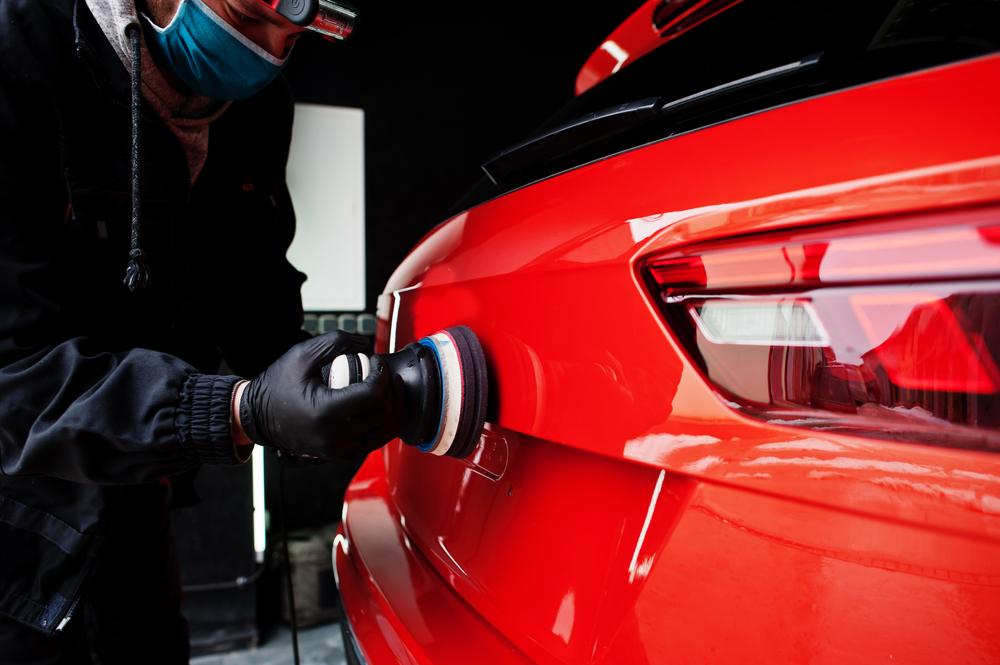
After months of winter driving, vehicles accumulate salt residue, dirt, and debris across both exterior and interior surfaces. Some drivers postpone proper detailing because the vehicle still appears acceptable for daily commuting. Mechanics and detailing specialists know that winter residue continues damaging paint, trim, and interior materials even after temperatures rise. Salt left inside carpets and floor mats can trap moisture and create corrosion around metal surfaces beneath the interior. A thorough spring detailing removes winter contaminants and restores protective coatings on paint surfaces. Proper cleaning also prevents long-term wear that can affect vehicle appearance and resale value.
22 Groceries to Grab Now—Before another Price Shock Hits Canada

Food prices in Canada have been steadily climbing, and another spike could make your grocery bill feel like a mortgage payment. According to Statistics Canada, food inflation remains about 3.7% higher than last year, with essentials like bread, dairy, and fresh produce leading the surge. Some items are expected to rise even further due to transportation costs, droughts, and import tariffs. Here are 22 groceries to grab now before another price shock hits Canada.
22 Groceries to Grab Now—Before another Price Shock Hits Canada
