March in Canada often brings a strange combination of melting snow, cold winds, and dry indoor heating. After months of harsh winter conditions, many Canadians notice their skin feeling tight, flaky, or irritated. As spring approaches, skincare routines often shift toward repairing and rehydrating the skin barrier rather than simply protecting it from extreme cold. Moisturizers, serums, and gentle treatments become essential during this transitional period. Many people look for products that restore hydration while still feeling lightweight enough for warmer weather. Here are 18 products Canadians use to fix dry winter skin in March.
Hydrating Hyaluronic Acid Serums
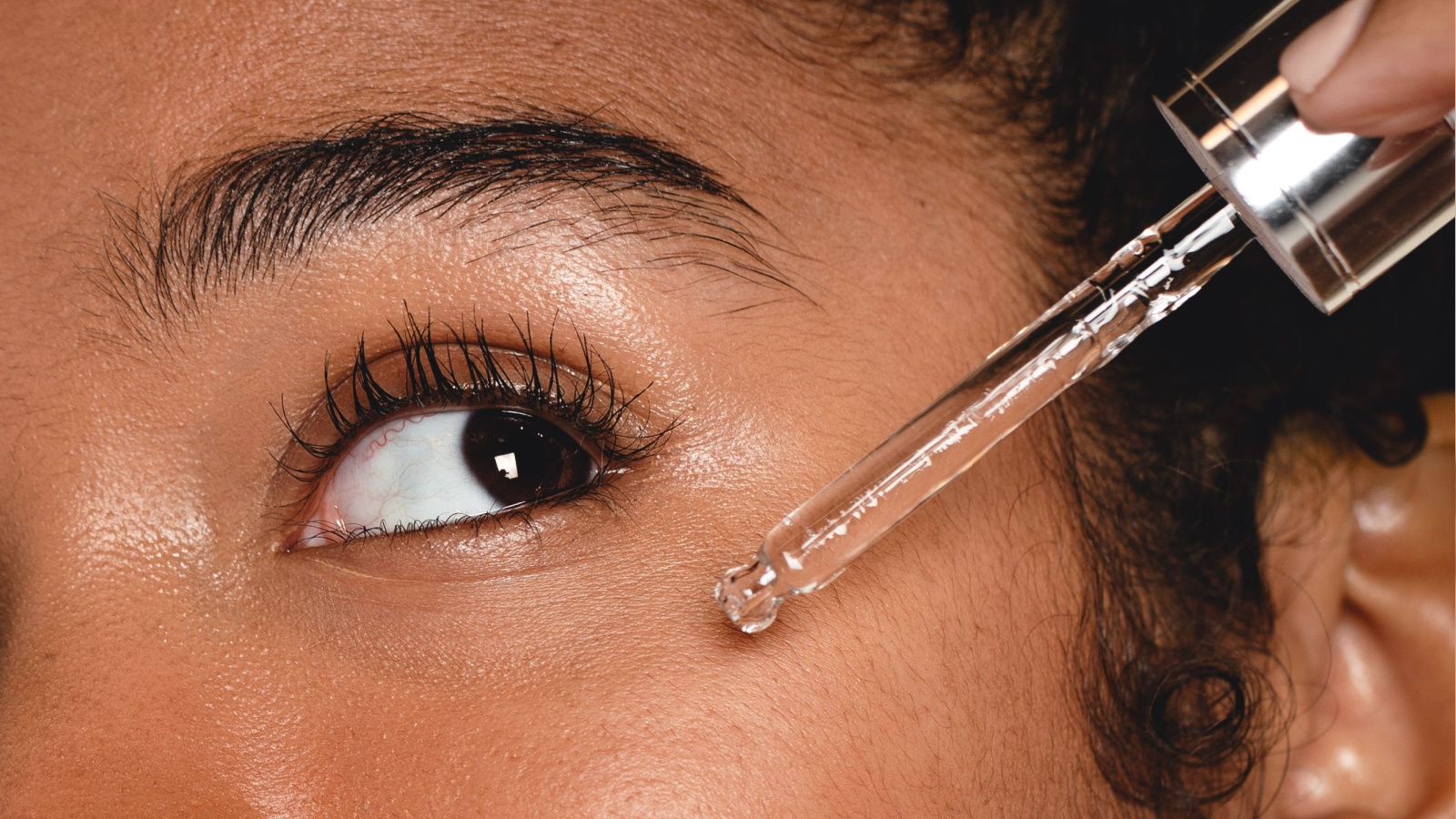
Hyaluronic acid serums remain one of the most popular solutions for dry winter skin across Canada. This ingredient attracts moisture and helps the skin retain hydration throughout the day. After months of cold weather and indoor heating, many Canadians experience dehydration, which can make their skin appear dull or tight. Applying a hyaluronic acid serum before moisturizer helps replenish lost moisture and creates a smoother skin texture. Many people use it both in the morning and at night to maximize hydration. These serums also work well under makeup because they absorb quickly without leaving heavy residue. As temperatures slowly begin rising in March, lightweight hydration products like hyaluronic acid become especially useful for restoring balance to winter stressed skin.
Thick Barrier Repair Creams

Barrier repair creams play a crucial role in helping Canadians recover from winter dryness. Harsh wind, low humidity, and heated indoor air can weaken the skin’s protective barrier. When this barrier becomes damaged, moisture escapes easily and irritation becomes more common. Thick creams containing ceramides, fatty acids, and nourishing oils help rebuild this protective layer. Canadians often apply these creams at night when the skin naturally repairs itself. The rich texture creates a protective seal that prevents further moisture loss. Even people who normally prefer lighter moisturizers often rely on barrier-repair creams in March to help their skin recover from months of harsh winter exposure.
Overnight Hydrating Masks

Overnight masks have become a favourite skincare step for Canadians dealing with extremely dry winter skin. These masks work by delivering concentrated hydration while the skin rests overnight. Many people apply them after cleansing and leave them on instead of traditional night creams. The thicker formula helps lock in moisture for several hours, allowing the skin to absorb nourishing ingredients more effectively. Canadians often notice smoother and more refreshed skin in the morning after using these treatments. Because March weather can still be unpredictable, overnight hydration helps maintain comfort even as cold air continues to dry out the skin.
Gentle Cream Cleansers
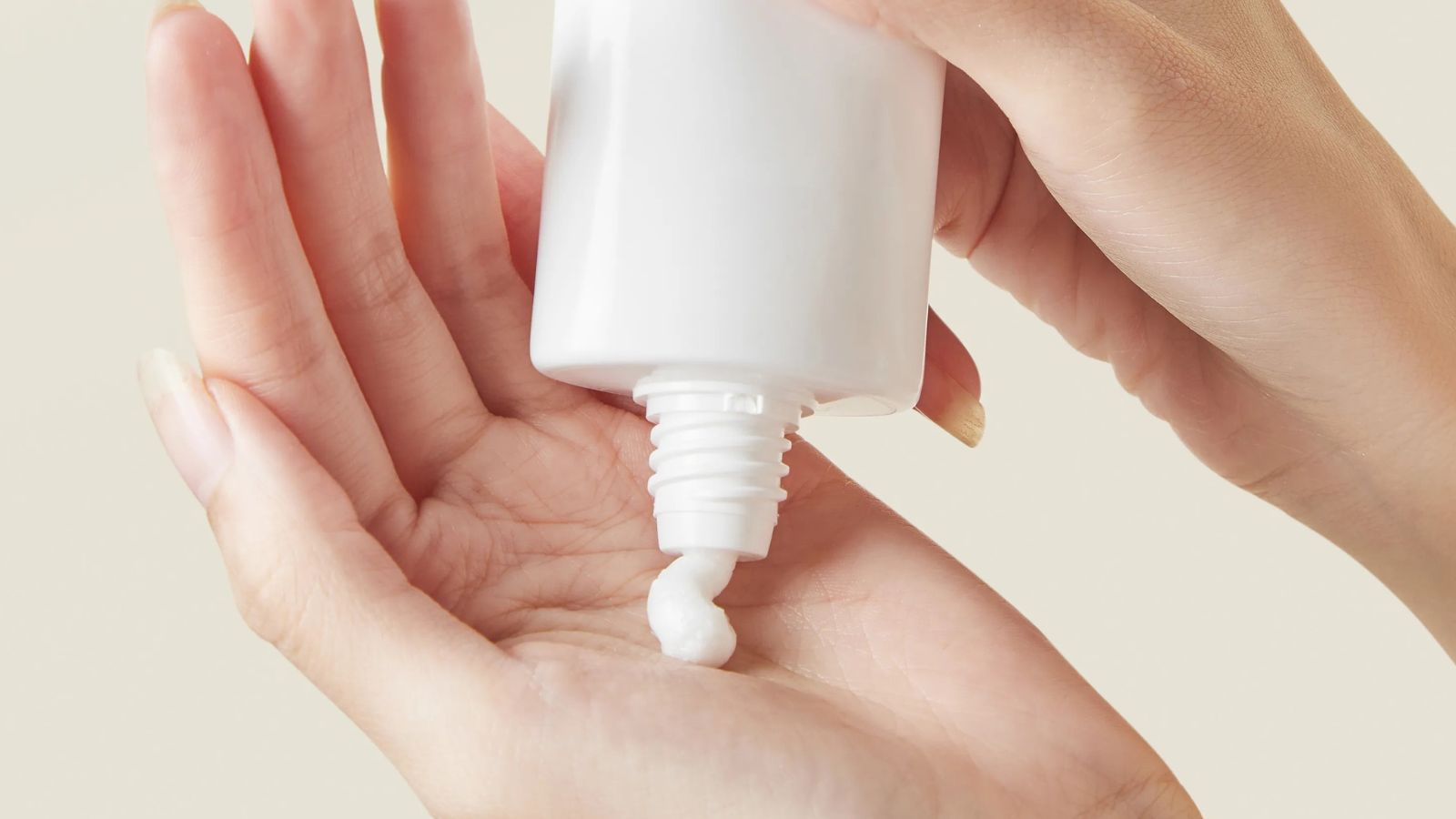
Cleansing products can sometimes worsen dry skin if they remove too much natural moisture. Canadians dealing with winter dryness often switch from foaming cleansers to gentle cream formulas during March. Cream cleansers remove dirt and makeup while maintaining the skin’s natural oils. This helps prevent the tight or squeaky clean feeling that often indicates excessive dryness. Many cream cleansers also contain soothing ingredients such as glycerin or aloe. These additions help calm irritation while cleansing the skin. Using a gentler cleanser can make a significant difference for people trying to repair dryness caused by cold winter weather.
Facial Oils for Extra Moisture

Facial oils have gained popularity among Canadians seeking deeper hydration in the final months of winter. Oils such as rosehip, jojoba, and squalane help seal moisture into the skin and prevent further dryness. Many people apply a few drops after moisturizer to create a protective layer. Facial oils also add a natural glow, helping combat the dull appearance that winter dryness can cause. Canadians appreciate that oils work well during nighttime routines when heavier products feel more comfortable. When used properly, facial oils can significantly improve skin softness and resilience.
Lip Repair Balms

Cold winter temperatures often leave Canadians dealing with severely dry or cracked lips by March. Lip repair balms provide essential hydration and protection for this sensitive area. Products containing ingredients like shea butter, lanolin, or beeswax create a protective barrier that prevents moisture loss. Many Canadians carry lip balm throughout the day to maintain hydration in windy conditions. Overnight lip treatments have also become increasingly popular because they allow lips to heal while sleeping. Consistent lip care helps restore softness after months of exposure to freezing temperatures.
Hydrating Face Mists

Face mists offer a quick and refreshing way to add hydration throughout the day. Canadians often keep these sprays at their desks or in their bags to combat dryness caused by indoor heating. Hydrating mists typically contain ingredients such as glycerin, rose water, or aloe that provide light moisture without disturbing makeup. A few sprays can instantly refresh the skin and reduce feelings of tightness. Many Canadians also use face mists between skincare steps to help serums and moisturizers absorb better. This simple addition to a skincare routine can make a noticeable difference during the final stretch of winter.
Exfoliating Enzyme Treatments
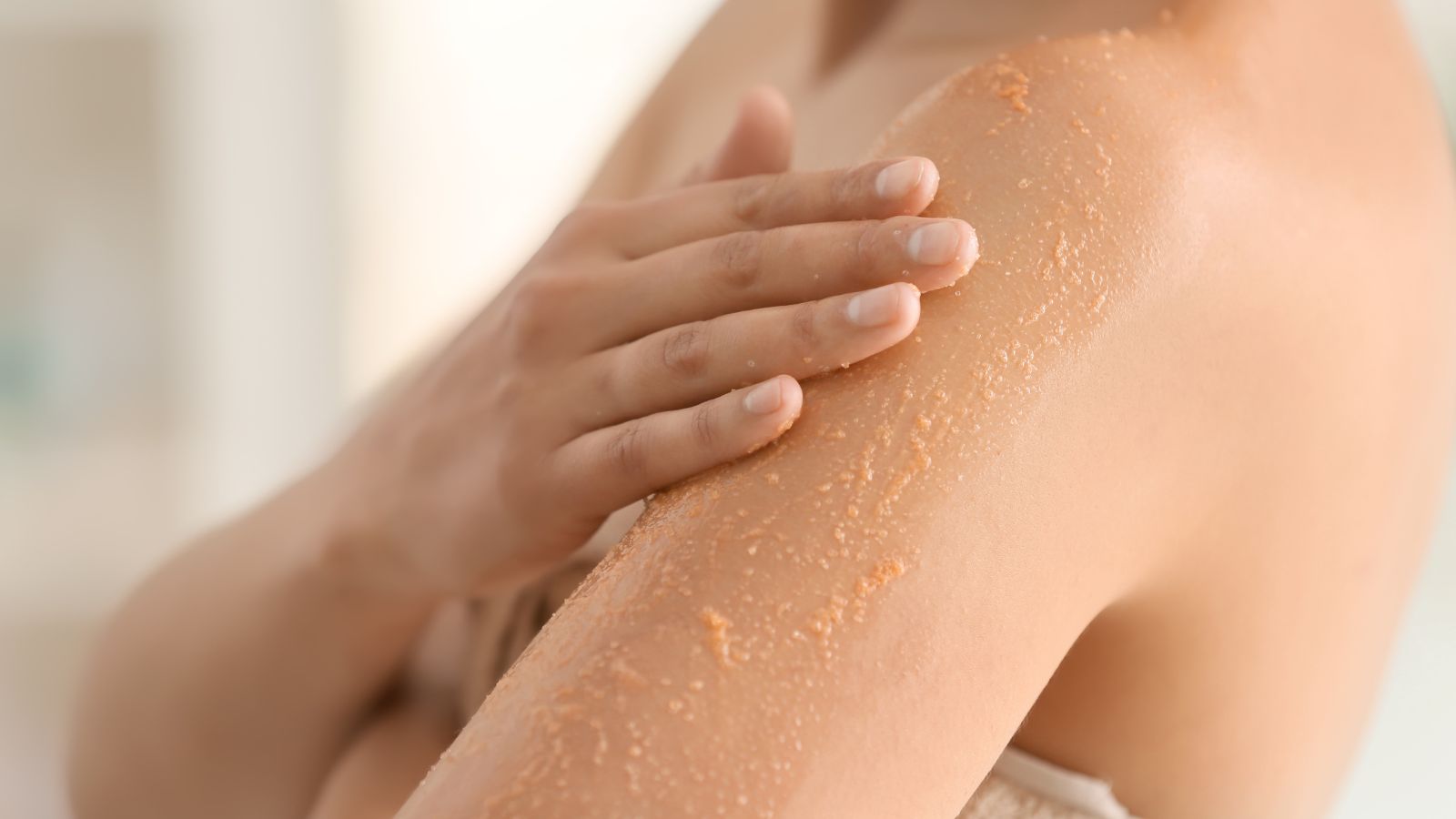
Dry winter skin often leads to buildup of dead skin cells that create dull texture. Canadians frequently use gentle enzyme exfoliants in March to remove this layer without causing irritation. Unlike harsh scrubs, enzyme treatments dissolve dead skin gradually using fruit enzymes such as papaya or pineapple. This process reveals smoother and brighter skin underneath. Exfoliation also allows moisturizers and serums to penetrate more effectively. Many Canadians use enzyme exfoliants once or twice per week to restore softness after winter dryness.
Hand Repair Creams

Hands often suffer from some of the worst dryness during Canadian winters because they are frequently exposed to cold air and frequent washing. By March many people rely on intensive hand repair creams to restore softness and prevent cracking. These creams usually contain thick moisturizing ingredients such as glycerin, shea butter, and ceramides. Applying hand cream regularly throughout the day helps maintain hydration and protect the skin barrier. Many Canadians keep tubes of hand cream in their bags, cars, and desks for easy access. Consistent use can significantly improve hand condition after months of winter exposure.
Body Butters for Deep Hydration
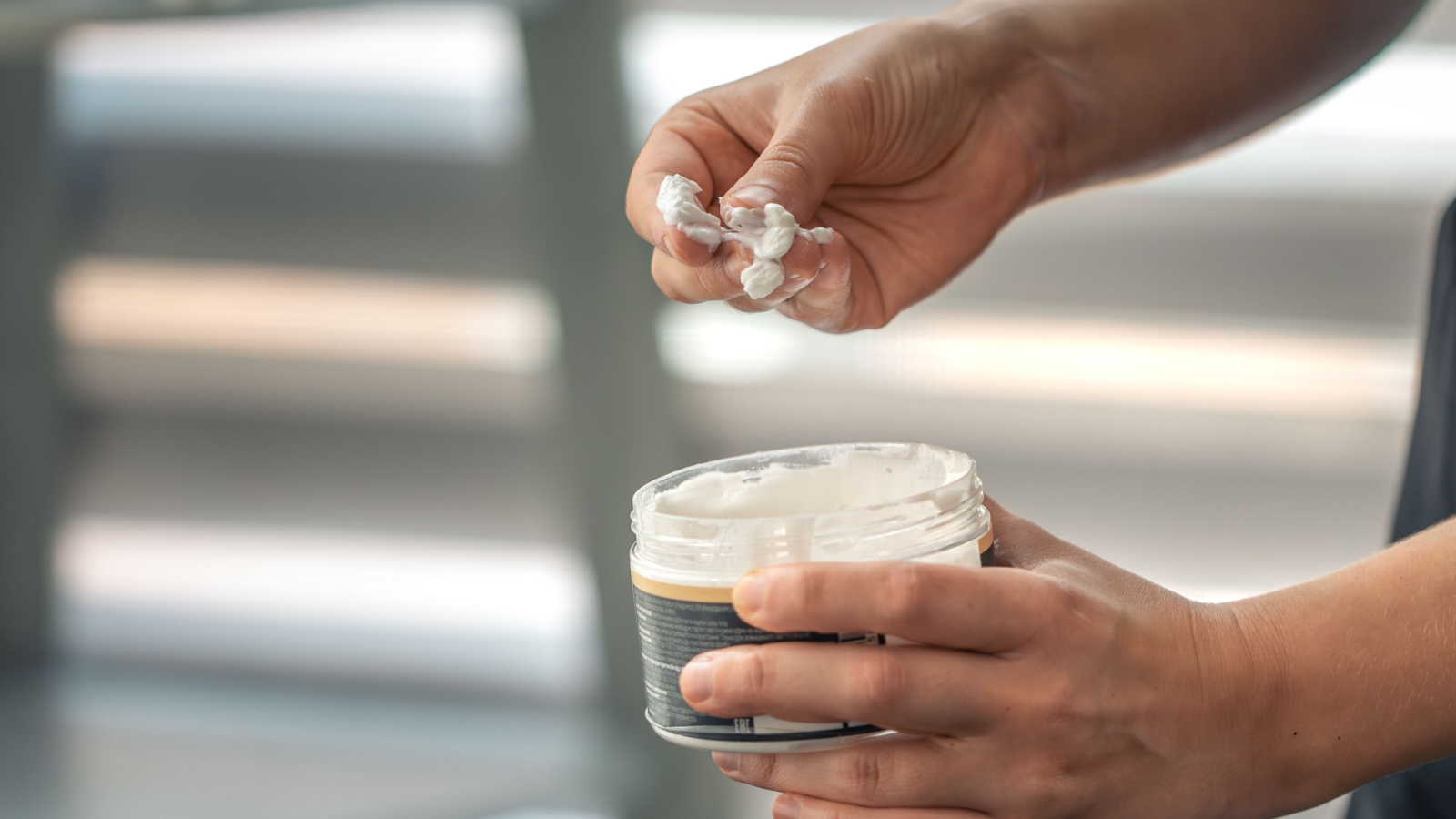
Body butters remain a favorite product among Canadians trying to repair extremely dry winter skin. Unlike lightweight lotions, body butters contain thicker ingredients such as shea butter, cocoa butter, and nourishing oils that provide intense hydration. Many Canadians apply body butter after showering when the skin is still slightly damp, which helps lock in moisture more effectively. During March, when temperatures fluctuate between cold and mild, body butters help maintain softness and prevent flaking on areas like elbows, knees, and legs. The richer texture also creates a protective layer against lingering cold winds. While they can feel heavier than regular lotions, many people prefer using body butter overnight so their skin feels noticeably smoother by morning.
Ceramide Moisturizers
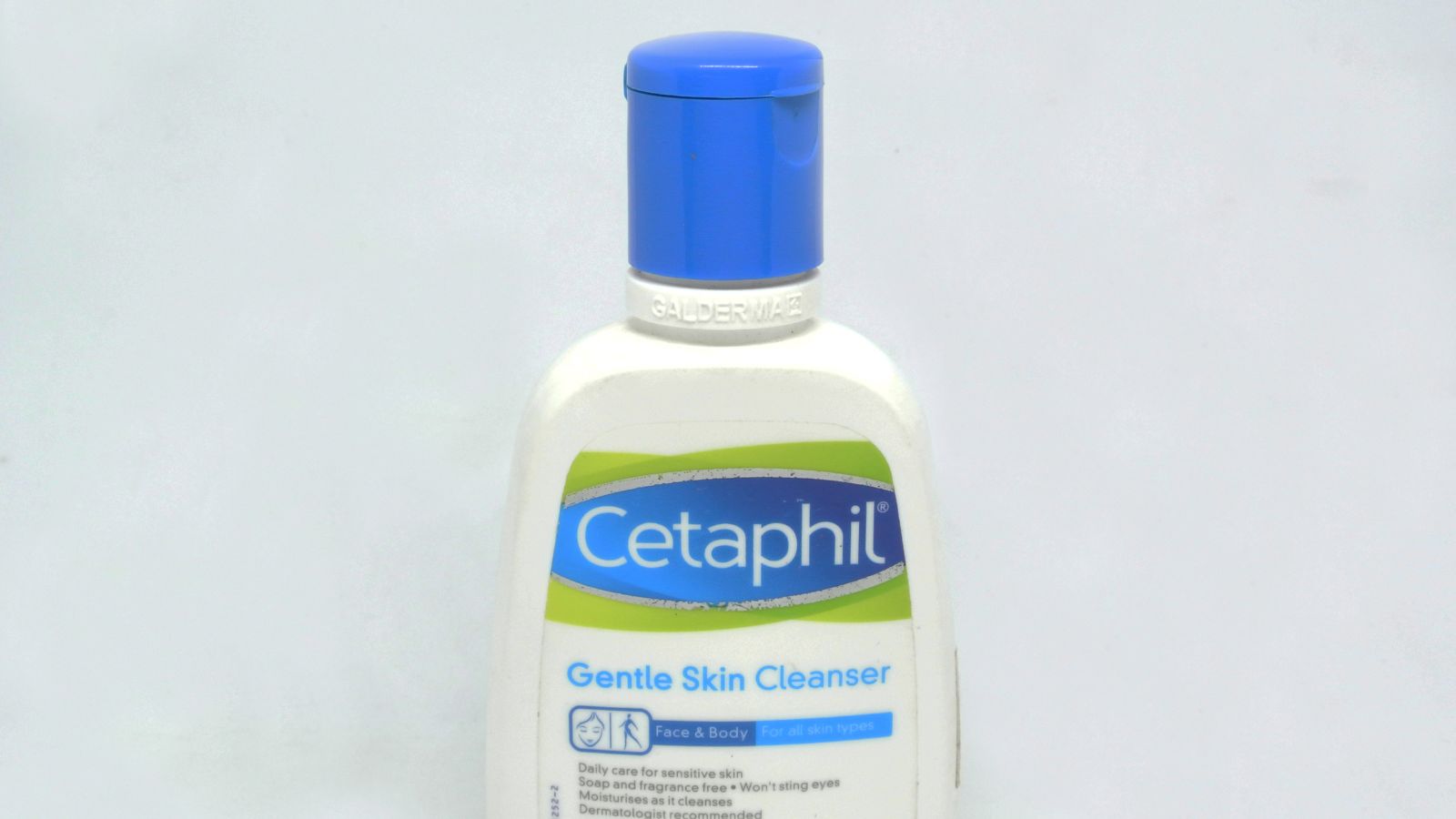
Ceramide moisturizers have become widely recommended by dermatologists because they help restore the skin’s natural barrier. Winter conditions in Canada often strip away these protective lipids, leaving skin vulnerable to dryness and irritation. Moisturizers containing ceramides help rebuild this barrier and prevent moisture from escaping. Many Canadians choose ceramide creams during March because they provide hydration without feeling greasy or overly heavy. These moisturizers work particularly well for people with sensitive or reactive skin that becomes easily irritated during winter. Consistent use can improve overall skin resilience, helping it transition more comfortably from cold winter conditions to the milder weather of spring.
Hydrating Sheet Masks
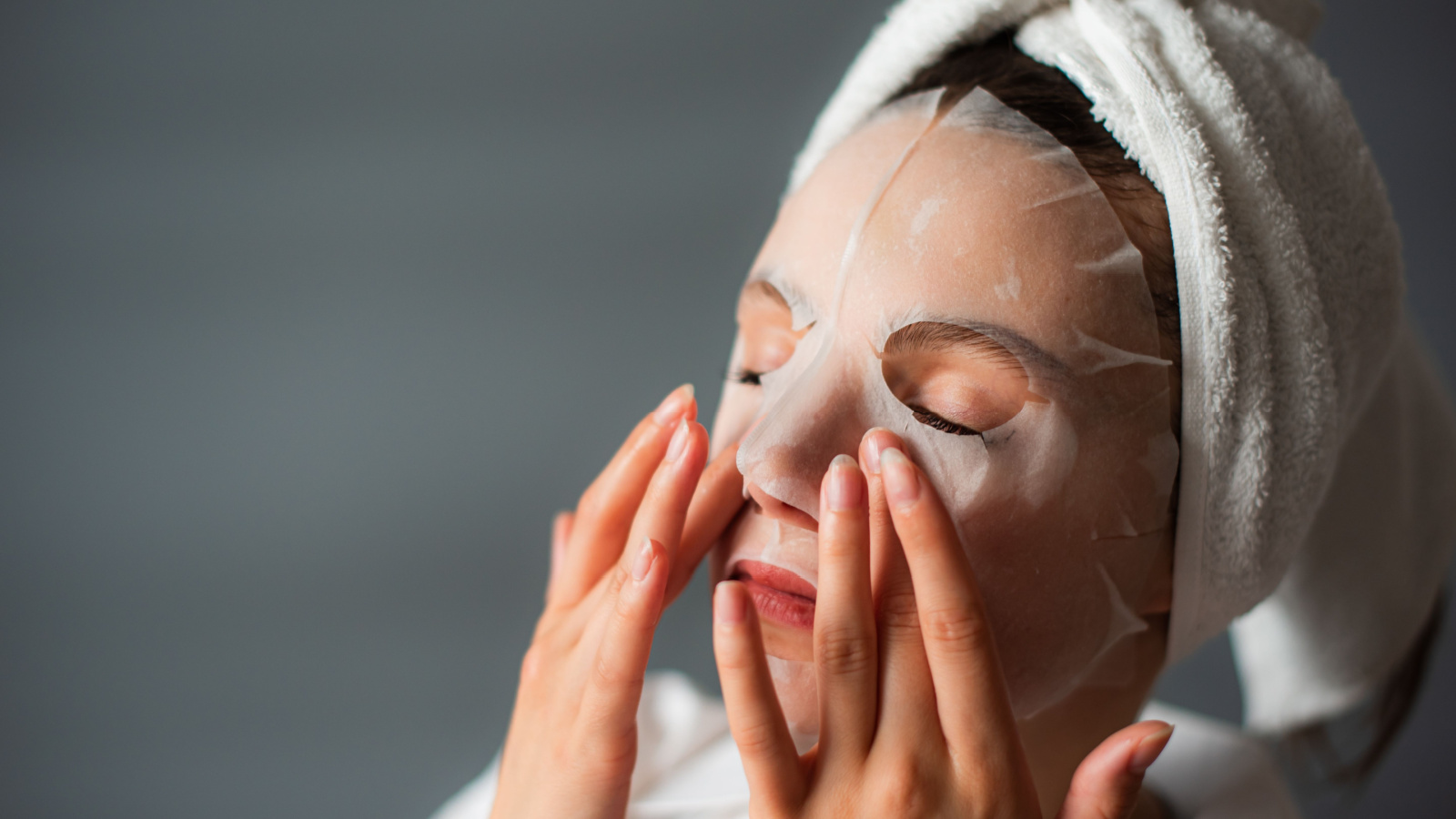
Sheet masks have become a popular quick treatment for Canadians dealing with dehydrated winter skin. These masks are soaked in concentrated serums that deliver moisture and soothing ingredients directly into the skin. Many people use them once or twice a week when their skin feels especially dry or dull. The mask creates a temporary barrier that allows the skin to absorb hydrating ingredients more effectively. Canadians often use sheet masks in the evening as part of a relaxing skincare routine. After removing the mask, the remaining serum is gently massaged into the skin for extra hydration. The result often feels instantly refreshing and helps restore a healthy glow.
Hydrating Toners

Hydrating toners have become a common step in Canadian skincare routines because they prepare the skin for better moisture absorption. Traditional toners once focused on removing oil, but modern formulas emphasize hydration instead. Ingredients like glycerin, hyaluronic acid, and botanical extracts help replenish moisture immediately after cleansing. Canadians often apply toner using their hands or cotton pads before adding serums or moisturizers. This extra layer of hydration helps prevent the tight feeling that sometimes occurs after washing the face. During March, hydrating toners help the skin maintain balance while transitioning away from heavier winter skincare products.
Eye Creams for Dry Under-Eyes

The delicate skin around the eyes often becomes especially dry during winter months. Canadians frequently rely on hydrating eye creams to restore softness and reduce irritation in this sensitive area. Many formulas contain ingredients like peptides, hyaluronic acid, and nourishing oils that help smooth and moisturize the skin. Eye creams also help reduce the appearance of fine lines that can become more noticeable when skin is dehydrated. Applying eye cream morning and night helps maintain hydration and keeps the under-eye area comfortable during harsh weather. Many Canadians find that consistent use makes their skin appear brighter and more refreshed by early spring.
Soothing Aloe Gel Treatments
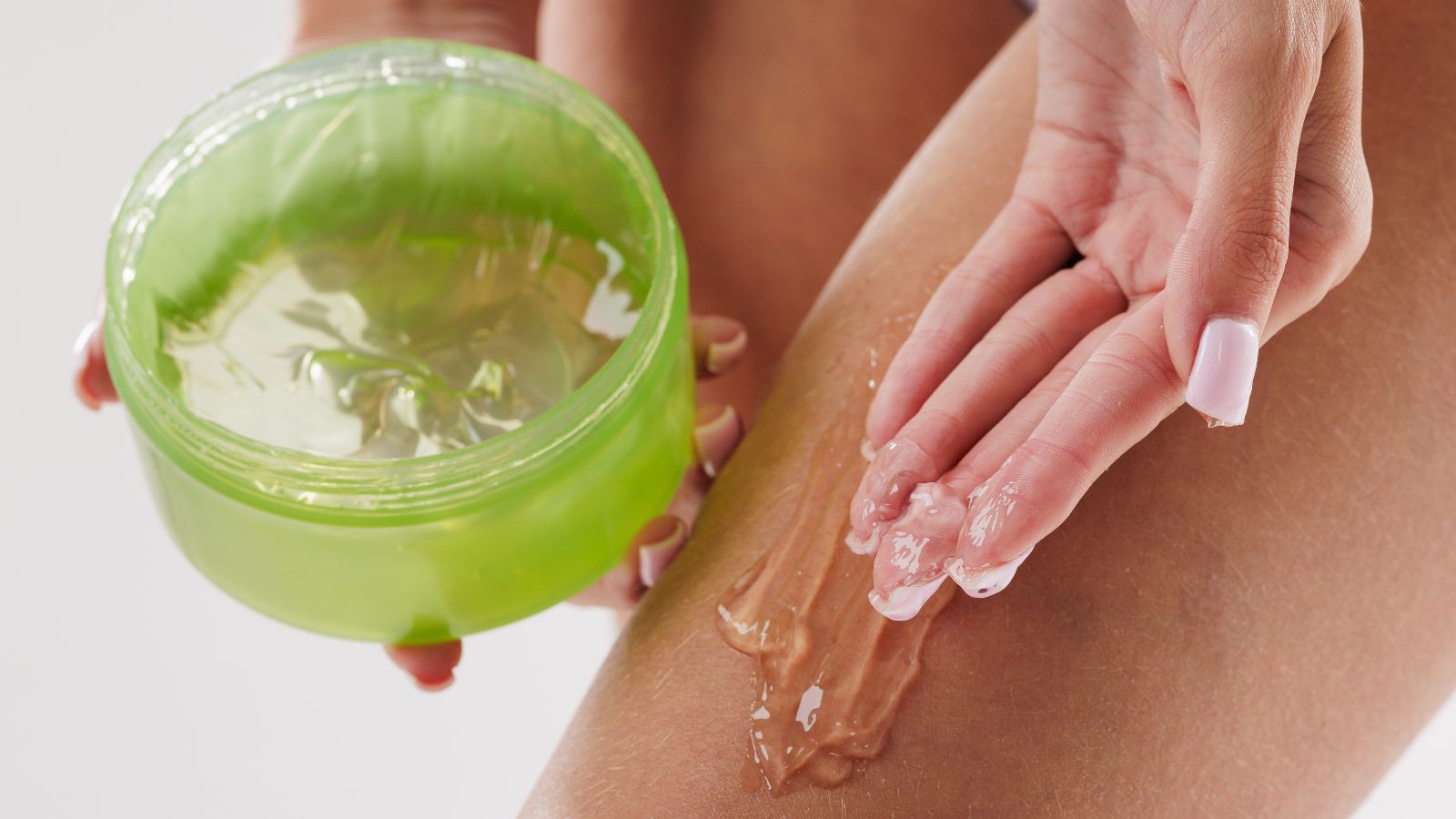
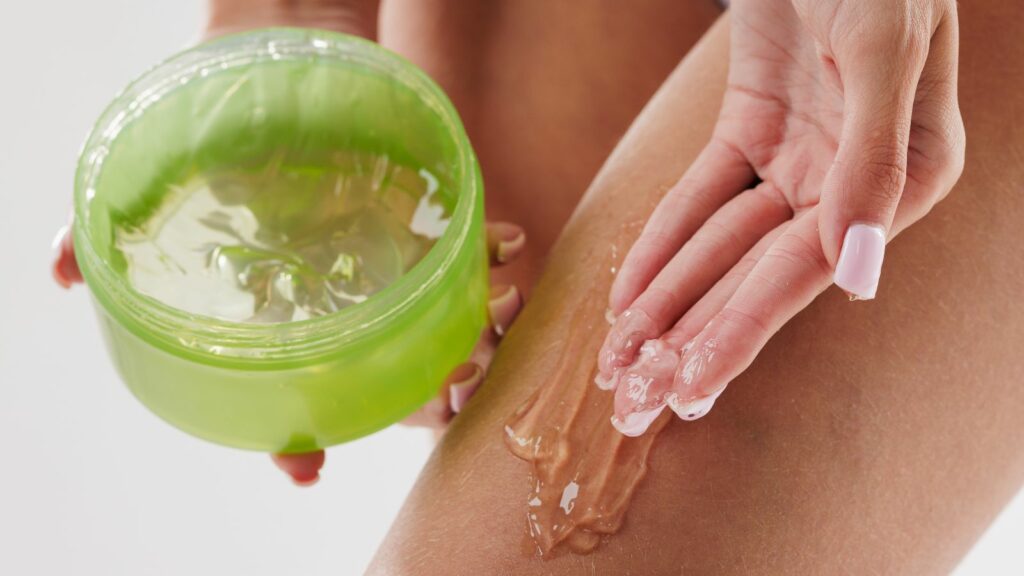
Aloe gel treatments are often used by Canadians whose skin becomes irritated or inflamed during winter. Cold air, indoor heating, and strong winds can leave skin feeling sensitive and uncomfortable. Aloe vera contains soothing properties that help calm redness and restore moisture. Many people apply aloe gel as a lightweight treatment after cleansing or sun exposure. It absorbs quickly and leaves the skin feeling refreshed rather than heavy. Canadians often appreciate aloe products because they provide hydration without clogging pores. During March, aloe treatments can help soothe skin stressed by months of harsh winter conditions.
Hydrating Body Lotions
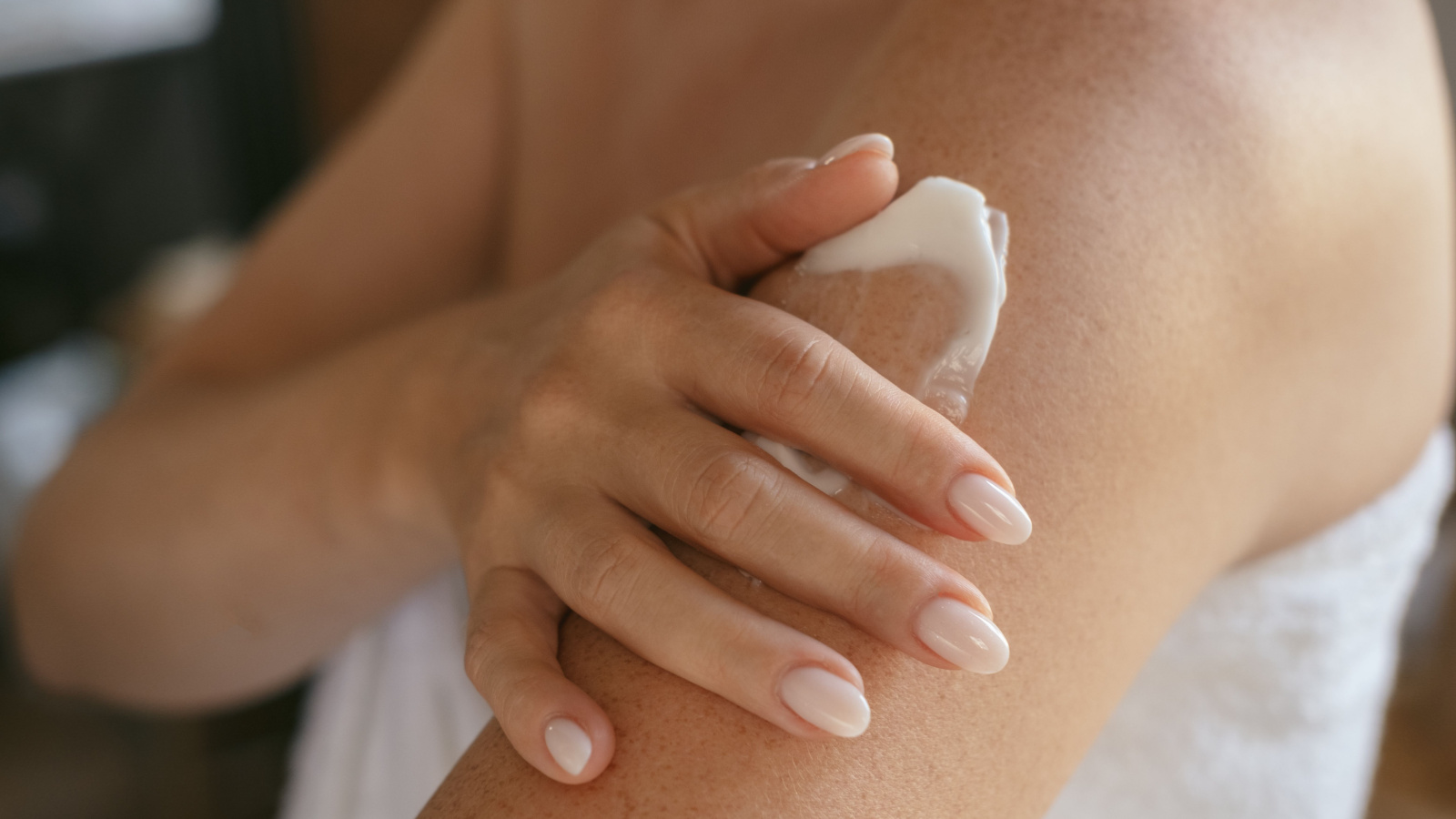
While facial skincare often receives the most attention, body hydration remains equally important during the final weeks of winter. Canadians frequently apply hydrating body lotions after showering to prevent dryness across the arms, legs, and torso. Lightweight lotions containing ingredients like glycerin, oat extract, or vitamin E help restore moisture without feeling overly greasy. Many Canadians prefer lotions that absorb quickly so they can dress comfortably afterward. Using body lotion daily helps maintain smooth skin and prevents the flaking that often occurs during colder months. By March, consistent body hydration helps prepare the skin for the warmer weather that follows.
Foot Repair Creams
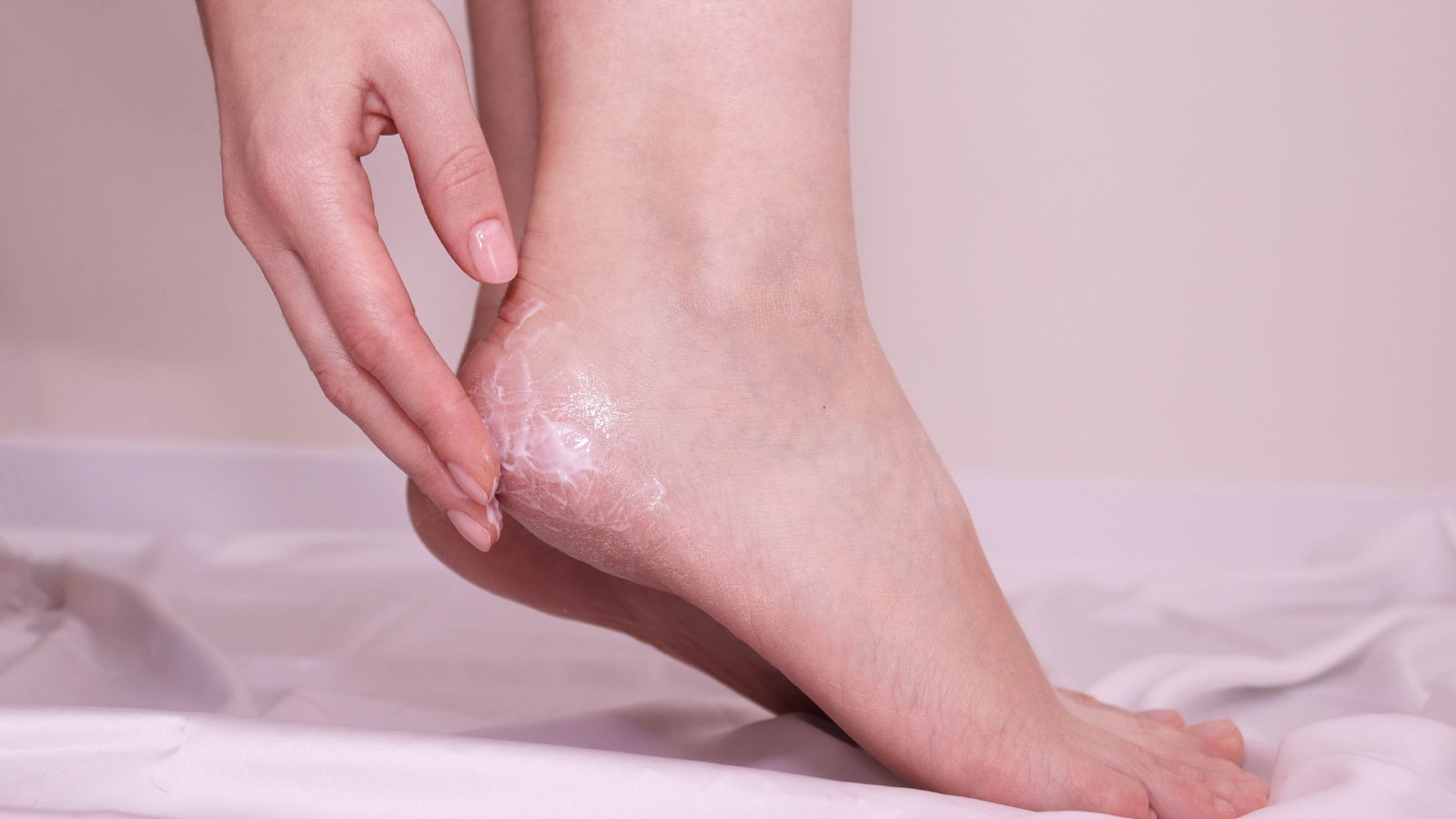
Feet often become extremely dry during winter because they spend long periods inside warm boots and thick socks. Canadians commonly use foot repair creams during March to restore softness and heal cracked heels. These creams usually contain ingredients such as urea, shea butter, and nourishing oils that help soften thick skin. Many people apply the cream before bed and wear cotton socks overnight to improve absorption. This routine helps repair rough areas and prevents discomfort when transitioning back to lighter footwear during spring. Regular foot care also helps maintain overall skin health after months of winter exposure.
Humidifiers for Indoor Hydration
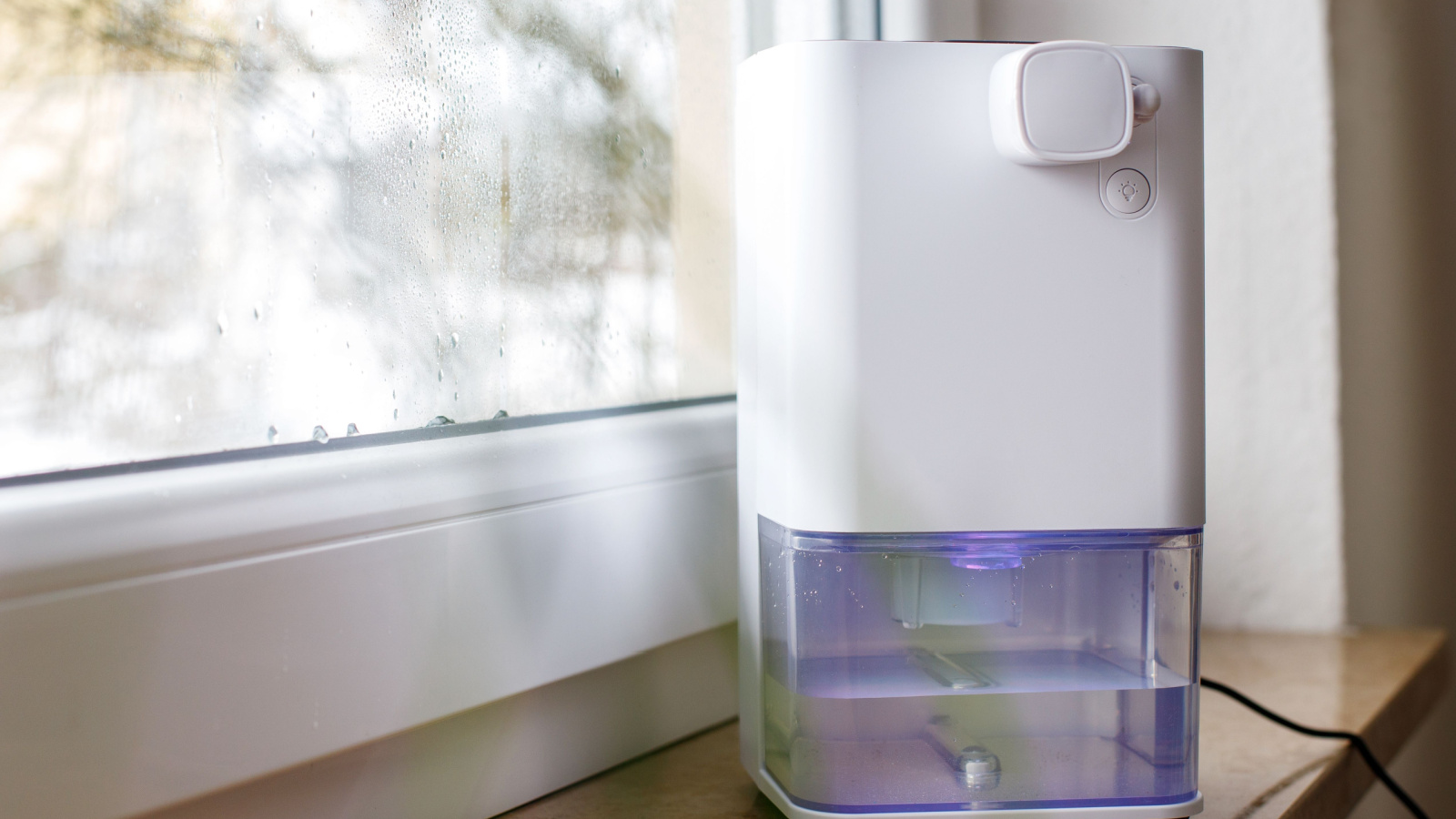
Although not a skincare product in the traditional sense, humidifiers play a major role in helping Canadians manage dry winter skin. Indoor heating systems often remove moisture from the air, which can worsen skin dehydration. Using a humidifier adds humidity back into the environment and helps prevent moisture loss from the skin. Many Canadians run humidifiers overnight while sleeping to maintain hydration for several hours. This simple change can significantly improve skin comfort and reduce dryness throughout the day. By March, when indoor heating still runs frequently, humidifiers remain an effective tool for supporting healthy skin.
22 Groceries to Grab Now—Before another Price Shock Hits Canada

Food prices in Canada have been steadily climbing, and another spike could make your grocery bill feel like a mortgage payment. According to Statistics Canada, food inflation remains about 3.7% higher than last year, with essentials like bread, dairy, and fresh produce leading the surge. Some items are expected to rise even further due to transportation costs, droughts, and import tariffs. Here are 22 groceries to grab now before another price shock hits Canada.
22 Groceries to Grab Now—Before another Price Shock Hits Canada
