
fvcvcvcvcvcvcvcvc\””””””””””””[=================================================Many Canadians associate the scent of a brand-new vehicle with excitement, pride, and the promise of long drives across highways that stretch between cities and provinces. Dealership showrooms across Toronto, Vancouver, Calgary, and Montreal rely on this reaction because the scent makes a vehicle feel untouched, expensive, and ready for its first owner. However, the famous “new car smell” does not come from luxury craftsmanship or premium materials alone. The scent actually comes from gases released by plastics, adhesives, vinyl surfaces, carpets, and sealants used during vehicle manufacturing. Scientists refer to these emissions as volatile organic compounds, which slowly escape from interior materials during the first months after production. Here are 21 “new car smell” products Canadians keep buying even though they are actually gross.
Hanging Tree Air Fresheners
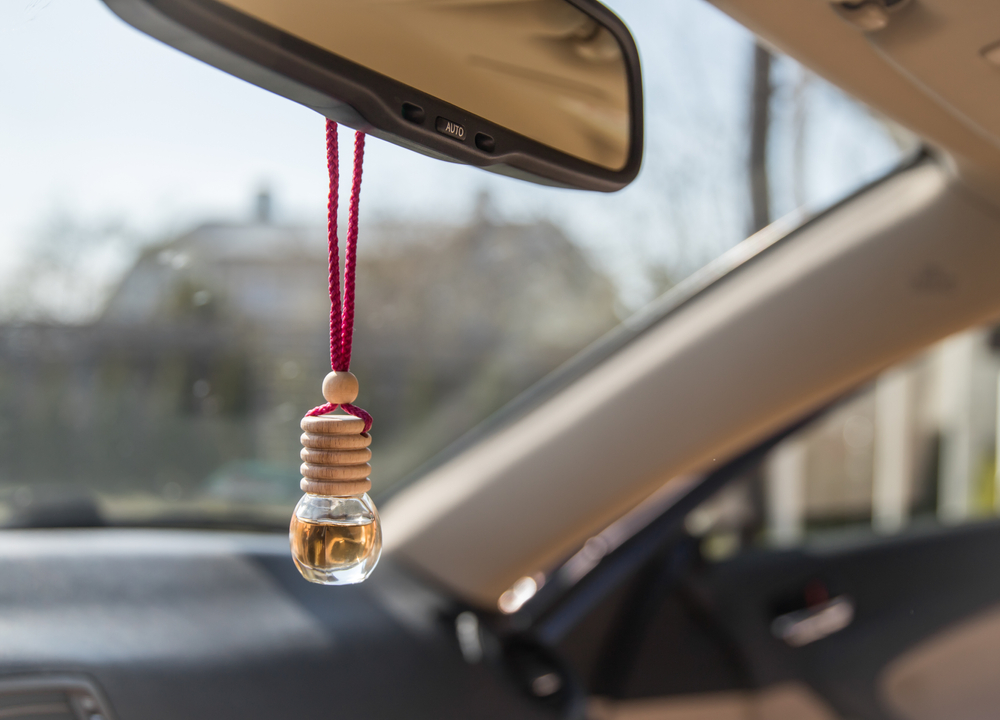
The hanging tree air freshener remains one of the most recognizable accessories inside Canadian vehicles across several generations of drivers. Many drivers purchase these cardboard trees during quick stops at gas stations, convenience stores, or large retailers such as Canadian Tire. The product contains fragrance oils absorbed into the cardboard material, which release scent into the cabin for several weeks. The smell often feels pleasant during the first day after opening the package. After several days, the scent often becomes a heavy blend of artificial pine, plastic perfume, and stale cardboard. Drivers often forget that the product does not remove the real source of unpleasant odours hiding inside carpets or seat fabric.
“New Car Smell” Spray Bottles
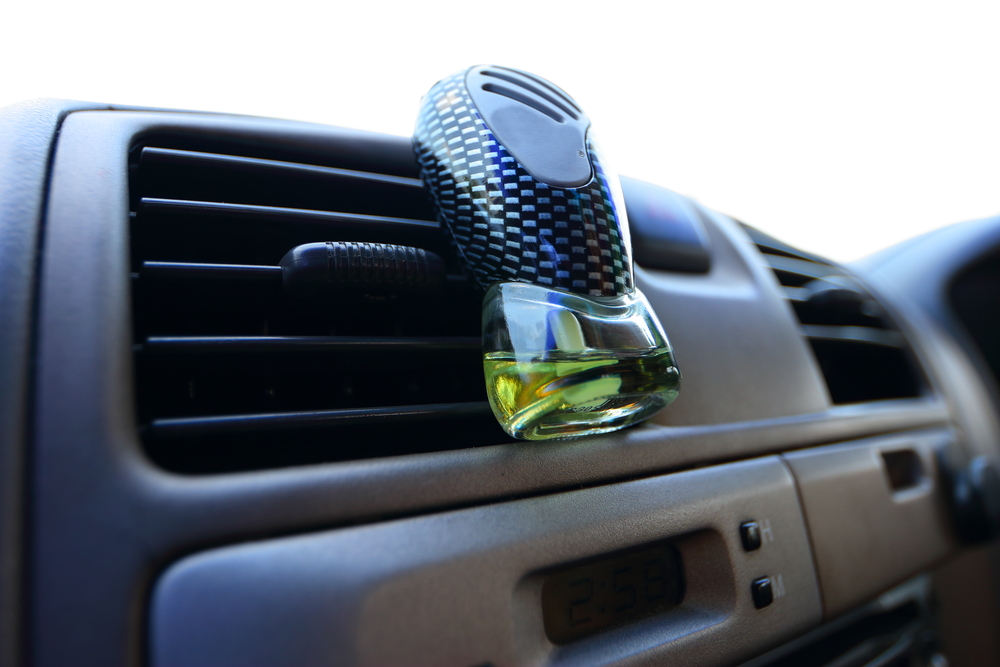
Spray-based air fresheners promise instant transformation for vehicles that have lost the scent associated with a dealership showroom. Canadian auto stores sell many bottles labelled with phrases such as “New Car Interior Scent” or “Showroom Finish Aroma.” Drivers spray the liquid across carpets, fabric seats, or floor mats before starting a drive. The fragrance attempts to replicate the odors produced by plastics, adhesives, and treated upholstery materials used in manufacturing. The result often resembles a strange combination of plastic trim, perfume, and cleaning solvent. The smell can feel overwhelming inside the cabin during the winter months when drivers keep windows closed against freezing temperatures.
Gel Cup Dashboard Fresheners

Gel-based air fresheners sit inside small plastic containers designed to rest in cup holders or attach to dashboard surfaces. Many Canadian drivers prefer these products because they appear stable and avoid spills during sudden braking or sharp turns. The gel releases fragrance into the cabin as it evaporates over several weeks of driving. During the summer months, the interior heat from sunlight accelerates evaporation. The scent grows stronger as temperatures rise inside a parked vehicle. Passengers often step into the car expecting a mild fragrance but encounter a wave of synthetic perfume trapped inside the heated cabin.
Vent Clip “New Car” Diffusers
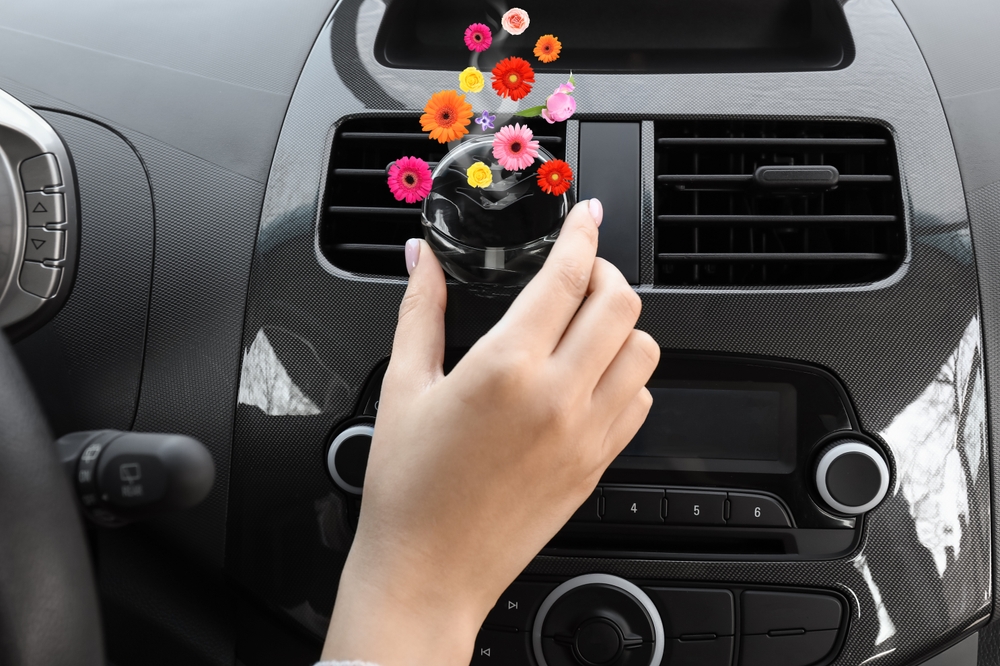
Vent clip air fresheners attach directly to heating or cooling vents located across the vehicle dashboard. The device spreads fragrance through the ventilation system whenever air flows through the vents. Canadian drivers often notice that the scent becomes stronger during winter because heaters run during most daily commutes. The airflow carries fragrance across the cabin every time the ventilation fan operates. The smell can become persistent and difficult to ignore during longer highway drives between Canadian cities. Instead of subtle freshness, the vehicle interior may resemble the fragrance aisle of a large retail store.
“Leather Interior” Scent Sprays
Some fragrance products attempt to imitate the smell of luxury leather seats found in expensive vehicles. Canadian drivers with fabric interiors sometimes buy these sprays in hopes of recreating the scent associated with premium cars. The fragrance attempts to mimic the natural oils and tanning compounds used in manufacturing. Synthetic fragrance rarely resembles genuine leather after several hours inside a vehicle cabin. The scent often becomes a mixture of chemical sweetness and artificial musk that lingers on the seat fabric and carpeting. Passengers may notice the smell resembles plastic upholstery mixed with strong cologne rather than a refined leather interior.
Steering Wheel Fragrance Clips
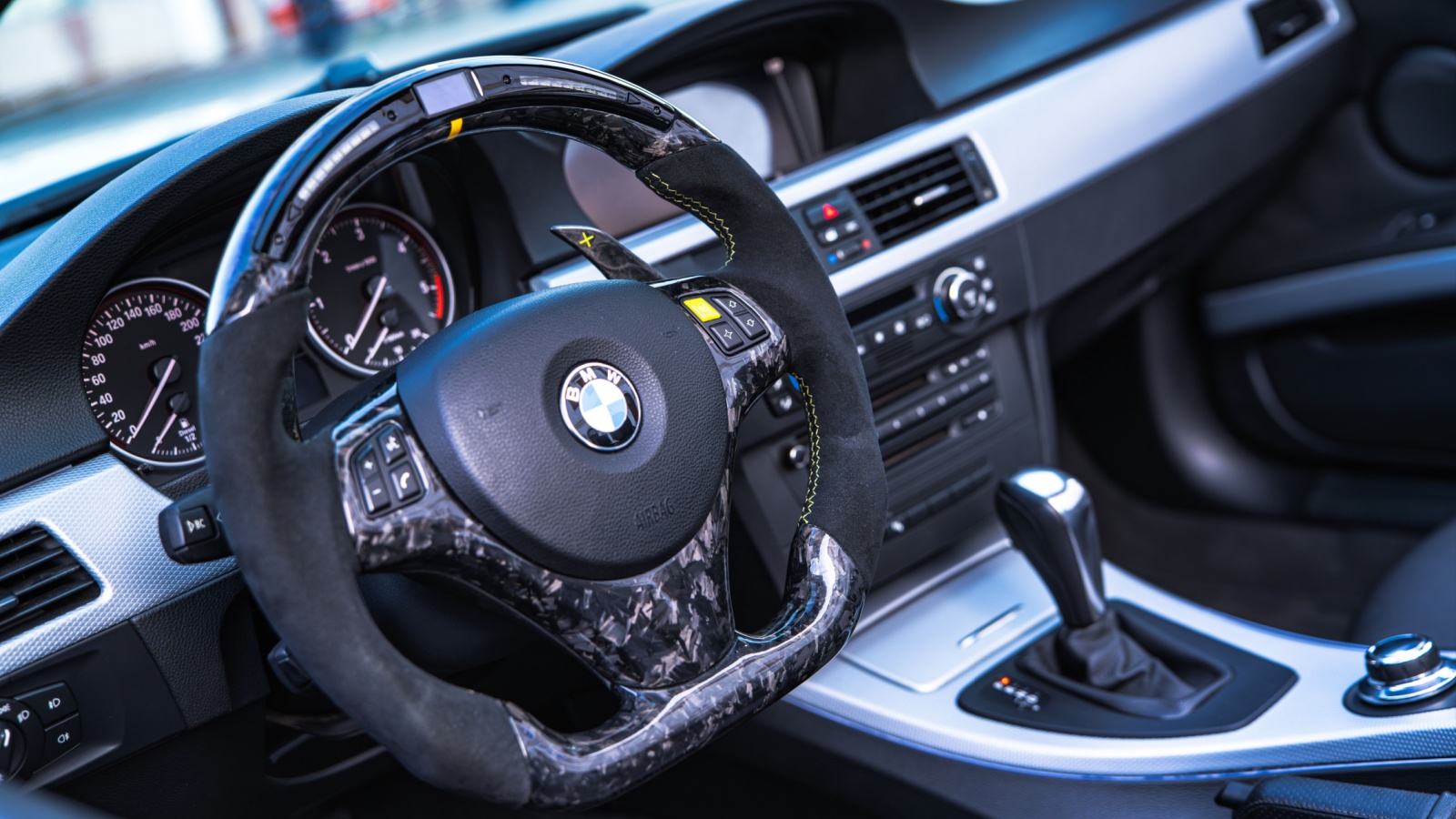
Steering wheel fragrance clips attach directly to the wheel, so the scent surrounds the driver on every trip. The idea appeals to drivers who want a small fragrance source that stays close to the driver’s seat. The scent becomes concentrated near the driver’s face because the clip sits only a short distance from the nose. During longer commutes on busy Canadian highways, the fragrance remains constant, with little relief. Some drivers experience headaches or irritation after breathing concentrated fragrance for extended periods. Instead of enhancing the driving experience, the scent becomes a constant distraction that follows every steering movement.
“Showroom Finish” Interior Detailing Sprays

Interior detailing sprays promise two benefits that appeal to drivers who want their vehicle to feel refreshed. The product cleans plastic trim, dashboards, and door panels while leaving behind a scent marketed as a showroom-style fragrance. Canadian drivers often use these sprays during weekend cleaning sessions after harsh winters filled with road salt and dust. The cleaning function often works well for removing fingerprints and surface dirt from interior materials. The fragrance left behind sometimes mixes with heated plastic surfaces inside the vehicle cabin. The resulting smell can resemble vinyl polish and synthetic perfume rather than the subtle scent of a brand-new vehicle interior.
Odor Bomb Foggers

Odor bomb foggers promise to flood an entire vehicle cabin with a powerful fragrance that imitates the scent of a brand-new car interior. Canadian drivers often purchase these cans from auto stores after winter, when wet boots, road salt, and food spills leave unpleasant smells inside the vehicle. The fogger releases a chemical mist that circulates through the ventilation system while the car engine runs and the doors remain closed. The process may remove some lingering odours, but the remaining fragrance often feels heavy and synthetic after the treatment finishes. Many drivers step back into their vehicle expecting freshness, but instead encounter a dense cloud of perfume that resembles plastic upholstery mixed with cleaning solvent.
Scented Seat Sachets
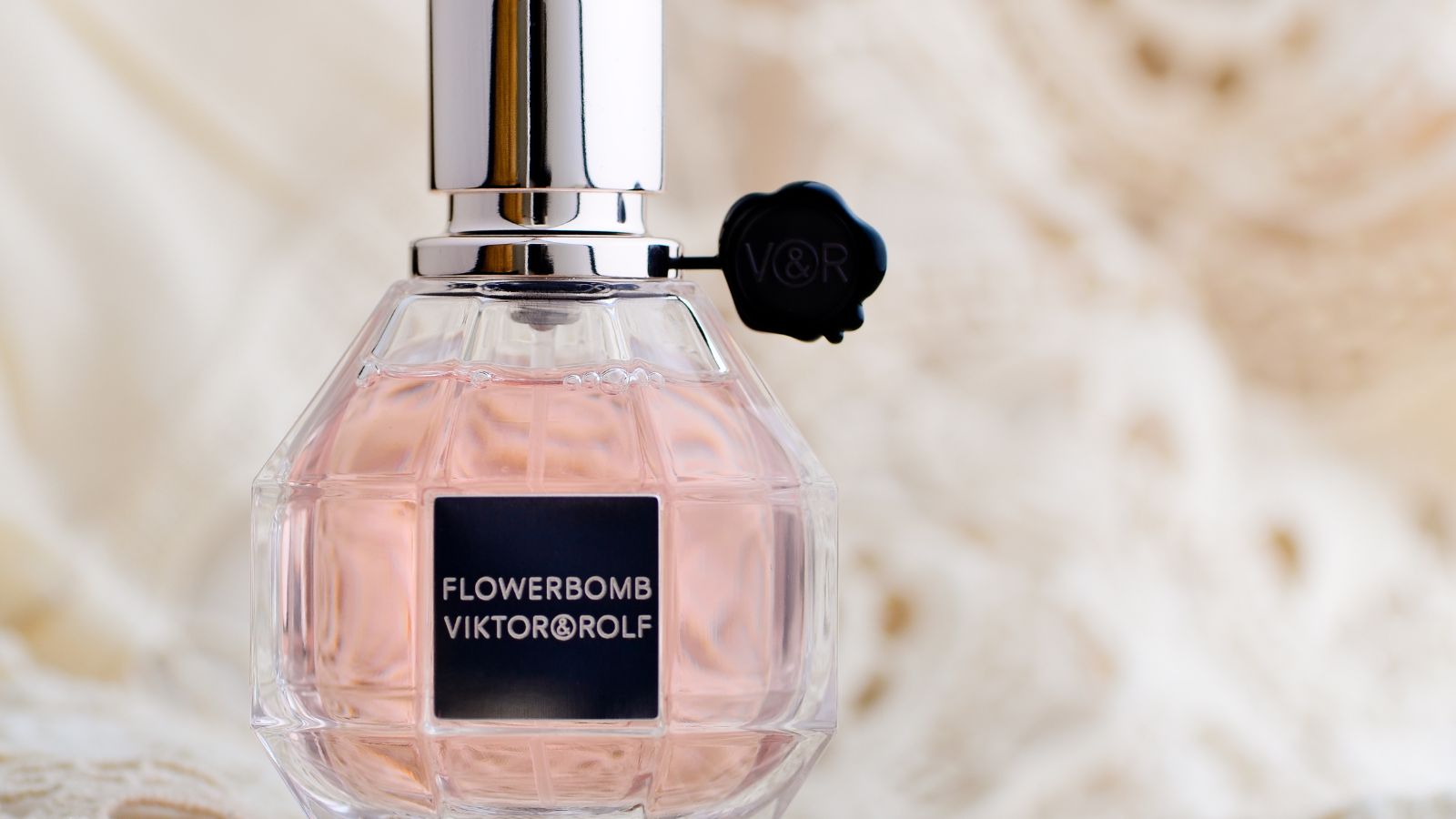
Seat sachets resemble small fabric pouches filled with scented beads or fragrance crystals designed to sit beneath seats or inside seat pockets. Canadian drivers often choose these products because they appear discreet and promise long-lasting fragrance without visible accessories hanging from mirrors or vents. The fragrance beads slowly release scent whenever cabin temperatures rise during driving or when sunlight warms the interior through the windshield. The smell may seem pleasant during the first few days, but the aroma often becomes stale as the beads age and absorb moisture from wet winter clothing or damp floor mats. After several weeks, the scent may resemble musty perfume trapped beneath the seat cushions.
Scented Floor Mats
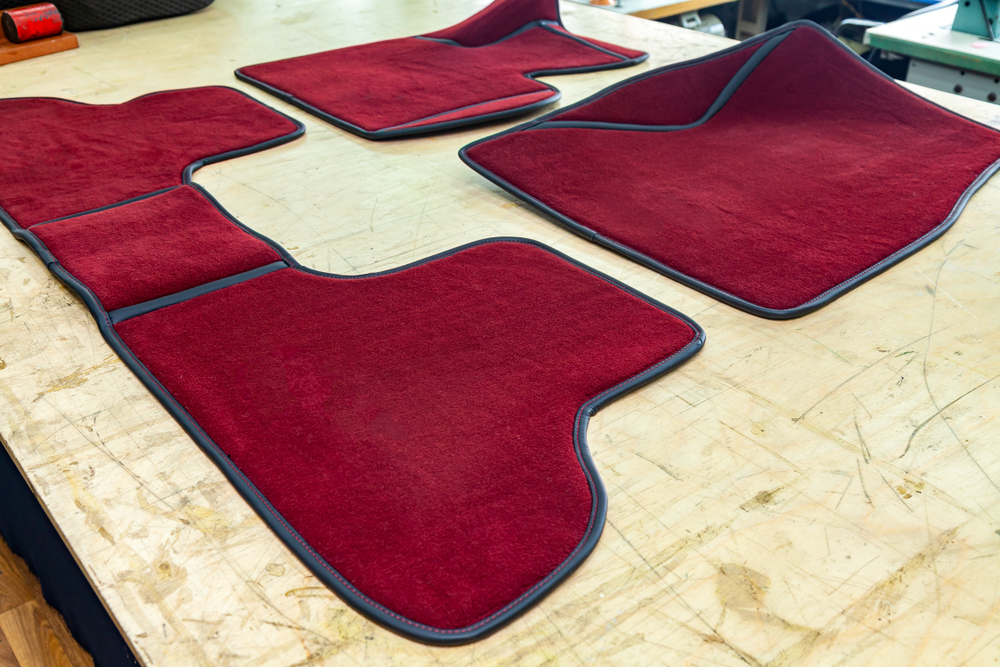
Some manufacturers produce floor mats infused with fragrances to mimic the scent of new upholstery or synthetic-leather interiors. Canadian drivers sometimes buy these mats after harsh winters when old mats absorb road salt, melted snow, and slush from boots. The idea sounds appealing because the fragrance spreads throughout the cabin each time the heater blows warm air over the floor. Unfortunately, the scent from these mats often resembles a blend of rubber, plastic, and artificial fragrance, which feels far removed from a genuine new-vehicle interior. When the sun heats the rubber material in summer, the smell can intensify, creating an unpleasant mix of heated plastic and perfume.
Dashboard Fragrance Pads
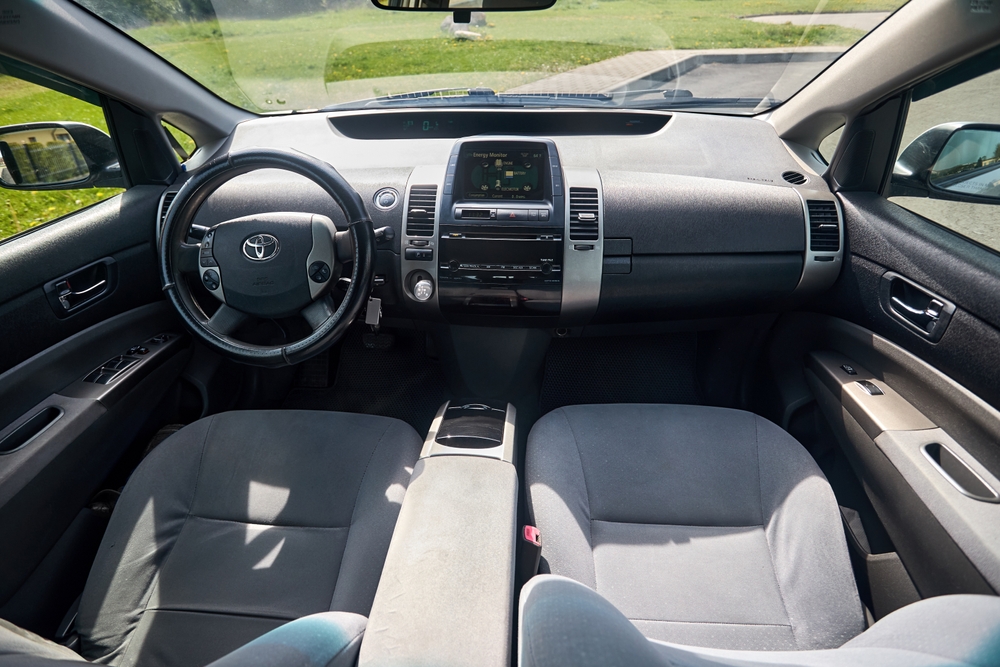
Dashboard fragrance pads attach to interior surfaces using adhesive backing and release scent through porous material exposed to cabin air. Canadian drivers often install these pads because they promise discreet fragrance without dangling accessories or bulky containers. The pad absorbs concentrated fragrance oil, which slowly evaporates over time as the vehicle interior warms in sunlight. During long drives the scent may grow stronger as heated dashboard surfaces accelerate the evaporation process. Instead of creating a light background aroma, the cabin begins to smell like a synthetic fragrance display from a shopping mall kiosk.
Cup Holder Aroma Diffusers
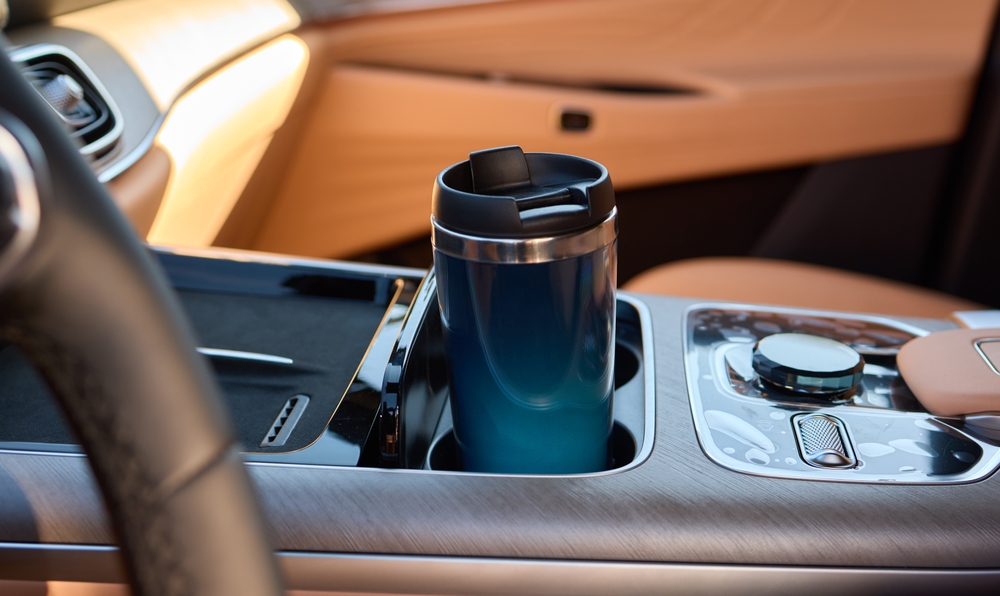
Cup holder aroma diffusers resemble small decorative containers filled with scented oils or fragrance gels that sit inside standard beverage holders. Many Canadians buy these products because they appear stylish and promise a luxurious scent reminiscent of high-end vehicle interiors. The diffuser releases fragrance whenever air circulates across the container opening while driving. Unfortunately, the scent often becomes overwhelming in smaller vehicles, where airflow tends to concentrate around the front seats. Passengers sometimes notice an aroma resembling a mixture of air freshener, plastic trim, and warm dashboard material during long commutes.
Scented Cabin Filters
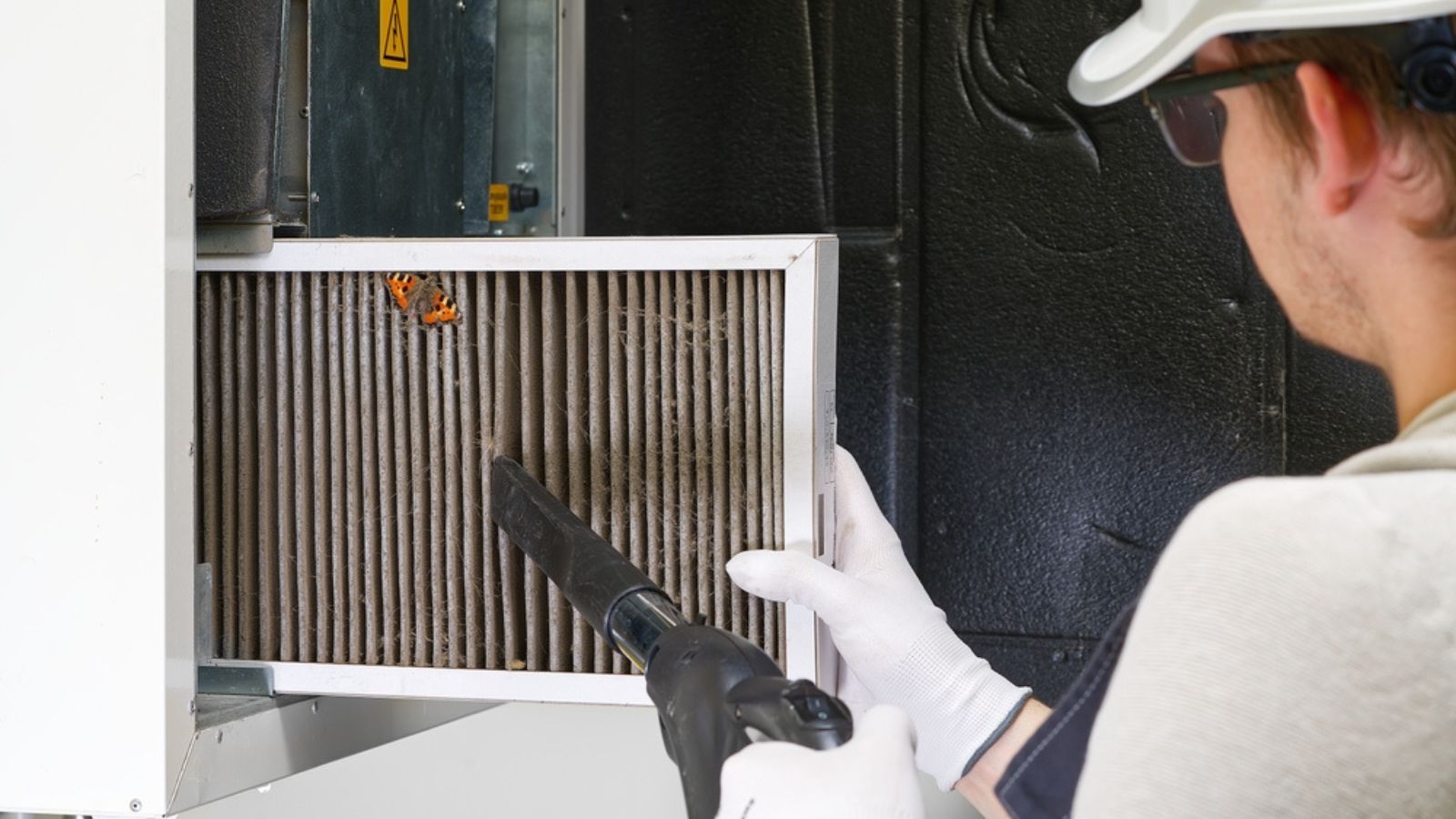
Some aftermarket cabin air filters contain fragrance compounds designed to release scent through the vehicle ventilation system. Canadian drivers install these filters during routine maintenance because the packaging promises cleaner air and a pleasant new-car fragrance. The ventilation fan pushes air through the filter each time the heater or air conditioner operates, which spreads the scent throughout the interior. While the idea sounds appealing, the fragrance can become persistent and difficult to escape since every airflow cycle carries the same synthetic aroma. Drivers sometimes realize that even fresh outside air begins to smell like chemical perfume after passing through the scented filter.
Carpet Powder Deodorizers
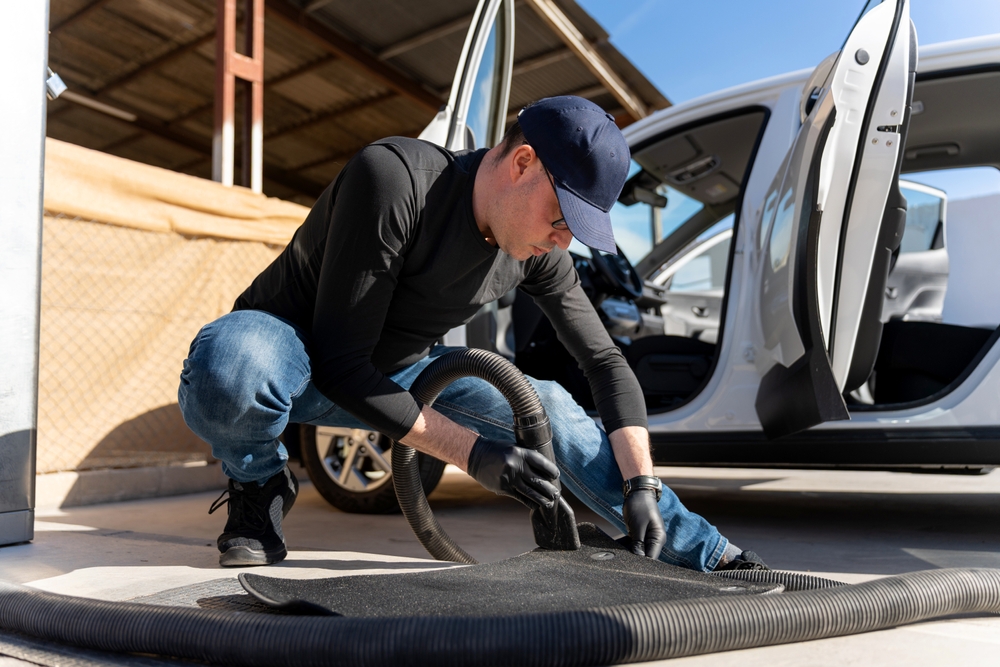
Carpet deodorizing powders designed for vehicles promise to remove odours while leaving behind a new car fragrance embedded inside carpets and upholstery. Canadian drivers sprinkle these powders across interior carpets before vacuuming them during weekend cleaning sessions. The powder absorbs moisture and odours, but the remaining fragrance often clings to fibers long after the vacuum removes visible residue. When the heater warms the carpet area during winter drives, the fragrance releases again and fills the cabin with a scent that resembles synthetic detergent mixed with upholstery glue. The smell rarely resembles the subtle scent drivers remember from a dealership showroom.
Dealership Interior Fragrance Treatments
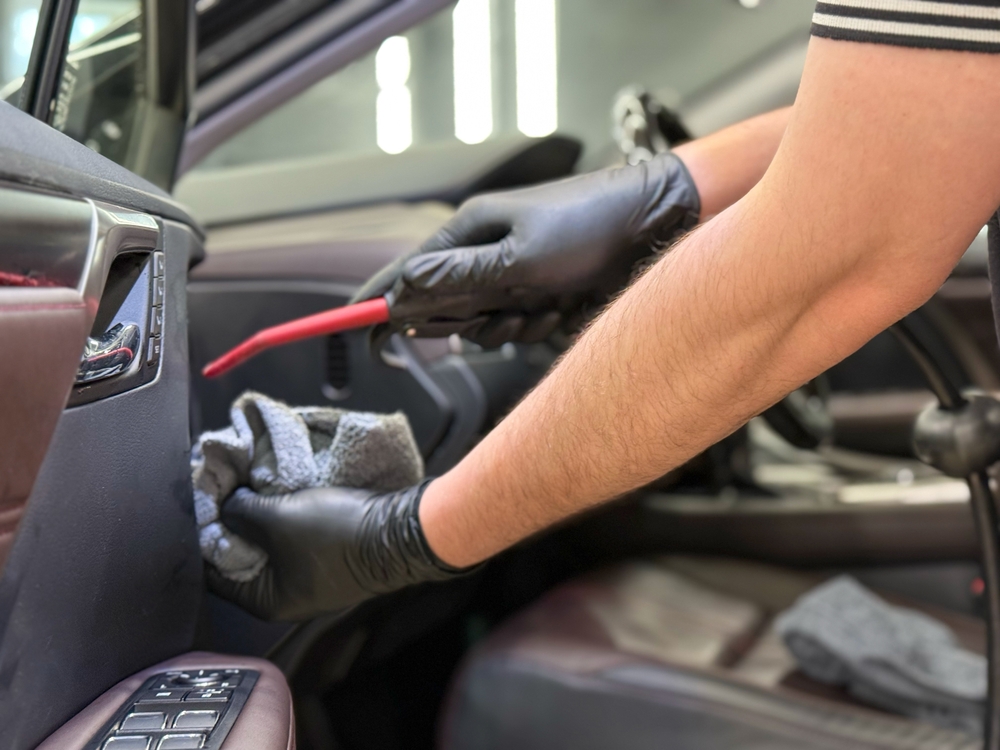
Some detailing centers and dealerships offer interior fragrance treatments designed to restore the famous new-car smell in older vehicles. Canadian drivers often add this service during detailing appointments to make their vehicle feel refreshed before resale or trade-in. The treatment usually involves spraying concentrated fragrance across carpets, seats, and ventilation openings. The immediate result may resemble the scent of a showroom vehicle, but the fragrance often becomes overwhelming after several hours inside a closed cabin. Instead of subtle freshness, the interior may smell like layered perfumes sitting on top of heated plastic surfaces.
Under-Seat Fragrance Canisters

Under-seat fragrance canisters sit beneath the front seats and release scent into the cabin through small ventilation openings on the container lid. Canadian drivers often choose these products because they remain hidden from view while promising long-lasting fragrance across several months of driving. The container holds concentrated fragrance gel designed to evaporate as cabin air circulates during daily commutes and long road trips. Heat from the vehicle floor in summer can intensify evaporation and release a strong wave of perfume into the interior space. The scent sometimes mixes with rubber floor mats, winter salt residue, and heated upholstery materials. Passengers may notice an odd blend of plastic trim, artificial fragrance, and stale cabin air during longer trips.
Scented Detailing Wipes
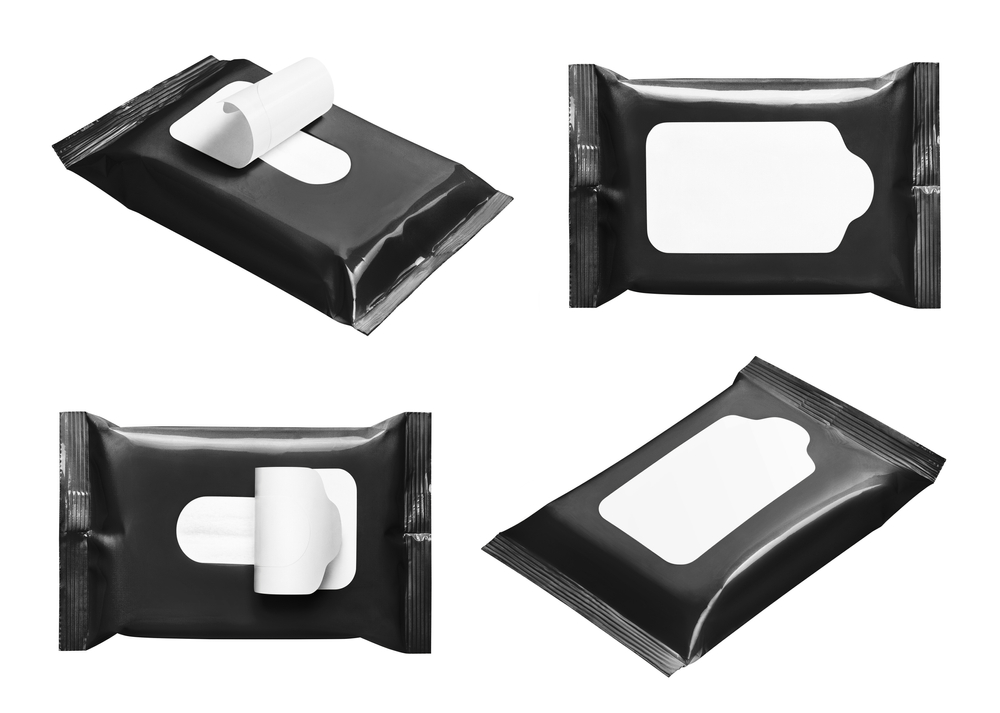
Scented interior wipes promise quick cleaning for dashboards, door panels, steering wheels, and centre consoles during routine vehicle maintenance. Many Canadians keep these wipes inside the glove compartment for fast cleaning after coffee spills or dusty road trips across provincial highways. The wipes contain cleaning agents combined with fragrance compounds, marketed as a fresh new-car scent. The cleaning action removes dust and fingerprints from plastic surfaces without much effort from the driver. The fragrance often lingers on trim pieces and gradually spreads through the cabin as surfaces warm in the sunlight. The smell sometimes resembles a mixture of detergent, plastic polish, and artificial fragrance trapped inside a small enclosed space.
Scented Microfiber Detailing Sprays
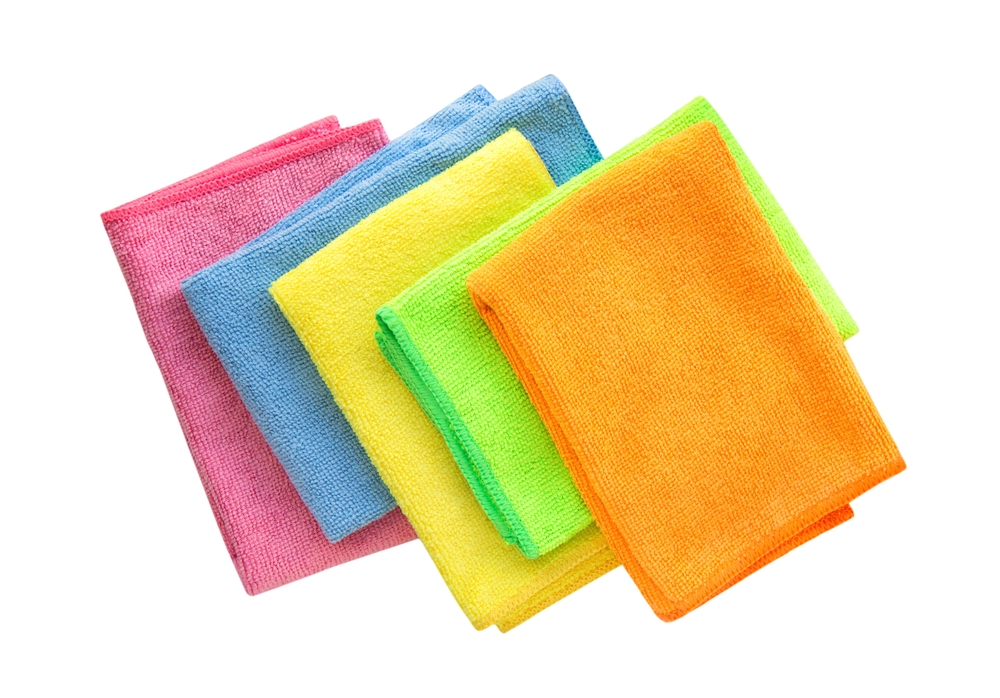
Some detailing sprays combine protective coatings with fragrance compounds designed to imitate the smell of a dealership showroom interior. Canadian car enthusiasts sometimes use these sprays after washing their vehicles during weekend cleaning sessions in driveways or underground parking areas. The spray coats dashboards, door panels, and vinyl trim with a shiny protective layer. The product leaves behind a scent that mimics the aroma of new upholstery and treated plastics. Once the cabin warms up during driving, the fragrance often grows stronger and blends with the natural smells of carpet fibres and rubber mats. The combined scent can resemble a mixture of polish chemicals and synthetic perfume rather than fresh interior materials.
Plug-In USB Car Diffusers
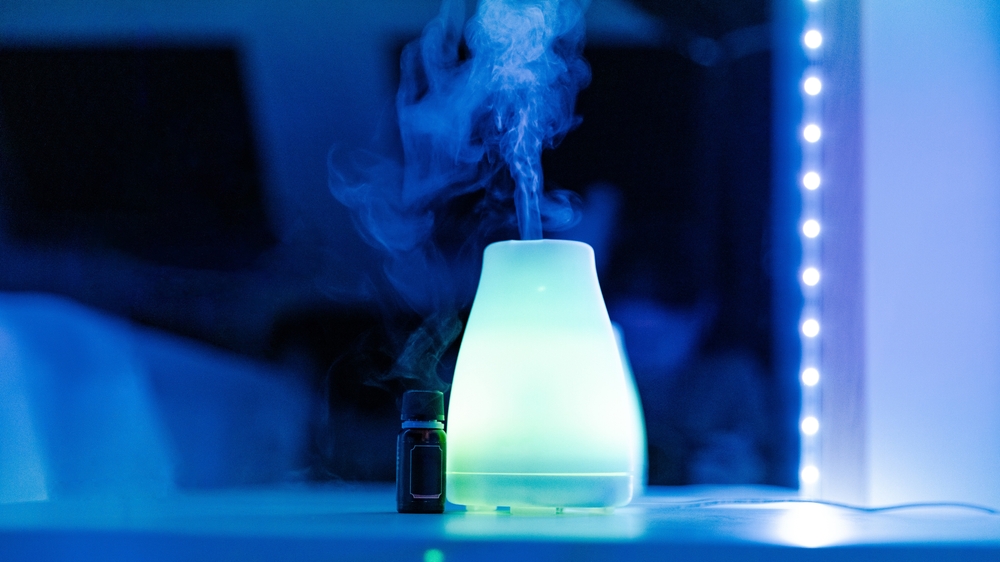
USB-powered car diffusers connect to charging ports and release scented vapor through small internal fans or heating elements. Canadian drivers often buy these devices because they resemble modern gadgets rather than traditional air fresheners hanging from mirrors. The diffuser uses scented oils or fragrance liquids that vaporize while the device receives power from the vehicle. The fan circulates the scent through the cabin while the car’s engine is running and the electrical system remains active. The fragrance may feel pleasant during the first drive after installation. Over time, the scent often mixes with the cabin materials, producing a strange blend of plastic electronics, artificial fragrance, and warm interior air.
Scented Headrest Clips
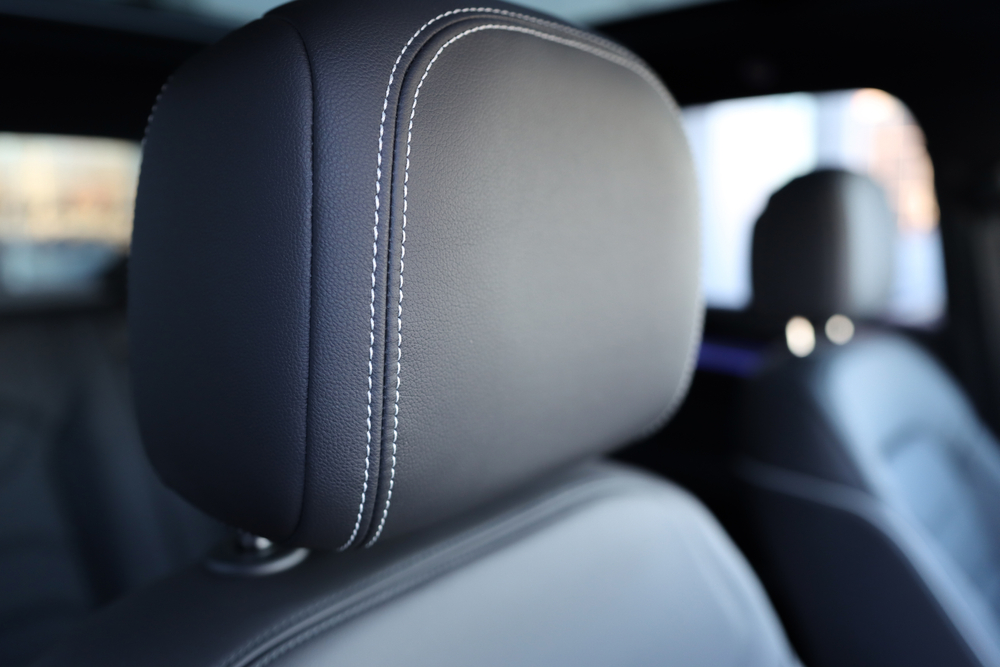
Headrest fragrance clips attach to the metal posts behind seat headrests and release fragrance near passenger seating areas. The product promises a discreet fragrance source that spreads scent through airflow generated by vehicle movement. Canadian drivers sometimes install these clips before long road trips across provinces or during daily carpools with coworkers and family members. The scent sits close to the passenger’s breathing space because the clip rests directly behind the head area. The fragrance may feel overwhelming during long drives when windows remain closed against cold Canadian weather. Passengers may notice the smell resembles strong perfume mixed with upholstery foam and plastic seat trim.
Scented Cabin “Refresh” Kits

Cabin refresh kits are available at many auto stores across Canada and promise to restore the smell of a new vehicle interior in a single treatment session. The kit often contains a combination of fragrance sprays, ventilation treatments, and scented wipes designed to cover every interior surface. Drivers follow instructions to spray carpets, wipe trim panels, and run the ventilation system for several minutes. The process fills the cabin with a fragrance that attempts to imitate the smell of factory-produced interiors. The scent often feels impressive during the first few minutes after the treatment finishes. After several hours, the fragrance may settle into a heavy mixture of plastic, perfume, and cleaning chemicals trapped inside the vehicle cabin.
22 Groceries to Grab Now—Before another Price Shock Hits Canada

Food prices in Canada have been steadily climbing, and another spike could make your grocery bill feel like a mortgage payment. According to Statistics Canada, food inflation remains about 3.7% higher than last year, with essentials like bread, dairy, and fresh produce leading the surge. Some items are expected to rise even further due to transportation costs, droughts, and import tariffs. Here are 22 groceries to grab now before another price shock hits Canada.
22 Groceries to Grab Now—Before another Price Shock Hits Canada
