
Spring in Canada creates one of the trickiest seasons for getting dressed. Temperatures often swing between chilly mornings, warm afternoons, and sudden rain showers. Because of these unpredictable conditions, many outfits that look good in theory can end up feeling slightly off in real life. Social media trends and seasonal shopping also encourage people to experiment with new clothing combinations that may not always work together. Sometimes the issue involves proportion, layering, or choosing pieces that do not suit changing weather conditions. Here are 20 spring outfit mistakes Canadians make.
Wearing Heavy Winter Boots With Light Spring Clothing
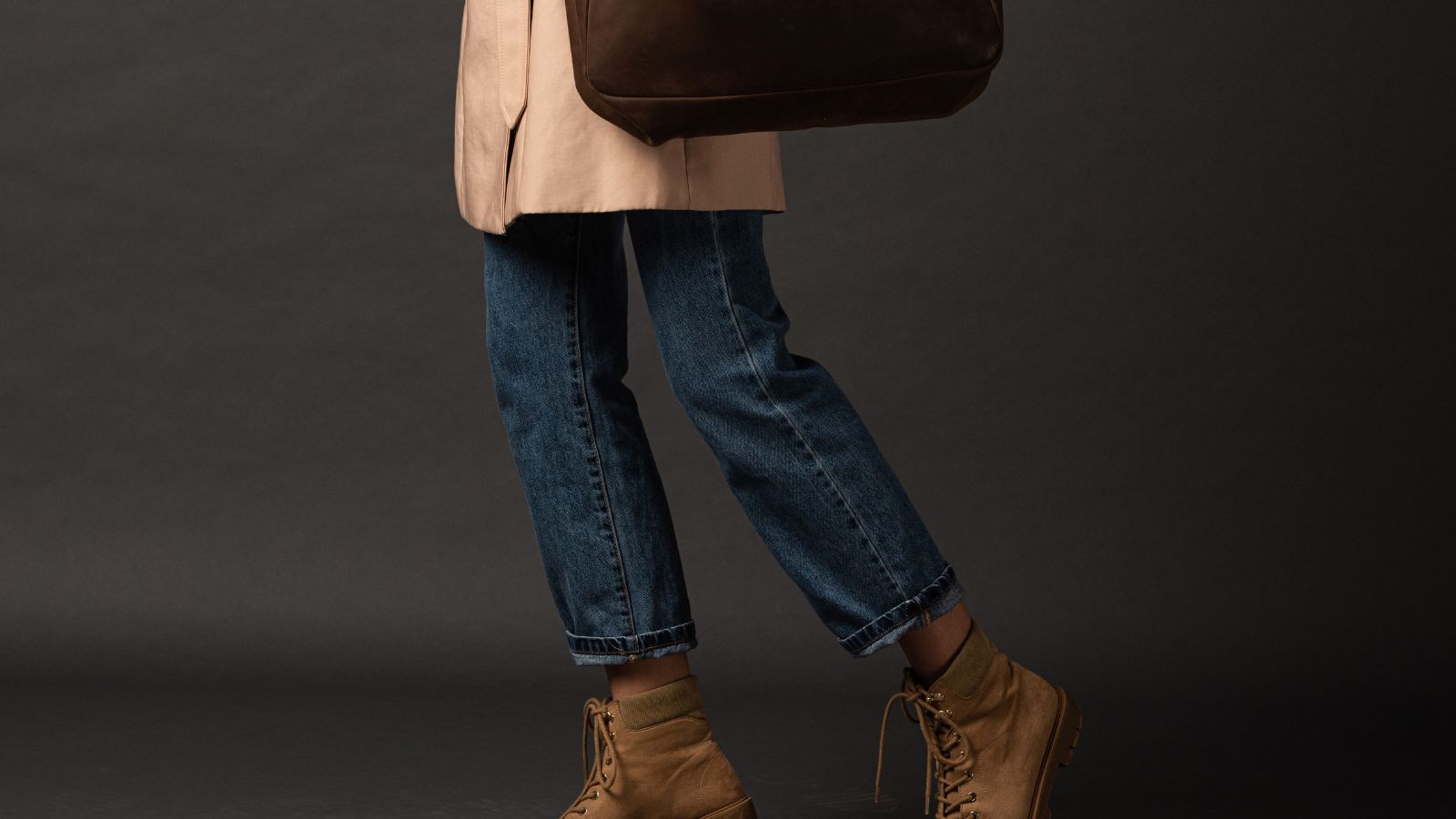
One common mistake Canadians make during early spring involves mixing heavy winter boots with noticeably lighter clothing. After months of snow and freezing temperatures, many people feel ready to switch into lighter outfits such as denim jackets or thin sweaters. However, when thick insulated boots remain part of the outfit, the overall look can feel visually unbalanced. Heavy boots often dominate the silhouette and make the outfit appear more suited to winter conditions. While the weather may still feel cool, slightly lighter footwear usually creates a more cohesive appearance. Ankle boots or sneakers often blend better with transitional clothing. The goal is not to abandon practical footwear completely but to ensure the outfit looks balanced from head to toe.
Dressing for Afternoon Weather Instead of Morning Weather

Canadian spring weather often warms significantly in the afternoon, tempting people to dress only for the warmest part of the day. This approach frequently leads to outfits that feel uncomfortable during chilly morning commutes or evening walks. Wearing lighter clothing without considering cooler hours can make the outfit appear seasonally confused. The result may look stylish indoors but impractical outside. Layering usually solves this issue because jackets, cardigans, or lightweight scarves can be removed as temperatures rise. Canadians who plan outfits around changing temperatures tend to look more comfortable and confident throughout the day.
Wearing Too Many Layers at Once

While layering remains important during spring, some Canadians go too far and end up wearing several heavy layers simultaneously. Multiple jackets, sweaters, or thick fabrics can create bulky silhouettes that overwhelm the outfit. Instead of looking thoughtfully layered, the result sometimes feels cluttered and uncomfortable. Excess layers may also restrict movement and cause overheating once the weather warms later in the day. Successful spring layering usually involves lighter fabrics that provide flexibility without adding unnecessary weight. Choosing two well-balanced layers often looks cleaner than stacking several pieces together.
Ignoring Colour Balance After Winter

After months of wearing dark winter clothing, some Canadians continue wearing the same colour palette deep into spring. Heavy combinations of black, charcoal, and navy can make outfits appear slightly dull during a season known for lighter colours. This does not mean bright colours are required, but introducing softer tones such as beige, light denim, or soft greens often creates a more seasonally appropriate look. Even small changes like lighter accessories or neutral shoes can shift the overall appearance. When outfits remain entirely winter coloured, they sometimes feel visually out of place against brighter spring surroundings.
Wearing Brand New White Shoes in Muddy Conditions
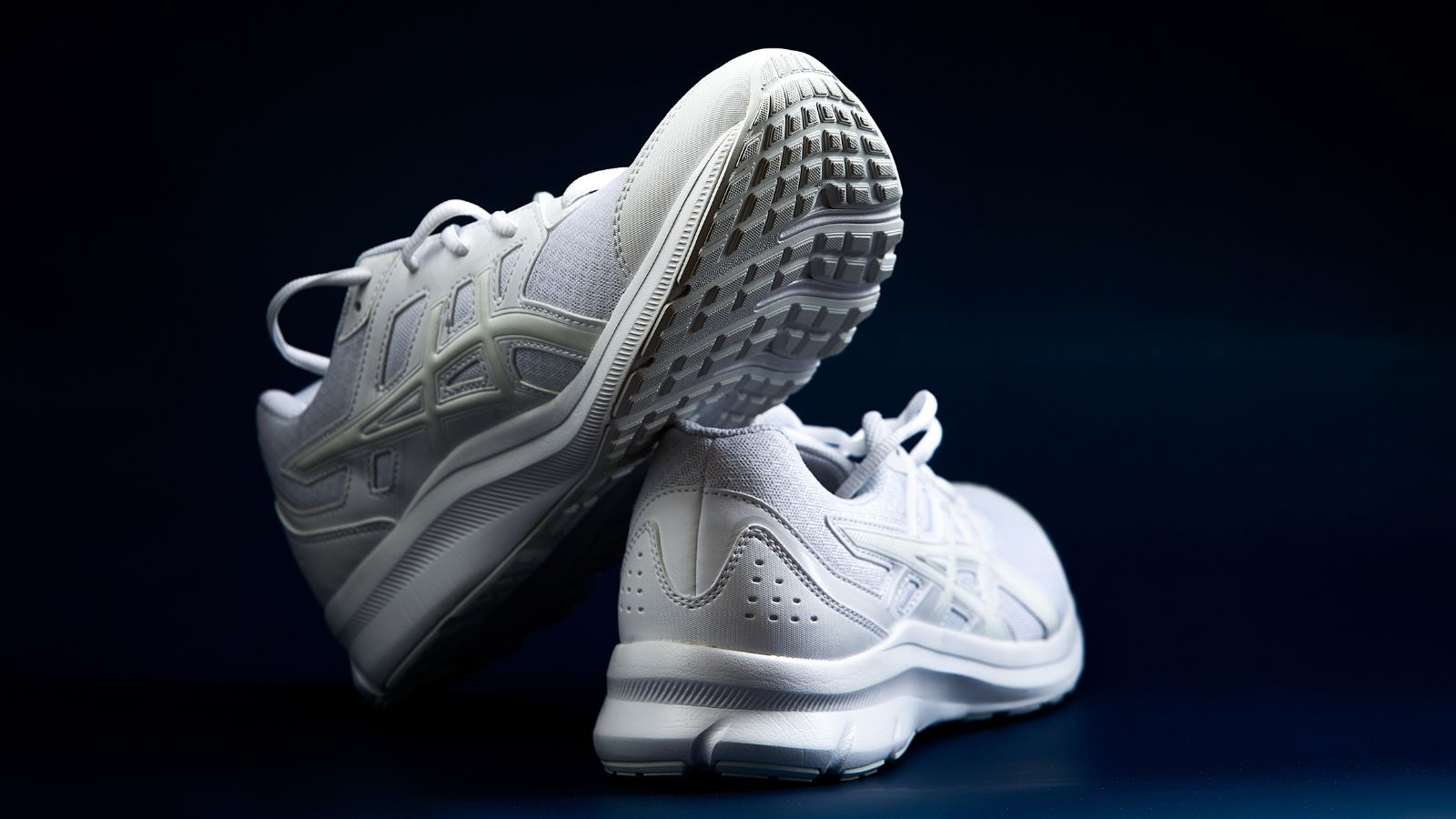
White sneakers often become extremely popular during spring fashion trends. However, Canadian Spring also brings melting snow, puddles, and muddy sidewalks. Wearing brand-new white shoes during these conditions can quickly turn a clean outfit into one that looks messy. Once shoes become heavily stained, the rest of the outfit may appear less polished, even if everything else looks good. Many Canadians learn to wait until sidewalks dry out before introducing fresh white footwear into their wardrobe. Choosing slightly darker sneakers early in the season can prevent this common frustration.
Mixing Formal Jackets With Extremely Casual Clothing
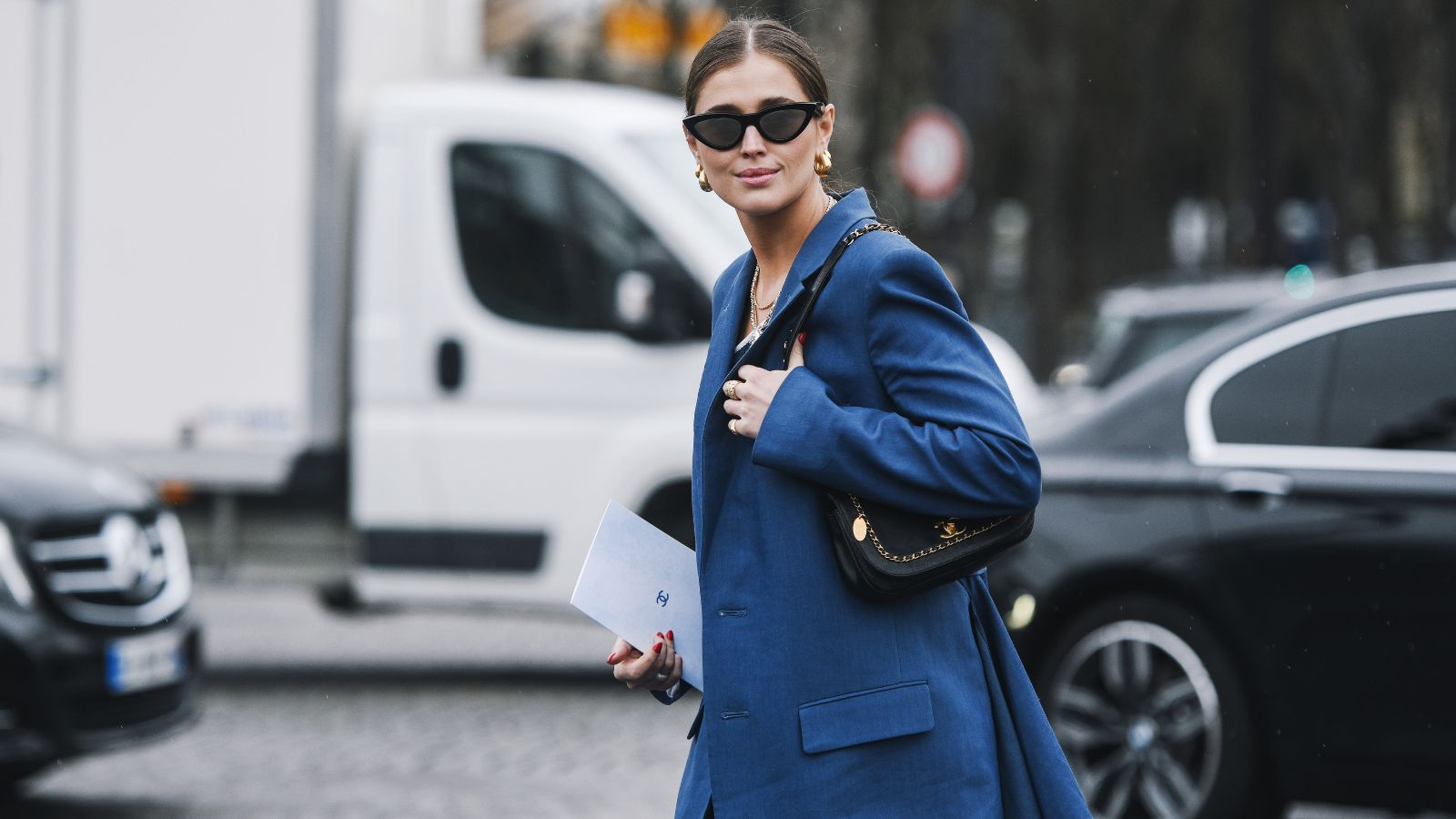
Spring often encourages people to experiment with layering different styles of clothing. However, combining very formal jackets with extremely casual pieces can sometimes create awkward contrasts. For example, pairing a structured business blazer with athletic sweatpants may feel visually mismatched. The elements of the outfit communicate different levels of formality, which can make the overall look appear unintentional. Balanced outfits typically combine pieces with similar levels of structure or casualness. When clothing styles align more naturally, the outfit appears more cohesive and confident.
Wearing Oversized Pieces Without Balancing Proportions
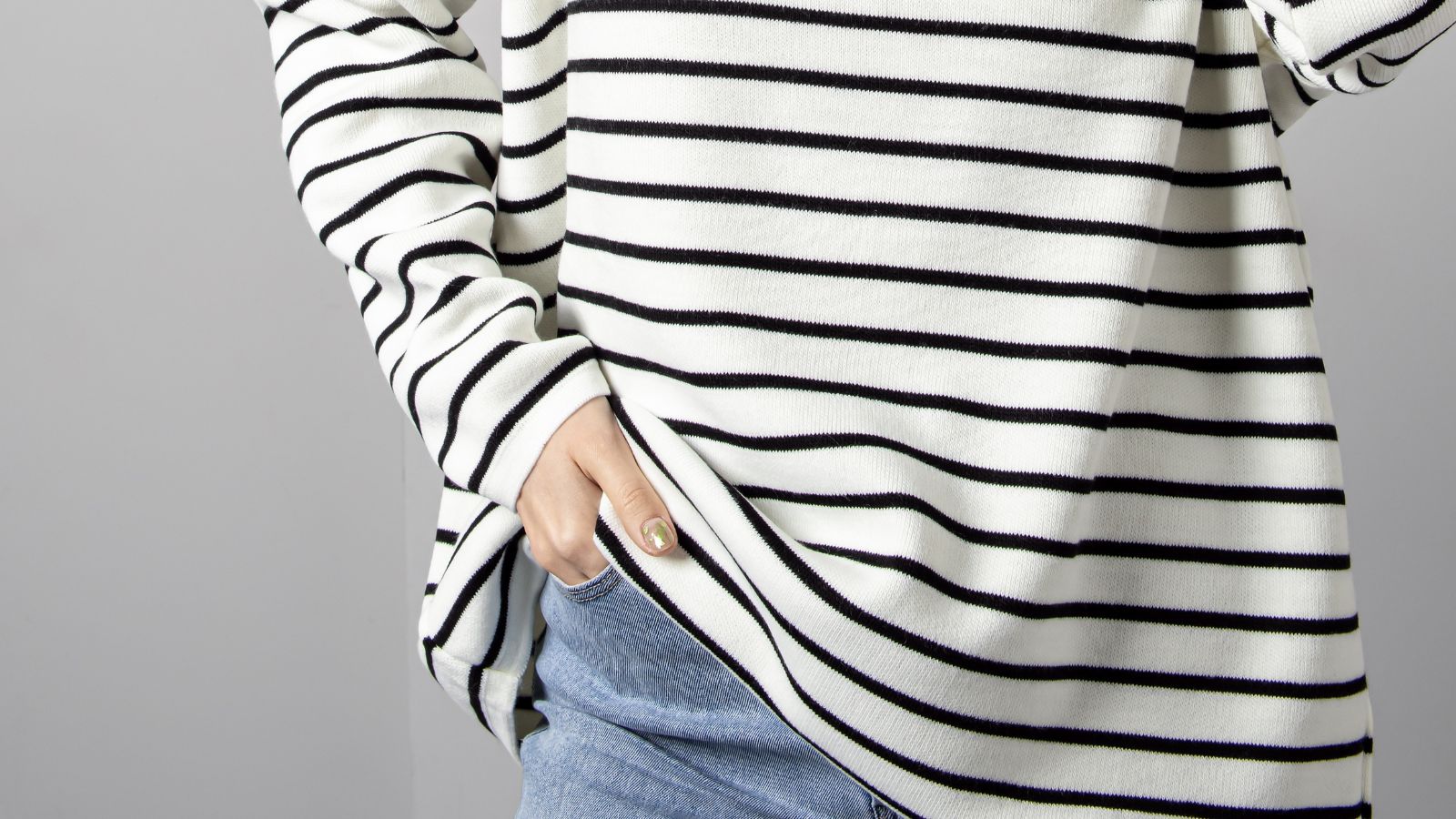
Oversized clothing continues to trend in many spring fashion collections. While loose fits can look stylish and comfortable, wearing oversized pieces from head to toe sometimes makes an outfit appear shapeless. Canadians who combine oversized jackets, wide trousers, and large sweaters in the same outfit may unintentionally hide the overall silhouette. The result can feel unbalanced rather than relaxed. Many stylists recommend pairing one oversized item with more fitted pieces to create visual structure. This balance often makes the outfit look intentional rather than overwhelming.
Ignoring Fabric Weight
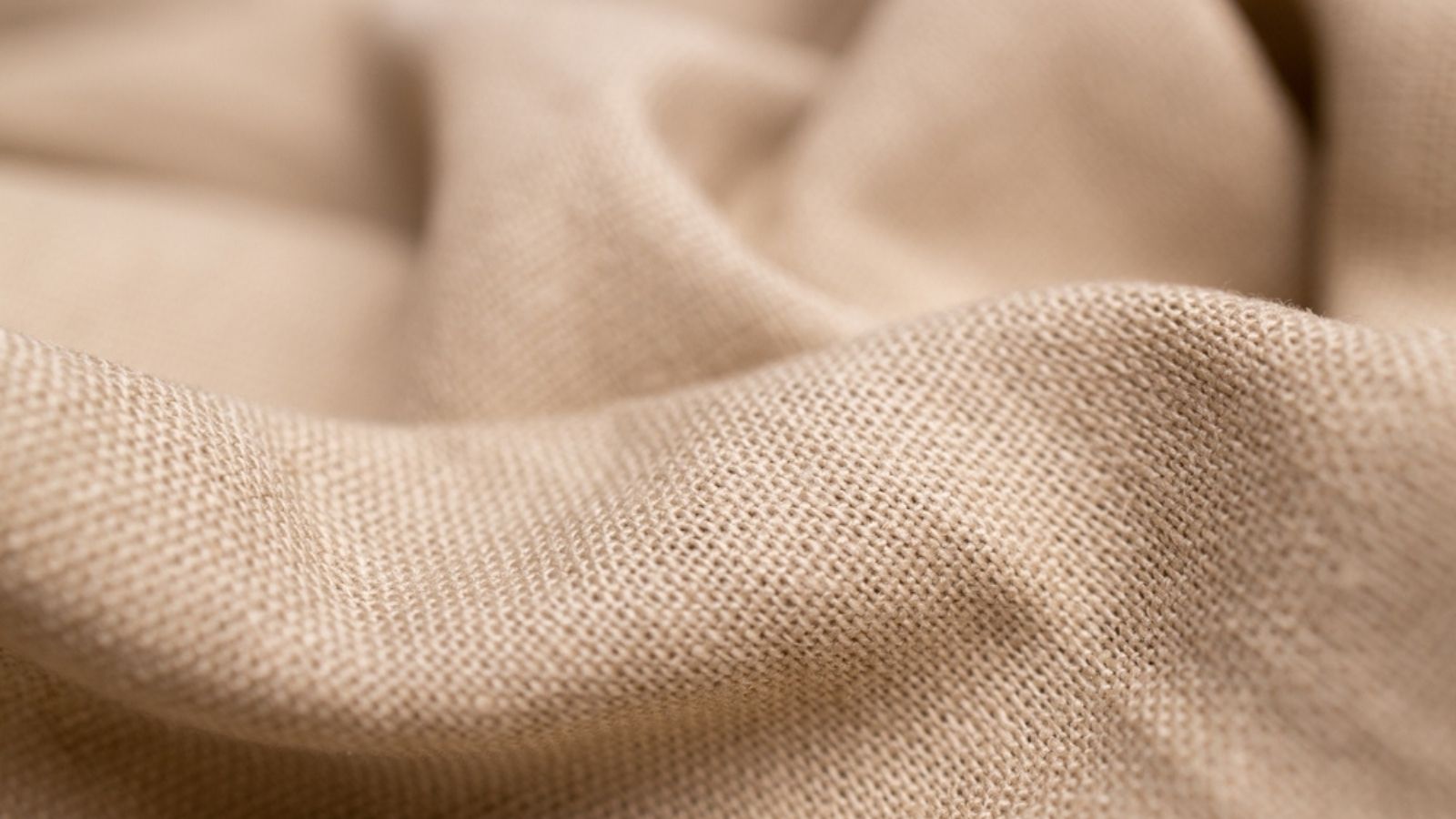
Fabric choice plays a significant role in how appropriate an outfit feels for spring weather. Some Canadians transition into spring outfits while still wearing heavy winter fabrics such as thick wool or dense fleece. These materials can appear visually heavy compared with lighter seasonal fabrics. Even if the outfit looks stylish, the texture may feel slightly out of place for warmer weather. Spring clothing often benefits from breathable fabrics such as cotton, linen blends, or lighter knits. When fabrics match the season, outfits tend to look more natural and comfortable.
Wearing Sandals Too Early
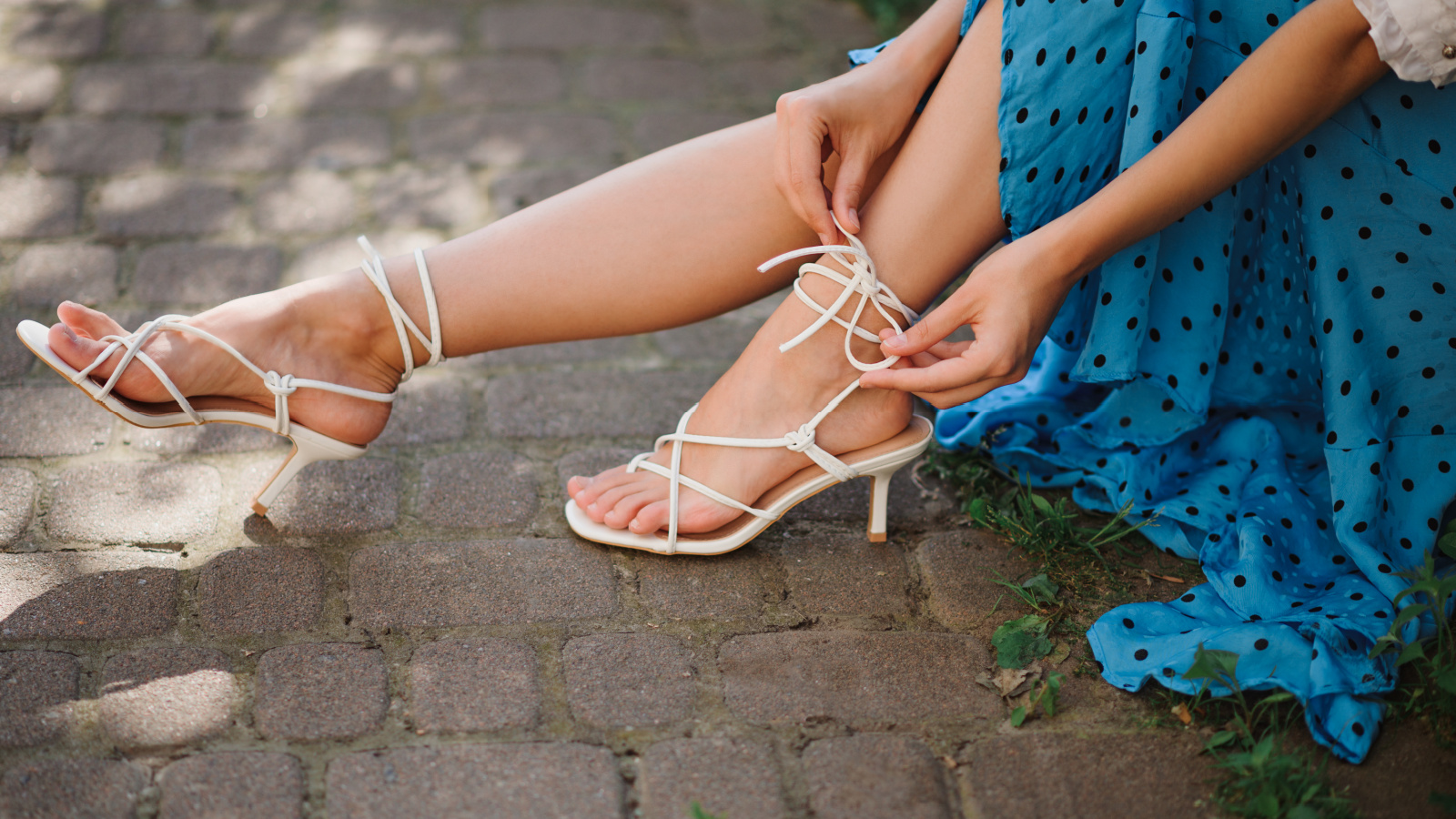
After months of cold weather, many Canadians feel eager to wear sandals as soon as temperatures begin rising. However, early spring conditions often include chilly winds or unexpected rain. Wearing open footwear too soon can make the outfit feel seasonally premature. Cold toes and damp sidewalks also make sandals impractical in many situations. Waiting until temperatures stabilize often results in outfits that feel more comfortable and appropriate for the season.
Forgetting About Outerwear
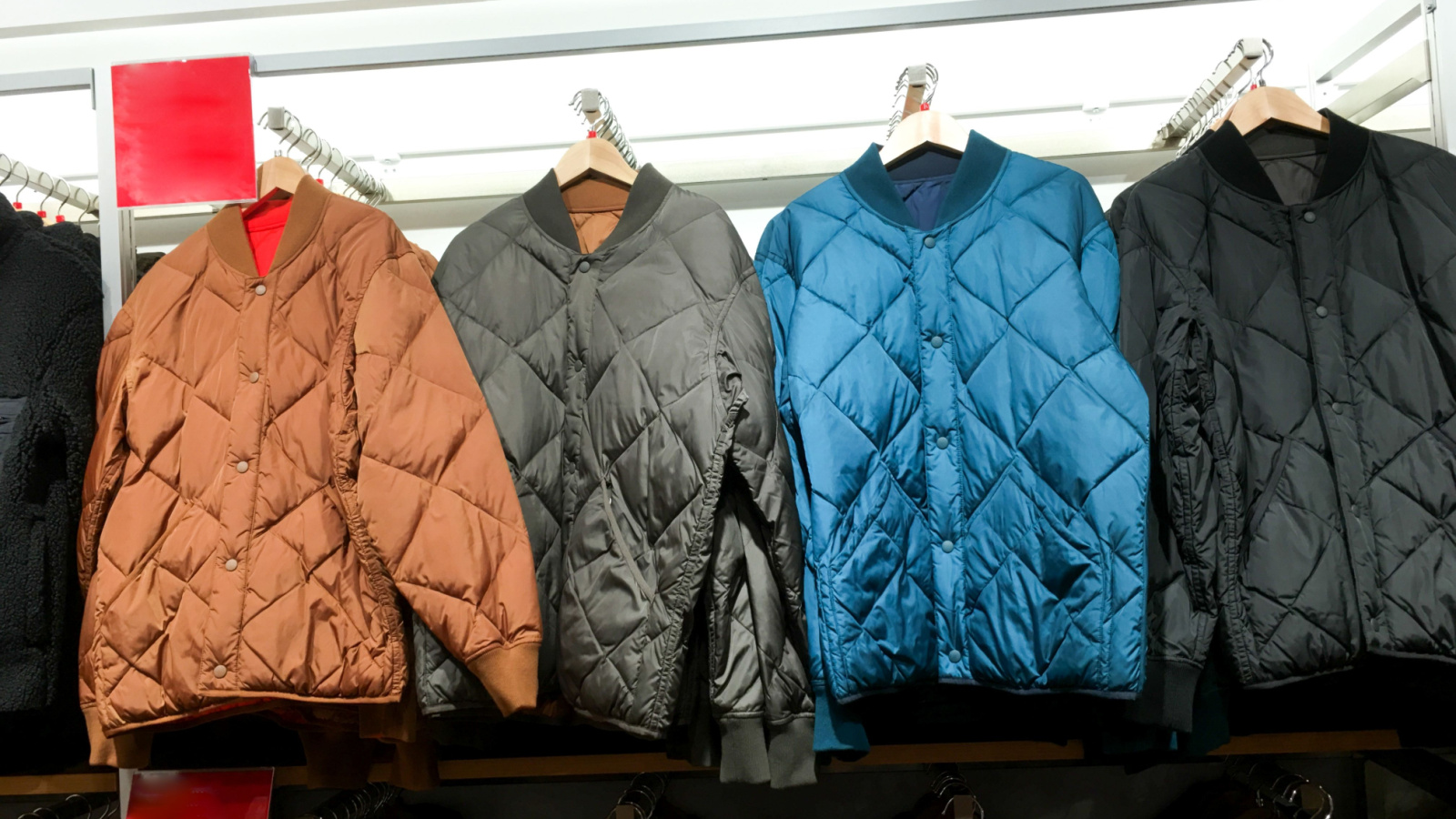
Some Canadians focus entirely on the main clothing pieces of an outfit while forgetting that outerwear remains essential during spring. Leaving the house without a suitable jacket can cause the outfit to feel incomplete once temperatures drop later in the day. The lack of outerwear may also create a visual imbalance when others around are still wearing seasonal layers. A lightweight jacket often completes the overall look while also providing practical protection against wind or rain.
Wearing Dark Winter Accessories With Light Spring Outfits
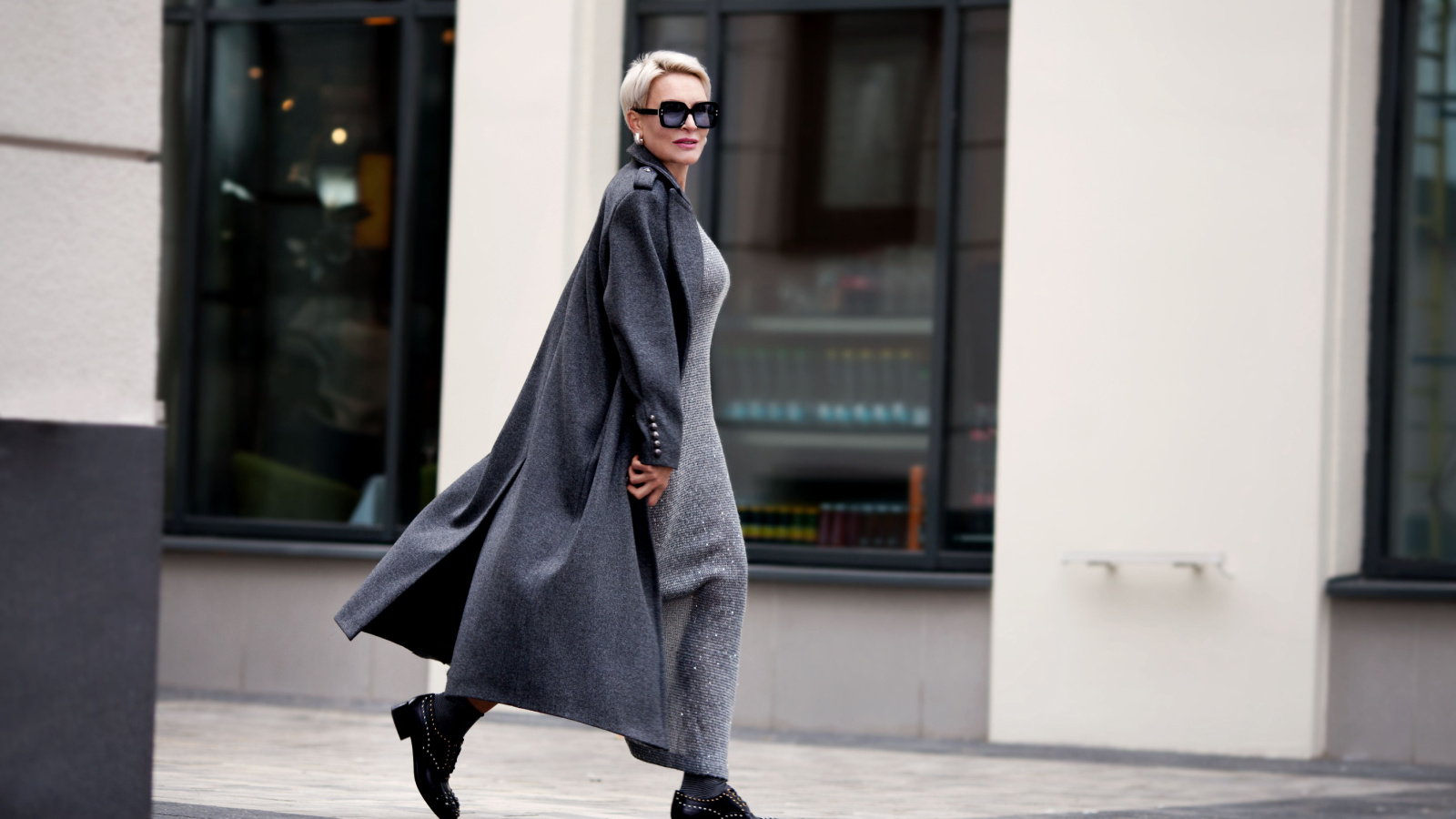
Many Canadians switch to lighter clothing during spring but forget to adjust their accessories. Thick winter scarves, heavy knit hats, and dark gloves sometimes remain part of outfits even when the main clothing pieces feel more appropriate for warmer weather. This contrast can make the overall look appear slightly disconnected. Accessories play an important role in balancing an outfit, so when they still feel suited for deep winter, they can make spring outfits appear unfinished. Lightweight scarves, smaller bags, and softer coloured accessories usually blend better with transitional clothing. Making small seasonal changes to accessories often helps the entire outfit feel more intentional.
Choosing the Wrong Jacket Length
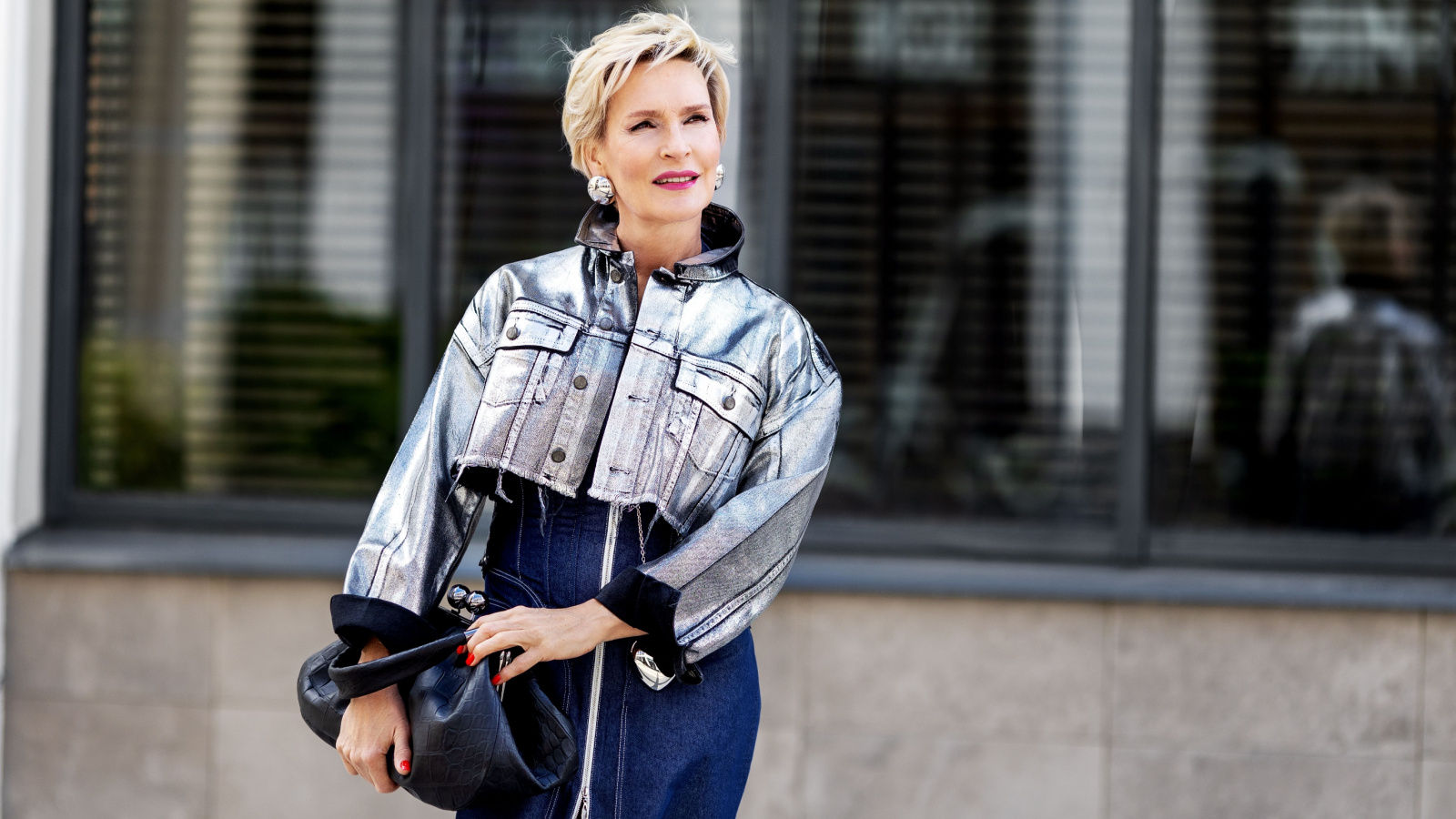
Jacket length can significantly affect how balanced an outfit appears. Some Canadians wear cropped jackets with long oversized tops, while others choose long coats that overwhelm shorter outfits. When proportions do not align well, the outfit may feel visually awkward even if the individual pieces look good on their own. For example, a long trench coat paired with very short layers can create an uneven silhouette. Similarly, a cropped jacket over long tunics sometimes makes the outfit appear unfinished. Paying attention to proportion helps maintain a more balanced and cohesive appearance.
Wearing All Athletic Clothing Everywhere
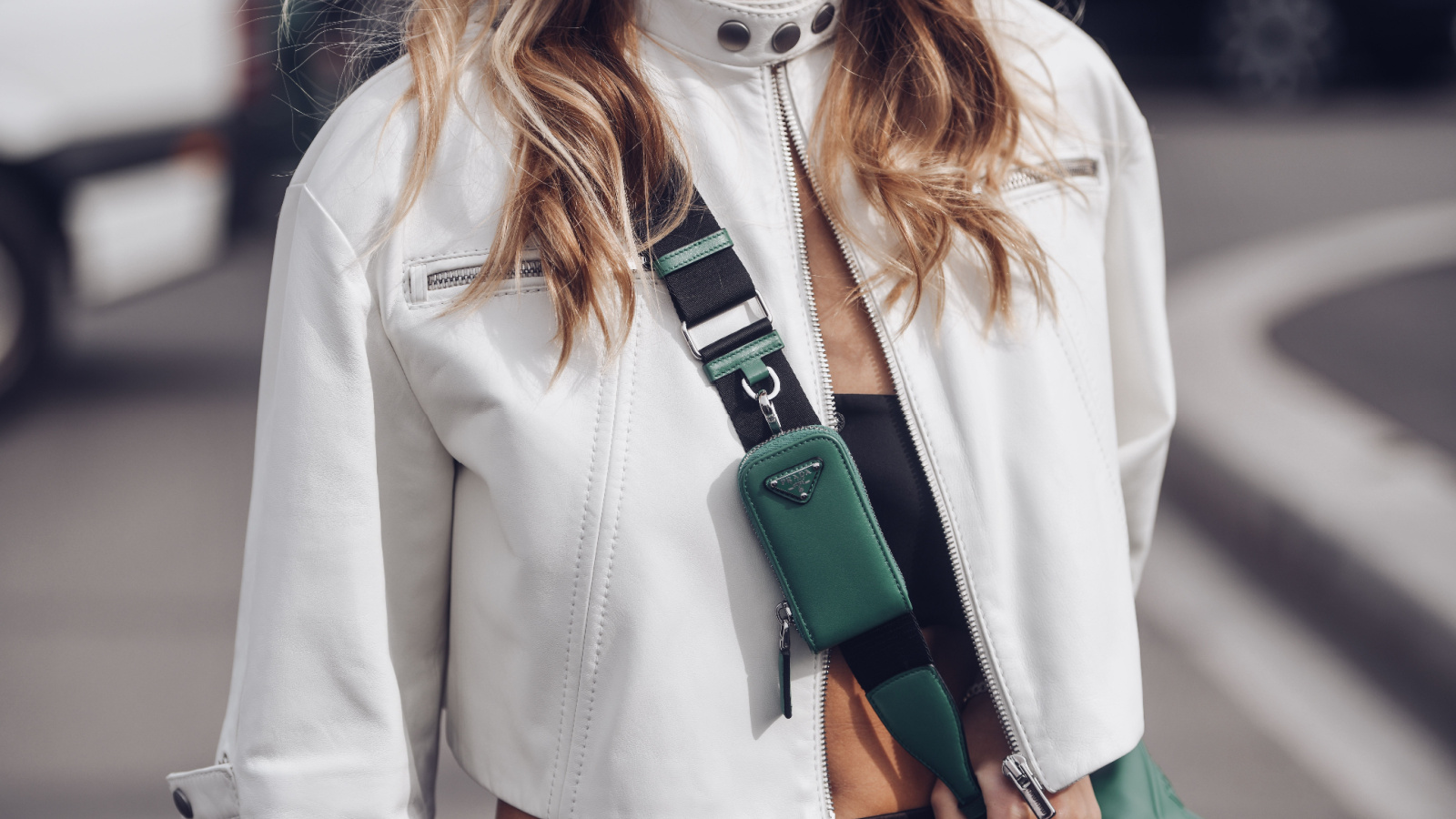
Athleisure has become extremely common in Canada because it offers comfort and practicality. However, wearing full athletic outfits in situations that require slightly more polished clothing can sometimes make the look feel out of place. For example, leggings, running shoes, and performance jackets may work well for exercise or errands but feel mismatched in social settings such as restaurants or casual work environments. Mixing athletic pieces with everyday clothing often creates a more balanced appearance. A pair of jeans with sneakers or a sweater with athletic pants usually looks more intentional than wearing an entire workout outfit outside of the gym.
Ignoring Footwear Proportion
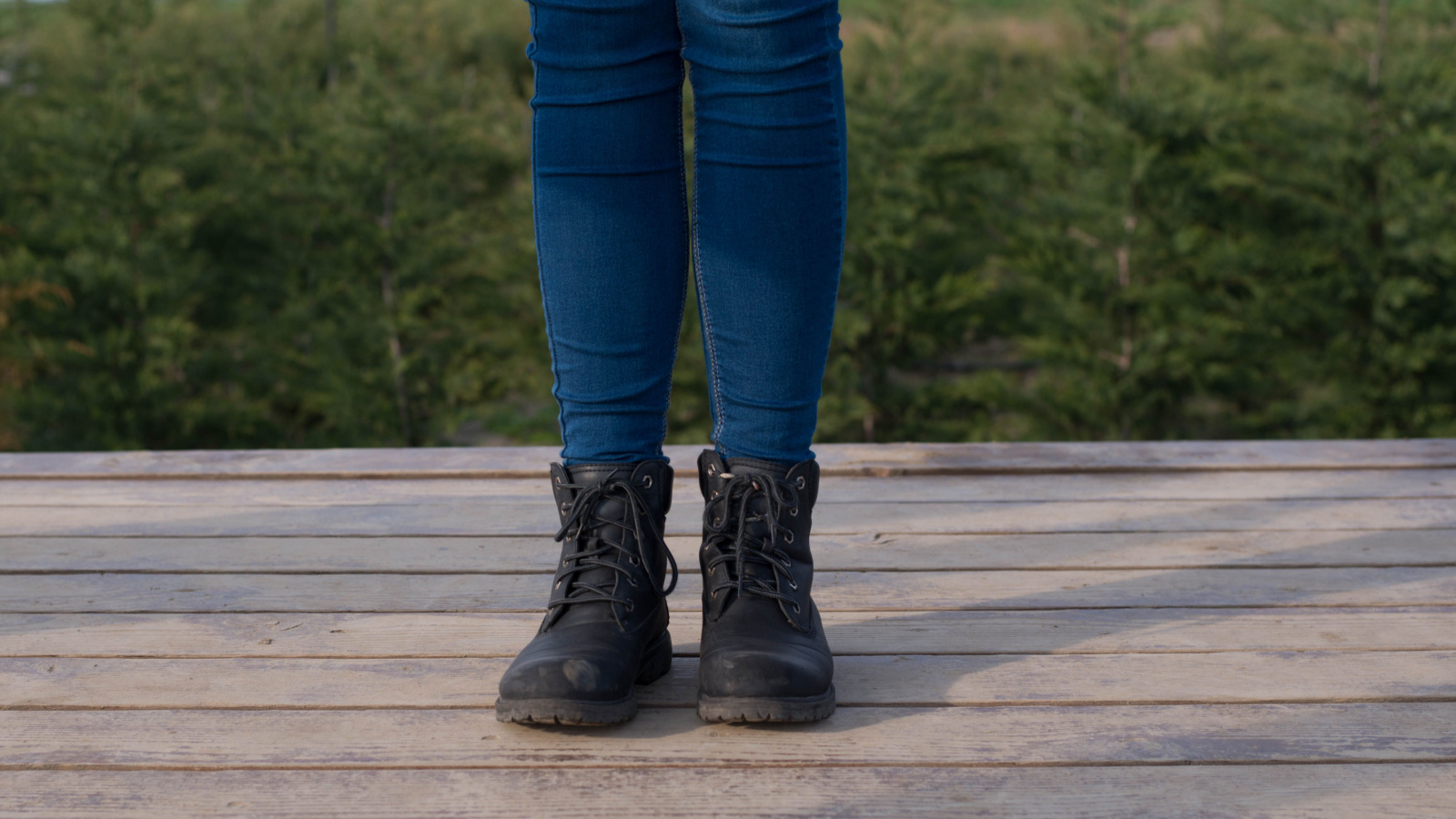
Footwear plays a large role in shaping the visual balance of an outfit. Some Canadians wear extremely chunky shoes with very slim clothing, while others pair delicate footwear with oversized garments. When the scale of the shoes does not match the rest of the outfit, the result can appear slightly awkward. For instance, very bulky sneakers may overpower light spring dresses or slim trousers. On the other hand, thin flats might disappear under wide-leg pants. Matching the visual weight of footwear with clothing proportions often helps outfits feel more harmonious.
Overusing Trendy Pieces in One Outfit
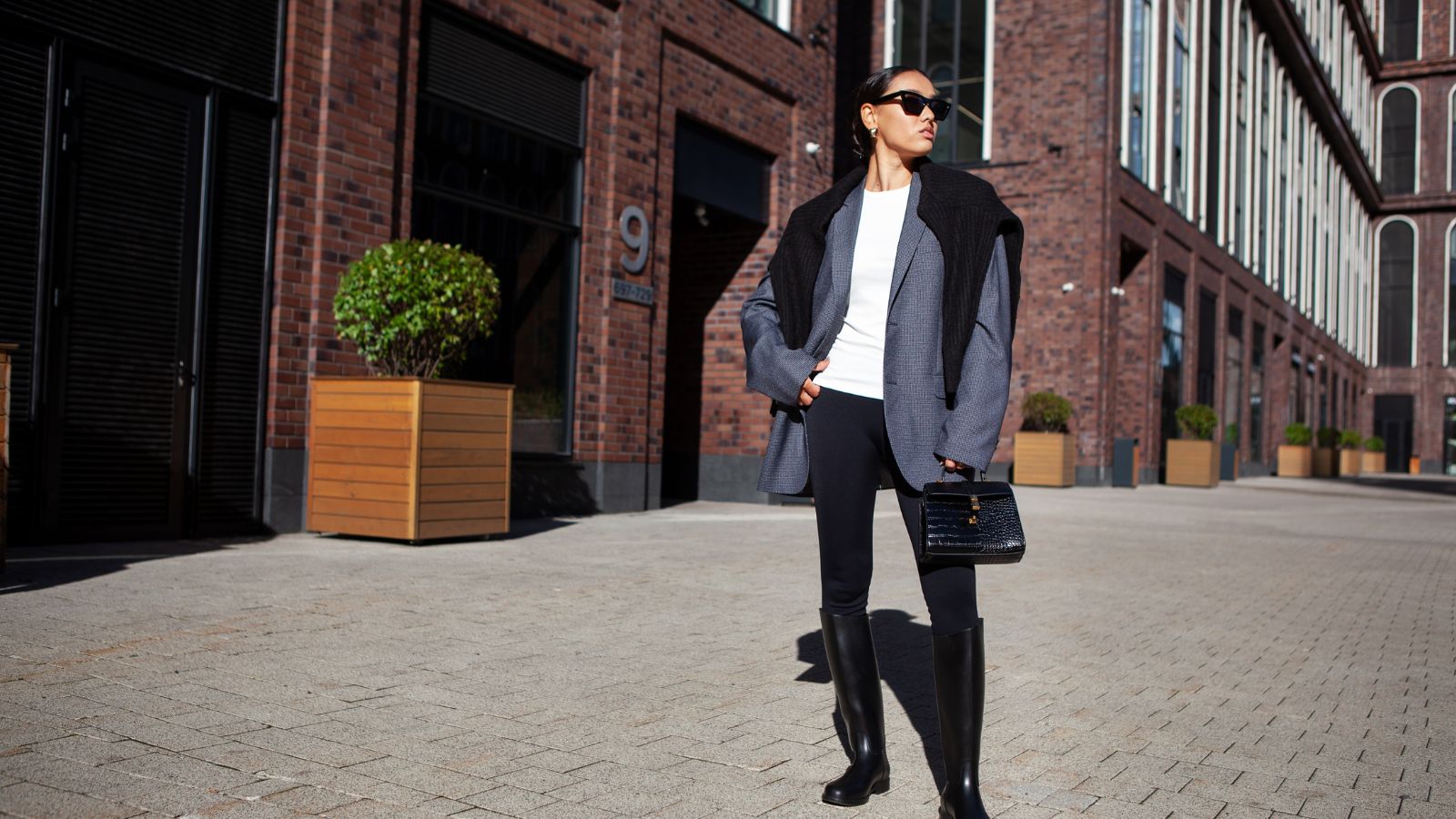
Spring fashion trends often encourage experimentation, but wearing several trendy items at once can make an outfit feel overwhelming. For example, combining oversized jackets, bold colours, statement sneakers, and unusual accessories in the same look may appear chaotic rather than stylish. Canadians sometimes try to incorporate multiple trends simultaneously because they appear frequently on social media. However, balanced outfits often include one standout piece supported by simpler clothing. This approach helps the trend feel intentional rather than distracting.
Forgetting About Weather Practicality

Canadian spring weather frequently changes throughout the day, which makes practicality an important part of outfit planning. Some people focus entirely on style while ignoring the possibility of rain, wind, or cooler evening temperatures. Outfits that look great indoors may quickly feel uncomfortable outside when the weather shifts. Wearing delicate fabrics without considering wind or rain can make the outfit feel impractical. Including weather-appropriate layers, such as light jackets or waterproof footwear, helps maintain both comfort and style.
Wearing Too Much Black
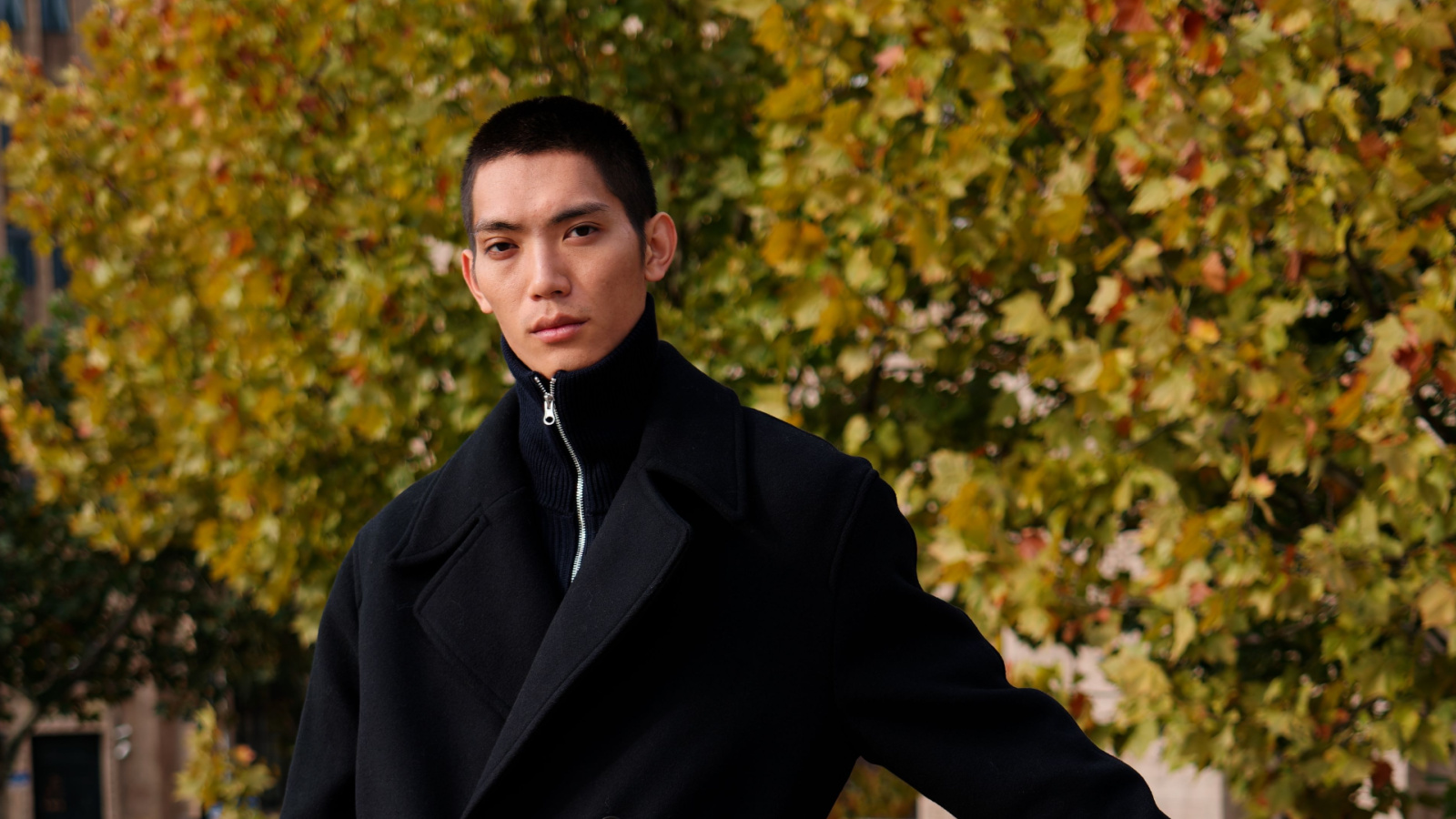
Black clothing remains popular because it feels classic and versatile. However, wearing entirely black outfits during spring can sometimes appear visually heavy compared with lighter seasonal surroundings. Canadians who continue wearing all-black outfits may notice their clothing feels more suited to winter conditions. Introducing softer shades such as beige, light denim, or muted pastels can refresh the overall look without abandoning neutral style. Even small colour adjustments often make outfits feel more seasonally balanced.
Ignoring Fit After Winter Layering

After months of wearing thick winter clothing, some Canadians forget how different spring outfits fit without heavy layers. Clothing that felt comfortable under coats or sweaters may appear loose or poorly fitted when worn alone. For example, oversized shirts or baggy trousers might feel too large once winter layers disappear. Spring wardrobes often benefit from slightly lighter silhouettes that reflect warmer weather. Checking how clothes fit without winter layers can help prevent outfits from looking unintentionally oversized.
Wearing Wrinkled Lightweight Fabrics
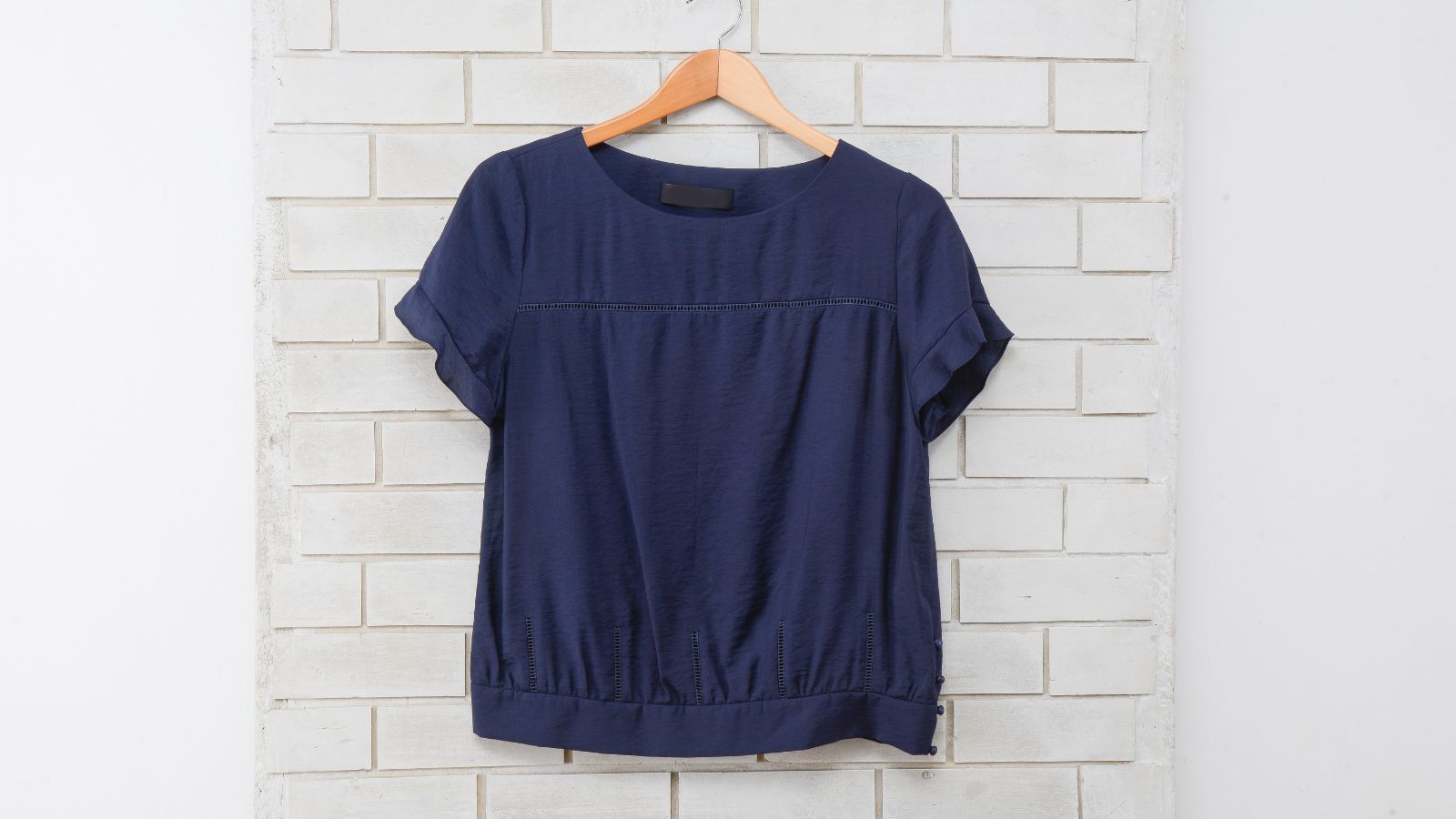
Spring fabrics such as linen or lightweight cotton often wrinkle more easily than heavier winter materials. Some Canadians underestimate how quickly these fabrics crease throughout the day. Wrinkled clothing can make an otherwise stylish outfit appear slightly careless or unfinished. Even simple pieces like shirts or dresses benefit from a quick iron or steam before being worn. Paying attention to fabric maintenance helps maintain a more polished appearance.
Forgetting the Overall Balance of the Outfit
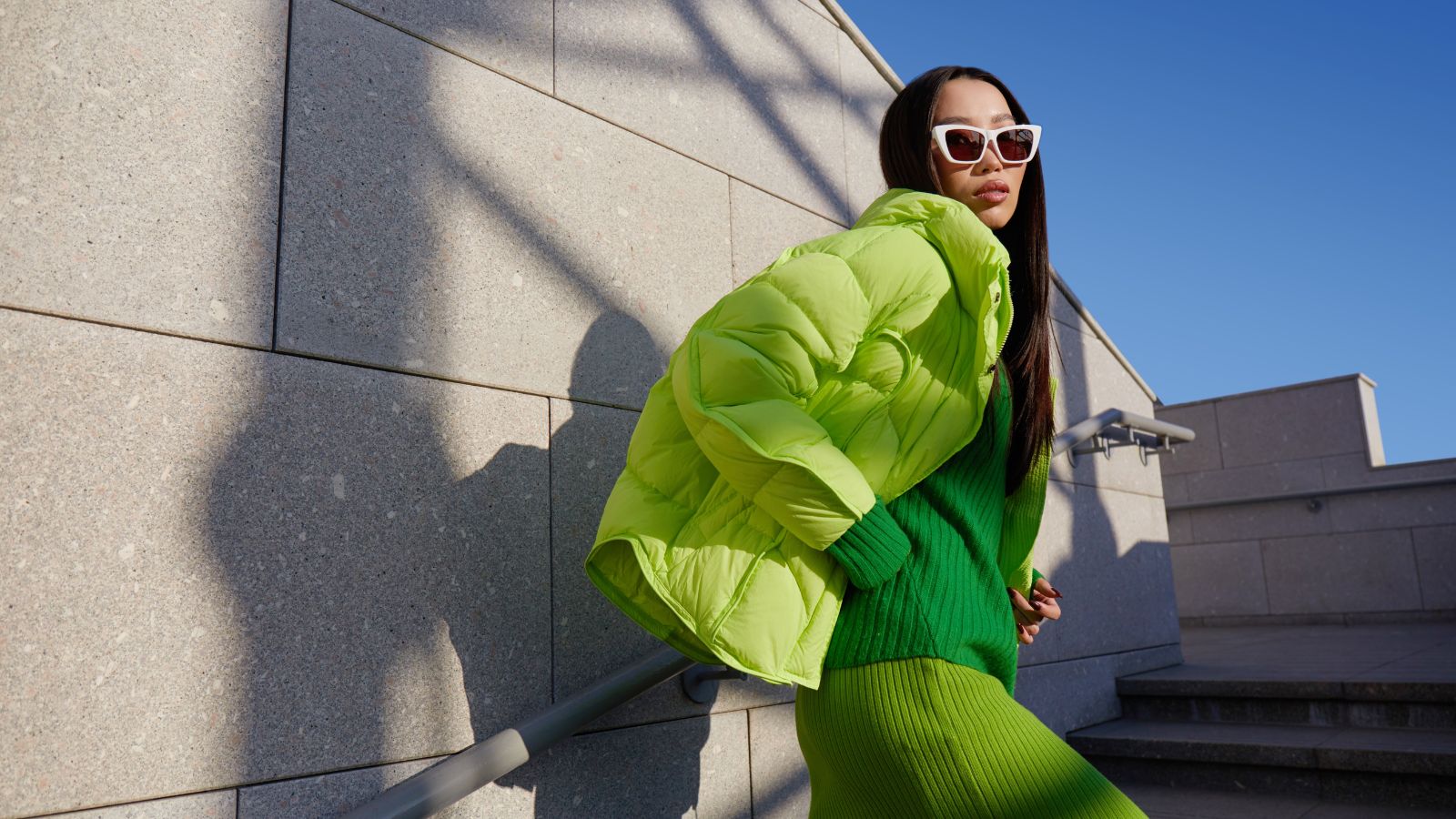
One of the most common outfit mistakes involves focusing too much on individual pieces rather than the overall combination. Canadians sometimes choose great items that simply do not work well together. Colour contrast, proportion, and texture all influence whether an outfit feels balanced. When these elements align well, even simple clothing can look stylish and intentional. Taking a moment to view the entire outfit rather than only one piece often helps prevent small mismatches that make a look feel slightly off.
22 Groceries to Grab Now—Before another Price Shock Hits Canada

Food prices in Canada have been steadily climbing, and another spike could make your grocery bill feel like a mortgage payment. According to Statistics Canada, food inflation remains about 3.7% higher than last year, with essentials like bread, dairy, and fresh produce leading the surge. Some items are expected to rise even further due to transportation costs, droughts, and import tariffs. Here are 22 groceries to grab now before another price shock hits Canada.
22 Groceries to Grab Now—Before another Price Shock Hits Canada
