
Victoria Day has a way of making Canada feel suddenly awake again: cottages open, ferries fill, highways thicken, campgrounds come alive, and airport terminals start looking like summer arrived early. The long weekend may feel familiar, but that familiarity is exactly why small planning mistakes keep repeating year after year.
These 11 Victoria Day travel mistakes capture the habits that turn a promising May escape into a delayed, expensive, or needlessly stressful trip, from border timing and road fatigue to spring weather, ferry waits, campsite assumptions, and last-minute packing decisions.
Leaving Too Late on the Friday Drive

Many Canadians treat Victoria Day traffic like an ordinary Friday, then discover that the first warm-weather escape of the season creates a different rhythm. The after-work departure often collides with commuters, cottage traffic, boat trailers, construction slowdowns, and families trying to squeeze every hour out of the long weekend. A two-hour drive to Muskoka, the Okanagan, the Laurentians, or Prince Edward County can stretch far longer when everyone makes the same “leave right after work” calculation.
The mistake is not just inconvenience; it can change the whole weekend. A late arrival means checking into cabins after dark, setting up campsites in poor light, or reaching small towns after restaurants and grocery stores have closed. Better planning often means leaving earlier, delaying until Saturday morning, or choosing a less obvious route. Even a simple fuel stop before departure can prevent the classic long-weekend lineup at the first highway service centre.
Forgetting That Border Crossings Have Their Own Long-Weekend Pattern
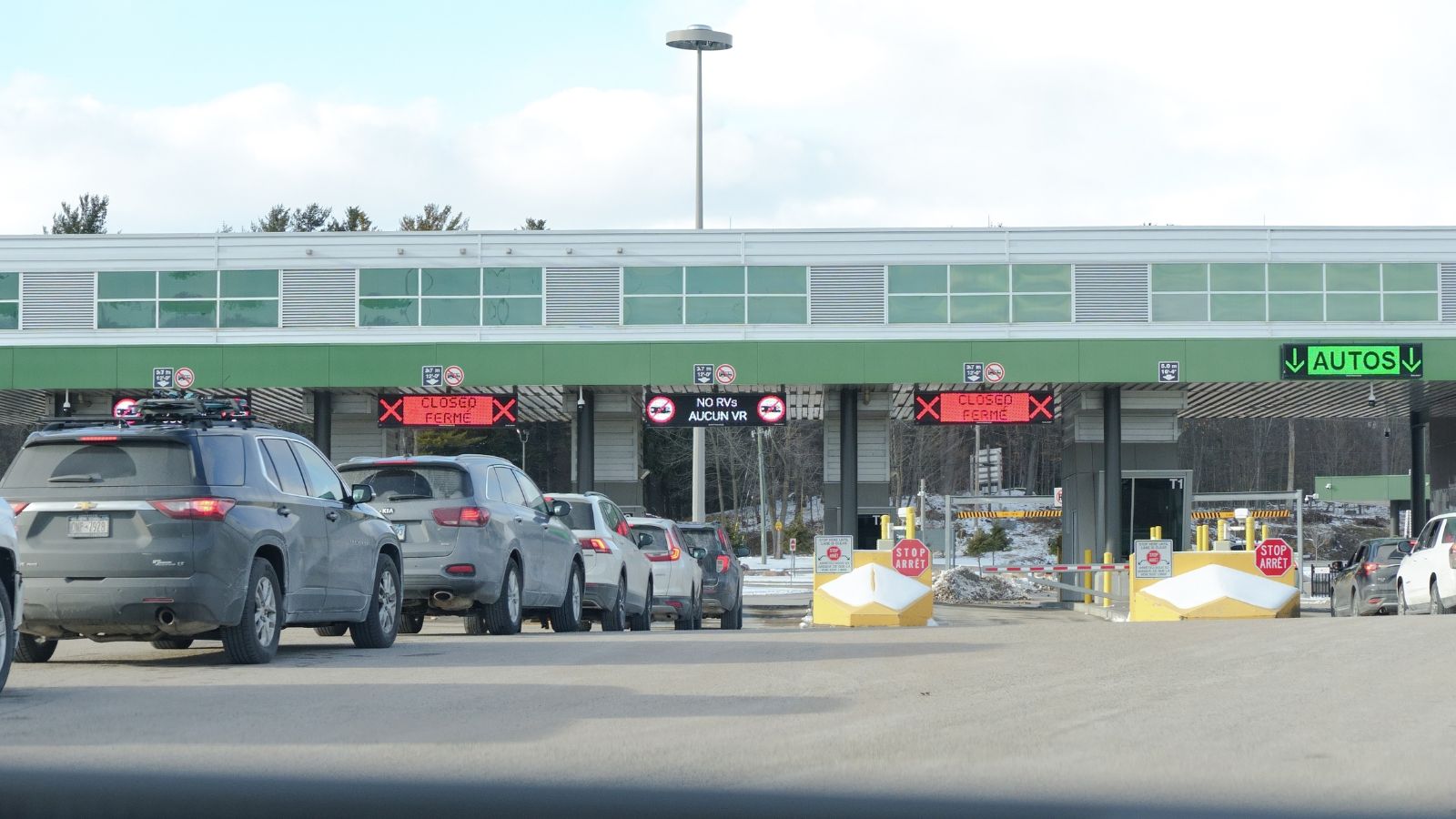
Victoria Day often overlaps with cross-border shopping, U.S. weekend trips, family visits, and Canadians returning home at the same time. The Canada Border Services Agency has repeatedly warned travellers that holiday Mondays tend to be the busiest return days, and that early mornings usually offer smoother crossings. Still, many drivers aim for late afternoon or evening on Monday, exactly when everyone else is trying to get back before work and school.
This mistake becomes more frustrating when travellers also forget the basics: passports buried in bags, receipts scattered through the car, unclear declarations, or uncertainty about food, alcohol, tobacco, or purchases. Families travelling with children, pets, or borrowed vehicles can face extra questions if documents are not ready. A smoother crossing usually starts before the car reaches the booth: checking wait times, choosing a realistic port of entry, keeping receipts together, and preparing every traveller’s documents before joining the line.
Assuming Campsites and Park Entries Will Be Easy to Find
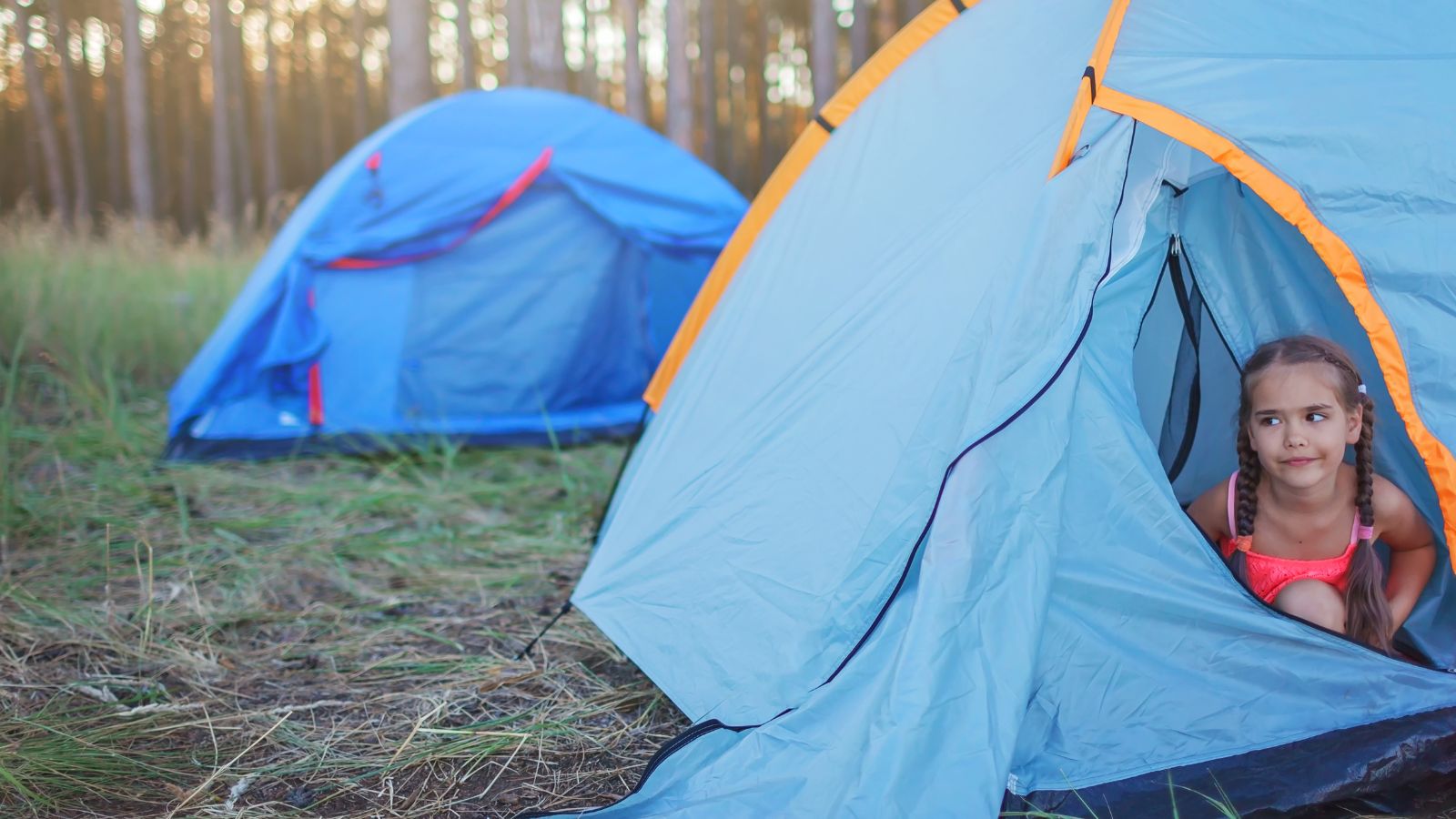
Victoria Day feels early in the season, which tricks some travellers into assuming campgrounds, cabins, yurts, and park day-use areas will still have room. In reality, many popular Parks Canada and provincial park reservations open months before May, and sought-after sites can be claimed quickly. A family imagining a spontaneous lakeside weekend may end up refreshing booking pages, calling private campgrounds, or accepting a less convenient location far from the original plan.
The same issue applies to arrival logistics. A reserved campsite does not guarantee an effortless evening if check-in windows, firewood rules, parking limits, or quiet hours are overlooked. Some parks also have seasonal openings, road conditions, wildlife advisories, or limited services in May. Victoria Day is not deep summer; it is a shoulder-season weekend with peak-style demand. Travellers who confirm reservations, operating dates, and site rules early avoid turning a nature escape into a last-minute search for somewhere legal to sleep.
Packing for Summer While Travelling in Spring

The phrase “May long weekend” can sound like the start of summer, but Canadian weather rarely follows that script. Some regions may see patio weather, while others still face cold nights, rain, wind, lingering snow at elevation, or sudden thunderstorms. Environment and Climate Change Canada’s weather services exist for a reason: spring conditions can change quickly, especially around lakes, mountains, and open rural highways.
The mistake shows up in small but memorable ways. A camper brings shorts but no warm sleeping layer. A cottage guest packs sandals but not rain gear. A family plans a hike without checking trail conditions. Even city travellers can be caught by chilly evenings during fireworks or outdoor events. The smartest packing list for Victoria Day is flexible: layers, waterproof footwear, a warm jacket, sunscreen, and backup indoor plans. Treating May like July is one of the easiest ways to spend the weekend uncomfortable.
Ignoring Ferry Reservations and Sailing Conditions
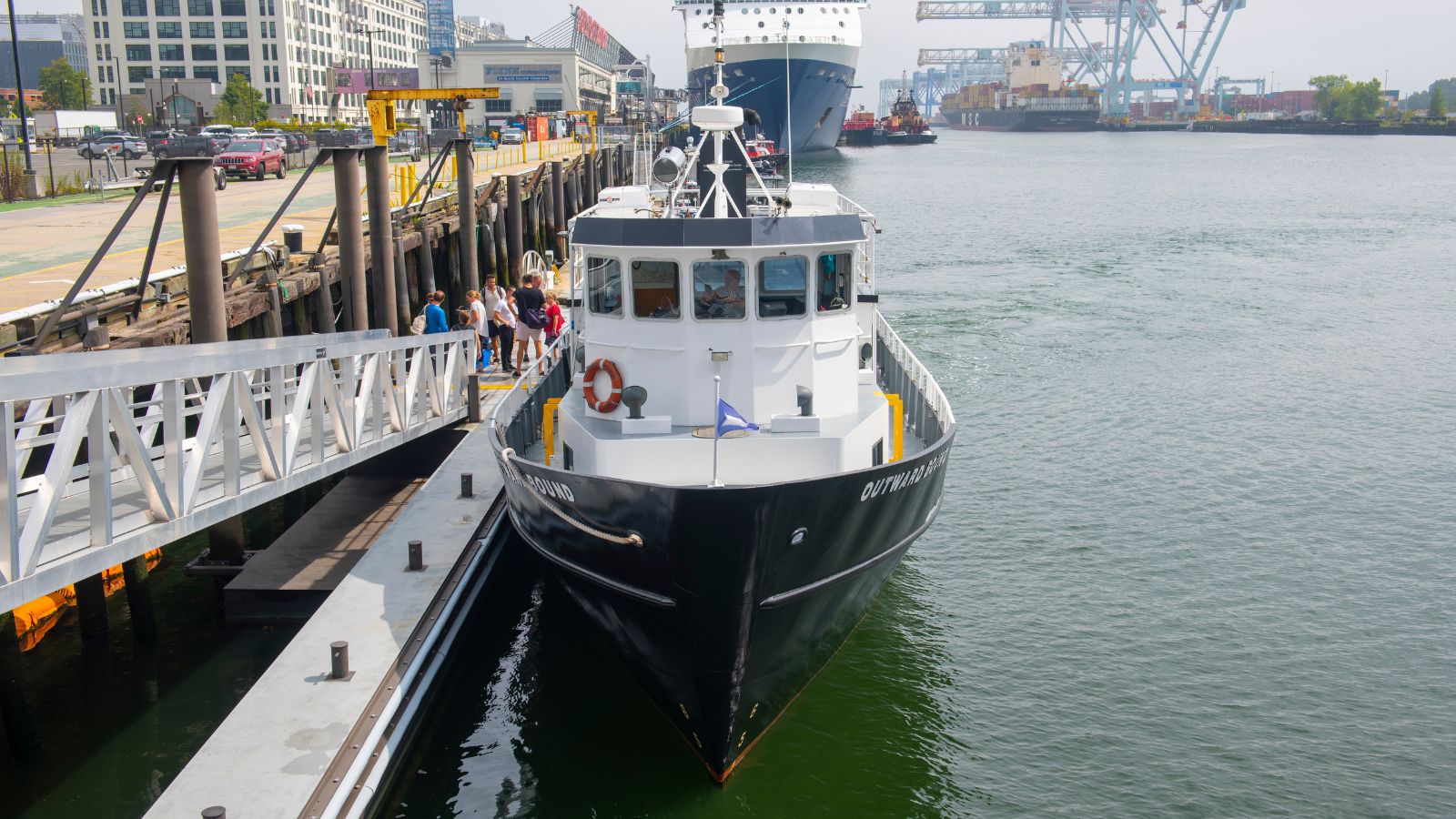
For travellers heading to Vancouver Island, the Gulf Islands, Newfoundland routes, or other ferry-dependent destinations, Victoria Day planning requires more than showing up at the terminal. Ferry systems often recommend booking in advance during busy travel periods, checking current conditions, and arriving within the required window. A missed reservation or sold-out sailing can ripple through hotel check-ins, dinner plans, and family gatherings.
The human side of this mistake is familiar: a car full of snacks, pets, children, and luggage waiting through multiple sailings because the trip was planned as if ferries were ordinary bridges. Even walk-on travellers can be affected by parking pressure, shuttle timing, and terminal congestion. Ferries reward precision. Booking early, travelling off-peak, monitoring service notices, and building buffer time into the day can make the difference between a scenic crossing and a weekend that begins in a terminal lineup.
Skipping a Basic Vehicle Check Before the First Big Road Trip

Victoria Day is often the first longer drive after winter, which makes neglected maintenance more likely to surface. Tires may be underinflated, wipers may be worn, fluids may be low, and batteries may be weakened after cold months. Transport Canada advises measuring tire pressure before long trips and inspecting tires for uneven wear, cuts, cracks, bulges, and foreign objects. Those checks sound simple because they are, but many drivers postpone them until a warning light appears.
The cost of skipping them can be more than mechanical. A flat tire on a rural highway, poor visibility in spring rain, or a dead battery at a cottage driveway can consume hours of a short weekend. Families often remember the tow truck more than the destination. A quick inspection before leaving—tires, spare, lights, wipers, oil, washer fluid, and emergency kit—can prevent the kind of avoidable breakdown that makes a three-day break feel shorter than it already is.
Underestimating Driver Fatigue on the Way Home

The Monday return trip can be more dangerous than it feels. After late nights, outdoor activity, alcohol, disrupted sleep, and a packed weekend, many travellers begin the drive home already tired. Road-safety organizations identify fatigue as a serious and often underestimated crash factor, and national road-safety materials have linked driver fatigue to a significant share of fatal collisions. Long-weekend traffic only magnifies the problem because stop-and-go congestion demands constant attention.
The mistake is believing coffee, loud music, or an open window can substitute for rest. They may help briefly, but they do not restore alertness. A safer plan starts with choosing a realistic departure time, sharing driving when possible, taking breaks before drowsiness becomes severe, and avoiding the temptation to push through the final hour. If a passenger notices lane drifting, heavy blinking, or delayed reactions, speaking up can be the most important decision of the trip.
Treating Airport Security Like a Normal Weekday
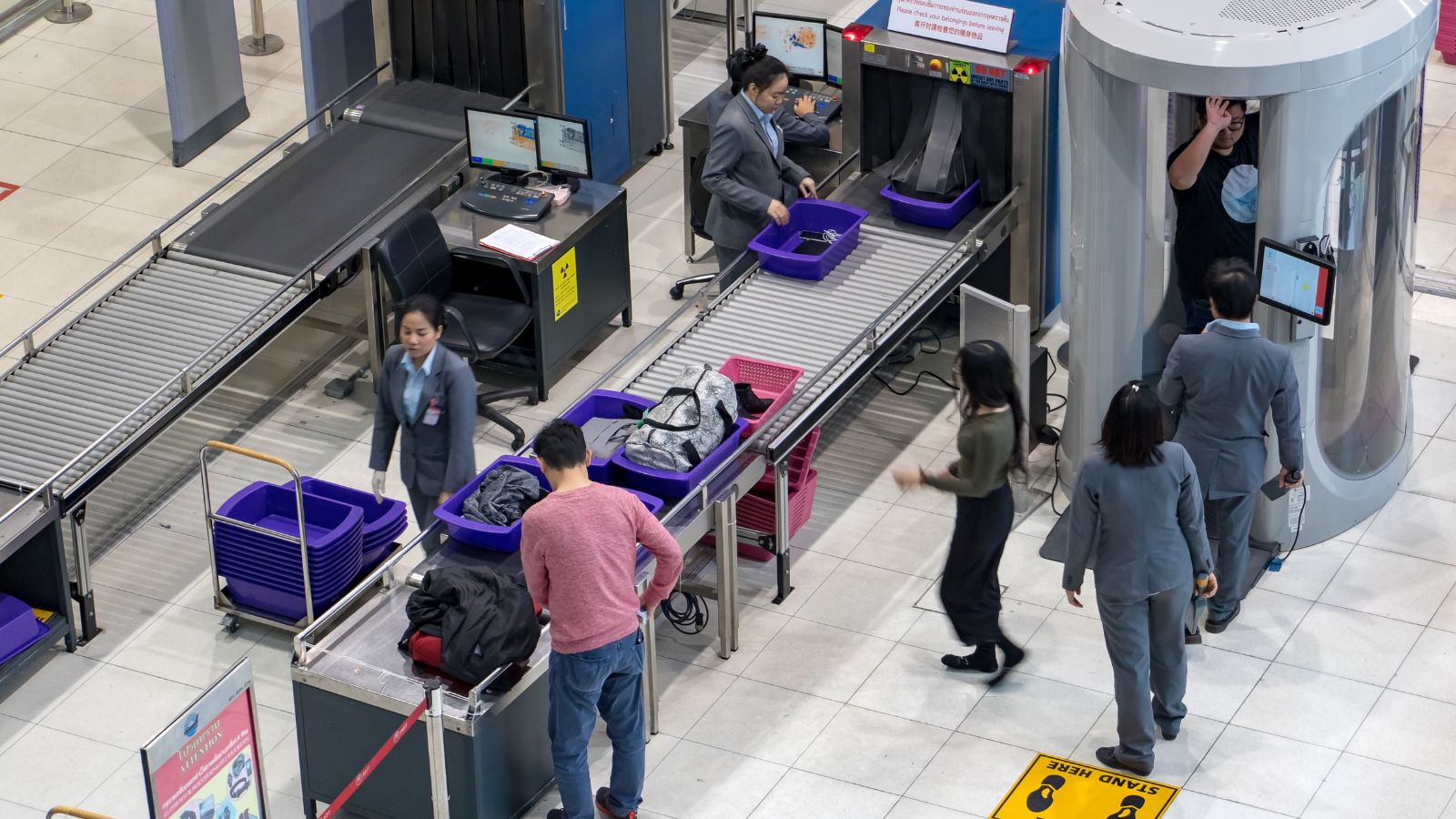
Victoria Day air travel can catch occasional flyers off guard. Even short domestic trips require time for check-in, bag drop, security screening, and gate changes. Government travel guidance recommends arriving early, including about two hours before domestic flights and two to three hours before international flights. CATSA also maintains detailed rules on what can and cannot go through security, yet travellers still lose time over oversized liquids, tools, sports gear, or packed items that belong in checked baggage.
The common mistake is assuming a small airport or short flight means a small margin. Long-weekend travel brings families, infrequent travellers, strollers, sports equipment, and weather-sensitive schedules into the same terminal flow. A delayed security screening can quickly become a missed boarding call. Checking flight status, reviewing carry-on rules, preparing liquids properly, and arriving with documents ready keeps the airport from becoming the most stressful stop of the weekend.
Forgetting That May Water Is Still Cold

Victoria Day is the unofficial start of boating season for many Canadians, but lakes and rivers can remain dangerously cold. Transport Canada’s safe-boating guidance emphasizes wearing a lifejacket or personal flotation device on or near the water, and boating-safety campaigns repeatedly warn about cold-water risks, sober operation, and proper equipment. Sunshine on the dock can make the water feel safer than it is.
The mistake often happens during “quick” outings: a short paddle, a first fishing trip, a test run in a small boat, or children playing near a dock without properly fitted gear. Cold-water shock can affect breathing and movement quickly, especially early in the season. A careful Victoria Day water plan includes lifejackets that fit, required safety equipment, a sober operator, a charged communication device, and respect for wind and marine forecasts. May boating should be treated as spring boating, not summer leisure.
Assuming Restaurants, Attractions, and Small-Town Services Keep Regular Hours

A long weekend can create the illusion that every business will be open longer, but Victoria Day schedules vary widely. Government offices, banks, some retailers, attractions, pharmacies, ferry counters, visitor centres, and local restaurants may operate on reduced or holiday hours. In smaller communities, one closed grocery store or fully booked restaurant can change the tone of an evening quickly.
This mistake is especially common when travellers arrive late or rely on a single stop for essentials. A family reaching a cottage town after dark may discover the supermarket closed early, the only gas station is operating on limited hours, and breakfast spots are already booked. Checking hours before departure is not glamorous, but it is practical. Reservations, grocery planning, fuel stops, and backup food options can prevent a holiday schedule from becoming the weekend’s biggest surprise.
Assuming Provincial Health Coverage and Insurance Will Handle Everything

Many Canadians travel within the country and assume health coverage will follow them seamlessly. Public coverage is strong, but it is not unlimited. Health Canada notes that travellers outside their home province or territory may not be covered for services that are not medically necessary, such as prescription drugs or ambulance services, and advises adequate coverage when travelling within Canada. Outside Canada, the gap can be much larger, and emergency costs may not be paid up front.
The mistake is treating travel insurance as only an international-flight issue. A long weekend can involve hiking injuries, boating accidents, food reactions, vehicle collisions, or sudden illness far from home. Even when hospital and physician services are covered, extra costs can still surprise travellers. Before leaving, it is worth checking employer benefits, credit-card coverage, private policies, exclusions, and emergency contact numbers. Good coverage rarely feels important until the exact moment it becomes essential.
19 Things Canadians Don’t Realize the CRA Can See About Their Online Income

Earning money online feels simple and informal for many Canadians. Freelancing, selling products, and digital services often start as side projects. The problem appears at tax time. Many people underestimate how much information the CRA can access. Online platforms, banks, and payment processors create detailed records automatically. These records do not disappear once money hits an account. Small gaps in reporting add up quickly.
Here are 19 things Canadians don’t realize the CRA can see about their online income.
