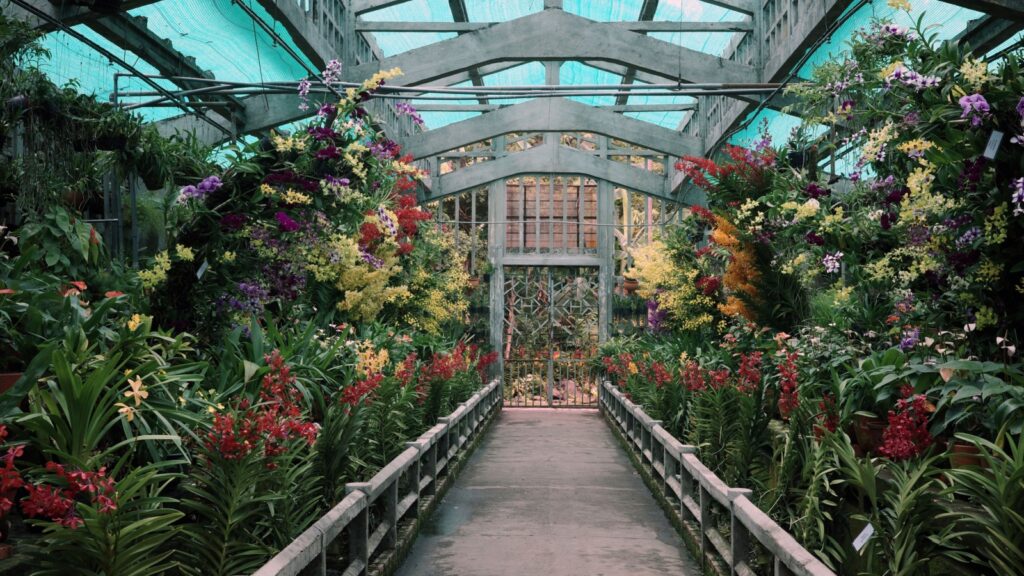
Gardening habits across Canada have been changing over the past few years. Many people now grow plants even with limited outdoor space. Apartment balconies, small backyards, and shared gardens are becoming active green spots. Canadians are also paying more attention to native plants, water use, and wildlife support. Climate changes across provinces are also shaping new planting choices. Some gardeners focus on growing food, while others prefer decorative yet practical gardens. Social media and local gardening groups also inspire people to try new layouts and plant combinations. Even small urban homes now include containers, vertical planters, or compact raised beds. These ideas allow people to enjoy gardening without needing a large yard. Canadians are adapting their gardens to their climate, space, and lifestyle. Here are 16 garden trends Canadians are trying in 2026, even in small spaces.
Native Plant Gardens
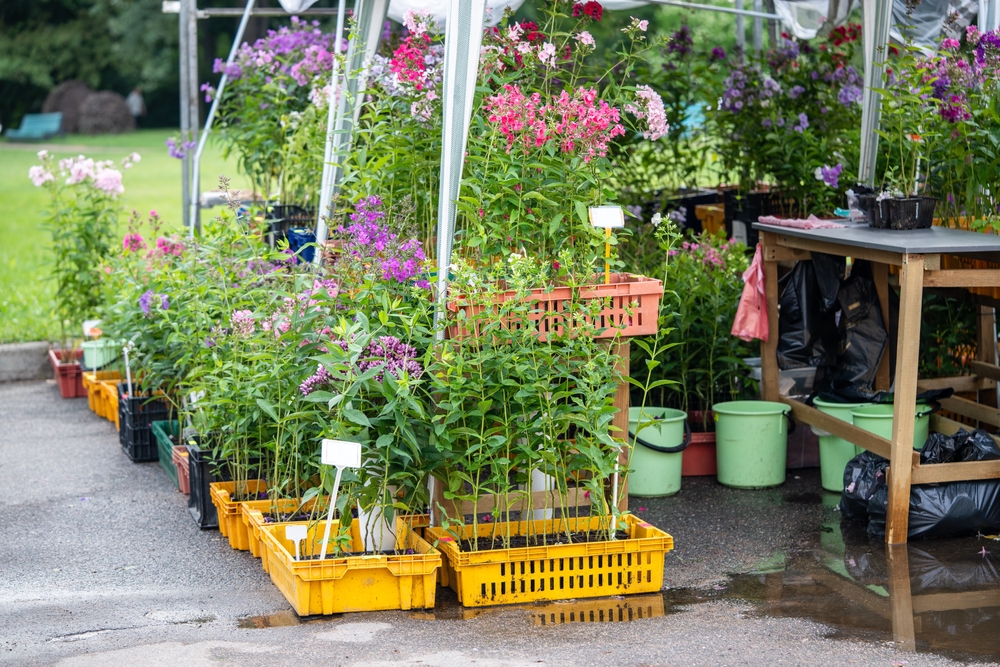
Many Canadian gardeners are now choosing native plants instead of imported species. Native plants naturally grow well in local soil and weather conditions. They also require less watering and less fertiliser compared to many decorative plants. This makes them easier to maintain for beginners and busy homeowners. Plants like purple coneflower, wild bergamot, and black-eyed Susan appear in many Canadian gardens. These plants also support local wildlife, including bees and butterflies. Gardeners across Ontario and British Columbia often mix native flowers with grasses for a natural look. Native plants also survive harsh winters better than widely imported varieties. This trend fits well with Canada’s focus on sustainable gardening. Even small yards or balcony containers can include native plants. As people learn more about local ecosystems, native plant gardens are becoming a common choice across Canadian cities.
Pollinator-Friendly Flower Beds
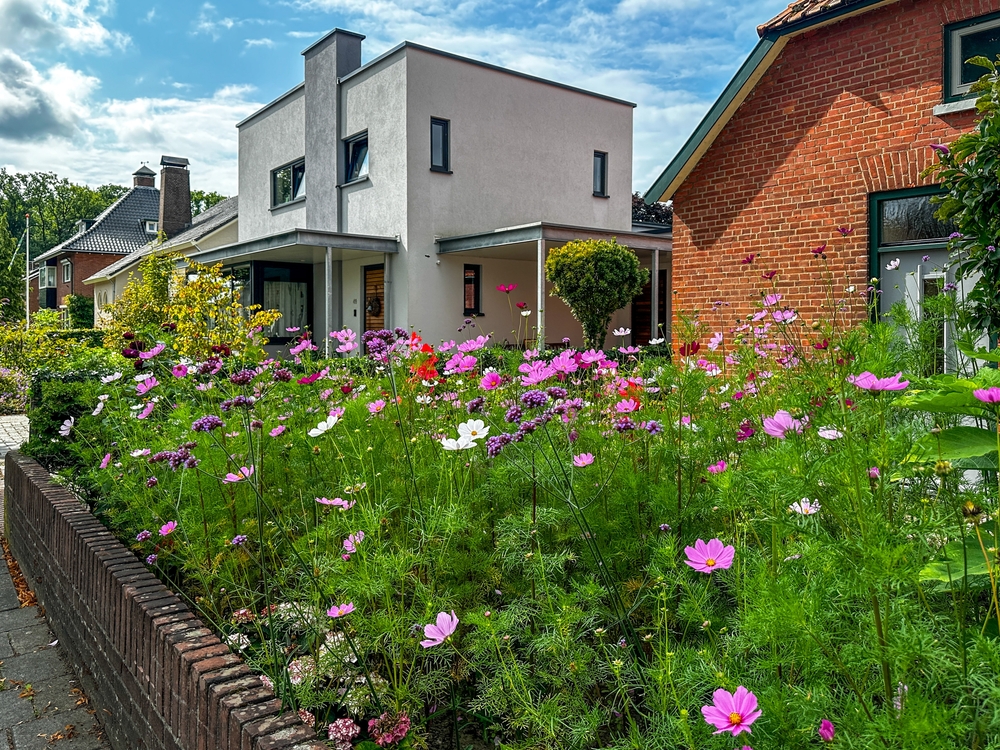
Pollinator gardens are gaining popularity across Canada because they support bees, butterflies, and other helpful insects. These insects play an important role in pollinating fruits, vegetables, and flowers. Many gardeners now design flower beds that provide nectar from early spring to late autumn. Plants like milkweed, bee balm, lavender, and goldenrod attract pollinators in many provinces. Gardeners often plant several varieties together to create a steady food source. Avoiding chemical pesticides also helps pollinators survive in these gardens. Cities such as Toronto and Vancouver promote pollinator gardens through local programs. Some homeowners even place small signs explaining that their gardens support pollinators. Even small balcony planters can attract bees and butterflies with the right plants. This gardening trend continues growing because it supports biodiversity while adding colour and movement to Canadian outdoor spaces.
Container Gardening on Balconies
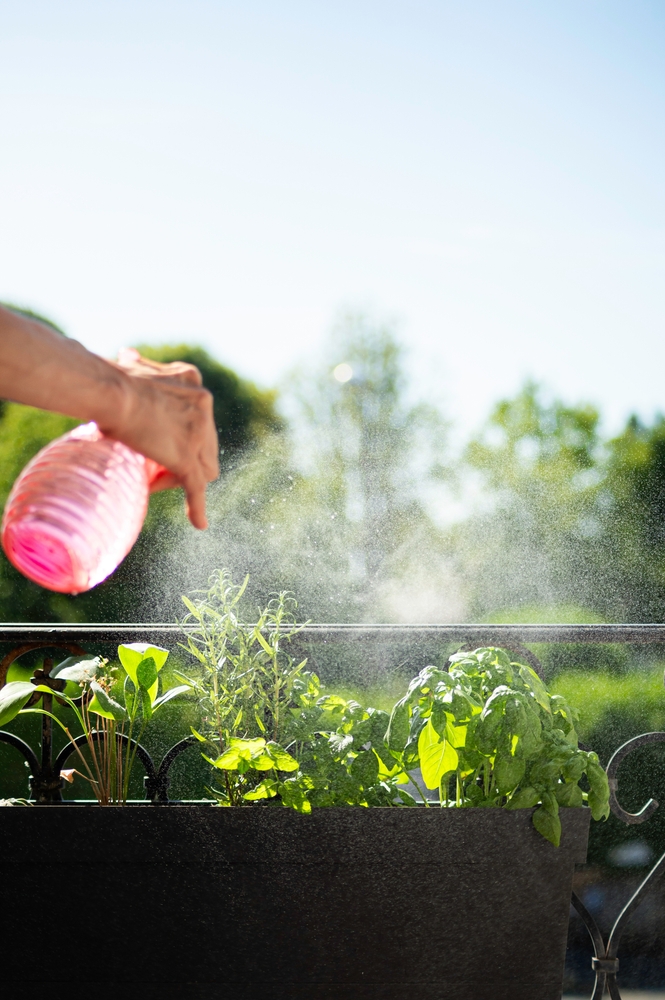
Container gardening has become very common in Canadian cities where outdoor space is limited. Many apartment residents grow plants using pots placed on balconies or window ledges. Containers allow gardeners to grow vegetables, herbs, and flowers in small areas. Tomatoes, peppers, lettuce, and basil grow well in containers during Canadian summers. Gardeners often choose lightweight containers that can be moved easily. This helps them adjust to sunlight exposure throughout the day. Balcony gardeners also use railing planters to save floor space. Self-watering containers are also popular because they help maintain moisture during warm months. In cities like Montreal and Calgary, container gardening allows people to enjoy fresh produce without owning land. Even decorative flowers grow well in containers with proper soil and drainage. This method helps Canadians turn small outdoor corners into productive green spaces.
Raised Garden Beds for Small Yards
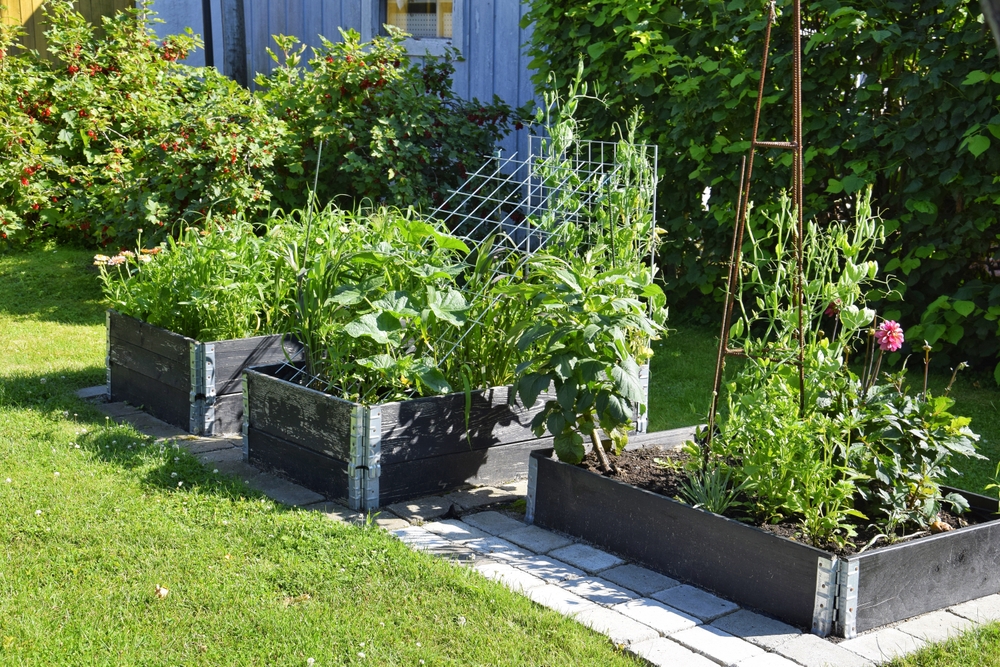
Raised garden beds are becoming a common feature in many Canadian backyards. They help gardeners manage soil quality and drainage more easily. Many Canadian homes have clay or rocky soil that makes planting difficult. Raised beds allow gardeners to add fresh soil that supports healthy plant growth. These beds also warm faster in spring, which helps plants grow earlier in the season. Gardeners often build beds using untreated wood or recycled materials. Small raised beds also help organise limited backyard space more efficiently. Vegetables such as carrots, lettuce, and beans grow well in raised beds. Many Canadians also add protective covers during cold nights. This helps extend the growing season in cooler provinces. Raised beds also reduce bending while gardening, which many older gardeners appreciate. Because of these benefits, raised beds continue gaining popularity across Canada.
Edible Landscaping in Front Yards
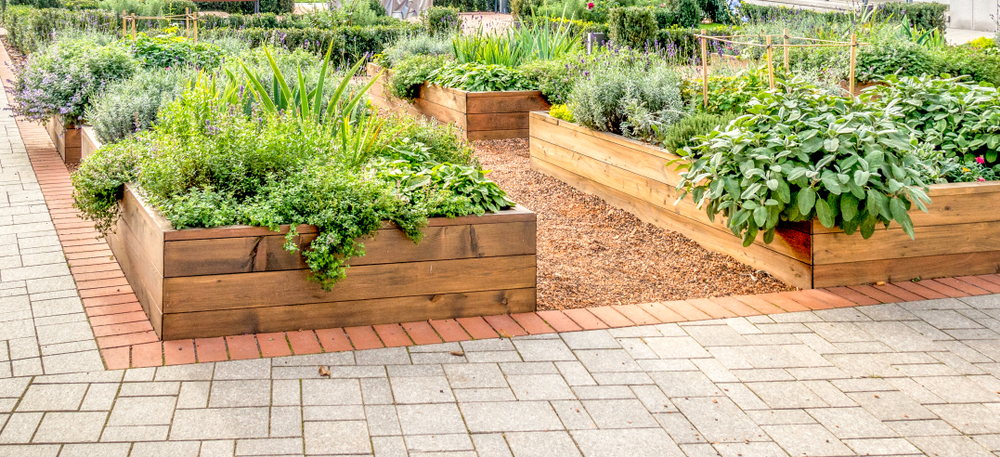
Many Canadians are now combining decorative plants with edible crops in their front yards. This idea is known as edible landscaping. Instead of planting only grass and flowers, gardeners mix vegetables, herbs, and fruit plants. Kale, lettuce, strawberries, and dwarf fruit trees appear in many modern front gardens. These plants still create an attractive look while providing fresh food. This trend also helps homeowners make better use of limited outdoor space. In cities with smaller properties, edible landscaping becomes very practical. Many municipalities across Canada allow food plants in front yards. Some local gardening groups even promote these gardens through community projects. Raised beds or decorative borders help keep the layout organised. This approach allows homeowners to grow food without giving up visual appeal. As food prices increase, edible landscaping continues gaining attention among Canadian gardeners.
Cold-Hardy Mediterranean Plants

Some Canadian gardeners are experimenting with Mediterranean plants that tolerate cooler climates. Certain varieties can survive Canadian winters when planted in protected areas. Plants like lavender, thyme, sage, and hardy rosemary grow well in many provinces. These plants prefer well-drained soil and plenty of sunlight. Gardeners often place them near walls that protect them from strong winter winds. Raised beds or rock gardens also help improve drainage for these plants. Mediterranean herbs are also useful in cooking, which makes them practical choices. In warmer regions like southern British Columbia and parts of Ontario, they grow especially well. Some gardeners also grow them in containers and move them indoors during winter. This method helps protect them from freezing temperatures. The combination of beauty and usefulness makes Mediterranean plants appealing for Canadian home gardens.
Vertical Gardens for Urban Homes

Vertical gardening helps Canadians grow plants even when ground space is very limited. This method uses walls, fences, or special frames to hold plant containers. Urban gardeners often grow herbs, strawberries, and leafy vegetables vertically. This design also adds greenery to patios and small courtyards. Some people install wooden pallets or wall-mounted planters to create vertical gardens. Others use stacked containers designed specifically for small spaces. Vertical gardens also improve air circulation around plants. This can help reduce certain plant diseases. Many balcony gardeners in cities like Vancouver and Toronto use vertical setups to save space. These gardens also create attractive green walls that improve outdoor living areas. With careful watering and good sunlight, vertical gardens can be very productive. This method continues growing as urban gardening becomes more common in Canada.
Rainwater Harvesting for Garden Use
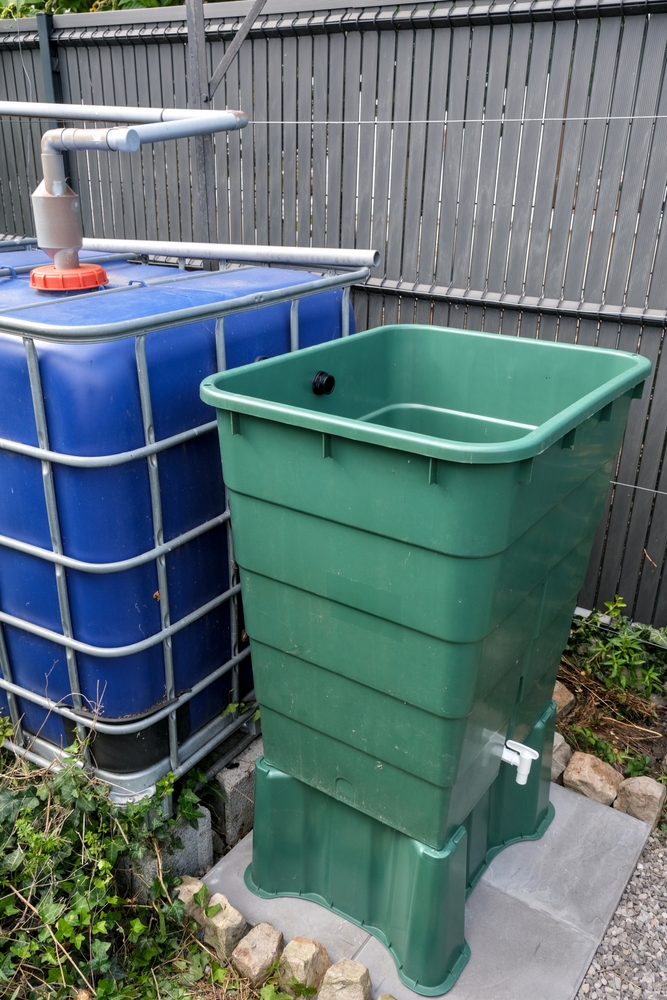
Rainwater harvesting is becoming popular among Canadian gardeners who want to reduce water usage. This system collects rainwater from roofs using gutters and storage barrels. The stored water can then be used to water plants during dry periods. Rainwater is also free from many chemicals found in treated tap water. Many garden centres in Canada sell rain barrels designed for home use. These barrels connect directly to downspouts for easy collection. Some homeowners also add simple filters to keep debris out of the water. This practice helps reduce pressure on municipal water supplies. It also lowers water bills during the summer gardening season. In some provinces, local programs encourage residents to install rain barrels. This trend supports sustainable gardening while helping plants receive natural water.
Backyard Greenhouses for Year-Round Growing
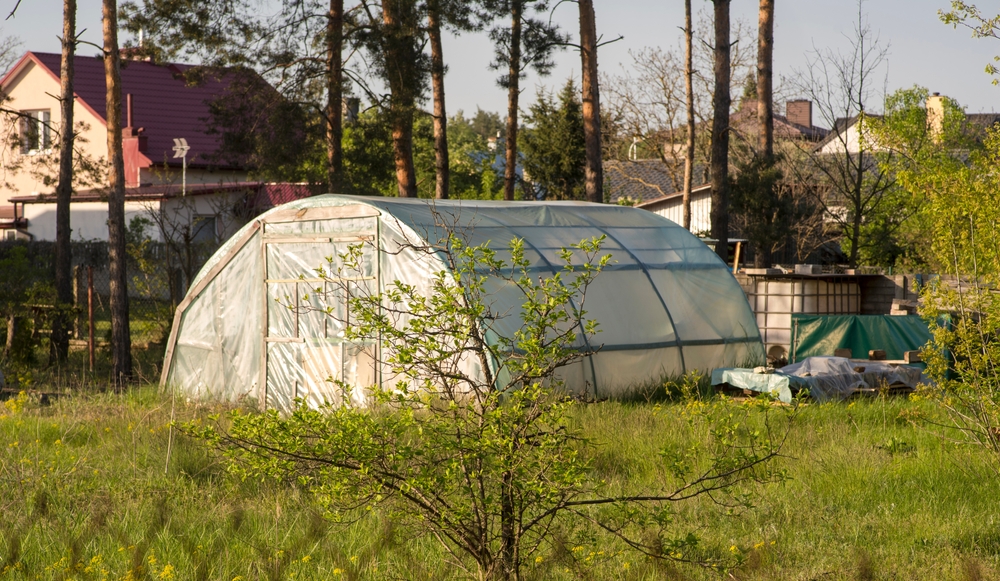
Small backyard greenhouses are becoming more common across Canada. They allow gardeners to grow plants beyond the short outdoor growing season. Greenhouses trap heat from sunlight and protect plants from cold weather. This allows vegetables and herbs to grow earlier in spring and later in autumn. Many homeowners now install compact greenhouse kits in their backyards. These kits are designed for small residential spaces. Gardeners often grow tomatoes, peppers, and leafy greens inside these structures. Some also start seedlings inside greenhouses before moving them outdoors. In colder provinces, greenhouses help extend the gardening season significantly. Even simple plastic-covered frames can protect plants from frost. With proper ventilation and watering, small greenhouses become productive garden spaces. As interest in home food growing increases, backyard greenhouses continue gaining popularity across Canada.
Composting Systems for Home Gardens
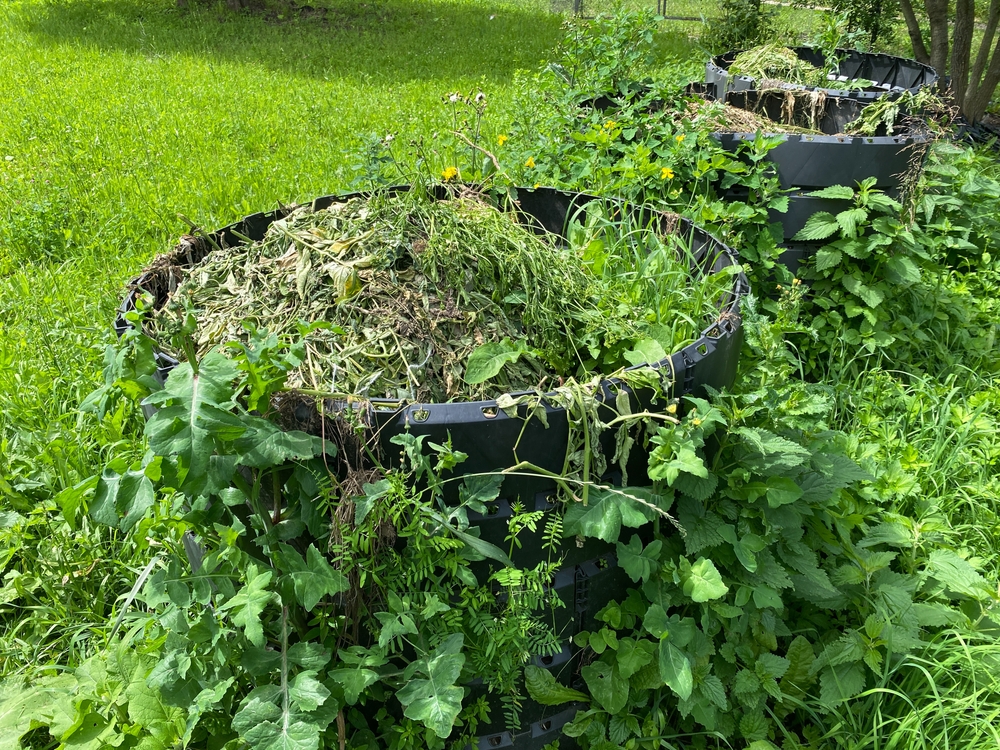
Composting is becoming a common practice among Canadian gardeners who want to reduce waste. Composting turns kitchen scraps and garden waste into nutrient-rich soil material. This natural fertiliser improves soil health and supports plant growth. Many homeowners use small compost bins in their backyards. Some also use rotating compost tumblers that speed up the breakdown process. Common compost materials include fruit peels, vegetable scraps, leaves, and grass clippings. Meat and dairy products are usually avoided because they attract pests. Composting reduces the amount of organic waste sent to landfills. Many Canadian cities also support composting through green waste programs. Gardeners often add finished compost to vegetable beds and flower gardens. This method improves soil structure while reducing the need for chemical fertilisers. Composting fits well with the growing interest in sustainable gardening.
Wildlife-Friendly Garden Spaces
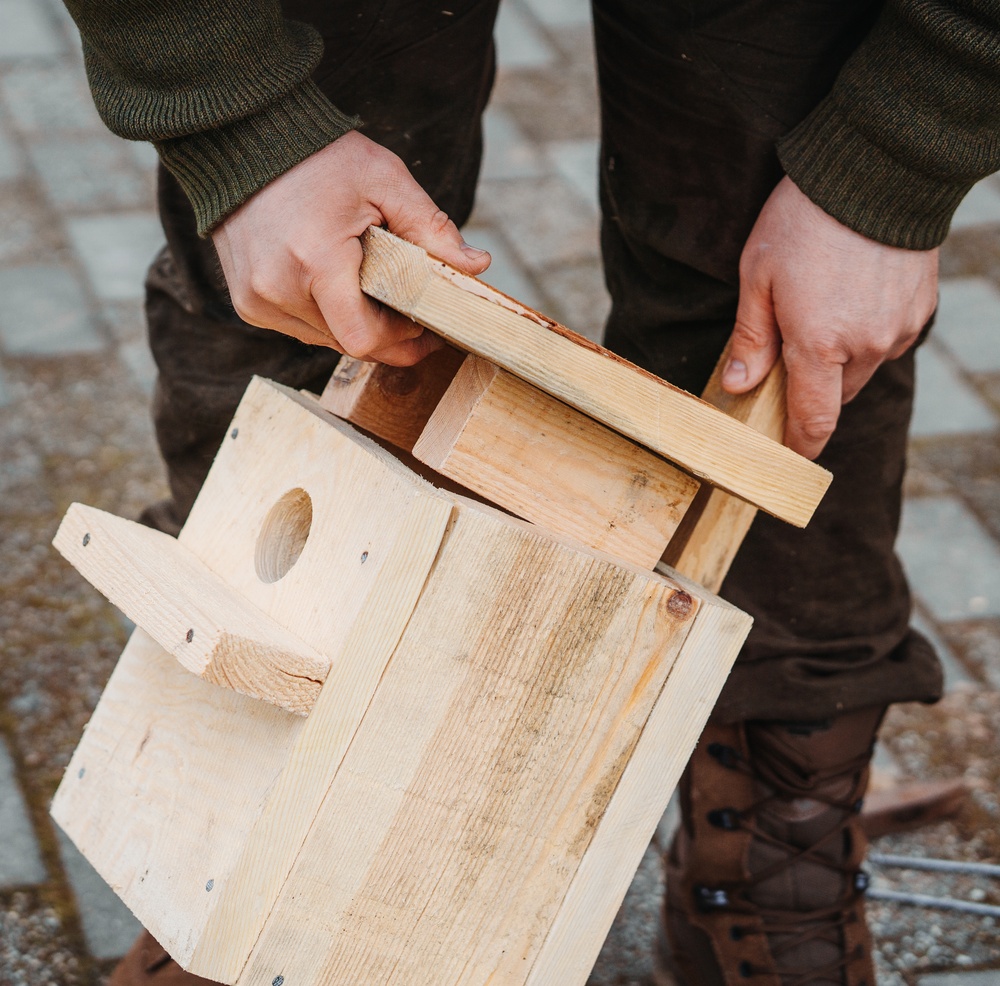
Many Canadian gardeners are creating gardens that support birds and small wildlife. These gardens include plants that provide food, shelter, and nesting areas. Berry-producing shrubs such as serviceberry and elderberry attract many bird species. Water sources like small bird baths also support wildlife. Gardeners often add native trees and shrubs that produce seeds and berries. Leaving some natural areas in the garden also helps insects and birds survive. Many homeowners avoid chemical pesticides in wildlife-friendly gardens. This helps protect birds that feed on insects. Cities across Canada encourage wildlife-friendly gardening through community programs. Even small yards can support birds and pollinators with the right plants. These gardens bring natural activity and bird songs into urban neighbourhoods. As people appreciate local wildlife more, this trend continues to grow.
Drought-Tolerant Plant Choices

Some Canadian gardeners are choosing drought-tolerant plants because summers can become dry in certain regions. These plants require less frequent watering once established. Many ornamental grasses and hardy perennials tolerate dry soil conditions. Plants like sedum, yarrow, and Russian sage grow well with limited water. Gardeners often group drought-tolerant plants together in the same garden area. This helps maintain consistent watering needs across the bed. Mulch also helps retain soil moisture during hot weather. In provinces with water restrictions during summer, drought-tolerant plants are practical choices. They reduce water use while still creating attractive gardens. These plants also survive periods of heat without losing their shape. As climate patterns change, many Canadians are adjusting their gardens to include more drought-tolerant species.
Micro Herb Gardens for Cooking
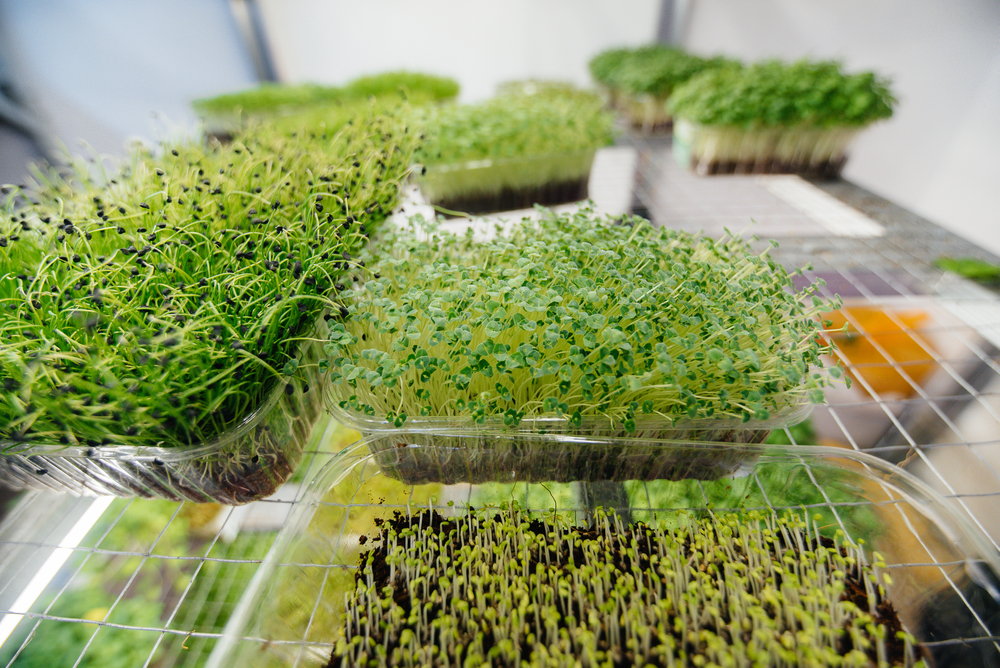
Small herb gardens are becoming popular among Canadians who enjoy cooking with fresh ingredients. Many herbs grow easily in containers placed near kitchen doors or windows. Common herbs include basil, parsley, thyme, mint, and chives. These plants grow quickly and can be harvested regularly. Many gardeners grow herbs indoors during winter using small pots and bright windows. Some also use grow lights to support indoor herb growth. Micro herb gardens require little space and simple care. Even apartment residents can grow herbs in small containers. Fresh herbs improve the flavour of home-cooked meals. They also reduce the need to buy packaged herbs from stores. Many Canadian gardeners enjoy the convenience of picking herbs directly from their own plants. This trend continues growing among people who prefer fresh, homegrown ingredients.
Natural Stone Pathways and Garden Edges
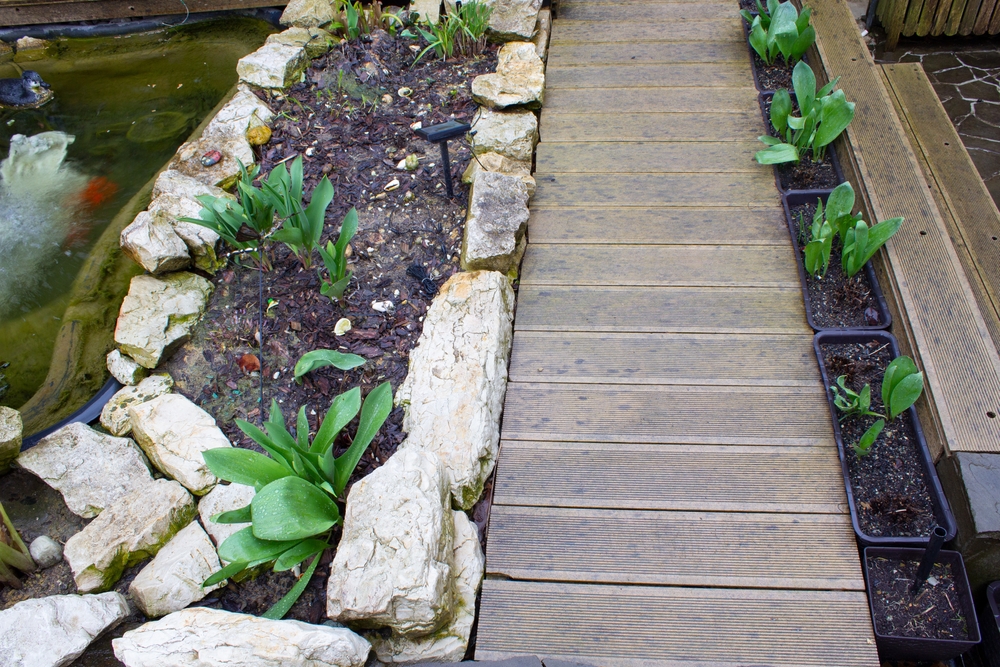
Natural stone is becoming a popular material for garden paths and borders in Canadian gardens. Stone pathways help organise garden areas while making walking easier. Materials like flagstone, slate, and river rock are commonly used. These materials handle Canadian weather conditions well. Gardeners often place stones between planting beds and lawn areas. This creates a clean and natural look in the garden. Stone pathways also help reduce soil compaction caused by walking through planting areas. Many homeowners choose irregularly shaped stones for a natural appearance. Gravel is sometimes added between stones for better drainage. These paths require very little maintenance once installed. Stone borders also prevent soil from spreading into walkways. Because of their durability and natural appearance, stone features remain a popular landscaping choice.
Smart Irrigation Systems for Home Gardens
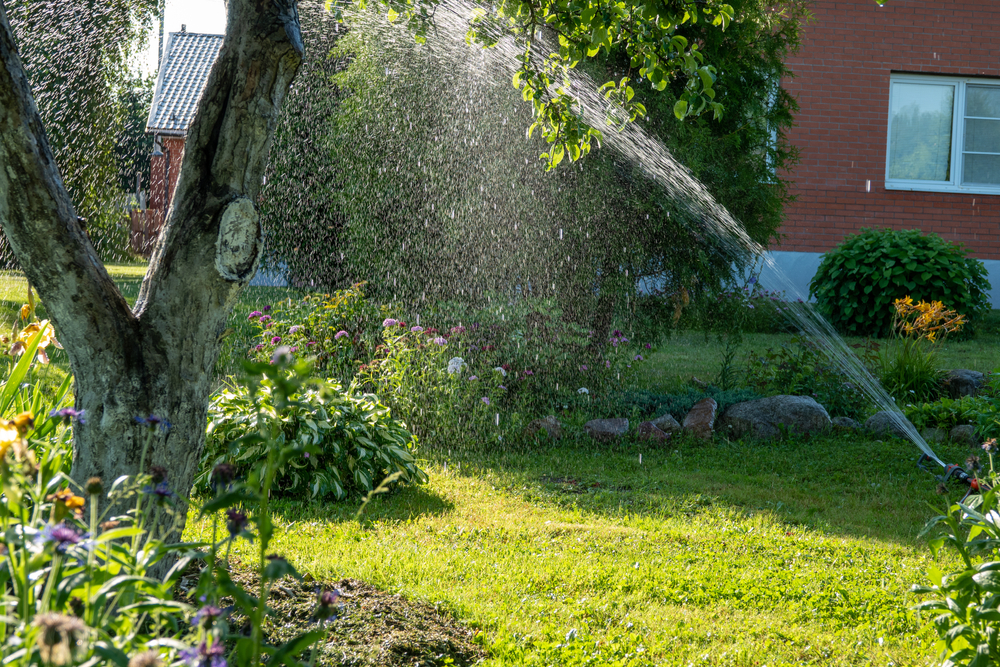
Technology is slowly entering Canadian home gardens through smart irrigation systems. These systems automatically water plants based on weather conditions and soil moisture levels. Many smart irrigation controllers connect to mobile phone apps. Gardeners can adjust watering schedules from anywhere. Some systems even pause watering when rain is expected. This helps prevent unnecessary water use. Drip irrigation is often combined with smart controllers for efficient watering. Drip lines deliver water directly to plant roots instead of spraying large areas. This reduces water waste and evaporation. Smart irrigation systems are useful for busy homeowners who cannot water daily. They also support water conservation efforts during dry months. As technology becomes more affordable, more Canadian gardeners are adopting these systems.
Community Garden Participation
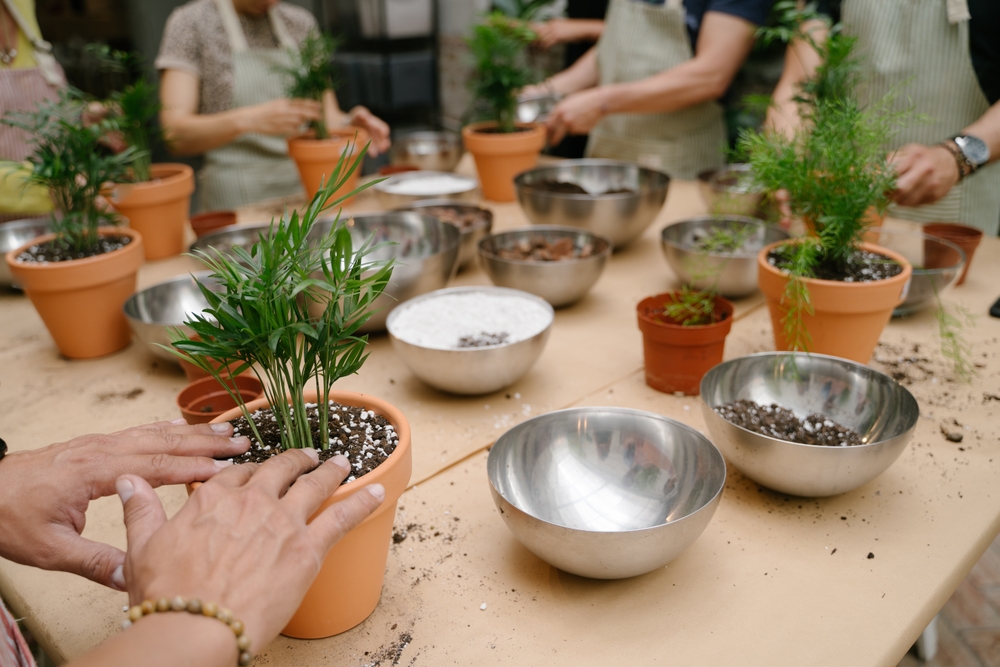
Community gardens are growing across many Canadian cities and towns. These shared spaces allow residents to grow plants even without private yards. Local governments or community groups usually manage these gardens. Each participant receives a small plot for growing vegetables or flowers. Community gardens help people learn gardening skills from experienced neighbours. They also create opportunities for social interaction within neighbourhoods. Many community gardens include composting areas and shared tools. Schools and families often participate in these programs together. Fresh produce grown in community gardens also supports healthy eating. Cities like Toronto, Ottawa, and Vancouver have many active community gardens. These spaces turn unused land into productive green areas. As interest in urban gardening grows, community gardens continue expanding across Canada.
19 Things Canadians Don’t Realize the CRA Can See About Their Online Income

Earning money online feels simple and informal for many Canadians. Freelancing, selling products, and digital services often start as side projects. The problem appears at tax time. Many people underestimate how much information the CRA can access. Online platforms, banks, and payment processors create detailed records automatically. These records do not disappear once money hits an account. Small gaps in reporting add up quickly.
Here are 19 things Canadians don’t realize the CRA can see about their online income.
