
Canadian grocery shoppers are constantly exposed to “limited-time” offers that create urgency and push faster buying decisions. However, many of these deals are not actually limited, but part of predictable weekly cycles designed to increase store traffic and spending. Retailers rotate discounts strategically across categories, giving the illusion of scarcity while maintaining consistent demand. Here are 20 “Limited-Time” grocery deals that come back every week (and why it works).
Buy-One-Get-One Snack Deals

Buy-one-get-one offers on chips, cookies, and packaged snacks are one of the most common promotions across Canadian grocery stores, yet they are rarely as limited as they appear. These deals rotate almost every week between brands and product variations, creating a sense of urgency that encourages shoppers to purchase more than they actually need. The structure is designed to increase basket size while maintaining retailer margins, since the pricing is adjusted to absorb the discount. Canadians often stock up during these promotions, assuming they will not return soon, but similar offers typically reappear within a short cycle.
Soft Drink Multi-Pack Discounts
PP
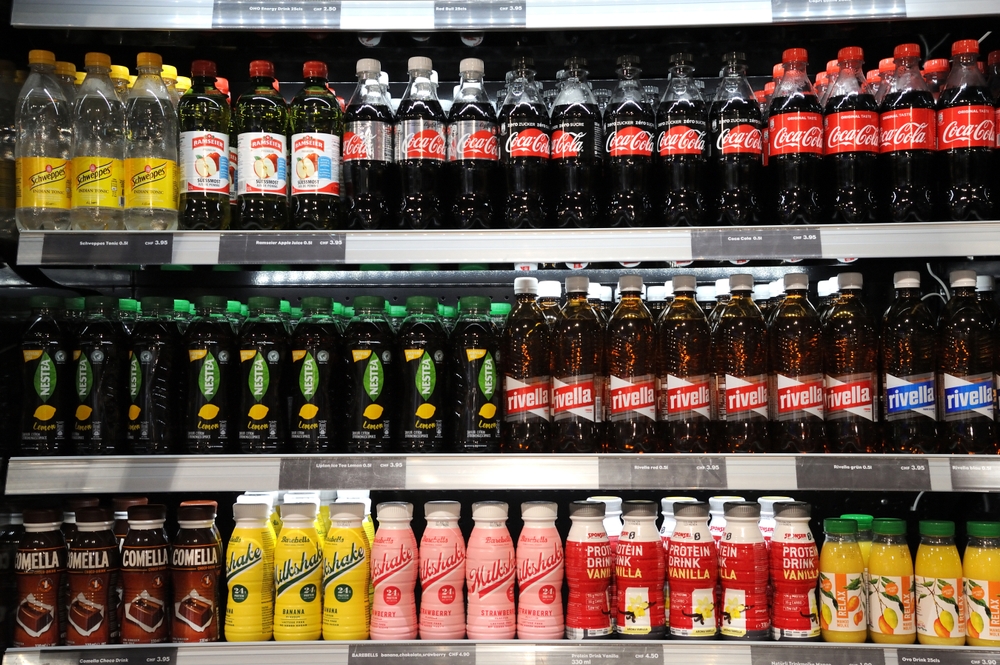
Soft drink promotions are among the most predictable rotating deals in Canadian grocery stores, often appearing every week under slightly different formats. Retailers alternate between brands, package sizes, and bundle offers to maintain the illusion of variety, even though the pricing cycle remains consistent. Canadians frequently purchase large quantities during these promotions, believing the price drop is temporary. The strategy works by encouraging volume purchases while maintaining steady demand over time.
Breakfast Cereal Rotation Sales
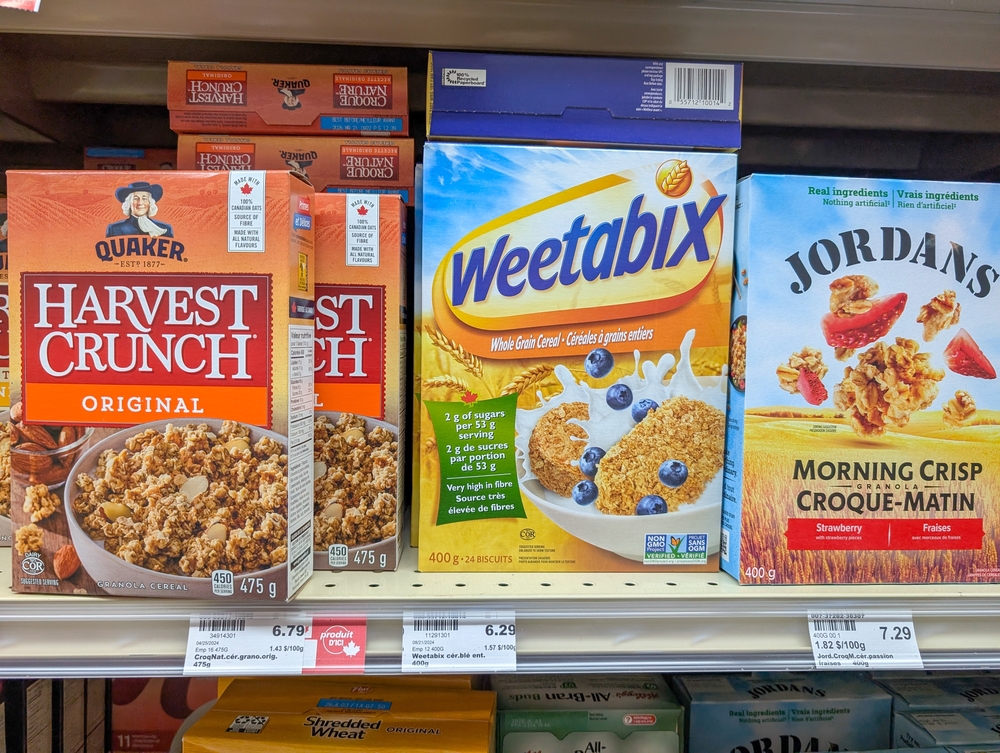
Breakfast cereals are heavily promoted through rotating weekly discounts that give the impression of limited-time savings. Different brands and varieties are featured each week, ensuring that some form of promotion is always available. Canadians often respond by purchasing multiple boxes when a preferred brand is discounted, assuming the opportunity will not return quickly. However, these sales follow predictable cycles, and the same products are discounted again within a few weeks.
Frozen Pizza Weekly Promotions

Frozen pizza deals are frequently marketed as short-term offers, but they operate within a structured rotation across brands and retailers. Canadians often see one brand discounted heavily while others remain at regular price, creating the impression of a rare opportunity. In reality, these promotions shift weekly, ensuring that similar deals are always available in some form. The strategy encourages bulk purchases, as shoppers assume the discount will not return soon.
Meat Clearance and “Manager’s Specials”

Meat clearance deals, often labeled as manager’s specials, appear to be one-time opportunities tied to specific inventory, but they occur regularly as part of store operations. While individual items vary, the concept itself is consistent across Canadian grocery stores. Canadians often rush to purchase these products due to perceived rarity, even when similar discounts are available frequently. The reduced prices are real, but the availability of similar deals is ongoing.
Bread and Bakery “Flash” Discounts
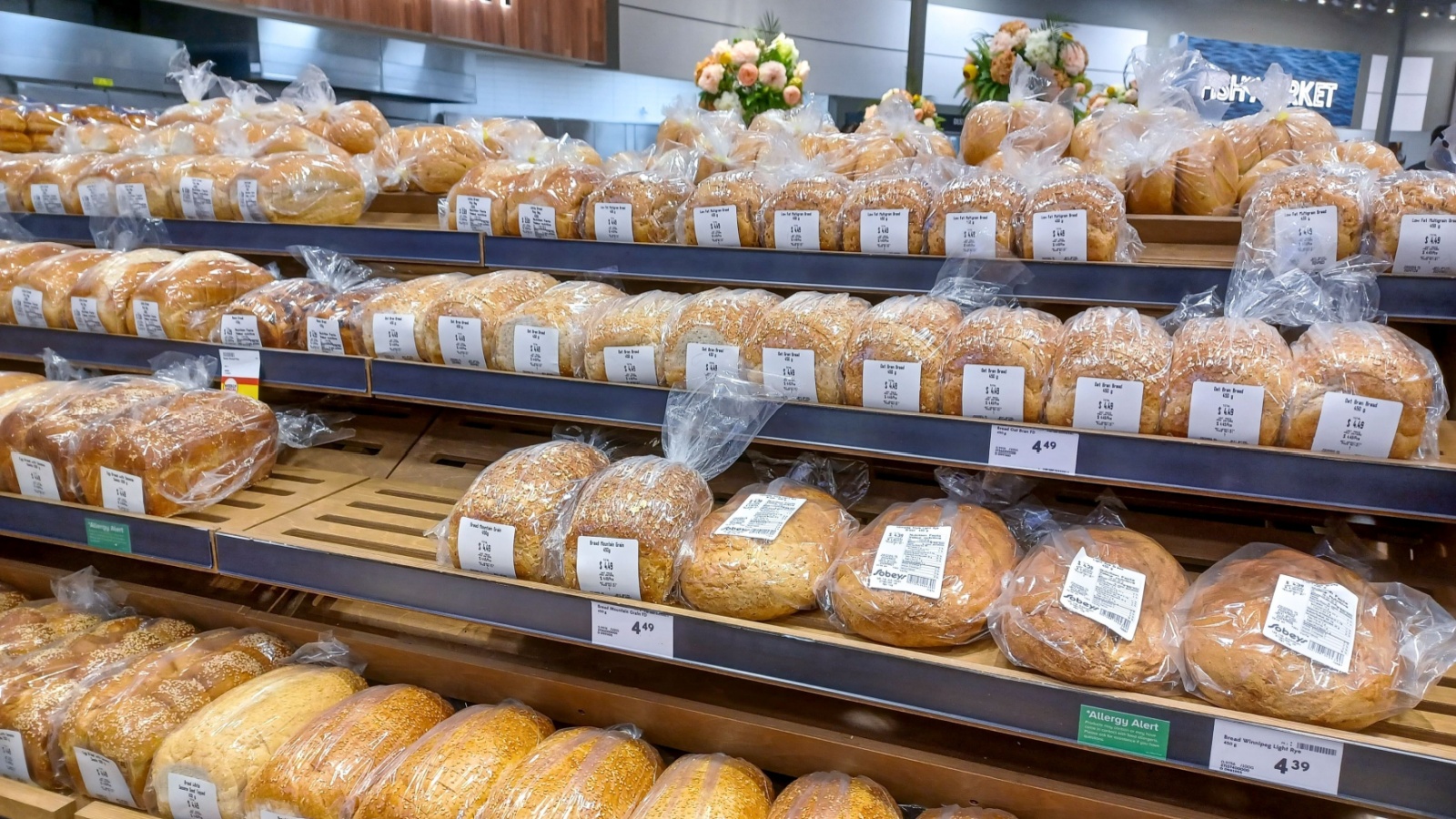
Bread and bakery items are often promoted as limited-time discounts, especially toward the end of the day or week. These deals appear spontaneous but are part of consistent inventory management practices. Canadians often purchase extra items during these promotions, believing they are rare opportunities. However, similar discounts occur regularly as stores cycle through fresh inventory. The strategy reduces waste for retailers while encouraging additional purchases. The urgency created by the short shelf life reinforces quick decision-making.
Dairy Product Weekly Deals

Dairy products such as yogurt, cheese, and milk are frequently discounted in rotating weekly cycles across Canadian grocery chains. These promotions are often labeled as limited-time offers, even though similar discounts appear consistently across different brands. Canadians may stock up when prices drop, assuming the deal will not return soon. In reality, retailers rotate products to maintain demand and keep shoppers engaged. The strategy works by creating the illusion of scarcity while ensuring steady sales volume.
Pasta and Pantry Staple Sales

Pasta and other pantry staples are commonly featured in weekly promotions that appear limited but follow predictable cycles. Retailers rotate brands and package sizes to create variation, even though the underlying strategy remains consistent. Canadians often purchase multiple items during these sales, assuming long gaps between discounts. However, similar offers return frequently, making bulk purchases less necessary. Recognizing this pattern allows shoppers to avoid overstocking and make more deliberate decisions.
Seasonal Produce Pricing Cycles

Seasonal produce is often marketed as limited-time pricing, but these cycles are predictable and repeat annually. Canadians may feel pressure to buy certain fruits or vegetables immediately, believing the pricing window is short. In reality, supply remains stable for extended periods during the season. Retailers emphasize timing to create demand spikes, even when availability is not limited. Understanding seasonal patterns helps consumers avoid unnecessary urgency. Planning purchases around actual consumption needs leads to better value and less waste. Recognizing these cycles allows for more strategic grocery shopping.
Packaged Lunch Meat Discounts

Packaged lunch meat is frequently promoted through rotating weekly discounts that appear temporary but return regularly. Retailers’ alternate brands and product lines to maintain customer interest while keeping pricing predictable. Canadians often stock up during these promotions, assuming they are rare opportunities. However, similar deals appear consistently, making bulk buying less necessary. Understanding this pattern helps consumers avoid overbuying and make more balanced purchasing decisions.
Frozen Vegetable Discounts
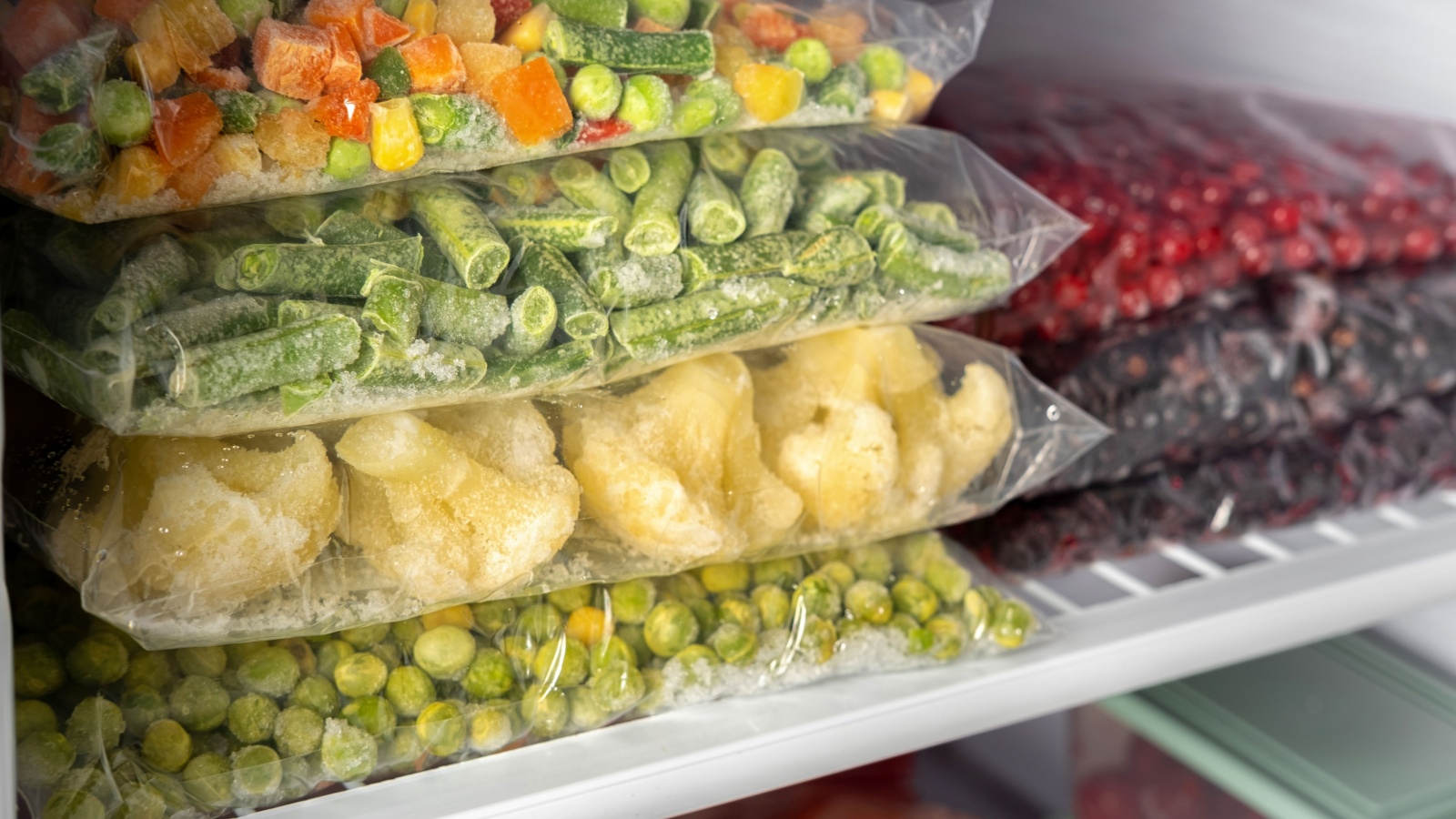
Frozen vegetables are often promoted as limited-time deals, but these discounts rotate consistently across brands and retailers. Canadians frequently see one type of vegetable discounted heavily while others remain at regular price, creating the impression of a short-term opportunity. In reality, these promotions shift weekly, ensuring that some form of discount is always available. The strategy encourages shoppers to buy in bulk, even when storage space or consumption needs are limited.
Ice Cream “Weekend Specials”

Ice cream promotions are commonly marketed as weekend-only deals, giving the impression that the discount is tied to a specific short timeframe. Canadians often respond by purchasing multiple tubs, assuming the price will return to normal afterward. However, these promotions frequently repeat on subsequent weekends or rotate between brands in a predictable pattern. The limited-time framing creates urgency, even though availability remains stable over time. Understanding this cycle allows consumers to avoid overbuying and better manage freezer space.
Cleaning Product Bundle Deals

Cleaning products are often sold in bundles with labels suggesting short-term savings, but these offers rotate frequently across brands and product types. Canadians may purchase larger quantities than necessary due to perceived value, even when similar deals return regularly. Retailers structure these bundles to increase basket size while maintaining margins. The limited-time messaging creates urgency, encouraging immediate decisions rather than comparison. However, the same or similar bundles often reappear within a few weeks.
Coffee and Tea Promotions

Coffee and tea are frequently discounted in rotating weekly cycles that give the impression of limited availability. Canadians often stock up when prices drop, assuming that the deal will not return soon. In reality, retailers alternate between brands and package sizes to maintain continuous promotions. This creates a sense of urgency while ensuring steady demand. The strategy works by encouraging bulk purchases, even when supply remains consistent. Consumers who recognize this cycle can make more deliberate decisions and avoid overbuying.
Ready-to-Eat Meal Discounts
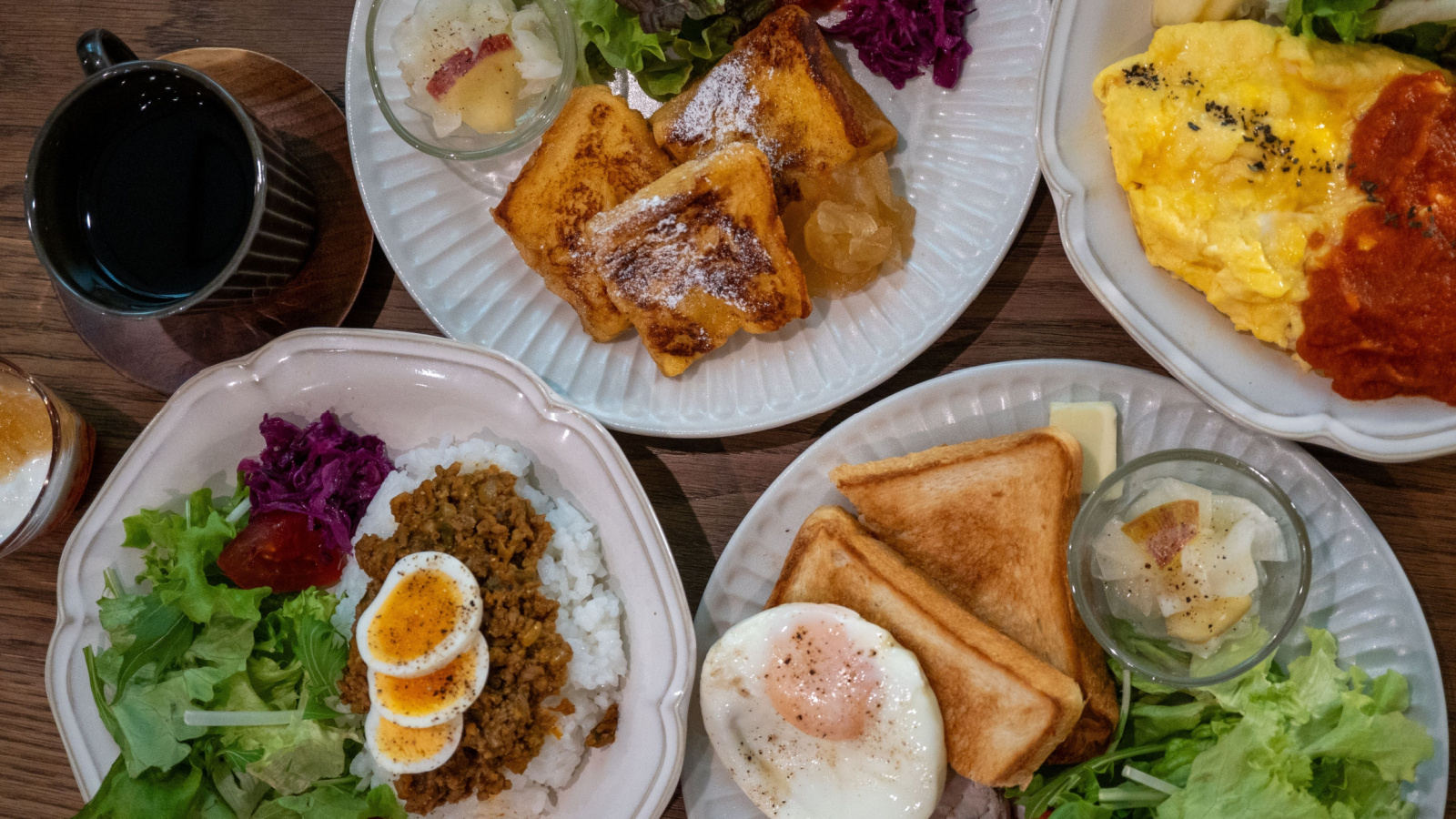
Prepared meals are often marketed as limited-time offers to encourage quick purchases, especially for convenience-focused shoppers. Canadians may feel pressure to buy these items immediately, assuming the discount is temporary. However, similar promotions appear regularly as retailers manage inventory and maintain interest in ready-to-eat options. The strategy combines convenience with urgency, increasing impulse purchases. Waiting for future discounts often results in similar pricing without unnecessary spending.
Cheese Block Promotions

Cheese blocks are frequently discounted in rotating cycles, yet they are often labeled as limited-time deals. Canadians may purchase larger quantities when prices drop, assuming the opportunity is rare. In reality, these promotions shift between brands and product sizes, ensuring ongoing availability. The strategy encourages bulk buying while maintaining steady demand. The perception of urgency drives faster decisions, even though the pricing pattern is predictable.
Snack Bar Multi-Pack Deals
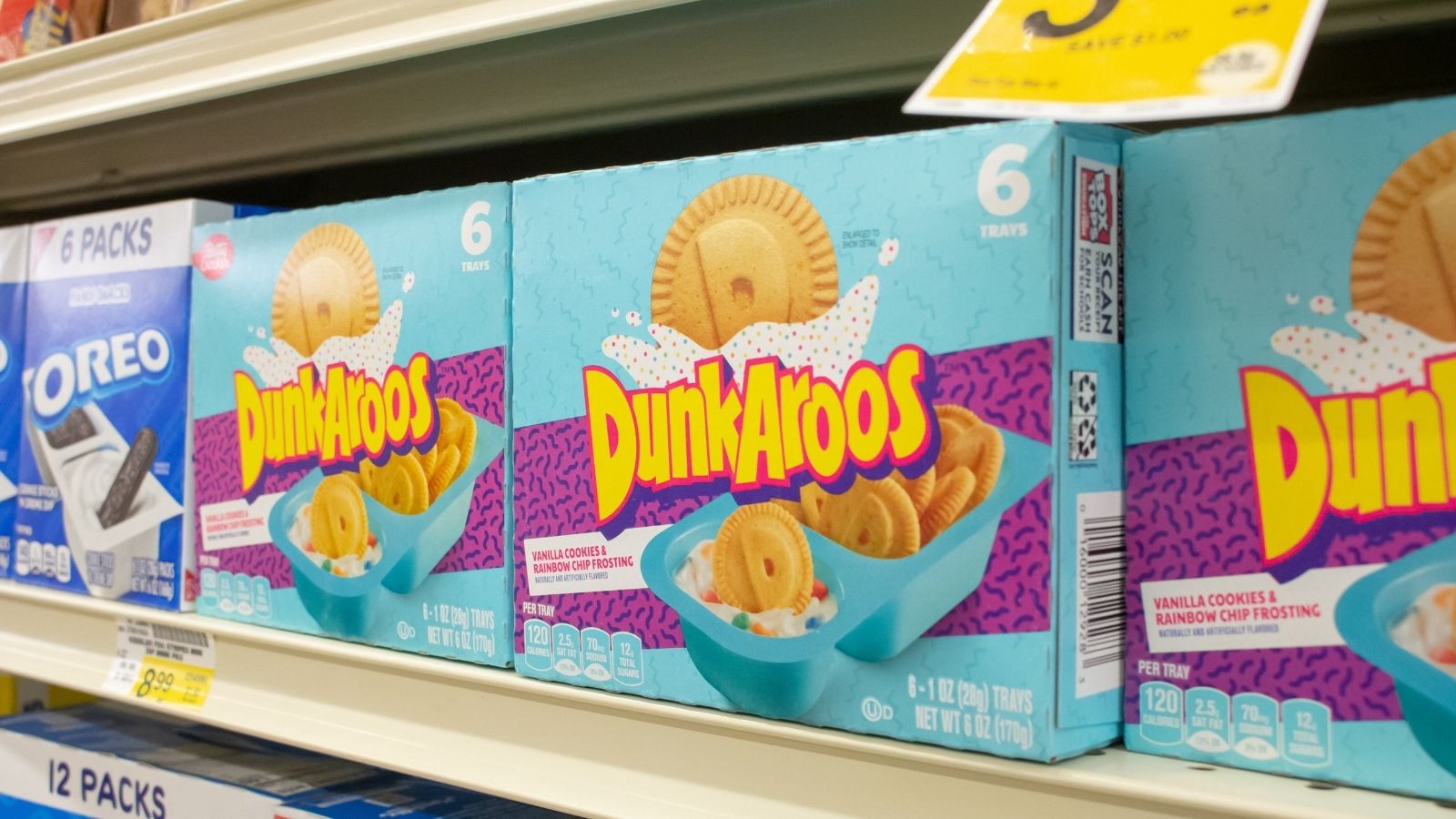
Snack bar multi-packs are commonly promoted as short-term discounts, but they follow consistent rotation patterns across Canadian grocery stores. Retailers’ alternate brands and flavours to create variety while maintaining predictable pricing cycles. Canadians often buy in bulk during these promotions, assuming limited availability. However, similar deals return regularly, making bulk purchases less necessary.
Bottled Water Bulk Discounts

Bottled water is frequently sold in bulk at discounted prices, often labeled as limited-time offers. Canadians may purchase large quantities during these promotions, assuming they will not return soon. In reality, these discounts rotate consistently, with different brands featured each week. The limited-time framing creates urgency, even though availability remains constant.
Condiment Price Drops

Condiments such as ketchup, sauces, and dressings are often featured in weekly promotions that appear temporary but repeat regularly. Canadians may stock up when prices drop, assuming the deal is rare. However, retailers rotate brands and product lines to maintain ongoing promotions. The strategy encourages higher purchase volumes while keeping demand consistent. Understanding this pattern allows consumers to avoid overbuying and make more deliberate decisions.
Frozen Dessert Deals

Frozen desserts are frequently promoted as limited-time offers, especially during warmer months, but these deals follow predictable cycles. Canadians often purchase multiple items when prices drop, assuming the promotion will not return soon. In reality, retailers rotate brands and products to maintain continuous discounts. The strategy increases sales volume while creating the illusion of scarcity. Consumers who understand this pattern can avoid unnecessary purchases and plan more effectively.
19 Things Canadians Don’t Realize the CRA Can See About Their Online Income

Earning money online feels simple and informal for many Canadians. Freelancing, selling products, and digital services often start as side projects. The problem appears at tax time. Many people underestimate how much information the CRA can access. Online platforms, banks, and payment processors create detailed records automatically. These records do not disappear once money hits an account. Small gaps in reporting add up quickly.
Here are 19 things Canadians don’t realize the CRA can see about their online income.
