
Spring weather in Canada can be very unpredictable. One warm afternoon often makes people think winter has finally ended. However, temperatures can quickly drop again the next day. Many Canadians experience this pattern every year. A sunny day may feel comfortable, yet cold wind and night frost still return. Weather changes happen quickly across many provinces during early spring. People often prepare for summer activities too soon. Jackets disappear, patios open, and gardens start earlier than expected. Then another cold front arrives, reminding everyone that winter is not over. This cycle repeats every year across the country. Spring can look warm without actually being stable. Canadians often joke about these seasonal surprises. These experiences have created many common beliefs about spring weather. Here are 24 spring weather lies Canadians fall for, even though it’s not actually warm yet.
One Sunny Day Means Winter Is Over

Many Canadians see one bright sunny day and assume winter has ended. The sky looks clear, and temperatures feel comfortable for a few hours. People quickly open windows and step outside without heavy jackets. However, this warmth often lasts only briefly. Cold air masses still move across the country during early spring. The next morning may bring frost or even light snowfall. Weather systems change quickly during this time of year. A single warm afternoon does not mean the season has fully shifted. Experienced Canadians know spring requires patience. Winter conditions can return several times before true warmth arrives. Weather forecasts also show large temperature changes during this period. Sunny skies can create a false sense of comfort. This is why one pleasant day rarely signals the real end of winter.
Wearing a T-Shirt Because It’s 12°C Outside

A temperature of 12°C can feel warm after a long winter. Many Canadians immediately switch to lighter clothing when this happens. Some people even wear T-shirts during the afternoon sunshine. The sun may feel strong, especially when there is little wind. However, the air temperature is still quite cool. Once clouds appear or wind increases, the chill returns quickly. Early spring air still carries winter cold from surrounding regions. Evening temperatures often drop significantly as well. People who dress too lightly often feel cold within a short time. Layered clothing usually works better during this season. Light jackets remain useful even on brighter days. The temperature may look comfortable on weather apps. Yet spring warmth in Canada often disappears faster than expected.
Packing Away Winter Jackets Too Early

As soon as the weather improves slightly, many Canadians store their winter coats. Closets begin filling with lighter jackets and sweaters. This change often feels like a celebration of spring. However, winter weather rarely leaves so quickly. Cold air can return suddenly during April or early May. Snowstorms have surprised Canadians even after several warm days. People who packed away winter jackets often regret the decision. Pulling them out again becomes necessary. Keeping winter clothing available remains the safer choice. Spring temperatures can change dramatically overnight. Many Canadians eventually learn this lesson through experience. Light jackets may not provide enough warmth during cold evenings. Winter coats remain useful longer than expected. Waiting a few more weeks before storing them usually avoids discomfort.
Believing Snow Is Finished for the Season
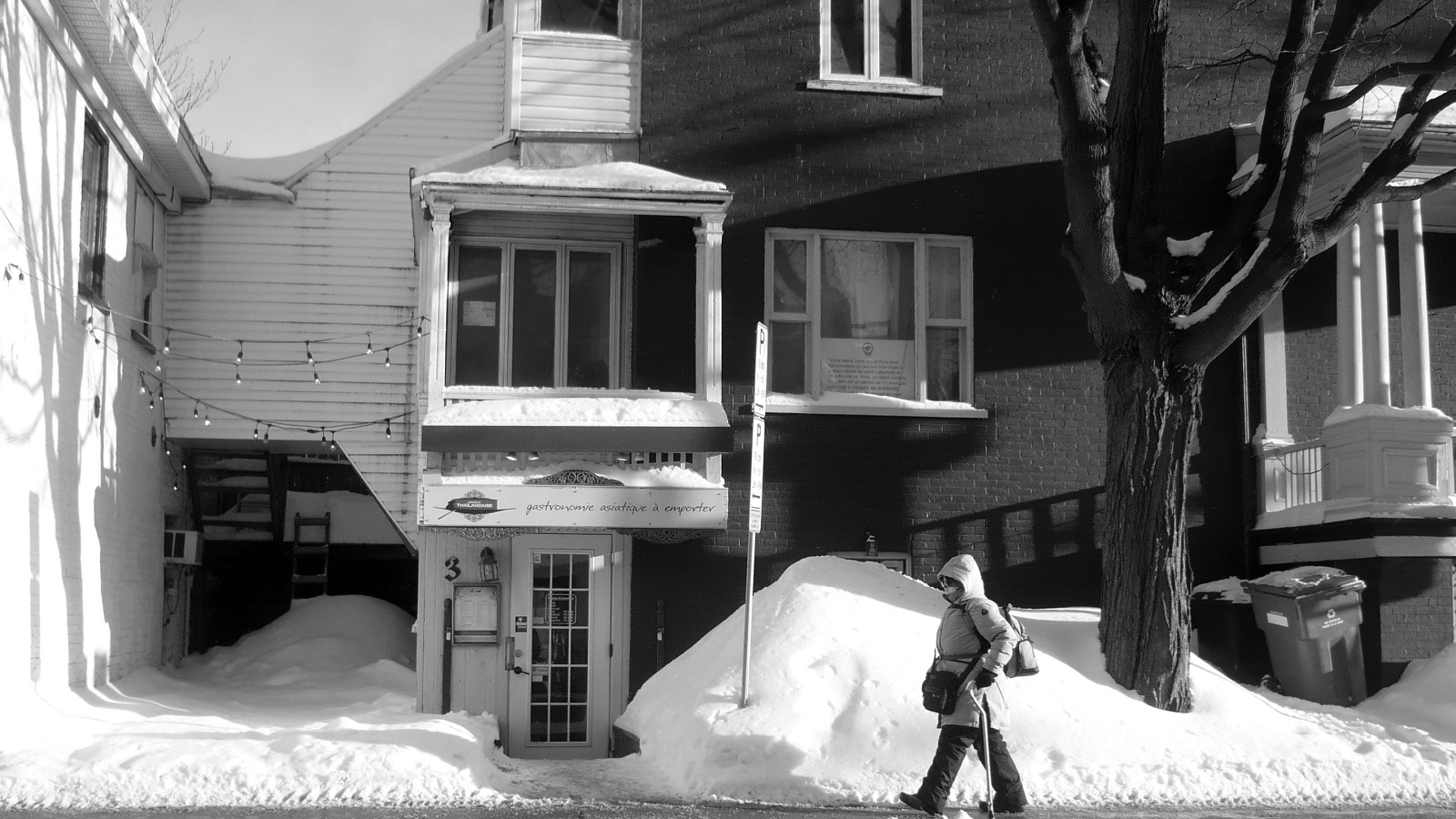
Snowfall often appears to disappear as temperatures slowly rise. The streets are clear, and sunlight melts the remaining snow piles. This moment makes many Canadians believe winter precipitation has ended. However, late-season snowstorms still occur across several provinces. Cold air moving south can easily bring another snowfall. Even small snow events surprise people who have already switched to spring routines. Weather systems remain unstable during this time of year. Higher elevation areas especially receive late snowfalls. Cities sometimes wake up to unexpected white landscapes again. These storms rarely last long but still disrupt daily plans. People often joke about “one last snowstorm” each spring. Experienced residents remain cautious until mid-spring passes. Snow returning after warm days is one of the most common seasonal surprises.
Opening Cottage Season Too Soon

Cottage owners often feel excited after the first warm weekend. The idea of returning to the lake becomes very appealing. Some families travel early to open their cottages. However, spring weather near lakes remains colder than expected. Ice may still cover parts of the water. Wind near open lakes also lowers temperatures significantly. Outdoor activities can feel uncomfortable during these early visits. Heating systems may still be needed inside the cottage. Many owners realize it is still too early for full cottage use. Waiting a few more weeks often provides better conditions. Spring sunshine may create the illusion of warmth. Yet lakes and forests take longer to warm up. This makes early cottage trips colder than anticipated.
Planting Garden Flowers in Early April

Warm spring afternoons often inspire Canadians to begin gardening. Garden centres start displaying colourful flowers and plants. This creates excitement about planting season. However, soil temperatures may still be too cold for many plants. Frost can easily damage young flowers and vegetables. Overnight temperatures often fall below safe levels during early spring. Plants that appear healthy during the day may struggle at night. Experienced gardeners usually wait until later in the season. Local planting calendars provide useful guidance. Cold weather can slow plant growth significantly. Replacing damaged plants also becomes costly. Patience helps protect gardens from unexpected frost. Spring sunshine alone does not mean the ground is ready for planting.
Switching to Summer Tires Immediately

Warmer weather encourages many drivers to change their tires early. Summer tires perform better during consistently warm conditions. However, spring temperatures remain unpredictable in Canada. Cold mornings can still affect road conditions. Snow or freezing rain may appear unexpectedly. Summer tires provide less grip during cold temperatures. Drivers may face reduced safety on slippery roads. Tire experts usually recommend waiting until temperatures remain stable. Several days of warmth are not always enough. The weather can quickly shift back to winter patterns. Keeping winter tires a little longer helps avoid problems. Road safety remains more important than early seasonal changes.
Thinking Morning Frost Is Finally Gone

Morning frost begins disappearing as spring approaches. Grass looks greener, and outdoor surfaces feel warmer. This makes many Canadians believe frost has completely ended. However, clear skies at night allow temperatures to drop again. Frost can easily return during early mornings. Garden plants and outdoor surfaces may freeze briefly. This sudden cold surprises people who have already started spring routines. Vehicles may also show thin frost layers again. Early sunlight quickly melts it, but the cold remains noticeable. These frost events often continue into late spring. Many gardeners cover sensitive plants overnight for protection. Morning frost reminds everyone that winter conditions are not fully gone yet.
Trusting the Weather App Too Much

Weather apps provide useful forecasts during daily planning. Many Canadians check them regularly in the spring. However, early-season forecasts are often less predictable. Temperature changes happen quickly across the country. A sunny prediction may shift to rain or snow within hours. Weather systems move rapidly during the spring months. Apps provide estimates rather than guaranteed conditions. People sometimes plan outdoor activities based on incomplete forecasts. Unexpected cold winds or showers can appear suddenly. This creates frustration when plans change quickly. Checking updated forecasts helps reduce surprises. However, flexibility remains important during this season. Spring weather rarely follows exact predictions.
Assuming Patios Will Stay Warm All Evening

Warm afternoon sunshine encourages people to sit on patios. Outdoor restaurants and home decks begin filling with visitors. During the afternoon, temperatures feel pleasant and comfortable. However, conditions change rapidly after sunset. Heat from the sun disappears, and cooler air moves in. Evening temperatures often drop several degrees quickly. Wind also becomes more noticeable after dark. People who dress lightly may start feeling cold. Restaurants sometimes provide heaters or blankets for guests. At home, people return indoors earlier than expected. Spring evenings remain cooler than summer nights. Afternoon warmth does not guarantee a comfortable outdoor evening.
Believing Lakes Are Ready for Swimming

A sunny weekend near a lake can feel like summer. Water surfaces sparkle, and beaches appear inviting. Some Canadians assume swimming season has already started. However, lake water remains extremely cold during early spring. The ice may have melted only recently. Water temperatures rise much more slowly than air temperatures. Entering the water can cause sudden cold shock. Even experienced swimmers feel the intense chill. Safety experts warn about these early-season risks. Waiting until water temperatures increase is important. Summer warmth takes time to reach deeper lake levels. What looks inviting from the shore may still be dangerously cold.
Leaving Home Without a Jacket

One warm afternoon often convinces people to leave jackets at home. The sun feels strong, and sidewalks appear dry. However, spring weather rarely stays consistent throughout the day. Wind conditions can change quickly. Clouds may cover the sun and reduce warmth. Evening temperatures usually fall significantly. People without jackets often feel uncomfortable later. Carrying a light coat remains the safer option. Spring clothing works best in layers. Jackets can easily be removed when temperatures rise. Leaving them behind sometimes leads to regret. Weather surprises are common during this season.
Thinking the Wind Will Be Mild

Wind often becomes stronger during spring weather transitions. Warm air and cold air systems interact across large regions. This interaction produces stronger gusts. A calm morning may quickly turn windy by afternoon. Wind can make temperatures feel much colder. Even mild air temperatures may feel uncomfortable. Outdoor plans sometimes change because of these conditions. Cycling, walking, or sitting outside becomes less enjoyable. People often underestimate wind effects during spring. Checking wind forecasts can help avoid surprises. Light jackets that block wind become useful. Spring winds often remind Canadians that warm air has not fully arrived yet.
Putting Away Snow Shovels Too Soon
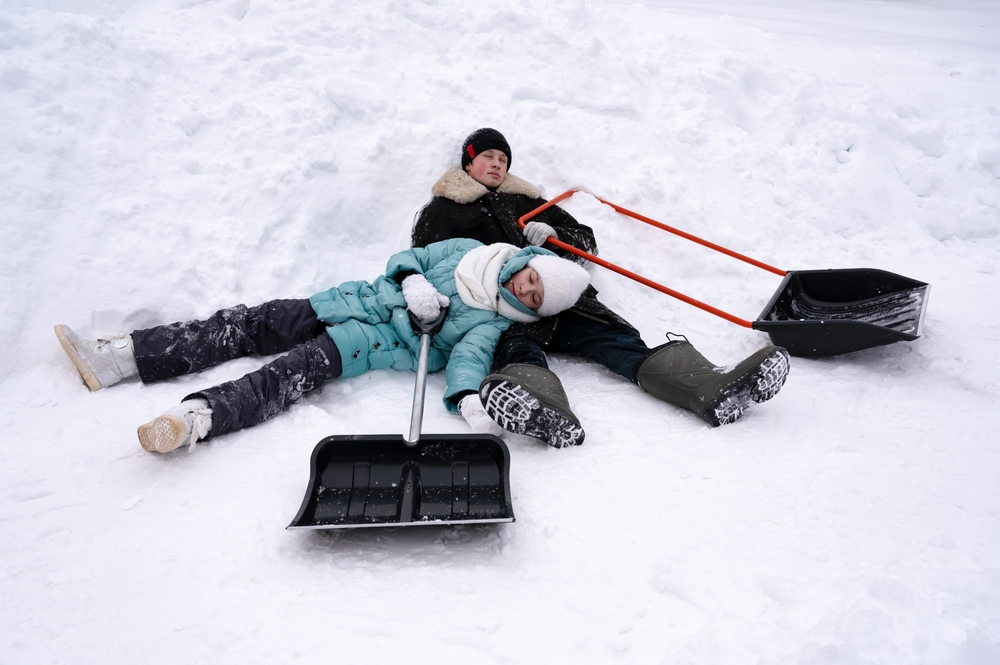
As snow disappears, many Canadians store winter tools. Snow shovels are often placed in garages or basements. This signals the end of winter chores. However, late snowstorms can still occur during early spring. A sudden snowfall may cover sidewalks again. People must then search for their stored shovels. Clearing snow becomes more difficult without preparation. Keeping winter tools nearby remains practical. Snow events during spring usually melt quickly. Yet they still require basic cleanup. Experienced homeowners wait longer before storing equipment. A little patience avoids unnecessary frustration later.
Expecting Consistent Warm Temperatures

Spring weather rarely provides stable temperatures across Canada. One day may feel comfortable and mild. The next day may bring colder winds and clouds. Large temperature swings happen frequently during this season. Weather systems shift rapidly across the country. People expecting steady warmth often feel disappointed. Outdoor plans sometimes change because of these fluctuations. Layered clothing helps manage these changes. Checking daily forecasts also becomes important. True seasonal stability arrives later in spring. Until then, temperature patterns remain unpredictable. Canadians gradually adapt to this seasonal rhythm.
Assuming Rain Means Spring Has Fully Arrived
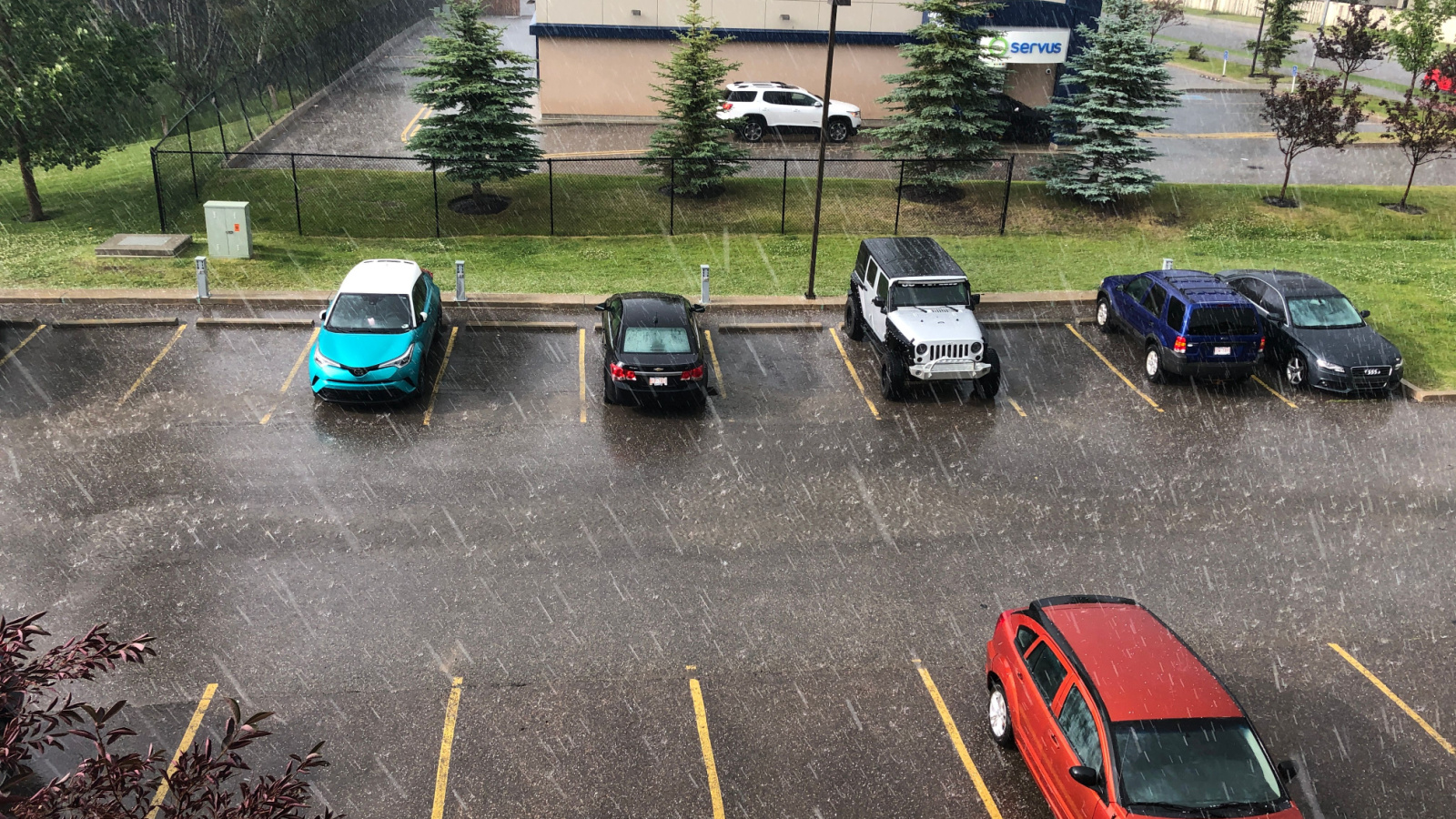
Rainfall often replaces snow during early spring. This change makes people believe winter is finished. Wet streets and melting snow appear like signs of a new season. However, rain does not guarantee stable warmth. Cold air may remain in the region. Rain can quickly turn into snow if temperatures drop. Some storms even bring both rain and snow together. These mixed weather events are common in spring. Rainy conditions also keep temperatures cooler. Sunshine may return briefly before another cold front arrives. Rain signals seasonal transition but not full spring warmth.
Thinking Hoodies Are Enough for Nighttime

Hoodies become popular clothing choices during early spring. They feel lighter than winter coats yet provide some warmth. During sunny afternoons, they may feel perfectly comfortable. However, nighttime temperatures remain quite low. Cold air quickly replaces daytime warmth. Wind can make hoodies feel insufficient. People staying outside after sunset often wish for thicker jackets. Spring evenings frequently drop near freezing levels. Carrying additional layers helps maintain comfort. Daytime warmth rarely continues through the night. Hoodies alone cannot handle colder evening conditions.
Planning Outdoor BBQs Without Backup Plans

Warm afternoons often inspire people to host outdoor barbecues. Grills are cleaned, and patios become gathering spaces. However, spring weather remains unpredictable. Rain showers or cold winds may arrive suddenly. Guests sometimes move indoors unexpectedly. Planning indoor backup options becomes helpful. Covered patios or indoor kitchens provide alternatives. Flexible plans reduce stress during changing weather. Barbecues remain enjoyable but require preparation. Spring gatherings succeed best when hosts remain adaptable.
Believing Spring Storms Are Over

Winter storms gradually become less frequent as spring begins. However, strong weather systems still pass through Canada. Heavy rain, snow, or windstorms can occur. These storms often appear suddenly during seasonal transitions. Weather patterns remain unstable across large regions. Storm warnings sometimes surprise communities expecting calm conditions. Outdoor events may need rescheduling. Spring storms remind people that seasonal change takes time. Monitoring weather alerts becomes important during this period. Preparedness helps reduce disruption.
Opening Windows All Day Without Checking Night Temperatures

Fresh spring air encourages many Canadians to open windows during the day. Homes feel brighter and more comfortable with airflow. However, evening temperatures may fall sharply. Cold air entering overnight can cool indoor spaces quickly. Heating systems may need to work harder again. Closing windows before sunset often helps maintain warmth. Spring air remains unpredictable. Checking evening forecasts helps manage indoor comfort. Daytime warmth does not always continue through the night.
Expecting Sidewalk Ice to Fully Disappear
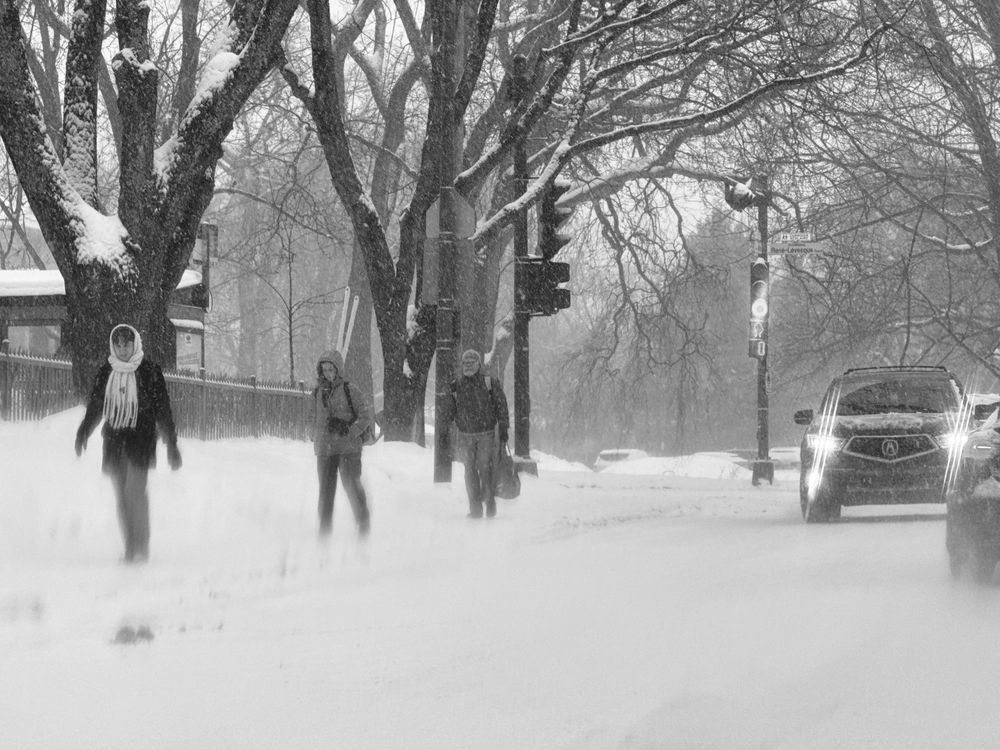
Snow melt reveals sidewalks and roads during early spring. People assume icy conditions have ended. However, melting snow often refreezes overnight. Thin ice layers can appear again during morning hours. These surfaces become slippery and dangerous. Pedestrians sometimes underestimate these conditions. Walking carefully remains important during this time. Ice patches may persist in shaded areas. These hazards disappear only after consistent warmth arrives.
Assuming Early Flowers Mean Stable Weather

Early spring flowers often appear before trees fully bloom. Crocuses and other plants emerge from the soil quickly. Their appearance suggests that warm weather has arrived. However, flowers can survive cooler temperatures. They often bloom before stable spring conditions exist. Snow occasionally falls on these flowers without damaging them. Their presence does not guarantee warm weather. Nature adapts to changing conditions better than people expect.
Thinking April Sunshine Means Real Warmth

Bright sunshine during April often feels strong after winter darkness. The light creates a sense of warmth and comfort. However, sunlight alone does not raise air temperatures enough. Cold air may still dominate the region. Wind and shade quickly reduce the feeling of warmth. Afternoon sunshine may feel pleasant but temporary. Real seasonal warmth requires stable weather patterns. April sunshine can be misleading.
Trusting the First Warm Weekend Too Much

The first warm weekend of spring often feels exciting. Parks fill with people enjoying outdoor activities. Restaurants open patios and families plan trips. However, this warmth may disappear quickly. Another cold front can arrive the following week. Spring weather often moves in cycles before stabilizing. Canadians learn to enjoy warm days without expecting permanence. Appreciating these moments without assuming long-term warmth helps manage expectations.
19 Things Canadians Don’t Realize the CRA Can See About Their Online Income

Earning money online feels simple and informal for many Canadians. Freelancing, selling products, and digital services often start as side projects. The problem appears at tax time. Many people underestimate how much information the CRA can access. Online platforms, banks, and payment processors create detailed records automatically. These records do not disappear once money hits an account. Small gaps in reporting add up quickly.
Here are 19 things Canadians don’t realize the CRA can see about their online income.
