
Road trips from Canada to the United States are extremely popular, especially during spring and summer when many Canadians travel south for shopping, sightseeing, and warmer weather. However, crossing the border requires careful preparation because certain items are restricted or prohibited by U.S. Customs and Border Protection. Many travelers accidentally pack items that seem harmless but can still be confiscated at the border. In some cases, travelers may even face fines or additional inspections if restricted goods appear in their vehicle. Understanding what cannot cross the border helps Canadians avoid unnecessary delays and complications. Here are 19 items Canadians should never pack for a U.S. road trip.
Fresh Fruits and Vegetables

Many Canadians are surprised to learn that fresh fruits and vegetables often cannot cross the U.S. border. Agricultural restrictions exist because certain produce can carry pests or plant diseases that threaten American crops. Even something as simple as apples, oranges, or potatoes in a cooler can attract attention from border officers. Customs agents frequently confiscate these items during inspections. Canadians heading on road trips sometimes pack snacks or picnic supplies without realizing they may not be allowed to bring them into the country. The safest option is to purchase fresh produce after arriving in the United States rather than transporting it across the border.
Raw Meat or Poultry

Raw meat products are another category that often gets confiscated at the border. Canadians sometimes pack steaks, chicken, or ground meat in coolers for camping trips or vacations. However, raw meat can carry animal diseases or contaminants that agricultural authorities aim to control. Customs officials frequently restrict or inspect these products carefully. In many cases, they will seize the items entirely to prevent potential risks. Even commercially packaged meat may face restrictions depending on current import regulations. Canadians planning road trips should avoid transporting raw meat across the border altogether.
Firewood

Transporting firewood across borders may seem harmless, but it can actually create serious ecological risks. Firewood can carry insects and tree diseases that spread quickly in new environments. For this reason, border officials often prohibit travelers from bringing firewood into the United States. Canadians traveling for camping trips sometimes pack wood from home to save time or money. Unfortunately, this can lead to confiscation during inspection. Even firewood that appears clean can still contain hidden pests under the bark. The best solution for Canadians planning outdoor trips is to purchase firewood near their campsite in the United States.
Cannabis Products

Although cannabis is legal in Canada, it remains illegal to transport across the international border. Even if cannabis products are legal in the U.S. state being visited, bringing them across the border can still lead to confiscation and serious legal consequences. This includes dried cannabis, edibles, oils, and other related products. Canadians sometimes assume that legalization in both countries allows cross-border transport, but this is not the case. Border authorities treat cannabis as a controlled substance under federal law. Travelers should never attempt to bring cannabis products into the United States.
Certain Dairy Products

Certain dairy products may also face restrictions when entering the United States. Canadians sometimes pack cheese, milk, or homemade dairy items in coolers for road trips. However, import rules for agricultural products limit certain dairy items due to health and safety concerns. While certain commercially packaged products may be permitted in limited quantities, others may be seized during inspection. Homemade dairy items often raise additional concerns because they lack clear labeling or processing information. Canadians traveling across the border should check the current import guidelines before packing dairy foods. In many cases, it is simpler to purchase dairy products upon arrival in the United States than to risk confiscation.
Eggs

Eggs may appear to be a simple travel snack, but they can also be restricted at the border. Raw eggs in particular can carry diseases that agricultural authorities work to prevent from spreading across borders. Canadians who pack breakfast supplies for camping trips may unknowingly include eggs in their coolers. Border officers may confiscate them during inspection to reduce agricultural risk. Even commercially packaged eggs can face limitations depending on the current regulations. To avoid complications, Canadians should avoid bringing eggs across the border and instead buy them after entering the United States.
Unlabeled Homemade Food

Homemade food items without proper labeling may also attract attention from customs officers. Canadians sometimes bring homemade baked goods, sauces, or prepared meals for long road trips. However, border officials cannot easily verify ingredients or preparation methods in these products. As a result, they may choose to confiscate certain items. Foods containing meat, dairy, or fresh produce are especially likely to raise concerns. While packaged snacks from grocery stores are usually safer to transport, homemade foods often face more scrutiny. Canadians planning cross-border road trips should keep their travel food simple and clearly packaged to avoid potential delays.
Large Quantities of Alcohol
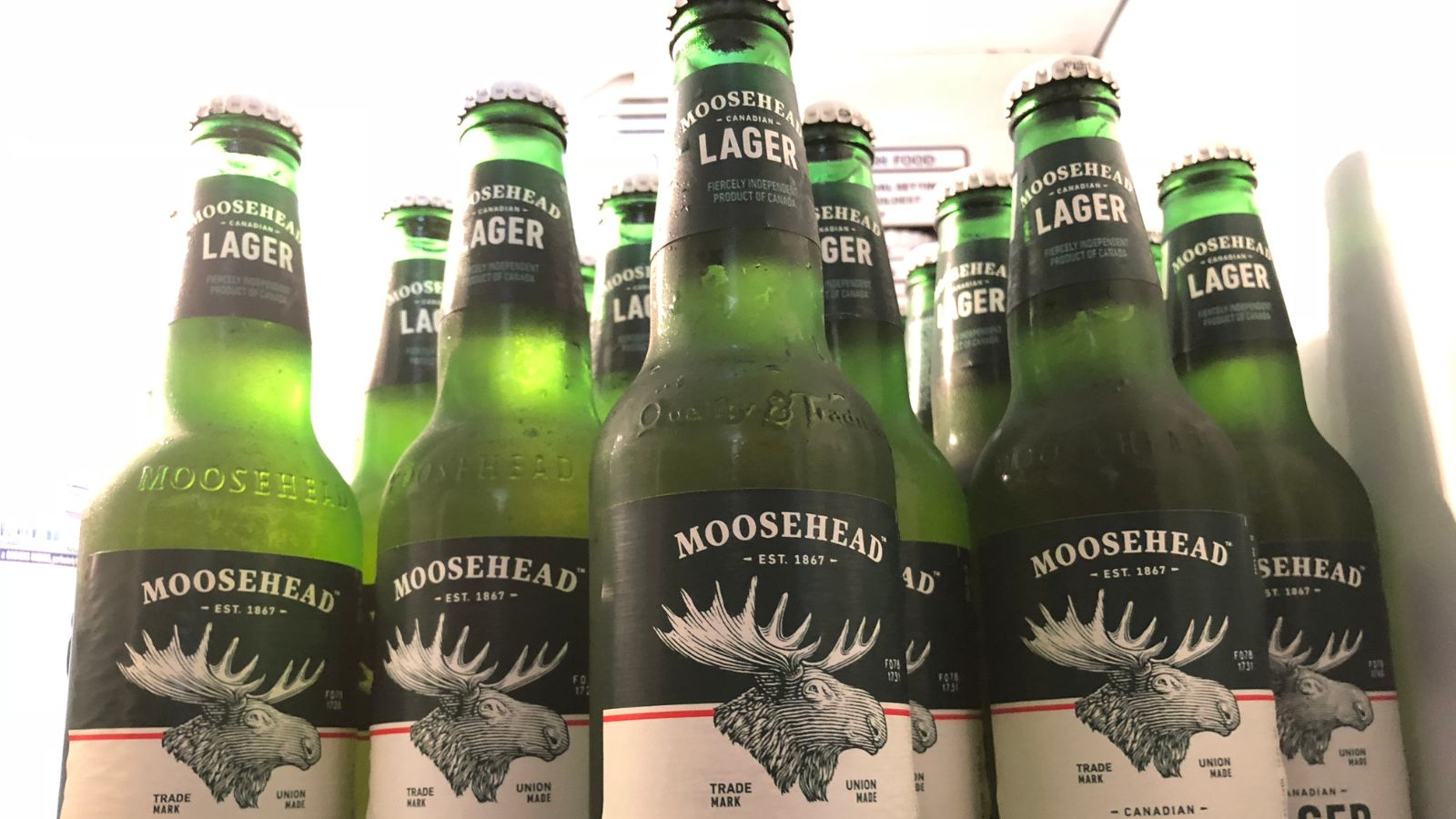
Canadians are allowed to bring limited quantities of alcohol into the United States for personal use, but exceeding those limits can lead to confiscation or additional duties. Travelers sometimes pack several bottles of wine or spirits for vacations without realizing the quantity restrictions. Customs officers may seize excess alcohol if it exceeds permitted amounts. Canadians should review current duty-free limits before traveling to ensure they remain within acceptable guidelines. Honesty about alcohol during inspection is also important, as failure to declare items may lead to penalties.
Cuban Cigars

Cuban cigars remain prohibited for import into the United States due to long-standing trade restrictions. Canadians sometimes purchase Cuban cigars legally in Canada or other countries and assume they can bring them across the border. However, U.S. customs regulations still prohibit these products. Border officers may confiscate Cuban cigars during inspection even if they were purchased legally elsewhere. Canadians traveling to the United States should avoid packing these items altogether to prevent complications at the border.
Counterfeit Designer Goods

Counterfeit designer products such as imitation handbags, watches, or sunglasses may also be seized by customs officials. Even if the items were purchased casually at markets or online stores, border authorities treat counterfeit goods as violations of intellectual property laws. Canadians who unknowingly pack fake luxury items could face confiscation during inspection. Customs officers are trained to identify counterfeit products that imitate well-known brands. Travelers should avoid bringing imitation goods across the border, particularly if the items resemble recognizable designer labels.
Certain Plants and Seeds

Many Canadians do not realize that bringing plants or seeds across the U.S. border can lead to immediate confiscation. Plants, flowers, soil, and seeds may carry insects, fungi, or plant diseases that could threaten American agriculture. Even small garden plants or packets of seeds purchased at Canadian stores may fall under agricultural restrictions. Customs officers often inspect vehicles for plant materials because invasive species can spread quickly when introduced into new environments. Canadians traveling to the United States sometimes bring plants as gifts or plan to plant them during camping trips, but these items are usually prohibited. Border officials frequently confiscate them to prevent ecological risks.
Live Bait or Fishing Bait
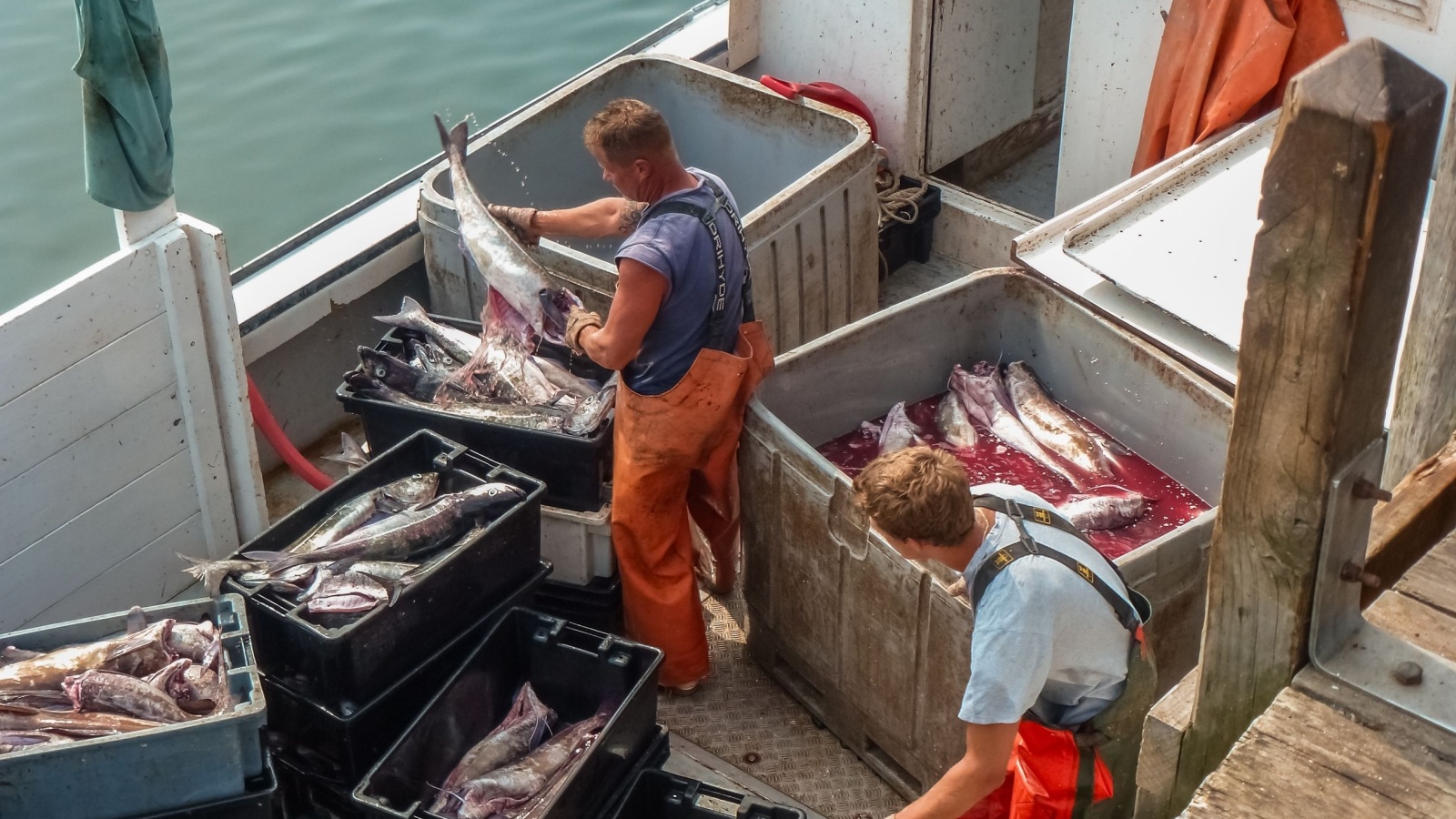
Canadians heading south for fishing trips sometimes pack live bait or certain types of fishing bait from home. However, many of these products cannot legally cross the border. Live bait such as minnows, worms, or leeches may carry aquatic diseases or invasive species that threaten ecosystems in American waters. Customs officers often restrict these items to protect fisheries and aquatic habitats. Even packaged bait may be questioned during inspection, depending on the type and origin. Canadians planning fishing vacations should avoid bringing bait across the border entirely. Purchasing bait at local stores near the fishing destination in the United States is usually the safest option. This approach helps protect ecosystems and prevents delays during border inspections.
Untreated Animal Products
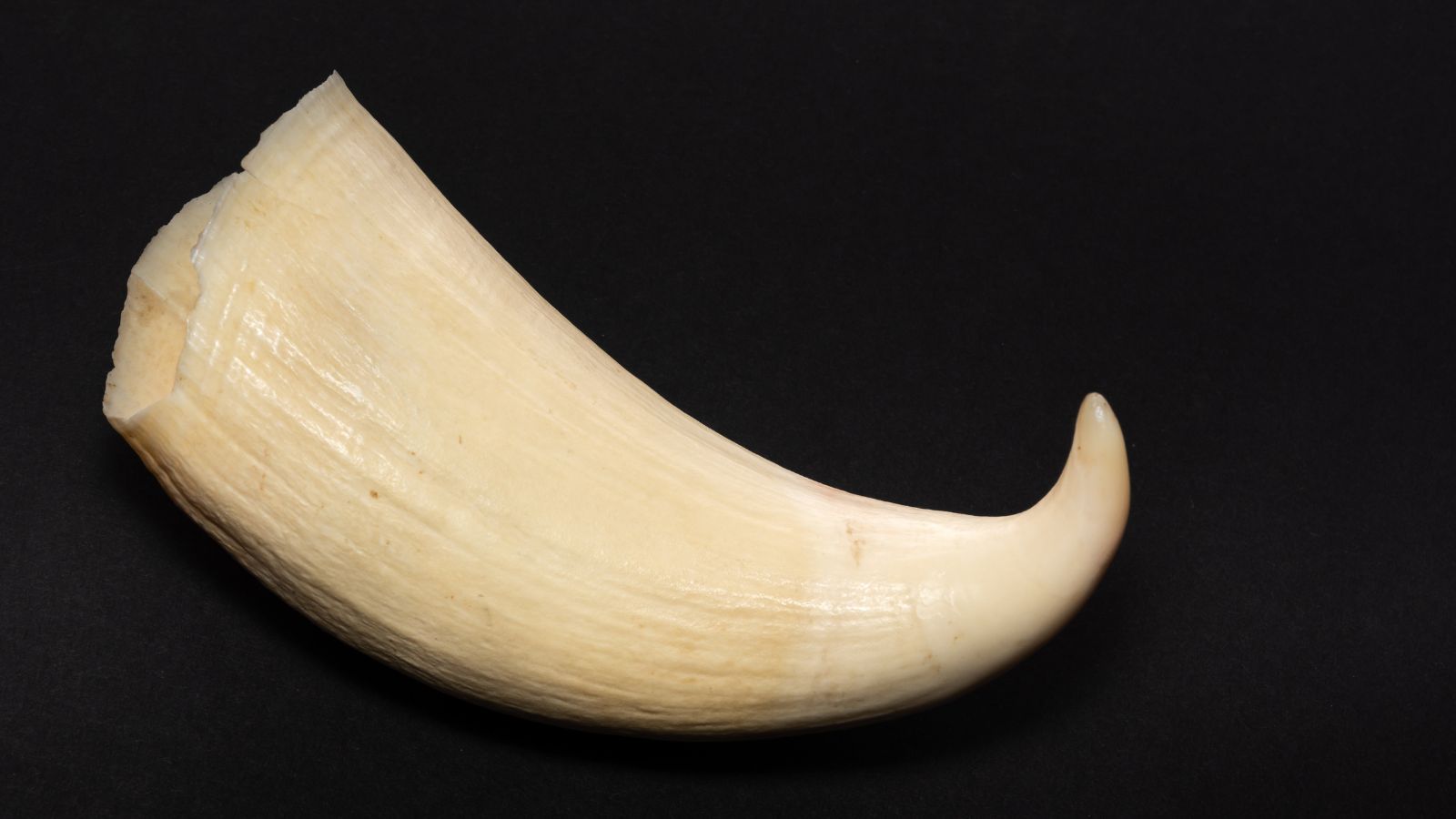
Certain animal products, such as untreated hides, horns, or bones, may also attract attention at the border. Canadians sometimes collect these items for crafts, hunting souvenirs, or decorative purposes. However, untreated animal materials can carry diseases or parasites that raise agricultural concerns. Customs officers may confiscate these products if they lack proper documentation or processing certification. Even small decorative items made from animal materials may require inspection. Canadians traveling with hunting gear or outdoor equipment should ensure that any animal-related products meet import requirements. Without proper documentation, these items may be seized during inspection.
Pepper Spray or Certain Self-Defense Items
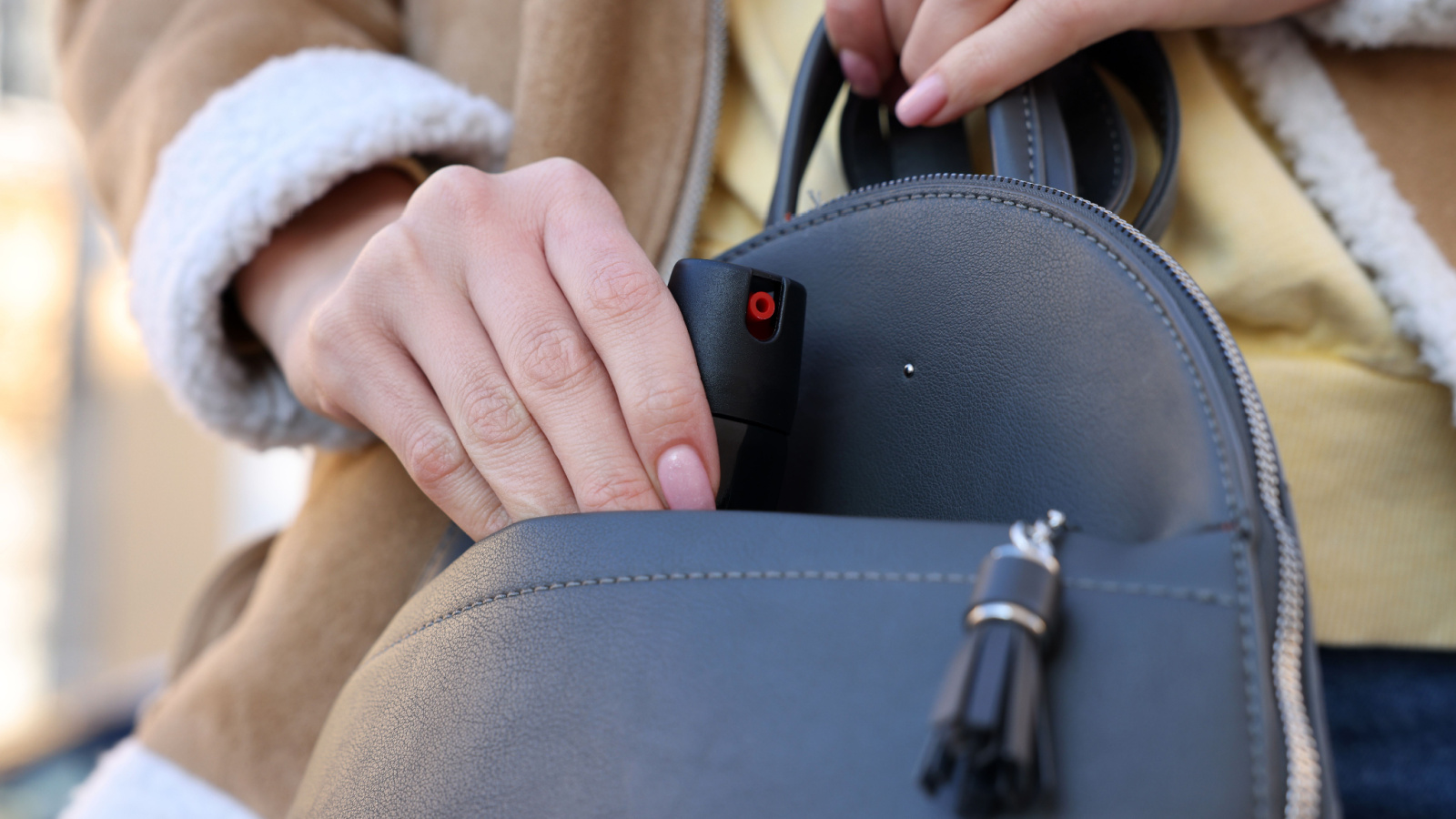
Some Canadians pack personal safety products such as pepper spray or other self-defense tools while traveling. However, certain items that are legal in Canada may be restricted or regulated differently in the United States. Border officers may confiscate items that violate local laws or federal regulations. Canadians sometimes assume that personal safety tools can be transported freely across the border, but the rules vary by item. Travelers should research the legality of these products before packing them. If there is uncertainty about whether a specific self-defense item is allowed, it is often best to leave it at home.
Prescription Medication Without Labels

Prescription medications are generally permitted upon entry to the United States, but they must be properly labeled. Canadians sometimes carry medications in unmarked containers or pill organizers without the original prescription packaging. This can raise concerns during customs inspections. Border officers may question medications that cannot be clearly identified. To avoid delays, Canadians should always carry prescription medications in their original labeled containers along with documentation from their pharmacy, if possible. Proper labeling helps demonstrate that the medication is legitimate and intended for personal medical use.
Large Amounts of Cash
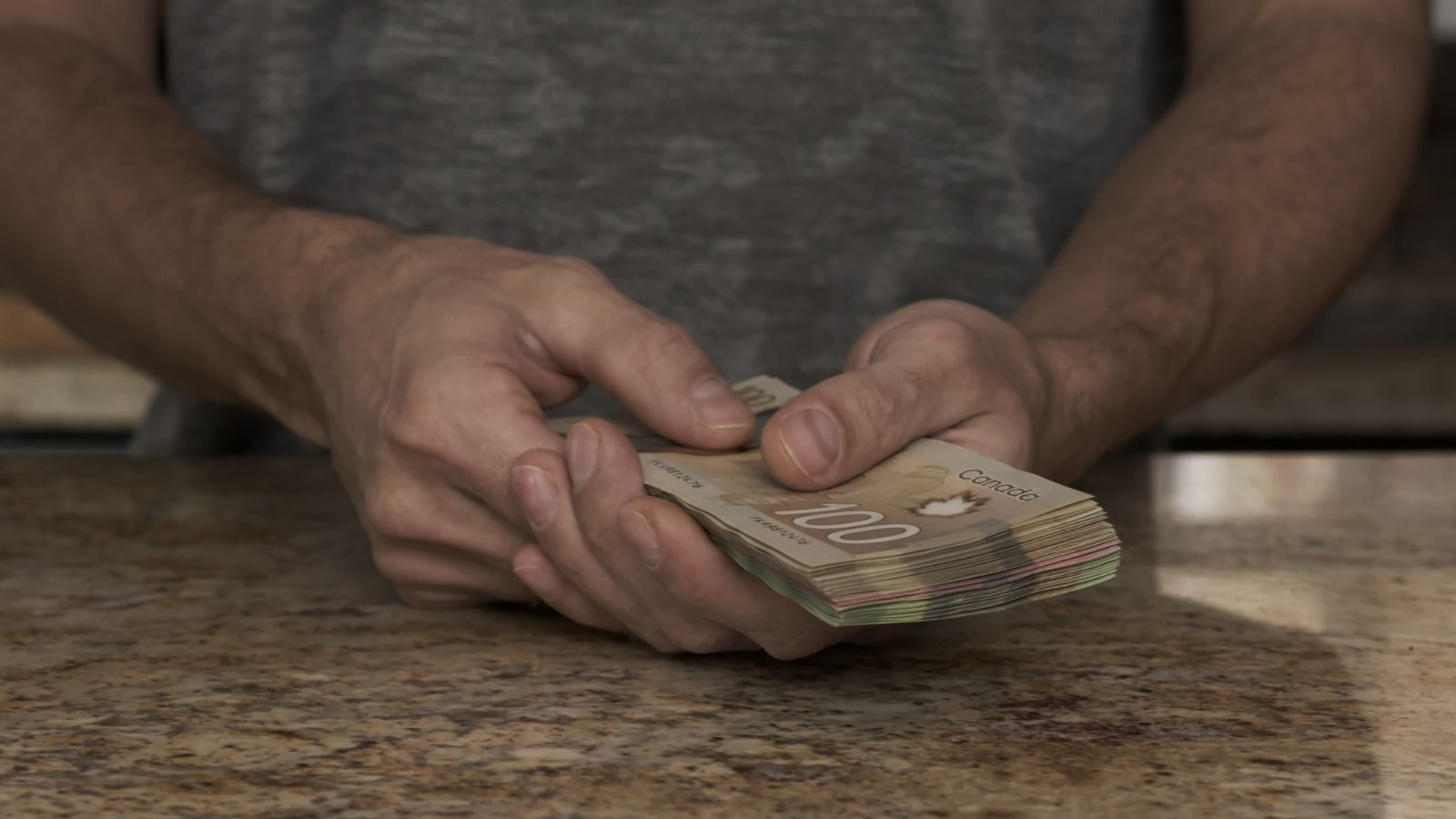
Carrying large amounts of cash across the border is not illegal, but it must be declared if the amount exceeds certain thresholds. Canadians traveling with significant cash sometimes forget that they must report it to customs officials. Failure to declare large sums may result in confiscation or investigation. Border officers monitor financial declarations carefully to prevent money laundering or illegal activity. Canadians should always declare large cash amounts honestly and follow reporting requirements. Doing so helps avoid serious complications during the border crossing process.
Certain Cultural Artifacts or Antiques

Some antiques, artifacts, or cultural objects may require special documentation when crossing the border. Canadians occasionally travel with historical items or collectibles without realizing they fall under cultural protection regulations. Customs officials may confiscate objects suspected of being protected artifacts or items that originate from restricted historical categories. Even family heirlooms or decorative antiques may require documentation depending on their origin. Canadians traveling with valuable collectibles should research import rules carefully before bringing them into the United States. Without proper documentation, these items may be detained for further inspection.
Wildlife Products Without Permits
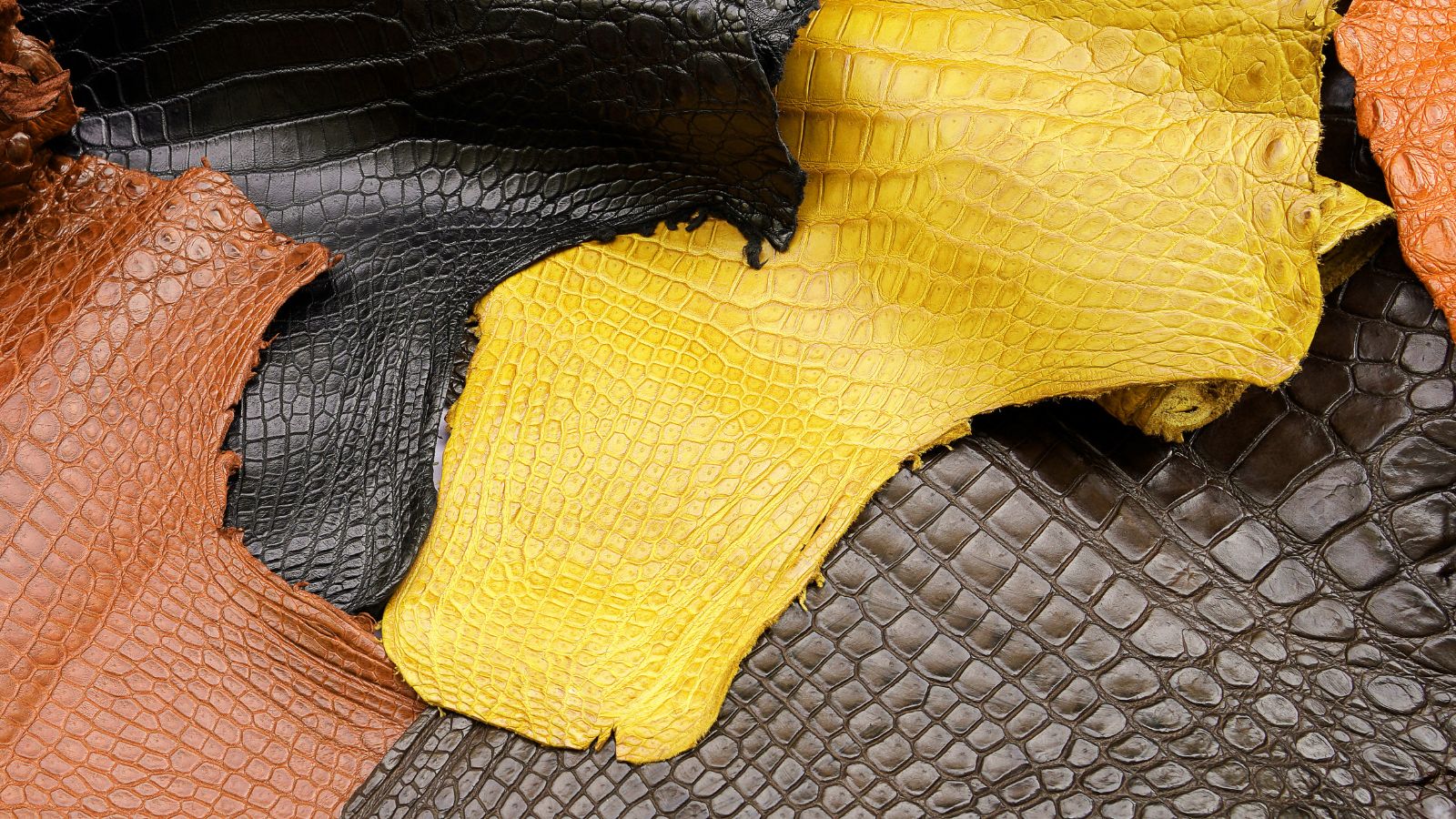
Items made from wildlife materials such as exotic leather, ivory, coral, or certain animal shells often require special permits. Canadians may own accessories or souvenirs made from these materials without realizing they fall under international wildlife protection agreements. Customs officers frequently inspect such products carefully. If travelers cannot provide the proper permits or documentation, the items may be seized. Canadians traveling with unusual jewelry, accessories, or decorative objects made from wildlife materials should verify that the items comply with wildlife protection laws before crossing the border.
Certain Firearms or Weapon Accessories

Firearms regulations between Canada and the United States are extremely strict and complex. Canadians cannot simply bring firearms or related accessories across the border without proper permits and documentation. Travelers sometimes assume that hunting equipment or firearm parts can be transported easily, but this is rarely the case. Border officers take firearm declarations very seriously and may confiscate items that do not meet legal requirements. Canadians planning hunting trips in the United States must complete the necessary paperwork well in advance and follow all legal procedures. Attempting to cross the border with undeclared weapons or accessories can result in severe penalties.
19 Things Canadians Don’t Realize the CRA Can See About Their Online Income

Earning money online feels simple and informal for many Canadians. Freelancing, selling products, and digital services often start as side projects. The problem appears at tax time. Many people underestimate how much information the CRA can access. Online platforms, banks, and payment processors create detailed records automatically. These records do not disappear once money hits an account. Small gaps in reporting add up quickly.
Here are 19 things Canadians don’t realize the CRA can see about their online income.
