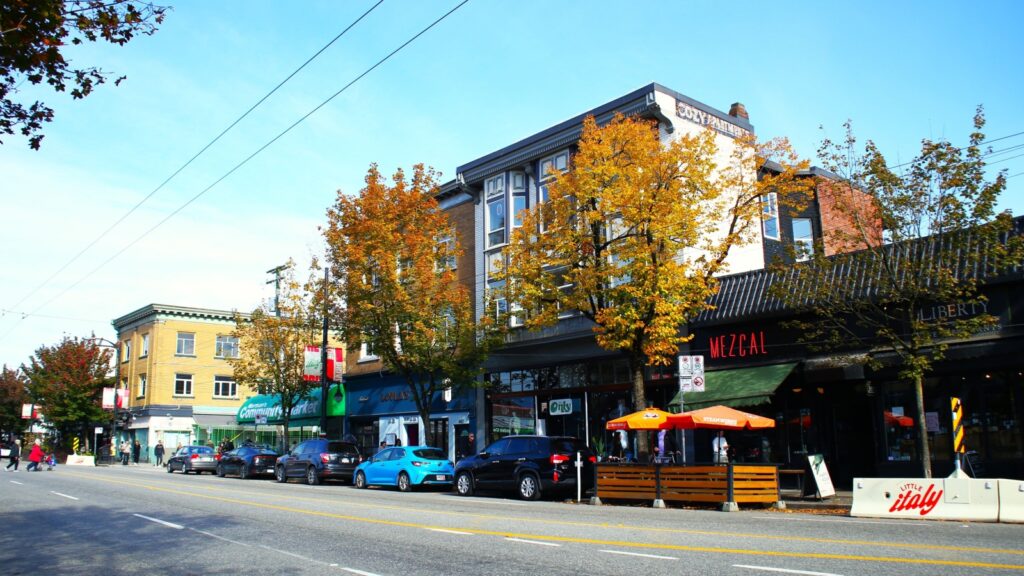
Parking in Canadian cities has evolved from a basic necessity into a structured revenue system driven by demand, urban density, and limited space. As cities grow and car ownership remains high, municipalities and private operators increasingly rely on parking fees as a consistent source of income. What was once a convenience has become a calculated business model, with pricing, enforcement, and availability carefully managed. Here are 12 Canadian cities where parking is now basically a business model.
Toronto
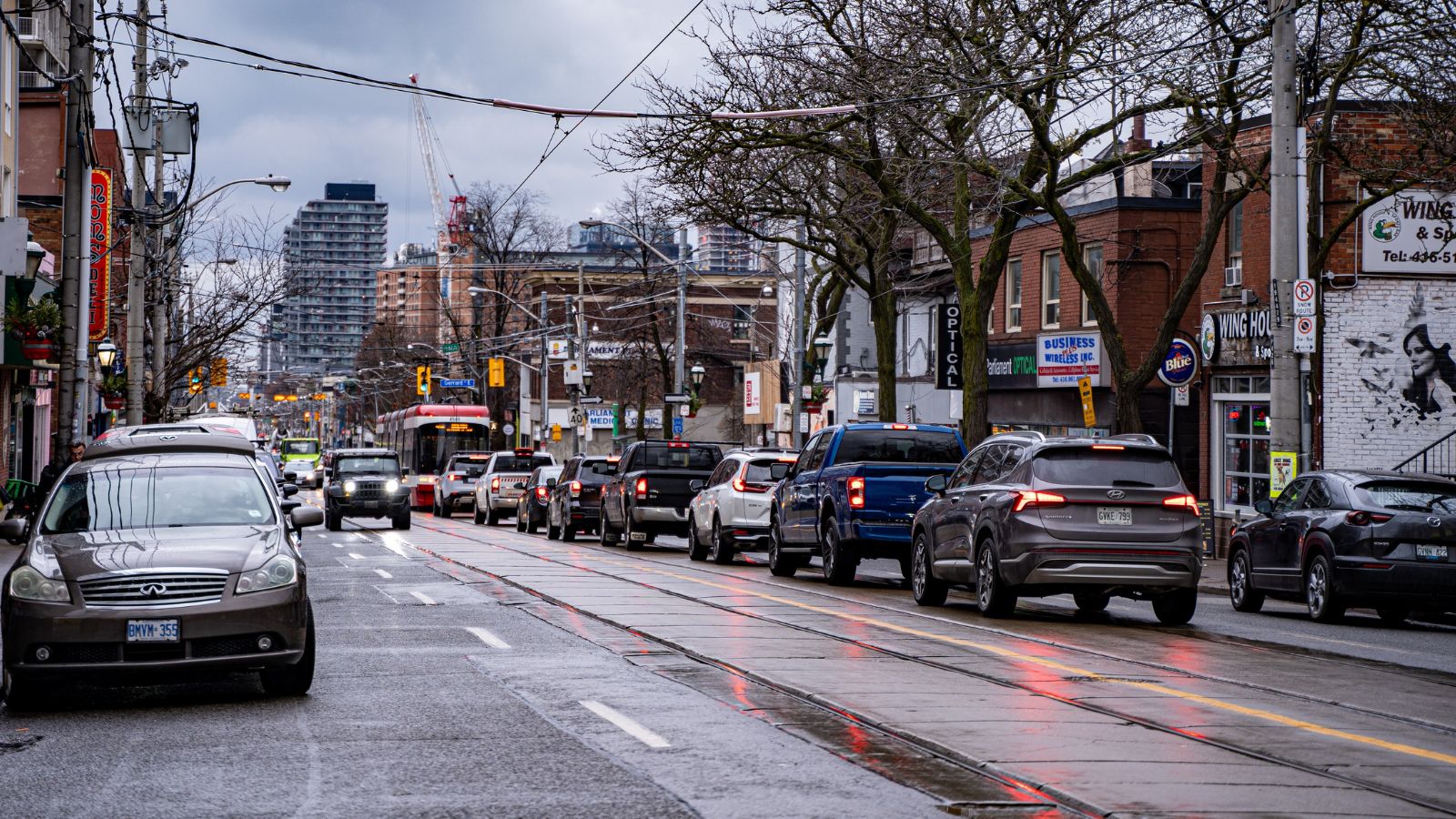
Toronto has become one of the most prominent examples of parking functioning as a business model in Canada. With limited space and high demand, both municipal and private parking operators have developed pricing strategies that maximize revenue throughout the day. Rates vary by location and time, often increasing during peak hours or major events. Street parking is tightly regulated, with short time limits and frequent enforcement that generates additional income through fines. Private parking lots and garages also adjust pricing dynamically, especially in downtown areas where demand remains constant. Mobile payment systems and digital enforcement tools have made it easier to monitor usage and ensure compliance.
Vancouver
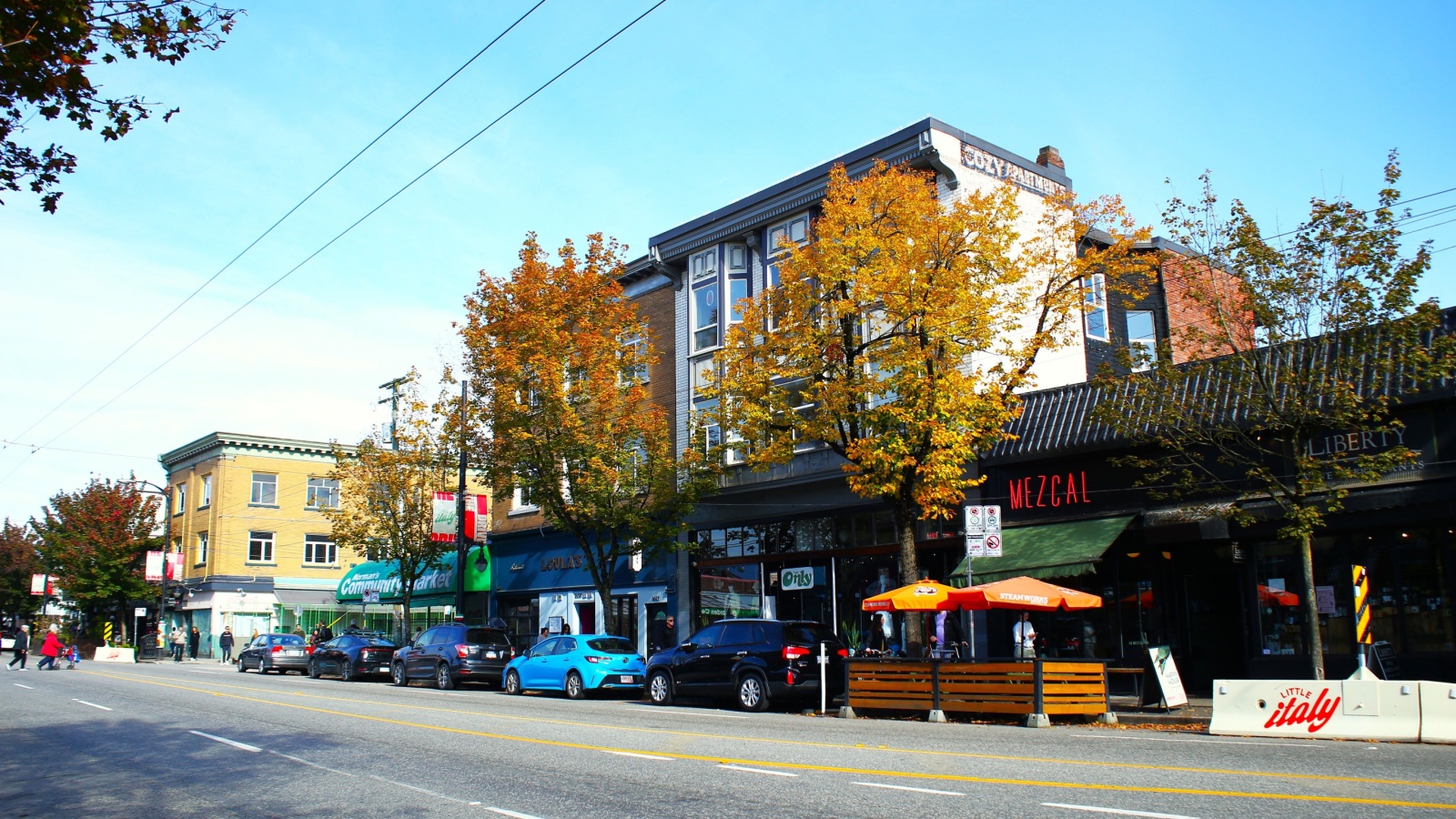
Vancouver’s parking system reflects its dense urban layout and strong demand for limited space. The city has implemented tiered pricing, where parking costs vary depending on location and time of day. Downtown areas and commercial zones carry significantly higher rates, especially during peak hours. Residential permit systems also generate revenue while limiting access for non-residents. Enforcement is strict, with regular monitoring and fines issued for violations. Private parking operators complement municipal systems, often charging premium rates in high-demand areas. Vancouver’s focus on reducing congestion and encouraging alternative transportation has also contributed to higher parking costs.
Montreal
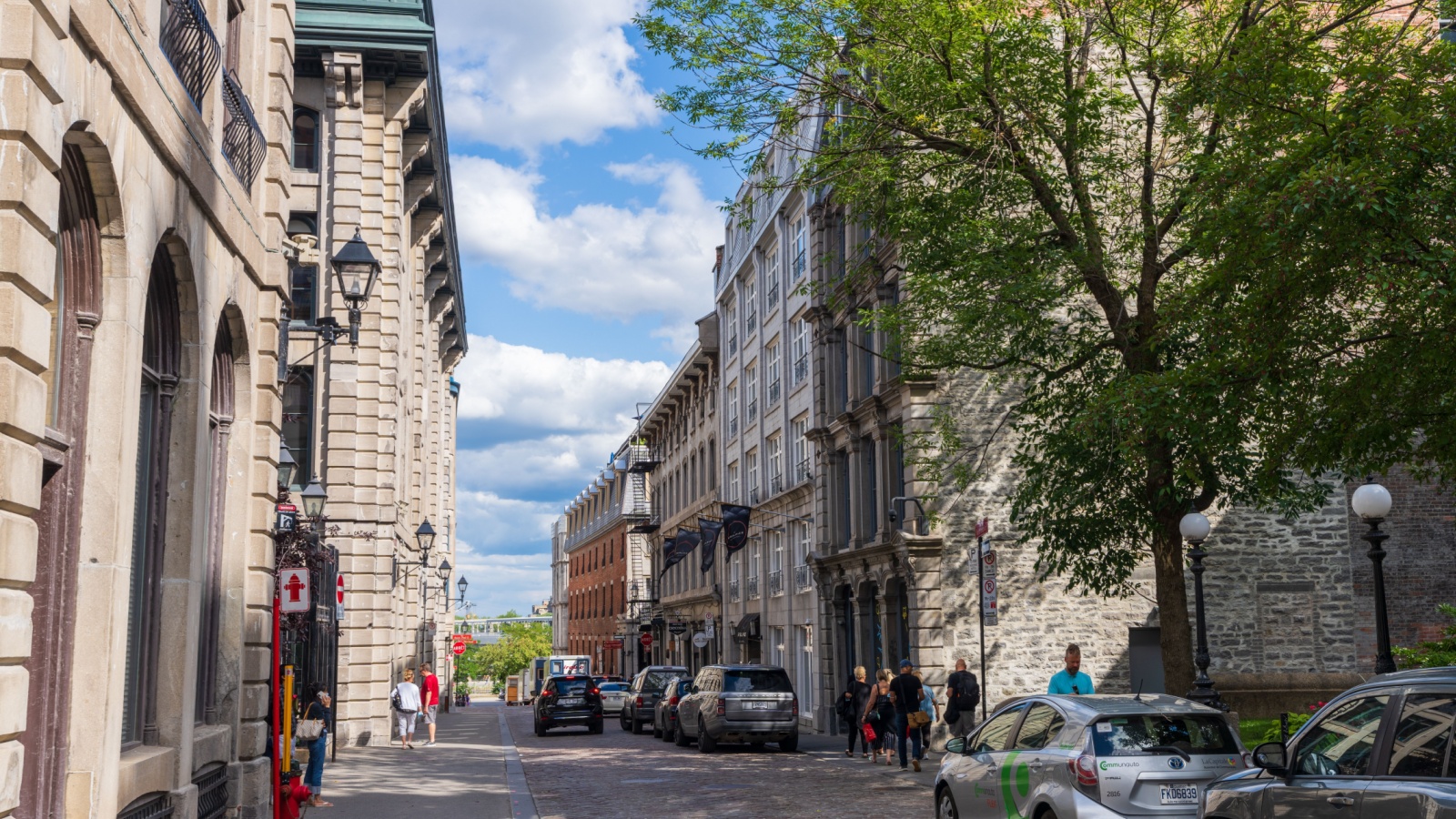
Montreal’s parking system combines municipal regulation with private operations, creating a complex and revenue-driven environment. Metered parking zones are widespread, with rates varying by location and demand. The city has invested in digital payment systems, making it easier to manage and enforce parking rules. Time restrictions are strictly applied, and fines contribute significantly to revenue. Seasonal changes, such as snow removal regulations, add another layer of enforcement that can catch drivers off guard. Private parking lots operate alongside municipal spaces, often charging higher rates in busy areas. Montreal’s approach balances accessibility with revenue generation, but it also increases costs for drivers.
Calgary
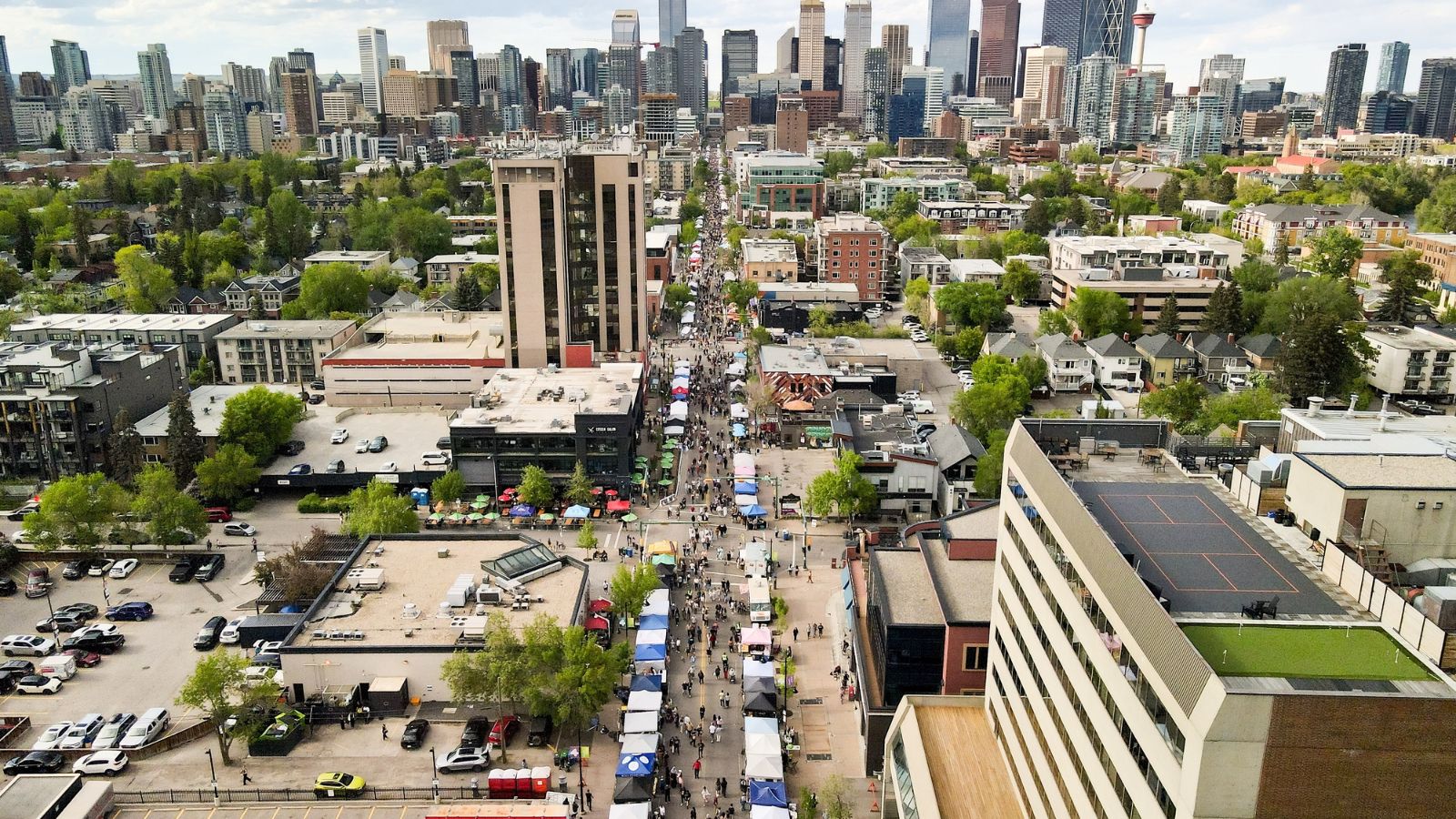
Calgary’s parking model has evolved with the city’s growth, particularly in downtown areas where demand is concentrated. The municipal authority manages a large portion of parking spaces, using dynamic pricing to adjust rates based on demand. During business hours, prices increase to reflect higher usage, while evenings and weekends may offer lower rates. Private operators also play a significant role, especially near commercial centers and event venues. Enforcement is consistent, with fines issued for violations such as overstaying time limits or parking in restricted zones.
Ottawa
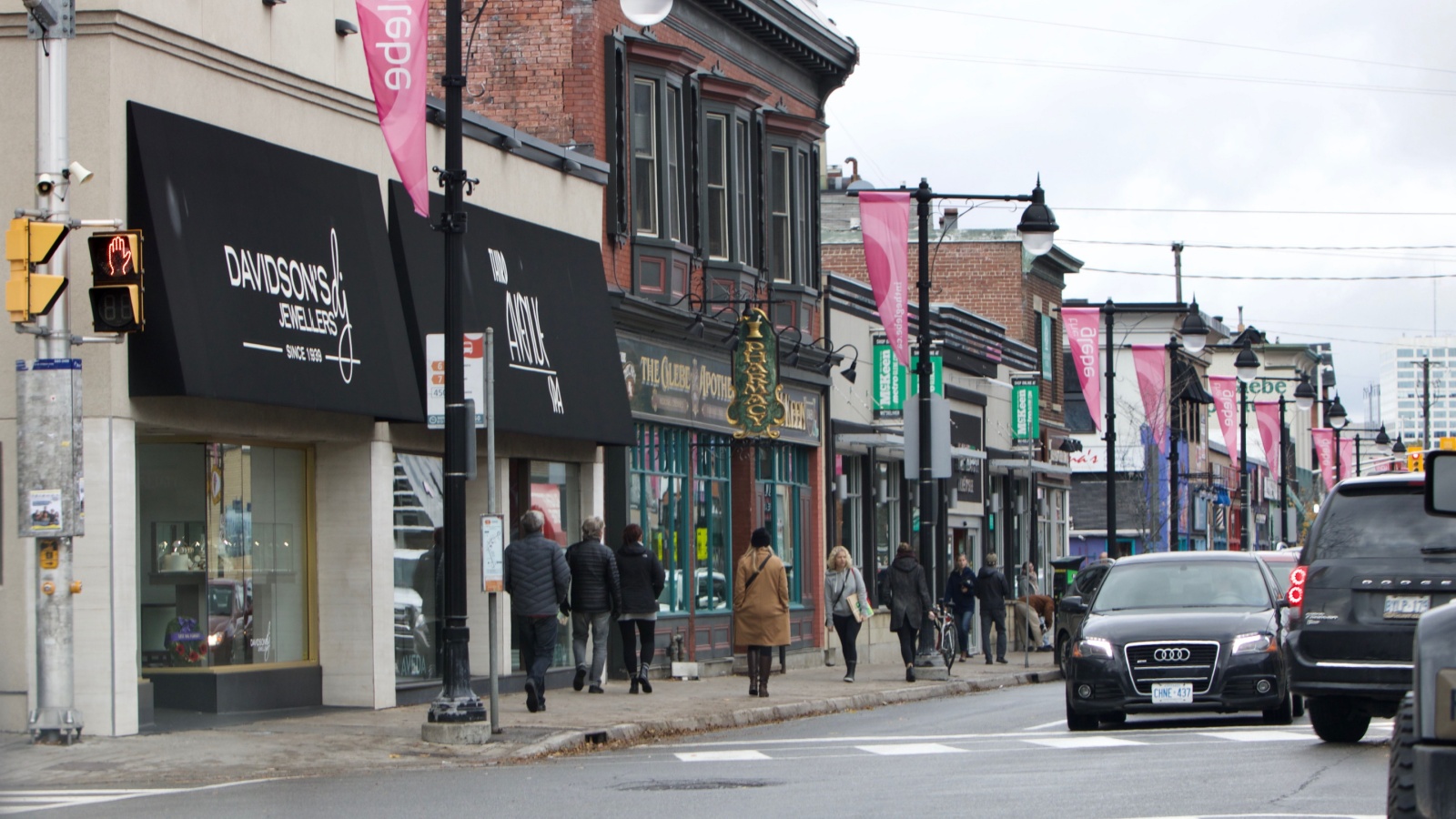
Ottawa’s parking system reflects its role as both a government center and a growing urban area. Metered parking is common in central districts, with rates that vary depending on demand and location. Time limits are enforced to ensure turnover, which also increases revenue through fines for exceeding them. The city uses digital tools to manage payments and enforcement, improving efficiency. Private parking lots supplement municipal spaces, often charging higher rates near government buildings and tourist attractions. Seasonal restrictions, including snow-related rules, add complexity to the system.
Edmonton
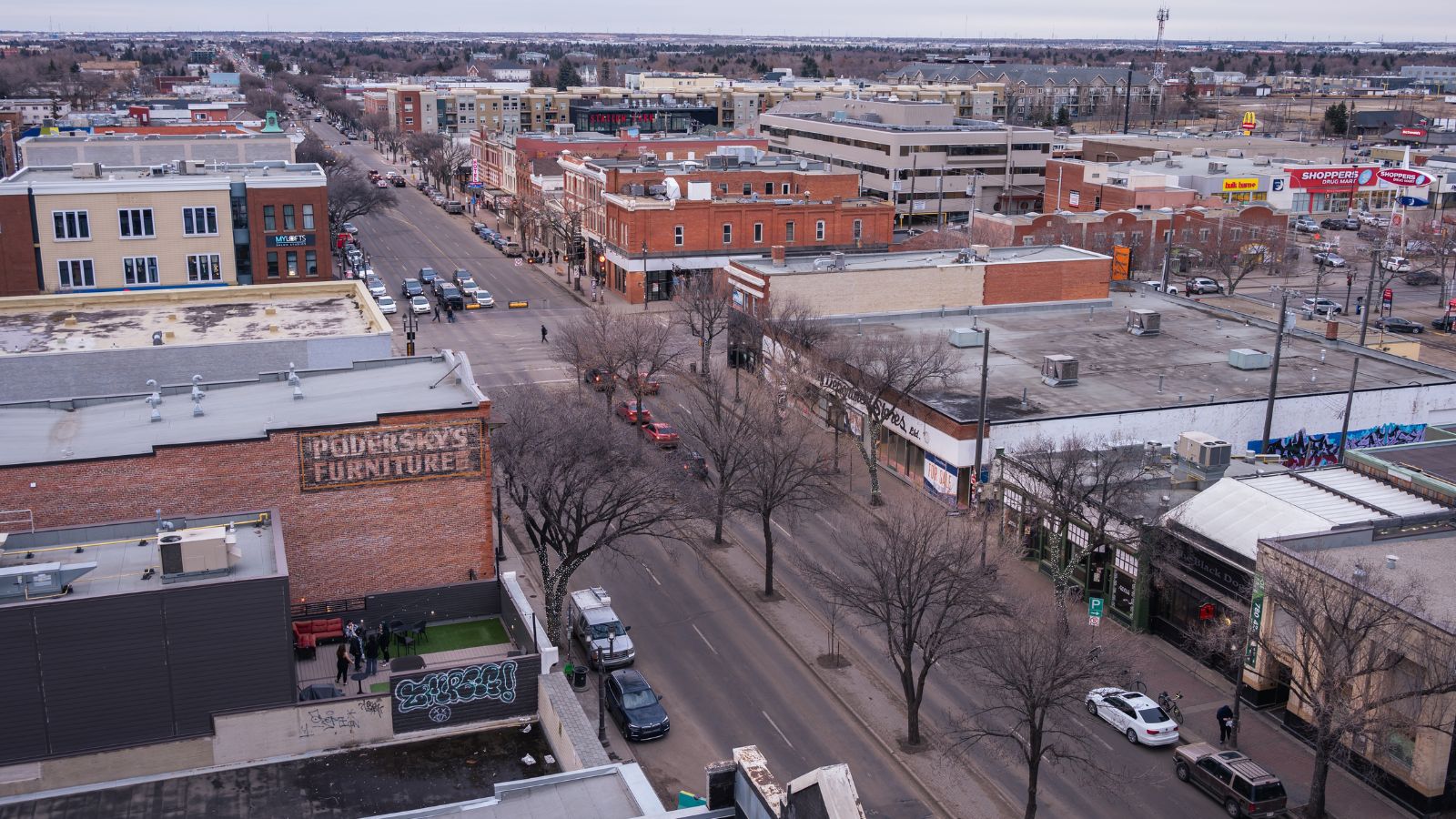
Edmonton has developed a structured parking system that reflects its expanding urban core and increasing demand. Downtown areas feature metered parking with rates that vary based on time and location. The city has implemented digital payment systems, making it easier for drivers to manage parking sessions while enabling efficient enforcement. Private operators also contribute to the overall system, offering parking in high-demand areas at competitive rates. Enforcement is consistent, with fines serving as both a deterrent and a revenue source. Edmonton’s approach balances accessibility with financial considerations, ensuring that parking remains available while generating income.
Mississauga
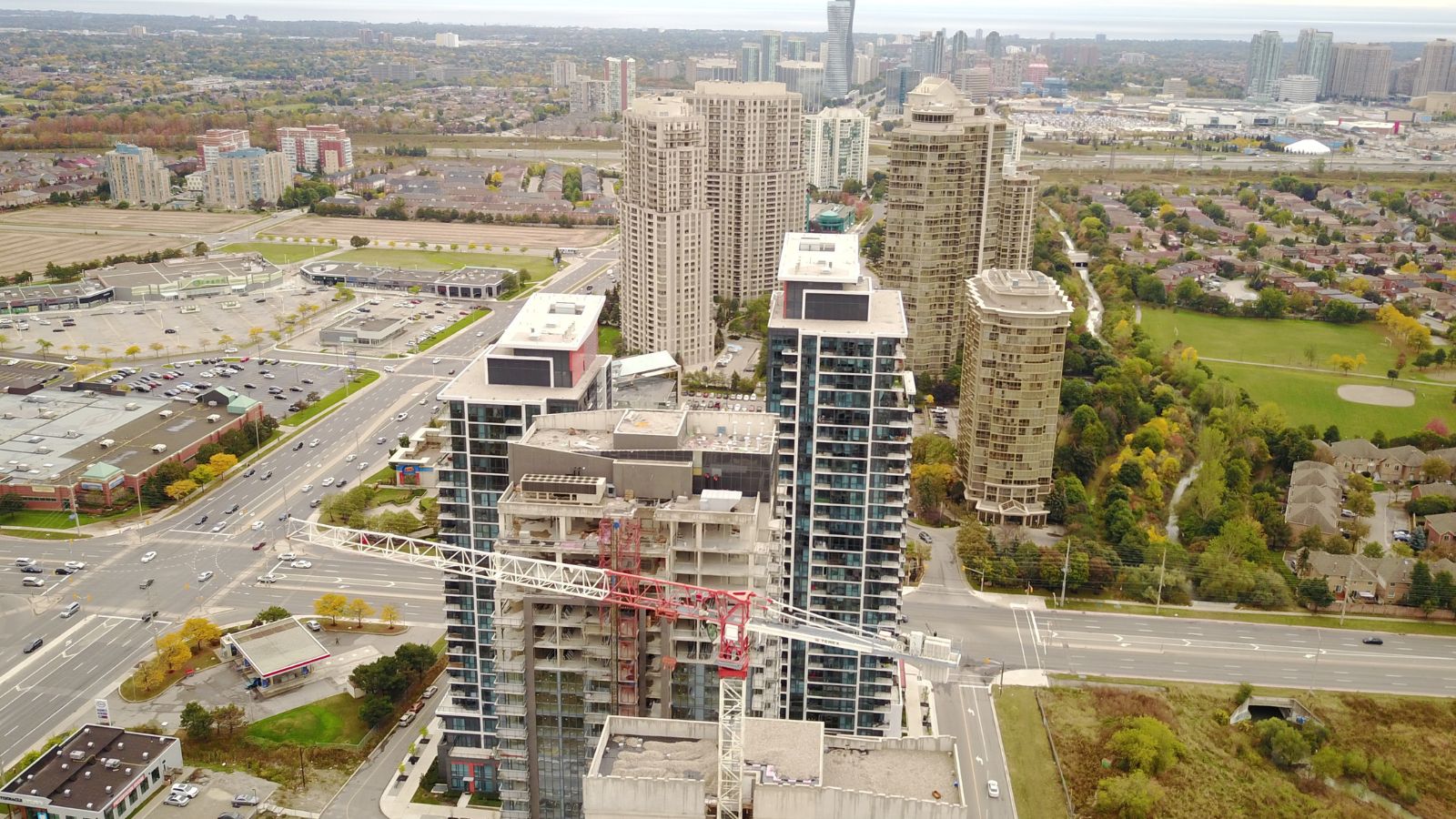
Mississauga has quietly developed one of the more structured parking systems in the Greater Toronto Area, particularly around commercial hubs and transit-connected zones. While it does not always receive the same attention as Toronto, the city has increasingly adopted pricing and enforcement strategies that reflect demand-driven management. Paid parking zones around Square One, office districts, and key transit areas have expanded, with time limits and digital payments becoming standard. Private operators also play a growing role, especially in high-density retail and business areas, where parking fees are set to maximize turnover and revenue. Enforcement is consistent, with fines issued for overstays and violations, contributing to municipal income.
Brampton

Brampton’s parking system has expanded alongside its rapid population growth, transforming what was once a relatively flexible environment into a more structured and revenue-focused model. Key areas such as downtown Brampton, transit hubs, and commercial zones now feature regulated parking with time limits and digital payment systems. The city has introduced stricter enforcement, with fines issued more consistently for violations, including overnight street parking without permits. Residential permit systems have also become more prominent, particularly in densely populated neighborhoods where street space is limited. As Brampton continues to grow, its parking model is likely to become even more refined, reinforcing its role as a consistent revenue stream within the city’s evolving infrastructure.
Quebec City
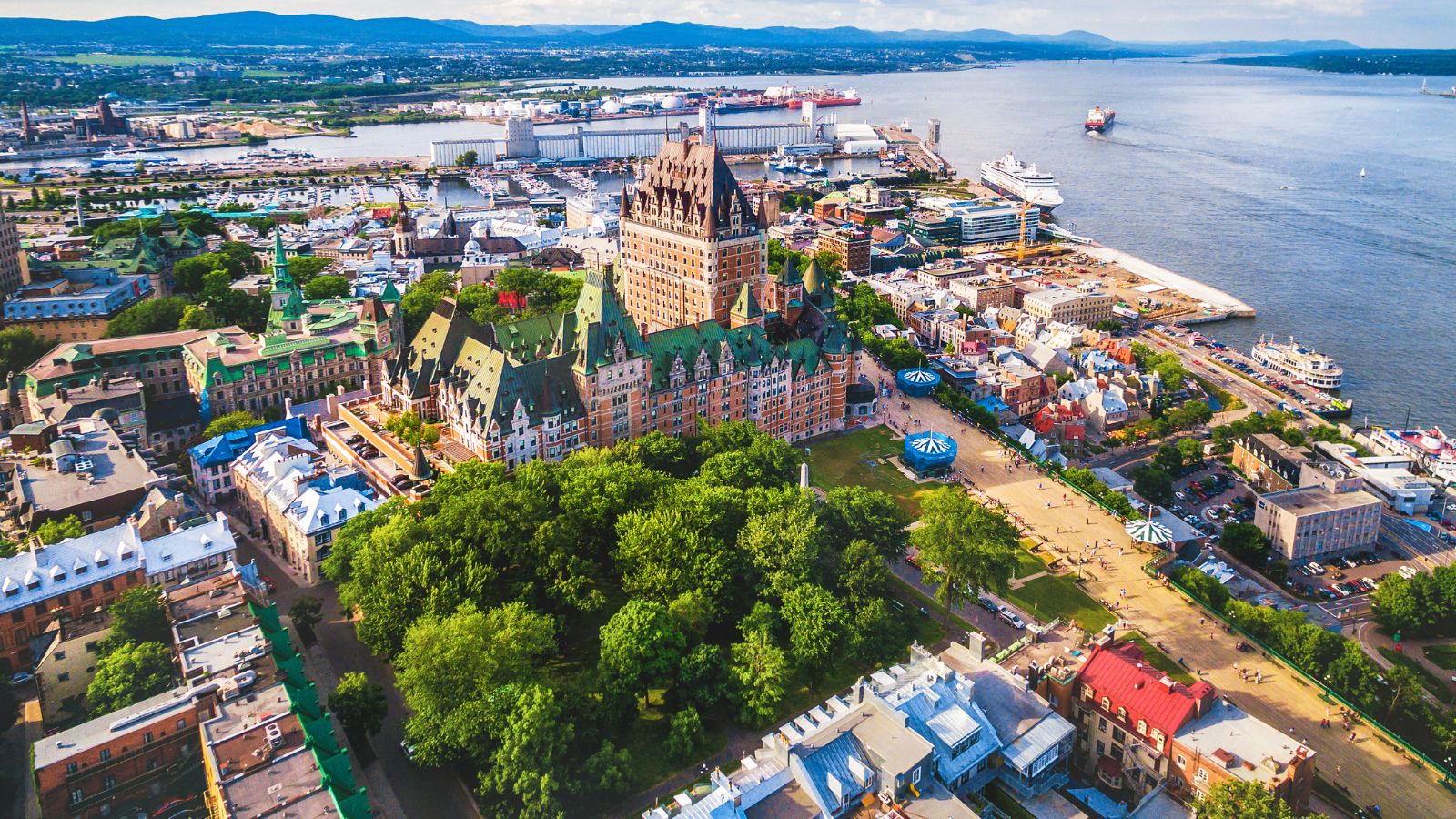
Quebec City combines historical preservation with modern parking management, creating a system that is both restrictive and revenue-focused. In the old city and surrounding tourist areas, parking is tightly controlled with limited availability and higher rates. Time restrictions are strictly enforced to ensure turnover, particularly in high-traffic zones. Digital payment systems and clear zoning make it easier to manage demand, but they also increase costs for drivers. Private parking lots operate alongside municipal spaces, often charging premium rates due to limited supply. Seasonal factors, including tourism peaks, further influence pricing and enforcement intensity. Canadians visiting Quebec City often encounter a structured system that requires careful attention to signage and rules.
Halifax
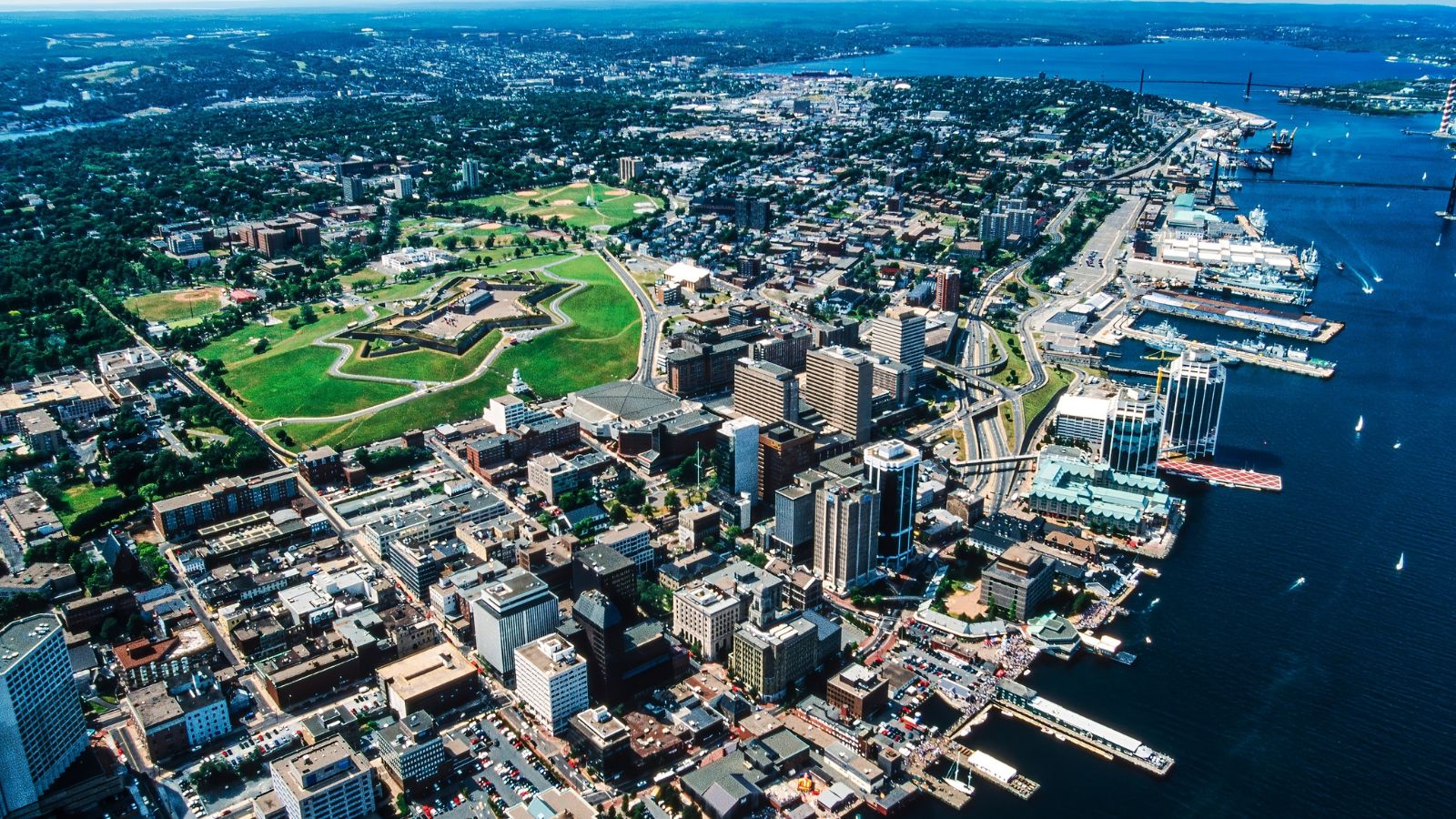
Halifax has seen a steady shift toward more structured parking management as its urban core continues to grow. Downtown areas feature metered parking with rates that vary based on demand and time of day. The city has implemented digital payment options, making it easier to monitor usage and enforce regulations. Time limits are strictly applied, and fines contribute to municipal revenue. Private parking operators play a significant role, particularly near waterfront areas and commercial districts, where demand remains high. Halifax also uses parking as a tool to manage congestion, encouraging turnover in busy zones. Canadians living in or visiting the city often find that parking costs add up quickly, especially in central areas.
Winnipeg

Winnipeg’s parking system has evolved significantly, particularly in its downtown core, where demand has increased alongside commercial activity. The city manages a network of metered parking spaces with rates that vary depending on location and time. Digital payment systems have improved accessibility while enabling more efficient enforcement. Time limits are strictly enforced, and fines contribute to municipal revenue. Private parking lots complement the system, often charging competitive rates in high-demand areas. Seasonal factors, including winter conditions, add complexity, with snow-related restrictions and enforcement increasing during colder months.
Victoria
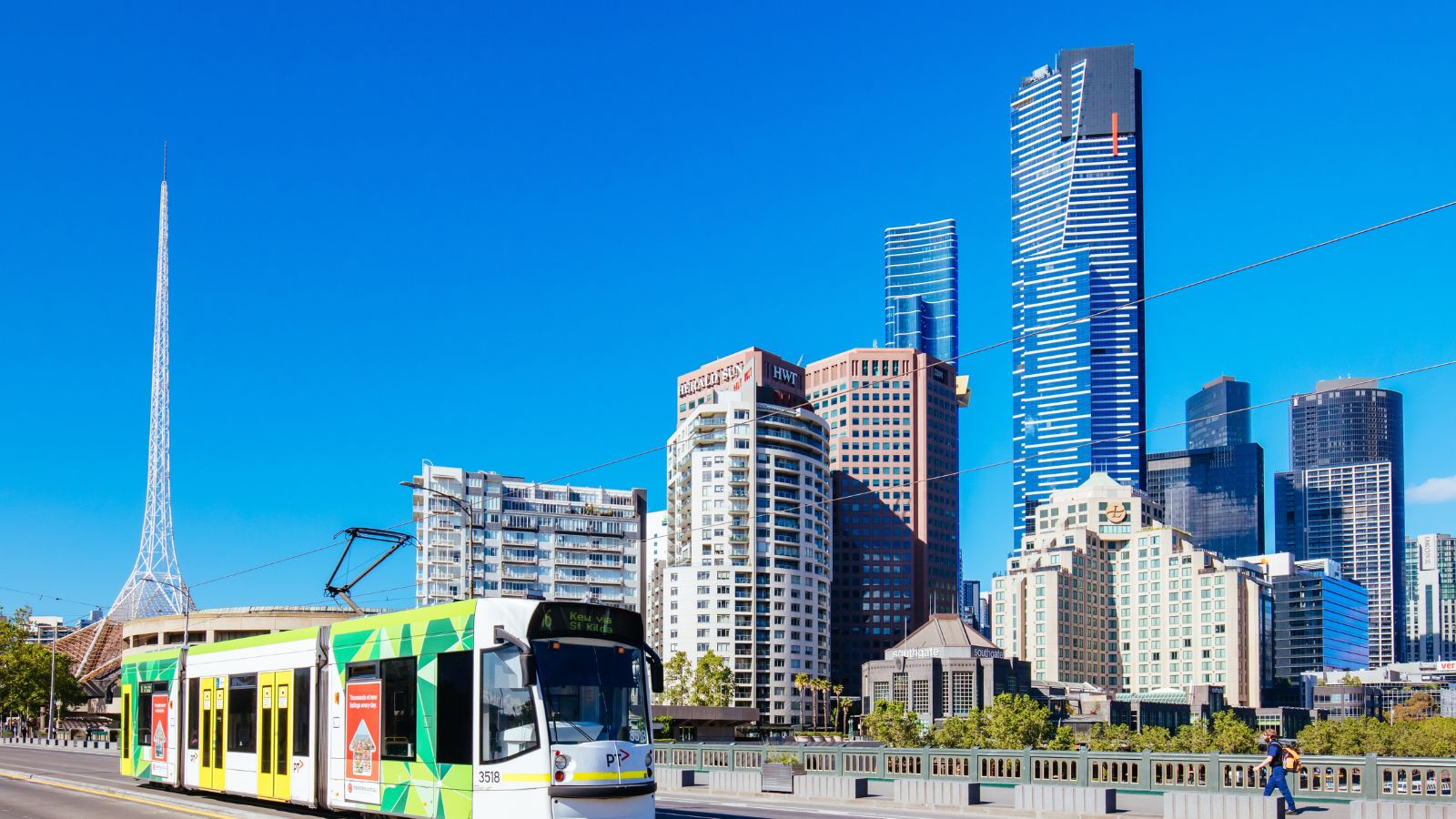
Victoria’s parking system reflects its compact layout and high demand, particularly in downtown and tourist-heavy areas. Metered parking is widely used, with rates that increase in central zones and during peak periods. Time limits are enforced to ensure turnover, and fines contribute to municipal revenue. The city has adopted digital payment systems, making it easier for drivers to manage parking while improving enforcement efficiency. Private operators also play a role, offering parking in high-demand locations at premium rates. Victoria’s focus on sustainability and reducing congestion has influenced its parking policies, encouraging alternative transportation while monetizing available space.
19 Things Canadians Don’t Realize the CRA Can See About Their Online Income

Earning money online feels simple and informal for many Canadians. Freelancing, selling products, and digital services often start as side projects. The problem appears at tax time. Many people underestimate how much information the CRA can access. Online platforms, banks, and payment processors create detailed records automatically. These records do not disappear once money hits an account. Small gaps in reporting add up quickly.
Here are 19 things Canadians don’t realize the CRA can see about their online income.
