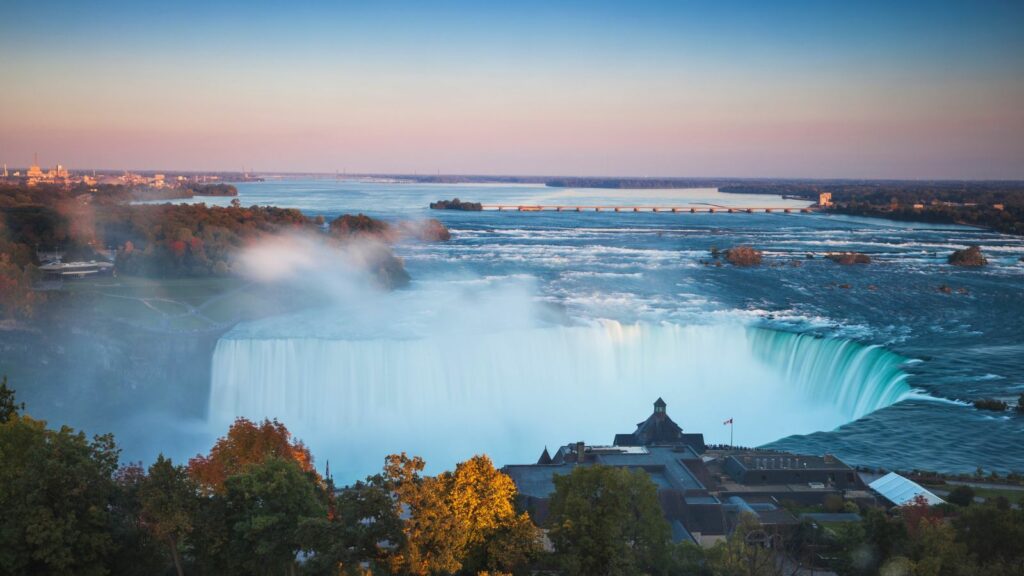
Canada offers some of the most unique travel experiences in the world, from protected natural parks to culturally sensitive sites and tightly regulated urban spaces. However, many destinations come with rules that go far beyond the usual guidelines. These restrictions are often designed to protect ecosystems, preserve heritage, or manage heavy tourism. For visitors, these rules can feel surprisingly strict or unusual, especially when they affect everyday behaviour. Here are 10 places in Canada you can visit but only if you follow the weird rules.
Moraine Lake, Alberta — No Personal Vehicles Allowed
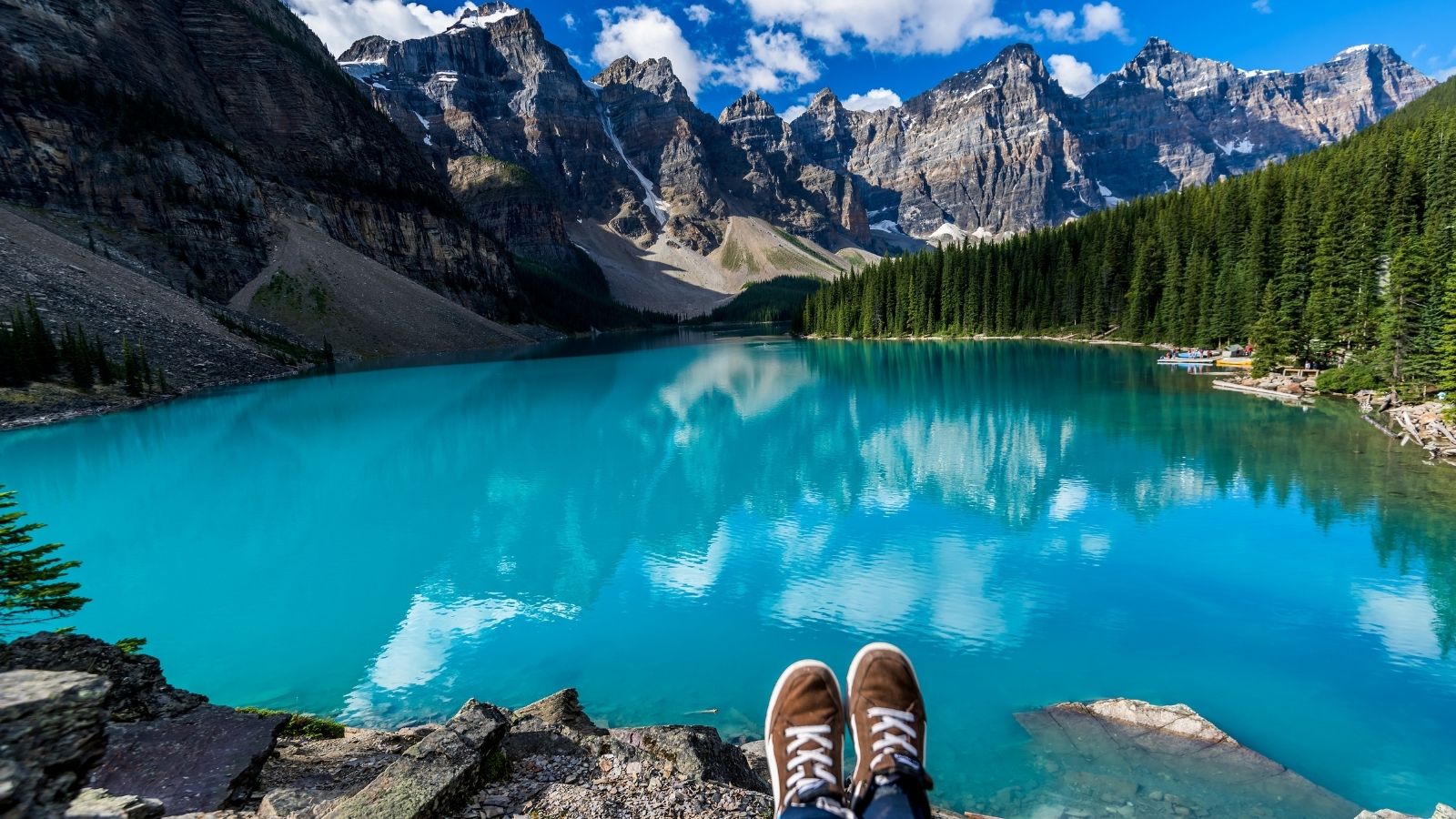
Moraine Lake, located in Banff National Park, is one of the most photographed destinations in Canada, but access rules have changed significantly in recent years. Personal vehicles are no longer allowed to drive directly to the lake during peak seasons. Instead, visitors must use shuttle services, guided tours, or authorized transportation. This rule was introduced to manage overwhelming traffic and protect the surrounding environment from congestion and pollution. Many Canadians and tourists are surprised to learn that even arriving early does not guarantee access by private car. Parking restrictions are strictly enforced, and turning away vehicles has become routine during busy months.
Peggy’s Cove, Nova Scotia — Stay Off Black Rocks
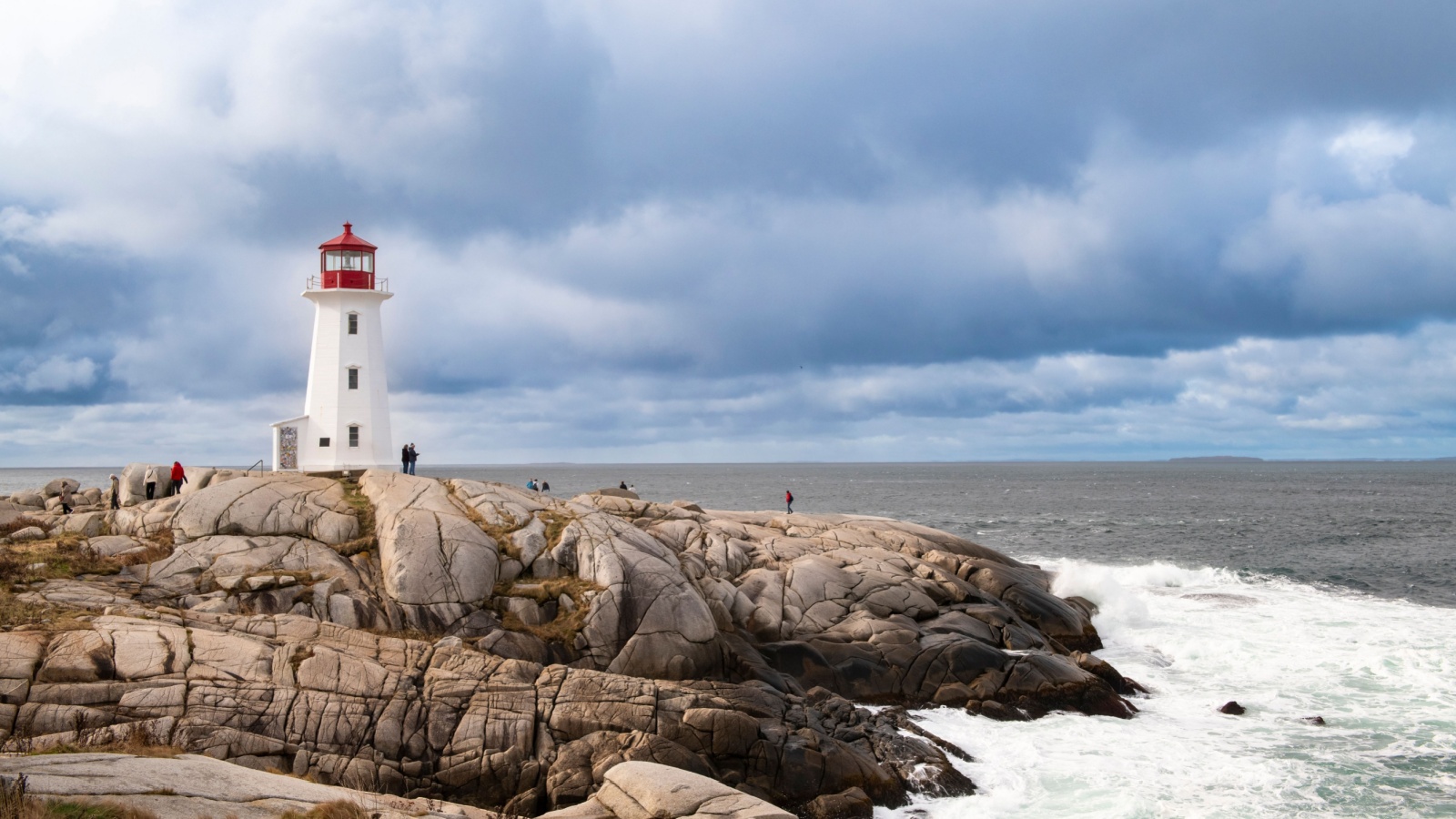
Peggy’s Cove is known for its iconic lighthouse and dramatic coastal scenery, but it also comes with strict safety rules that many visitors underestimate. One of the most important restrictions is the prohibition against standing on black rocks near the water. These rocks can appear stable, but they are often slippery and subject to sudden waves that can pull people into the ocean. Warning signs are clearly posted, and ignoring them can result in serious danger and potential fines. Despite the warnings, visitors frequently attempt to get closer for photos, leading to numerous incidents over the years. Authorities have increased enforcement and awareness campaigns to address this issue.
Churchill, Manitoba — Leave Your Doors Unlocked
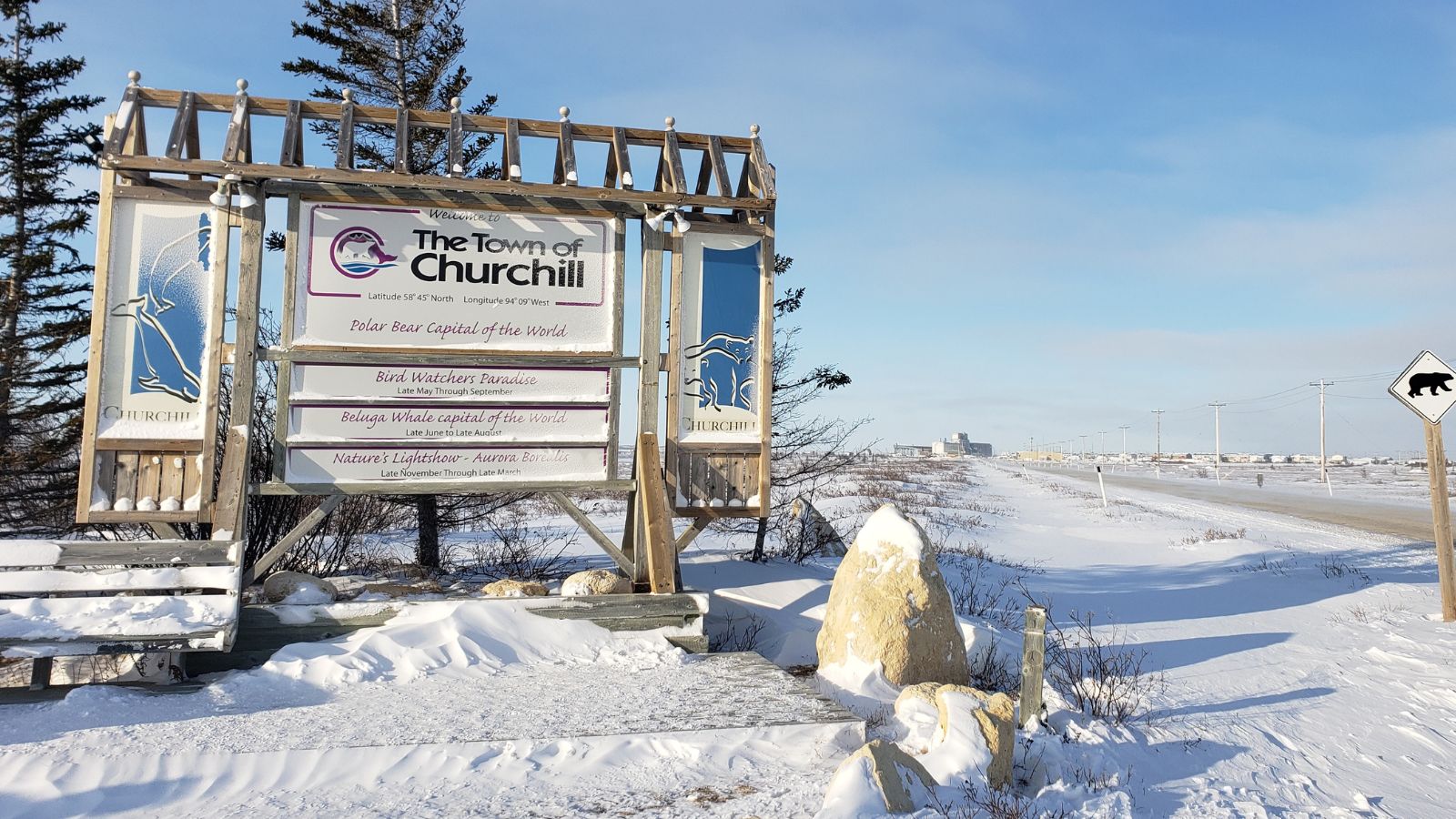
Churchill is famous for its polar bears, but one of its most unusual rules involves how residents and visitors treat their homes and buildings. In this northern town, it is common practice to leave doors unlocked, especially during polar bear season. This is not for convenience, but for safety. If someone encounters a polar bear, they may need immediate access to shelter, and locked doors could prevent a quick escape. Visitors are expected to respect this practice and understand its importance. While it may feel counterintuitive in most parts of Canada, it is a critical safety measure in Churchill. The rule reflects the unique relationship between humans and wildlife in the area.
Prince Edward Island Beaches — No Sand Removal
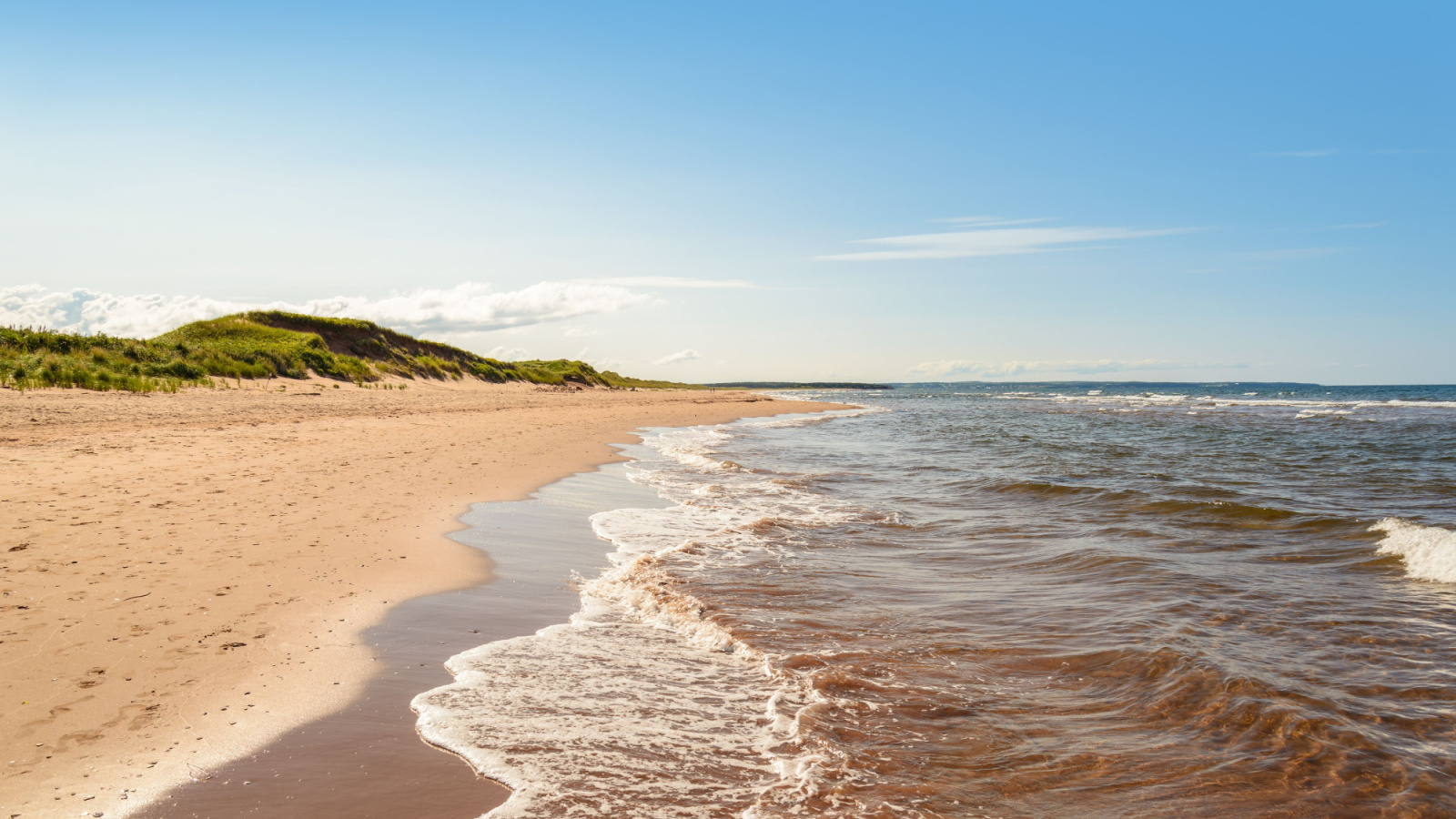
Prince Edward Island is known for its distinctive red sand beaches, but visitors are not allowed to take sand home as a souvenir. This rule is strictly enforced to preserve the natural landscape and prevent gradual erosion caused by repeated removal. While taking a small amount may seem harmless, the cumulative effect of thousands of visitors doing the same can significantly impact the environment. Authorities have implemented fines and monitoring to discourage this behaviour. Many tourists are surprised by how seriously this rule is enforced, as it differs from practices in other destinations.
Quebec City Old Town — Noise Restrictions at Night
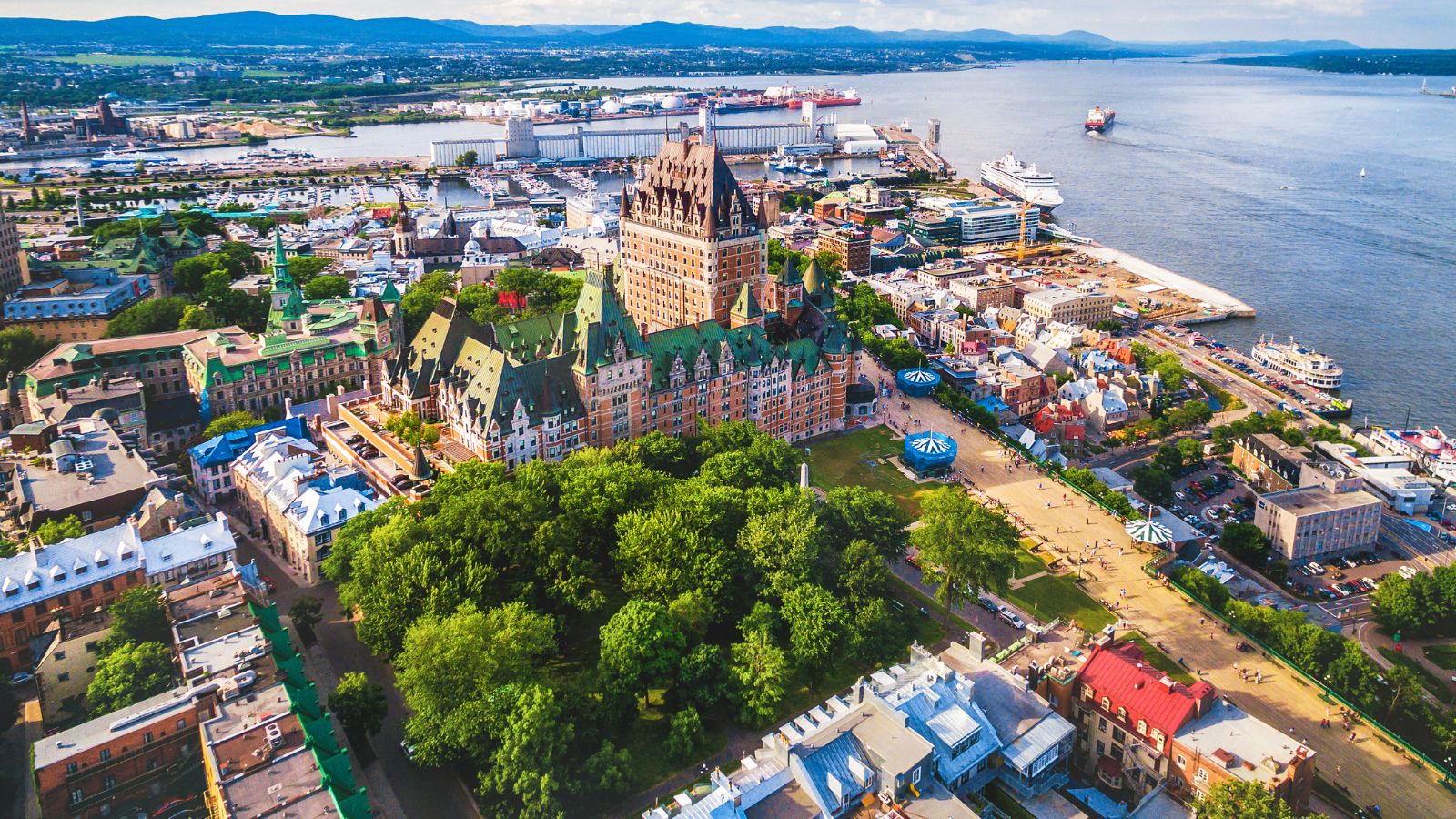
Quebec City’s Old Town is a UNESCO World Heritage Site that combines historical preservation with active tourism. To maintain its character and ensure a livable environment for residents, strict noise regulations are enforced, particularly at night. Visitors are expected to keep noise levels low, especially in residential areas and narrow streets where sound carries easily. Loud gatherings, music, or disruptive behaviour can result in warnings or fines. These rules may feel restrictive for tourists accustomed to more relaxed nightlife environments. However, they are essential for preserving the balance between tourism and daily life in a historic setting.
Lake Louise, Alberta — Sunrise Access Requires Early Shuttle Planning
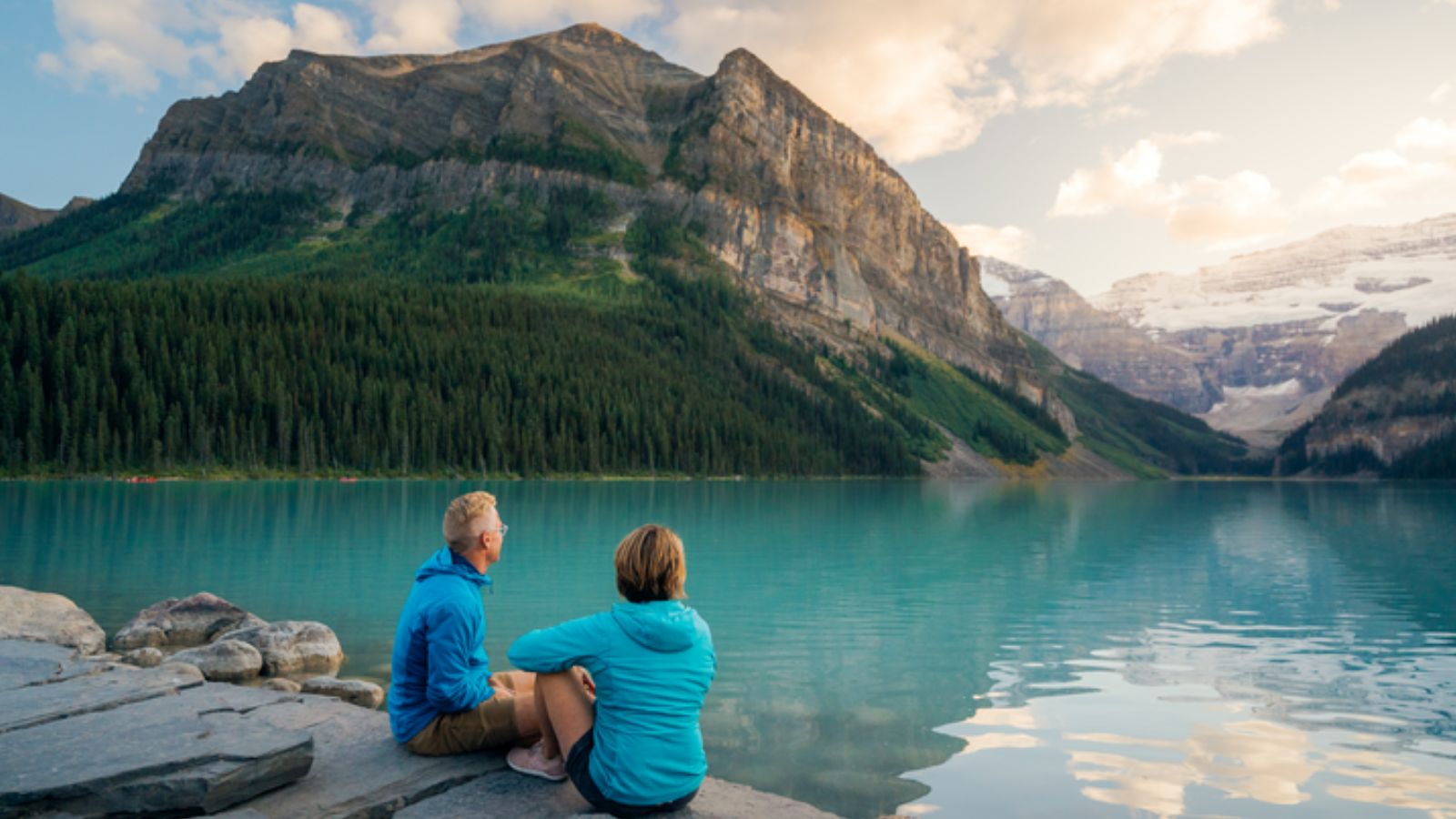
Lake Louise is one of Canada’s most visited destinations, but accessing it has become increasingly regulated due to overwhelming tourist demand. During peak seasons, parking fills up extremely early in the morning, often before sunrise, and late arrivals are redirected to off-site parking areas. Visitors are strongly encouraged, and in many cases required, to use shuttle services that must be booked in advance. What makes this rule feel unusual is that even arriving early does not guarantee access if you are relying on a personal vehicle. The system prioritizes controlled entry to reduce congestion, protect the environment, and maintain visitor safety.
Toronto Islands, Ontario — Alcohol Restrictions in Public Areas
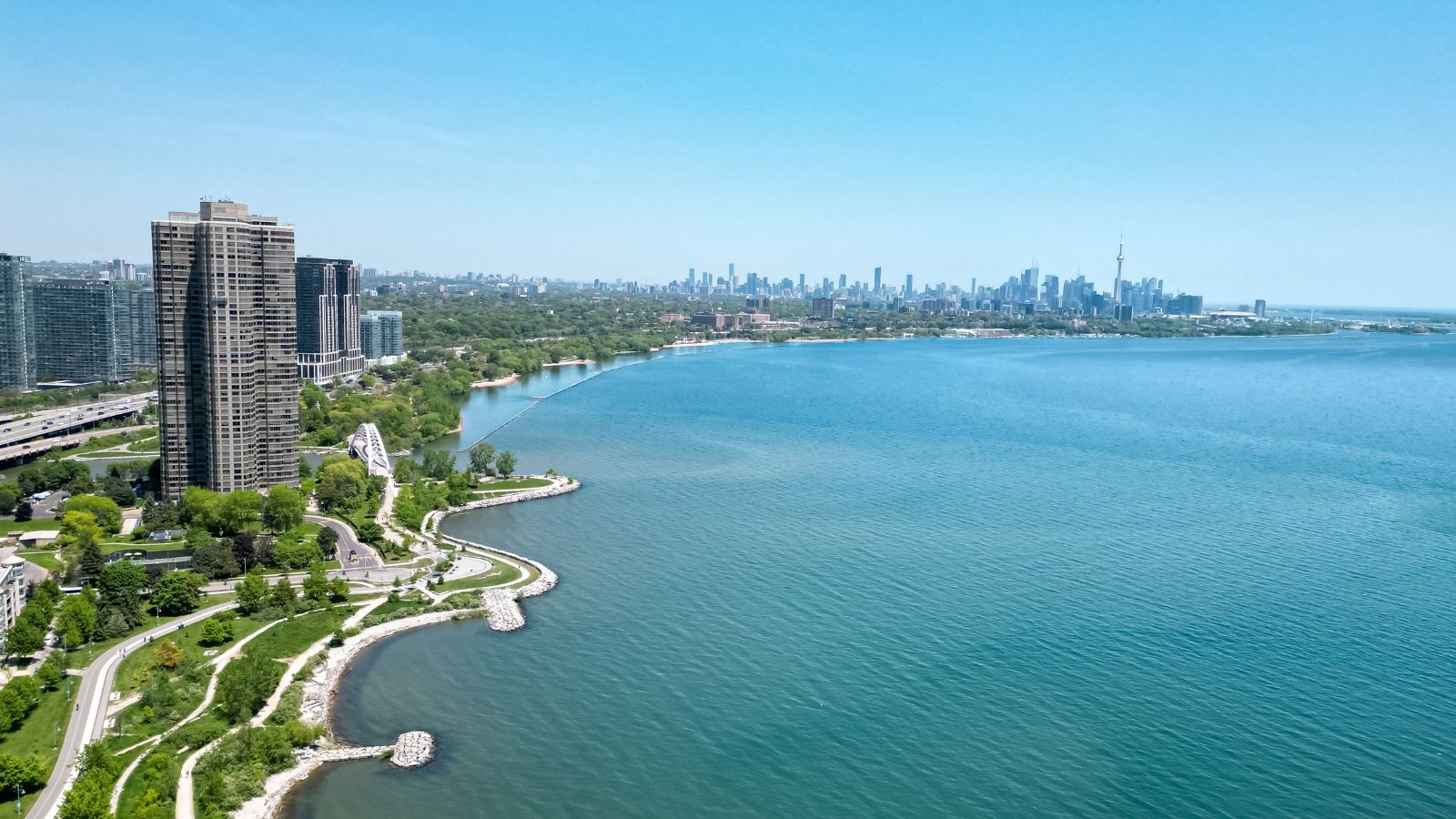
The Toronto Islands offer a popular escape from the city, but visitors are often surprised by the strict rules surrounding alcohol consumption. While some designated areas and events allow it under controlled conditions, open alcohol consumption in most public spaces remains restricted. Enforcement varies by area and season, but fines can be issued if rules are not followed. Many visitors assume that a relaxed outdoor setting permits casual behaviour, but regulations are in place to maintain safety and cleanliness. The islands are family-oriented spaces, and rules are designed to support that environment.
Whistler, British Columbia — No Feeding Wildlife, Even Birds
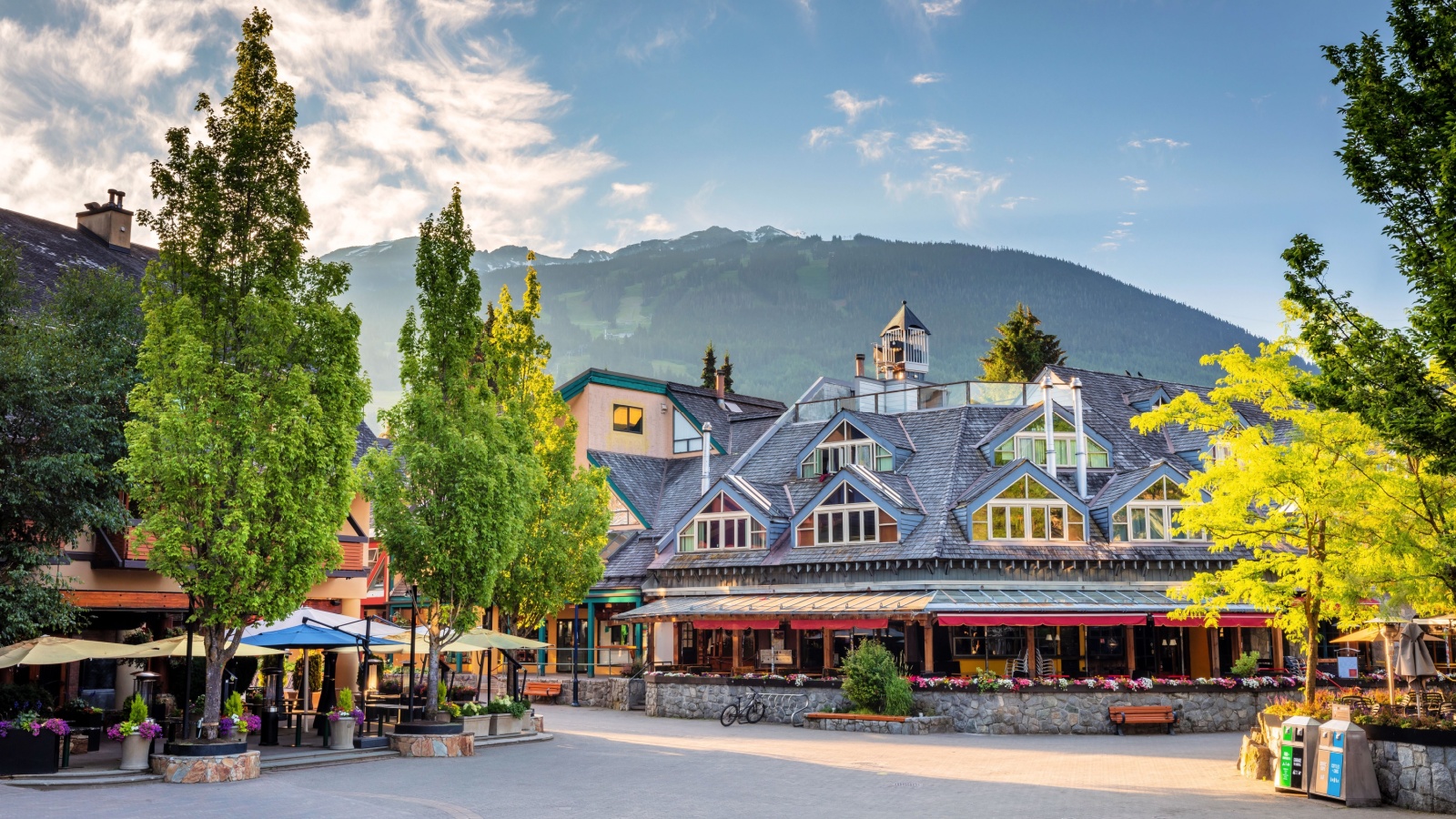
Whistler is known for its outdoor beauty and wildlife, but strict rules prohibit feeding animals of any kind, including birds. Many visitors assume that feeding small animals is harmless, but authorities enforce this rule strictly because of its long-term ecological impact. Feeding wildlife can alter natural behaviour, create dependency, and increase the risk of human-animal conflicts. In some cases, animals that become too accustomed to human interaction may need to be relocated or euthanized. This makes the rule far more serious than it appears at first glance. Visitors may find it unusual that even feeding birds is discouraged, but the goal is to maintain natural ecosystems without interference.
Niagara Falls, Ontario — No Climbing Barriers or Restricted Zones
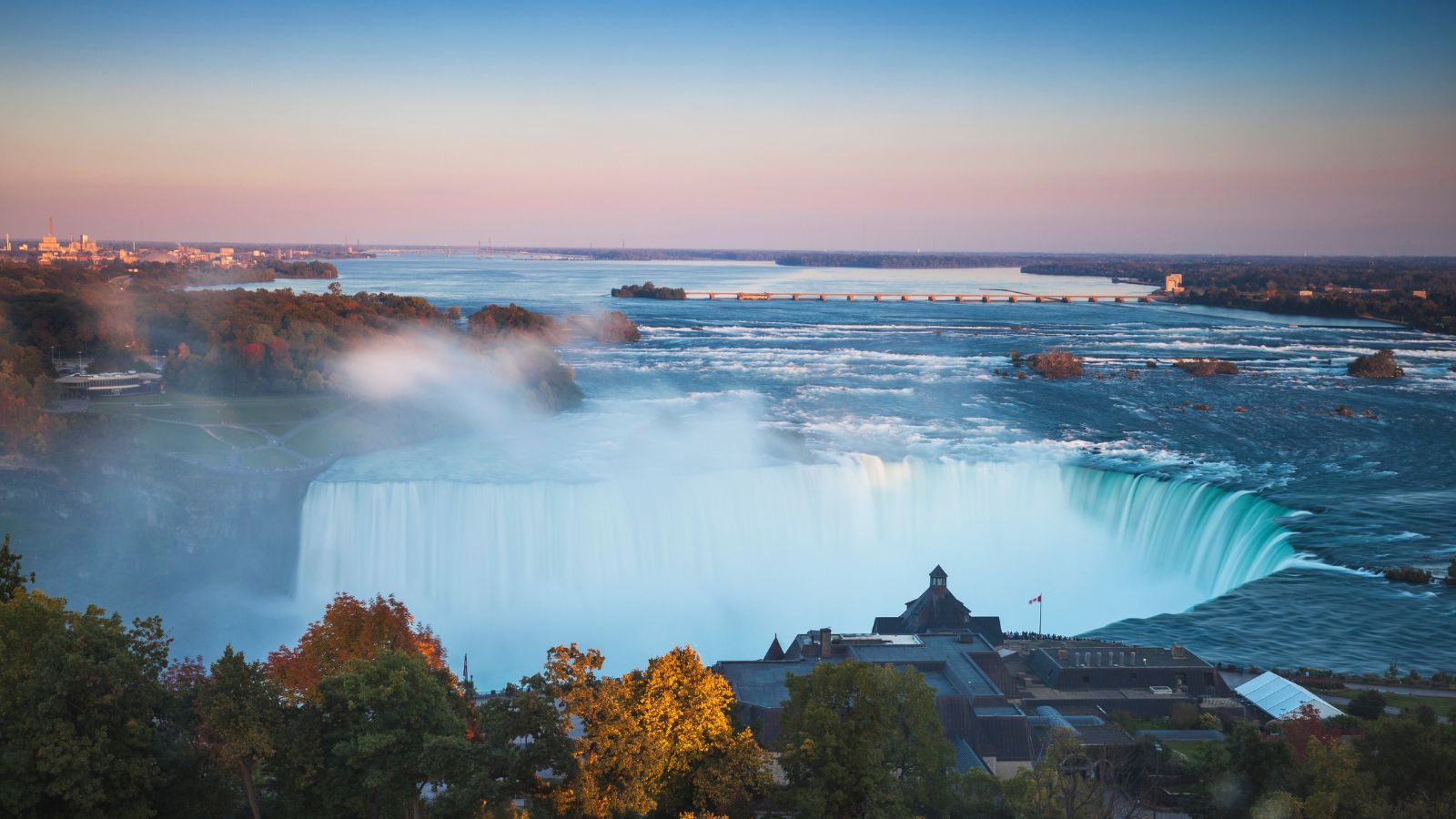
Niagara Falls is one of Canada’s most famous attractions, but it comes with strict safety rules that are closely enforced. Visitors are not allowed to climb barriers, enter restricted zones, or attempt to get closer to the falls beyond designated viewing areas. While this may seem obvious, enforcement has become stricter due to repeated incidents involving risky behaviour. Some visitors attempt to bypass barriers for photos or a closer view, which can result in serious danger and legal consequences. Authorities have implemented fines and increased monitoring to prevent such actions. The rule is not only about safety but also about preserving the site’s infrastructure and managing large crowds.
Haida Gwaii, British Columbia — Cultural Site Access Requires Permission
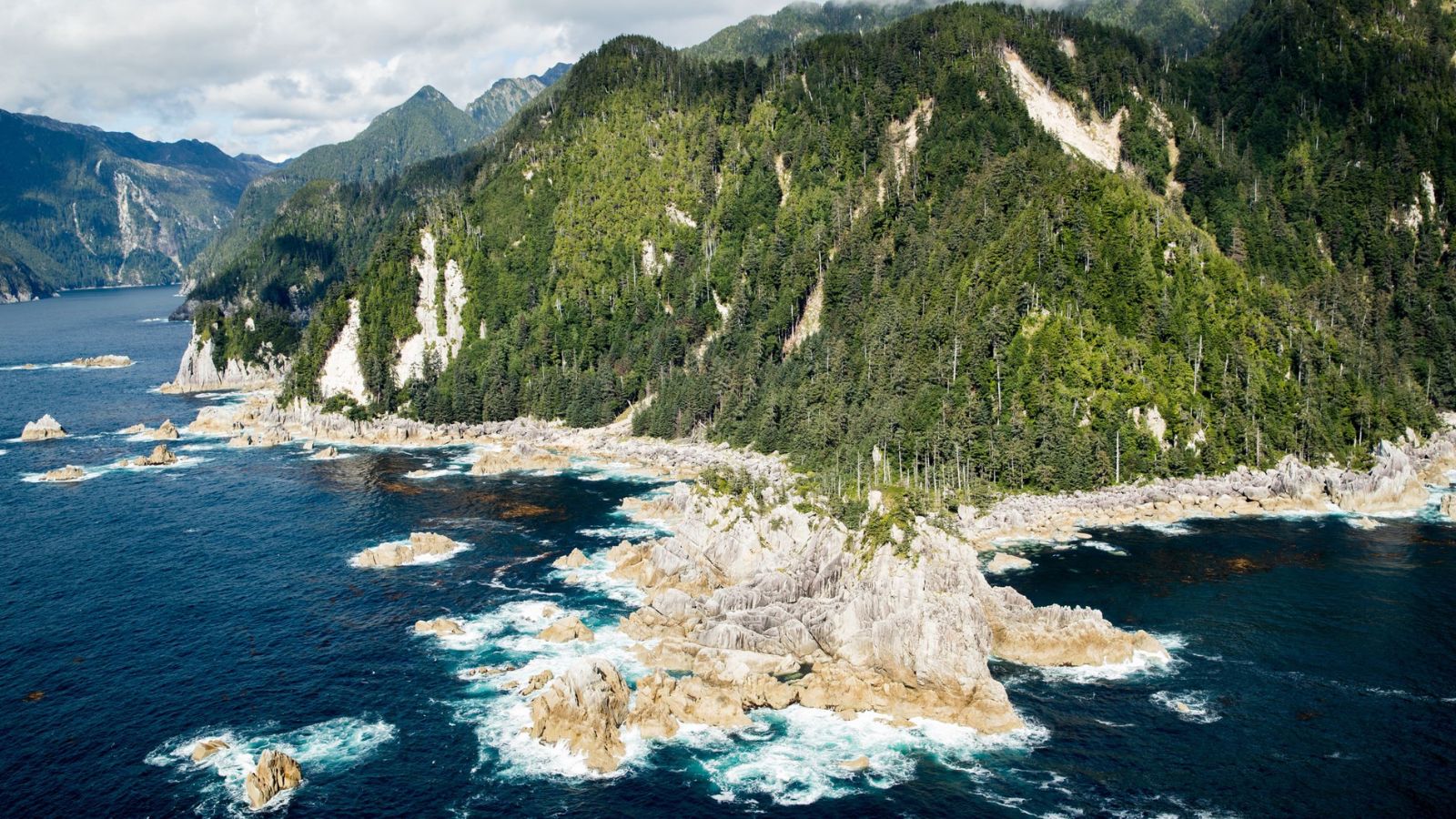
Haida Gwaii is one of Canada’s most culturally significant destinations, but access to certain areas is restricted and requires permission. The region is home to Indigenous heritage sites that are protected and managed by the Haida Nation. Visitors cannot freely enter all locations, especially sacred or historically sensitive areas, without guidance or approval. This rule may feel unusual compared to other tourist destinations where access is more open. However, it underscores the importance of respecting cultural heritage and preserving sites of deep meaning. Guided tours are often required in specific areas to ensure that visitors receive proper context and follow appropriate behaviour. Canadians traveling to Haida Gwaii are expected to respect these protocols and understand that not all spaces are open for exploration.
19 Things Canadians Don’t Realize the CRA Can See About Their Online Income

Earning money online feels simple and informal for many Canadians. Freelancing, selling products, and digital services often start as side projects. The problem appears at tax time. Many people underestimate how much information the CRA can access. Online platforms, banks, and payment processors create detailed records automatically. These records do not disappear once money hits an account. Small gaps in reporting add up quickly.
Here are 19 things Canadians don’t realize the CRA can see about their online income.
