Retail confidence in Canada has taken a bruising lately. Familiar signs have come down, loyalty points have been questioned, gift cards have become stressful, and once-dependable mall anchors have turned into cautionary tales. The concern is not always that a store disappears overnight; sometimes the bigger issue is a chain shrinking, changing ownership, cutting locations, pausing online sales, or leaving customers wondering whether returns, warranties, inventory, or rewards will still work the same way.
Here are 21 Canadian stores and retail banners that suddenly feel harder to count on, based on recent closures, restructurings, creditor-protection filings, ownership changes, and major operating disruptions across the Canadian retail landscape.
Hudson’s Bay
For generations, Hudson’s Bay felt almost permanent. Its department stores anchored downtown cores and suburban malls, and the striped blanket became one of the most recognizable retail symbols in the country. That sense of permanence broke when the company entered creditor protection in March 2025, then moved through liquidation after rescue efforts failed. For shoppers, the shock was practical as much as emotional: gift cards, loyalty programs, returns, and long-running household habits suddenly became things to double-check instead of assume.
The scale made the collapse feel different from an ordinary store closure. Reports said Hudson’s Bay had operated 80 namesake stores, along with Saks-related banners in Canada, and later moved toward shutting its remaining locations. Reuters reported more than 8,300 employee terminations tied to the wind-down. For families that once treated The Bay as the dependable place for bedding, coats, luggage, small appliances, or last-minute holiday gifts, the lesson was blunt: even the oldest retail name in Canada can stop being a safe bet.
Saks Fifth Avenue Canada
Saks Fifth Avenue arrived in Canada with luxury department-store ambitions, often sharing space or corporate ties with Hudson’s Bay. It was supposed to give Canadian shoppers a full-service premium option without crossing the border or relying only on online luxury platforms. But its Canadian fate became entangled with Hudson’s Bay’s creditor-protection process. When HBC’s liquidation deepened, Saks Fifth Avenue locations in Canada were also swept into the uncertainty.
That matters because luxury shopping depends heavily on trust. Customers are not just buying a dress, handbag, suit, or fragrance; they are also counting on alterations, returns, repairs, special orders, and consistent service. Once liquidation entered the picture, the experience shifted from polished long-term retail relationship to short-term sell-down. Even shoppers who rarely bought luxury items noticed the symbolism: if a marquee department-store name in prime Canadian malls can disappear, mall-based prestige retail no longer feels as reliable as it once did.
Saks OFF 5TH Canada
Saks OFF 5TH had a different appeal from its full-price sibling. It offered designer and premium brands at outlet-style prices, making it feel like a practical compromise for shoppers who wanted recognizable labels without luxury-store pricing. In Canada, however, all 13 Saks OFF 5TH locations were included in the Hudson’s Bay liquidation process, turning a bargain-hunting destination into another example of retail instability.
Outlet stores can feel especially dependable because customers often treat them as recurring treasure hunts. A shopper may not expect the same inventory every visit, but they do expect the banner to be there next season. The sudden shift toward liquidation changed that rhythm. Returns, sizing exchanges, gift purchases, and loyalty-linked shopping all became more complicated. For Canadians who used OFF 5TH as a substitute for U.S. outlet trips, the closure reinforced how quickly an “affordable luxury” option can vanish from the local retail map.
Toys “R” Us Canada
Toys “R” Us Canada once looked like a survivor. After the U.S. parent’s earlier collapse, the Canadian business kept operating and remained a familiar stop for birthdays, holiday shopping, baby gear, and big-ticket toys. That made its 2026 creditor-protection filing feel especially unsettling. Reports noted the company had been dealing with mounting debt, lawsuits involving suppliers and landlords, and a much smaller store network than in its peak years.
The practical concern is simple: toys are often bought around fixed dates. Birthdays, Christmas mornings, classroom gifts, and baby showers do not pause because a retailer is restructuring. When a chain is under court protection, shoppers become more cautious about gift cards, preorders, return windows, and whether an item will still be available next month. A store can remain open during creditor protection, but the emotional contract changes. Parents who once assumed Toys “R” Us would always be there may now check twice.
Babies “R” Us Canada
Babies “R” Us is tied to some of the highest-stakes purchases families make: car seats, strollers, cribs, monitors, carriers, bottles, and registry gifts. Because Toys “R” Us Canada’s remaining stores include Babies “R” Us operations, the parent company’s creditor-protection process also casts a shadow over the baby-retail side of the business. That is not just inconvenient; it can feel personal for expecting parents trying to plan months ahead.
Baby shopping is unusually dependent on continuity. Registries are shared with relatives, returns may happen after a shower, and safety-sensitive products often require clear warranty and recall support. If a retailer is closing locations, selling assets, or looking for investors, customers may worry about whether a registry item will still be available or whether a return can be handled smoothly. Even when stores continue operating, the sense of dependability becomes weaker when the broader business is visibly under pressure.
SSENSE

SSENSE built a global reputation from Montreal by making luxury fashion, streetwear, and emerging designers feel digitally native. For many younger shoppers, it became less like a store and more like a cultural platform. That is why its 2025 bankruptcy-protection filing drew so much attention. Reports described major debt, layoffs, tariff pressures, unpaid vendor balances, and court-supervised restructuring while the founders sought to keep control.
For customers, SSENSE still represents style discovery, but the trust calculation has changed. Fashion shoppers may wonder about returns, shipping delays, duties, customer service, and whether hard-to-find brands will continue supplying the platform. Designers have their own concerns, especially smaller labels reportedly owed money. A retailer can survive restructuring, and SSENSE has been working through a reset, but its aura of effortless digital dominance has been replaced by a more cautious question: will the platform remain as reliable as it once felt?
Warehouse One
Warehouse One occupied a specific place in Canadian retail: jeans, basics, and casual clothing in communities that were often underserved by flashier fashion chains. That made its 2026 creditor-protection filing and planned liquidation of 128 Warehouse One and Bootlegger-banner stores especially visible outside the biggest cities. The company’s footprint stretched across multiple provinces and into the Yukon, giving it regional importance beyond its size.
For many shoppers, Warehouse One was useful because it was predictable. It sold everyday denim, work-friendly basics, and practical clothing without demanding a trip to a major urban mall. When a chain like that moves into liquidation, the effect is felt in smaller markets where alternatives may be limited. A disappearing store means less competition, fewer in-person fitting options, and more dependence on online returns. The closure also shows how vulnerable mid-market apparel can be when rents, inventory costs, and slower discretionary spending collide.
Bootlegger

Bootlegger has been part of Canadian mall culture for decades, selling denim, casualwear, and recognizable brands to shoppers who wanted familiar styles rather than fast-fashion churn. Its connection to Warehouse One’s 2026 creditor-protection process put the banner back in the headlines for the wrong reason. Court-related reports described a combined 128-store liquidation plan covering Warehouse One and Bootlegger locations.
The uncertainty around Bootlegger is also a story about mall habits changing. A shopper might once have counted on the chain for jeans before a trip, a casual jacket before fall, or a gift card for a teenager who was hard to shop for. Liquidation turns that dependable routine into a deadline. Sizes sell through, return policies change, and staff may be working through final weeks rather than building long-term customer relationships. The brand may be remembered fondly, but the physical store network no longer feels like something Canadians can assume will be there.
Ricki’s
Ricki’s served a practical niche: women’s workwear, casual office clothing, and polished basics for shoppers who did not want luxury pricing. Its parent company, Comark, entered CCAA protection in January 2025, and Ricki’s was part of the announced wind-down. That hit a familiar Canadian retail category: mid-priced apparel for everyday professional life, especially in malls and power centres.
The loss of a chain like Ricki’s can feel larger than the brand itself. Many workplaces relaxed dress codes after the pandemic, but plenty of people still need presentable clothing for interviews, offices, conferences, and customer-facing jobs. When a reliable middle-market option disappears, shoppers are pushed toward either cheaper fast fashion, more expensive specialty retailers, or online guessing games. Ricki’s shows how the “ordinary” store can be the one people miss most, because it solved a routine problem without demanding much thought.
Cleo
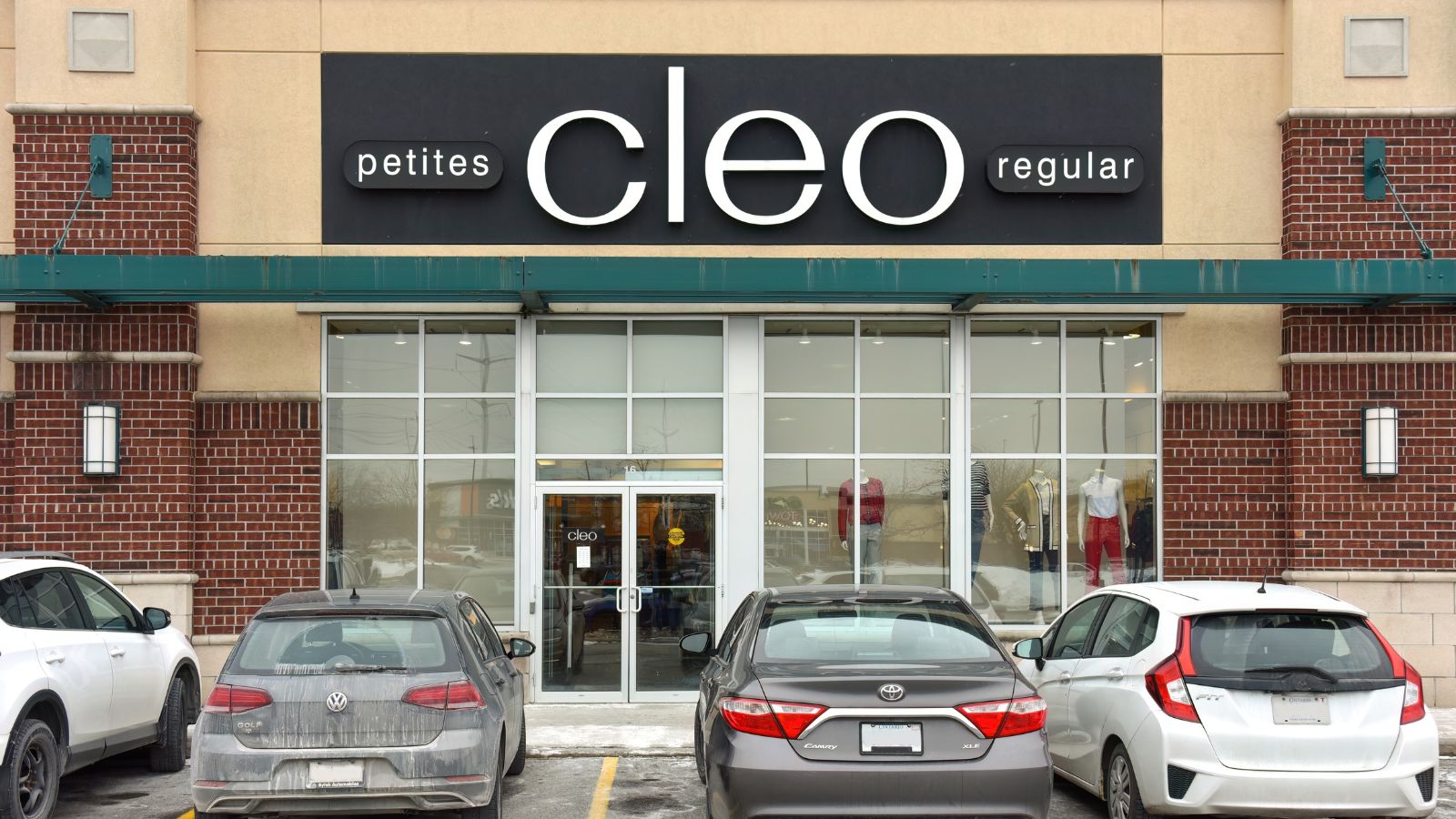
Cleo, another Comark banner, was long associated with women’s career and casual clothing, often serving shoppers who wanted more mature fits and styling than trend-heavy chains offered. When Comark sought creditor protection in 2025, Cleo and Ricki’s were slated for wind-down activity, with employees and stores affected as the business moved through court-supervised proceedings. That made Cleo another familiar name suddenly feel fragile.
For customers, the concern was not just that one brand was closing. It was that an entire layer of Canadian mall apparel seemed to be thinning out. Cleo’s customer base often valued fit consistency, office-appropriate staples, and easy in-person returns. Those are hard to replace with algorithmic recommendations or overseas shipping. The closure also illustrates how fashion chains aimed at working adults can struggle when foot traffic weakens, hybrid work changes wardrobes, and consumers delay discretionary clothing purchases.
The Body Shop Canada
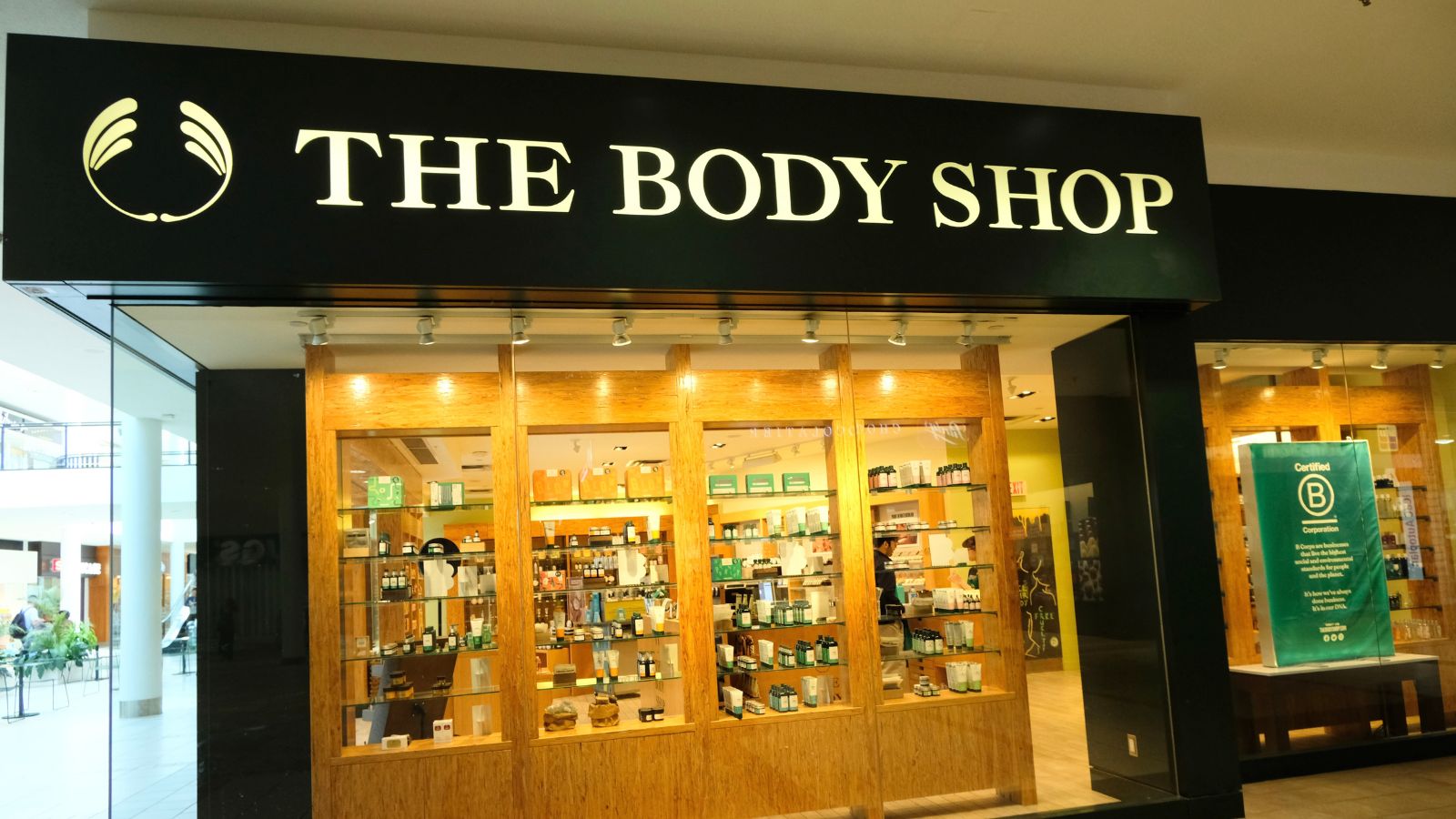
The Body Shop Canada’s restructuring in 2024 surprised many shoppers because the brand had a strong ethical identity and a long history in malls. The Canadian business filed for bankruptcy protection, closed 33 of its 105 stores, and halted e-commerce operations during the restructuring period. That combination was jarring: a beauty chain known for values-driven shopping suddenly became a case study in retail fragility.
Beauty retail depends heavily on replenishment. Customers return for the same body butter, cleanser, fragrance, or gift set because they trust the product and know where to find it. When online sales stop and dozens of stores close, the convenience breaks. The Body Shop Canada later continued in a changed form, but the episode made many customers more cautious about assuming any mall beauty brand is immune to global ownership turmoil, debt pressure, or sudden operational disruption.
Mastermind Toys
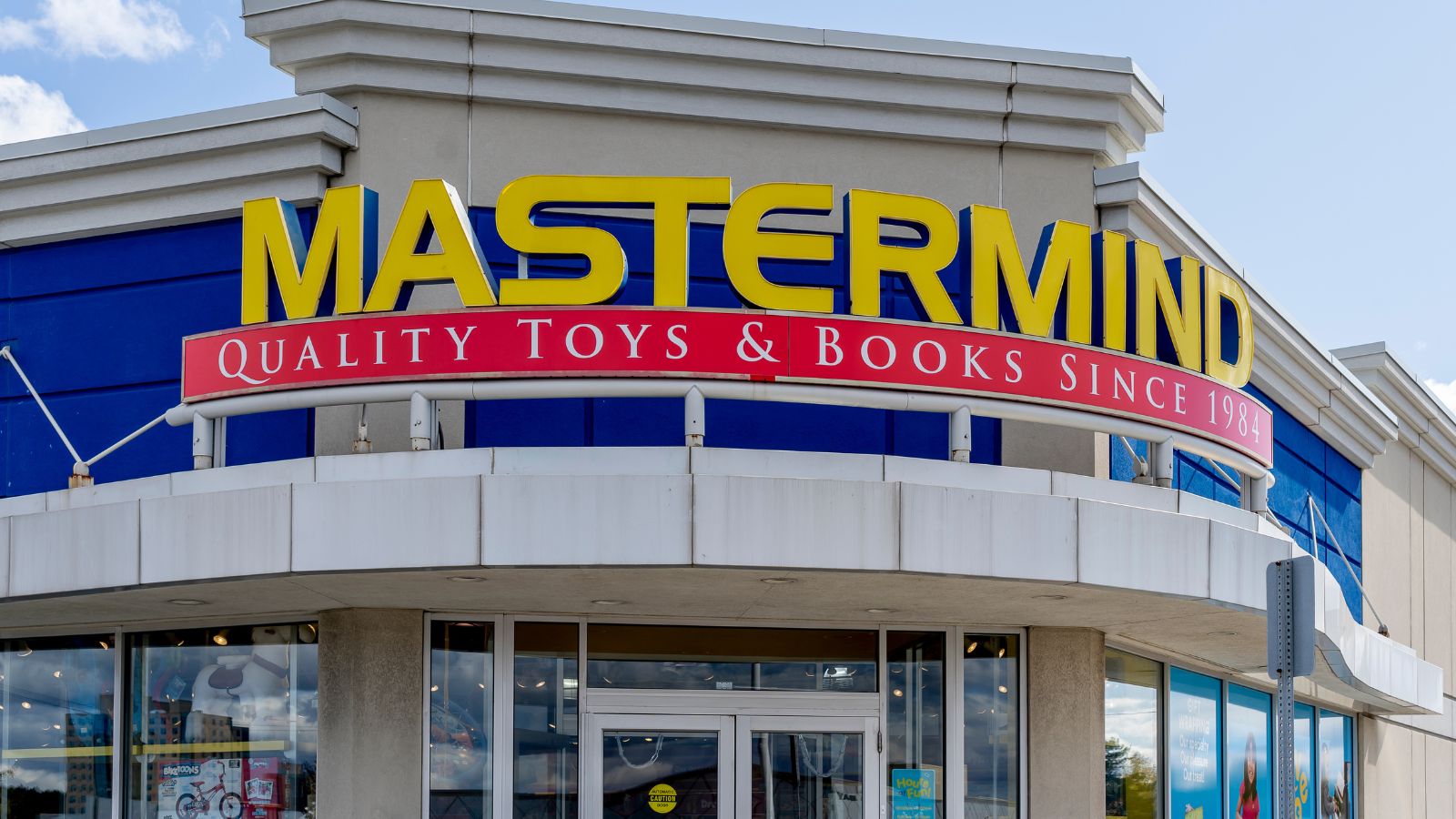
Mastermind Toys had a loyal following among parents, teachers, and gift-givers because it felt more curated than a big-box toy aisle. Its 2023 creditor-protection filing came at a brutal time: right before the holiday season. The company had 66 stores at the time, sought restructuring, and later closed 18 locations while a buyer group acquired the remaining business.
The chain’s survival story is more hopeful than some on this list, but it still changed how customers view it. A toy retailer can stay open and still feel less automatic after a restructuring. Families may wonder which locations will remain, whether a favourite educational game will be stocked, or whether returns will be simple during peak gift season. Mastermind’s reset shows that even beloved specialty retailers with strong community goodwill can hit a financial wall if sales fall, costs rise, and holiday timing works against them.
Frank And Oak
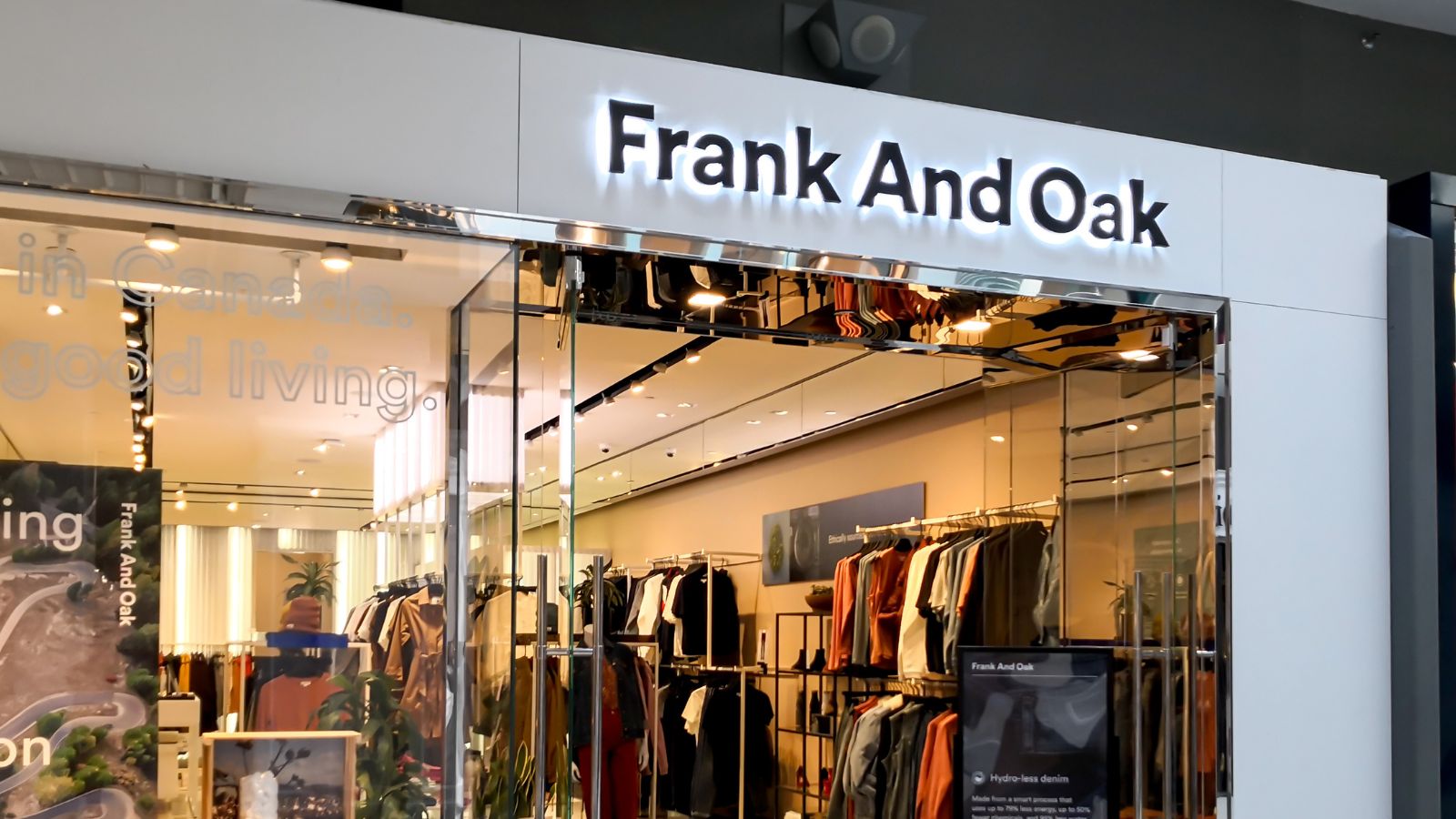
Frank And Oak once represented a modern Canadian fashion success story: direct-to-consumer energy, sustainability messaging, clean design, and stylish stores in urban neighbourhoods. But by 2025, reports said the company had filed for creditor protection again, planned to close most or all retail locations, and was selling the brand to new owners. For customers who remembered the brand’s early momentum, the reversal felt stark.
The lesson is that brand affection does not always translate into durable store economics. Frank And Oak had a clear identity, but apparel retail is unforgiving when store expansion, debt, and shifting consumer habits move faster than profit. Shoppers may still see the name online or through new ownership, but the trusted neighbourhood-store experience is no longer something to assume. A brand can survive while the store network that made it feel local disappears.
Oak + Fort
Oak + Fort built a recognizable Canadian fashion identity around minimalist clothing, neutral palettes, and boutique-style stores. Its rapid growth made the chain feel increasingly present in malls and shopping districts. Then, in 2025, the Vancouver-based company obtained creditor protection as it worked to restructure. Reports pointed to tariff pressure, debt, and challenges tied to expansion and fixed store costs.
For shoppers, Oak + Fort’s situation is a reminder that aesthetic strength does not guarantee operational stability. A store can look calm, polished, and modern while the business behind it is carrying heavy financial strain. Customers who rely on consistent sizing, seasonal capsules, and returns may become more cautious during restructuring. The brand’s future may still include stores, online sales, or new financial arrangements, but the old assumption that a stylish Canadian chain is steadily expanding no longer feels safe.
Peavey Mart
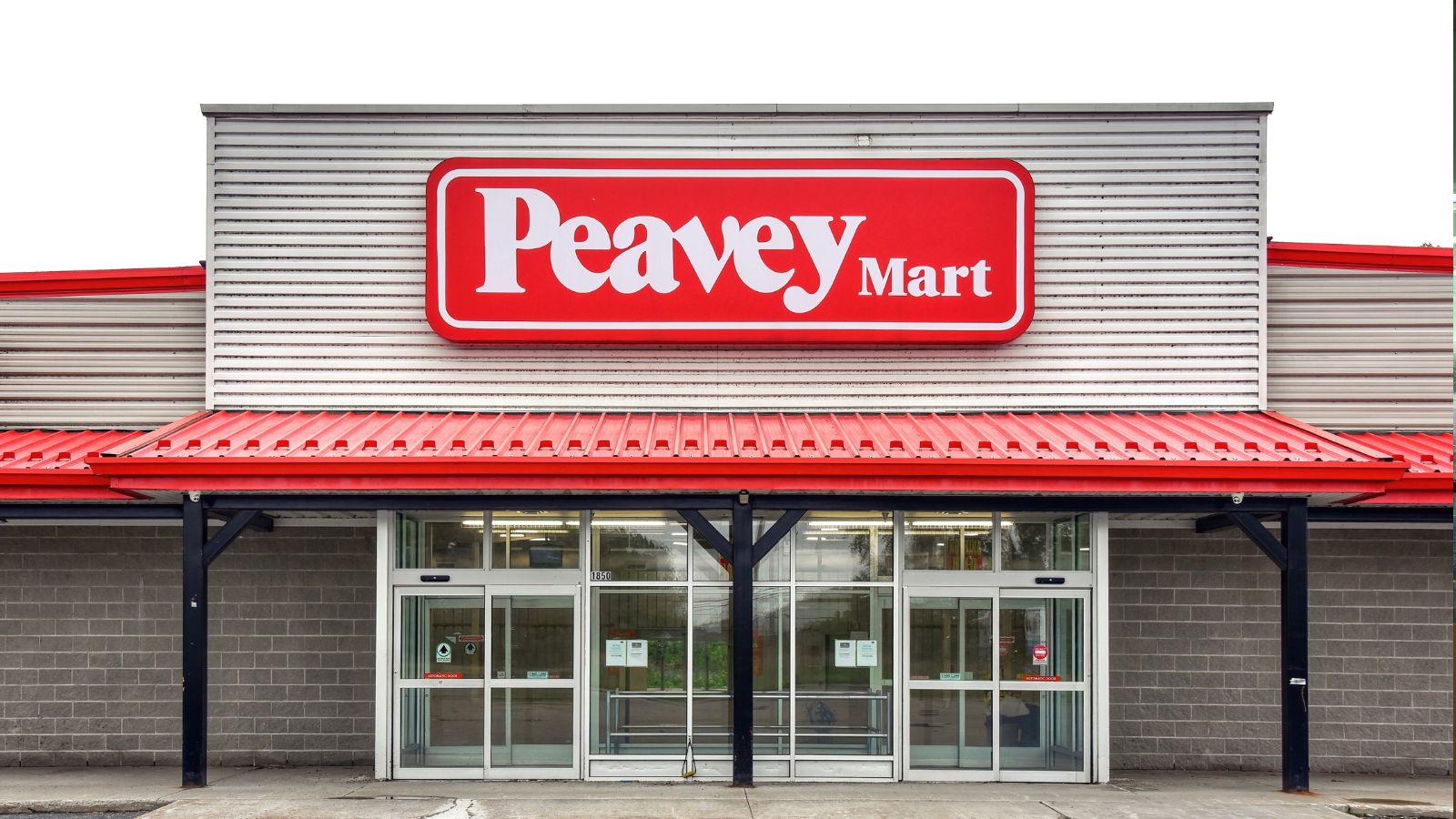
Peavey Mart was not just another retail chain; in many communities it served farmers, acreage owners, gardeners, tradespeople, pet owners, and practical DIY shoppers. Its 2025 creditor-protection filing and announced closure of all 90 Peavey Mart stores marked a major loss for rural and small-town retail. Reports also noted MainStreet Hardware locations were affected, widening the impact beyond the core banner.
The closure felt especially disruptive because Peavey Mart sold things people often need urgently: fencing supplies, feed, tools, hardware, workwear, and seasonal farm or garden products. Unlike fashion purchases, these are not always easy to delay. A shopper in a smaller market may now face longer drives, fewer local options, or more reliance on shipping for bulky goods. Peavey Mart’s collapse shows how retail instability can hit essential-feeling categories, not just discretionary mall shopping.
MainStreet Hardware
MainStreet Hardware was smaller than Peavey Mart, but its inclusion in Peavey Industries’ closure announcement mattered. Reports said six MainStreet Hardware locations were part of the broader wind-down alongside 90 Peavey Mart stores. For affected communities, a hardware banner closing can change daily routines more than outsiders realize.
Hardware stores earn trust through immediacy. A broken latch, missing fastener, snow shovel, furnace filter, garden tool, or emergency repair item often needs a same-day solution. When a local hardware option disappears, the replacement may be a longer drive or an online order that arrives too late. MainStreet Hardware’s fate shows how retail closures can leave practical gaps, especially in places where every nearby store carries more weight. A small banner can be easy to overlook nationally and still be deeply missed locally.
Eddie Bauer
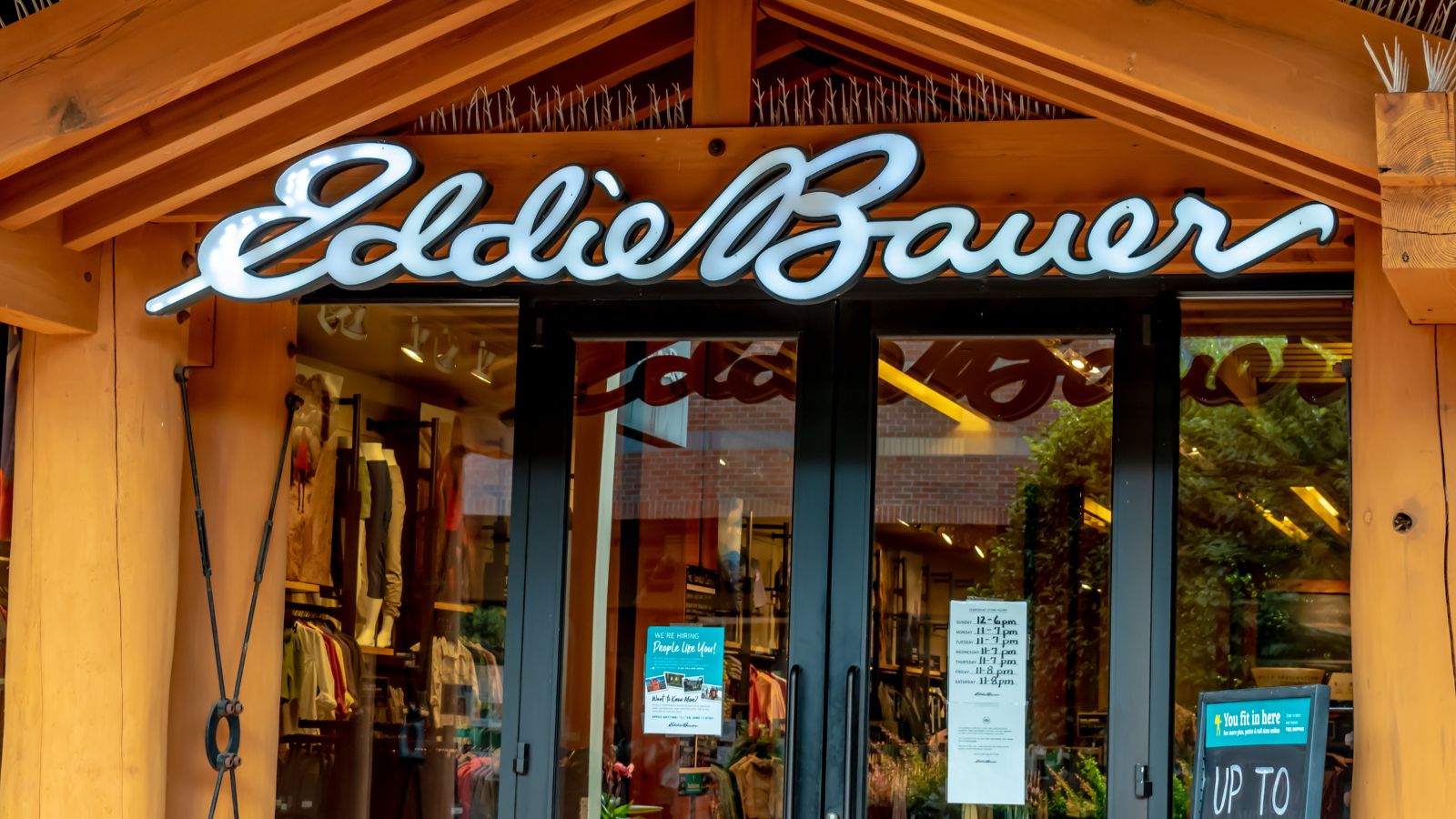
Eddie Bauer’s Canadian stores were affected by the 2026 bankruptcy of the retail operator handling the brand’s North American brick-and-mortar locations. Reports said the process involved roughly 175 to 180 stores across the U.S. and Canada, with closing sales underway unless a buyer emerged. The brand itself, online operations, licensing, and wholesale channels were described separately, but the physical-store network faced a serious wind-down threat.
That distinction can confuse customers. A brand may still exist online while the local store closes, making warranties, returns, exchanges, and sizing feel less straightforward. Eddie Bauer shoppers often buy practical items such as outerwear, travel clothing, and cold-weather gear, where fit and fabric matter. Losing the store experience weakens the confidence that made the brand easy to count on. In Canada, where weather can make good outerwear a necessity rather than a style choice, that uncertainty lands harder.
Atmosphere

Atmosphere has long been associated with outdoor gear, jackets, footwear, and travel-ready equipment. In 2025, Canadian Tire announced a restructuring plan that included closing some Atmosphere stores, particularly standalone locations in Western Canada, while continuing to integrate parts of the outdoor business through related banners such as SportChek. The closures were framed as part of a larger strategy rather than a full collapse.
Still, for customers, a store closure does not feel strategic; it feels like one less place to get hiking boots fitted, compare winter jackets, or buy camping gear before a long weekend. Outdoor retail depends on hands-on evaluation, especially for footwear, packs, shells, and technical layers. If a standalone Atmosphere location disappears, shoppers may still find products elsewhere, but the trusted specialty environment becomes harder to access. That makes the banner feel less dependable in certain communities.
The Beer Store
The Beer Store is not disappearing overnight, but its role in Ontario has clearly changed. As the province expanded alcohol sales into grocery and convenience channels, The Beer Store announced multiple rounds of location closures, including closures set for 2026. Its once-protected place in Ontario’s alcohol retail system has become more exposed to competition and shifting consumer habits.
For customers, the biggest change is predictability. A nearby Beer Store may have handled bottle returns, cases, seasonal brands, and quick weekend errands for years. When locations close, shoppers may need to rethink where to buy, where to return empties, and which retailers carry what they want. The chain remains important, but its footprint is no longer something Ontarians can take for granted. A store that once felt like part of the infrastructure now feels more like a retailer under pressure.
Indigo
Indigo remains Canada’s dominant bookstore chain, but its 2023 ransomware attack shook customer confidence in a different way from closures or bankruptcies. The cyberattack disrupted the company’s website, affected operations, and forced the retailer to reassure customers about payment-card information and loyalty points. Around the same period, Indigo also went through notable leadership turmoil, adding to the sense of instability.
Bookstores rely on trust in both browsing and ordering. Customers count on online availability, preorders, gift purchases, loyalty accounts, and holiday delivery. When a major cyber incident takes down digital operations, it exposes how dependent even a warm, bookish retail brand has become on technology. Indigo did not vanish, but the episode made it feel less untouchable. For shoppers who assumed Canada’s largest bookstore would always function smoothly, the disruption was a reminder that reliability now includes cybersecurity.
GameStop Canada / EB Games Canada
GameStop’s Canadian business has gone through a major identity shift. Reports in 2025 said GameStop sold its Canadian operations and that the stores would return to the EB Games Canada name under new ownership. Globally, GameStop has been shrinking its physical footprint, closing hundreds of stores and selling or exiting international operations. Canada’s separation from the parent company may create a more local strategy, but it also signals how much the old model has changed.
Gaming retail is under pressure because downloads, subscriptions, online marketplaces, and direct-to-console sales have changed how people buy. Physical stores still matter for trade-ins, collectibles, gift cards, used games, and advice, but fewer customers can assume the same mall location will always be there. The EB Games name may bring nostalgia and a clearer Canadian focus, yet the broader shift away from old-school game retail makes the banner feel less automatic than it once did.
Party City Canada
Party City Canada is in a different position from the U.S. chain that shut down corporate stores after bankruptcy. Canadian locations are owned by Canadian Tire, which gives the banner a separate operating structure. Even so, the brand’s U.S. collapse created confusion and made some Canadian customers wonder whether the same thing was happening here. That uncertainty matters in a category built around fixed-date events.
Party shopping is deadline-driven. Balloons, candles, costumes, plates, banners, and themed decorations are usually needed for a specific day, not whenever supply chains or store strategies allow. Even if the Canadian business remains distinct, the wider Party City name now carries baggage. Customers may double-check store status before planning a birthday, Halloween run, or school event. The Canadian stores may continue operating, but the brand no longer feels as simple and unquestioned as it once did.
19 Things Canadians Don’t Realize the CRA Can See About Their Online Income

Earning money online feels simple and informal for many Canadians. Freelancing, selling products, and digital services often start as side projects. The problem appears at tax time. Many people underestimate how much information the CRA can access. Online platforms, banks, and payment processors create detailed records automatically. These records do not disappear once money hits an account. Small gaps in reporting add up quickly.
Here are 19 things Canadians don’t realize the CRA can see about their online income.
