
Spring can feel like a financial reset, but many Canadian households discover that warmer weather brings a fresh stack of higher bills. The heating season fades, yet municipal charges, transportation costs, groceries, insurance renewals, home maintenance, and travel spending often rise at the same time. Some increases are seasonal, while others reflect broader inflation, infrastructure costs, severe-weather risk, or service fees that quietly change after winter.
These 17 spring bill increases show how everyday expenses can climb just as many households are trying to recover from winter spending and plan for summer.
Property Tax Notices Arriving Higher Than Expected

Spring is when many homeowners start seeing the real impact of municipal budget decisions. Even a modest percentage increase can feel larger when it lands as a semi-annual or quarterly property tax payment instead of a small monthly charge. In Hamilton, for example, the 2026 residential tax increase was 3.87%, equal to about $209 for the average home. For households already juggling mortgage payments, insurance, and utilities, that kind of increase can turn a routine bill into a budget surprise.
The challenge is that property taxes are tied to local costs that residents may not think about daily: roads, transit, emergency services, libraries, parks, stormwater systems, and infrastructure renewal. A family might not notice the budget debate in February, but the invoice in April or May makes it personal. For retirees and fixed-income households, the timing can be especially difficult because property tax bills often arrive alongside home insurance renewals and spring repair costs.
Water and Wastewater Rates Climbing With Infrastructure Costs

Water bills often look predictable until municipalities approve rate increases to cover treatment plants, pipe replacements, sewer upgrades, and stormwater systems. These increases can be more noticeable in spring, when outdoor water use starts to return and households begin washing cars, filling garden beds, pressure-washing decks, or opening pools. A rate change that seemed small on paper can feel much larger once seasonal consumption rises.
Some municipalities have approved sizable utility increases for 2026. Springwater, Ontario, adopted a 4% water rate increase and a 10% wastewater increase, which translated into an estimated annual increase of $24.22 for water and $114.46 for wastewater for an average household using 180 cubic metres. That example shows why water and wastewater bills can be harder to ignore than general inflation. The bill is not just about water used today; it also reflects decades of infrastructure that must be maintained before leaks, backups, or service failures become more expensive.
Gasoline Costs Jumping Just as Driving Season Returns
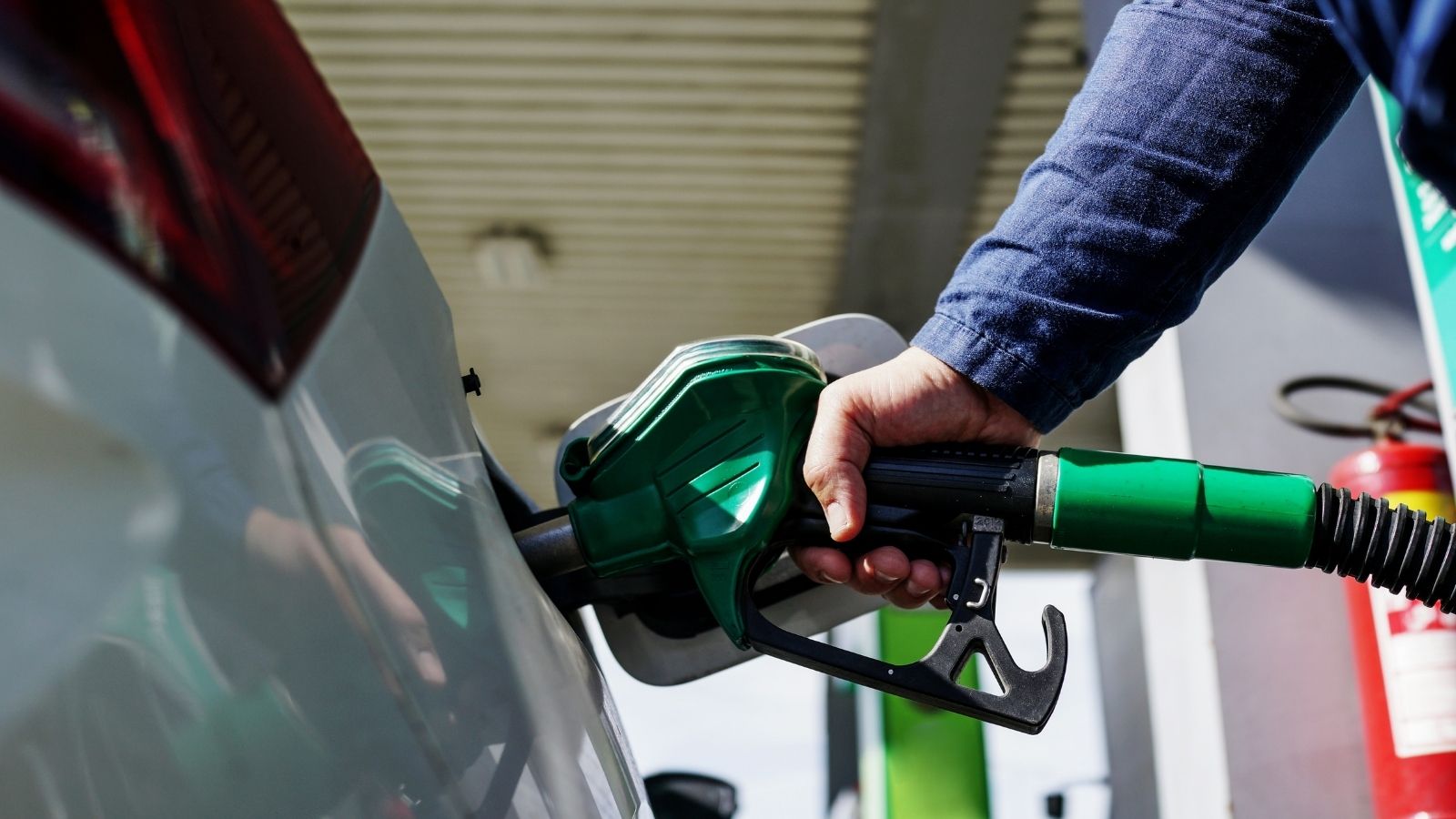
Gasoline is one of the most visible spring budget shocks because the price increase is seen in real time at the pump. March 2026 data showed Canadian gasoline prices rising sharply month over month, with Statistics Canada reporting a 21.2% monthly increase and a 5.9% year-over-year increase. That kind of movement hits commuters, parents driving children to activities, tradespeople, gig workers, and anyone planning weekend travel.
The timing matters. Spring usually brings more driving after a slower winter: cottage visits, sports tournaments, garden-centre trips, road repairs that cause detours, and early vacation planning. A household that budgeted based on winter fill-ups may suddenly find that a weekly tank costs much more. Even drivers who do not change their habits can feel squeezed because gasoline connects to other expenses too. Higher fuel costs can flow into delivery fees, travel prices, landscaping services, and small-business invoices that depend on vehicles.
Fuel Oil and Other Heating Fuels Delivering Late-Season Surprises
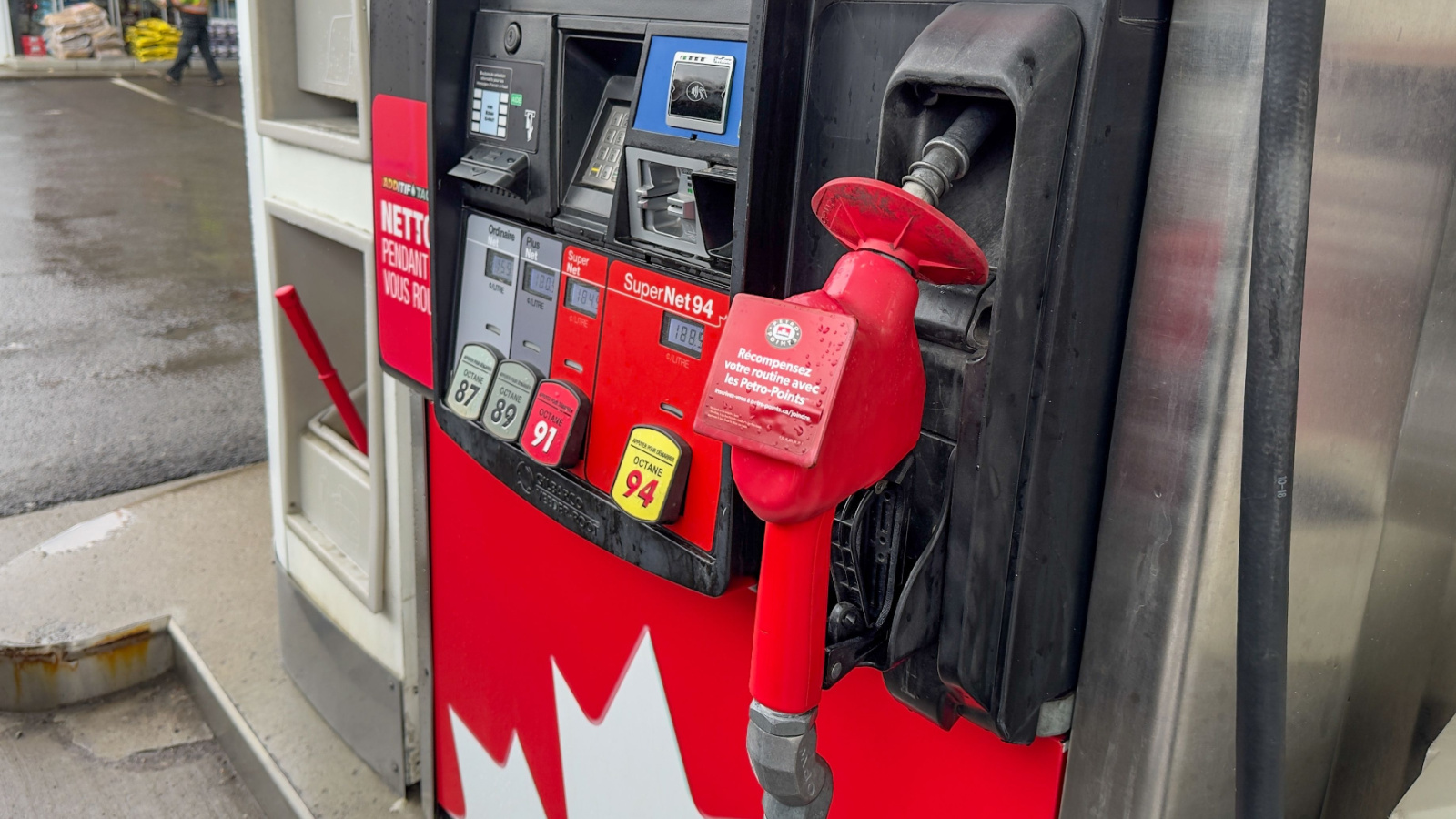
Many households assume heating costs drop quickly once winter ends, but spring can still bring expensive fill-ups for fuel oil, propane, or other fuels. Statistics Canada reported that fuel oil and other fuels were up 26.1% year over year in March 2026, and the category rose 21.5% month over month. For households in Atlantic Canada, rural Ontario, parts of Quebec, and other areas where heating oil remains common, the bill can arrive just when winter feels financially finished.
The pain often comes from timing. A homeowner may receive a delivery in March or April to refill a tank after a cold stretch, even if the furnace will be used less in May. That creates a psychological mismatch: the season feels over, but the heating bill is still catching up. A retired couple in a rural home, for example, may have planned for lower spring utility costs only to face a fuel invoice that reflects global oil volatility, delivery costs, and the previous month’s weather.
Electricity Bills Rising With Seasonal Usage Patterns
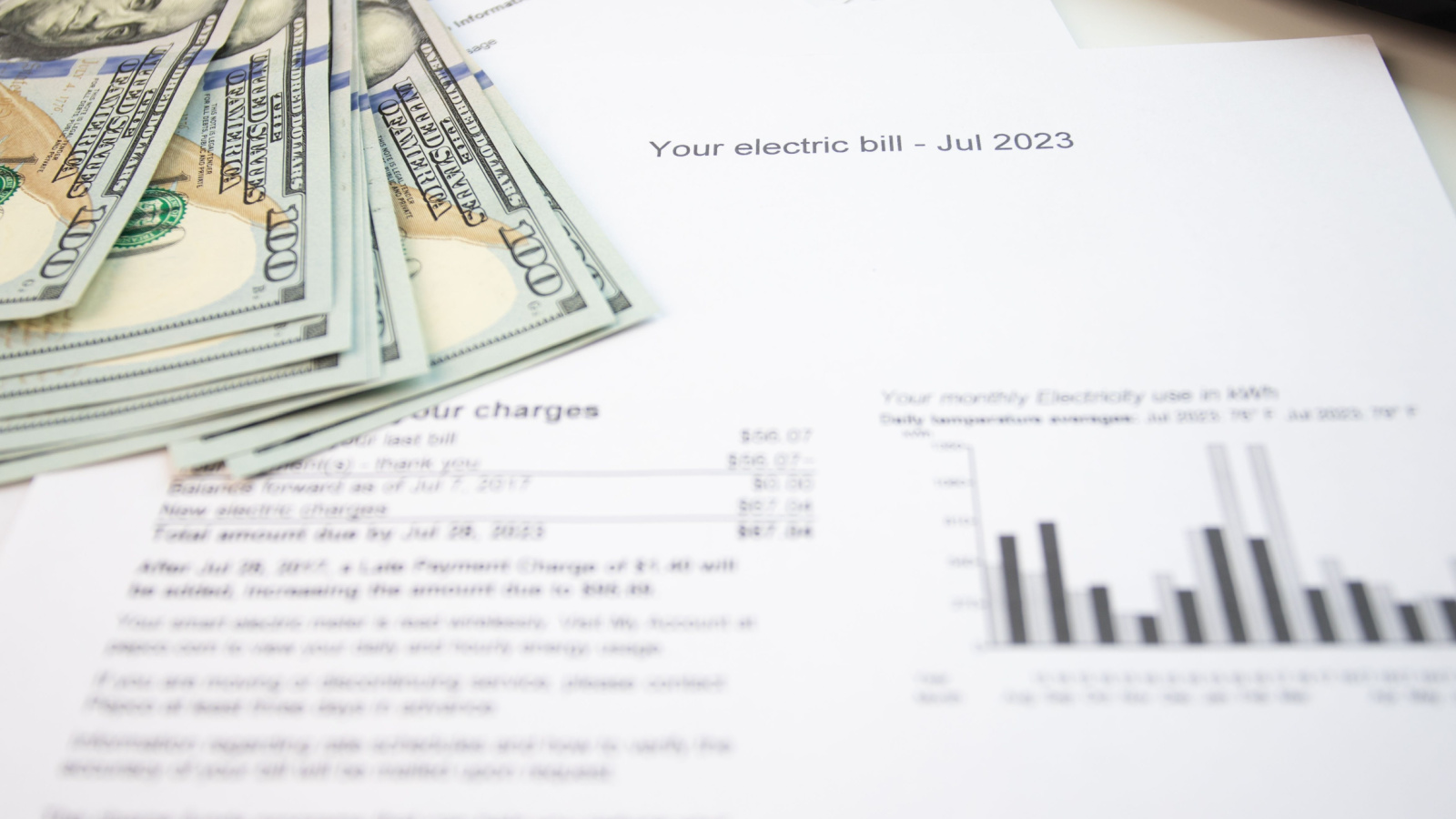
Electricity increases are not always about a simple rate hike. In Ontario, electricity prices under the Regulated Price Plan were not changed on May 1, 2026, but seasonal time-of-use periods and tiered thresholds shifted. That matters because households behave differently in spring and early summer. Longer daylight can reduce lighting use, but air conditioning, dehumidifiers, fans, pool pumps, power tools, and outdoor equipment can quickly offset those savings.
In Quebec, Hydro-Québec’s domestic electricity rates increased by 3% effective April 1, 2026. That kind of spring timing can catch households off guard because the increase arrives before summer consumption peaks. A condo owner may barely notice it at first, while a detached-home owner with electric heating, cooling, or a backyard pool may see the effect build over several billing cycles. Electricity bills can feel especially frustrating because they combine fixed charges, usage rates, seasonal schedules, rebates, delivery fees, and taxes in ways that are not always easy to forecast.
Grocery Bills Pressured by Fresh Produce Prices

Spring is often associated with fresher meals, salads, berries, herbs, and vegetables, but the grocery aisle does not always get cheaper when the weather improves. Statistics Canada reported that food purchased from stores rose 4.4% year over year in March 2026. Fresh vegetables were up 7.8%, with cucumbers, peppers, and celery singled out as items affected by tighter supplies and adverse growing conditions in producing countries.
That matters because produce is one of the first categories households expand when winter ends. Families pack more lunches, host backyard meals, and buy ingredients for lighter dinners. A few dollars more on peppers, greens, and fruit can quietly push the weekly grocery total higher. Unlike a single large bill, the increase repeats every shopping trip. For households trying to eat healthier, the frustration is clear: the choices that feel practical in spring can become the ones that stretch the food budget fastest.
Meat and Protein Costs Eating Into Weekly Budgets

Protein costs remain one of the grocery categories that can reshape a household budget quickly. Canada’s Food Price Report 2026 forecast overall food prices to rise 4% to 6%, with an average family of four expected to spend up to $17,571.79 on food in 2026. The report also noted that food prices were 27% higher than five years earlier and that meat had increased faster than forecast in the previous reporting period.
Spring can intensify that pressure because meal habits shift. Barbecue season brings more demand for burgers, steaks, chicken, sausages, and prepared proteins. A household may not feel one package increase, but a long weekend cookout, school lunches, and sports-night dinners can make the pattern obvious. Even families that trade down to cheaper cuts may still pay more than they expected. The result is a grocery bill that rises not because of luxury spending, but because ordinary spring meals cost more to assemble.
Restaurant and Takeout Prices Returning After Winter Belt-Tightening

Restaurant spending often climbs in spring as patios reopen, children’s activities run later, and social calendars become busier. Statistics Canada reported that food purchased from restaurants rose 3.2% year over year in March 2026. That was slower than the previous month because of a base-year effect tied to the end of the GST/HST break, but it still represented higher prices for households that resumed eating out after winter.
The increase can feel deceptively small until it meets real-life habits. A family grabbing dinner after soccer practice, a couple meeting friends on a patio, or an office worker buying lunch more often after returning downtown can all see the monthly total climb. Menu prices are only part of the story. Delivery fees, service charges, tips, taxes, and smaller promotional discounts can push the final bill higher. Spring makes restaurant spending feel social and spontaneous, which is exactly why it often escapes the budget.
Rent Renewals and Moving Costs Landing in Peak Season

Spring is a major moving season, and that can expose renters to higher costs at several points at once. Even when rent growth has moderated from earlier peaks, renters may still face renewal increases, moving-truck fees, deposits, utility setup charges, storage costs, and higher prices for basic household items. Statistics Canada’s February 2026 inflation release noted rent was still up 3.9% year over year, even as broader shelter inflation cooled.
The budget shock is often bigger for people who have to move rather than those who choose to. A renter leaving a sold unit, a student changing cities, or a family needing more space may discover that the new monthly rent is only the starting point. Spring demand can make movers and truck rentals more expensive, while application fees or first-and-last-month cash flow requirements strain savings. A $100 monthly rent increase is manageable for some; combined with moving costs, it becomes a spring financial event.
Home Insurance Renewals Reflecting Severe-Weather Risk

Home insurance has become a more stressful renewal line for many Canadians because premiums increasingly reflect severe-weather losses, rebuilding costs, and local risk. Canada experienced record insured losses from severe weather in 2024, with Reuters reporting insured losses of C$8.5 billion and later coverage noting industry concern as wildfire season began in 2026. That risk environment can show up in spring renewals, especially in areas exposed to flood, hail, wildfire, or wind damage.
The increase is not always limited to the premium. Deductibles may rise, exclusions may change, or homeowners may be asked for upgrades such as sump pumps, backwater valves, roof improvements, or wildfire mitigation. A family opening its renewal envelope might see only a monthly payment change at first, but the real budget impact can include higher out-of-pocket risk after a claim. Spring is also when many homeowners notice damage from winter, making insurance feel less optional and more expensive at the same time.
Auto Insurance Renewals Adding Pressure to Vehicle Budgets

Auto insurance can rise even when a driver has not had an accident. Reports in late 2025 and early 2026 pointed to higher Canadian auto premiums, with one analysis noting that October 2025 passenger-vehicle insurance premiums were 7.3% higher than a year earlier and 18.9% higher than October 2020. In Ontario, some cities saw especially sharp multi-year increases between 2022 and 2025.
Spring renewals can feel particularly unfair because they arrive alongside tire swaps, maintenance, fuel increases, and registration-related costs in some provinces. A commuter who has kept the same vehicle and driving record may still face a higher premium because insurers are pricing in repair costs, theft, claims severity, parts prices, and regional risk. For families with two vehicles or a newly licensed teen, the increase can be substantial. The bill becomes a reminder that owning a car involves several inflation-sensitive costs, not just the loan payment.
Vehicle Maintenance, Tires, and Pothole Repairs Coming Due
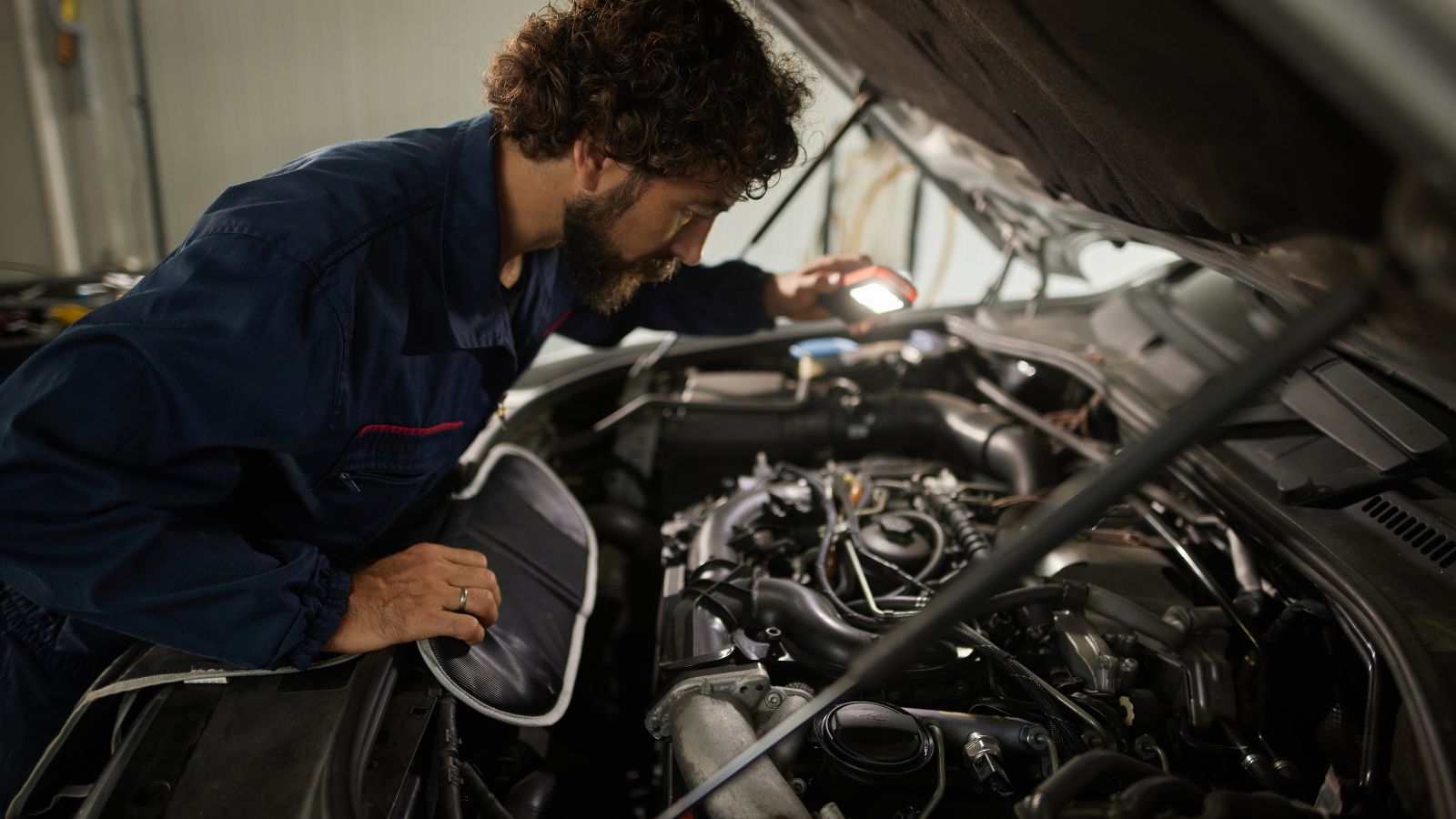
Winter leaves a financial footprint on vehicles. By spring, drivers often need tire changes, alignments, suspension checks, brake work, windshield repairs, fluid top-ups, or replacement wipers. Statistics Canada’s CPI tables show passenger vehicle parts, maintenance, and repairs as a tracked transportation category, while CAA reminds drivers that the real cost of owning a vehicle includes fuel, insurance, maintenance, and other operating expenses beyond the sticker price.
The spring surprise is that many of these costs are clustered. A driver may book a tire swap and learn that the tires are too worn for another season. Another may come in for an oil change and discover pothole damage or brake wear from winter driving. None of these repairs feel dramatic on their own, but together they can erase the savings from a careful grocery month. For households that delayed maintenance through winter, spring becomes the moment the vehicle demands attention.
Travel Tours, Airfare, and Hotel Costs Rising Before Summer
Spring travel planning can become expensive before the trip even begins. Statistics Canada listed travel tours, air transportation, and traveller accommodation among the major upward contributors to monthly consumer prices in March 2026, with travel tours up 5.8% and air transportation up 4.9% month over month. BDC’s 2026 tourism outlook also found that nearly half of travellers planned to increase their travel budget, with households expecting to spend about $7,000 on average.
That means families booking early summer trips may face higher deposits, flight prices, hotel rates, resort fees, and cancellation protection costs. A trip that seemed affordable in January can look different by April once gasoline, airfare, and accommodation shift. Even domestic travel can stretch budgets when long weekends, sports tournaments, weddings, and school breaks concentrate demand. The increase often feels unavoidable because spring is when calendars firm up and families must commit before the best options disappear.
Lawn, Garden, and Yard-Care Costs Returning All at Once

Spring yard work can feel small until the receipts pile up. Soil, mulch, grass seed, fertilizer, plants, tools, mower servicing, green-bin tags, landscaping help, and pest control often arrive in the same few weeks. While there is no single national “yard bill,” the cost is tied to broader pressures in transportation, labour, retail goods, and home maintenance. Statistics Canada tracks maintenance and repair expenditures in housing, and residential construction costs were still rising year over year in early 2026.
The human side is familiar: a homeowner walks into a garden centre for a few plants and leaves with soil, edging, seeds, gloves, and a hose replacement. Another discovers that a mower needs servicing or a fence panel did not survive the winter. These are not extravagant purchases; they are part of keeping a property usable. But because many are seasonal and front-loaded, they can surprise households that budgeted for monthly bills rather than spring catch-up spending.
Internet, Mobile, and Streaming Bills After Promotions End

Telecom bills can rise in spring when promotional discounts expire, students change plans, households add streaming services for sports or entertainment, or families upgrade internet before summer usage increases. The CRTC’s 2025 telecommunications report noted that prices for most advertised mobile plans had been declining while data usage increased, especially for plans above 10 GB. That is good news broadly, but it does not prevent individual households from seeing higher bills when discounts end.
The problem is that telecom pricing is heavily plan-specific. A household may be paying less than the national trend suggests, or much more, depending on bundle discounts, device financing, overage charges, router rentals, sports packages, and loyalty credits. Spring is a common time to notice the creep because people review budgets after tax season or add services before travel and school breaks. A $10 or $15 monthly change can seem minor until it applies across multiple phones, home internet, and subscriptions.
Credit Card Interest and Fees After Winter Balances Carry Over

Many Canadians enter spring with credit card balances left over from winter holidays, heating bills, car repairs, or emergency expenses. If those balances are not paid off, interest charges become a monthly bill increase that can feel invisible at first. The Government of Canada’s consumer information explains that credit card interest is typically charged when the full balance is not paid by the due date, and high interest rates can make balances harder to reduce.
The spring danger is that new seasonal expenses are added on top of old balances. A household might charge property tax installments, travel deposits, sports registration, or yard supplies while still carrying December and January costs. The minimum payment may barely move, but the interest portion keeps draining cash. Unlike gasoline or groceries, credit card interest does not bring home anything new. It is the cost of timing, and spring often exposes how expensive that timing has become.
Childcare, Camps, and Spring Program Fees Coming Before Summer

Families often face a wave of child-related costs in spring: camp deposits, sports registration, equipment, school trips, childcare changes, swimming lessons, and after-school programs. Some cities have added affordability measures, such as Hamilton’s 2026 budget highlighting reduced childcare fees to $22 per day and estimated average annual savings for families. But even with fee reductions in some places, many households still face upfront seasonal payments before summer actually starts.
The budget issue is cash flow. Camp fees may be due months before care is used, sports programs often require equipment, and childcare gaps can appear when school calendars shift. A parent may save on one regulated childcare fee while paying more for an older child’s camp, transportation, or activity registration. Spring turns family scheduling into family spending. For households with multiple children, the issue is not a single dramatic increase; it is the stacking of deadlines on the same credit card statement.
Pet Care, Licensing, and Veterinary Costs Resurfacing

Spring can bring higher pet-related bills as animals spend more time outdoors. Flea and tick prevention, heartworm medication, vaccinations, grooming, boarding deposits, municipal licensing, and allergy-related vet visits can all arrive after winter. Statistics Canada’s CPI analysis has included pet food and supplies among consumer categories, and veterinary and pet-care costs are part of the broader household services landscape that many owners underestimate when budgeting.
The increase often feels emotional as well as financial. A dog owner may book a routine spring appointment and leave with medication, dental recommendations, and a higher food bill. A cat owner may need boarding for a long weekend trip. These are ordinary responsibilities, not luxury purchases, but they tend to cluster in spring because outdoor risks and travel plans return. For households that adopted pets during lower-cost months, the first full spring can reveal the real annual rhythm of pet ownership.
19 Things Canadians Don’t Realize the CRA Can See About Their Online Income

Earning money online feels simple and informal for many Canadians. Freelancing, selling products, and digital services often start as side projects. The problem appears at tax time. Many people underestimate how much information the CRA can access. Online platforms, banks, and payment processors create detailed records automatically. These records do not disappear once money hits an account. Small gaps in reporting add up quickly.
Here are 19 things Canadians don’t realize the CRA can see about their online income.
