
Border declarations can turn routine travel into a longer conversation in seconds. For Canadians returning home, the issue is often not that an item is automatically forbidden, but that it sits in a category where officers need more detail: origin, quantity, value, paperwork, intended use, or whether special rules apply.
These 9 things Canadians declare at the border commonly lead to extra questions because they touch food safety, taxes and duties, animal health, controlled goods, public safety, or import permits. A clear declaration, receipts, labels, and supporting documents can make the difference between a quick explanation and a slow inspection.
Food, Plants, and Animal Products

Food is one of the most ordinary things travellers pack, yet it can create some of the most detailed border conversations. A suitcase with cheese, fruit, dried meat, seeds, honey, spices, or homemade snacks may seem harmless, but Canadian rules treat food, plant, animal, and related products as potential pathways for pests, invasive species, and animal diseases. Even a single piece of fruit or meat product can raise questions about where it came from, how it was packaged, and whether it is allowed.
The human side is easy to understand. A traveller may be bringing sausages from family, a jar of preserves from a market, or a plant cutting from a relative’s garden. Officers may ask what the item is, whether it is commercially packaged, what country it came from, and whether it contains meat, dairy, eggs, soil, seeds, or untreated wood. Declaring it is still the safer route, because undeclared food can lead to confiscation, penalties, or further enforcement.
Alcohol and Tobacco Over the Personal Limit

Alcohol and tobacco often get declared without drama, but they invite more questions when quantities approach or exceed personal exemption limits. After an absence of 48 hours or more, returning residents may include limited amounts of alcohol and tobacco in their personal exemption, but the exact quantities matter. Wine, spirits, beer, cigarettes, cigars, manufactured tobacco, tobacco sticks, and vaping products all fall into categories with specific limits.
A common scenario is a weekend trip that includes duty-free purchases, gifts, and a few bottles from a winery or specialty shop. Officers may ask how long the traveller was away, whether the alcohol or tobacco is for personal use, how much was purchased, and whether receipts are available. The tone can feel more intense because taxes, duties, provincial rules, and age restrictions may all be relevant. Declaring accurately helps avoid the bigger problem: appearing to minimize or split purchases to stay under a limit.
High-Value Shopping, Gifts, and Luxury Goods

Declaring luxury goods can quickly bring extra attention because value is central to duties and taxes. Jewellery, watches, designer bags, electronics, camera equipment, art, and high-end clothing can raise questions about when and where they were purchased. Border officers may ask for receipts, credit card records, appraisals, photographs, or proof that the item was owned before the trip. Without documentation, a newly boxed item can look very different from a worn item packed for travel.
This is where ordinary travel habits become complicated. Someone may wear a watch bought years earlier, return with an engagement ring, or carry gifts purchased abroad for family. The issue is not simply whether the item is expensive, but whether it was acquired outside Canada and whether its value has been properly reported. Travellers who document valuable belongings before departure, keep receipts, and declare gifts separately are better positioned when officers ask follow-up questions.
Cash or Monetary Instruments of CAN$10,000 or More

Large amounts of money are legal to carry across the Canadian border, but they are never casual from a customs perspective. Anyone entering or leaving Canada with currency or monetary instruments valued at CAN$10,000 or more must declare it. The amount can include Canadian dollars, foreign currency, cheques, money orders, bank drafts, or a combination of instruments. Declaring it does not mean the money is seized; failing to declare it can create serious problems.
Extra questions usually focus on source, ownership, destination, and purpose. A traveller carrying settlement funds, family money, business payments, casino winnings, or funds for a property purchase may be asked to explain the details. Officers may also want to know whether the money belongs to the traveller or another person or entity. The conversation can feel uncomfortable because cash is personal, but the requirement is about transparency and anti-money-laundering controls rather than an automatic accusation.
Cannabis, CBD, and Cannabis-Containing Products

Cannabis is legal in Canada under domestic rules, but that does not make it legal to take across the border. This is one of the most misunderstood categories for travellers, especially because cannabis oils, edibles, CBD products, vape cartridges, creams, and small personal-use amounts may seem ordinary inside Canada. At the border, however, cannabis and cannabis products must be declared, and bringing them into or out of Canada without proper authorization remains prohibited.
The questions can become especially pointed when the product is not obvious. A traveller may declare gummies, a topical cream, or a wellness product bought abroad without realizing it contains cannabis-derived ingredients. Officers may ask what the product contains, where it was bought, whether it has THC or CBD, and whether any Health Canada authorization exists. Even a small quantity can matter. The safest practical message is simple: legality inside Canada does not erase border restrictions.
Firearms, Weapons, Ammunition, and Certain Outdoor Gear
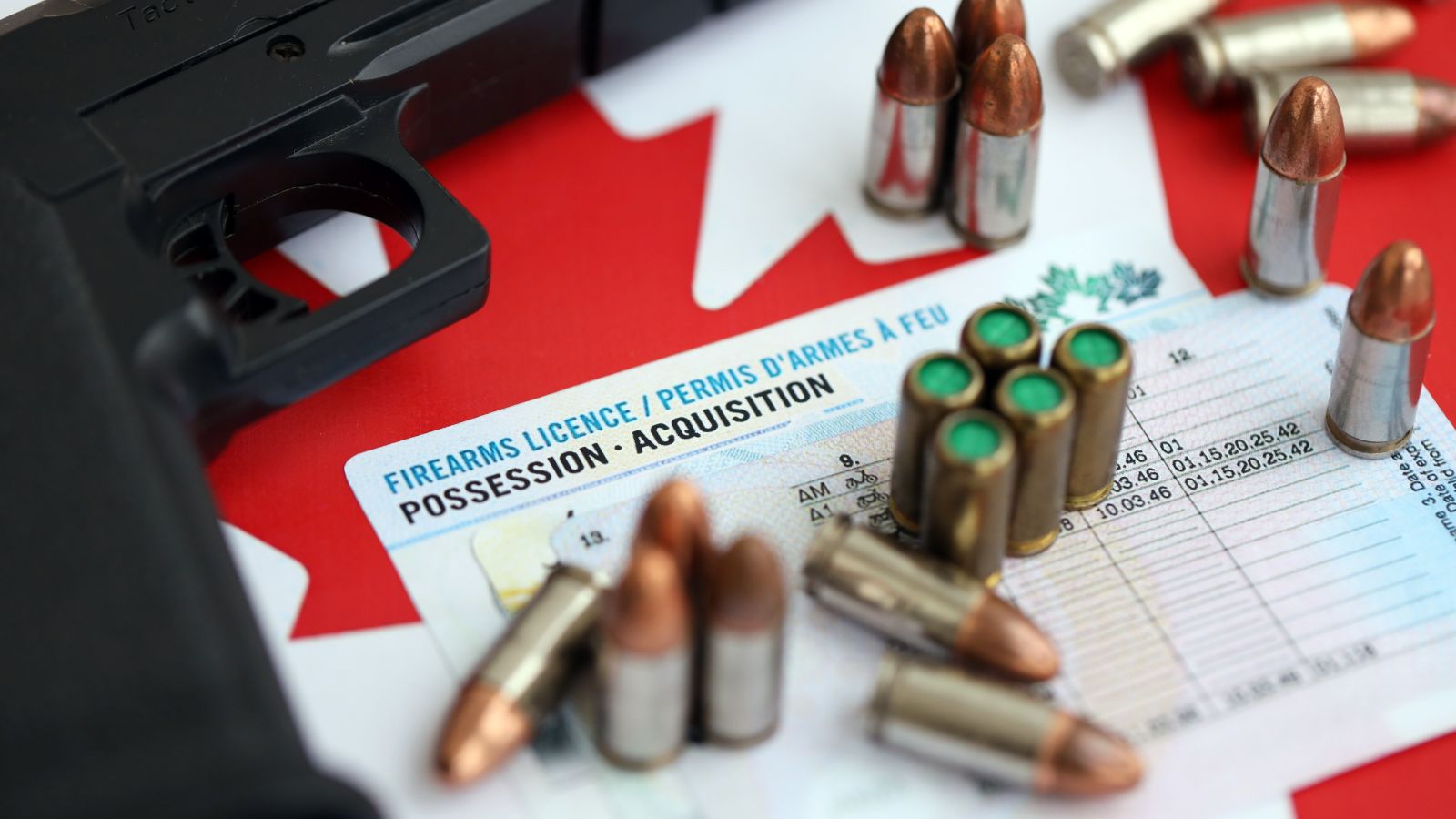
Firearms and weapons are among the most sensitive declarations at the border because Canadian rules are strict and paperwork-dependent. Hunting rifles, handguns, ammunition, knives, pepper spray, stun devices, certain crossbows, and other defensive tools may prompt detailed questions. Officers need to know what the item is, why it is being brought in, whether it is restricted or prohibited, and whether required permits, licences, or declarations are complete.
The travel context often explains how these items appear. A hunter may be heading to a lodge, a sport shooter may be attending an event, or a road tripper may have a self-defence item that is legal somewhere else but problematic in Canada. Extra questions can cover storage, transport, destination, ownership, and intended use. Visitors with firearms may need specific forms and fees, while some weapons should simply be left behind. A truthful declaration is essential because non-declaration can lead to seizure and prosecution.
Pets and Other Animals

Pets can feel like family members, but at the border they are also regulated animals. Dogs, cats, ferrets, and other animals may require proof of vaccination, health documents, permits, or inspection depending on the species, age, origin, and purpose of travel. Officers can refuse entry, detain, or require further action if an animal is undeclared, appears sick, lacks required paperwork, or has been transported in unsafe conditions.
The extra questions often sound practical rather than accusatory. Is the animal travelling with its owner? Is it a personal pet, a rescue, a sale, a breeding animal, or an adoption transfer? Does the paperwork match the animal? Was the animal recently vaccinated or imported from a higher-risk country? A family returning with a dog from a winter stay may face a very different review than someone bringing several puppies across the border. The more unusual the animal or purpose, the more likely the inspection becomes detailed.
Prescription Medication and Health Products

Medication can raise questions because border officers need to distinguish personal health use from importation that may require additional controls. Prescription drugs, controlled substances, natural health products, veterinary health products, medical devices, and products bought abroad may be reviewed for quantity, labelling, packaging, and intended user. Health Canada guidance generally points to personal-use quantities, and certain controlled medications must be declared to customs.
A traveller may simply be carrying blood pressure pills, ADHD medication, pain medication, sleep aids, injectable treatments, or supplements purchased overseas. The follow-up questions may include whose medication it is, whether it is in original packaging, whether the prescription matches the traveller, how long the trip is, and whether the quantity looks like personal use. Products that are common in one country may be restricted, differently regulated, counterfeit, or not approved in Canada. Clear labels and prescriptions can prevent confusion.
Commercial Goods, Samples, and Items for Resale

Goods for business purposes are treated differently from personal purchases, which is why declaring samples or resale items can lead to a longer discussion. A traveller carrying product samples, inventory, tools, promotional materials, trade-show goods, or items bought for an online shop may not fit neatly into a personal exemption. Even if the goods are small or carried in luggage, commercial intent can change the paperwork, duties, taxes, permits, and import account requirements.
The questions often focus on purpose. Are the goods gifts, personal purchases, samples, inventory, or equipment for work? Will they be sold, left in Canada, used at an event, or returned abroad? A suitcase full of identical cosmetics, phone cases, clothing, or specialty foods looks different from one mixed bag of personal belongings. Canadians who run side businesses can get caught off guard here, especially when a casual buying trip turns into a customs conversation about commercial import rules.
19 Things Canadians Don’t Realize the CRA Can See About Their Online Income

Earning money online feels simple and informal for many Canadians. Freelancing, selling products, and digital services often start as side projects. The problem appears at tax time. Many people underestimate how much information the CRA can access. Online platforms, banks, and payment processors create detailed records automatically. These records do not disappear once money hits an account. Small gaps in reporting add up quickly.
Here are 19 things Canadians don’t realize the CRA can see about their online income.
