Canadian comfort food has always carried more than flavour. It carries school-lunch memories, road-trip stops, church-basement dessert tables, corner-store rituals, and the small grocery-aisle comforts that made ordinary weeks feel familiar. But some of those foods are fading quietly, not always because they vanished overnight, but because demand shifted, prices climbed, manufacturers consolidated, or younger shoppers simply moved on.
These 16 Canadian comfort foods and snacks show how disappearance can happen slowly: a chocolate bar discontinued after a century, a regional dessert pushed aside by trendier sweets, a once-common homemade dish becoming a holiday-only specialty, or a nostalgic snack still technically available but harder to spot outside certain stores.
Jersey Milk Chocolate Bars

Jersey Milk had the kind of quiet personality that rarely wins modern snack marketing battles. It was plain milk chocolate in a modest wrapper, with no cookie crunch, caramel pull, peanut butter centre, or limited-edition gimmick. That simplicity was exactly the point. For generations, the Neilson-branded bar sat beside flashier competitors as a reliable Canadian chocolate choice, especially for people who wanted a mild, creamy bar without much fuss.
Its disappearance in 2025 felt abrupt because Jersey Milk had been around since 1924. Mondelez Canada said production ended after a portfolio review showed consumers shifting toward other milk-chocolate options. The company also said the bar had been produced only in Canada, which made the decision feel more culturally specific than a routine product shuffle. For many Canadians, Jersey Milk’s exit was a reminder that a food does not have to be exciting to be missed.
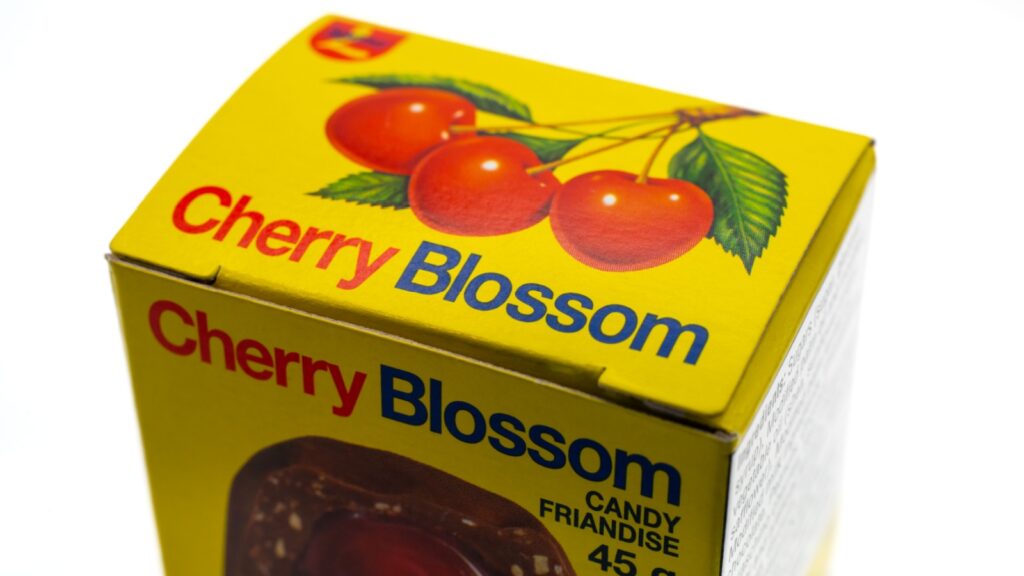
Cherry Blossom Candy
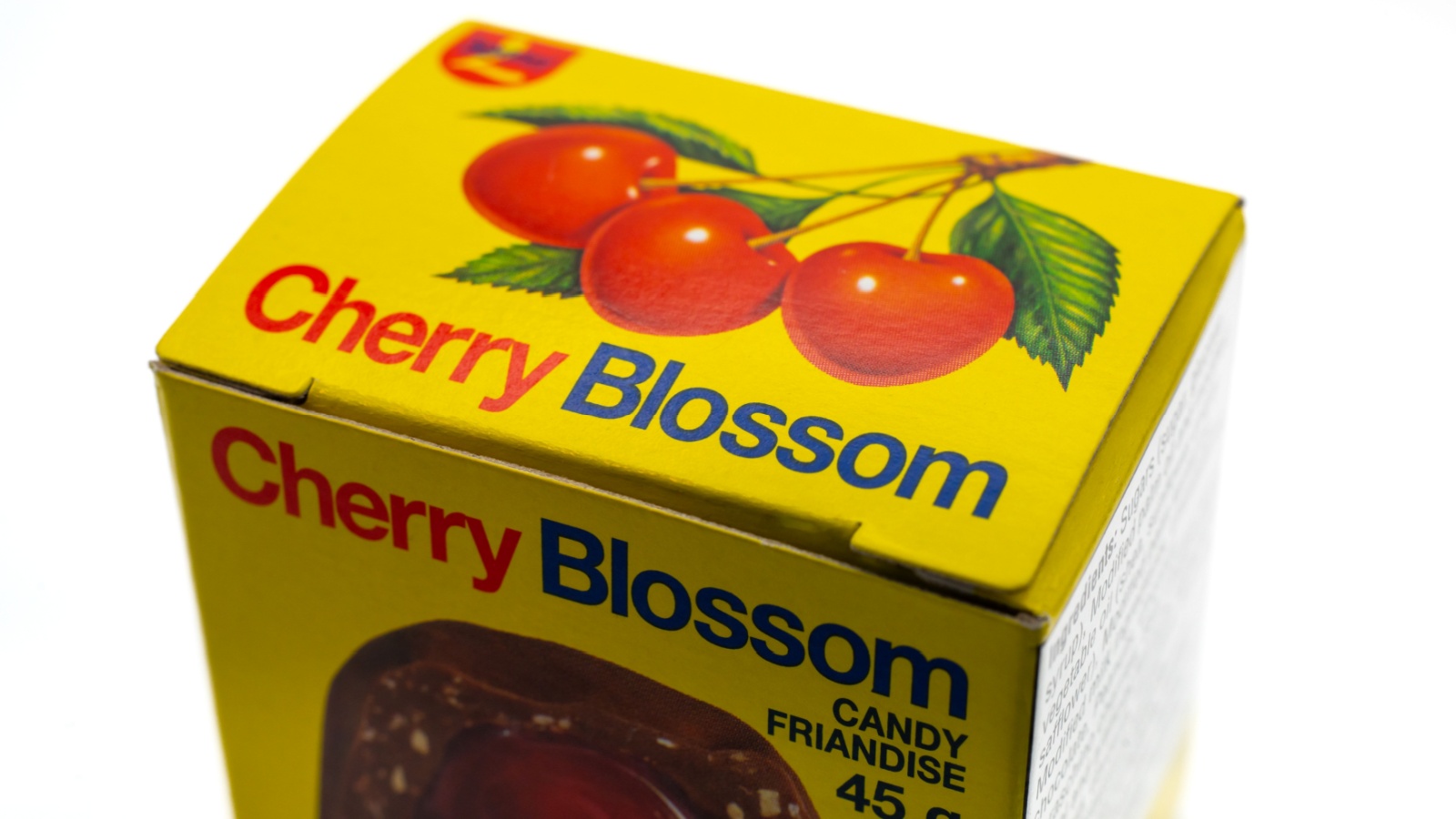
Cherry Blossom was never a neutral candy. Some Canadians loved the sticky maraschino cherry, syrupy centre, chocolate coating, coconut, and peanuts. Others treated it like the strange yellow-box relic that appeared in Halloween bags and lingered long after the better-known chocolate bars were gone. That divisiveness helped make it memorable. It did not taste like a modern candy designed by committee; it tasted like something from another era.
Hershey Canada confirmed in early 2025 that Cherry Blossom production would end, closing the door on a confection that traced its Canadian roots to the 1890s. Its old-fashioned shape, messy centre, and intense sweetness may have worked against it with younger shoppers, but those same qualities made it distinctive. A snack can disappear partly because it refuses to modernize, and Cherry Blossom’s loyal fans would likely argue that refusal was the whole charm.
Thrills Gum

Thrills gum survived partly because it became a joke people genuinely loved. The purple gum’s famous soap-like flavour was so widely recognized that packaging eventually leaned into the reputation. That kind of self-aware branding is rare, especially for a product associated with older corner stores, childhood dares, and the mischievous thrill of offering someone a piece just to watch their reaction.
It is not gone, but it feels increasingly like a novelty rather than an everyday checkout-counter staple. Thrills began with the O-Pee-Chee Gum Company in London, Ontario, and its cachou-like flavour became part of Canadian candy folklore. In a market crowded with sugar-free mints, intense fruit gums, and global brands, Thrills occupies a narrower space: loved, laughed at, and increasingly found by people who are deliberately looking for nostalgia rather than casually grabbing gum on the way out.
Mackintosh Toffee

Mackintosh Toffee once belonged to a slower style of candy eating. The old bar was not something to finish quickly. It was cracked, chewed carefully, shared reluctantly, and remembered by people who associated it with tartan packaging and a more stubborn kind of sweetness. Its texture made it a small event, especially for anyone who grew up hearing warnings about fillings, crowns, or loose teeth.
The brand still exists in Canada, but many longtime fans distinguish sharply between the classic hard slab and later versions. Nestlé Canada has promoted Mackintosh as a toffee enjoyed for more than 100 years, yet the format has shifted over time. That change matters because nostalgic foods are often remembered through texture as much as taste. When a candy becomes softer, smaller, differently wrapped, or harder to find in its remembered form, it can feel as though the original has already disappeared.
Ganong Chicken Bones
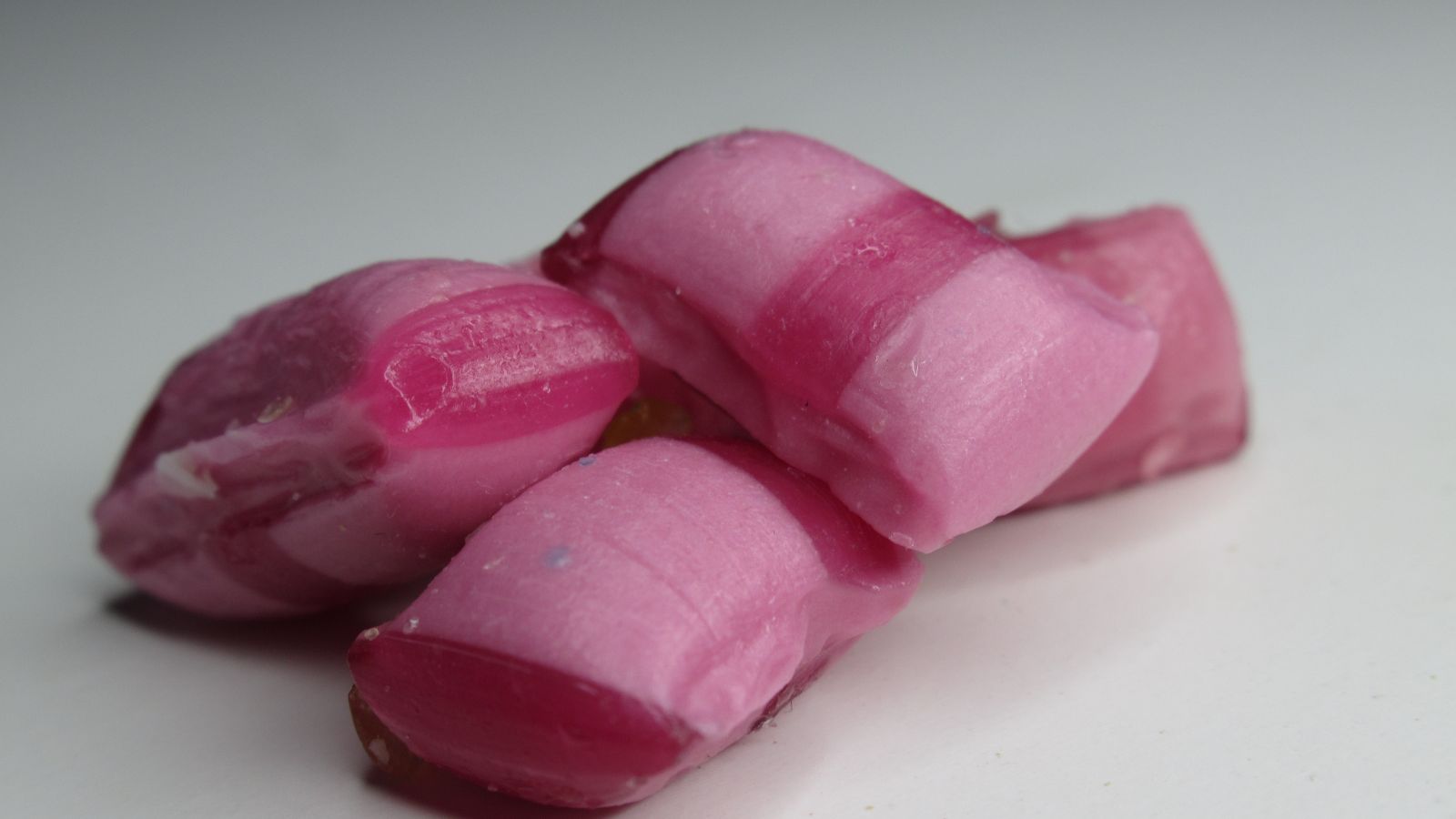
Chicken Bones are one of Canada’s strangest seasonal sweets: a spicy cinnamon hard candy wrapped around bittersweet chocolate. The name does not sound especially appetizing, which may be part of the appeal. In Atlantic Canada, especially around Christmas, they have long carried the force of tradition. A bowl of Chicken Bones can feel less like candy and more like proof that the holidays have officially arrived.
Ganong traces the candy to 1885, when candy maker Frank Sparhawk created the cinnamon-and-chocolate combination in St. Stephen, New Brunswick. The product remains available, but its cultural footprint is narrower than many mass-market treats. It is strongly regional, strongly seasonal, and not exactly built for modern snack trends. That makes it beloved but vulnerable. Foods tied to one season and one region can survive for decades, yet still feel like they are retreating from everyday Canadian life.
Vachon-Style Snack Cakes

The old Canadian snack-cake shelf used to feel bigger. Jos. Louis, May West, Ah Caramel!, Passion Flakie, and similar treats belonged to lunch bags, vending machines, depanneur runs, and school-day bargaining. Their appeal was straightforward: soft cake, sweet filling, chocolate coating, and the reassuring sense that dessert came individually wrapped. In Quebec especially, snack cakes became part of a shared commercial food memory.
The pressure on this category has been visible for years. A Canadian Grocer report noted declining snack-cake sales in Quebec, discontinued brands, and even a plant closure tied to weaker demand. Health concerns, smaller households, price sensitivity, and competition from fresher bakery items have all changed the aisle. The surviving cakes still have loyal fans, but the broader world around them has shrunk. What once felt like a dominant snack format now feels more like a nostalgic corner of the grocery store.
Ketchup Chips
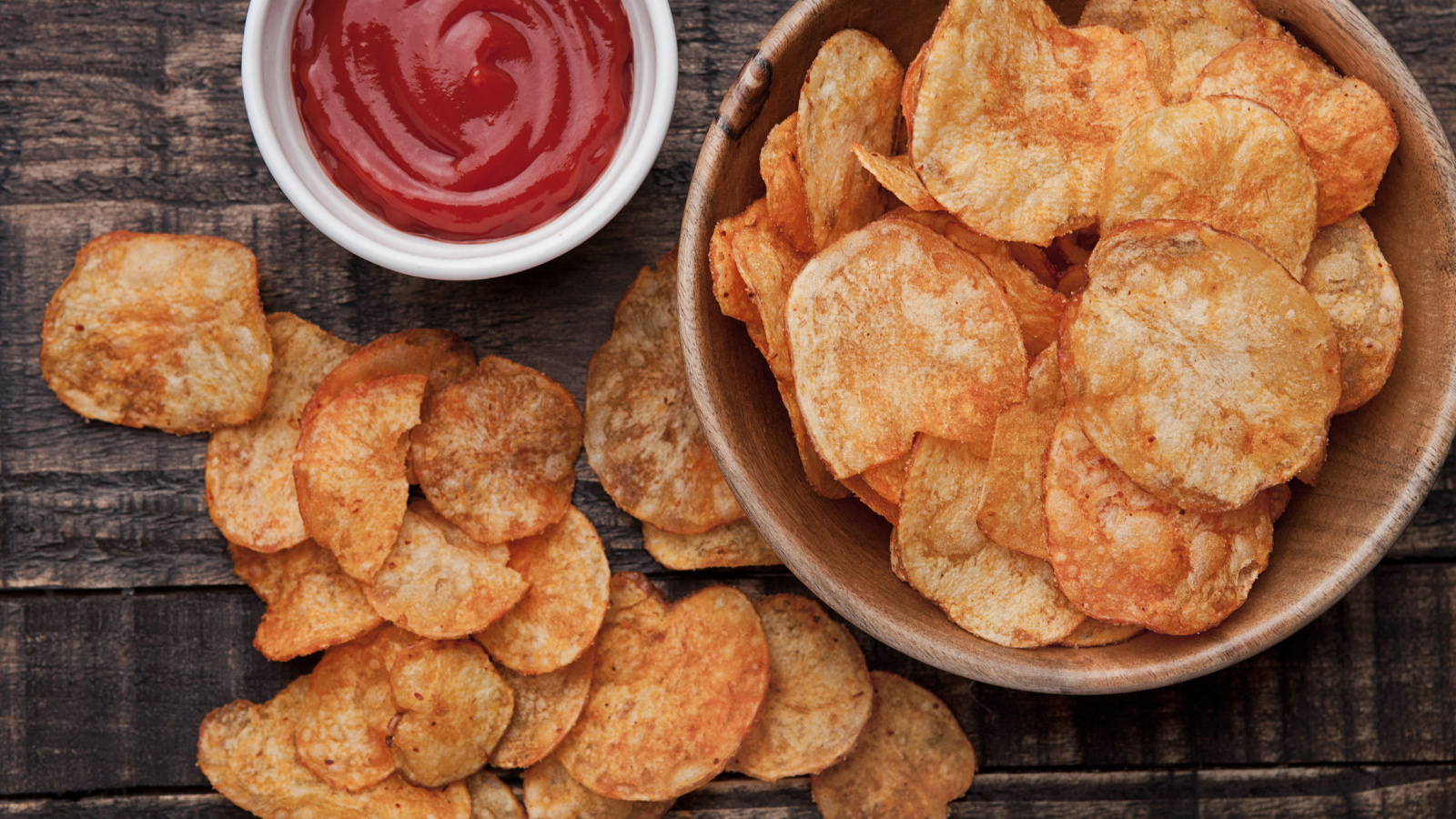
Ketchup chips are still one of Canada’s signature snack flavours, but their place is changing. They once felt like a uniquely Canadian grocery-aisle badge, the flavour visiting relatives would ask about and international students would photograph. The appeal is not subtle: tangy, salty, sweet, and red-dusted enough to stain fingertips. For many Canadians, ketchup chips were less a novelty than a normal part of growing up.
The slow disappearance here is not about extinction; it is about dilution. Canadian snack aisles now carry constant waves of limited editions, imported flavours, private-label versions, “better-for-you” chips, and premium kettle styles. Ketchup survives, but it competes harder for attention than it once did. When a flavour moves from cultural shorthand to one option among dozens, it loses some of its old dominance. It remains recognizable, yet less central.
All-Dressed Chips
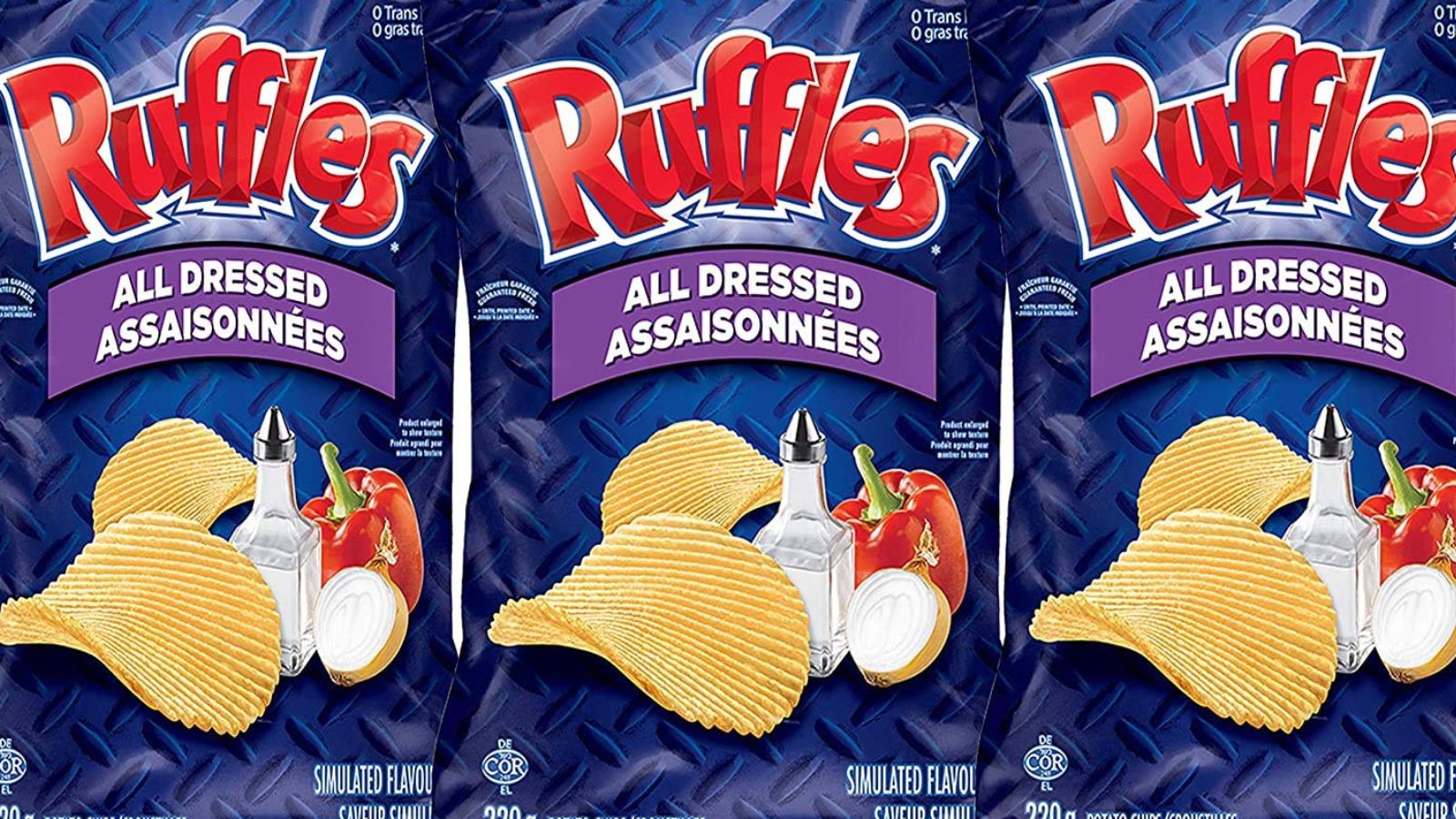
All-dressed chips may be the ultimate “Canadian explanation” snack: barbecue, sour cream and onion, salt and vinegar, and ketchup notes all colliding in one bag. That chaotic balance made the flavour feel like a national inside joke that happened to work. For years, all-dressed chips represented the kind of snack Canadians did not need to over-explain at home but did have to explain almost everywhere else.
Like ketchup chips, all-dressed has not disappeared. Its risk is that it is becoming less special as global snack companies chase bigger, louder, more temporary flavours. The original appeal came from being odd but dependable. Now snack shelves increasingly reward novelty cycles: spicy collaborations, restaurant tie-ins, international flavours, and limited drops. All-dressed still has a place, but the culture that made it feel rare has changed. A once-distinctive Canadian comfort flavour can slowly fade into the background without ever being formally retired.
Hickory Sticks
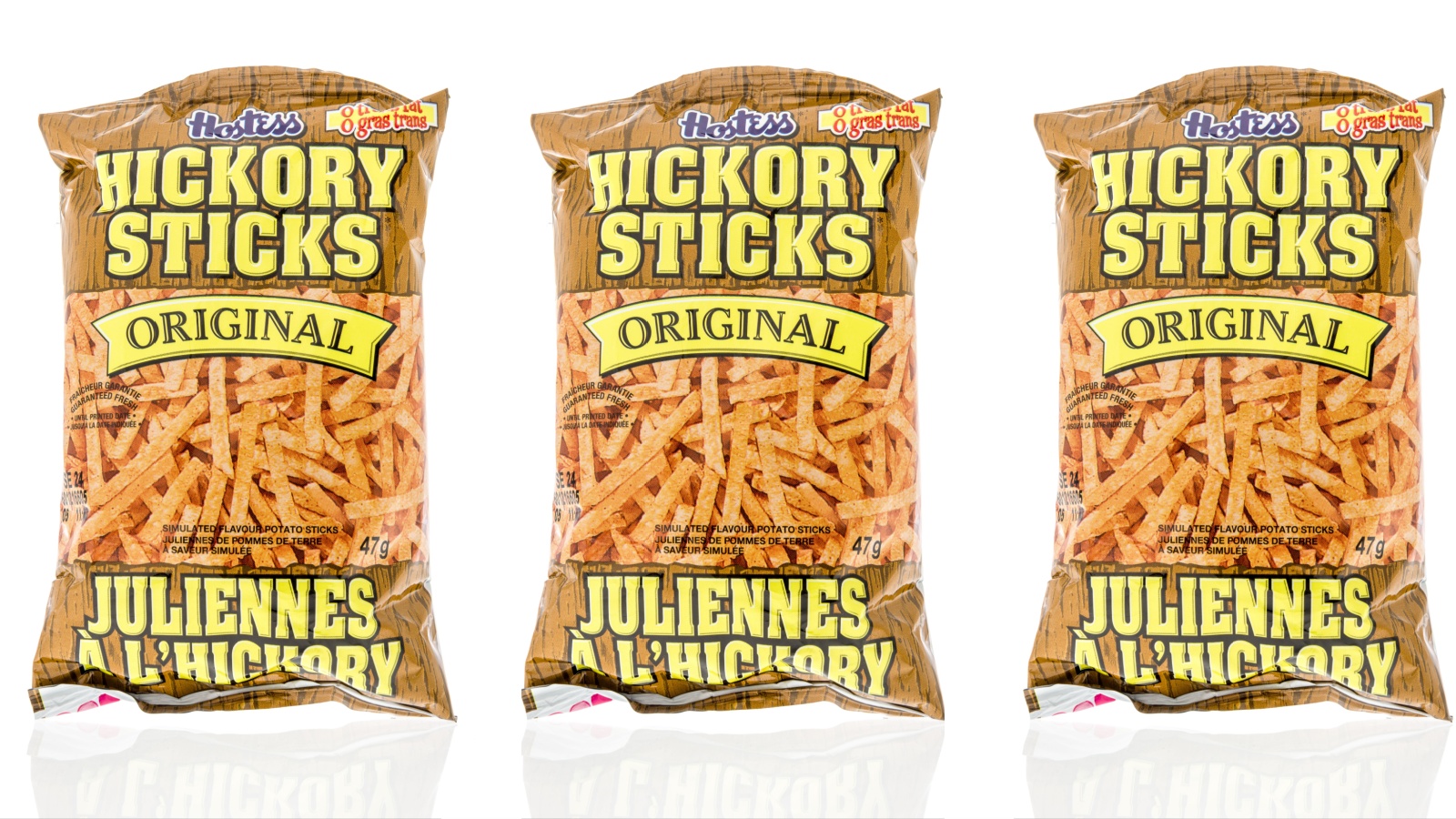
Hickory Sticks are not chips in the usual sense, and that has always been their advantage. Thin, salty, smoky potato slivers created a different kind of snacking rhythm: handfuls instead of single chips, more like eating crispy campfire kindling than a standard bag of crisps. For people who grew up with them, Hickory Sticks are tied to road trips, cottage weekends, and the kind of snack table where everyone eventually reaches in.
They remain available, but their visibility can feel uneven compared with larger chip brands and rotating flavour launches. The format itself is old-school: no extreme heat level, no celebrity collaboration, no resealable premium pouch. That simplicity makes them comforting, but it also makes them easy for modern shoppers to overlook. Hickory Sticks show how a snack can still exist while feeling increasingly like something that belongs to a previous grocery era.
Flapper Pie

Flapper pie is a Prairie classic built from modest ingredients: a graham-style crust, custard filling, and meringue topping. It belonged to a world of church suppers, family restaurants, community cookbooks, and practical home baking. The dessert was elegant enough to feel special but affordable enough for ordinary kitchens, which explains why it became so closely associated with Manitoba, Saskatchewan, and Alberta.
Its slow disappearance comes from changing dessert habits. Modern bakeries lean toward cupcakes, cheesecakes, macarons, brownies, and photogenic layer cakes, while home cooks have less time for custard and meringue. Flapper pie also does not travel or package as neatly as many commercial desserts. It survives through diners, family recipes, and regional pride, but it is less likely to appear casually in a supermarket case. That makes every slice feel increasingly like a preserved piece of Prairie food history.
Tourtière
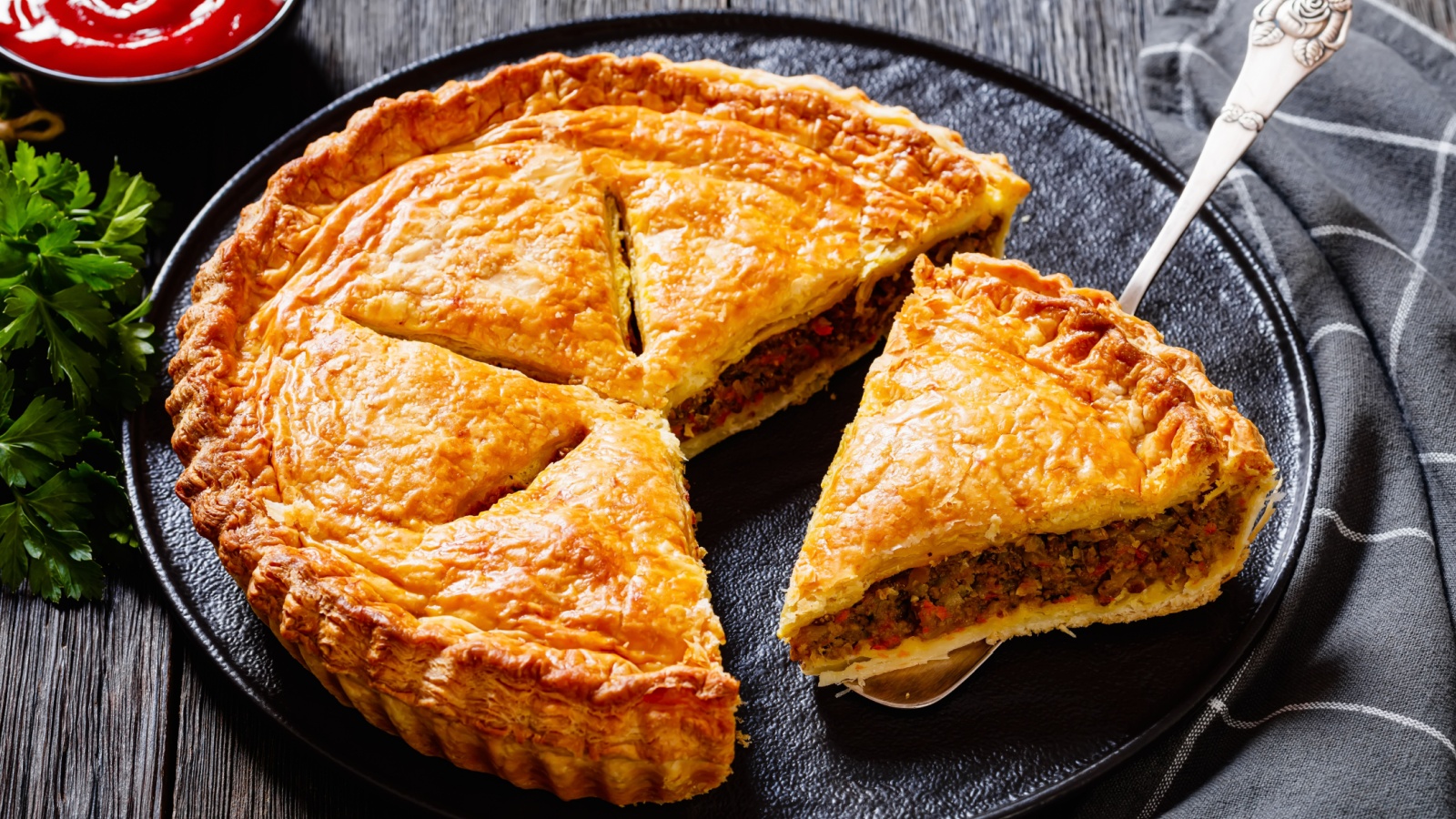
Tourtière remains deeply important in French Canadian food culture, particularly around Christmas and New Year gatherings. A good tourtière is not just meat pie; it is a spiced, aromatic, double-crusted reminder of family kitchens and regional variation. Some versions use pork, others combine meats, and seasoning debates can become as personal as arguments over stuffing or gravy.
The concern is not that tourtière has vanished, but that it is becoming more occasional. Many families still buy or bake it during the holidays, yet fewer households make it regularly from scratch. Rising meat prices, busier schedules, smaller households, and the availability of prepared frozen versions all change the relationship to the dish. When a comfort food shifts from weekly or seasonal home cooking to something purchased once a year, its cultural presence narrows. Tourtière survives, but the everyday skill of making it may be fading.
Split Pea Soup
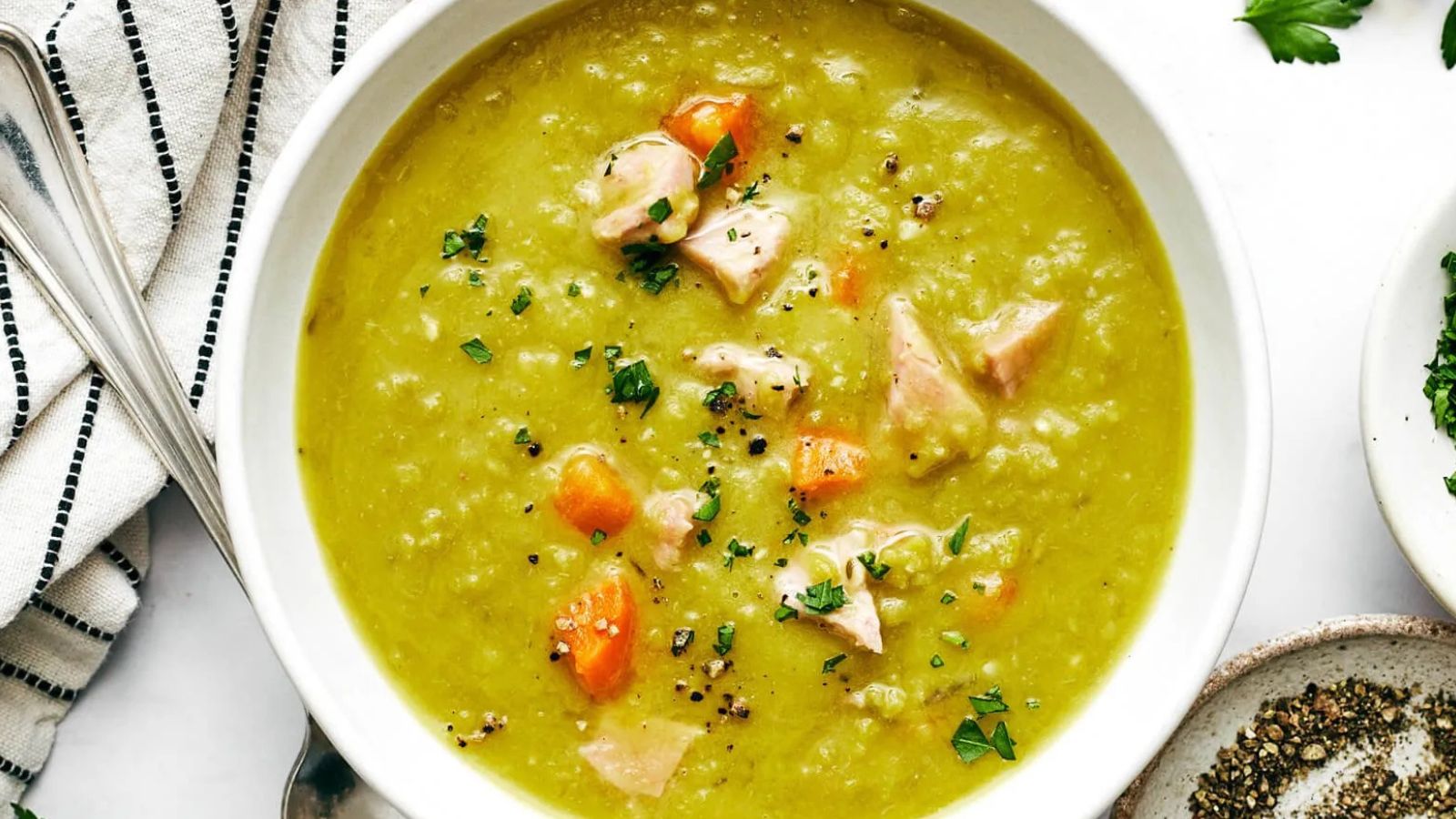
Split pea soup is one of Canada’s most practical comfort foods. It belongs to the same family of cold-weather dishes that made use of dried goods, salt pork, ham bones, onions, carrots, and time. In French Canadian kitchens especially, pea soup carried thrift, nourishment, and warmth in one pot. It was not glamorous, but it was exactly the kind of food that made sense in long winters.
Today, its disappearance is quieter than a discontinued candy bar. Fewer people cook with ham bones, fewer households keep dried peas as pantry staples, and canned or ready-made soups have changed expectations around convenience. The soup still appears in sugar shacks, diners, and traditional cookbooks, but it competes with ramen, pho, chili, lentil soup, and meal kits in modern kitchens. Its ingredients are simple, yet the habit of making it from scratch is what seems most at risk.
Homemade Butter Tarts

Butter tarts are not disappearing as a category; in fact, festivals and bakeries have helped keep them visible. What is fading is the everyday homemade butter tart: the slightly uneven pastry, the family argument over raisins, the runny versus firm filling, and the tin brought to a neighbour’s house or holiday table. Commercial versions can be excellent, but they do not carry the same domestic signature.
The butter tart has been described as one of Canada’s defining desserts, with roots especially strong in Ontario. Its challenge is that homemade pastry takes time, and grocery inflation has made butter, eggs, and specialty baking ingredients feel more deliberate purchases. As bakeries professionalize the tart, the dessert may become more polished but less personal. That is a different kind of disappearance: not the loss of the food itself, but the loss of the ordinary kitchen ritual behind it.
Nanaimo Bars From Scratch
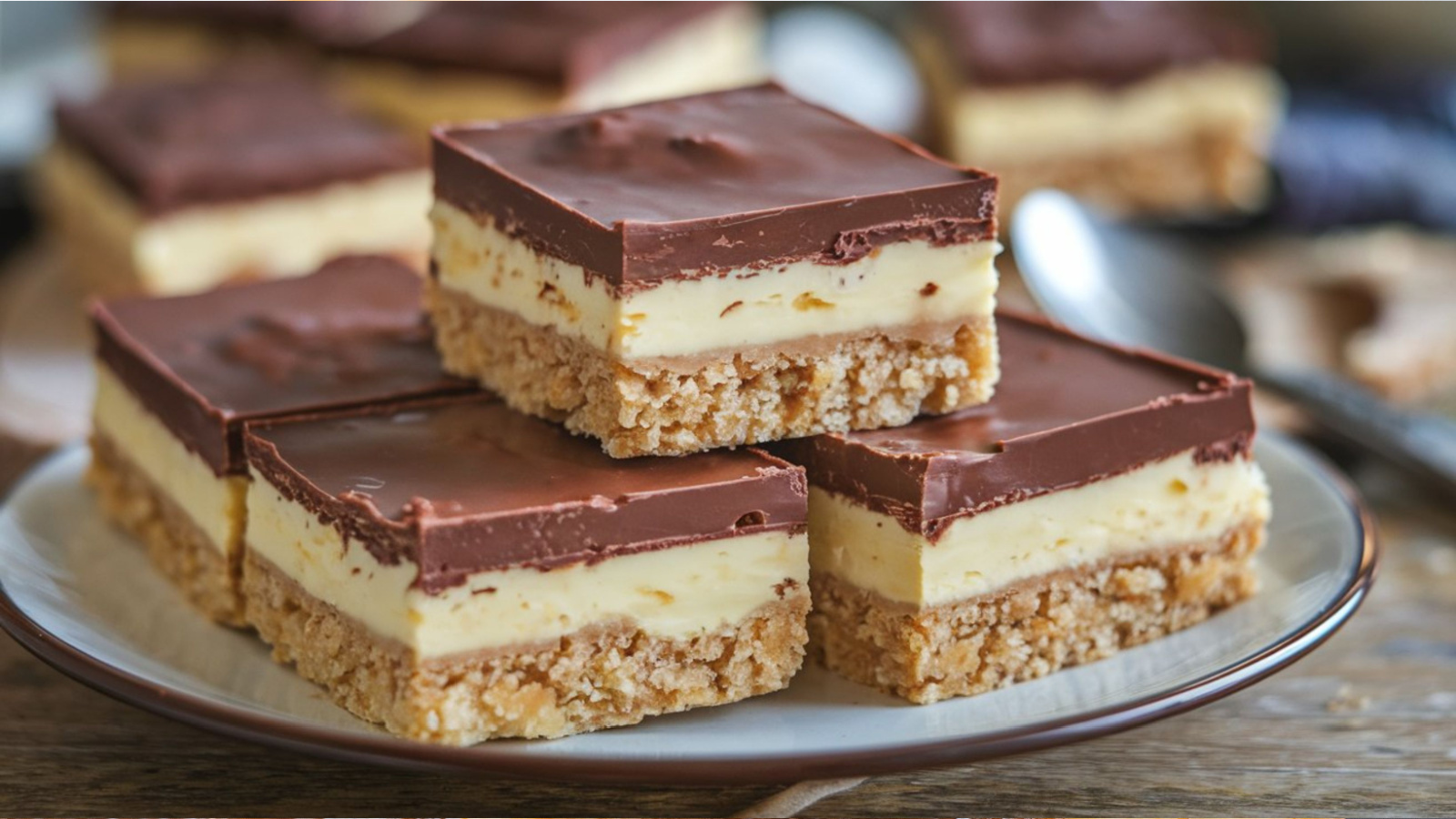
Nanaimo bars remain famous, but their homemade version is not as guaranteed as it once was. The classic three-layer square—crumb base, custard-flavoured middle, and chocolate topping—has long been tied to British Columbia and bake-sale culture. It is rich, sweet, and unmistakably Canadian, the kind of dessert that seems designed to be cut into small pieces because one large square can defeat even a serious sweet tooth.
The scratch-made Nanaimo bar faces the same pressures as many old-school desserts. The ingredients are specific, the layering takes patience, and store-bought trays are easier for offices, parties, and holiday gatherings. Meanwhile, bakeries reinterpret the flavour into cheesecakes, ice cream, cocktails, and protein-style snacks. Those reinventions keep the name alive, but they can push the original square further into nostalgia. The Nanaimo bar is still celebrated, yet the homemade pan in the fridge feels less common.
Peameal Bacon Sandwiches
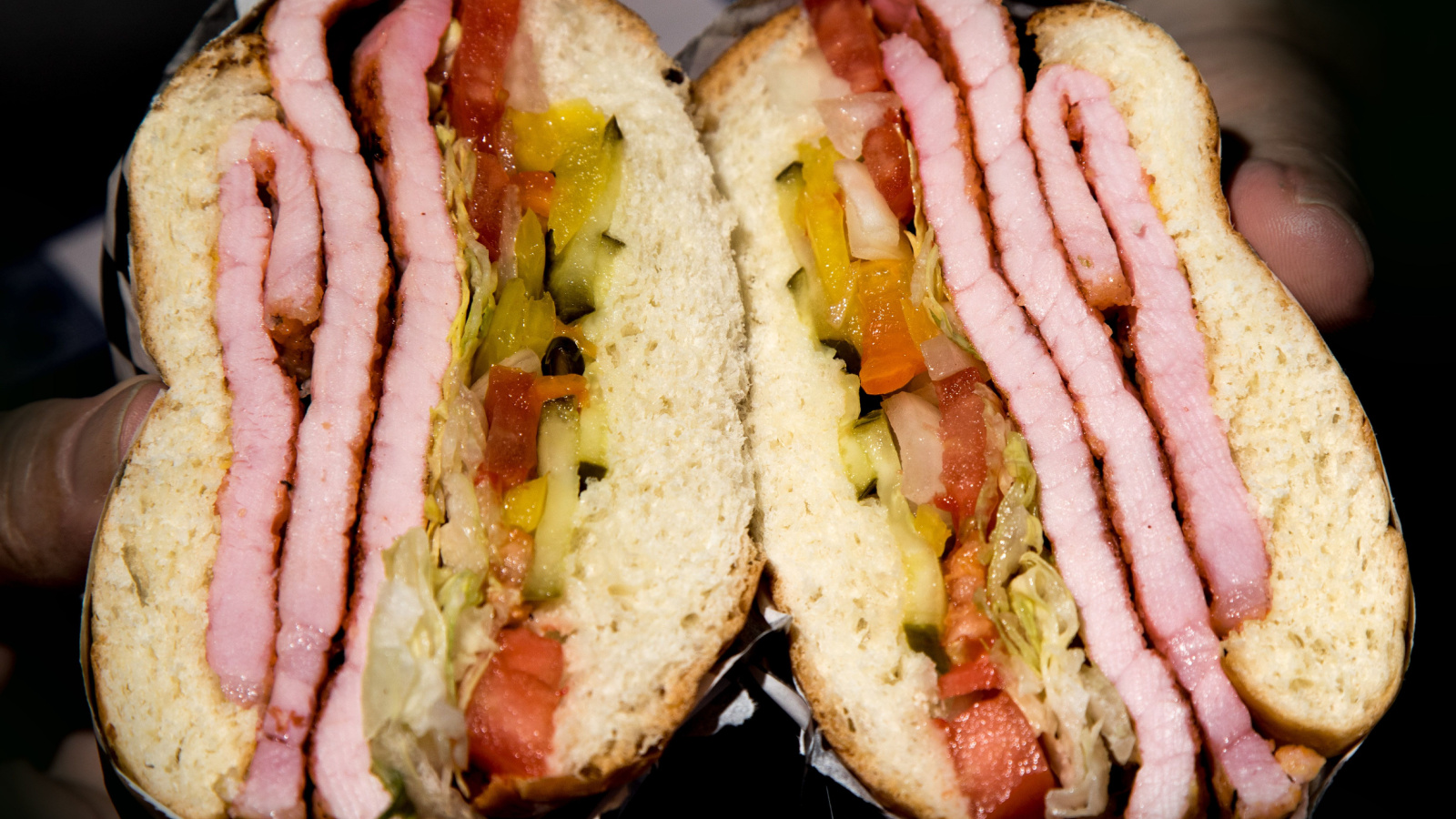
The peameal bacon sandwich is a Toronto classic with a blue-collar directness: cured pork loin, cornmeal coating, a bun, and often mustard. It does not need much else. The sandwich’s reputation is closely tied to markets and old-school lunch counters, where it offers a salty, hearty alternative to trendier brunch plates. Properly cooked, it has a tender bite and a clean pork flavour that differs from smoky strip bacon.
Its risk comes from changing eating patterns and changing cities. As urban food courts, markets, and main streets evolve, simple regional sandwiches can be pushed aside by higher-margin, trend-driven offerings. Peameal bacon also suffers from naming confusion outside Canada, where “Canadian bacon” means something different. The sandwich survives in iconic places, but it is less likely to feel like a mainstream everyday option. It has become a destination food rather than a routine lunch.
Montreal Smoked Meat Counter Sandwiches
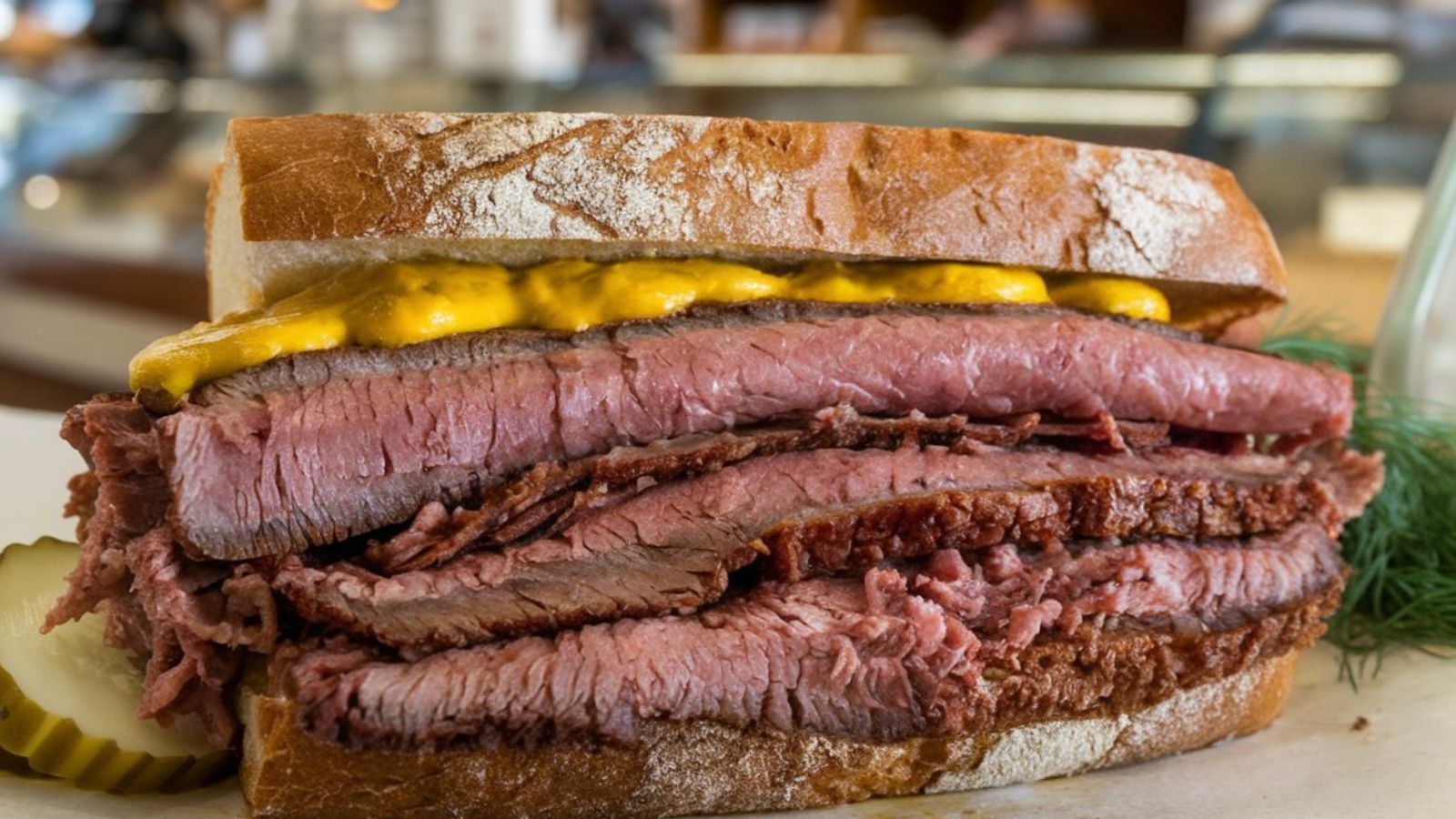
Montreal smoked meat is still famous, but the old deli-counter culture around it has thinned. A proper sandwich—warm spiced beef piled on rye, mustard, pickle nearby—depends on more than ingredients. It depends on curing knowledge, slicing rhythm, neighbourhood institutions, late-night crowds, and the kind of dining room where the food arrives quickly because everyone knows what they came for.
Some legendary spots endure, but the broader ecosystem is harder to sustain. Independent delis face rent pressure, labour shortages, changing downtown habits, and competition from fast-casual chains. The sandwich itself can be reproduced, but the setting is harder to copy. That matters because comfort foods are often inseparable from place. Montreal smoked meat is not disappearing from Canadian identity, but the number of rooms that make it feel lived-in, local, and routine is not what it once was.
19 Things Canadians Don’t Realize the CRA Can See About Their Online Income

Earning money online feels simple and informal for many Canadians. Freelancing, selling products, and digital services often start as side projects. The problem appears at tax time. Many people underestimate how much information the CRA can access. Online platforms, banks, and payment processors create detailed records automatically. These records do not disappear once money hits an account. Small gaps in reporting add up quickly.
Here are 19 things Canadians don’t realize the CRA can see about their online income.
