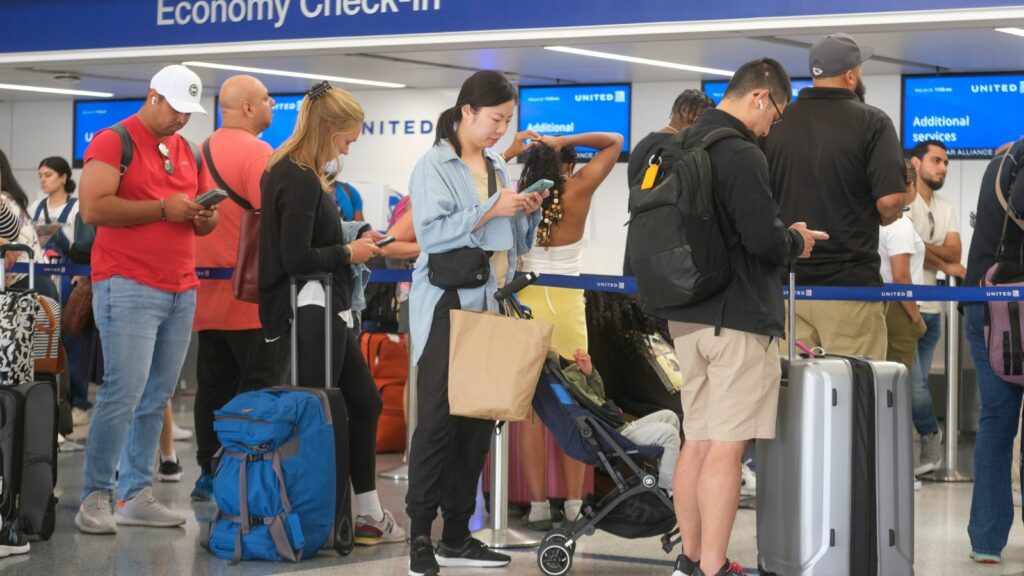
Air travel has always carried a little nervous energy, but this year the mood around flying feels sharper for many Canadians. The concern is not only about safety in the narrow sense. It is also about missed connections, crowded terminals, baggage uncertainty, changing passenger-rights rules, weather disruptions, labour tensions, and the rising cost of getting stranded far from home.
These 13 reasons explain why Canadian travellers are approaching flights with more caution this year. Some worries are emotional, fuelled by dramatic headlines and viral videos. Others are practical, shaped by real disruptions in airports, airline operations, insurance coverage, and international travel conditions. Together, they show why even routine trips can feel less predictable than they used to.
Crowded Airports Make Every Step Feel Less Certain
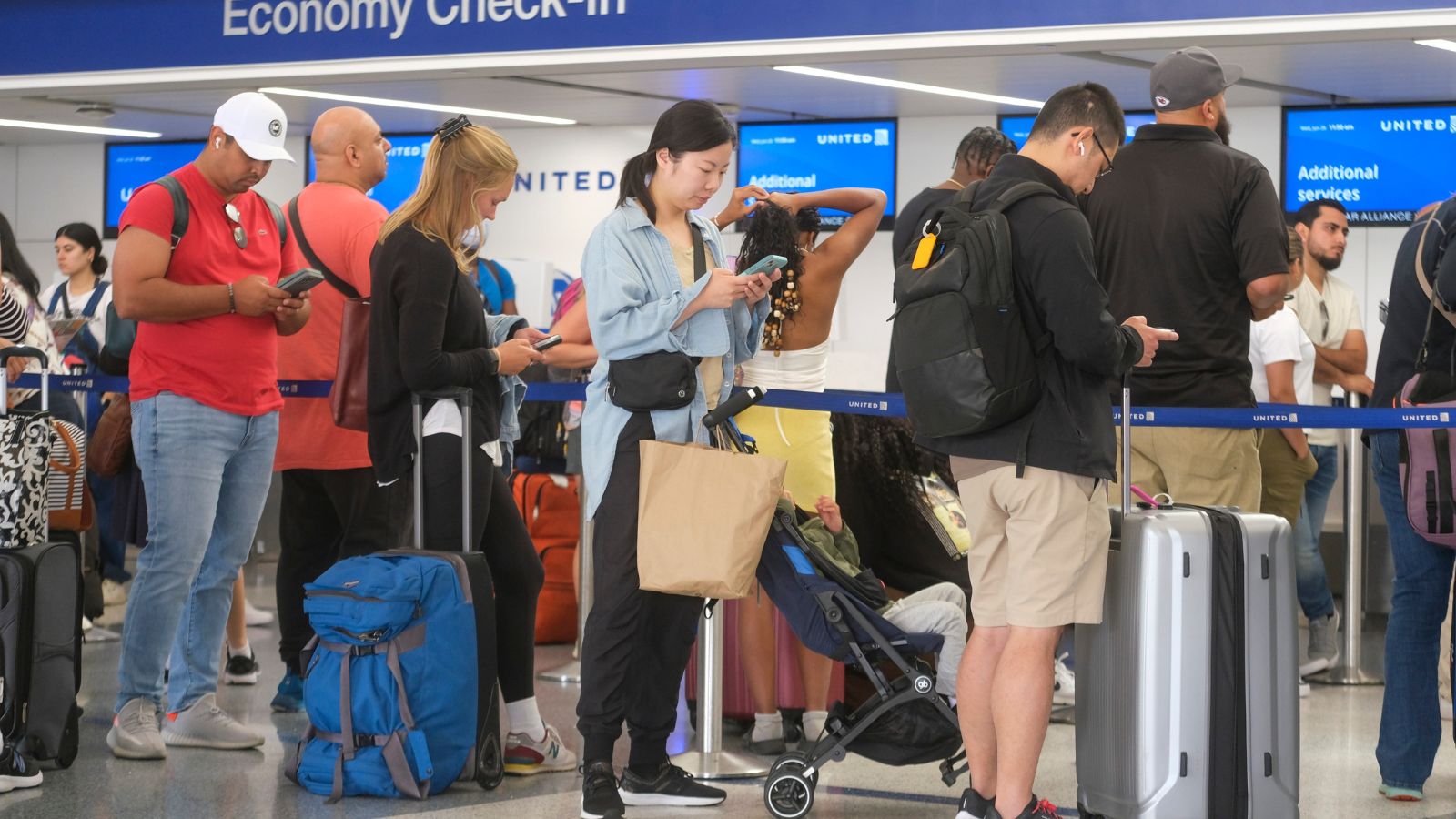
Canadian airports are busy again, and that alone can make travellers feel on edge before a trip even begins. Statistics Canada reported that 4.7 million passengers passed through pre-board security screening at Canada’s eight largest airports in March 2026, up from the same month a year earlier. More people in terminals means longer lines at check-in counters, fuller gate areas, more competition for overhead-bin space, and less room for small mistakes.
For a family trying to reach a connecting flight, a packed airport can turn ordinary tasks into stress points. A slow baggage drop, a delayed security line, or a gate change across a large terminal can feel bigger when thousands of other passengers are moving through the same space. Even when the system works well, the perception of crowding adds pressure. Travellers may not fear flying itself as much as the chain of steps required before boarding.
Flight Delays and Cancellations Still Feel Too Common
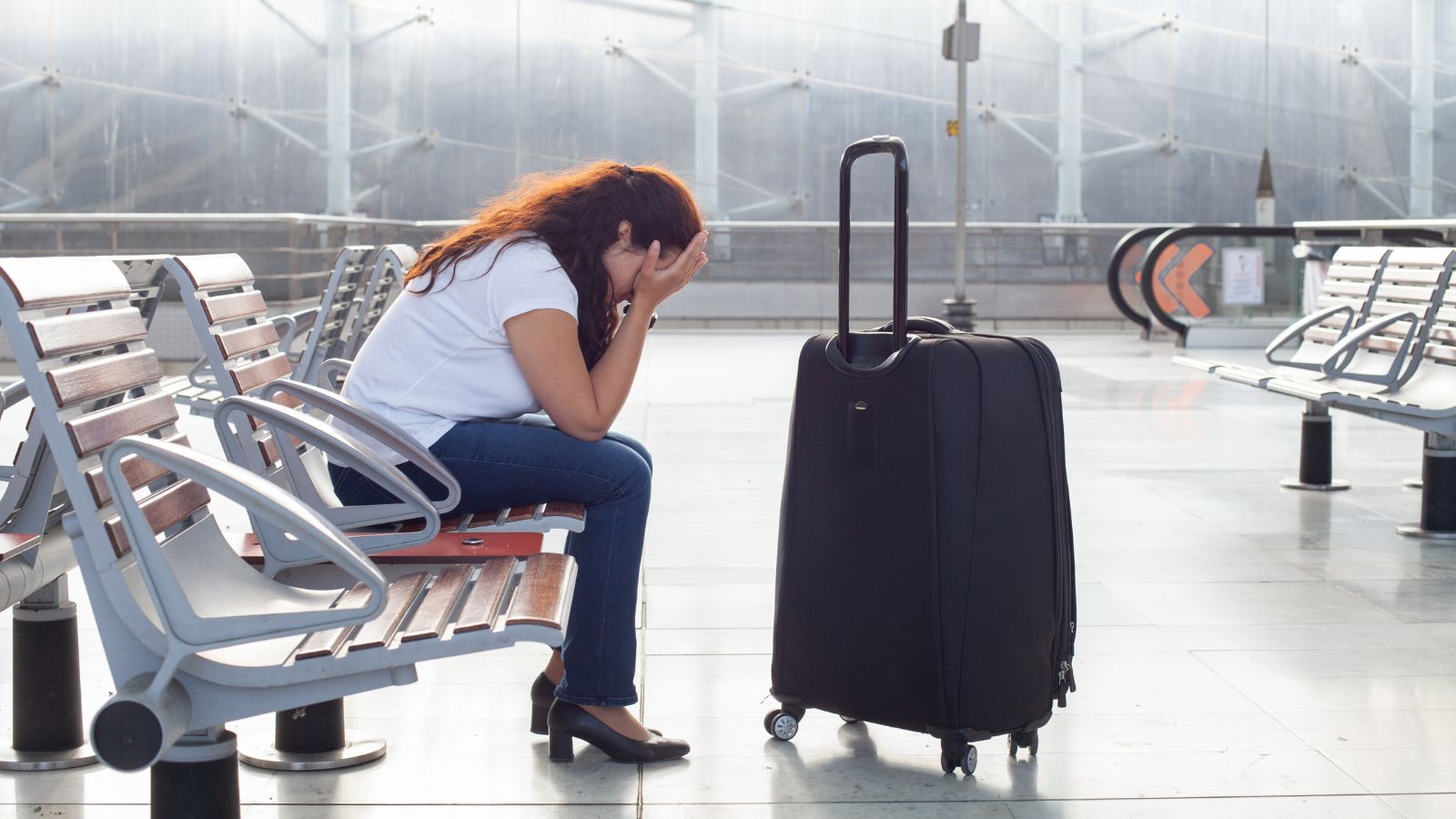
Delays have become one of the biggest sources of anxiety because they can derail an entire trip in minutes. A one-hour delay might be manageable for a direct flight, but it can ruin a tight connection, cause a missed cruise departure, or force a traveller to pay for an unexpected hotel night. For Canadians travelling from smaller cities, the stakes can be even higher because there may be fewer backup flights.
The anxiety is partly about uncertainty. A flight board that says “delayed” rarely explains whether the aircraft is late, the crew is unavailable, the weather is shifting, or the route might be cancelled altogether. Many travellers now build extra buffer time into itineraries, especially for international departures. That is a rational response, but it also shows how confidence has weakened. Flying no longer feels like one booking; it feels like a series of fragile links.
Passenger Complaint Backlogs Have Hurt Trust
Many Canadian travellers have become more anxious because they do not feel confident that problems will be resolved quickly. The Canadian Transportation Agency has been dealing with large volumes of air travel complaints in recent years, and the public conversation around compensation, refunds, and responsibility has made passengers more aware of how complicated disputes can become. A cancelled flight is stressful; fighting for a resolution afterward can feel even worse.
This uncertainty changes behaviour before the trip starts. Travellers now save screenshots, keep receipts, photograph baggage tags, and read airline tariff language more carefully than they once did. That preparation can be useful, but it also adds a legalistic mood to what should be a simple journey. When passengers believe that proving a claim may be as difficult as surviving the disruption itself, anxiety naturally rises before anyone reaches the airport.
Changing Passenger-Rights Rules Create Confusion
Canada’s air passenger protection system is meant to give travellers clearer rights, but the evolving rules can also leave people unsure about what they are actually owed. The Canadian Transportation Agency has continued updating public guidance on delays, cancellations, refunds, compensation, and complaint procedures. For many travellers, the details are hard to follow, especially when flights involve foreign airlines or multiple jurisdictions.
A traveller flying from Vancouver to Rome through Frankfurt may wonder whether Canadian, European, or airline-specific rules apply if something goes wrong. The answer can depend on route, carrier, cause of disruption, and whether assistance or compensation has already been received elsewhere. That complexity makes passengers uneasy because the moment of disruption is usually not the moment when people are calm enough to interpret regulations. Rules exist, but many travellers still feel they need a lawyer’s patience to understand them.
Runway-Safety Headlines Are Hard to Ignore
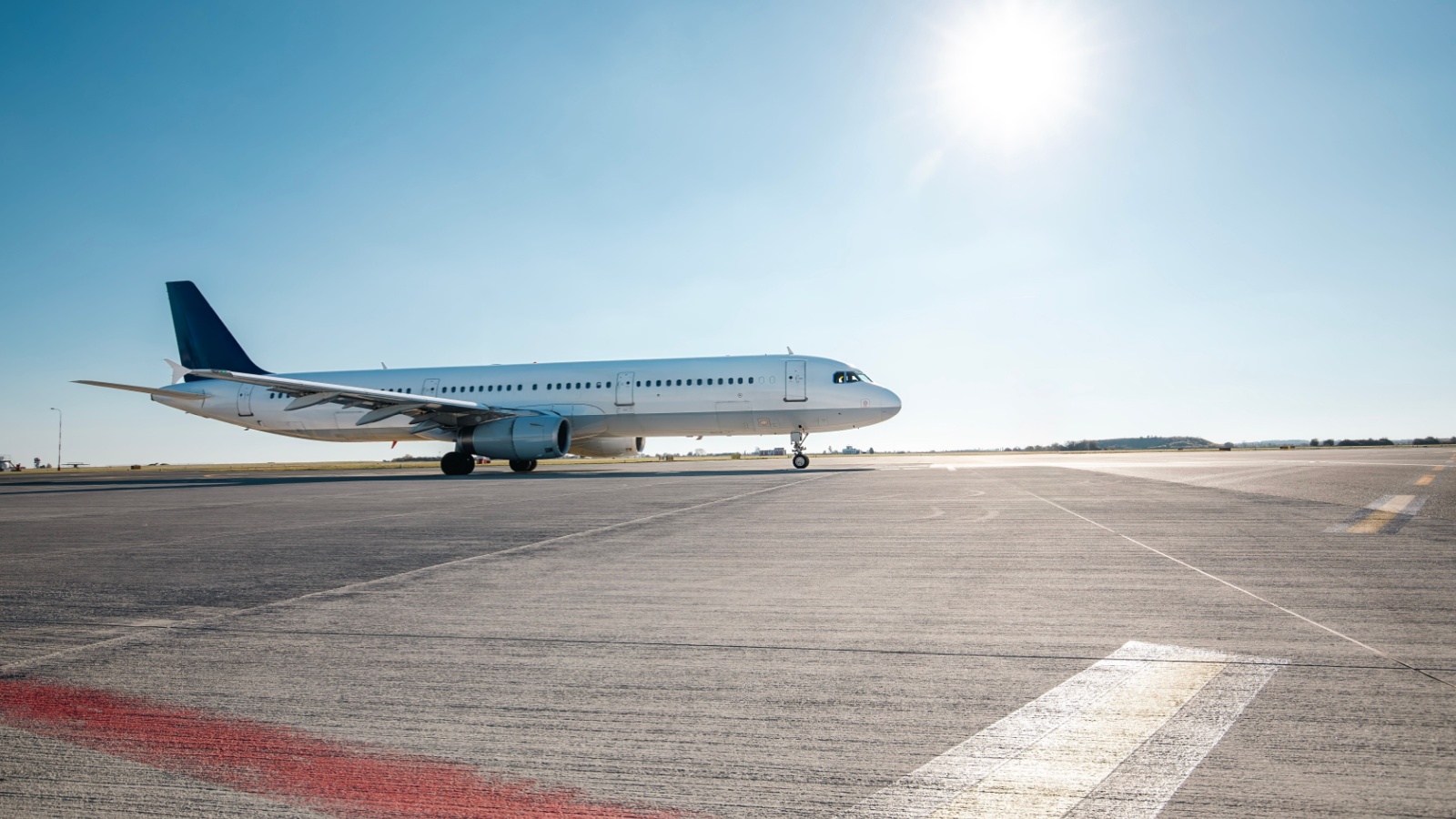
Most commercial flying remains extremely safe, but runway-safety headlines have made some Canadians more nervous. The Transportation Safety Board of Canada placed runway incursions on its Watchlist, noting that NAV CANADA recorded 639 runway incursions in 2024, the highest number in 15 years of available data. A runway incursion happens when an aircraft, vehicle, or person is incorrectly present on a protected runway area.
For anxious travellers, the detail that matters is not only the technical definition. It is the image the phrase creates: two aircraft, one runway, and a possible near miss. Aviation professionals treat these events seriously precisely because commercial safety depends on preventing small errors from lining up. The broader context is reassuring—incursions do not usually become collisions—but the rising count gives passengers a concrete reason to feel more alert whenever a plane taxis, pauses, or suddenly accelerates.
Recent Aviation Incidents Travel Fast Online
Flying anxiety often grows when dramatic aviation incidents circulate widely on social media. A rough landing, engine issue, emergency evacuation, or aircraft damage can be clipped into a short video that reaches millions of people before investigators have explained what happened. For Canadian travellers, the emotional impact can be immediate, even when the incident occurred in another country or involved a different type of aircraft.
The problem is that fear spreads faster than context. A video of smoke in a cabin or a plane skidding off a runway may not explain the rarity of such events, the safety systems involved, or the survival outcomes. People remember the visuals more than the statistics. Someone who has flown comfortably for years may suddenly begin checking aircraft models, weather forecasts, and incident reports before a trip. The internet has made aviation more visible, but not always more understandable.
Turbulence Feels More Frightening in a Changing Climate
Turbulence has always been part of flying, but it feels more unsettling now because passengers hear more about severe events and climate-related changes. Research published in Geophysical Research Letters found clear evidence that clear-air turbulence has increased over the past four decades, including a 55 percent increase in severe clear-air turbulence over a typical North Atlantic point between 1979 and 2020. That route matters because many Canadian travellers fly across the Atlantic.
Clear-air turbulence is especially unnerving because it can occur without obvious clouds or storms outside the window. A seatbelt sign may switch on suddenly, service may stop, and the cabin mood can change in seconds. Aircraft are built to withstand turbulence, but passengers are more vulnerable to injuries when unbelted. The practical takeaway is simple, yet anxiety remains: a flight can be safe and still feel physically alarming.
Weather Disruptions Are Becoming a Bigger Planning Problem
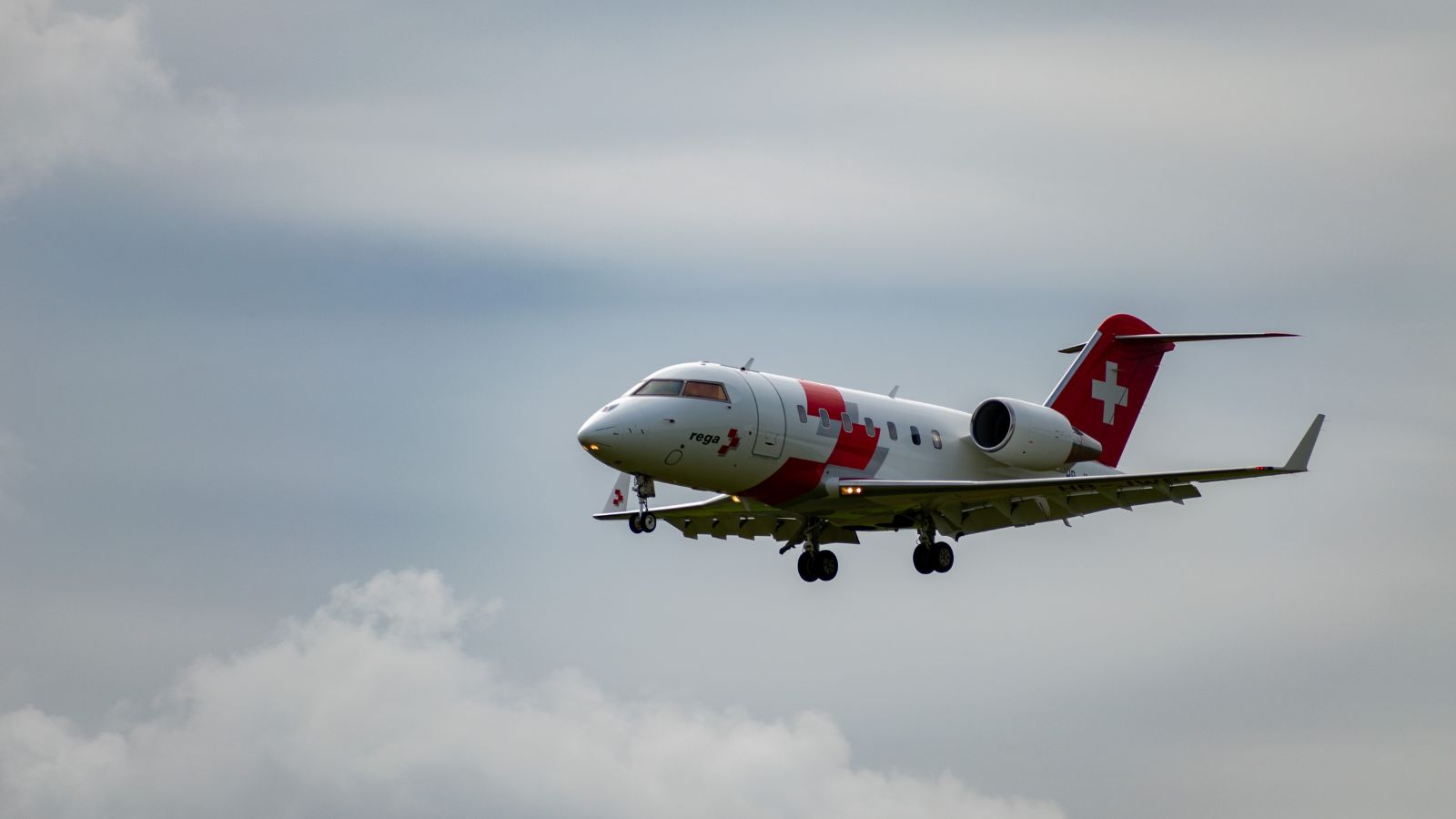
Canadian travellers know winter weather can disrupt flights, but the worry now stretches across more of the year. Late-season snow, summer thunderstorms, wildfire smoke, high winds, freezing rain, and fog can all ripple through airline networks. A storm in Toronto can affect a passenger in Halifax if the aircraft or crew was supposed to arrive from Pearson. That network effect makes weather feel less local and more unpredictable.
The anxiety is strongest when travellers have fixed plans: weddings, medical appointments, cruises, funerals, or prepaid tours. Unlike a simple delay on a leisure weekend, a weather-related cancellation can create financial and emotional consequences. Airlines may issue waivers, but alternate seats can disappear quickly during busy travel periods. Many passengers now treat the forecast as part of the itinerary. The sky does not need to look dangerous to make a traveller worried about the schedule.
Baggage Problems Still Create a Sense of Helplessness
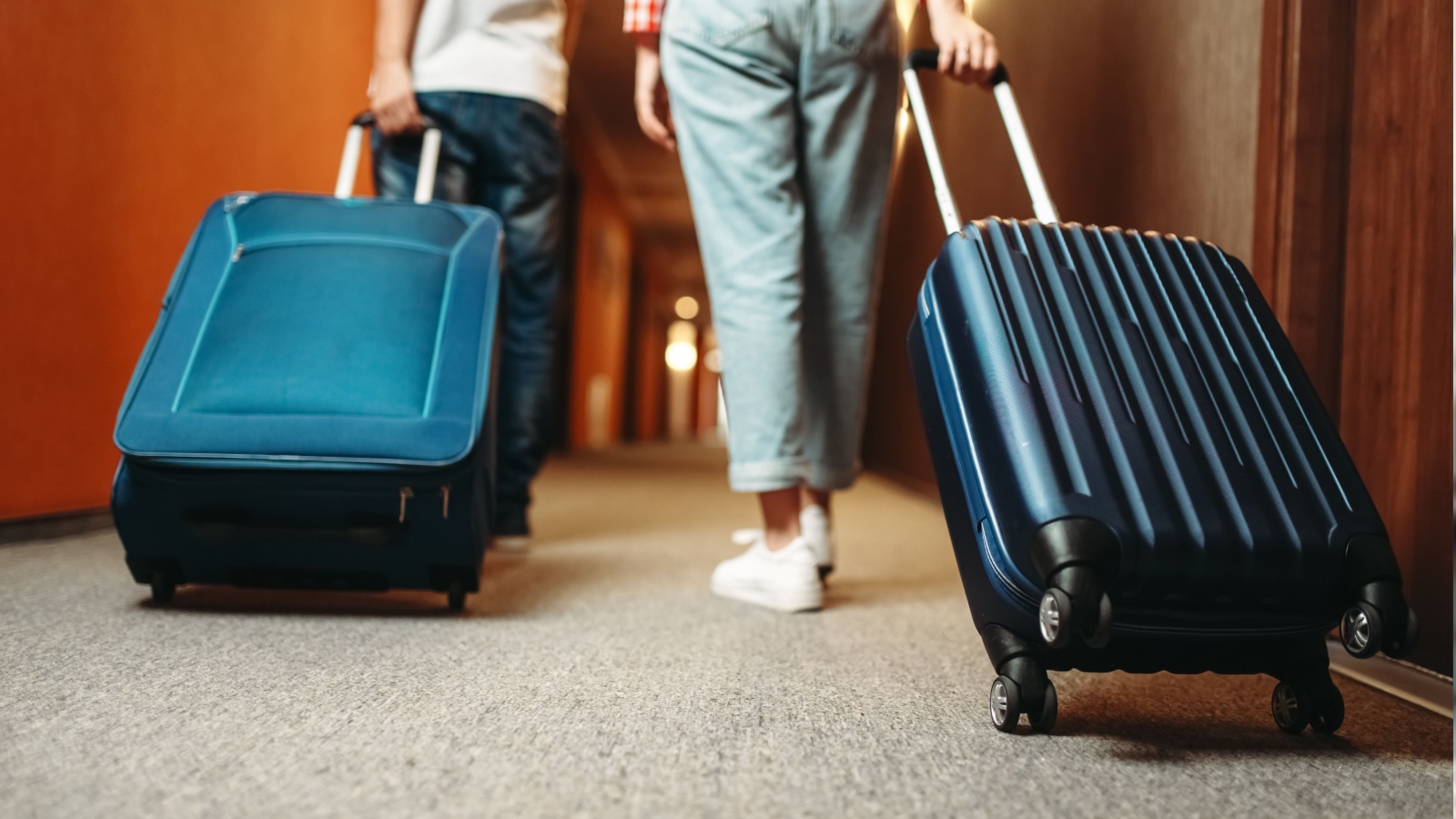
Few travel problems feel as personal as a missing bag. SITA’s 2025 baggage report said 33.4 million bags were mishandled globally in 2024, even as the mishandling rate improved. That combination explains the anxiety: systems may be getting better, but the absolute number of affected passengers remains large because so many people are flying. For travellers with medication, formal clothing, children’s items, or work equipment in checked luggage, the risk feels real.
Canadian rules and airline policies provide pathways for claims, but those steps rarely help in the first few hours after arrival. A traveller landing in Europe without winter clothing or arriving at a wedding destination without formal wear faces immediate stress. Tracking tags have helped some passengers feel more in control, but they can also create a new frustration: knowing the bag is somewhere else while still being unable to retrieve it.
Labour Disruptions Have Made Travellers More Cautious
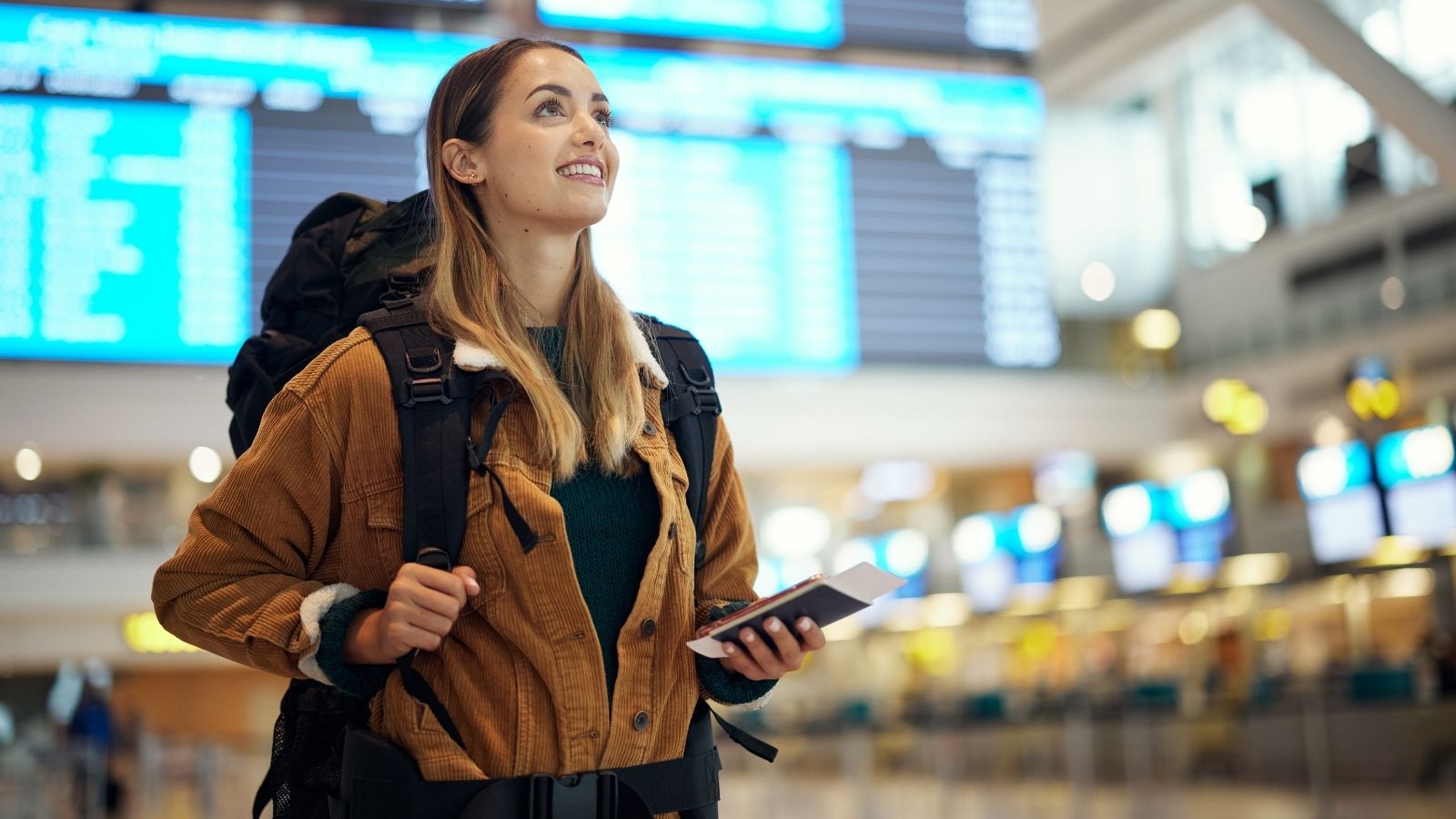
Labour uncertainty has become another reason Canadians feel less relaxed about flying. Airline and airport operations depend on pilots, flight attendants, mechanics, baggage handlers, security screeners, air traffic specialists, and ground crews. When any part of that chain faces a dispute, passengers worry about cancellations even before formal action begins. Past disruptions have shown that flight schedules can be reduced quickly when airlines try to protect aircraft and crews from being stranded.
The anxiety comes from the lack of control. A traveller may book months in advance, pay for hotels, arrange time off work, and still face uncertainty if a strike notice or contract dispute emerges near departure. Even when labour issues are resolved, the recovery can take time because aircraft and crews must be repositioned. For passengers, the lesson is uncomfortable: a confirmed ticket does not always feel final until the plane is airborne.
Fuel Costs and Airline Economics Add Another Layer of Worry

Airline costs matter to passengers because they can affect fares, routes, fees, and schedule stability. Recent industry reporting has pointed to uncertainty around jet fuel prices, with airlines watching energy markets closely. When fuel costs rise or become volatile, carriers may adjust capacity, add surcharges, reduce marginal routes, or become less flexible with pricing. Travellers may not follow airline financial statements, but they notice when fares jump or convenient routes disappear.
This creates anxiety before booking. A Canadian family comparing flights to Europe may see prices change dramatically within days. A traveller from a smaller city may worry that a connection through a major hub is the only affordable option, adding more chances for disruption. Even when fuel prices do not directly cancel a trip, they can make travel feel financially fragile. The fear is not only “Will the flight go?” but also “What will it cost if plans change?”
U.S. Travel Tensions Have Changed Cross-Border Confidence
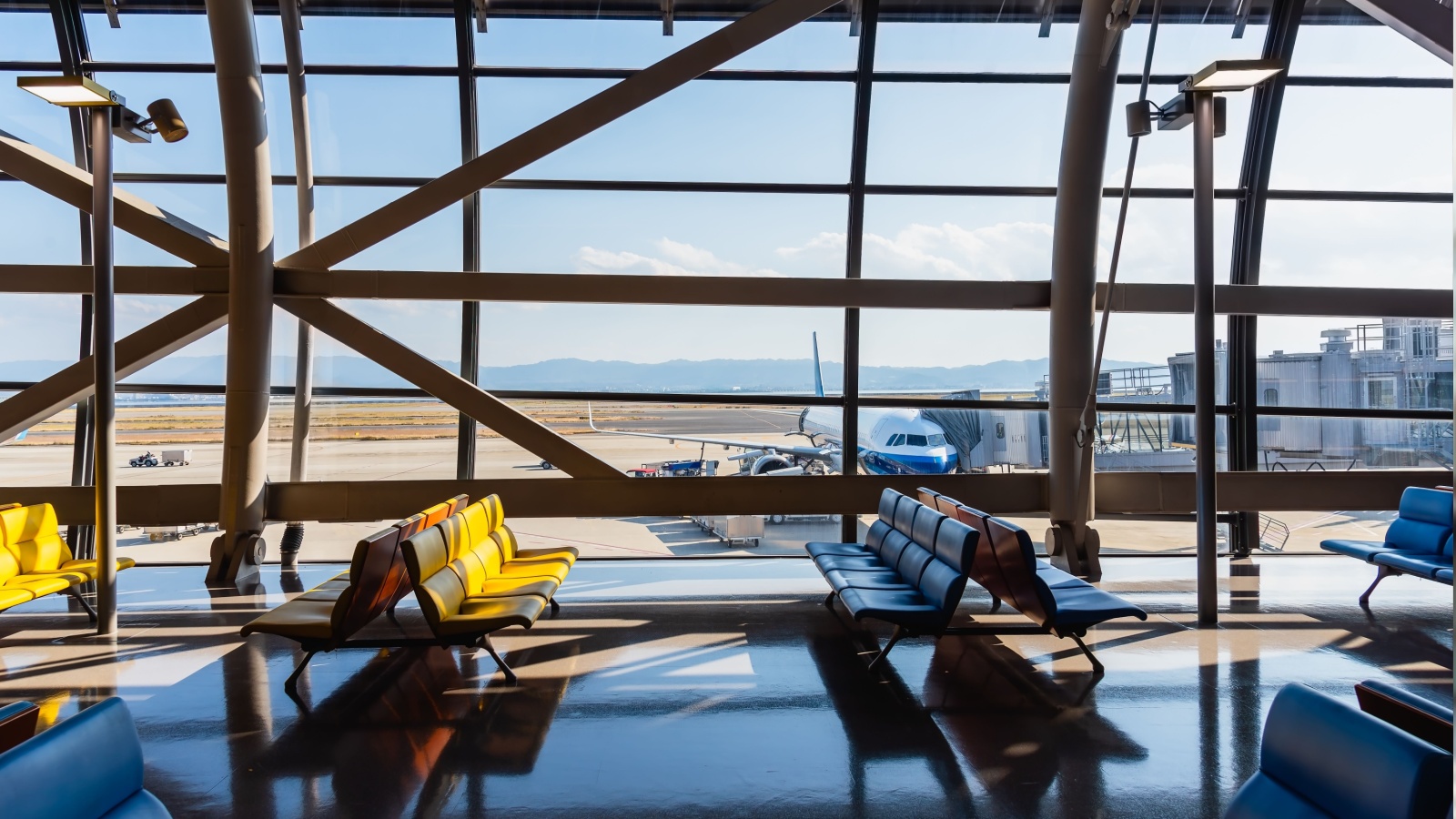
The United States remains one of the most common destinations for Canadian flyers, but cross-border travel has felt more complicated for some travellers. Government travel pages remind Canadians that entry decisions rest with U.S. authorities and that air travellers need proper documents. Broader political tensions, changing border expectations, and public discussion about device searches or longer stays have made some passengers more cautious about U.S.-bound trips.
For many Canadians, the worry is not dramatic; it is administrative. A traveller may wonder whether a short business trip, conference visit, or snowbird stay could involve extra questions or documentation. Families may double-check passports, visas, consent letters for children, and insurance coverage more carefully than before. That extra preparation can be responsible, but it also changes the emotional tone. A quick flight to the U.S. can feel less routine when the border process feels less predictable.
Travel Insurance No Longer Feels Like a Simple Safety Net
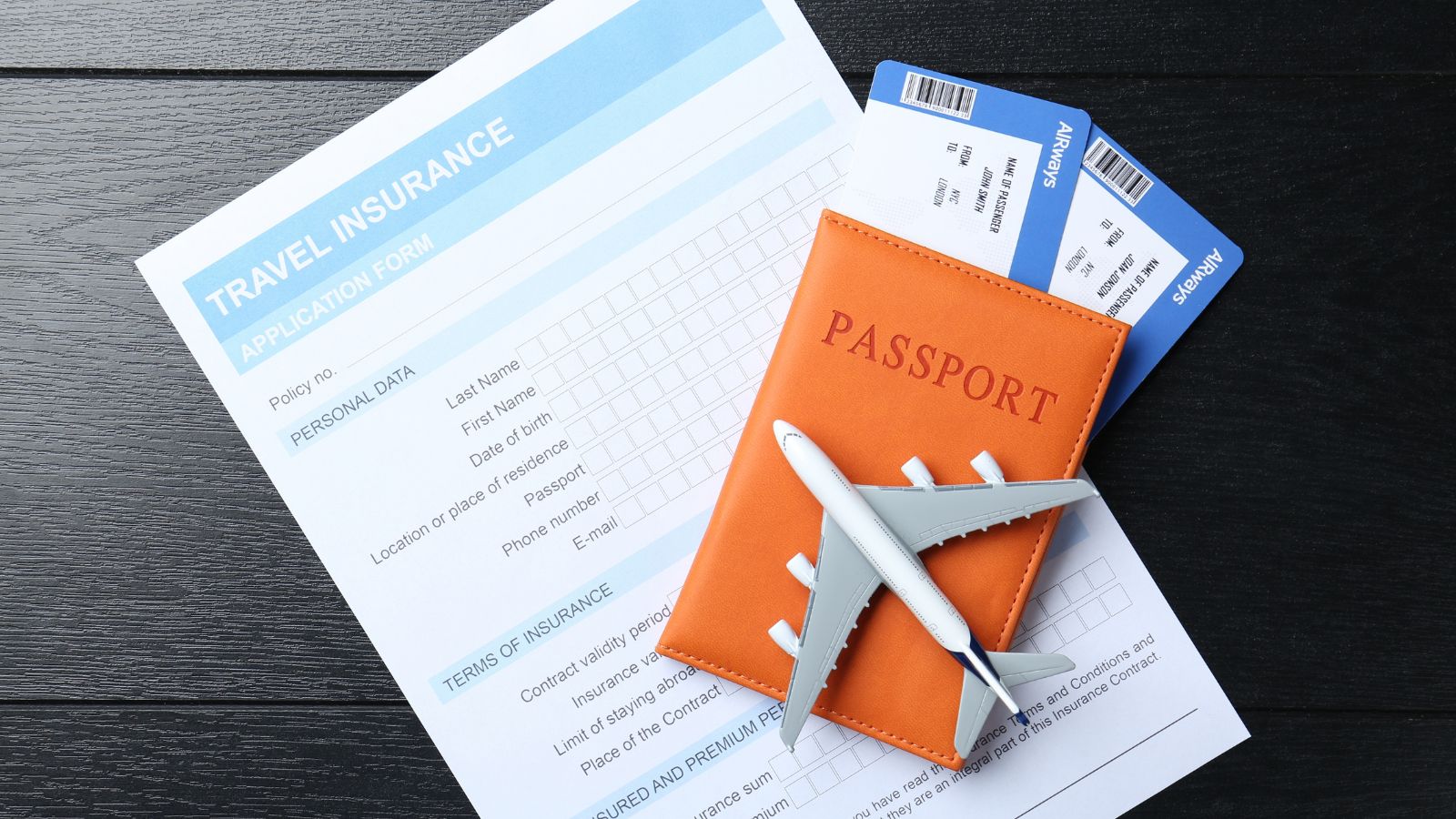
Travel insurance is supposed to reduce anxiety, but many Canadians now realize coverage has limits. The Government of Canada warns that provincial or territorial health plans may cover none or only a small part of medical care abroad and generally will not pay foreign bills up front. That alone can make travellers nervous, especially older passengers, families with children, or anyone visiting countries with expensive private medical systems.
Trip interruption and cancellation coverage can also be complicated. Policies often treat known events, pre-existing conditions, labour disruptions, weather events, and airline-caused delays differently. A traveller may assume insurance covers “anything that goes wrong,” only to learn that exclusions matter. This uncertainty increases pre-flight stress because the financial exposure can be large. The flight may be only a few hours, but a missed connection, medical emergency, or uncovered cancellation can leave a traveller facing costs far beyond the airfare.
19 Things Canadians Don’t Realize the CRA Can See About Their Online Income

Earning money online feels simple and informal for many Canadians. Freelancing, selling products, and digital services often start as side projects. The problem appears at tax time. Many people underestimate how much information the CRA can access. Online platforms, banks, and payment processors create detailed records automatically. These records do not disappear once money hits an account. Small gaps in reporting add up quickly.
Here are 19 things Canadians don’t realize the CRA can see about their online income.
