
Canadian shopping memories often live in small details: a catalogue on the coffee table, a chocolate bar near the cash register, a phone clipped to a belt, or a loyalty coupon tucked into a glove box. Some products disappeared because companies collapsed. Others faded because technology, retail habits, packaging rules, or consumer tastes moved on.
Here are 18 Canadian products and product lines that once felt hard to avoid — and now occupy a much smaller place in everyday life.
Eaton’s Catalogue

For generations, the Eaton’s catalogue was less like advertising and more like household infrastructure. It landed in kitchens, farmhouses, apartments, and school craft bins, offering everything from clothing and linens to appliances and toys. In rural Canada especially, it gave families access to goods that were otherwise difficult to find locally. Children circled Christmas wishes, parents compared prices, and old copies often found a second life as wrapping paper, insulation, or even emergency outhouse reading.
Its disappearance reflected a deeper change in Canadian retail. Department stores once controlled discovery, selection, and trust; later, malls, specialty chains, discount retailers, and eventually online shopping broke that relationship apart. Eaton’s itself struggled through the 1990s and filed for bankruptcy after 130 years in business. The catalogue had already vanished decades earlier, but its absence still symbolizes the end of an era when one printed book could make a national marketplace feel personal.
Consumers Distributing Catalogues

Consumers Distributing turned shopping into a ritual: browse the catalogue, write down the item number, hand over the slip, and wait to see whether the warehouse had it. The model felt efficient and futuristic before e-commerce existed. Jewelry, small appliances, electronics, toys, and sporting goods could all be chosen from a book rather than pulled from open shelves. For many Canadian families, the catalogue was especially important before Christmas, when toy pages were studied with near-scientific attention.
The trouble was that the system also exposed its weakness. A product could look available on paper but be out of stock behind the counter. As big-box stores expanded and shoppers expected instant access, Consumers Distributing lost the convenience advantage that once made it special. The chain operated for decades and reached hundreds of outlets at its peak, but by the mid-1990s it was gone. Its catalogue now feels like a paper ancestor of online shopping carts.
Sears Canada Wish Book

The Sears Wish Book was another Canadian household fixture, especially during the holiday season. It was not just a catalogue; it shaped the emotional calendar of Christmas shopping. Children flipped through toy pages until the corners softened, while adults used it to plan gifts, clothing, bedding, and seasonal purchases. In many homes, the Wish Book arrived before decorations went up, creating a sense that the holidays had quietly begun.
Its decline was tied to both Sears Canada’s broader troubles and the collapse of catalogue culture. As online shopping made printed wish lists feel slow, the company struggled to reinvent its role in Canadian retail. Sears Canada’s remaining stores closed in January 2018, marking the end of a once-powerful national retail presence. The Wish Book survives mainly through memory, resale listings, and family stories about circling toys that may or may not have appeared under the tree.
Zellers’ Truly Products

Zellers was once a regular stop for affordable household basics, and its Truly private-label products tried to make that value feel distinctly Canadian. The line stretched across everyday categories such as apparel, household goods, baby products, health and beauty, and food. For shoppers trying to stretch a paycheque, store brands like Truly mattered because they made routine purchases feel manageable without turning every trip into a luxury calculation.
The products faded as Zellers itself was dismantled. HBC sold many Zellers leases to Target, and most locations closed by 2013. Even though the Zellers name has had revival attempts, the old experience of walking into a full discount store and finding rows of Truly-branded basics is not the same. The brand represents a period when Canadian discount retail had its own familiar look, before Walmart, Costco, online sellers, and short-lived Target Canada reshaped the bargain aisle.
BlackBerry Phones

BlackBerry phones were once so common in offices, airports, legislatures, and commuter trains that the clicking keyboard became part of the soundscape of professional life. Built by Research In Motion in Waterloo, the devices carried a reputation for secure messaging, push email, and serious business use. At their height, they were status objects as much as tools, signalling that someone needed to be reachable at all times.
The collapse was swift because the smartphone market changed faster than BlackBerry’s core design language. Touchscreens, app ecosystems, and consumer-first devices made physical keyboards feel less essential. BlackBerry stopped making phones in-house and later shifted toward software, cybersecurity, and embedded systems. Legacy BlackBerry services ended in 2022, turning many older devices into relics rather than working tools. What once felt like the future of mobile work now appears mostly in drawers, museums, and nostalgic conversations.
Nortel Office Phones

Nortel products were once embedded in the background of Canadian work life. Office desk phones, PBX systems, switches, and telecom equipment carried the Nortel name into government buildings, banks, schools, hospitals, and corporate towers. Many Canadians may not have thought about the brand daily, but they interacted with it every time a receptionist transferred a call or a conference room speakerphone lit up.
Nortel’s decline was one of the most dramatic corporate collapses in Canadian business history. The company, once a global telecom powerhouse, filed for bankruptcy protection in January 2009 after years of instability, market shifts, and post-tech-bubble pressure. Its equipment did not vanish overnight; enterprise phone systems often remain in service for years. But the familiar Nortel label slowly disappeared from new installations, replaced by cloud calling, software-based systems, Cisco, Avaya, Microsoft Teams, and other platforms.
CorelDRAW Boxed Software
CorelDRAW was once a staple of Canadian software shelves, computer labs, print shops, sign makers, and small design businesses. Developed by Ottawa-based Corel, it arrived in 1989 and helped make professional vector illustration more accessible on the PC. In the 1990s, boxed software had physical presence: manuals, CDs, registration cards, and thick retail packaging that made a program feel like a serious investment.
CorelDRAW still exists, but the old boxed-software moment has largely passed. Creative software moved toward downloads, subscriptions, cloud storage, and platform ecosystems dominated by global competitors. The product’s legacy remains strong among designers who learned layout, logos, decals, and print production on it, particularly in small businesses that needed practical tools without agency-scale budgets. Its reduced everyday visibility says as much about the disappearance of software boxes as it does about changing design habits.
K-tel Compilation Albums

K-tel records and tapes were once everywhere: television ads, bargain bins, living rooms, rec rooms, and car stereos. Founded in Winnipeg by Philip Kives, the company became famous for compilation albums that packed popular songs onto one record or cassette. For households that could not afford every hit album, K-tel offered a practical shortcut to the soundtrack of the moment. The commercials were energetic, repetitive, and almost impossible to forget.
The product faded because music distribution changed completely. Compilation albums lost their everyday purpose as CDs, MP3s, streaming playlists, and algorithmic recommendations took over. K-tel’s catalogue still has value in licensing and digital distribution, but the physical albums no longer dominate coffee tables or department-store bins. The old appeal was simple: many hits, one low price, no searching required. Streaming made that promise feel ordinary, but K-tel helped invent the idea first.
Canada Savings Bonds

Canada Savings Bonds were once a familiar financial product for cautious savers, payroll deduction plans, grandparents, first-time investors, and people who liked the reassurance of a federal guarantee. They were not glamorous, but that was part of the appeal. For decades, a bond certificate or payroll savings statement represented steady, low-risk saving backed by the Government of Canada.
The product lost relevance as interest rates, mutual funds, GICs, online brokerages, high-interest savings accounts, and workplace retirement plans gave Canadians more options. The federal government discontinued new sales in 2017, citing declining participation and administrative costs. Existing bonds continued to be honoured according to their terms, but the product stopped being part of new household routines. Its disappearance marks a shift from paper-based, government-branded saving habits toward a more fragmented and digital financial marketplace.
Stubby Beer Bottles

The stubby beer bottle once made Canadian beer shelves look unmistakably Canadian. Short, squat, durable, and practical, it was widely used by major brewers for decades. The bottle’s shape made it easy to pack, transport, and return through Canada’s recycling-oriented beer retail system. In garages, cottages, curling clubs, and basement bars, the stubby became part of the visual identity of Canadian beer culture.
Its disappearance came as brewers chased a more modern look and responded to marketing pressure from longer-necked American-style bottles. In the early 1980s, major Canadian breweries moved away from the standardized stubby shape. The change was costly for bottling lines but reflected a belief that packaging could refresh flat sales. Today, stubbies appear mostly through craft beer revivals, special releases, and nostalgia branding. The original everyday dominance is long gone.
Paper Canadian Tire Money
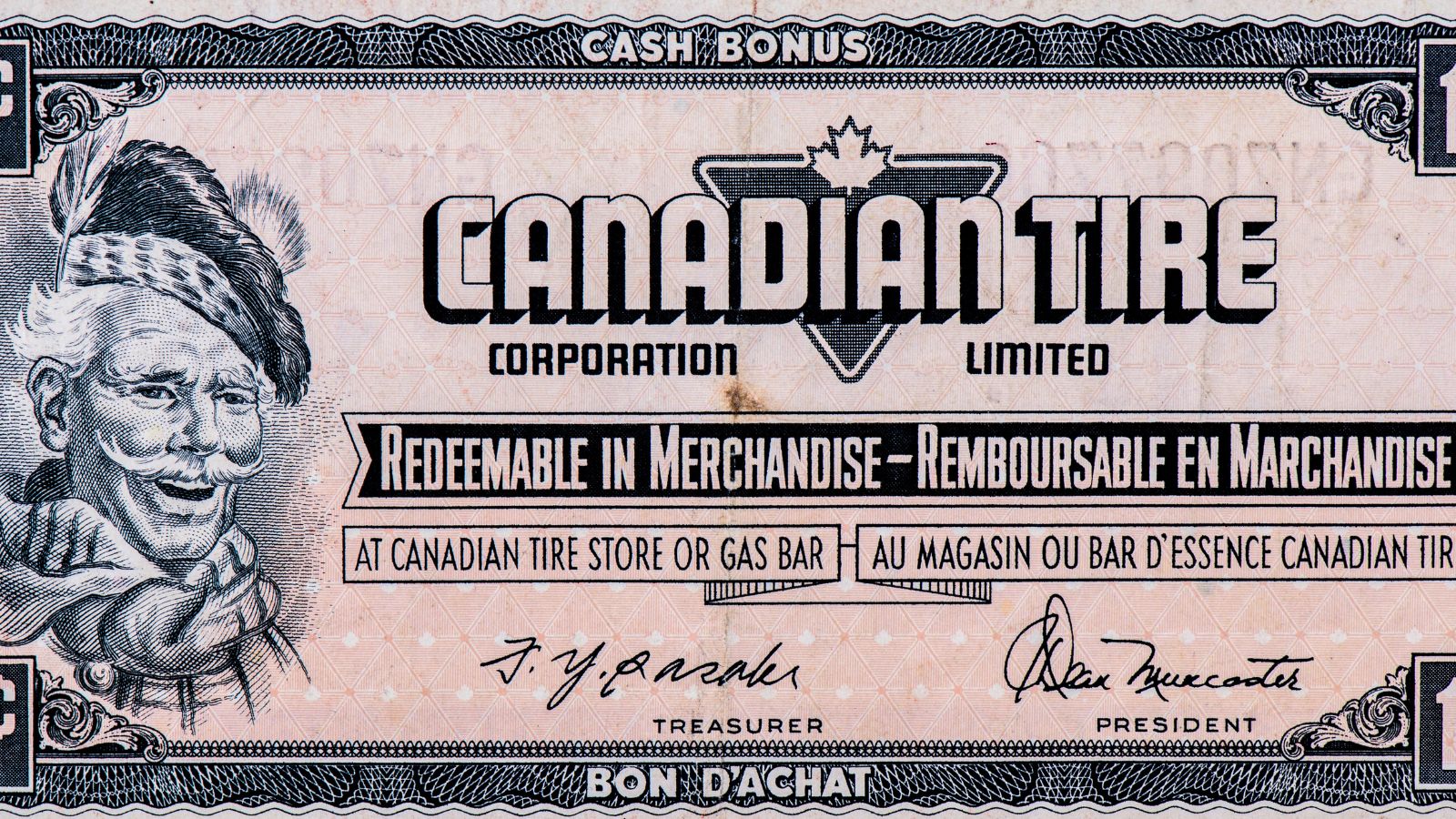
Paper Canadian Tire Money was one of Canada’s strangest and most beloved retail products: not legal tender, but close enough to feel like treasure. The small coupons, introduced in the late 1950s, were handed out at the cash register and often ended up in kitchen drawers, glove compartments, toolboxes, and jars. Children counted them like real cash, while adults used them to shave a little off hardware, automotive, or household purchases.
The loyalty program did not disappear, but the paper experience mostly did. Canadian Tire shifted toward electronic CT Money through Triangle Rewards, reflecting the broader move from physical coupons to app-based rewards. Paper notes remain collectible and, in some cases, redeemable, but shoppers no longer routinely leave the store with fresh stacks of tiny bills. The emotional difference is large: digital points may be efficient, but they do not rustle.
Hudson’s Bay Point Blankets

Hudson’s Bay point blankets were never ordinary bedding. Their stripes, wool construction, and long association with trade, winter, and department-store heritage made them among Canada’s most recognizable home goods. For many shoppers, seeing the blankets in Hudson’s Bay stores connected modern retail to a much older commercial history. The product also carries complicated cultural weight because of its relationship to fur-trade history and Indigenous communities.
The blankets have not vanished, but their retail context changed dramatically after Hudson’s Bay entered creditor protection and liquidated stores. Canadian Tire later acquired key Hudson’s Bay intellectual property and announced plans to continue selling striped products, including point blankets. That means the item may survive, but the familiar department-store setting that once surrounded it has largely disappeared. The blanket remains iconic, while the retail world that made it feel omnipresent has fractured.
Target Canada Private-Label Goods

For a brief period, Target Canada’s private-label goods seemed poised to become a major part of Canadian shopping. Shoppers expected the same mix of affordable design, children’s clothing, home goods, and exclusive brands that made Target popular in the United States. The red carts, clean aisles, and house-brand packaging created a sense that a new discount competitor had arrived for good.
Instead, the Canadian expansion became a cautionary tale. Target Canada struggled with pricing expectations, supply-chain problems, empty shelves, and consumer disappointment. The company announced in 2015 that it would discontinue Canadian operations, and all 133 stores closed that April. The products were suddenly gone from malls and power centres almost as quickly as they had appeared. Their brief visibility makes them memorable: a national retail promise that flickered, then disappeared.
BiWay Bargain Goods

BiWay was not known for one single product, but for the kind of low-cost goods that filled Canadian households quietly: socks, school supplies, toiletries, seasonal decorations, kitchen basics, and inexpensive clothing. Its appeal was practical rather than glamorous. For shoppers in Ontario and other markets where the chain operated, BiWay made everyday replacement purchases feel affordable long before dollar stores and modern discount chains became dominant.
The chain disappeared after financial struggles and liquidation, leaving behind a particular kind of bargain-store memory. Unlike today’s polished big-box value retailers, BiWay felt narrower, more local, and sometimes more unpredictable. That unpredictability was part of the charm: a shopper might go in for batteries and leave with winter gloves, shampoo, and a discounted toy. The products themselves were ordinary, but the retail format made them feel like part of Canadian daily life.
Eatons-Branded Appliances and Housewares
Eaton’s was not only a department store; it sold a wide range of private-label and house-branded goods that entered Canadian homes for decades. Appliances, furniture, linens, clothing, and kitchenware tied the Eaton’s name to ordinary routines. A family might not discuss brand heritage while making toast or folding sheets, but the label quietly reinforced trust. The store’s reputation made its house goods feel dependable.
Those products faded as Eaton’s declined and disappeared. When a retailer collapses, its private labels often lose the distribution system that made them common. Unlike a national food brand that can move from one chain to another, store-branded housewares are deeply tied to the store that sells them. Eaton’s bankruptcy and eventual disappearance removed a whole layer of Canadian household branding. Many surviving pieces now show up in vintage shops, estate sales, and family basements.
Zeddy and Zellers Kids’ Merchandise
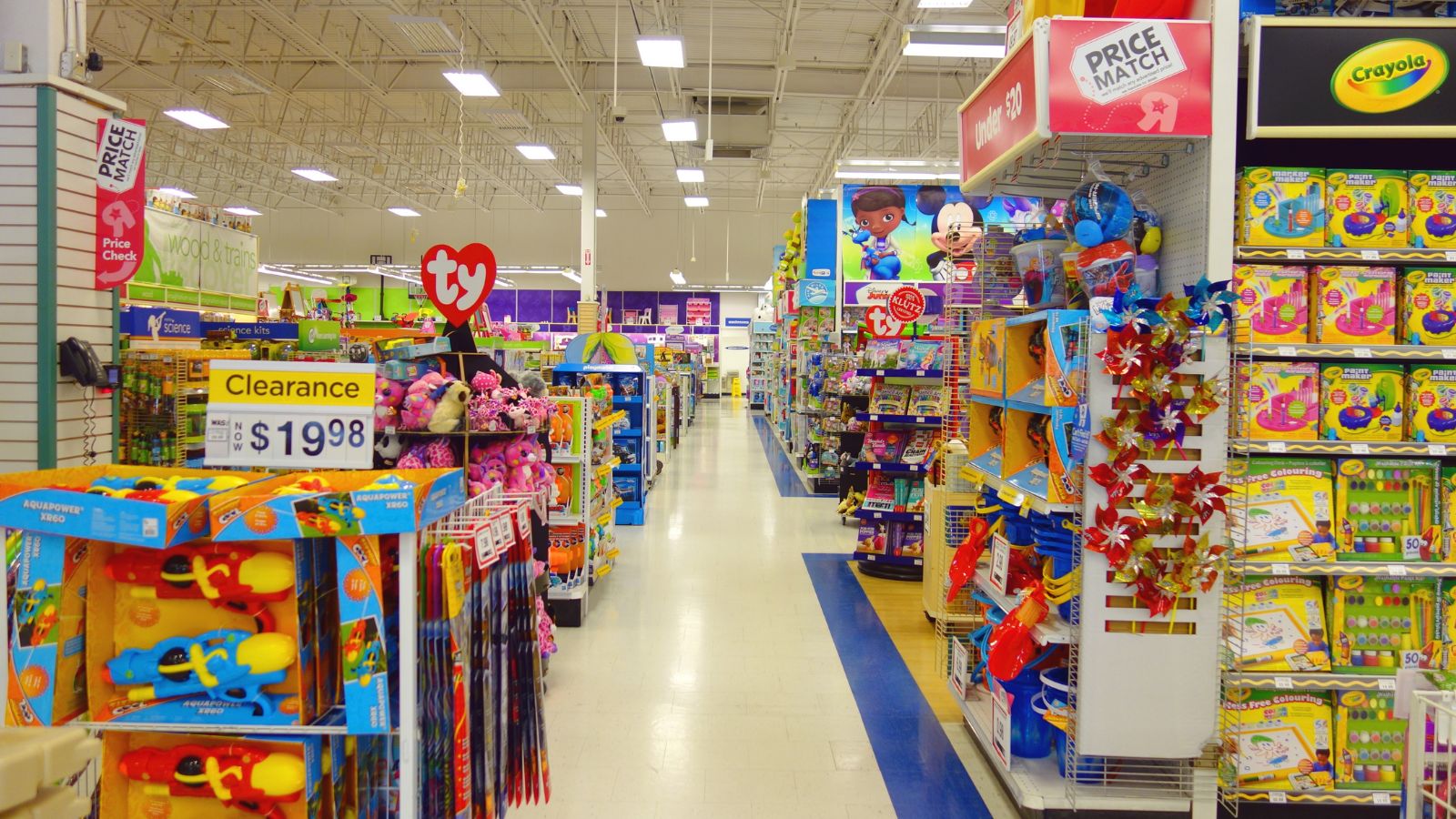
Zeddy, the teddy-bear mascot associated with Zellers, once appeared in stores, advertising, kiddie rides, children’s promotions, and family shopping memories. Related merchandise and branding helped make Zellers feel less like a warehouse and more like a place children recognized. The mascot mattered because discount retail often competed on emotion as well as price, especially when parents were trying to make errands tolerable.
As Zellers stores closed, the ecosystem around Zeddy disappeared too. A mascot needs a physical retail stage: entrances, toy aisles, restaurant corners, signage, and checkout lanes. Without hundreds of stores, the character became more nostalgic than commercial. Zellers revival efforts have leaned on memory, but they cannot fully recreate the old environment in which Zeddy felt common. The products and symbols remain collectible reminders of a more distinctly Canadian discount-store childhood.
Mini Pop Kids Cassettes and CDs

Mini Pop Kids recordings were once a familiar Canadian children’s music product, especially for families looking for pop songs performed in a more kid-friendly format. Released through K-tel, the albums built a recognizable niche by turning current hits into children’s performances. In the cassette and CD eras, that made sense: parents bought physical music for the car, birthday parties, sleepovers, and basement dance routines.
The brand still exists in newer forms, but the old physical-product ubiquity has changed. Children now discover music through streaming platforms, short-form video, gaming, and algorithmic playlists rather than shelves of cassettes and CDs. The shift reduced the household visibility of children’s compilation albums. Mini Pop Kids remains part of Canadian pop-culture memory because it captures a time when music for young listeners was packaged, purchased, and replayed until the tape wore thin.
Laura Secord Boxed Chocolates
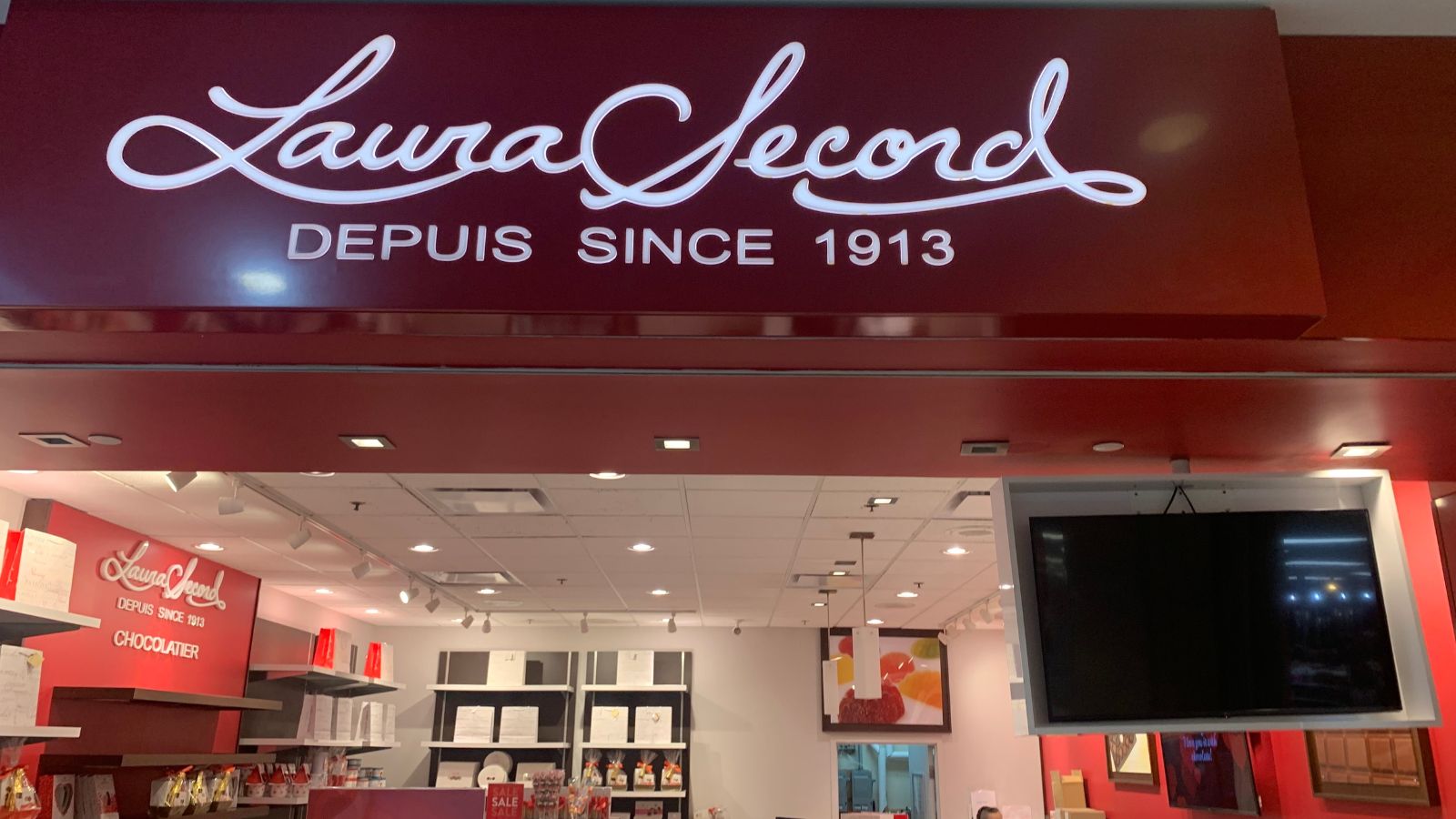
Laura Secord chocolates once had a dependable place in Canadian gift-giving. Boxes appeared at holidays, teacher gifts, hostess visits, office exchanges, and family celebrations. The brand’s stores, founded around a patriotic historical name, made chocolate feel formal without being inaccessible. For many Canadians, a Laura Secord box signalled a thoughtful but safe present: familiar, sweet, and easy to share.
The brand has not disappeared, but the gifting landscape around it has become more crowded. Supermarkets, warehouse clubs, boutique chocolatiers, imported brands, online gift baskets, and premium grocery labels all compete for the same occasions. Mall traffic has also changed, reducing the casual visibility that specialty chains once enjoyed. Laura Secord still carries nostalgic weight, yet it no longer feels as unavoidable as it did when mall-based chocolate counters were a routine stop before birthdays and holidays.
Red Rose Tea Figurines
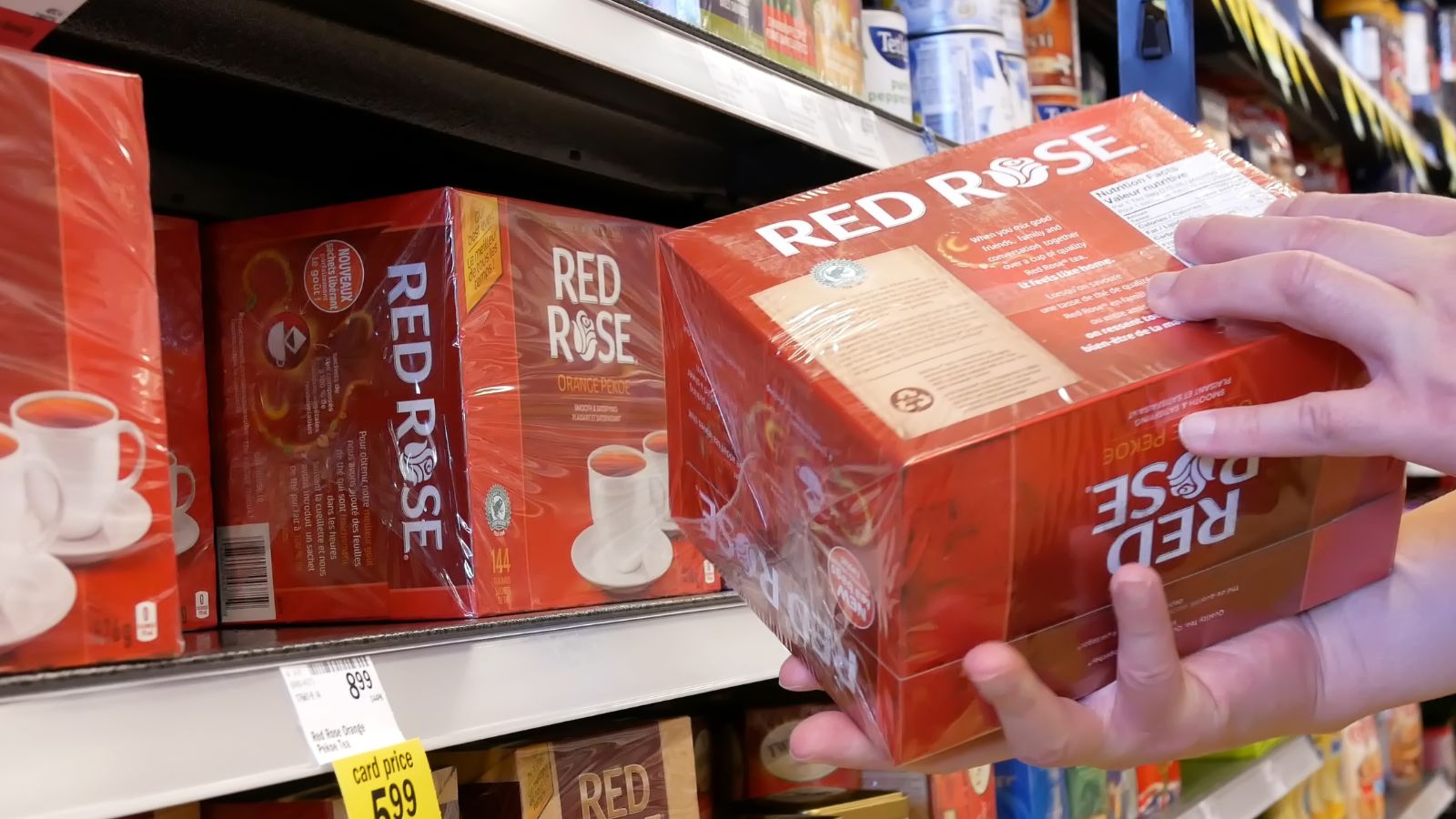
Red Rose tea boxes once offered a small bonus that many Canadian households remembered fondly: collectible ceramic figurines. The Wade figurines tucked into tea packages turned an ordinary grocery product into a quiet collecting habit. They ended up on windowsills, china cabinets, kitchen shelves, and in children’s hands. The appeal was modest but powerful; a practical purchase came with a tiny surprise.
The tradition faded as packaging economics, marketing strategies, and consumer habits changed. Food brands once used physical premiums to build loyalty, but modern promotions lean more heavily on points, contests, digital offers, and limited-edition packaging. Tea itself remains common, and Red Rose is still a recognizable name, but the little figurines no longer define the everyday buying experience. Their afterlife is now strongest in collector groups, thrift stores, and family cupboards where a few animals still sit in a row.
19 Things Canadians Don’t Realize the CRA Can See About Their Online Income

Earning money online feels simple and informal for many Canadians. Freelancing, selling products, and digital services often start as side projects. The problem appears at tax time. Many people underestimate how much information the CRA can access. Online platforms, banks, and payment processors create detailed records automatically. These records do not disappear once money hits an account. Small gaps in reporting add up quickly.
Here are 19 things Canadians don’t realize the CRA can see about their online income.
