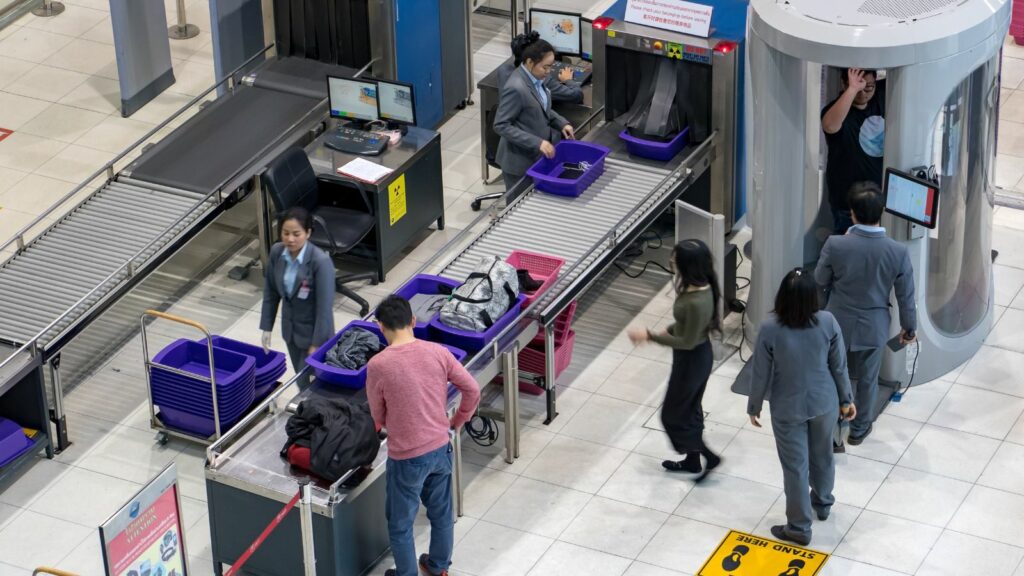
Canadian airports are heading into another busy warm-weather travel season with more passengers, newer screening technology, expanding digital tools, shifting airline fees, and major infrastructure work all arriving at once. A change that saves time at one airport can still cause confusion at another, especially when security lanes, customs systems, and baggage rules are not identical across the country. Before summer travel begins, these 16 airport changes stand out because they affect how Canadians pack, check in, clear security, cross the border, and manage delays.
Security Lines Are Getting Busier Again
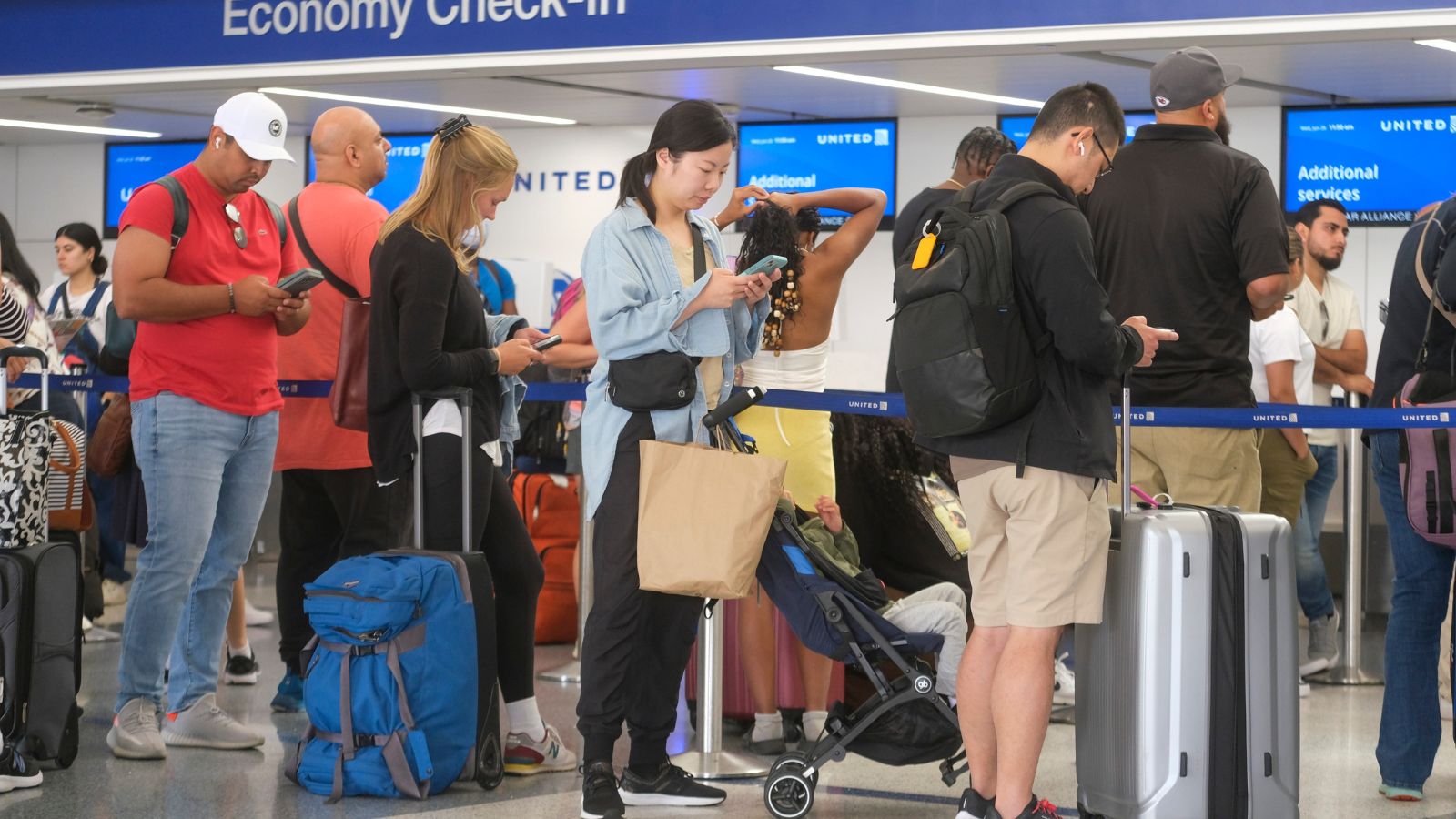
Canadian airport screening volumes are no longer moving like a slow post-pandemic recovery story. CATSA’s corporate planning expects passenger screening to keep rising, with 74.4 million passengers expected in 2025–26 and 77.9 million expected in 2026–27. That matters because even small bottlenecks at security can multiply quickly on Friday mornings, long weekends, and early-summer family travel days.
For Canadians, the practical change is not just “arrive early.” It is that airport routines have less room for improvisation. A traveller who forgets to empty a water bottle, buries a laptop under clothing, or waits to measure a carry-on at the airport can slow down a line that is already absorbing higher demand. The smoother trip now starts before leaving home: checking wait times, packing liquids properly, and assuming peak-hour lines will feel more crowded than they did a few years ago.
CT X-Ray Lanes Are Changing What Comes Out of the Bag
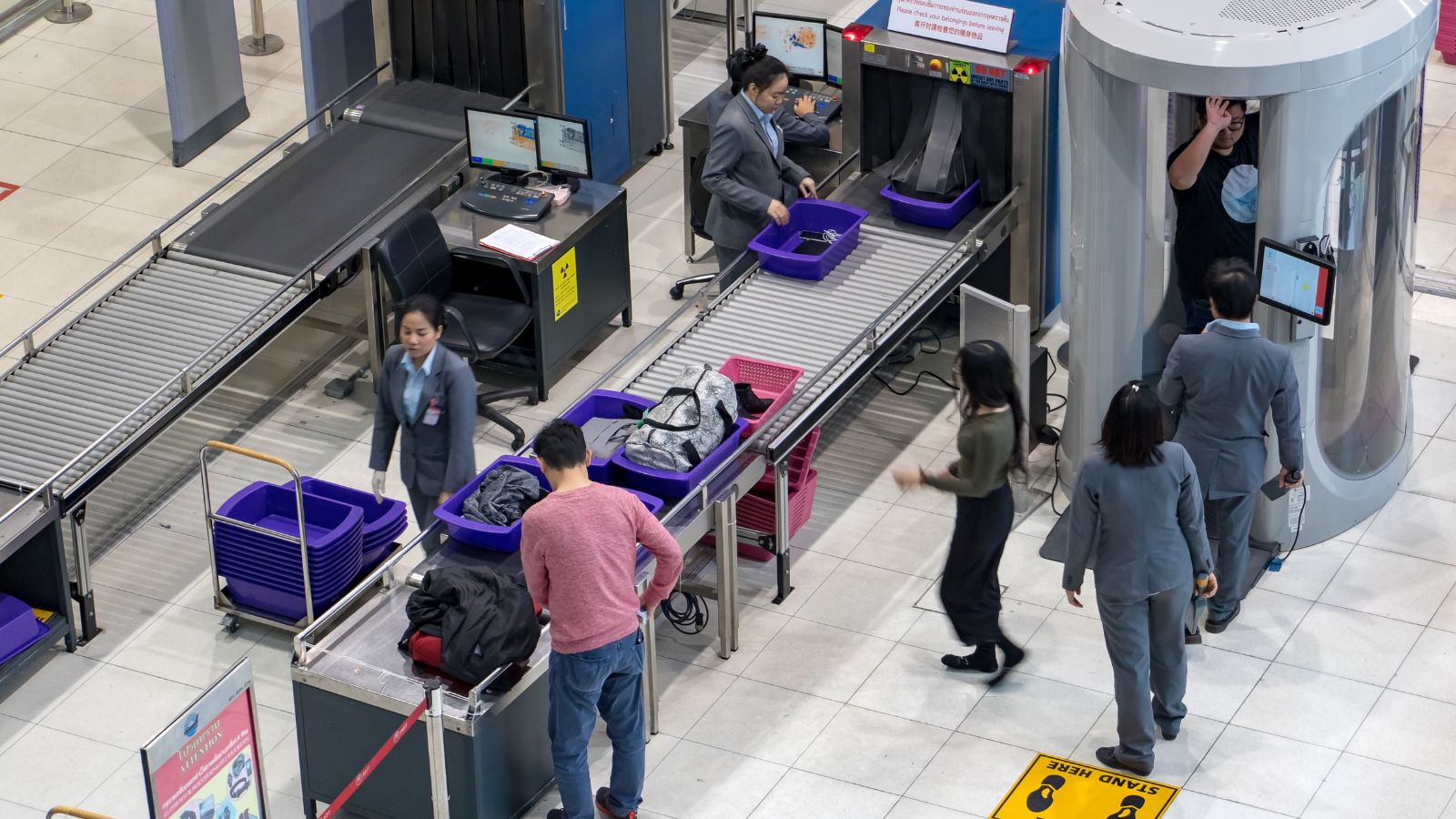
Some Canadian airport checkpoints now use CT X-ray technology, and that can change the old rhythm of security. CATSA says that at CT X-ray lines, travellers may be able to leave liquids and large electronics in their carry-on. At standard X-ray lines, those same items may still need to come out and go in a bin separately. The result is a mixed environment where the rules can feel different from one lane to the next.
That inconsistency is what travellers need to watch. A person who flew through one airport without removing a laptop may still be asked to remove it on the return trip. A family packing sunscreen, tablets, chargers, and snacks should keep screening-sensitive items easy to reach rather than assuming every checkpoint has the same equipment. The best strategy is flexible packing: prepare for the older process, then take the faster CT process when it is available.
The Liquids Rule Has Not Disappeared
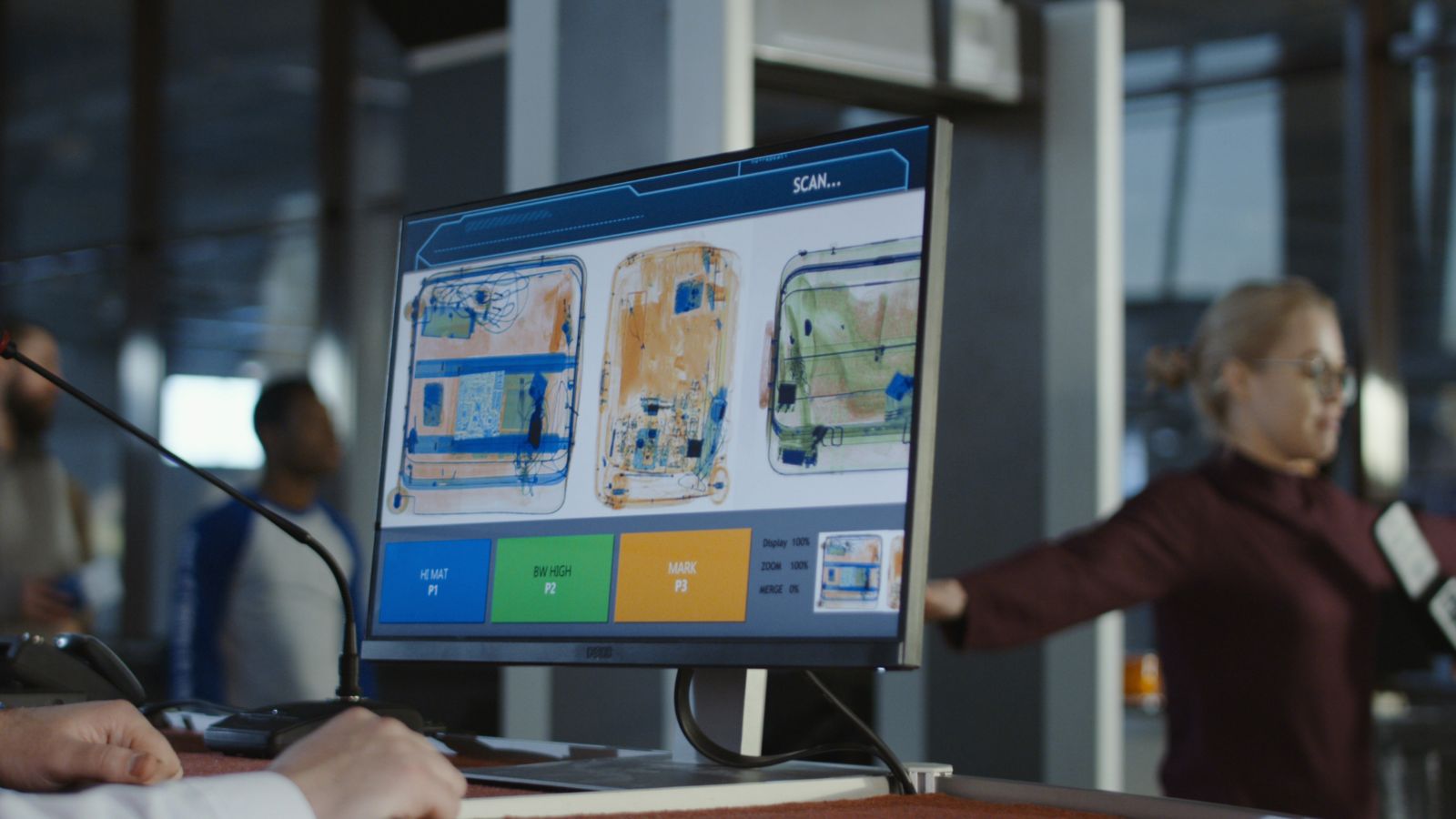
Because CT scanners can make screening feel more modern, some travellers may assume the 100 mL liquids rule has faded away. It has not. CATSA still lists liquids, gels, and aerosols in containers of 100 mL or less as the standard carry-on rule, with those items placed in a one-litre clear resealable bag. The CT-lane difference is mainly about whether the liquids bag can stay inside the carry-on during screening.
That distinction can prevent expensive waste at security. A full-size sunscreen, hair product, maple syrup bottle, or specialty sauce bought before security can still be refused if it does not meet carry-on limits. Summer travel adds more of these borderline items because people pack toiletries, bug spray, sun care, and children’s products. The airport may look more high-tech, but the packing rule remains old-fashioned: small containers, one clear bag, and easy access if officers ask to inspect it.
Verified Traveller Lanes Are Becoming More Important

CATSA’s Verified Traveller program gives eligible passengers a different screening experience at select checkpoints. Verified Travellers include people who have undergone background checks and carry special photo identification cards, such as NEXUS members and certain other eligible groups. The program is designed to move trusted travellers through screening more efficiently while maintaining security standards.
The change is that these lanes are becoming a more noticeable part of airport planning, not just a perk for frequent flyers. A Canadian family with one NEXUS member and three non-members may not always move as one group through the same process, depending on lane rules and airport setup. Business travellers may save meaningful time, while occasional travellers may see a nearby line moving faster and wonder why. Before summer travel, it is worth knowing whether an airport has Verified Traveller lanes and who in the group is actually eligible to use them.
Advance Declaration Can Shorten the Return to Canada
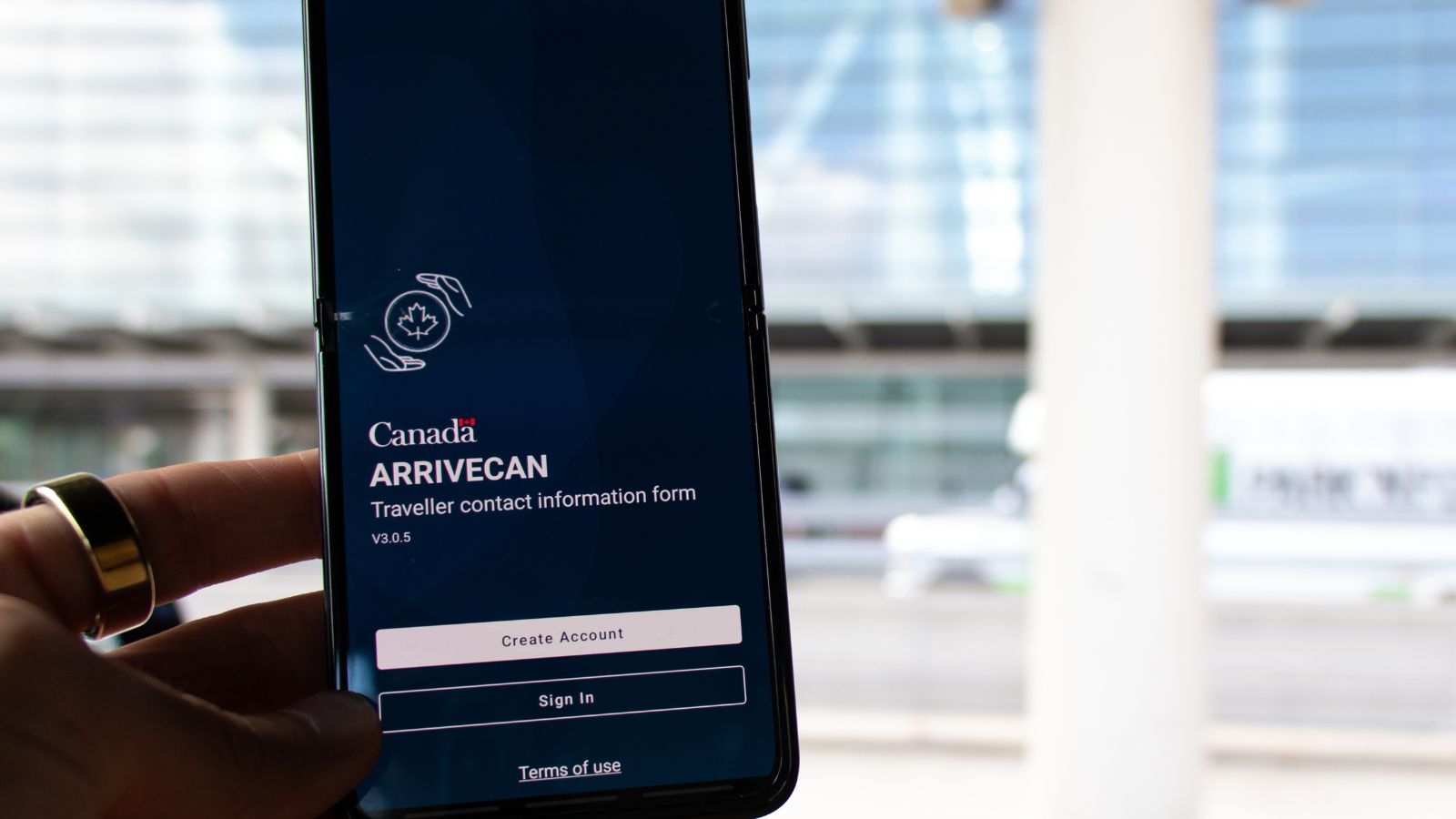
The customs process for returning to Canada has become more digital. CBSA continues to promote Advance Declaration through ArriveCAN, allowing eligible travellers flying into Canada to submit customs and immigration information before arrival. It is optional for many travellers, but it can make the airport arrival feel less like filling out paperwork while tired and more like confirming details already submitted.
The human benefit shows up after a long flight. A Canadian landing from Europe with children, luggage, and a tight domestic connection may save precious minutes by completing the declaration before boarding the inbound flight. It also reduces the chance of rushed mistakes at the kiosk. However, travellers still need to be honest and complete, especially when declaring food, alcohol, gifts, repairs, or purchases. Digital does not mean casual; it simply moves part of the border process earlier.
Kiosks and eGates Have Different Rules for Families
Canada’s major international airports use primary inspection kiosks and eGates for arrivals processing, but they are not identical tools. CBSA says up to five travellers can use one kiosk to submit customs and immigration declarations, while eGates process travellers individually. Children under 14 cannot legally certify their own declaration without an adult and cannot use eGates on their own.
That difference matters during family travel season. A group arriving with grandparents, teenagers, and younger children may need to split differently than expected once they reach the arrivals hall. The most efficient-looking option is not always the correct one for every traveller. Families should decide before landing who is handling declarations, where passports are stored, and which adults are responsible for minors. A few minutes of organization on the plane can prevent a confused shuffle in front of machines while the line builds behind them.
NEXUS Is More Than a Land-Border Shortcut
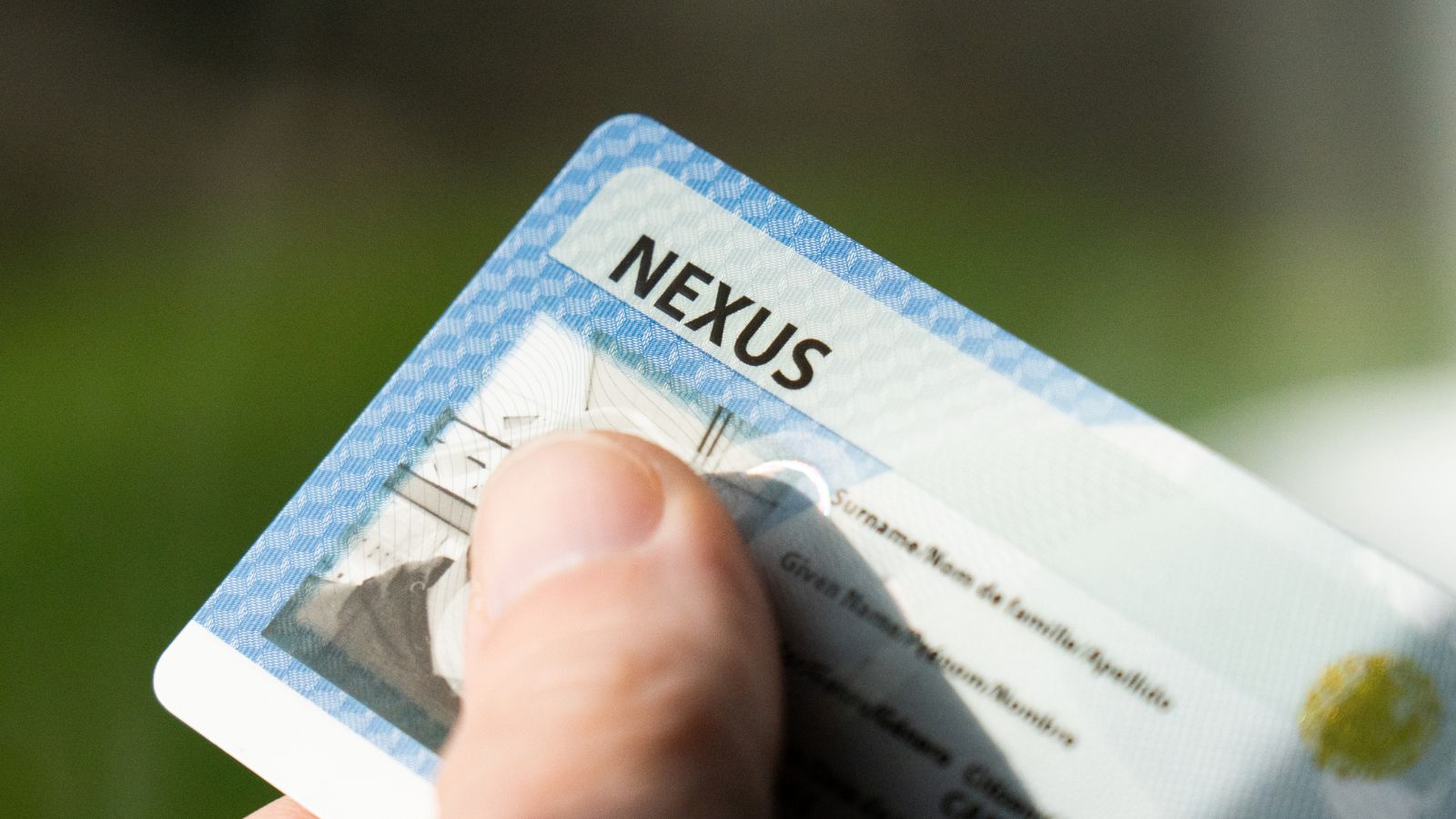
Many Canadians still think of NEXUS as a card for driving to Buffalo, Seattle, or Plattsburgh. At airports, it can also be valuable. CBSA says NEXUS members can use kiosks and eGates at nine designated Canadian airports, and the program also supports faster entry by land and boat. For frequent transborder travellers, that can change the entire airport timeline.
The summer travel angle is simple: NEXUS is most useful when airports are crowded, but it is not something to arrange at the last minute. Membership requires approval and identity verification, and travellers still need to follow customs rules. A NEXUS traveller carrying undeclared goods or the wrong food item can lose far more time than they save. For those already enrolled, the key is remembering the card, knowing the correct airport lanes, and ensuring every eligible family member has their own membership when needed.
U.S. Mobile Passport Control Is Spreading Through Preclearance
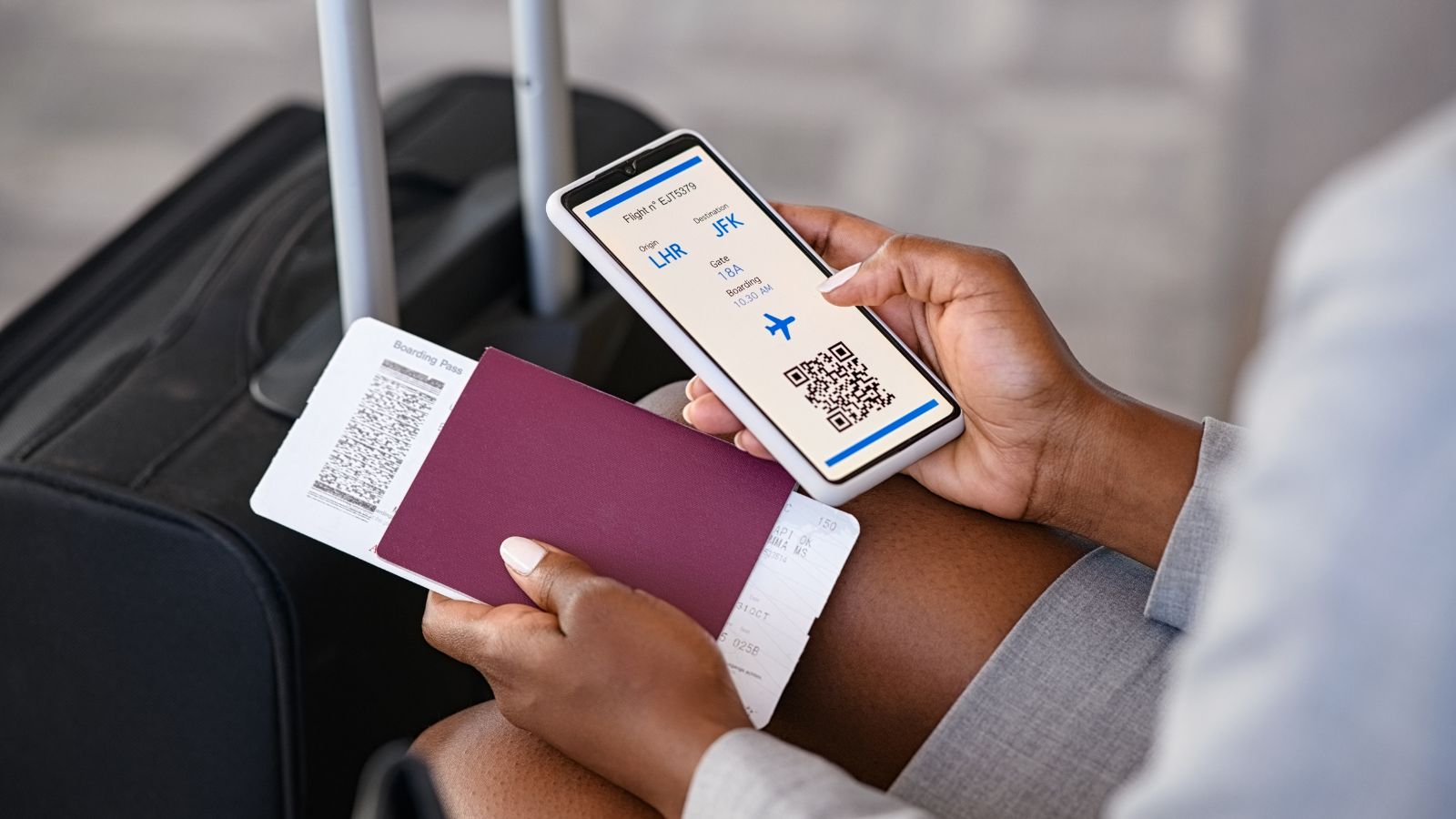
For Canadians flying to the United States, the U.S. border process often happens before departure at Canadian airports with preclearance. Public Safety Canada says U.S. Customs and Border Protection is installing Mobile Passport Control across Canada’s preclearance airports. The CBP app lets eligible travellers submit passport and travel information digitally, which can reduce inspection time where the program is supported.
This can be especially useful at airports such as Toronto Pearson, Vancouver, Montréal, Calgary, Edmonton, Ottawa, Halifax, and Winnipeg, where U.S.-bound morning waves can create heavy preclearance lines. The important detail is eligibility: MPC is not a universal shortcut for every traveller or every immigration status. Canadian visitors using it still need proper documents and must answer inspection questions truthfully. For summer trips to Florida, New York, California, or connecting U.S. hubs, the app can be a quiet time-saver when set up before reaching the airport.
Billy Bishop Has Entered the U.S. Preclearance Era
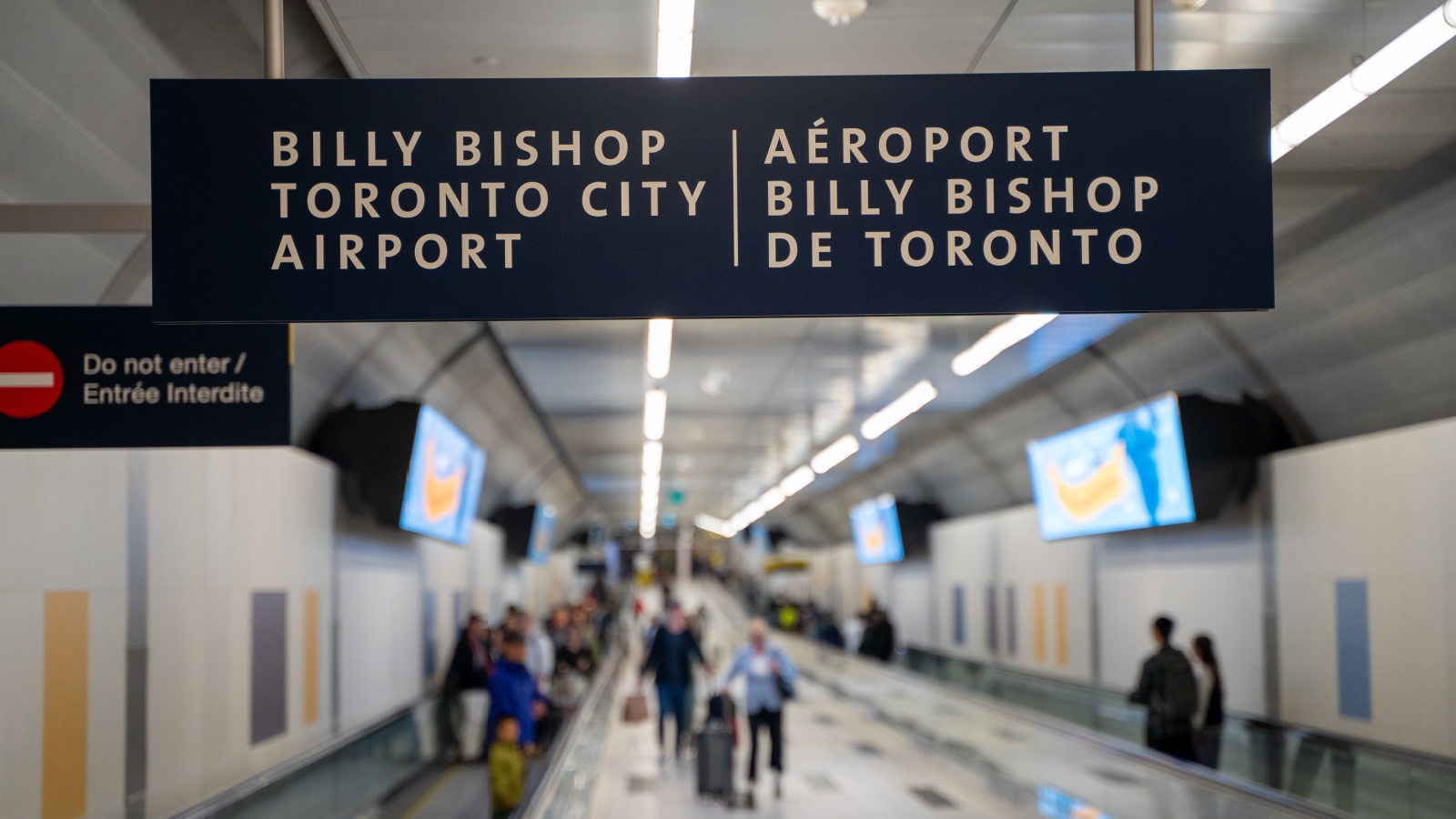
Toronto’s downtown airport has taken on a bigger role for U.S.-bound travel. Billy Bishop Toronto City Airport opened a U.S. preclearance facility in 2026, allowing passengers on eligible U.S. flights to complete U.S. customs and immigration before departure from Canada. That changes the convenience equation for travellers who previously associated preclearance mainly with larger airports such as Pearson.
The shift could make downtown-to-U.S. business and leisure trips feel more direct, but it also changes the timing at the airport. Preclearance is not the same as a normal domestic departure gate. Travellers need to build in time for document checks, inspection questions, and possible secondary review before boarding. For a passenger used to arriving at Billy Bishop shortly before a Canadian domestic flight, the U.S. process may feel more formal and less forgiving. Convenience improves, but only if the schedule allows for border processing.
Pearson’s Big Upgrade May Bring Short-Term Friction
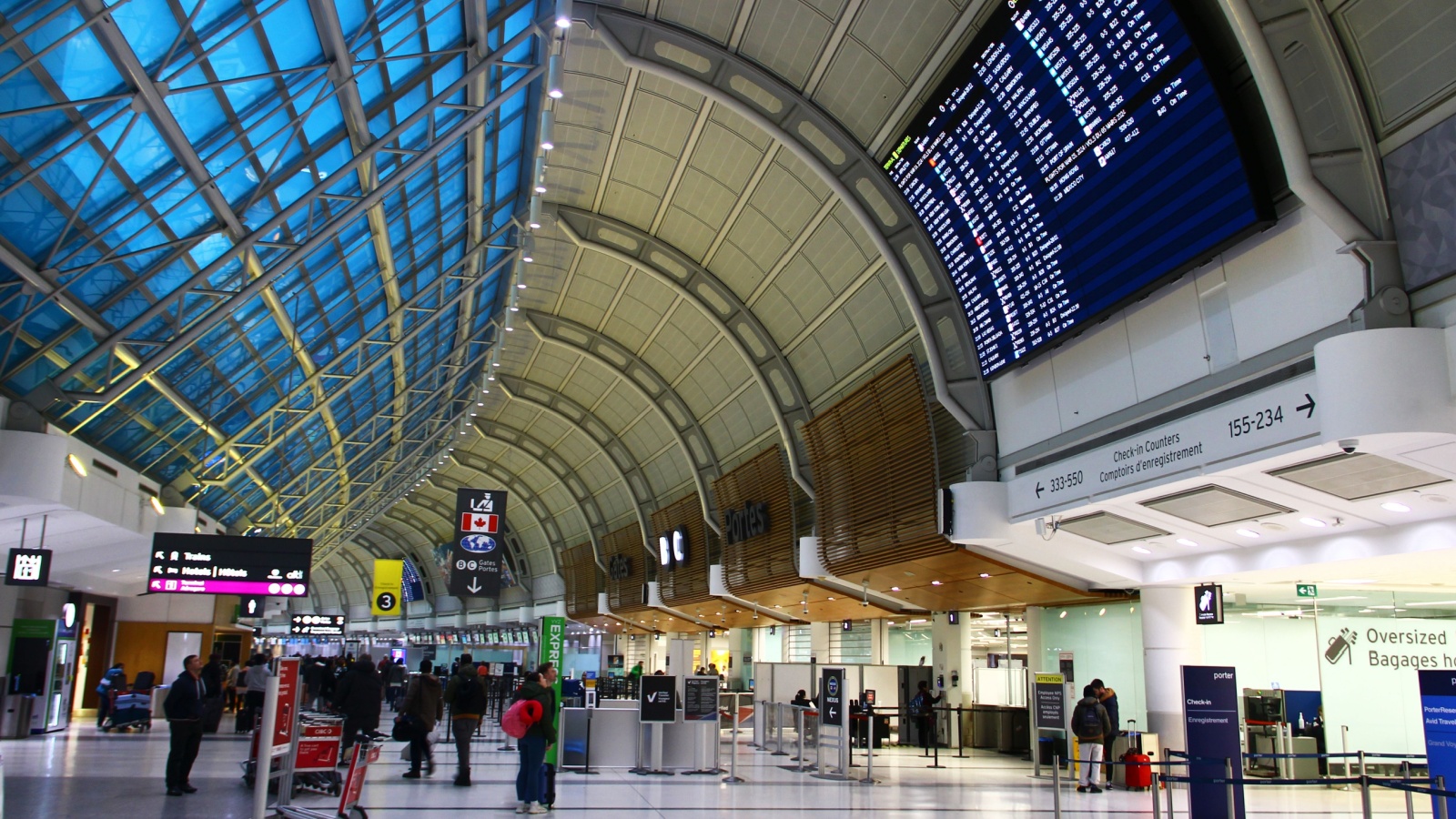
Toronto Pearson has launched a major multi-billion-dollar LIFT infrastructure program. The airport says the work includes upgrades across baggage infrastructure, new baggage carousels in Terminal 1, cameras and sensors to detect baggage issues earlier, greener operations, taxiway improvements, and other modernization projects. Long term, the goal is a more reliable and higher-capacity airport.
Summer travellers, however, often feel infrastructure work before they enjoy the benefits. Construction zones, changed walking routes, temporary signage, and shifting curbside traffic patterns can create small delays that matter during peak travel windows. Pearson is Canada’s busiest air hub, so a baggage or road disruption there can ripple into connections across the country. Anyone connecting through Toronto should avoid overly tight itineraries when possible and pay close attention to terminal, gate, and baggage instructions rather than relying on memory from a previous trip.
Calgary’s Domestic Security Flow Has Changed
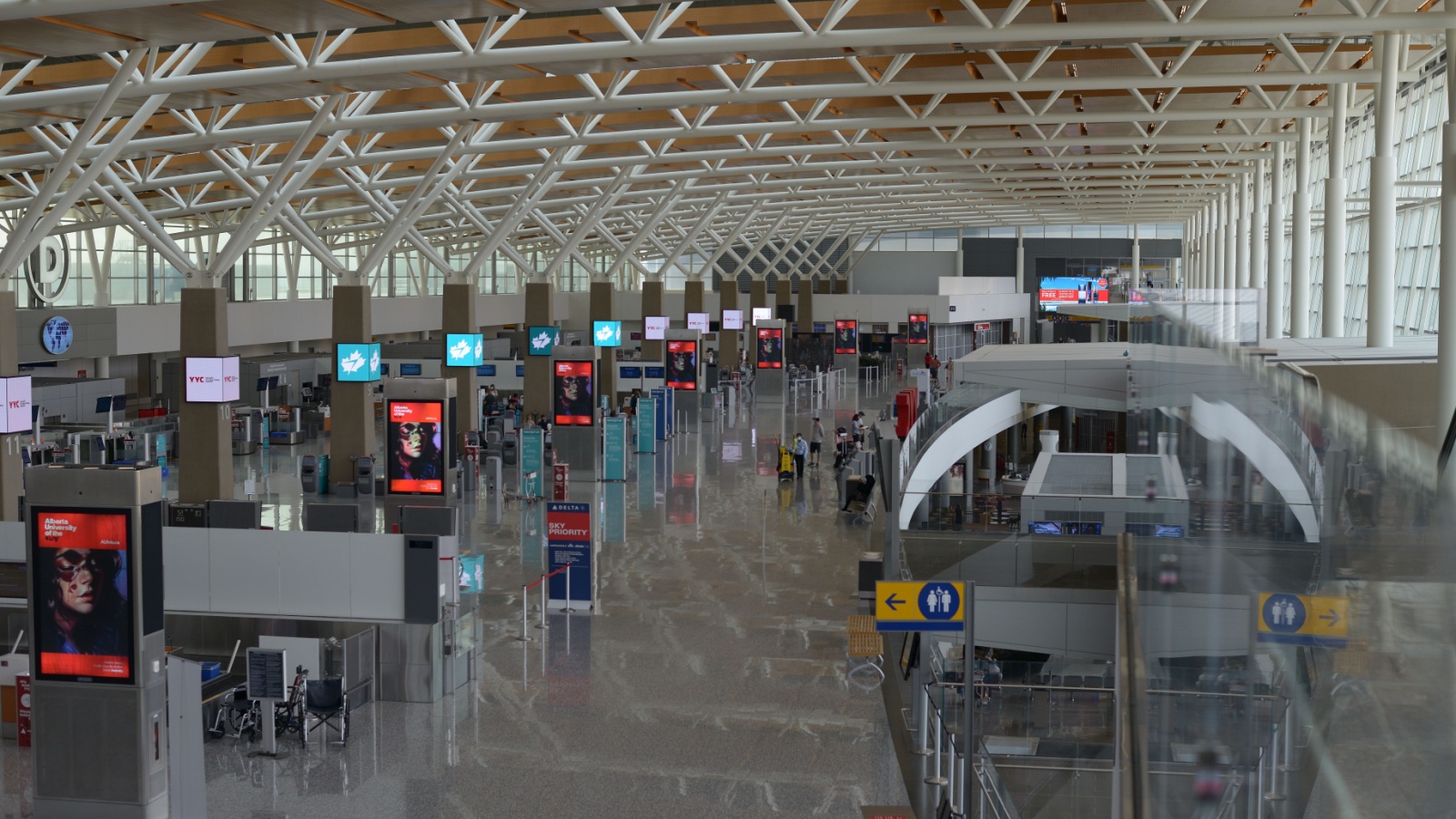
YYC Calgary International Airport has opened Phase One of a centralized domestic security screening area. The airport says the project brings three separate screening points into one streamlined space, with seven lanes in the first phase and stated capacity of about 1,400 to 1,540 passengers per hour. For domestic travellers, that changes how the start of the trip feels inside the terminal.
The benefit is a simpler, more consolidated process, but familiar habits may need updating. Travellers who used to aim for a specific old checkpoint may need to follow new signs and allow time to adjust. The centralized model also means crowding can look different: one larger queue may replace several smaller ones. For families, ski travellers, and Stampede-season visitors moving through Calgary, the key is to follow airport wayfinding rather than autopilot. A redesigned airport process is faster only when passengers move with the new layout.
Montréal-Trudeau’s Rail Link Is Getting Closer, but Not Here Yet

Montréal-Trudeau’s REM airport connection is progressing, with the airport segment reaching testing milestones and reports in 2026 indicating the station remains on track for delivery in 2027. That is meaningful because Montréal has long lacked a direct rail connection between its main airport and the urban transit network. The future trip may be smoother, but summer 2026 travellers are still in the in-between phase.
That transition can be awkward. Construction progress does not necessarily mean a passenger can rely on the train this summer. Travellers should still plan for road access, shuttles, taxis, rideshare pickup, and possible congestion around airport approaches. A visitor seeing headlines about the airport rail link may mistakenly assume it is already operating. It is better to treat the REM as a near-future improvement, not a current backup plan. For now, Montréal airport timing still depends heavily on road conditions and terminal access.
A Second Montréal Airport Option Is Emerging
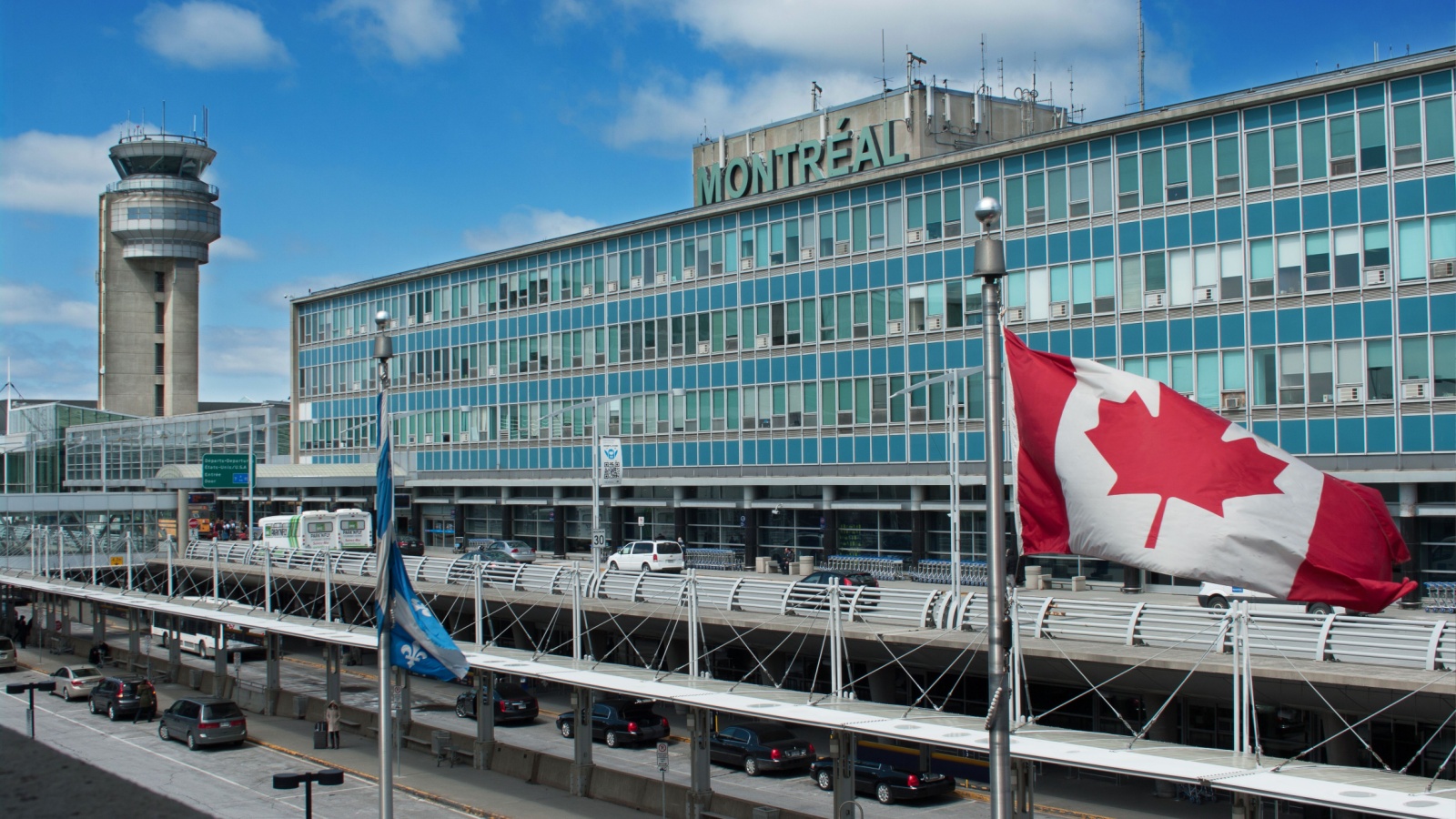
Montréal Metropolitan Airport at Saint-Hubert is preparing a new passenger terminal, with reports indicating a June 2026 opening and early service involving carriers such as Porter and Pascan. This does not replace Montréal-Trudeau, but it adds another airport option in the region and reflects a broader move toward multi-airport systems in large metropolitan areas.
The change can be helpful and confusing at the same time. Travellers searching quickly for a fare may see “Montréal” and overlook which airport is actually listed. That matters for hotels, rental cars, ride costs, and connection plans. A family heading to the South Shore may love the convenience, while someone connecting to an international flight at Montréal-Trudeau may face a difficult airport transfer. Before booking, Canadians should check not only the city name but the airport code, ground transportation, and whether the itinerary involves separate tickets.
Carry-On Fees Are Reshaping the Check-In Counter

Canadian airline fare structures have become more unbundled. Air Canada introduced carry-on fees for some basic-fare passengers on certain North American and Caribbean routes starting in 2025, while WestJet’s UltraBasic fare generally allows only one personal item and restricts carry-on bags except in specified cases. This is not an airport construction change, but it changes what happens at the airport.
The pressure point is the gate. Travellers who buy the lowest fare and arrive with a roller bag may face surprise fees, repacking, or forced checking. A couple who saved $40 on base fares can lose that advantage quickly if both need paid bags. The more airlines separate seat selection, carry-on access, and checked baggage, the more important it becomes to compare total trip cost before booking. Summer travel often includes bulkier clothing, gifts, and sports gear, making the cheapest fare less cheap than it first appears.
Power Banks Need More Careful Packing
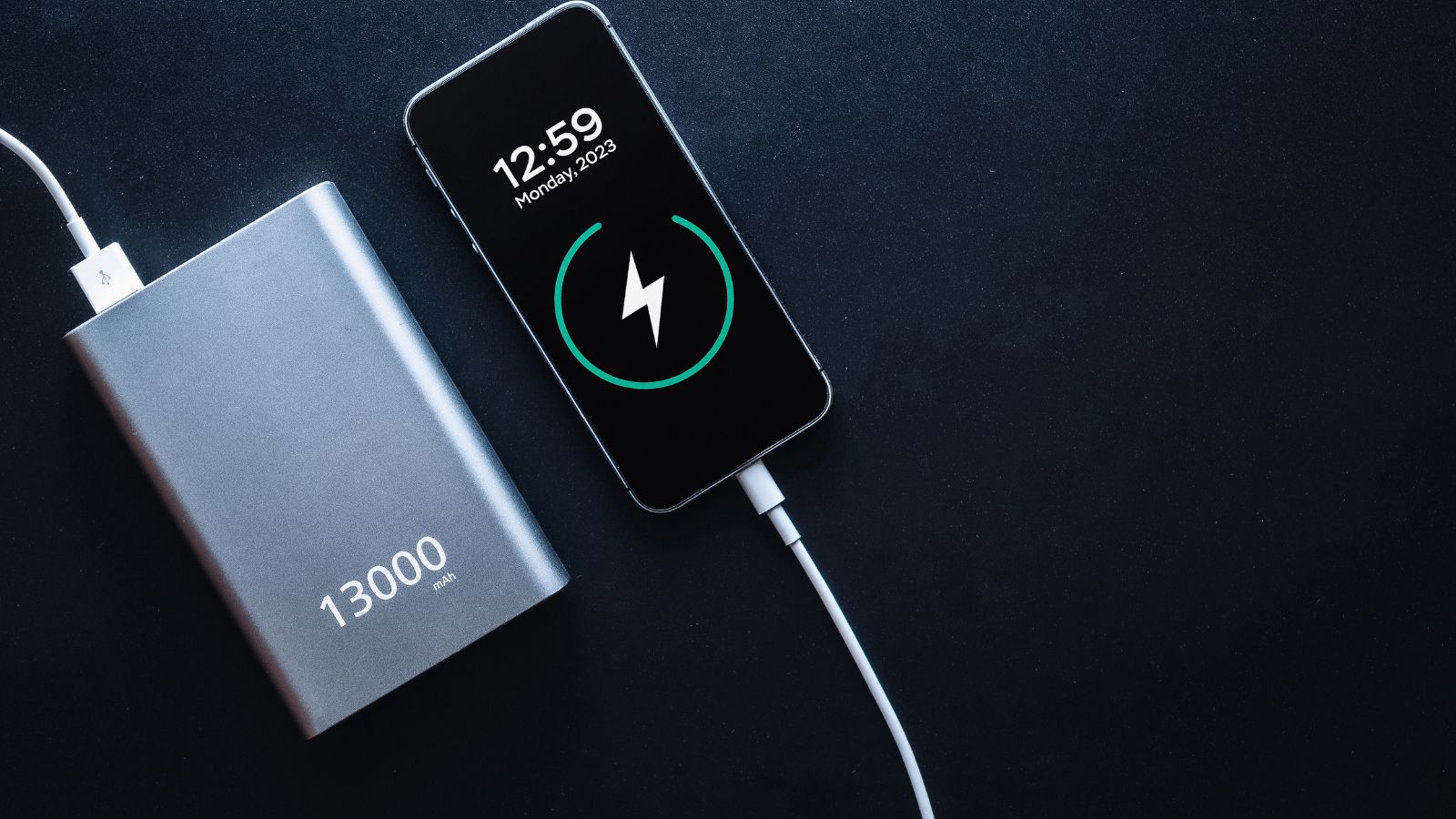
Portable chargers have become summer travel essentials, especially when boarding passes, hotel confirmations, and rideshare apps live on phones. But lithium batteries are closely regulated because of fire risk. CATSA advises spare lithium batteries in carry-on baggage should be protected from short circuits, and battery-related rules can involve airline approval for larger capacities or special treatment for mobility and medical devices.
The practical airport change is that passengers need to know where batteries are before checking a bag. A power bank tossed into a suitcase at home can become a problem if that suitcase is checked. Travellers carrying drones, cameras, CPAP equipment, or multiple chargers should review airline and screening rules before departure. A visible watt-hour label, protected terminals, and carry-on placement can prevent delays. With more devices travelling in every family bag, batteries are no longer a niche issue for photographers and business travellers.
Digital ID and Facial Recognition Are Expanding

Air Canada’s Digital ID system uses facial recognition through its mobile app for selected airport experiences, including boarding certain flights and accessing some lounges. YVR has also described expanded biometric technology in its U.S. preclearance environment. These tools are designed to reduce document handling and speed up identity checks, but they also introduce a different kind of airport decision.
Travellers now need to decide how comfortable they are with optional biometric systems and what backup documents they still need to carry. A phone-based identity flow can feel seamless until the device battery dies, the app fails, or a traveller is not eligible. The safest approach is to treat digital ID as a convenience, not a replacement for passports and required identification. For Canadians who value speed, it may be attractive; for those with privacy concerns, it is worth reading the consent and data-use details before enrolling.
Passenger Rights Are Still in Motion

Canada’s air passenger rights framework remains an important watch point before summer travel. The Canadian Transportation Agency’s materials explain compensation, refunds, rebooking, and baggage rules under the Air Passenger Protection Regulations, while recent government and media reporting has highlighted ongoing reform efforts, complaint backlogs, and stronger maximum penalties for airline violations. The rules can affect what happens when flights are delayed, cancelled, overbooked, or baggage goes missing.
The airport impact is emotional as much as procedural. During a summer disruption, passengers often line up at customer-service counters without knowing whether they are owed a meal voucher, rebooking, refund, or compensation. The answer can depend on the cause of the disruption, the length of the delay, airline size, and whether the issue was within the carrier’s control. Travellers should save boarding passes, receipts, screenshots, and written airline explanations. In a crowded airport, documentation can matter as much as patience.
19 Things Canadians Don’t Realize the CRA Can See About Their Online Income

Earning money online feels simple and informal for many Canadians. Freelancing, selling products, and digital services often start as side projects. The problem appears at tax time. Many people underestimate how much information the CRA can access. Online platforms, banks, and payment processors create detailed records automatically. These records do not disappear once money hits an account. Small gaps in reporting add up quickly.
Here are 19 things Canadians don’t realize the CRA can see about their online income.
