
Canadian grocery aisles have become a place where the package looks familiar, but the value sometimes feels different. Shrinkflation has turned ordinary shopping into a closer reading exercise, with shoppers comparing grams, millilitres, sheet counts, serving sizes, and “family size” labels more carefully than ever.
These 20 everyday products reflect the kinds of items Canadians often point to when they say packages seem to have shrunk without becoming cheaper. Some changes are subtle, others are easier to spot on a shelf, but all show why unit pricing and package-size awareness now matter as much as the sticker price.
Potato Chips
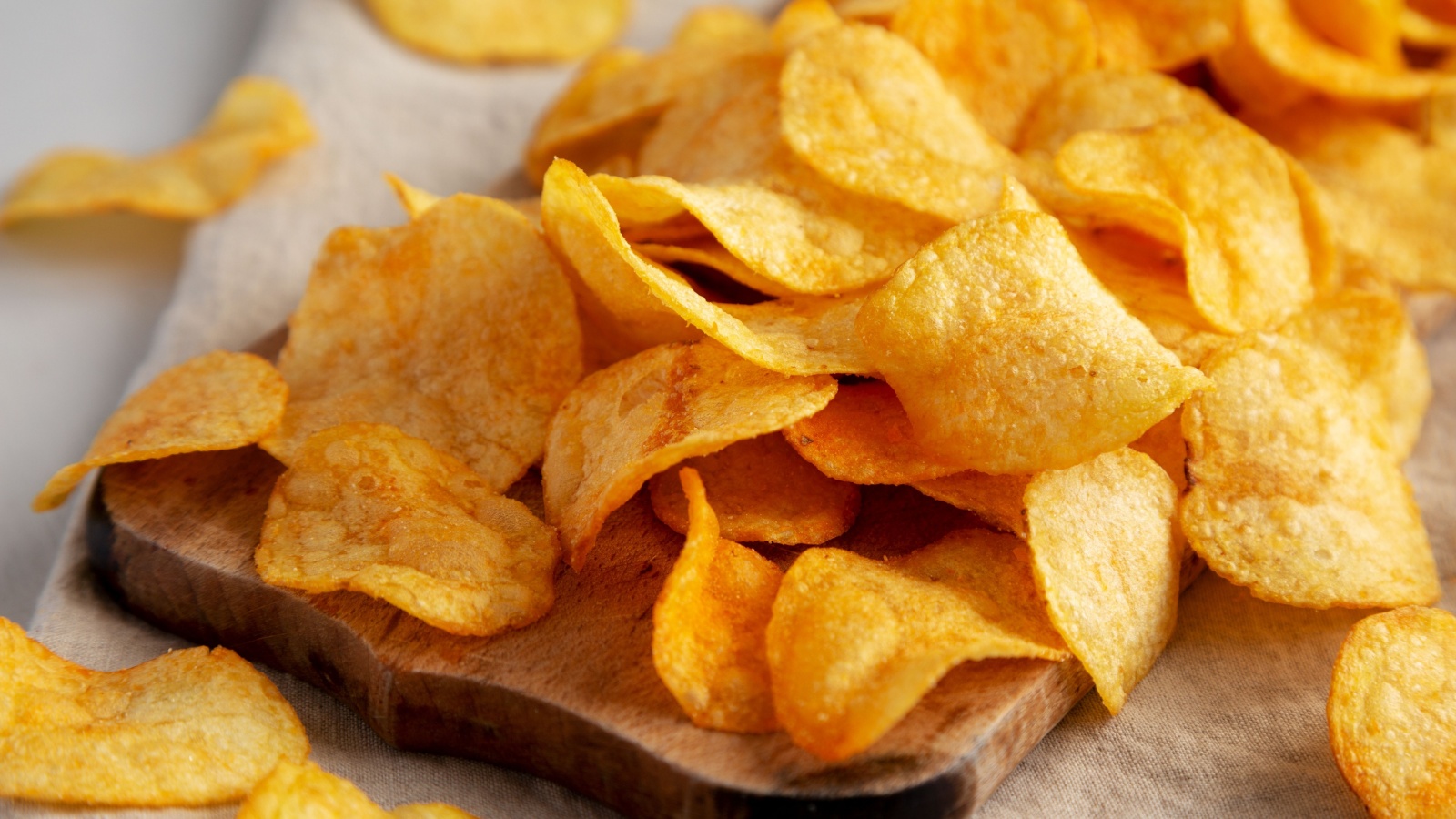
Potato chips are one of the most visible shrinkflation complaints because the bag itself often looks nearly the same while the weight printed near the bottom changes. Canadian shoppers have repeatedly noticed that familiar snack bags can hold fewer grams than older versions, even when the shelf price does not feel meaningfully lower. The effect is especially frustrating because chips already come with a lot of air space for protection, making it harder to judge value by sight alone.
The smaller bag also changes how a household uses the product. A snack once stretched across a movie night, lunch boxes, or a weekend gathering may now disappear faster. For families comparing prices across brands, the key number is not the sale tag but the cost per 100 grams. That tiny shelf-label figure often reveals the real increase hiding behind the familiar logo and bright packaging.
Breakfast Cereal
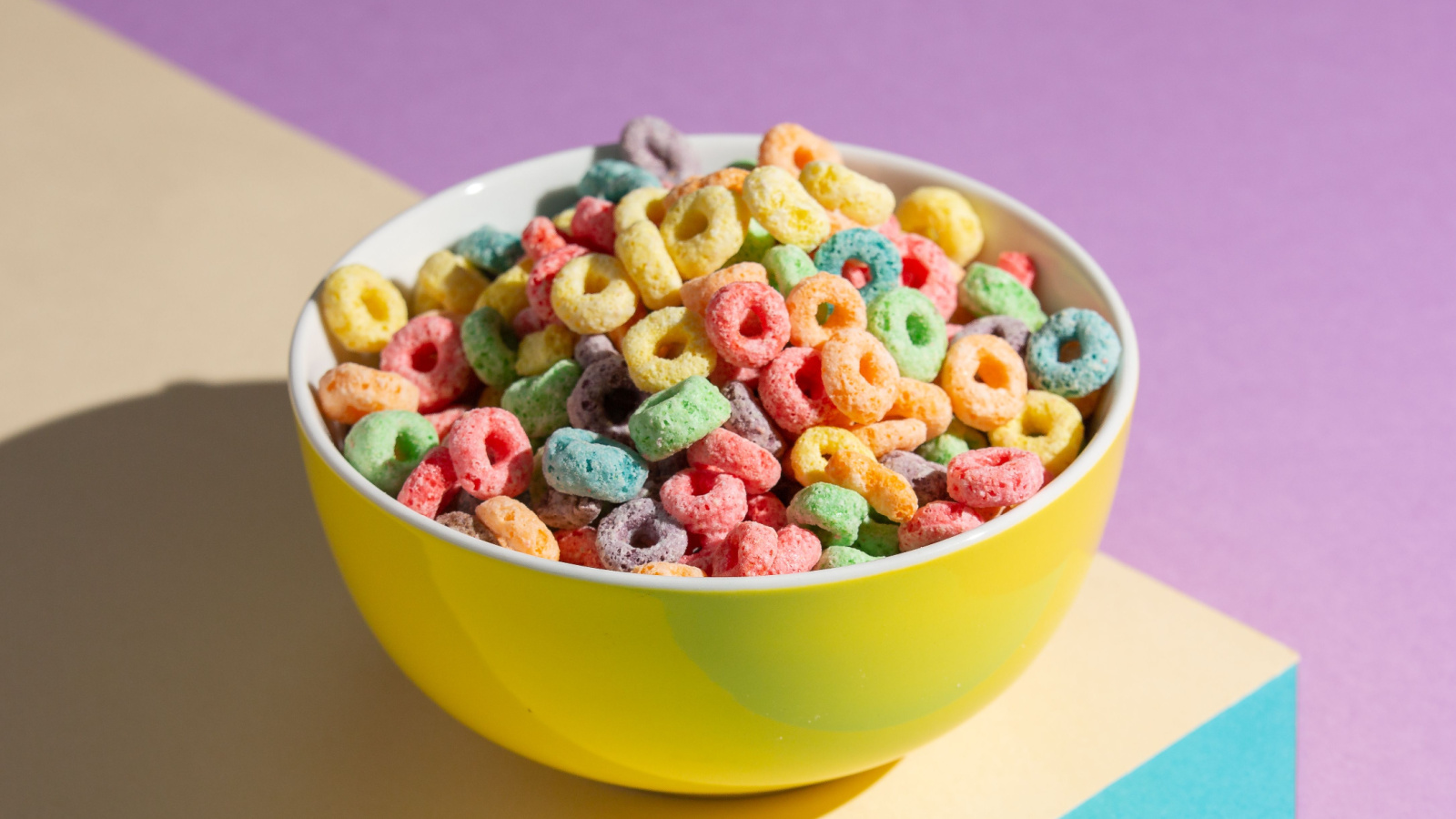
Cereal boxes are often tall, colourful, and designed to dominate pantry shelves, which makes shrinkflation harder to spot. A box may keep a similar height or front-panel design while containing fewer grams inside. Since cereal is purchased repeatedly by families, even a modest reduction can become noticeable over a few months, especially when children go through a box more quickly than expected.
The frustration comes from habit. Many shoppers buy the same cereal without checking the net weight every trip, assuming the household routine has not changed. When the bowl count drops but the price tag stays steady, it feels like a quiet price increase. Cereal also illustrates why large packaging can be misleading: the box may look generous, but the meaningful comparison is weight, servings, and price per 100 grams.
Granola Bars
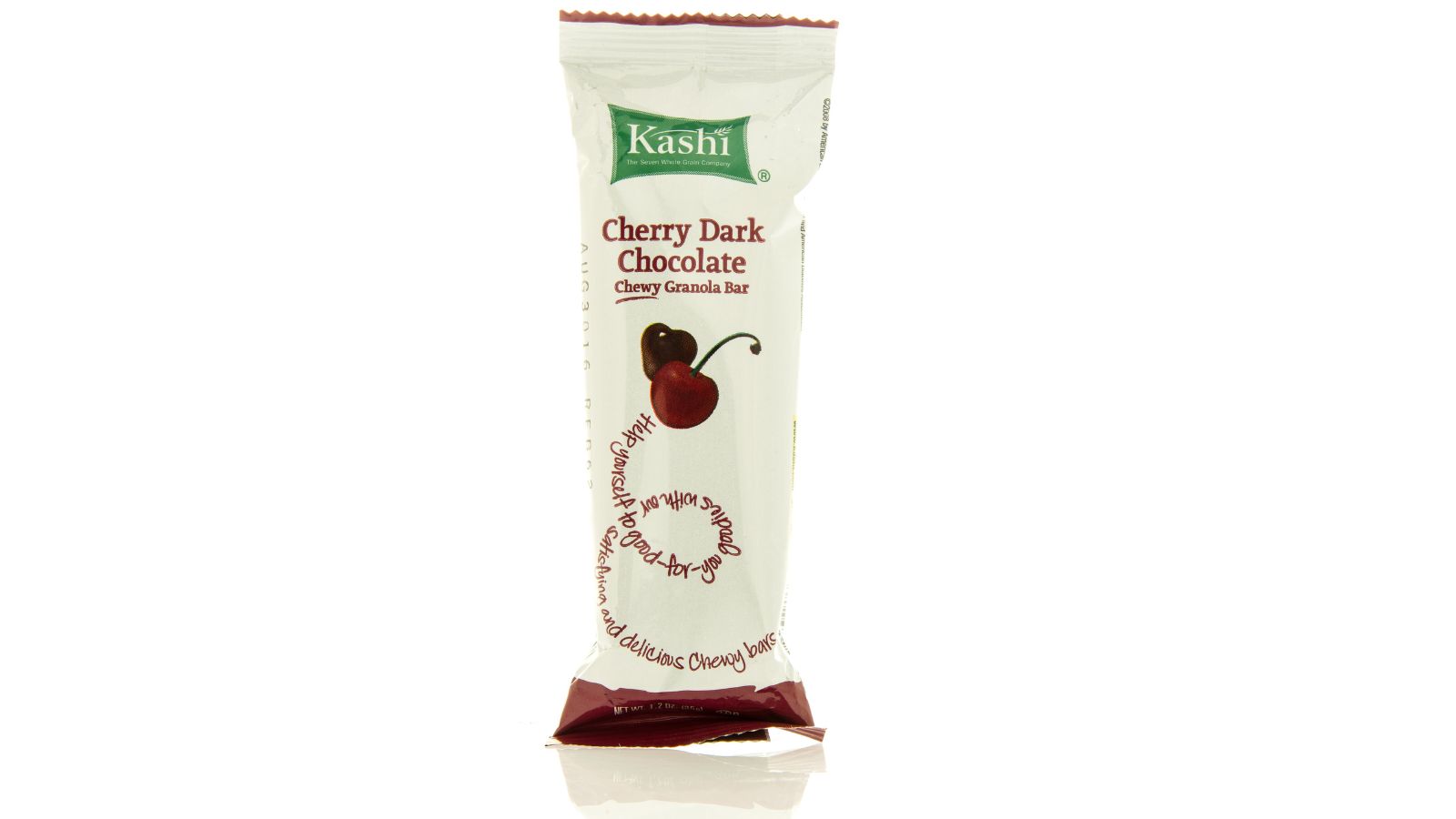
Granola bars are a classic lunch-box item, which makes size changes especially easy for parents to notice. A box that once felt like it covered the school week may suddenly run out sooner, either because the bars are smaller or because the count inside has changed. Canadian reports have specifically highlighted granola bars among products where quantity reductions turned a familiar purchase into a poorer value.
This kind of shrinkflation feels personal because the product is often planned into routines. Families may buy a box expecting five workdays of snacks, only to find that the math no longer works as neatly. Smaller bars can also make the nutrition panel look less alarming per serving, but the shopper still pays for less total food. Checking both bar count and total package weight is the simplest way to catch the change.
Chocolate Bars
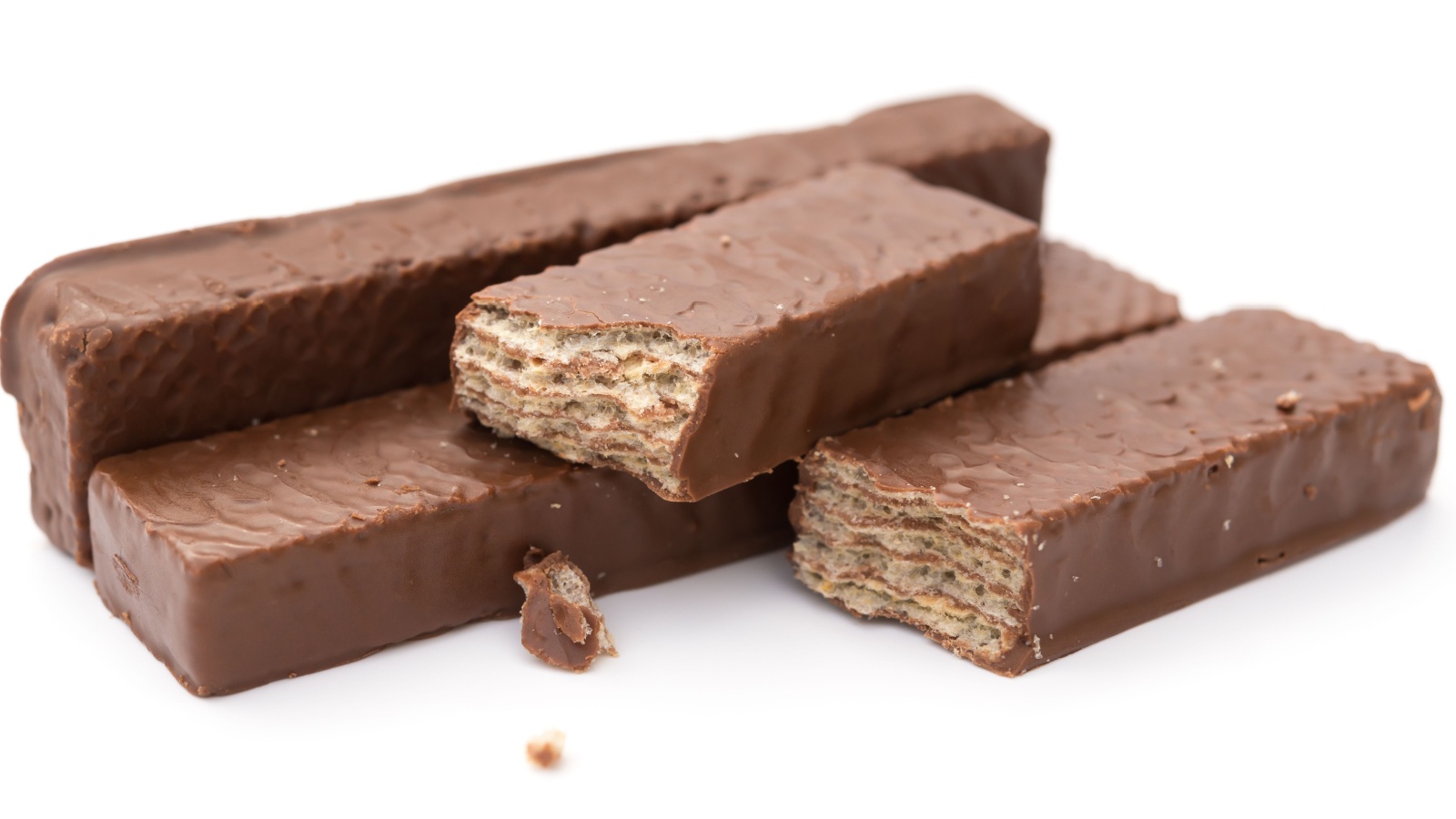
Chocolate bars have long been vulnerable to downsizing because cocoa, sugar, dairy, energy, and transportation costs all affect production. When chocolate becomes more expensive to make, brands can raise prices outright or reduce the size of the bar. Shoppers often notice when a bar feels thinner, shorter, or lighter, even if the wrapper design remains nearly unchanged.
The emotional reaction is stronger than the dollar amount suggests. Chocolate is often an impulse purchase, a small treat added at the checkout or picked up with coffee. When the treat becomes smaller without feeling cheaper, it signals that even little indulgences are being squeezed. In confectionery, the best comparison is the price per 100 grams, because “single,” “king,” and “share” sizes can change over time.
Cookies

Cookies are another product where shrinkflation can appear as fewer pieces, smaller pieces, or a lighter package. A tray may look familiar, but the total weight may be lower than older versions shoppers remember. Canadian coverage has pointed to cookies as a category where package reductions can quietly mask a higher unit price, especially when the product remains on promotion or keeps the same shelf space.
The change can be surprisingly obvious at home. A package opened for guests, kids, or after-dinner snacks may not last as long as it once did. That matters because cookies are often bought for sharing, not just individual consumption. A reduction of a few cookies may seem small on paper, but it can change whether one package is enough for a household occasion.
Crackers
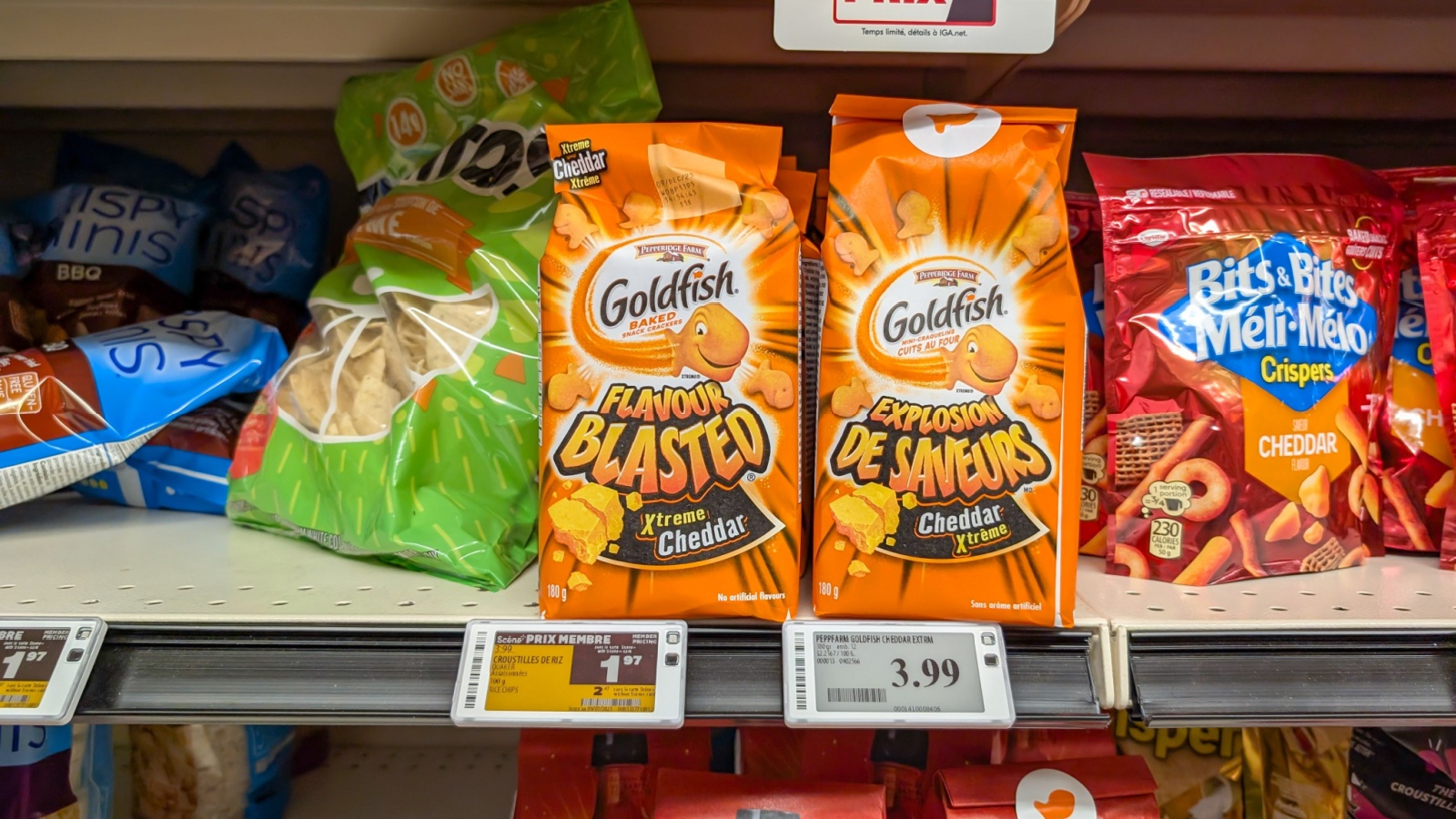
Crackers are highly prone to subtle changes because they are sold by weight, arranged in sleeves, and often packed inside boxes that do not reveal much from the outside. A shopper may notice that a sleeve feels lighter, contains fewer crackers, or empties faster during lunches and snacks. The box can still appear substantial because the cardboard dimensions are not always reduced in proportion to the food inside.
The practical impact shows up in meal planning. Crackers often accompany cheese, soup, spreads, or packed lunches, so a smaller box can force another purchase sooner. For Canadians already watching grocery budgets, that means the real cost is not only the price paid today but the shorter replacement cycle. Comparing grams across brands can reveal whether a sale is genuinely good or just attached to a smaller box.
Cheese Blocks
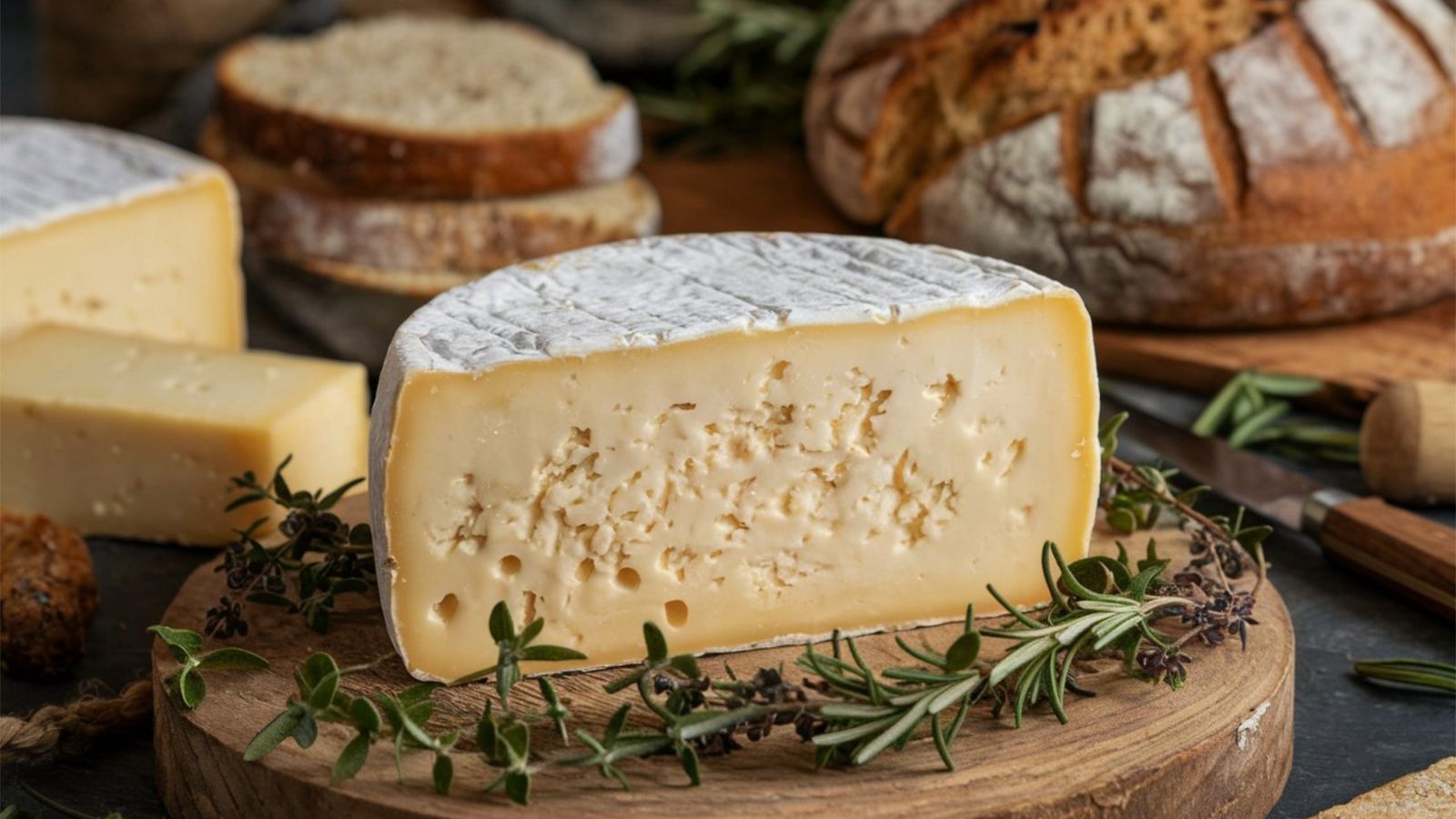
Cheese is one of the grocery items where shoppers tend to remember old package sizes. Blocks that were once larger can become smaller while the front-of-package presentation remains familiar. Canadian reporting has cited cheese among products affected by quantity changes, and the difference is easy to feel when grating, slicing, or packing lunches.
Because cheese is expensive per kilogram, even a modest reduction can matter. A smaller block may no longer cover a week of sandwiches, pasta, omelettes, or school snacks. It also makes promotions harder to judge, because a “deal” on a smaller block may be less attractive than a regular price on a larger one. The clearest comparison is the per-kilogram price, not the bold sale price on the shelf.
Yogurt Cups and Tubs

Yogurt can shrink in several ways: individual cups may get smaller, multipacks may change count, or tubs may contain fewer grams. Because yogurt is associated with breakfast, snacks, and children’s lunches, shoppers notice when the product disappears faster. International and Canadian coverage of shrinkflation has frequently pointed to yogurt as an example of a common grocery product where size changes can pass quietly.
The challenge is that yogurt packaging still looks familiar from a distance. A tub may fit the same fridge space, and a multipack may keep the same outer shape. The real change is often tucked into the fine print. That is why shoppers comparing yogurt need to look at both total grams and price per 100 grams, especially when flavoured, high-protein, and children’s formats are priced differently.
Ice Cream Tubs

Ice cream tubs can be a particularly frustrating shrinkflation example because the container looks like a treat meant for sharing. A tub that once felt large enough for a family dessert may now hold less, while the freezer footprint looks similar. Shoppers often notice the change when scooping for several people and realizing the container is nearly empty after fewer servings.
This product also shows how shape can soften the perception of downsizing. A rounded lid, taller container, or redesigned base can make a package look familiar while the volume changes. Ice cream is sold in litres or millilitres, so checking volume is essential. In a freezer aisle crowded with sales, the better bargain is not always the lowest sticker price; it is the lowest price per litre.
Coffee
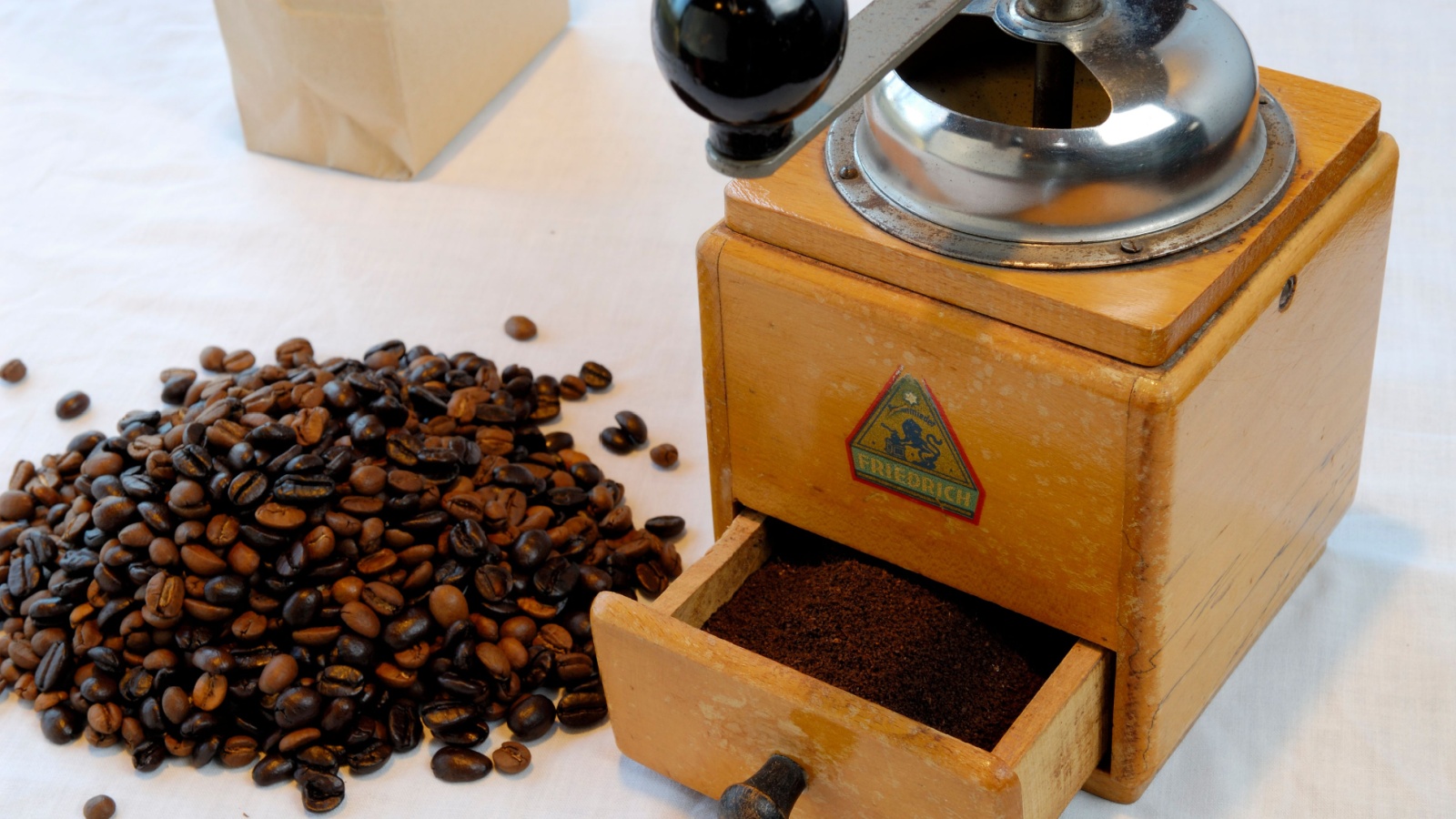
Coffee has become a high-sensitivity item because many households buy it weekly or monthly and notice both price increases and package-size changes. Statistics Canada reported sharp coffee price pressure in 2025, and global coffee costs have been affected by weather and supply issues. When a bag or canister contains fewer grams, the change hits consumers who rely on coffee as a daily staple.
The shrinkflation effect is easy to miss because coffee packaging varies widely: whole bean, ground, pods, instant jars, and premium blends all use different formats. A familiar-looking bag may move from one weight to another while the shelf price remains psychologically anchored. For regular coffee drinkers, the cost per cup depends heavily on grams, not brand loyalty or package appearance.
Orange Juice

Orange juice is a product where packaging design can make downsizing hard to detect. Bottles may keep a similar height or grip shape while holding less liquid, and the hollowed base or redesigned contour can hide the change. Canadian reporting has specifically described orange juice packaging as an example of how product volume can be reduced while the bottle still appears familiar.
The impact is practical because juice is often poured without measuring. A carton or bottle that once lasted through several breakfasts may empty sooner, making the grocery bill feel harder to explain. For families, the price per litre matters more than the front label or the refrigerated display. Juice also competes with other beverages, so a smaller format can quietly push shoppers toward concentrates, frozen options, or store brands.
Soft Drinks

Soft drinks often shift through package architecture rather than obvious one-for-one shrinkage. Cans may come in smaller formats, bottles may change volume, and multipacks may adjust count while keeping promotional language such as “mini,” “slim,” or “party pack.” Smaller portions can be marketed as convenient or calorie-conscious, but they can also raise the price per litre.
For Canadians buying soft drinks for gatherings, lunches, or home stock-ups, the unit price is the useful anchor. A smaller can may look cheaper at checkout, but the cost per litre can be higher than a larger bottle or warehouse pack. This is where shrinkflation overlaps with marketing: the smaller size may serve a real consumer preference, while still making the product more expensive by volume.
Pasta
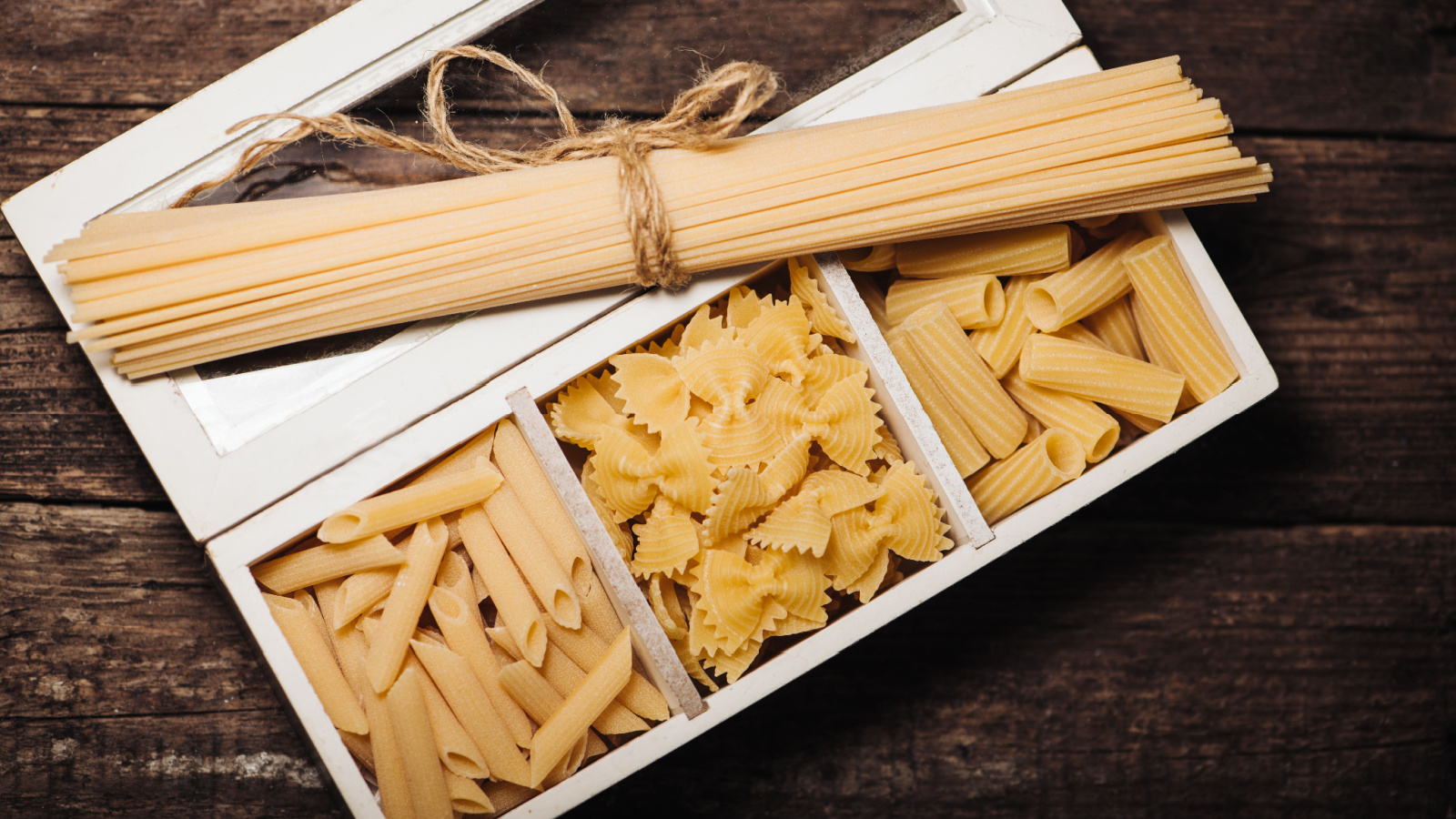
Dry pasta is a pantry staple, which makes package-size changes especially noticeable over time. A bag or box that once made multiple family meals may no longer stretch as far. Pasta is also easy to compare because it is usually sold by weight, yet shoppers often buy familiar shapes and brands automatically without checking whether the net weight has changed.
The pressure feels sharper because pasta is supposed to be one of the affordable basics. When a package shrinks, the household may need to open a second bag for the same dinner, turning a subtle change into an obvious annoyance. Price per 100 grams is the best guide, especially when comparing name brands, private labels, imported varieties, and higher-protein versions that may come in different sizes.
Rice

Rice is another staple where small packaging changes can affect household planning. Large bags remain common, but smaller pantry bags and specialty rice formats can vary widely in weight. A package that looks similar on the shelf may no longer contain the amount a family expects, particularly in premium categories such as basmati, jasmine, arborio, or microwave-ready pouches.
Because rice is often used as the base of meals, shrinkflation shows up in the number of servings rather than the first purchase price. A smaller bag may mean fewer dinners, fewer leftovers, or a quicker return to the store. For budget-conscious shoppers, the best comparison is price per kilogram, while convenience pouches should be judged separately because they often carry a much higher unit cost.
Soup Cans
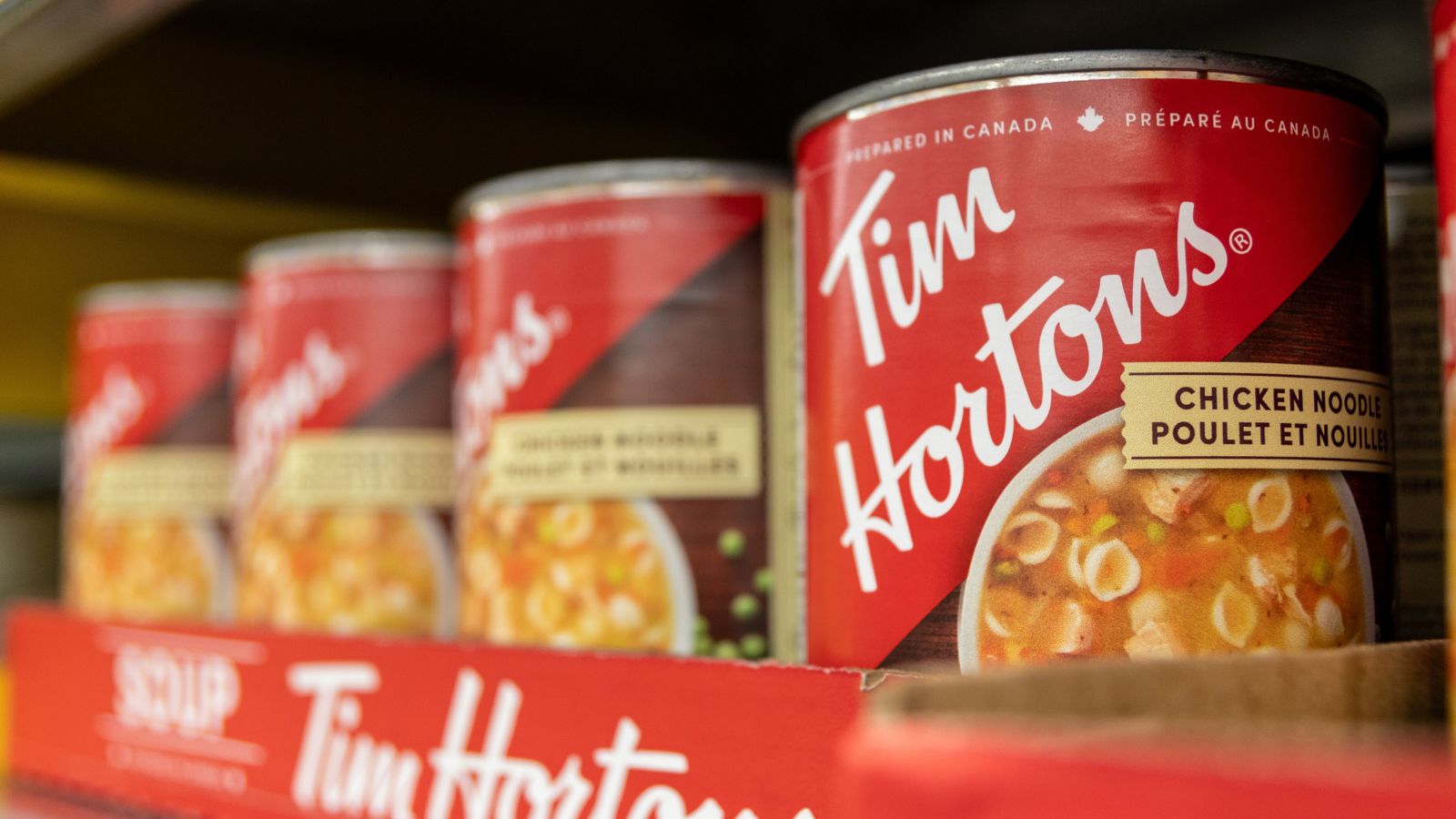
Canned soup is a familiar pantry product, and that familiarity makes shrinkflation easy to overlook. Cans may retain similar labels, shelf placement, and promotional pricing while the net volume or serving assumptions change. Shoppers may not notice until a can no longer fills the same bowl or stretches as well when used in casseroles, sauces, or quick lunches.
Soup also highlights how serving sizes can shape perception. A label may suggest a certain number of servings, but families often use the whole can at once. If the can becomes smaller, the practical value falls even when the price seems stable. Comparing millilitres and price per 100 millilitres helps reveal whether a multi-buy promotion is actually better value or simply a smaller can in familiar clothing.
Canned Tuna
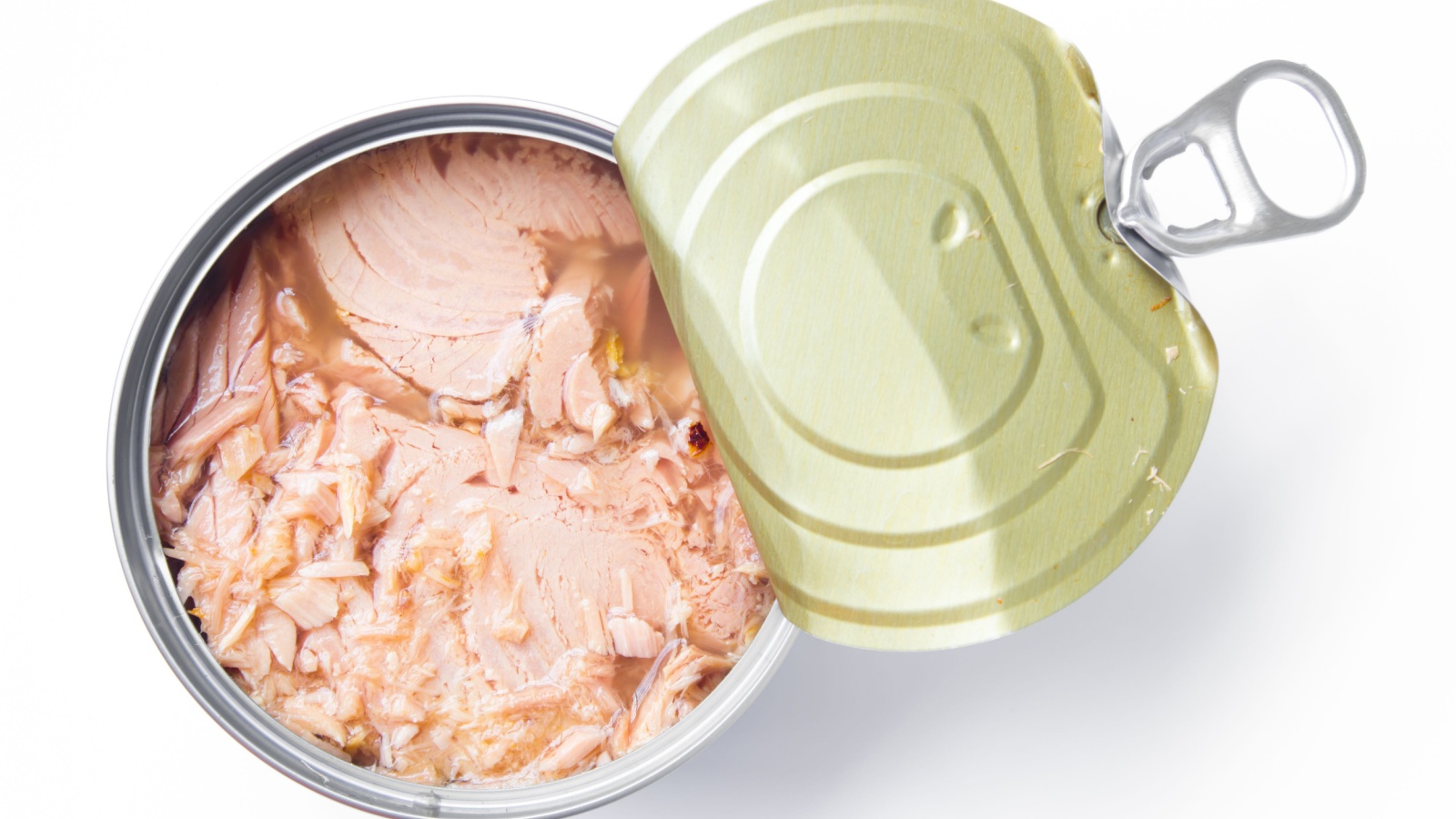
Canned tuna has long been watched by shoppers because drained weight, water content, and can size all affect value. Two cans may look similar, but the amount of actual fish can differ. When the net weight or drained weight falls, the change becomes obvious in sandwiches, salads, and casseroles, where one can may no longer go as far as expected.
This category can be confusing because labels include different details depending on whether the tuna is packed in water, oil, broth, or flavoured sauce. A shopper comparing only sticker prices may miss that one can contains less usable protein. For households using tuna as an affordable lunch or dinner ingredient, the most useful comparison is drained weight and cost per 100 grams.
Frozen Vegetables
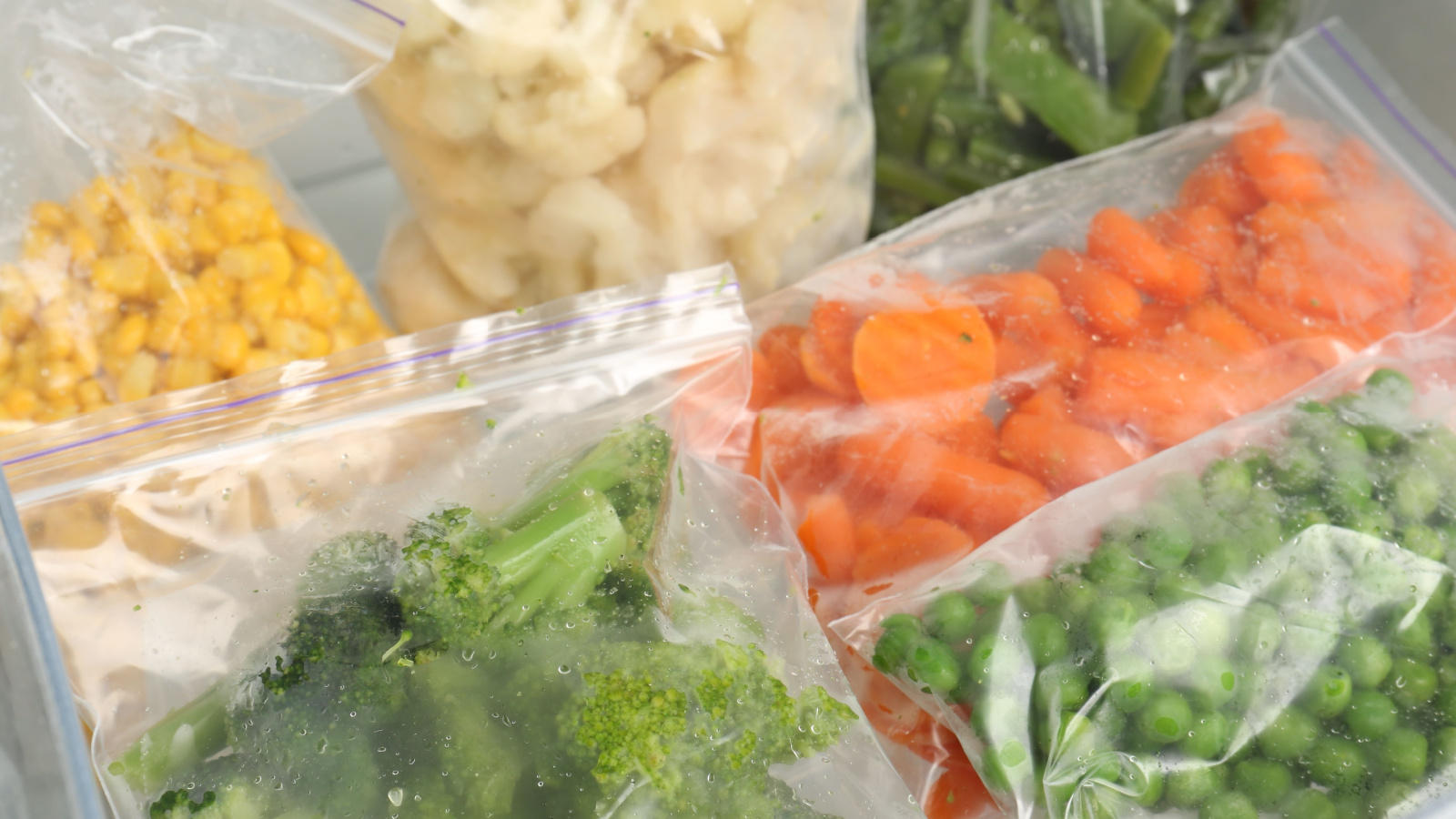
Frozen vegetables are often seen as a budget-friendly way to reduce waste, but bag sizes can shift while the package shape remains familiar. A bag that once provided several side dishes may now contain fewer grams, especially in premium blends, steam-in-bag formats, or seasoned varieties. The shopper may only notice when the portion looks smaller in the pan.
The issue matters because frozen vegetables are a practical substitute when fresh produce prices rise. If the bag shrinks, the value advantage narrows. A sale price can still be worthwhile, but only after checking the package weight. For families trying to build inexpensive meals, the cost per kilogram is the clearest way to compare plain vegetables, mixed blends, and convenience formats.
Laundry Detergent
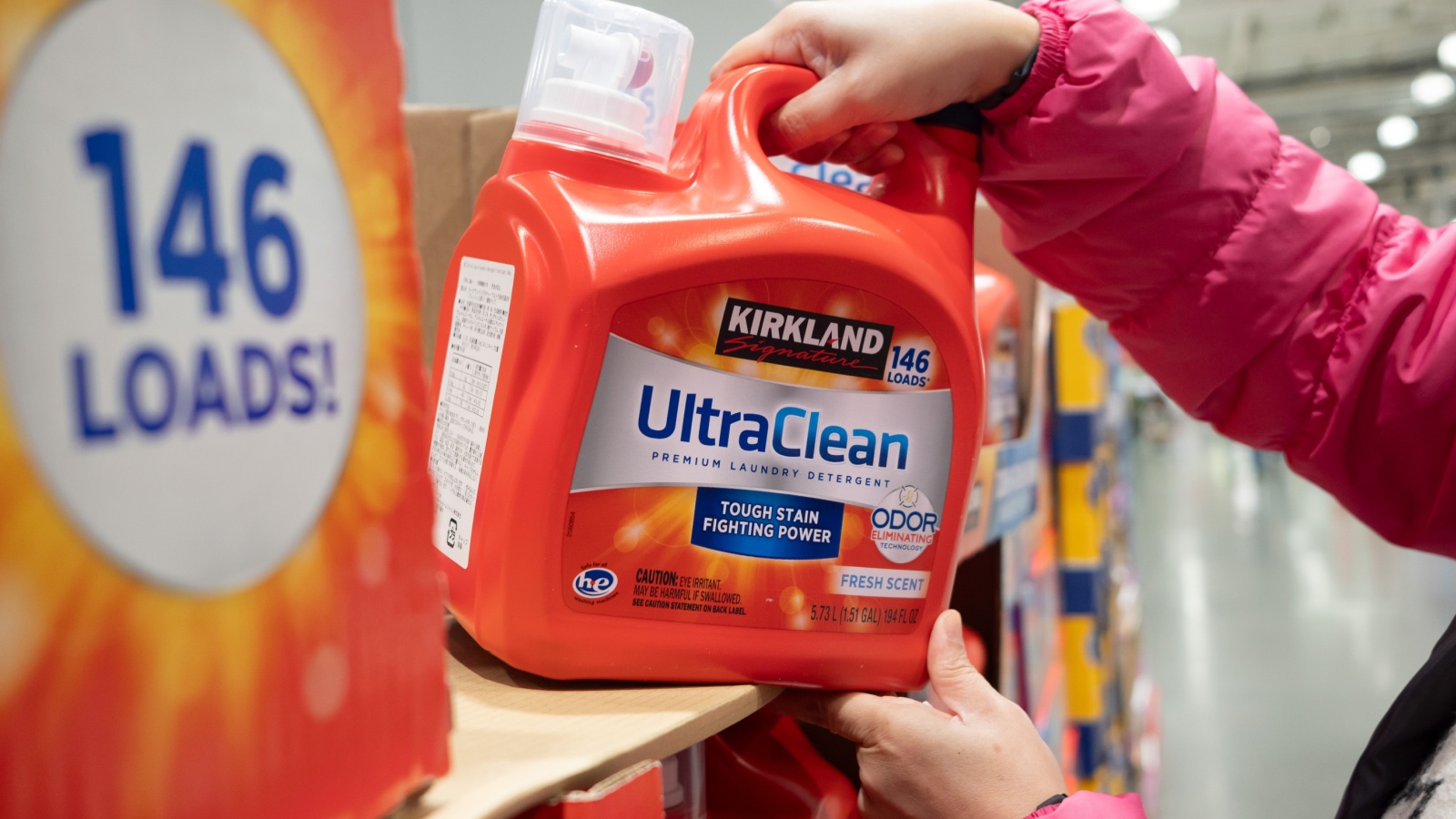
Laundry detergent shrinkflation is not always about bottle size. It can involve fewer loads, smaller caps, more concentrated formulas, or altered dosing instructions. A bottle may claim the same cleaning power while containing less liquid, which makes the “loads per bottle” number more important than the physical size of the container. This is why detergent can be difficult to compare quickly in a store aisle.
The household impact is steady and repetitive. Laundry happens every week, and a bottle that empties sooner becomes another recurring expense. Concentrated formulas can be legitimate improvements, but shoppers need to check whether the number of loads actually stayed the same. The useful comparison is cost per load, not litres, because concentration levels vary widely across brands and formats.
Dish Soap
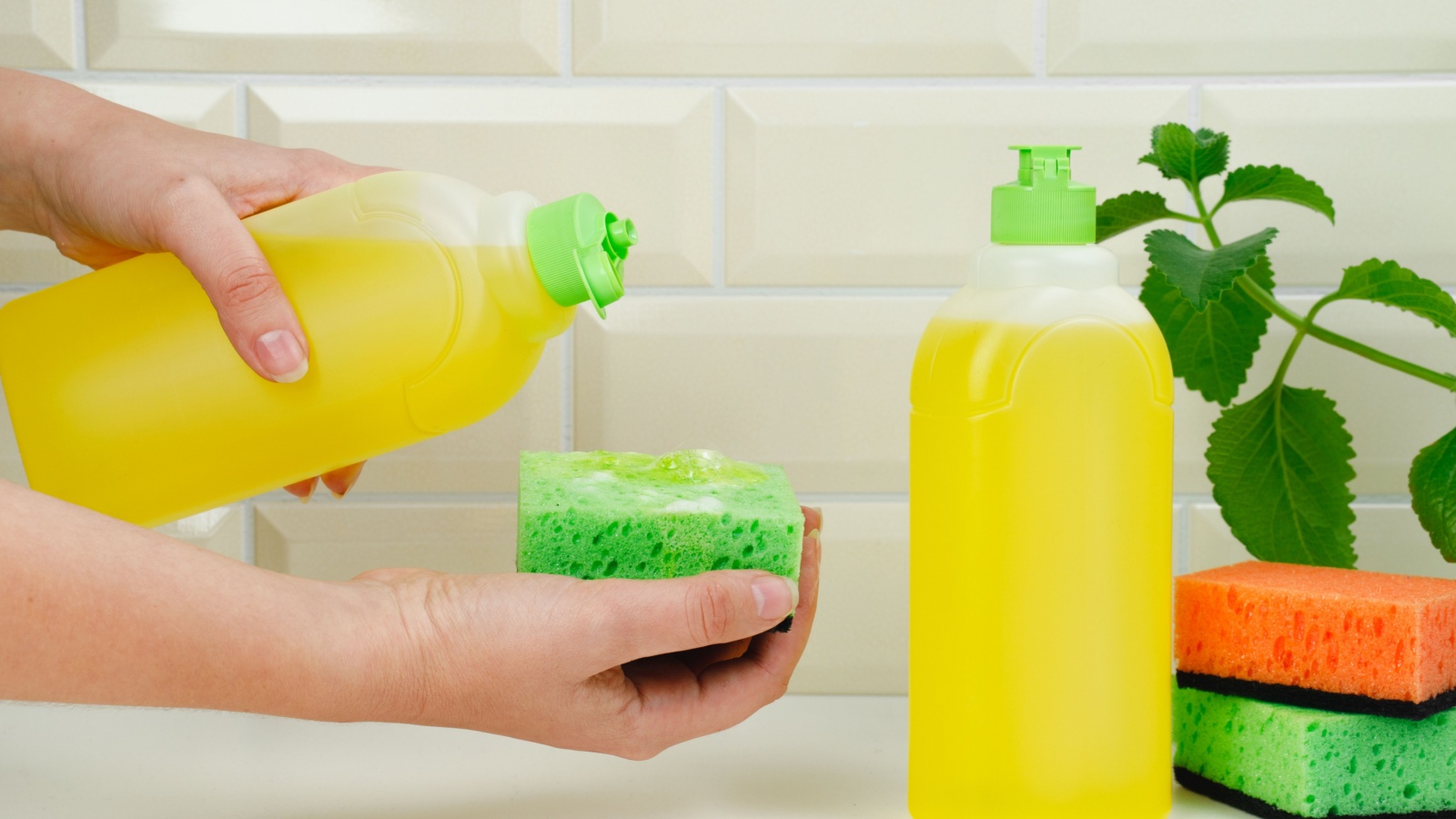
Dish soap is another product where packaging can look stable while the amount inside changes. Bottles may become slightly slimmer, redesigned, or repositioned as more concentrated. Since dish soap is usually purchased out of habit, many shoppers only notice when the bottle seems to run out faster than usual beside the sink.
The change can feel minor, but it affects a product used daily. Smaller bottles also complicate value comparisons when brands promote “ultra,” “platinum,” or “advanced” formulas that may require less product per wash. Those claims can be valid, but they make simple millilitre comparisons less reliable. The most practical approach is to compare price per 100 millilitres while also watching how quickly the product is actually used at home.
Toilet Paper
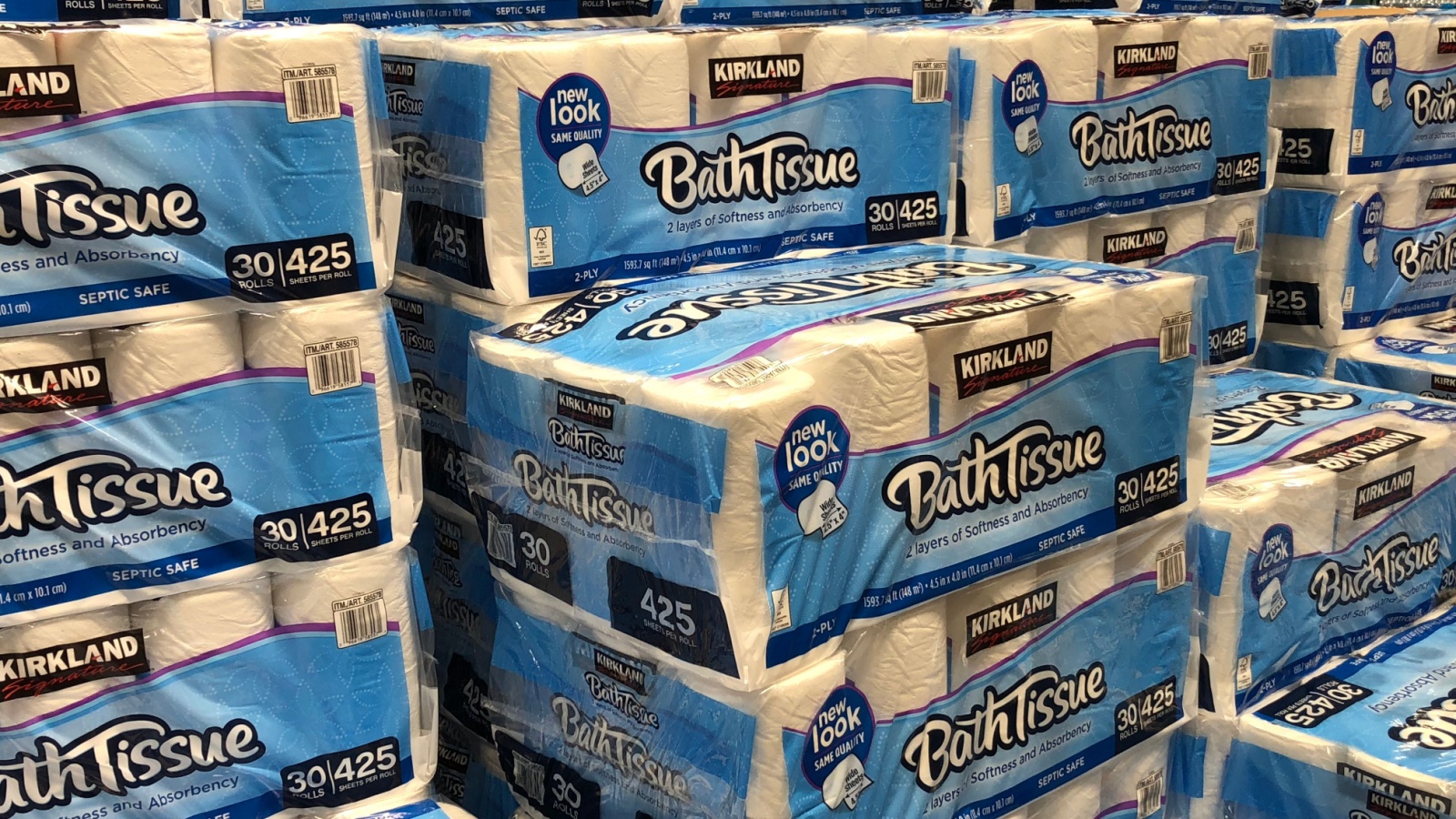
Toilet paper is one of the most confusing shrinkflation categories because brands use terms such as double, mega, family, and super rolls without a universal standard. A package can look large while the sheet count, sheet size, or roll count changes. Consumer reporting has repeatedly identified household paper products as a major shrinkflation category, partly because the math is so hard to compare.
This is where shoppers feel the gap between marketing language and household reality. A pack may still promise “more” by comparing itself with a brand-defined regular roll, but that regular roll may not match what shoppers imagine. The clearest comparison is price per sheet or price per 100 sheets, though even that can be complicated by ply and sheet dimensions. Without checking the fine print, a bulky package can hide a smaller value.
Paper Towels
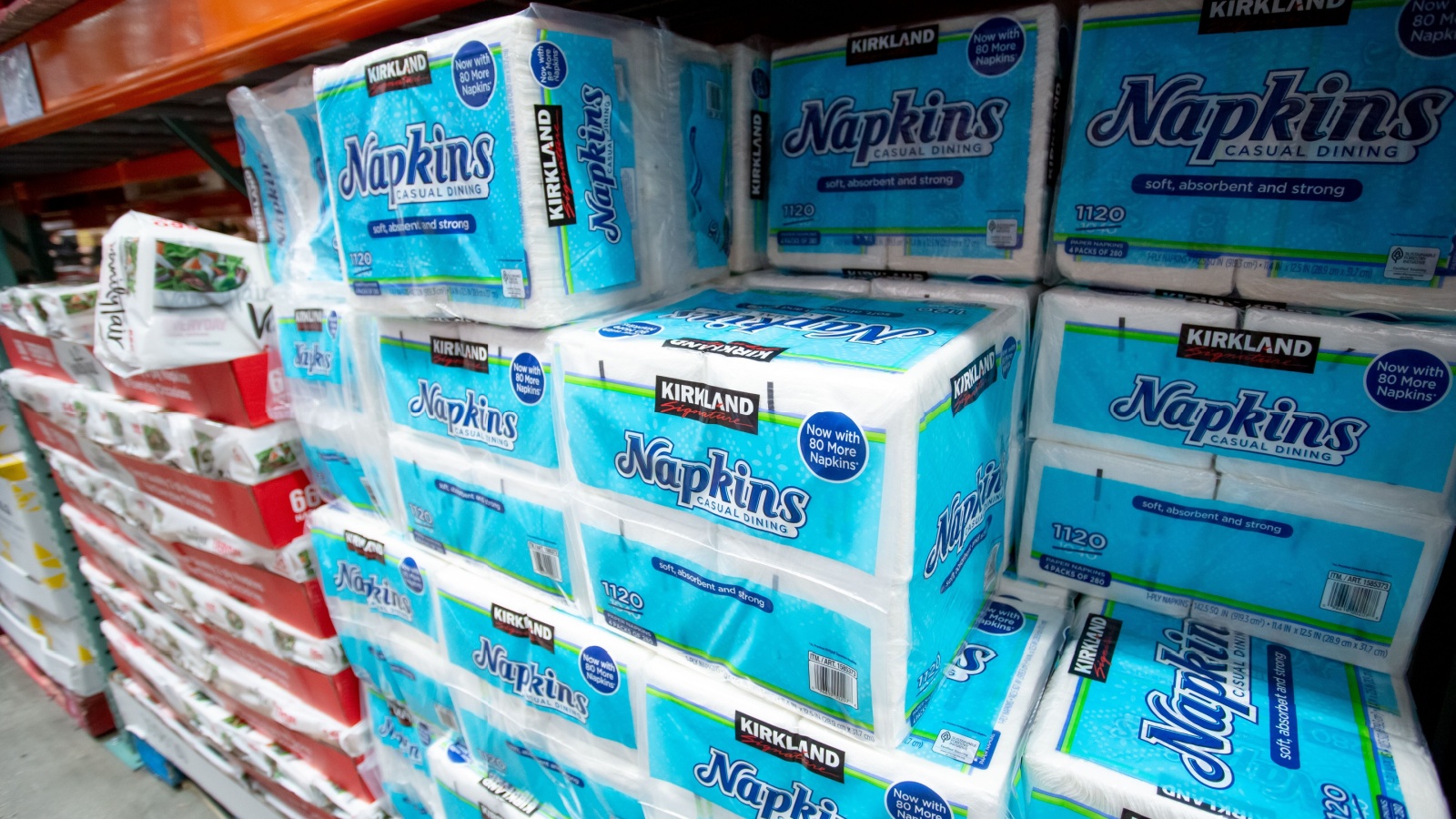
Paper towels face many of the same issues as toilet paper: roll size, sheet count, sheet dimensions, ply, and absorbency claims all affect value. A pack may appear unchanged while containing fewer sheets or smaller sheets. Since paper towels are used for cleaning, spills, cooking, and pet messes, a smaller roll can disappear faster in ordinary household routines.
The product is also vulnerable to “select-a-size” confusion. Smaller perforated sheets can reduce waste, but they can also make roll comparisons harder. A roll with more sheets is not always more paper if each sheet is smaller. For Canadians watching household costs, the best approach is to compare total square metres where available, then consider price per roll only after accounting for sheet count and sheet size.
19 Things Canadians Don’t Realize the CRA Can See About Their Online Income

Earning money online feels simple and informal for many Canadians. Freelancing, selling products, and digital services often start as side projects. The problem appears at tax time. Many people underestimate how much information the CRA can access. Online platforms, banks, and payment processors create detailed records automatically. These records do not disappear once money hits an account. Small gaps in reporting add up quickly.
Here are 19 things Canadians don’t realize the CRA can see about their online income.
