Canadian shopping is entering a year where familiar routines may feel quietly rearranged. The checkout lane, the loyalty app, the weekly grocery run, the return counter, and even the wording on product labels are all being shaped by tighter household budgets, new rules, retail technology, trade pressure, and changing expectations around convenience.
These 23 Canadian retail changes show how shopping in 2026 could feel different across grocery stores, malls, pharmacies, big-box chains, and online marketplaces. Some shifts may save time or add transparency. Others could make prices, promotions, and policies feel more complicated than they used to.
More Discount Formats Move to Centre Stage
Discount retail is no longer just a place shoppers visit when budgets are unusually tight. In 2026, it is likely to feel more like the centre of Canadian shopping culture, especially as households keep comparing essentials across banners, apps, and weekly flyers. Grocery, general merchandise, and pharmacy chains have already seen consumers gravitate toward lower-cost formats when food and household bills rise.
That could mean more expansion of no-frills layouts, bulk-style merchandising, private-label-heavy aisles, and stores designed around price perception rather than atmosphere. A parent doing a quick grocery run may notice fewer elaborate displays and more signs pointing to “value,” “club size,” or “locked-in” pricing. The emotional tone of shopping changes when the store’s main promise is not discovery, but relief from sticker shock.
Private Labels Take Up More Shelf Space
Store-owned brands are expected to keep gaining prominence as Canadian shoppers look for cheaper substitutes without leaving familiar retailers. Private labels once carried a plain, budget-only image, but many now compete in organic foods, premium snacks, cleaning products, pet supplies, and beauty. That gives retailers more control over pricing, margins, packaging, and shelf placement.
In practice, 2026 shopping trips may involve more situations where the store brand sits at eye level while the national brand sits beside it at a noticeably higher price. A shopper choosing pasta sauce, paper towels, or frozen meals may see the retailer’s own product positioned as the sensible default. This can help stretch budgets, but it also gives large chains more influence over what brands get discovered.
“Buy Canadian” Labels Become More Visible
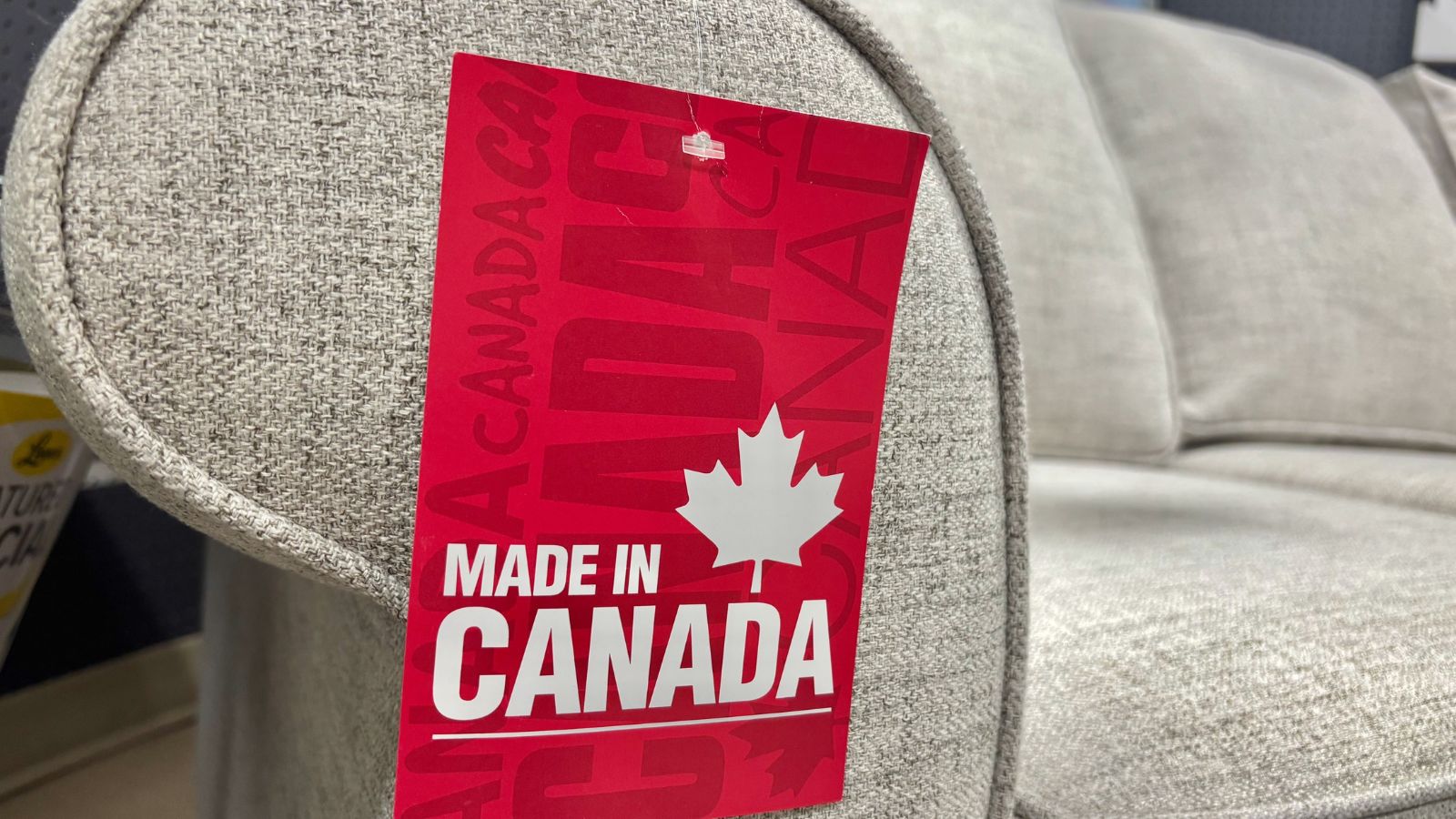
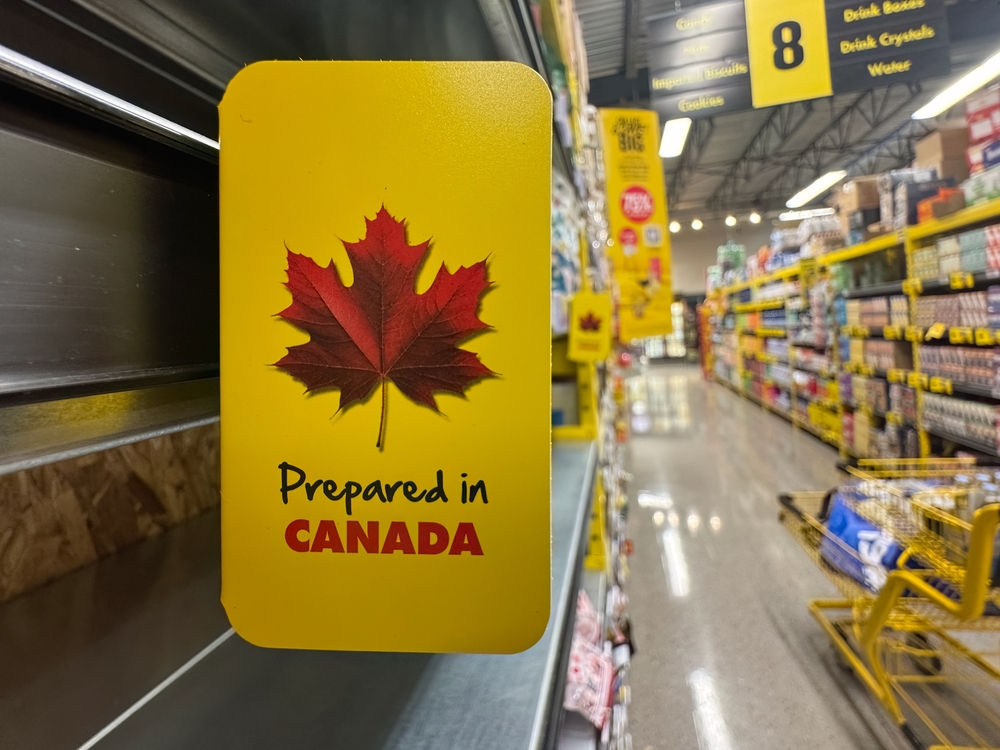
Canadian-made and locally sourced messaging is likely to become more noticeable in stores, especially as trade uncertainty keeps influencing retail conversations. Grocers, clothing sellers, hardware chains, and specialty food shops can use origin labels to make products feel more reliable, community-minded, or insulated from cross-border disruption. This does not mean every shelf will become domestic, but the signage may feel louder.
The change may be especially visible in grocery aisles, where shoppers already compare produce origin, dairy supply, meat labels, and packaged-food claims. A jar of jam from Ontario or a bag of flour milled in the Prairies may receive more visual emphasis than it did a few years ago. For retailers, local identity becomes both a marketing tool and a way to reassure customers during uncertain supply cycles.
Tariff Pressure Shows Up in Assortment Choices

Trade friction can change retail in ways shoppers notice even before they understand the policy behind it. When tariffs, counter-tariffs, or border costs affect goods, retailers may respond by raising prices, substituting suppliers, trimming product variety, or changing package sizes. The result can be a store that technically carries the same category, but not the same choices.
In 2026, this could show up in hardware, packaged foods, clothing, appliances, home goods, and seasonal merchandise with cross-border supply chains. A shopper may find that a familiar U.S. brand is suddenly more expensive, available in fewer colours, or replaced by a Canadian or overseas alternative. The shelf still looks full, but the quiet decision-making behind it becomes more complicated.
Grocery Code Changes Supplier Negotiations
The Canada Grocery Code of Conduct is designed to bring more predictability and fair dealing to the relationship between major grocery retailers and suppliers. Shoppers may not see the code printed on a shelf tag, but it can influence the background negotiations that affect promotions, product launches, fees, and how suppliers get treated by large chains.
In 2026, the effect may be subtle rather than dramatic. A small food producer trying to get onto shelves could benefit from clearer expectations around commercial terms. A customer might notice more stable promotions, fewer abrupt product disappearances, or a wider mix of regional brands if supplier relationships improve. The code does not magically lower grocery bills, but it could change how power is managed behind the aisle.
App-Only Deals Become Harder to Ignore
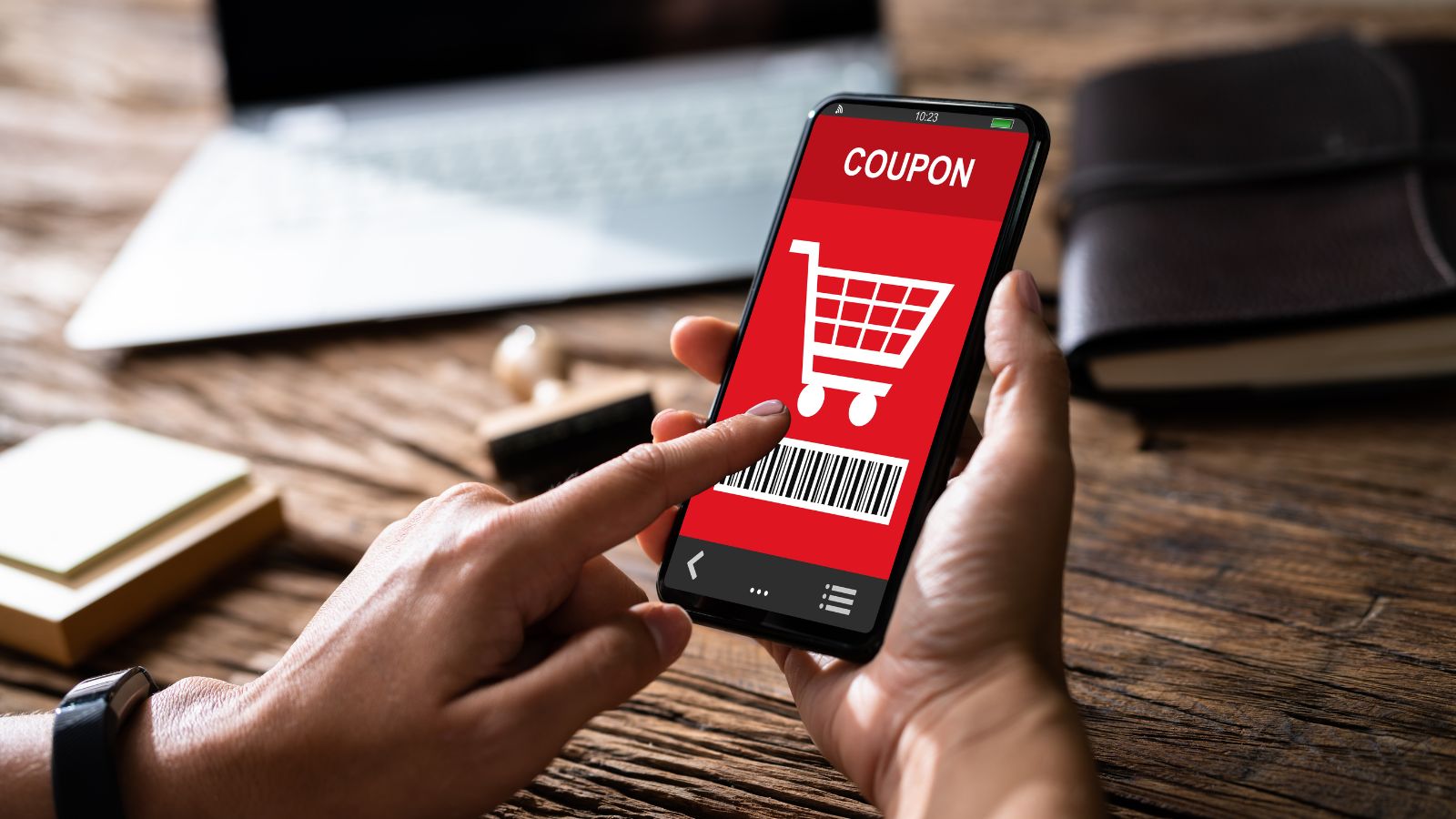
Digital coupons and app-only prices are becoming a bigger part of Canadian retail. What once felt like a bonus for tech-savvy shoppers now often determines whether a price feels fair. Grocery chains, pharmacies, coffee shops, fast-food brands, and big-box stores use apps to distribute targeted offers, manage loyalty points, and nudge customers toward repeat visits.
This can make shopping feel more fragmented. A shopper standing in front of cereal or laundry detergent may see one price on the shelf, another in the app, and a better deal only after loading an offer before checkout. The savings can be real, but the effort is real too. In 2026, the best price may increasingly belong to the person who remembered to tap first.
Loyalty Programs Feel More Like Data Exchanges

Loyalty programs are moving beyond simple points cards. Retailers increasingly use them to understand what shoppers buy, how often they visit, which coupons motivate them, and whether they respond to personalized offers. That makes the trade-off more obvious: savings in exchange for data. For many Canadians, the decision may still feel worthwhile when grocery and pharmacy discounts are attached.
The shopping experience, however, may feel less equal. Two people buying the same coffee, shampoo, or pet food could receive different offers based on past purchases or app activity. A shopper who refuses to join may pay the visible shelf price, while a member gets a lower digital price. Loyalty no longer feels like a small thank-you; it increasingly feels like the operating system of retail pricing.
Credit Card Surcharges Become More Noticeable
Credit card surcharges are allowed in much of Canada, with Quebec as a major exception. While many large retailers still avoid them to protect customer goodwill, smaller merchants and service-oriented retailers may use surcharges or convenience fees to offset payment processing costs. As operating expenses stay tight, more shoppers may notice payment method reminders near checkout.
This could make the act of paying feel more strategic. A customer buying a small appliance, furniture item, or boutique purchase may be asked whether debit, cash, or credit is preferred, with the credit option carrying an extra cost. Even when a surcharge is only a small percentage, it can change behaviour. The final price becomes less about the tag and more about how the transaction is completed.
Self-Checkout Gets More Rules
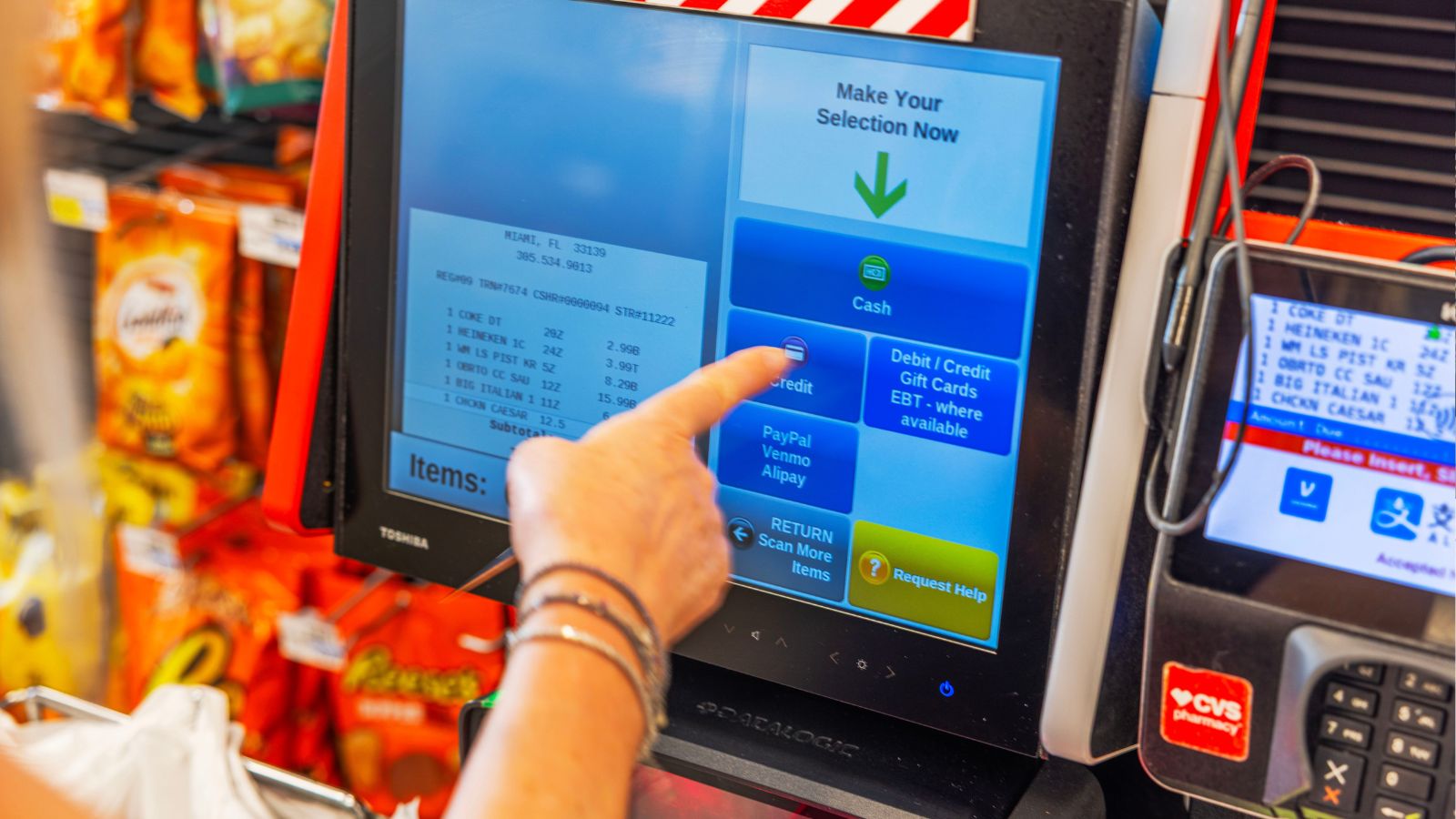
Self-checkout is unlikely to disappear, but it may feel more supervised in 2026. Retailers have been balancing speed and labour savings against theft, scanning errors, customer frustration, and longer help times when kiosks fail. Some stores may use item limits, close certain machines during slower hours, or assign more staff to monitor the area.
For shoppers, that means self-checkout may shift back toward its original role: a fast lane for smaller baskets. Someone with two bags of groceries may still use it easily, while a cart full of produce, meat, and bulky items may be redirected to a cashier. The change can be frustrating for people who prefer independence, but retailers are under pressure to make checkout both faster and less vulnerable to loss.
Security Measures Reshape Store Layouts
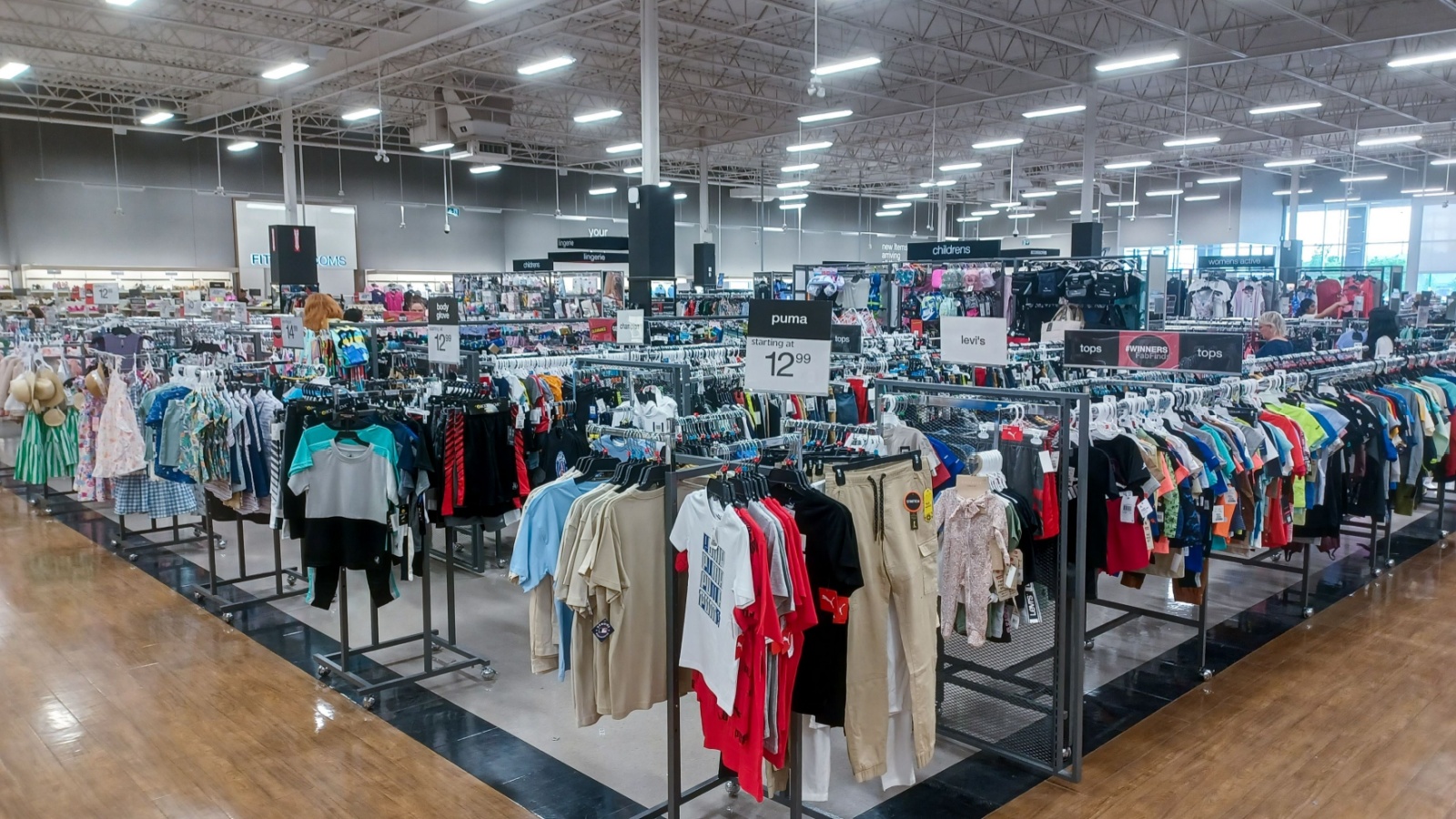
Rising retail crime concerns are already changing how some stores display goods, staff entrances, and monitor high-theft categories. In 2026, more shoppers may encounter locked cases, receipt checks, security gates, visible cameras, or staff-controlled access to products such as razors, baby formula, cosmetics, electronics, and premium meat. These measures can make ordinary shopping feel more guarded.
The human impact is mixed. A store associate may spend more time unlocking cases than answering product questions. A customer buying a simple item may have to wait for assistance, turning a quick trip into an awkward pause. Retailers see these tools as a response to shrink and safety risks, but shoppers may experience them as friction, especially in neighbourhoods where security measures feel unevenly applied.
Digital Shelf Labels Make Prices Feel More Fluid
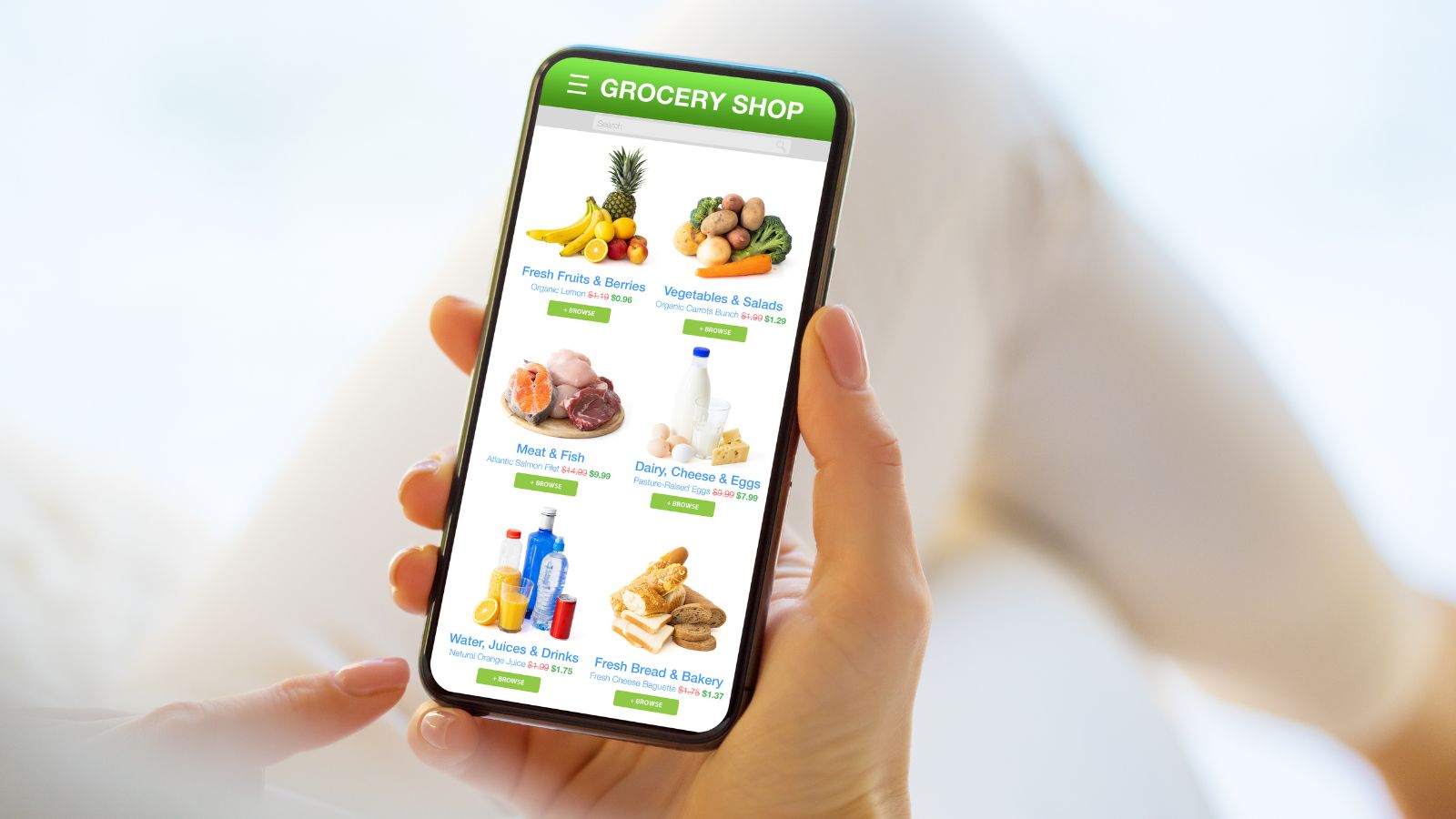
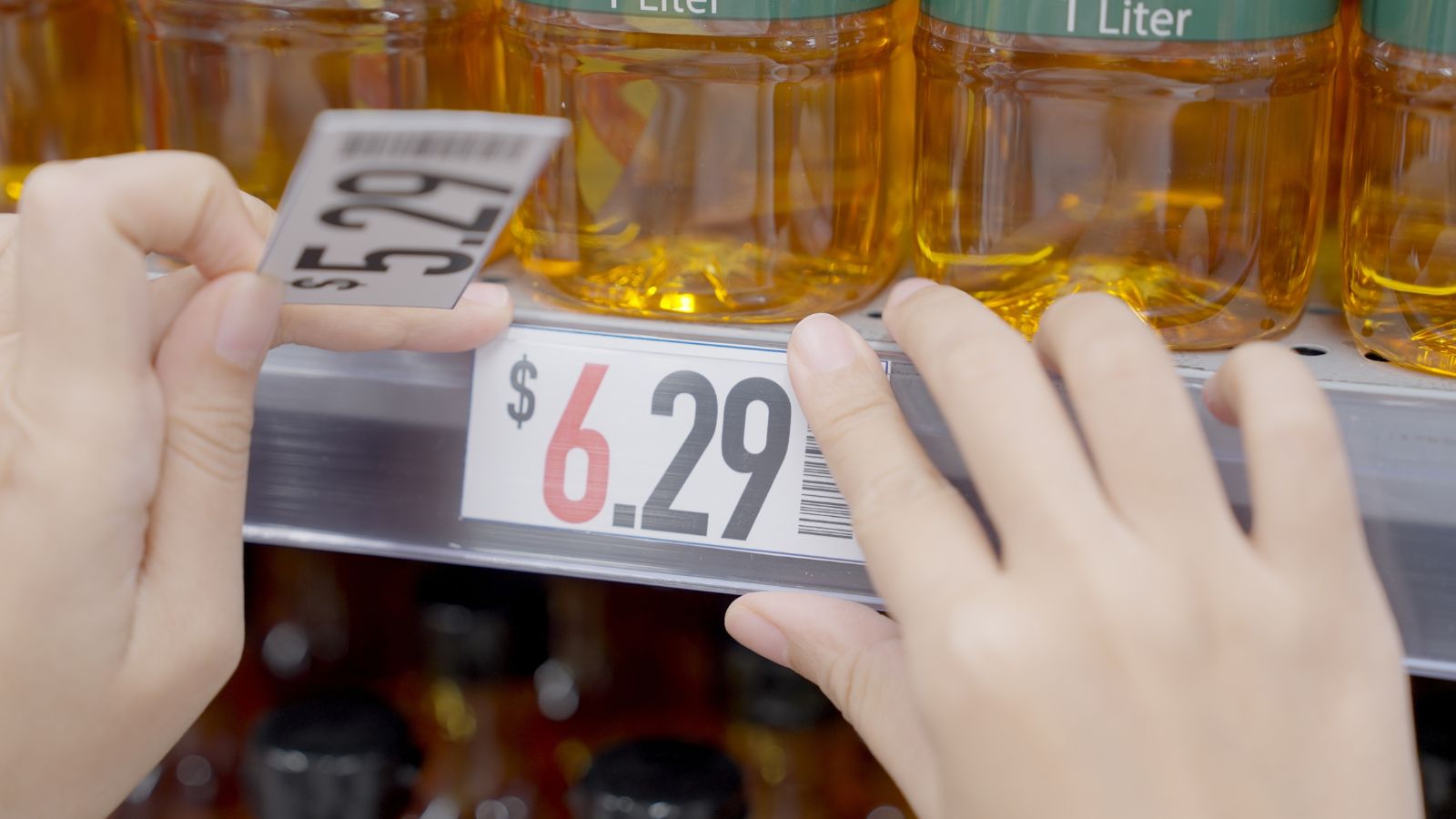
Electronic shelf labels can help retailers update prices quickly, reduce paper waste, and keep shelf tags aligned with checkout systems. They also make shoppers more aware that prices can move faster than traditional printed labels allowed. A grocery store or pharmacy using digital labels can change promotions, unit prices, or stock notices with less manual labour.
In 2026, this may make pricing feel more dynamic, even when retailers are simply improving accuracy. A shopper comparing coffee on Monday and Friday may wonder why a price changed so quickly. Digital labels can also support clearer unit pricing and inventory messages, which helps shoppers compare value. The trust question will be whether customers feel the technology improves transparency or simply makes price movement easier.
Returns Become Less Generous
The era of effortless returns is under strain. Shipping costs, fraud, reverse logistics, and returned inventory losses have pushed many retailers to rethink free mail-back returns, long return windows, and no-questions-asked policies. In Canada, this may become more obvious as online and in-store policies diverge across categories like fashion, electronics, beauty, and home goods.
A shopper buying clothes online may need to check whether returns are free by mail, free in-store, store-credit-only, or subject to a restocking fee. The change is especially important for gifts, seasonal goods, and items bought during promotions. Retailers still want confidence at the point of purchase, but 2026 may reward shoppers who read return policies before clicking “buy,” not after the package arrives.
Pickup, Delivery, and Store Inventory Blend Together
The line between online and in-store shopping will keep blurring. Retailers increasingly treat physical stores as pickup points, mini-warehouses, return counters, and local delivery hubs. That means a customer may browse online, reserve an item at a nearby store, return another product at the same counter, and receive a replacement from a different location.
This convenience can make shopping faster, but it also raises expectations. If a website says a blender, coat, or toy is available nearby, shoppers expect it to be there. When inventory systems are wrong, frustration rises quickly. In 2026, the best retailers will not simply offer pickup; they will make store-level inventory accurate enough that a wasted trip feels less common.
Retailers Use AI to Recommend, Answer, and Sort
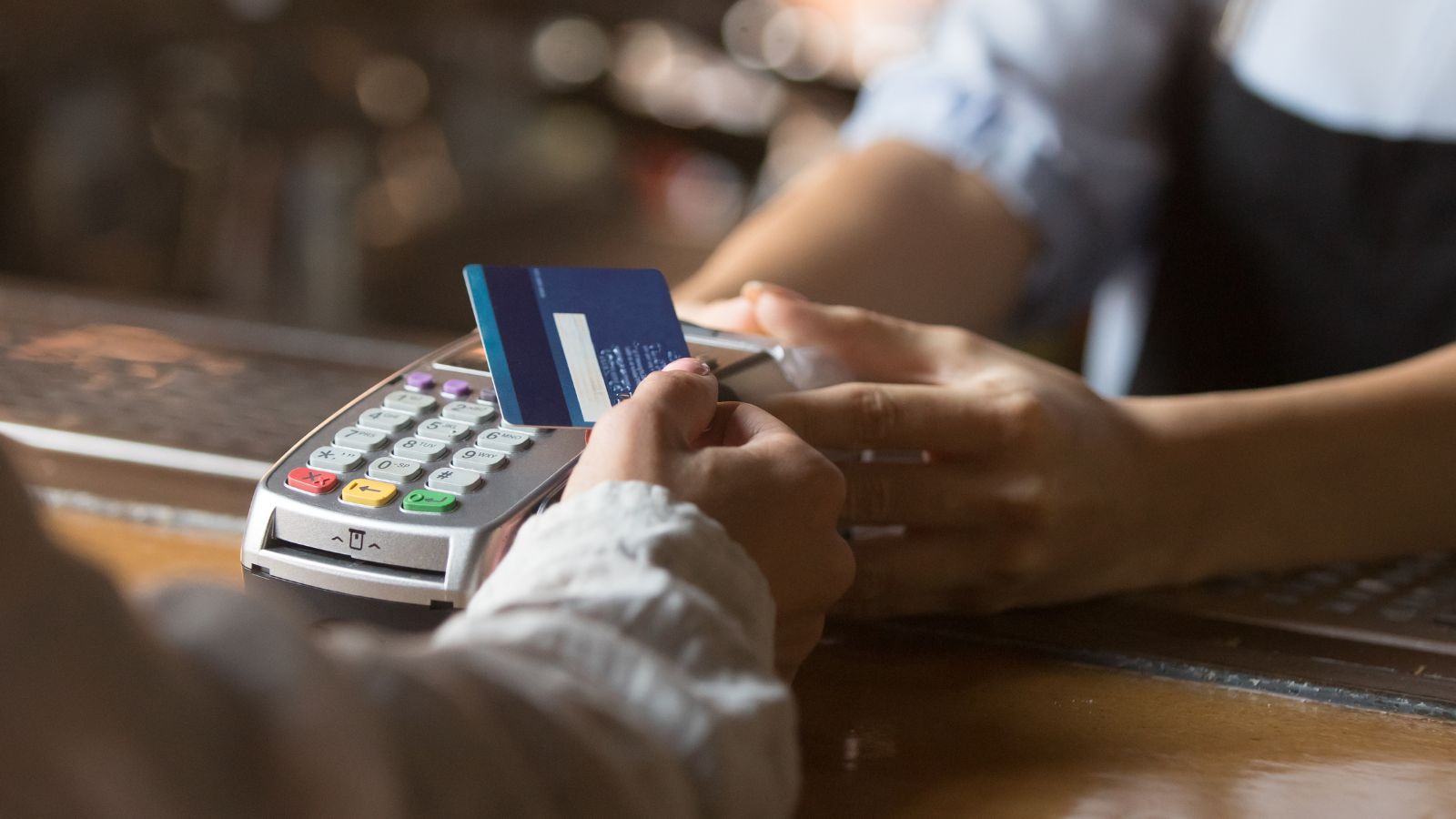
Artificial intelligence is becoming more visible in retail through chatbots, product recommendations, search tools, demand forecasting, and customer service systems. A shopper searching for a winter jacket online may receive suggestions based on weather, location, browsing behaviour, and size availability. A customer service bot may handle order tracking before a human agent steps in.
The experience can feel helpful when it reduces effort, but irritating when the answer is generic or wrong. In 2026, shoppers may become more aware of when they are dealing with automation, especially during returns, warranty claims, and delivery problems. The promise is faster service and better matches. The risk is that retail feels less personal exactly when customers need judgment, empathy, or accountability.
Inventory Tech Gets Smarter—But Not Invisible
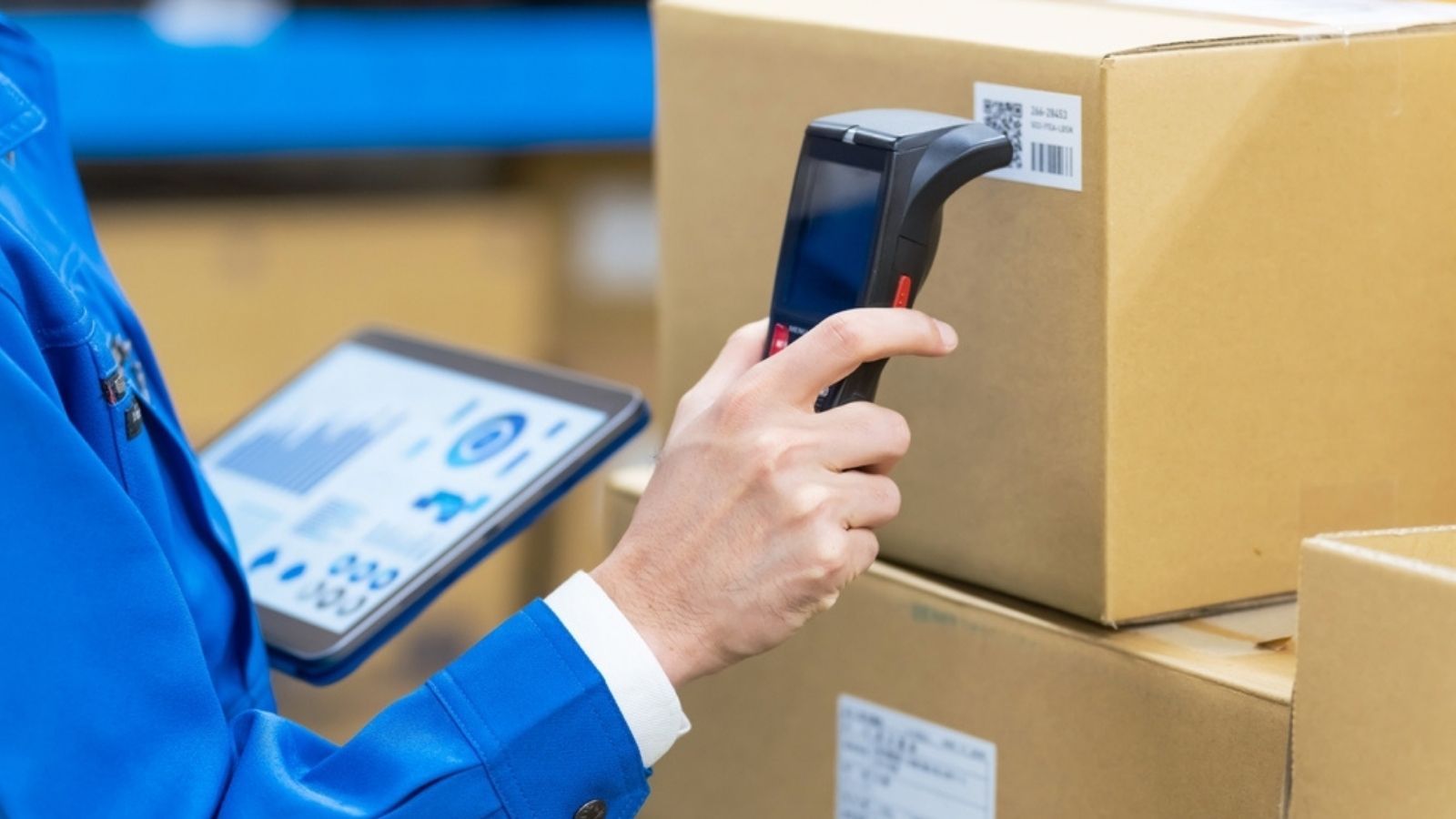
Retailers are investing in better inventory tools because out-of-stock products and overstocked shelves both cost money. Technologies such as RFID tags, shelf scanning, computer vision, and AI-assisted replenishment can help stores know what is available, what is misplaced, and what should be reordered. The goal is fewer empty shelves and fewer disappointing pickup orders.
Shoppers may notice the results more than the technology itself. A popular running shoe size may be easier to locate. A staff member may check handheld inventory rather than disappear into the back room. At the same time, technology is not flawless. If systems misread stock or employees lack time to correct errors, the promise of “available today” can still end in an apology at the counter.
Environmental Claims Get More Careful

Retailers and brands are becoming more cautious about environmental language. Claims such as “eco-friendly,” “carbon neutral,” “sustainable,” or “green” face closer scrutiny under Canadian competition rules. That may change packaging, advertising, shelf signs, and website descriptions in 2026, especially for clothing, cosmetics, cleaning products, furniture, and food packaging.
For shoppers, the change could mean fewer vague feel-good labels and more specific claims, such as recycled-content percentages, refillable formats, third-party certifications, or repairability details. A product may no longer simply claim to be “better for the planet” without supporting information. The shift may make shopping less emotionally simple, but more useful. Clearer claims help customers compare actual evidence rather than marketing mood.
Plastic Alternatives Become the Default

Single-use plastic rules have already changed checkout bags, cutlery, stir sticks, straws, ring carriers, and certain foodservice ware across Canada. By 2026, the absence of plastic checkout bags may feel normal in many stores, but the next phase is how retailers refine alternatives. Reusable bags, paper packaging, fibre-based containers, and bring-your-own habits will continue shaping the shopping routine.
This changes small moments at the till. A shopper who forgets bags may buy another reusable one, adding to the growing pile at home. Takeout counters may offer different lids, containers, or cutlery than customers remember. The environmental goal is waste reduction, but the practical experience is about habit: remembering bags, noticing packaging durability, and judging whether alternatives actually work as well.
Right-to-Repair Notices Change Electronics Shopping

Right-to-repair momentum is changing how retailers talk about electronics, appliances, and products that may need maintenance. In Quebec, new consumer protection obligations require clearer pre-sale information about replacement parts, repair services, and maintenance information for goods that may require upkeep. This can influence expectations beyond Quebec as national retailers standardize messages.
A shopper buying a coffee machine, laptop, washer, or smart speaker may begin seeing more detail about whether parts are available and whether repair information exists. That matters because the cheapest product at checkout can become expensive if it cannot be repaired later. In 2026, durability may become a stronger selling point, especially for consumers tired of replacing devices over minor failures.
Pharmacy Counters Become Bigger Retail Hubs

Pharmacies are becoming more important retail destinations as pharmacist scope of practice expands across Canada. Depending on the province, pharmacists can prescribe for certain minor ailments, administer vaccines, renew or adapt prescriptions, and provide more front-line health services. That changes the way drugstores function inside malls, grocery stores, and neighbourhood plazas.
The effect is practical. A customer may visit a pharmacy for a rash, cold sore, urinary tract infection assessment, vaccine, or prescription renewal, then also buy groceries, cosmetics, vitamins, or household items. Retailers benefit from increased foot traffic, while shoppers may treat pharmacies as convenience-based health stops. In 2026, the pharmacy counter may feel less like the back of the store and more like one of its main reasons to visit.
Accessibility Improvements Become More Visible

Accessibility is becoming a more visible retail issue, both in physical stores and digital shopping. Wider aisles, clearer signage, better website navigation, accessible checkout flows, staff training, and improved customer service processes can affect whether people with disabilities can shop independently and comfortably. Federal and provincial accessibility expectations are pushing organizations to identify and remove barriers.
In 2026, shoppers may notice more practical improvements: lower service counters, easier-to-read screens, better curbside pickup instructions, quieter shopping periods, or clearer online forms. These changes also help seniors, parents with strollers, people recovering from injuries, and anyone overwhelmed by cluttered store layouts. Accessibility is often discussed as compliance, but in everyday retail it can simply mean fewer obstacles between a person and the product they came to buy.
Store Brands and Luxury Goods Grow Side by Side

Canadian retail may feel contradictory in 2026 because shoppers are not all trading down in the same way. Many households are focused on value, but luxury, premium beauty, specialty foods, and high-end experiences can still perform well among customers with more disposable income. Retailers may respond by serving both ends of the market more sharply.
That means the same shopping district may feature discount grocery expansion, dollar-store traffic, premium skincare counters, and boutique food halls. Even inside one household, spending can split: cheaper pantry staples, but a higher-end coffee machine or fragrance purchase. Retailers are learning that “cautious consumer” does not always mean “no premium spending.” It often means people choose where to economize and where to treat themselves.
Smaller Stores and Localized Assortments Feel More Common

Retailers are likely to keep tailoring stores to neighbourhood demand rather than relying on one national layout. Urban stores may carry smaller pack sizes, ready-to-eat meals, transit-friendly goods, and fewer bulky items. Suburban stores may emphasize family-sized formats, garden supplies, parking convenience, and larger pickup areas. Northern and rural stores may focus more heavily on essentials and supply reliability.
For shoppers, this can make one chain feel different from location to location. A downtown pharmacy may look like a beauty, snacks, and convenience stop, while a suburban version of the same banner feels closer to a mini department store. Localized retail can be useful when it reflects real community needs, but it can also frustrate customers who expect every branch to carry the same product.
Receipts, Warranties, and Fine Print Get More Important
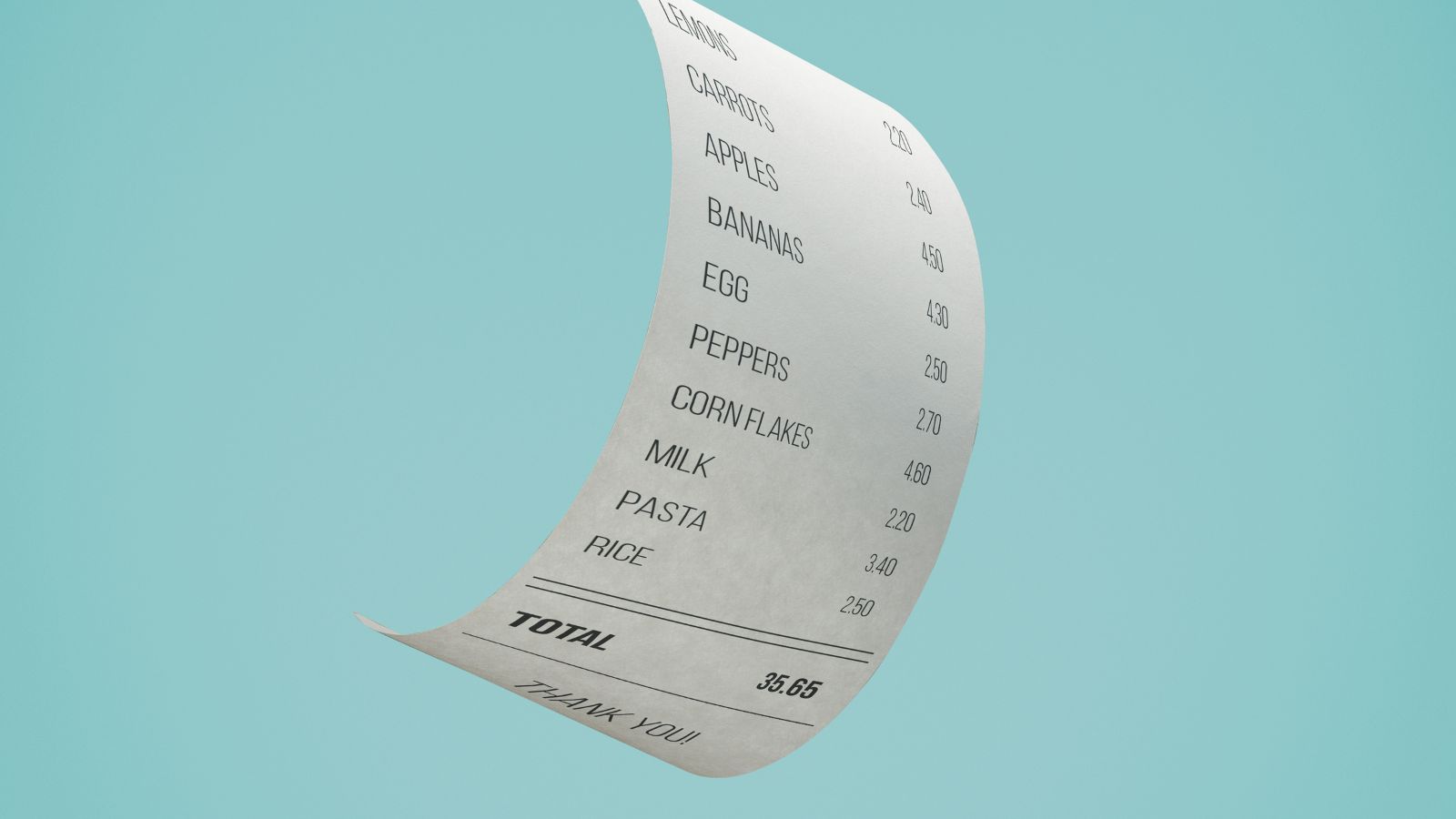
As prices, return rules, repair disclosures, loyalty offers, and payment fees become more complicated, the humble receipt may matter more in 2026. Digital receipts, app histories, warranty portals, and order emails can determine whether a shopper gets a refund, price adjustment, repair, exchange, or points correction. The paperwork may be electronic, but the stakes are still practical.
A customer buying electronics, furniture, appliances, or expensive apparel may need to save more than the proof of purchase. Return windows, restocking fees, repair terms, delivery conditions, and promotional exclusions can all affect the final value of a purchase. Shopping may still feel simple at the shelf, but the real protection often sits in the details people used to ignore.
19 Things Canadians Don’t Realize the CRA Can See About Their Online Income

Earning money online feels simple and informal for many Canadians. Freelancing, selling products, and digital services often start as side projects. The problem appears at tax time. Many people underestimate how much information the CRA can access. Online platforms, banks, and payment processors create detailed records automatically. These records do not disappear once money hits an account. Small gaps in reporting add up quickly.
Here are 19 things Canadians don’t realize the CRA can see about their online income.
