Grocery bargains have become harder to read at a glance. A bright tag, a loyalty-card discount, or a “buy more, save more” sign can feel reassuring when food bills are already under pressure, but the real value often depends on fine print, package size, timing, and what ends up wasted at home. Across Canada, shoppers are navigating higher grocery costs, changing package sizes, and increasingly sophisticated promotions that can make ordinary prices look unusually generous. These 18 pricing tactics show how grocery stores can make deals appear stronger than they really are, especially when the focus shifts from total cost to perceived savings.
Multi-Buy Offers That Push Bigger Carts
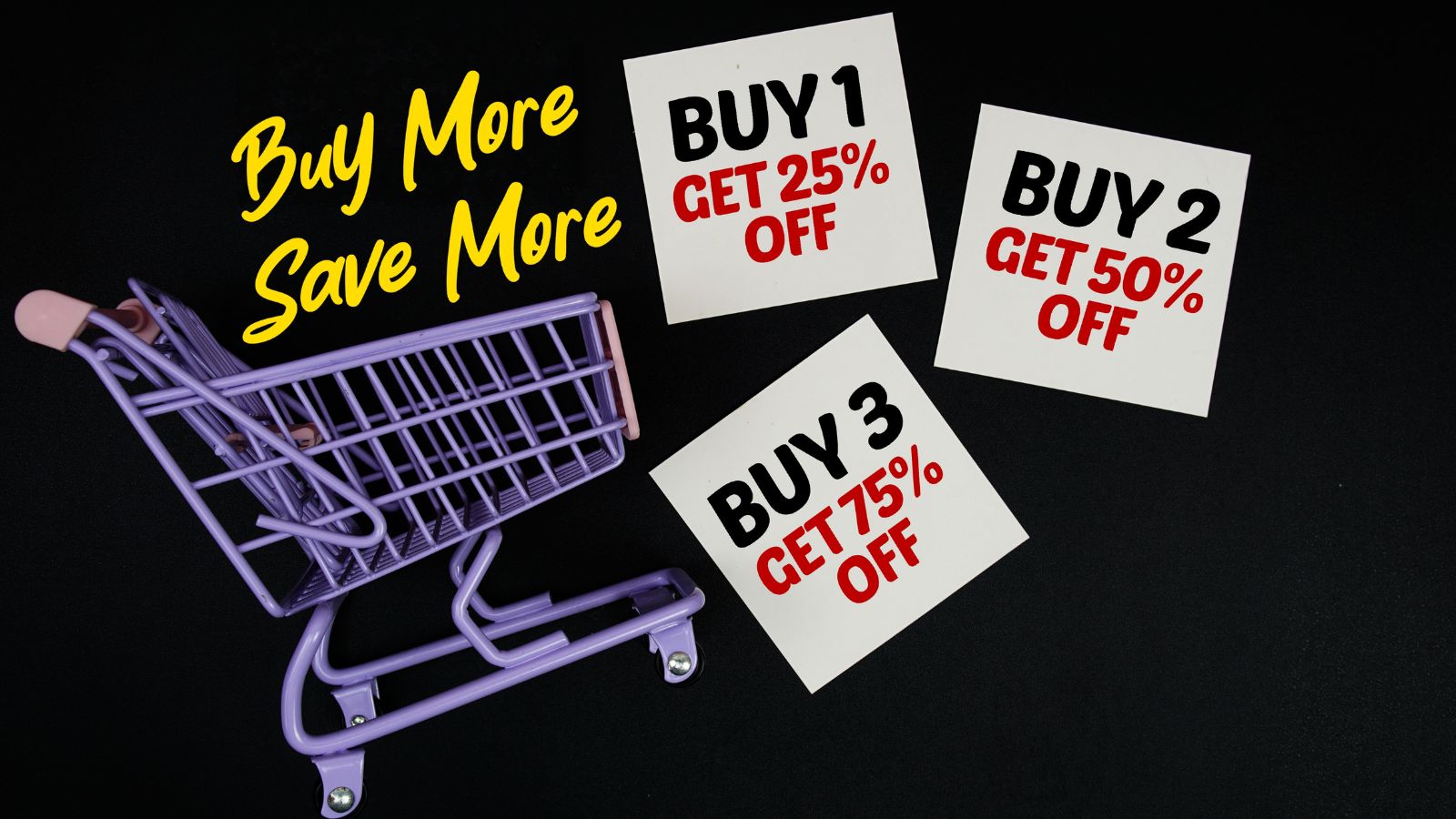
Multi-buy offers often look simple: two for $6, three for $10, or buy one and get the second at a discount. The emotional pull is strong because the shopper sees a bundle instead of a single price. In practice, the deal only works if the household actually needs the extra quantity. A single person buying three bags of salad because the sign looks urgent may save a few cents per bag but lose money when half of it wilts before dinner plans catch up.
These promotions are especially effective because they turn a purchasing decision into a small mental challenge. Instead of asking, “Do I need this?” the shopper asks, “Am I missing out by buying only one?” That shift can add items to the cart that were never on the list. In a grocery environment where perishables, snacks, and beverages are often promoted this way, the better-looking deal can quietly become a larger bill.
“Member Price” Tags That Make Regular Prices Feel Punitive
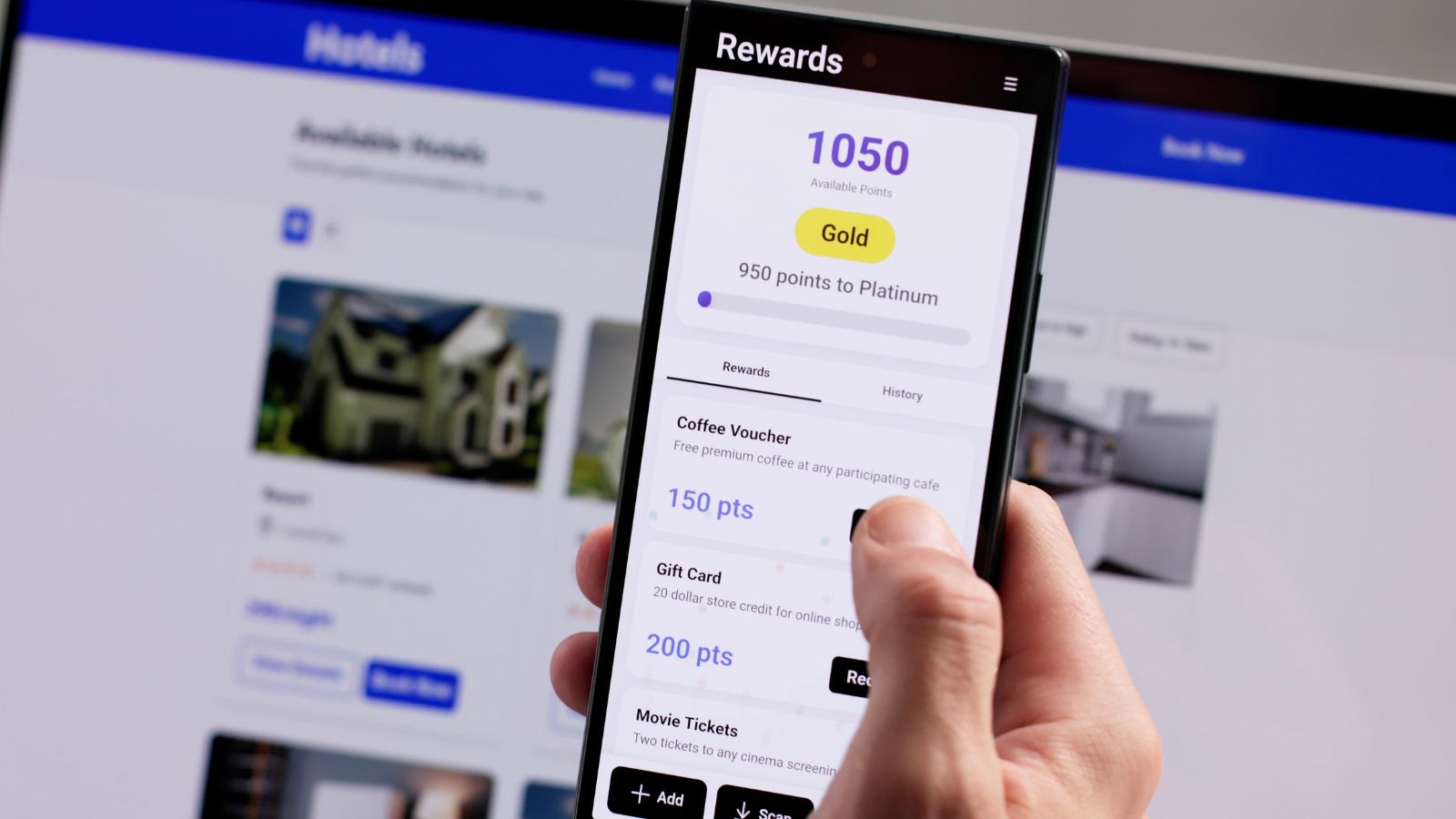
Loyalty pricing has become a familiar part of Canadian grocery shopping. A shelf tag may show one price in large type and a higher price beneath it for non-members. The lower price can feel like a reward, but it may also make the regular price look unusually unattractive. The shopper’s attention goes to the gap between the two prices, not necessarily to whether the member price is better than another store’s ordinary shelf price.
This format changes the psychology of the aisle. Instead of comparing across brands, sizes, or retailers, shoppers may focus on whether they are “unlocking” the discount. A parent buying cereal after work may scan a points card and feel satisfied, even if the deal only matches a competitor’s everyday price. The savings feel personalized, but the bigger question remains whether the loyalty price is truly low or simply framed as exclusive.
Unit Prices Hidden Beneath Flashier Shelf Labels
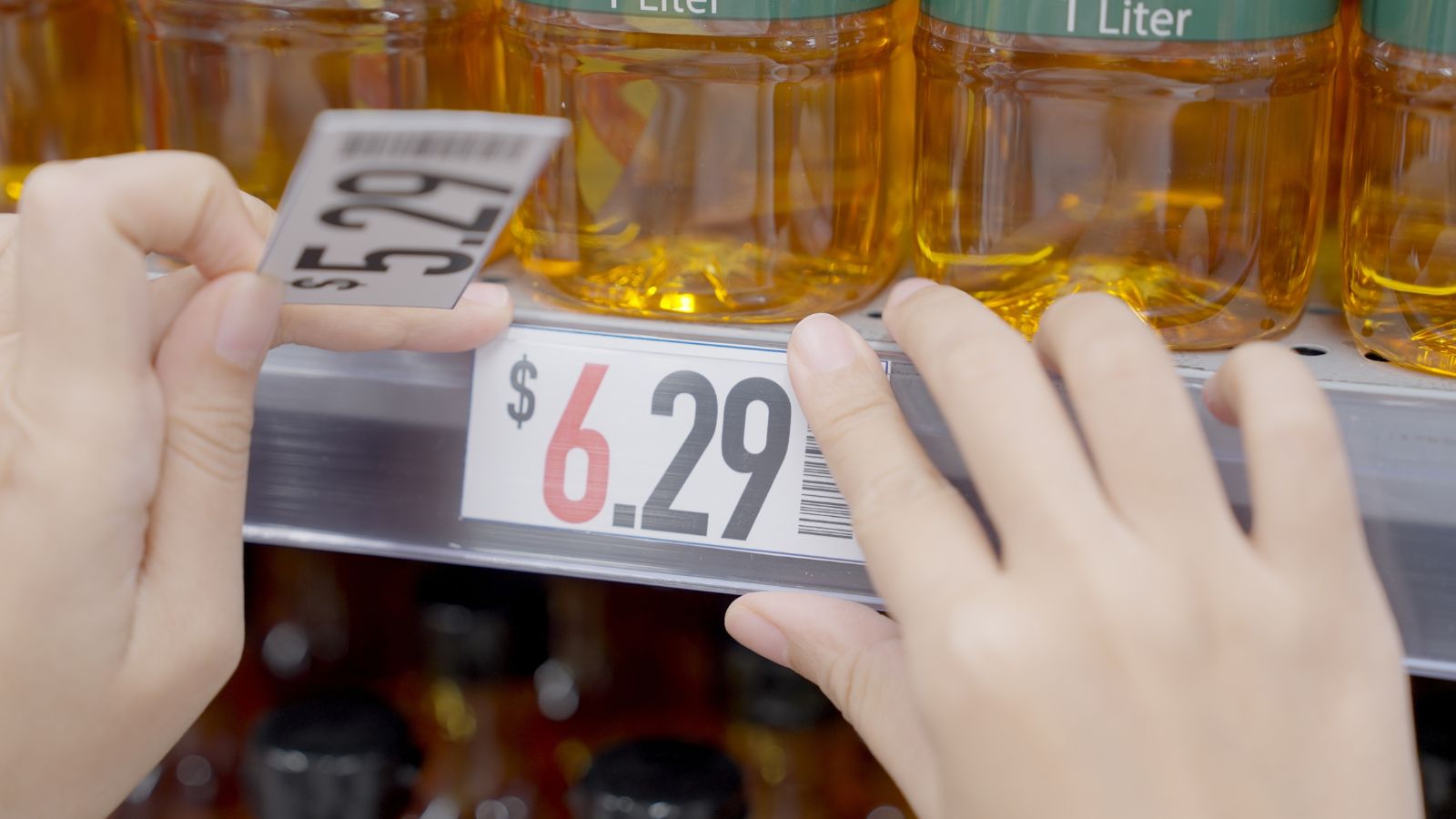
Unit pricing is one of the best tools for comparing grocery value, but it is often visually overshadowed by brighter promotional messaging. A large yellow tag may announce a temporary rollback while the smaller unit price quietly reveals that a larger or competing package is still cheaper per 100 grams or per litre. When the grocery trip is rushed, the big number usually wins attention.
This matters because food packaging is rarely standardized. One jar may be 650 millilitres, another 750 millilitres, and another 1 litre, making shelf prices difficult to compare quickly. The real bargain is often found in the unit price, not the sale banner. Without checking that small line, a shopper can walk away believing the promoted product is the winner when it is only the best-looking price on the shelf.
“Save $3” Claims Without Showing the Starting Point Clearly
A discount that says “Save $3” feels concrete because the savings are easy to understand. The problem is that the original price may not be meaningful to the shopper. If the item was rarely bought at that higher price, or if competitors sell it for less every day, the savings claim can exaggerate the sense of value. The focus moves from the final price to the emotional satisfaction of avoiding the higher one.
This tactic is common on items where regular prices can swing noticeably, such as coffee, laundry detergent, frozen entrées, and meat packages. A shopper may remember the discount more than the actual amount paid. Over time, these “save” labels train people to judge a deal by the size of the markdown rather than by the price itself. A modest final price matters more than a dramatic crossed-out number.
Big Red Tags on Items That Are Barely Discounted
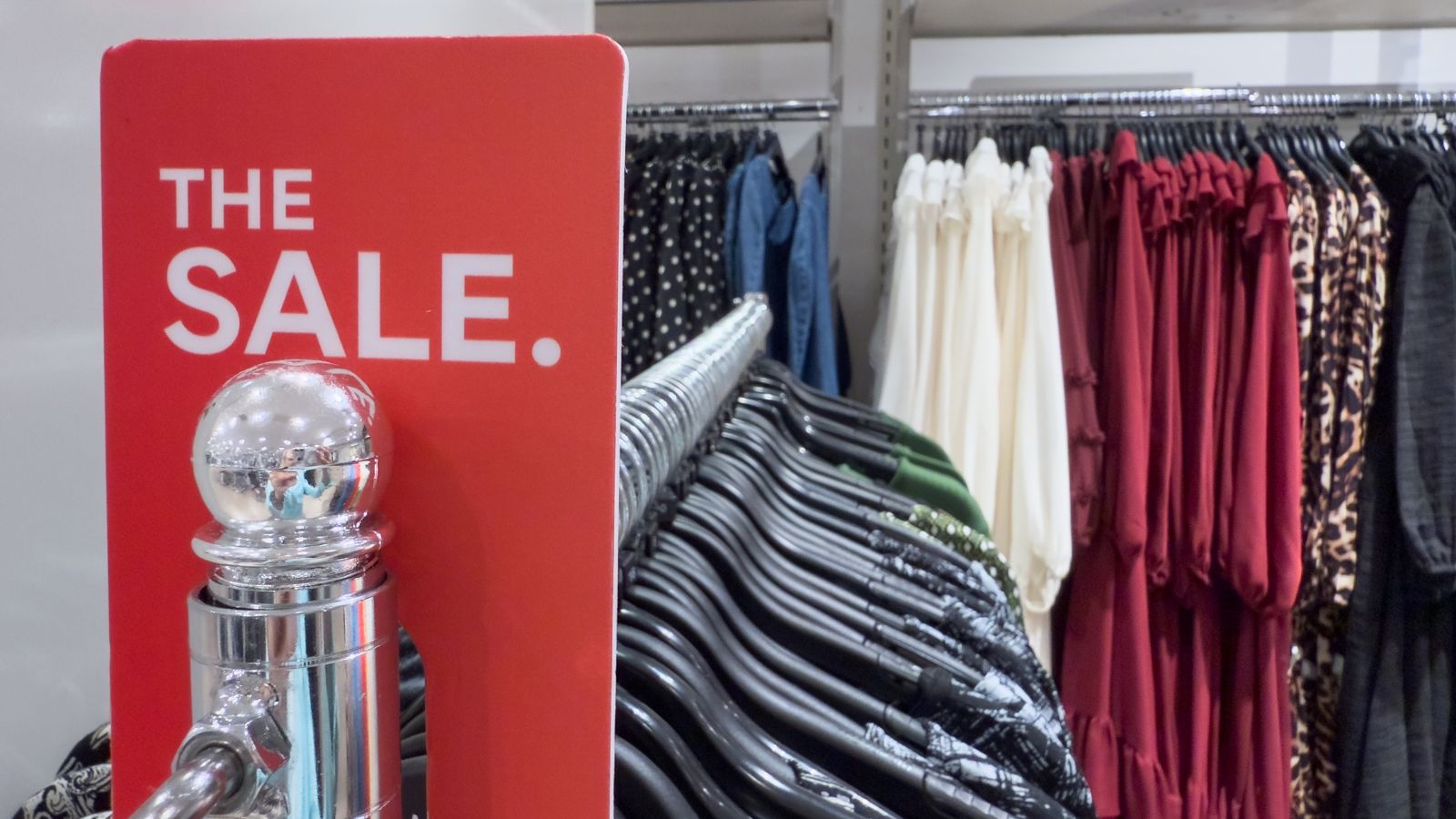
Bright sale tags are designed to stop the eye, even when the savings are small. A product marked down by 20 cents can receive the same visual treatment as a much stronger deal, especially in a crowded aisle. The colour, placement, and wording can make the product feel urgent before the shopper has time to calculate whether the discount changes anything meaningful.
This is one reason grocery aisles can feel full of bargains even when the receipt says otherwise. A shopper may pass dozens of red, yellow, or orange labels and absorb a general impression that the store is full of savings. Yet many of those tags may represent tiny reductions, temporary supplier promotions, or routine price cycling. The tag does not always signal a remarkable price; sometimes it simply signals that the store wants the item noticed.
Shrinkflation That Keeps the Shelf Price Familiar
A familiar price can hide a smaller package. When crackers, cereal, coffee, frozen vegetables, or snack foods quietly lose grams while the shelf price stays close to what shoppers remember, the deal can appear unchanged. The shopper sees a price that feels normal, but the unit cost has gone up. This is especially hard to spot when the package design remains nearly identical.
Shrinkflation creates a pricing illusion because most people remember brands and shelf prices more easily than package weights. A family that has bought the same granola bars for years may notice the box empties faster before noticing the count changed. In a period of elevated food prices, this matters because a “stable” price can still represent a higher cost per serving. The package may look familiar, while the value has quietly shifted.
End-Cap Displays That Feel Like Automatic Bargain Zones
End caps sit at the ends of aisles, where shoppers naturally pass them while turning corners. Because these displays often feature promotions, many people learn to associate them with deals. That expectation can work against careful comparison. An item on an end cap may be discounted, but it may also simply be featured because the retailer or supplier wants extra visibility.
The placement itself creates a sense of importance. A stack of pasta sauce near the aisle entrance can look like the store’s best offer of the week, even if another brand inside the aisle has a lower unit price. Busy shoppers may grab from the display rather than walk deeper into the section. The convenience feels like value, but the actual bargain may be a few steps away on a quieter shelf.
Flyer Specials That Anchor the Whole Trip
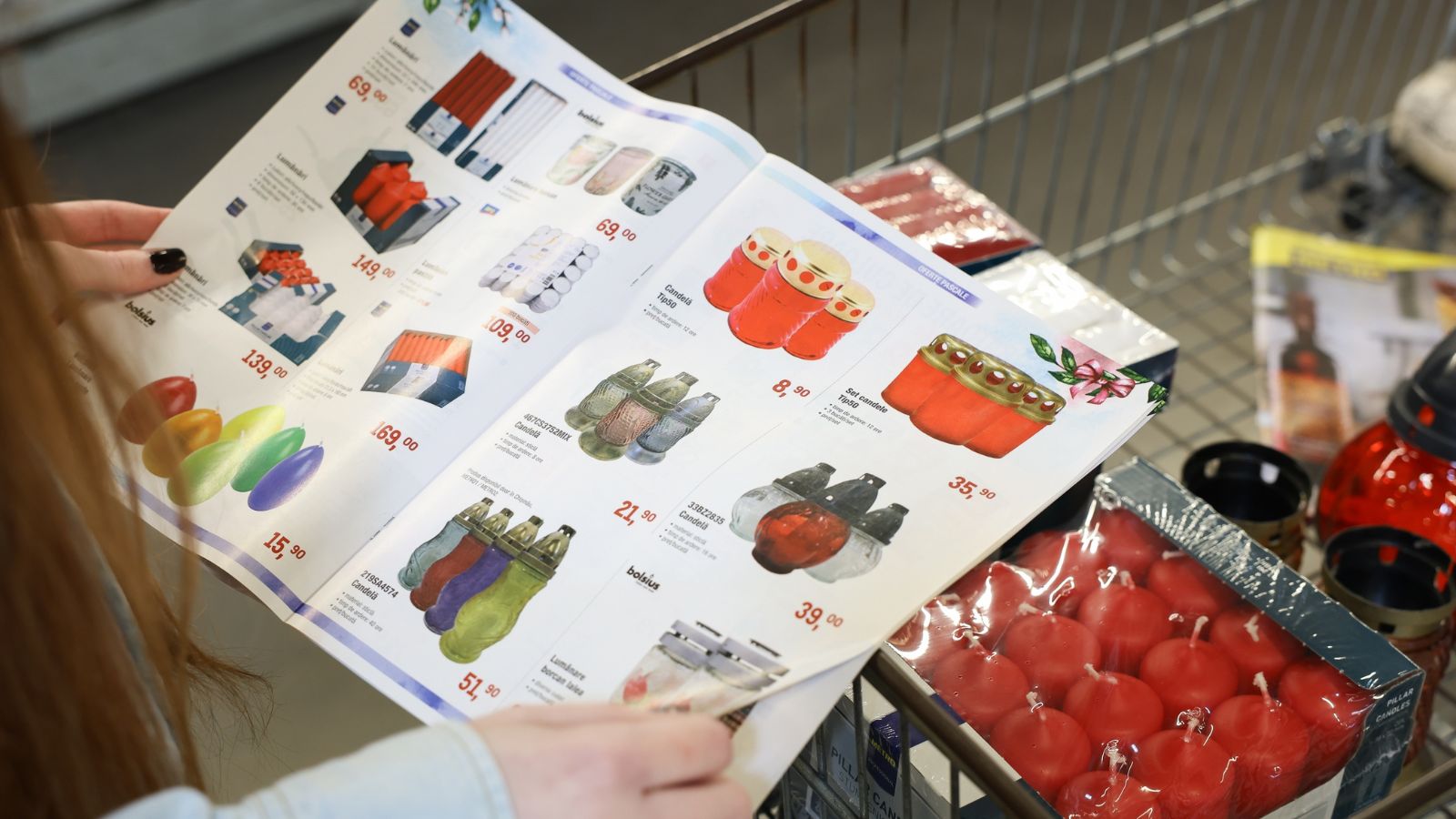
Flyers still shape grocery decisions, even when they arrive through apps instead of paper bundles. A few strong front-page prices can make a store feel like the obvious destination for the week. Once a shopper is there, however, the rest of the cart may include full-price staples, impulse snacks, and household items that dilute or erase the savings from the promoted products.
This is why a flyer deal works best when treated as one part of a plan, not proof that the entire store is cheaper. A deeply discounted roast, berries, or butter may be worthwhile, but the savings depend on what else lands in the basket. A household may drive across town for a front-page special, then buy convenience items, drinks, and prepared foods at higher prices. The headline deal wins attention; the full receipt tells the truth.
“Limit” Signs That Create a Scarcity Effect

A sign that says “limit four” can make an item feel unusually valuable. Even when the limit exists for inventory control, supplier rules, or fairness, the message can trigger the impression that the price is too good to pass up. Shoppers may buy the maximum because the store has suggested that demand is high and availability is limited.
The risk is that limits can encourage stockpiling beyond realistic use. This is harmless for shelf-stable foods when storage space is available, but it can backfire with dairy, meat, bakery items, and produce. A household that buys four tubs of yogurt because the sign feels urgent may not finish them before expiry. The deal looks better in the store than it does when food is thrown out at home.
“Was” Prices That Rely on Short Memories
A “was $8.99, now $6.99” tag depends on the shopper trusting the reference price. Yet many consumers do not track exact grocery prices week to week, especially across dozens of categories. If the previous price was unusually high, temporary, or simply not remembered, the discount may feel more impressive than it is. The shopper sees a story of savings without having the full price history.
This tactic is powerful because it creates an anchor. Once the higher number is visible, the lower number feels reasonable by comparison. The final price may still be expensive, but it appears sensible next to the “was” amount. A coffee tin, olive oil bottle, or frozen pizza can seem like a deal because the shelf tag tells shoppers what to compare it against. The better comparison may be another size, another brand, or another store.
Private-Label Comparisons That Blur Quality and Size
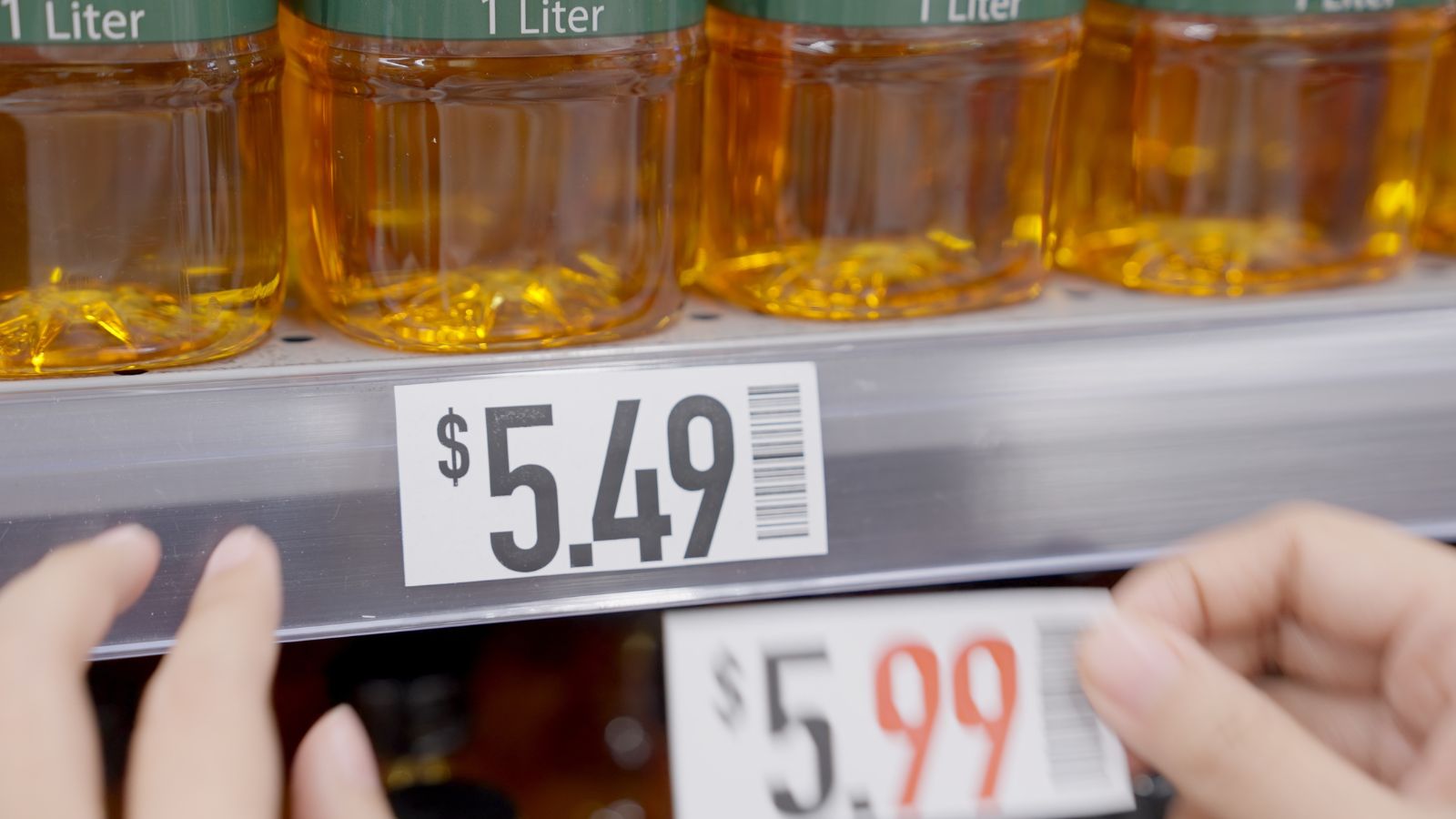
Store brands can offer real value, but the comparison is not always as simple as “same product, lower price.” Private-label items may come in different sizes, use different ingredient mixes, or offer a slightly different texture, flavour, or concentration. A shelf tag that positions the store brand beside a national brand can make the lower price feel like automatic savings, even when the unit price or usage rate needs a closer look.
For many staples, the cheaper store brand is genuinely practical. Still, the deal can be overstated when shoppers compare only the front price. A smaller package of private-label cheese, a thinner sauce, or a less concentrated cleaner may require more product over time. The best value depends on performance, package size, and household preference, not only the brand hierarchy printed on the shelf.
Club Packs That Lower Unit Cost but Raise Waste Risk
Large packages often have lower unit prices, which makes them look like the responsible choice. The math can be convincing for rice, flour, canned goods, frozen meat, and household basics. But bulk value only exists when the product is stored properly and used before it spoils, expires, or loses quality. A lower price per gram is not helpful when part of the purchase ends up in the compost bin.
This is especially relevant for fresh produce, bakery items, dairy, and refrigerated prepared foods. A large tub of greens may be cheaper per serving than a smaller container, but only if the household eats it quickly. Canadian households already deal with meaningful food waste, and grocery promotions can unintentionally make that worse. The club pack looks frugal at the shelf; the real test happens days later in the fridge.
Checkout Discounts That Depend on Perfect Scanning
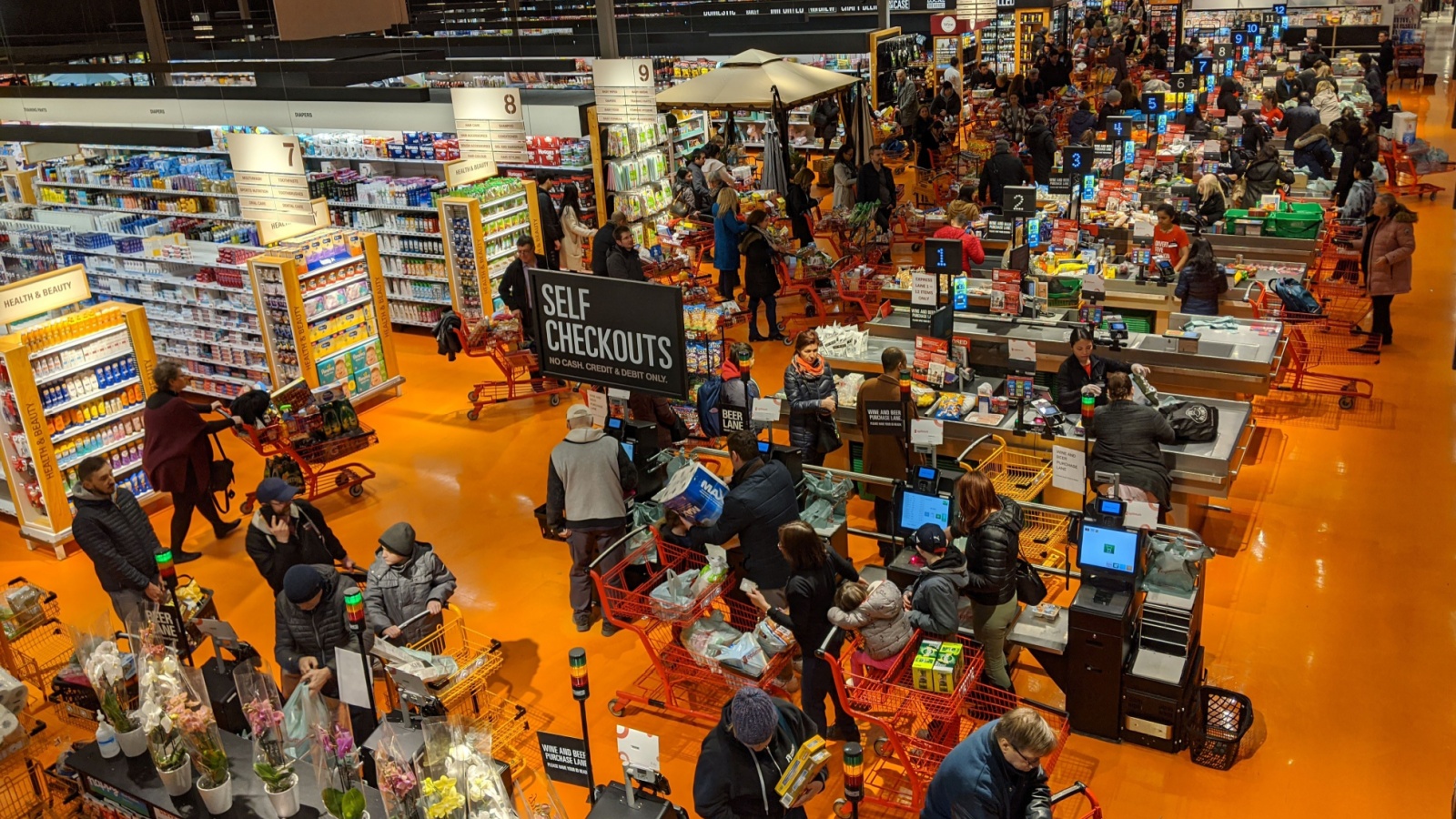
A shelf deal can look straightforward until the item reaches checkout. Promotional prices sometimes fail to scan correctly because of expired tags, app-only conditions, loyalty-card issues, or mismatched product sizes. A shopper who is distracted at self-checkout may not notice that the promised deal never appeared on the receipt. The store still displayed a bargain, but the customer paid the wrong amount.
Canada’s scanner price accuracy rules and voluntary code exist because checkout accuracy matters. Yet the burden often falls on shoppers to catch discrepancies. A tired customer with a full cart, children in tow, or a long line behind them may not pause to dispute a 70-cent overcharge. Small errors can feel too minor to challenge, but across repeated trips they weaken the value of deals that looked clear on the shelf.
App-Only Coupons That Add Friction to the Deal

Digital coupons can offer real savings, but they also add steps. A shopper may need to load the offer, scan a loyalty card, buy the correct size, meet a quantity requirement, and shop before the offer expires. The advertised price may look simple in the app or on the shelf, but the actual discount depends on following the retailer’s digital process exactly.
This can create a split between the visible deal and the accessible deal. Tech-comfortable shoppers may benefit, while others miss savings because the coupon was not activated or the app was not checked. Even regular app users can forget to load offers before checkout. The store can promote a strong price while only some customers successfully receive it. The bargain exists, but it is locked behind attention, data, and time.
“Mix and Match” Promotions That Complicate the Math
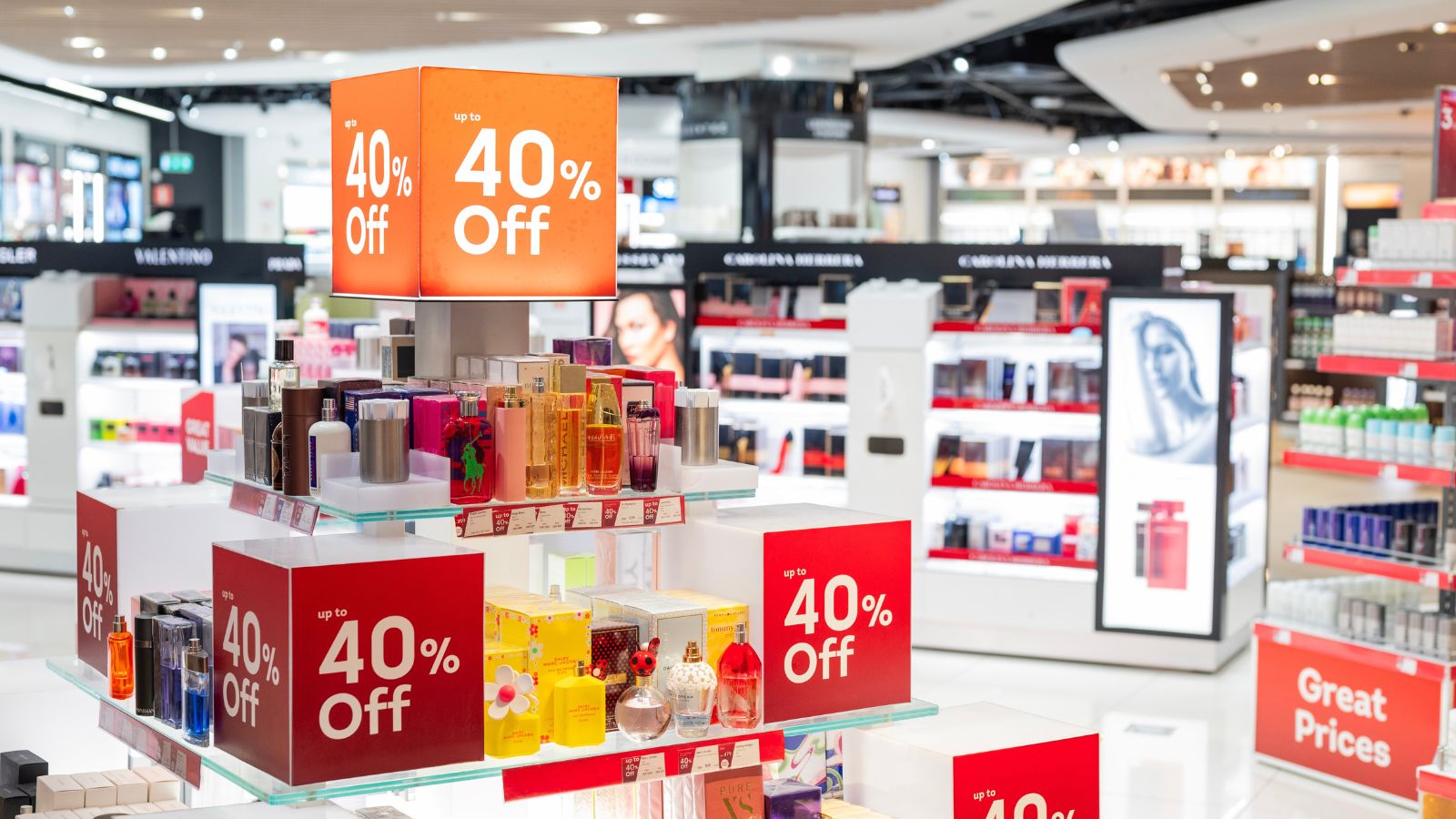
Mix-and-match deals appear flexible, which is part of their appeal. A sign may invite shoppers to buy any four participating items for a lower combined price. The challenge is that the items may have different regular prices, sizes, and household usefulness. The shopper may add a product they do not need just to reach the required quantity.
These offers work because they make the cart feel customizable while still guiding behaviour. A parent might buy two lunch snacks, a sauce, and a boxed side dish to qualify, even though only two were planned. The deal may be acceptable, but it becomes hard to calculate the true saving across mixed products. Unless every item is useful and competitively priced, the promotion can turn a targeted purchase into a small stock-up session.
Fresh Produce Discounts That Ignore Short Shelf Life
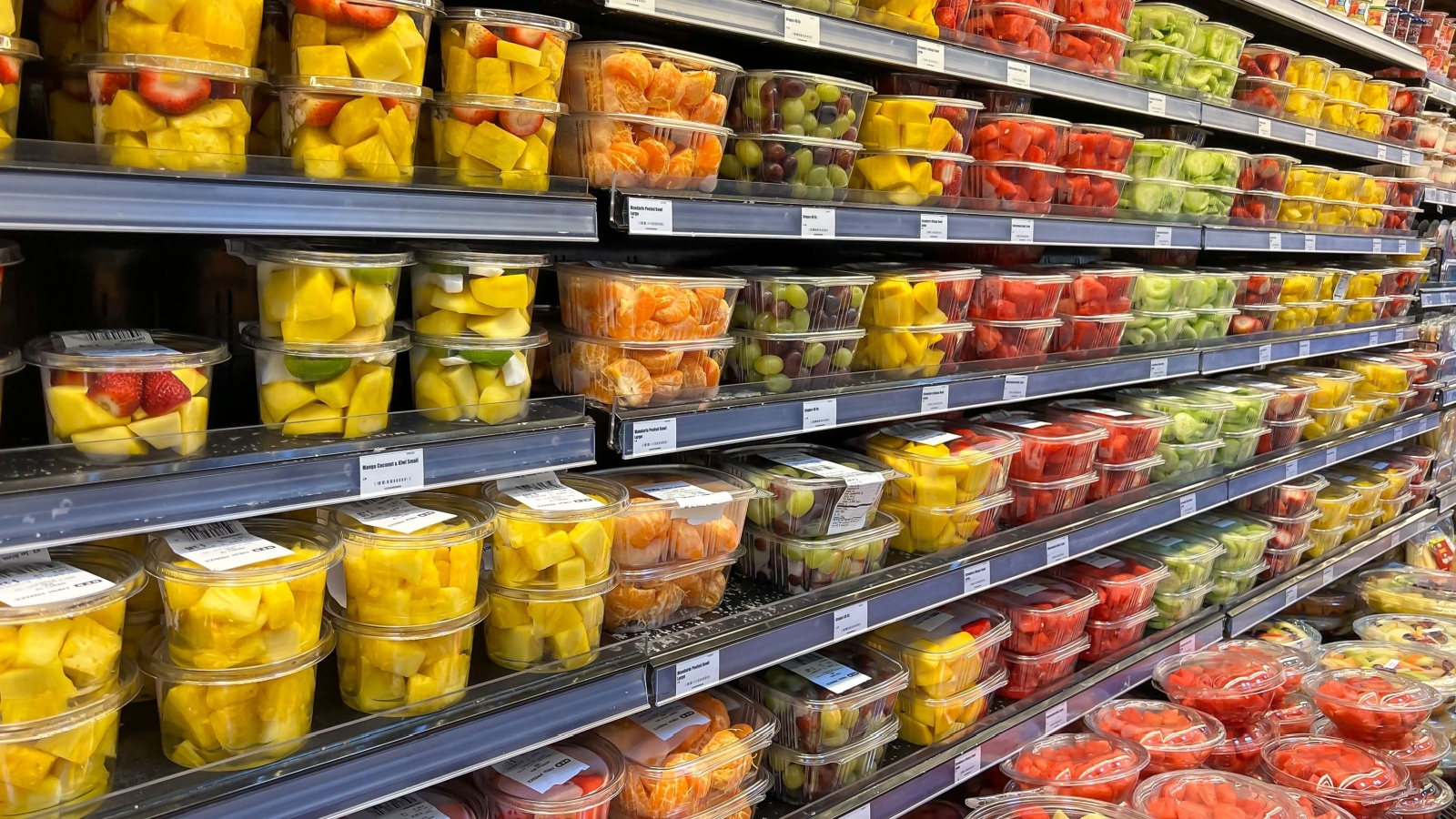
Discounts on fresh produce can be helpful, especially when the food will be eaten quickly. But a low price on berries, greens, mushrooms, or avocados can hide a short remaining shelf life. The deal looks strong in the store because the price is visible and the spoilage risk is not. A bargain clamshell of strawberries becomes less impressive if several berries are soft by the next morning.
Produce promotions often rely on speed. Retailers need to move inventory before quality declines, and shoppers enjoy the feeling of getting fresh food for less. The problem comes when the sale encourages overbuying. A household may buy two bags of peppers because the price is attractive, then watch one bag soften in the crisper. The better deal is often the amount that will actually be eaten.
“Points Back” Offers That Feel Like Immediate Savings
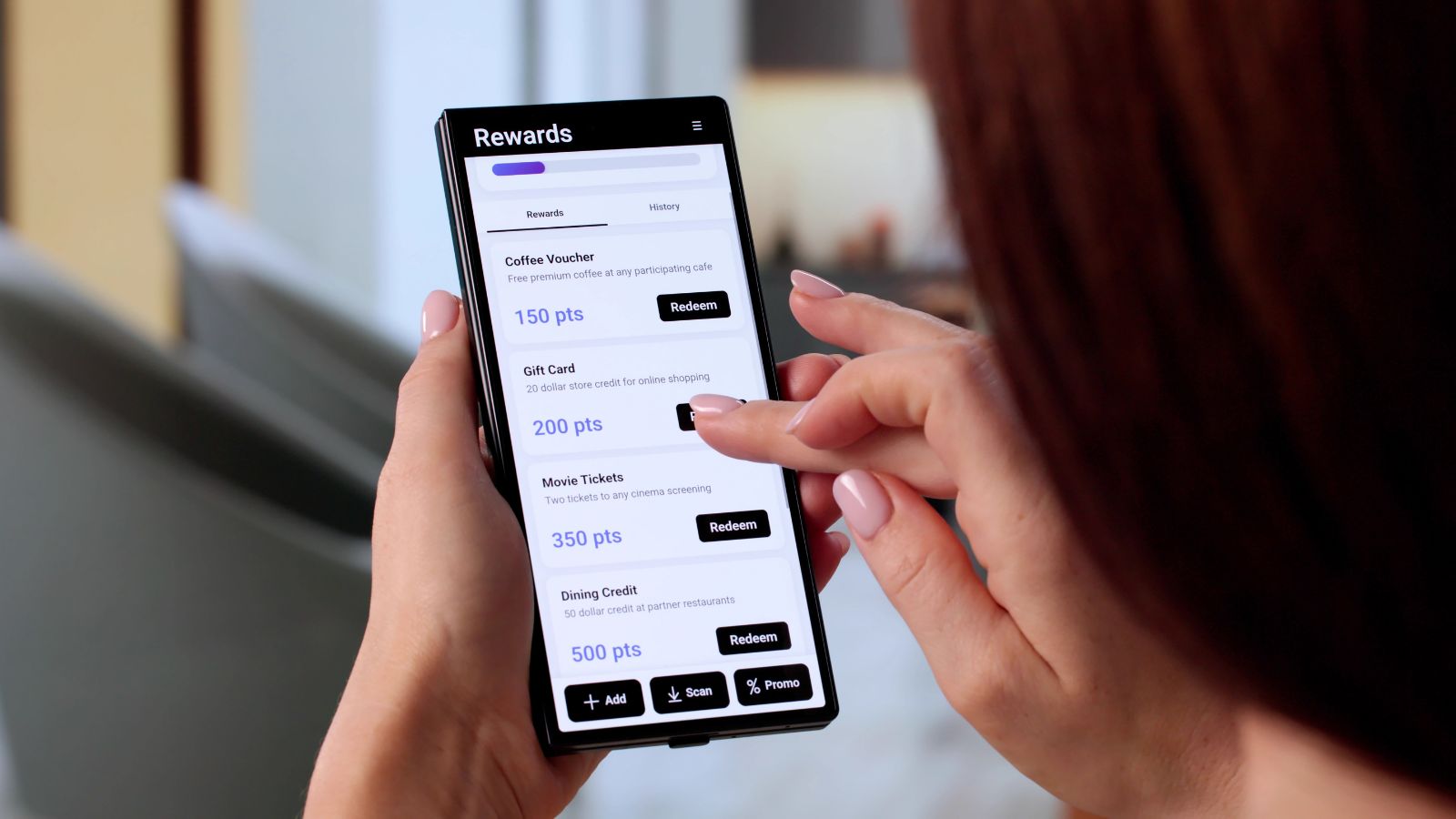
Loyalty points can make a grocery deal feel more generous than a cash discount. An offer such as “earn 5,000 points” creates a future reward, but the shopper still pays the full price at checkout. The value depends on the redemption system, minimum thresholds, excluded products, and whether the points are used wisely later. The reward can feel like money saved before any money has actually come back.
This is especially persuasive on higher-priced items such as diapers, coffee, vitamins, or pantry stock-ups. A shopper may accept a higher shelf price because the points appear to offset it. But points are not always equivalent to a lower price today. They can also encourage loyalty to one retailer, even when another store has a better shelf price. The deal looks immediate; the benefit may be delayed, conditional, or easy to forget.
Seasonal Displays That Make Convenience Look Like Savings
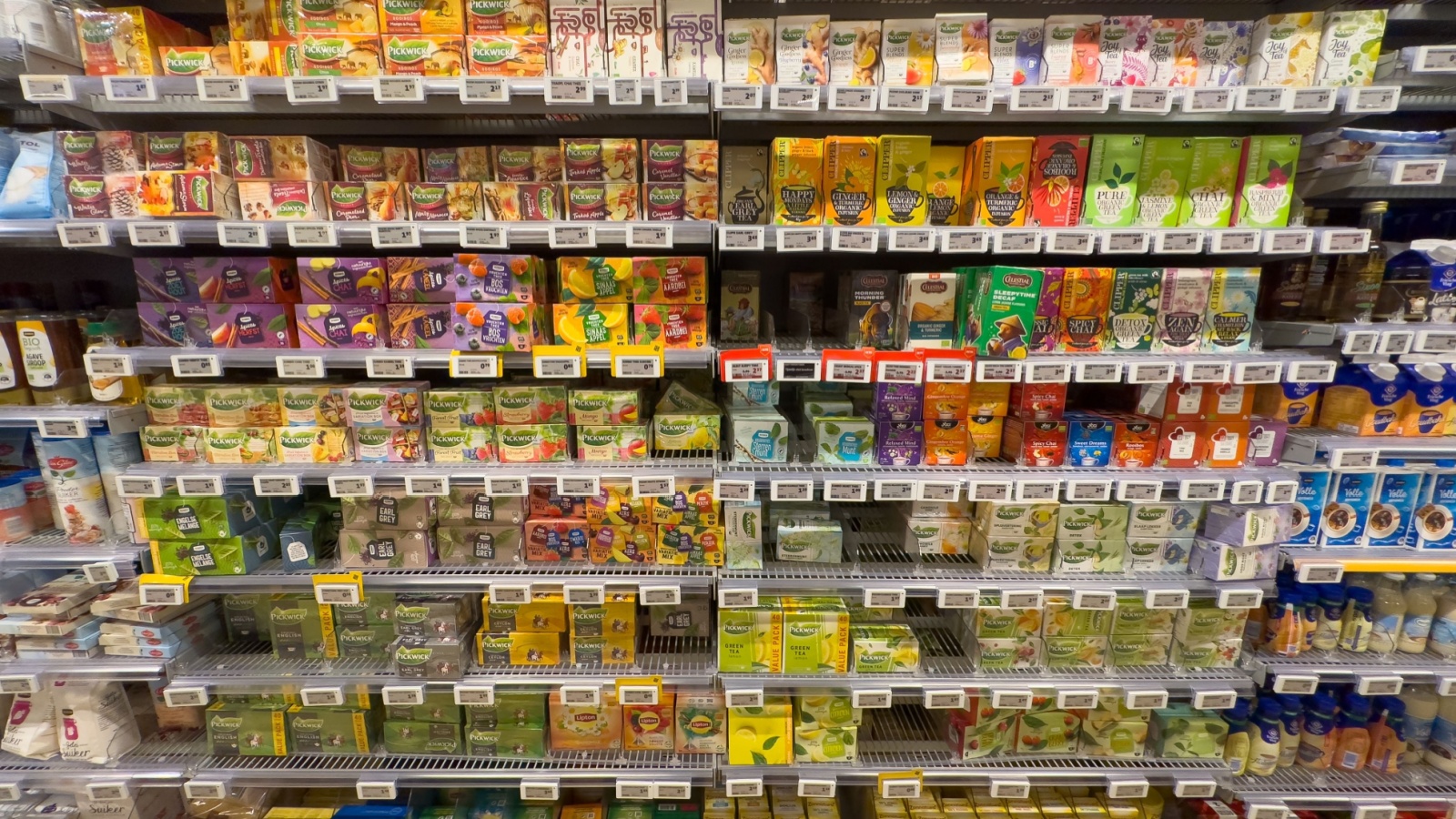
Seasonal displays are built around moments: Thanksgiving baking, back-to-school lunches, barbecue season, winter soups, or holiday entertaining. The convenience is real because related products are gathered together. The pricing, however, may not always be the lowest available. A display can make shoppers feel prepared while nudging them toward premium, branded, or full-price items placed for the occasion.
A holiday baking display, for example, may include flour, chocolate chips, condensed milk, decorations, and foil pans in one attractive setup. It feels efficient, but the best-priced versions may be elsewhere in the store. Seasonal urgency also reduces comparison shopping because the event feels close and the list feels long. The store sells simplicity, and the shopper may interpret that as value. Sometimes the best deal is not on the display; it is hidden in the regular aisle.
19 Things Canadians Don’t Realize the CRA Can See About Their Online Income

Earning money online feels simple and informal for many Canadians. Freelancing, selling products, and digital services often start as side projects. The problem appears at tax time. Many people underestimate how much information the CRA can access. Online platforms, banks, and payment processors create detailed records automatically. These records do not disappear once money hits an account. Small gaps in reporting add up quickly.
Here are 19 things Canadians don’t realize the CRA can see about their online income.
