
Canadian grocery aisles can make the lowest sticker price look like the obvious winner. But the real cost often shows up later: food that spoils too quickly, products stretched with fillers, portions that do not last, or “deals” that only look good until the unit price is checked. With grocery prices still pressuring household budgets, the cheapest option can sometimes create more waste than savings. These 18 Canadian grocery items show where paying a little more, buying a different format, or comparing labels more carefully can lead to better value.
Fresh Berries
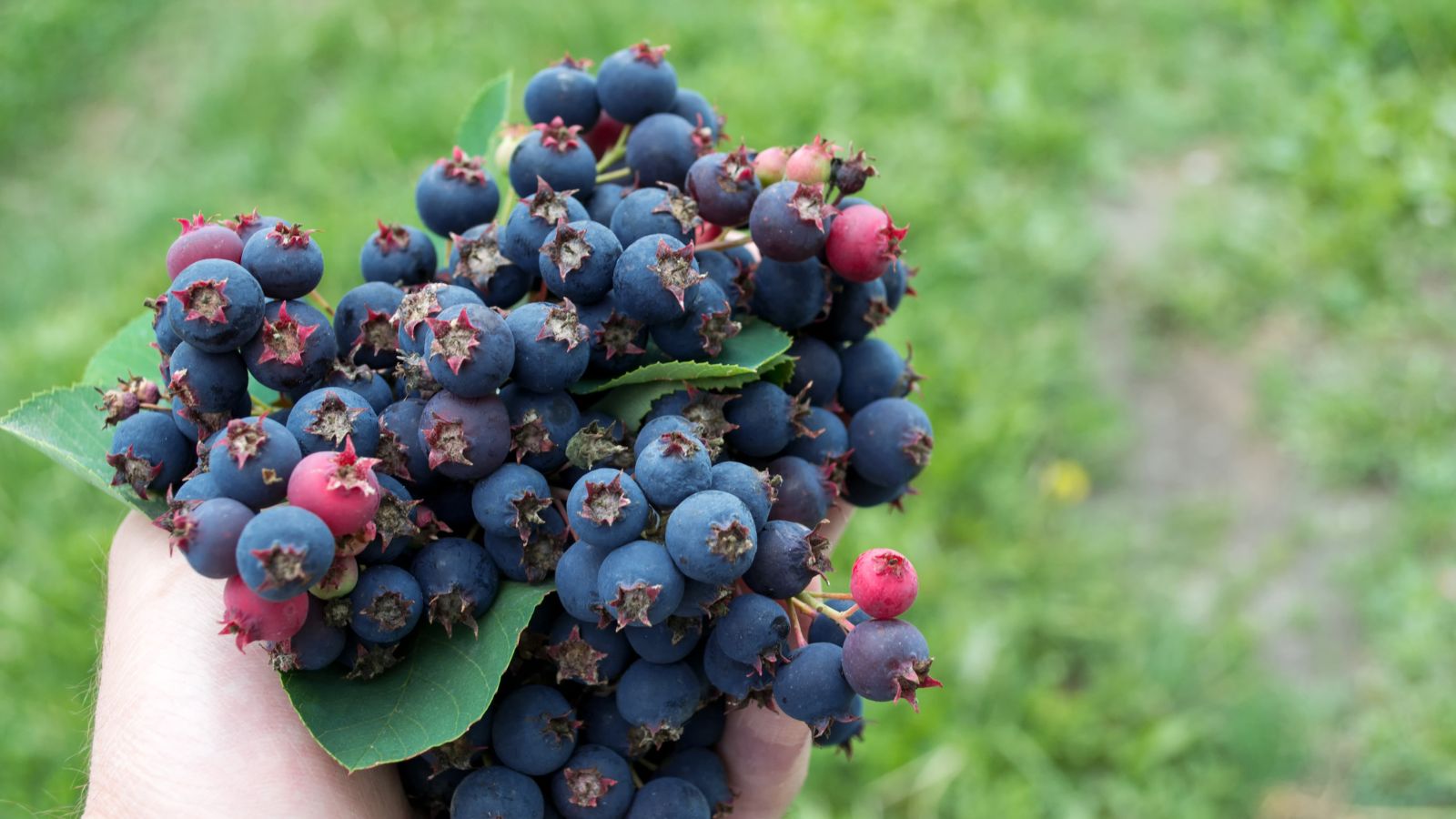
The cheapest strawberries, blueberries, or raspberries can be tempting, especially when flyer prices drop during peak promotion weeks. But berries are among the quickest items to lose value once mold, bruising, or soft spots appear. A low-priced clamshell that lasts one day may cost more per edible serving than a slightly pricier pack with firmer fruit, better ventilation, and fewer crushed berries at the bottom. In Canadian stores, imported berries can also travel long distances, making freshness harder to judge by price alone.
A better deal often starts with inspecting the container from every angle. If condensation is heavy, fruit is stuck together, or juice is pooling underneath, the bargain may already be fading. Frozen berries can also be a smarter buy for smoothies, baking, oatmeal, and sauces because they are picked and frozen quickly and reduce the risk of tossing half a package. The cheapest fresh berries are only the best value when they can realistically be eaten before they break down.
Bagged Lettuce and Salad Kits

A bargain bag of lettuce can look like a quick win until the greens turn slimy before the second meal. Pre-washed salad mixes are convenient, but they can be more fragile than whole heads of romaine, cabbage, or leaf lettuce. The lowest-priced bag may have less shelf life remaining, more moisture inside, or smaller usable portions once wilted pieces are removed. For households trying to stretch meals across several days, cheap salad greens can quietly become expensive compost.
Salad kits add another layer to the calculation. A discounted kit may include toppings, dressing, and shredded vegetables, but the actual amount of greens can be modest compared with the total package size. When comparing options, the unit price, best-before date, and intended use matter more than the front-of-package deal. A whole cabbage, sturdy romaine hearts, or a plain bag of spinach may deliver more servings and better flexibility than the lowest-priced kit built around convenience.
Chicken Breasts

The cheapest chicken breast pack is not always the most economical protein in the meat case. Some packages contain more trimming, larger amounts of liquid, or uneven pieces that cook at different speeds. Boneless, skinless breasts also command a convenience premium, while bone-in chicken, thighs, or whole birds can provide more meals for families willing to do a little prep. A lower sticker price can still be a weaker deal if the edible yield is disappointing.
Canadian shoppers also need to compare price per kilogram rather than simply looking at the package total. A small tray may feel affordable because the total is lower, but the per-kilogram price can be higher than a family pack nearby. Freezing portions helps when larger packs are genuinely cheaper. The best deal is not always the cheapest tray; it is the one that balances yield, cooking plans, storage space, and how much of the meat will actually be used.
Ground Beef
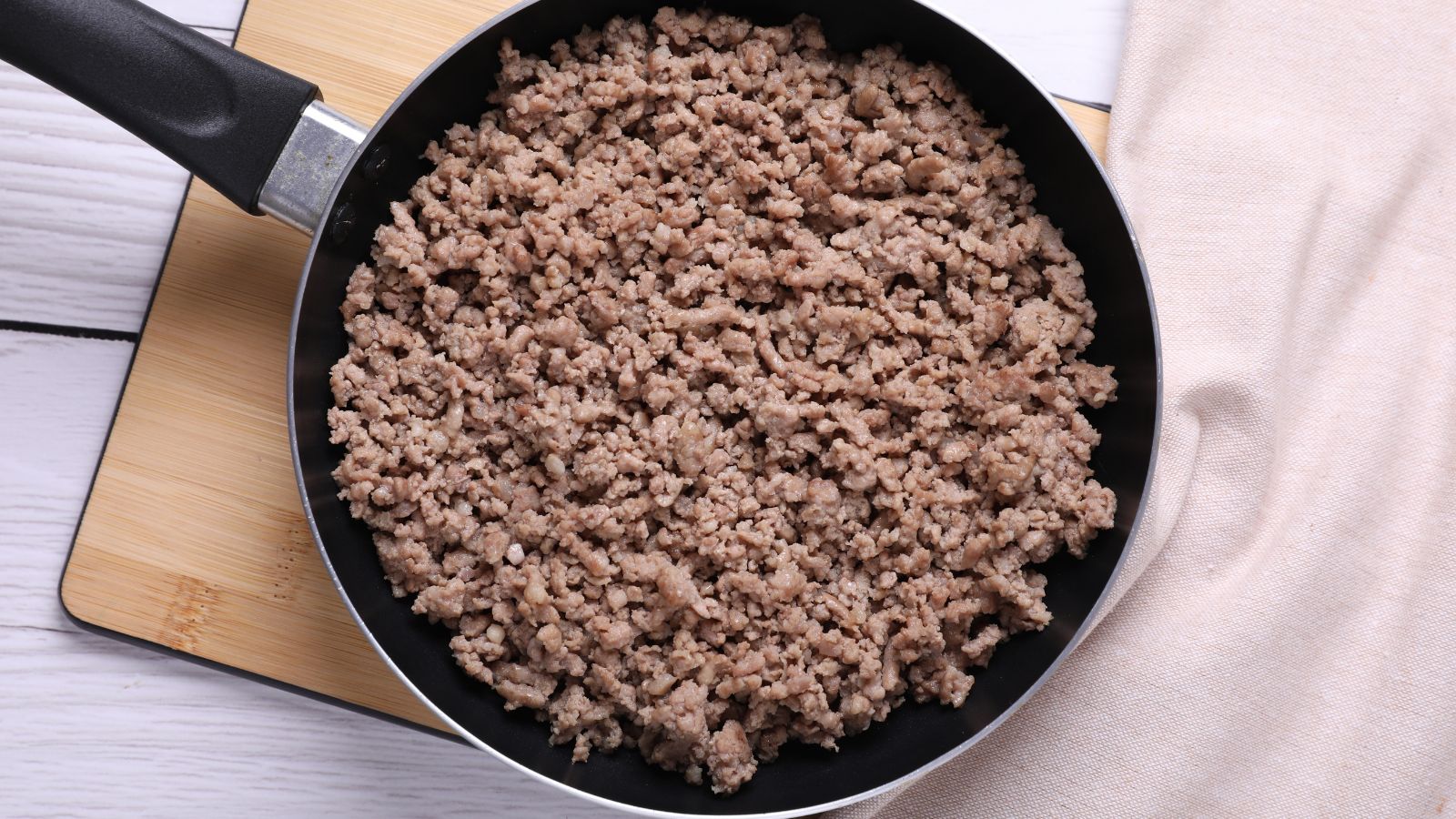
Low-priced ground beef can be useful, but fat percentage changes the real value. Regular ground beef may cost less than lean or extra-lean, yet more fat can cook off in the pan, leaving less finished meat for tacos, pasta sauce, burgers, or casseroles. For recipes where drained fat is discarded, a cheaper pack may shrink more than expected. That difference matters when a meal plan is built around stretching one package across several dinners.
The better choice depends on the dish. Regular ground beef can still work well in recipes where flavour and moisture matter, especially if it is browned carefully and drained. But for dishes where volume and protein are the goal, leaner ground beef may deliver better value even with a higher shelf price. Comparing the cooked yield, not just the raw price, helps reveal whether the “cheapest” pack is truly saving money.
Bacon

Cheap bacon often looks like an easy breakfast upgrade, but package weight, slice thickness, and shrinkage make comparisons tricky. Some lower-priced packages contain thinner slices that cook down dramatically, leaving a smaller finished portion than expected. Others have more fat than meat, which may be acceptable for flavouring soups or beans but disappointing for sandwiches or full breakfasts. A low price can hide a higher cost per satisfying serving.
The smartest comparison is usually price per 100 grams and intended use. If bacon is being chopped into a recipe, a budget pack may be perfectly sensible. If it is meant to be the main protein on a plate, a slightly better-quality package may go further because it holds shape and texture after cooking. Value can also come from buying bacon on sale and freezing it in smaller portions rather than choosing the cheapest package every time.
Bread
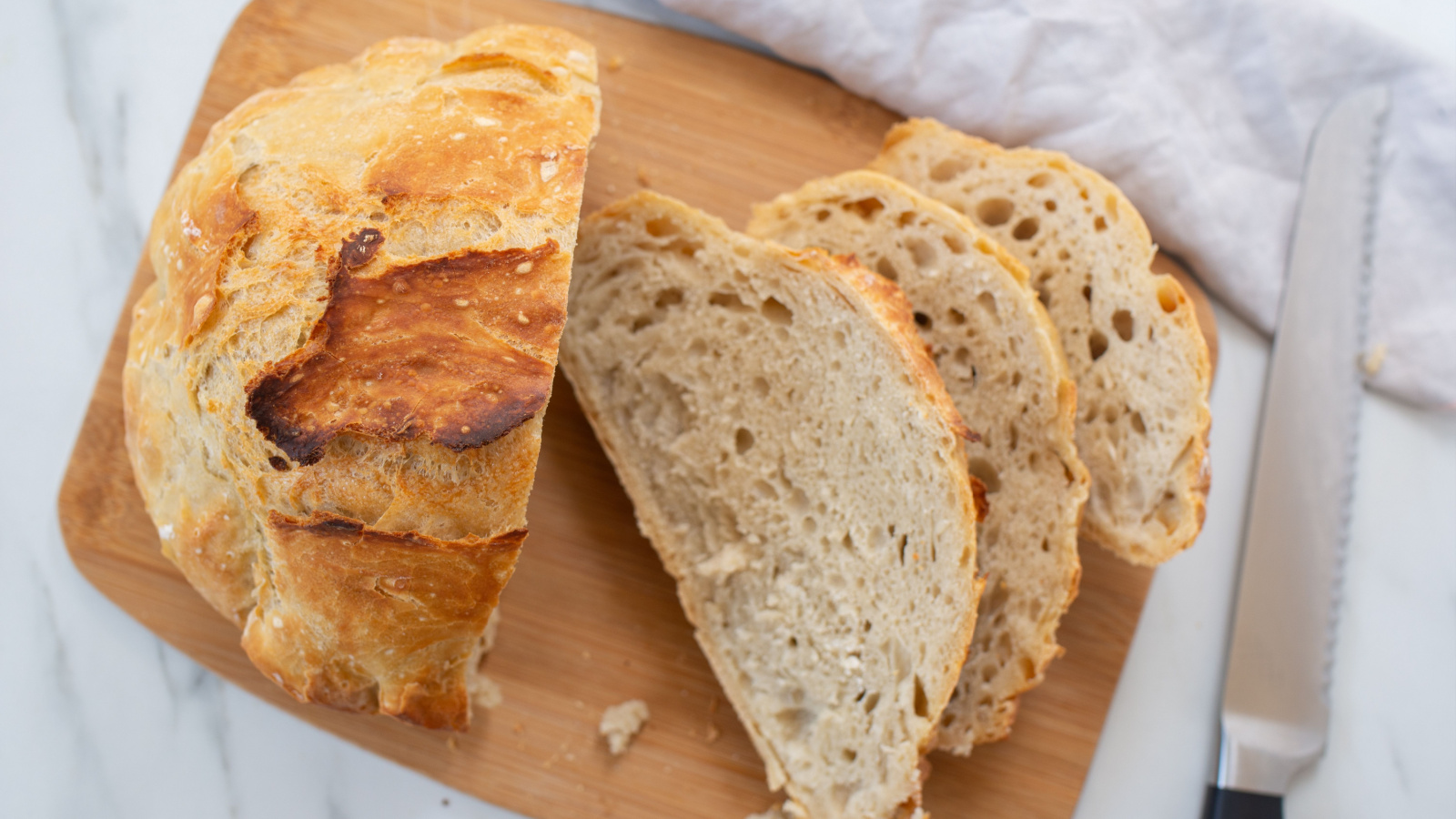
A cheap loaf can become expensive if half of it goes stale or moldy before it is used. Bread is one of those grocery items where household routine matters as much as price. A large discount loaf may make sense for families packing lunches every day, but it can be wasteful for smaller households that only eat toast occasionally. Texture and structure also matter: very soft bargain loaves may not hold up as well for sandwiches, French toast, or freezing.
Whole-grain and higher-fibre breads often cost more, but they can be more filling and may work better for meals that need staying power. Checking the nutrition label, fibre content, and package date can be more useful than simply grabbing the lowest price. Freezing half a loaf immediately can rescue value from larger packs. The best bread deal is the one that fits the pace of the kitchen, not just the one with the smallest price tag.
Breakfast Cereal
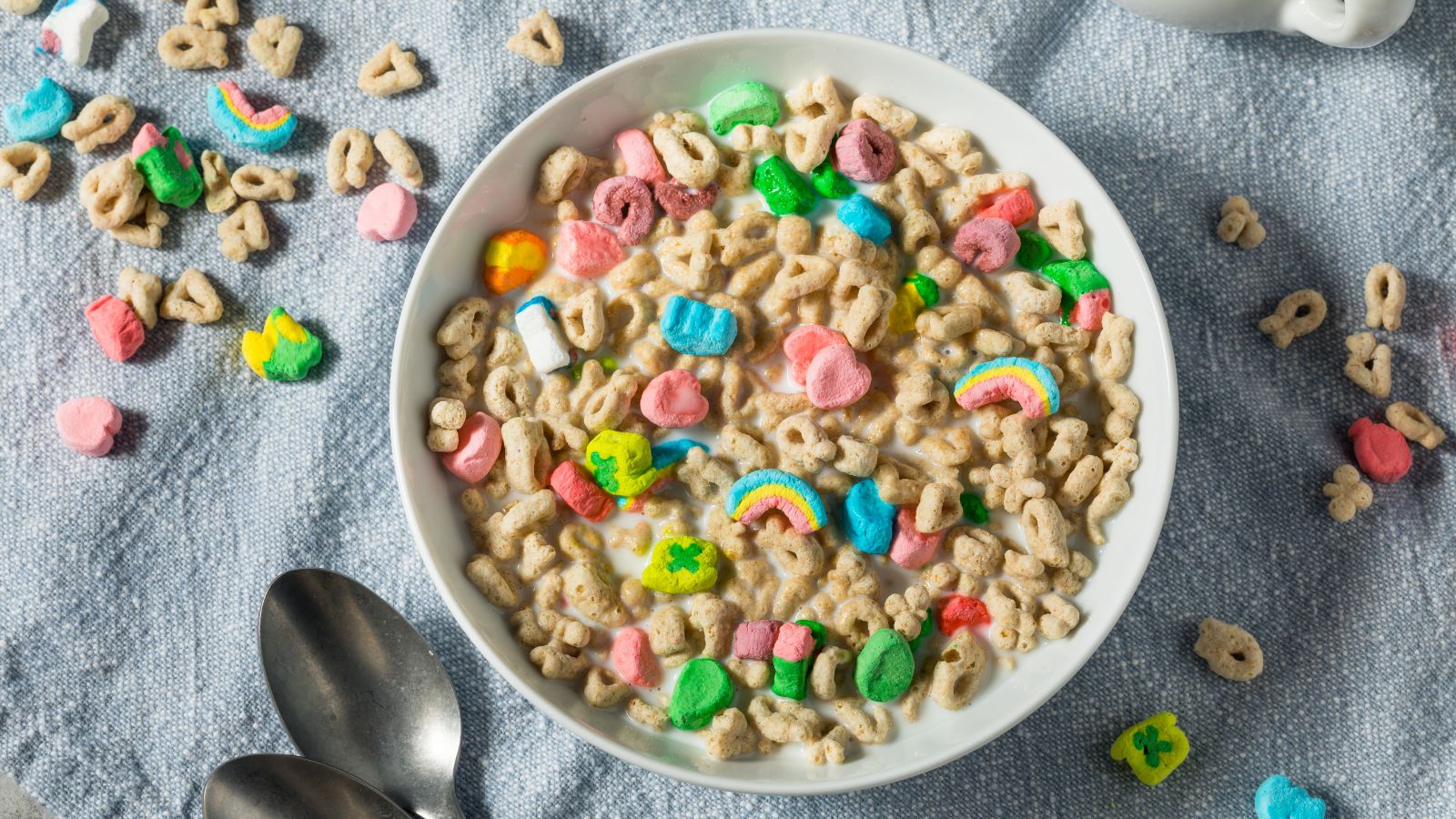
The cereal aisle is full of price traps because box size, weight, serving size, and sugar content vary widely. A large-looking bargain box may contain less cereal by weight than a smaller, denser option beside it. Some cheaper cereals are also high in added sugars and low in fibre, which can make breakfast less filling and lead to faster consumption. The shelf price may look low, but the number of meaningful servings can be underwhelming.
Comparing price per 100 grams is essential, especially when “family size” and “jumbo” packaging are used as marketing cues. Oats, shredded wheat, bran cereals, or lower-sugar granola alternatives may cost more upfront but provide better satiety and more flexible use in baking, yogurt bowls, or snacks. A cereal that disappears in three mornings is rarely the bargain it appears to be. The best deal balances cost, nutrition, and how long the box actually lasts.
Yogurt

The cheapest yogurt can be a poor deal when it is mostly sweetness, flavouring, and water rather than protein-rich dairy. Single-serve cups are convenient, but they often cost more per 100 grams than larger tubs. Some budget flavoured yogurts contain significant sugar, while higher-protein Greek-style options may feel expensive but keep people fuller and can replace sour cream, mayonnaise, or dessert toppings in several meals. Versatility changes the value equation.
A large tub of plain yogurt can be stretched into breakfasts, smoothies, dips, marinades, and sauces. It also allows households to add fruit, jam, honey, or granola in controlled amounts. The cheapest multipack may still be useful for lunchboxes, but it should be judged against protein, sugar, portion size, and waste. A slightly more expensive tub that gets used in five different ways can beat a lower-priced product that serves only one purpose.
Cheese Blocks

Cheap shredded cheese may seem like the fastest route to savings, but blocks often provide better value and flexibility. Pre-shredded cheese can cost more per gram, and some products include anti-caking ingredients that affect melting. A low-priced processed cheese product may work for sandwiches, but it may not deliver the same flavour or cooking performance as cheddar, mozzarella, or other block cheeses. The cheapest option can lead to using more just to get the same taste.
Block cheese also lasts well when stored properly and can be portioned for lunches, casseroles, omelettes, and snacks. Canadian shoppers should watch for price per 100 grams because package sizes vary, especially during promotions. A 400-gram block on sale may be a better buy than a smaller discount pack that only looks cheaper at first glance. With cheese, the strongest deal often comes from buying the right format, not the lowest sticker price.
Eggs
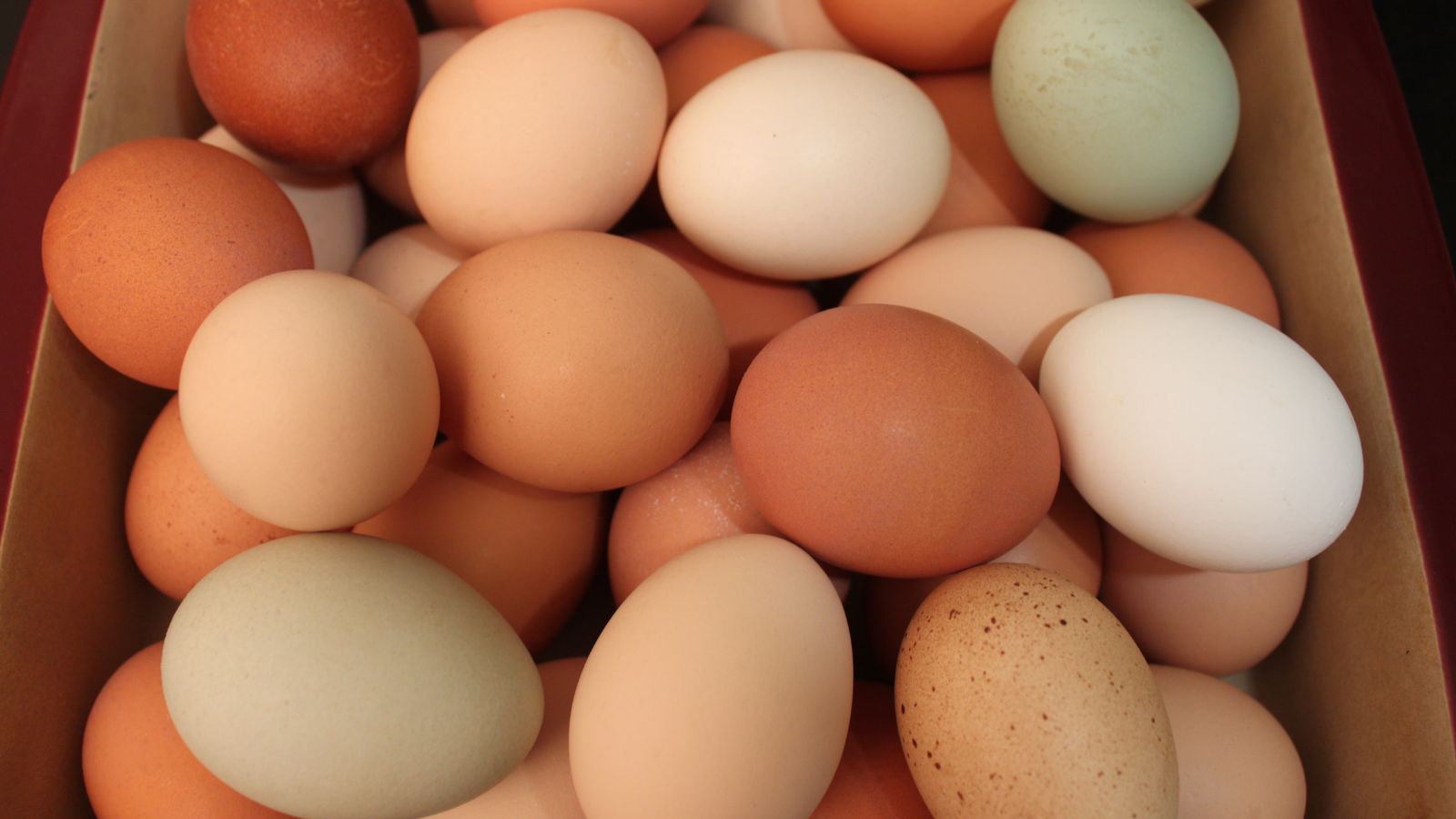
Egg prices can vary widely by size, brand, production method, and promotion. The cheapest dozen may not always be the best deal if smaller eggs are being compared with larger ones. Since eggs are sized by weight, a carton of large or extra-large eggs may provide more food than a cheaper carton of medium eggs. For baking, breakfast plates, and meal prep, size can affect both recipe results and how quickly the carton disappears.
Labels also deserve careful reading. In Canada, Grade A eggs sold at retail meet quality requirements, so shoppers should avoid paying extra for vague freshness claims alone. Where the cheapest option loses value is usually in size, condition, or household needs. A family making egg-heavy meals may benefit from larger flats when the unit price is lower, while a smaller household may waste less with a standard dozen. The best egg deal is measured by usable weight, not just carton price.
Milk
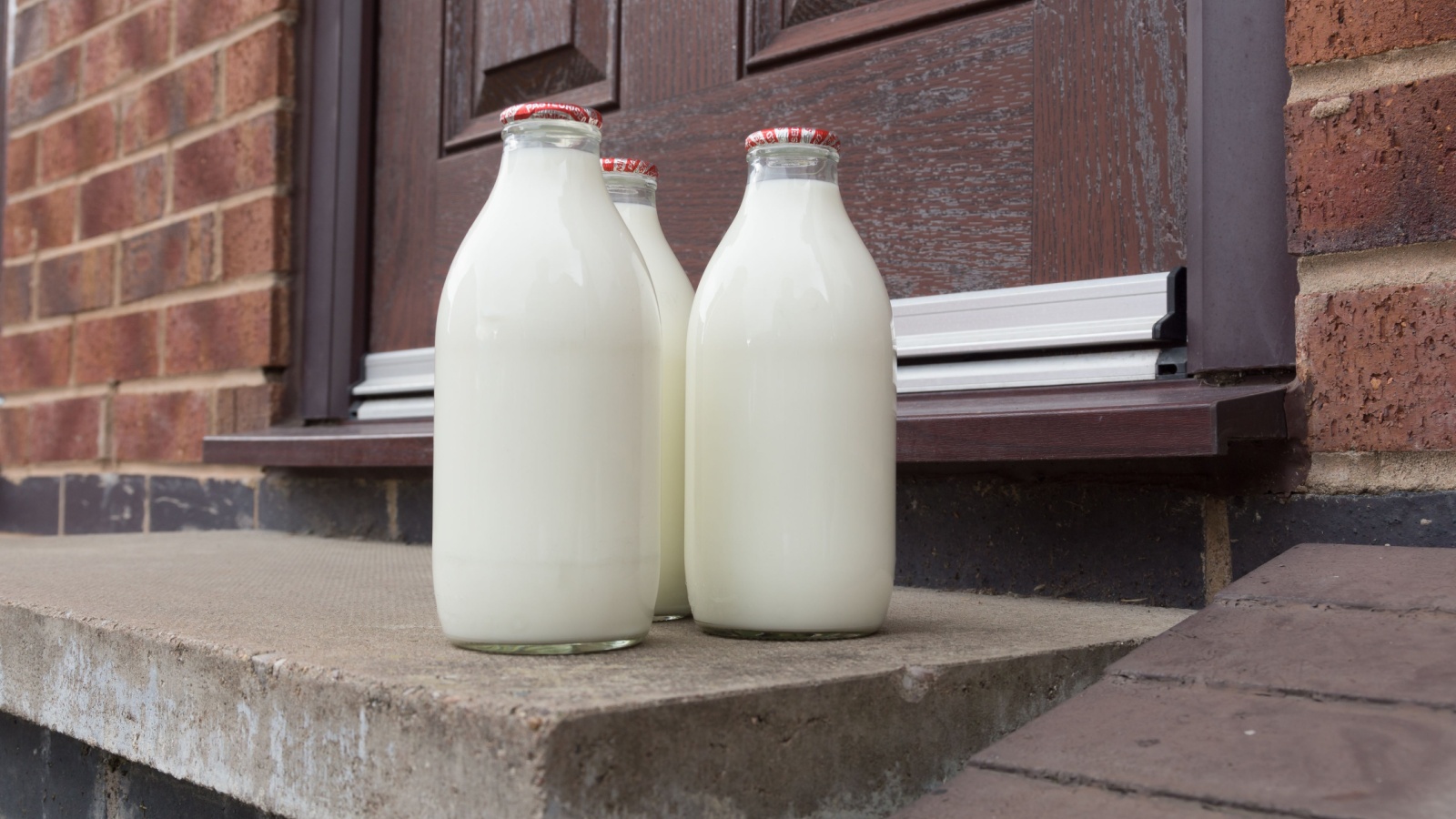
Milk often feels straightforward, but the cheapest container may not match the household’s pace. A four-litre bag or jug usually has a lower unit price than smaller cartons, but it only saves money if it is finished before quality declines. For one-person households, students, or occasional milk users, a smaller container can be the better financial choice even when the per-litre price is higher. Waste turns the big format into a false economy.
Shelf-stable milk, lactose-free options, or filtered milk may cost more but can offer longer usability for certain households. The same logic applies to plant-based beverages, where protein, fortification, sugar, and intended use vary significantly. A cheap beverage that separates in coffee or lacks nutrition may not be a practical substitute. The smartest choice depends on how the milk is used: drinking, cooking, coffee, cereal, or baking. Price per litre matters, but spoilage risk matters too.
Cooking Oil
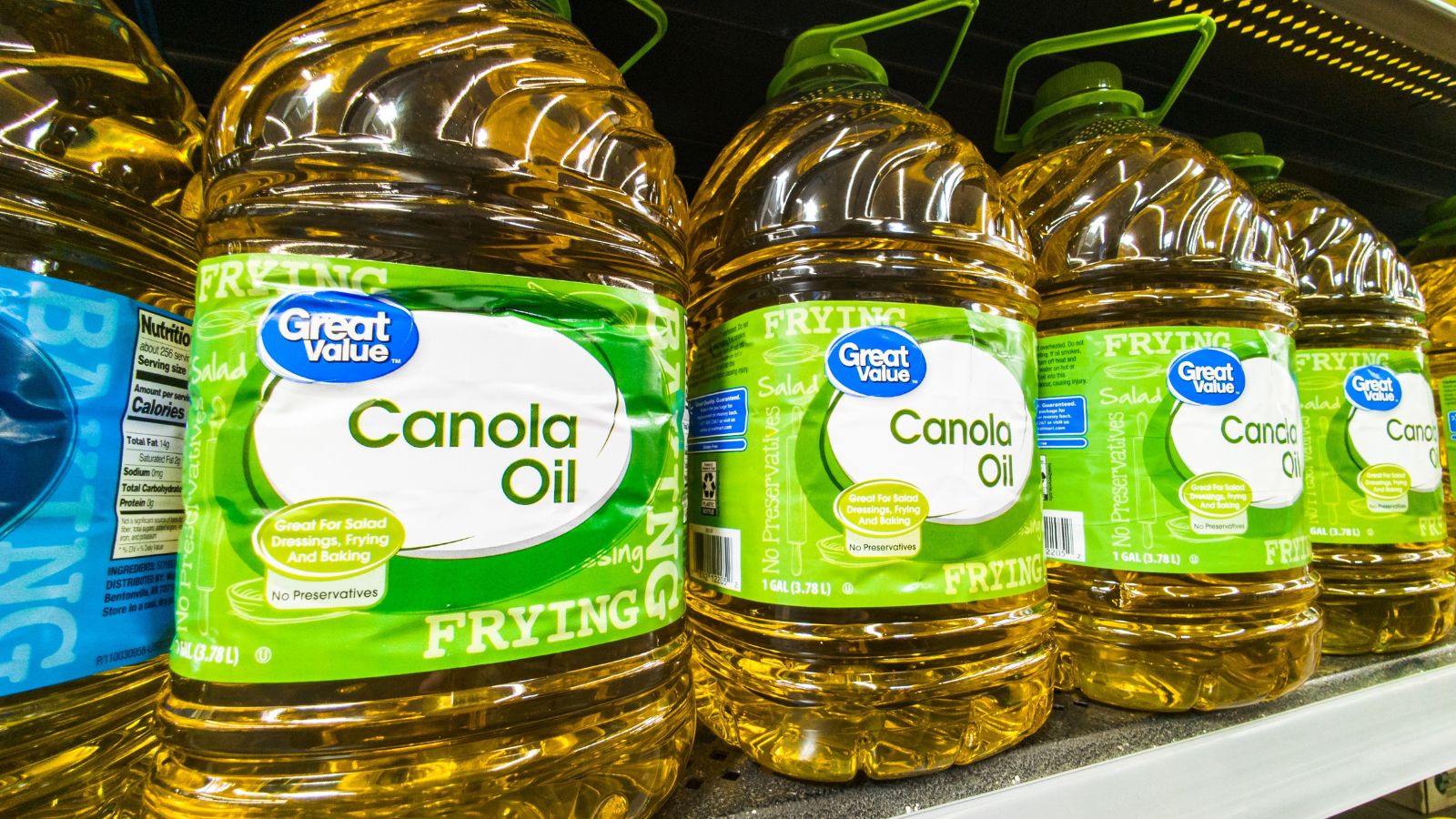
The lowest-priced cooking oil is not always the best kitchen investment. Oils differ in flavour, smoke point, fat profile, and how often they are used. A cheap large bottle can go rancid if it sits for months near heat or light, especially in households that cook lightly. Meanwhile, a better-quality neutral oil or olive oil may perform more reliably in dressings, sautéing, roasting, or baking. Buying more than needed can erase the savings.
Label details matter because “vegetable oil” can refer to different blends, while olive oil varies by grade and packaging. A dark bottle, reasonable size, and clear use case can be worth more than the lowest price per litre. For deep frying, price and volume may matter most. For everyday meals, flavour and freshness may matter more. The best oil deal is the bottle that gets used while it still tastes clean and performs properly.
Canned Tomatoes
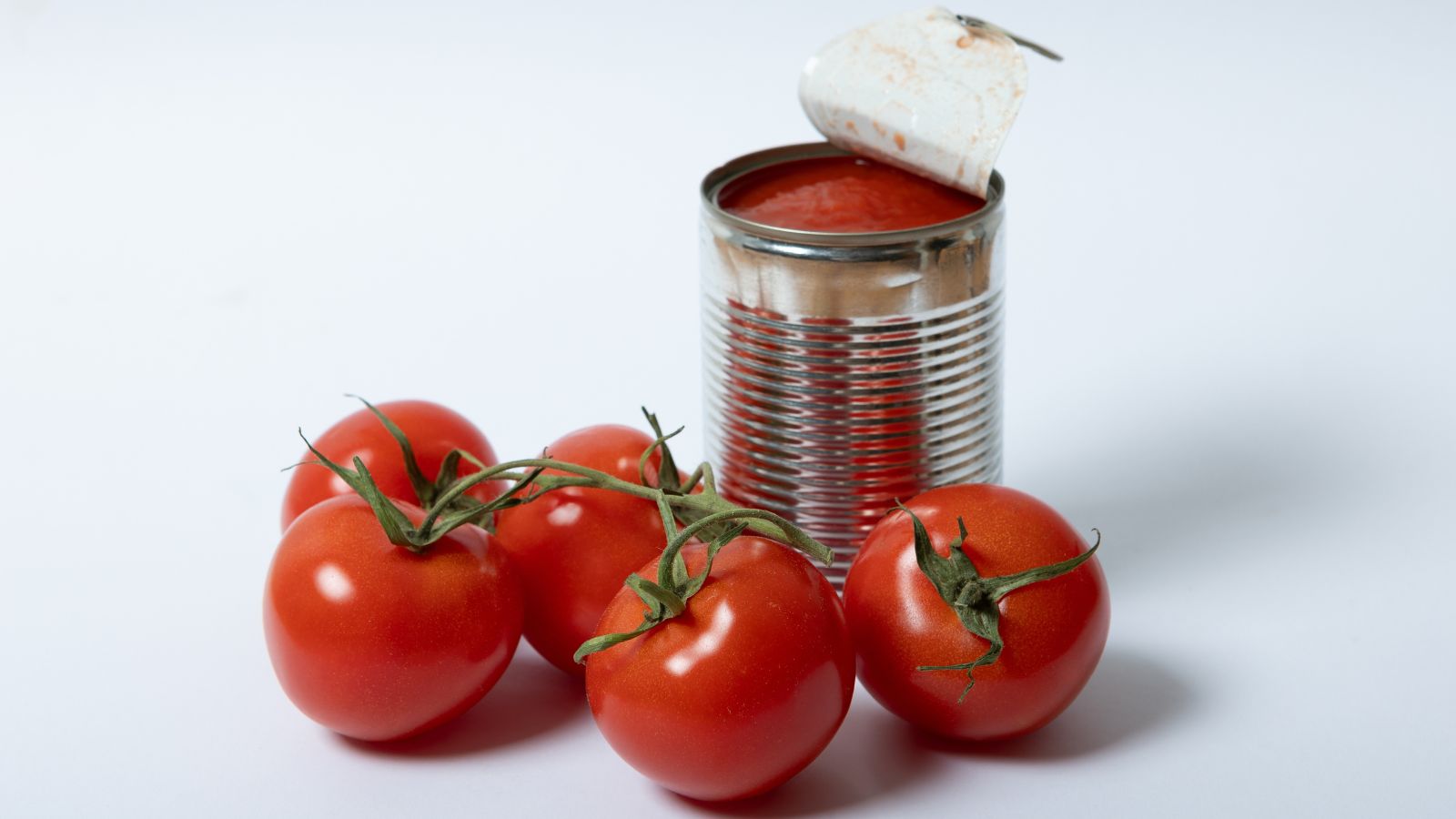
Cheap canned tomatoes can be excellent, but not all cans deliver the same results. Some budget versions contain more liquid, smaller tomato pieces, or a thinner flavour that requires longer cooking and extra seasoning. For soups, chili, pasta sauce, and stews, tomatoes are often the base of the meal. If the cheapest can tastes flat, the real cost may include added paste, spices, sugar, salt, or another can to build depth.
Whole tomatoes, crushed tomatoes, diced tomatoes, and passata also behave differently in recipes. A slightly more expensive can with better texture and richer flavour can improve several servings at once. Unit price still matters, especially when stocking a pantry during sales, but recipe performance matters too. For a quick weeknight sauce, the better-value choice may be the tomato product that saves time and ingredients, not the one that costs a few cents less.
Canned Beans
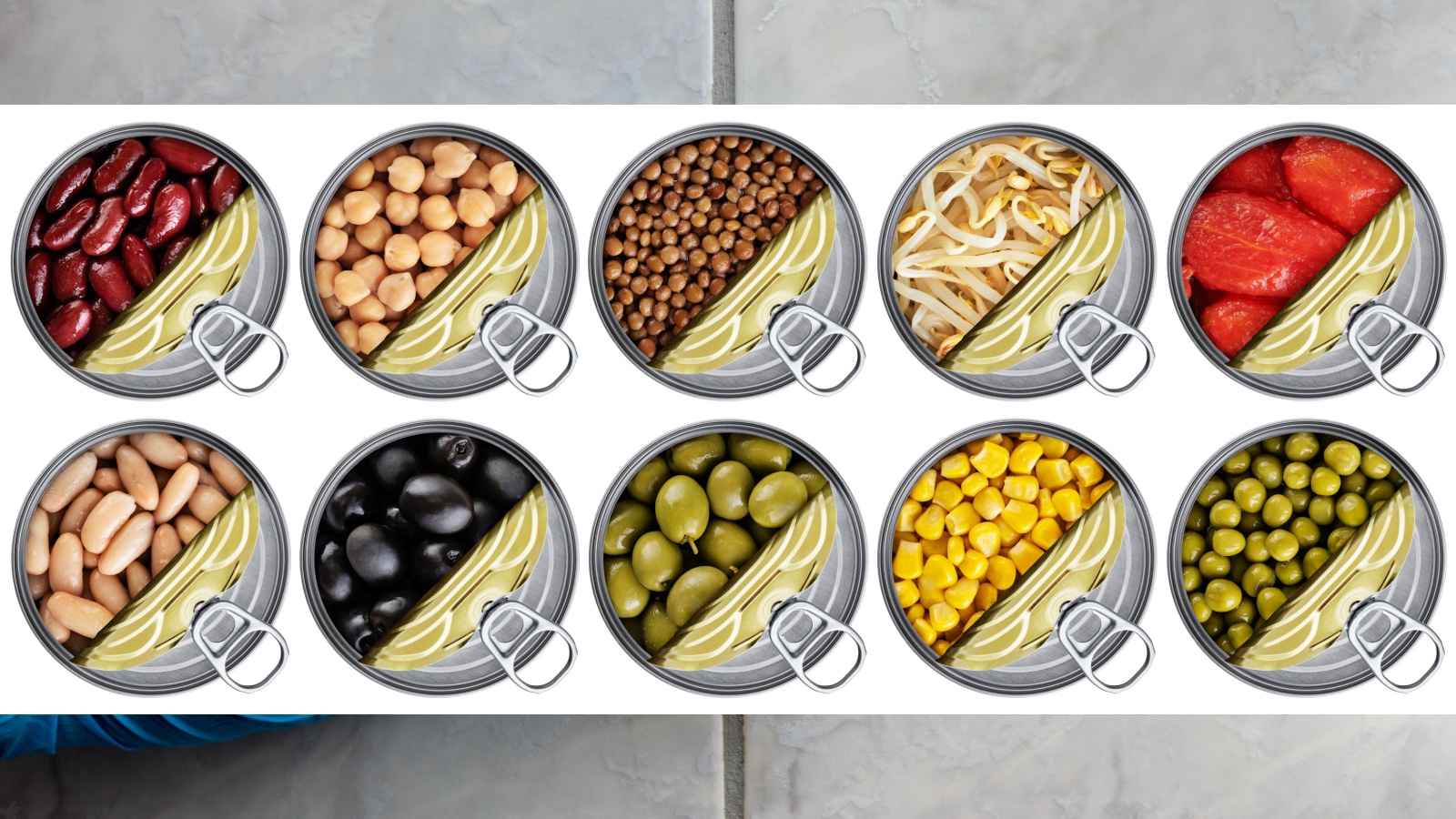
Canned beans are a budget staple, but the cheapest can may come with trade-offs. Some cans have higher sodium levels, more broken beans, or less drained weight once liquid is removed. Since beans are often used for soups, salads, tacos, curries, and chili, texture matters. A low-priced can that turns mushy may work in refried beans but disappoint in a salad or grain bowl. The best deal depends on the recipe.
Dry beans can be cheaper per serving, but they require planning, soaking, cooking time, and energy. For busy households, canned beans can still be excellent value, especially when low-sodium options are bought on sale. Rinsing canned beans can improve taste and reduce some sodium, making cheaper cans more usable. The lowest price is not automatically wrong; it simply needs to be judged against drained weight, nutrition, texture, and the time available to cook.
Pasta
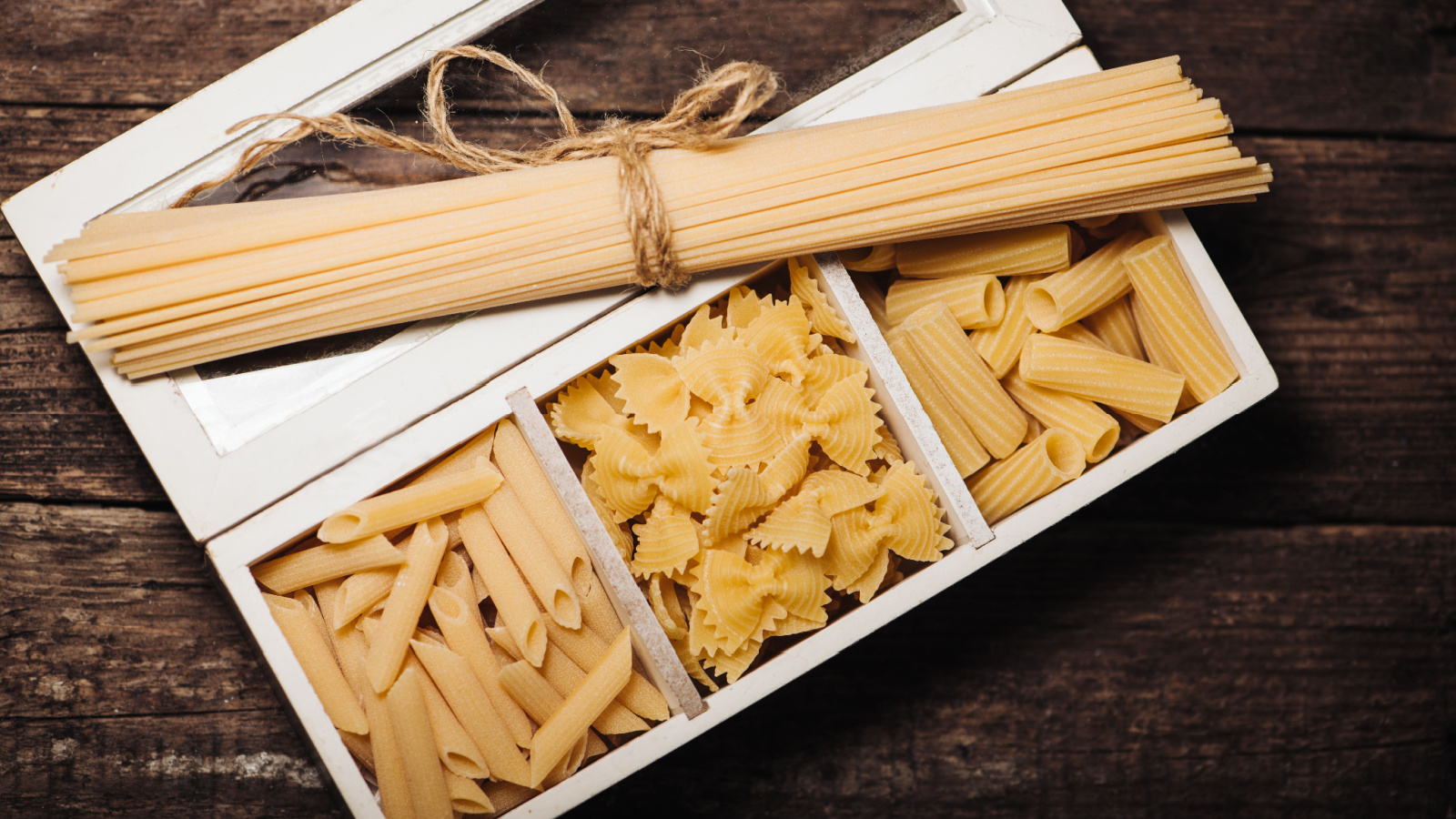
The cheapest pasta can be perfectly fine for some meals, but texture, protein content, and cooking performance separate a bargain from a frustration. Very low-cost pasta may become soft quickly or shed more starch into the water, especially if it is destined for leftovers, baked dishes, or meal prep. When pasta is the centre of dinner, a package that holds its bite can make the entire meal feel more satisfying.
Whole wheat, legume-based, or higher-protein pasta often costs more, but it may provide more fibre or protein per serving. That can make a simple bowl of pasta more filling without adding as much meat or cheese. Price per 100 grams is still worth checking because premium packaging can exaggerate value. The better deal is not always the fanciest box, but it is rarely judged by shelf price alone. Cooking needs, nutrition, and leftovers all matter.
Rice

A small bag of cheap rice may seem affordable, but larger bags often beat it on unit price when storage is available. The trap works both ways: a huge bargain bag can lose value if it attracts pests, absorbs moisture, or sits unused for too long. Rice also varies by type. Jasmine, basmati, parboiled, brown, sushi, and long-grain rice have different textures and cooking uses, so the cheapest option may not suit the meal.
For households that cook rice frequently, a bigger bag from a mainstream grocery store, warehouse club, or Asian supermarket can be a strong deal. For occasional use, a smaller bag that stays fresh and cooks reliably may be wiser. Brown rice can offer more fibre but has a shorter pantry life because of its natural oils. The best rice deal is the one that fits cooking habits, storage conditions, and the dishes being prepared.
Coffee
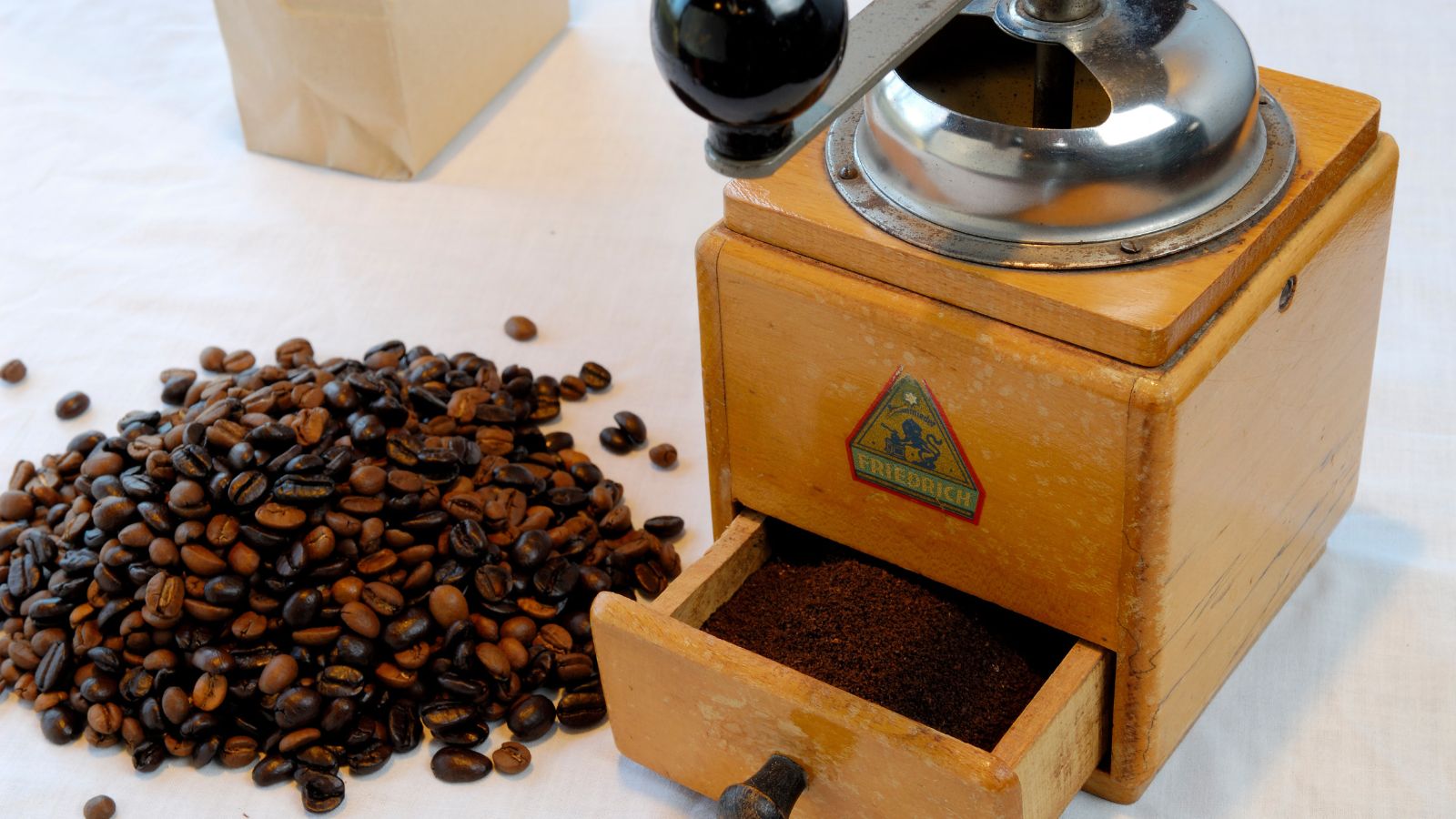
Cheap coffee can become expensive when it tastes weak enough that people use extra scoops or buy takeout instead. Ground coffee, whole beans, pods, and instant coffee all have different cost structures. Pods often look manageable because the box price is controlled, but the cost per cup can be much higher than brewed coffee. A low-priced bag can also lose flavour quickly if it is stale, poorly sealed, or ground too far ahead of use.
The better deal often comes from matching format to routine. Whole beans may stay fresher longer for households with a grinder, while ground coffee is practical for speed. Larger tins can be economical for heavy coffee drinkers but disappointing for occasional drinkers if flavour fades. Comparing cost per cup, not just cost per package, changes the picture. The best coffee bargain is the one that prevents waste, tastes good enough to finish, and keeps café spending in check.
Frozen Meals
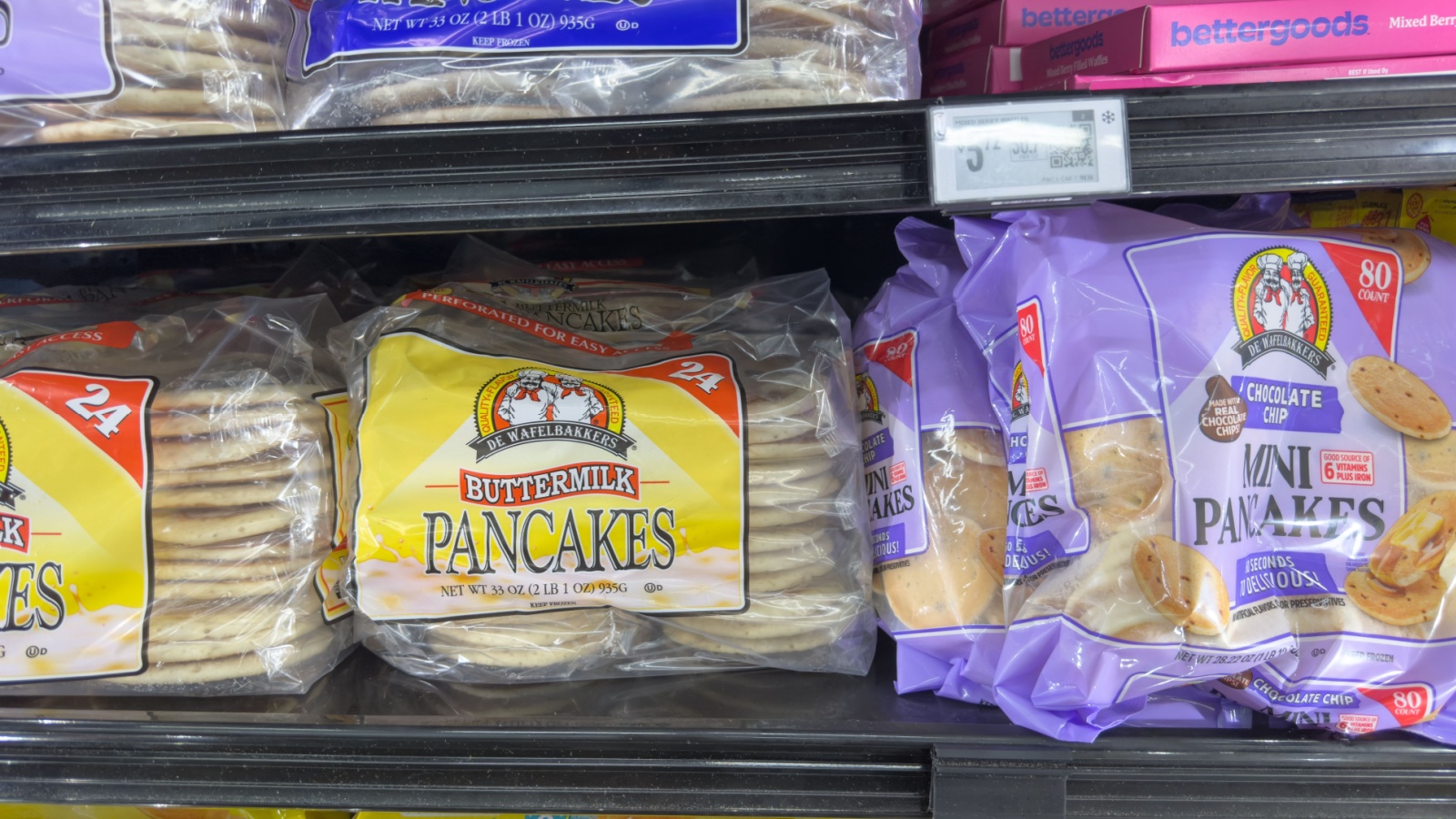
The cheapest frozen entrée may look like a budget lunch, but portion size and nutrition can undercut the value. Some low-cost meals are small, high in sodium, or light on protein and vegetables, leaving people hungry soon after. That can lead to buying snacks, adding side dishes, or eating a second portion. A meal that costs less at the checkout can still cost more across the day if it does not function like a complete meal.
A better frozen option usually has enough protein, fibre, and vegetables to feel like a real lunch or dinner. Larger family-size frozen dishes can also be misleading if the serving count is optimistic. Checking the Nutrition Facts table, serving size, and ingredient list gives a clearer picture than the front label. The strongest value may come from combining a slightly better frozen entrée with frozen vegetables or leftover rice, rather than relying on the cheapest box alone.
19 Things Canadians Don’t Realize the CRA Can See About Their Online Income

Earning money online feels simple and informal for many Canadians. Freelancing, selling products, and digital services often start as side projects. The problem appears at tax time. Many people underestimate how much information the CRA can access. Online platforms, banks, and payment processors create detailed records automatically. These records do not disappear once money hits an account. Small gaps in reporting add up quickly.
Here are 19 things Canadians don’t realize the CRA can see about their online income.
